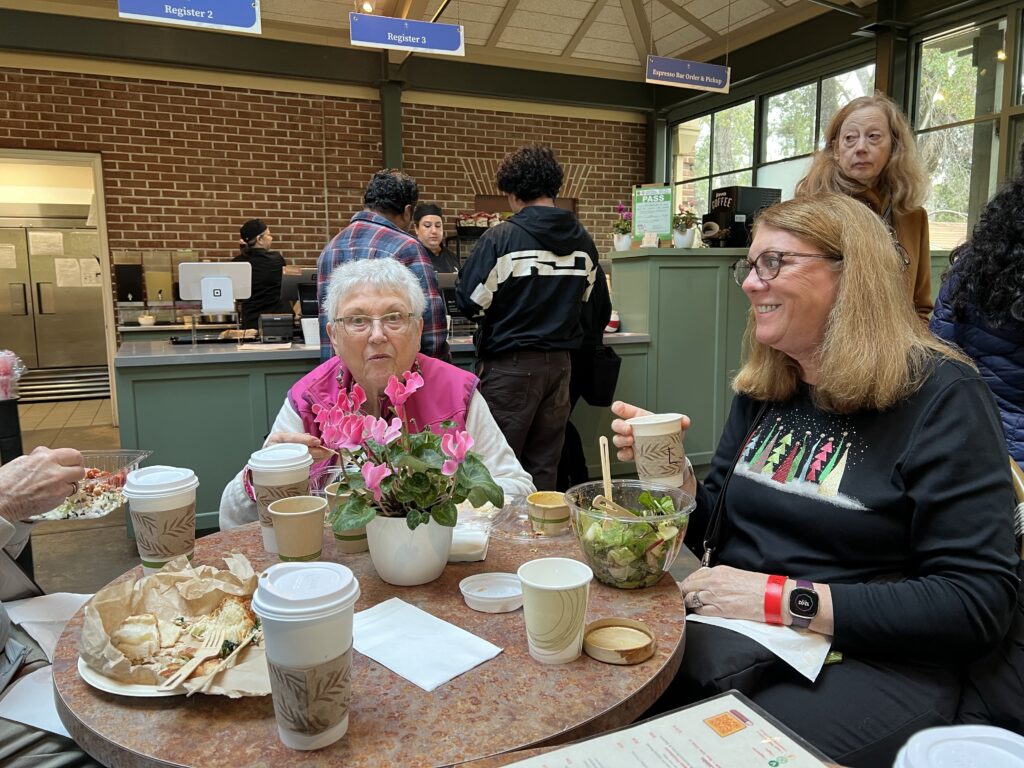
Filoli: Woodside’s Historic Estate
Overview
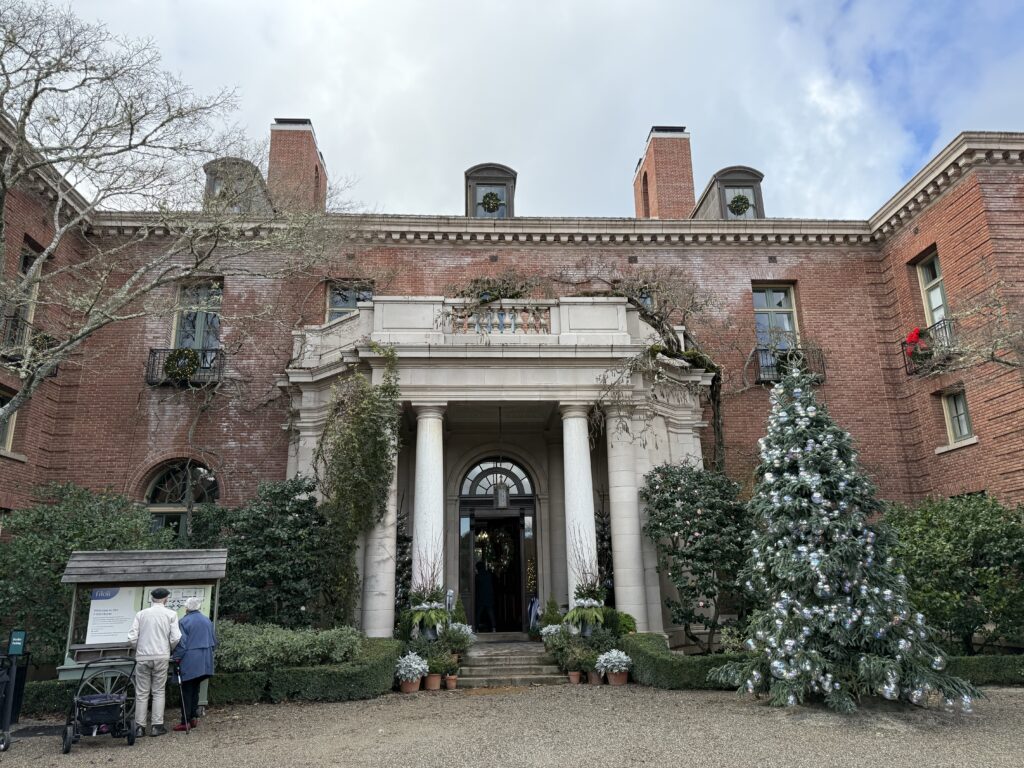
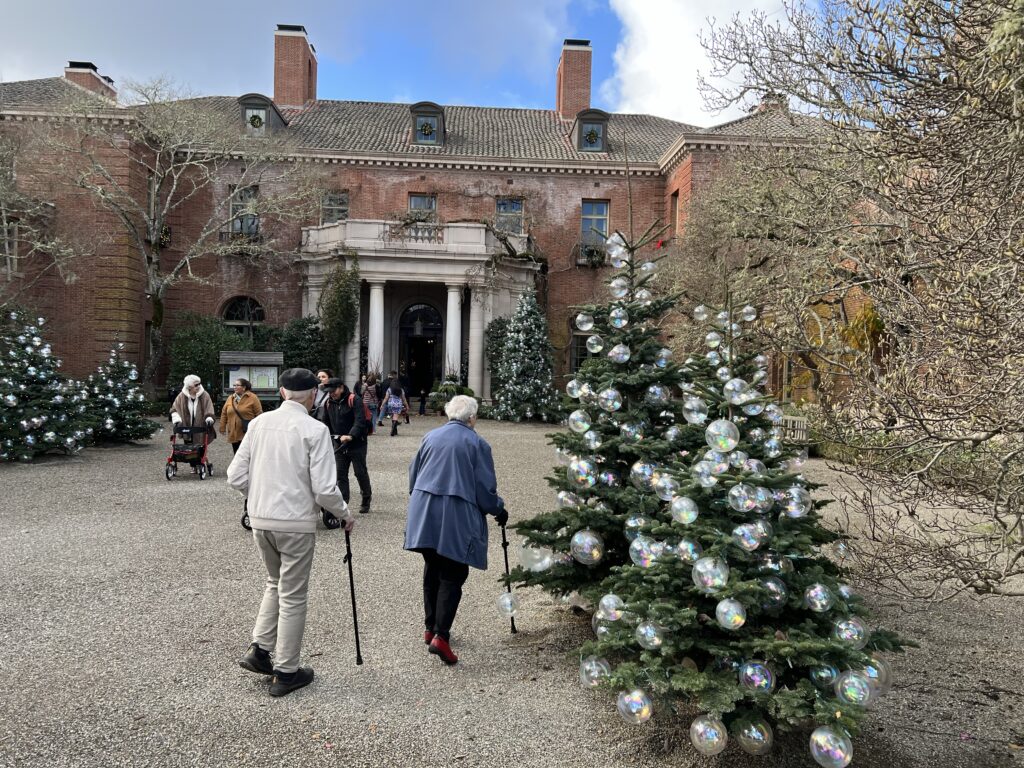
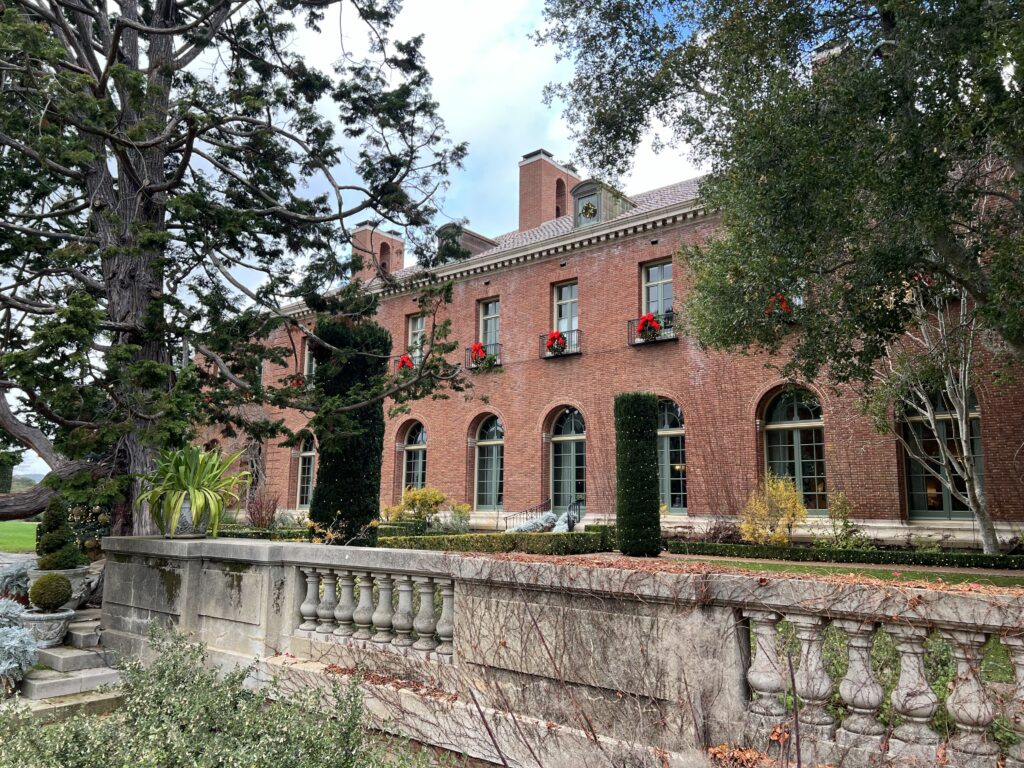
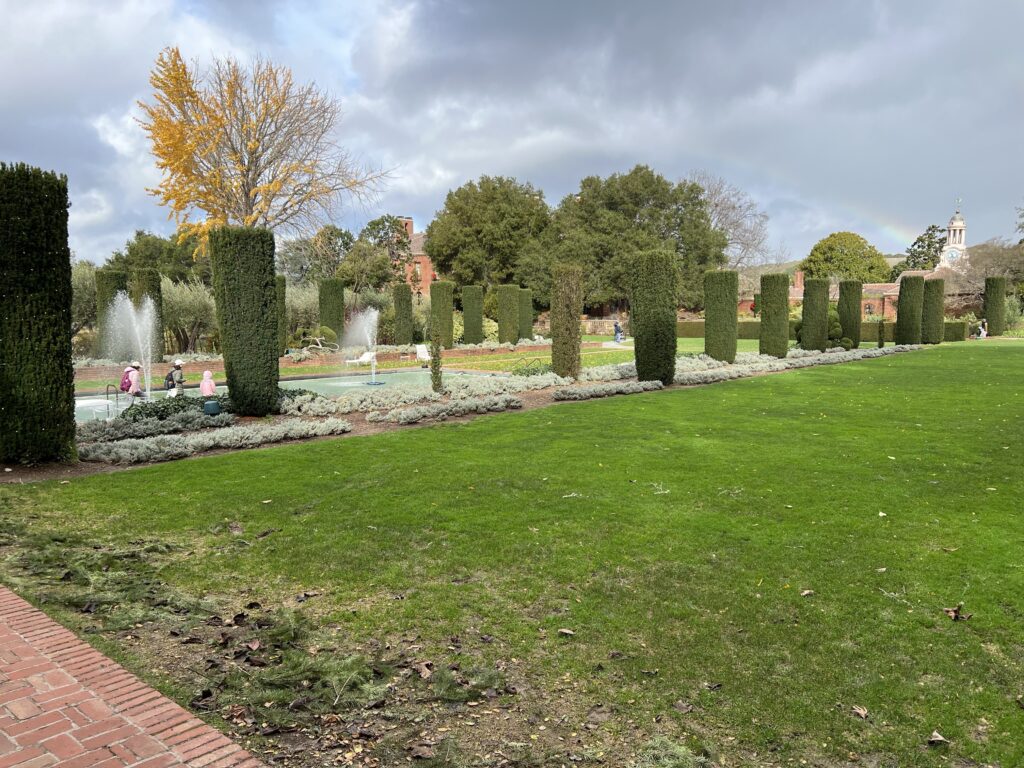
Filoli stands as one of California’s most distinguished country estates, occupying 654 acres in Woodside with a 54,000-square-foot Georgian Revival mansion at its heart. Situated approximately 30 miles south of San Francisco and 25 miles southeast of the Bay Area, this 1917 masterpiece represents the pinnacle of early 20th-century luxury and serves as a National Historic Landmark managed by the National Trust for Historic Preservation.savingplaces+2
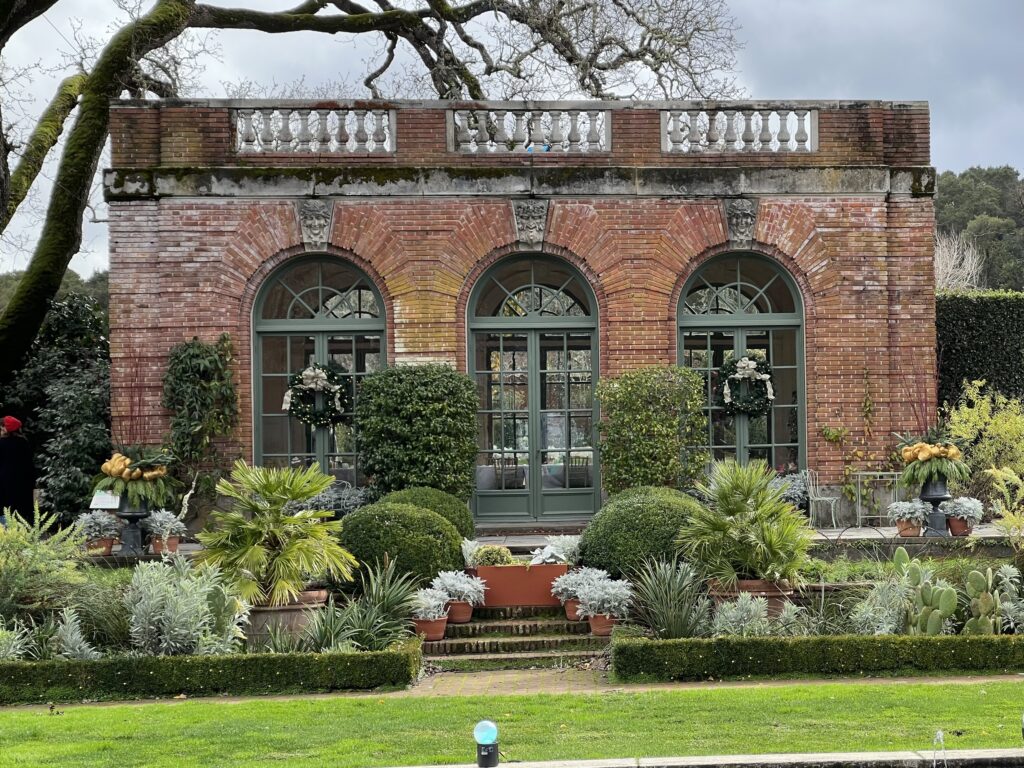
The Estate & The Club at WestPoint
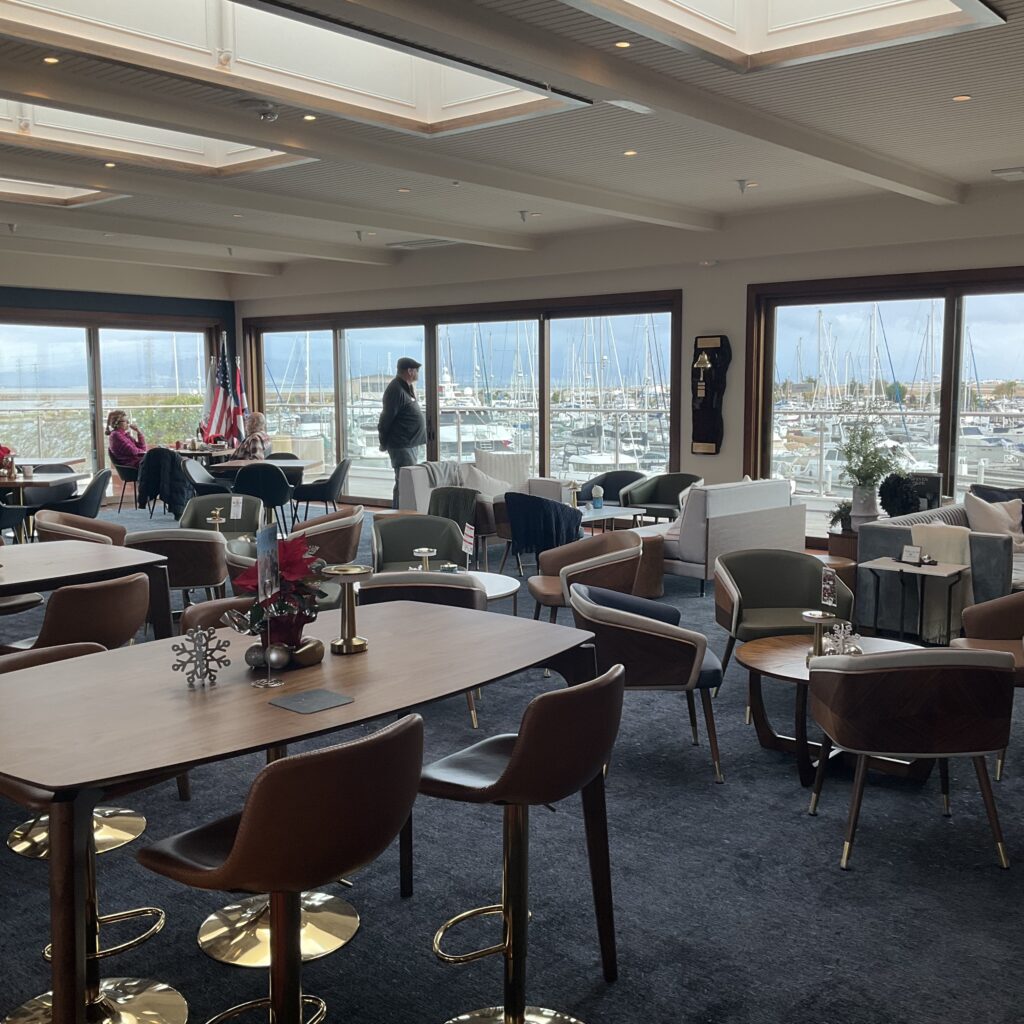
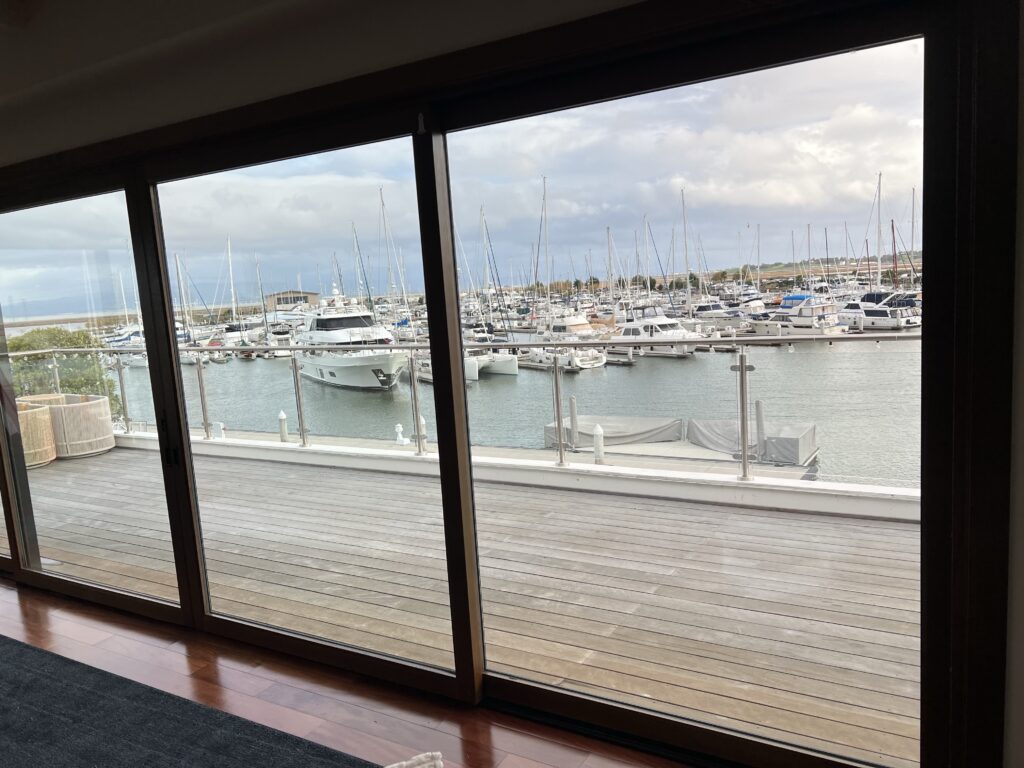
Filoli is located in Woodside on Cañada Road. The Club at WestPoint, meanwhile, sits at 160 Northpoint Court in Redwood City, California—not in Woodside—and overlooks Westpoint Harbor and the San Francisco Bay. The two properties are approximately 12-15 miles apart by road, requiring a 20-30 minute drive depending on traffic. Waymo is a convenient and fun way to make the road trip. The estate’s hillside location makes walking access impractical from public transit hubs.rome2rio+2
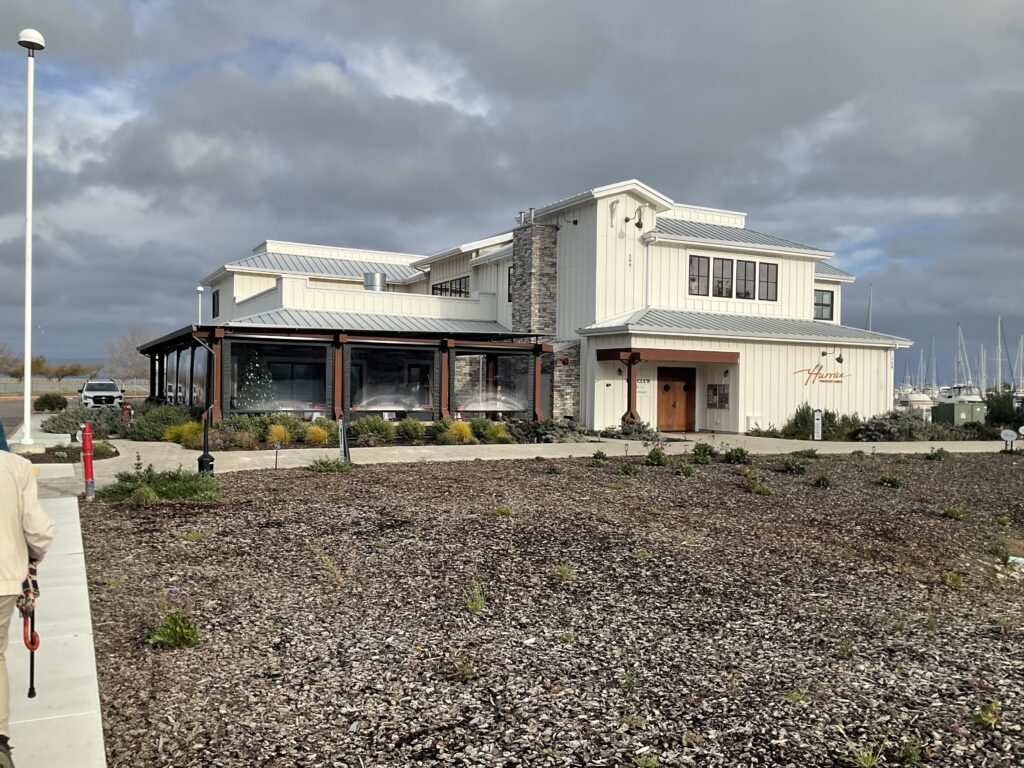
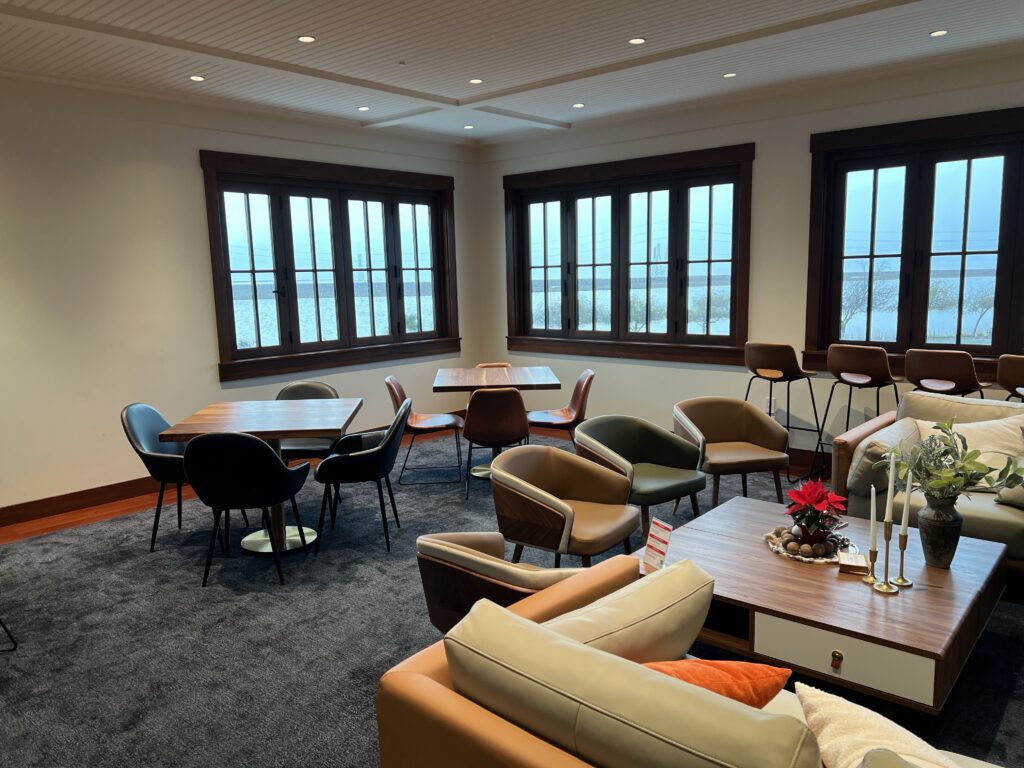
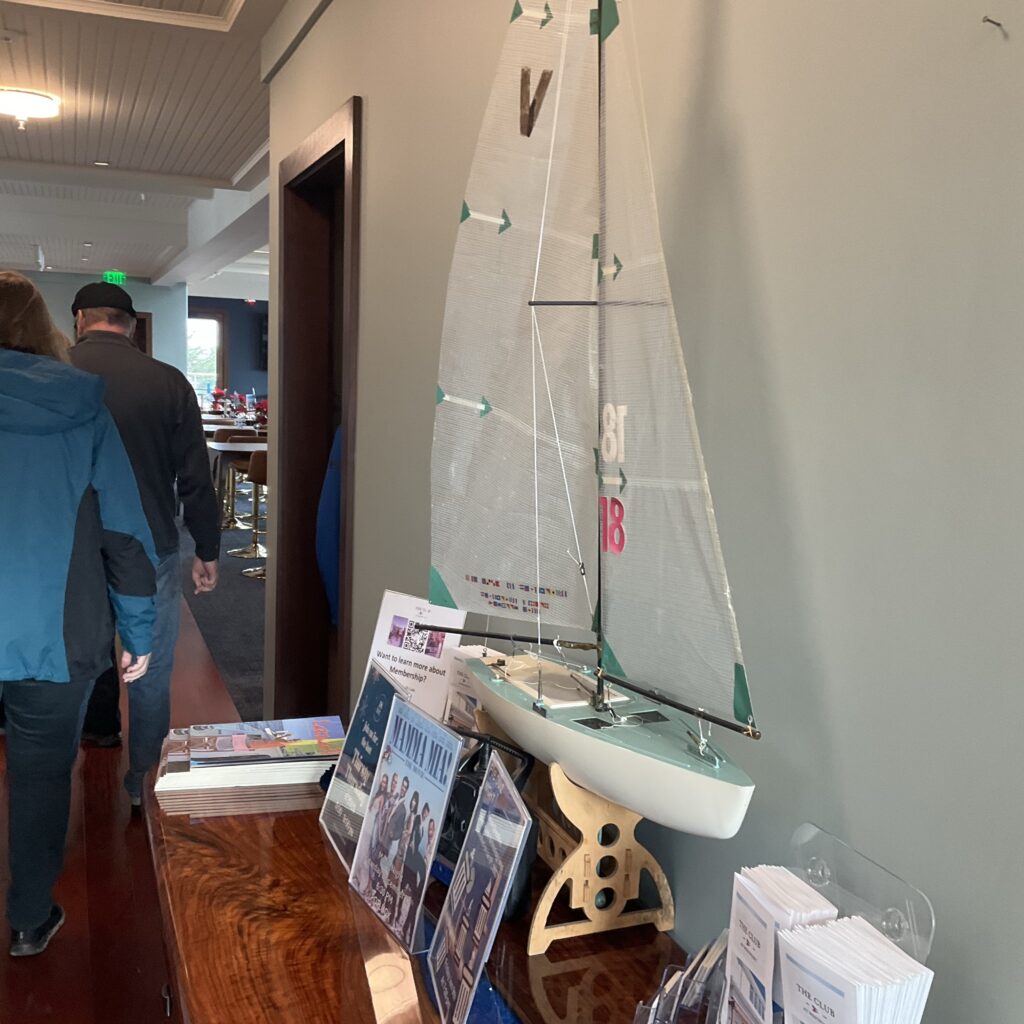
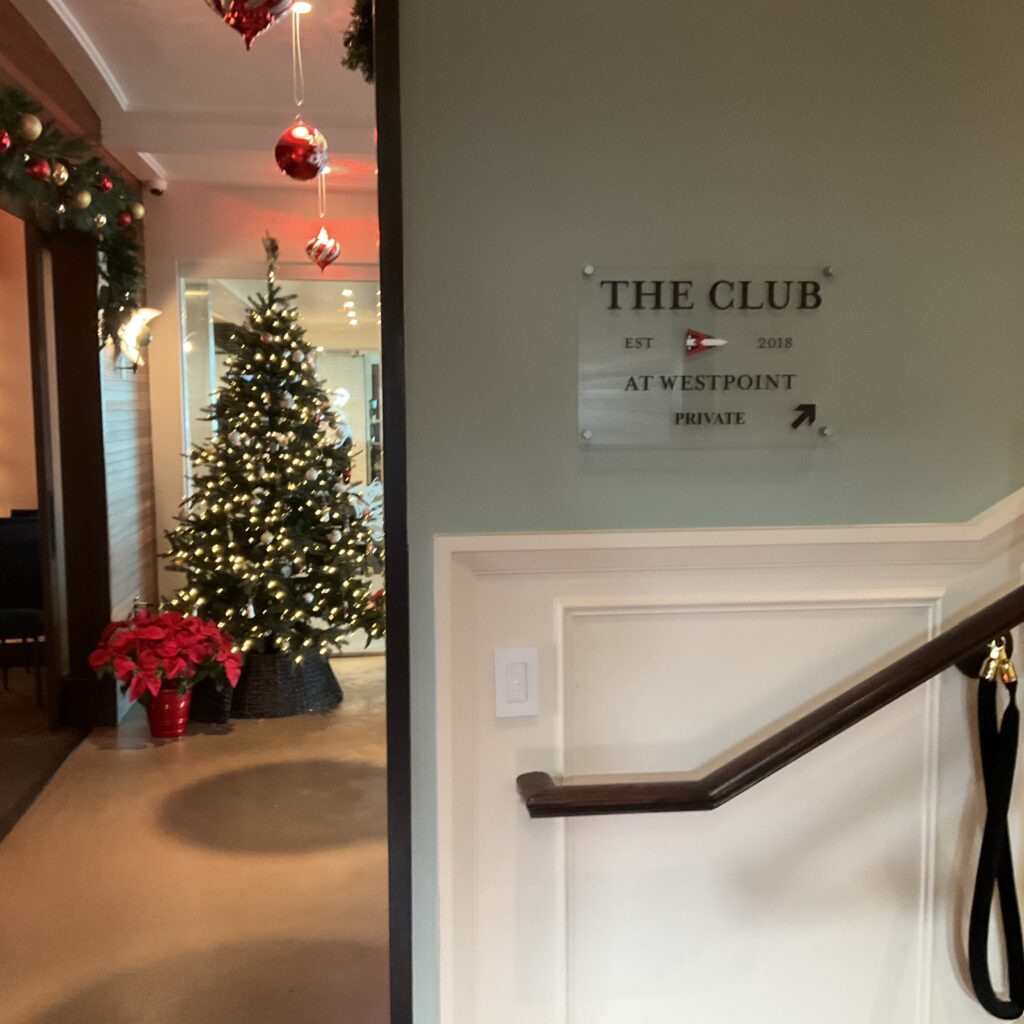
The Club at WestPoint is a relatively new yacht and social club at Westpoint Harbor in Redwood City, created in 2018 as a modern, 21st‑century harbor club with strong racing and social programs.
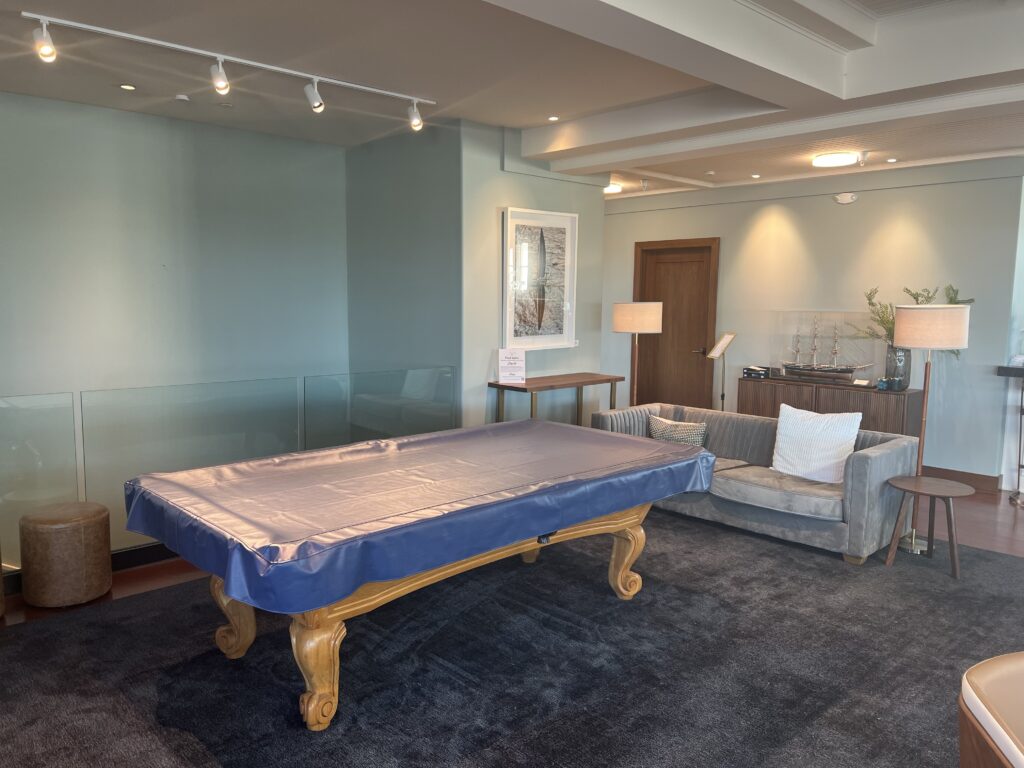
Nearby are several active yacht clubs around South San Francisco Bay, plus full marine services clustered in and around Westpoint Harbor and Redwood Creek, and the local waterfront office market has been slowly refilling since the pandemic, though vacancy remains higher than pre‑2020 in the broader Bay Area.[1][2][3][4]
History of The Club at WestPoint
- The Club at WestPoint was formed at the beginning of 2018 as “one of the newest yacht clubs in the Bay Area,” intended as a contemporary harbor club for boaters and non‑boaters.[4][1]
- Initially it operated from the Harbor House at Westpoint Harbor as a temporary clubhouse, with a goal of building a “club for the 21st century” focused on sophisticated socializing, dining, and community.[4]
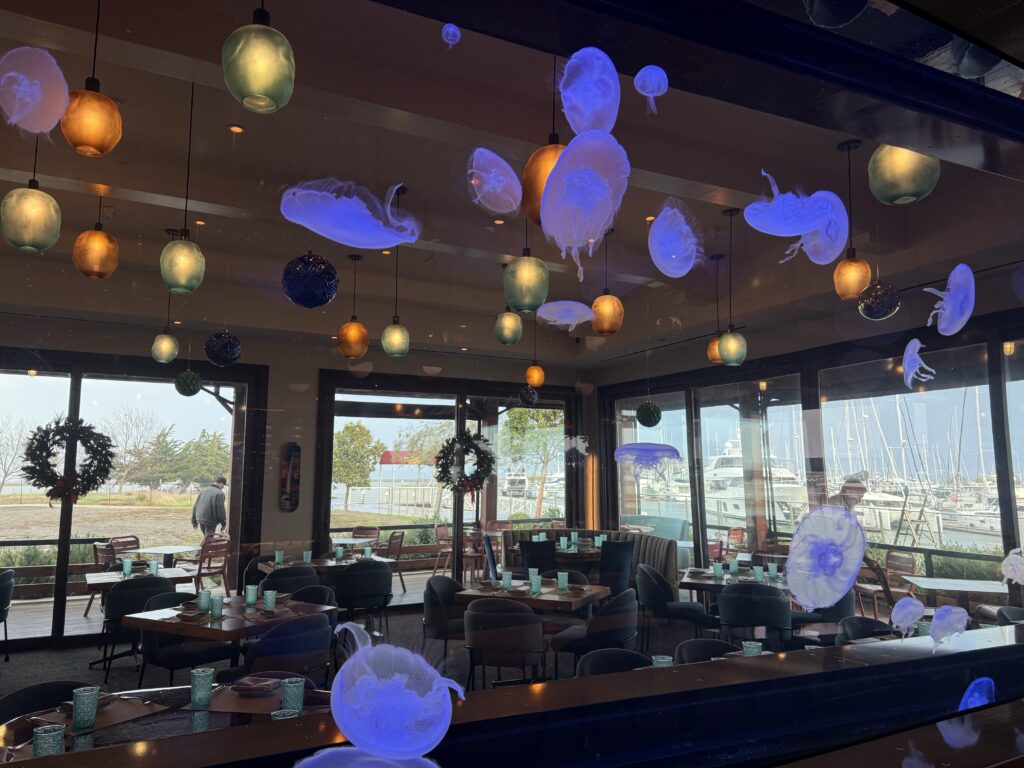
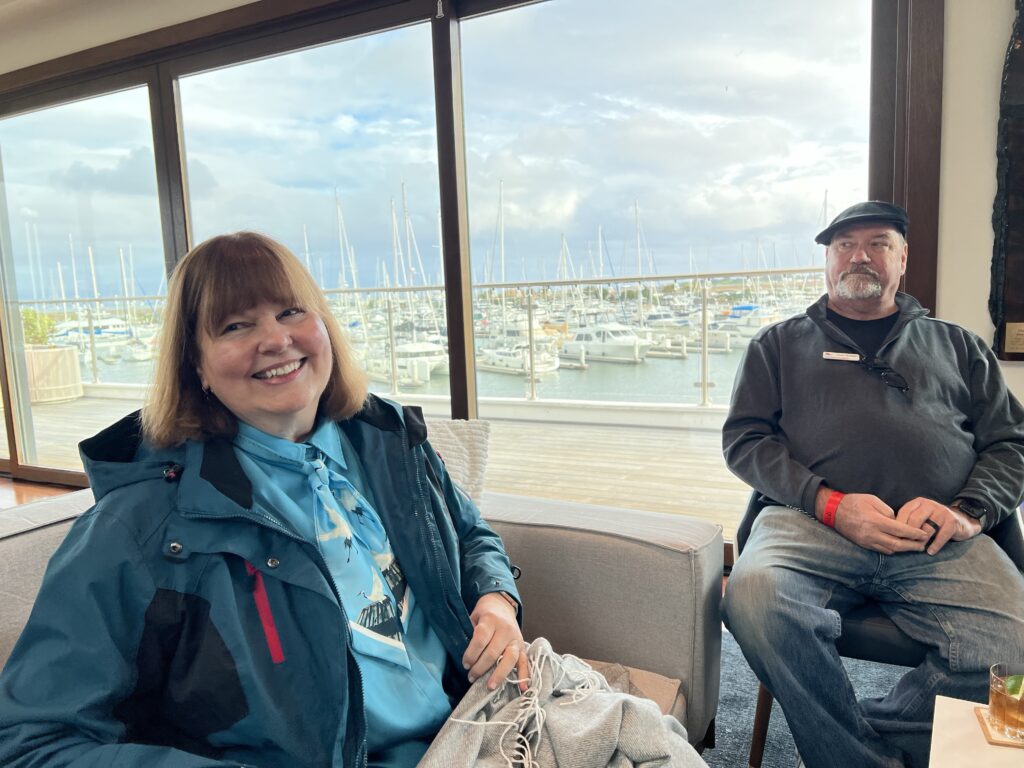
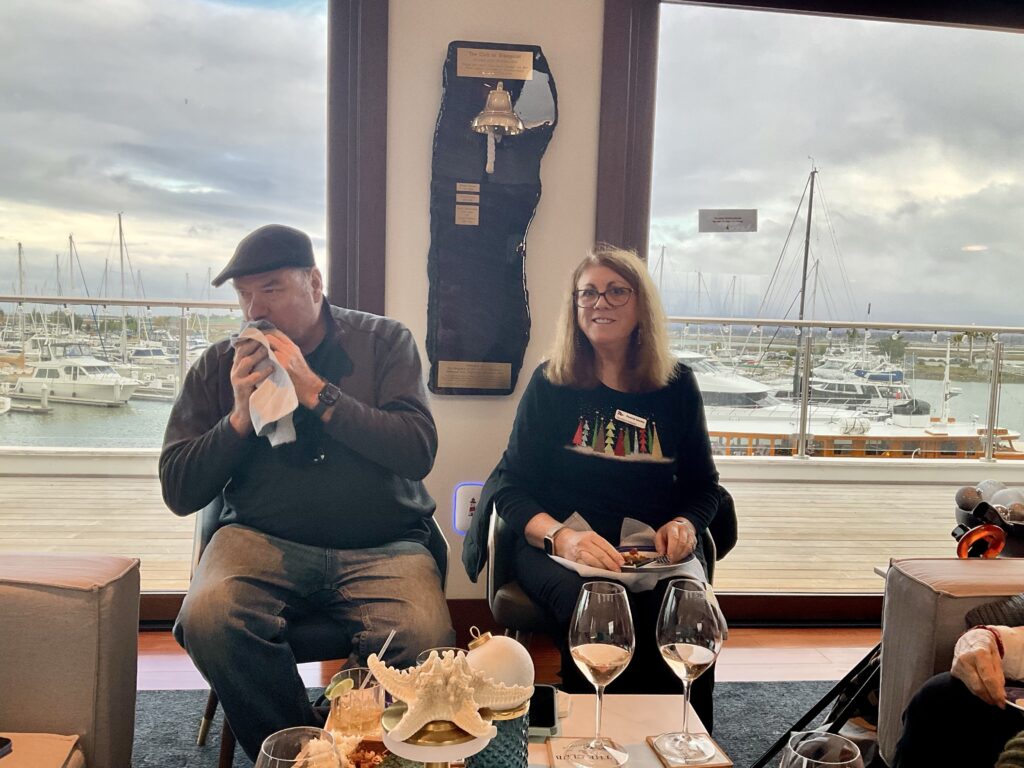
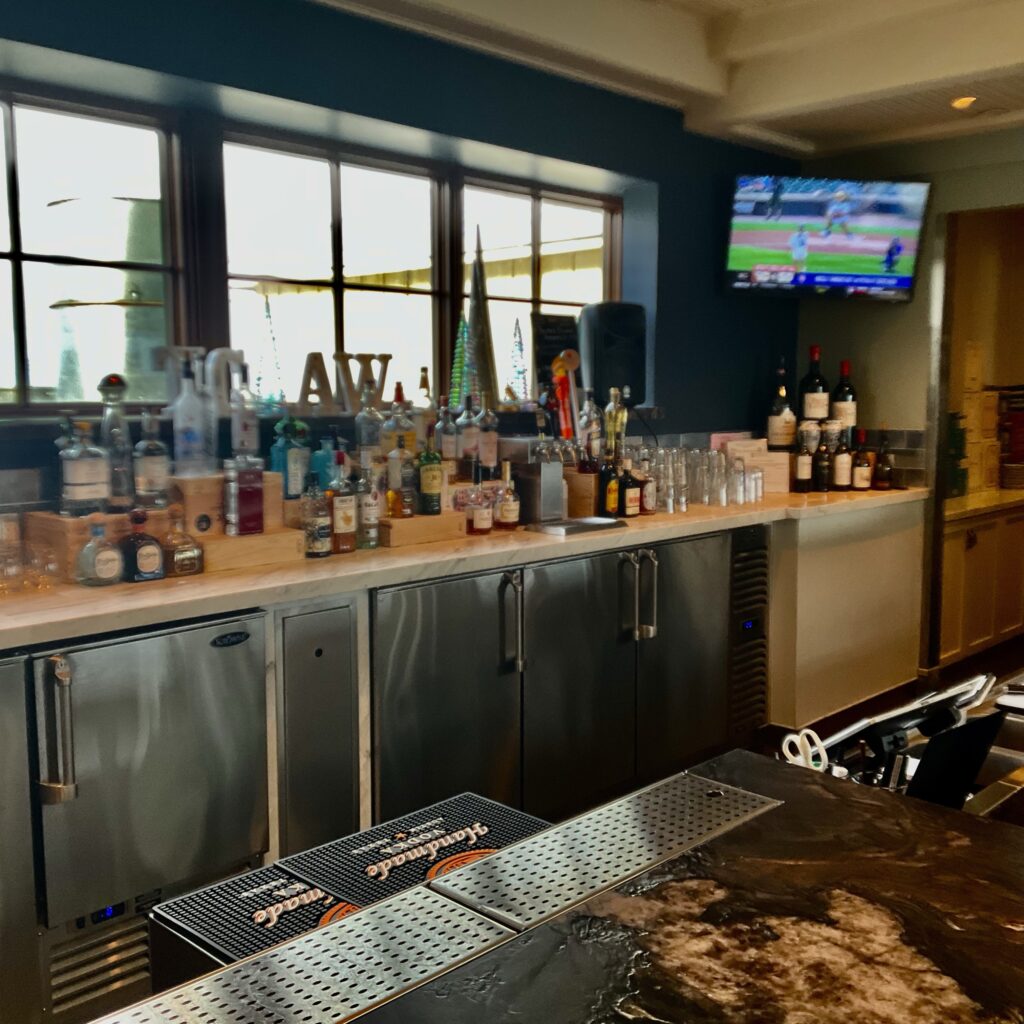
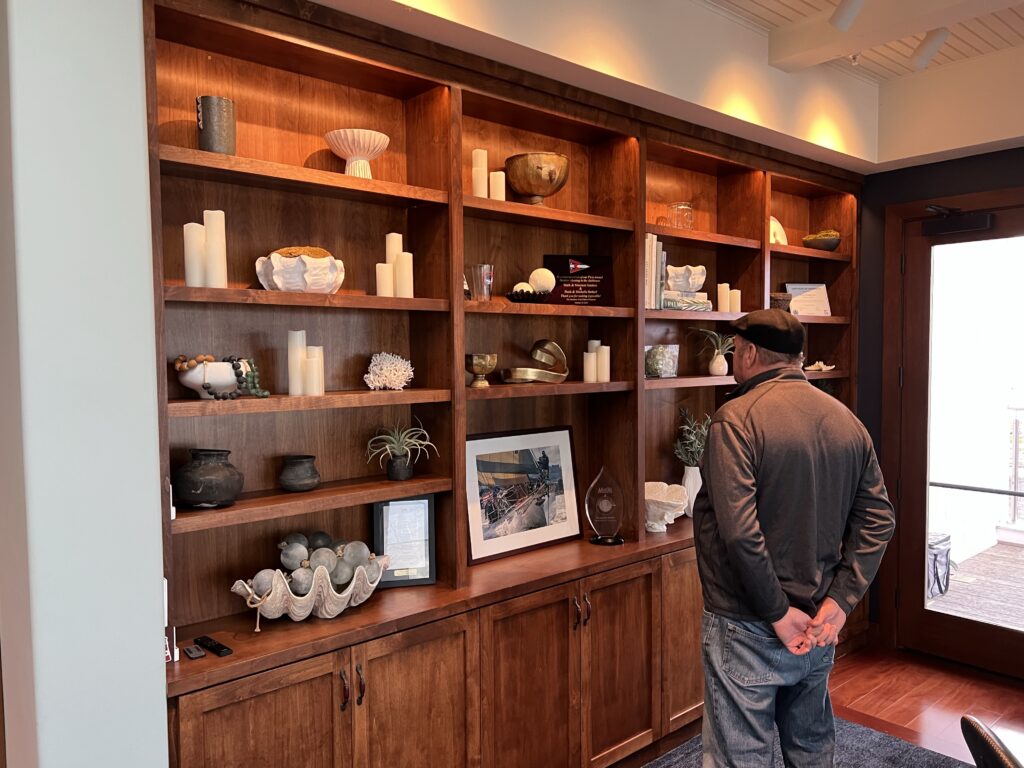
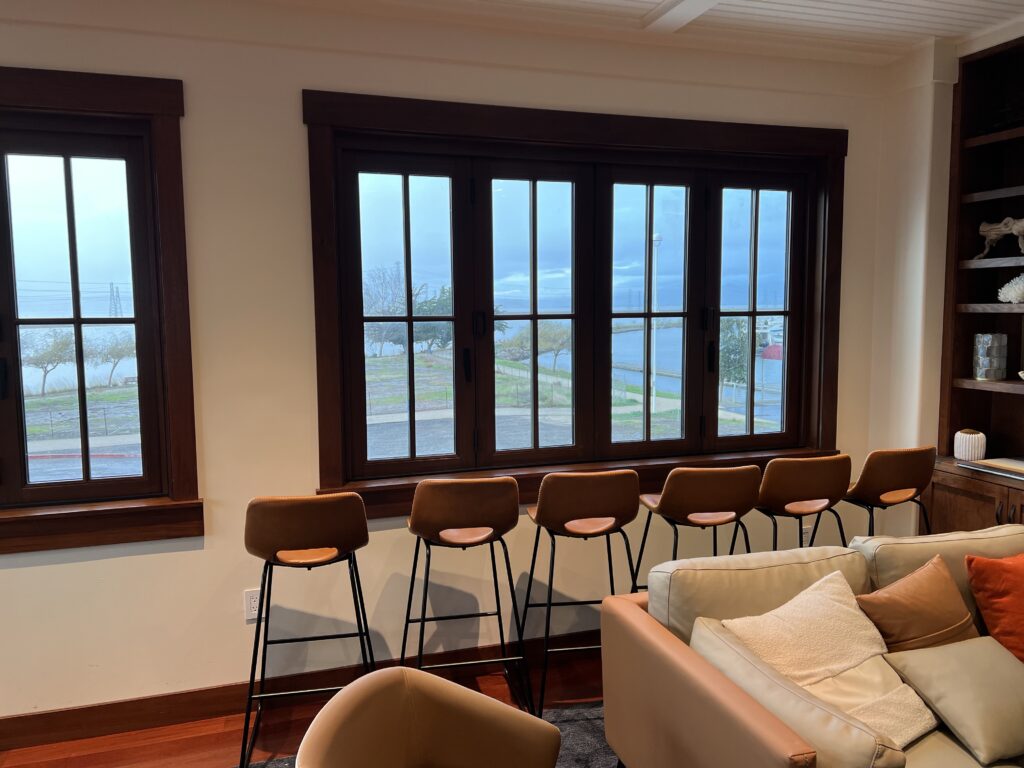
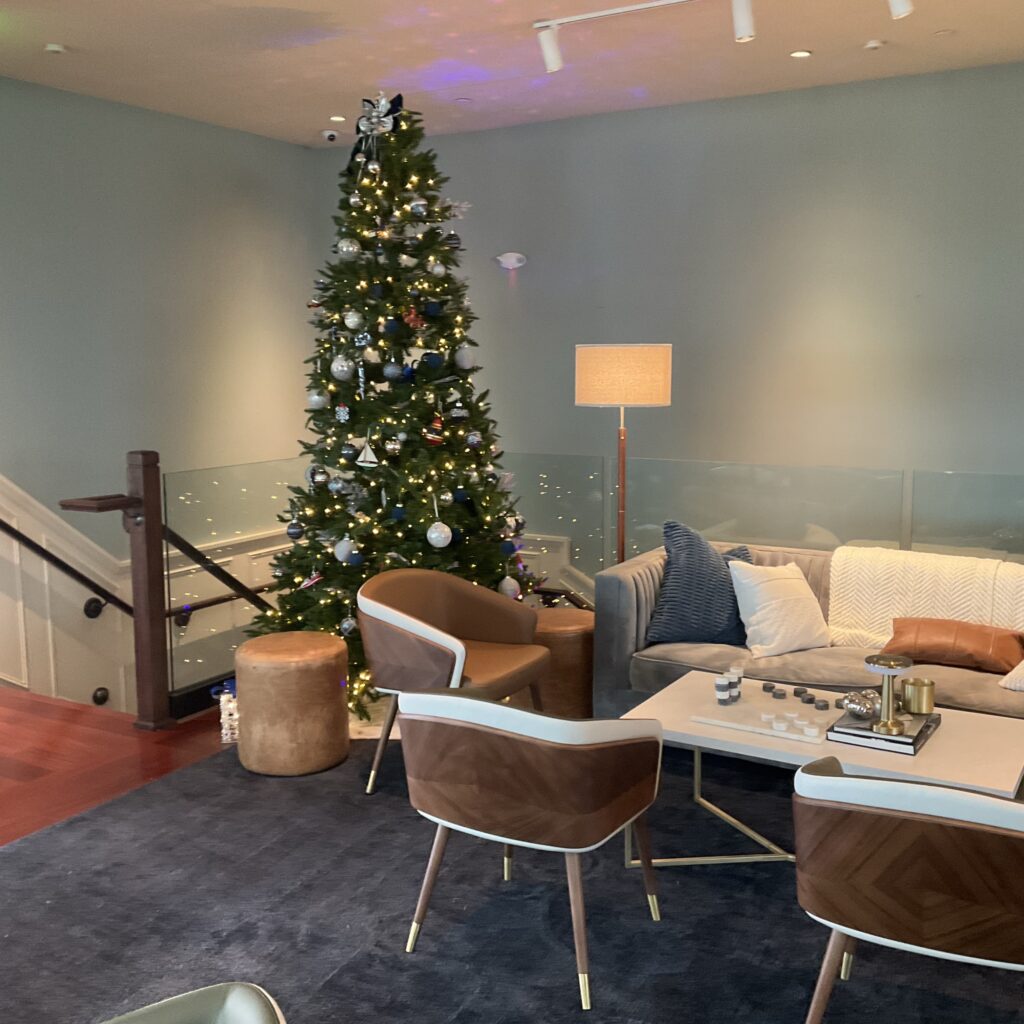
- The current clubhouse sits on the second floor at Westpoint Harbor, with indoor and outdoor dining and sweeping views over the 400‑slip marina and San Francisco Bay, and now serves as a premier sporting and social club with an active events calendar, guest speakers, and regattas (including the Westpoint Regatta).[5][6][3][1]
Nearby Yacht Clubs
Within easy water or driving distance of The Club at WestPoint, active yacht clubs include:
- Westpoint Yacht Club / The Club at WestPoint – On‑site club at 101 Westpoint Harbor Dr.; racing series, youth sailing program, social events.[1]
- South Beach Yacht Club (San Francisco) – At Pier 40, up the Bay, frequently interacts with South Bay clubs and participates in the Westpoint Regatta (not directly cited on the page but referenced in Club at WestPoint social content).[7]
- South Bay Yacht Club (Alviso) – Historic club founded in 1888 at the southern end of the Bay, often visited by WestPoint members on cruises.[7]
- Additional close‑by clubs include Sequoia Yacht Club (Redwood City) and Palo Alto Yacht Club; WestPoint’s own outreach posts show regular reciprocal visits and cruise‑ins with other Bay clubs.[1][7]
Marine Services Near Westpoint Harbor
- Westpoint Harbor itself is a full‑service, 400‑slip marina that was the first new marina on San Francisco Bay in decades when it opened in 2008, and it has been recognized as “North America Marina of the Year” and a “Best Large Marina” winner.[8][1]
- On‑site and nearby offerings include:
- Berthing and guest slips booked via Dockwa.[1]
- Westpoint Watersports with rentals of stand‑up paddleboards and kayaks.[1]
- Fuel, pump‑out, and basic harbor services, plus access to a mile‑long section of the Bay Trail surrounding the marina.[1]
- Redwood City’s broader waterfront and harbor area includes marine contractors, boatyards, and chandlers along Redwood Creek (not individually listed on a single page, but implied by the harbor’s positioning as a “world‑class” marina and its development history).[8][1]
Are Waterfront Offices Refilling After the Pandemic?
- A 2022 report from the Port of San Francisco (a good proxy for Bay waterfront office conditions) shows:
- Overall office vacancy around 21.9% (including sublease space), with asking rents about 14% below pre‑pandemic levels.[2]
- However, leasing volume improved and the Port experienced positive net absorption for the first time since Q4 2019, meaning more space was leased than given up in that period.[2]
- These metrics suggest that while waterfront office markets around the Bay (including maritime and mixed‑use areas like those near Westpoint Harbor) are still looser than before 2020, they are gradually refilling, with stabilized rents and increasing tenant interest.[2]
Filoli Seasonal Character & Attractions
An excursion from The Club at West Point is not to be missed. Filoli transforms dramatically through the year, offering distinct horticultural and experiential experiences:
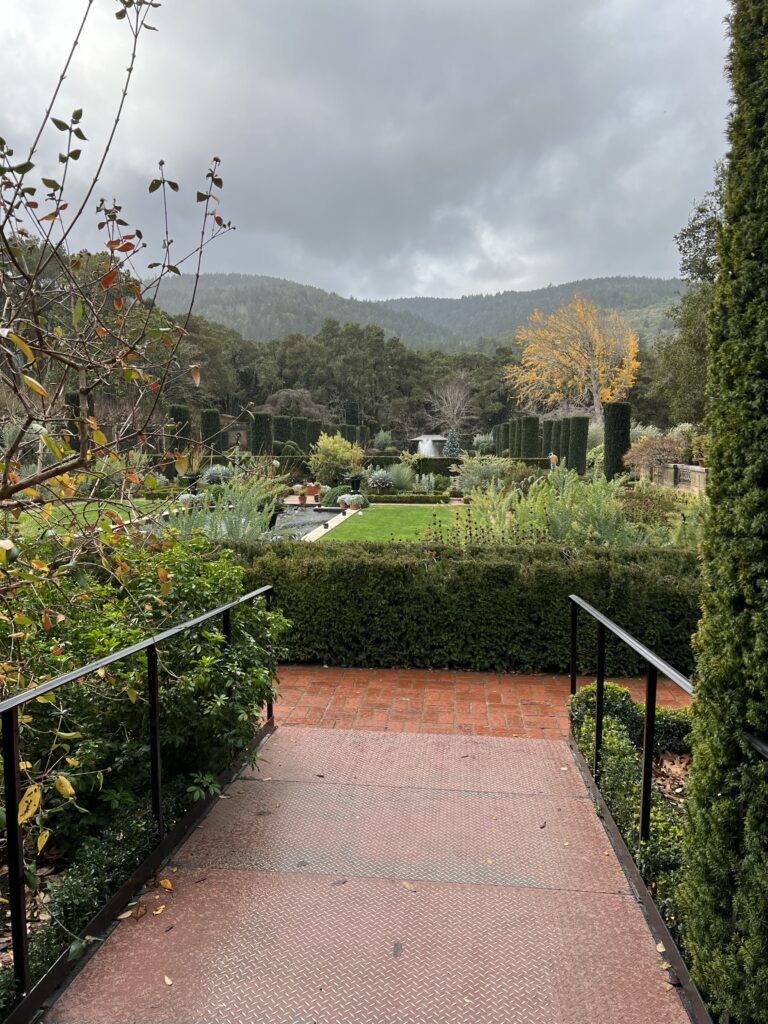
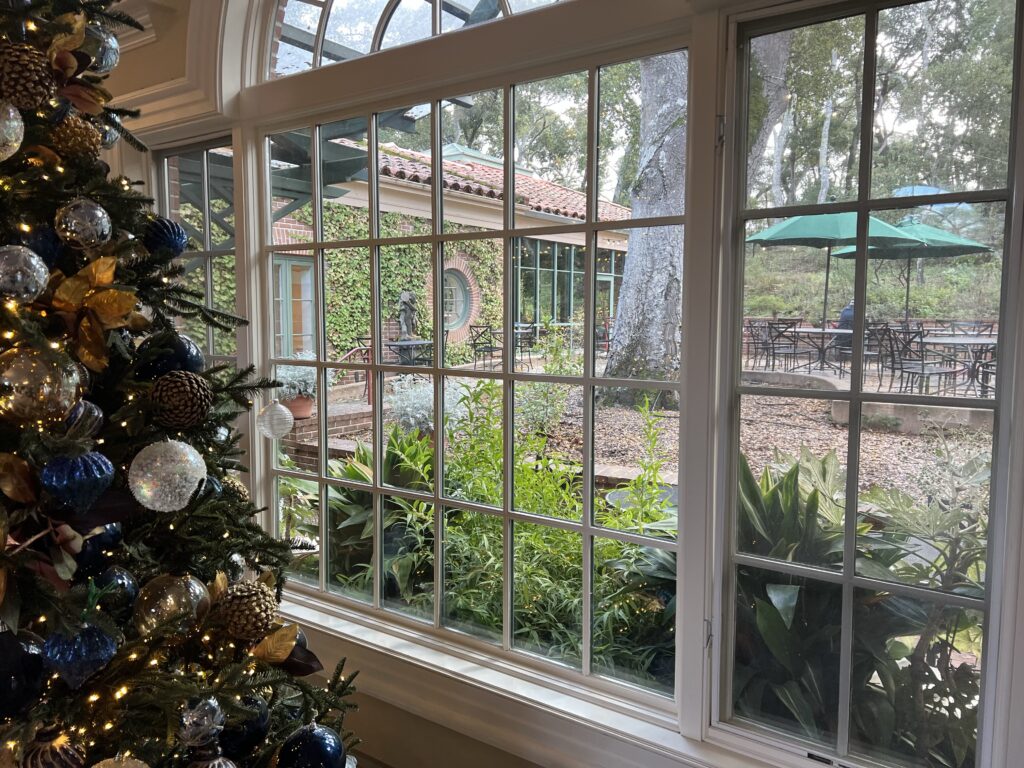
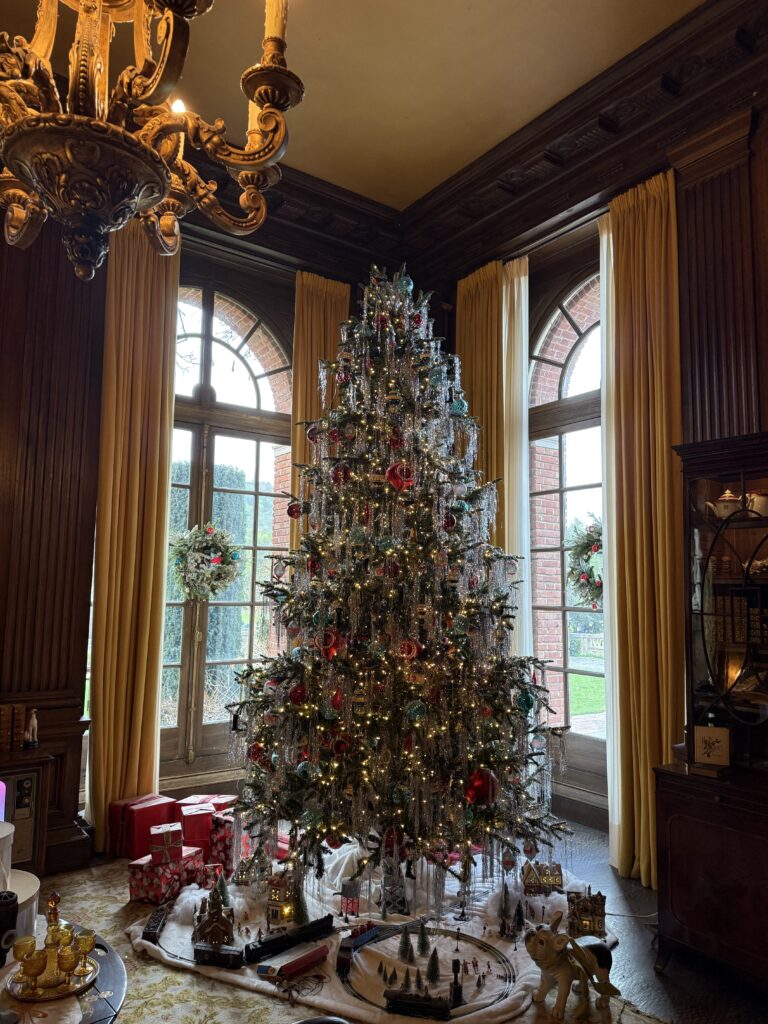
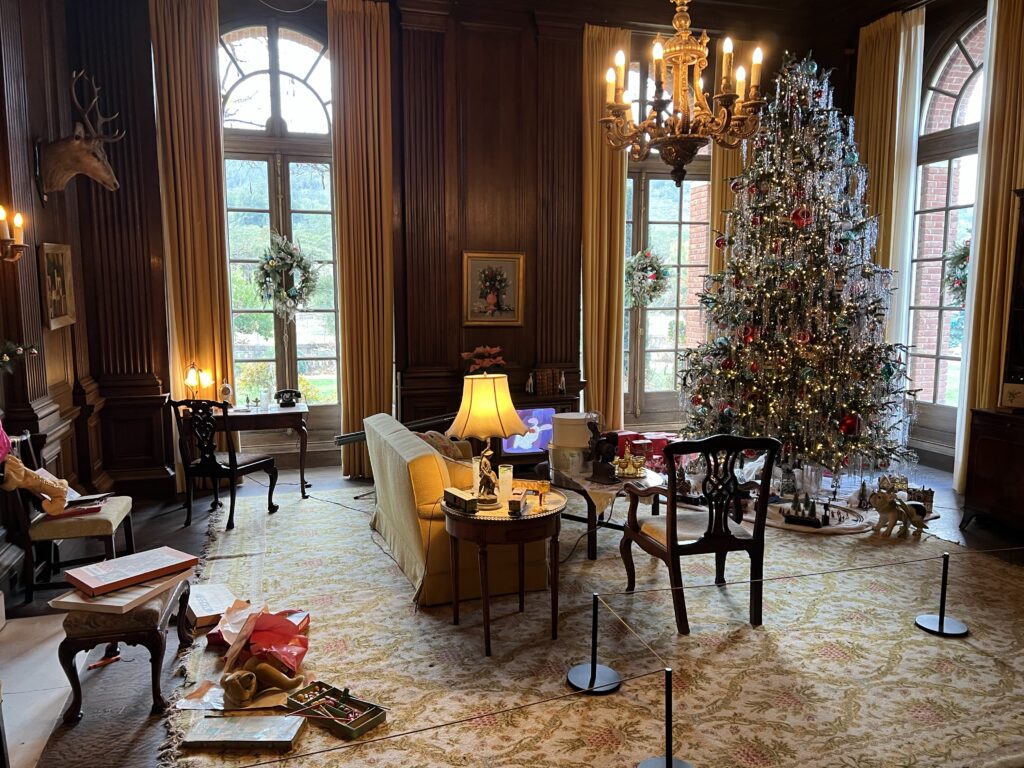
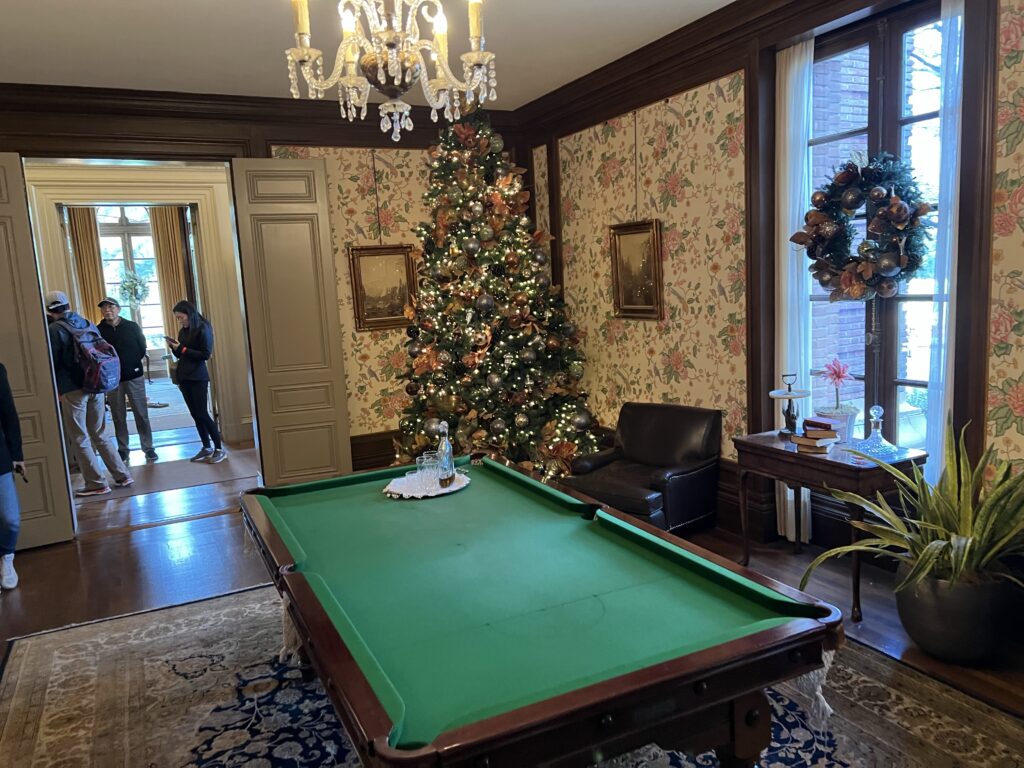
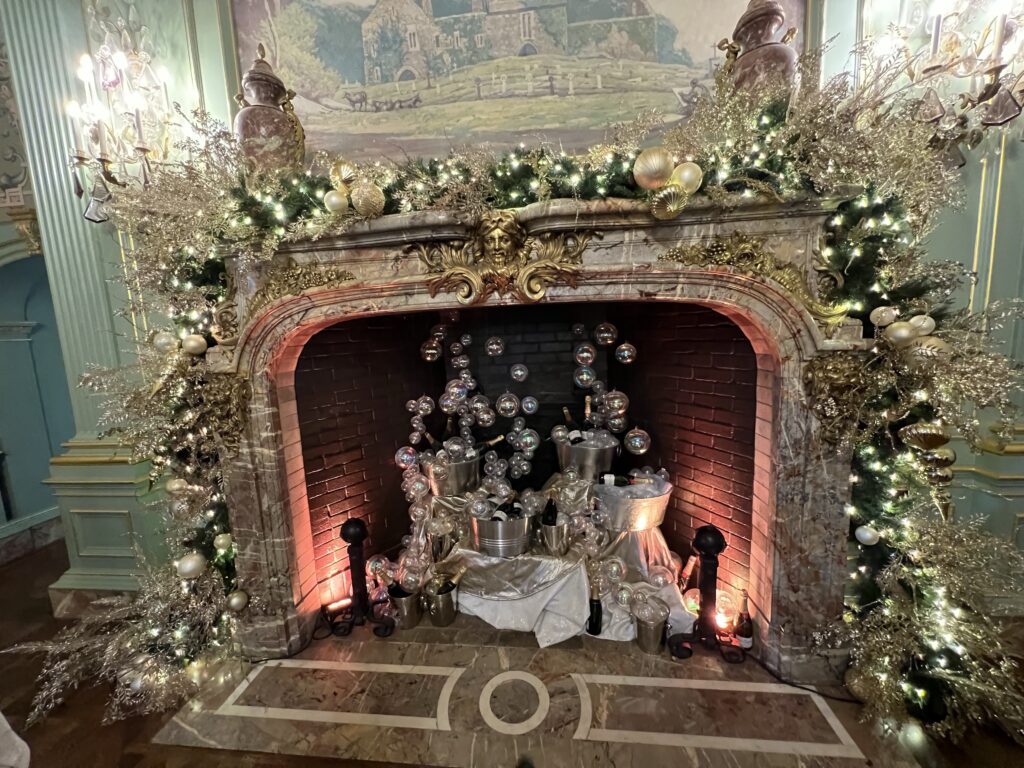
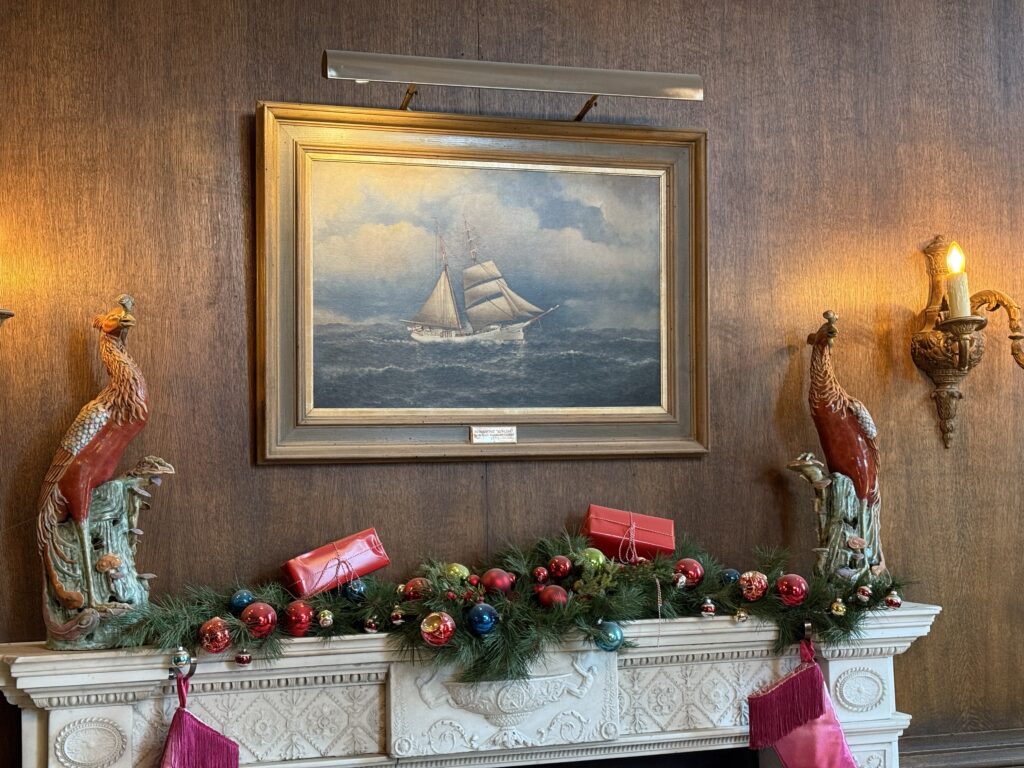
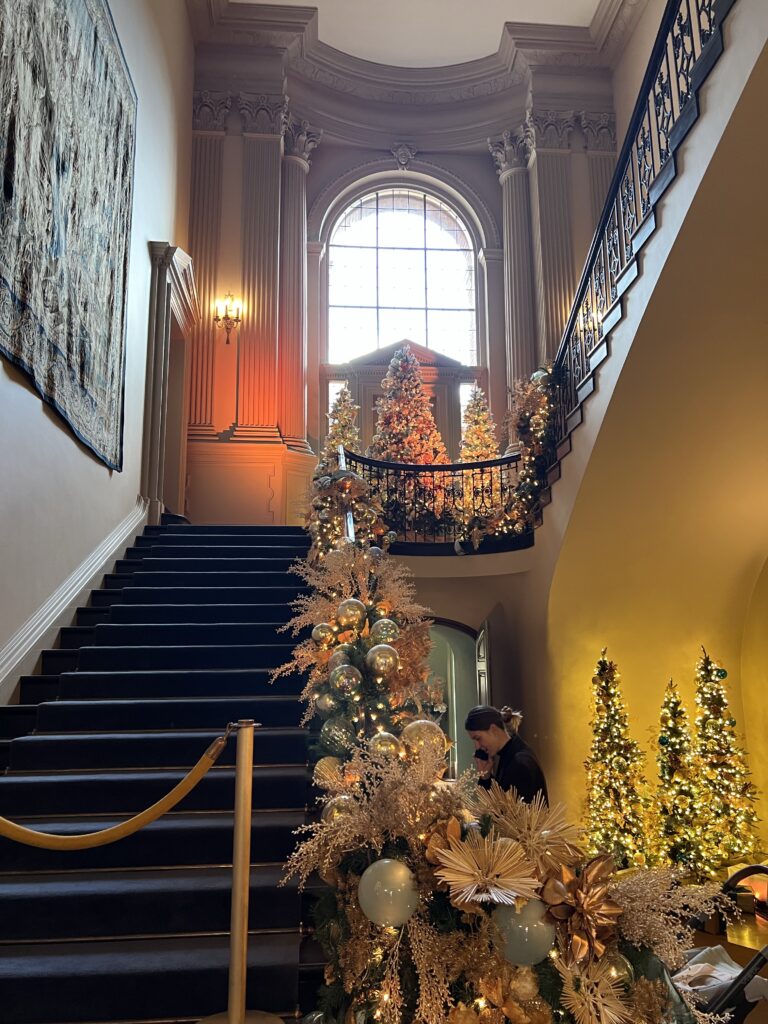
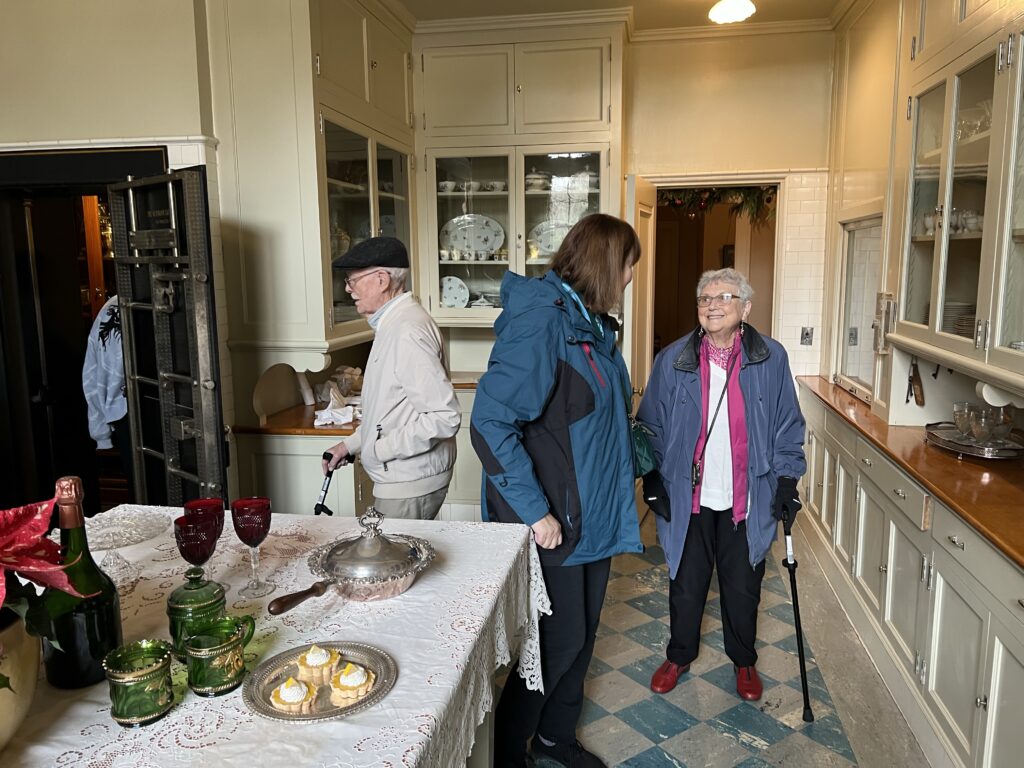
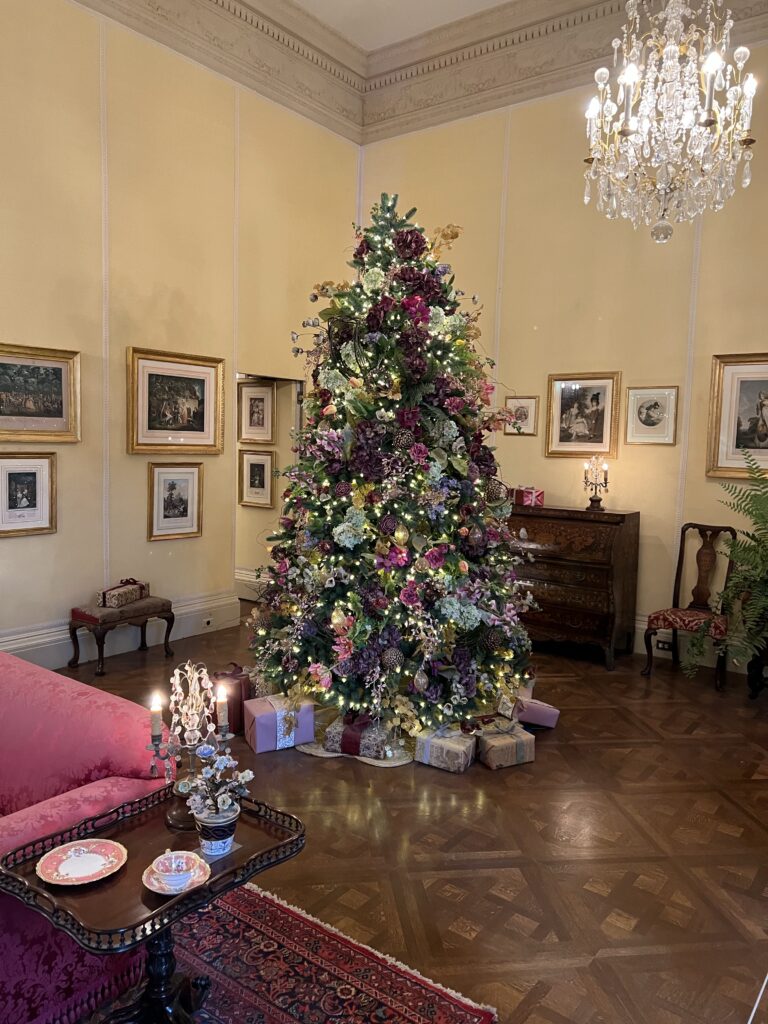
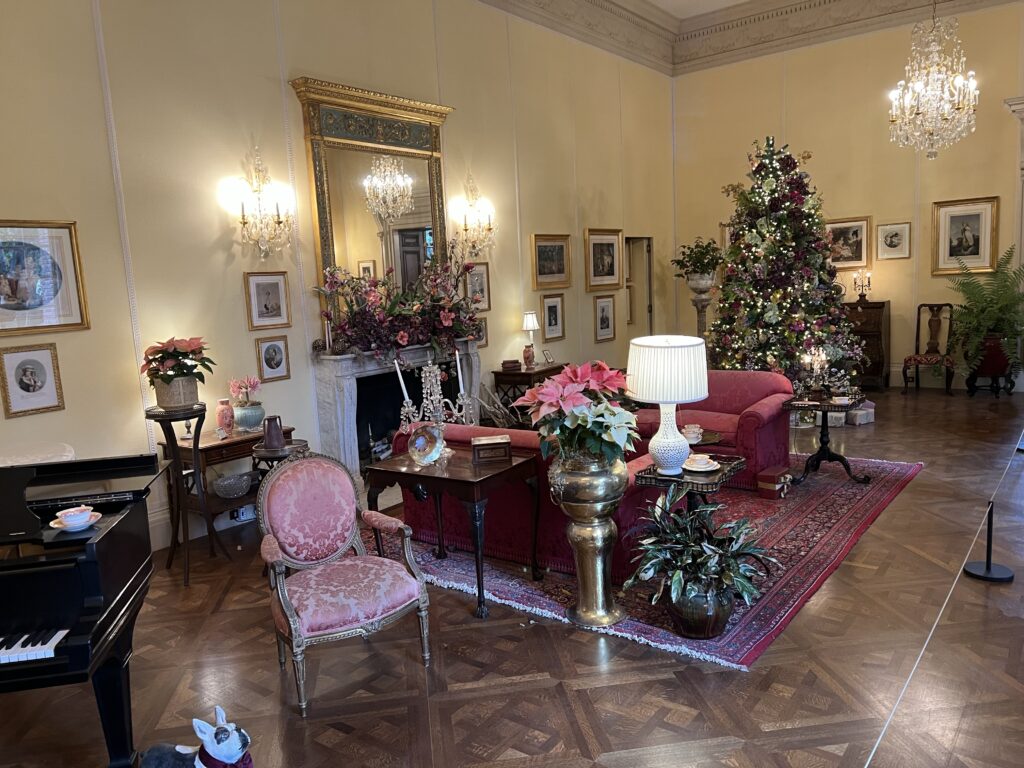
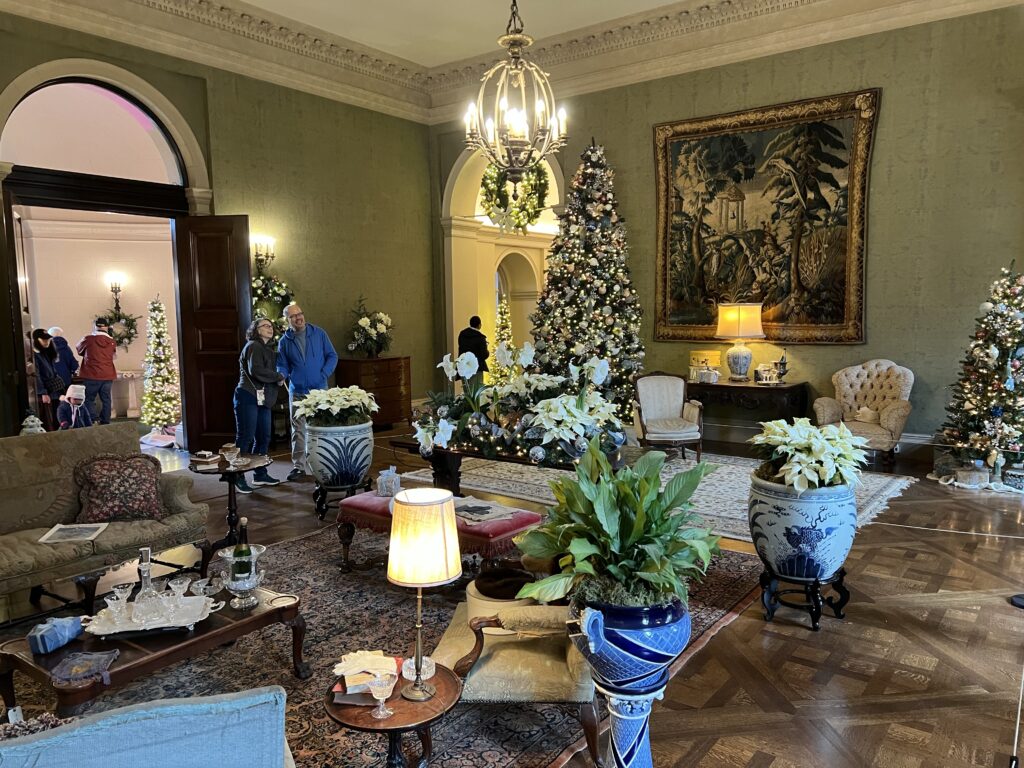
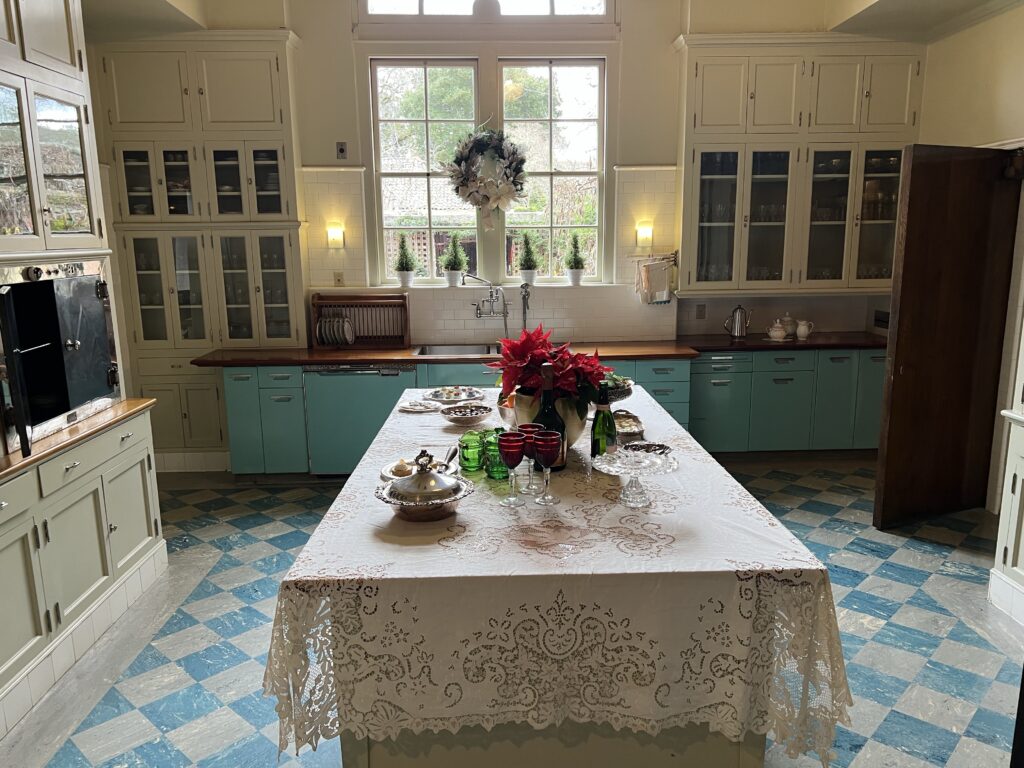
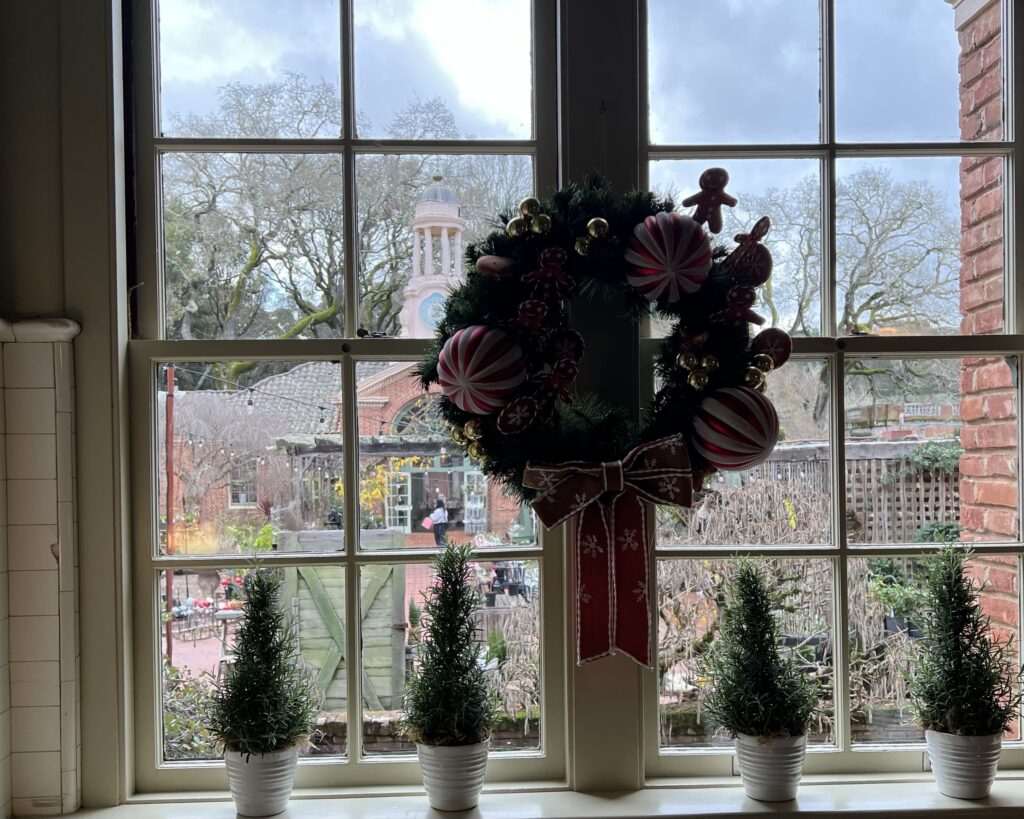
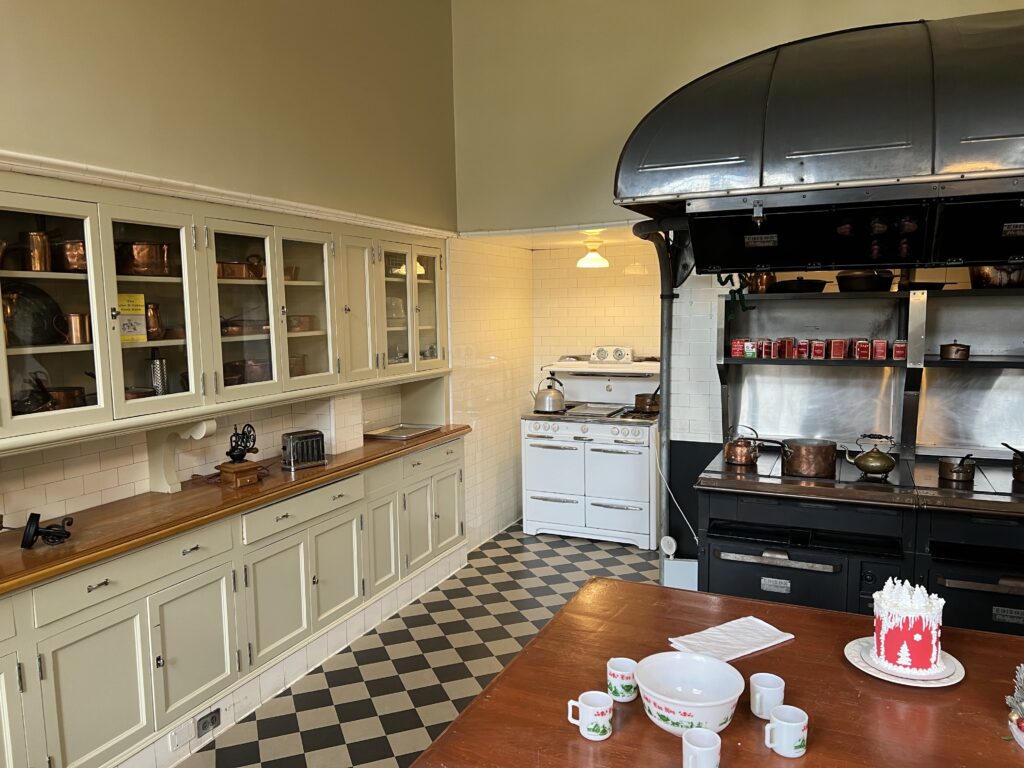
Winter (January-February): The gardens showcase vibrant camellias and magnolias in full bloom, creating a striking visual landscape despite cooler temperatures. The recently introduced “Holidays at Filoli” (running through January 11) features the elaborate “Gilded” experience, with the mansion decorated throughout its 56 rooms with period-appropriate holiday décor.familyroadtripguru+3

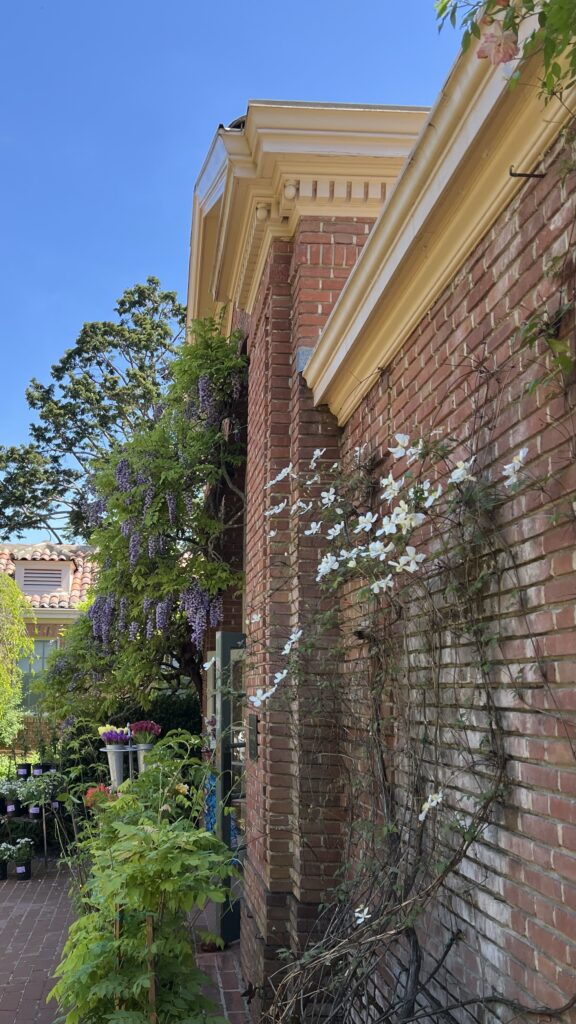
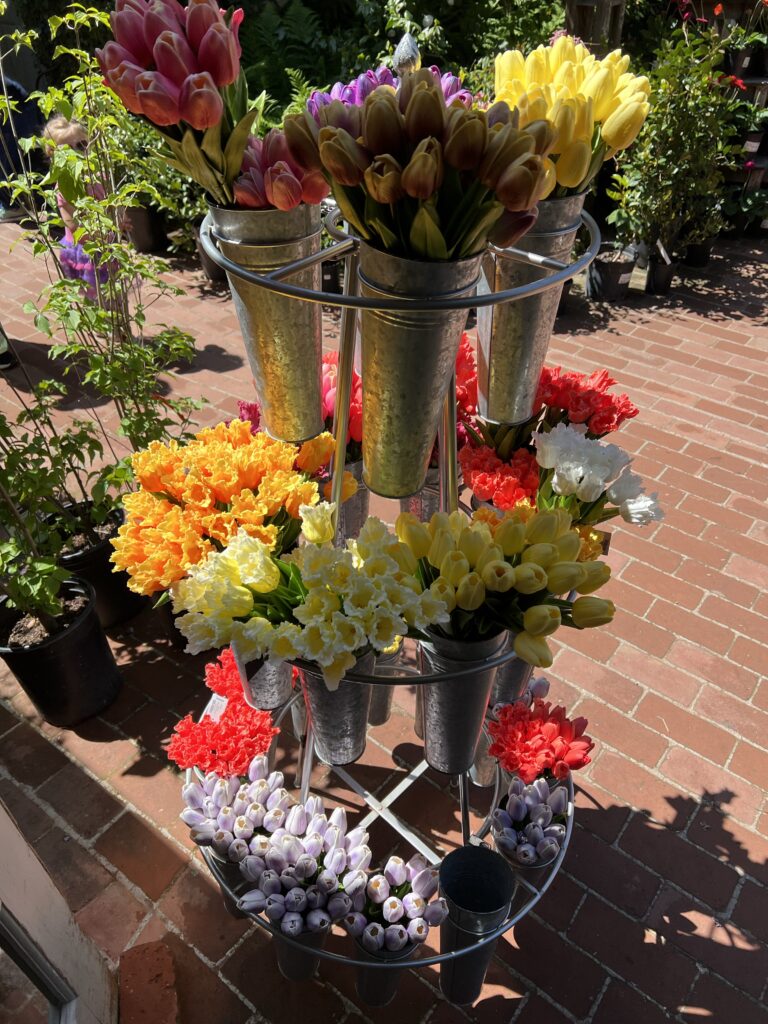
Spring (February-April): Daffodils blanket meadows while tulips, hyacinths, and flowering cherry and crabapple trees dominate the formal gardens. May brings lilacs and the opening of the rose garden, along with the estate’s Flower Fair.filoli+1
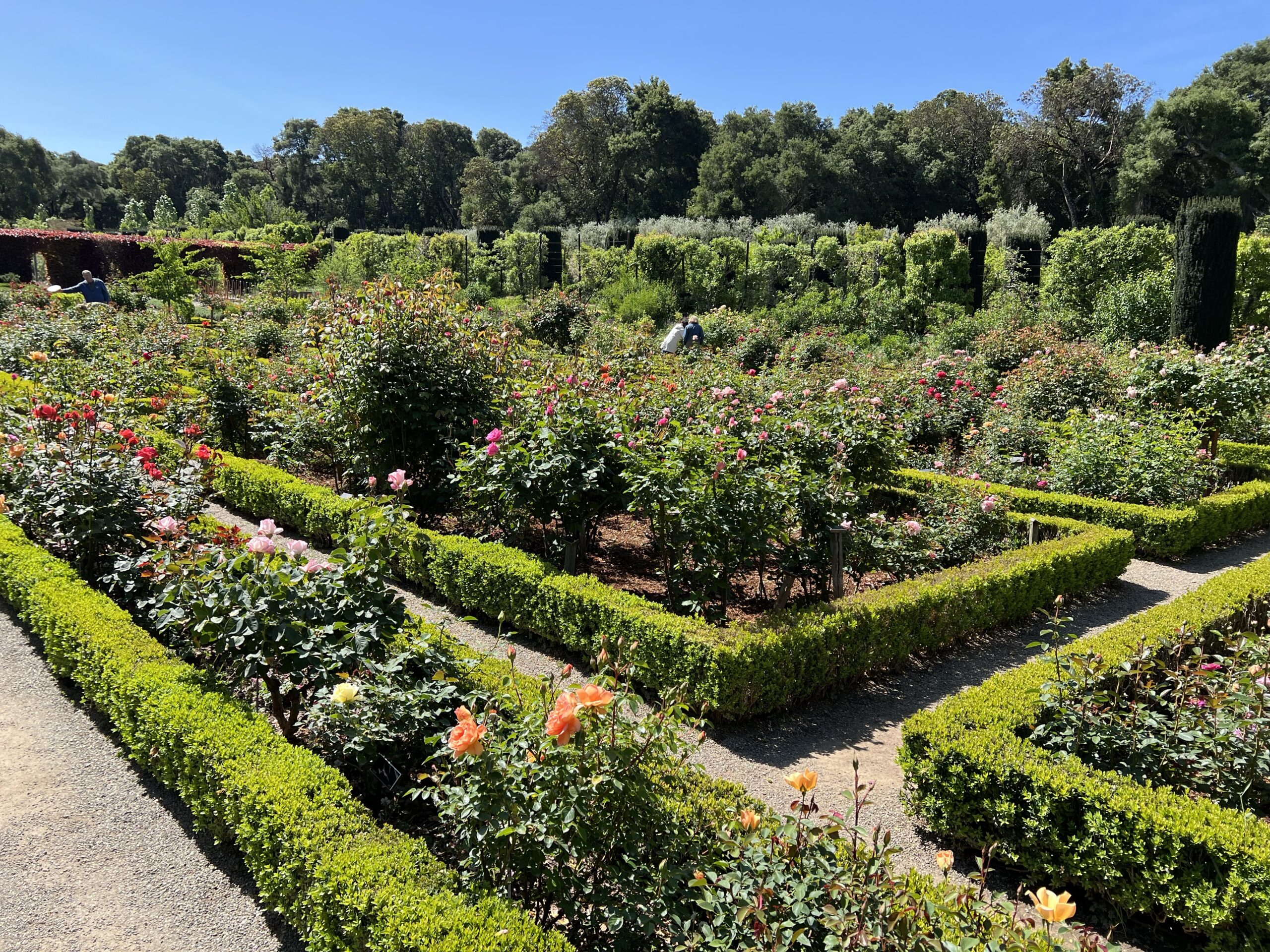
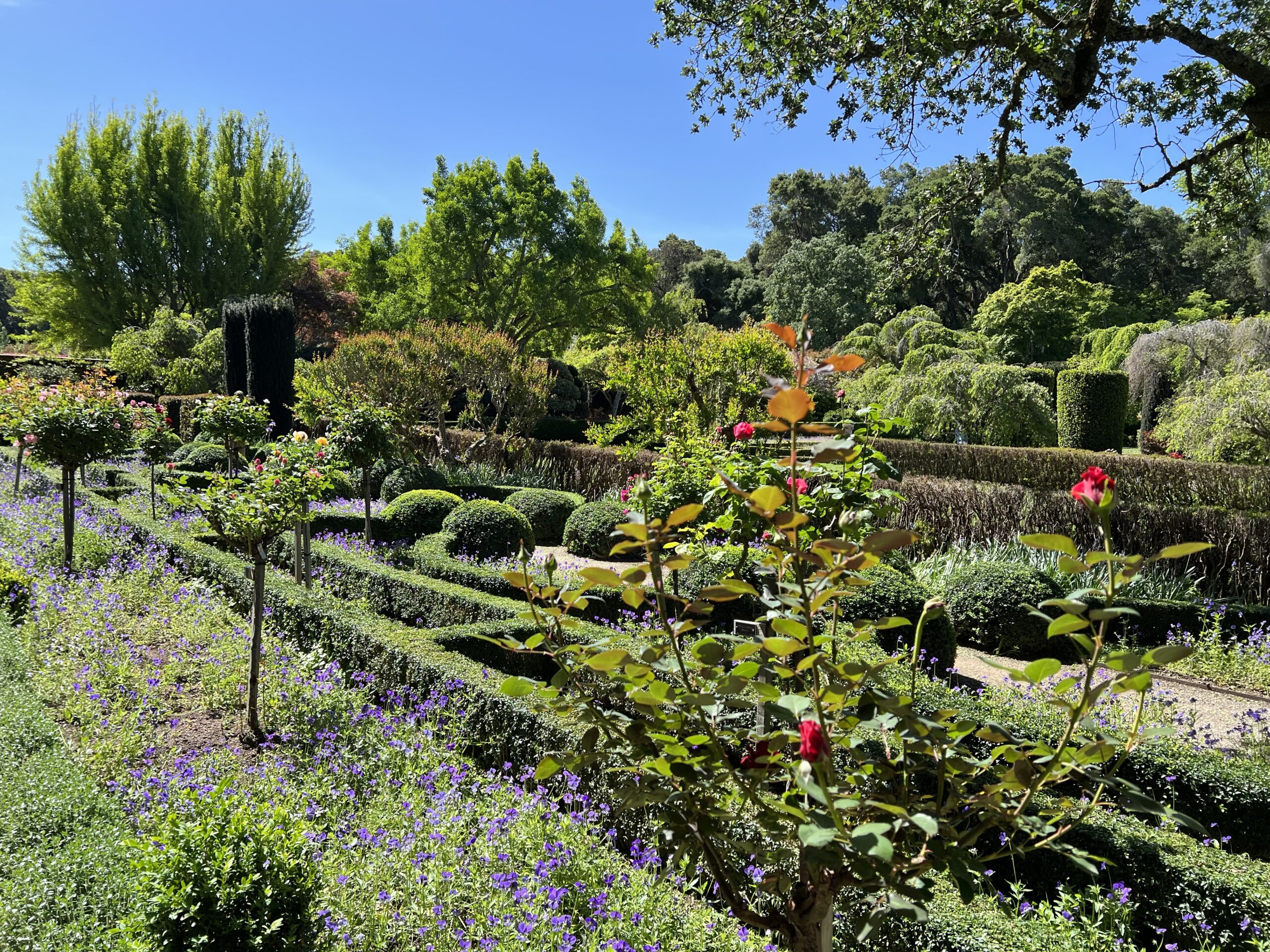
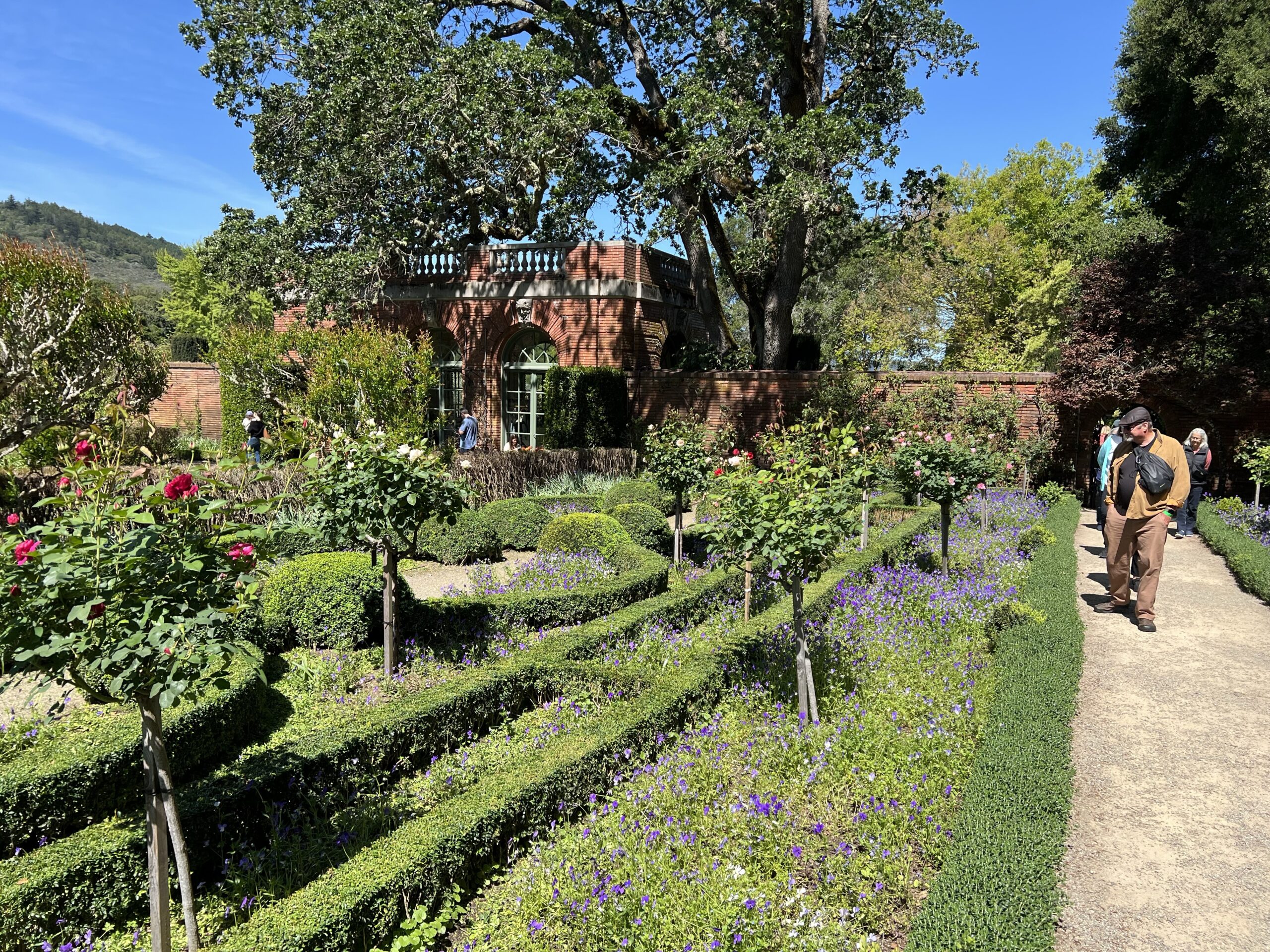
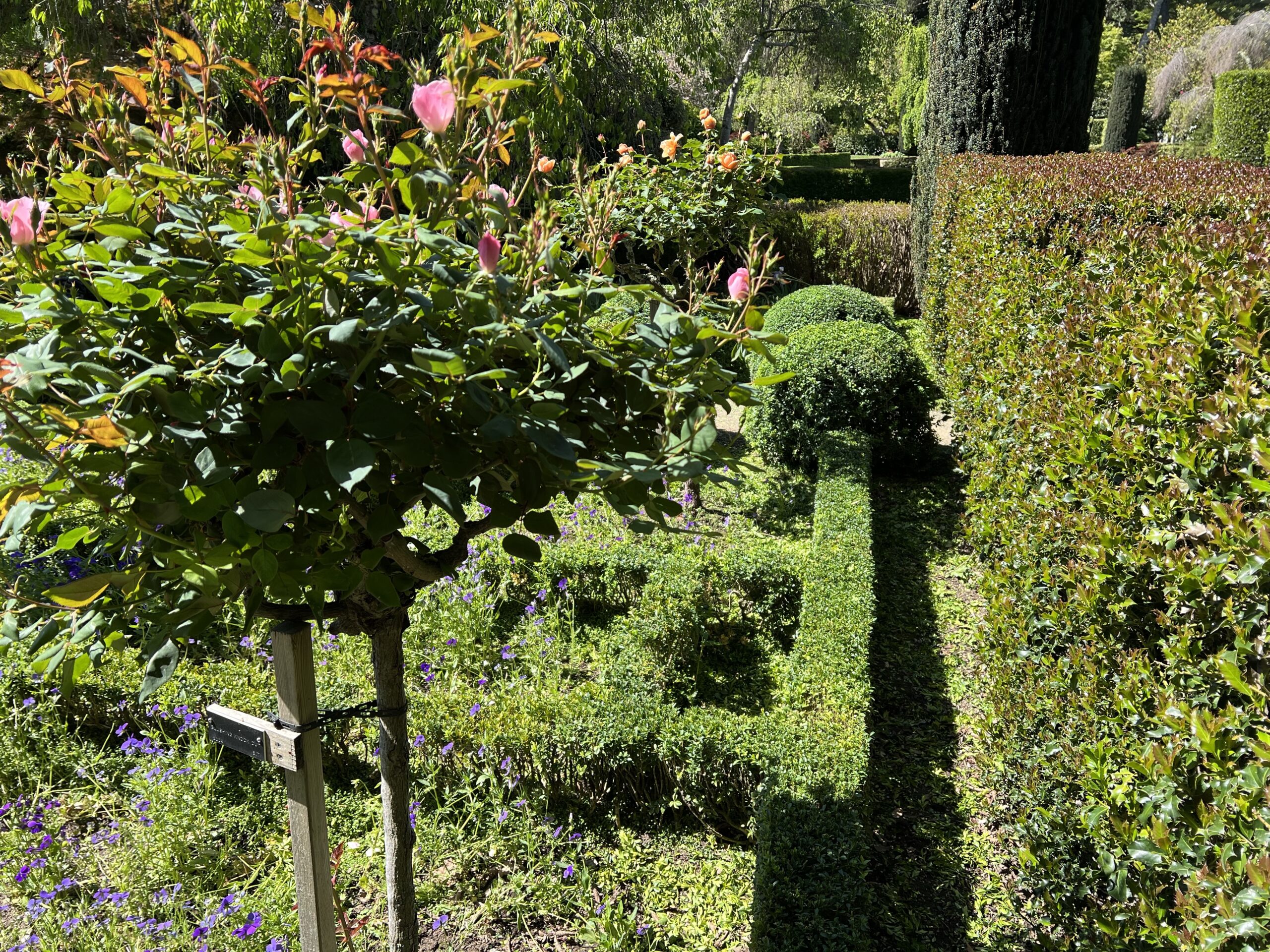
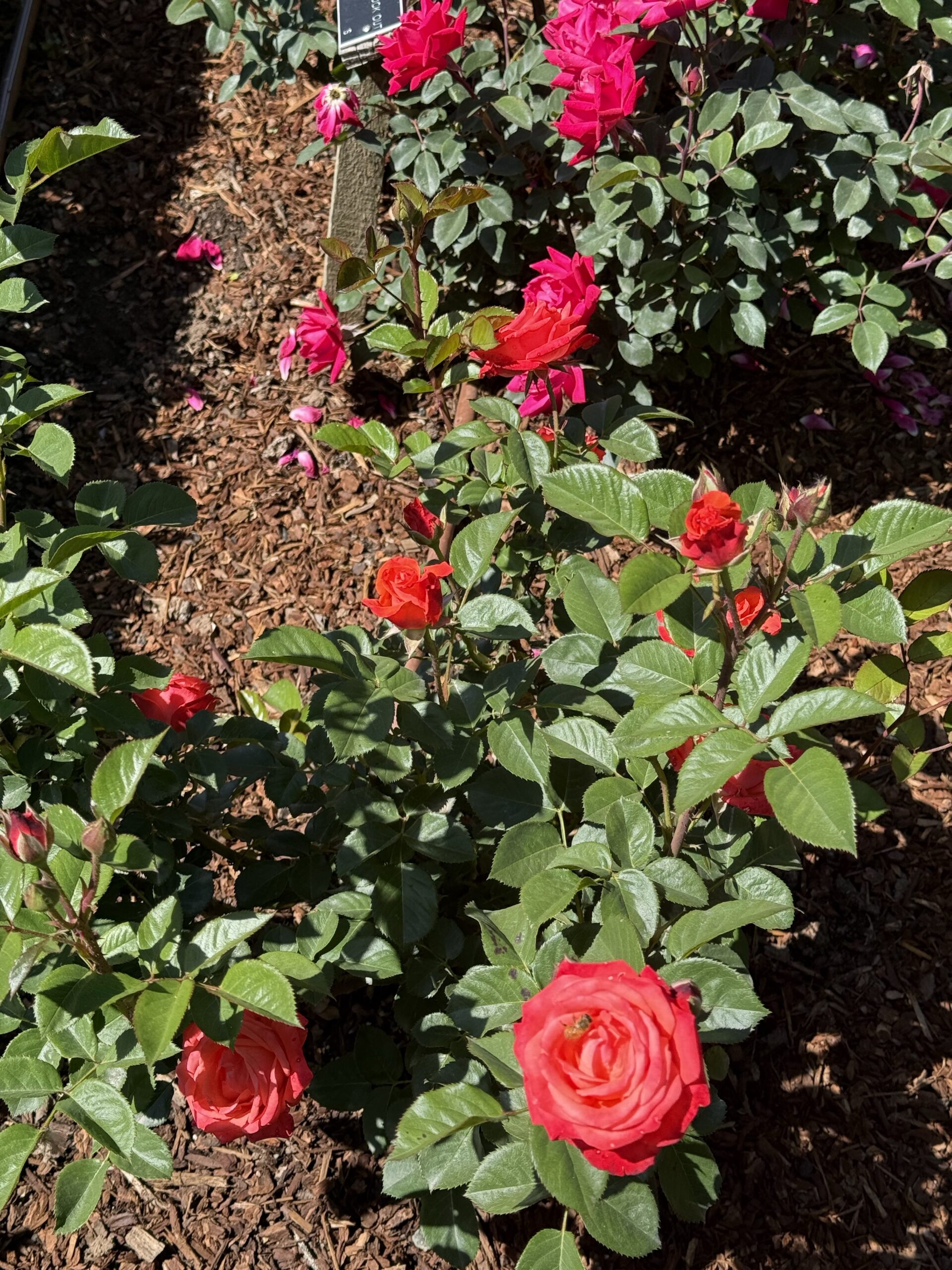
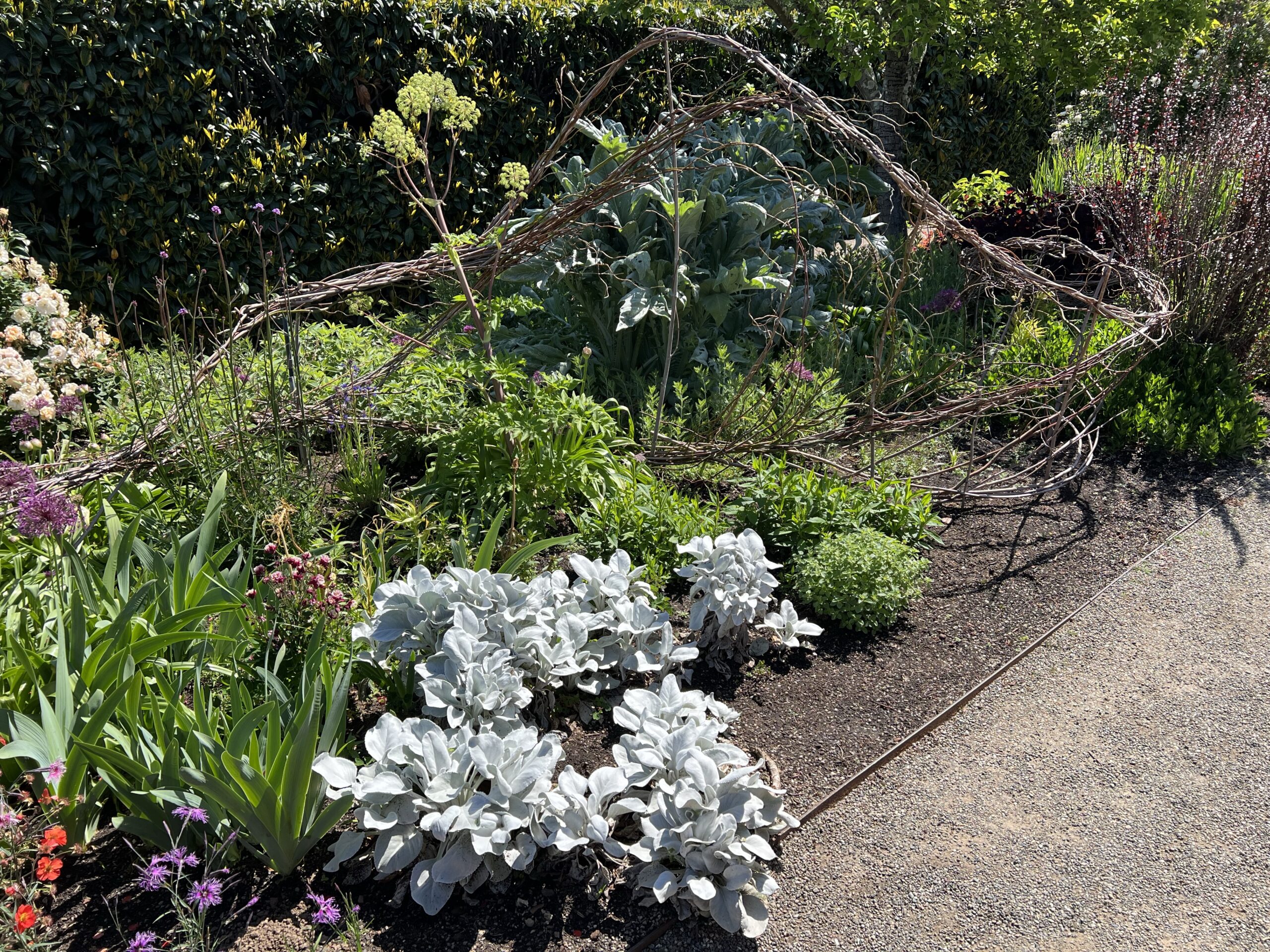

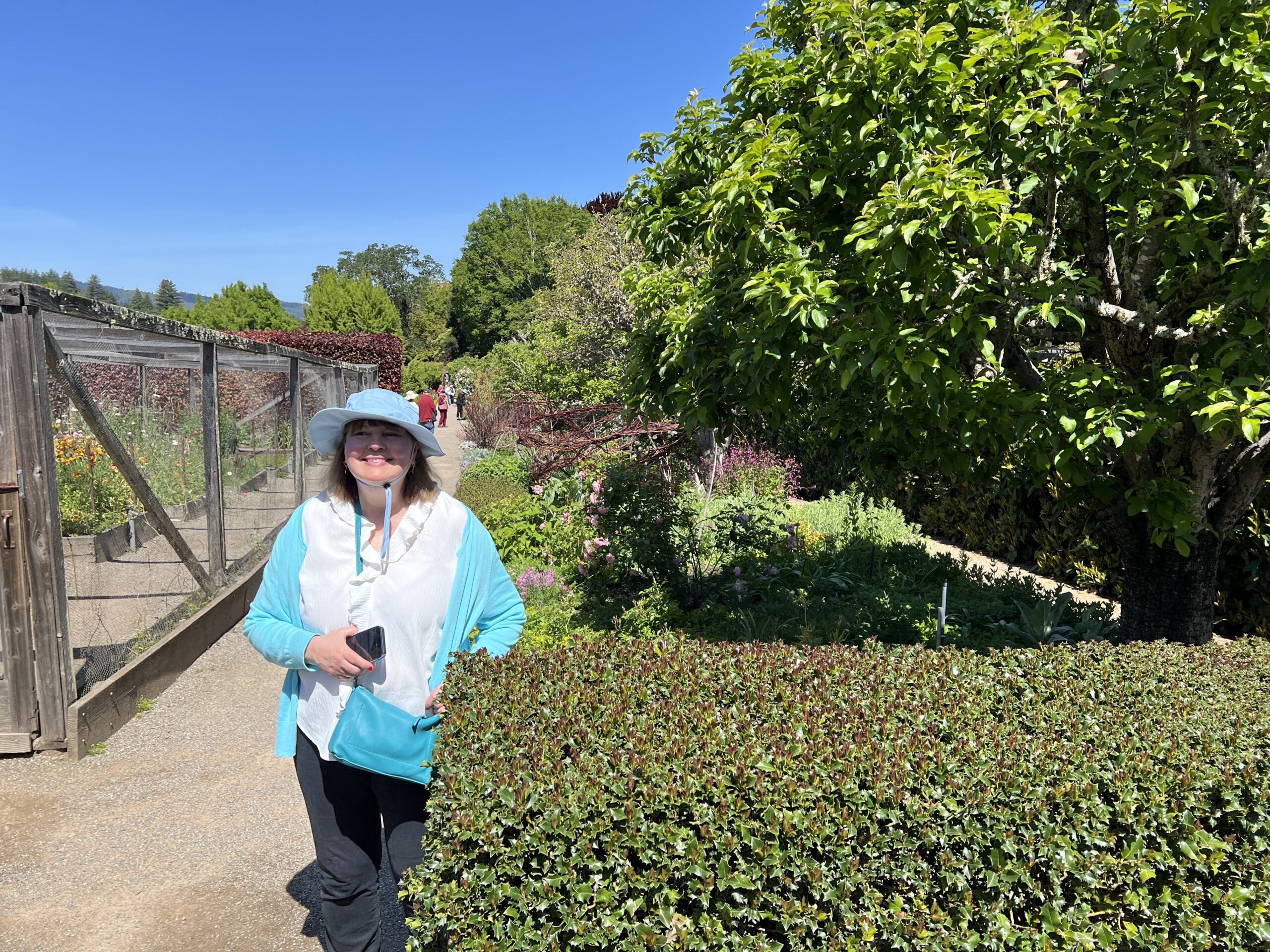
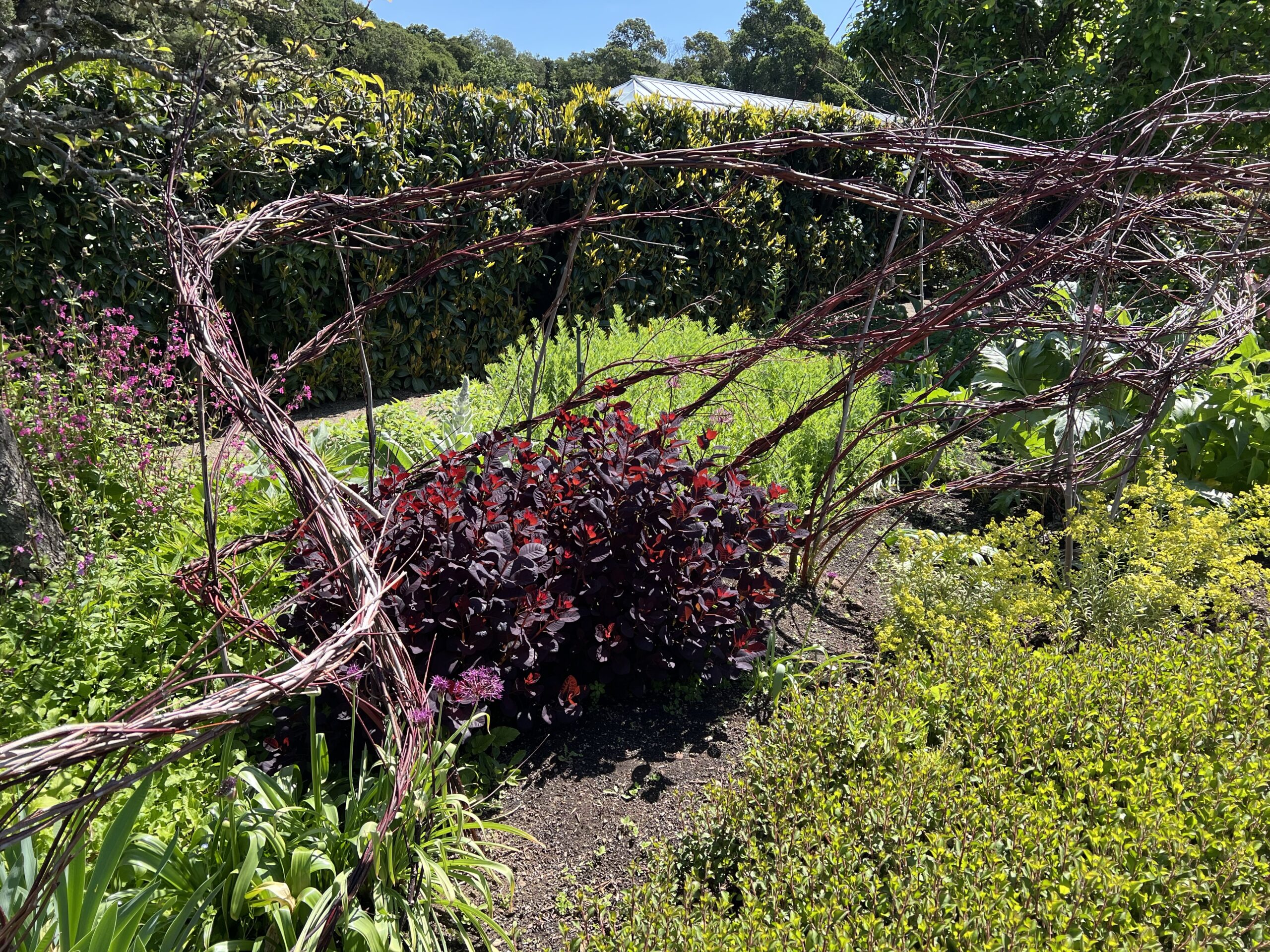
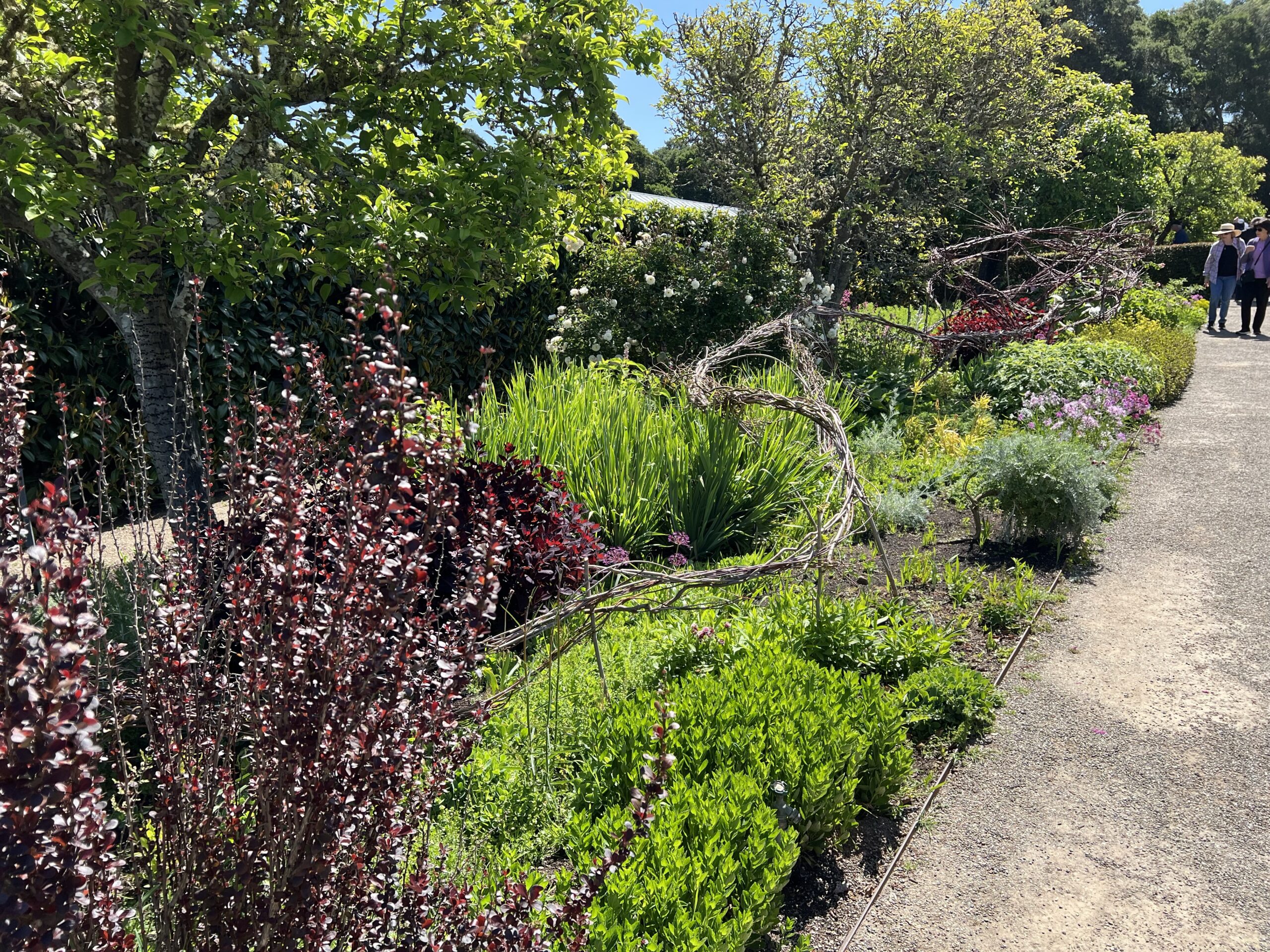
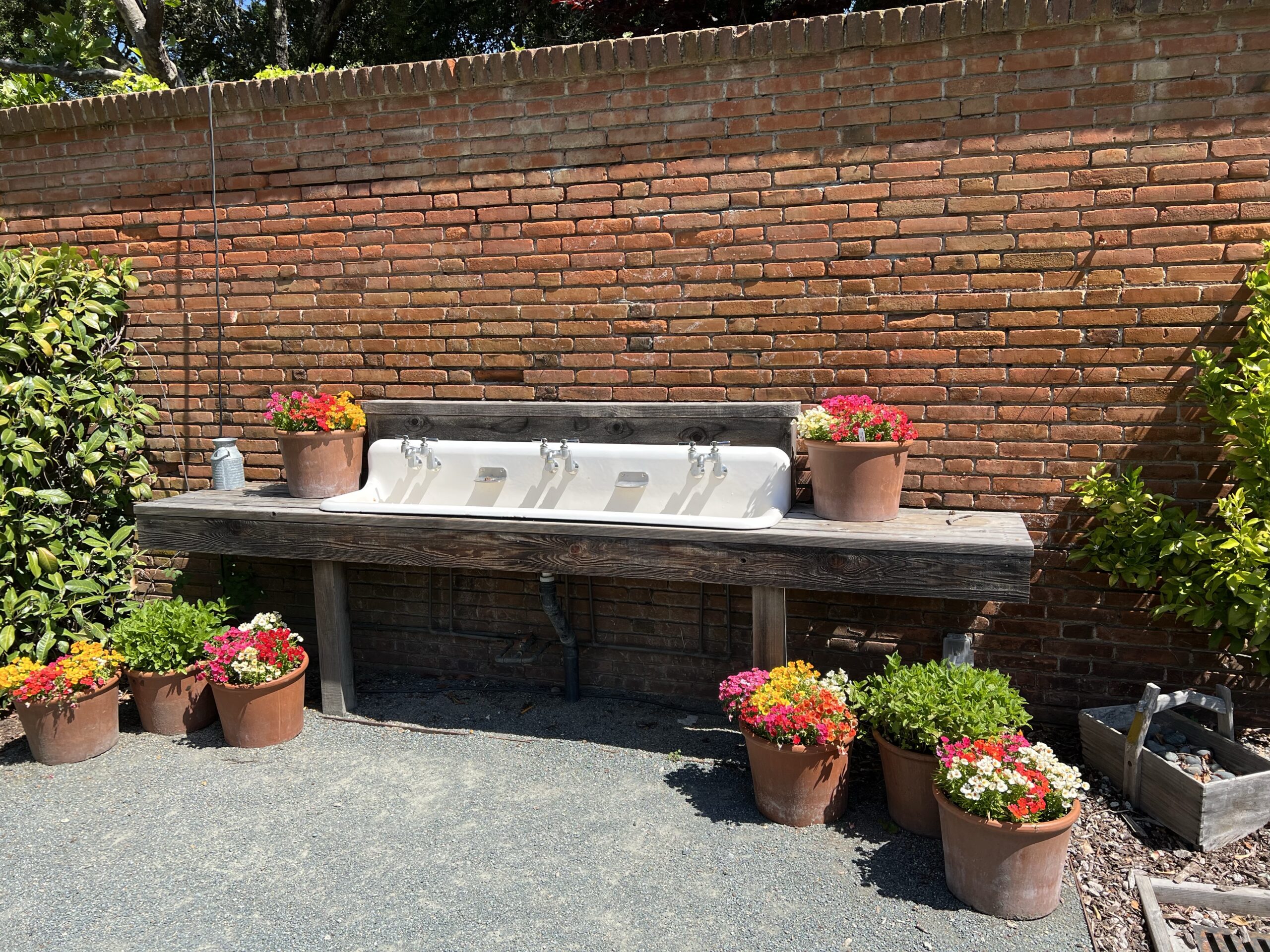
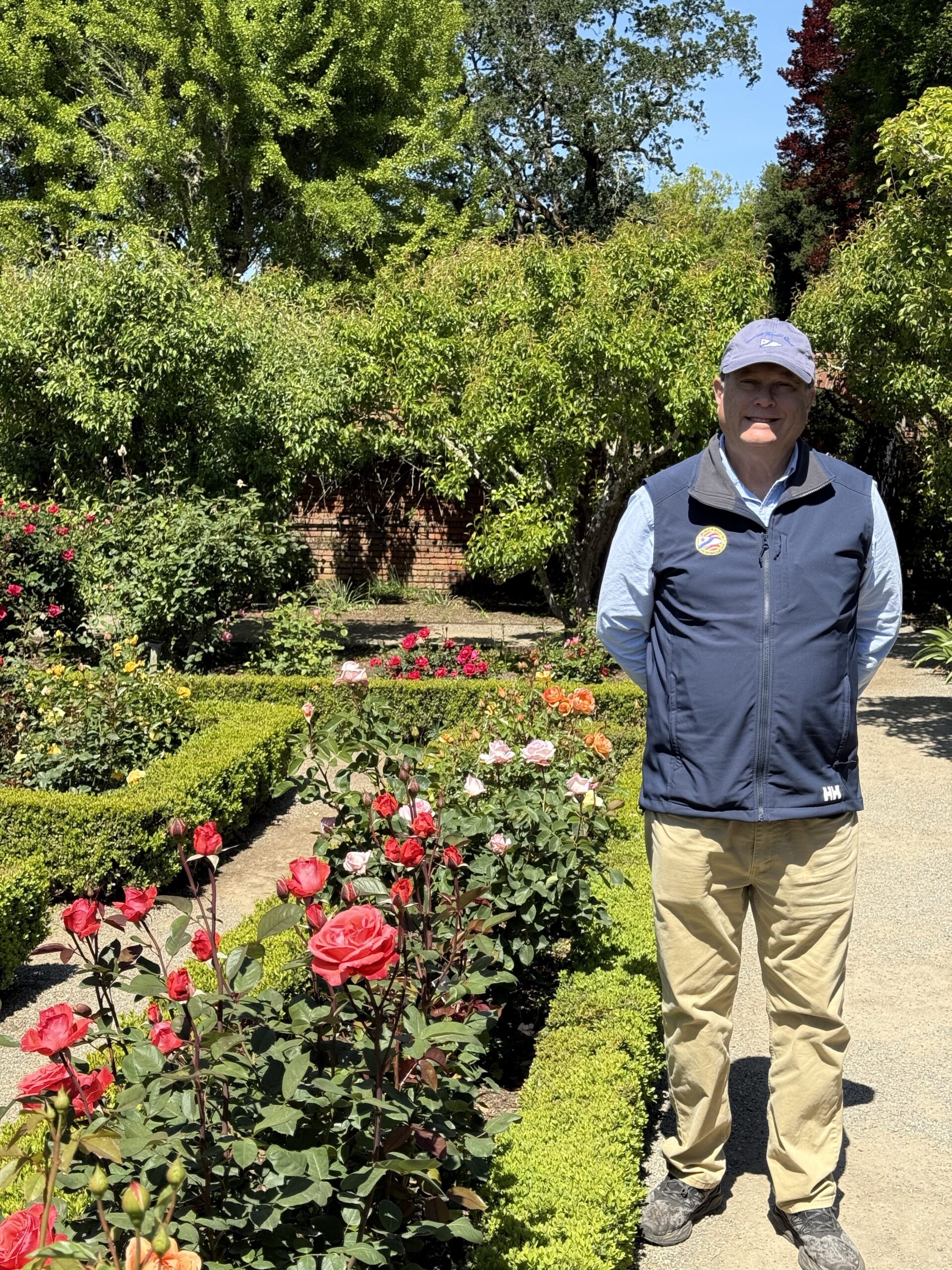
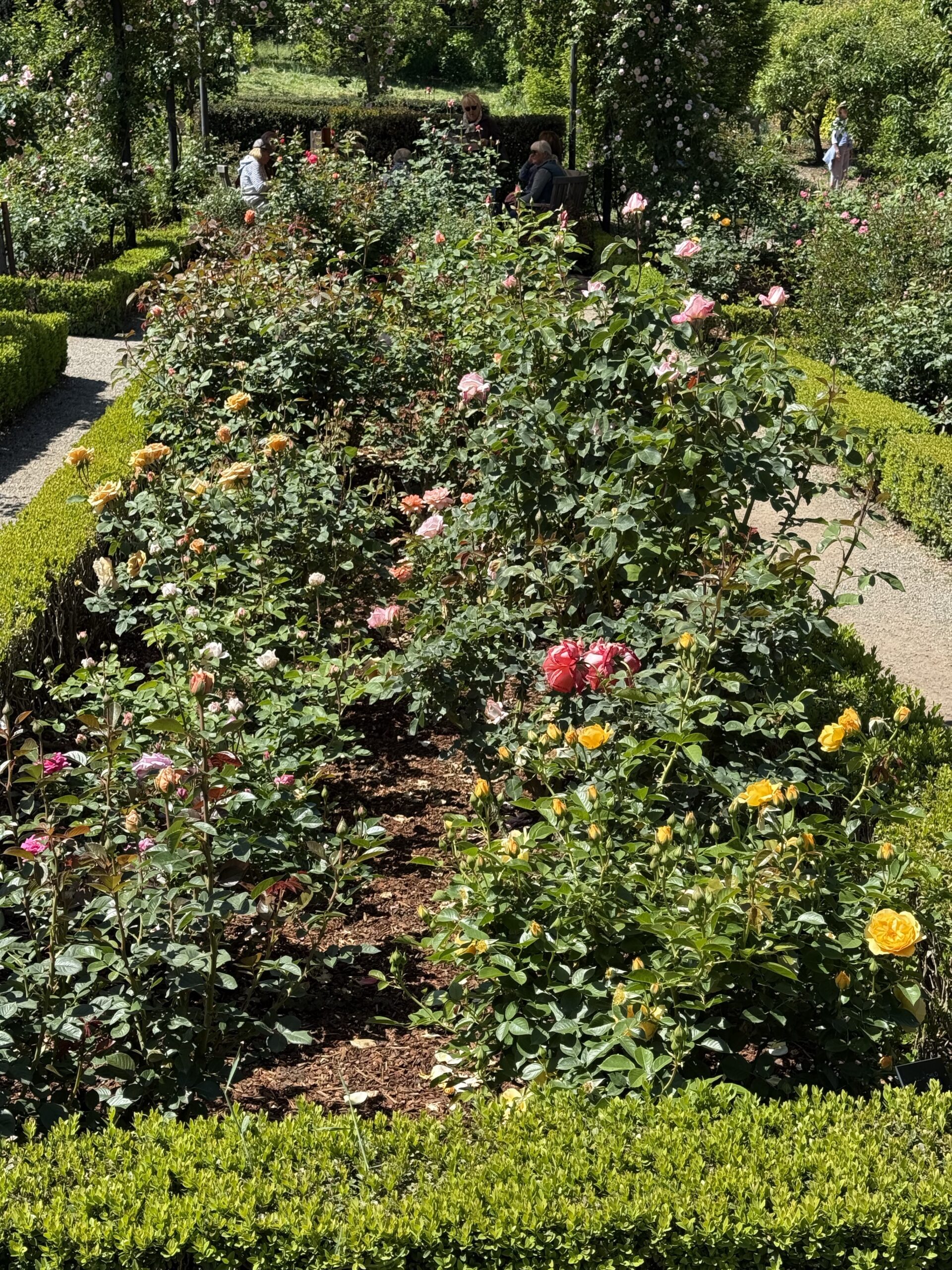
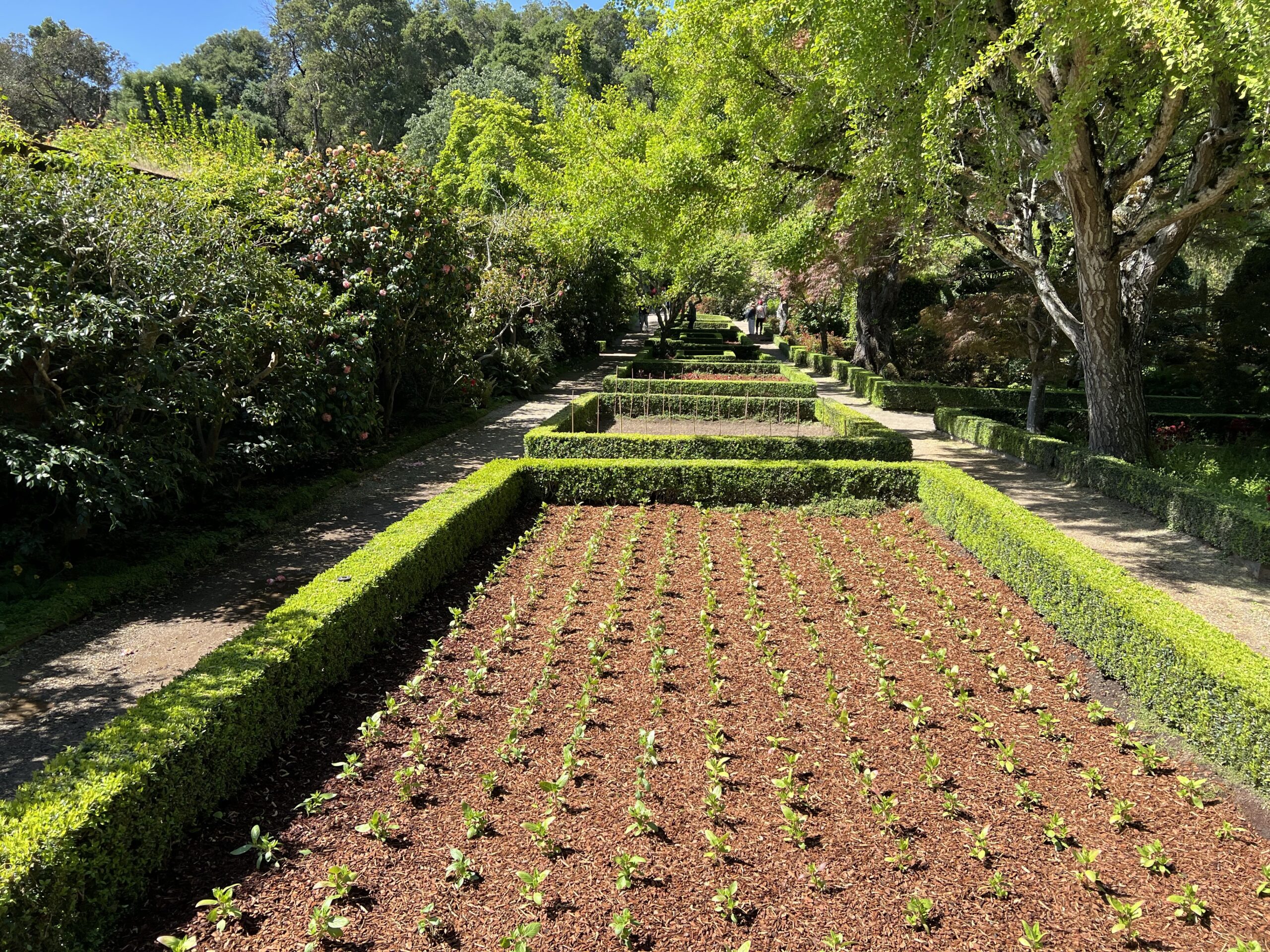
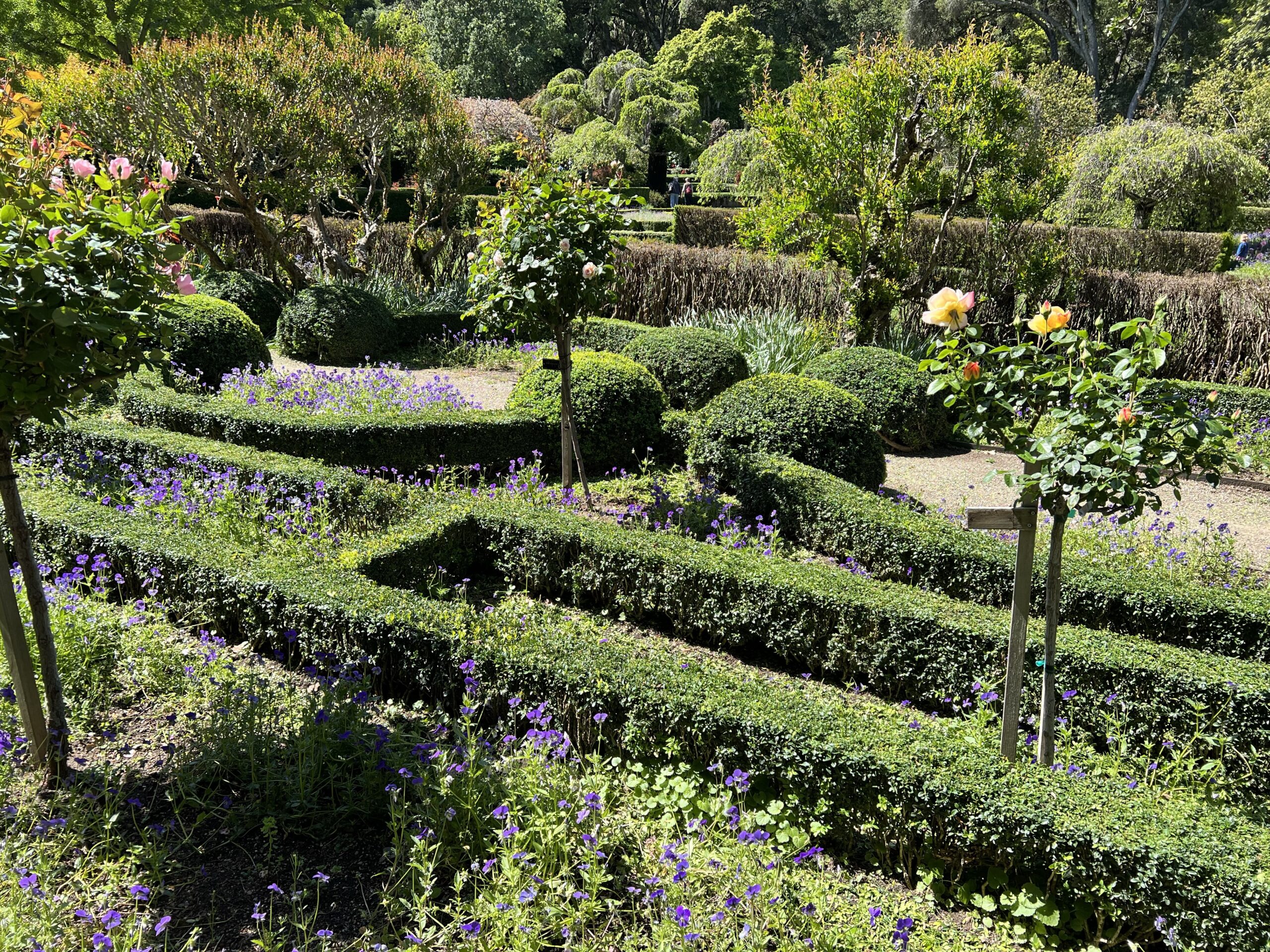
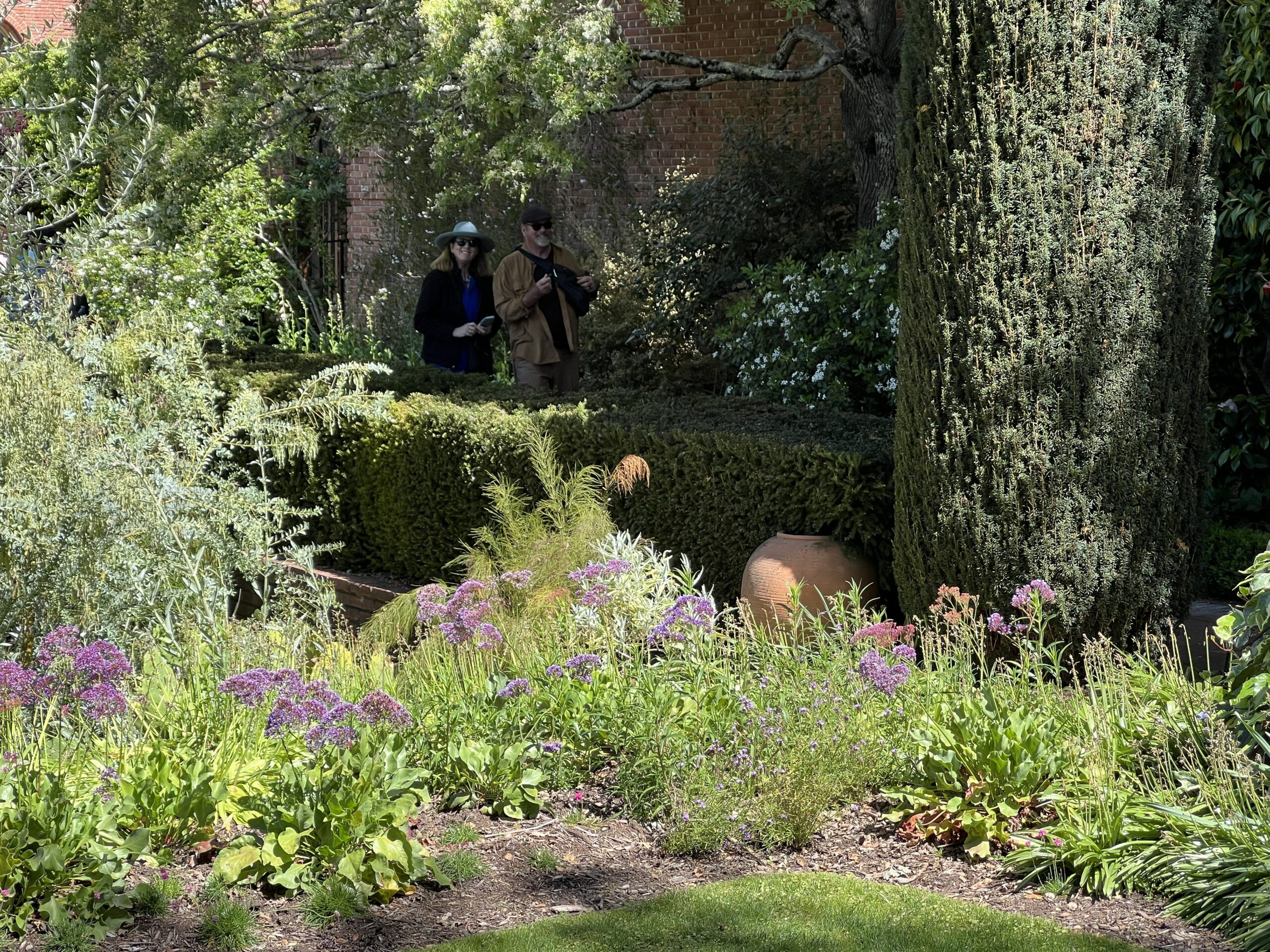
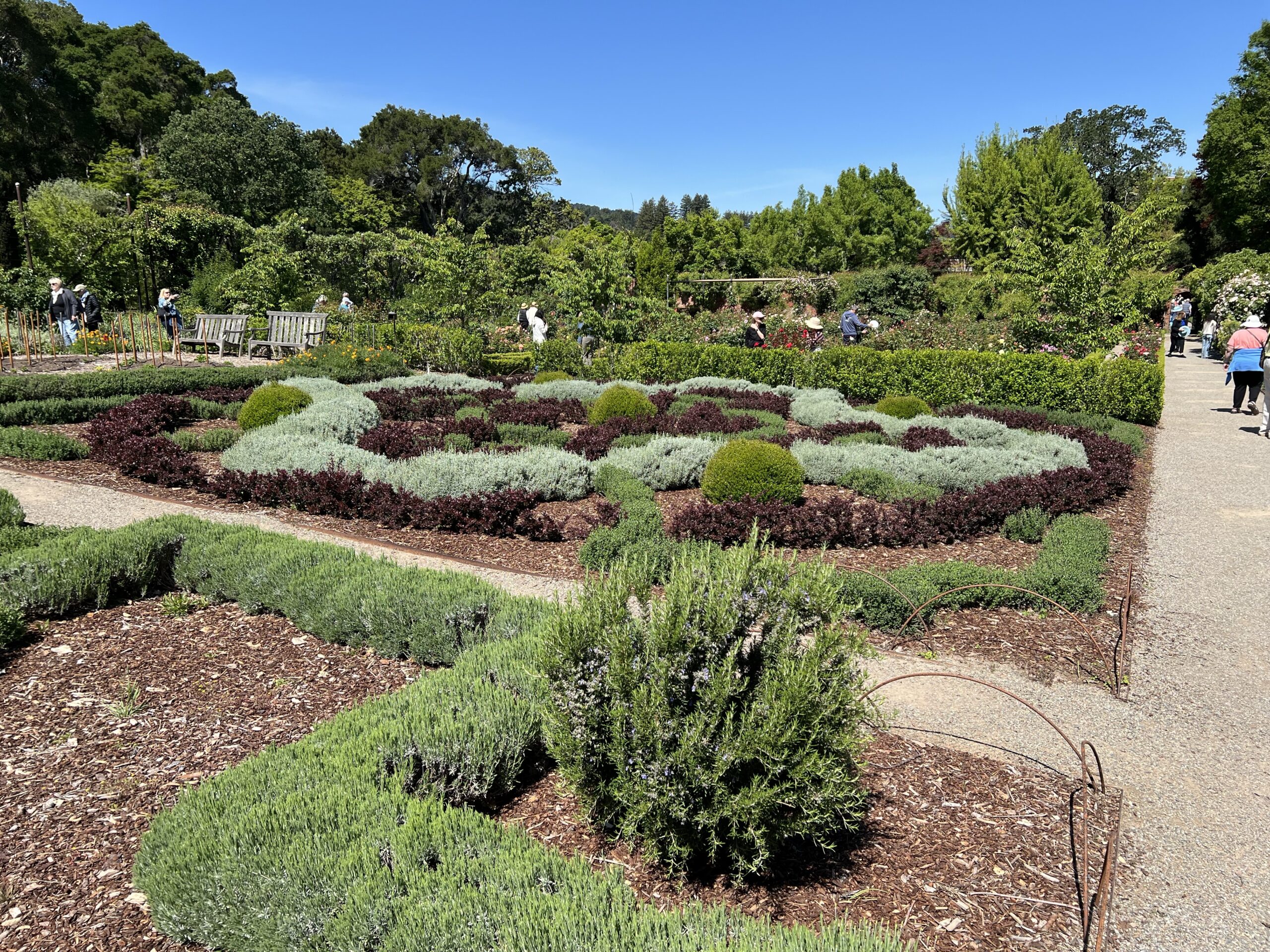
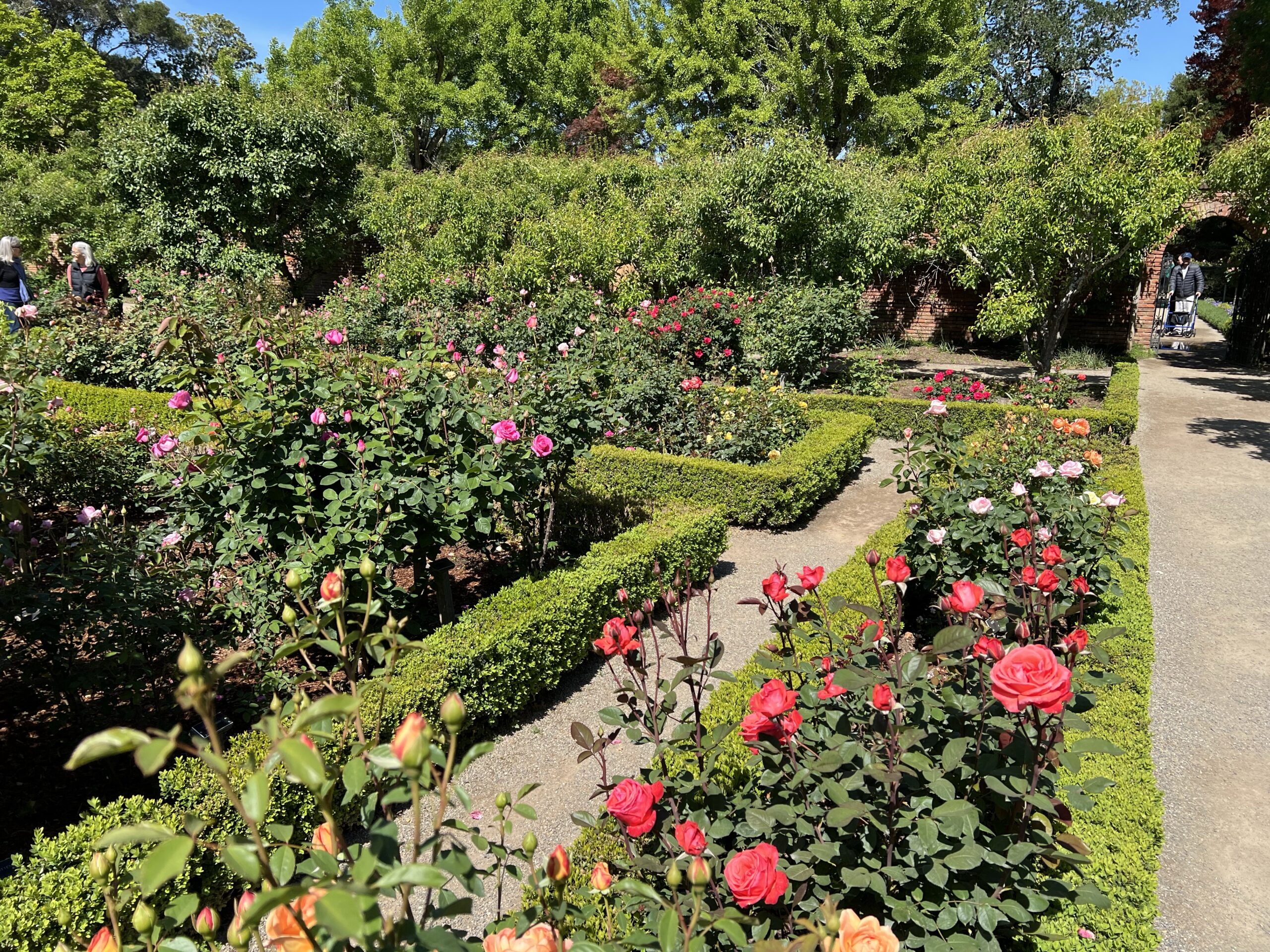
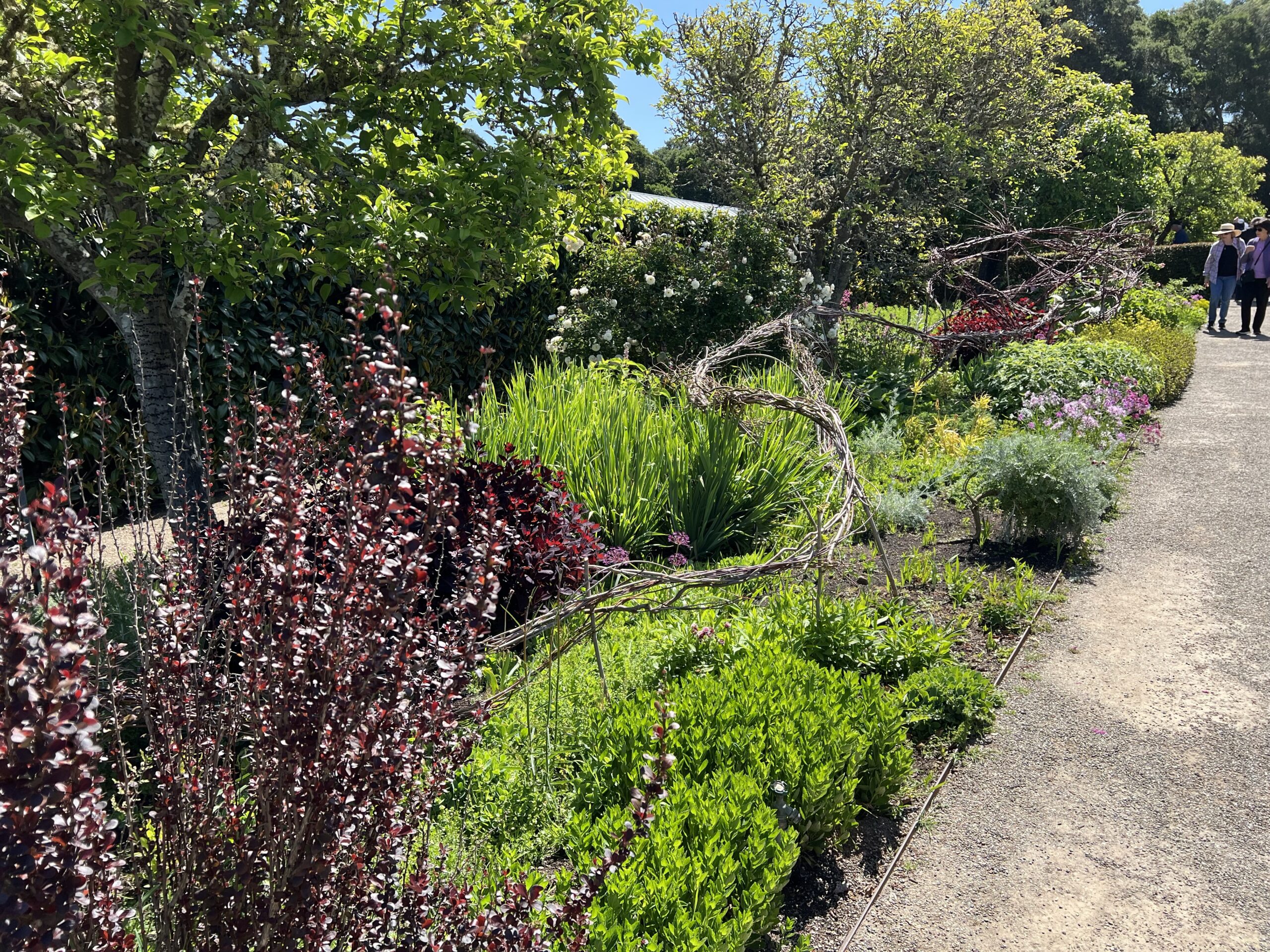
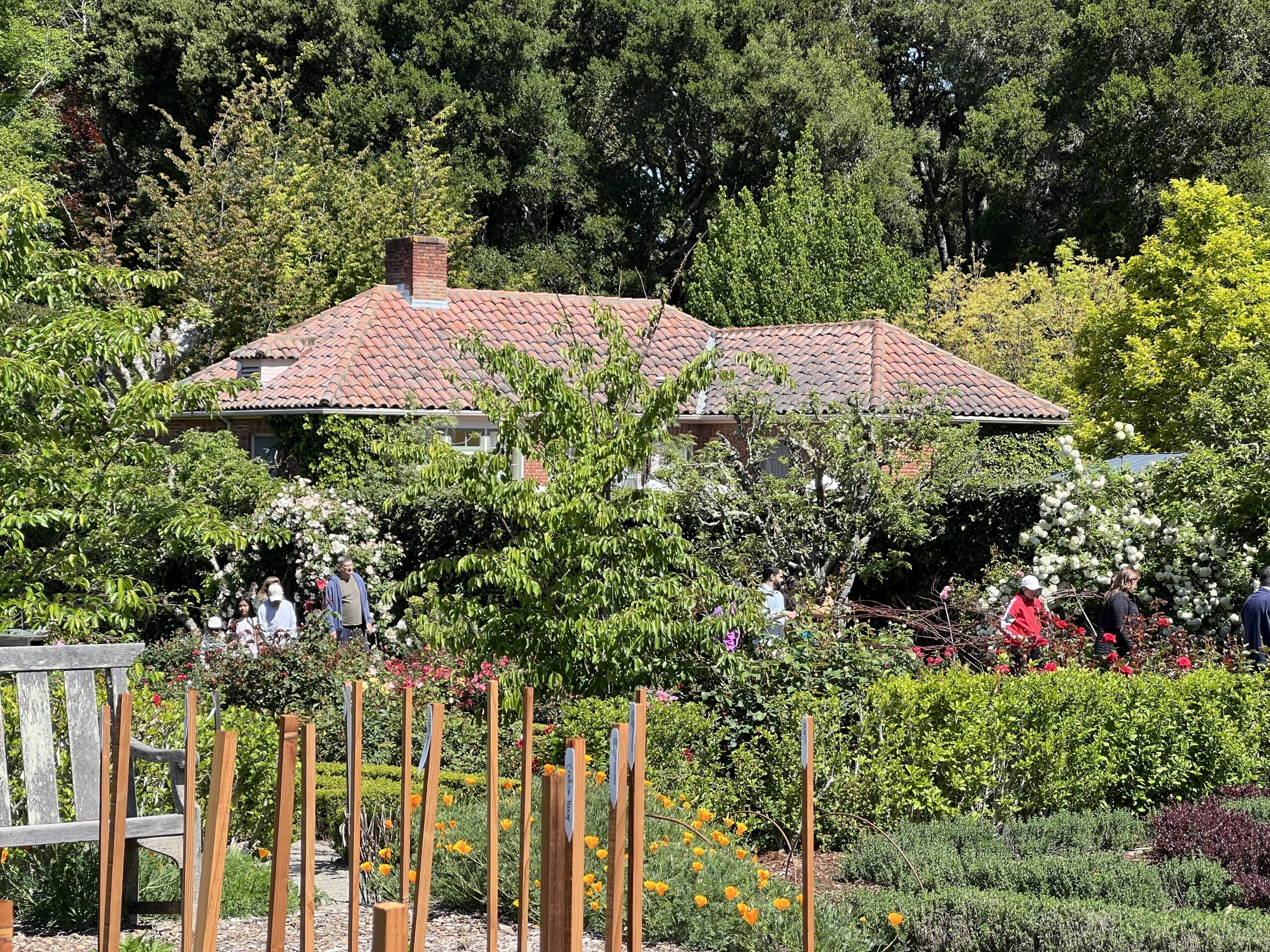
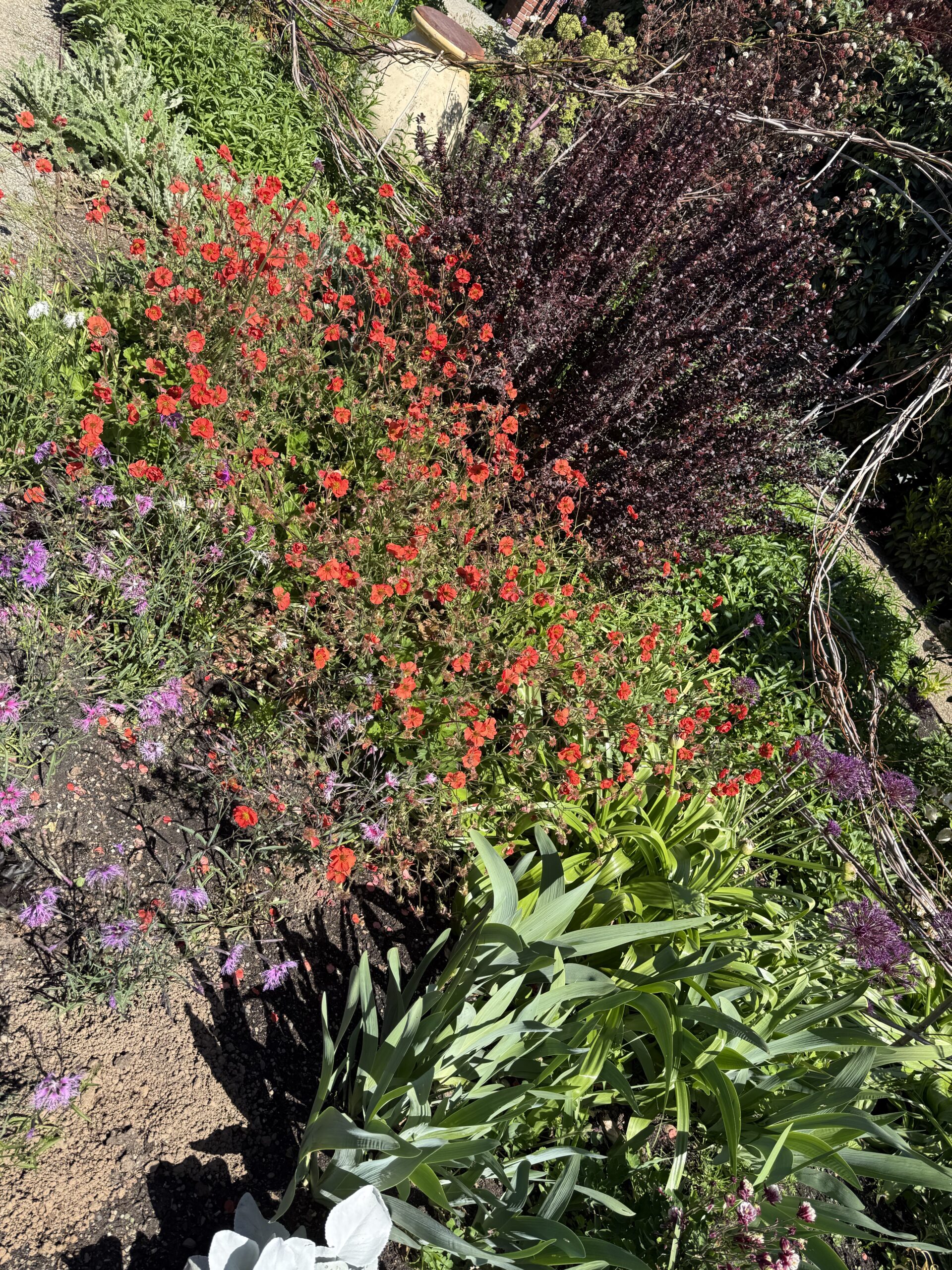

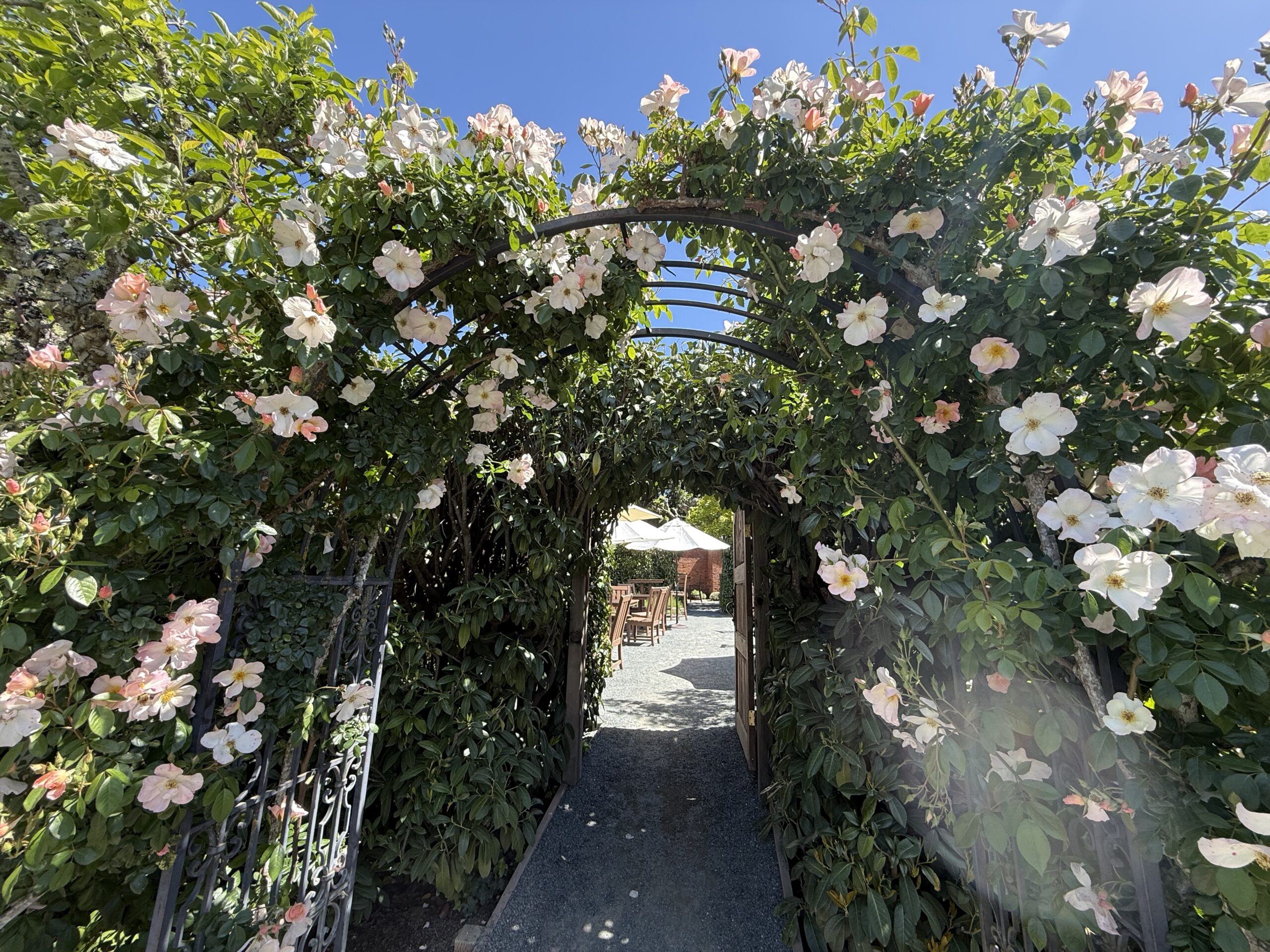

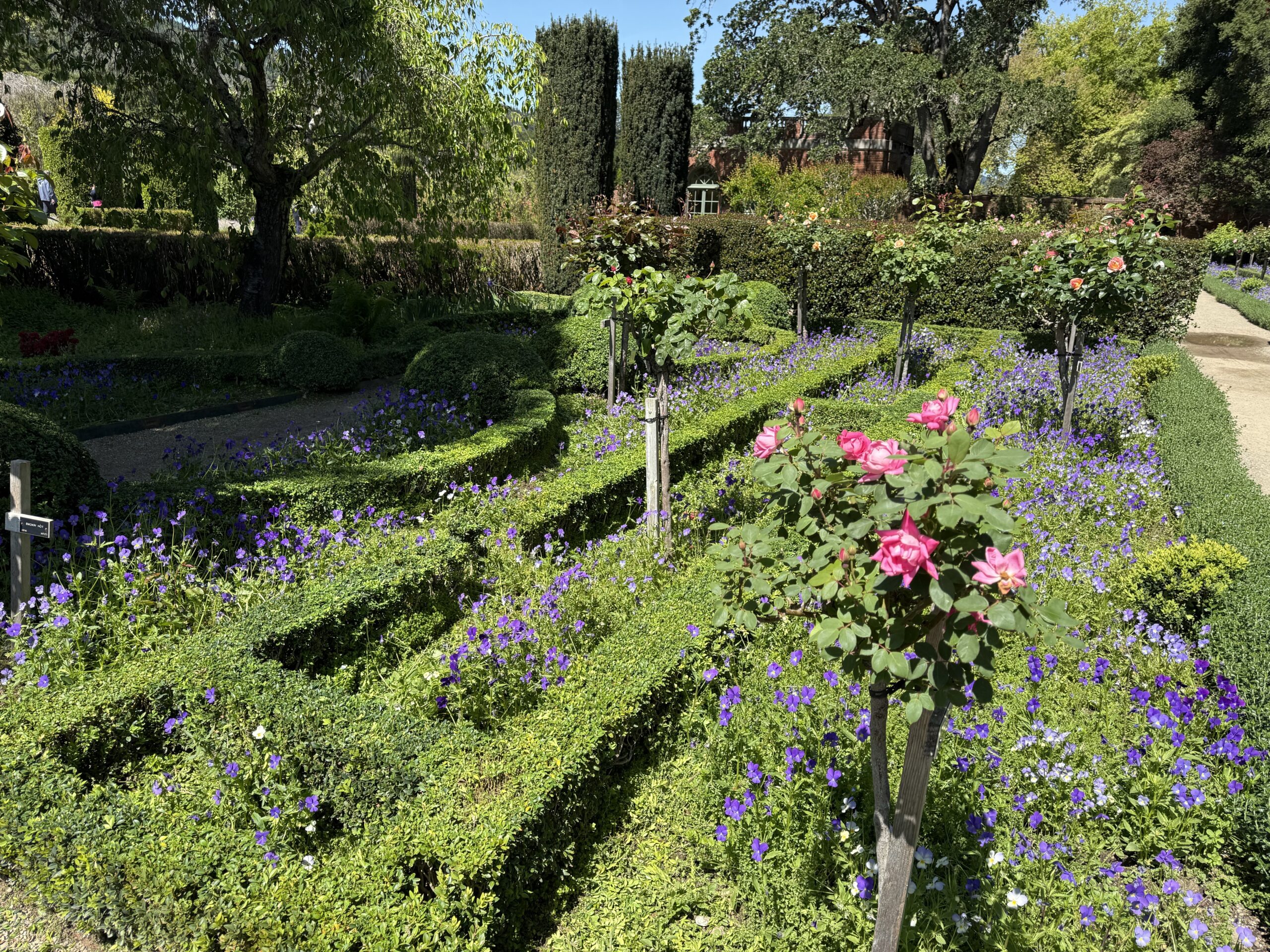
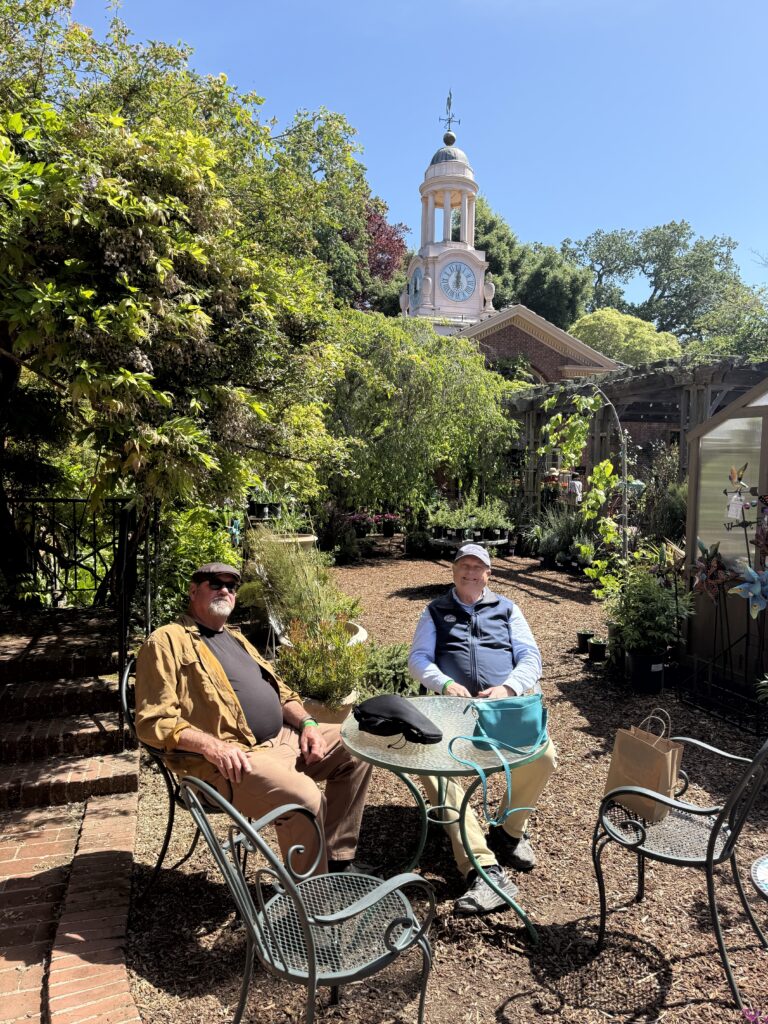
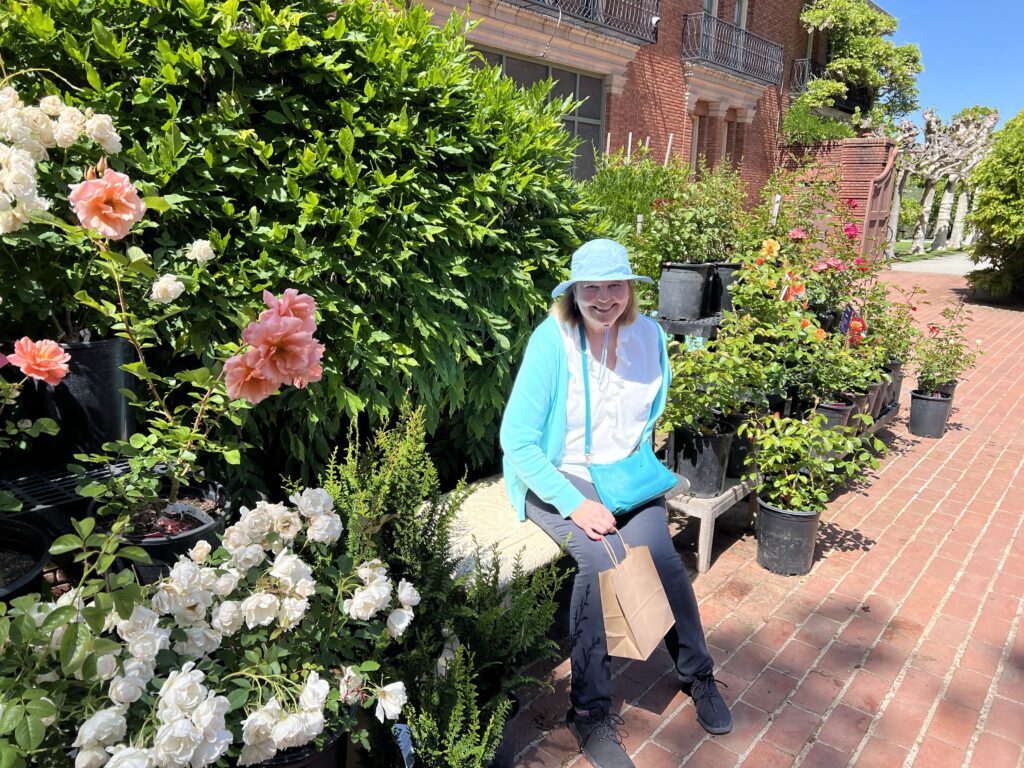
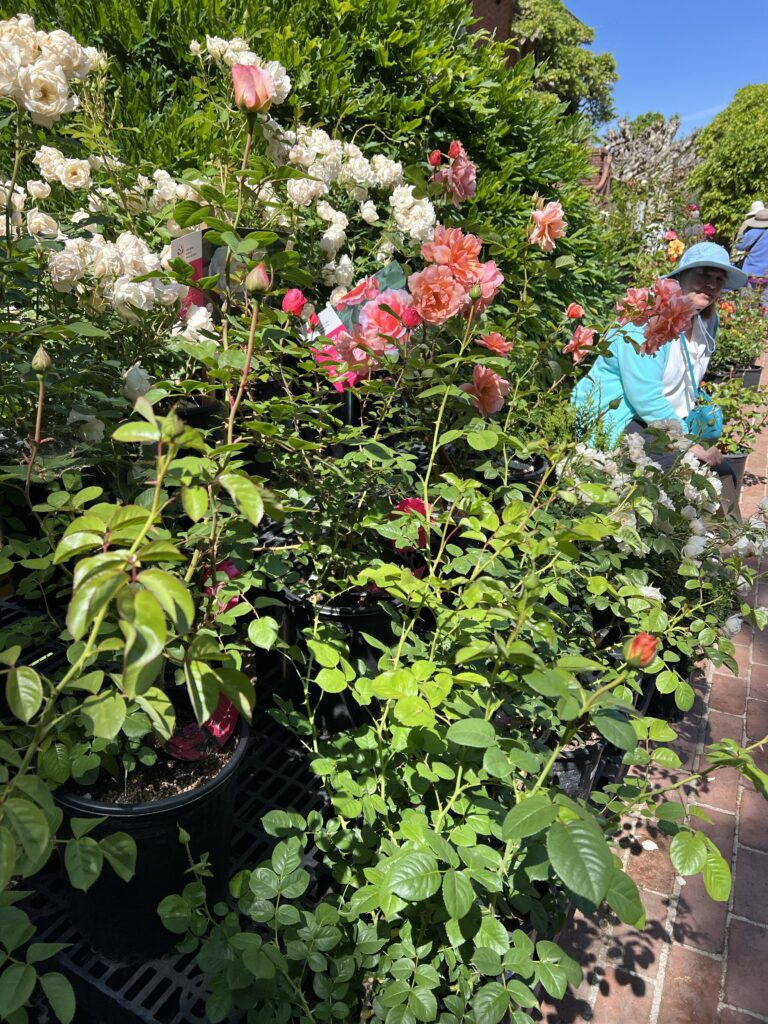
Summer (June-August): The rose garden reaches peak bloom; zinnias, salvias, and other annuals fill beds throughout the 16 acres of formal gardens. The estate extends hours for “Summer Nights” programming and offers special concerts and pool parties.localnewsmatters+2
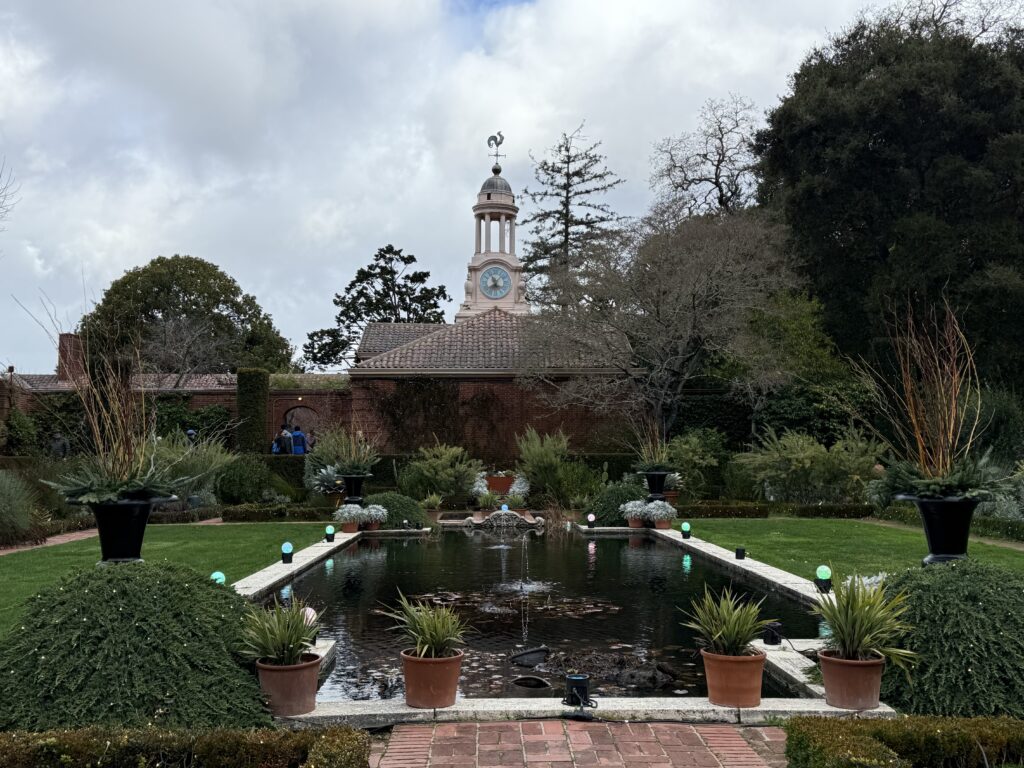
Fall (September-October): Orchard Days celebrates the harvest with 577 fruit trees producing apples, pears, and other heirloom varieties. October brings Halloween-themed “Forbidden Forest” events, while September’s “Taste of Fall” features beekeeping demonstrations and heritage fruit tastings.visitcalifornia


The Railroad Attraction
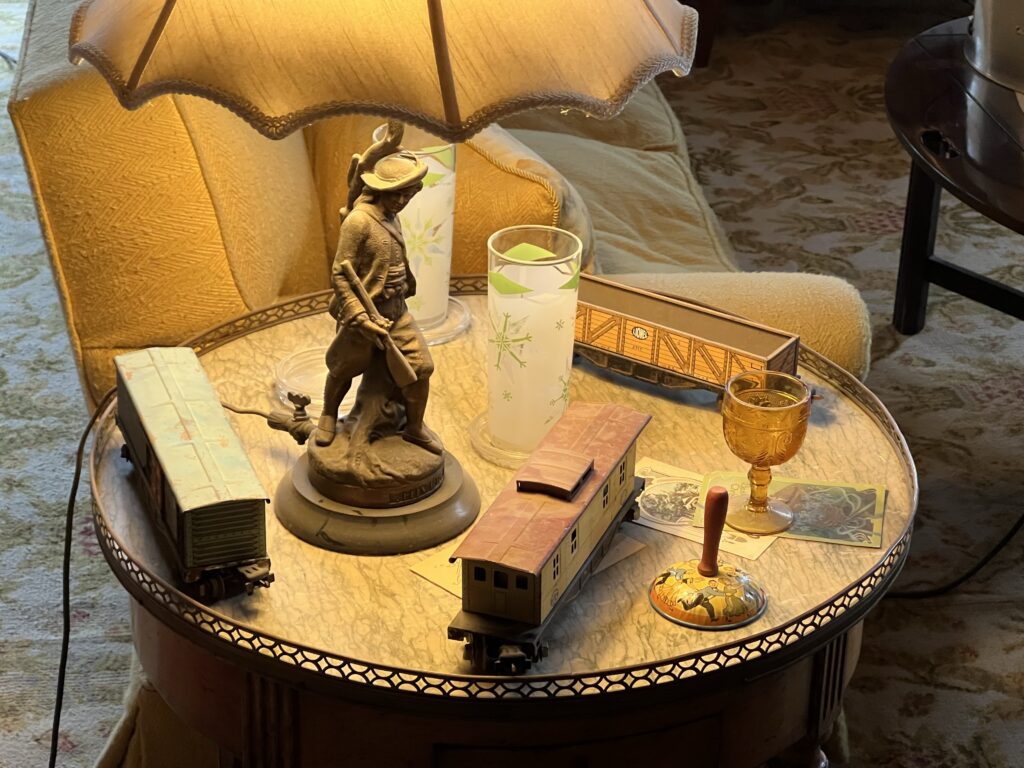
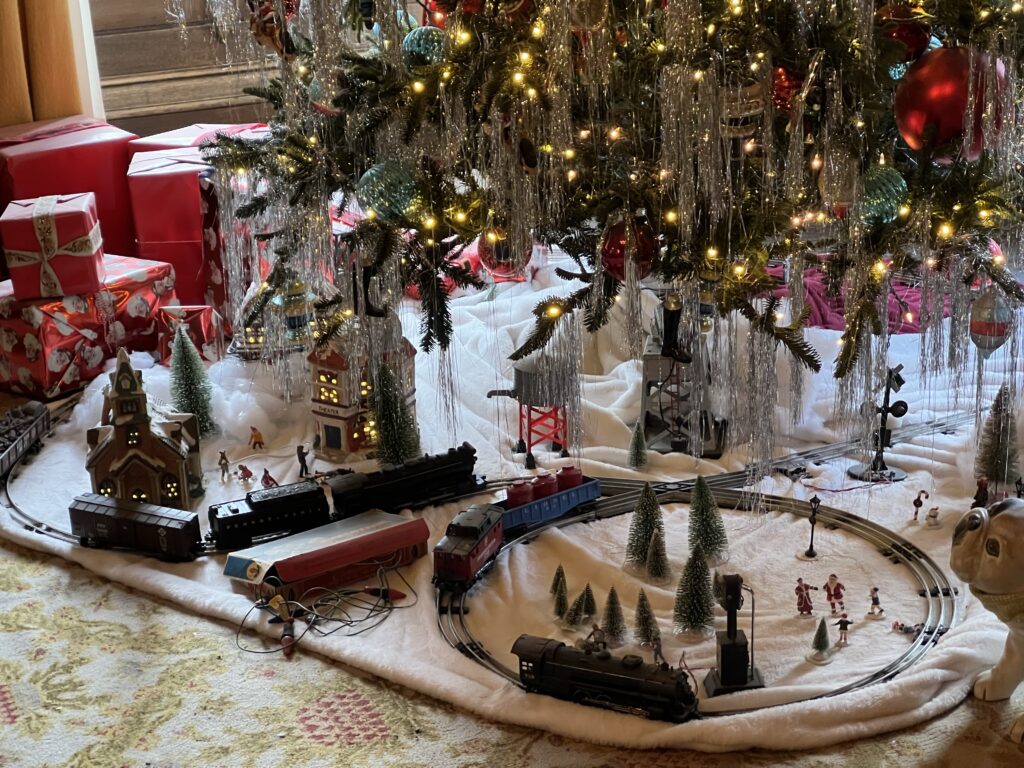
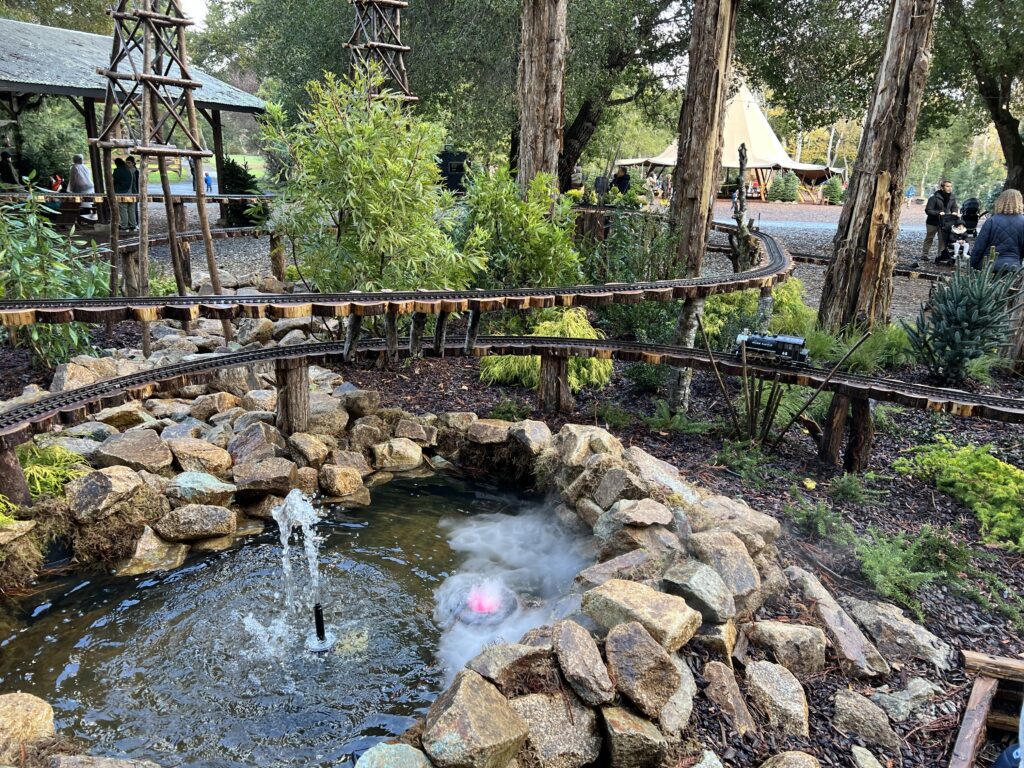
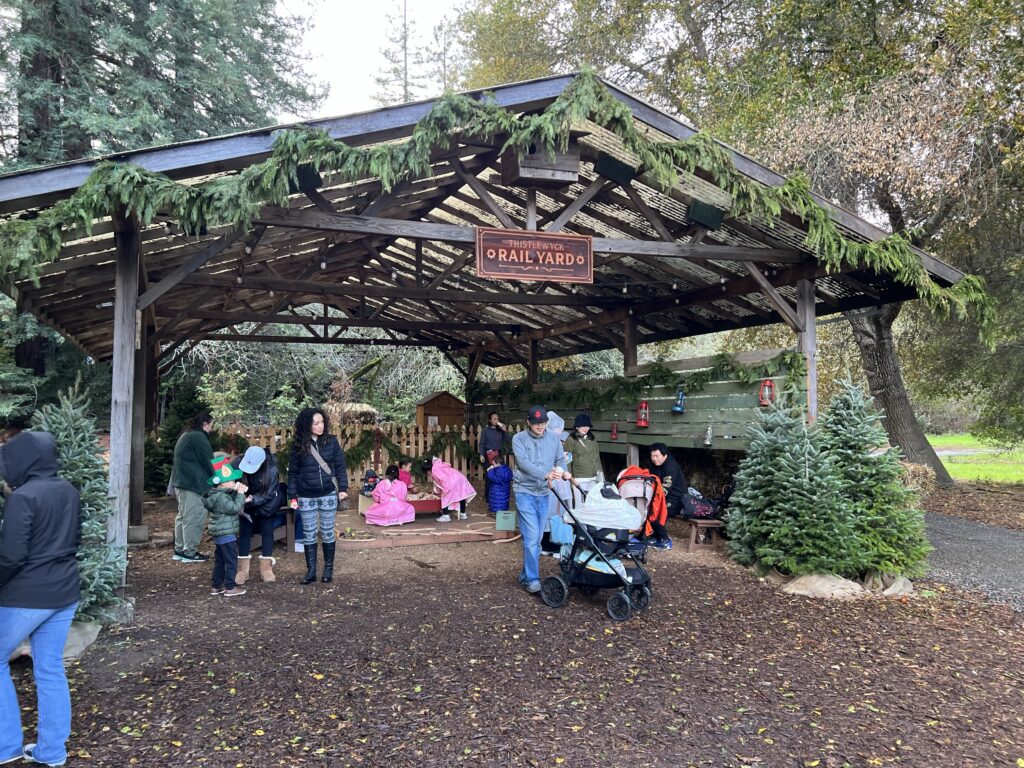
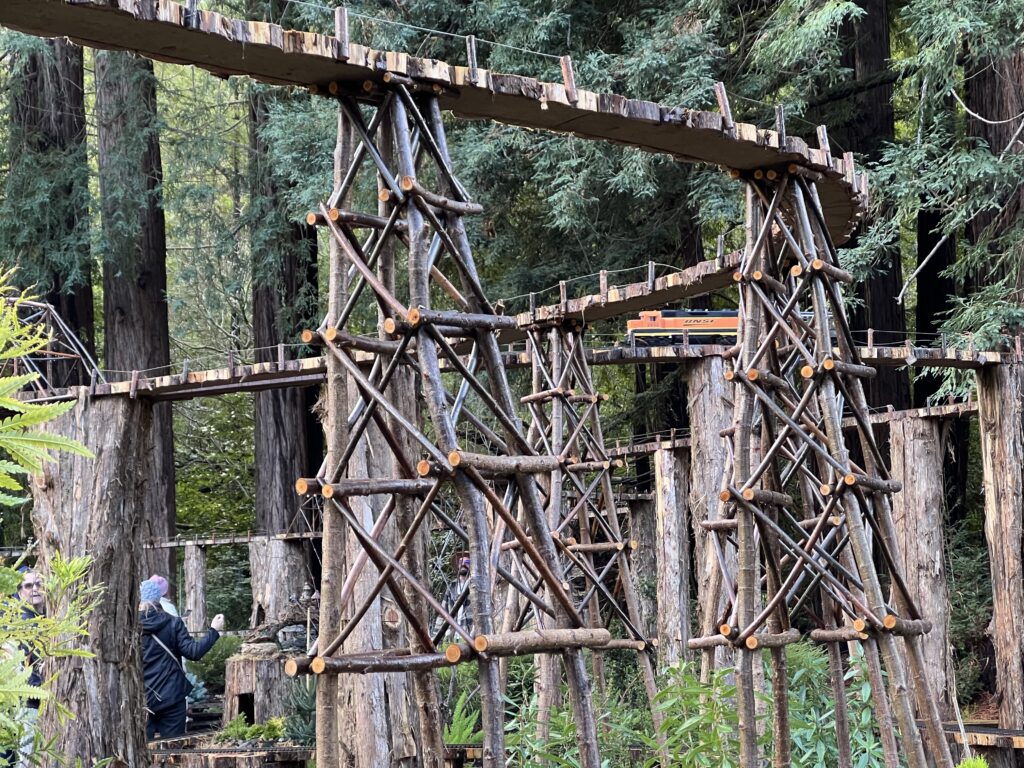
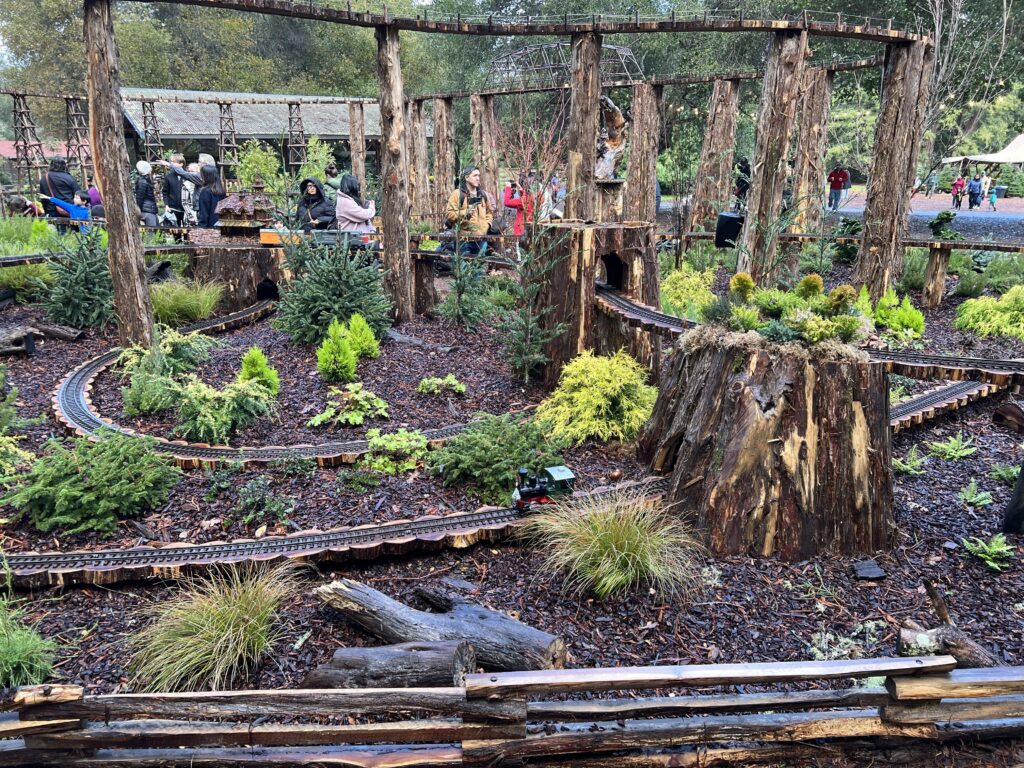
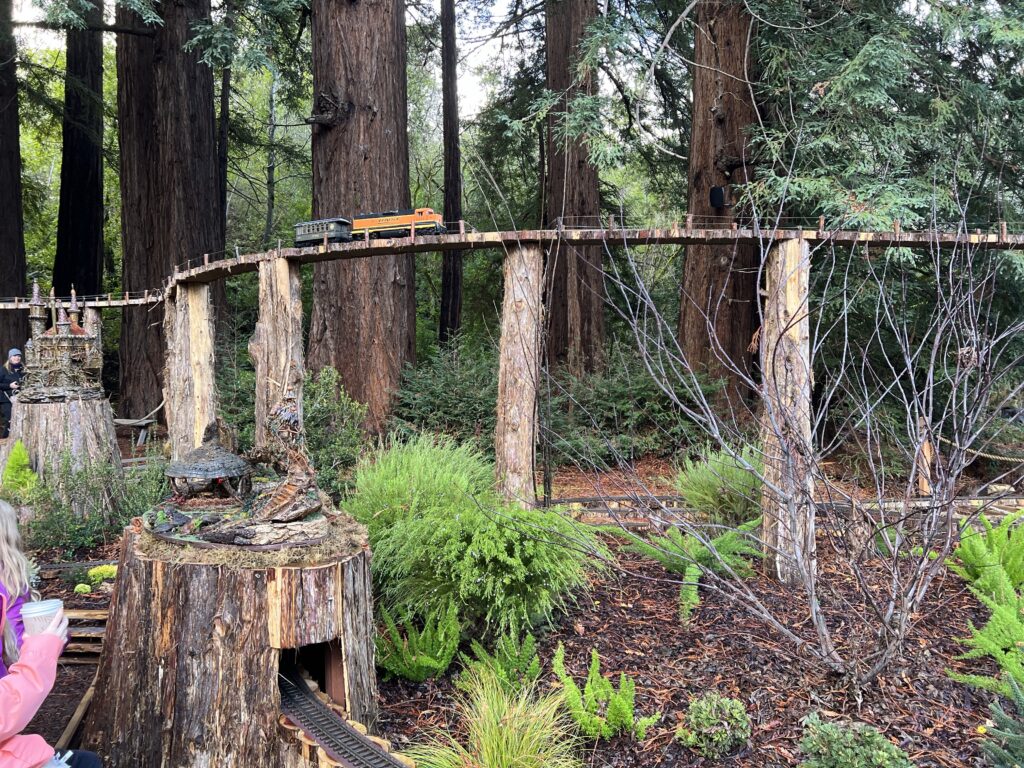
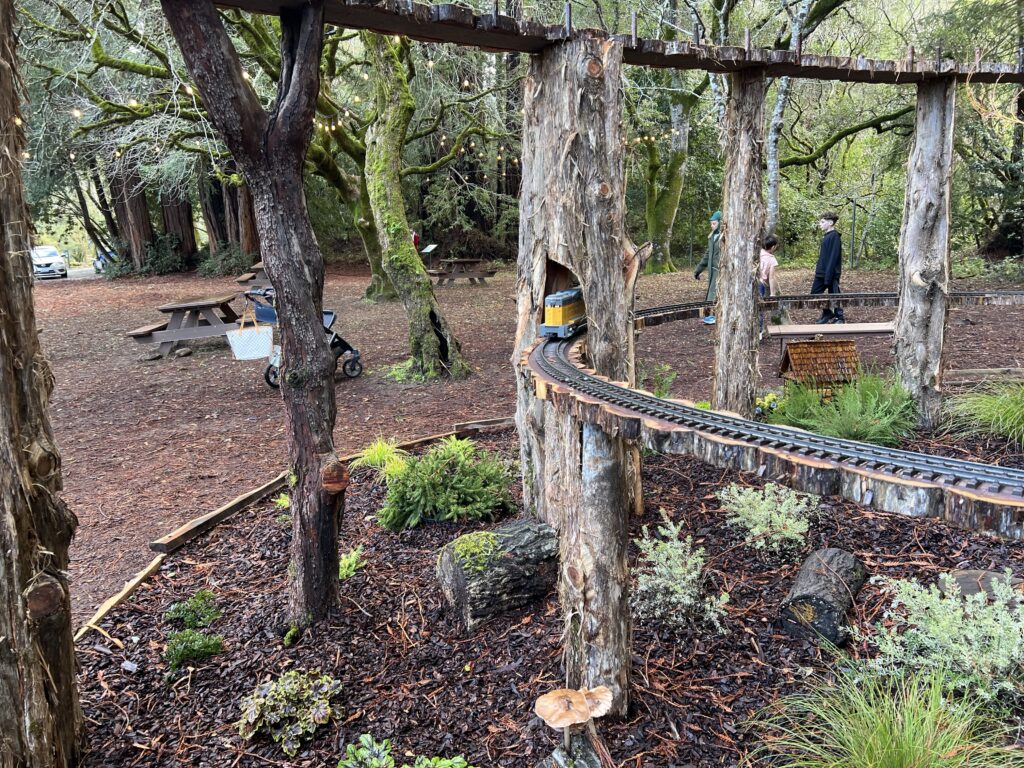
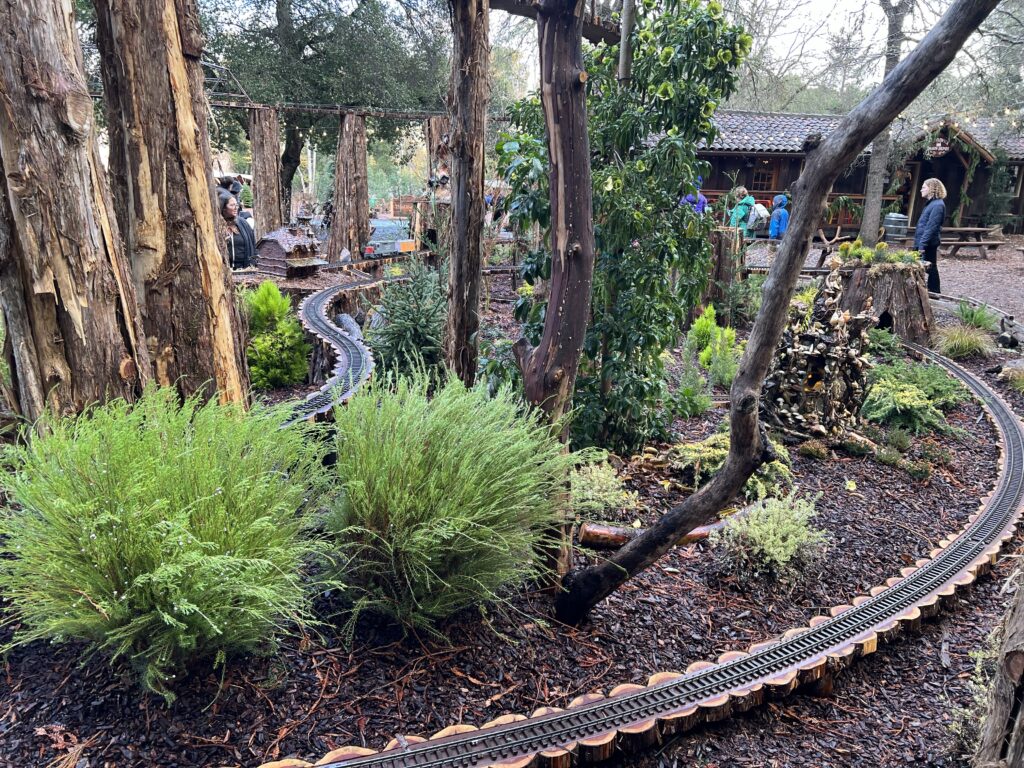
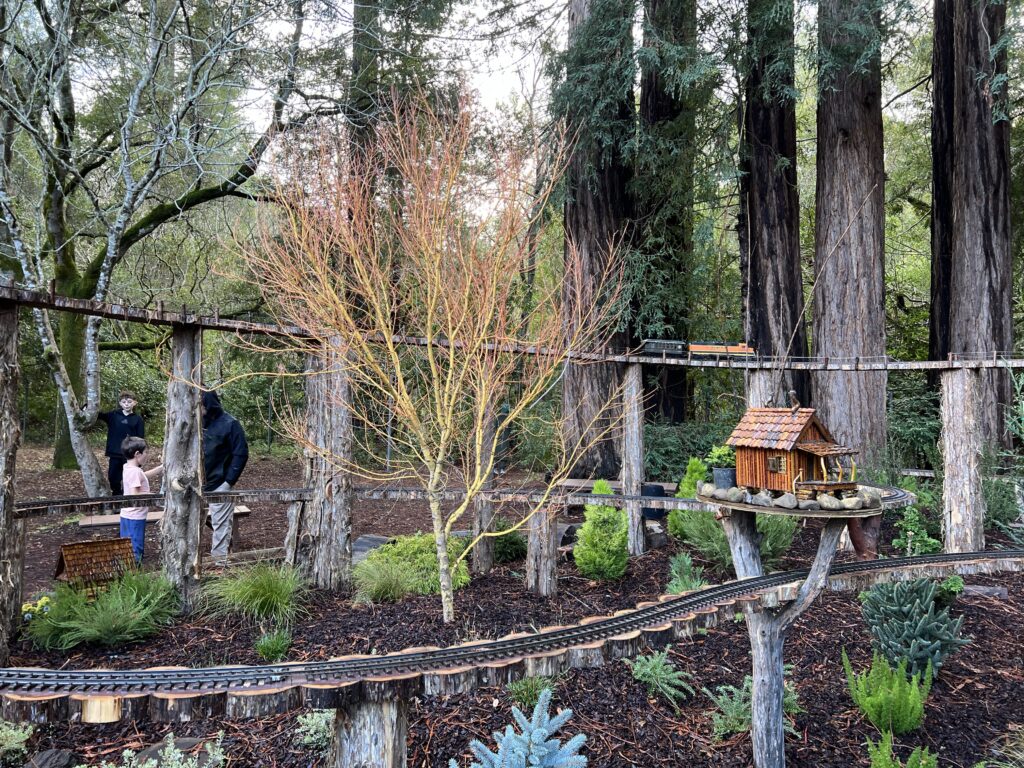
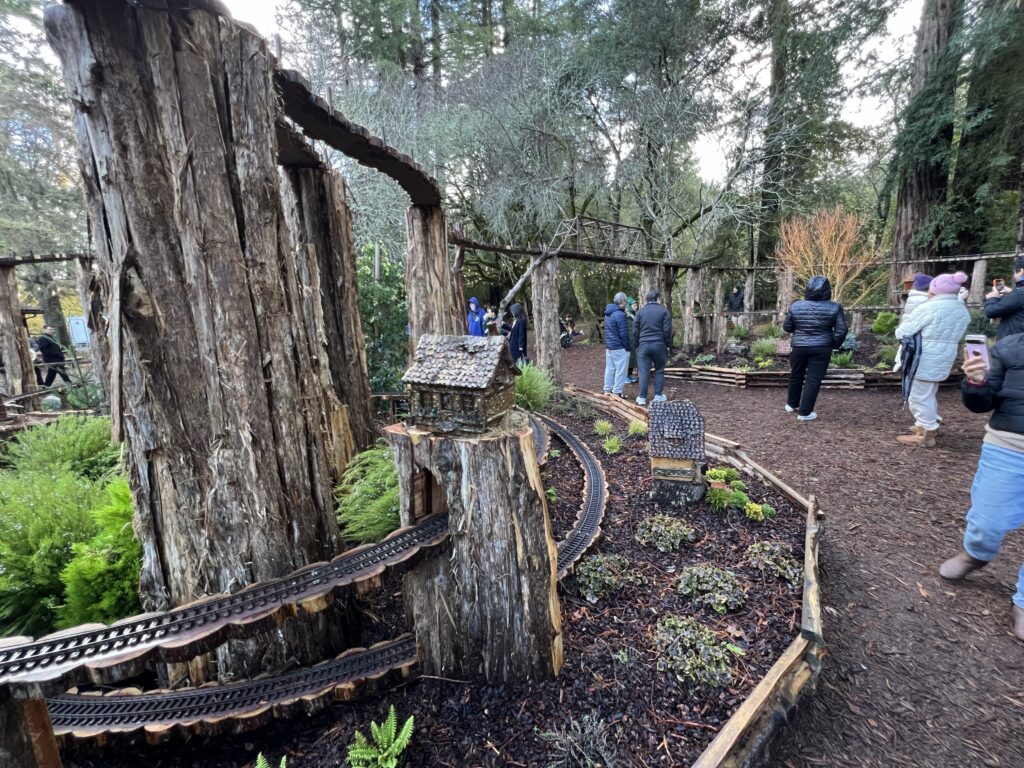
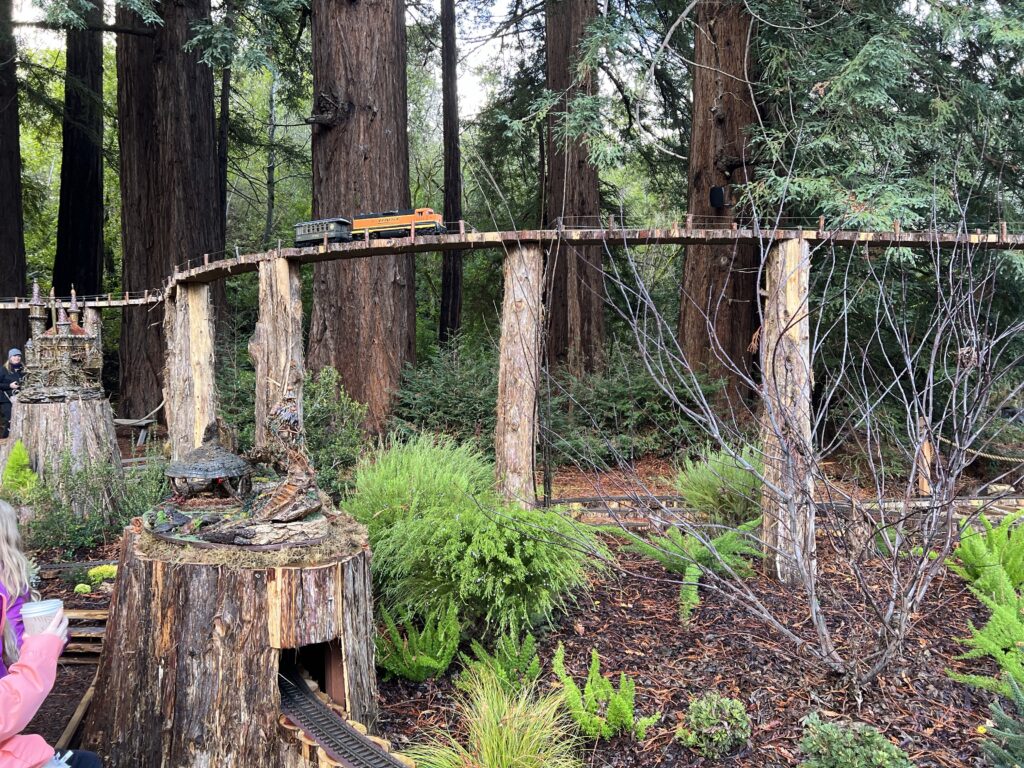
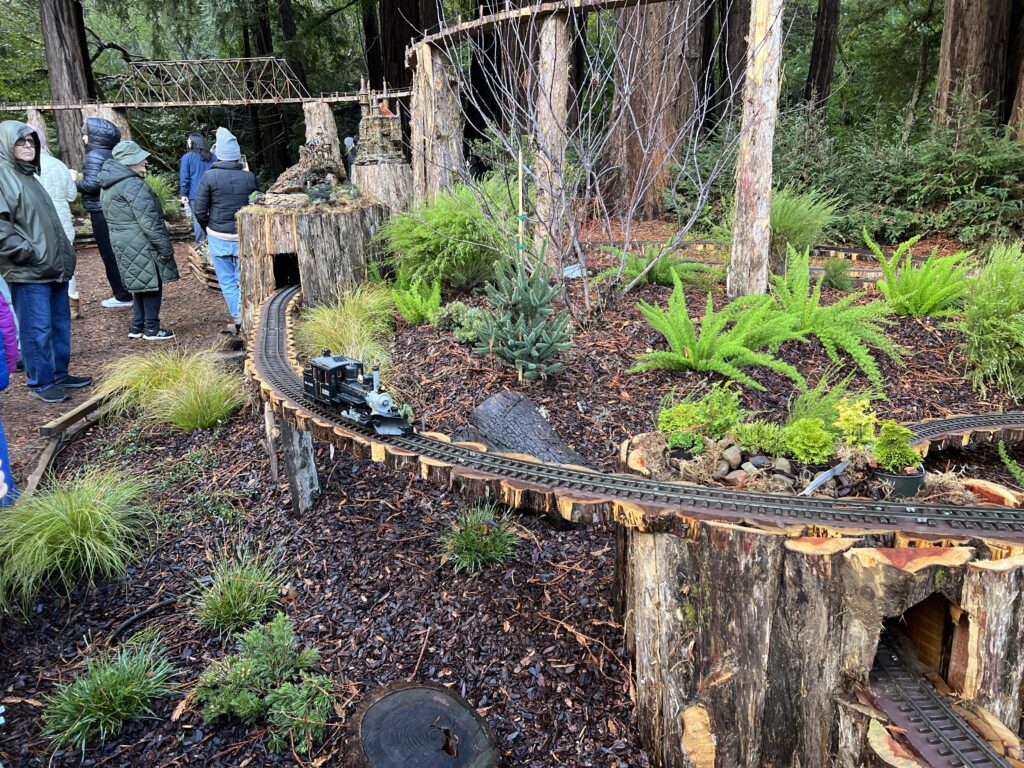
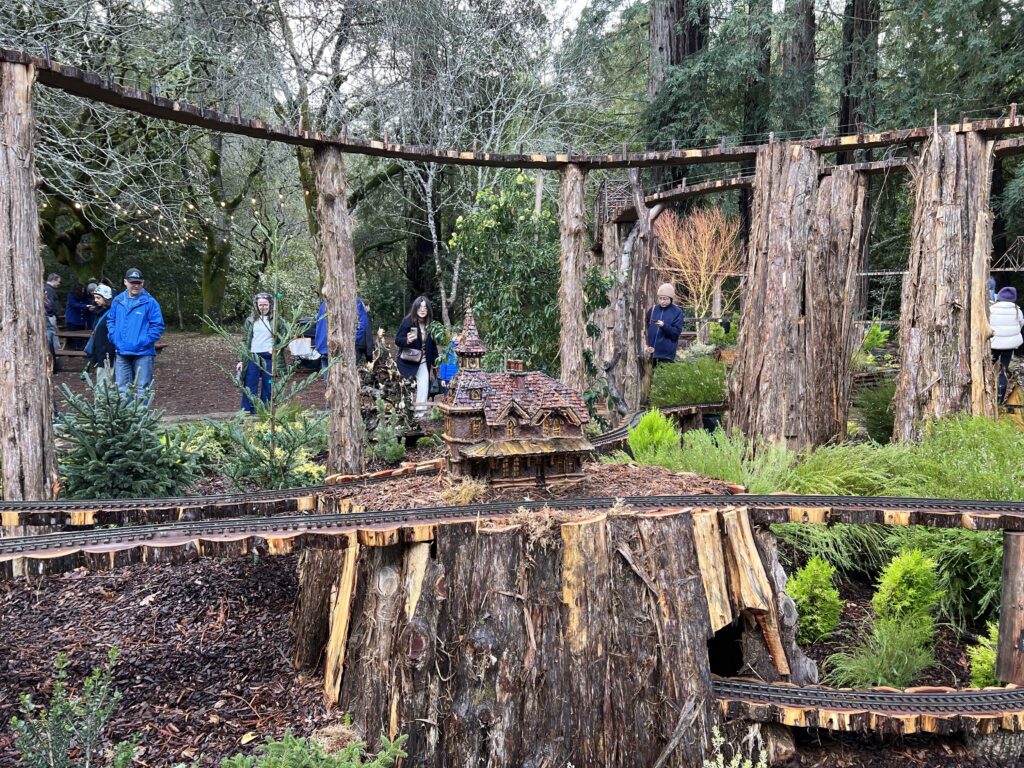
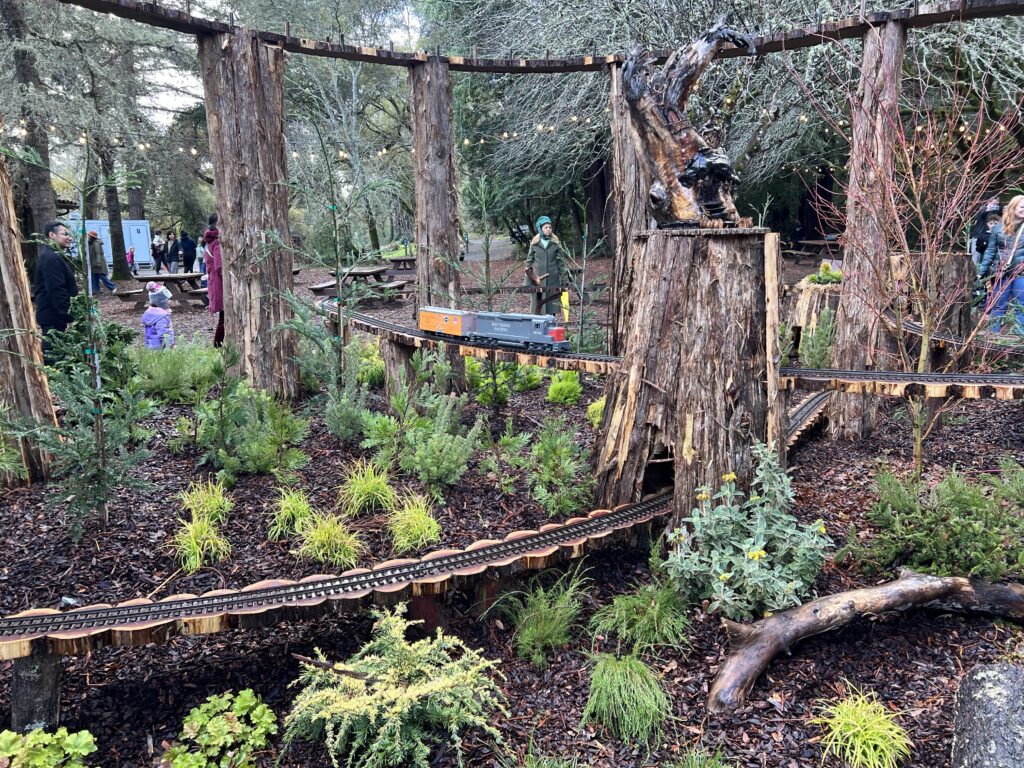
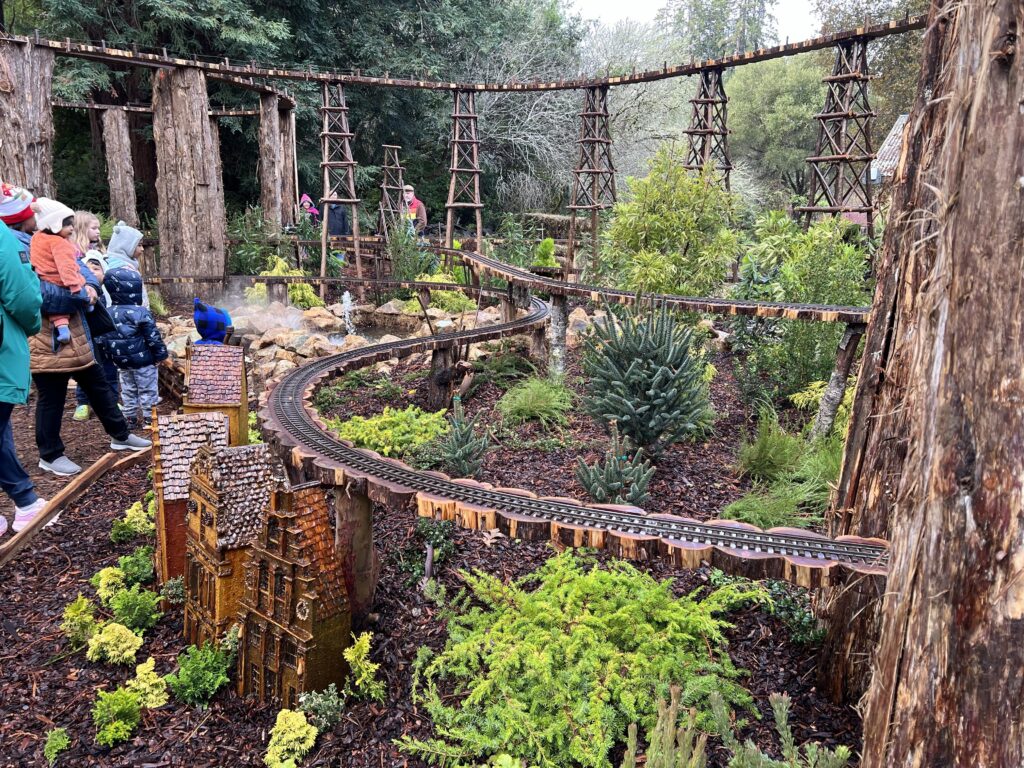
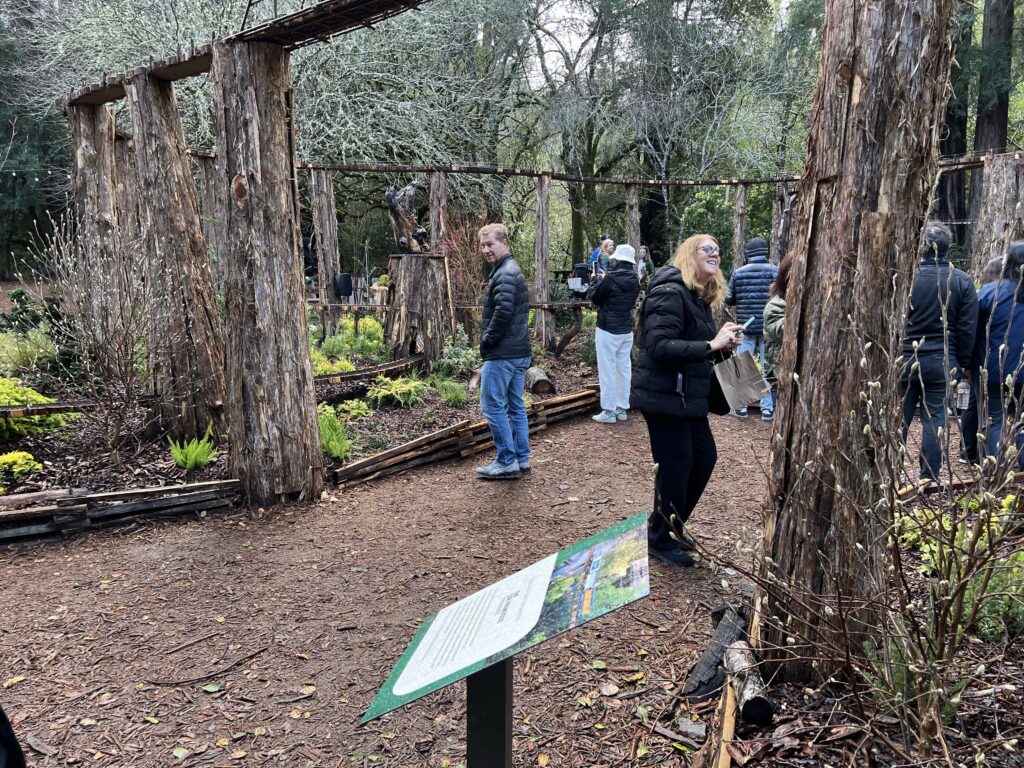
A model train experience exists at Filoli, but with important context: the estate recently introduced “Thistlewyck,” a brand-new holiday village in the redwoods featuring “tiny trains” and “small-but-mighty locomotives” that wind past fairy houses constructed from natural materials.
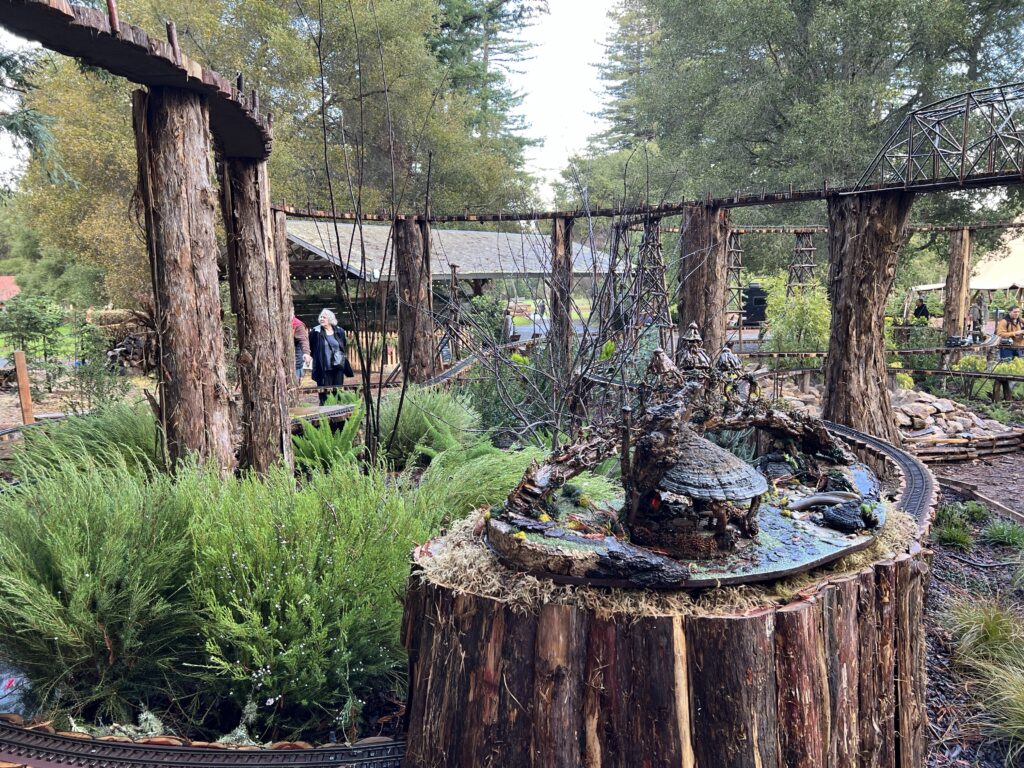
This is not historically part of Filoli’s permanent collection and operates exclusively during the “Holidays at Filoli” season (November-January).
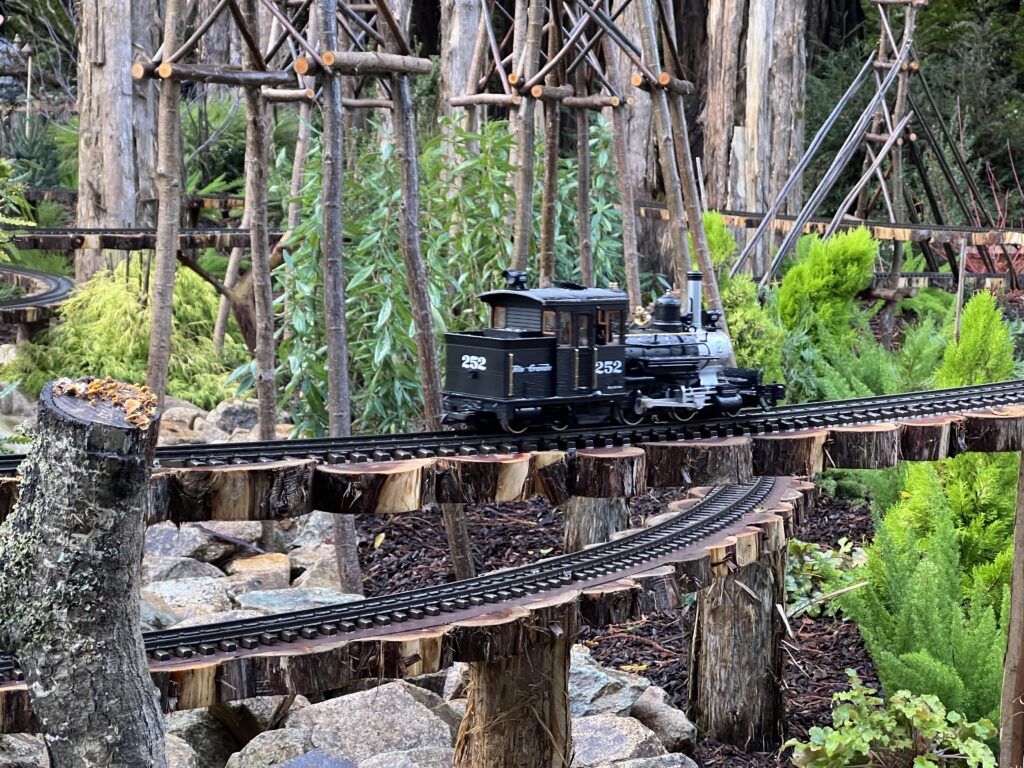
Visitors can add a “Thistlewyck Passport” ($25 per person) for enhanced interactive experiences with the trains, though this is a seasonal, ticketed add-on rather than an included admission feature.bayareaparent+2
Mansion Occupants & Chronology
Original Owners (1917-1936): William Bowers Bourn II, an Empire Gold Mine heir and president of Spring Valley Water Company, built Filoli with his wife Agnes Moody Bourn. Though both were in their late 50s, they envisioned the estate as “a place to grow young”—a dual-purpose residence balancing intimate family spaces with grand entertaining venues. The Bourns lived at Filoli until their deaths in 1936.sfgate+3
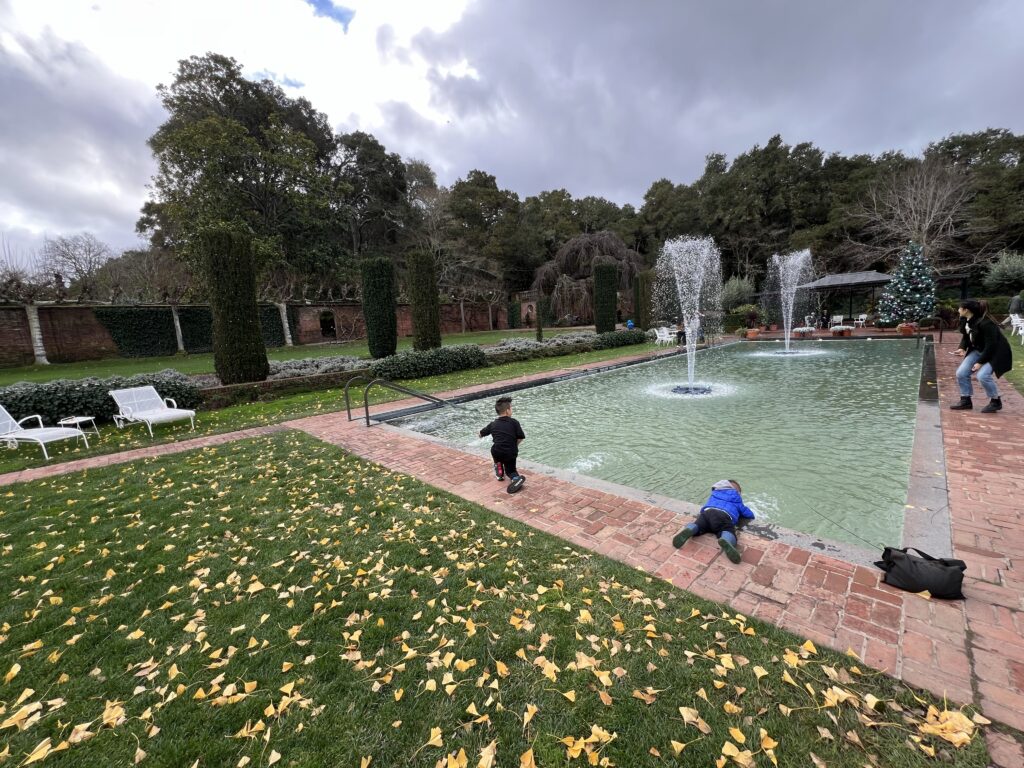
Second Owners (1937-1975): William P. Roth and his wife Lurline Matson Roth, heiress to the Matson Navigation Company, purchased the estate in 1937. The Roths expanded botanical collections, added the swimming pool in 1946 for Bill Roth’s rehabilitation following a stroke, and hosted elaborate debutante balls in the 1960s. After William Roth’s death in 1963, Lurline continued living at Filoli, eventually donating it to the National Trust for Historic Preservation in 1975 with a perpetual endowment.smithsonianmag+5
Event Rentals & Room Bookings
Filoli actively accommodates private events and corporate functions across 16+ distinct venues, with capacities ranging from intimate gatherings (Cottage Patio: 25-40 people) to large celebrations (Meadow: 1,000+ people). Specific wedding packages begin at $5,000 for weekday ceremonies. The estate’s event booking system allows groups to reserve the Ballroom, House Courtyard, Pool areas, gardens, and natural spaces.filoli+1
Publicly available information does not enumerate which specific corporate or social groups hosted events over the past decade, though the estate’s annual rental proceeds directly support preservation and operations. Notable historical context: U.S. President Joe Biden held a diplomatic summit with Chinese President Xi Jinping at Filoli in November 2024.localnewsmatters+1
Christmas Decoration & Holiday Programming
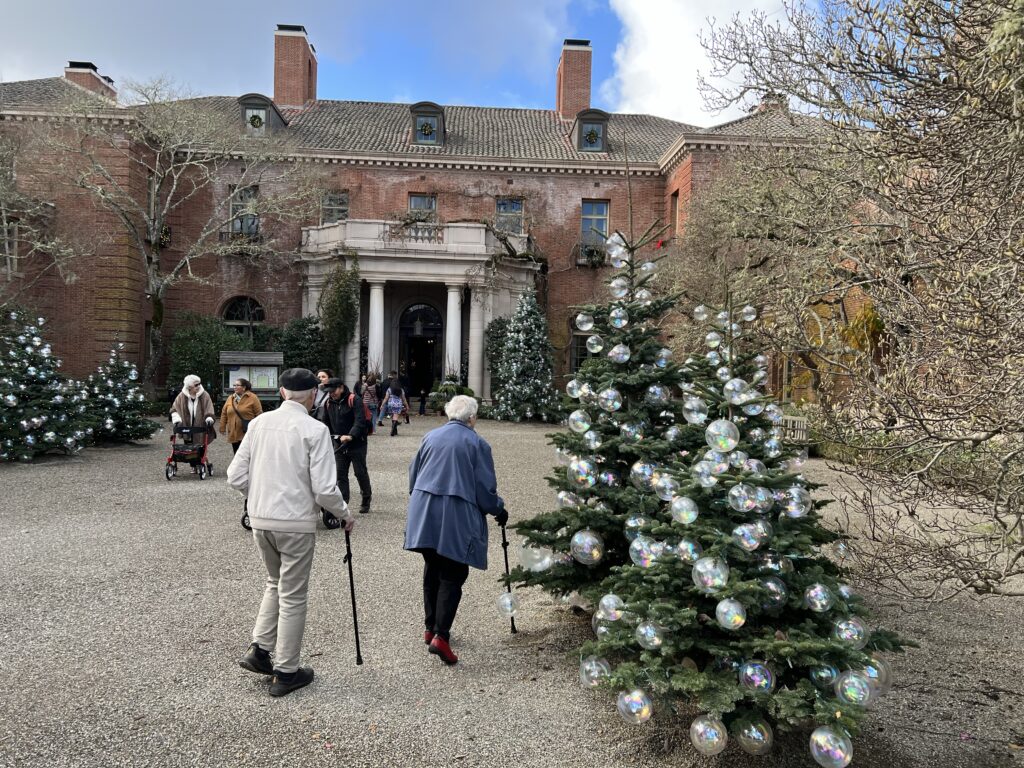
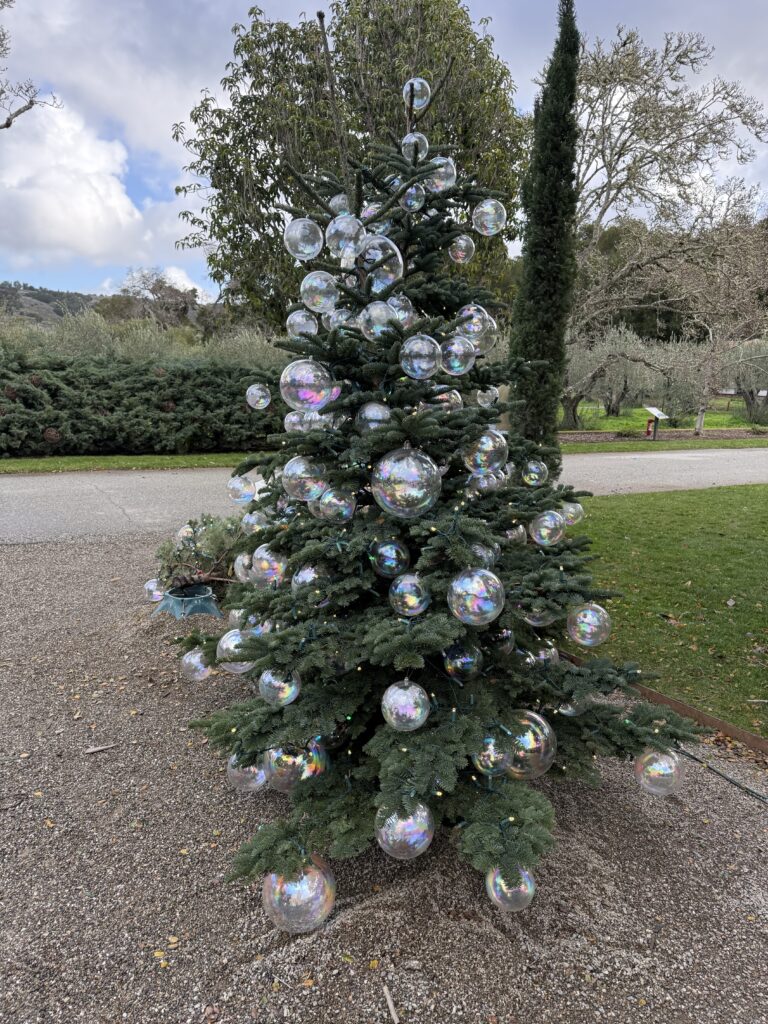
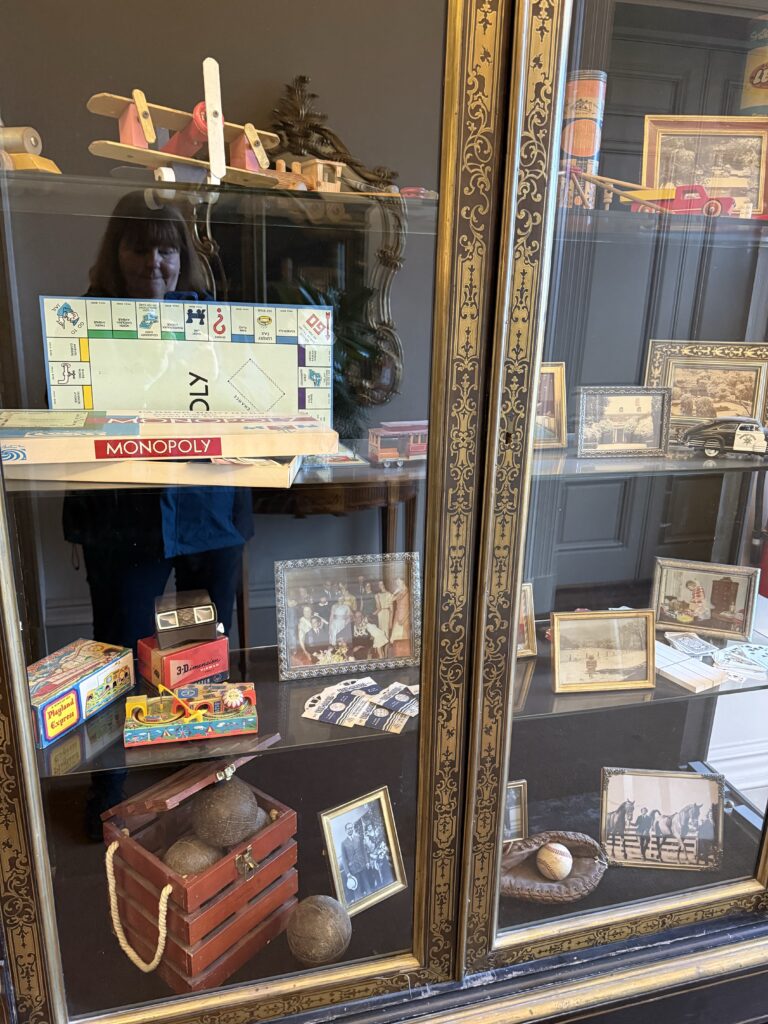
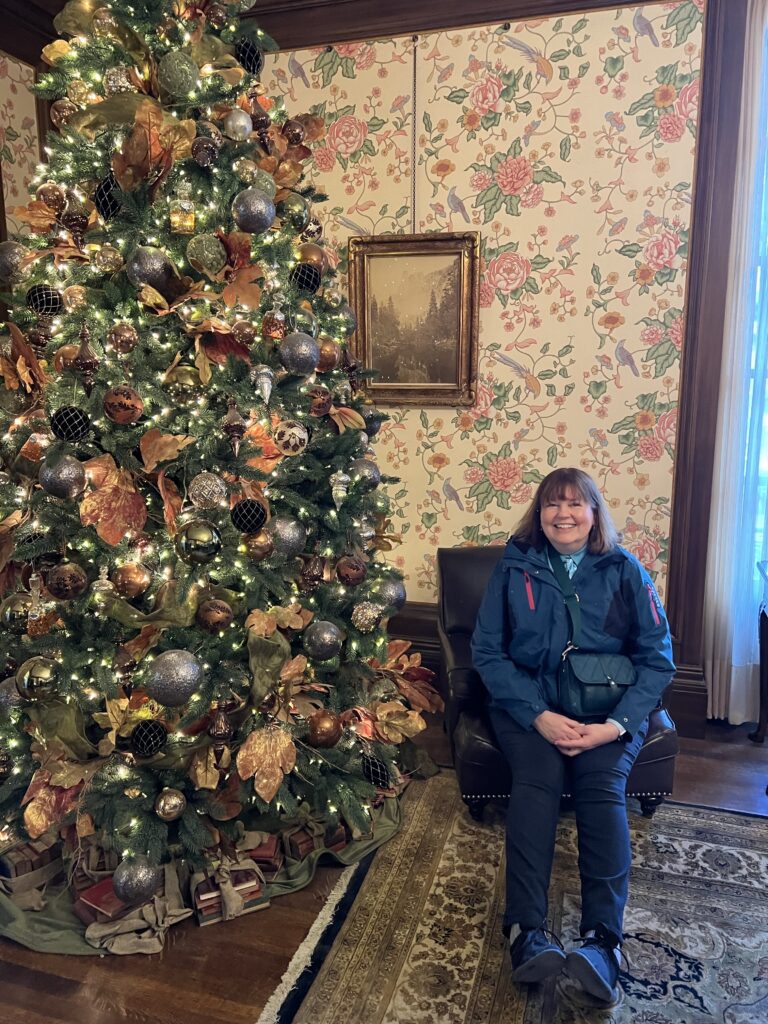
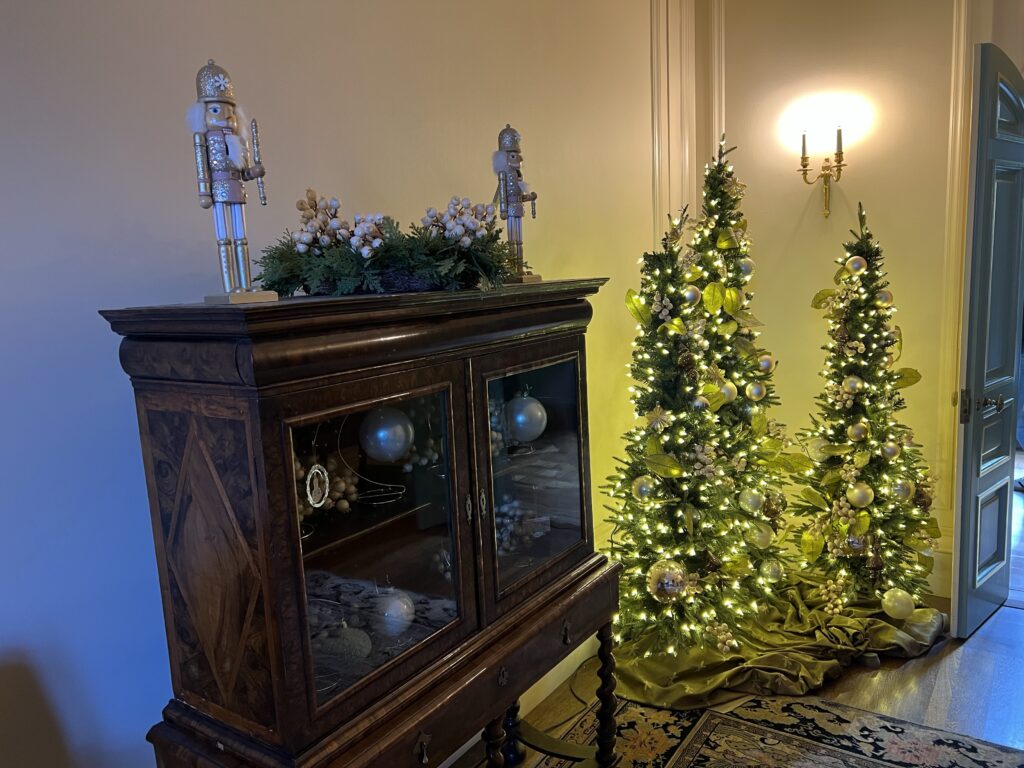
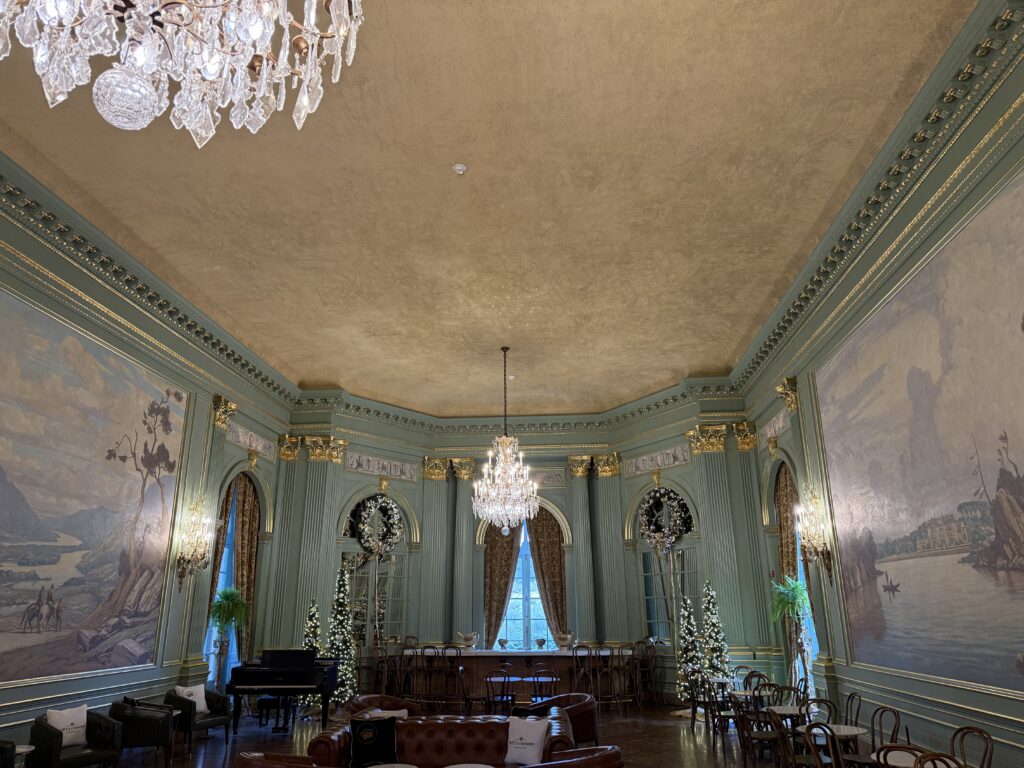
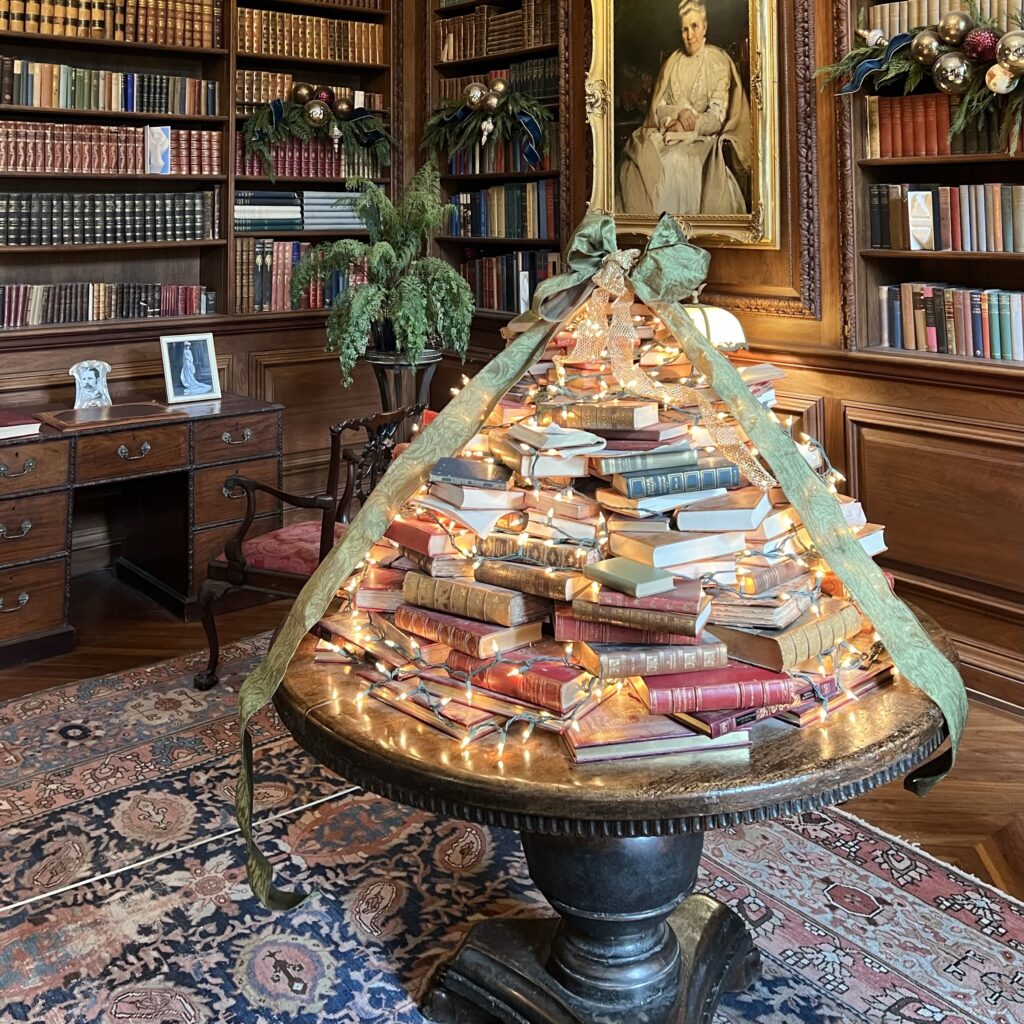
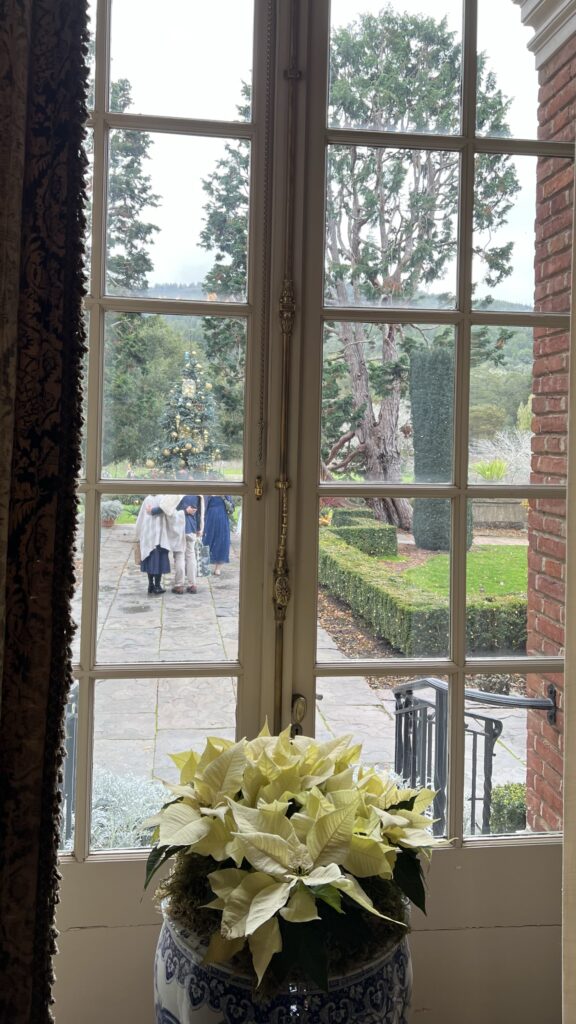
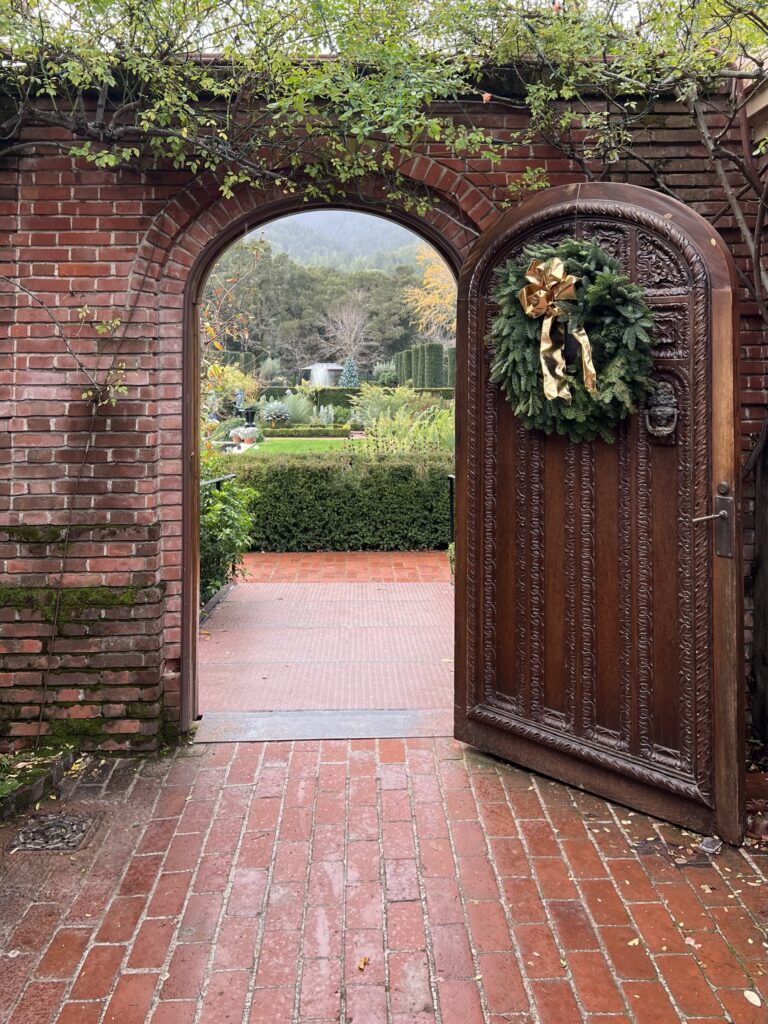
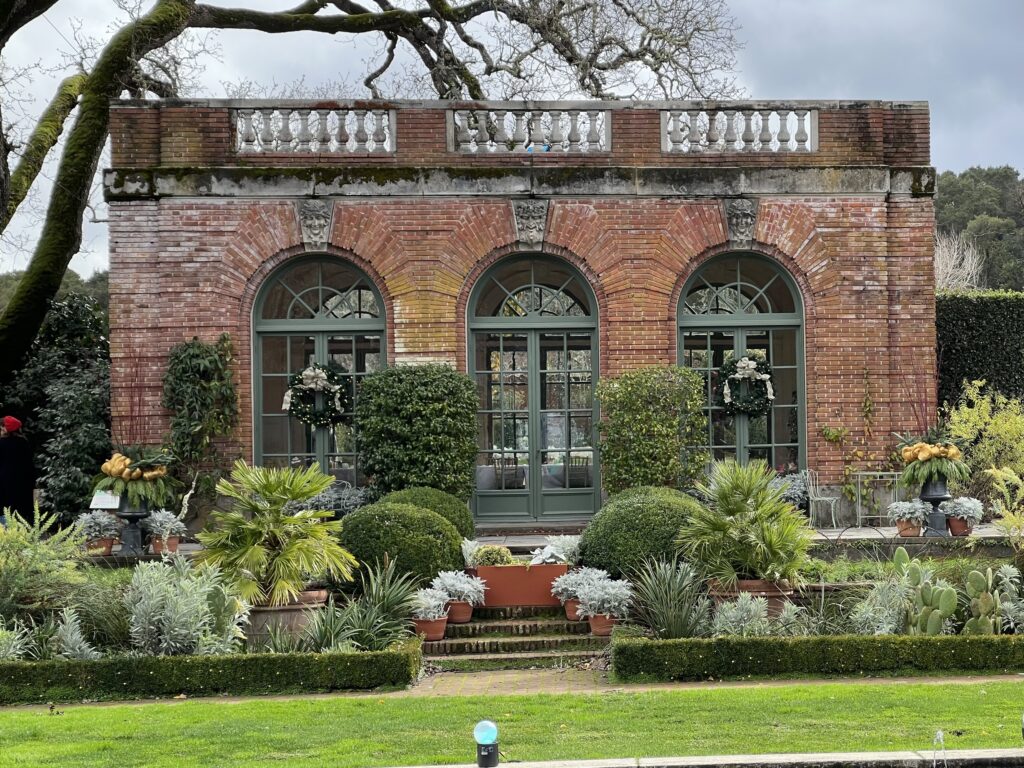
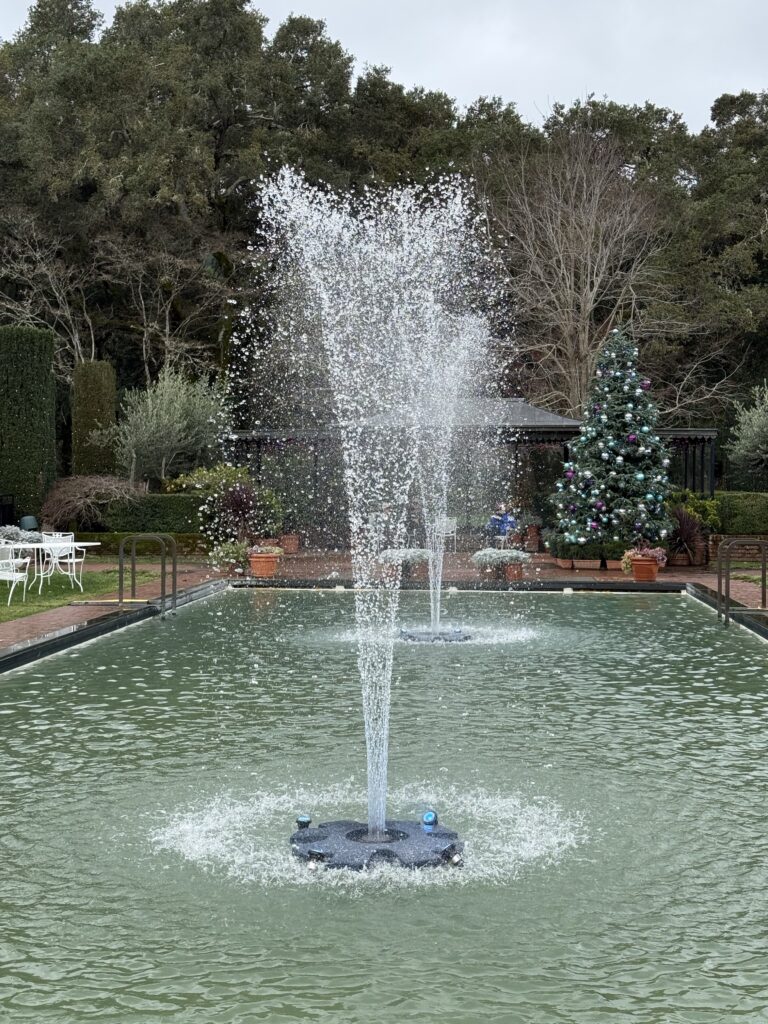
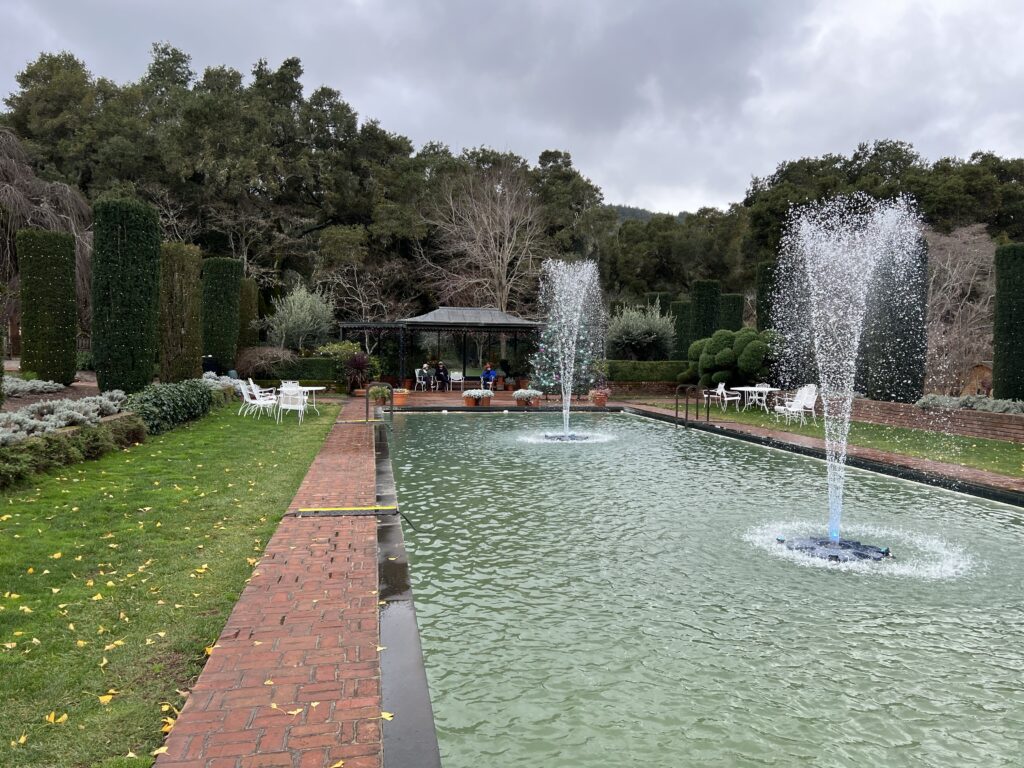
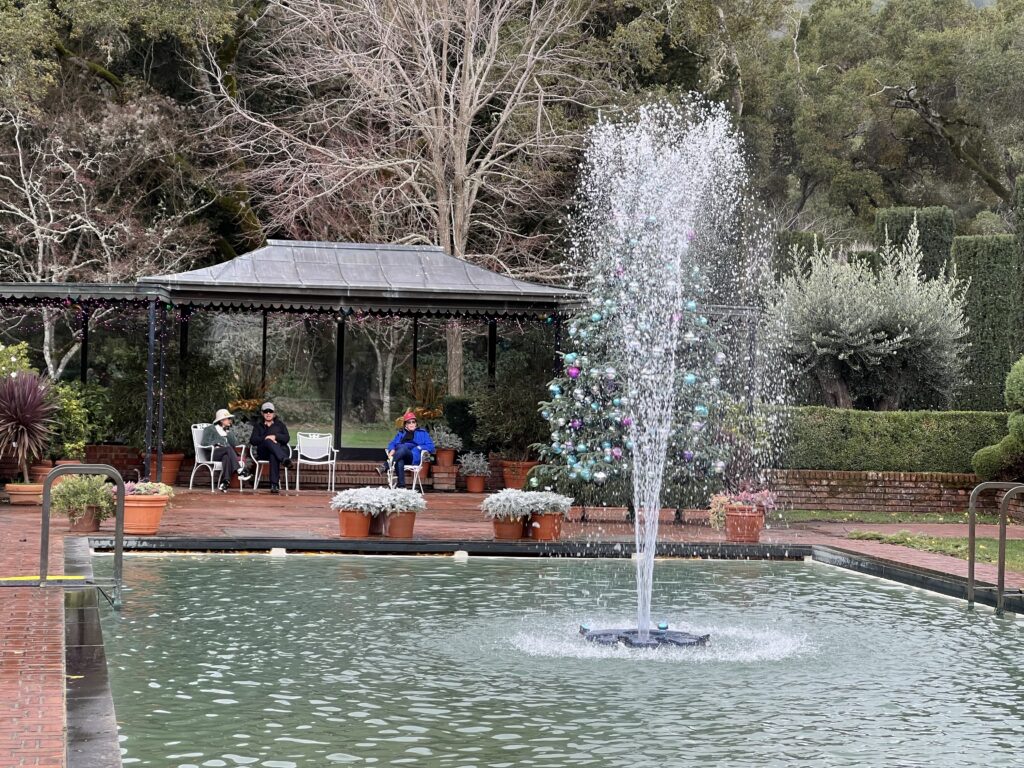
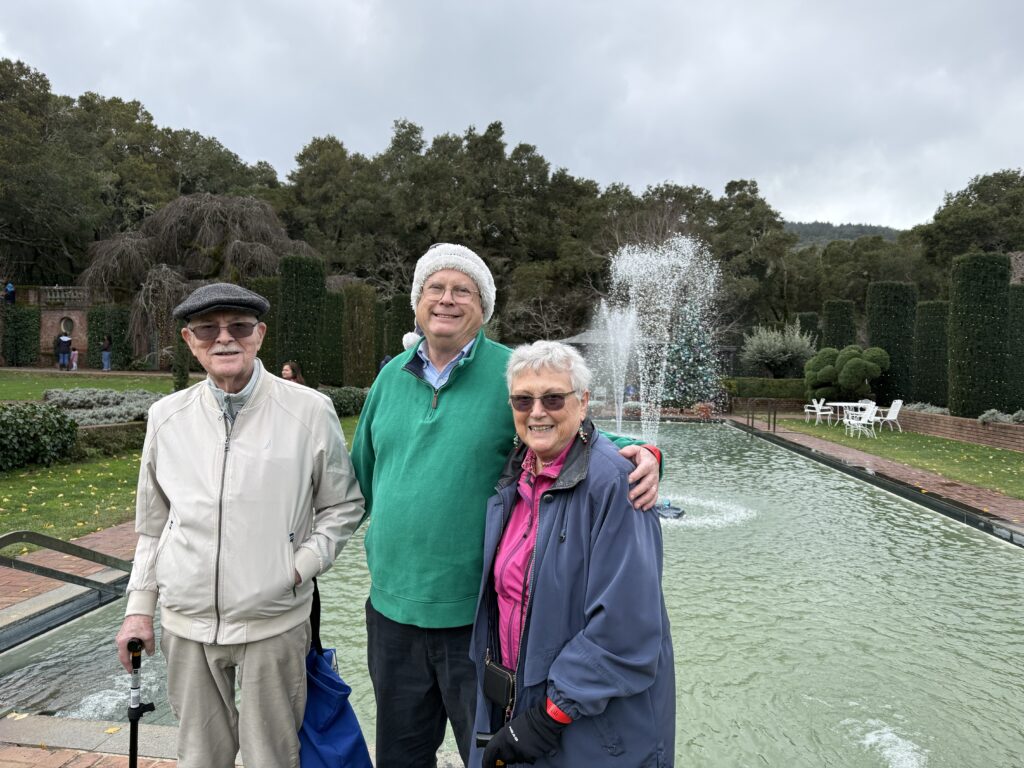
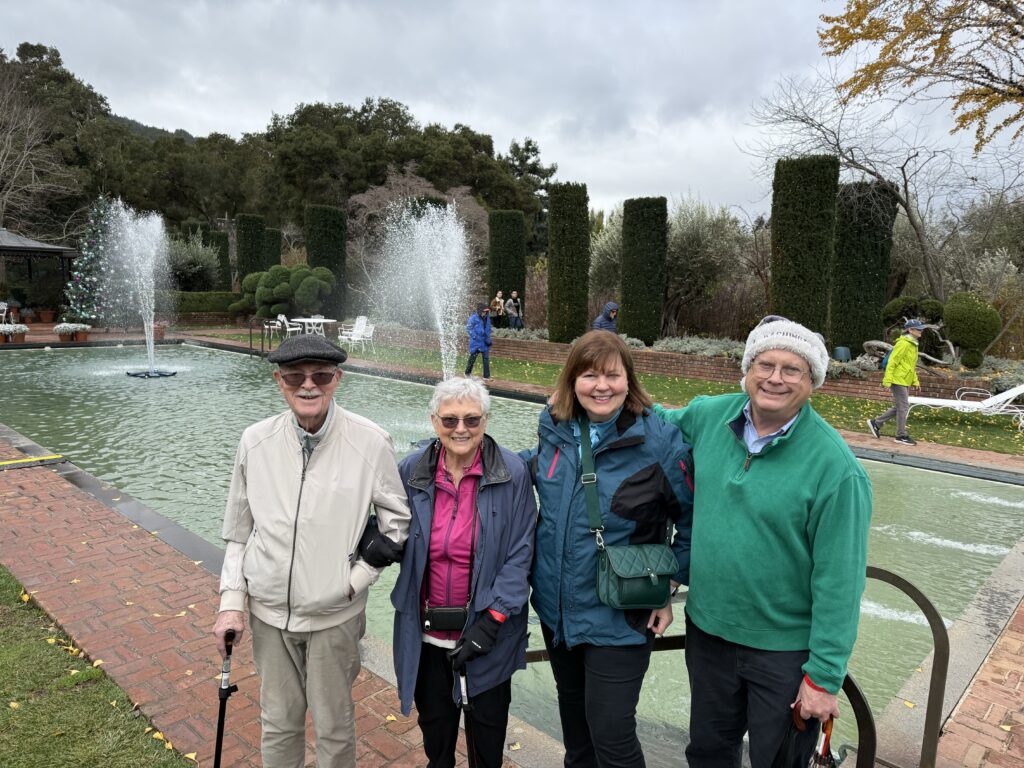
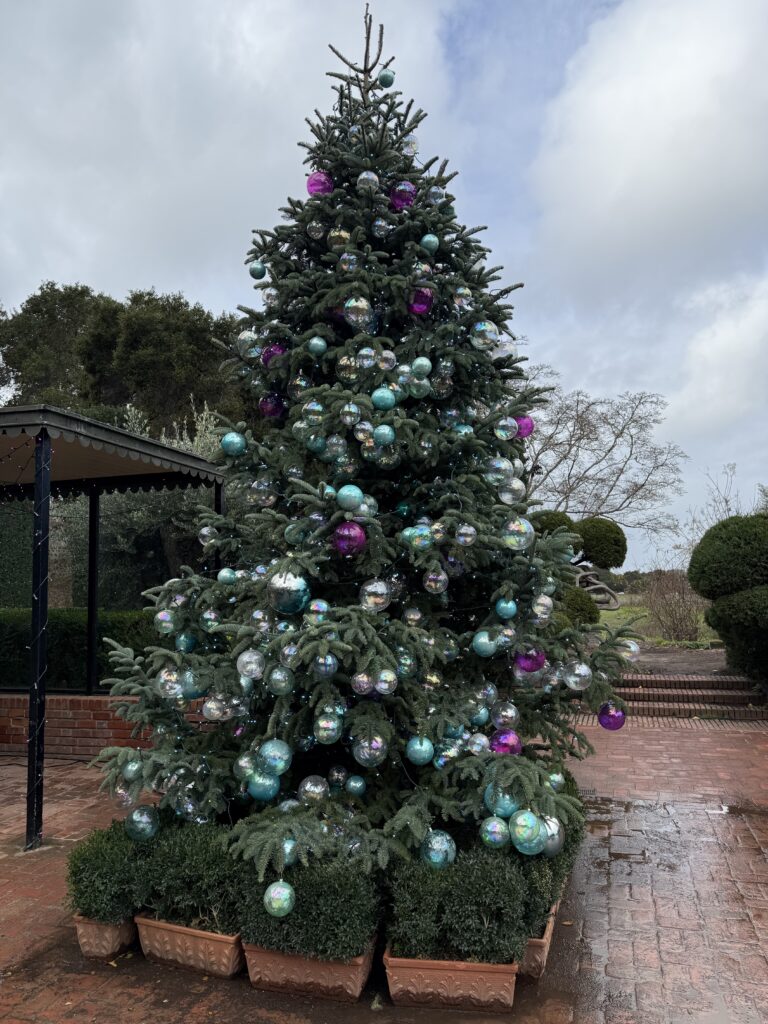
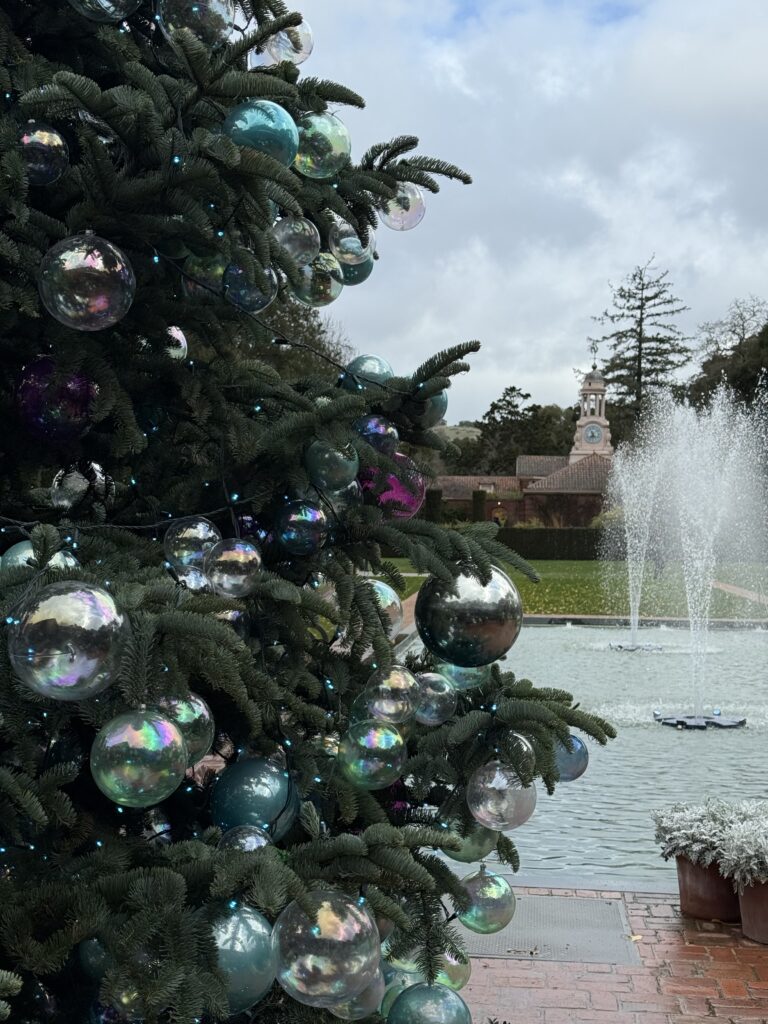
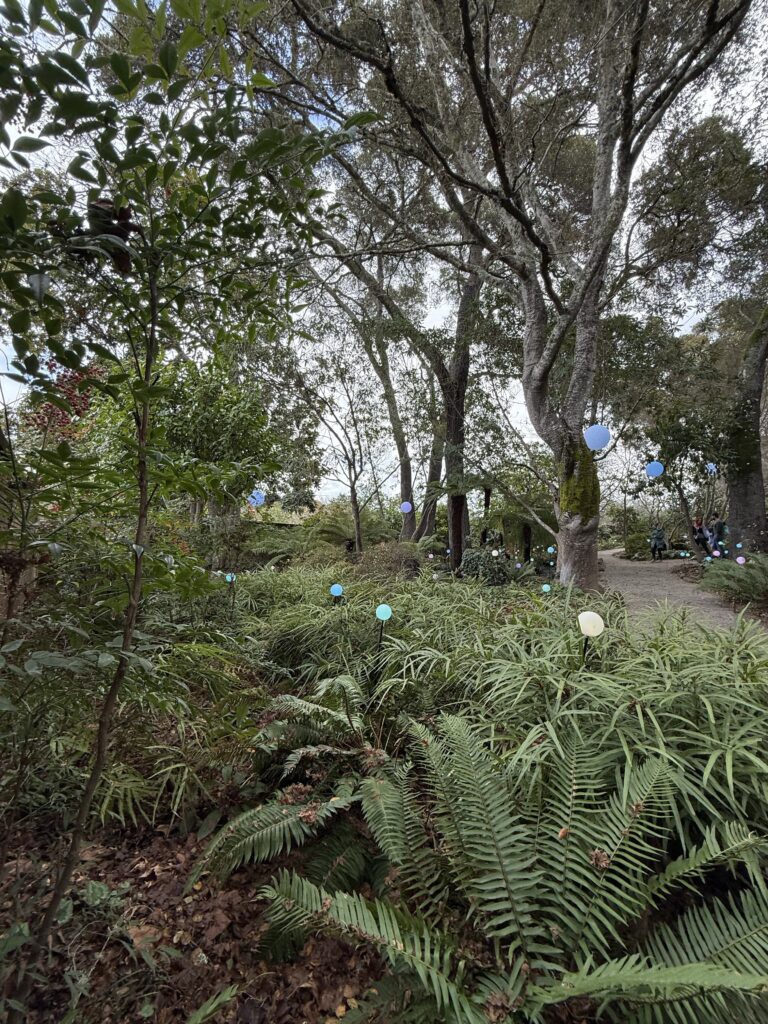
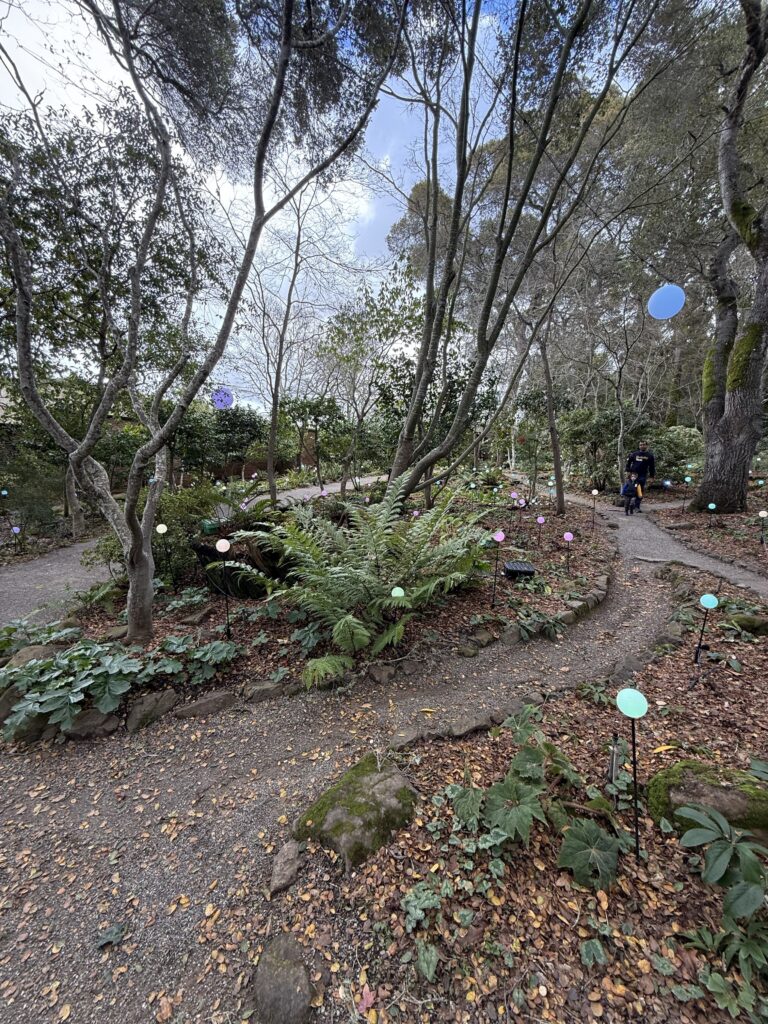
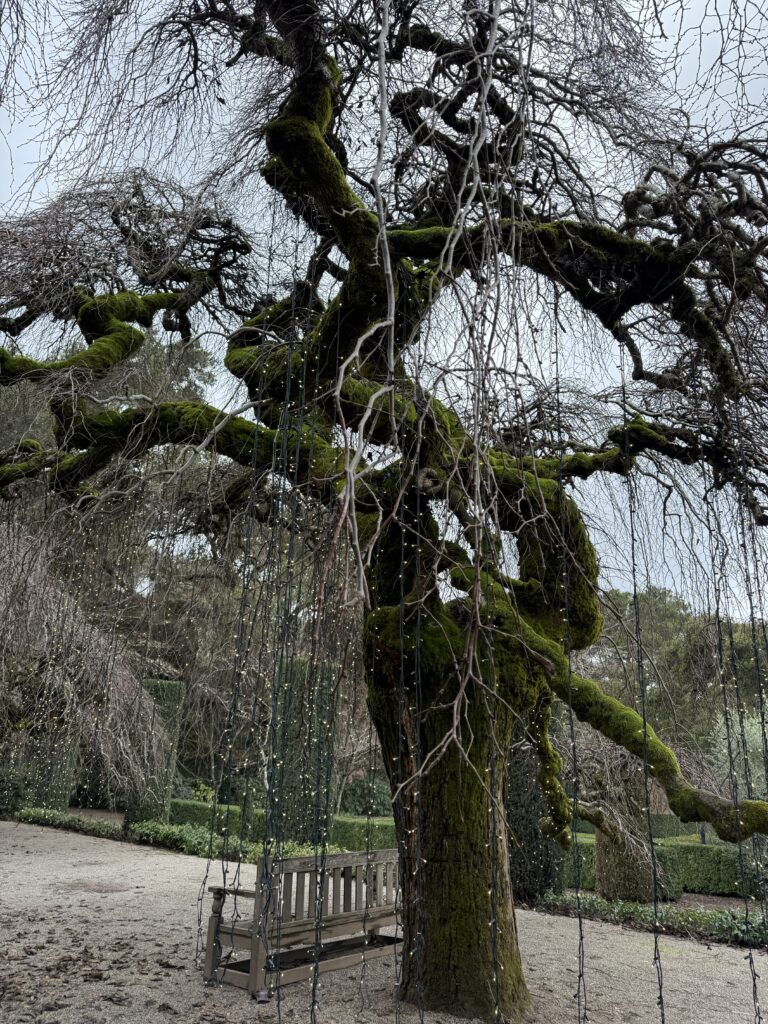
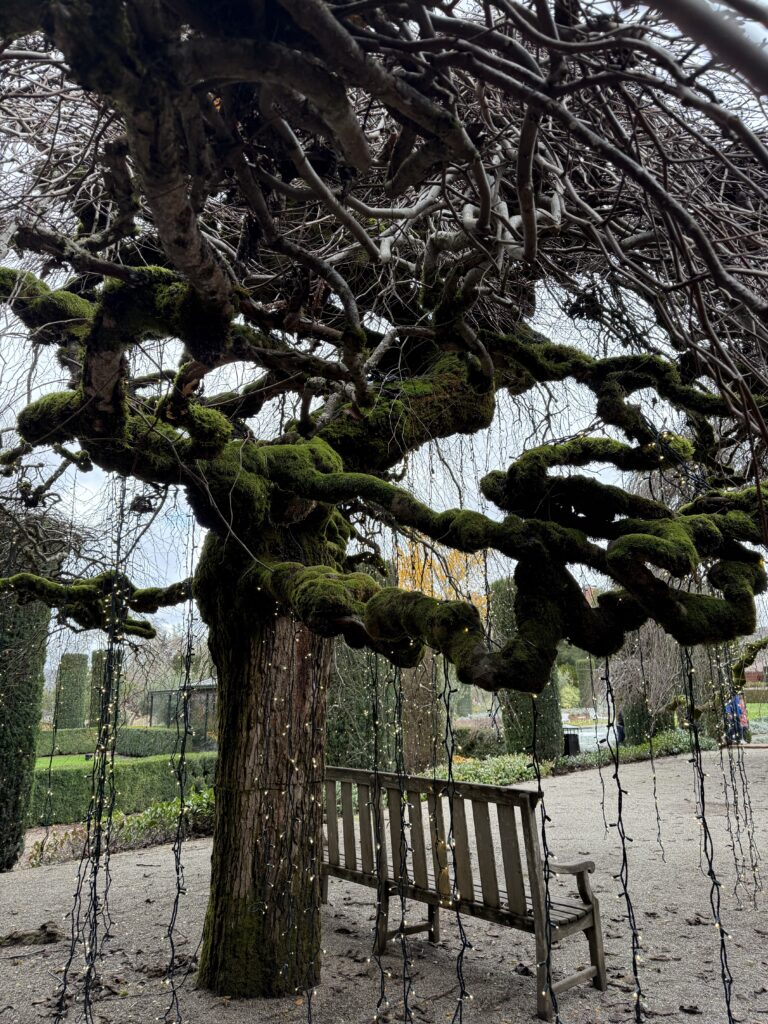
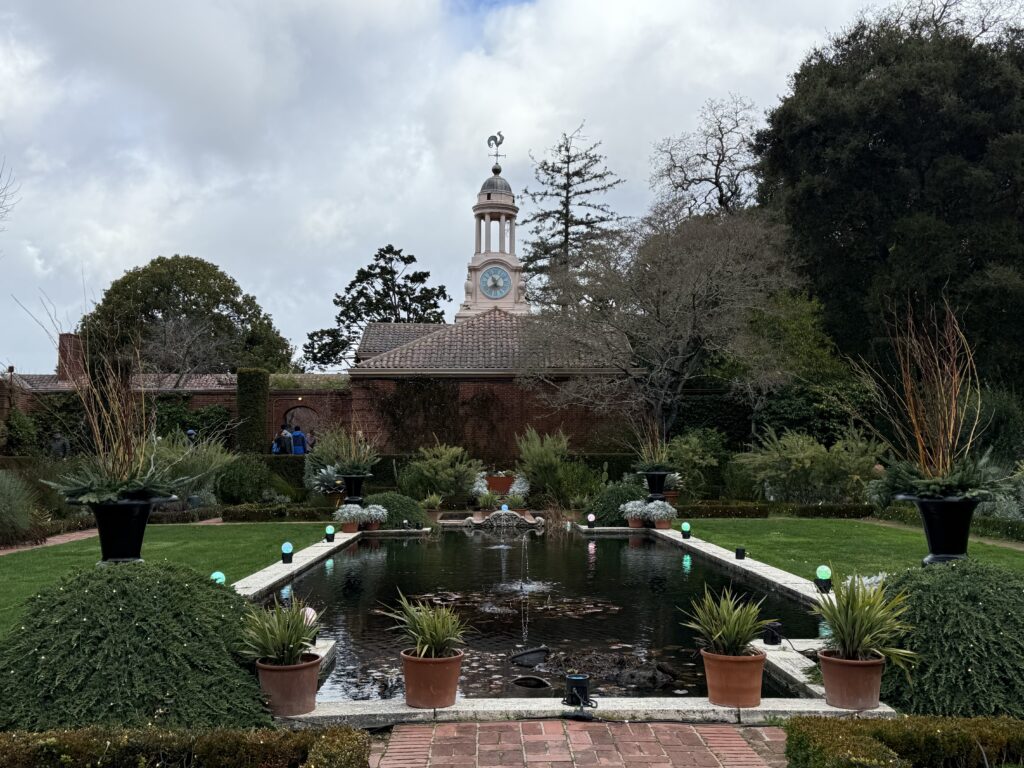
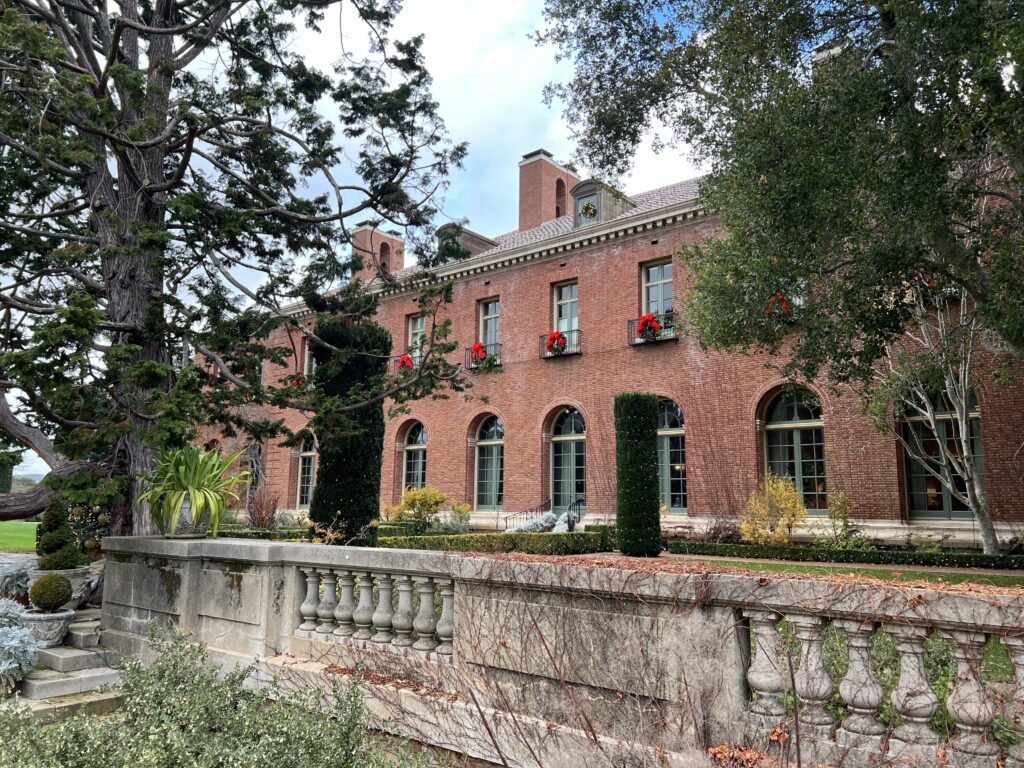
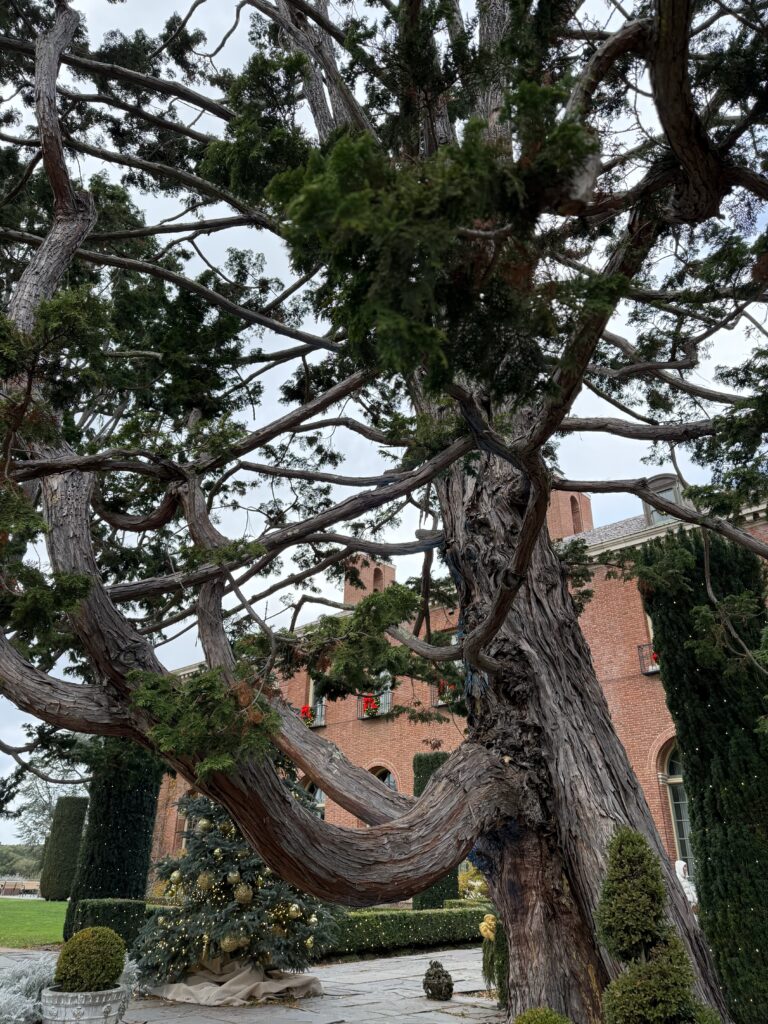
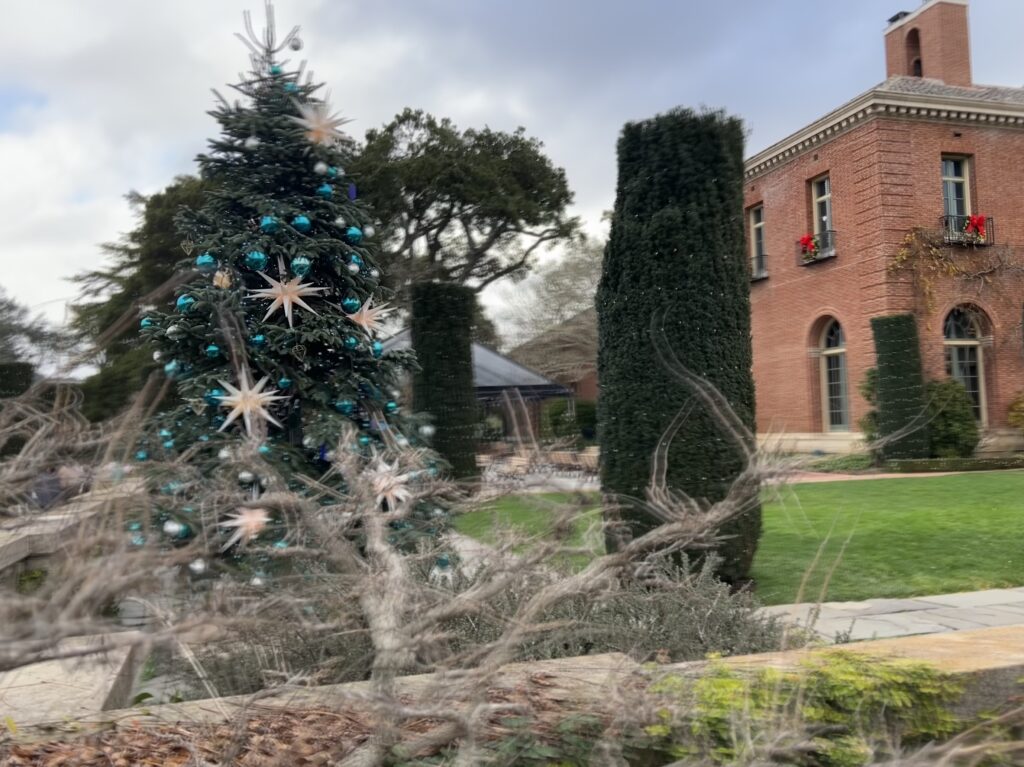
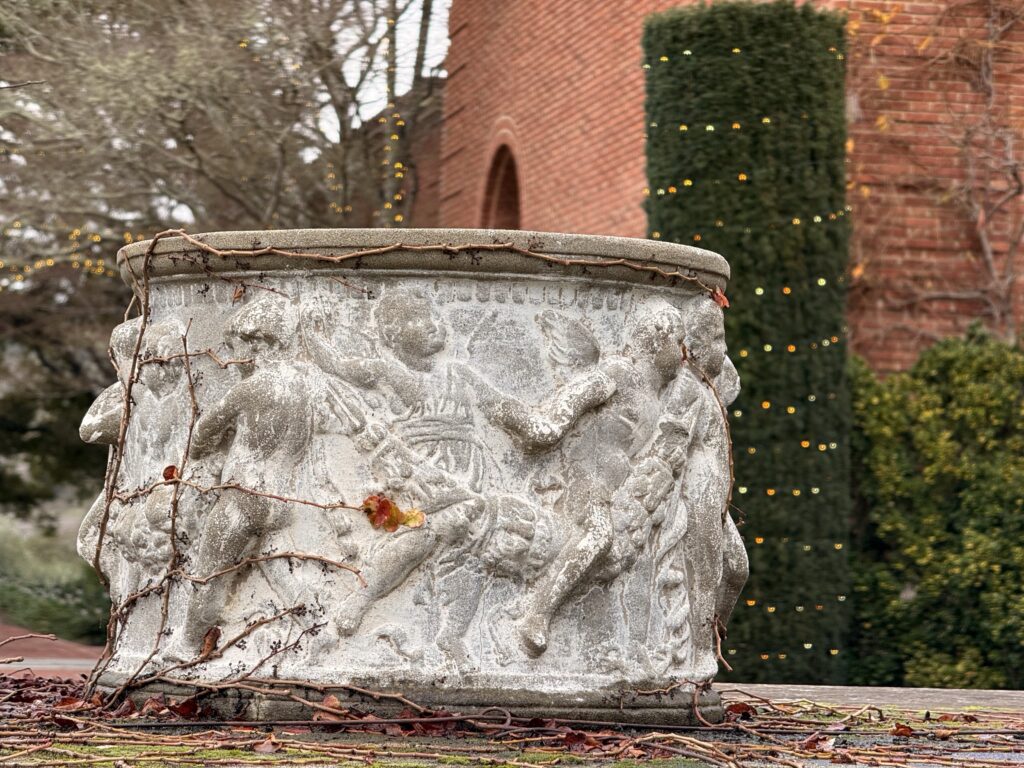
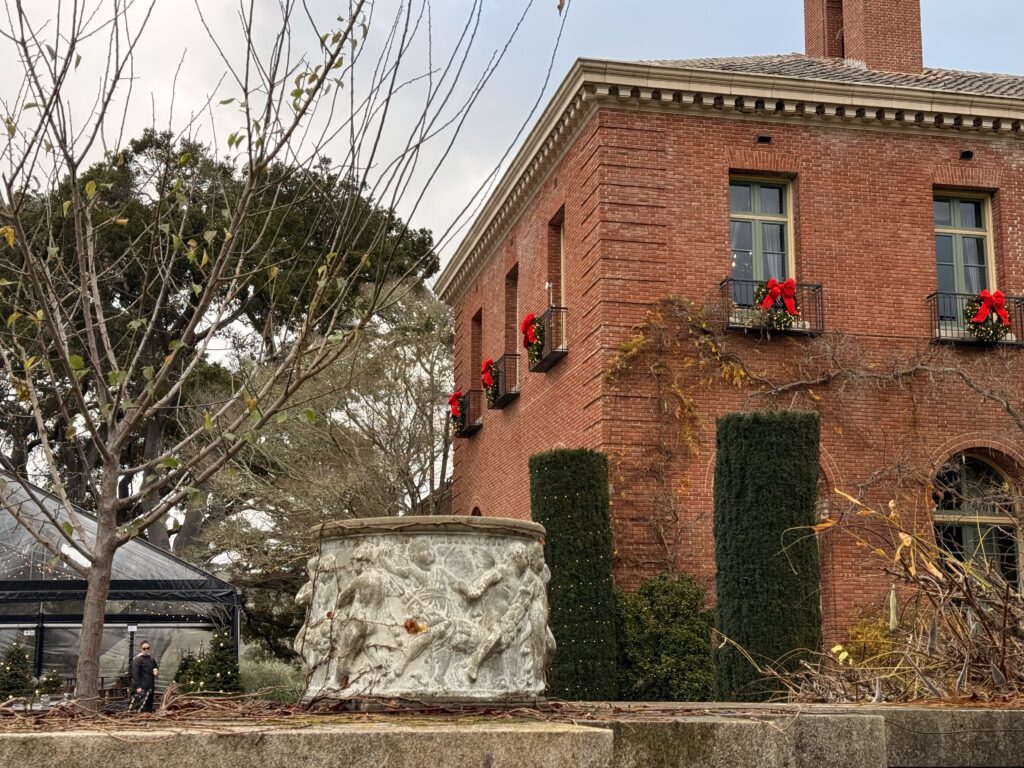
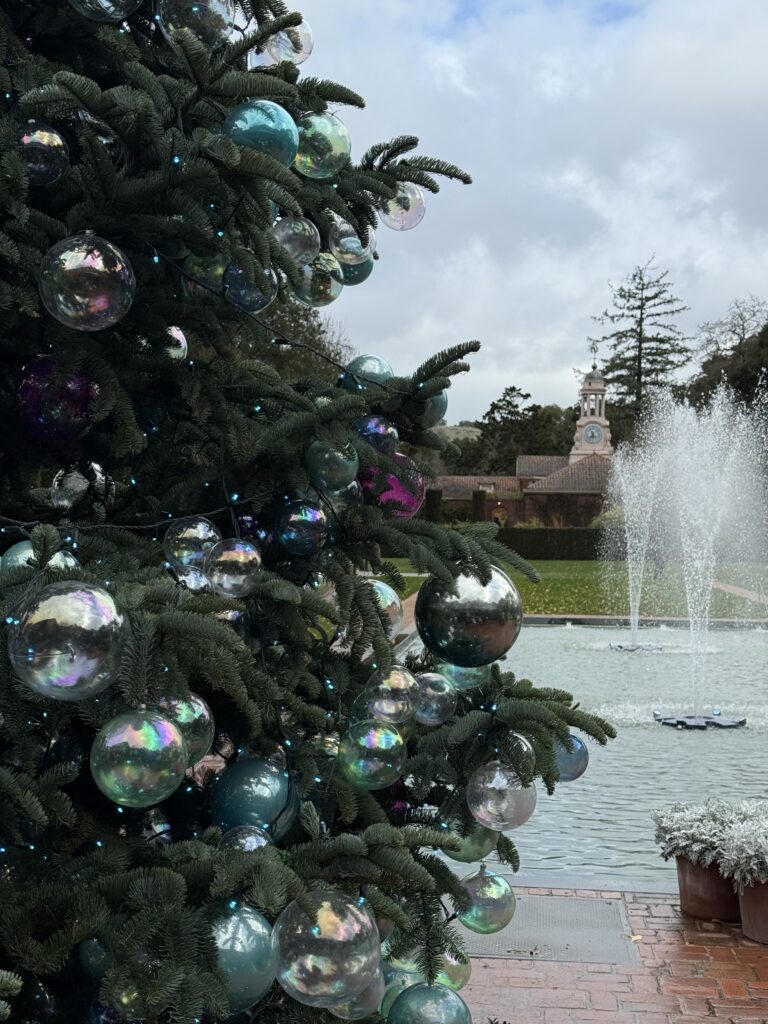
Filoli is extensively decorated for Christmas. The “Holidays at Filoli” event (2025: November 22–January 11) transforms the historic house and 16-acre gardens with lavish yuletide décor.
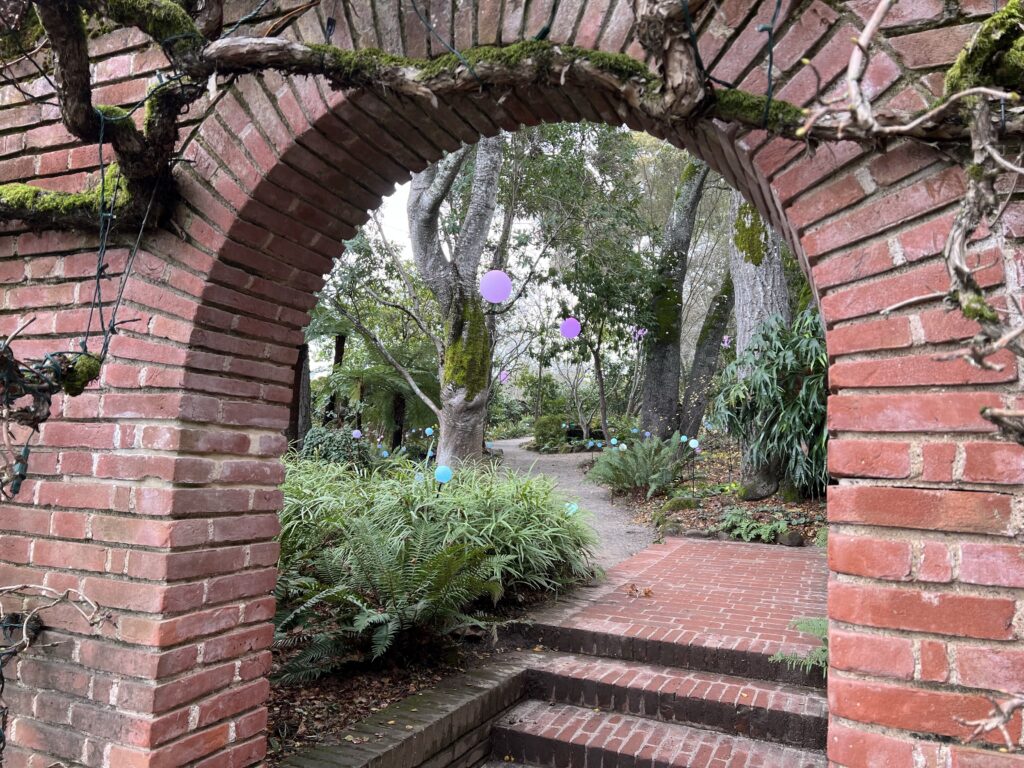
The “Gilded” daytime experience includes guided or self-guided tours through elegantly decorated rooms and gardens, while evening “Holiday Lights” features outdoor illumination across the estate.
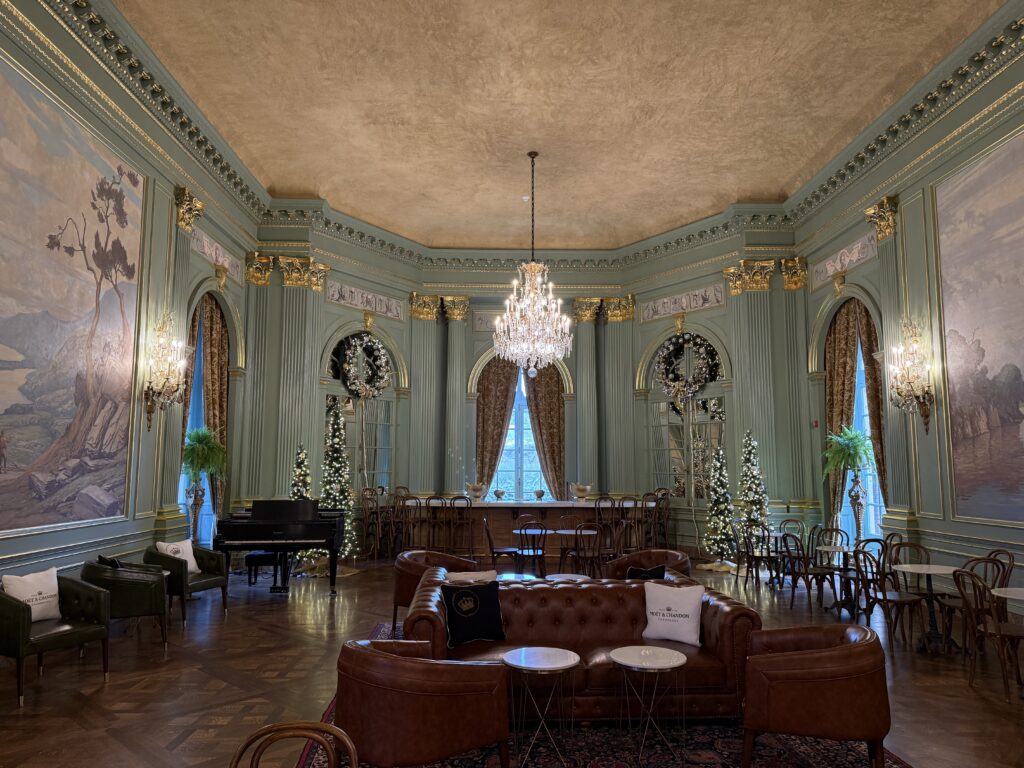
A new “Filoli Unwrapped” behind-the-scenes tour provides exclusive access to upstairs family bedrooms, sitting rooms, and curatorial offices with holiday décor. Special events include wreath-making clinics, holiday teas, and performances in the decorated Ballroom.filoli+2
Retail Shopping
The estate operates three retail destinations:
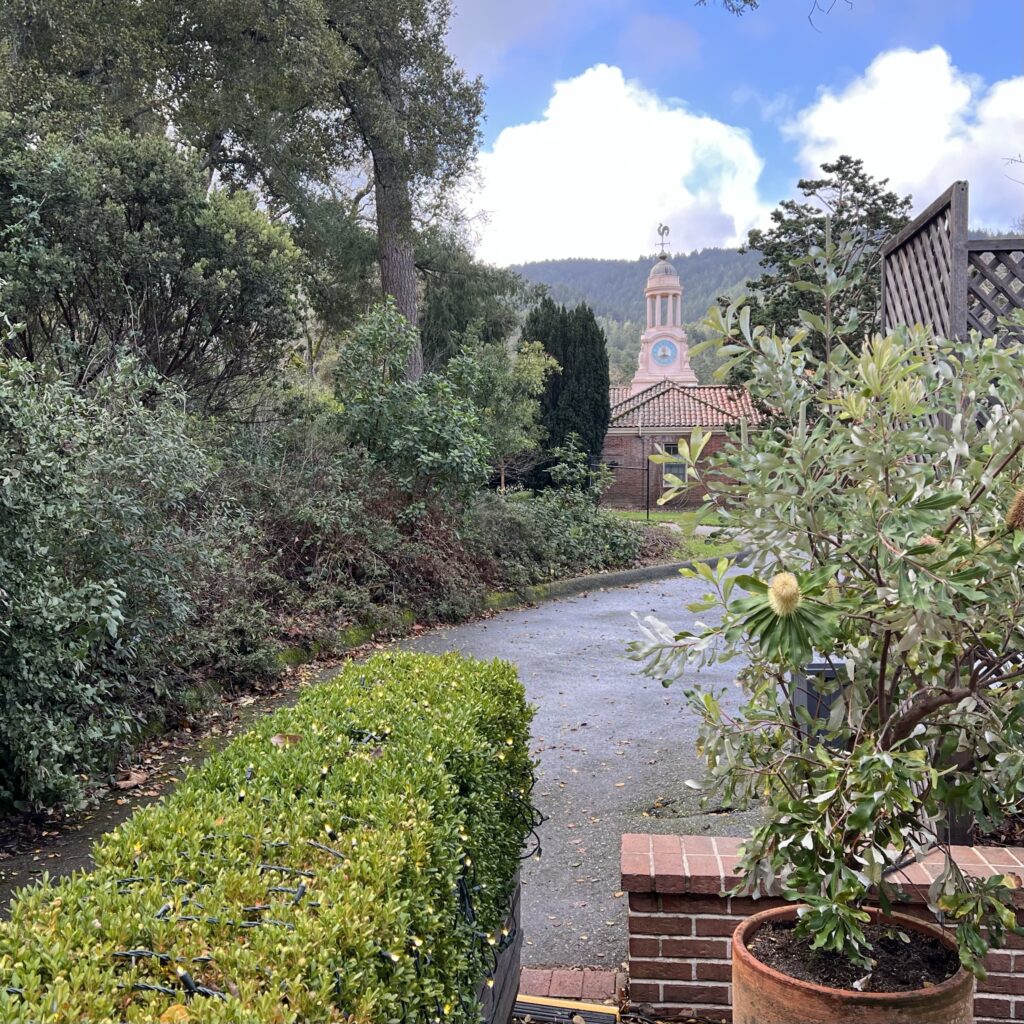
Clock Tower Shop (10am–9pm daily): A curated boutique featuring exclusive Filoli-grown products unavailable elsewhere, artisanal gifts, and member discounts.filoli+1
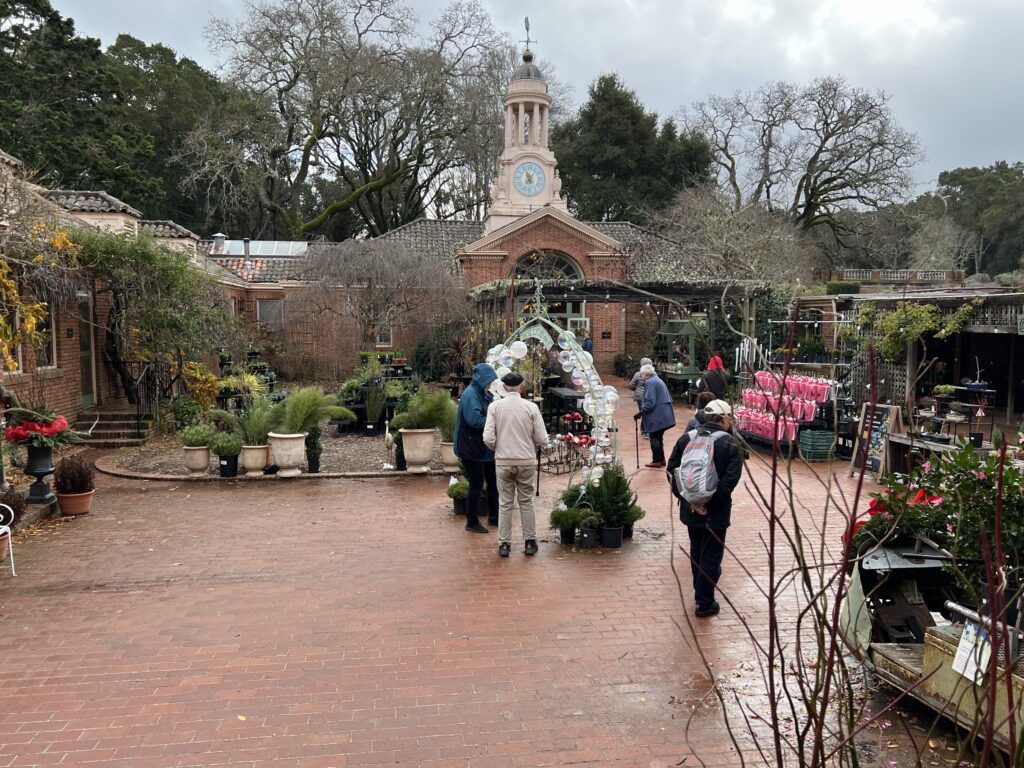
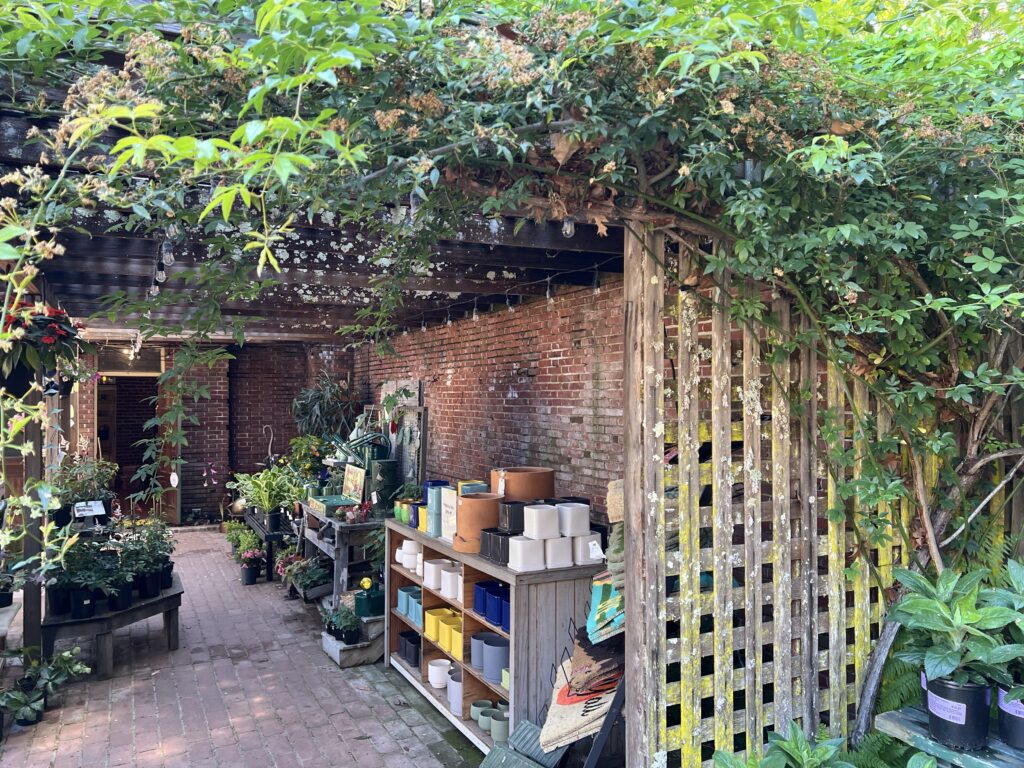
Staghorn Potting Shed (12–5pm daily, plus pop-ups): A quaint supplement to Filoli’s nursery offering plants and gardening supplies.filoli
Trailhead Store (10:30am–3:30pm daily): Nestled in the redwoods, this facility stocks trail snacks, beverages, souvenirs, hiking essentials, and offers a scenic deck for rest.filoli+1
The Swimming Pool
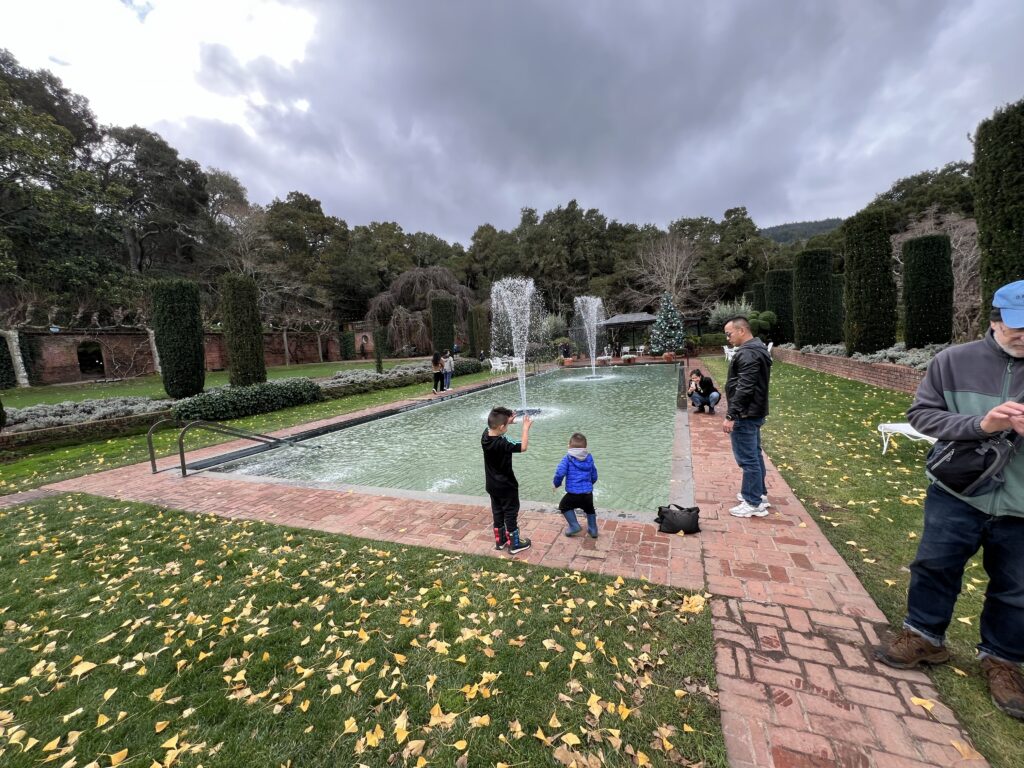
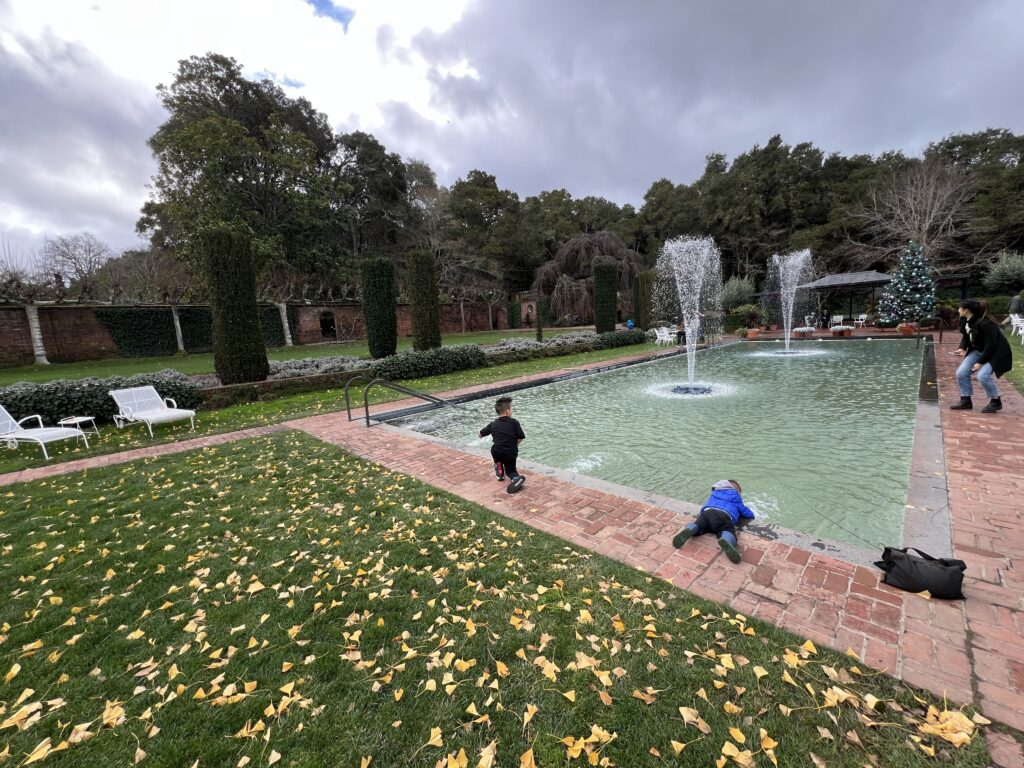
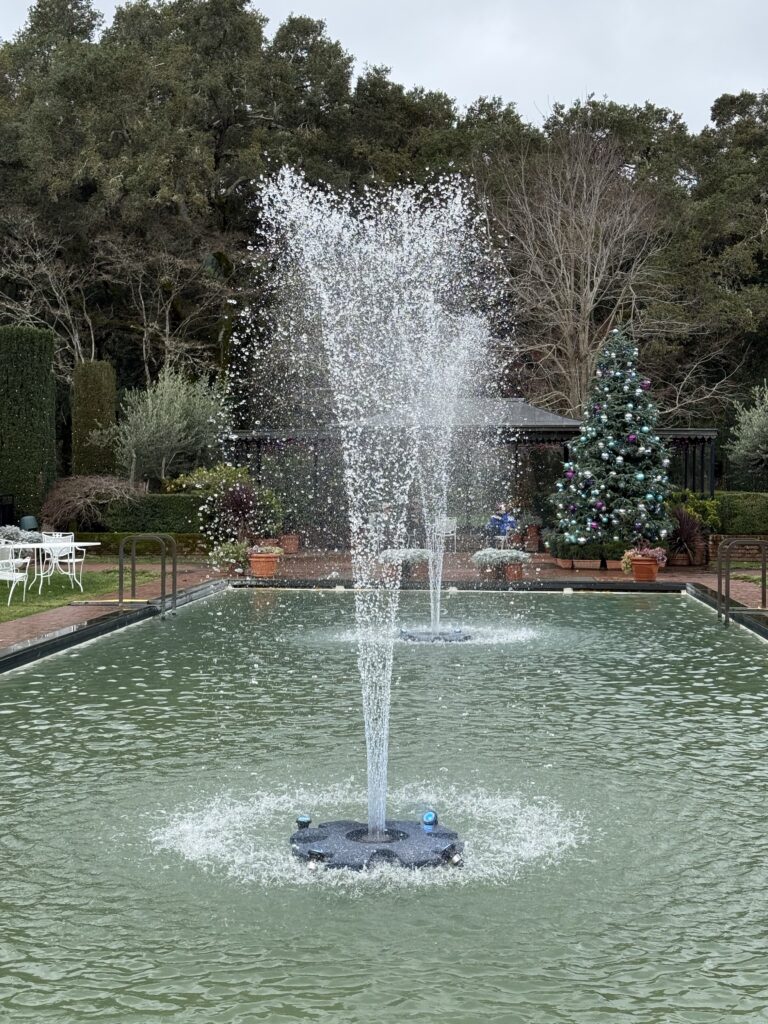
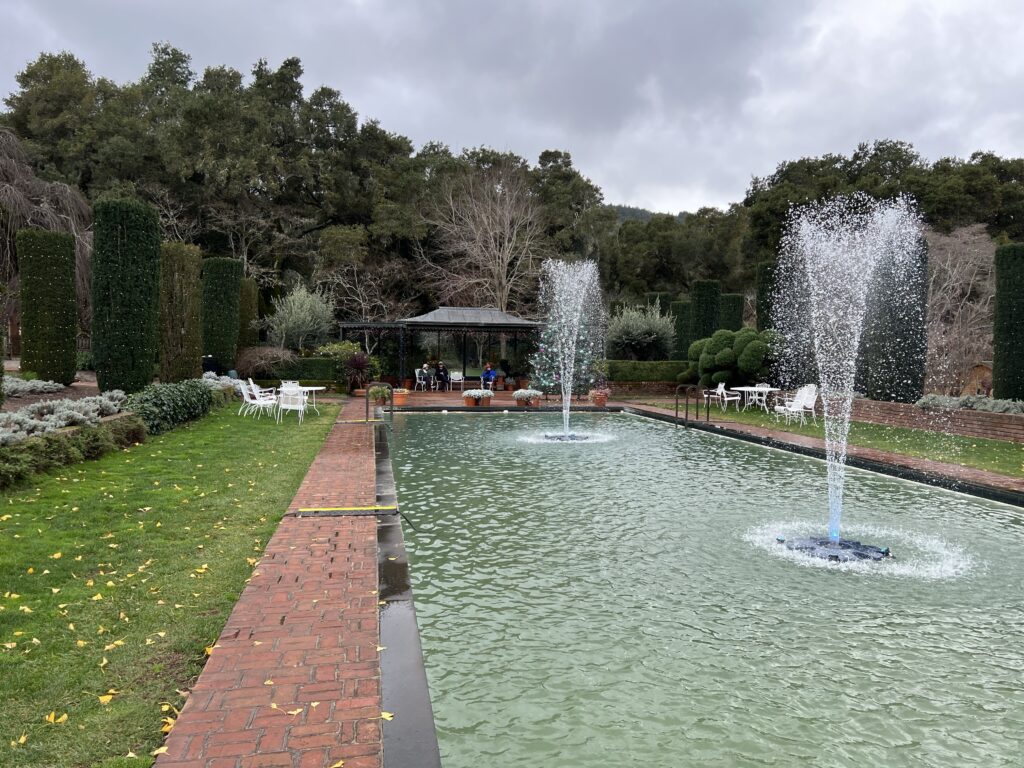
The estate’s swimming pool, added in 1946 and designed by Lurline Roth and pioneering horticulturist Bella Worn to complement the garden’s original design, is not open for general visitor swimming.
Limited pool access exists through specially ticketed “Pool Parties” offered on select summer dates, which provide swimmers with poolside lawn access but remain limited offerings rather than standard admission amenities.filoli+3
Meaning of “Filoli” to Occupants
The name Filoli derives from William Bourn’s personal life credo: FIght for a just cause; LOve your fellow man; LIve a good life. For the Bourn family, the estate represented both a philosophical statement and a practical embodiment of their wealth and aesthetic aspirations—a self-sustaining country retreat where William could spend his later years “growing young”.
For the Roth family, Filoli held profound significance as a stage for elaborate social ceremonies (debutante balls) and as a botanical canvas where Lurline’s internationally recognized plant-collecting and propagation efforts transformed the landscape. That Lurline eventually donated the entire estate to the National Trust with an endowment—a decision she personally declared should preserve it “as a center of horticulture and cultural activities”—underscores Filoli’s central importance to her identity and legacy.wikipedia+5
Hiking at Filoli
Filoli is highly suitable for hiking. The estate features two primary trail systems:
- California Trail (1-mile loop, 50 ft. elevation gain): An easy walk through cultivated fields, oak woodlands, and past Red’s Barn (historic horse facility of the Roth era).filoli
- Spring Creek Trail (0.5-mile loop, 125 ft. elevation gain): A moderate hike through scenic creek beds and redwood understory, opened to the public in June 2024.filoli
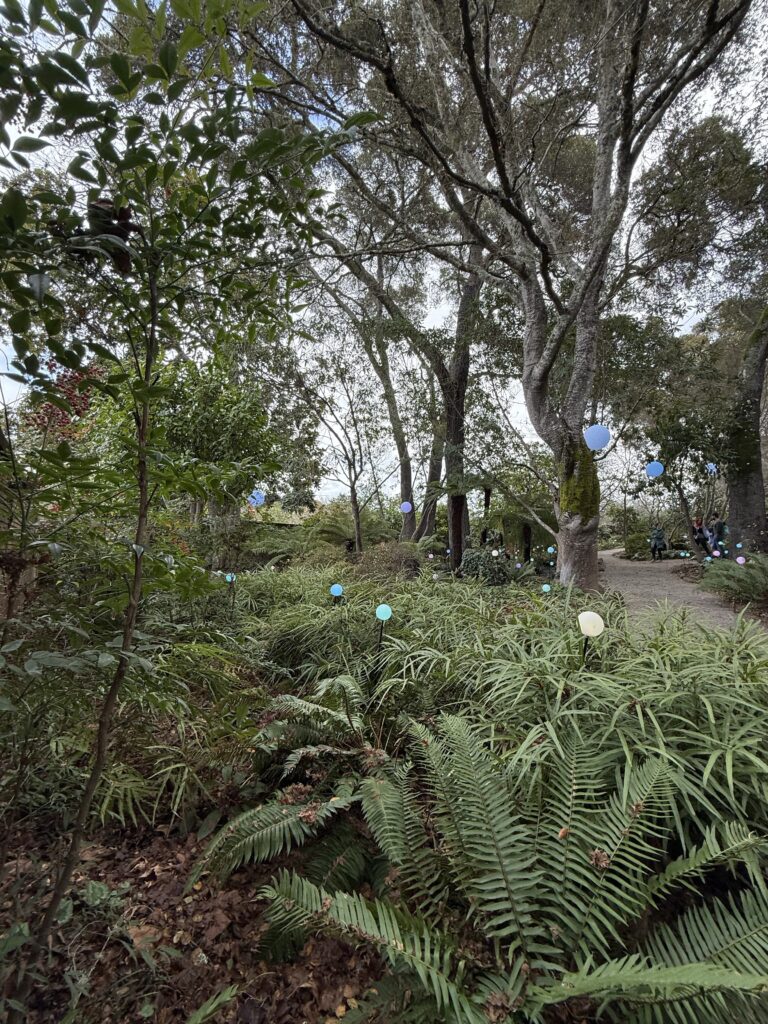
The 654-acre property encompasses six distinct ecosystems—oak-madrone forests, redwood stands, chaparral, riparian zones, and grasslands—with eight miles of trails total mentioned in some descriptions. A Trailhead Store in the redwoods provides water, snacks, and a rest deck. Guided sunset hikes ($75 including admission) are available seasonally.filoli+4
Sailing & Maritime Interest
While Filoli itself offers no direct sailing activities, the estate aligns with a sailor’s interests through geography and proximity.
The property overlooks the San Andreas Fault and is situated in the San Mateo Creek watershed, near Crystal Springs Reservoir. However, The Club at WestPoint (12-15 miles away) is an active yacht and social club offering waterfront dining, moorings, and sailing community connections—making it a natural complement for users with maritime interests.theclubatwestpoint+2
When Lurline Matson Roth donated Filoli to the National Trust for Historic Preservation in 1975, the house was essentially empty of its furnishings. The furniture and art collection had been sold at auction or taken with Lurline to her new home.
The focuses today is almost exclusively on the Bourn family’s original vision and furnishings, with restoration efforts directed toward returning the mansion to its Bourn-era aesthetic (1915–1936) rather than toward documenting the Roth family’s Matson heritage. Nonetheless a summary is provided below.
The Roths’ Roles at Matson Navigation Company & Maritime Significance
William P. Roth’s Executive Leadership
William Philip Roth (1879–1963), Lurline Matson’s stockbroker husband from Honolulu, served as President of Matson Lines beginning in 1927, precisely when the company launched its most ambitious and iconic expansion. This timing was not coincidental: Roth’s elevation to the presidency marked the beginning of the “White Fleet” era, when Matson introduced its legendary six white-hulled luxury passenger liners designed by the renowned naval architect William Francis Gibbs. Under Roth’s leadership, Matson shifted from a regional freight carrier to a world-class passenger line offering “The Grand Manner” of transpacific service—a designation that became synonymous with luxury travel to Hawaii and the South Seas.
Roth held the presidency through critical periods including World War II (when Matson vessels served as troop transports) and the postwar containerization revolution of the 1950s. His son, William Matson Roth (1916–2014), succeeded him and became a “top company executive” by the 1950s, continuing the family’s maritime stewardship.

Lurline Matson Roth: Heiress and Cultural Ambassador
Lurline Berenice Matson Roth (1890–1985) was the daughter and heiress of Matson Navigation’s founder, William Matson, but held no formal executive position within the company. Instead, her roles were deeply symbolic and philanthropic. Most notably, she christened two Matson ships bearing her name: as an 18-year-old woman, she christened the 1908 freight steamship Lurline, and in 1932, at age 42, she christened the legendary SS Lurline, the last and most luxurious of the four-ship “White Fleet”.
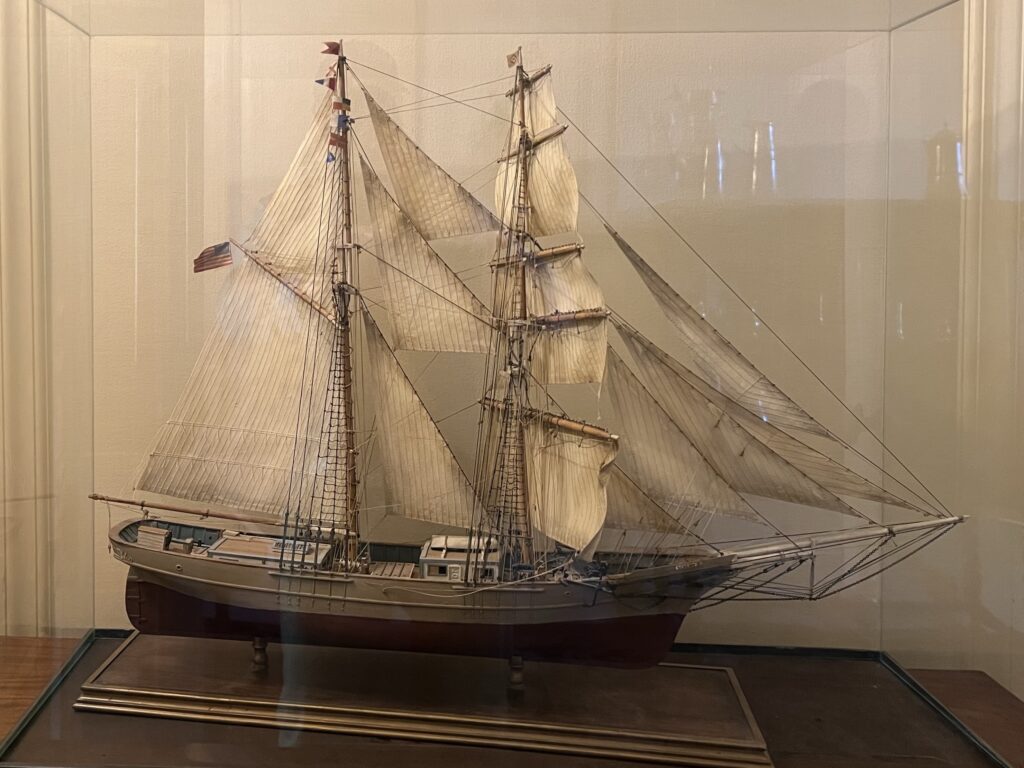
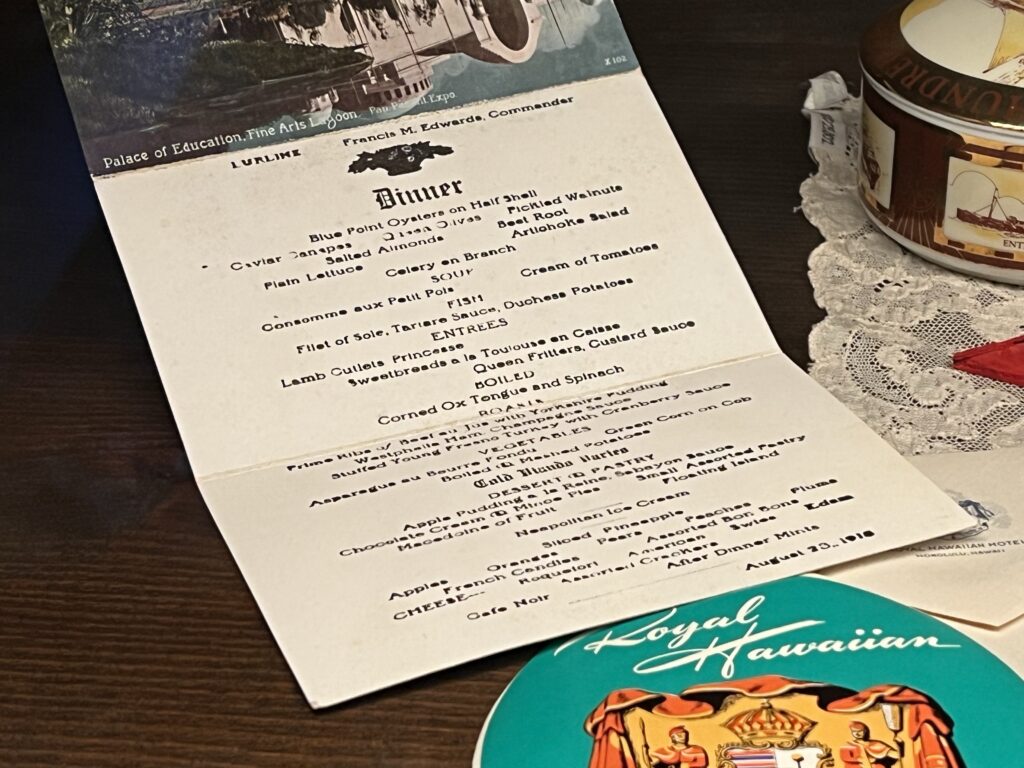
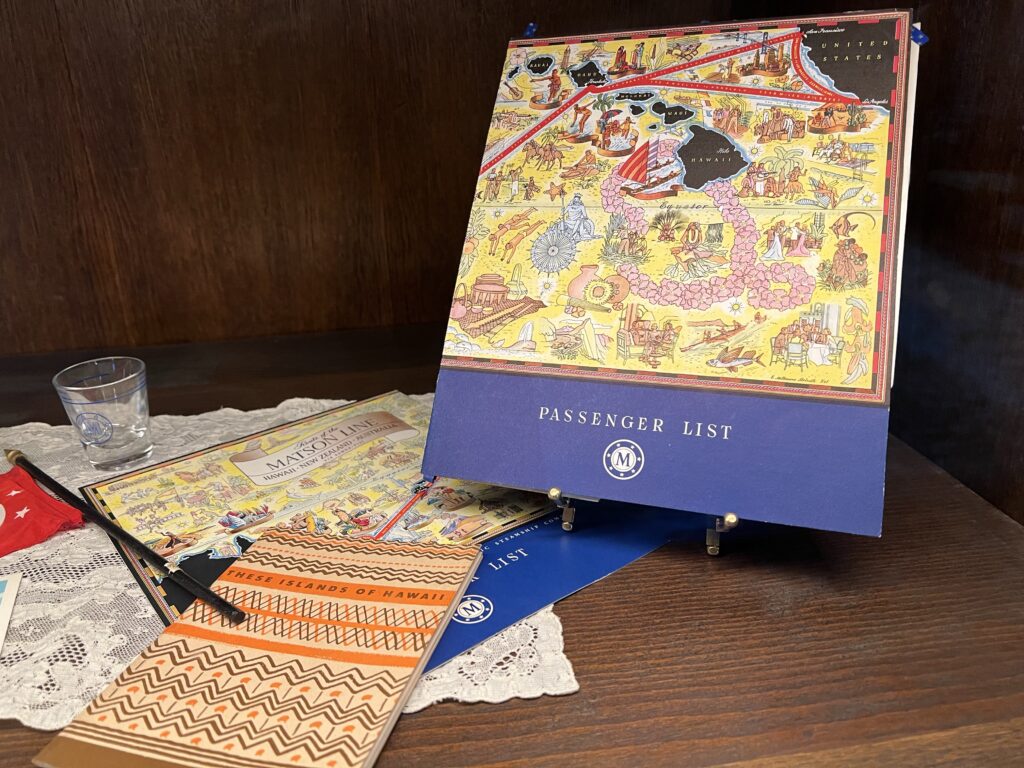
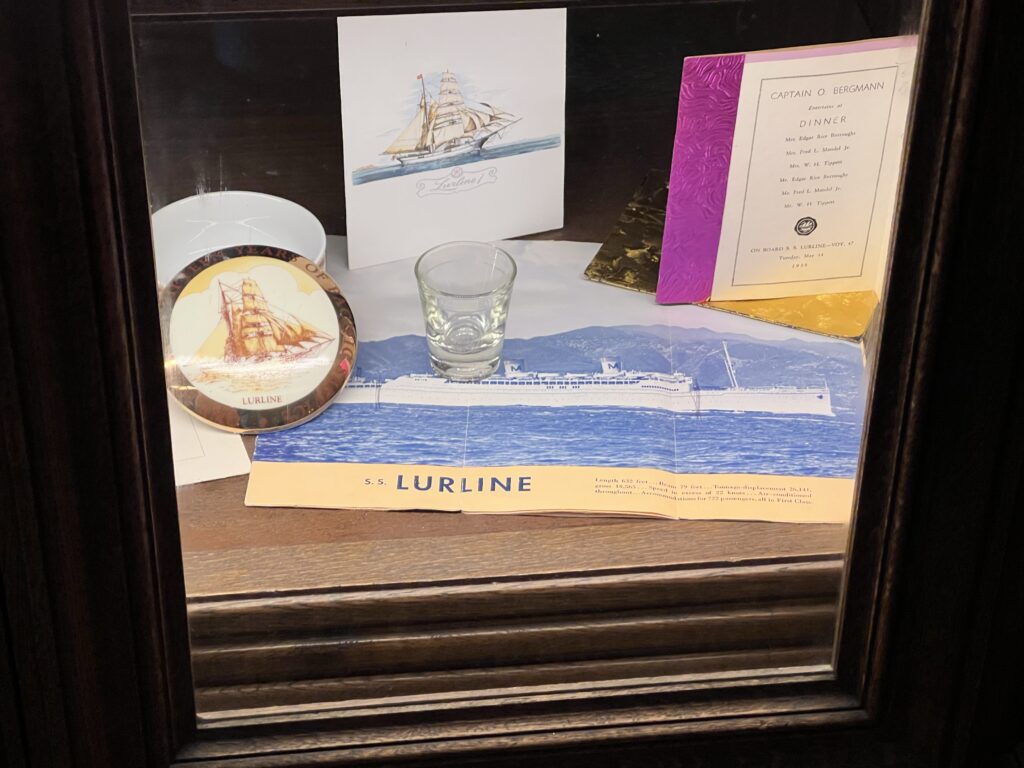
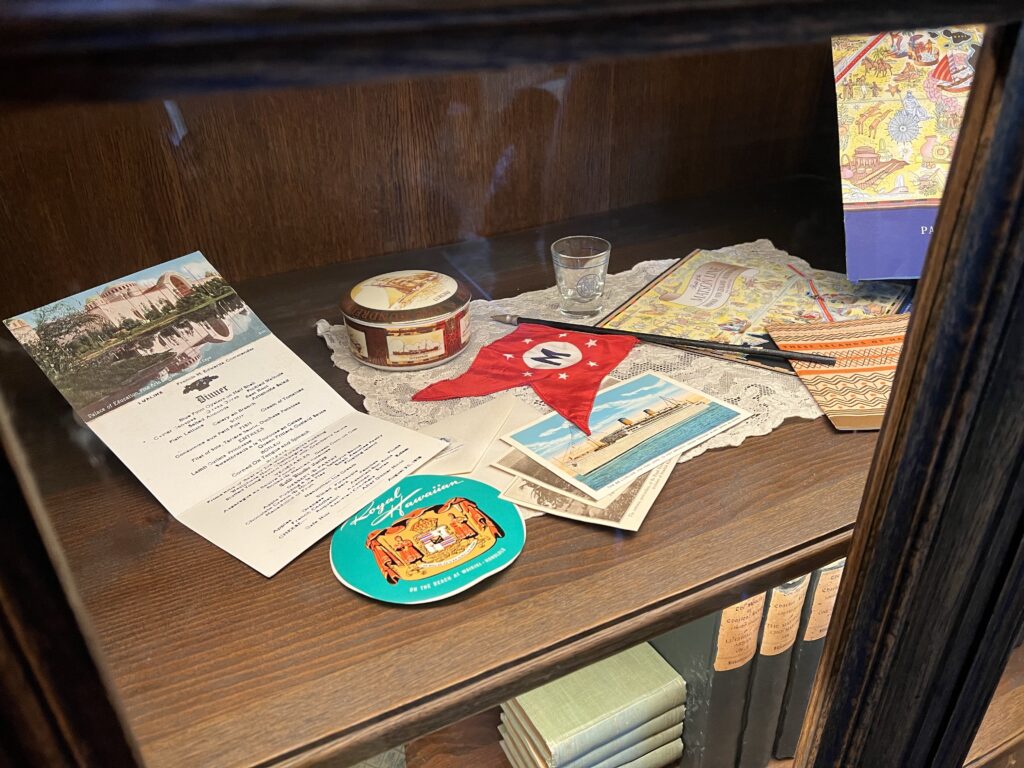
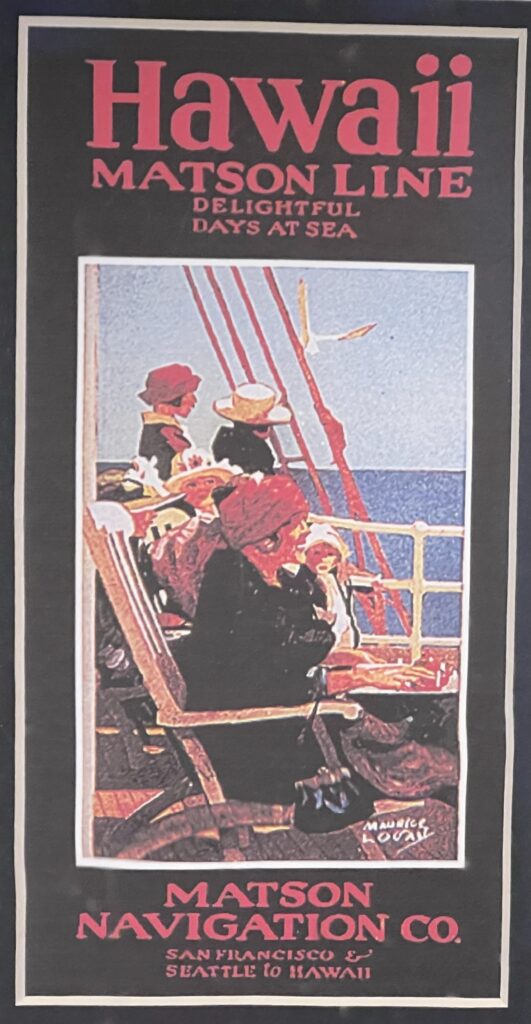
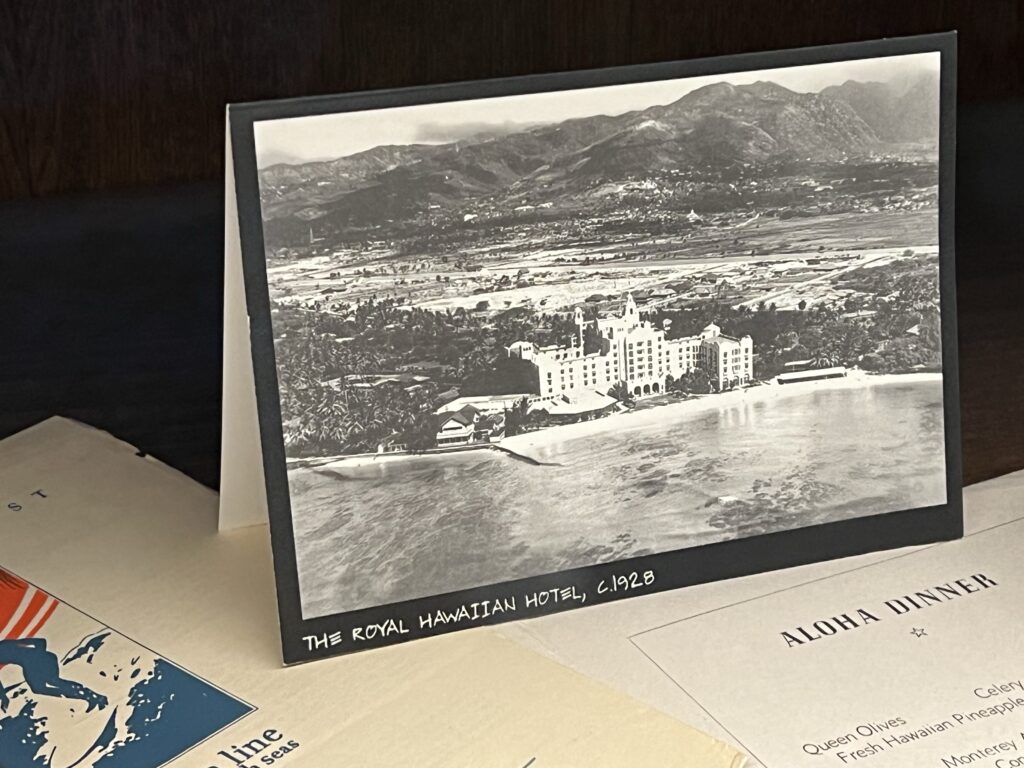
The SS Lurline (1932) represented the pinnacle of Matson’s passenger ambitions: a 18,163-ton liner designed by William Francis Gibbs and built by Bethlehem Shipbuilding Corporation, designed specifically to cater to wealthy tourists seeking the “grand manor” experience. That Lurline herself christened this ship—the crown jewel of Matson’s fleet—underscored her significance as both the living embodiment of the Matson legacy and as a custodian of Hawaiian culture and tourism development.

Beyond shipping, Lurline’s documented roles included equestrian achievement (she bred award-winning American Saddlebred horses and competed nationally), World War II Red Cross volunteer service, and—significantly—partnering with her son William Matson Roth to renovate Ghirardelli Square in San Francisco in 1964 at a cost of $10 million. This project is recognized as the first major adaptive re-use development in the United States.
The Matson Navigation Company: Business Model and Maritime Importance
Founding and Historical Context
Matson Navigation Company was founded in 1882 by Captain William Matson, a Swedish immigrant who arrived in New York as a cabin boy at age 14. Matson established himself as a shipping captain and eventually purchased his first vessel, the Emma Claudina (1882), to carry plantation supplies to Hawaii and return with sugar cargoes—a route that proved “immensely successful” and launched what would become the Pacific’s dominant shipping enterprise. By the time of William Matson’s death in 1917, the company operated 14 of the Pacific’s largest, fastest, and most modern vessels.
The “White Fleet” Era (1927–1978)
Under William P. Roth’s presidency (1927 onwards), Matson constructed six iconic white-hulled luxury liners—the Malolo (1927), Lurline (1932), Matsonia (1927), Mariposa (1932), and Monterey (1932)—that would define an era of Pacific travel. These ships offered combined passenger-cargo service on express schedules from San Francisco to Honolulu, with extended voyages to Sydney, New Zealand, and exotic island ports (Bora Bora, Moorea, Wellington, Rarotonga, Nouméa).
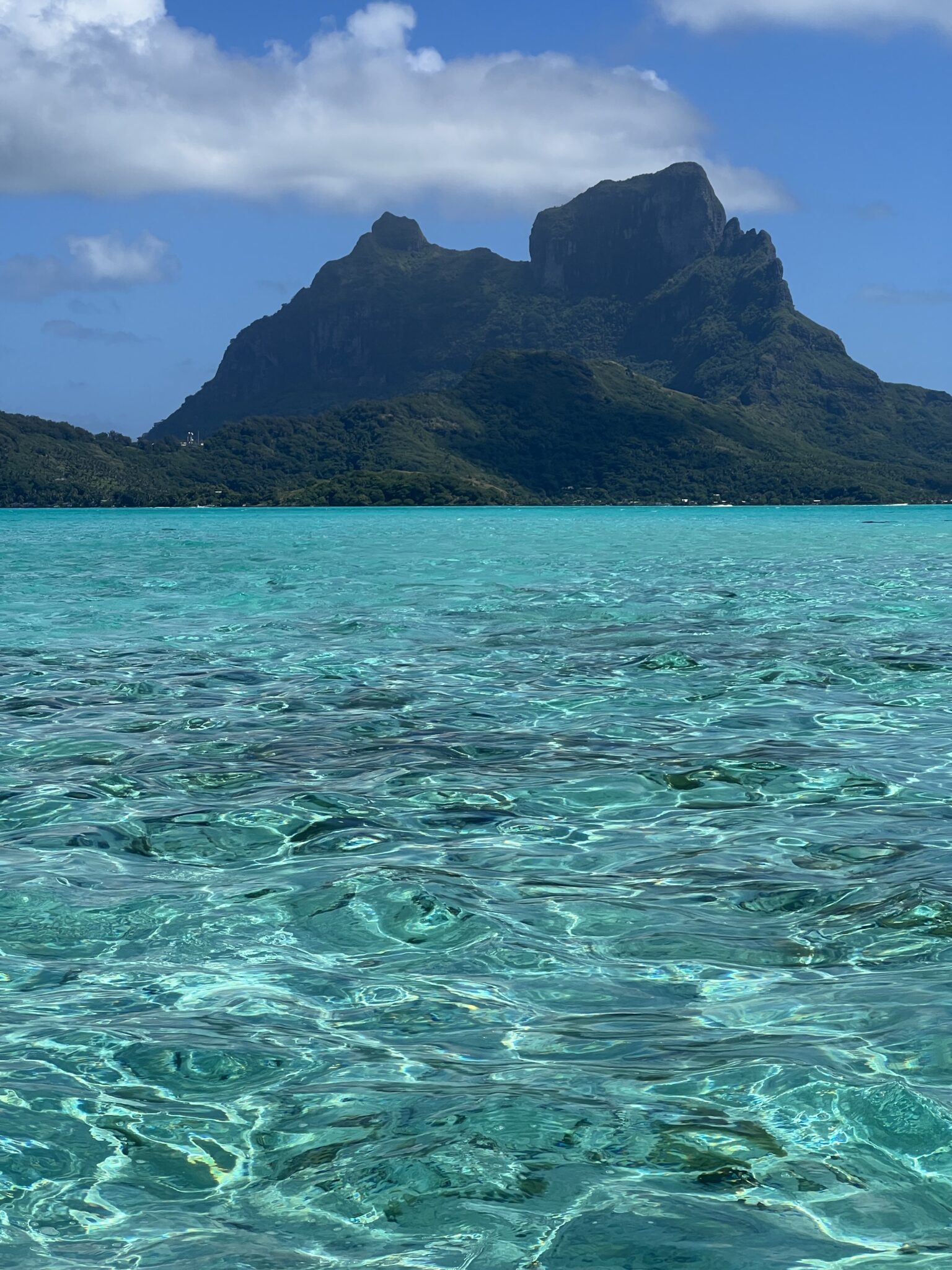
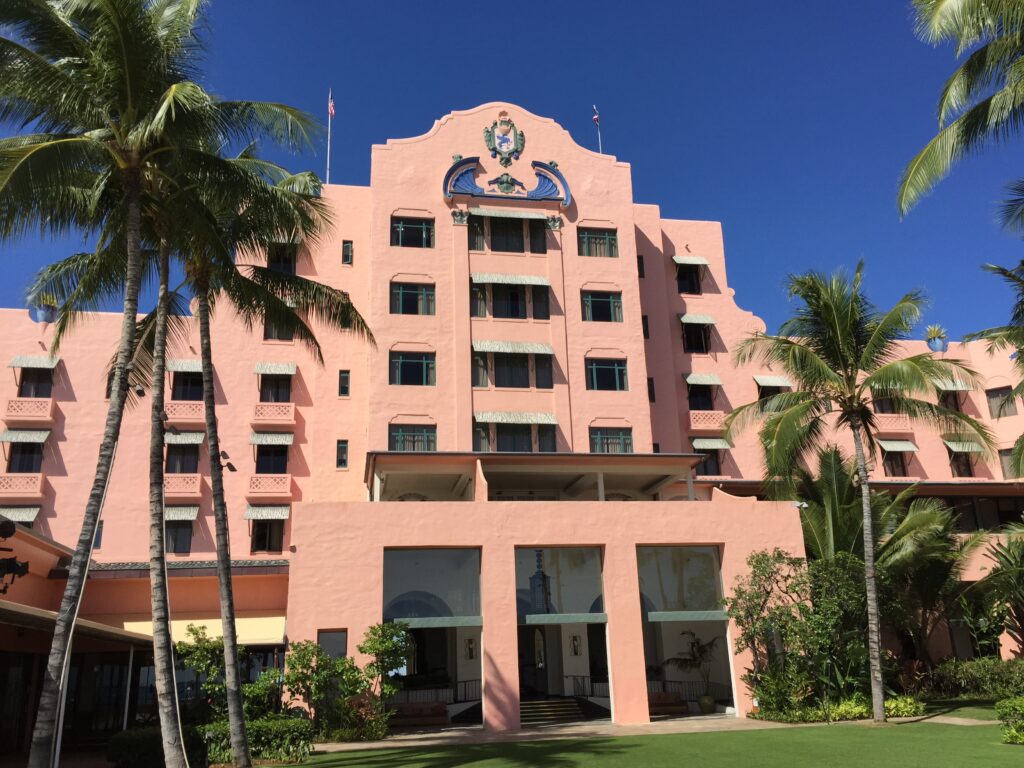
The cultural impact was profound. “Boat Day”—the arrival of a Matson liner in Honolulu—became a major social event for Hawaiian residents. Arriving passengers were greeted with Hawaiian music and lei, establishing a tradition of warmth and cultural celebration that shaped modern Hawaii’s tourism identity. Matson owned or operated premier hotels including the Moana, Royal Hawaiian, Surfrider, and Princess Kaiulani, creating an integrated destination experience that made “a trip across the South Seas one of the world’s finest travel experiences”.
Notably, the SS Lurline was carrying a record 765 passengers on December 7, 1941, when the Japanese bombed Pearl Harbor. The ship received radio signals from the Japanese fleet (later subject of advance-knowledge conspiracy theories), traveled in a zigzag pattern under radio silence and blacked-out at night, and arrived safely in San Francisco on December 10. This episode illustrates Matson’s central role in Pacific commerce and defense logistics.
Containerization Revolution (1950s–1960s)
Matson’s most consequential contribution to maritime history came through containerization. On August 31, 1958, the S.S. Hawaiian Merchant departed San Francisco Bay carrying 20 24-foot intermodal containers on deck—marking the beginning of a containerization program that transformed global shipping. This was not a reactive adoption of existing technology; Matson established the industry’s first in-house maritime research department in 1956, specifically to develop containerization systems.
By 1960, the S.S. Hawaiian Citizen became the first container ship converted in the Pacific and the first to incorporate large-scale refrigerated container capacity. By 1967, Matson’s naval architects designed the first true dedicated containership in the world. This innovation was described as “perhaps one of the most significant ever undertaken by an ocean carrier”—containerization itself is credited with saving the American Merchant Marine from collapse under rising costs and foreign-flag competition.
Modern Operations and Strategic Position
Today, Matson, Inc. remains Hawaii’s largest and premier ocean carrier, operating since 1882—143 consecutive years of service. The company offers the highest service frequency to Hawaii of any carrier: seven arrivals from the West Coast to Hawaii every 14 days, including twice-weekly service from Northern California and twice-weekly from Southern California. The fleet consists of purpose-built containerships, combination container/roll-on-roll-off (con-ro) vessels, and specialized barges, all U.S. built, owned, and operated.
Recent investment signals Matson’s continued commitment to American maritime infrastructure: the company ordered three new Aloha Class containerships (3,600 TEU—the largest container ships built in the United States) from Philadelphia Shipyard, each incorporating hybrid electrical systems and liquefied natural gas (LNG) propulsion. This multibillion-dollar capital commitment in 2024–2025 represents a significant statement of confidence in U.S. shipbuilding and the American merchant marine.
Significance to Sailors and the Maritime Community
For sailors and maritime professionals, Matson has been fundamental to American shipping for nearly 150 years:
- Employment & Professional Opportunity: Matson has continuously employed American merchant mariners—officers, captains, and crew—maintaining a U.S.-flag workforce when foreign shipping threatened domestic maritime capacity.
- Design Excellence: Matson vessels were designed by legendary figures like William Francis Gibbs, whose ships epitomized cutting-edge naval architecture and engineering.
- Operational Standards: Matson became renowned for “award-winning customer service” and industry-leading reliability, setting standards for professional maritime operations.
- Innovation Leadership: Matson’s containerization program and subsequent maritime technologies positioned American shipping to compete globally, preserving U.S. maritime influence when containerization could have been dominated entirely by foreign carriers.
- Strategic Supply Chain: For island communities (Hawaii, Alaska, Micronesia, Guam, and the South Pacific), Matson remains the essential “lifeline to the economies” that depend on ocean transportation—a critical role in an era of supply chain vulnerability.
- Community Stewardship: The Club at WestPoint and Bay Area maritime clubs maintain ties to Matson’s broader shipping network, reflecting ongoing integration with local sailing and yachting communities.
In essence, Matson Navigation Company transformed from a single-ship enterprise in 1882 into the architect of Pacific commerce, the innovator of modern containerized shipping, and a custodian of American maritime heritage. The Roth family—through William P. Roth’s executive leadership and Lurline Matson Roth’s cultural stewardship—guided Matson through its most consequential periods, from the golden age of luxury travel to the containerization revolution that reshaped global shipping.
Filoli Renovations: Financing, Scope, Authenticity & Purpose
Filoli has undertaken substantial restoration efforts since opening to the public:
Major Projects (2020-2025):
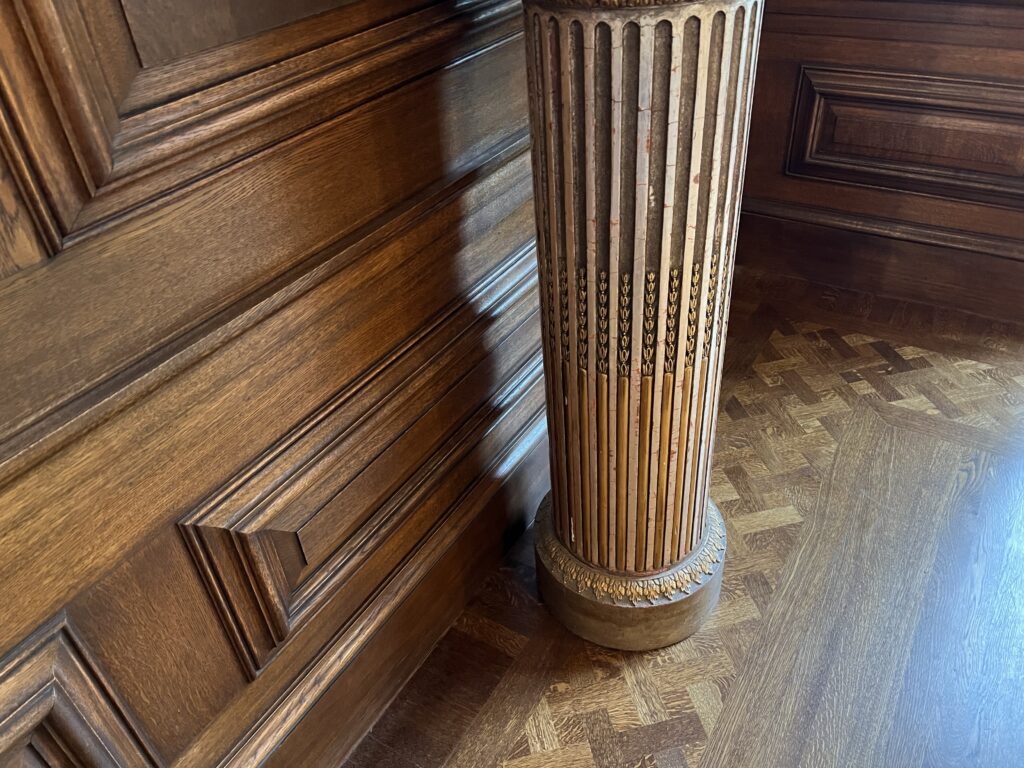
- Drawing Room Restoration (2018-2020): Restoration of butter-yellow wallcoverings and woven gimp trim returned the room to original Bourn-era grandeur.filoli
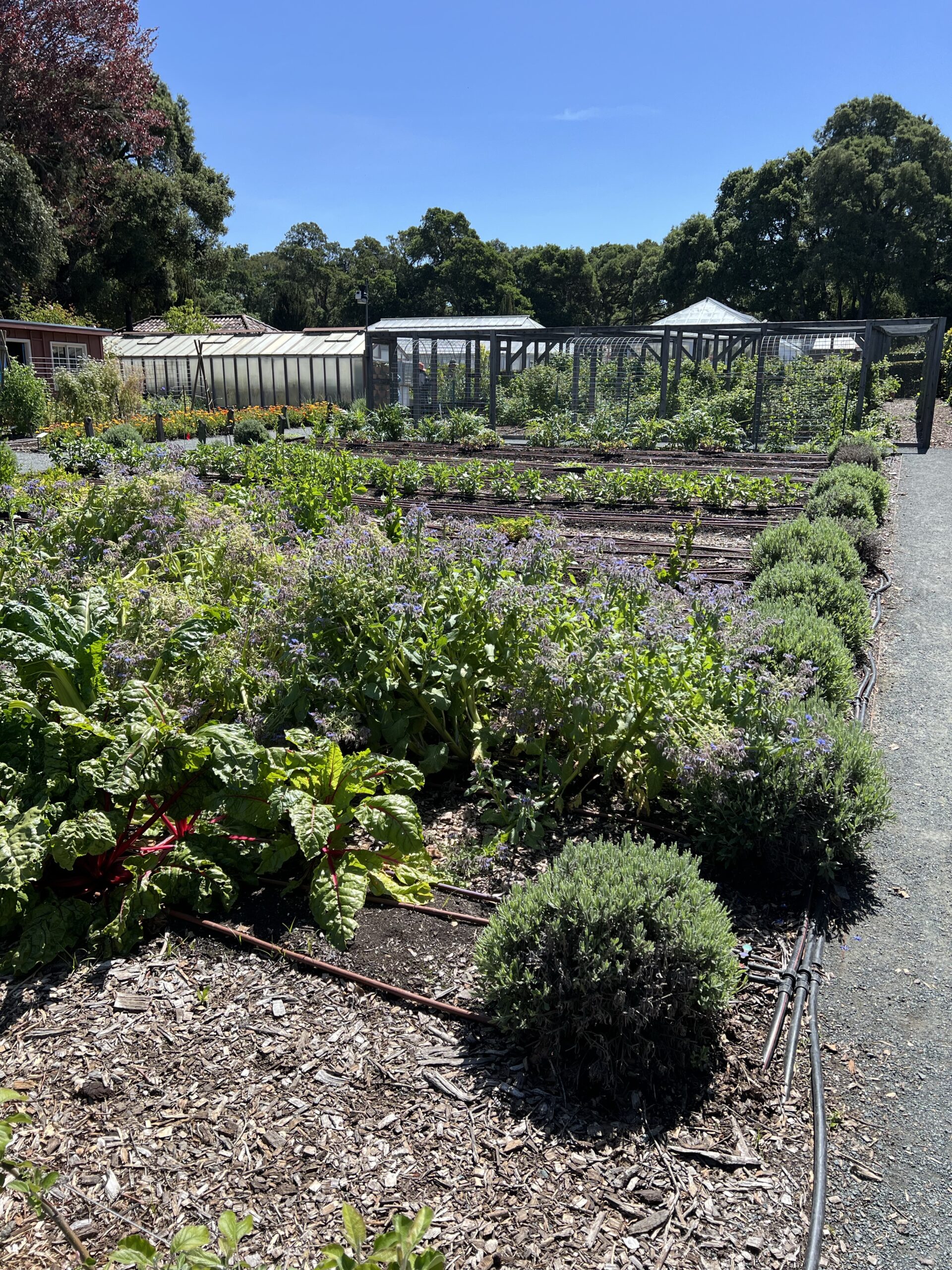
- Vegetable Garden Renovation (2020): Fundraising raised $50,200+ to restore the working kitchen garden.filoli
- House Gutter Restoration (2022): With support from the National Trust’s Historic Sites Fund, gutters were resealed to prevent catastrophic weather damage.filoli
- Portico Cleaning & Restoration (2022): With support from the Johanna Favrot Fund, marble and glazed terracotta surfaces were restored.filoli
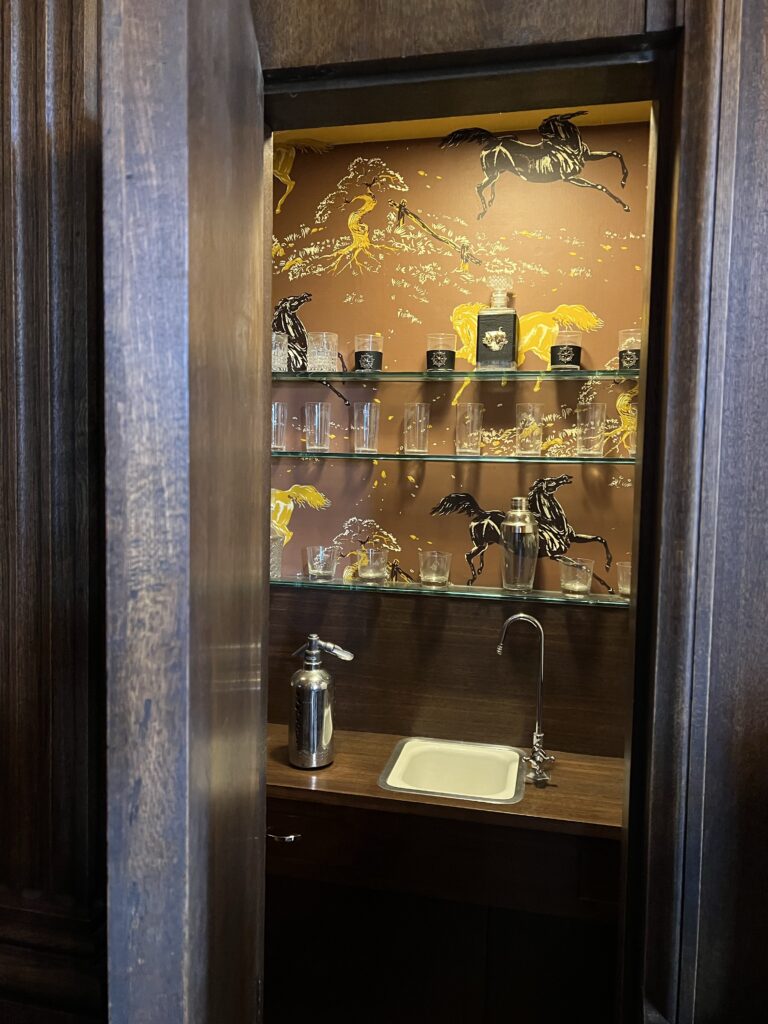
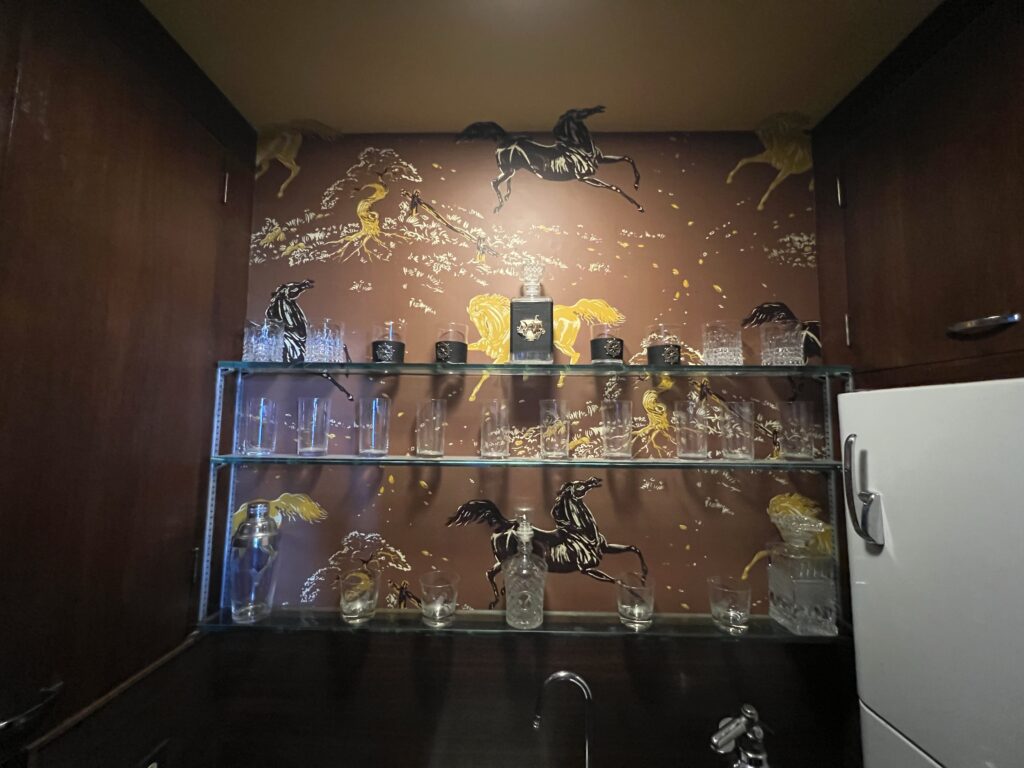
Gentlemen’s Lounge Restoration (2022): New period-accurate wallpaper patterns and acquired artwork (including 18th-century mezzotints) recreated the room’s original appearance after 50+ years.filoli+1
- Ballroom & Dining Room Flooring (2023): Refinishing of two of the estate’s most impressive rooms.annualreport.filoli
- Ballroom Terrace Renovation (completed Summer 2023): Original fountain restoration and water-conservation-focused stone patio replaced lawn areas.filoli
Financing Model:
Restoration is supported through multiple streams: National Trust grants and endowments, historic preservation foundations (e.g., Johanna Favrot Fund), individual donors, facility rental proceeds (100% directed to preservation), and membership contributions. The organization invested over $1 million in renovations in 2022 alone.annualreport.filoli+3
Authenticity Approach:
Restorations prioritize returning rooms to their original Bourn-era aesthetic rather than preserving later Roth-family modifications. This reflects a curatorial philosophy of recreating Agnes Bourn’s original interior design vision, supported by historic photographs, oral histories, and donor acquisitions of period-appropriate furnishings.filoli+1
Purpose:
Beyond preservation, renovations enhance visitor experience and address sustainability. Examples include water conservation (removing drought-vulnerable lawns for stone patios) and enhanced access to the House’s upper floors through curatorial tours.filoli+1
Most Compelling Attractions
The estate’s most noteworthy experiences include:
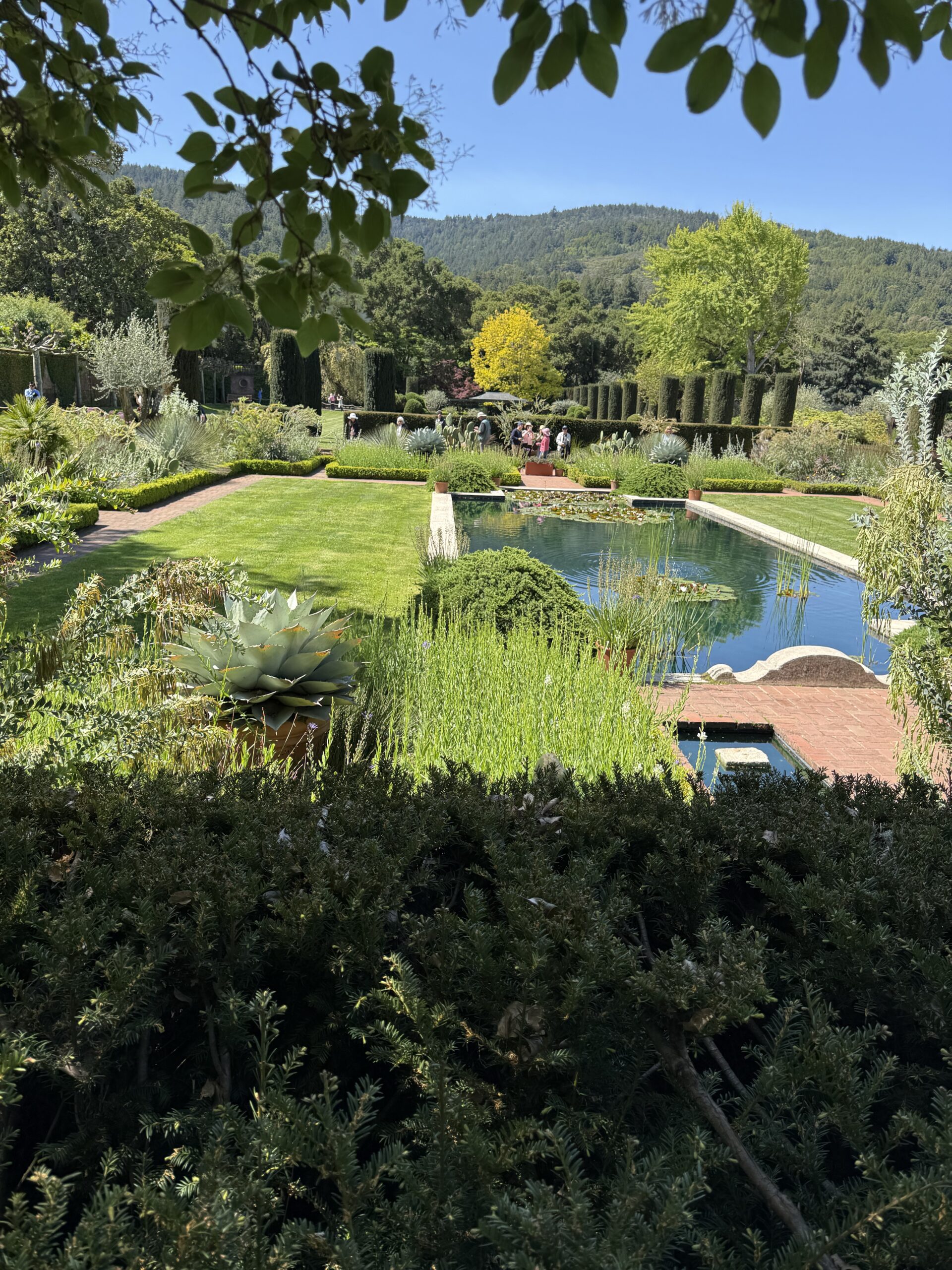
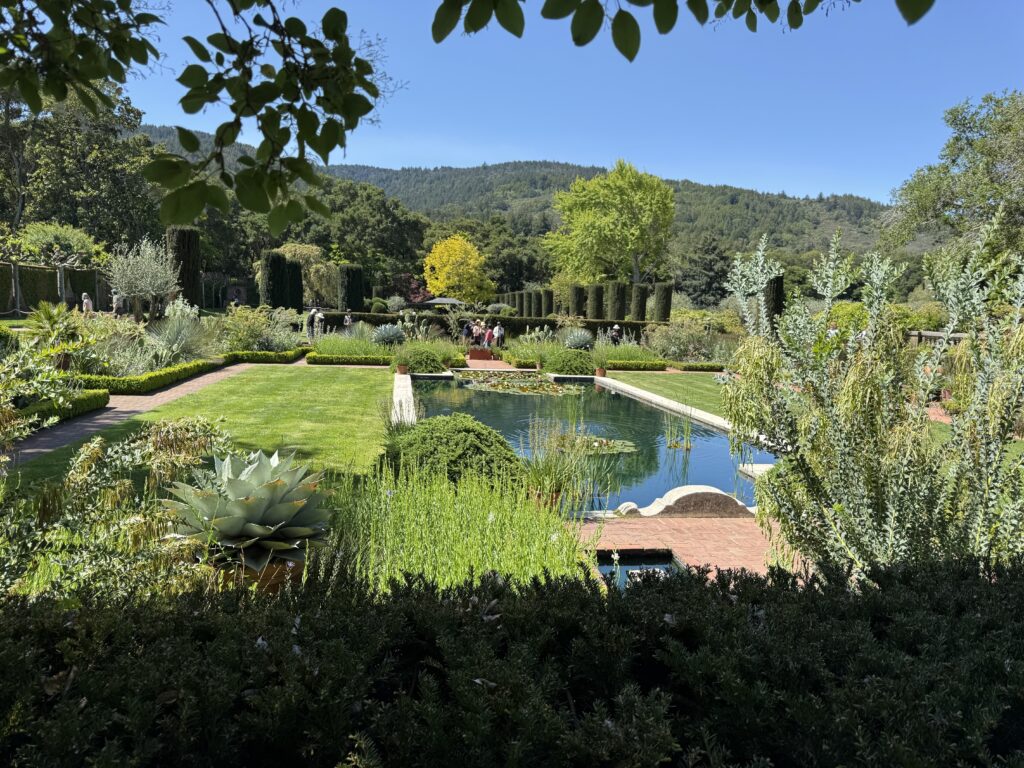
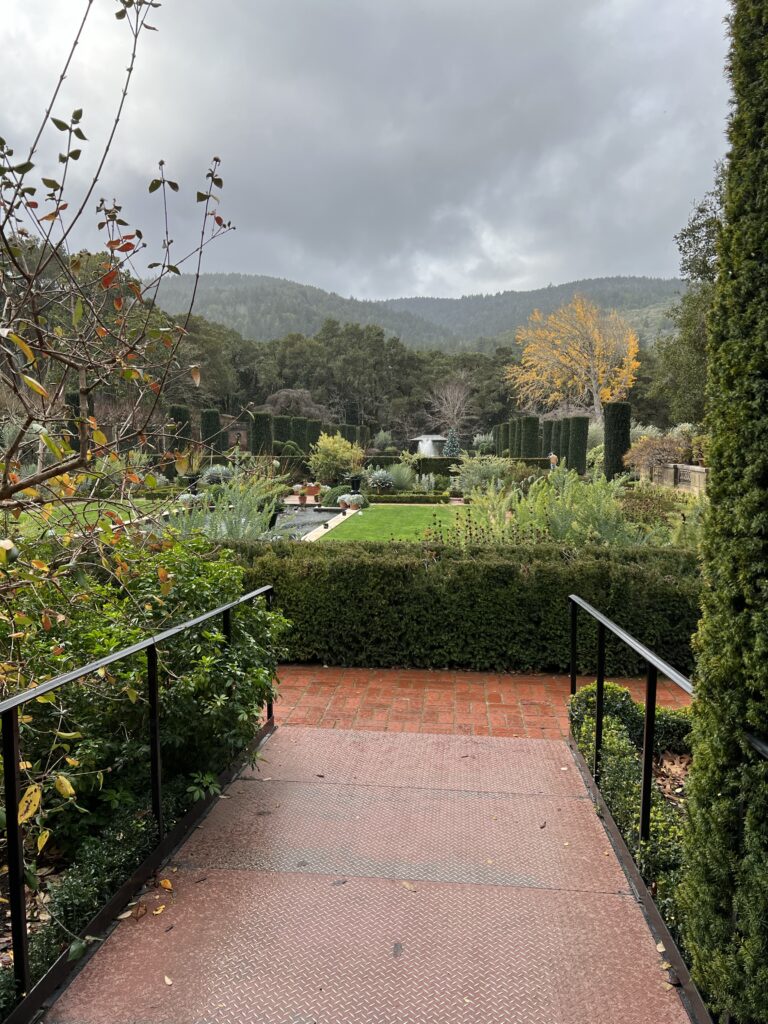
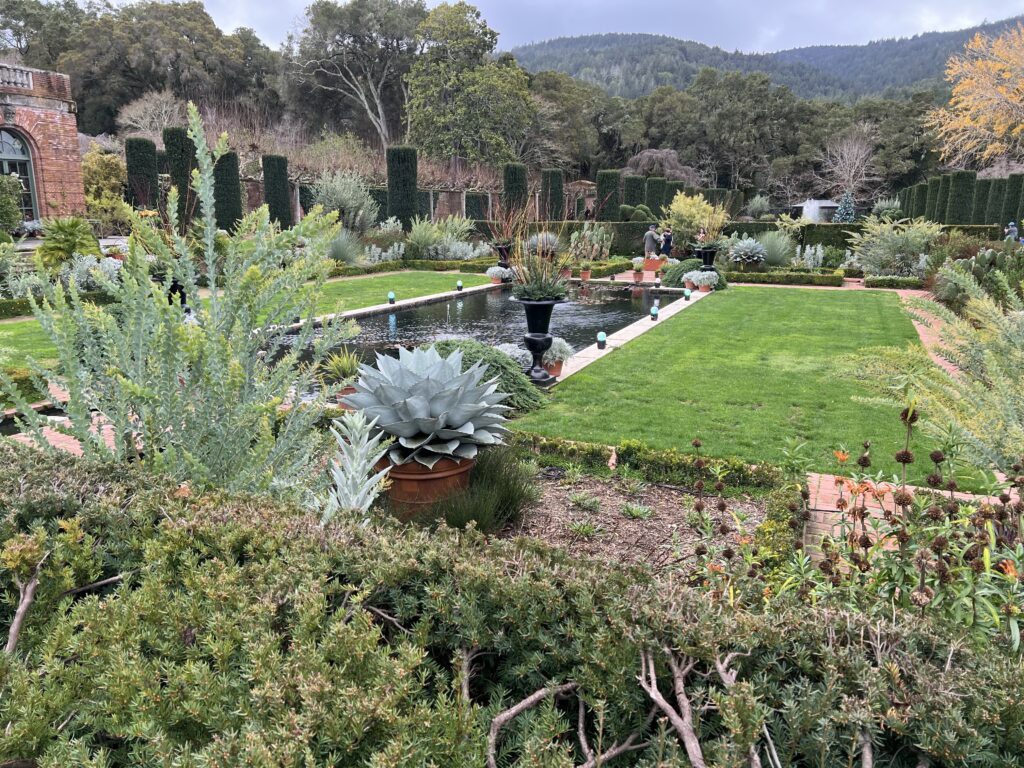
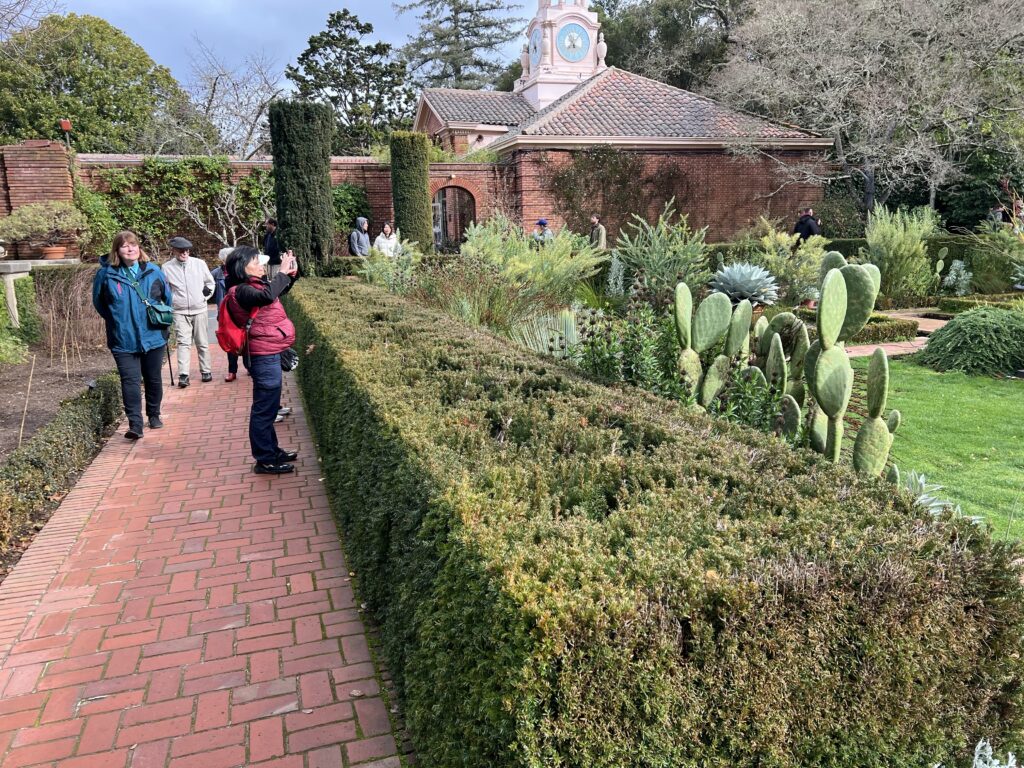
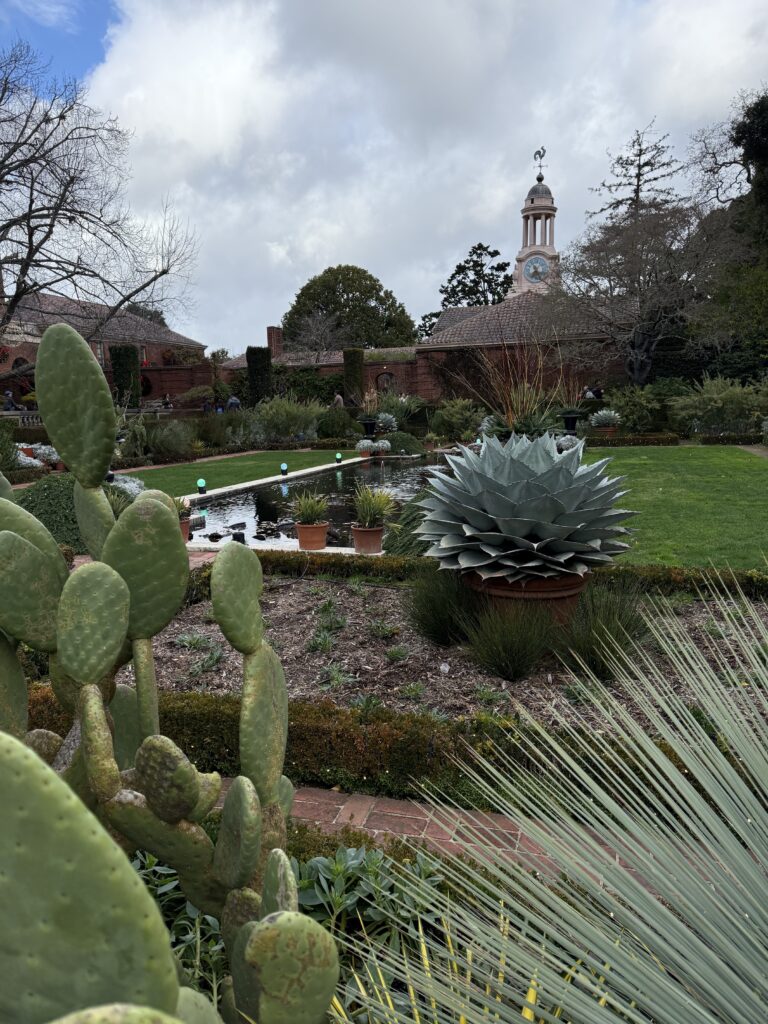
- The Sunken Garden: A dramatic planting bed visible from Agnes Bourn’s bedroom above, now showcasing striking succulent and cacti displays that have become the estate’s most photographed feature.thelifestyledove+1
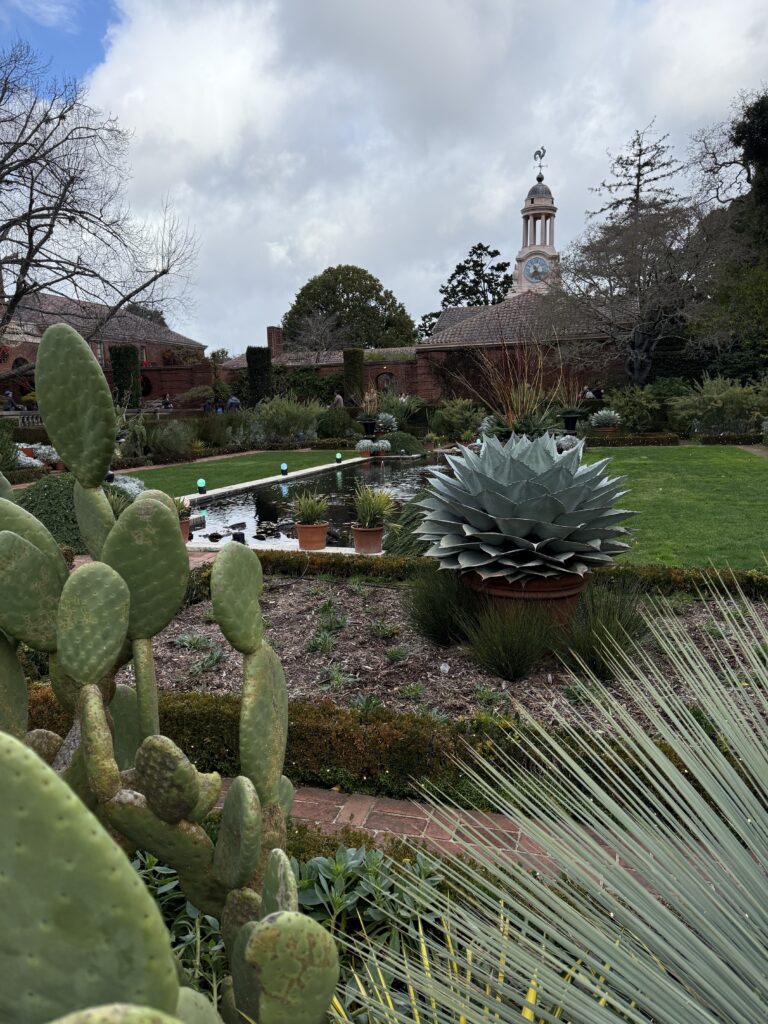
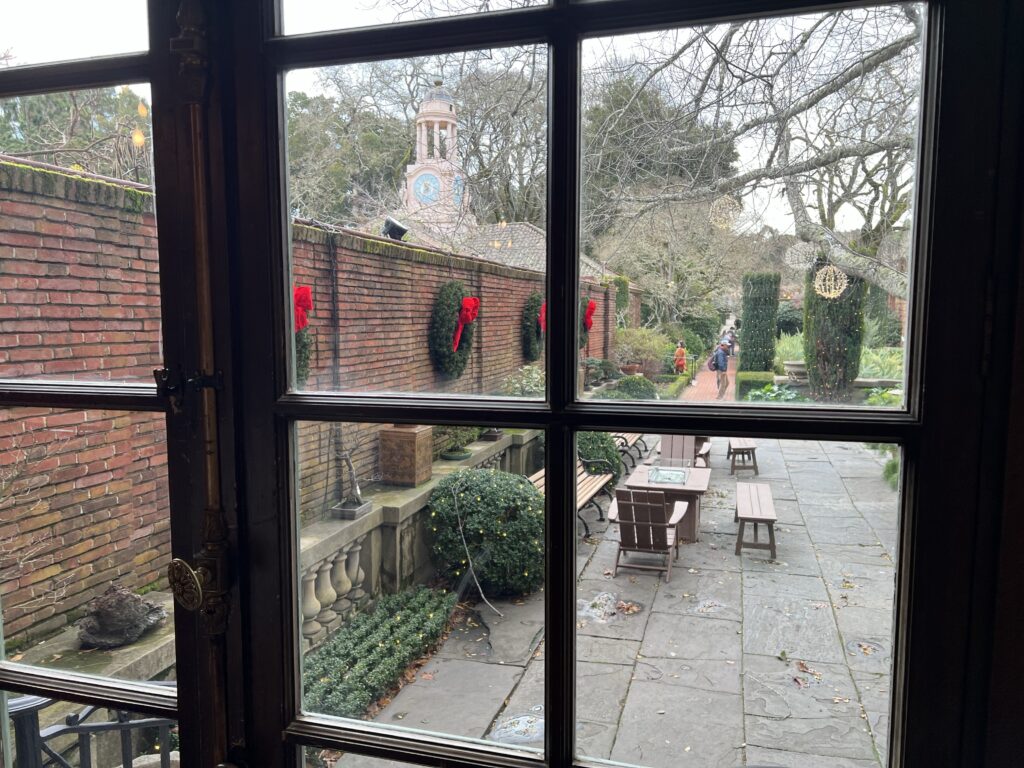
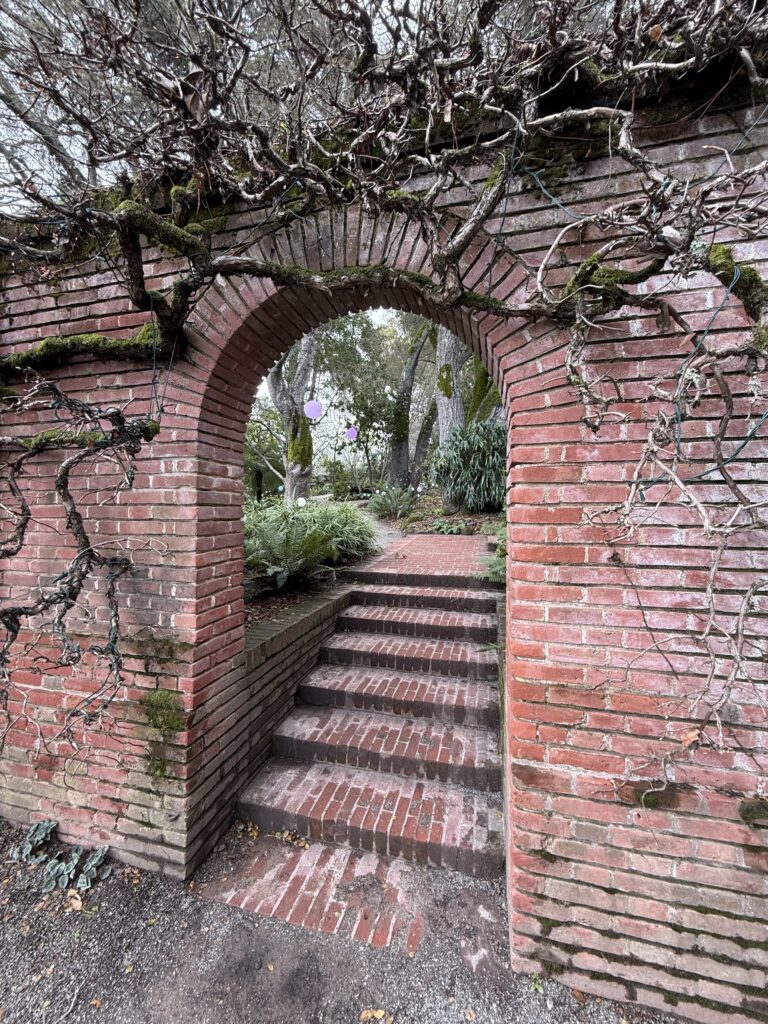
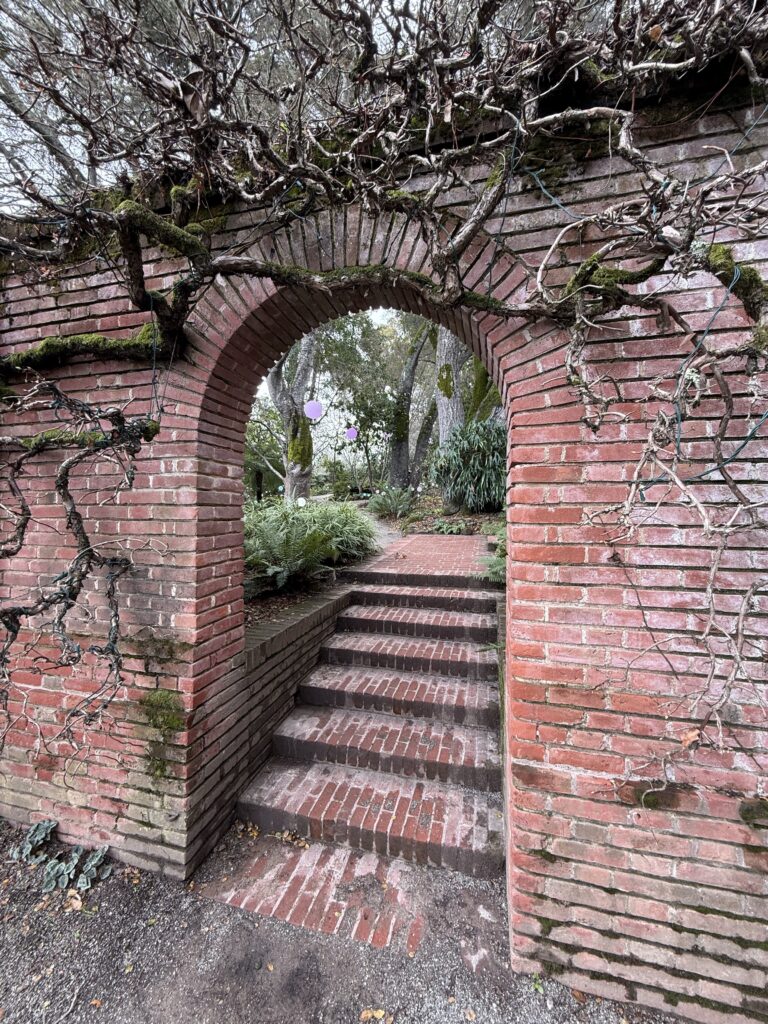
- The Walled Garden: A one-acre enclosed space with 10-foot brick walls, subdivided into ornamental garden “rooms” through clipped hedges, each designed as an individual experience.travelrealizations+1
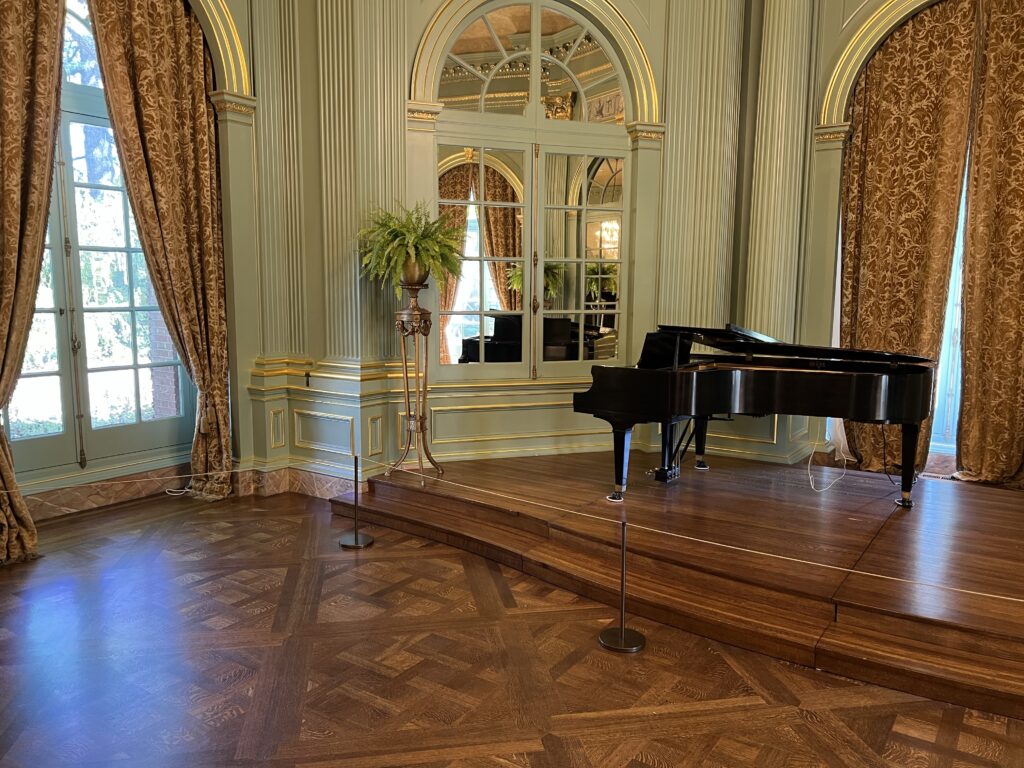
- The Grand Ballroom: A 120-seat venue (200+ standing) with gilded details, crystal chandeliers, and a history of hosting concerts, debut balls, and formal dinners—used to demonstrate that Peninsula society could entertain with San Francisco grandeur.filoliyoutube
- The Natural Lands: Six distinct ecosystems spanning 650+ acres, with hiking trails that cross the San Andreas Fault and include redwood groves, oak woodlands, and riparian corridors.filoli
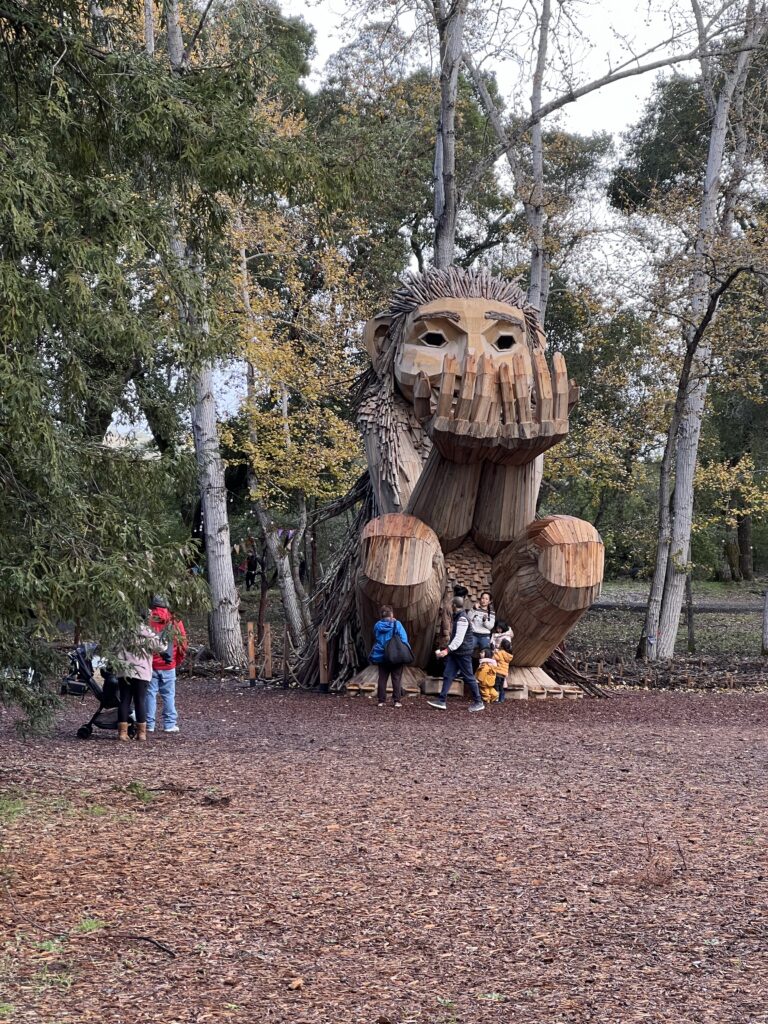
- Thistlewyck (Seasonal): The newly debuted 2025 holiday village featuring model trains, fairy houses, and a 27-foot recycled-wood troll sculpture by Danish artist Thomas Dambo, creating immersive theatrical experiences unavailable elsewhere on the Peninsula.secretsanfrancisco+1
Hollywood Legacy: The mansion’s brick façade appeared in Dynasty television opening credits throughout the 1980s and featured in films including Heaven Can Wait (Warren Beatty, 1978) and The Joy Luck Club (1993).wikipedia+1
The Bourns’ main source of income was the Empire Gold Mine. Foreseeing the future value of water and electricity as the Bay Area population boomed, William also invested heavily in utility companies.
Practical Visit Information
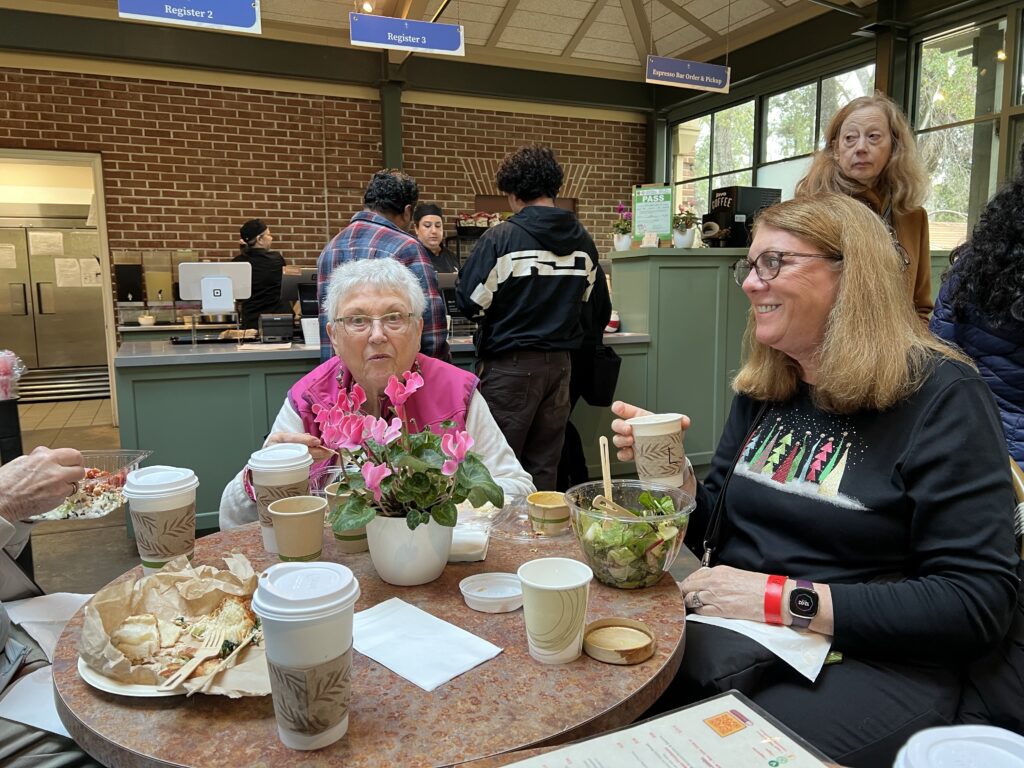
General admission costs $38; membership begins at $125 annually. The estate is open 10am–5pm daily, with extended Summer Nights hours (5–8pm Wednesday-Thursday through September). Reservations are strongly recommended, especially for seasonal events. Picnics are encouraged throughout the gardens; the Quail Café provides café fare incorporating Filoli-grown and local produce.localgetaways+2