Katie Wilson and the Seattle Municipal System

A Systems Theory Analysis of Holistic Urban Governance CONTENTS Introduction Systems theory conceives of an organization not as a collection of isolated parts but as an integrated whole whose subsystems—psychosocial, technical, structural, and normative—must co-evolve with one another and with their external environment. Applied to municipal governance, this framework reveals how Mayor Katie Wilson’s administration…

Systems Theory: Why FIFA — Unlike Other Sports — Does Not Need Commercial Privatization

A multi‑layer analysis of structure, incentives, and the global football ecosystem Commercial privatization has swept through global sports. Formula 1, European football clubs, the UFC, cricket leagues, and even U.S. college athletics have embraced private equity, LLC structures, and commercial subsidiaries. These moves were driven by financial crises, legal threats, structural instability, or competitive pressure.…

Seattle Center: History, Attractions, and FIFA 2026 Role

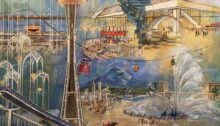
Seattle Center is a 74-acre cultural and civic campus that originated as the site of the 1962 Seattle World’s Fair, envisioned to be a permanent hub for arts, science, and community gatherings. Anchored by the Space Needle and Climate Pledge Arena, it now hosts the Pacific Northwest Ballet, Seattle Opera, museums like MoPOP and the Pacific Science Center, and festivals such as Bumbershoot and the Seattle Center Festál series. Its history stretches back to 1886, when David Denny donated the land for public use; major development began in the 1920s with the Civic Auditorium and Armory. In the late 1980s, consultants from Walt Disney Imagineering were hired to design a long-range redevelopment plan, which was ultimately rejected after public opposition over its high cost, commercialization, and proposed demolition of beloved historic landmarks. Today, the Center thrives as Seattle’s cultural heart—offering ballet, opera, public art, food halls, and major events like the upcoming 2026 FIFA World Cup Fan Celebration.

Opening Day 2026 Poem One

This post walks through a poem built from an unusual constraint: turning a list of boat names into verbs within a scene about the 2026 log boom, which is an extension to Dock Zero. The unpacking of several invented verbs, translates poetic language into concrete meaning—watching the horizon, tightening lines, chaining logs, riding wind, easing tension, and reflecting on history.

What makes it compelling is the tension between abstraction and realism. The language is playful and surreal on the surface, but every line maps back to very physical, recognizable maritime actions and shared human moments—labor, coordination, memory, and release. It becomes a kind of linguistic choreography, where naming turns into doing, and the reader gets to see how meaning is constructed rather than just delivered.

SuperSonics

The Sonics left Seattle mainly because the ownership group failed to secure a publicly backed replacement arena, the lease dispute was unresolved, and the team was moved after a legal settlement with the city. The Sonics name and related intellectual property were left with the Seattle side for a future NBA team in Seattle, while…

Arc

Arc quotes the Arc Sport’s 226 kWh battery as supporting a full typical day on the water, with several hours of hard wake use between charges. Arc Boats chose the name “Arc” as a sleek, forward-looking nod to electric arcs—the brilliant, high-energy sparks symbolizing the raw power and instant torque of their electric drivetrains. It…

WTO Palm Oil Standoff

Palm oil imports to the USA are expected to rise following Malaysia’s 2025 tariff exemption, particularly for refining into renewable diesel and jet fuel. This policy shift provides a significant advantage for Malaysian palm oil, especially as U.S. producers look for price-competitive, reliable feedstocks amid ongoing decarbonization targets.mpoc+1​ Expected Importers and Industry Players Cherry Point…

From Shipyards to Silicon: The Eastside’s Transformation from Blue-Collar to White-Collar Wealth

The Lake Washington Eastside’s evolution from blue-collar shipbuilding to white-collar technology represents one of the most complete economic transformations in American urban history. Unlike regions that maintained mixed economies or experienced decline, the Eastside successfully transitioned from one economic base to an entirely different one while maintaining population growth and prosperity.