Historical Overview and Regional Links
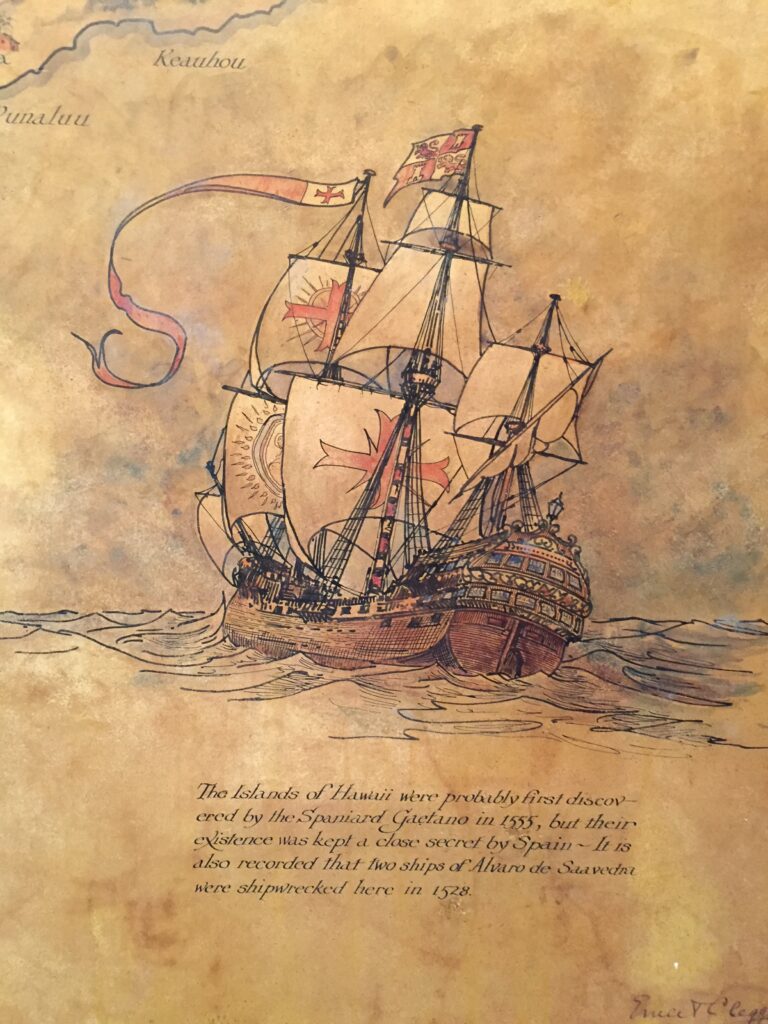
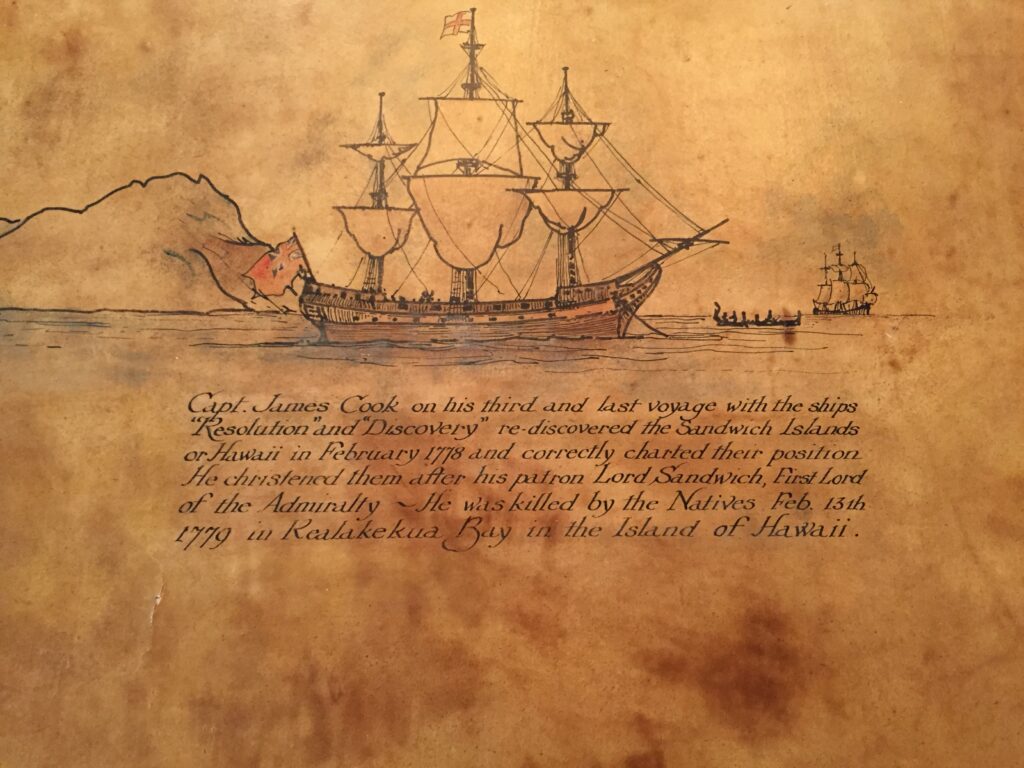
Hawaii and the Pacific Northwest share a deep historical and economic bond that extends back centuries. When Captain James Cook arrived on January 18, 1778, sighting Oahu before landing at Waimea on Kauai, he unknowingly set in motion Hawaii’s integration into the global economy. Cook’s arrival proved fateful when he returned to Kealakekua Bay on the Big Island in January 1779 and was killed in a confrontation with Hawaiian islanders by February of that year—an event that marked the beginning of external influence on the islands.reddit+2youtube
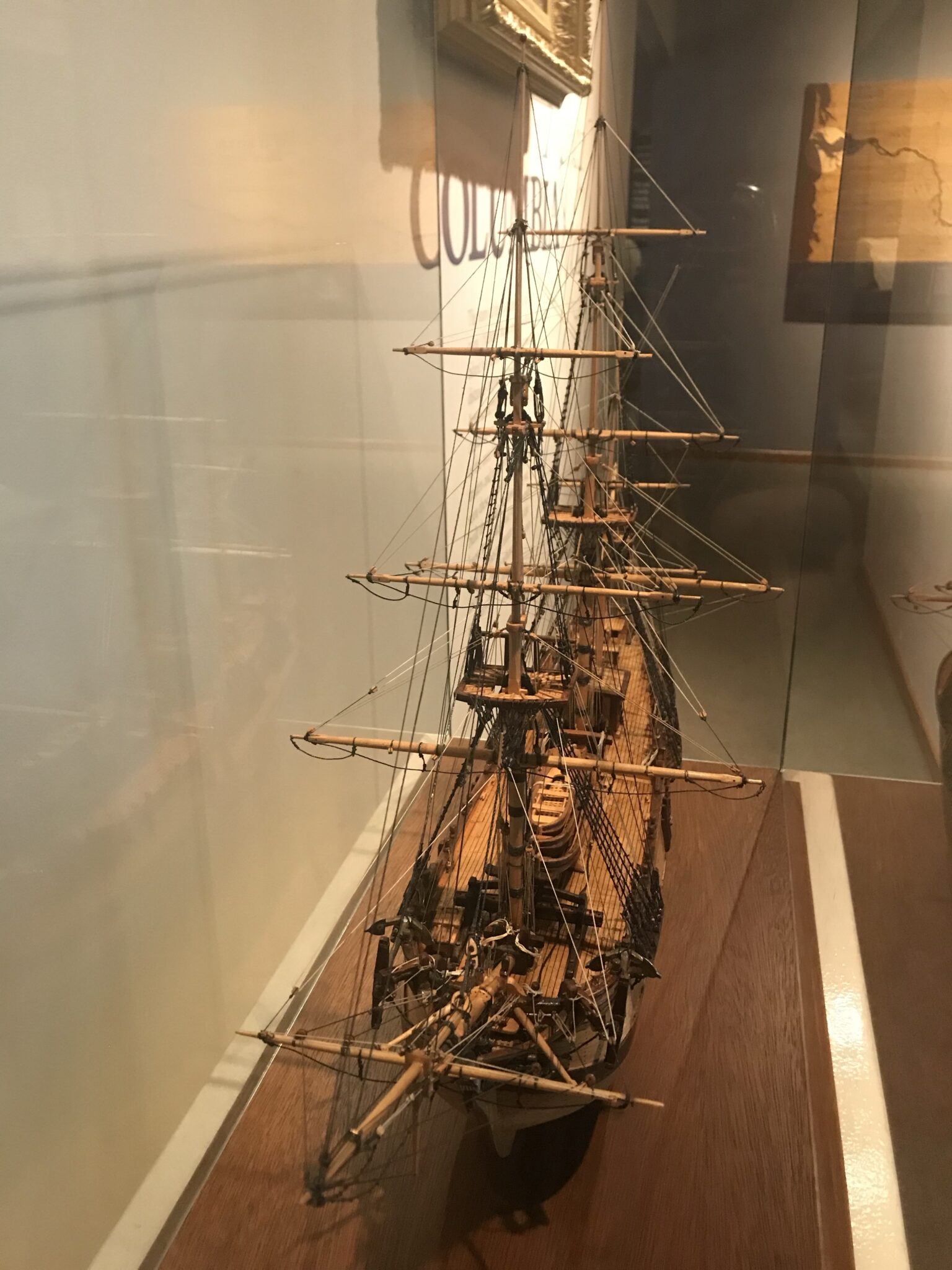
However, Hawaiian connections to the Pacific Northwest began emerging even before Cook’s arrival. In 1789, Chief Atoo left Hawaii with Captain Robert Gray and was aboard when Gray discovered the mouth of the Columbia River in 1792, establishing one of the earliest documented links between Hawaii and the Pacific Northwest region.wikipedia
The Matson Connection, perhaps the most significant commercial tie between Hawaii and the Pacific Northwest, began in 1882 when Captain William Matson sailed his three-masted schooner Emma Claudina from San Francisco to Hilo carrying 300 tons of food, plantation supplies, and merchandise. This voyage launched Matson Navigation Company, which became fundamental to Hawaii’s economic development.

The company revolutionized Pacific trade patterns by pioneering containerization in 1958, with the historic voyage of the SS Hawaiian Merchant departing San Francisco Bay with the first container shipments—setting new standards for ocean transportation worldwide. By 1964, Matson’s innovation extended directly to the Pacific Northwest when the Hawaiian Builder, the first modern container ship from Puget Sound, departed Seattle’s Pier 46 bound for Honolulu, marking the beginning of a rebirth in Seattle’s cargo shipping industry.
California’s Economic Partnership with Hawaii was recognized at the highest levels of government. In 1874-75, King Kalakaua made a groundbreaking state visit to the United States, becoming the first reigning monarch of any nation to set foot in America. His journey included stops in San Francisco and Washington, D.C., where he sought to negotiate reciprocity treaties eliminating tariffs on Hawaiian sugar exports. California’s Senate formally urged Congress to grant Hawaii statehood, recognizing the “interlinked economic relationship” between the two regions.info.mysticstamp
Sugar and Pineapple Industries
The agricultural foundations of Hawaii’s development reflected Pacific Northwest market demands. Sugar cane was introduced to Hawaii by early Polynesians around 600 AD and was observed by Captain Cook upon his arrival in 1778. Industrial sugar production began modestly with the first sugar mill on Lanai in 1802, but exploded after the Reciprocity Treaty of 1875 eliminated tariffs, making Hawaiian sugar competitive in American markets. Land reforms in the 1850s by King Kamehameha III allowed foreigners to purchase vast tracts, establishing the plantation economy that would dominate the islands for over a century.
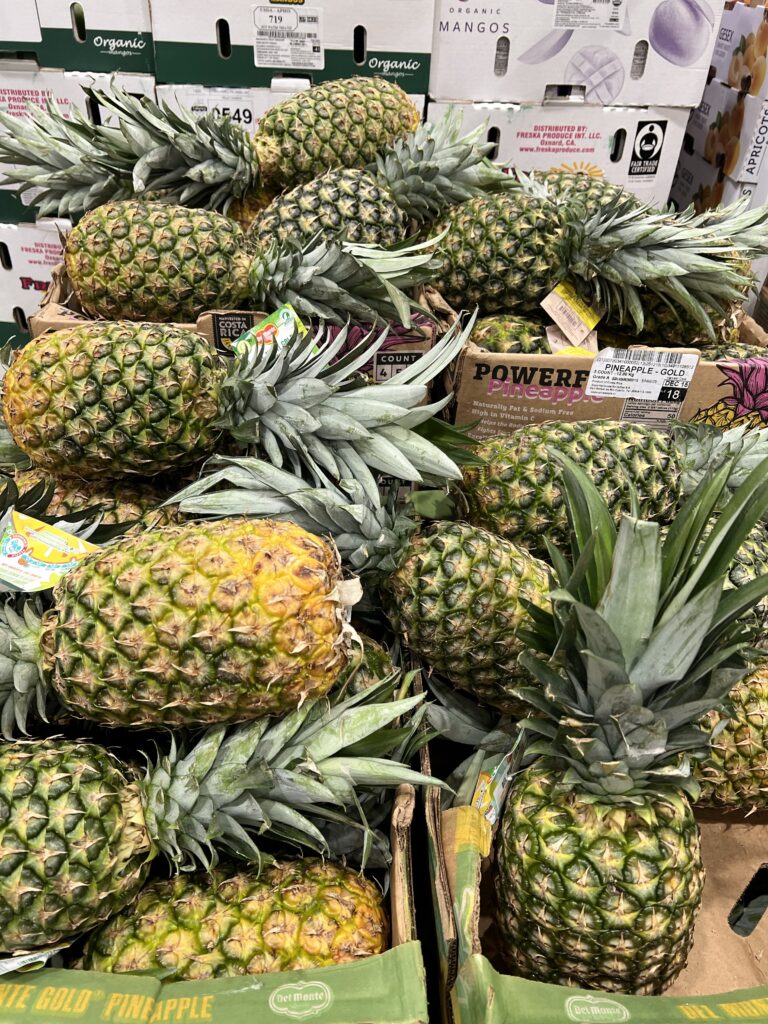
In Hawaii, pineapples symbolize Hawaiian hospitality and are world-famous for their sweet taste. Hawaii’s exotic and tasty fruits include coconuts, papaya, bananas, and breadfruit.
The pineapple industry, while less economically dominant than sugar, became the iconic symbol of Hawaiian agriculture. John Kidwell, a sailor familiar with English hothouses, established the first commercial pineapple plantation on Oahu in 1891, initially producing low-quality fruit despite his innovations.
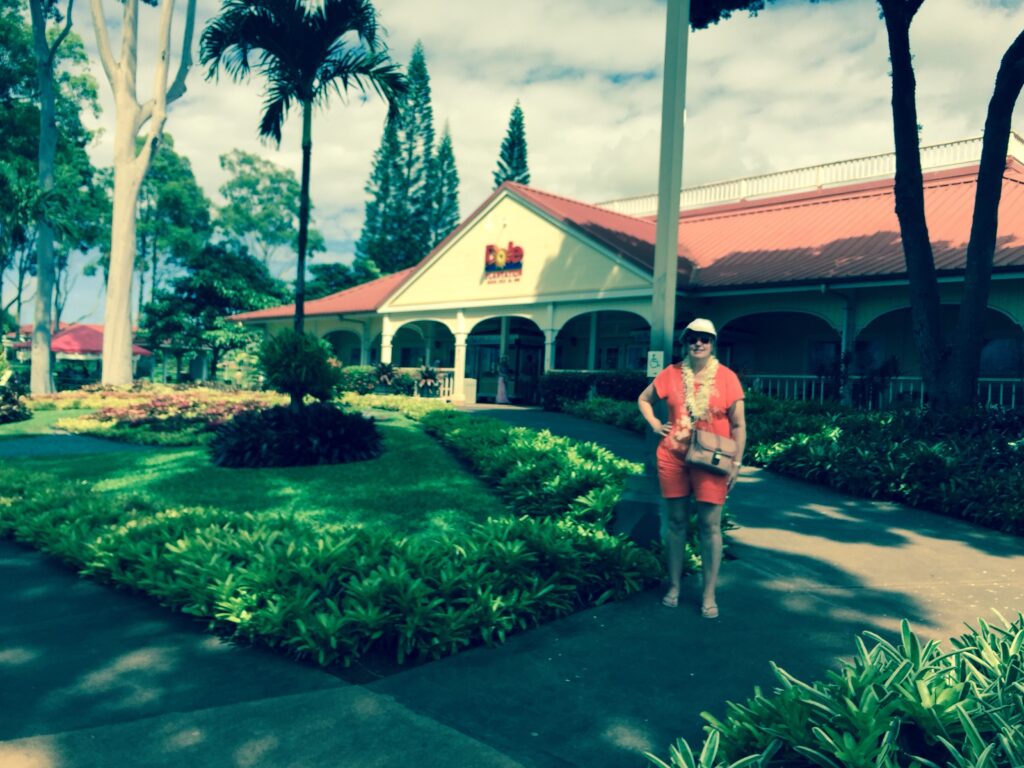
The industry’s transformation came through James Drummond Dole, a Harvard-educated entrepreneur who founded the Hawaiian Pineapple Company in 1901 on a modest 64-acre homestead. By 1905, Dole sold 125,000 cases annually, and in 1910, he hired engineer Henry Ginaca to develop the revolutionary pineapple coring and peeling machine—capable of processing 100 pineapples per minute compared to the previous rate of 15 per minute by hand.
Dole’s masterstroke came in 1922 when, with family financial backing, he purchased the entire island of Lanai for $1.1 million and planted approximately 20,000 acres—creating the world’s largest pineapple plantation. By 1930, this single island exported 65,000 tons of pineapples annually. Hawaii’s overall dominance was staggering: by 1930, the islands supplied 80 percent of the world’s canned pineapples from eight competing canneries producing over nine million cases. This prosperity lasted until Dole himself, as CEO of Dole Food Company, began phasing out pineapple production in 1961 through Castle & Cooke, ending the final harvest on Lanai in 1992 after seventy years of continuous cultivation.

Early Hawaiian divers discovered black coral, and Hawaiians have been using it for centuries. Black coral is used as a charm in jewelry and for medicinal purposes.
Japanese Immigration and World War II
Hawaii’s population transformation through the plantation era brought waves of Japanese immigration, fundamentally reshaping the islands’ cultural fabric. Planters recruited thousands of Asian workers—Filipino, Japanese, Chinese, Korean, Portuguese, and Puerto Rican—to fill labor demands in the sugar and pineapple fields, creating a cosmopolitan but rigid hierarchical society.
This multicultural society’s peaceful existence shattered on December 7, 1941, when the Japanese Imperial Navylaunched a surprise attack on Pearl Harbor. A task force of six aircraft carriers—Akagi, Kaga, Sōryū, Hiryū, Shōkaku, and Zuikaku—launched 408 aircraft in two coordinated waves against the U.S. Pacific Fleet at its anchorage on Oahu. Over 350 Japanese planes reached Oahu, with the attack taking less than ninety minutes to destroy or damage 19 U.S. warships and 300 aircraft. The human cost was catastrophic: 2,403 Americans died—the highest loss of American life from a single attack until September 11, 2001.
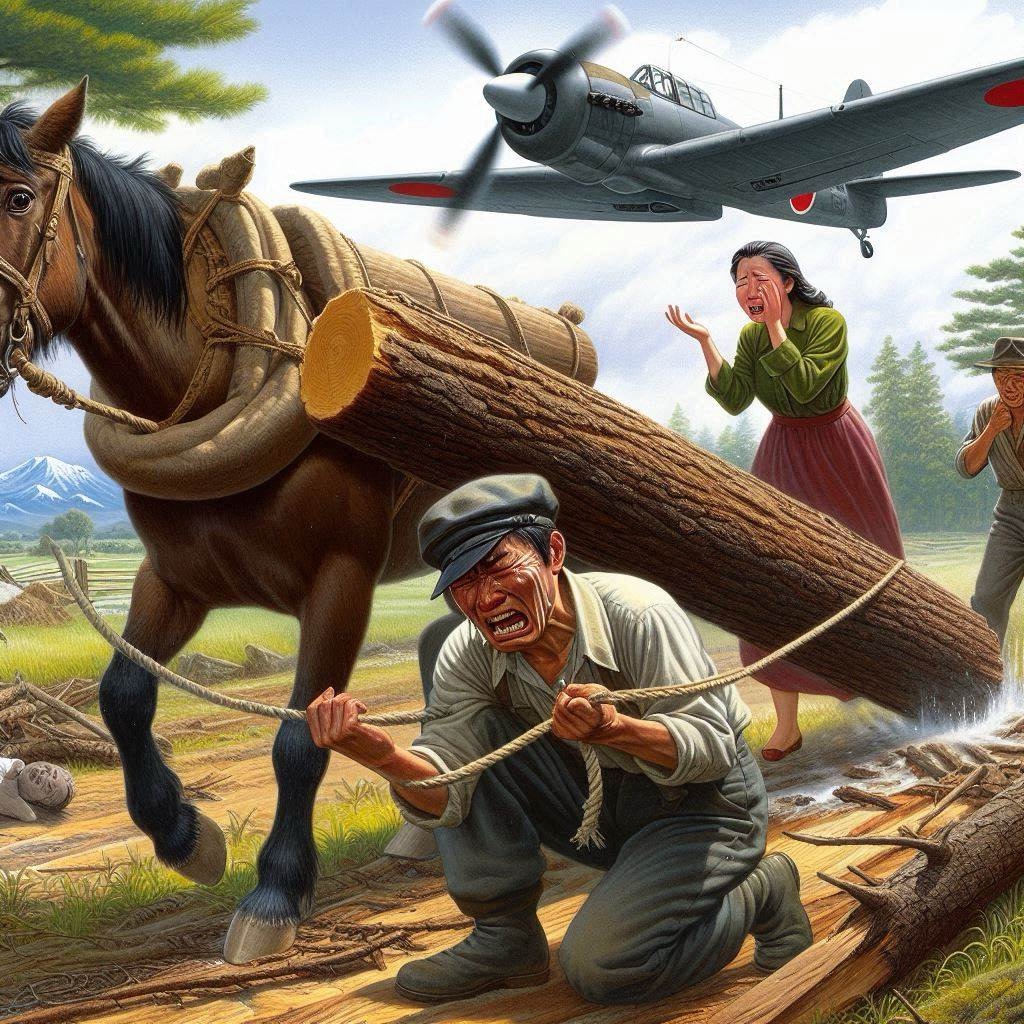
Hawaii became the first American territory directly impacted by World War II, transforming from a territory focused on agriculture and tourism into a militarized fortress. The attack unified American public opinion and led President Franklin D. Roosevelt to declare war on Japan the following day, bringing the United States into World War II. For the remainder of the war, Hawaii served as the logistical and operational hub for the entire Pacific campaign, with tens of thousands of servicemen passing through its ports and bases.
James Michener’s Epic Historical Novel
The literary canonization of Hawaiian history came through James A. Michener, a Pulitzer Prize-winning author whose historical novels became definitive popular accounts of entire regions. Published in 1959—the same year Hawaii achieved statehood—

Michener’s novel Hawaii became instantly iconic, capturing the public imagination with its sweeping narrative spanning from the geological formation of the islands through contemporary mid-1950s society.pearlharbortours
Michener’s approach was characteristically meticulous. He conducted extensive research at the Hawaiian-Mission Historical Library and worked with Clarice B. Taylor, a noted Hawaiian scholar who served as his technical adviser, explaining customs, language, family names, and cultural nuances that existed beyond the written historical record. The novel’s narrative structure follows Michener’s signature episodic format, presenting the historical experiences through different ethnic and cultural groups—original Hawaiians sailing from Bora Bora, New England missionaries, Chinese merchants, and Japanese laborers.wikipedia+1
While scholars have noted that the novel’s account of early Polynesian history relies more on folklore than rigorous archaeology, the narrative is widely regarded as historically sound regarding the colonial and modern periods. Several characters were inspired by actual historical figures: the missionary Abner Hale caricatures the real Hiram Bingham I; the character Hong Kong Kee was based on Chinn Ho, known as the “Chinese Rockefeller.” Michener’s Hawaii not only shaped popular understanding of Hawaiian history but also coincided perfectly with statehood to cement Hawaii’s place in the American cultural imagination, with the novel translated into 32 languages and selling millions of copies worldwide.iwm
Contemporary Billionaire Philanthropists and Development
Modern Hawaii has attracted some of the world’s wealthiest individuals, whose activities reflect the islands’ continued significance as a destination for those seeking privacy and control. On January 1, 1994, Bill Gates, co-founder of Microsoft and then the world’s wealthiest person, married Melinda French, a Microsoft executive, in an extraordinarily secretive ceremony on the island of Lanai. To maintain absolute privacy, Gates reportedly booked every available hotel room on Lanai and secured all helicopters on nearby Maui to prevent media access. The wedding ceremony took place at the Manele Bay Hotel (now the Four Seasons Resort Lanai), with a cost reported at $1 million—a sum trivial for Gates but reflecting the exclusivity of the event. The ceremony reportedly occurred at the 12th hole of the Manele Golf Course, featuring a dramatic 200-yard carry over ocean to the green.
The Gates wedding represented only the most visible intrusion of ultra-wealth into Hawaiian affairs. More substantially, Larry Ellison, founder of Oracle Corporation and one of the world’s richest individuals, acquired approximately 98 percent of Lanai, effectively owning the entire island. Unlike the absentee ownership that characterized earlier plantation eras, Ellison has pursued an active development agenda combining luxury resorts with genuine community investment. In 2022, Ellison funded the Hokūao Housing Project, which created 76 affordable housing units on Lanai—the island’s first affordable housing development in nearly three decades. This initiative addressed a critical island problem where workers for resort and government services struggled to find affordable housing, sometimes resulting in families of ten sharing two-bedroom plantation cottages.
Regarding Trump’s Freedom Cities concept—a proposal from his 2024 presidential campaign to develop up to ten new master-planned communities on federal land—no specific Hawaiian project has materialized. The Freedom Cities initiative remains focused on mainland federal lands in locations like Idaho, Colorado, and Oregon, though the concept attracted venture capital interest from developers seeking to circumvent environmental and regulatory restrictions. However, Ellison’s approach to Lanai represents an alternative model of private development that has yielded tangible community benefits through affordable housing initiatives and infrastructure partnerships with state agencies.civilbeat
Individual Hawaiian Islands: A Comprehensive Guide
In 2000, the State of Hawaii gave each island an official color. Most of the island colors match the hue of the particular island’s official flower or lei-making material. The Hawaiian islands official colors are:
- Maui – Pink
- Big Island – Red
- Oahu – Yellow
- Kauai – Purple
- Lanai – Orange
- Molokai – Green
- Niihau – White
- Kaho’olawe – Grey
The eight main islands of Hawaii are associated with particular flowers or lei-making materials. Here are the official flowers of the charming Hawaiian islands:
- Maui – Lokelani Rose
- Big Island – Lehua flower
- Oahu – Ilima flower
- Kauai – Mokihana berry
- Lanai – Kaunaoa plant
- Molokai – Kukui Nut flower
- Niihau – White Pupu shell
- Kahoolawe – Hinahina plant
OAHU (The Gathering Place)
Oahu, the most developed and historically significant of the Hawaiian islands, serves as the archipelago’s cultural and political center. As the island that bore the brunt of World War II’s Pacific Theater, Oahu remains intimately connected to American military history and strategic interests.
For Historians: Oahu is an archaeological and historical treasure. The island preserves multiple layers of Hawaiian civilization and American contact history. Pearl Harbor stands as the paramount historical site—the naval base attacked on December 7, 1941, remains a pilgrimage destination for understanding American entry into World War II and a solemn memorial to the 1,175 sailors killed aboard the USS Arizona alone. Beyond Pearl Harbor, the Hawaiian Mission Houses Historic Site and Archives documents the arrival and profound impact of New England missionaries beginning in 1820, who introduced written Hawaiian language, Western medicine, and choral music to the islands. Iolani Palace and the Bernice Pauahi Bishop Museum preserve the tragic history of the Hawaiian monarchy and indigenous cultures throughout the Pacific. Oahu also contains numerous heiau (temple sites), including the remarkable Pu’u o Mahuka Heiau perched on coastal bluffs above Waimea Valley, believed to exceed 400 years in age and constructed with three adjoining walled enclosures covering nearly two acres.
For Birders: Oahu presents concentrated opportunities for observing Hawaiian endemic species. The O’ahu ‘amakihiand O’ahu ‘elepaio are endemic to this island alone, representing unique evolutionary lineages found nowhere else on Earth. The island’s native forests and coastal wetlands support multiple waterbirds including the endangered Hawaiian duck (koloa maoli), Hawaiian moorhen (‘alae ‘ula), and Hawaiian coot (‘alae keʻokeʻo).
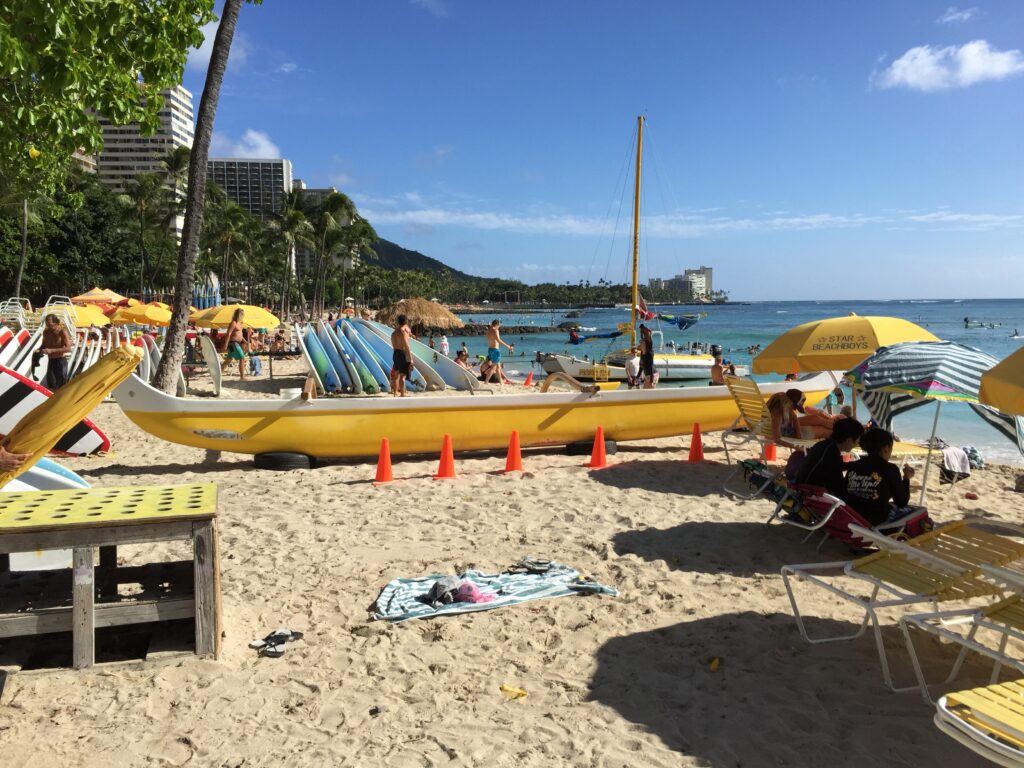
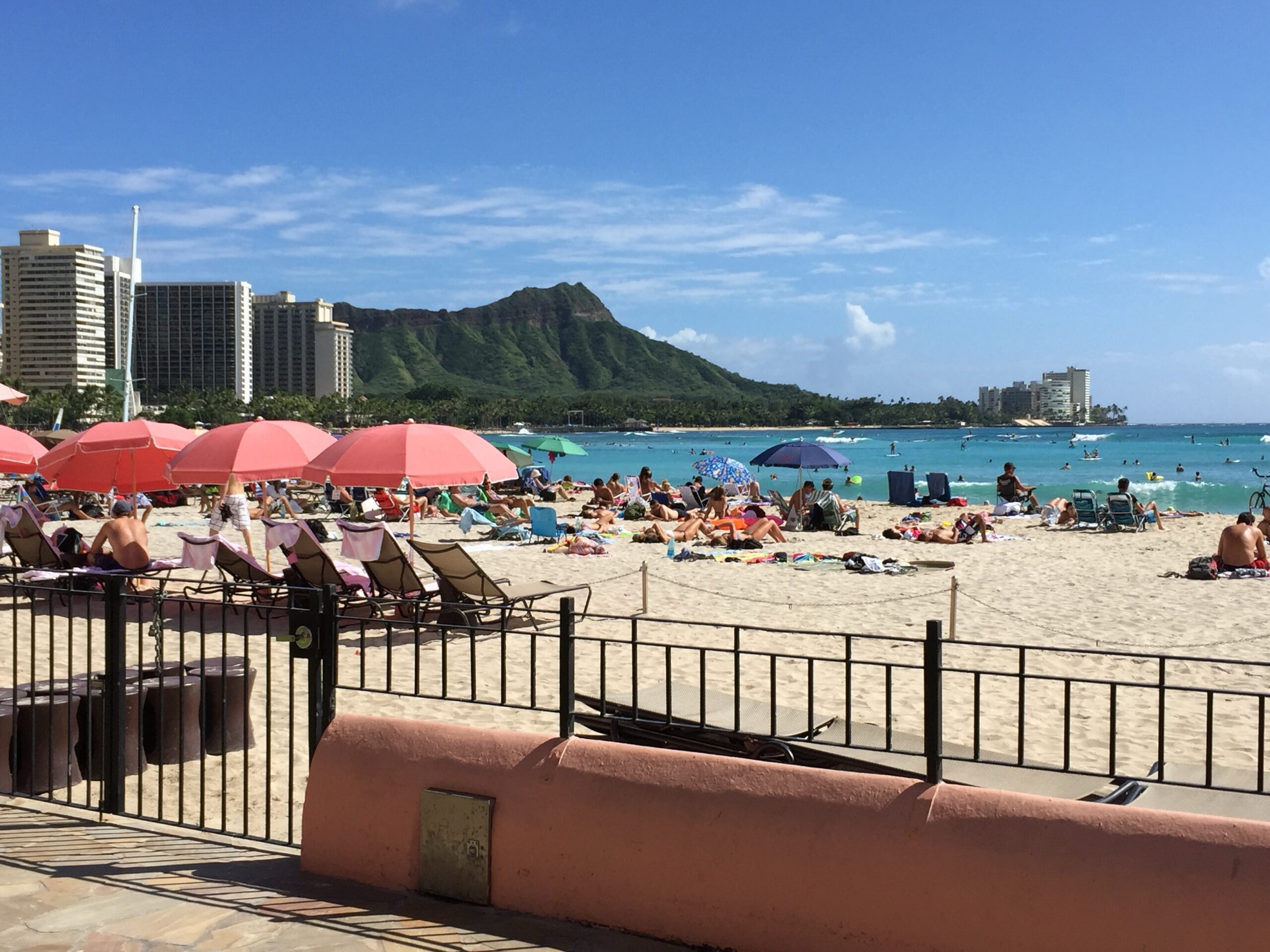
For Hikers: Oahu offers accessible yet challenging trails with dramatic rewards. Diamond Head (Lē’ahi) provides a steep 1.6-mile summit hike rewarding climbers with panoramic views of Waikiki and the Pacific. Koko Head offers an even more strenuous elevation gain. The Byodo-In Temple, nestled in the Koʻolau Mountains in the windward valley, provides a spiritual destination with Japanese architectural grandeur set against lush mountainous backdrop. Waimea Valley features a waterfall trail descending 1,600 feet into a verdant amphitheater valley, passing 78 archaeologically significant sites including temples, fishing shrines, and ancient house sites.geology.
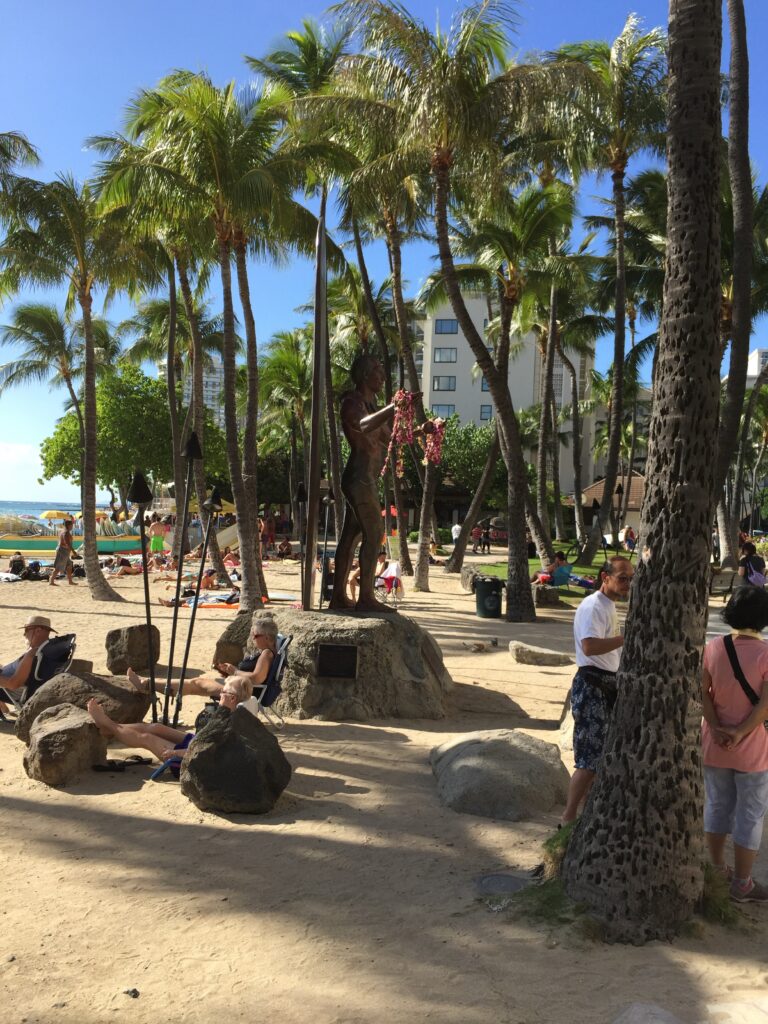
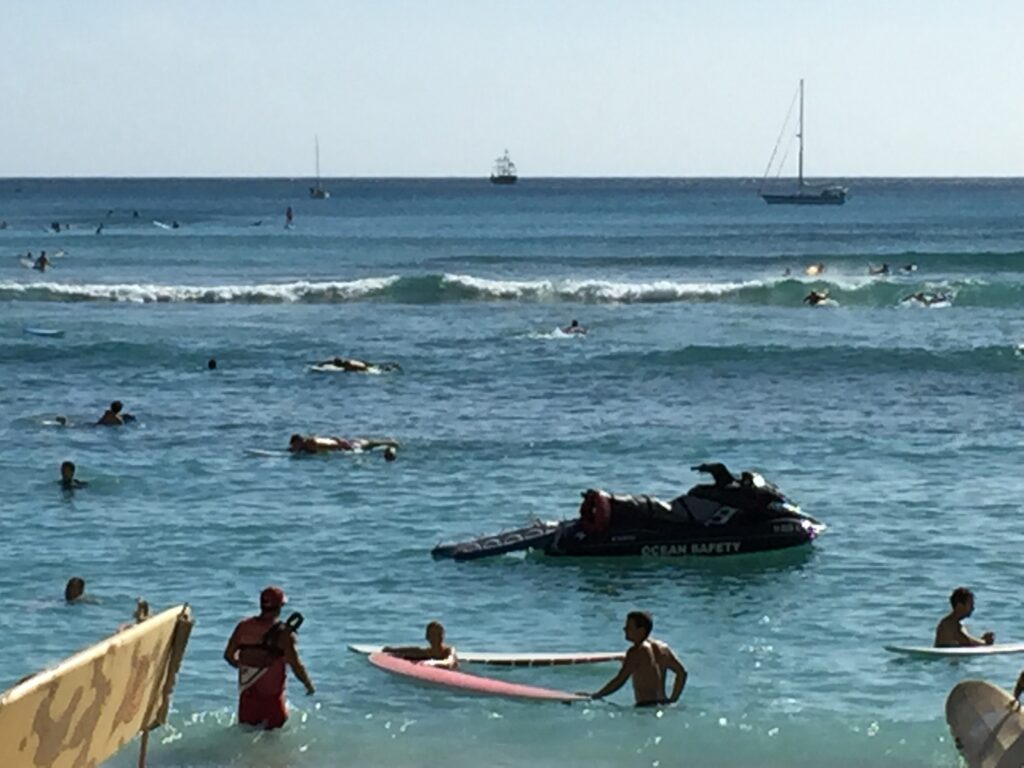
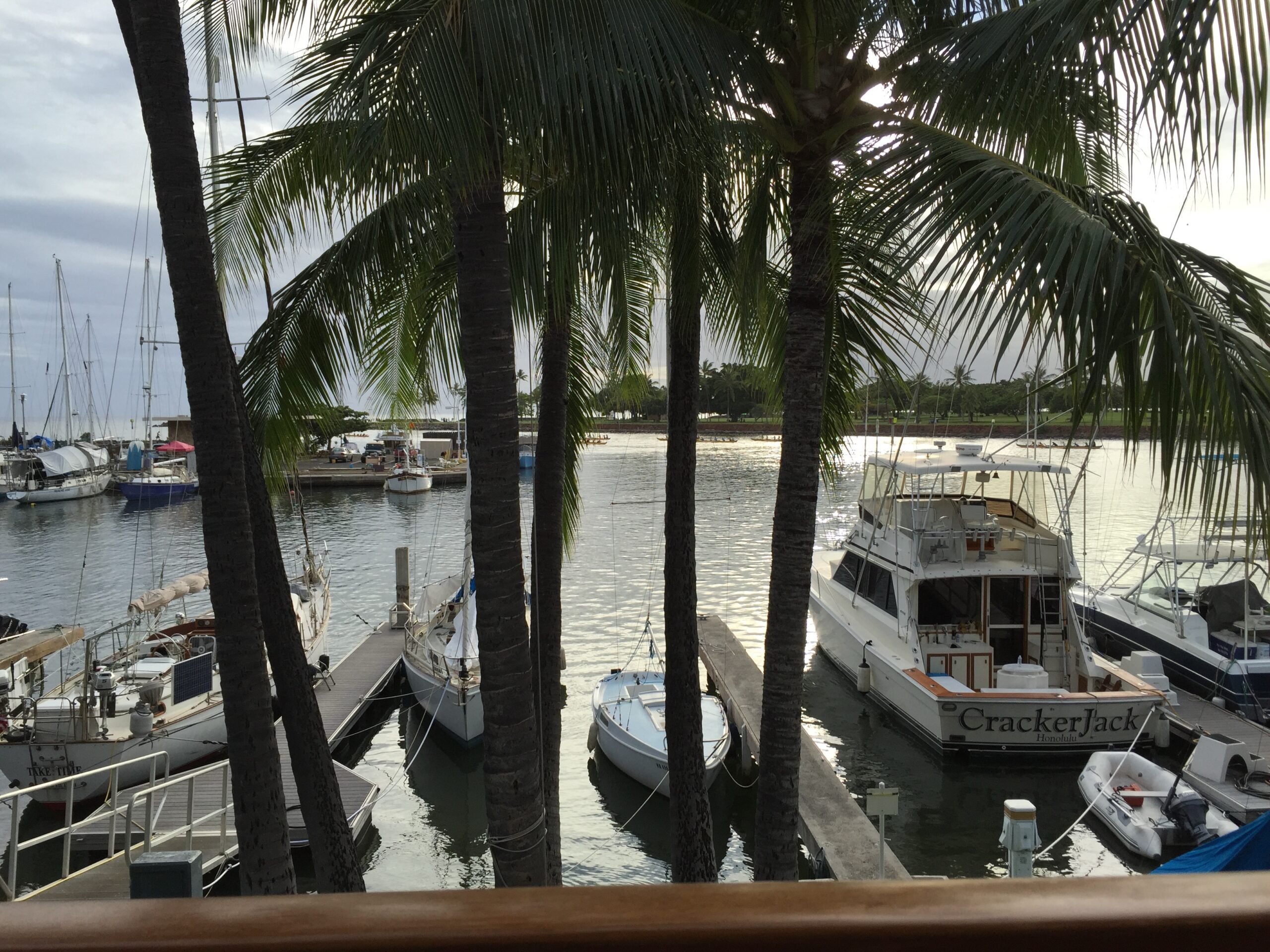
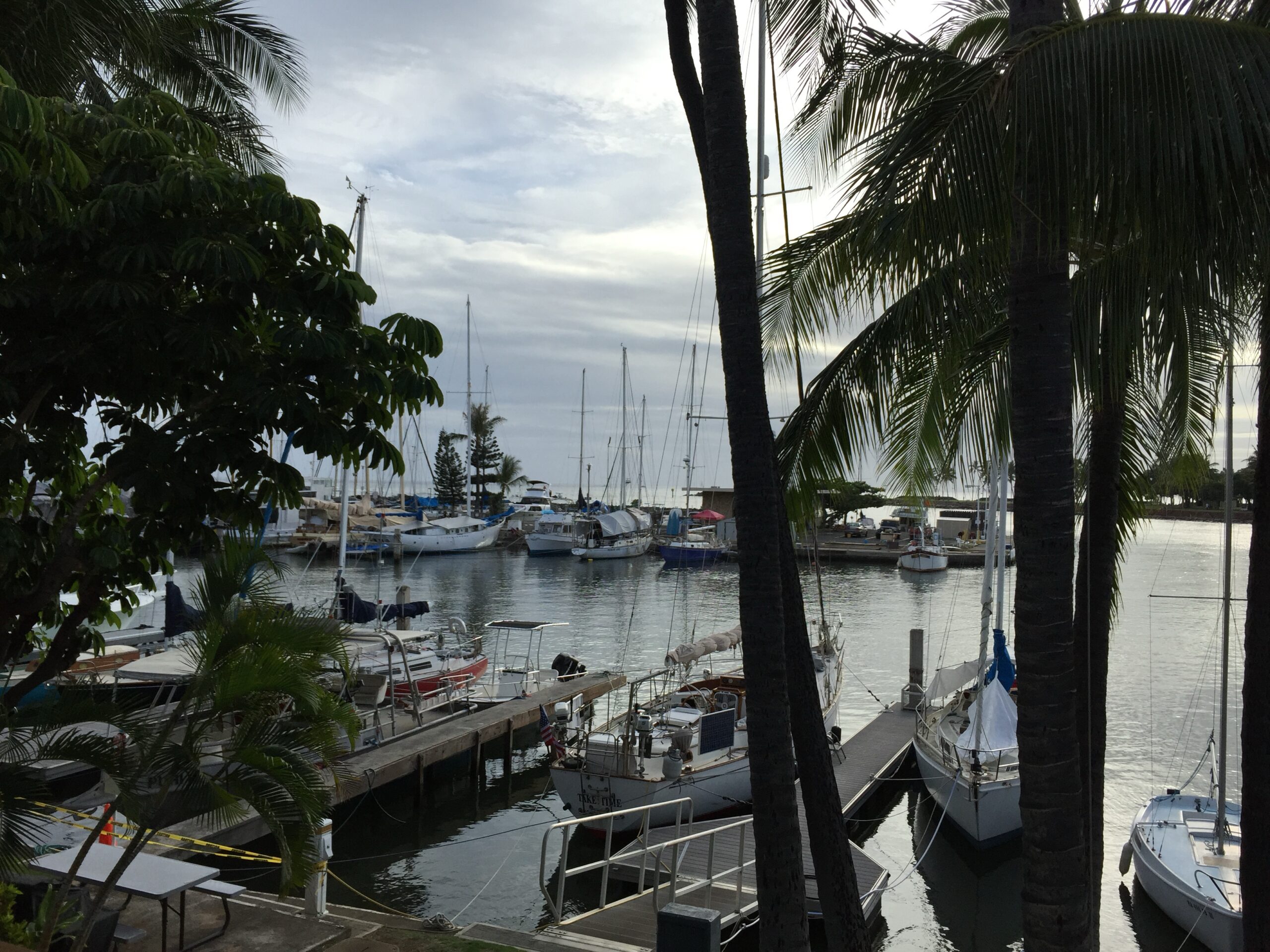
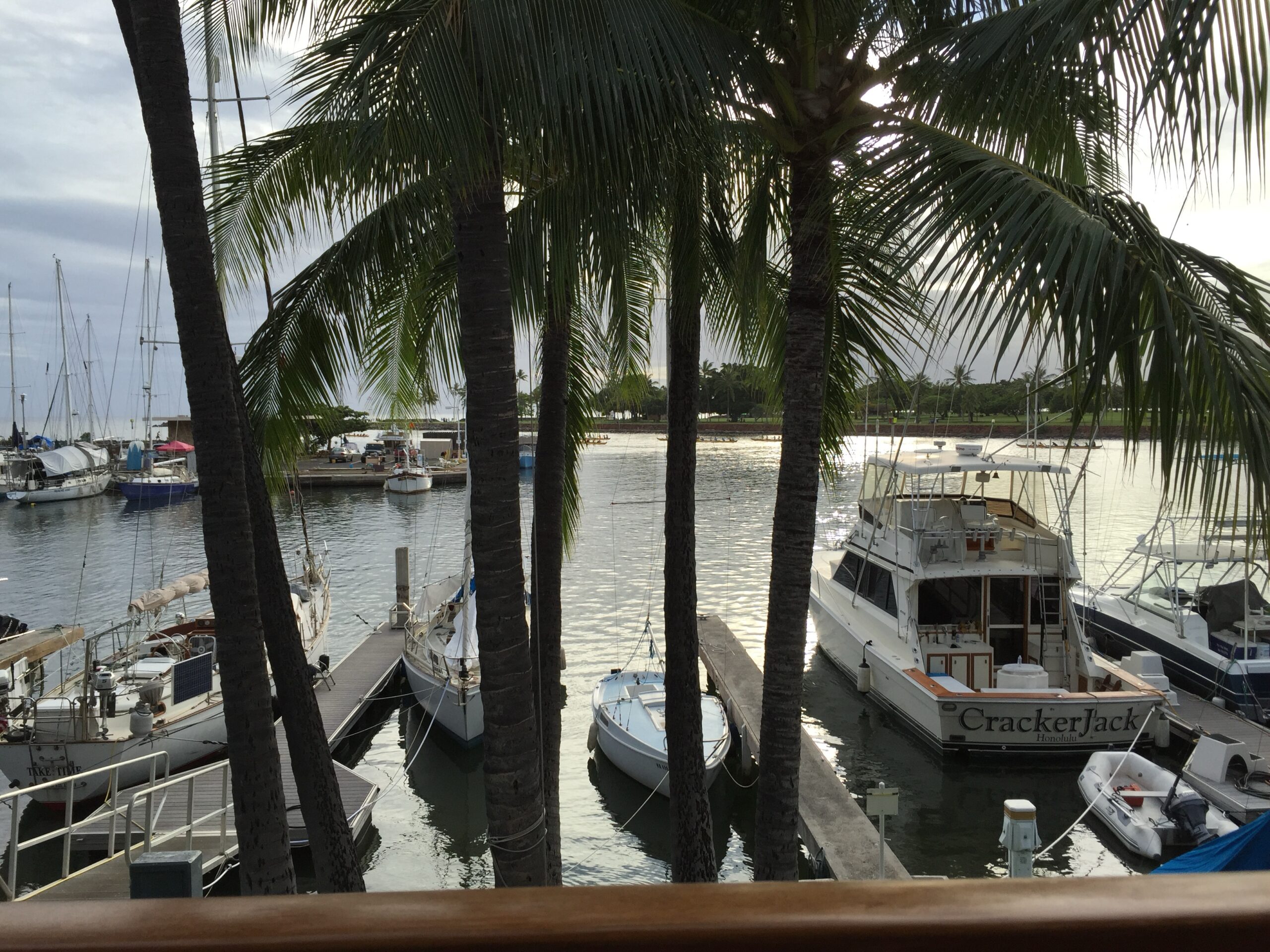
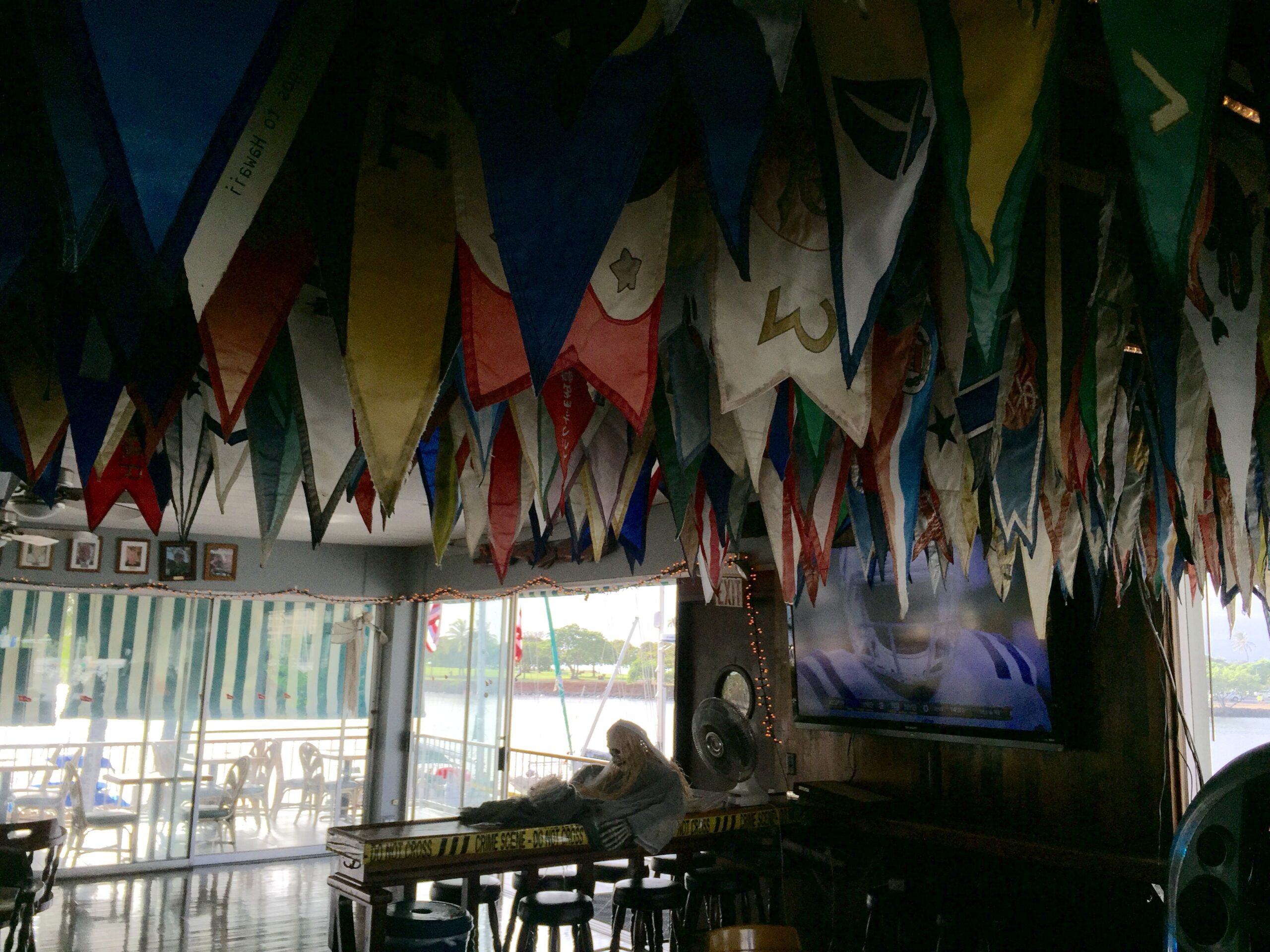
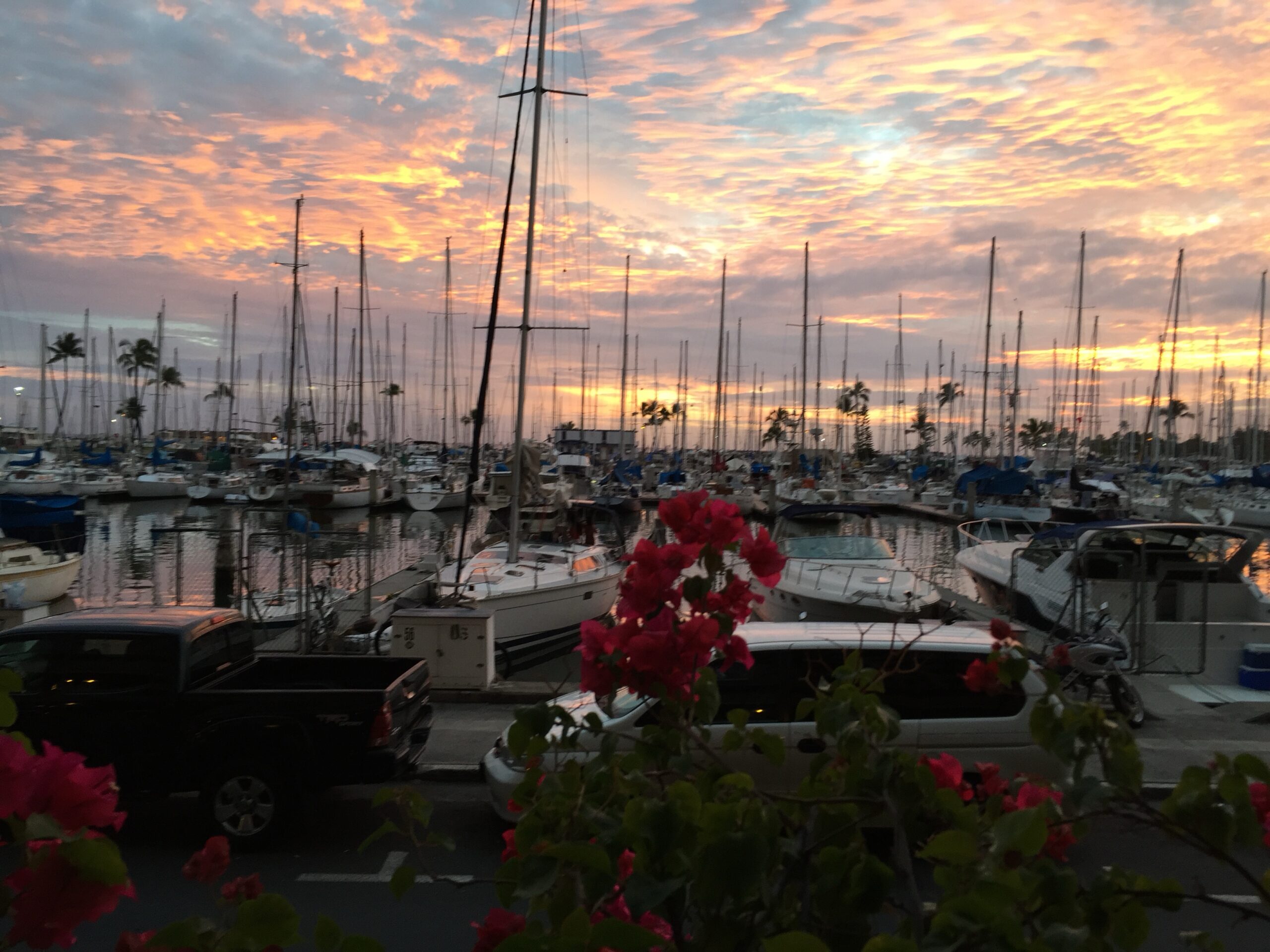
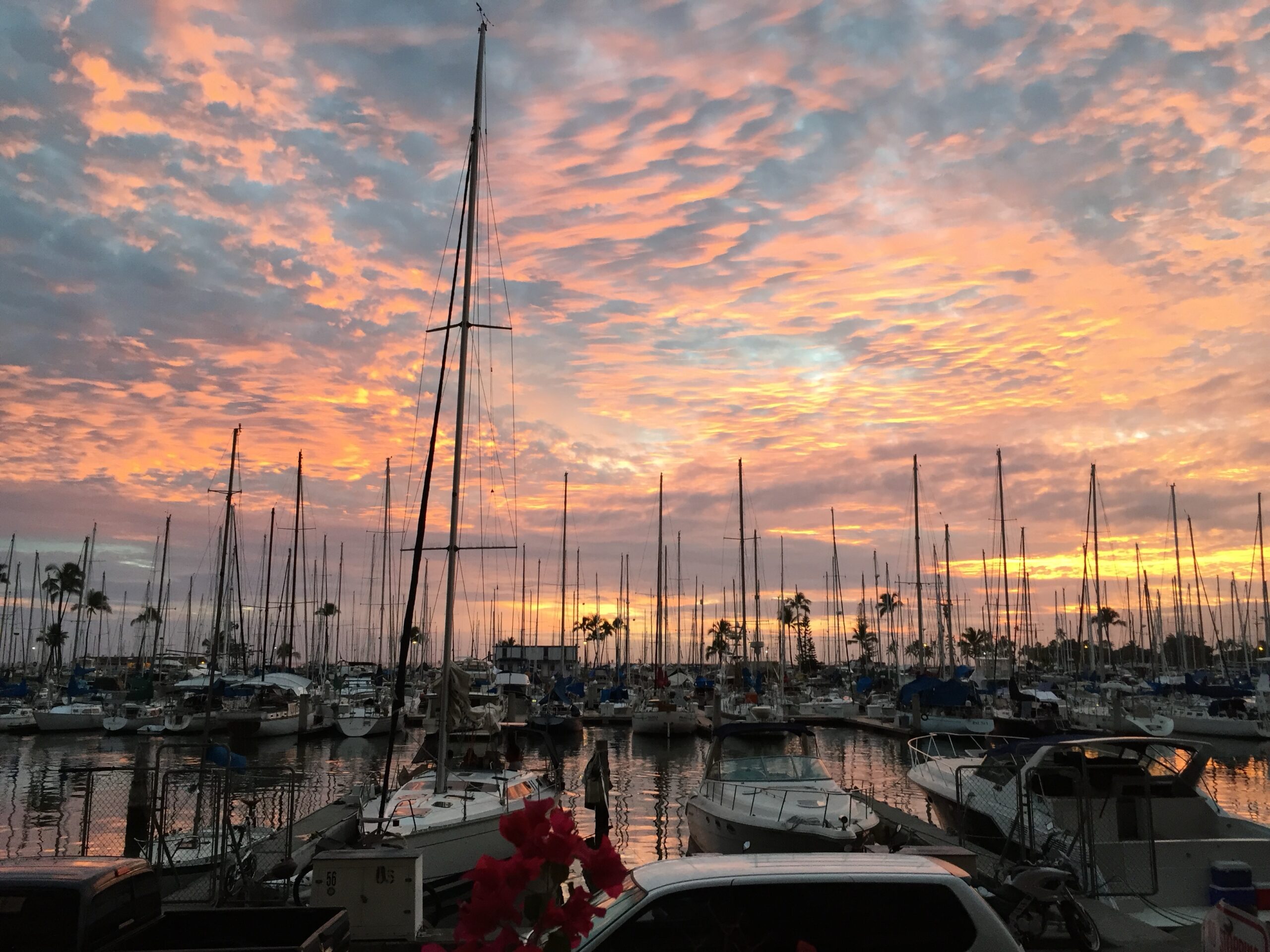
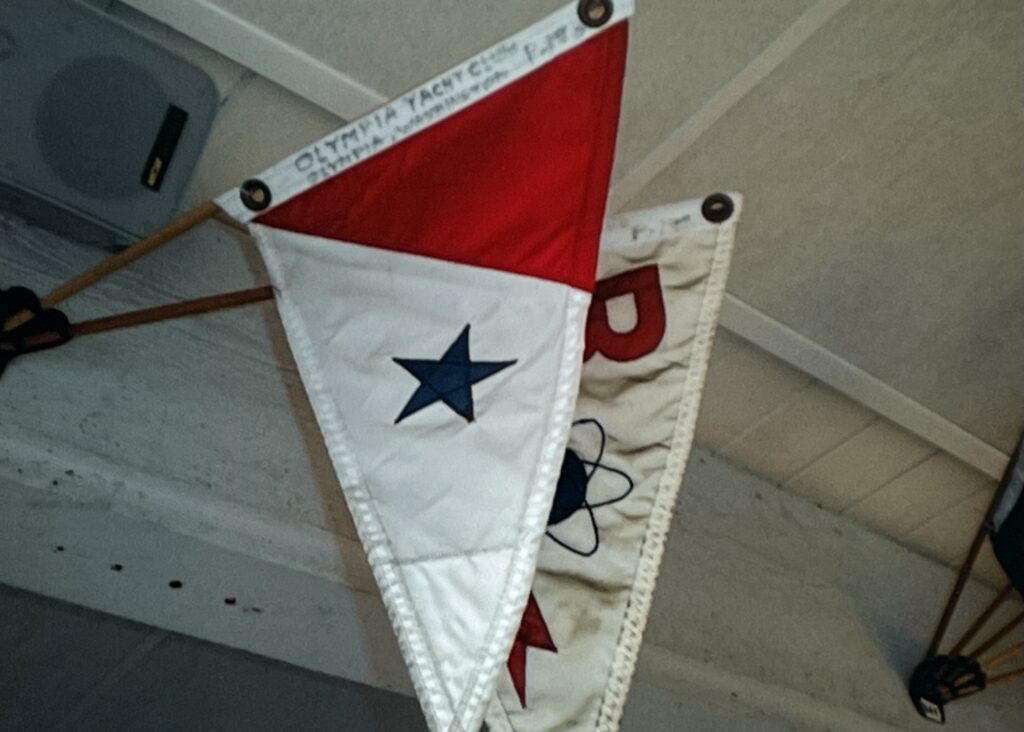
For Sailors: The Waikiki Yacht Club, established in 1944, represents one of the premier sailing institutions in the Pacific, situated at Ala Moana Beach Park with exclusive access to Ala Wai Yacht Harbor. The Hawaii Yacht Club, founded in 1901 at 1739 Ala Moana Boulevard, offers a longer institutional history and serves serious racing sailors and fishing enthusiasts. The Pearl Harbor Yacht Club, established in 1924, provides additional sailing opportunities from this historically charged location.
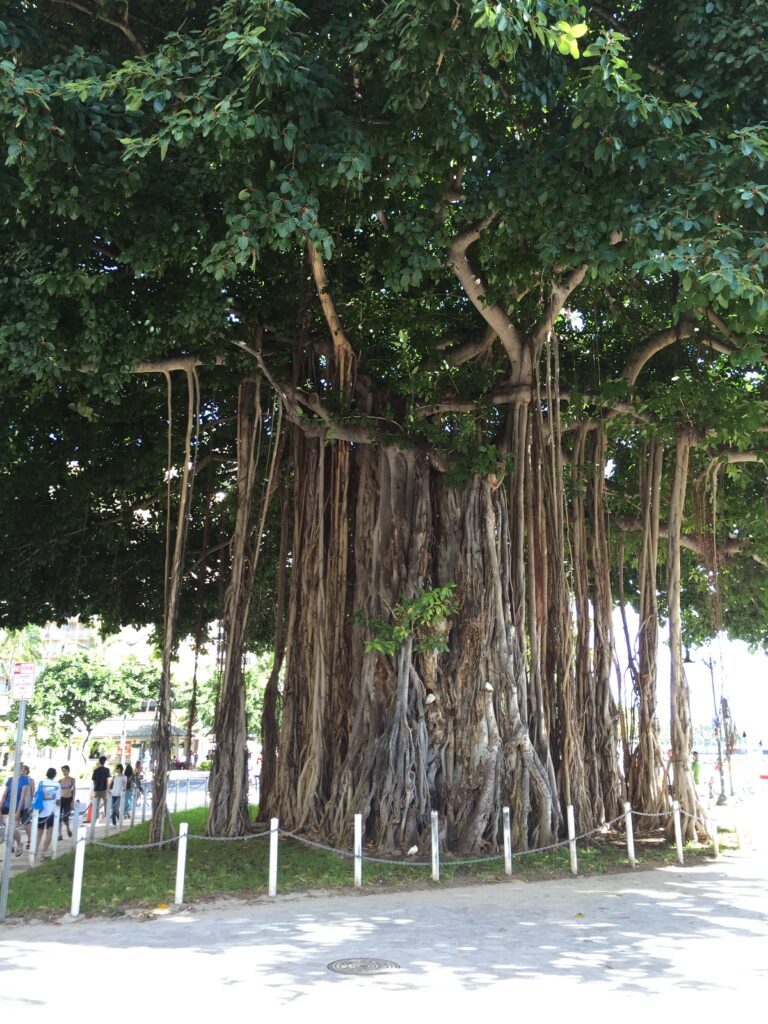
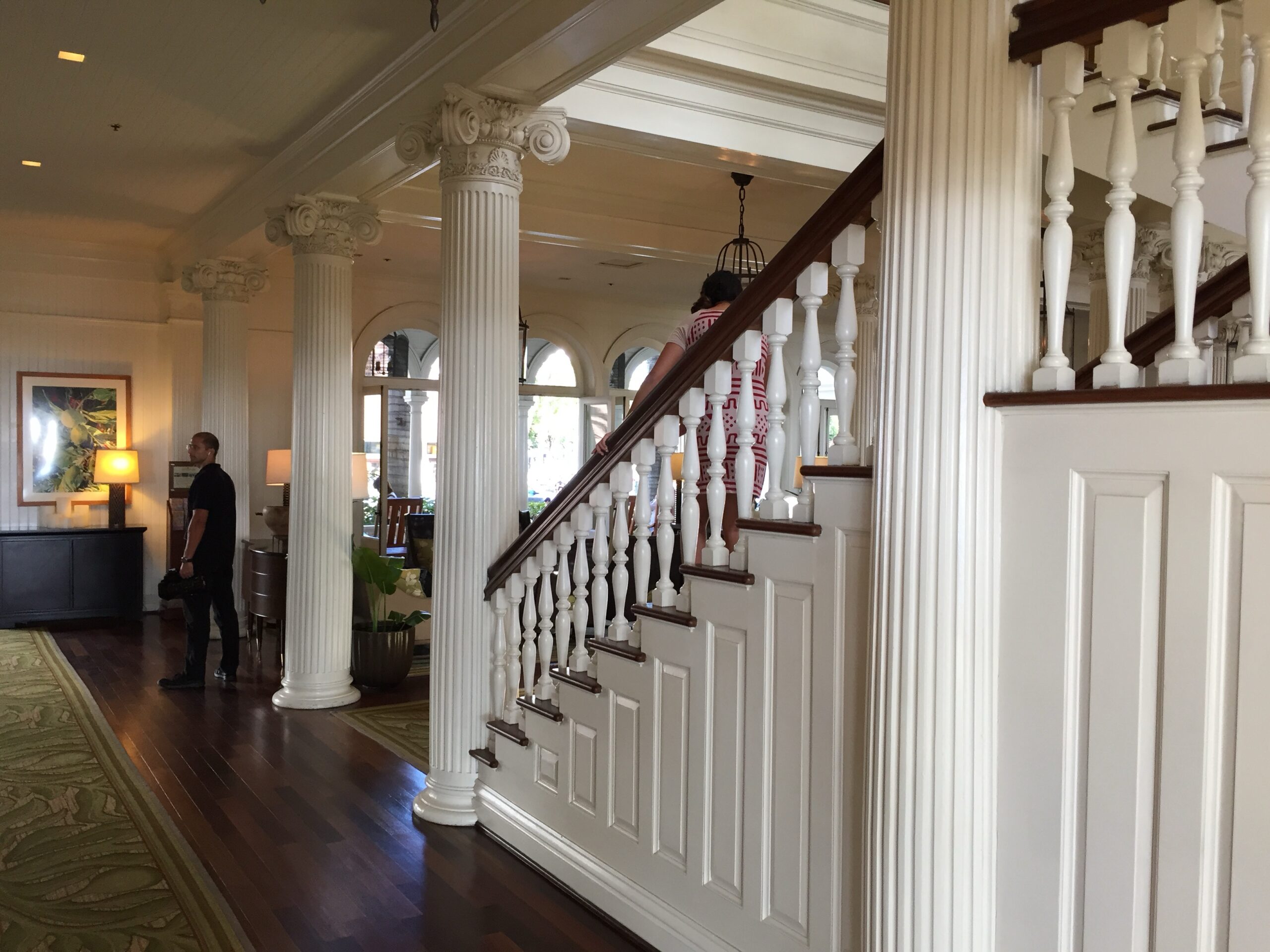
Honored as an Exceptional Tree by the Outdoor Circle of Hawaii, this historic banyan was planted in 1885. When the two wings were added to the original structure of the Moana, a courtyard was formed around the banyan. The Banyan Court became the gathering place of the hotel. It offered a shady respite from sun and surf; dancing under the stars; and, for some 40 years ending in 1975, a radio announcer declared to millions of people across the United States, “From The Banyan Court of the Moana Hotel, overlooking bee-you-tiful Waikiki Beach, it’s Hawaii Calls!”
Today, its branches extend approximately 150 feet across while its height is an impressive 75 feet. Its branches still shelter lovers and visitors to the islands and if you close your eyes, you can almost hear the clicking of dancing heels as the Banyan remembers days gone by.
For Architects: Oahu’s architectural heritage spans from Hawaiian construction through modernist 20th-century resort design. The island hosts diverse architectural styles reflecting different cultural periods—traditional Hawaiian structures, missionary-era wooden buildings, plantation-era architecture, and contemporary resort design by internationally renowned architects.
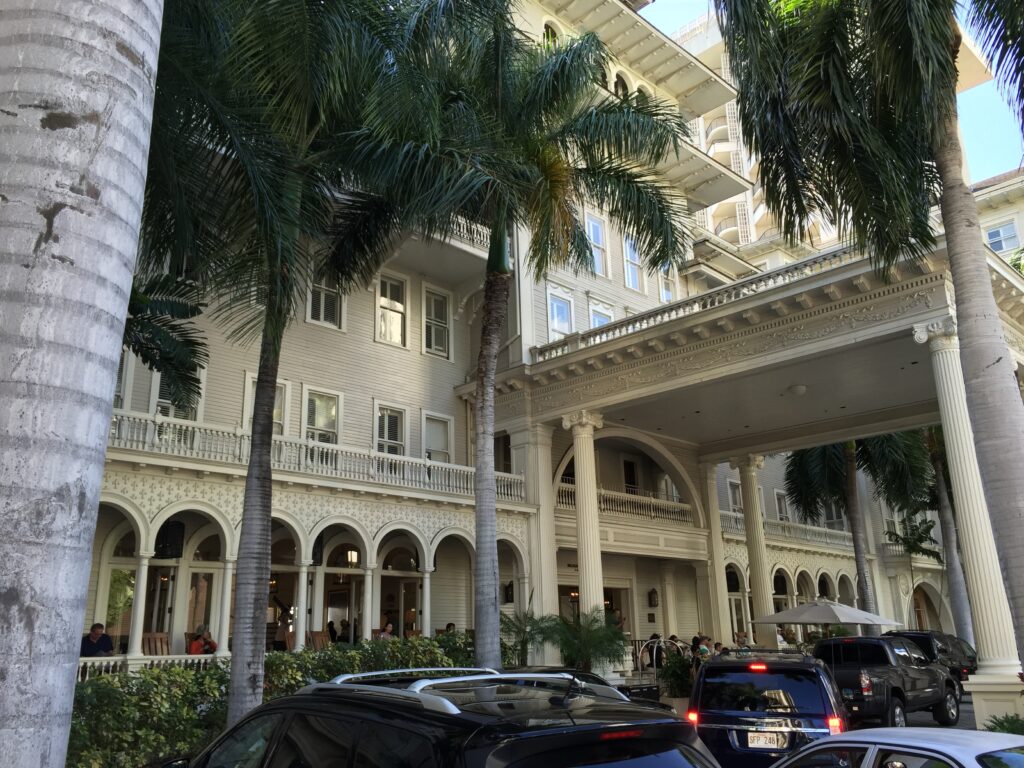
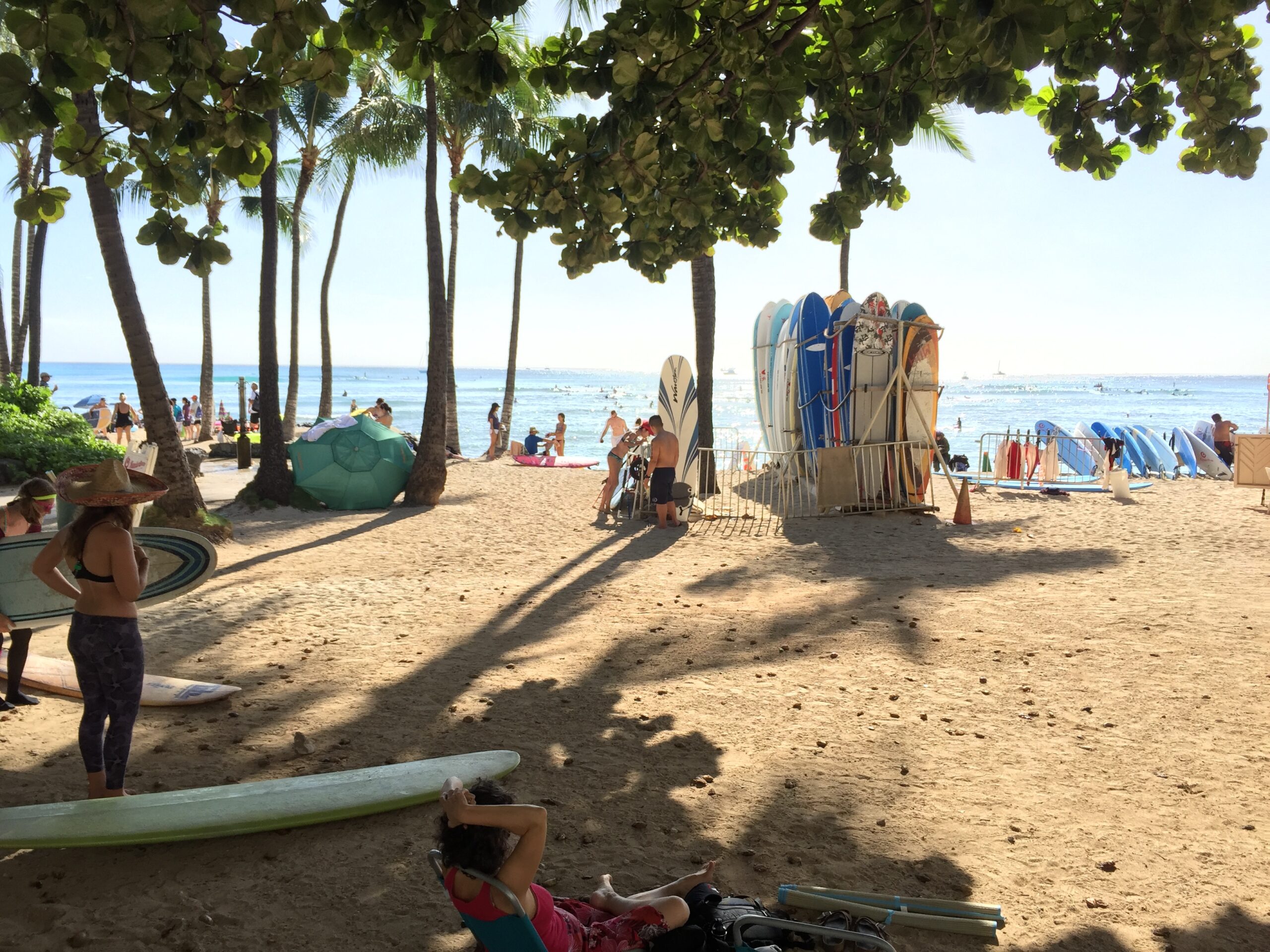
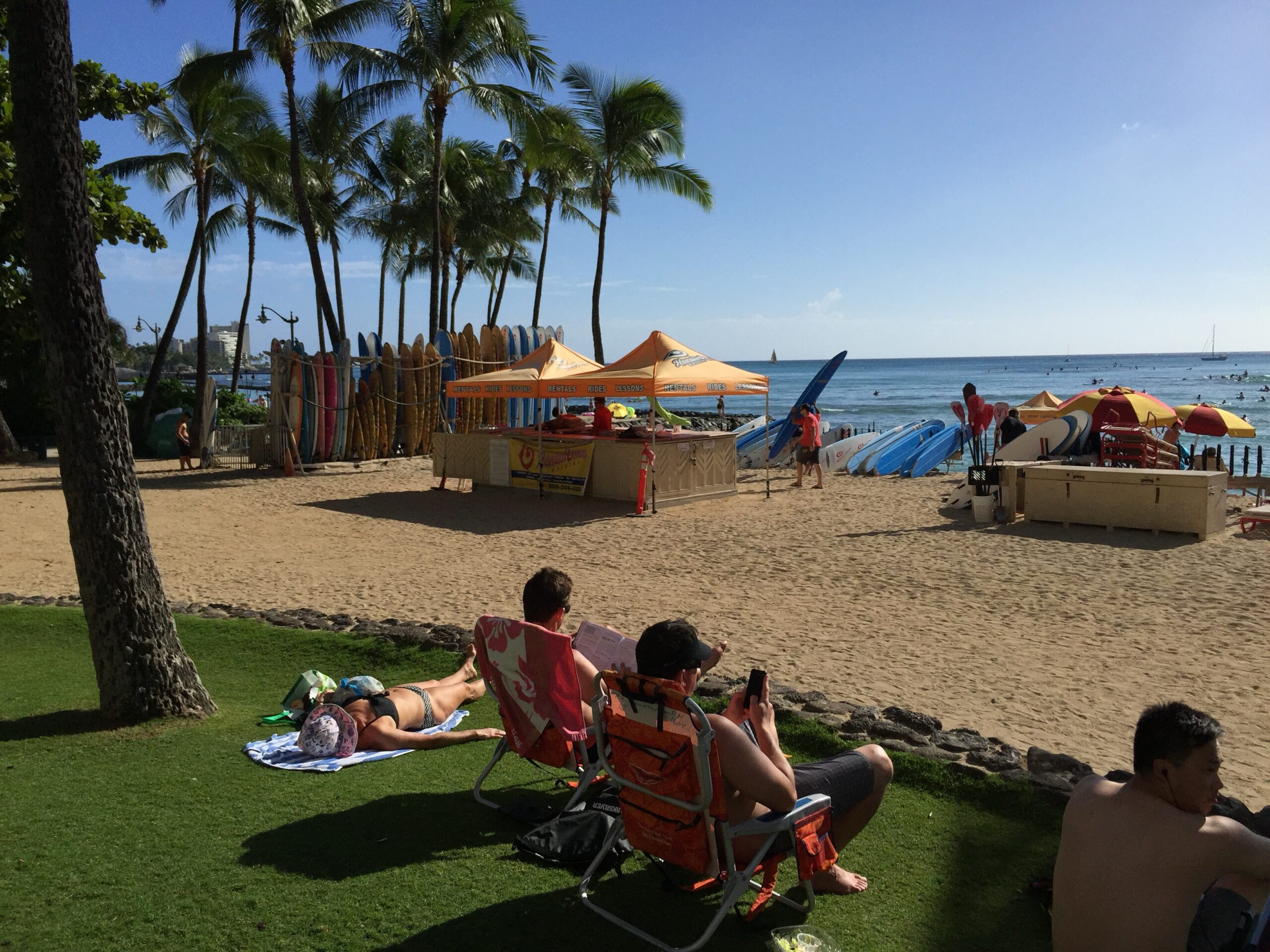
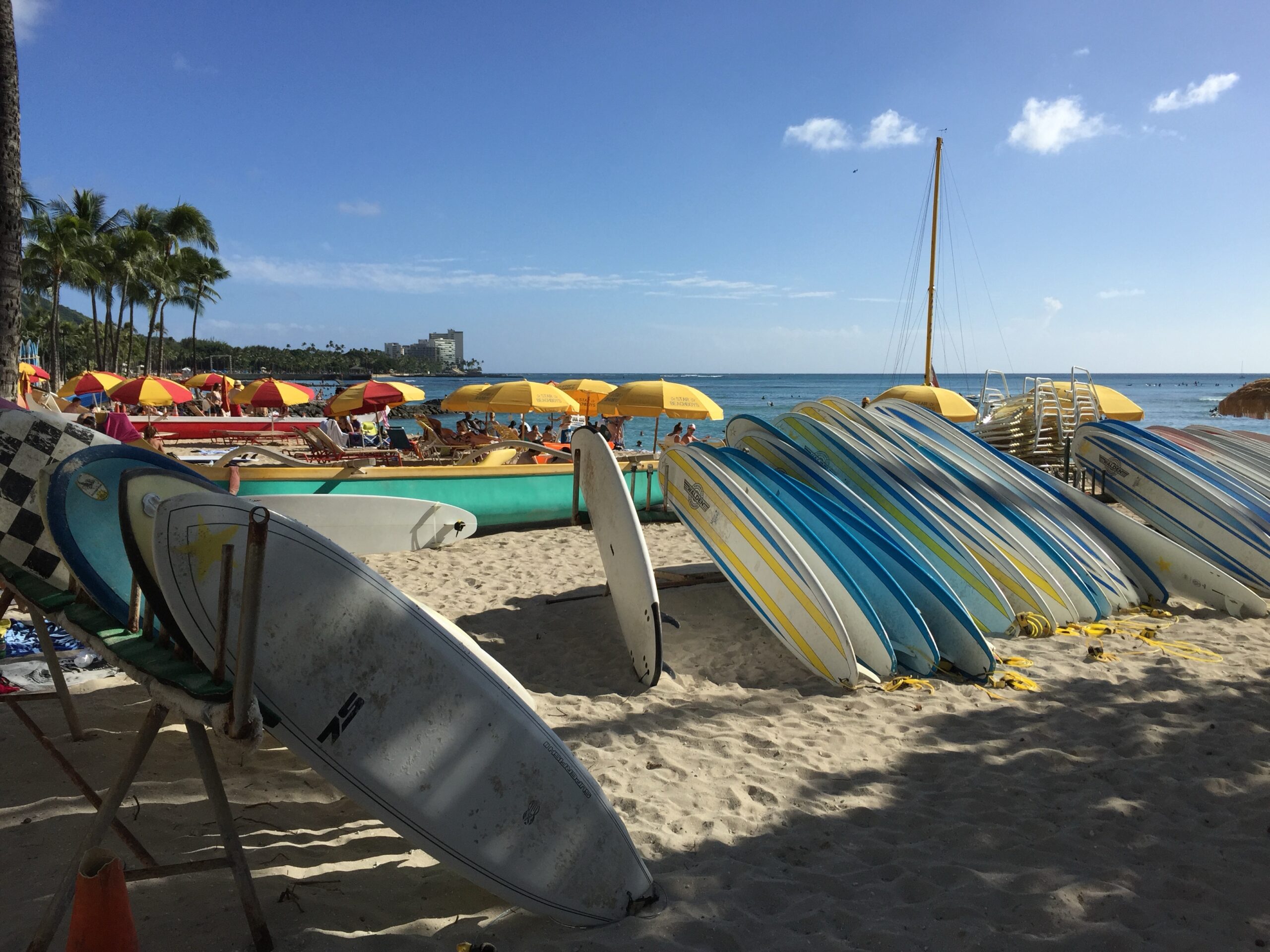
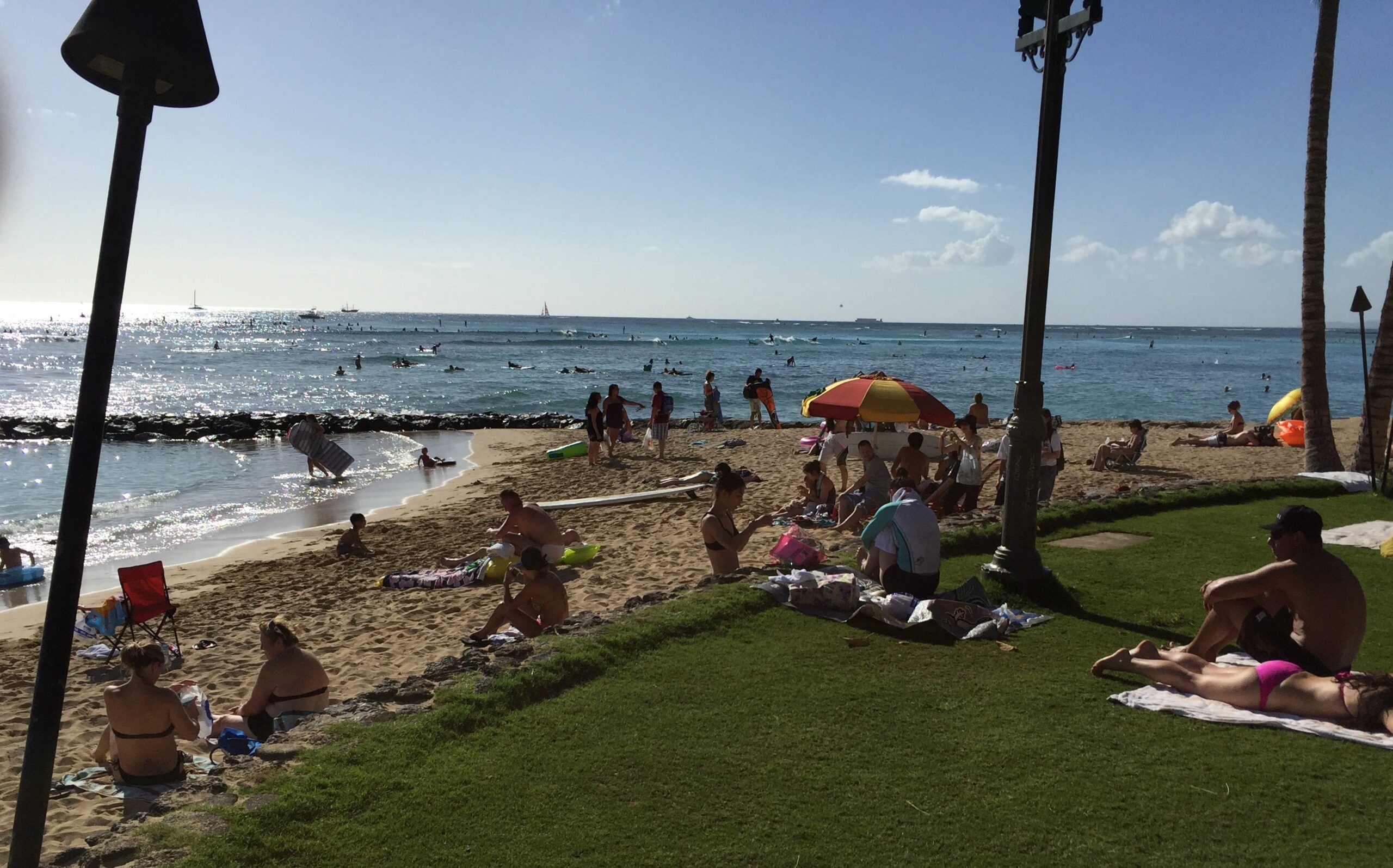
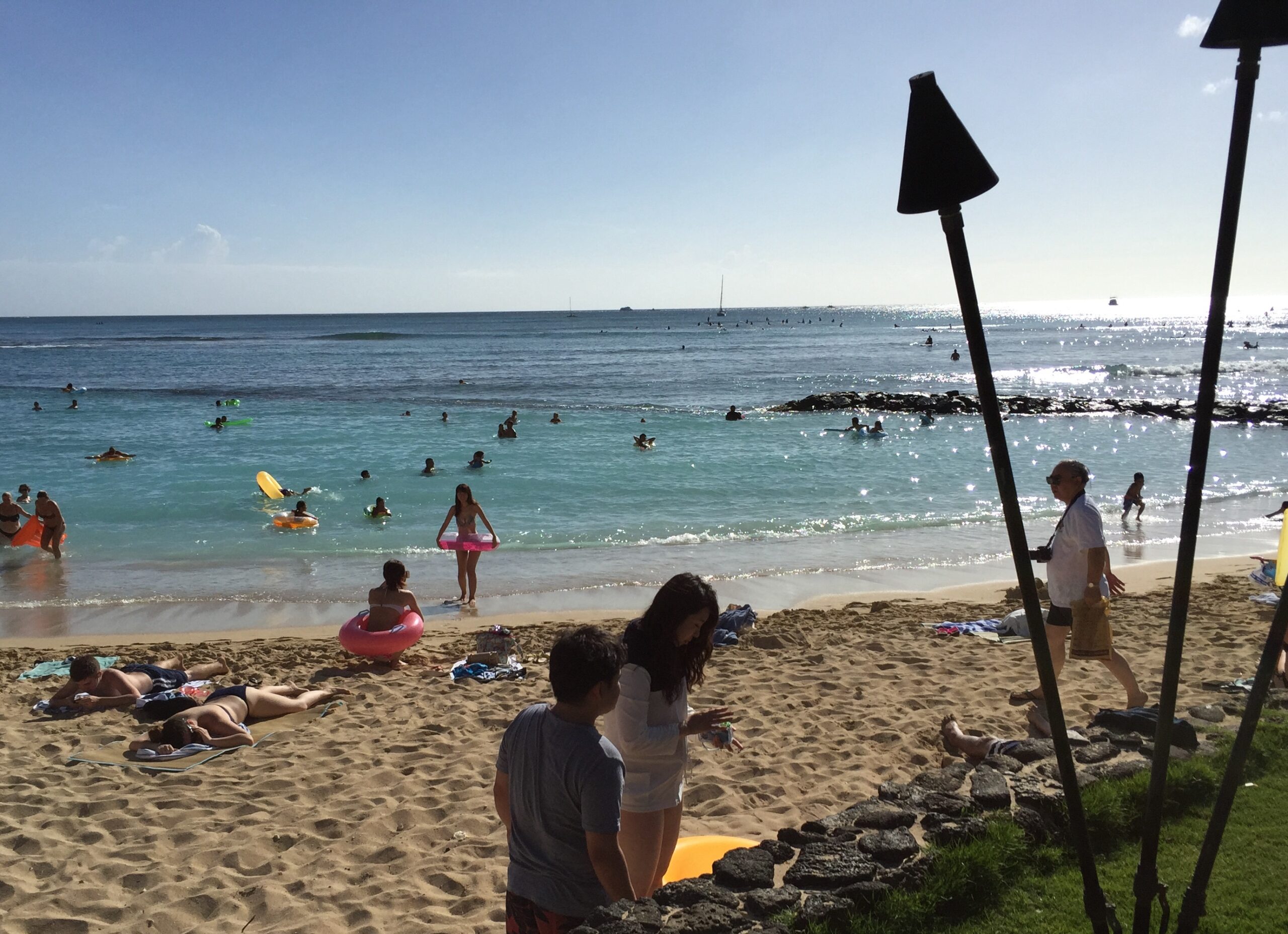
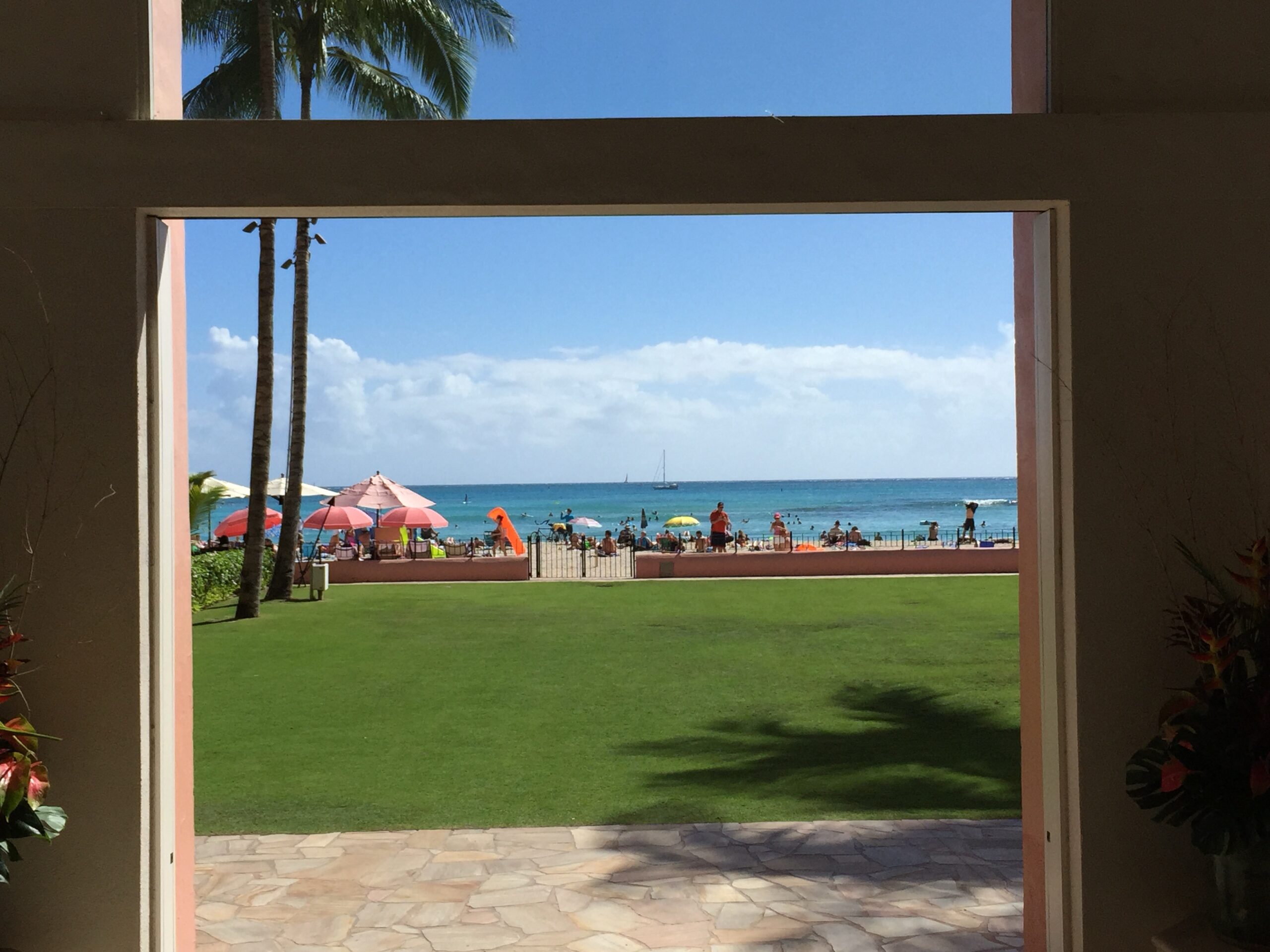
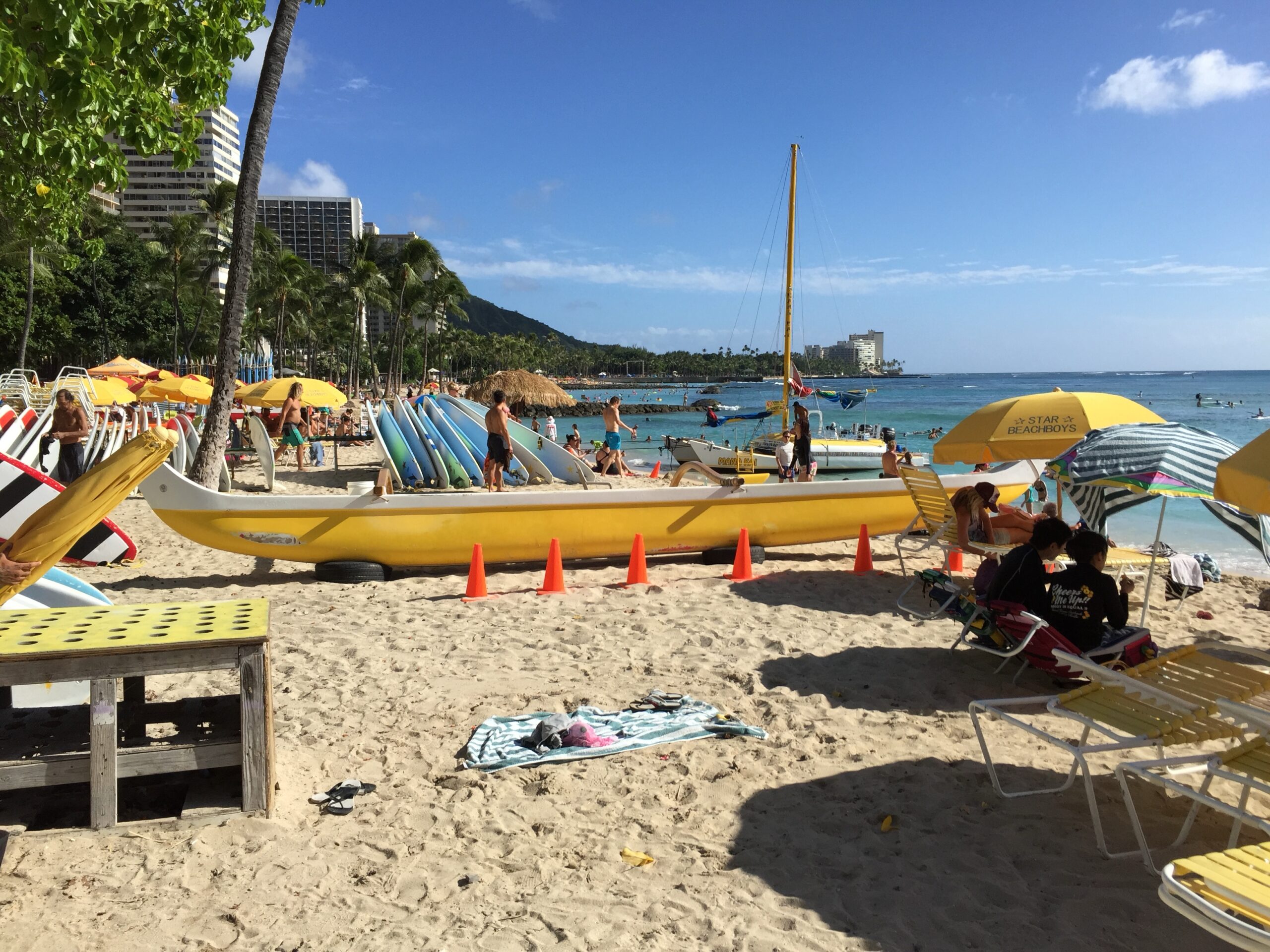
For Honeymooners: Waikiki Beach offers the iconic romantic beachside experience, though the area has become extensively developed.
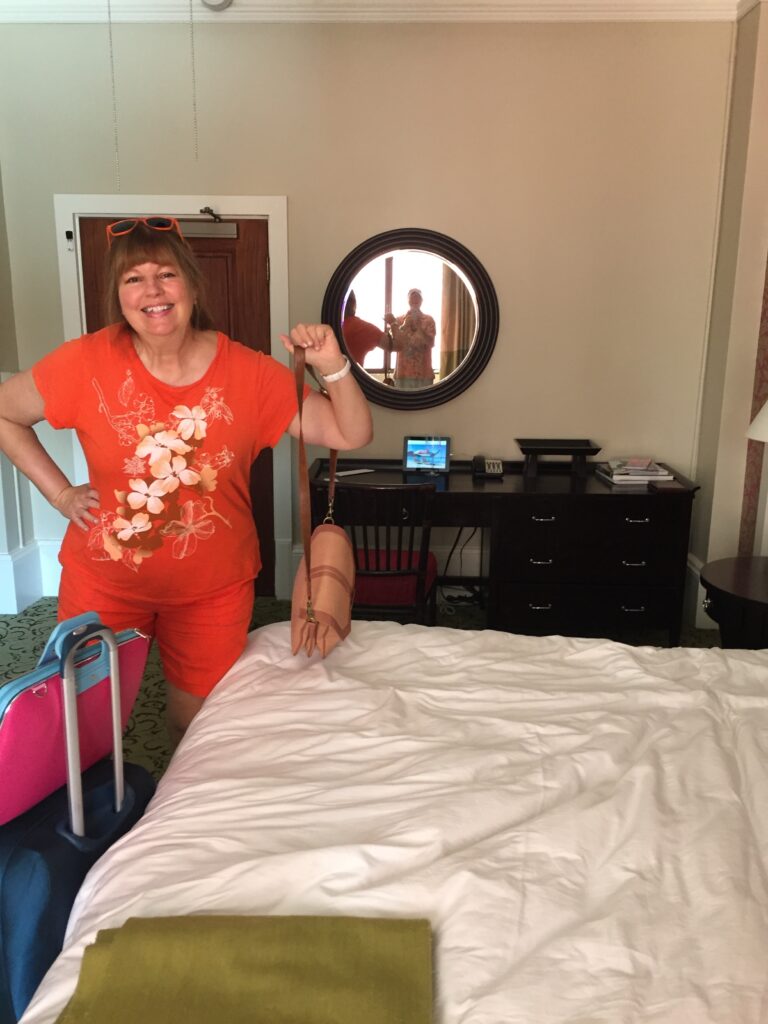
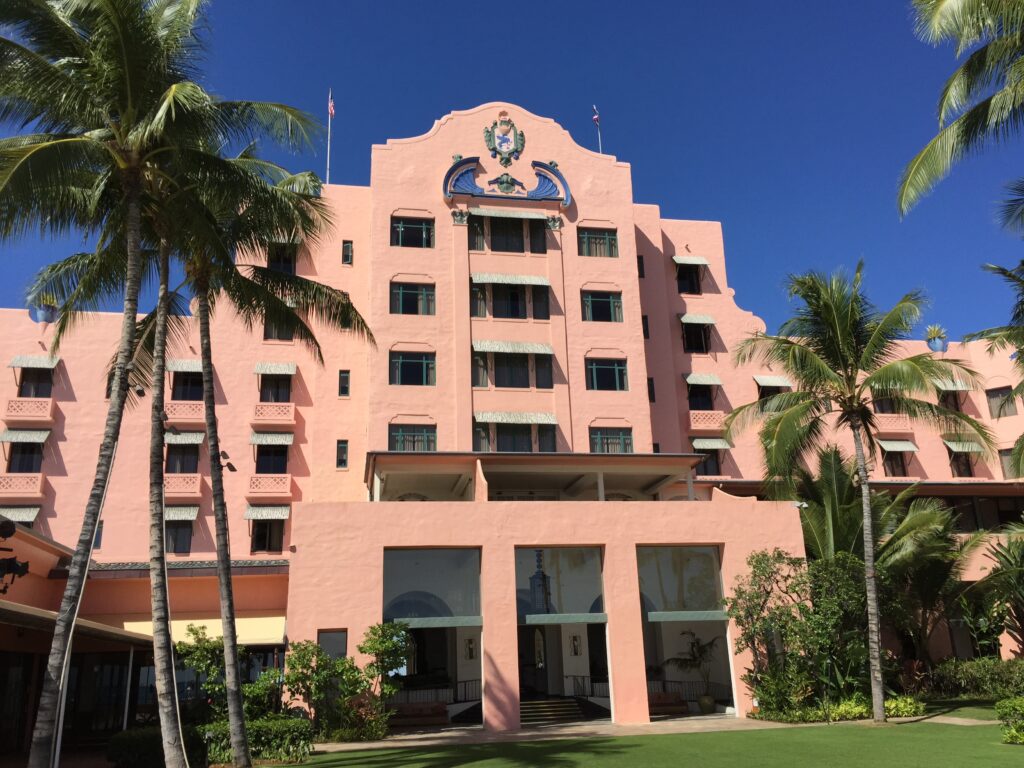
The Royal Hawaiian, an oceanfront hotel dating to the 1920s with modern updates, occupies prime Waikiki real estate and has hosted Hollywood celebrities and international dignitaries for a century.
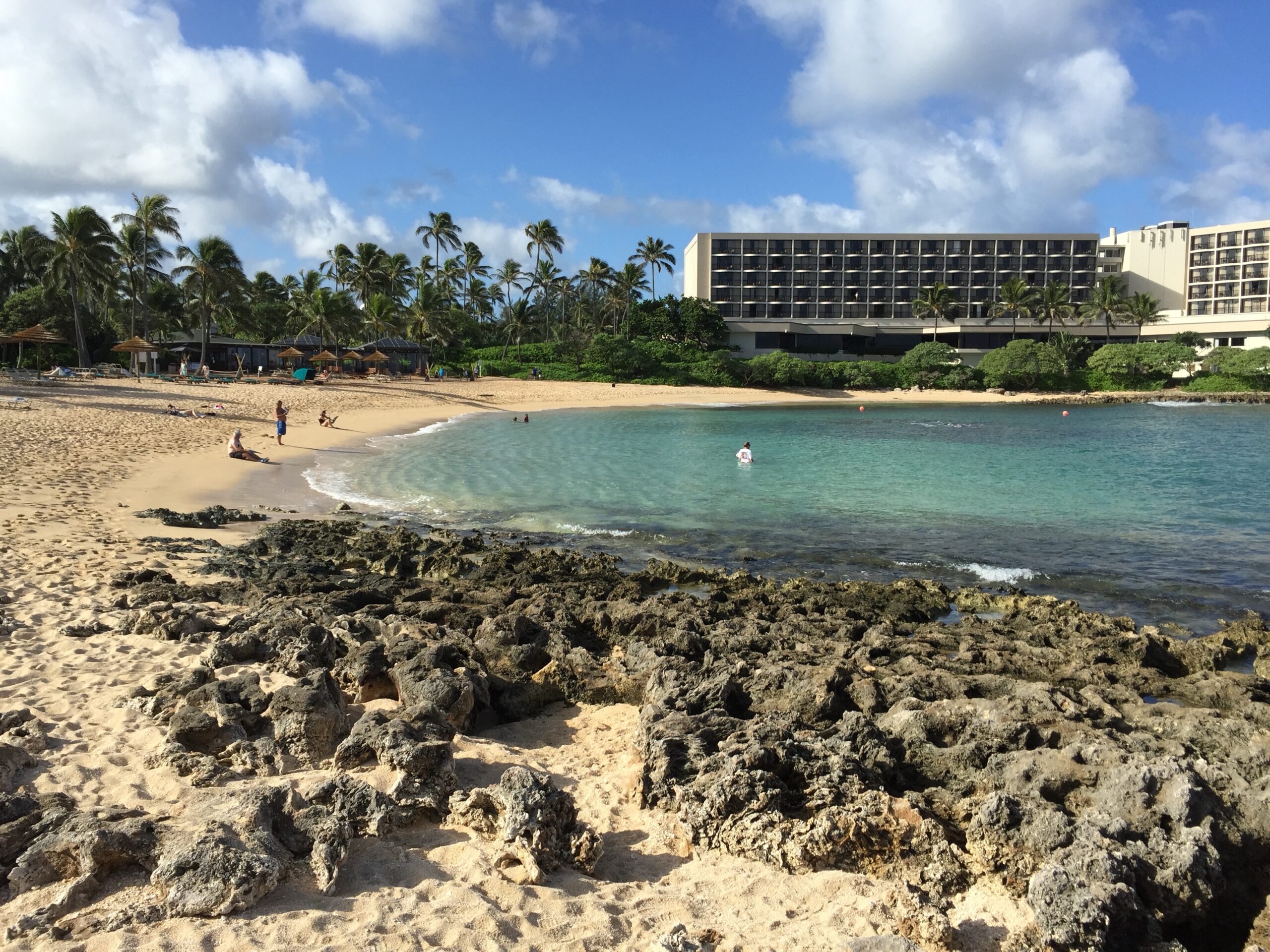
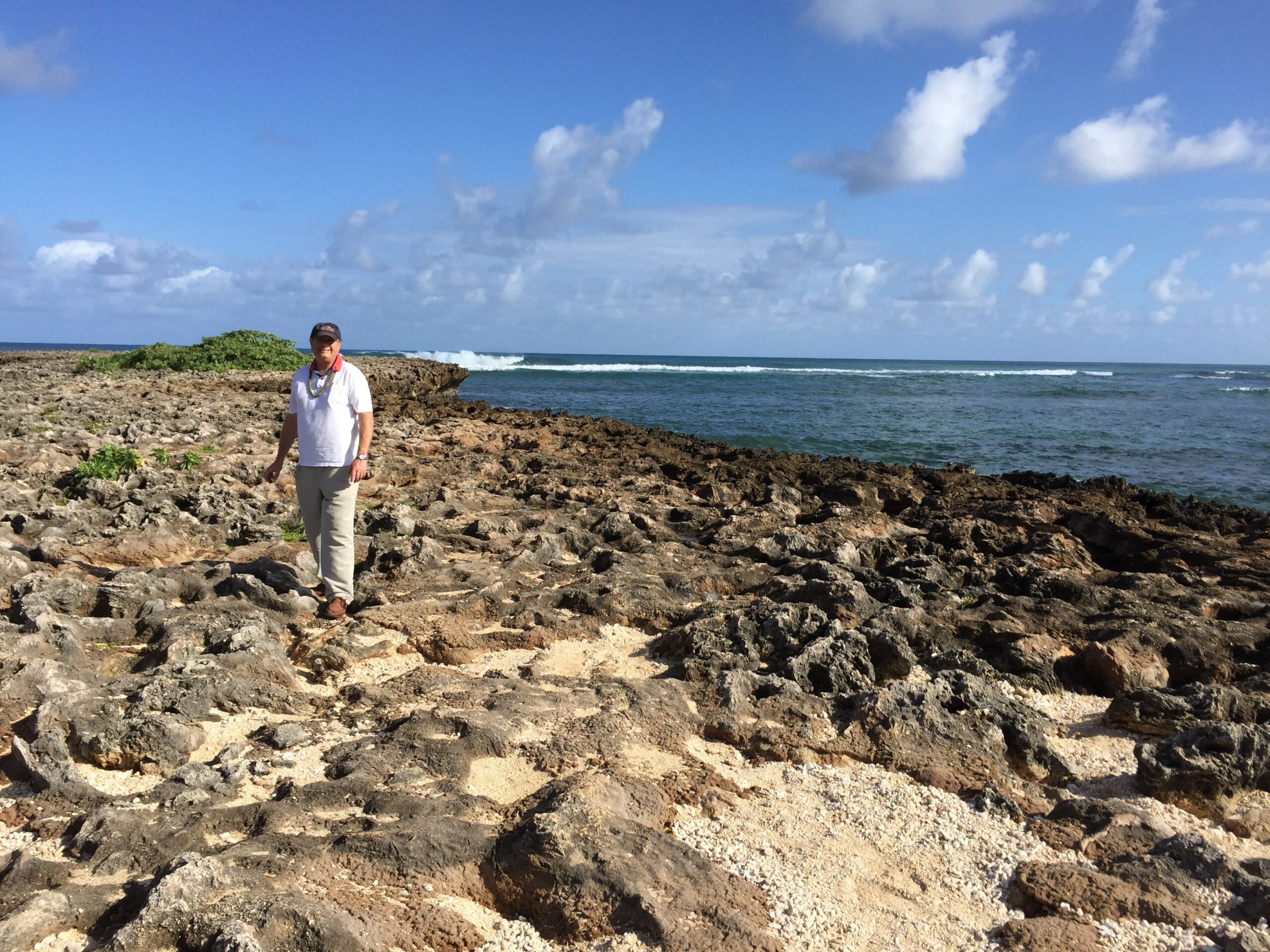
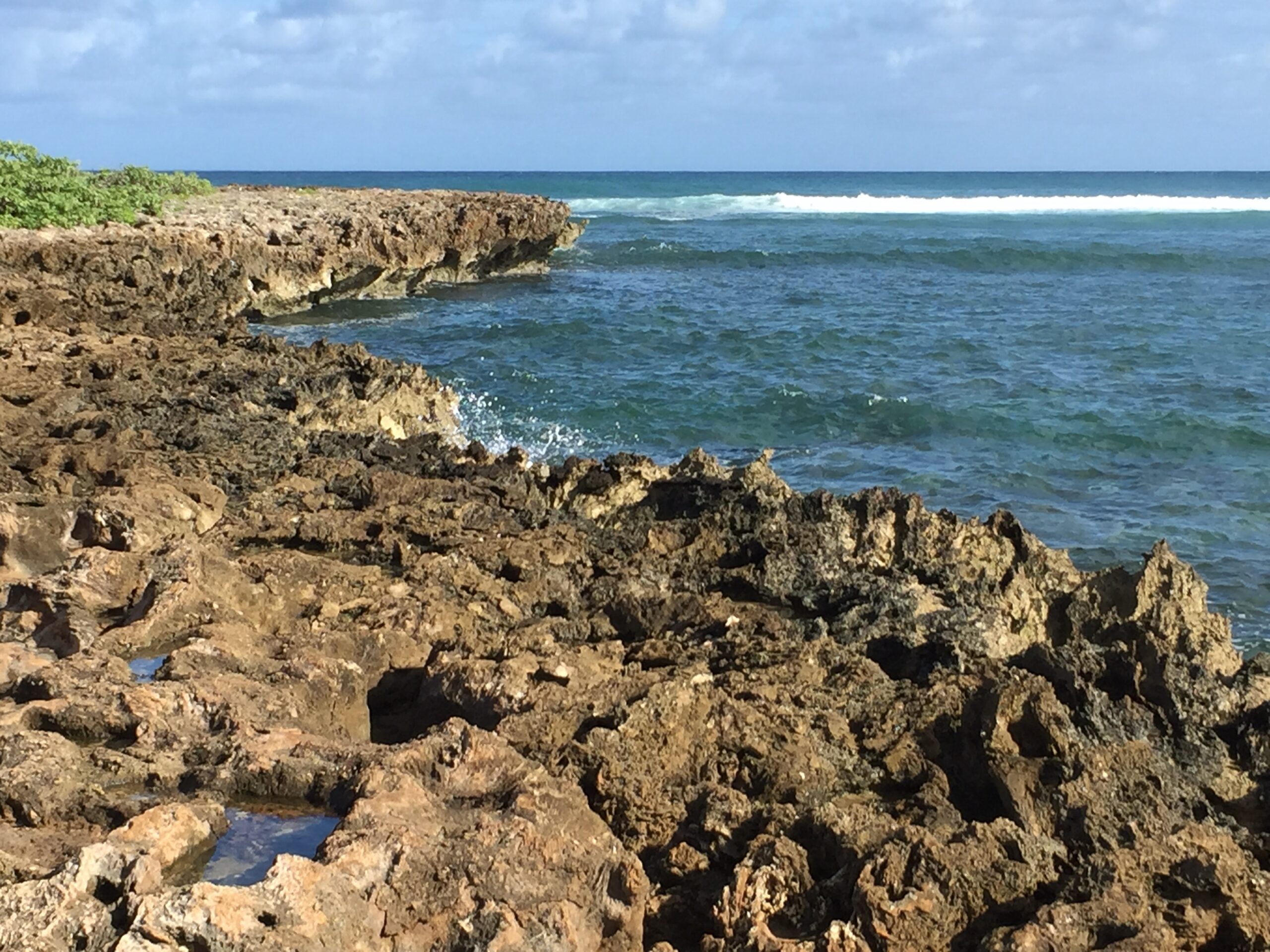
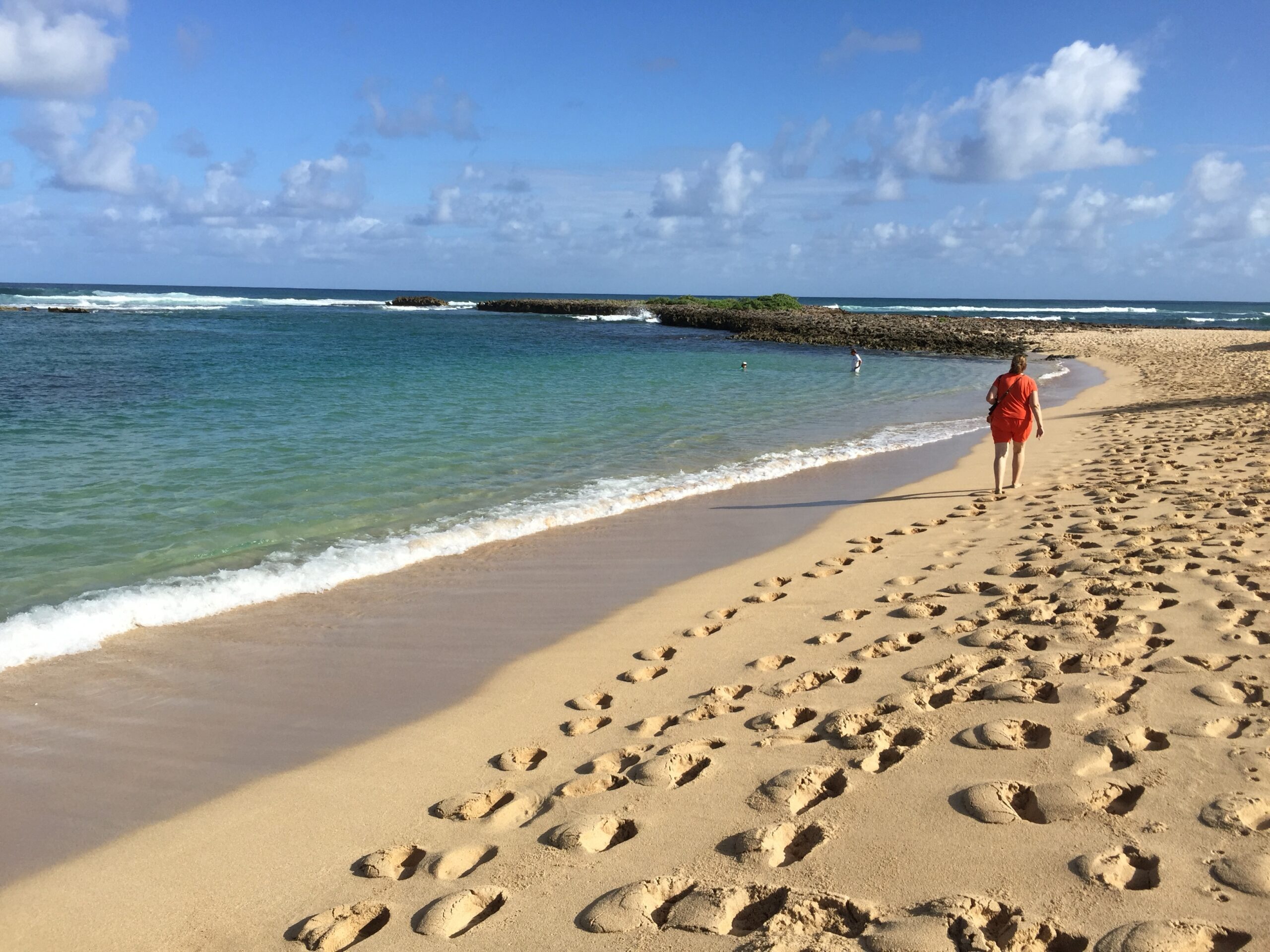
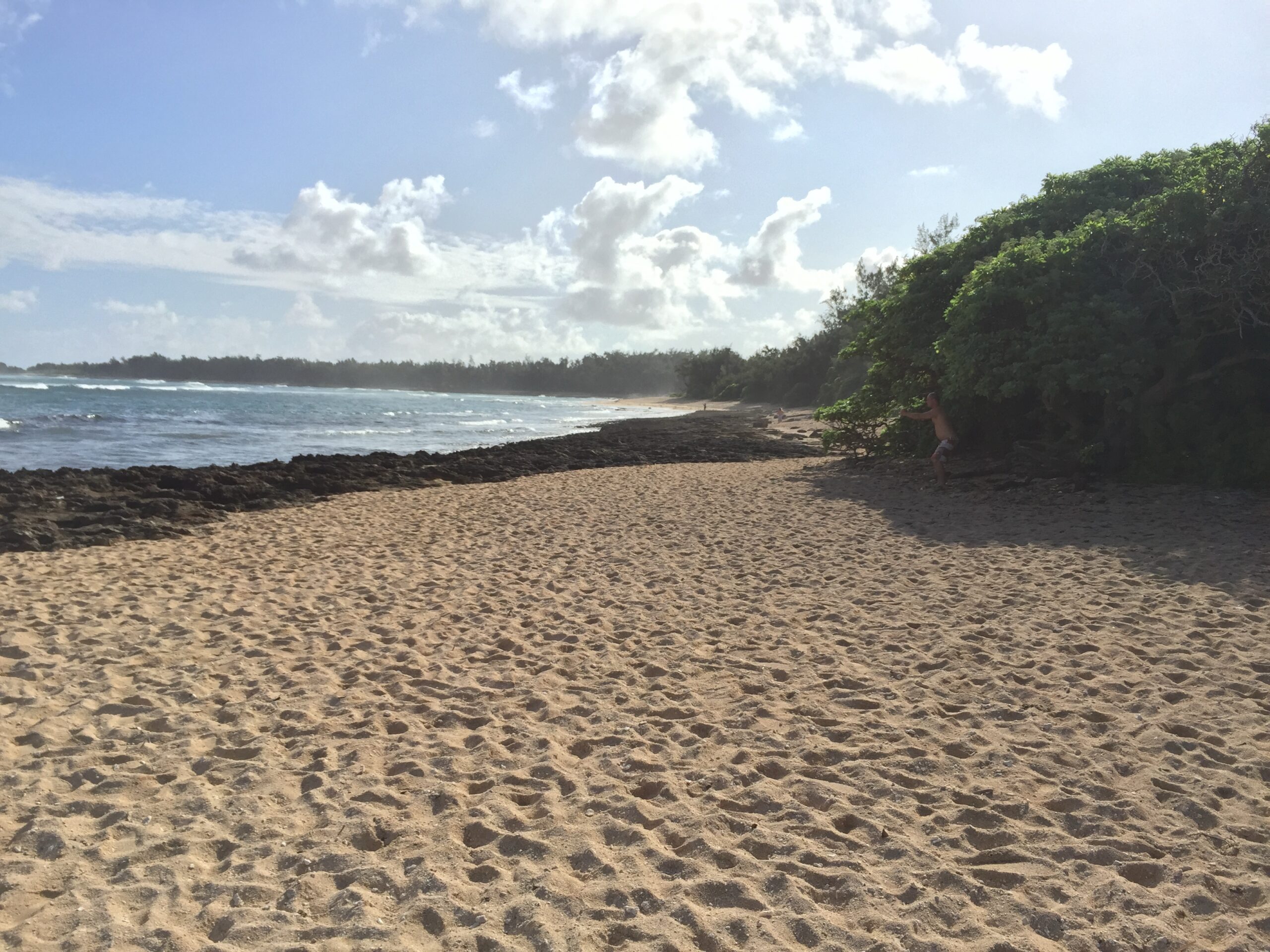
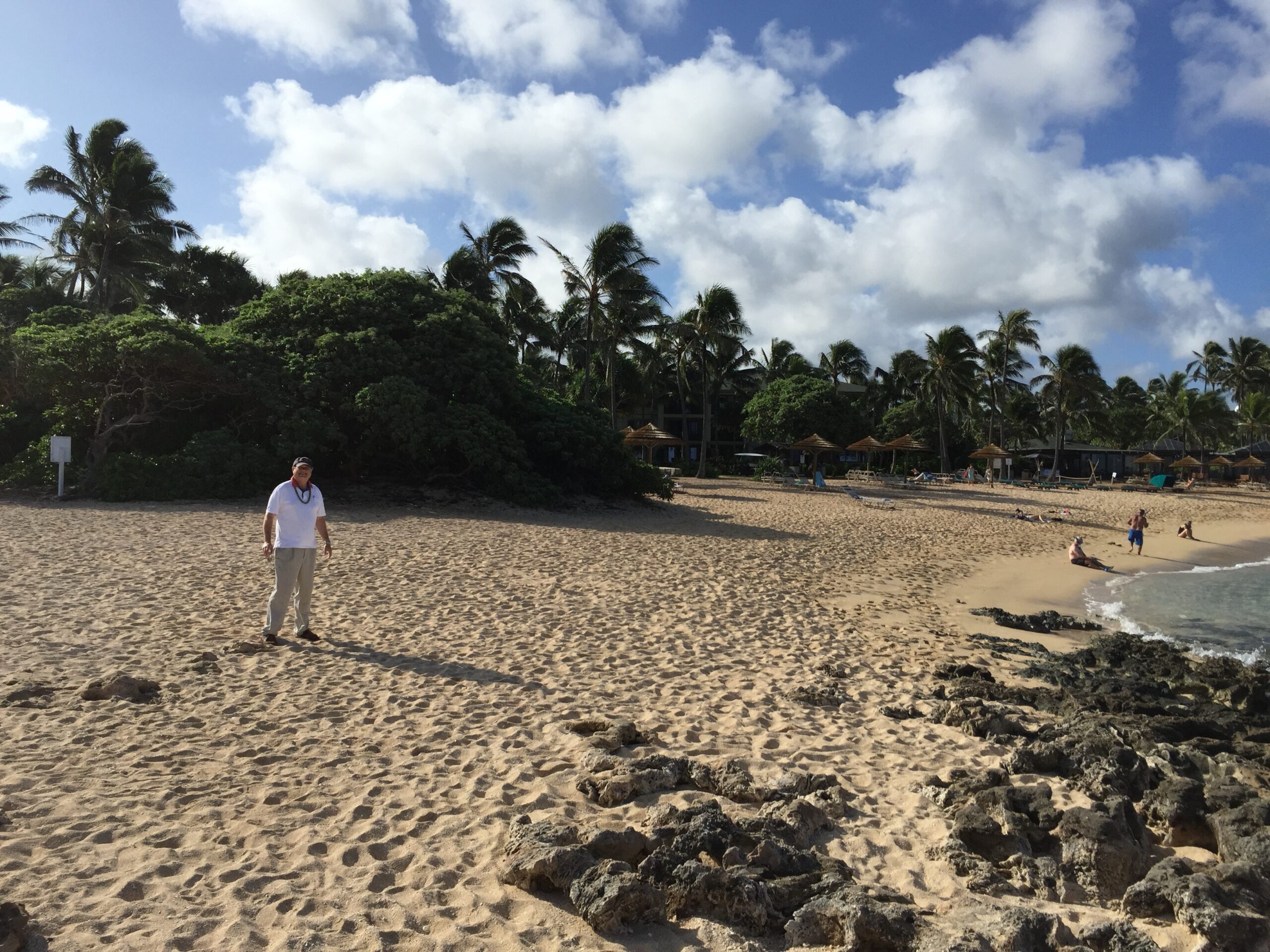
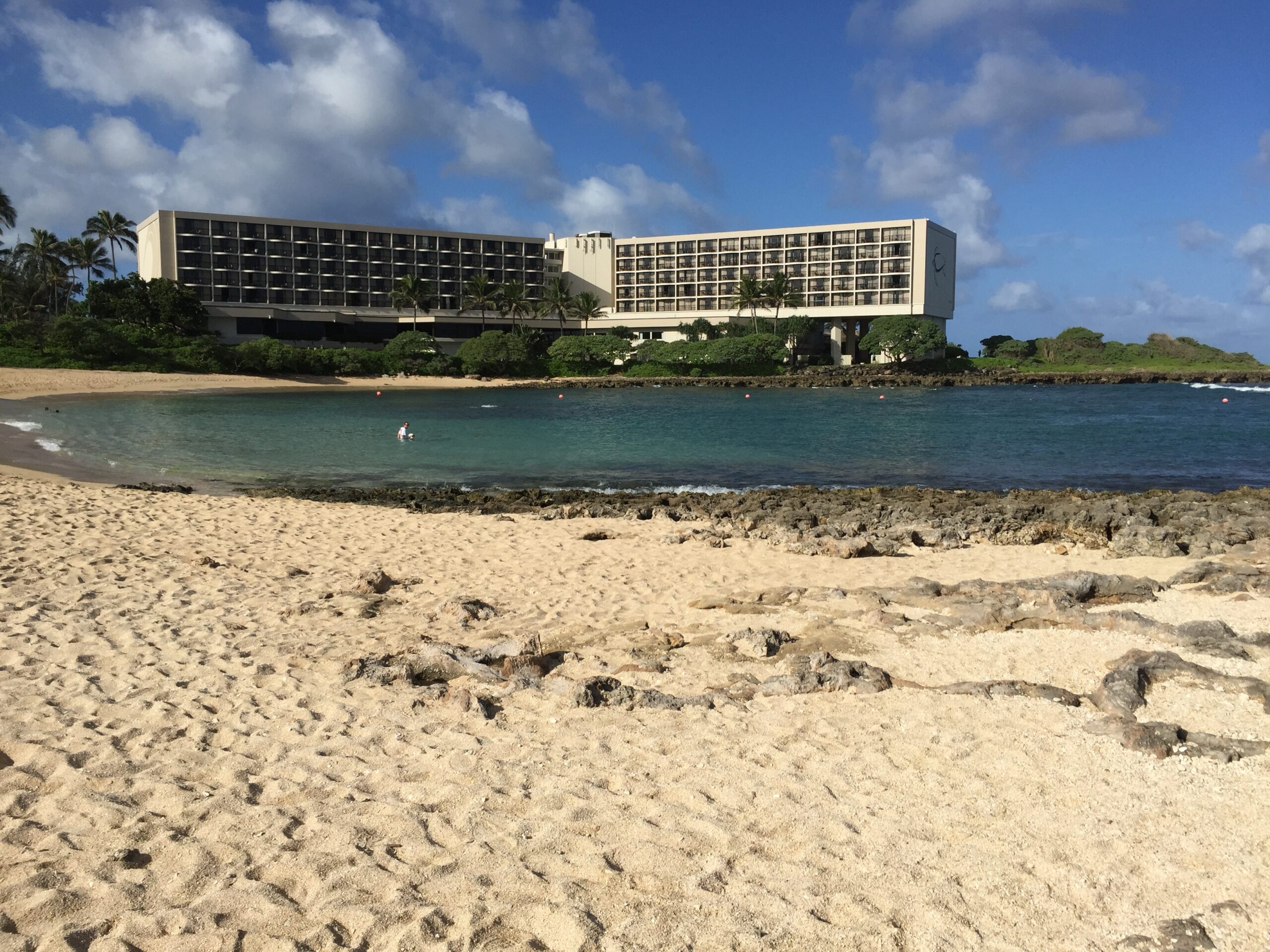
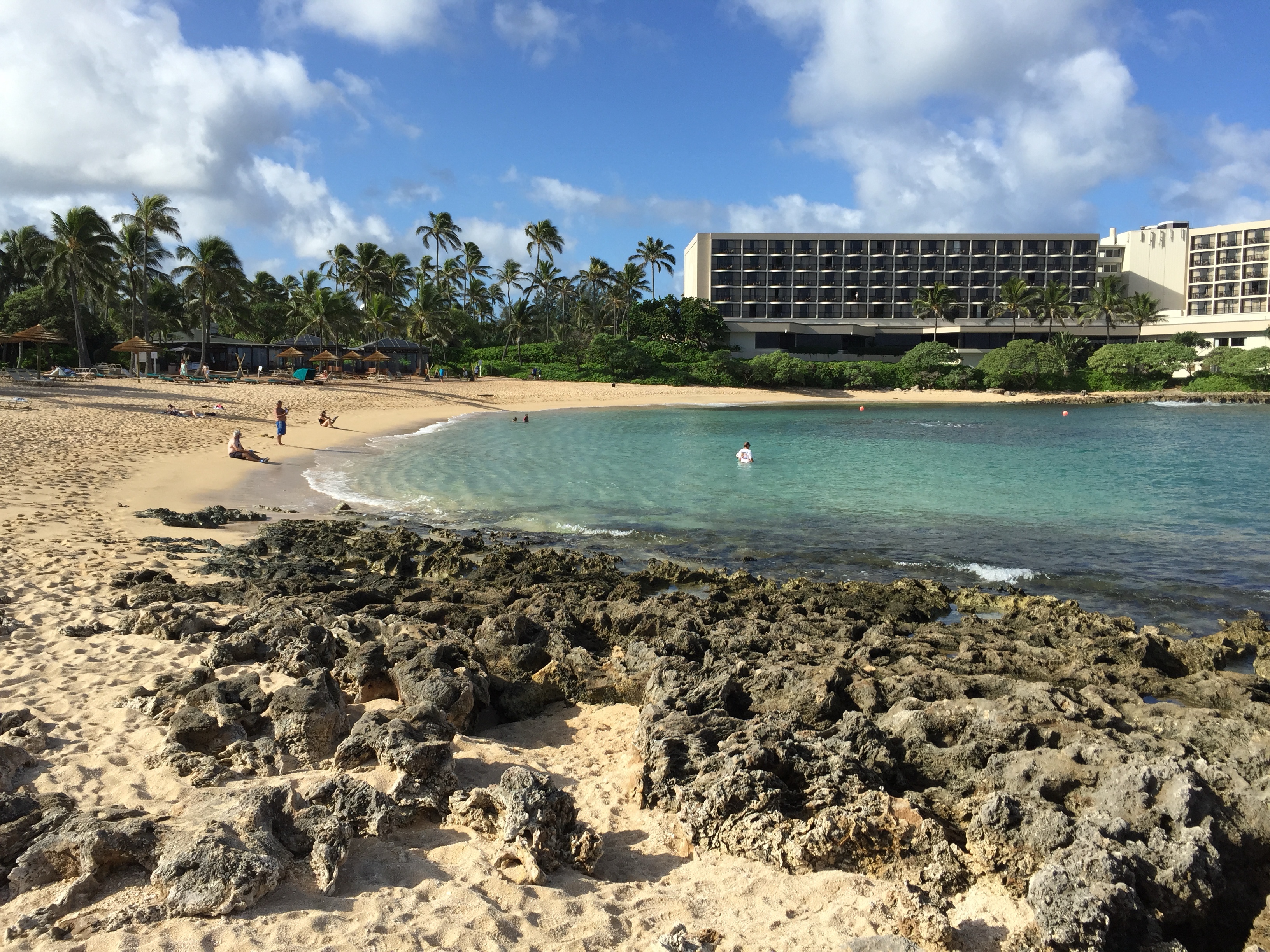
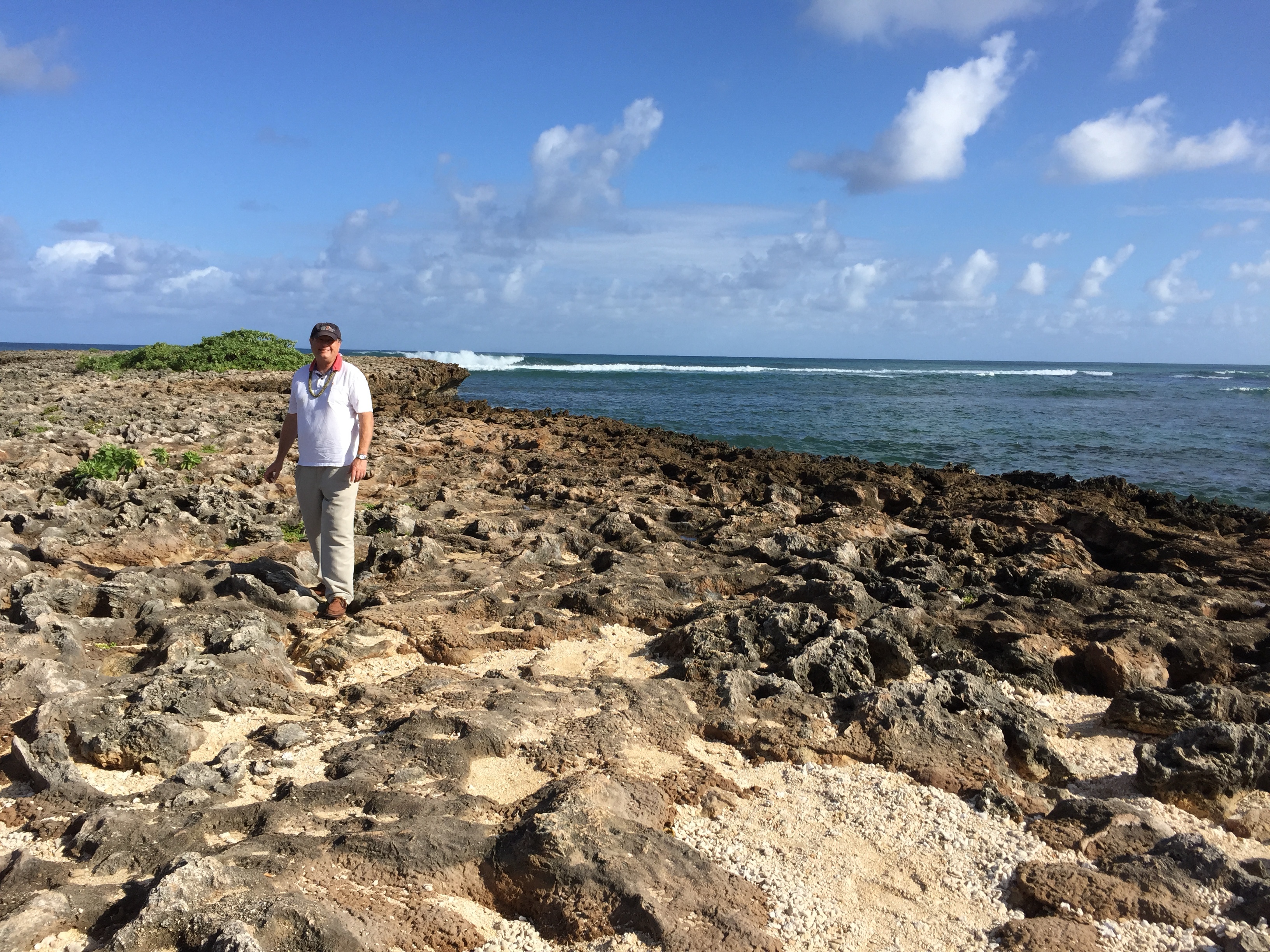
Turtle Bay on the North Shore provides sprawling resort amenities including horseback riding, snorkeling, golf, and access to some of the world’s most famous surf breaks for watching elite athletes on massive winter swells. ‘Alohilani Resort at Waikiki offers intimate luxury with private cabanas, spa facilities, and top-line exercise amenities.

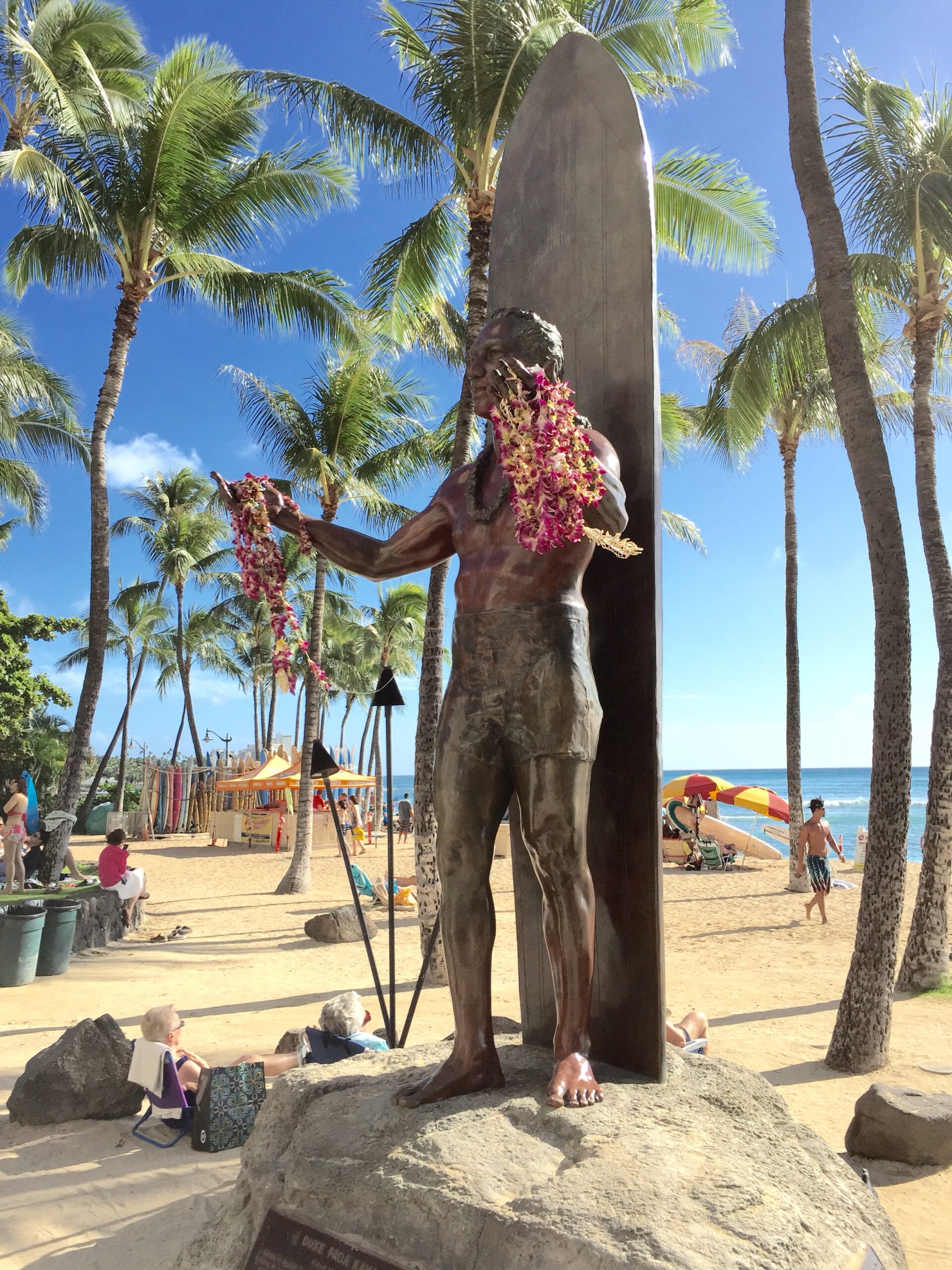
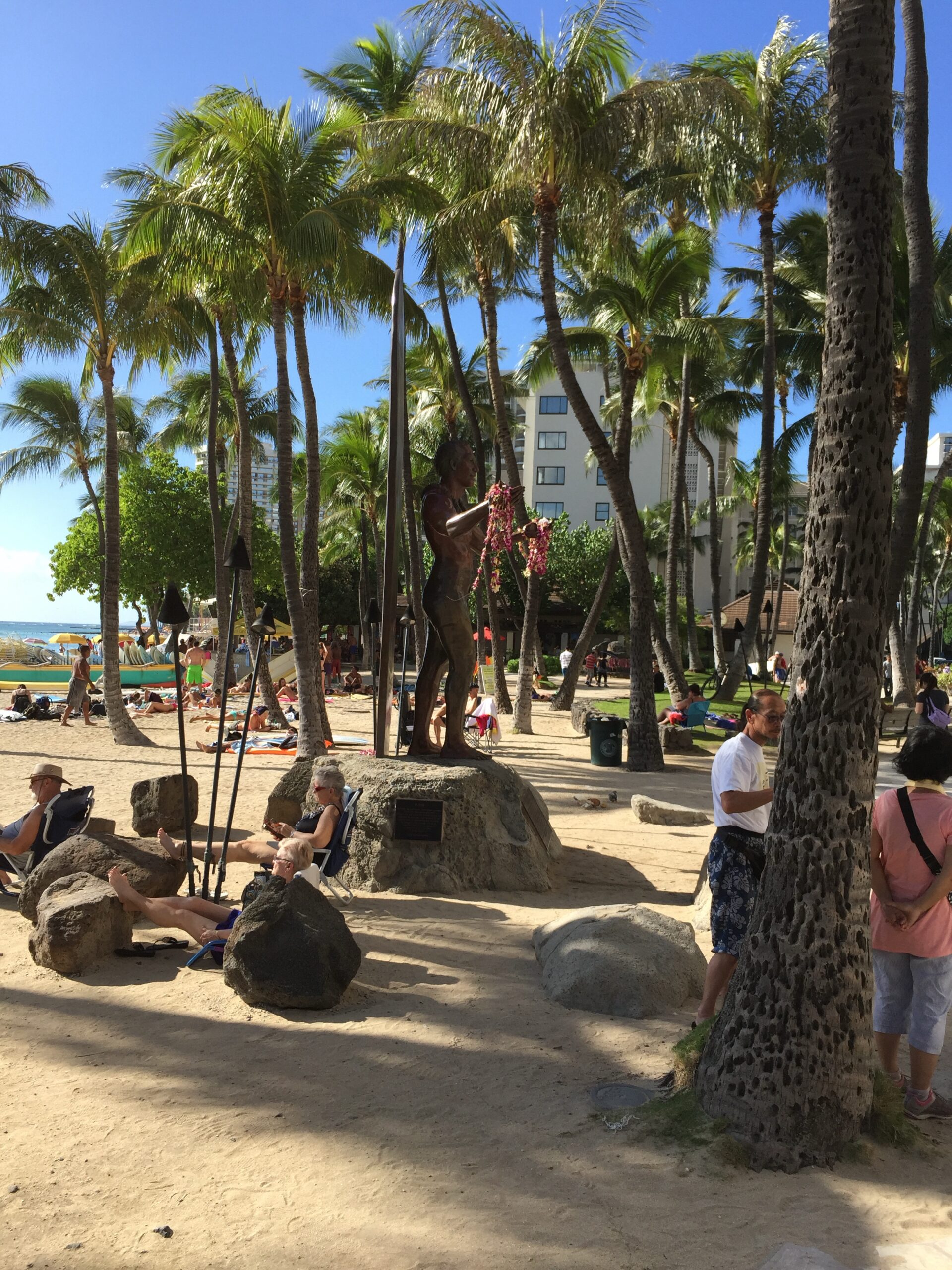
Additionally, it is impolite to remove the lei in the presence of the person who gave it to you. When you remove your lei at the end of the day, returning the flowers to the earth is best.
For Geologists: Oahu’s volcanic origin is evident in multiple features. The island comprises two major volcanic complexes with significant visible geology: Diamond Head and Koko Head are dramatic erosional remnants of extinct volcanic craters. The Wai’anae and Ko’olau mountain ranges represent the deeply eroded remains of ancient shield volcanoes. Oahu is 2-3 million years old, making it a mid-age island in the Hawaiian chain that demonstrates clear evidence of volcanic erosion and subsidence.
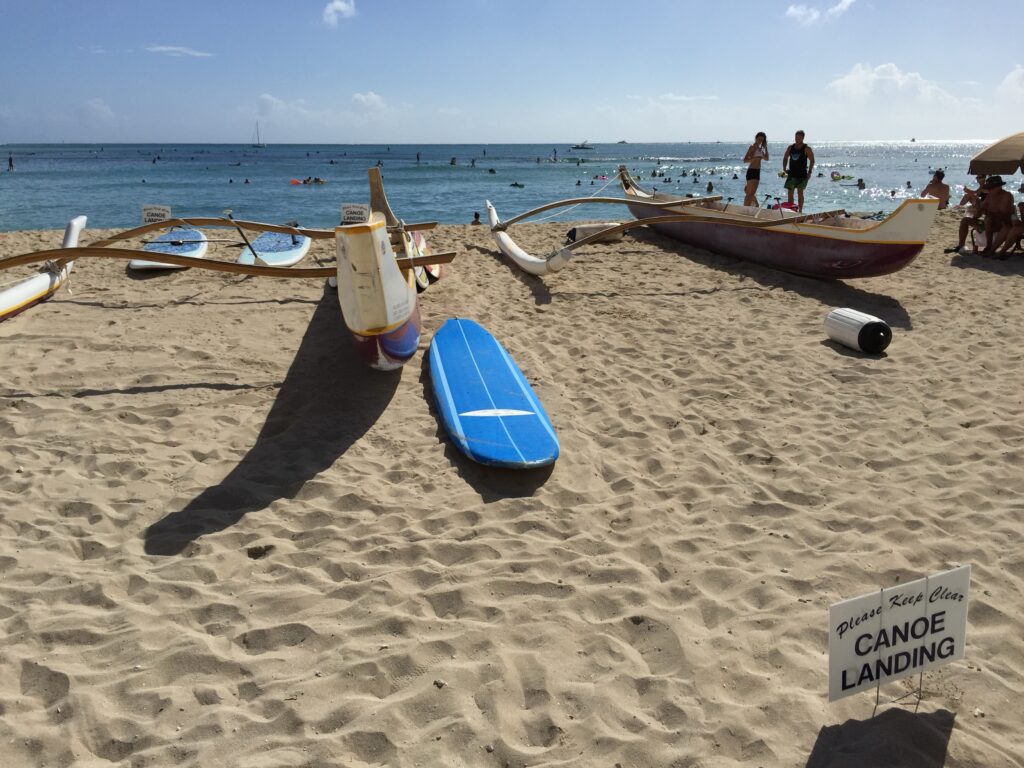
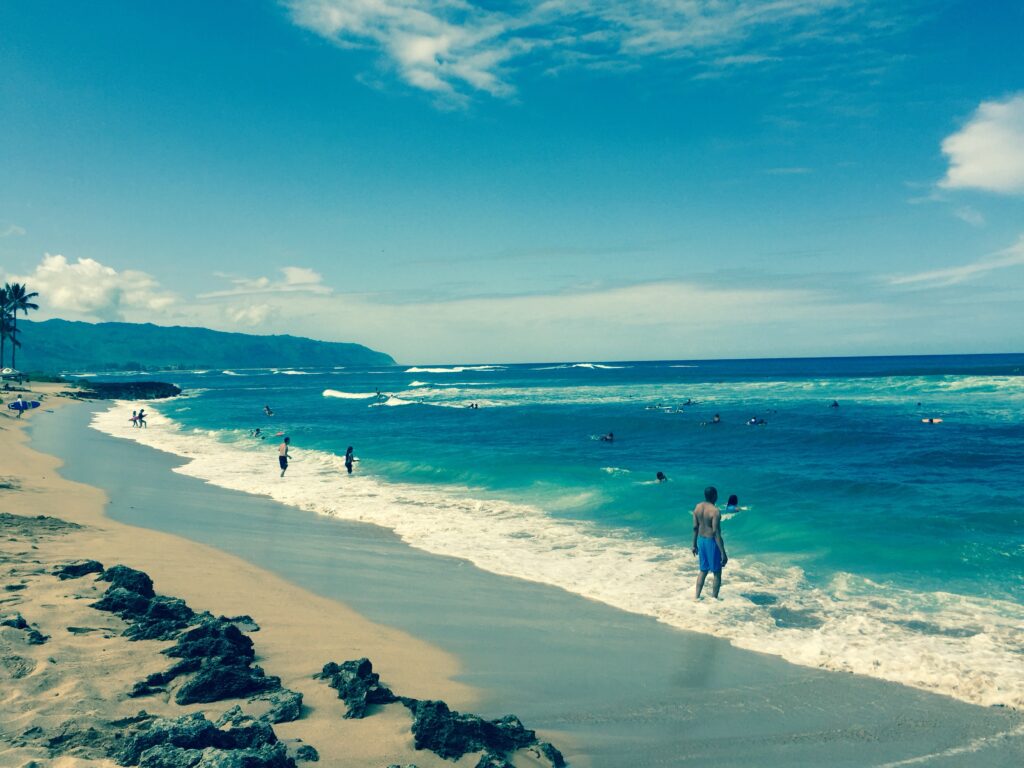
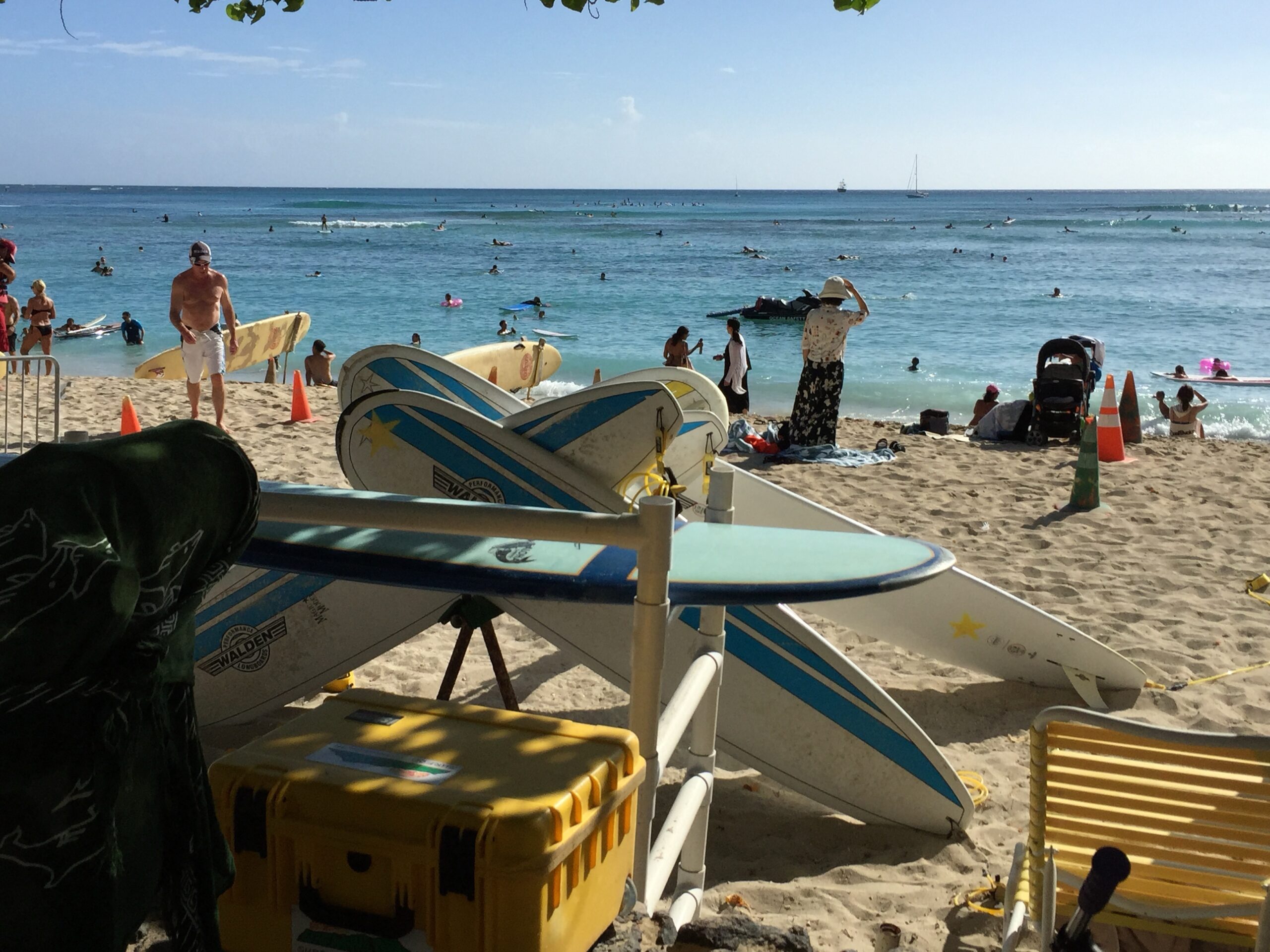
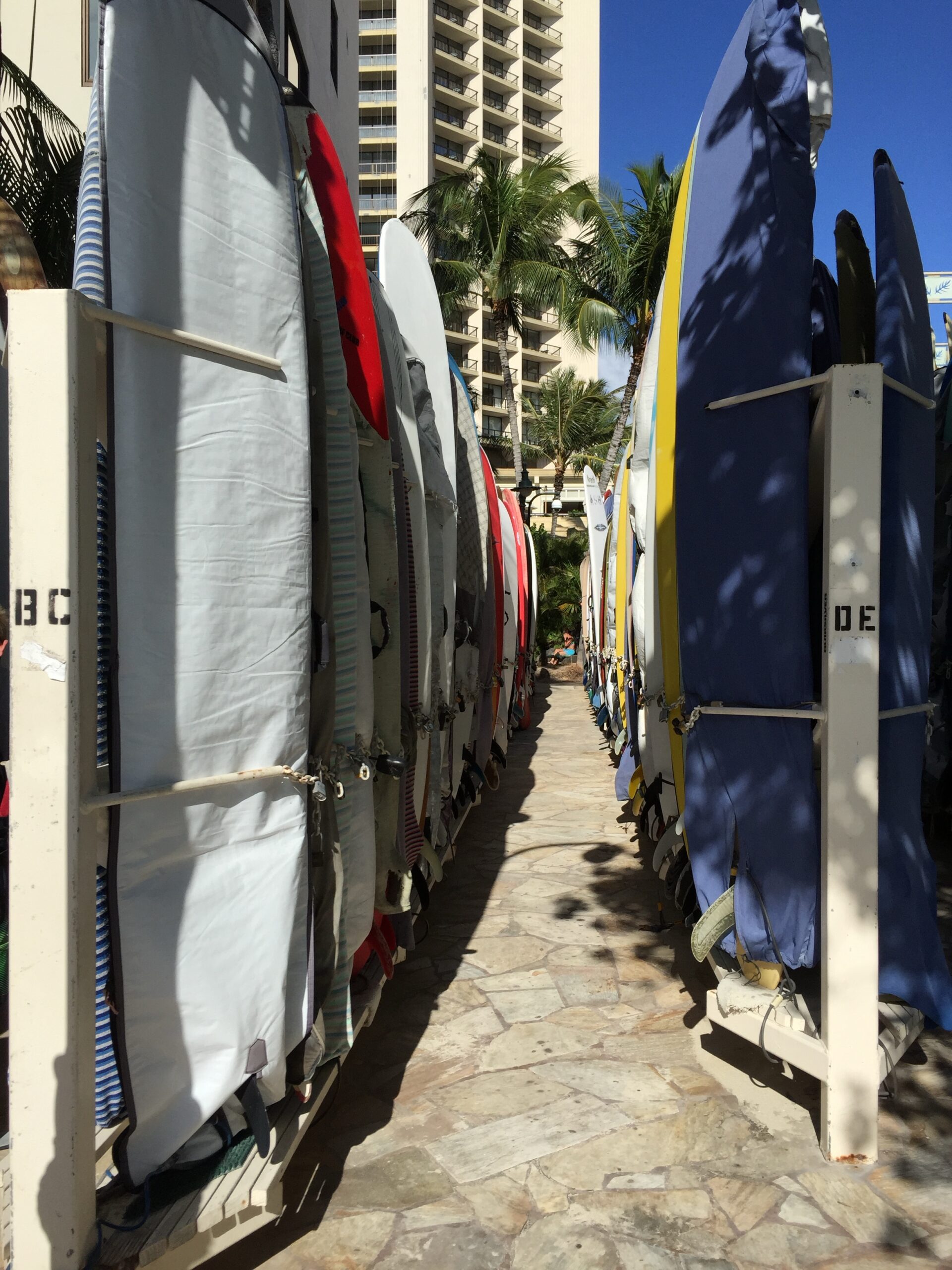
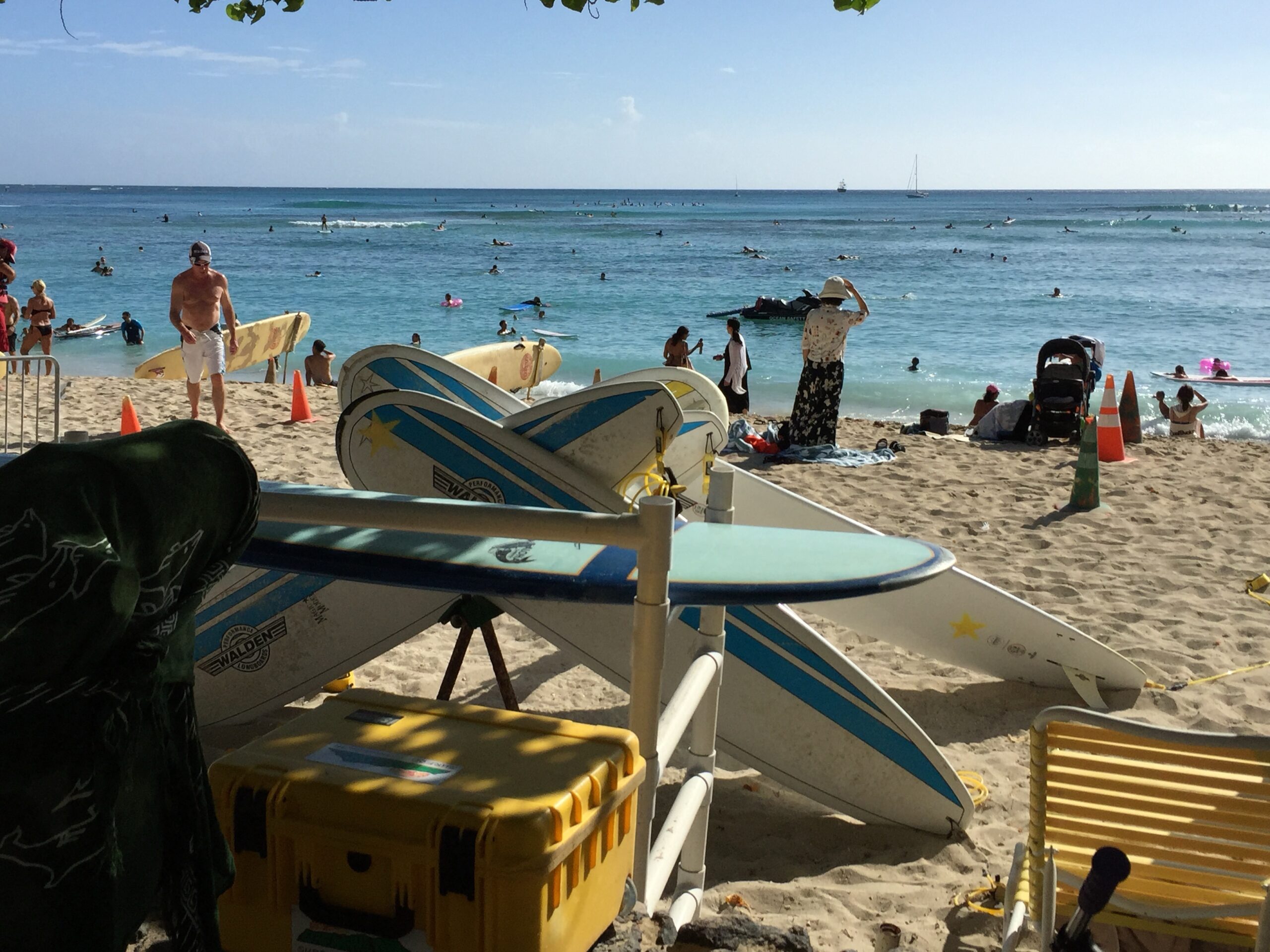
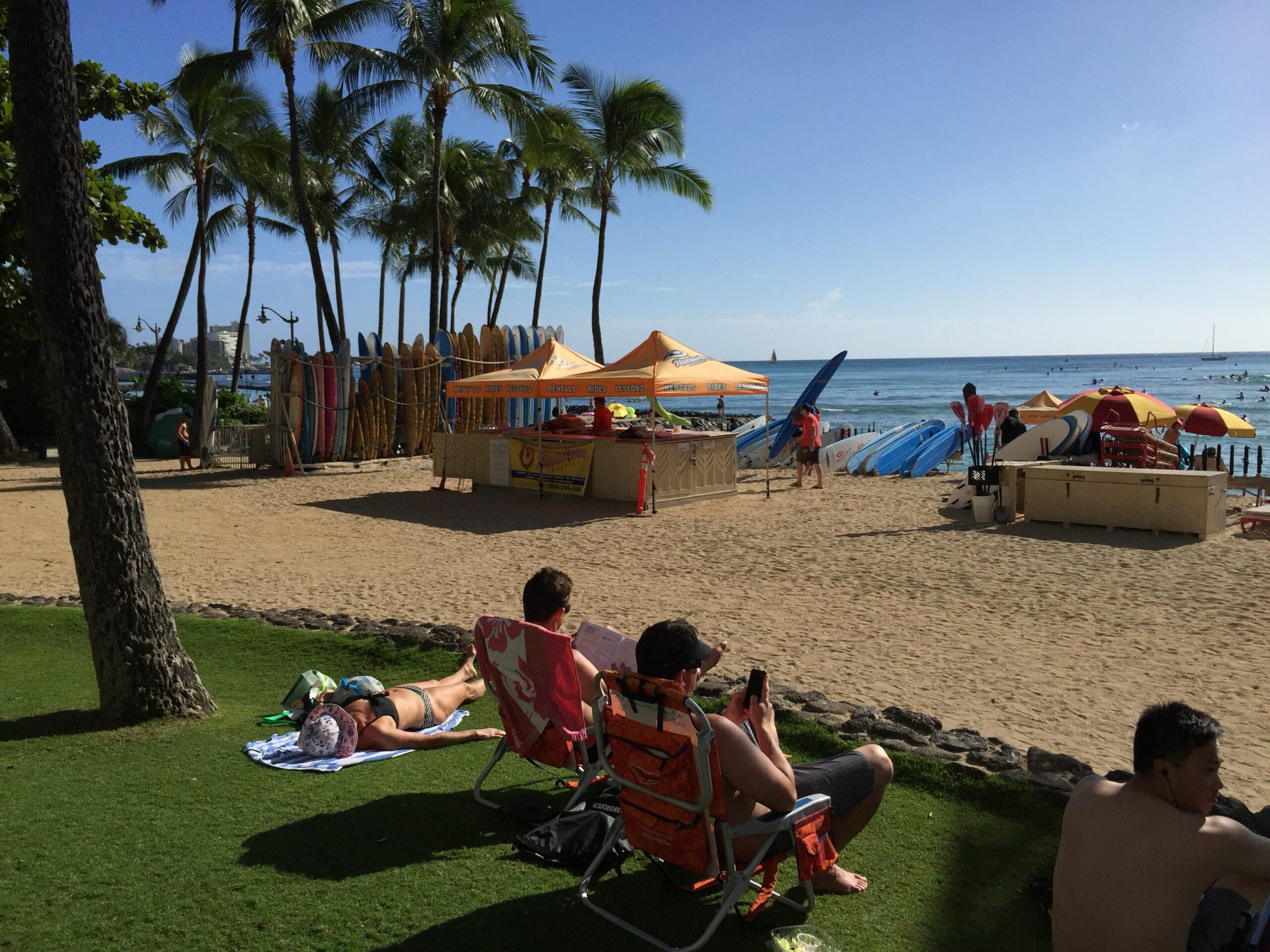
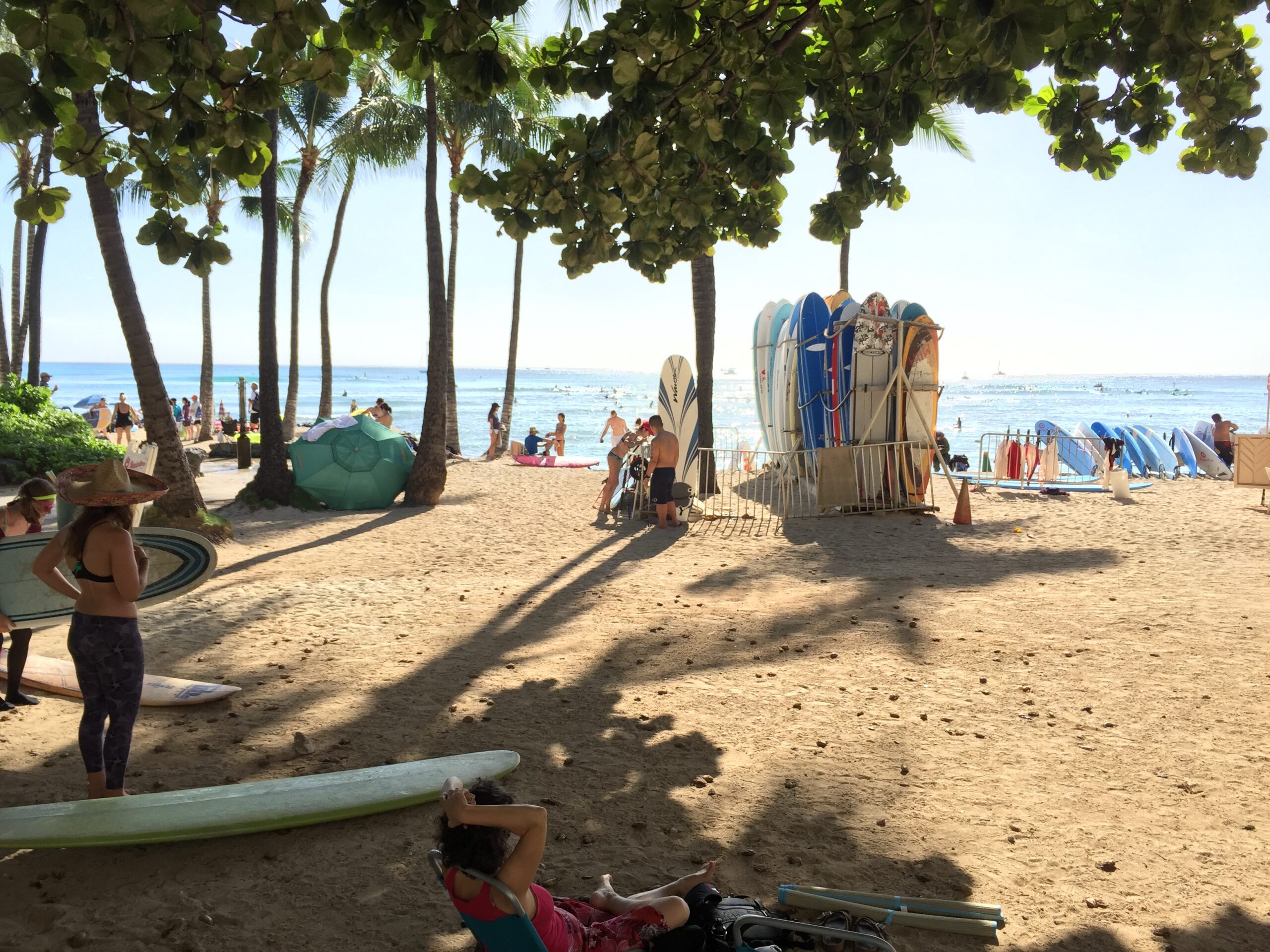
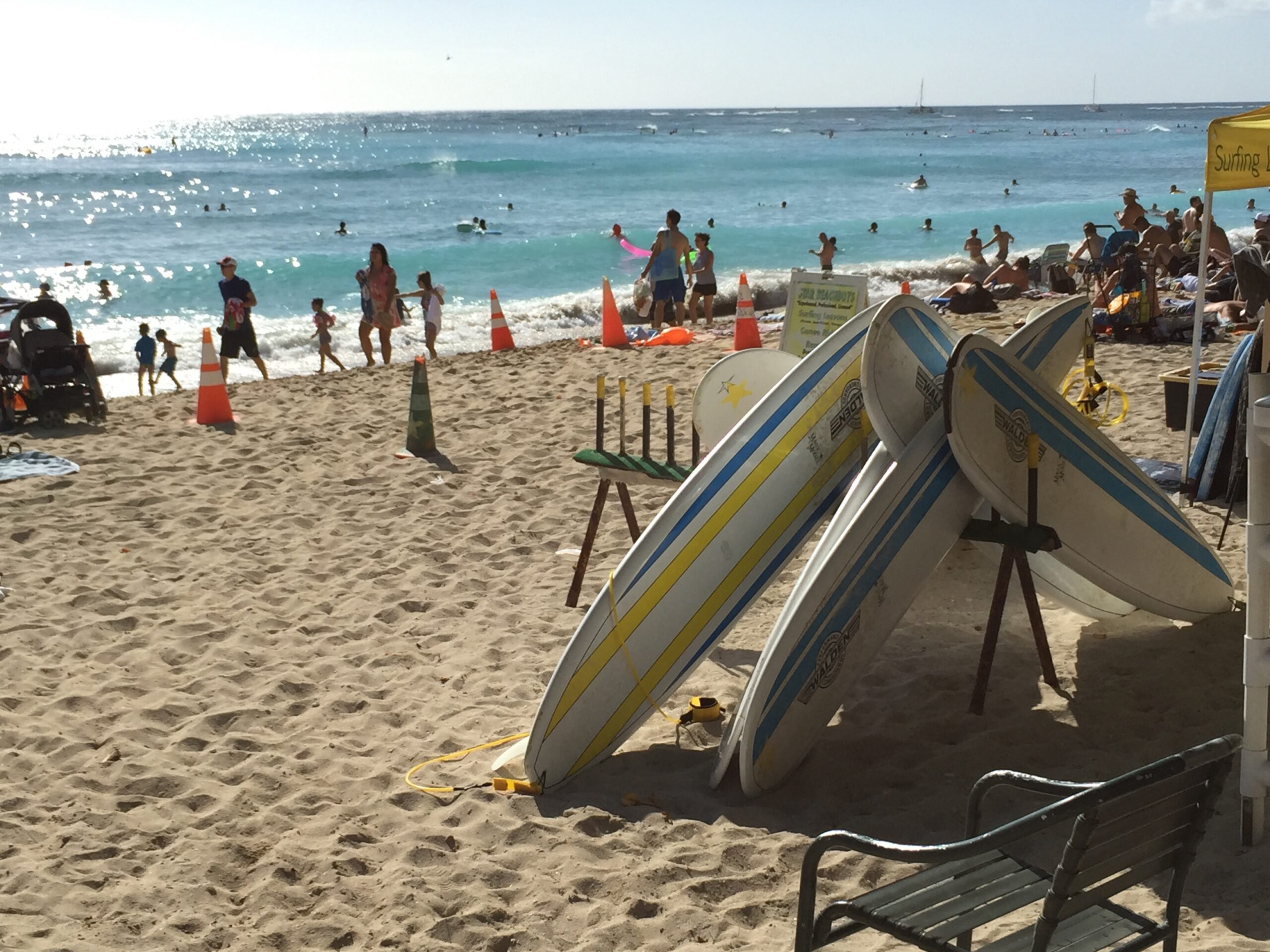
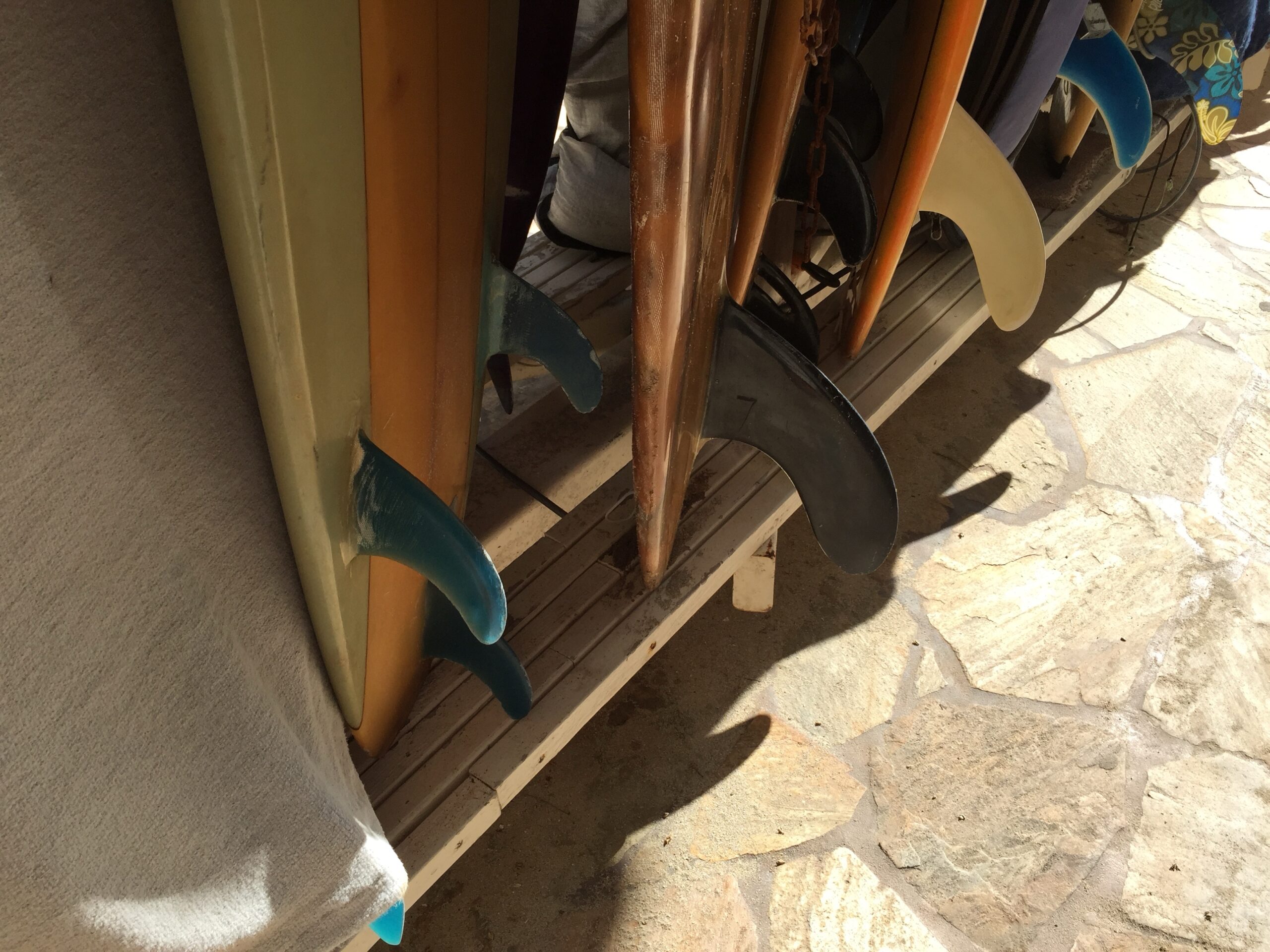
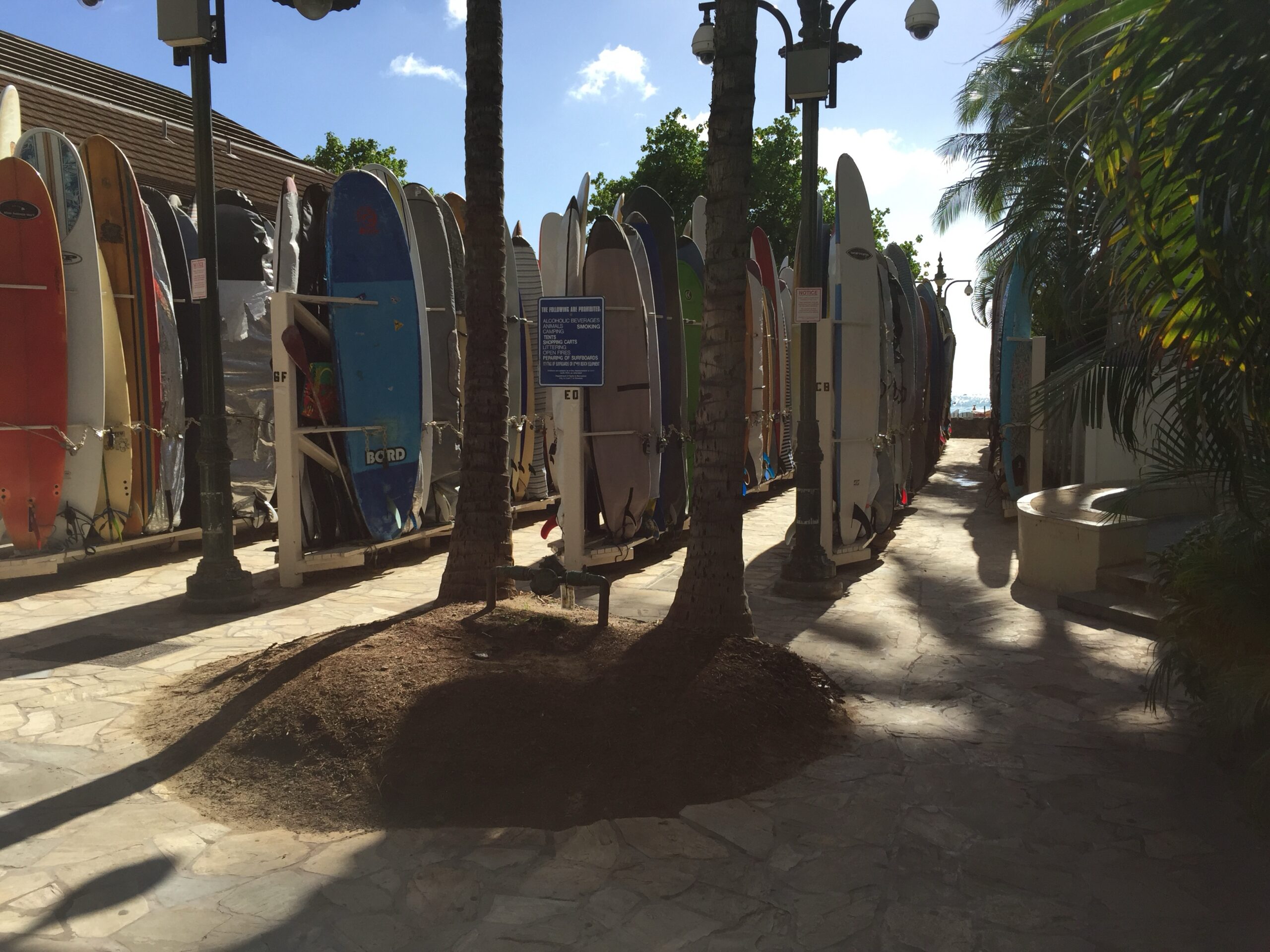
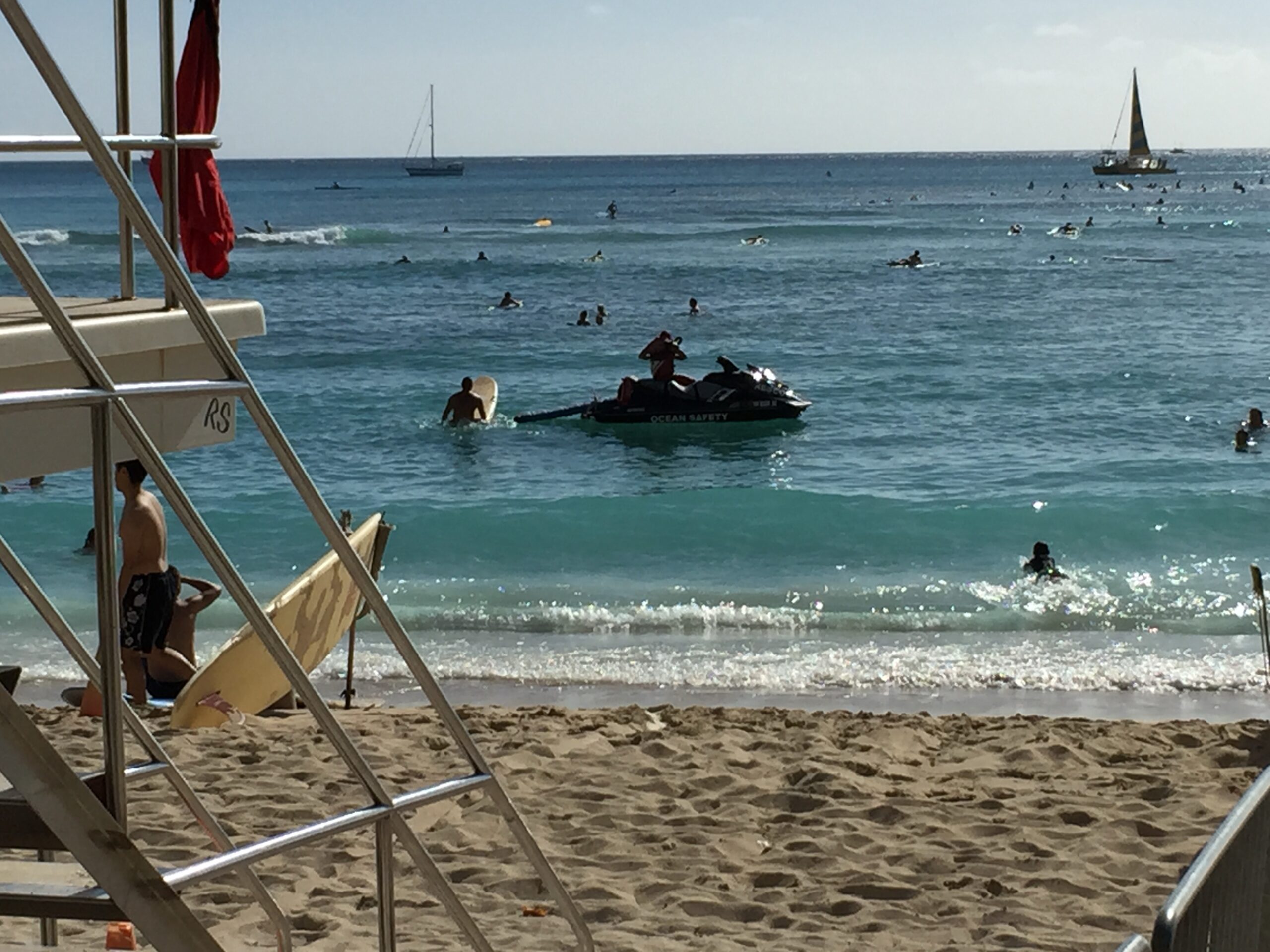
For Surfers: Oahu’s North Shore constitutes the epicenter of professional surfing worldwide.

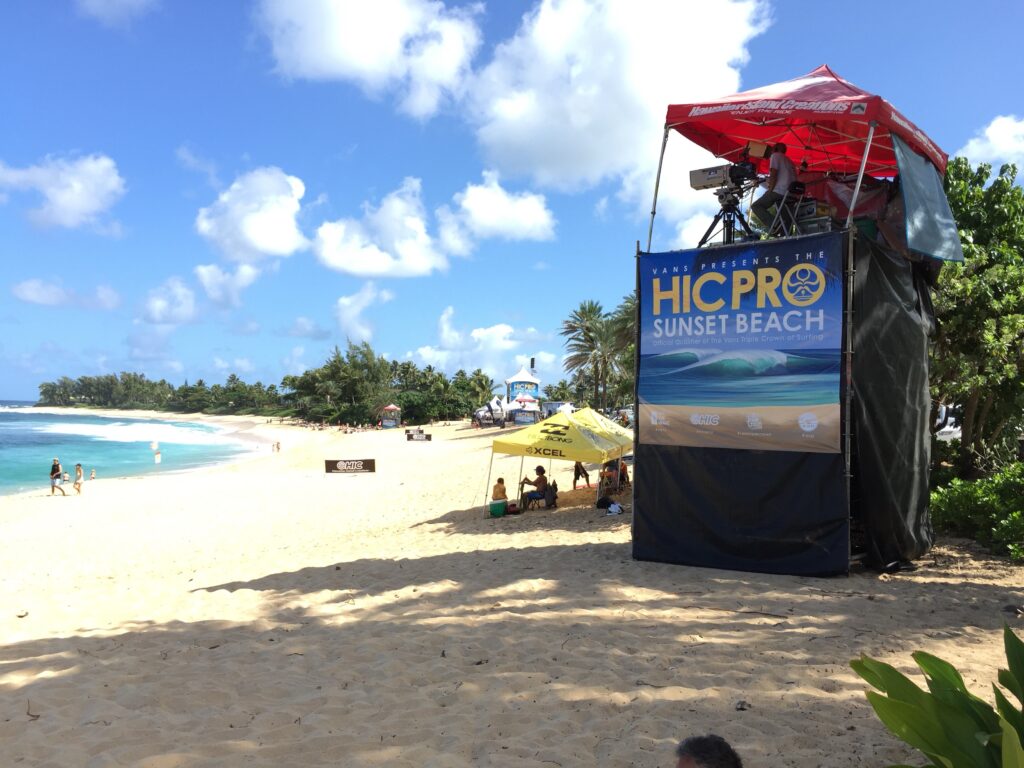
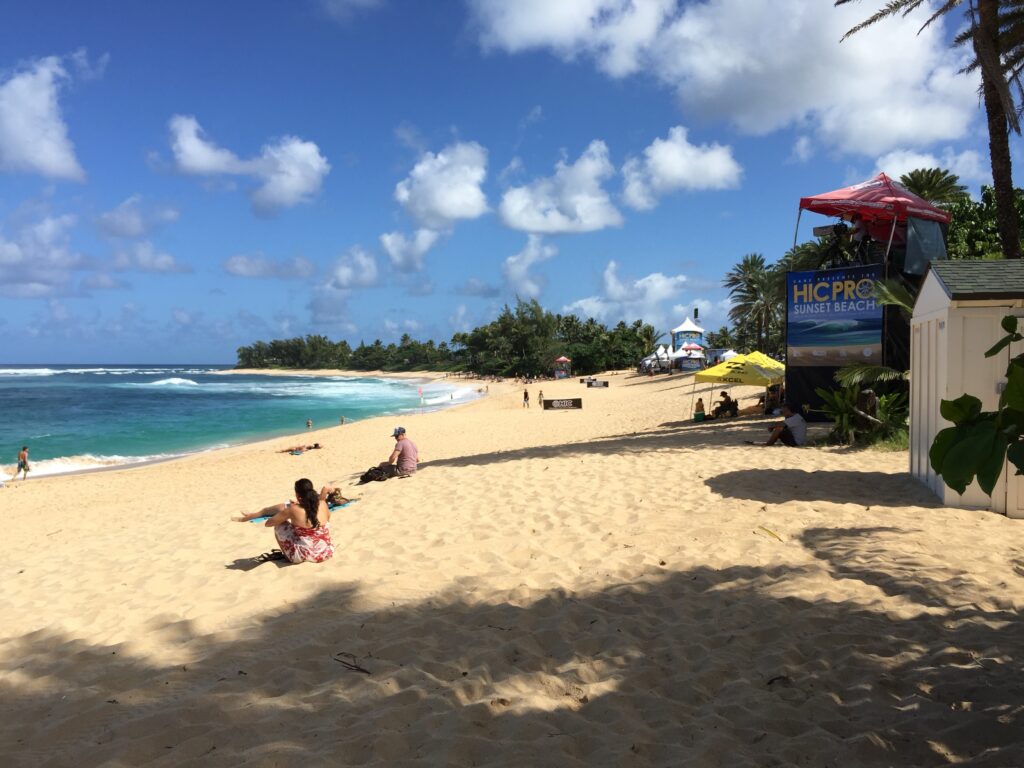
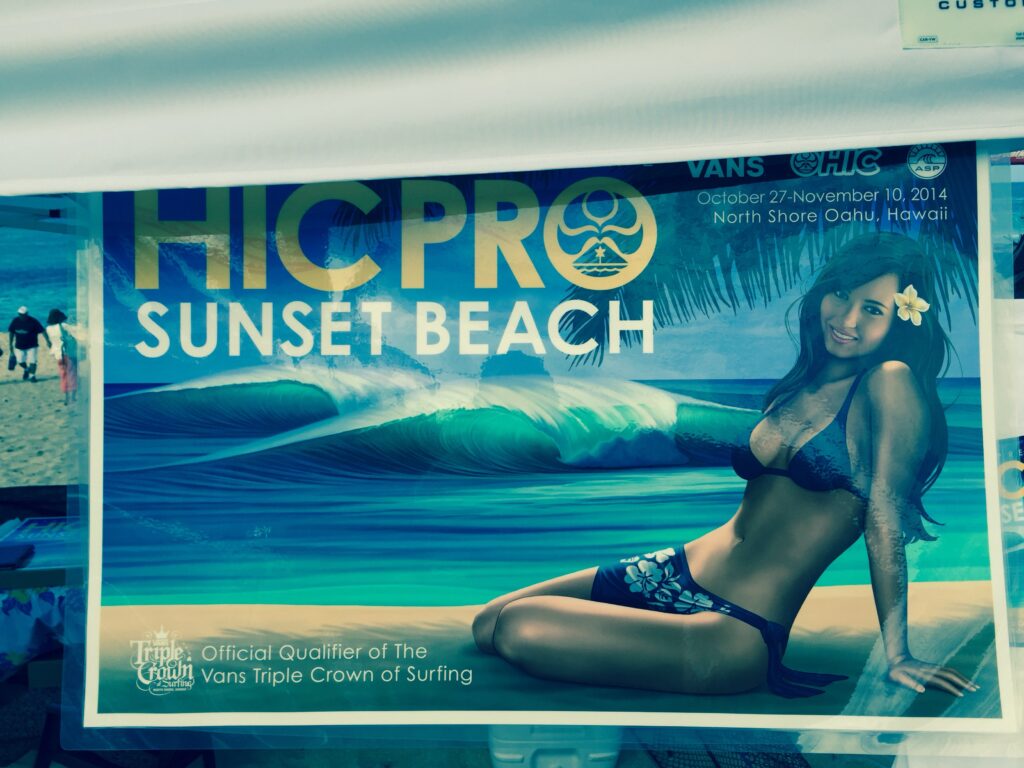
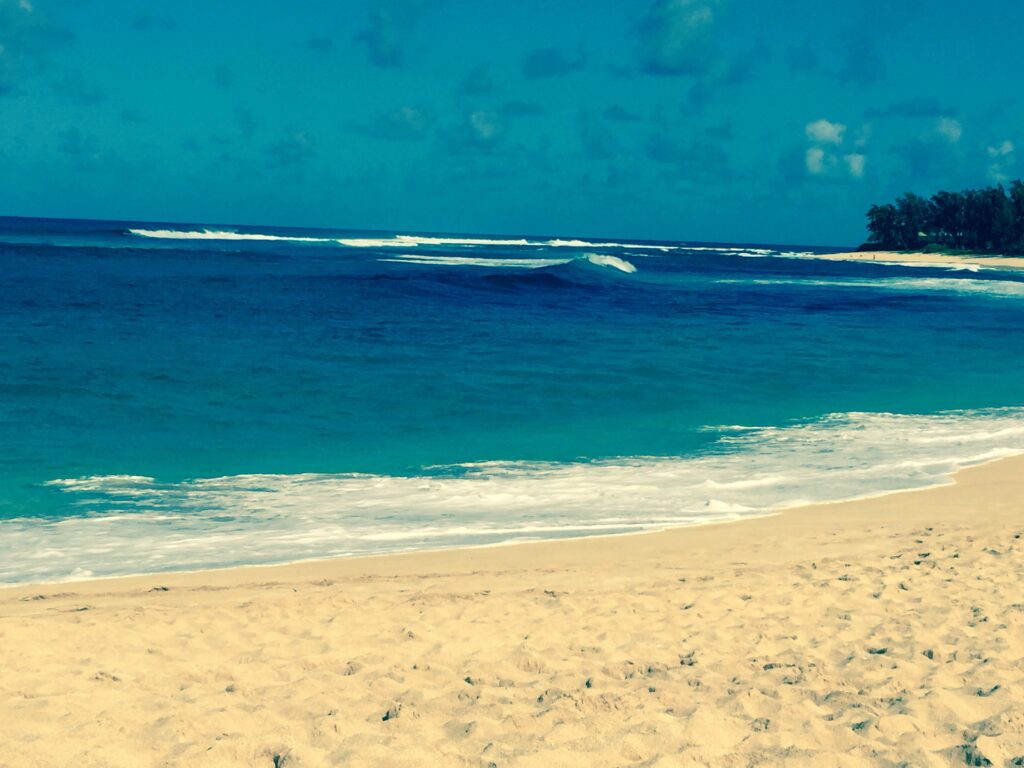
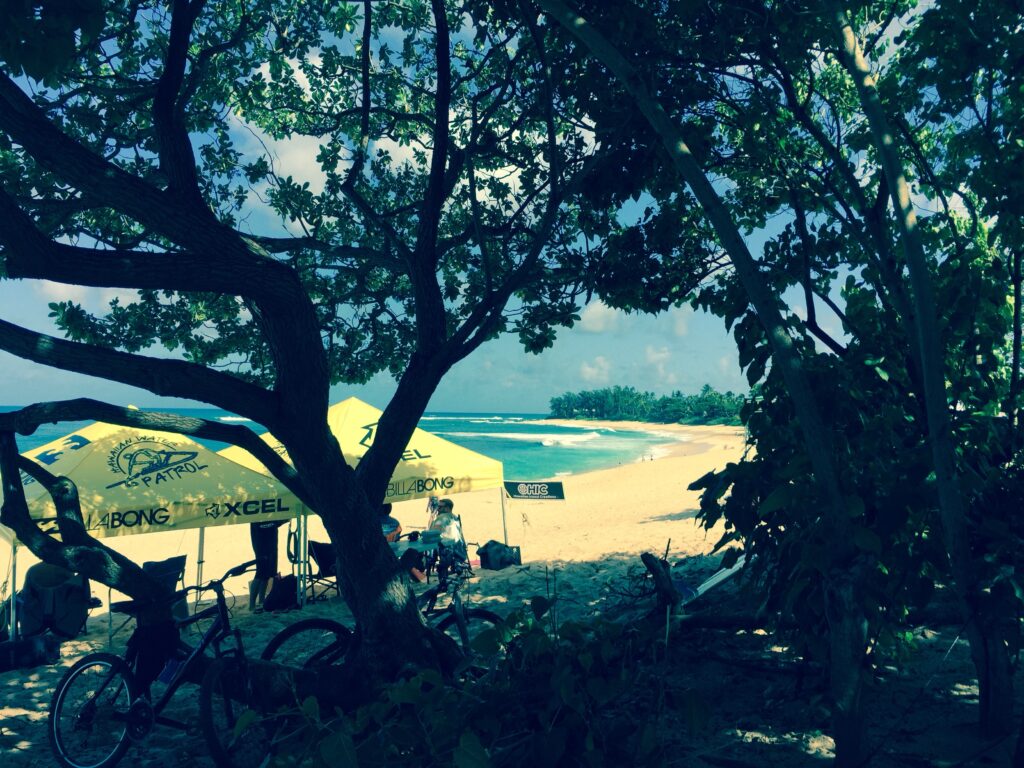
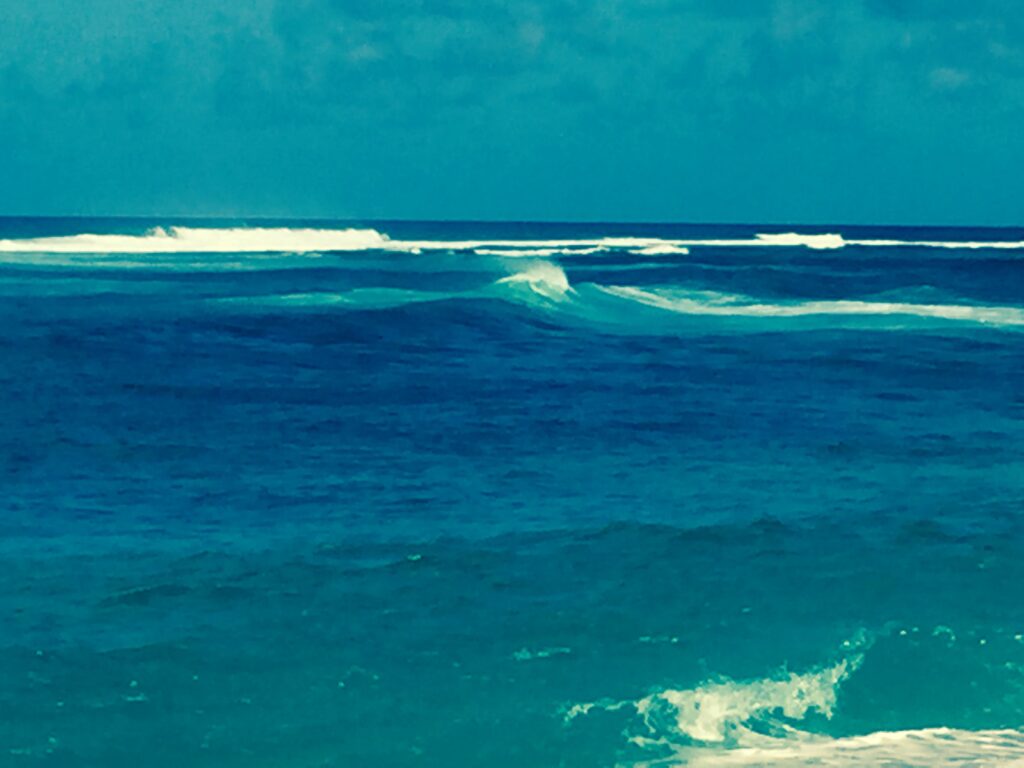
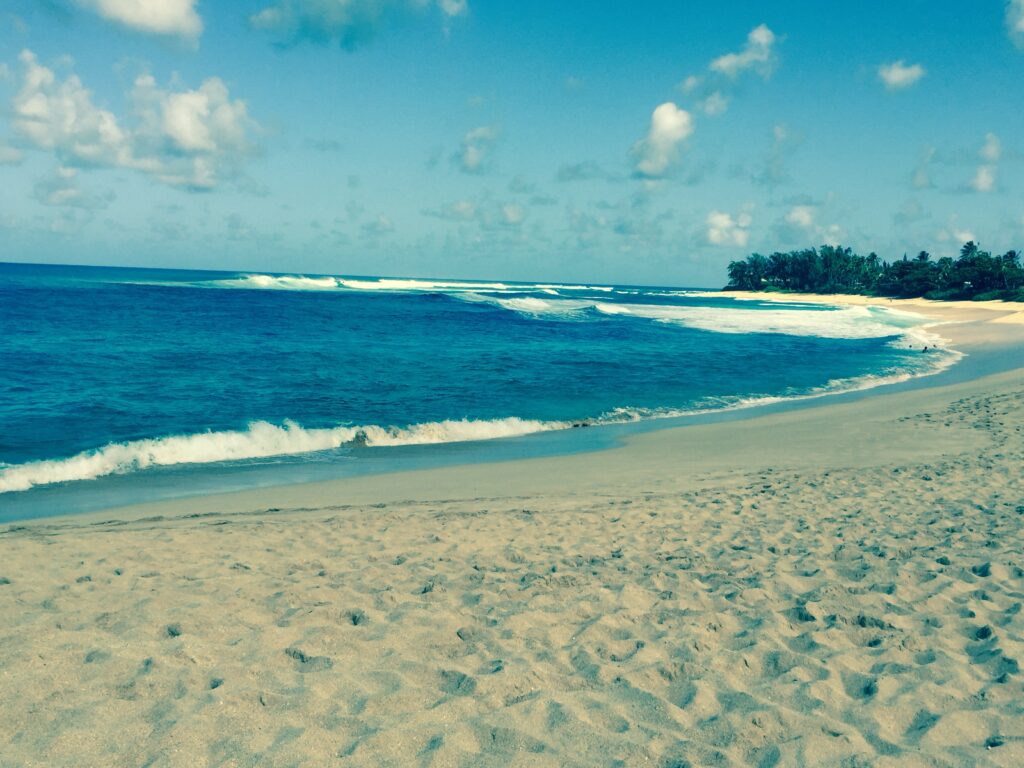
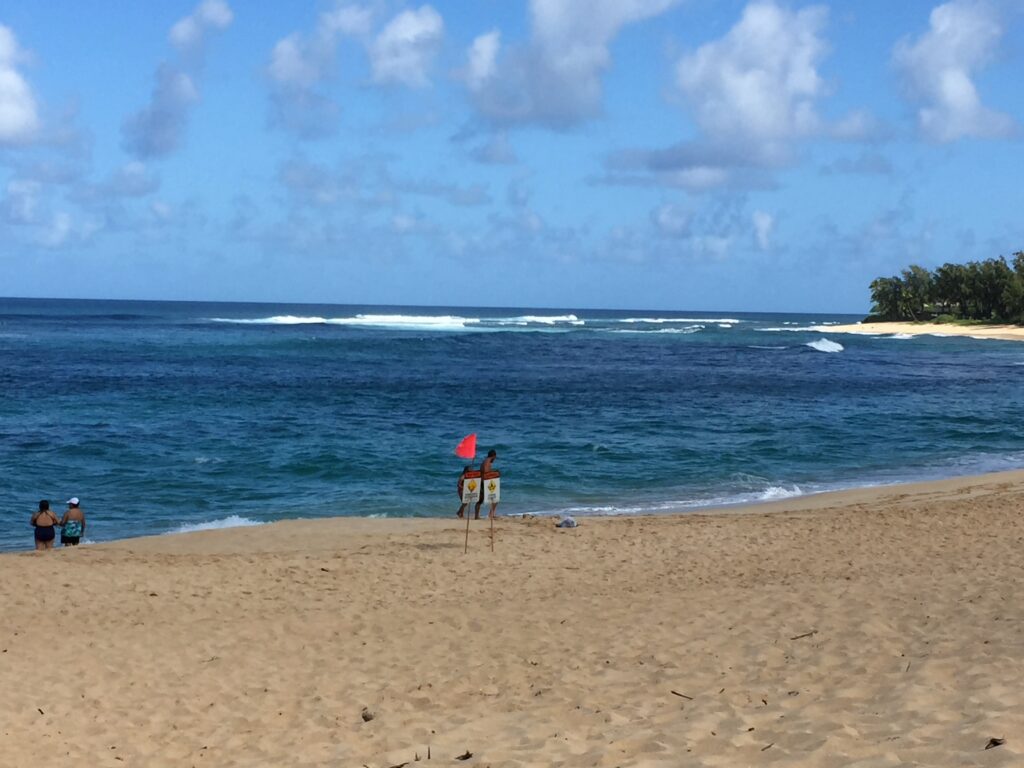
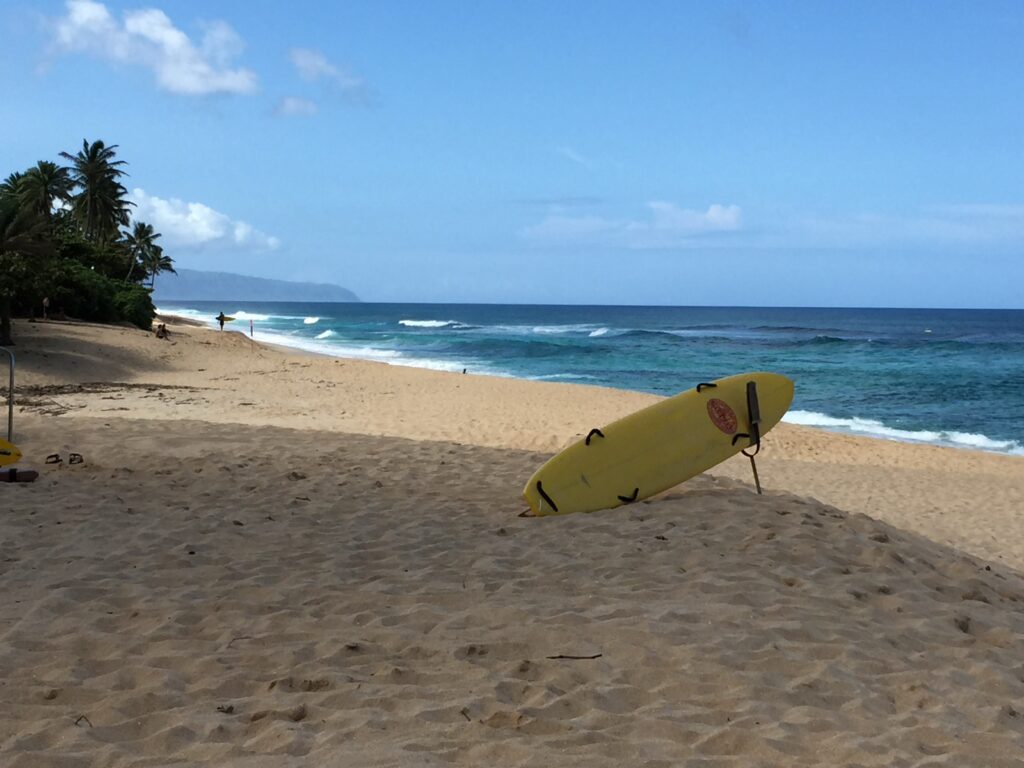
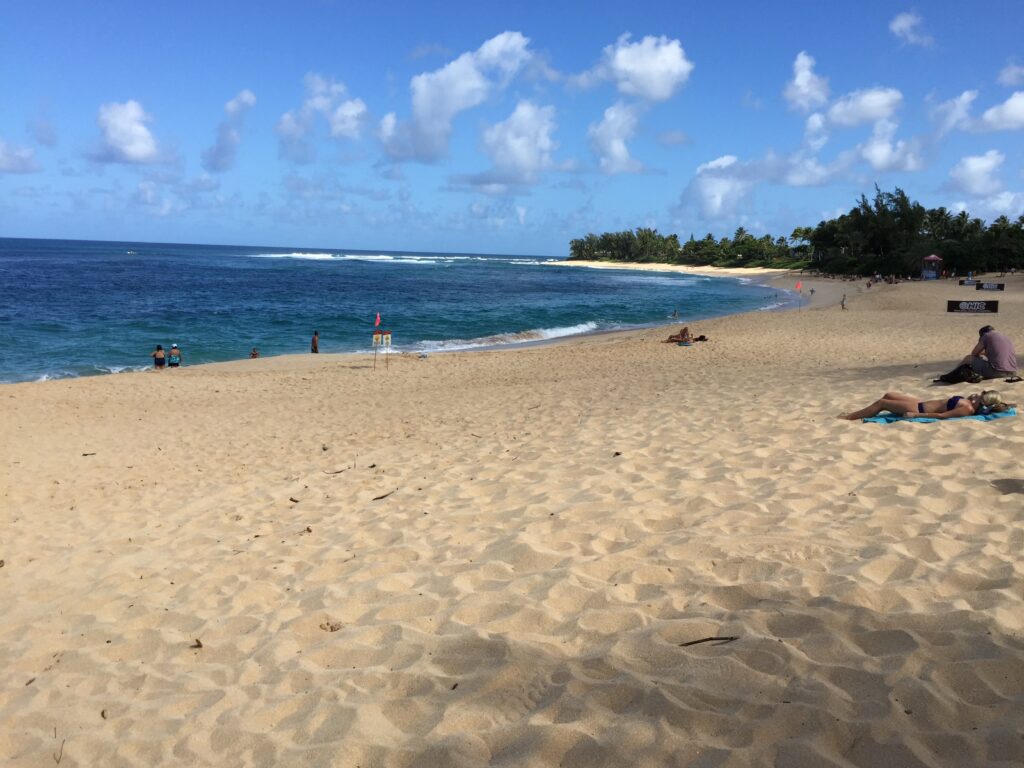
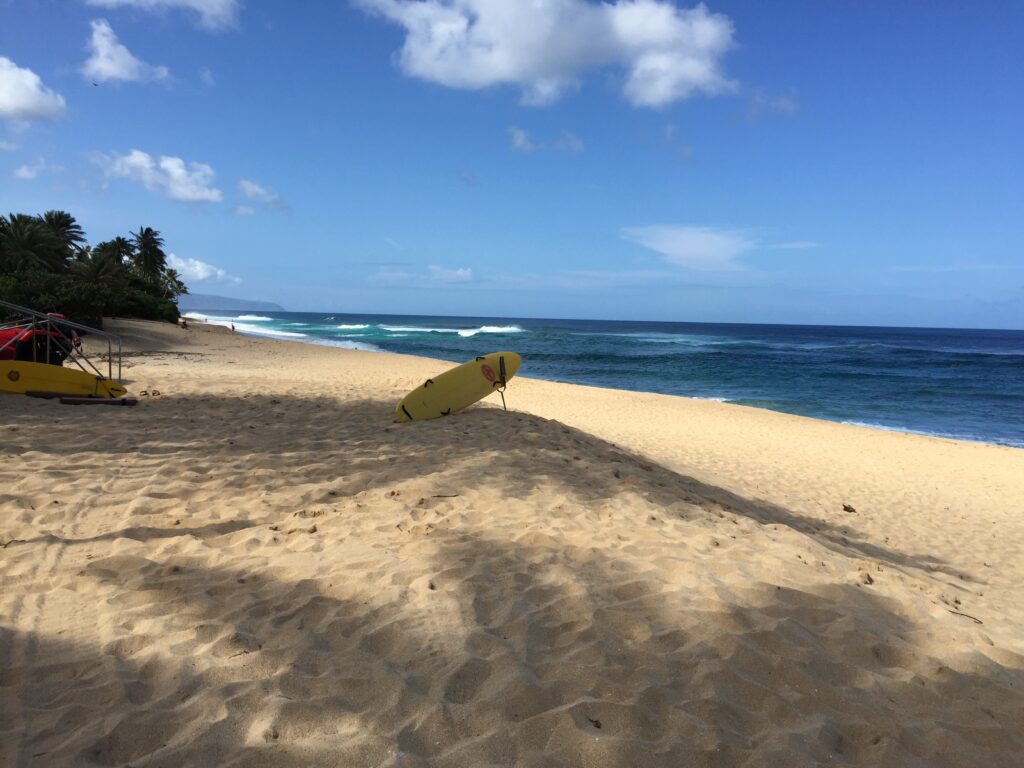
Sunset Beach, a powerful deep-water right-hand wave, serves as the ultimate training ground for big wave surfers and frequently plays host to massive winter swells where riders on massive guns sometimes wait hours to catch a single wave. The beach can experience severe erosion during extreme surf episodes, with 30- to 40-foot waves creating dramatic 20-foot sand cliffs along the bicycle path. Pua’ena Point and Chun’s Reef Beach offer manageable conditions for intermediate and beginner surfers. Winter months from December through January produce the most consistent and largest swells, attracting the world’s elite surfers for competitions and training.

Best Overall for Oahu: Historians and surfers should prioritize Oahu for its unmatched concentration of WWII sites and professional surf culture.
MAUI (The Valley Isle)
Maui represents Hawaii’s most balanced island, offering luxury resort experiences alongside dramatic geological features and superior natural amenities. Geologically, Maui was once significantly larger—”Maui Nui” exceeded 5,600 square miles before glacial changes and erosion submerged the valleys connecting its two major volcanic systems, leaving the characteristic valley that inspired the island’s sobriquet.
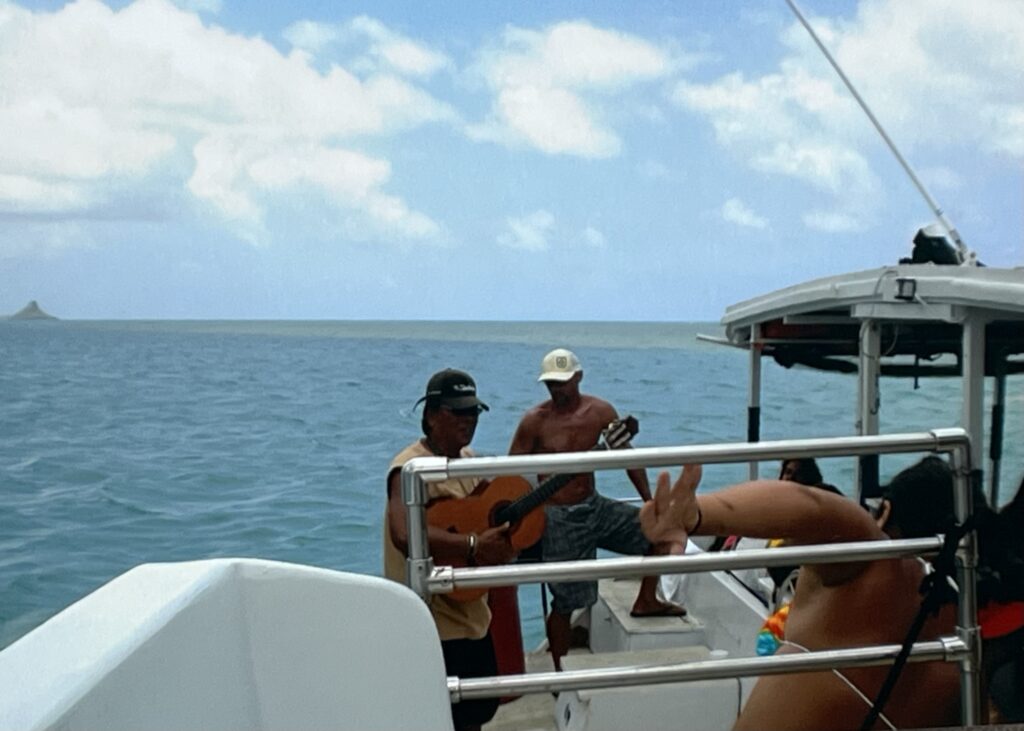
For Historians: Maui contains fewer archaeological sites than the Big Island but preserves important cultural locations including traditional Hawaiian settlement sites and post-contact plantation era structures reflecting the Lahaina whaling era. The island served as a launching point for King Kamehameha’s conquest of the Hawaiian islands.
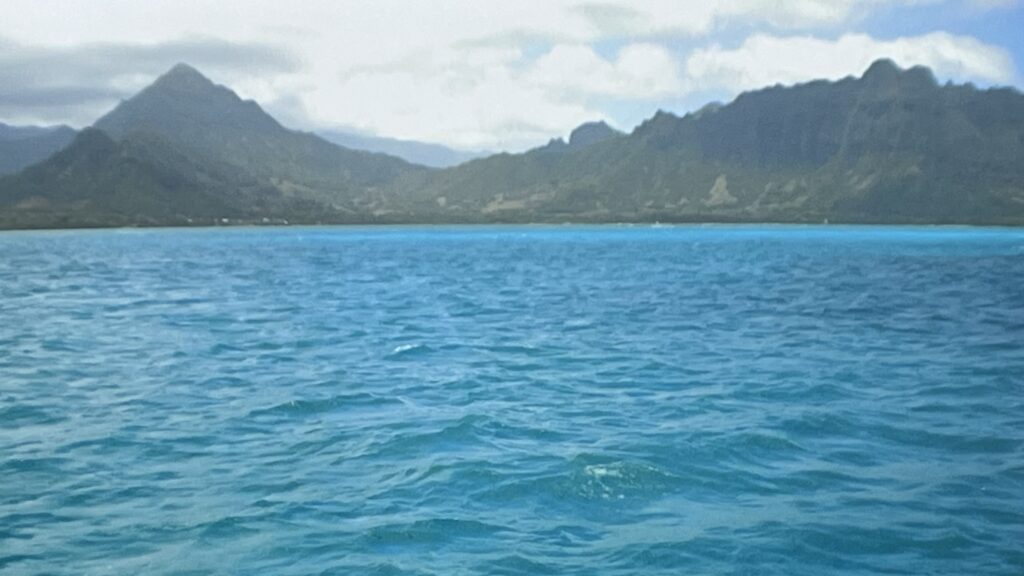
Most of Haleakala is positioned below the ocean. From its base on the ocean floor, the volcano is approximately 30,000 feet tall. Haleakala is currently dormant and is a spectacular spot for the best sunrise views and hiking in Maui.
For Birders: Maui’s endemic species include the Maui ‘alauahio, an endemic Hawaiian honeycreeper restricted to high-elevation native forests, and the critically endangered Kiwikiu. The island’s leeward dry side and windward wet side create ecological diversity supporting different bird communities.noahlangphotography
For Hikers: Haleakala National Park dominates Maui’s trekking opportunities. Haleakala (“House of the Sun” in Hawaiian) soars 10,023 feet above sea level, constituting one of the world’s largest dormant volcanoes with a summit crater cavernous enough to contain the entire Manhattan Island. The crater, often mistakenly thought to be a volcanic caldera, is actually the result of erosion—two enormous valleys carved over hundreds of thousands of years that eventually coalesced into a single vast depression. Within the crater sit beautiful moonlike cinder cones (puʻu in Hawaiian) interspersed with recent black lava flows visible from the summit, creating an otherworldly landscape resembling extraterrestrial terrain. The Kalalau Trail on Kauai’s Napali Coast technically borders Maui but is accessed from Kauai.
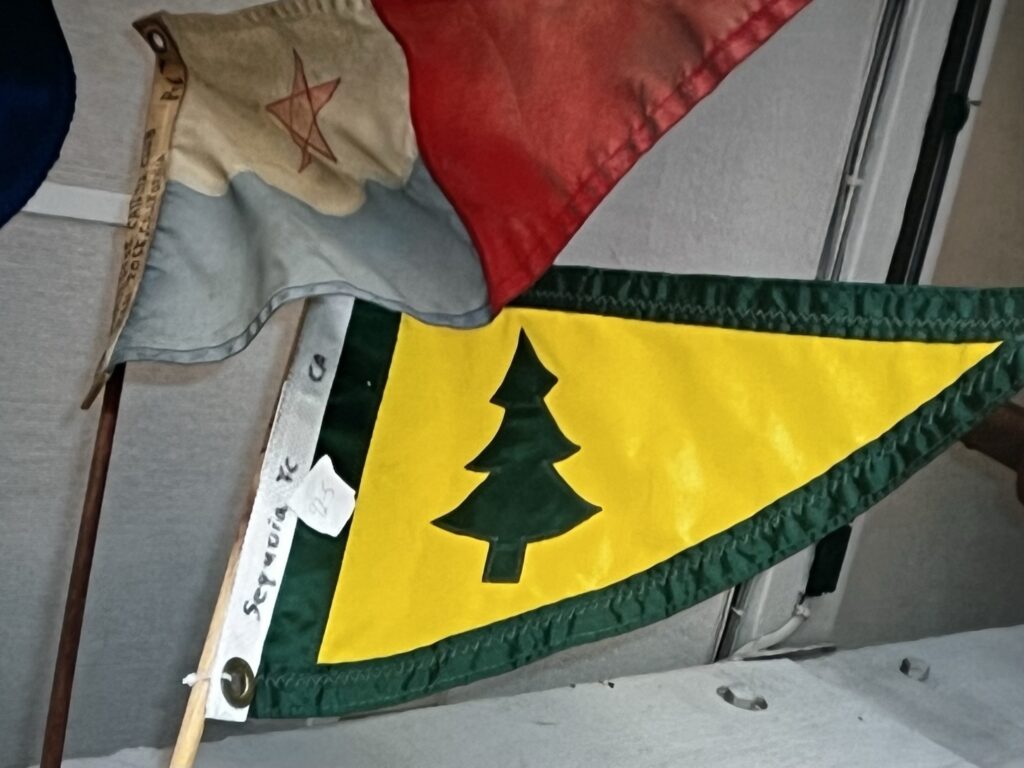
For Sailors: Maui offers excellent sailing conditions with access to traditional trade wind patterns. The island’s leeward (south and west) shores provide protected anchorages and relatively calm waters compared to the windward (north and east) coasts.
For Architects: Maui hosts several world-class resort properties reflecting different design philosophies. Montage Kapalua Bay on West Maui above Lahaina features one-to-four-bedroom suites arranged to maximize Kapalua Bay ocean views, incorporating natural stone, warm wood tones, and tropical landscaping reflecting Hawaiian aesthetic principles. The Grand Wailea Resort demonstrates contemporary luxury design principles with multiple pools, beachfront access, and sophisticated dining facilities including the famous restaurant Humuhumunukunukuapua’a.
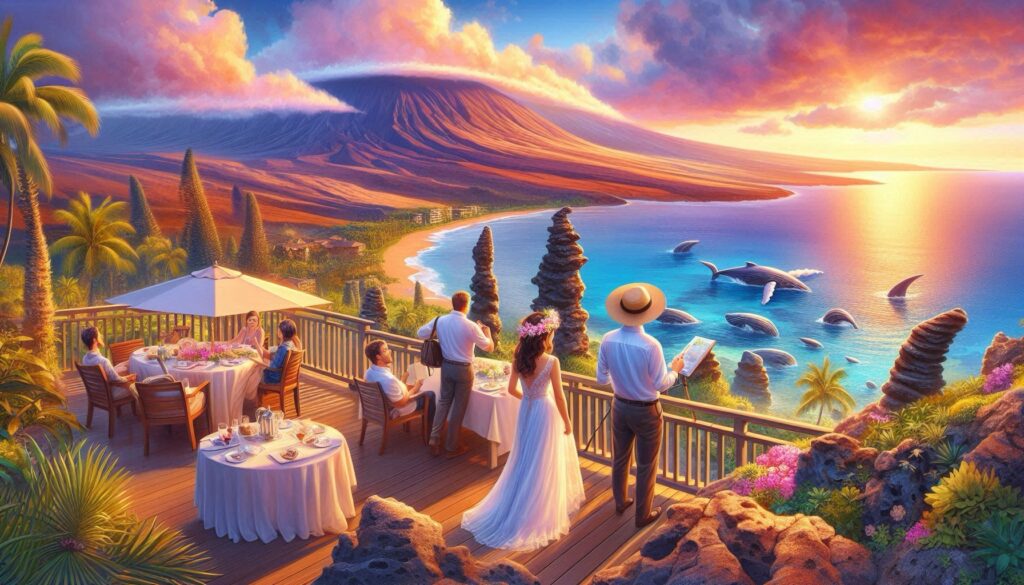
For Honeymooners: Maui ranks as the premier Hawaiian honeymoon destination. Hotel Wailea, Maui’s only adults-only resort, offers a kid-free tranquil environment essential for couples seeking romantic privacy. Montage Kapalua Baycombines privacy with world-class service, featuring a private beach, spa, and the renowned Kapalua Cliff House restaurant overlooking the dramatic Molokai sea cliffs—reputed to be the tallest in the world at approximately 3,500 feet. Fairmont Maui, located on 32 oceanfront acres along the Kona coast (actually the Maui coast), provides championship golf courses, first-rate restaurants, and extensive water sports access. The Grand Wailea offers multiple pools, beachfront setting, and the opportunity to experience whale watching during winter months when humpback whales migrate to Maui waters for breeding.
For Geologists: Haleakala represents an extraordinary geological destination. As a shield volcano of the Hawaiian hot spot system, Haleakala demonstrates all stages of Hawaiian volcanism. The volcano measures approximately 10,023 feet above sea level, but if one includes the 19,680 feet of underwater foundation,
Nestled on the island of Maui, you’ll find the world’s largest dormant volcano: Mount Haleakala. This mammoth volcano forms over 75% of Maui and its summit stands at a staggering 10,023 feet above sea level.
The Haleakala summit sits above cloud cover 10,023 feet above the ocean, creating a unique atmospheric environment so quiet that it has been measured as one of the quietest places on Earth—a threshold of human hearing.
Haleakala technically surpasses Mount Everest’s height by about 675 feet. The crater features evidence of ancient glaciation dating to 180,000 years ago with subsequent glacial episodes, visible in glacially polished rock surfaces, moraines, and till deposits. The cinder cones visible within the crater, called puʻu, represent more recent volcanic activity that has occurred since the main erosional valley formation. Black lava flows from these recent eruptions create stark contrasts against the reddish cinder cones, forming a landscape that NASA researchers have studied as an analog for Martian geology.
Most of Haleakala is positioned below the ocean. From its base on the ocean floor, the volcano is approximately 30,000 feet tall. Haleakala is currently dormant and is a spectacular spot for the best sunrise views and hiking in Maui.
For Surfers: While Maui is not primarily known for big wave surfing like the North Shore of Oahu, it offers excellent reef breaks and beach breaks. Ho’okipa Beach on the windward side hosts professional windsurfing and kitesurfing competitions. Various breaks along the leeward coast provide intermediate to advanced surfing opportunities.
Best Overall for Maui: Honeymooners and those interested in geology should prioritize Maui. The combination of luxury resorts, the spectacular Haleakala volcanic landscape, and whale watching experiences creates the most balanced resort experience among Hawaiian islands.
KAUAI (The Garden Isle)
Kauai, the oldest inhabited Hawaiian island at 4-5 million years old, represents the pinnacle of natural beauty and geological diversity. Unlike younger islands that remain actively volcanic, Kauai’s age has permitted extensive erosion to create dramatically sculpted cliffs, deep canyons, and verdant valleys that characterize the island’s nickname.
For Historians: Kauai preserves important archaeological sites including Wailua River State Park, which contains numerous Hawaiian cultural and religious sites. The island was the site of Captain Cook’s first Hawaiian landing in January 1778 at Waimea. Ancient Hawaiian settlement patterns and agricultural systems (particularly lo’i kalo—taro patches organized through complex water management) remain visible in Wailua Valley and other windward locations. The island resisted conquest by Kamehameha I longer than other islands, remaining independent until 1810 when King Kaumuali’i agreed to join the unified kingdom.kauai
For Birders: Kauai represents the premier Hawaiian birding destination, hosting the highest concentration of endemic Hawaiian honeycreepers and waterbirds. Endangered species endemic to Kauai include the ‘ākikiki (critically endangered Hawaiian creeper), ‘ākekeʻe (critically endangered kauai amakihi relative), and the puaiohi (Kauai thrush, endangered). The Kauai ‘elepaio is an endemic monarch flycatcher found only on this island. The ‘anianiau, the smallest Hawaiian honeycreeper, is endemic to Kauai and found primarily in high-elevation forests. Kauai’s lush windward side supports native forest ecosystems that harbor these species. The island’s Kōkeʻe State Park and surrounding reserve lands protect critical habitat.
For Hikers: Kauai offers some of Earth’s most spectacular and challenging hiking. The Kalalau Trail stretches 22 miles round-trip as one of the world’s most difficult and renowned backpacking routes. Originally built in the late 1800s as a footpath linking traditional Hawaiian settlements, the trail now serves as nearly the sole land access to the Napali Coast’s remote valleys. The trail traverses five major valleys before ending at Kalalau Beach, flanked by sheer fluted cliffs rising thousands of feet above the Pacific.
The route demands serious preparation. The first two miles to Hanakapiai Beach present moderate difficulty with scenic coastal views. Beyond Hanakapiai Beach, permits are required (available through the Division of State Parks) and the trail becomes dramatically more strenuous. The Hanakapiai to Hanakoa section climbs 800 feet steeply out of Hanakapiai Valley, featuring a switchback entry into a hanging valley ecosystem within the Hono o Na Pali Natural Area Reserve. This section traverses narrow trail sections with steep drop-offs directly to the ocean, requiring extreme caution. The final five miles from Hanakoa to Kalalau become progressively drier with less shade, crossing jagged emerald sea cliffs with numerous stream crossings providing respite and water access.noahlangphotography+2
Beyond the Kalalau Trail, Waimea Canyon, often called the “Grand Canyon of the Pacific,” offers hiking trails with panoramic views of dramatically eroded geological formations rising thousands of feet. Multiple waterfalls accessible by shorter hikes including Wailua Falls and Opaekaa Falls provide easier alternatives.koloalandingresort
For Sailors: The Nawiliwili Yacht Club in Lihue, Kauai (808-742-2512) provides sailing access on the leeward side. Nawiliwili Harbor offers relatively protected anchorage. The windward coast experiences significant trade wind influence and rougher conditions.
For Architects: Kauai offers fewer large resort developments than other islands, maintaining a more rural character. The island’s architecture reflects plantation-era structures and residential designs rather than grand resort complexes.
For Honeymooners: Kauai appeals to couples seeking seclusion and natural romance rather than luxury resort experiences. The island’s relative lack of development, verdant landscapes, and tranquil atmosphere create an intimate environment. Grand Hyatt Kauai on the south shore offers an alternative to Maui’s more crowded resorts, featuring the Anara Spa, net fishing experiences, hula classes, and private dining options. Koloa Landing Resort on the south shore emphasizes relaxation with spa facilities, activities like s’mores by the fire, and intimate poolside experiences.haleiwatown+2
For Geologists: Kauai demonstrates the long-term geological processes of Hawaiian island evolution. The island’s elevation is lower than younger islands (maximum elevation ~5,200 feet at Kawaikini Peak), reflecting the subsidence that accompanies age as the Pacific Plate’s cooling foundation contracts. The Napali Coast’s dramatic fluted cliffs represent the result of stream erosion and wave action operating over millions of years. Waimea Canyon demonstrates massive erosional cutting through volcanic rock sequences, with visible layers representing different eruptive episodes separated by weathering and erosion phases.wikipedia+1
For Surfers: While Kauai is not primarily a big wave surfing destination like Oahu’s North Shore, the north shore experiences winter swells producing quality beach breaks and reef breaks. The island’s consistent trade wind patterns can create challenging conditions, but protected leeward breaks offer opportunities.
Best Overall for Kauai: Hikers seeking the ultimate challenge and birders pursuing endemic Hawaiian species should prioritize Kauai. The Kalalau Trail represents one of Earth’s most spectacular hikes, and the island’s concentration of endangered endemic birds makes it unparalleled for birding.
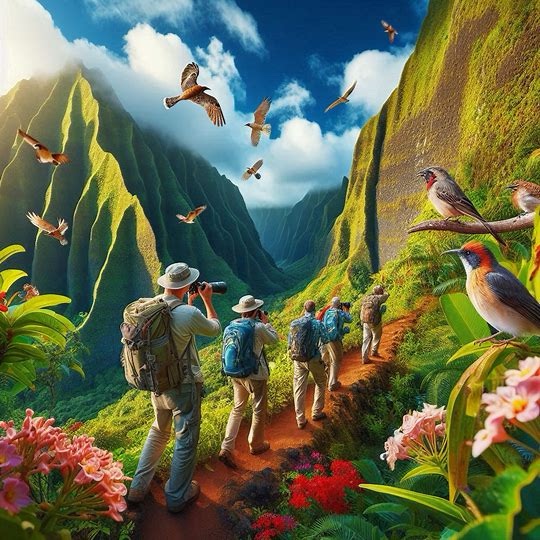
HAWAII ISLAND / BIG ISLAND (The Orchard Isle)
The Big Island, youngest and largest of the Hawaiian archipelago—nearly twice as large as all other islands combined—remains geologically active with Earth’s most accessible active volcanism available to tourists.
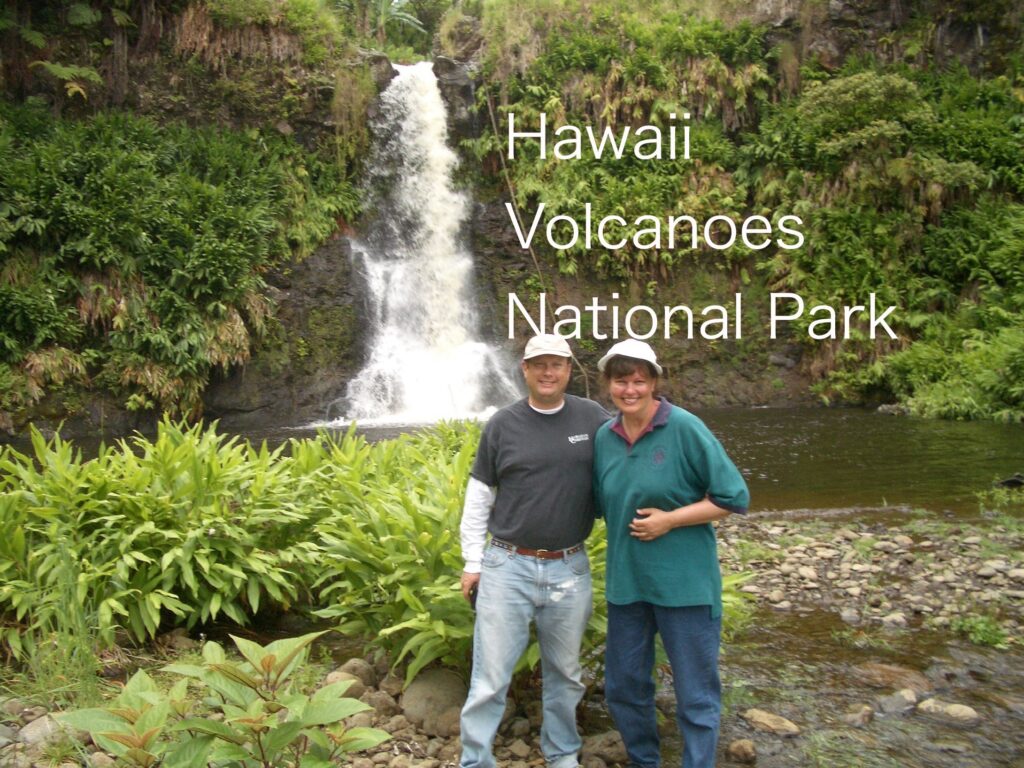
The Big Island is the youngest of the eight main Hawaiian Islands. As its name suggests, it is the largest island as well.
The Big Island is home to two of the most active volcanoes in Hawaii: Kilauea and Mauna Loa. As such, the island is constantly growing due to the volcanic eruptions from the Kilauea volcano.
Kilauea has been actively erupting since 1983. As the lava flows into the ocean, the Big Island grows around 42 acres per year.
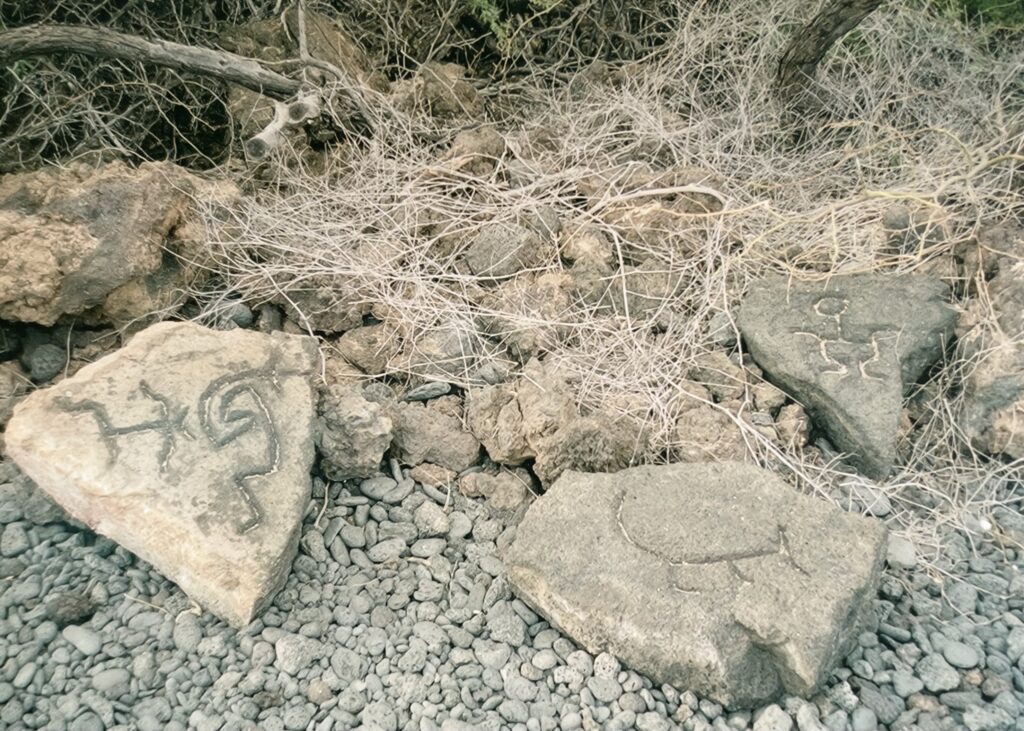
For Historians: The Big Island served as the birthplace of Hawaiian unification under King Kamehameha the Great, who was born in Hawi on the northern Kohala coast. The island contains numerous important archaeological sites including Pu’u o Hōnaunau (Place of Refuge), where lawbreakers could receive sanctuary and religious rehabilitation through established protocols. Mo’okini Heiau, originally constructed in the 5th century and reconstructed in the 13th-14th centuries, represents one of the oldest temples accessible to visitors. Pu’ukoholā Heiau National Historic Site was constructed by Kamehameha I as he unified the islands, serving as a temple for ceremonies of war and worship. The Puako Petroglyph Archaeological Preserve encompasses 223 acres containing more than 3,000 lava rock carvings made by ancient Hawaiians for storytelling, event recording, and artistic expression.
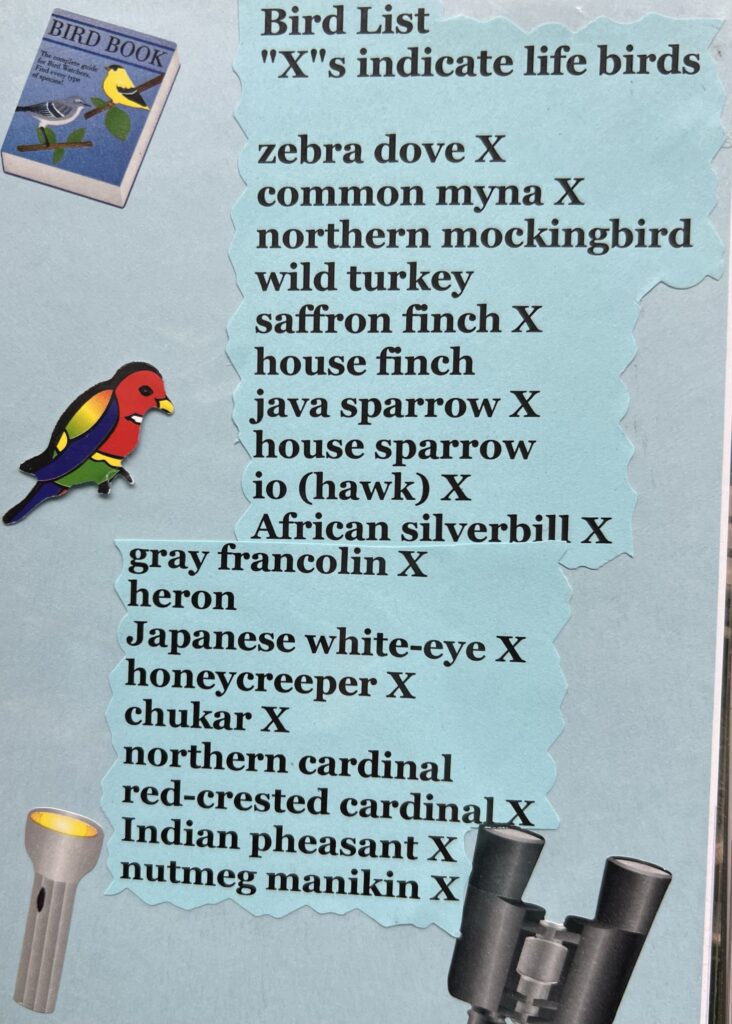
For Birders: The Big Island hosts several endemic species including the ʻapapane (abundant native forest bird recognized by crimson red plumage), Hawaiian honeycreepers including the ʻiʻiwi (one of the most recognizable endemic birds with curved bill for nectar extraction), palila (endangered honeycreeper), and others. Higher elevation forests above 4,000 feet provide the most reliable locations for sighting native forest birds, as these elevations represent zones where introduced avian diseases (particularly avian malaria transmitted by introduced mosquitoes) are less prevalent.northshoreohanaschoolofsurfing
For Hikers: The Big Island offers diverse hiking opportunities from sea-level coastal trails to high-elevation mountain ascents.
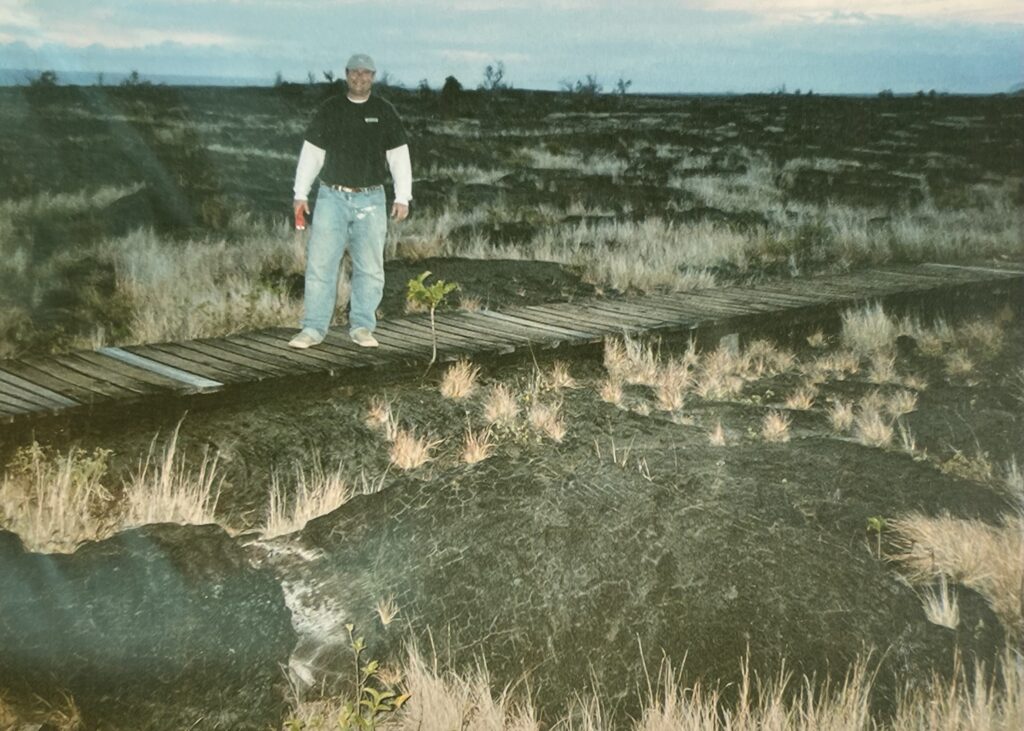
Hawaii Volcanoes National Park encompasses 333,086 acres protecting portions of Kilauea, Mauna Loa, and Kohala volcanoes. Trails range from short walks around active volcanic features to multi-day backpacking treks. Mauna Kea, at 13,796 feet above sea level (with another 17,000 feet of underwater foundation, totaling over 33,000 feet of volcanic mass), offers high-altitude hiking with dramatic views of neighboring islands visible from the summit on clear days.
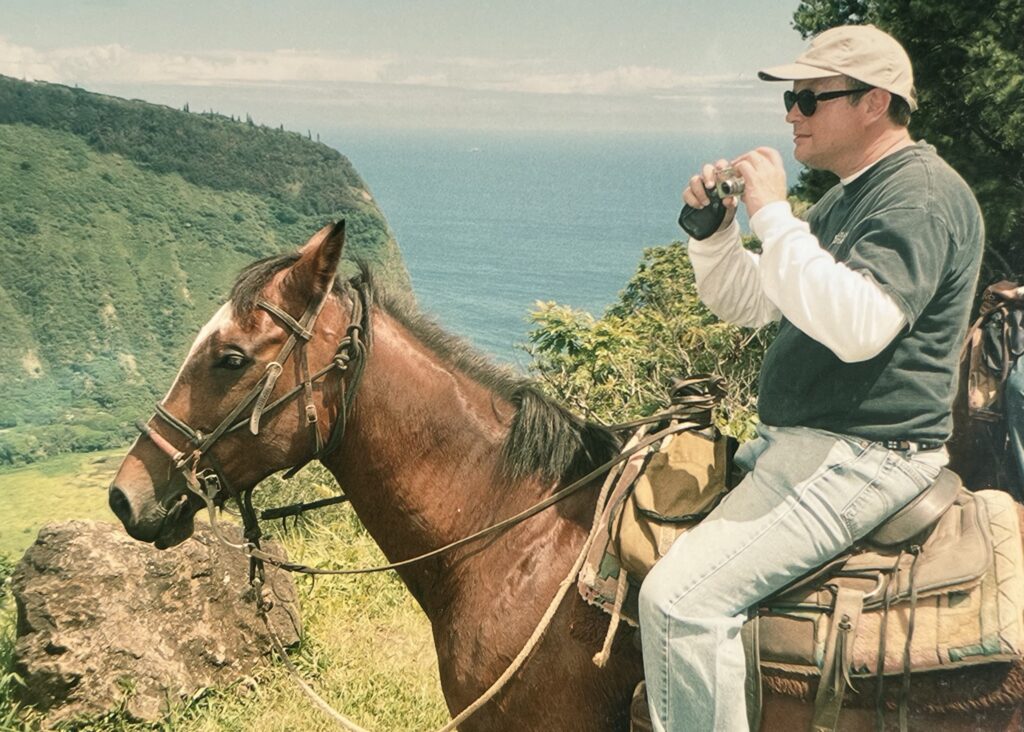
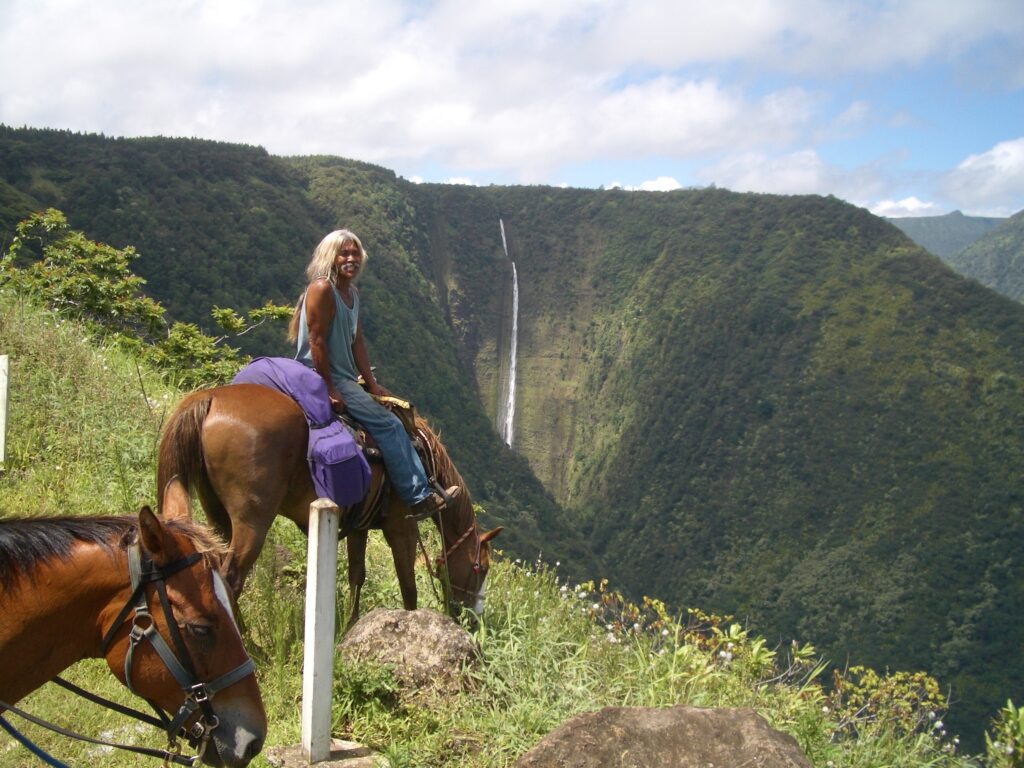
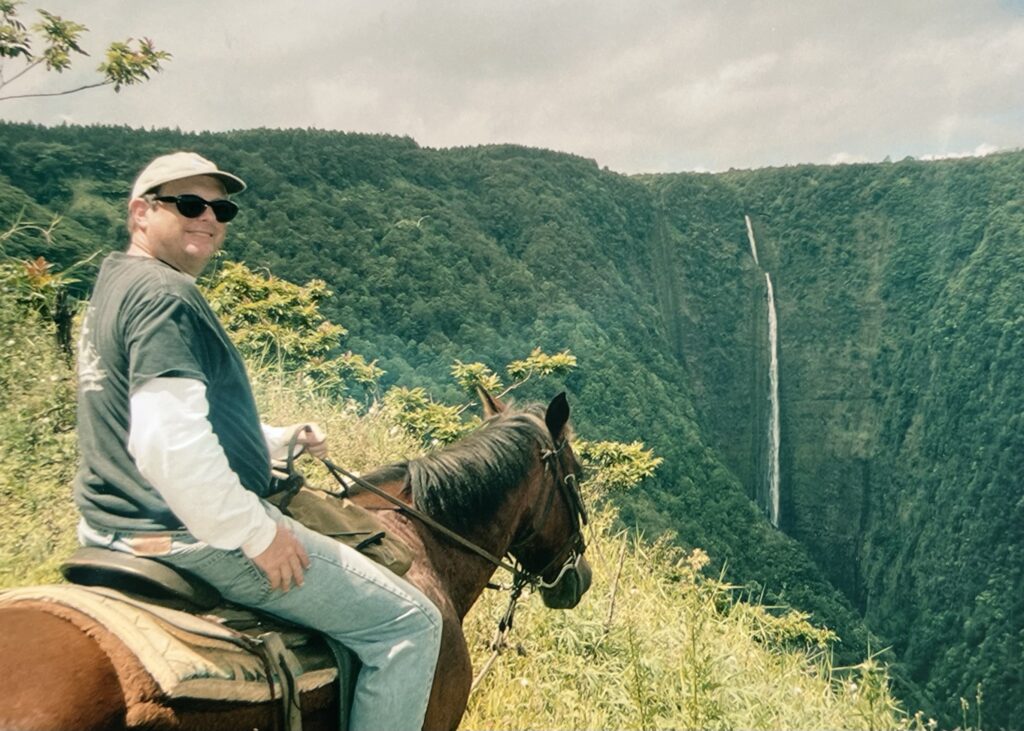
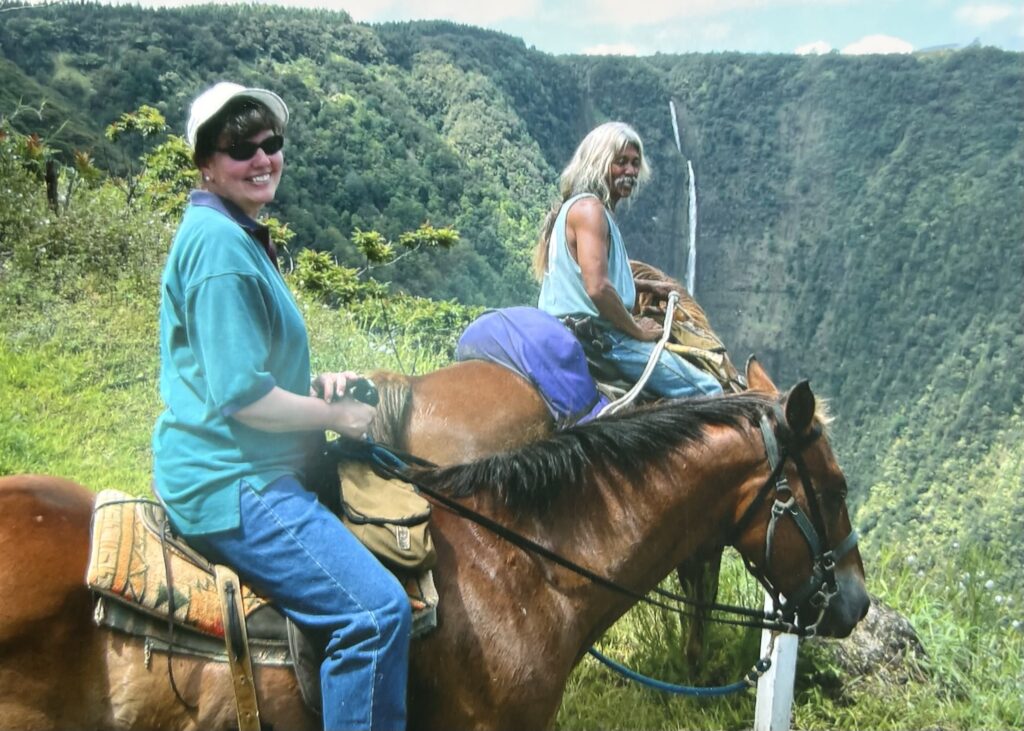
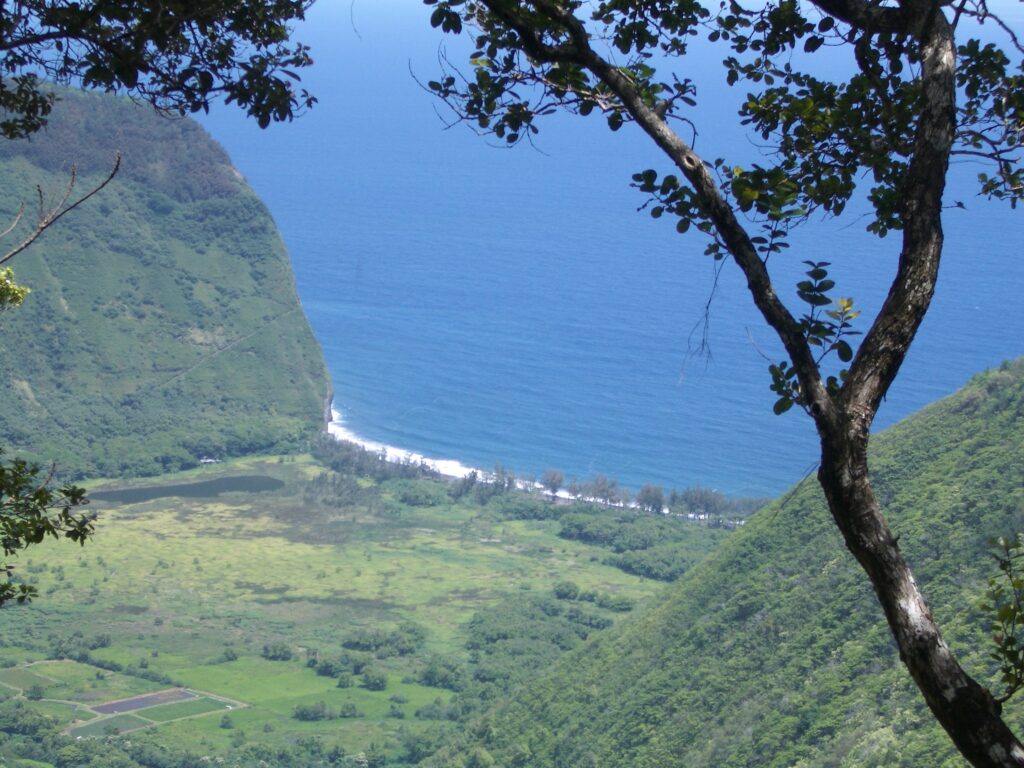
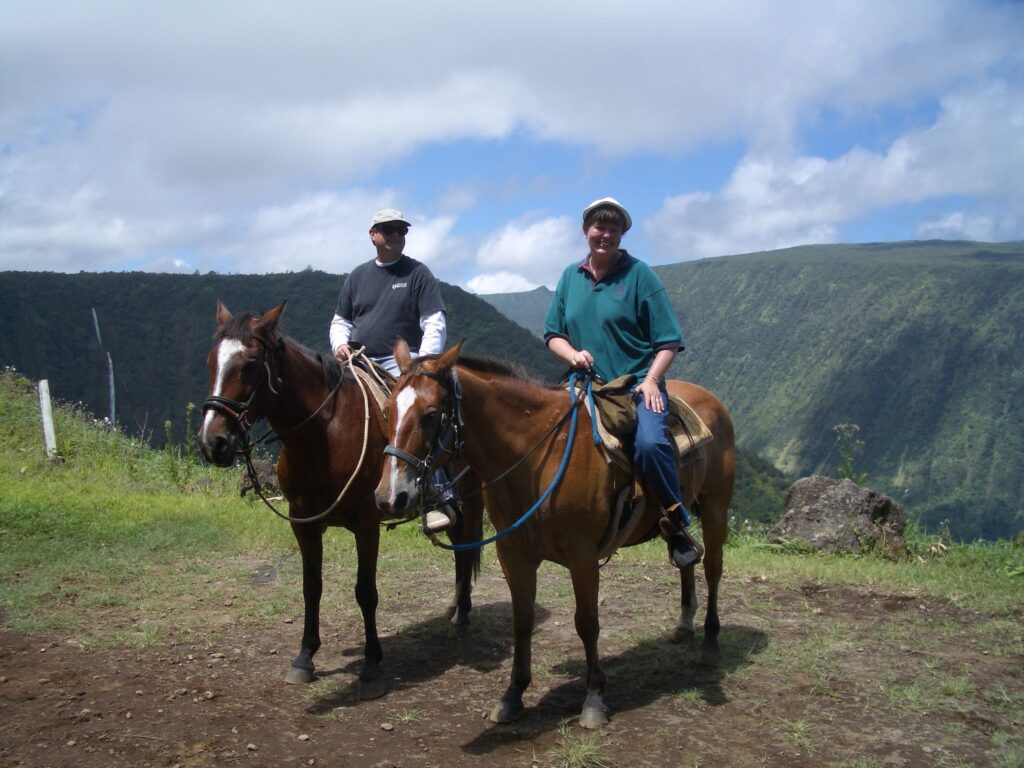
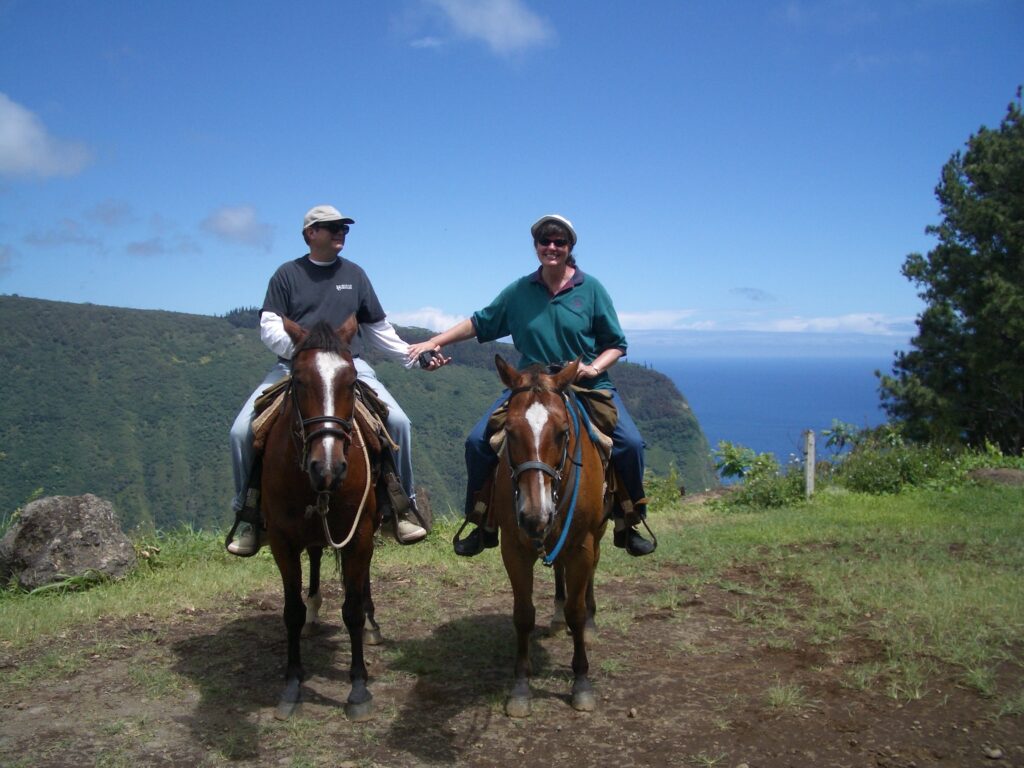
Waipiʻo Valley, accessible by foot or horseback, features lush cliffs, waterfalls, and traditional Hawaiian settlement patterns.science.nasa+1
For Sailors: The Hilo Yacht Club on Hawaii’s windward (wet) side and informal sailing opportunities along the leeward Kona coast serve sailors. The leeward coast offers protection from trade winds and rougher windward conditions.
For Architects: The Big Island features several renowned resort properties. The Four Seasons Resort Hualalai along the Kona coast offers hula classes, lei making, and picture-perfect resort gardens with six swimming pools and self-contained amenities.
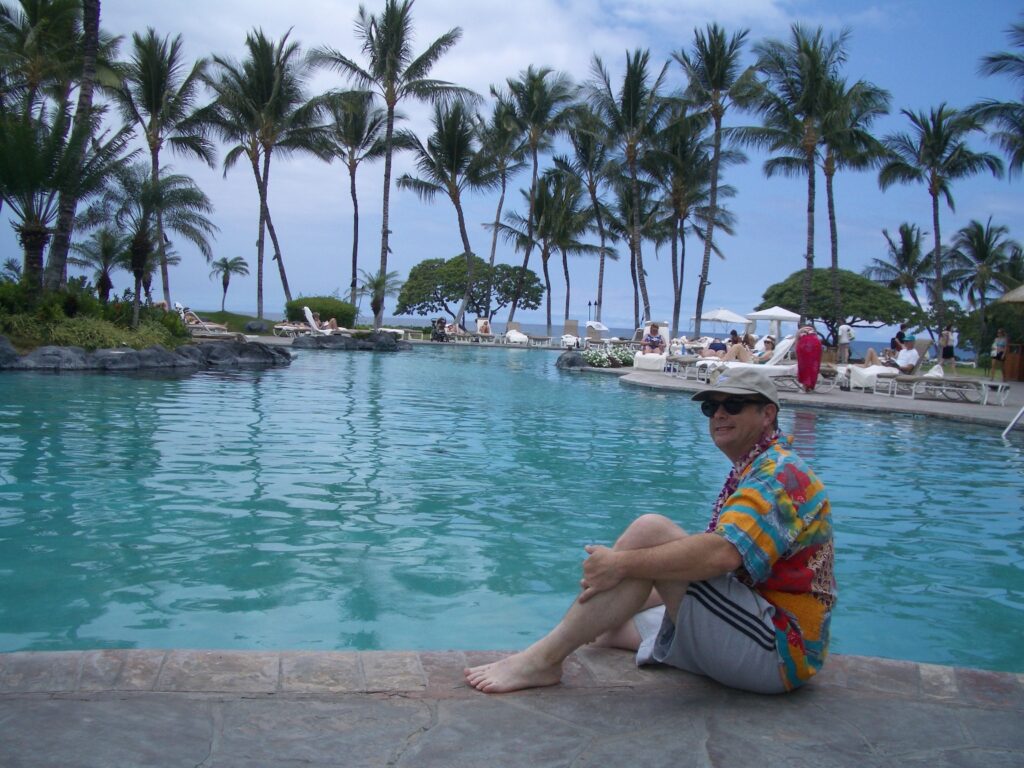
The Mauna Lani on the northwest Kohala coast provides beach clubs, multiple pools, live music, and comprehensive ocean sports programming. The Fairmont Orchid spreads across 32 oceanfront acres with championship golf, restaurants, and water sports.
For Honeymooners: Big Island resorts emphasize natural luxury and activity-based experiences. The Mauna Lani and Four Seasons Hualalai both feature extensive on-site activities and luxury accommodations. The Kona coast’s dry climate provides more reliable sunshine than windward areas.
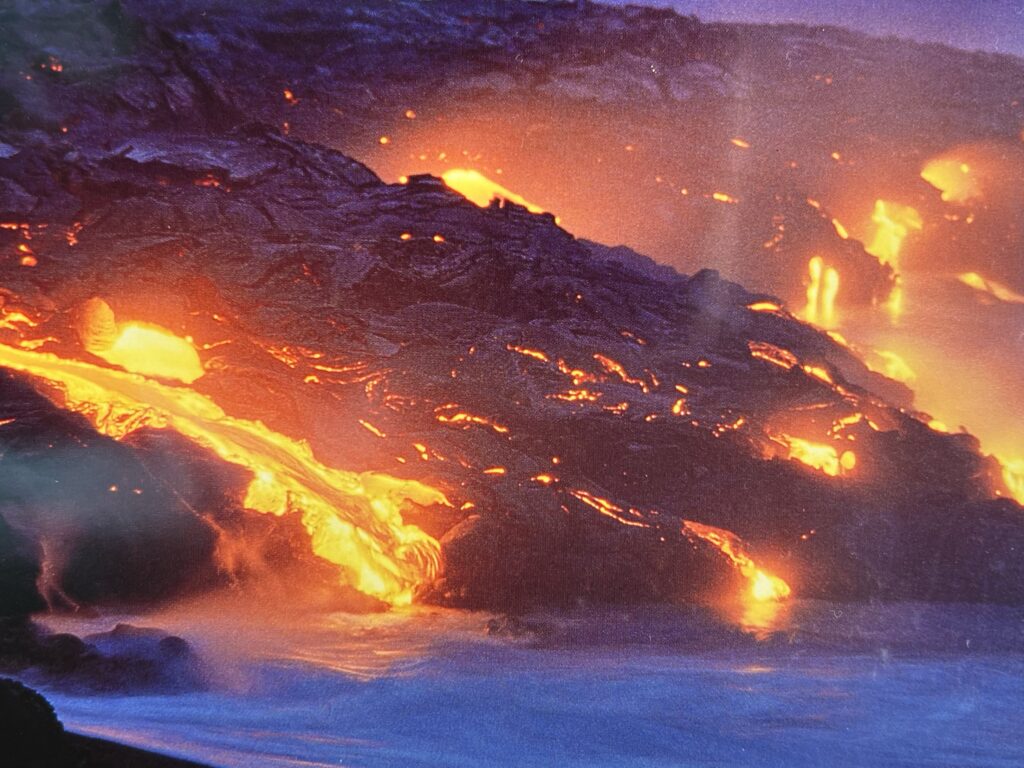
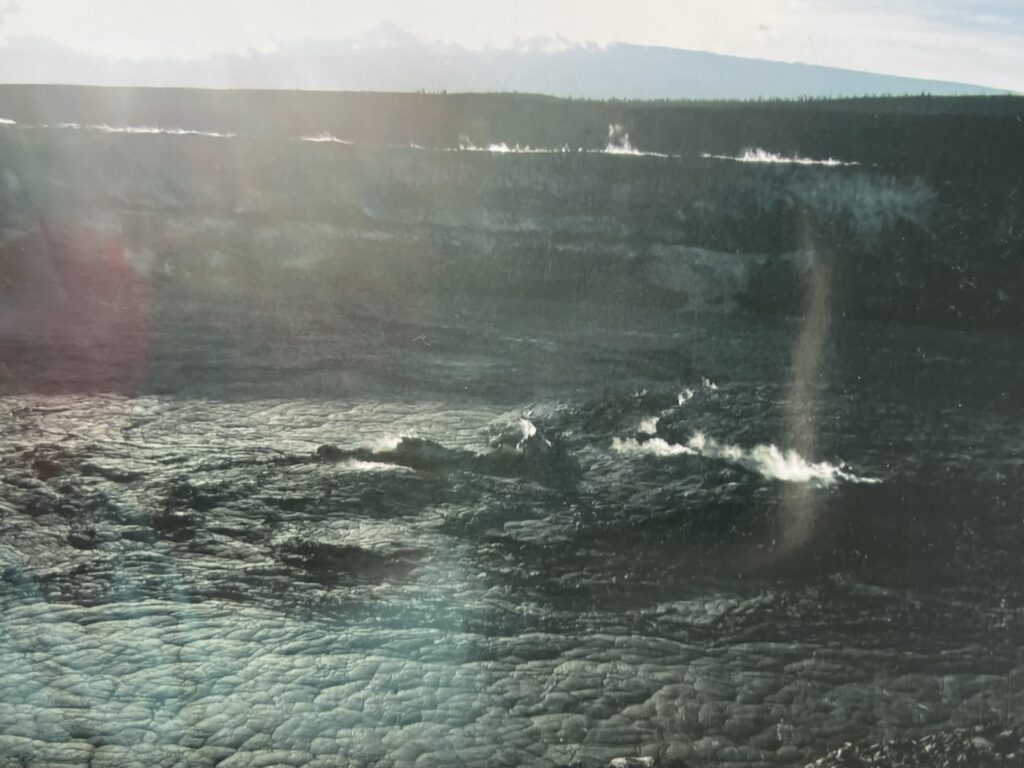
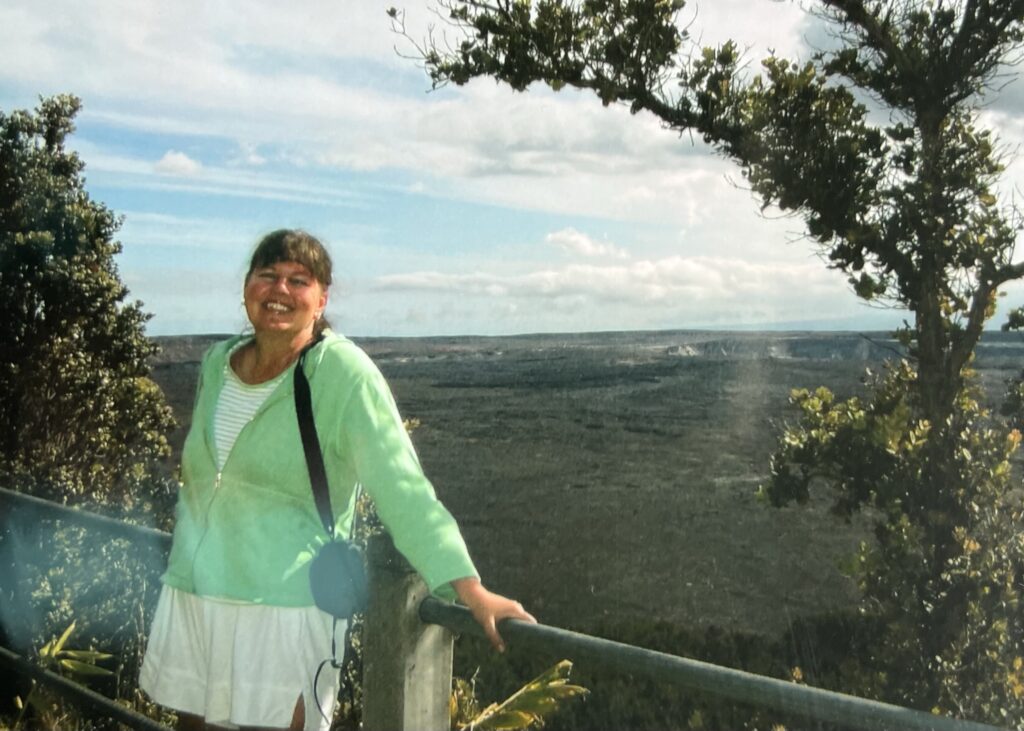
For Geologists: The Big Island represents the most geologically active location in Hawaii and arguably the most accessible active volcanism on Earth for tourists. Kilauea, one of Earth’s most continuously active volcanoes, has erupted repeatedly since recorded history began, with recent eruptions in 2021 and subsequent years. The volcano began as a submarine volcano 50,000-100,000 years ago, gradually growing through successive effusive eruptions before emerging above sea level. Halema’uma’u Crater, approximately 920 meters in diameter and 85 meters deep, represents Kilauea’s most historically active eruption center, frequently featuring a lava lake visible to visitors. The eastern rift zone, the volcano’s most active section, is almost entirely covered in lava flows from the past 400 years.
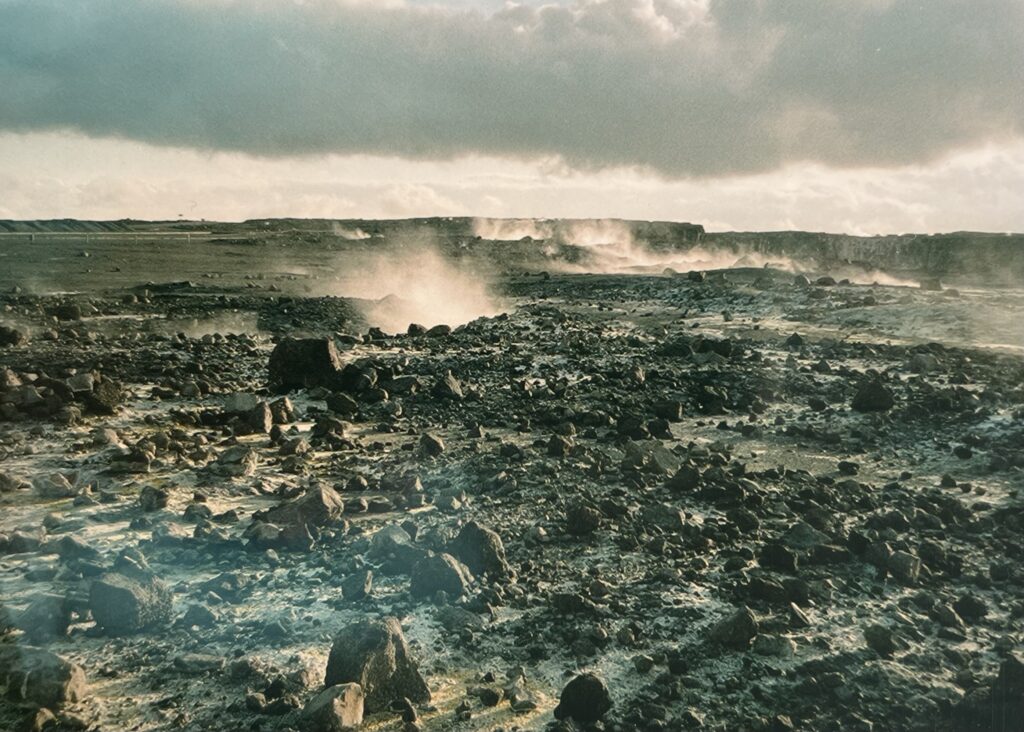
Mauna Loa, the second massive volcano forming the Big Island’s central mass, reaches 13,681 feet above sea level and began erupting simultaneously with Kilauea in November 2022 for the first time since 1984—a rare simultaneous eruption of both volcanoes indicating crustal-level interactions between their magma systems. Mauna Kea, estimated to be 700,000 years old, represents a post-caldera stage volcano that has been geologically dormant for thousands of years but shows evidence of past glaciation with glacially polished surfaces, moraines, and till deposits visible in the summit area.
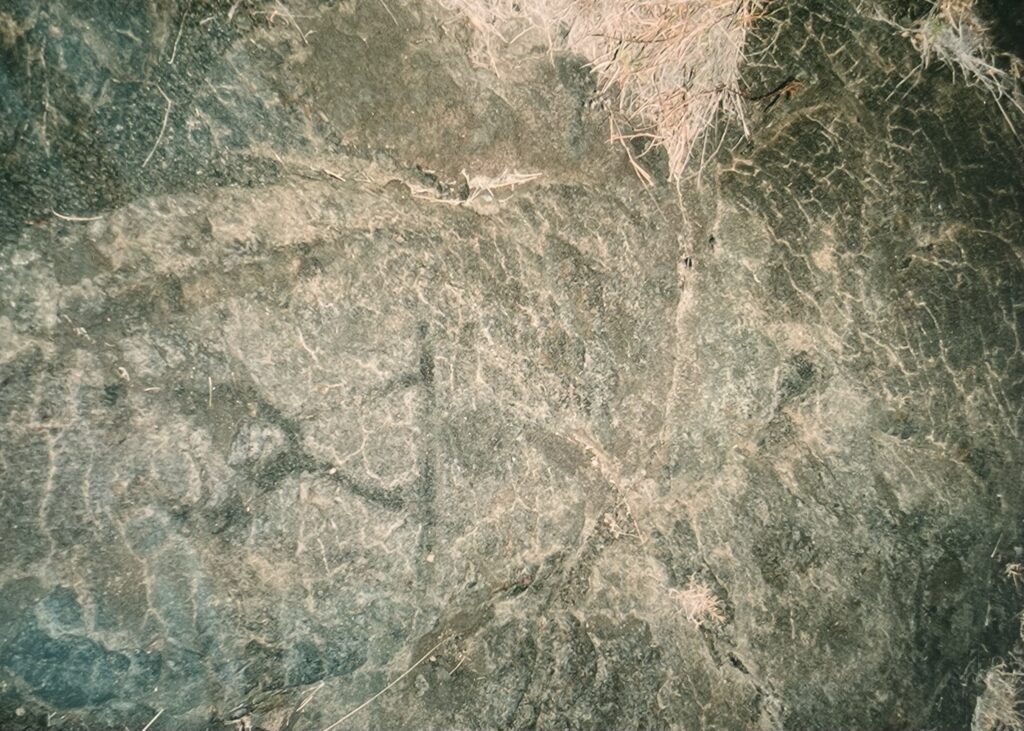
The Big Island’s geothermal features include Pohoiki Warm Springs, Hawaii’s most accessible geothermal destination created after the 2018 Kilauea eruption. Multiple thermal pools formed when lava flows trapped heated spring water behind natural sand barriers, reaching temperatures between 75-100°F depending on the individual pool. The oldest warm pond sits collapsed within a jungle lava tube, maintaining approximately 100°F temperatures, while newer beachfront pools offer shallower options. The island demonstrates how geothermal heat, concentrated along Kilauea’s eastern rift zone, powers these warm springs through volcanic activity still active at depth even where surface eruptions have ceased.
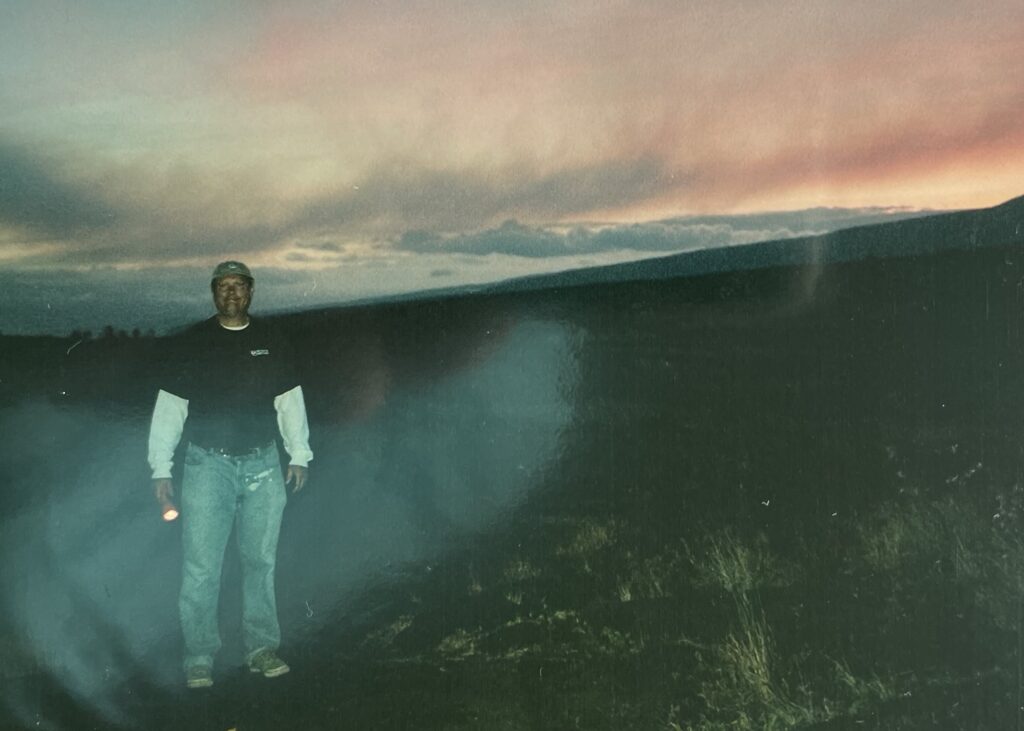
For Surfers: The Big Island’s north shore experiences winter swells, while protected bays on the leeward coast offer calmer conditions. Various reef breaks and beach breaks serve intermediate to advanced surfers.
Waterworld Film Summary and Filming Locations
Film Overview
Waterworld (1995), starring Kevin Costner and directed by Kevin Reynolds, tells the story of a post-apocalyptic flooded Earth. The protagonist, known only as “The Mariner,” is a lone drifter who is a mutant—equipped with gills behind his ears and webbed feet—sailing the endless ocean in a trimaran trading rare soil. When he arrives at a massive floating atoll to trade, his mutation is discovered and he faces execution. However, he is saved by marauding “Smokers”—oil-dependent pirates led by the Deacon (Dennis Hopper)—who attack the atoll seeking a young girl named Enola. Enola’s back bears a tattoo supposedly showing the map to “Dryland,” a mythical undiscovered landmass.
The Mariner is forced to escape with Enola and her foster mother Helen (Jeanne Tripplehorn). The trio journeys across the ocean aboard the Mariner’s trimaran while the Smokers relentlessly pursue them. Despite initial resistance, the Mariner slowly bonds with his companions, particularly with Enola, who views him as a father figure. The climax involves the Mariner infiltrating the Smokers’ base—constructed on the sunken remains of the oil tanker Exxon Valdez—where he battles the Deacon and destroys the vessel by igniting its oil reservoir in an explosion. After rescuing Enola, the Mariner escapes with Helen and the girl to finally discover actual dry land. In a bittersweet conclusion, Helen and Enola choose to settle on the newfound paradise, but the Mariner, a creature inherently suited to the sea, sails away alone to continue his solitary wandering.
The film was plagued by massive cost overruns, becoming the most expensive film ever made at the time with a final budget of approximately $175 million (originally authorized at $100 million but escalating to $135 million by mid-1994). Production was hampered by difficulties filming on open water, with one floating set actually sinking in heavy seas, and the shoot extended from the planned 96 days to over 150 days.wikipedia
Filming Locations and Hawaiian Island
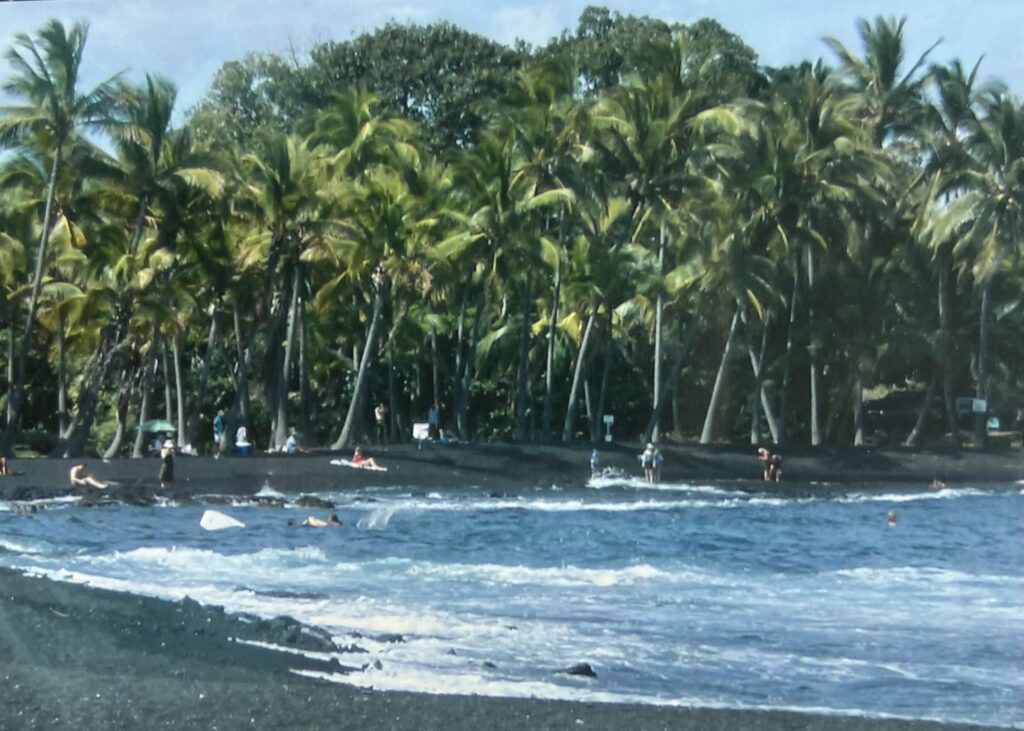
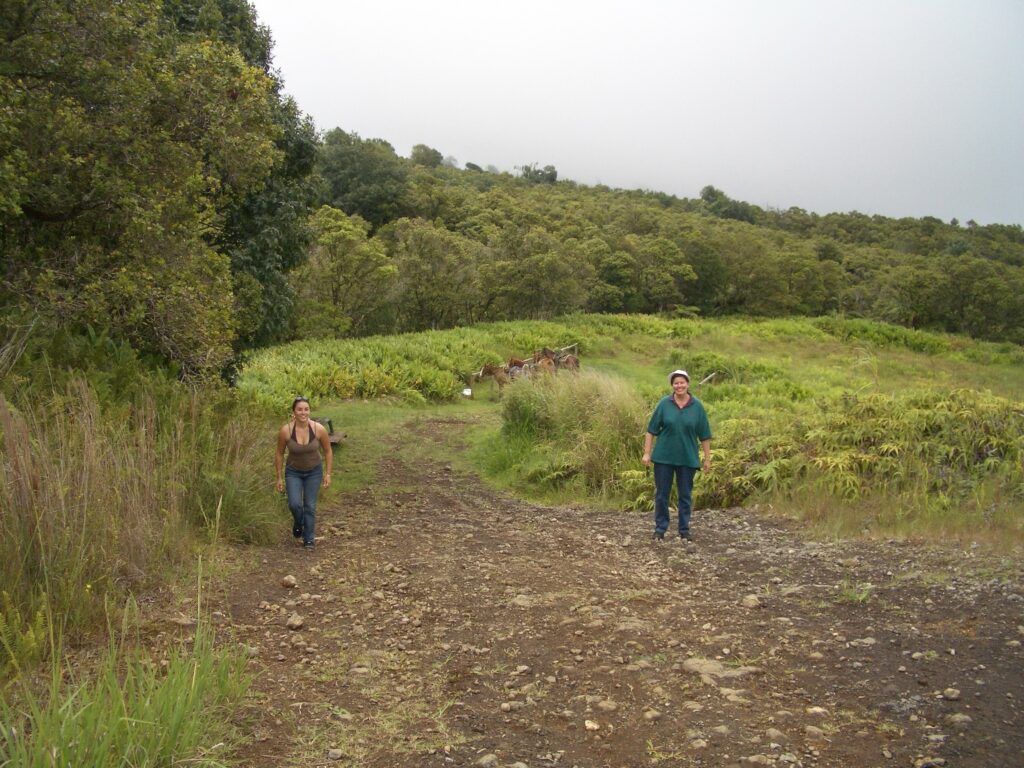
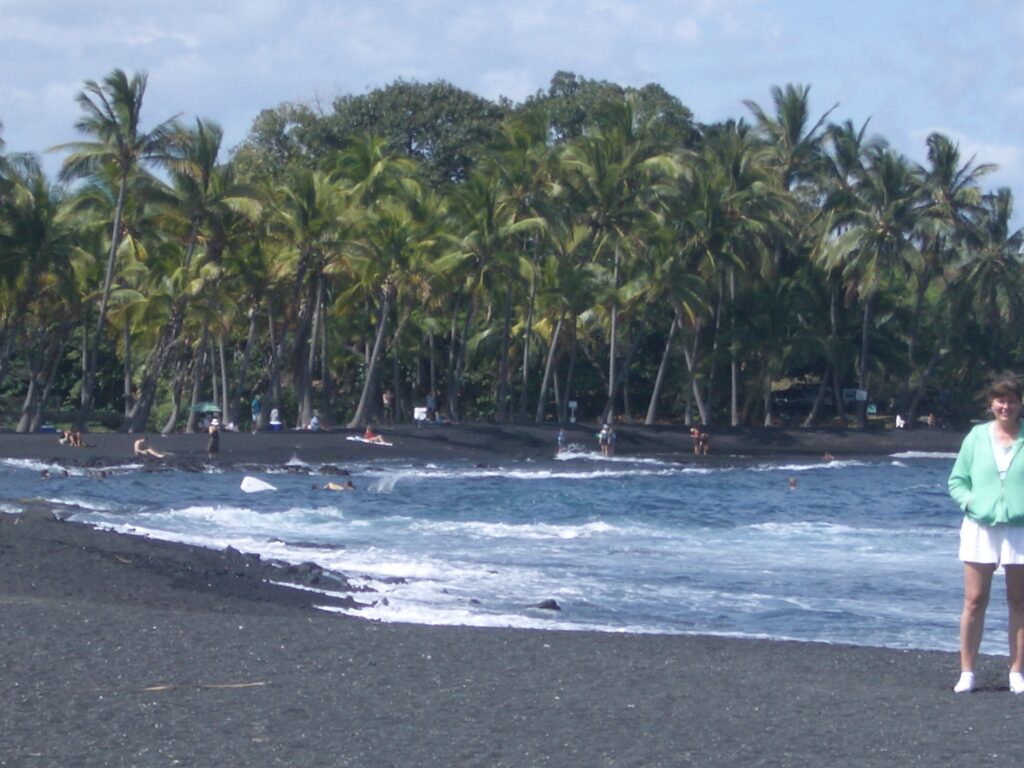
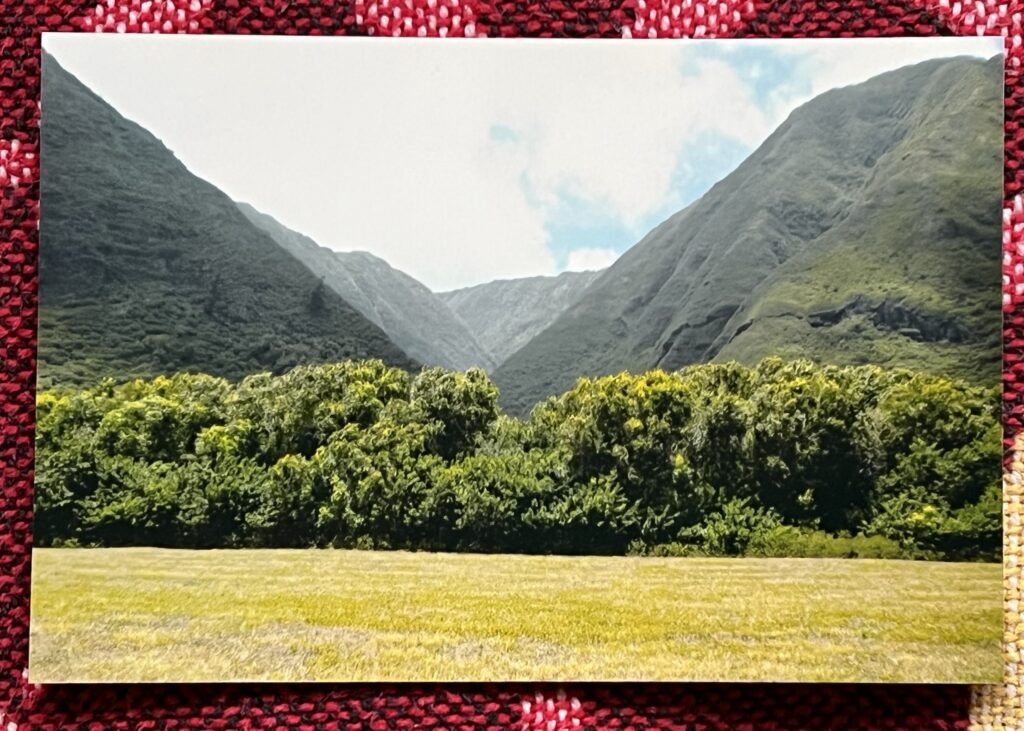
The land shots showing “Dryland” were filmed in Waipiʻo Valley on the Big Island (Hawaii Island). Specifically, the final scene revealing the green paradise was shot on the dramatic black sand beach within Waipiʻo Valley, also known as the “Valley of the Kings”—a location rich in Hawaiian history that was the capital and residence of ancient Hawaiian chiefs and kings.
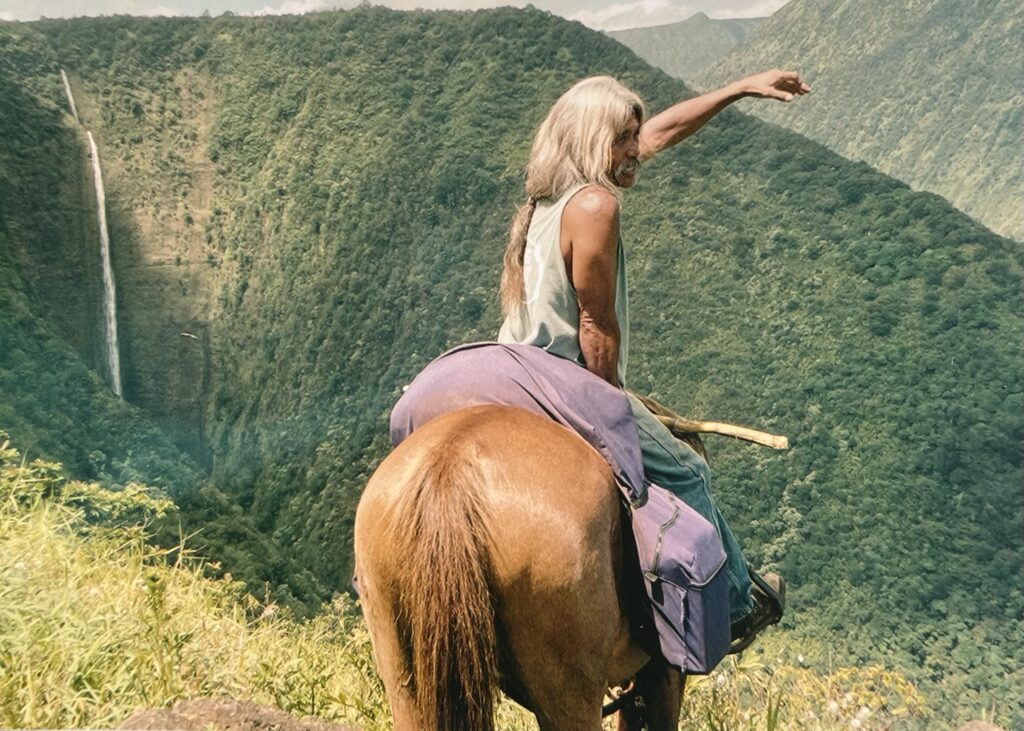
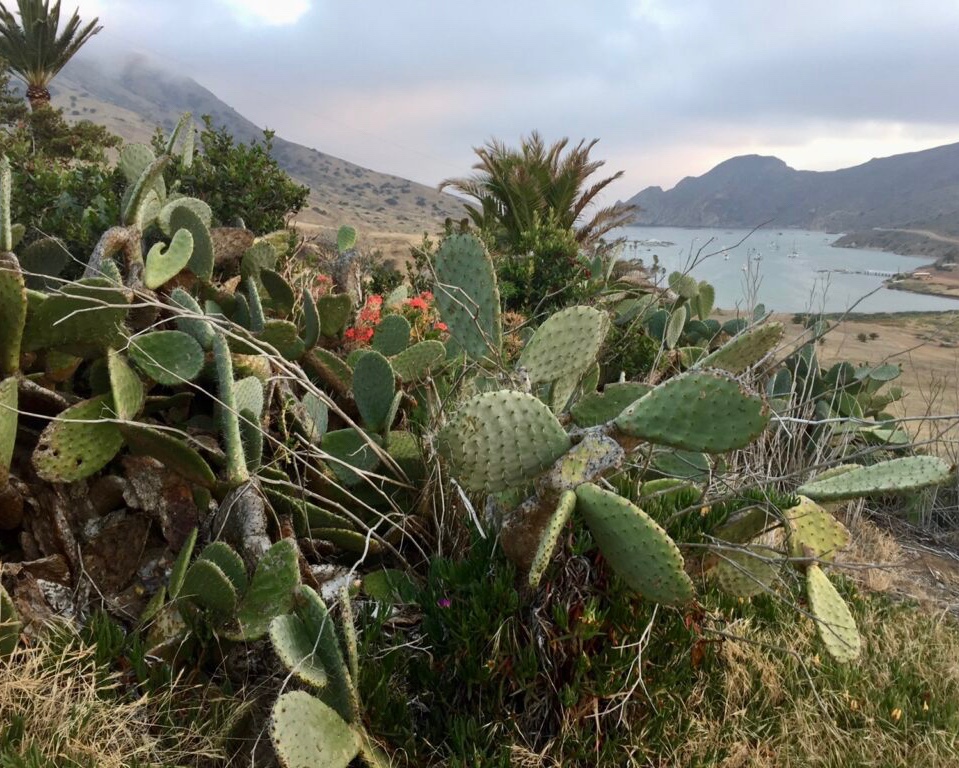
Additional Big Island filming locations included Kawaihae Harbor, where the enormous atoll set was constructed full-size (approximately ¼ mile in circumference, costing around $22 million and requiring three months to build), and Kona. The atoll set was engineered as an “unmanned vessel” requiring a seafaring license, and it was towed out to sea five separate times during production for major action sequences. Scenes were also filmed in California at Huntington Beach and Santa Catalina Island.
Visiting the Waterworld Dryland Location
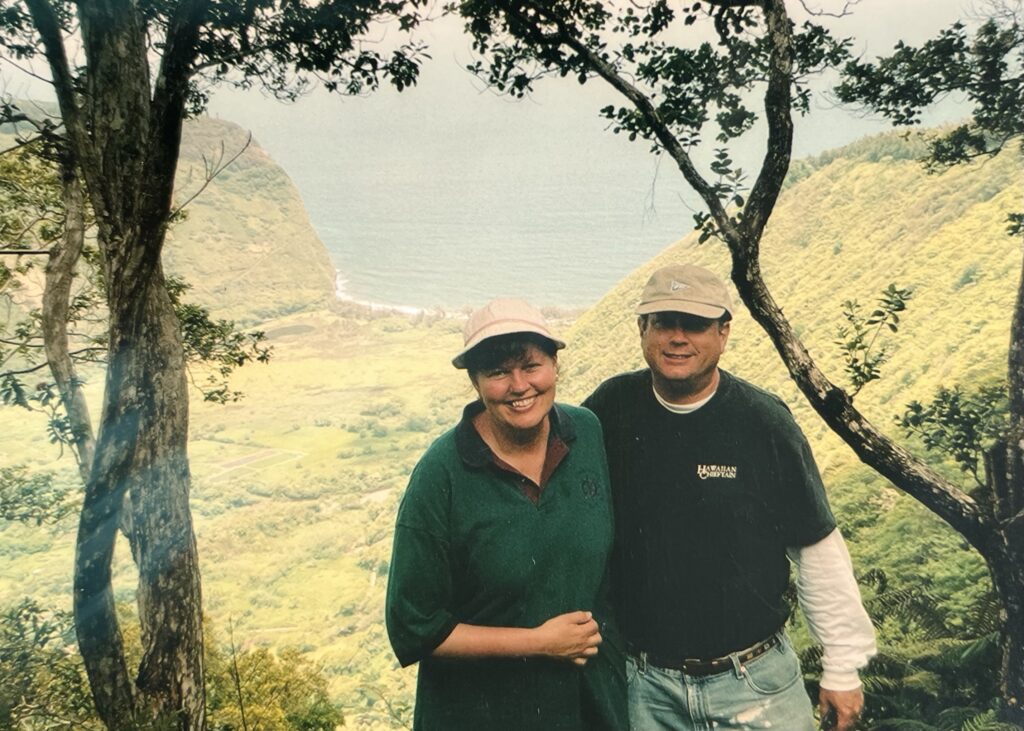
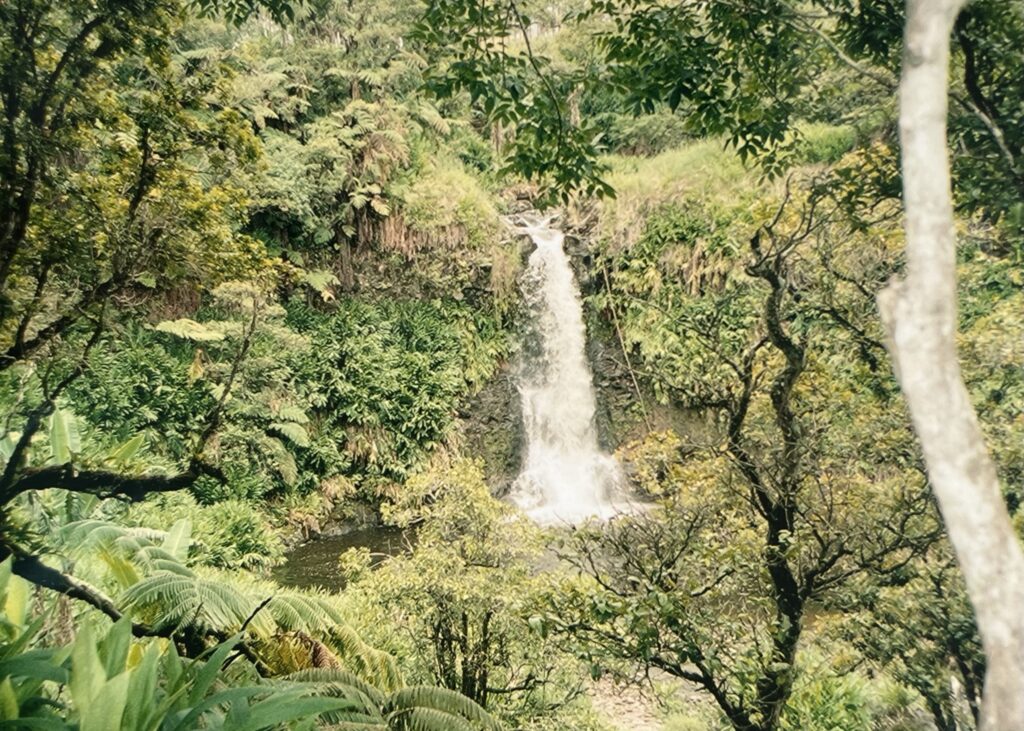
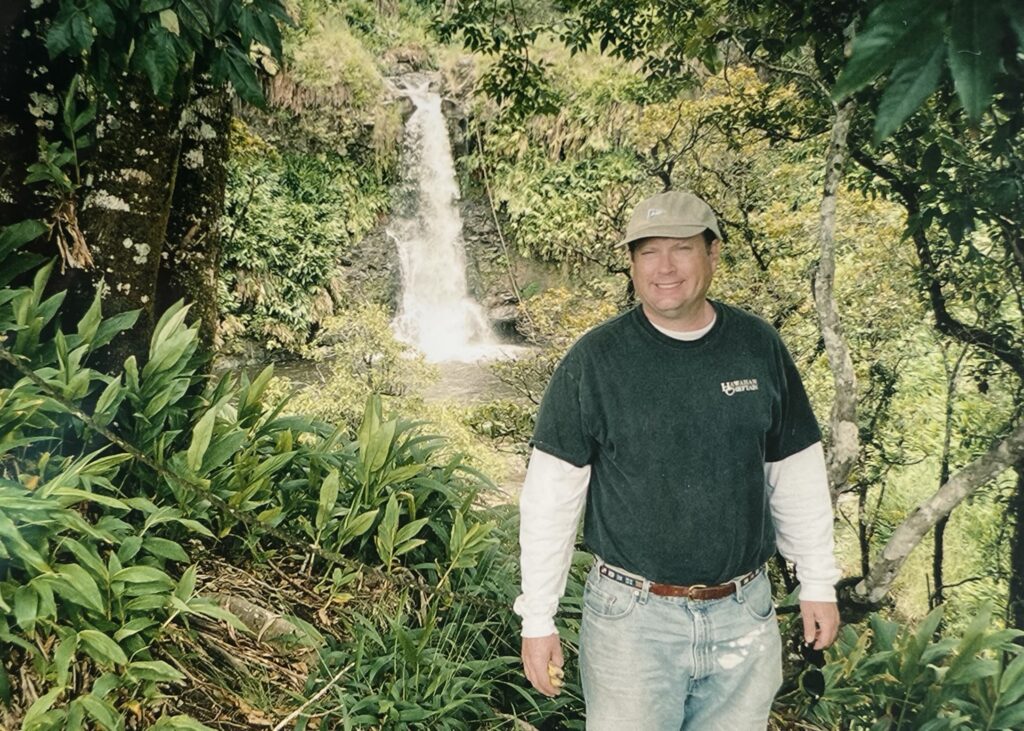
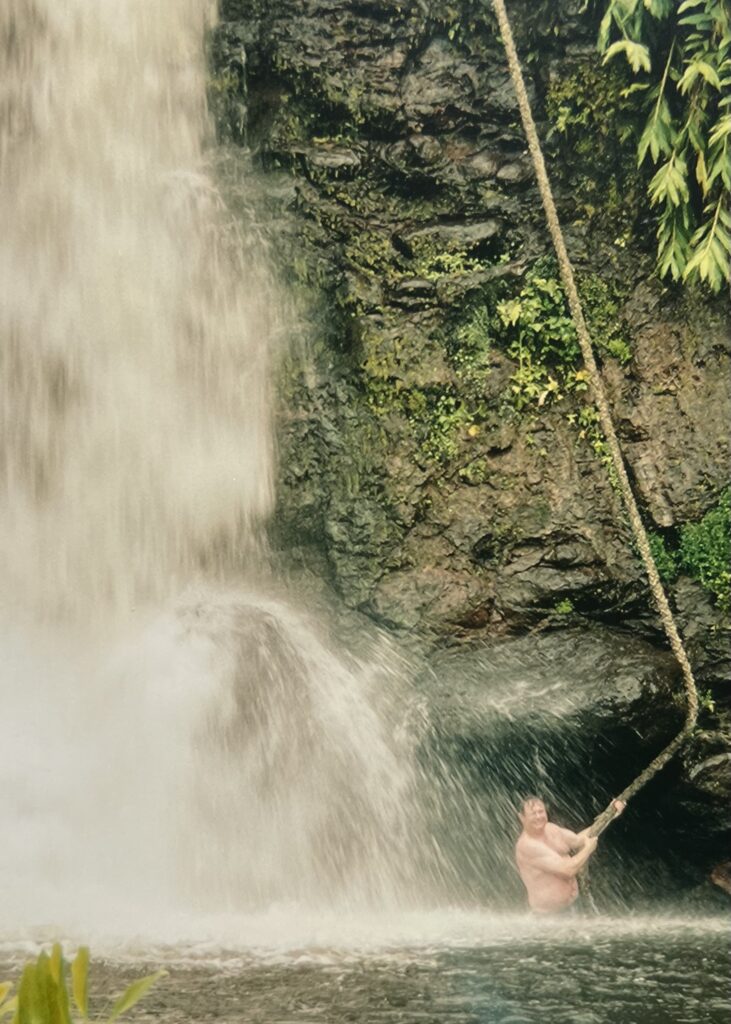
Waipiʻo Valley is one of Hawaii’s most spectacular locations—a lush valley surrounded by nearly 2,500-foot cliffs, featuring a dramatic black sand beach and waterfalls cascading down sheer rock faces. However, visiting this filming location presents significant complications.
Current Access Status (2024-2025):
As of February 25, 2022, Waipiʻo Valley Road has been closed to visitors for safety reasons (geotechnical assessments identified serious rockfall, slope instability, and erosion hazards). The County of Hawaii does not expect the valley to reopen to general visitors anytime soon.
Current Options for Visitors:
- Waipiʻo Valley Overlook (Free, Always Accessible) – You can view the valley from above at the Kukuihaele overlook with a small parking area. While this provides atmospheric valley views, it offers limited perspective of the entire landscape and back portions of the valley.
- Authorized Shuttle Tours – Currently the only available way for visitors to access the valley floor. Shuttle services transport visitors down the extremely steep road and back up. These must be booked in advance through authorized tour operators.doleplantation

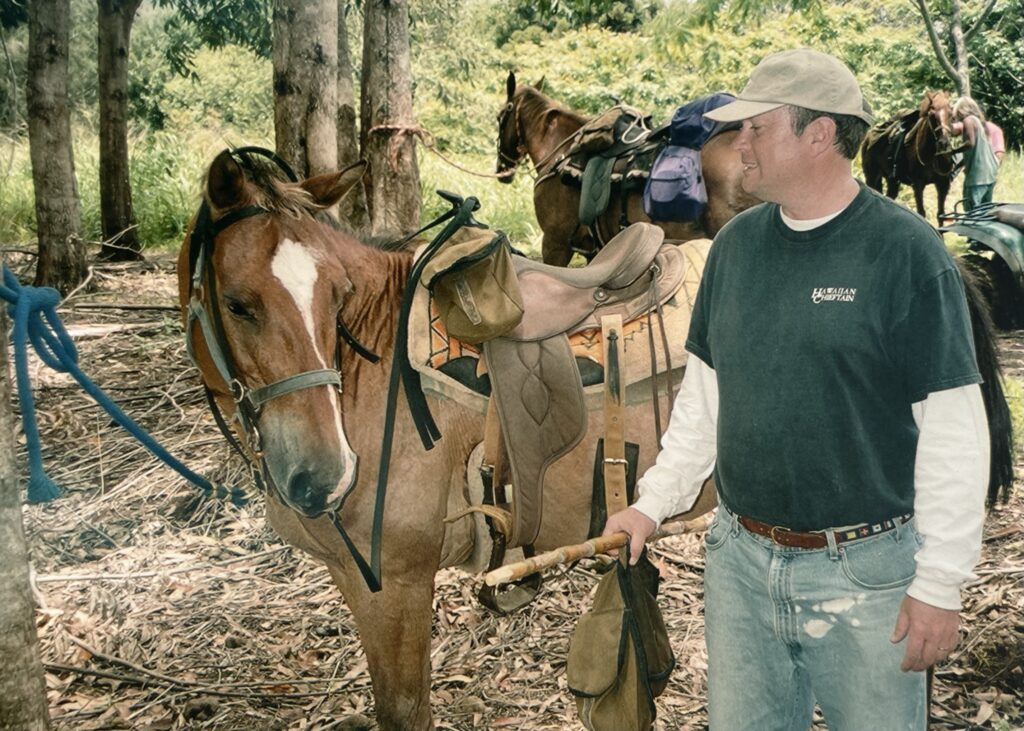
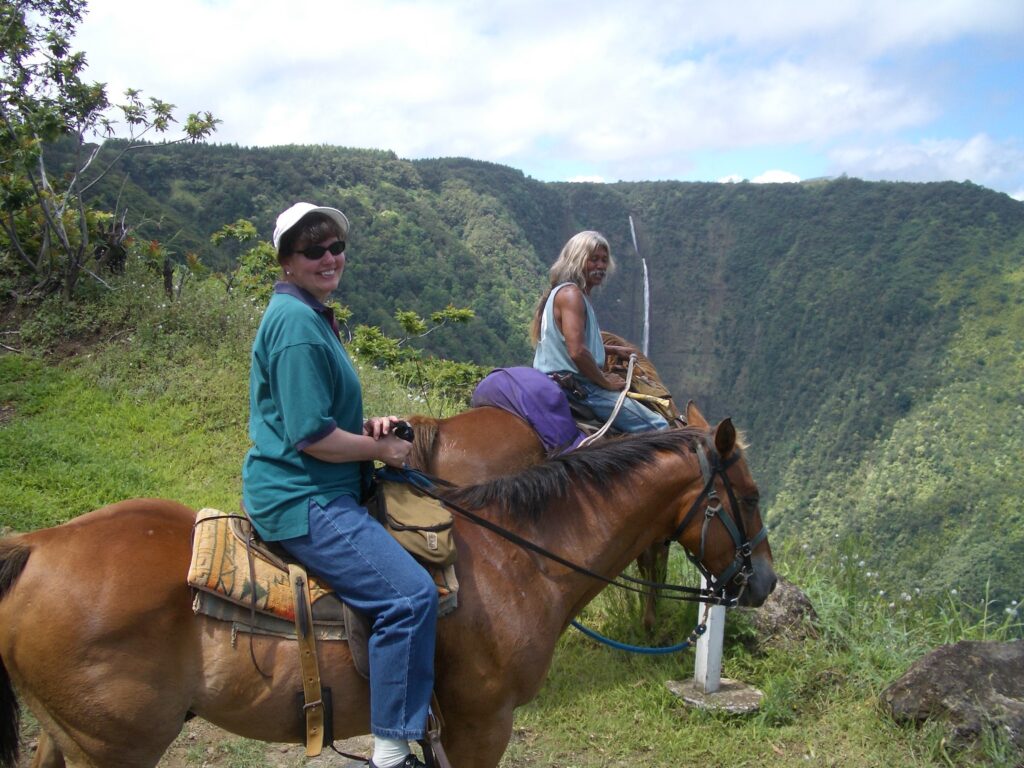
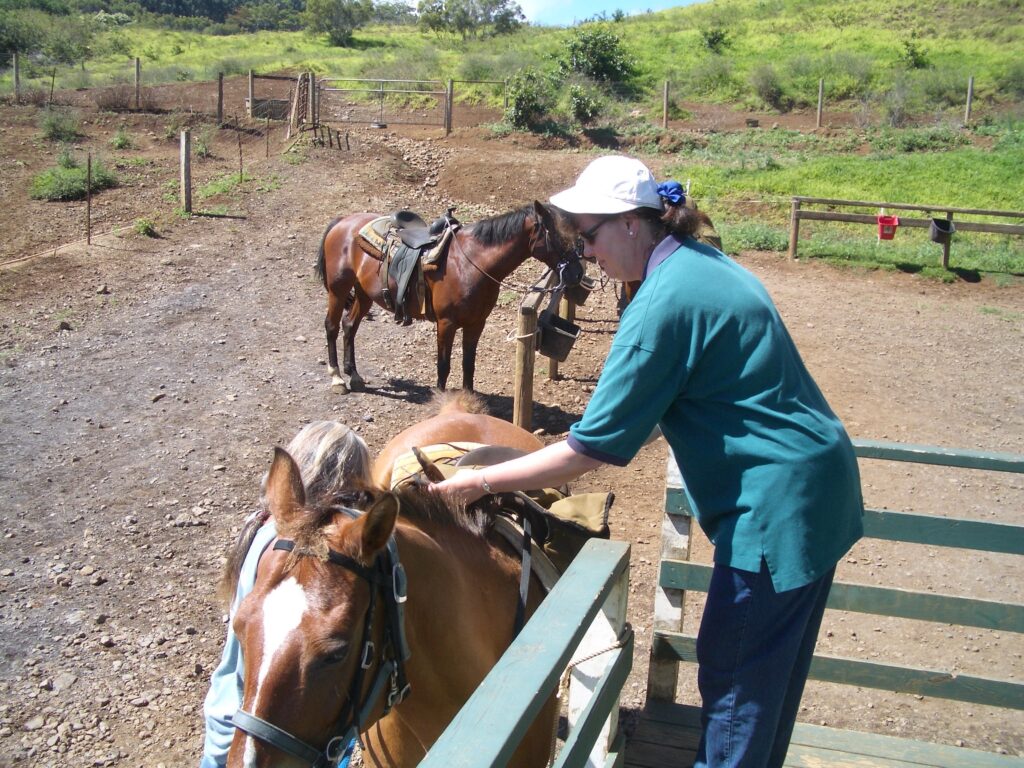
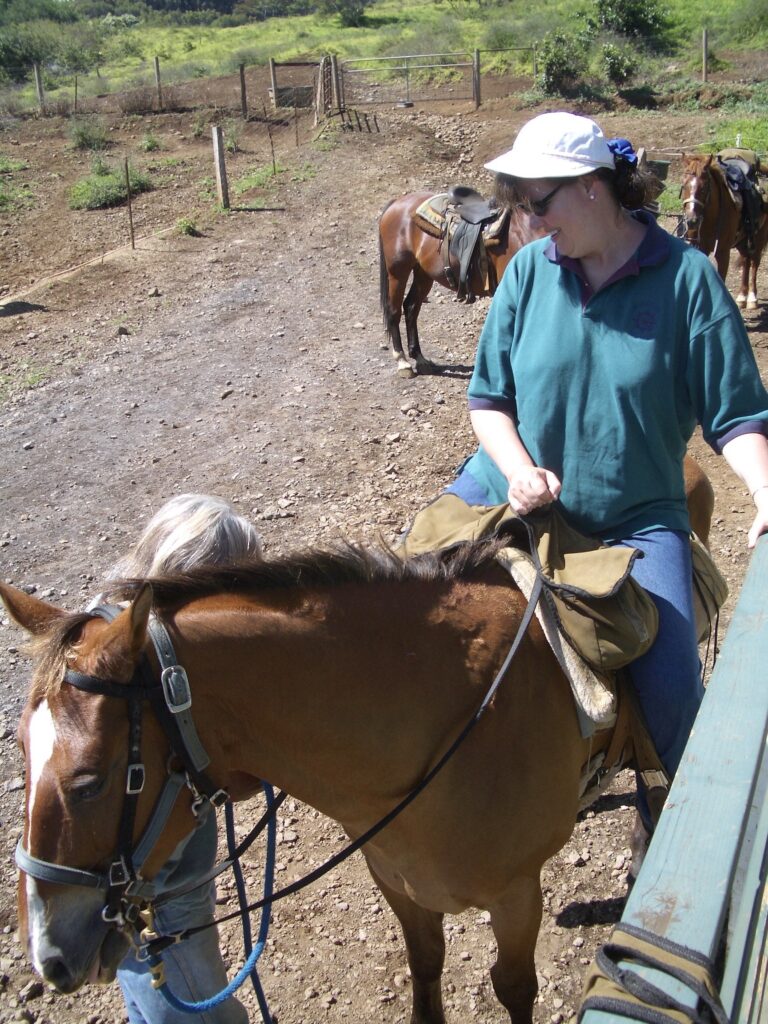
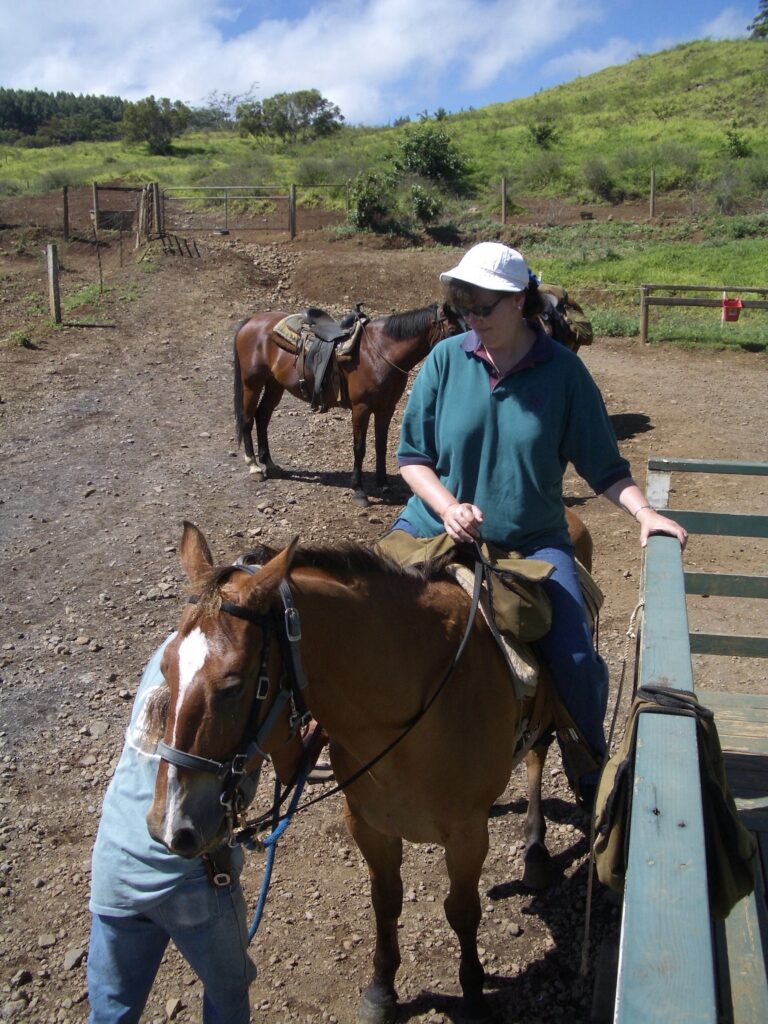
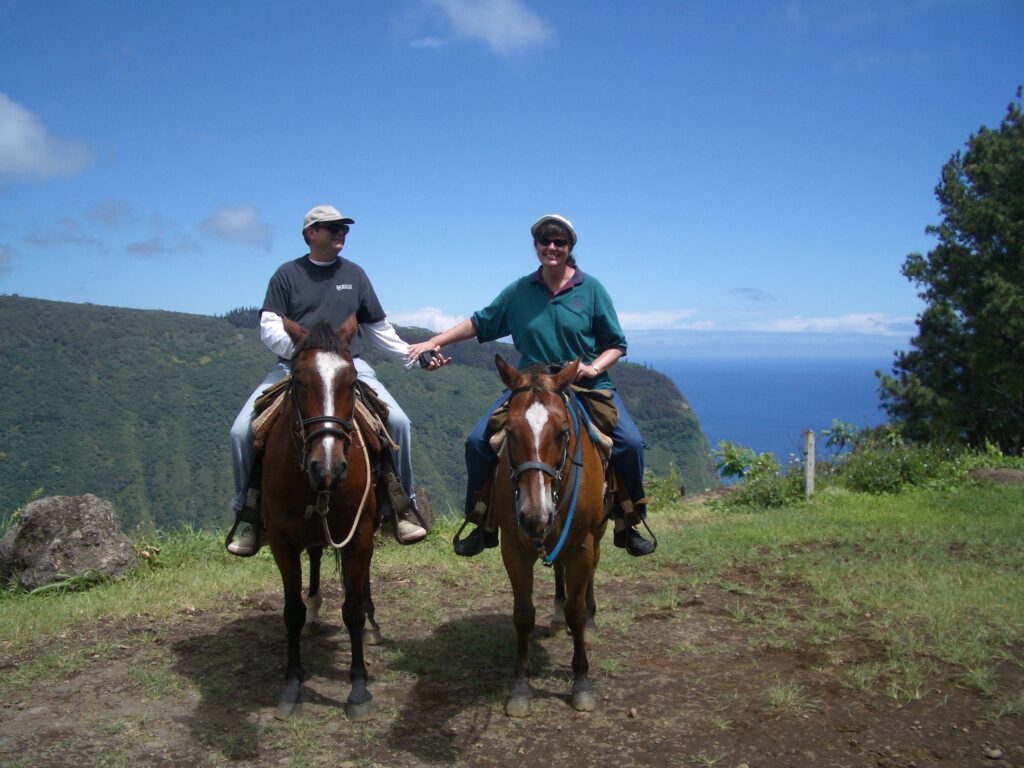
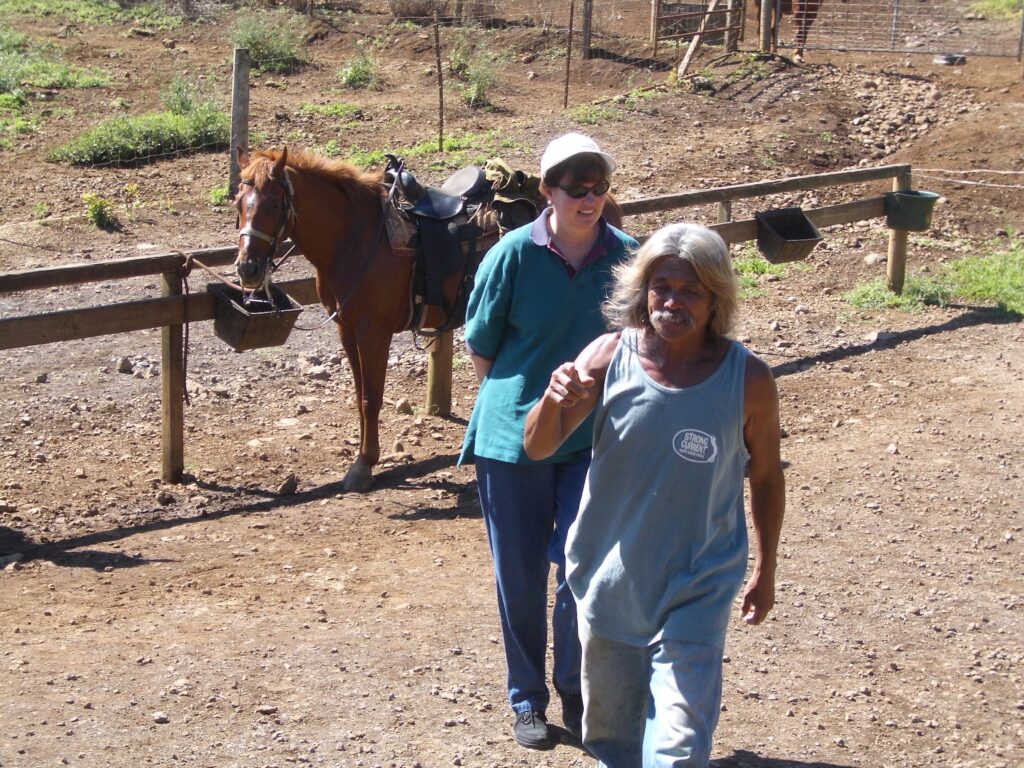
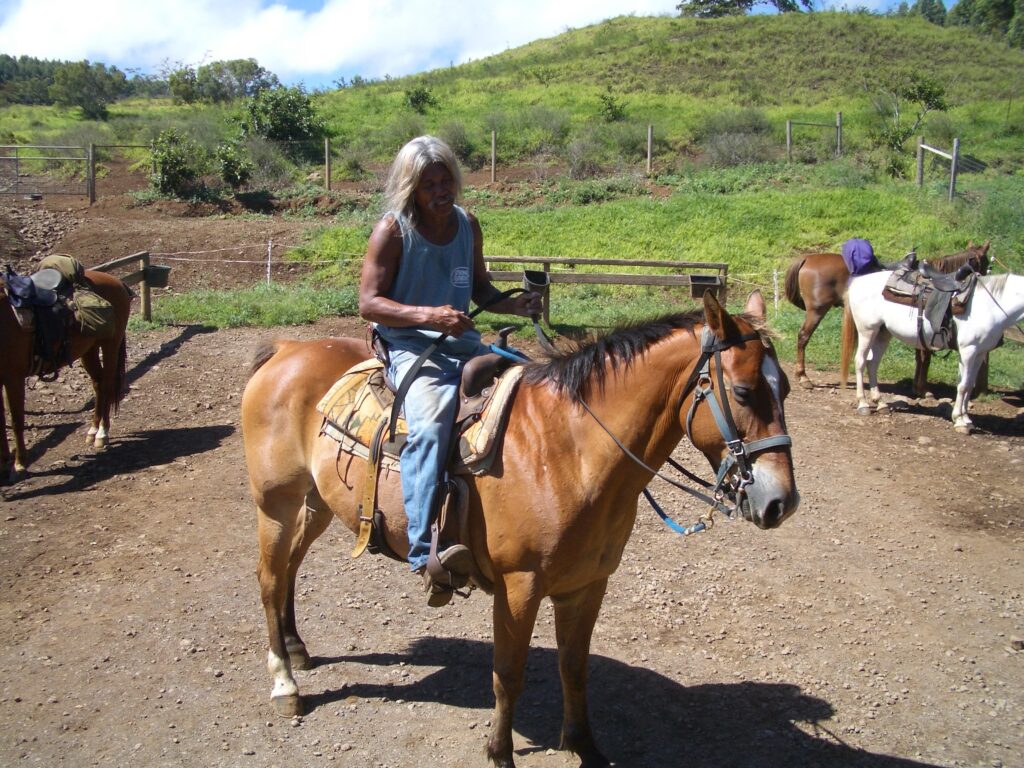
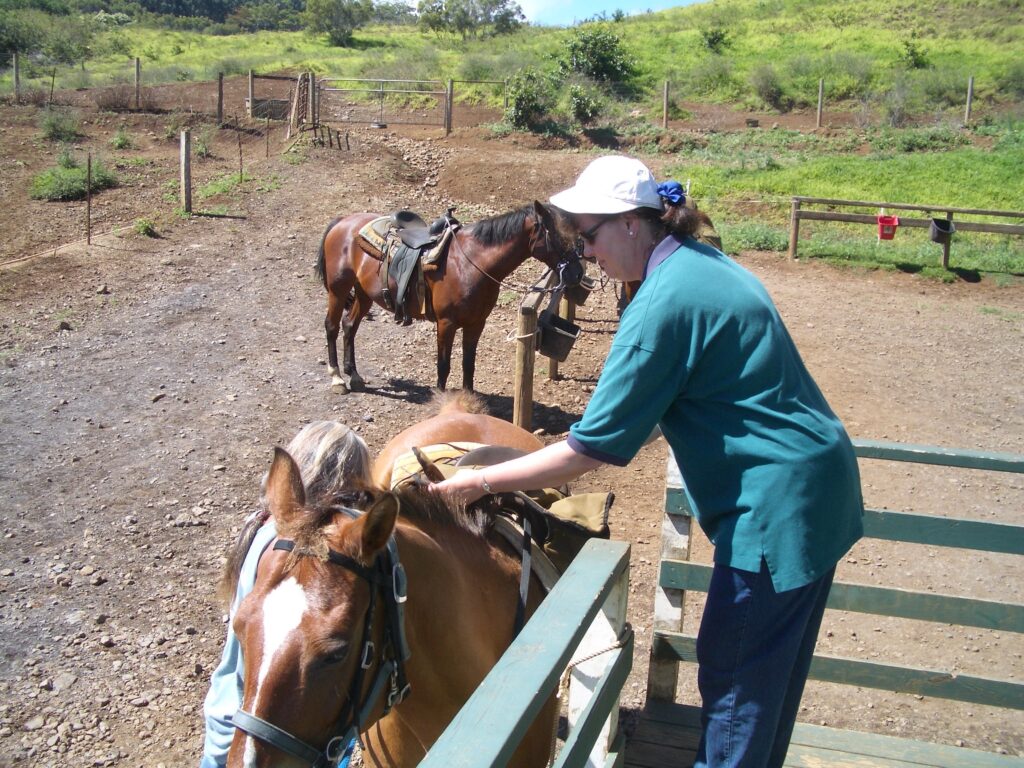
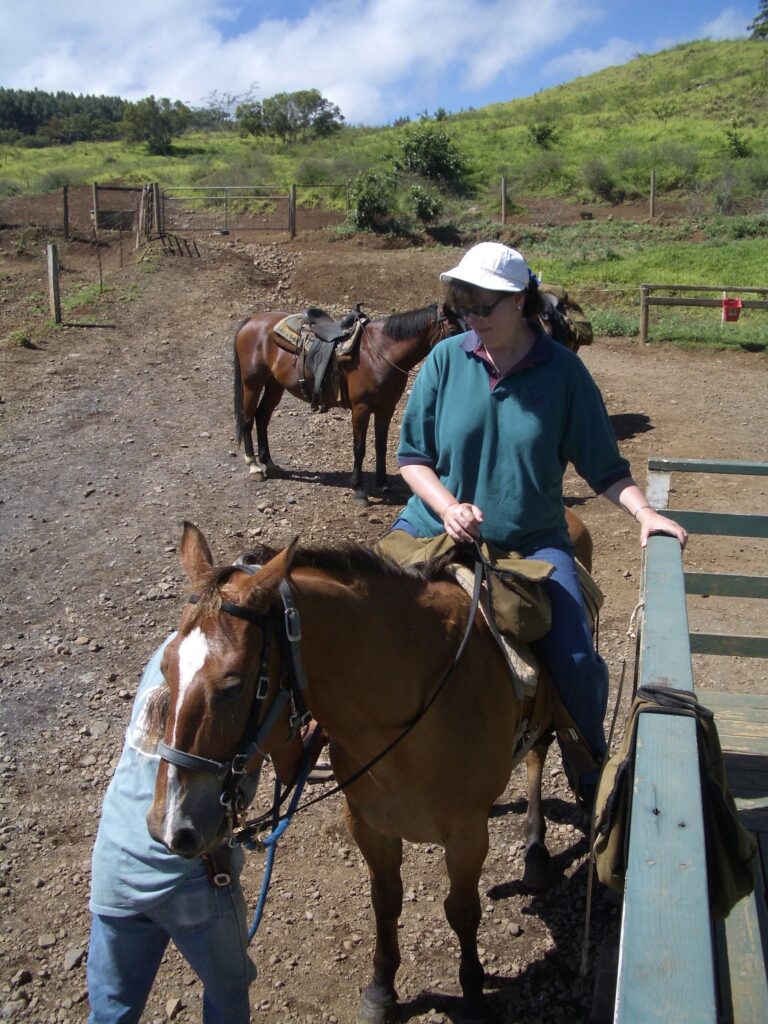
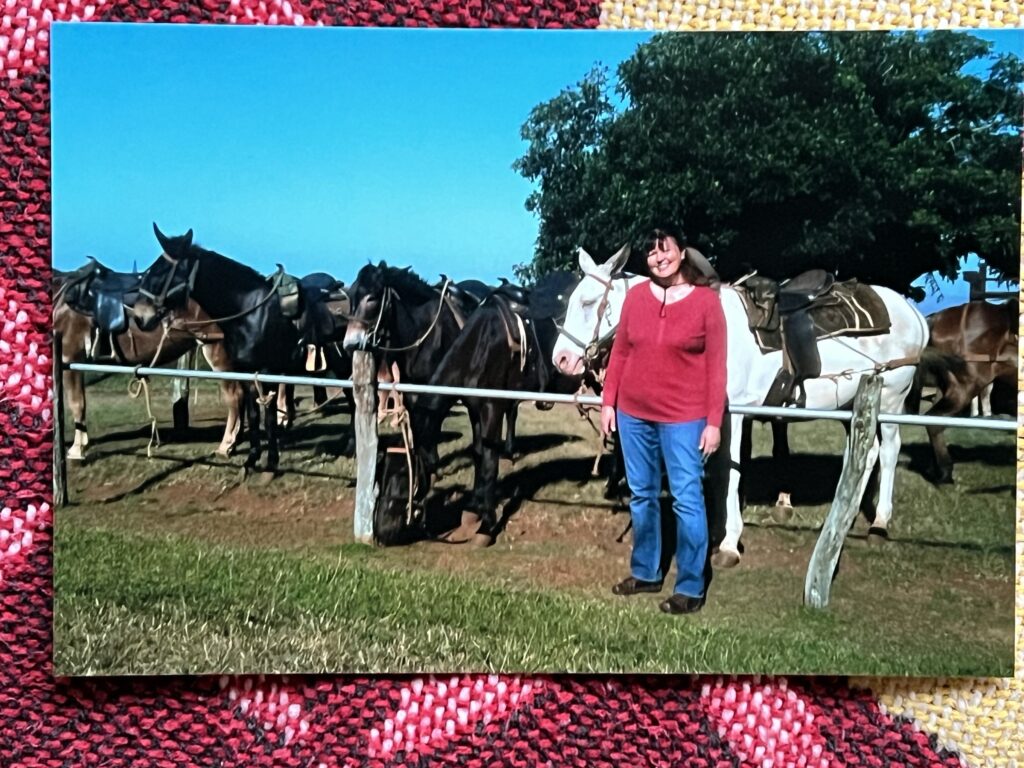
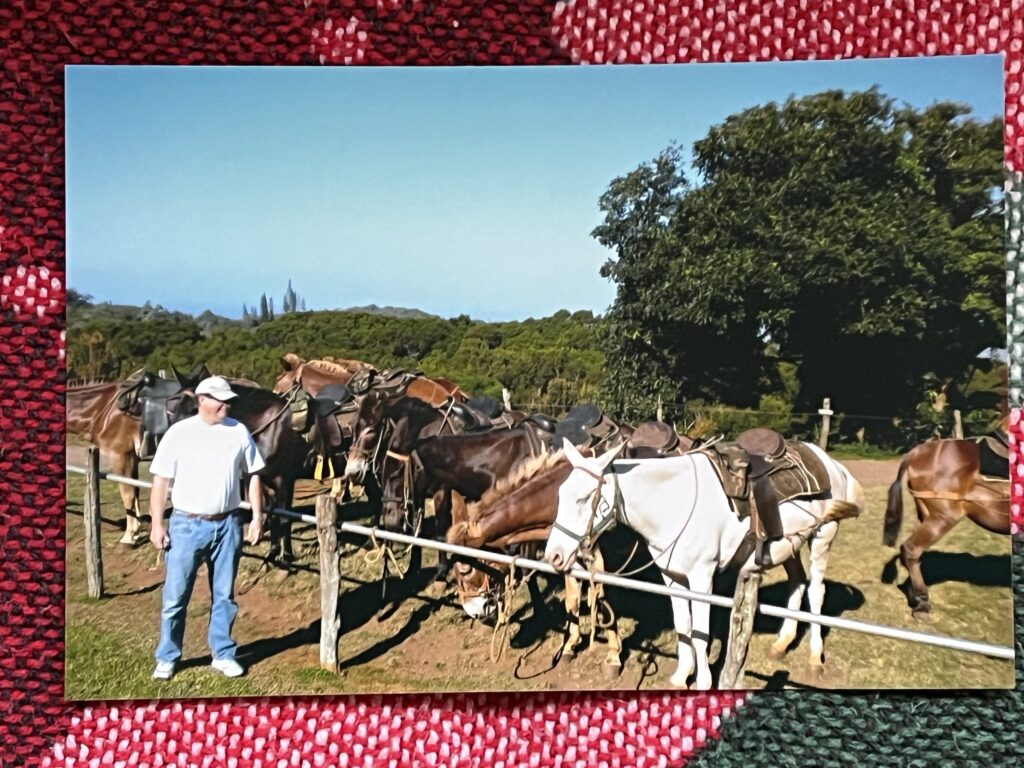
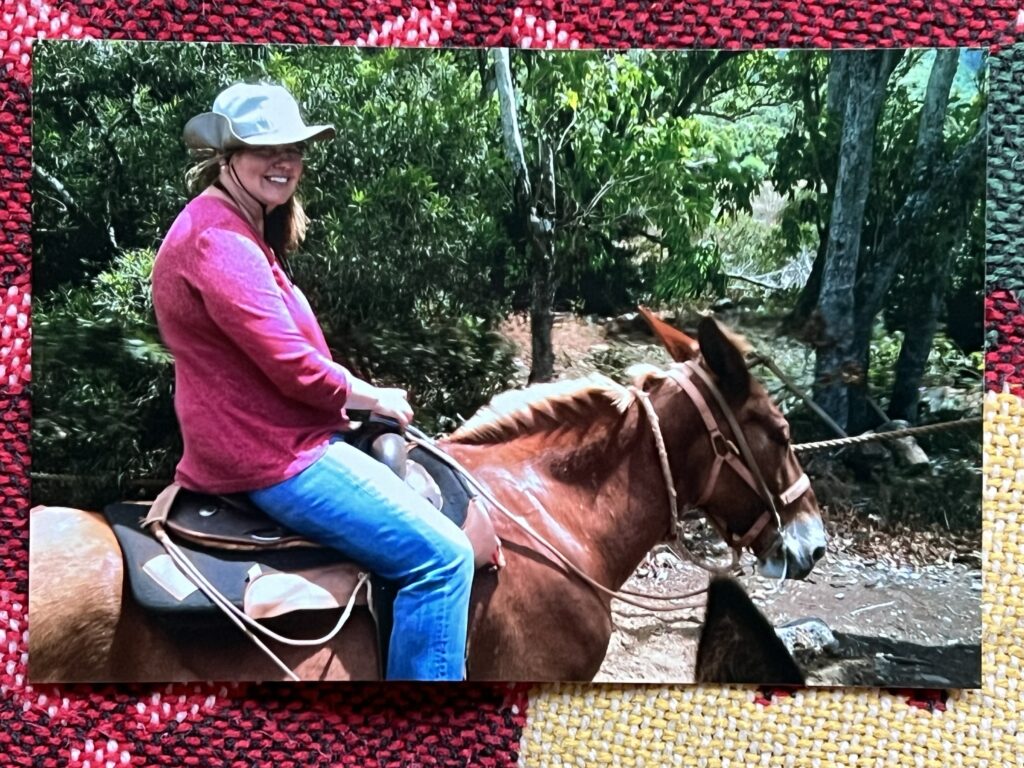
- Horseback Riding Tours (Currently Suspended, May Resume) – Na’alapa Stables historically offered 2.5-hour horseback adventure tours departing from Waipiʻo Valley Artworks store in nearby Honoka’a. The company would shuttle guests to stables within the valley and proceed on horseback from there, offering an intimate way to experience the landscape while viewing taro farms, waterfalls, and wild horses. These tours are currently suspended but may resume when county conditions allow.
- Guided 4WD Vehicle Tours – Some county-permitted tour operators offer guided tours in covered four-wheel-drive vehicles with experienced guides who share historical information and access to private viewpoints.bulletin.punahou
What is NOT Currently Permitted:
- Independent hiking into the valley is prohibited for visitors (unauthorized access constitutes trespassing).edgeeffects
- Most rental car companies explicitly prohibit driving rental vehicles into Waipiʻo due to the extreme road conditions (an 800-foot elevation drop in just 0.6 miles at a 25-40% grade average).
- Hiking down the access road, which would have been approximately 0.75 miles to reach the beach, is not authorized for non-residents.facebook
Best Way to Visit (When/If Accessible)
If horseback tours resume, they represent the most authentic and accessible way for visitors to experience Waipiʻo Valley where the Waterworld “Dryland” scenes were filmed. A 2.5-hour horseback ride through the valley provides:
- Comfortable access without the physical strain of hiking the impossibly steep 25-40% grade road
- Guided historical context about the valley’s significance as an ancient Hawaiian capital
- Opportunity to view wild horses, taro farms, and the dramatic black sand beach
- Views of waterfalls cascading from the surrounding 2,500-foot cliffs
Current Recommendation: Check with the Big Island tourism board or Na’alapa Stables directly before planning a trip, as tour status and available options continue to evolve as safety assessments are completed. For now, the Waipiʻo Valley overlook remains accessible for aerial views of the filming location, though it provides only a distant perspective of the actual beach where the Dryland scenes were shot.

Best Overall for Big Island: Geologists and historians interested in active volcanism and Hawaiian history should prioritize the Big Island. Hawaii Volcanoes National Park provides unparalleled access to ongoing volcanic processes, while the island’s numerous archaeological sites preserve King Kamehameha’s legacy and pre-contact Hawaiian civilization.
LANAI (The Private Island)
Lanai, formerly the world’s largest pineapple plantation, represents a unique Hawaiian experience: a small island (140 square miles, the 6th largest and smallest inhabited) owned almost entirely by a single individual, creating an exclusive destination.
For Historians: Lanai preserves pre-contact Hawaiian history including the Kaunolu Village Historic Site, a National Historic Landmark representing a former fishing settlement and favored location of King Kamehameha I. The site includes Kahekili’s Leap, a 60-foot cliff where ancient warriors proved courage by diving into the ocean below. The island’s plantation history (1922-1992) left the distinctive Lanai City, a master-planned community retaining plantation-era architecture with a central square, local shops, and notably—no traffic lights. The charm of this frozen-in-time plantation town offers insight into early 20th-century Hawaiian plantation society.usgs+2
For Birders: Lanai’s endemic bird diversity is limited compared to older islands, but various Hawaiian natives inhabit the island’s remaining native forests and coastal areas.
For Hikers: Koloiki Ridge Trail and various off-road routes through the island’s red-dirt backroads provide hiking opportunities with scenic views. The island’s relatively small size permits exploration on foot or by vehicle within a few hours.
For Sailors: Lanai’s protected bays, particularly around Hulopoe Bay, offer sailing and anchorage opportunities. The island’s position relative to neighboring Maui creates favorable sailing conditions.
For Architects: Lanai hosts an unusual luxury concentration: two Four Seasons resorts on a single 140-square-mile island. The Four Seasons Resort Lanai at Hulopoe Bay features beachfront luxury accommodations overlooking the marine conservation area. The newer Sensei Lanai, nestled in the island’s uplands near Lanai City, represents a wellness-focused retreat emphasizing rejuvenation and mindful living rather than traditional resort entertainment.usgs+1
For Honeymooners: Lanai offers exclusivity and privacy unmatched in Hawaii. The island’s limited development, small population (approximately 3,200 residents), and luxury resort options create an intimate atmosphere where honeymooners can genuinely escape crowds. The Four Seasons properties offer world-class service with the guarantee that few other tourists occupy the island simultaneously.facebook
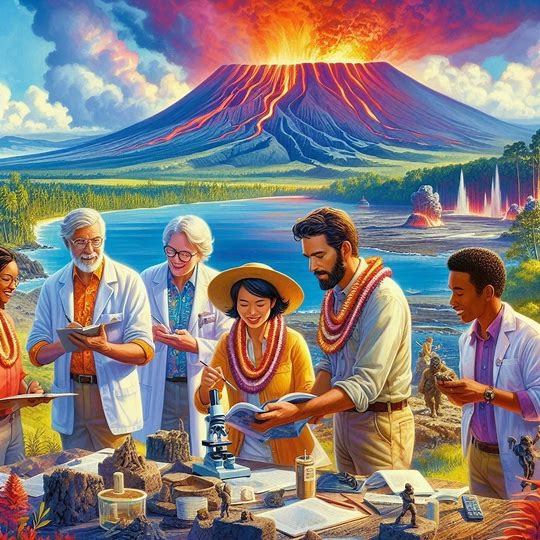
For Geologists: Lanai represents an older Hawaiian island (approximately 1.3 million years old) where volcanic activity has ceased and erosion dominates. The Garden of the Gods (Keahiakawelo) showcases surreal rock formations painted in striking reds and oranges, offering a glimpse into the island’s volcanic origins through exposed geological features. The island demonstrates the long-term geological fate of Hawaiian islands: once volcanic activity ceases, wind and water erosion sculpts the landscape into increasingly dramatic formations.nps
For Surfers: Lanai offers protected bay breaks rather than open ocean reef breaks. Hulopoe Bay provides calmer conditions suitable for intermediate surfers or those seeking relaxed beach time.
Best Overall for Lanai: Honeymooners seeking absolute privacy and exclusivity, combined with world-class luxury resorts, should prioritize Lanai. The island’s isolation and limited infrastructure create a genuinely secluded Hawaiian experience unavailable on more developed islands.
MOLOKAI (The Friendly Isle)
Molokai represents Hawaiian geography and society in sharp contrast to developed islands. With only approximately 7,000 residents, the island embodies a distinctly rural, traditional character emphasizing Hawaiian cultural preservation over development.
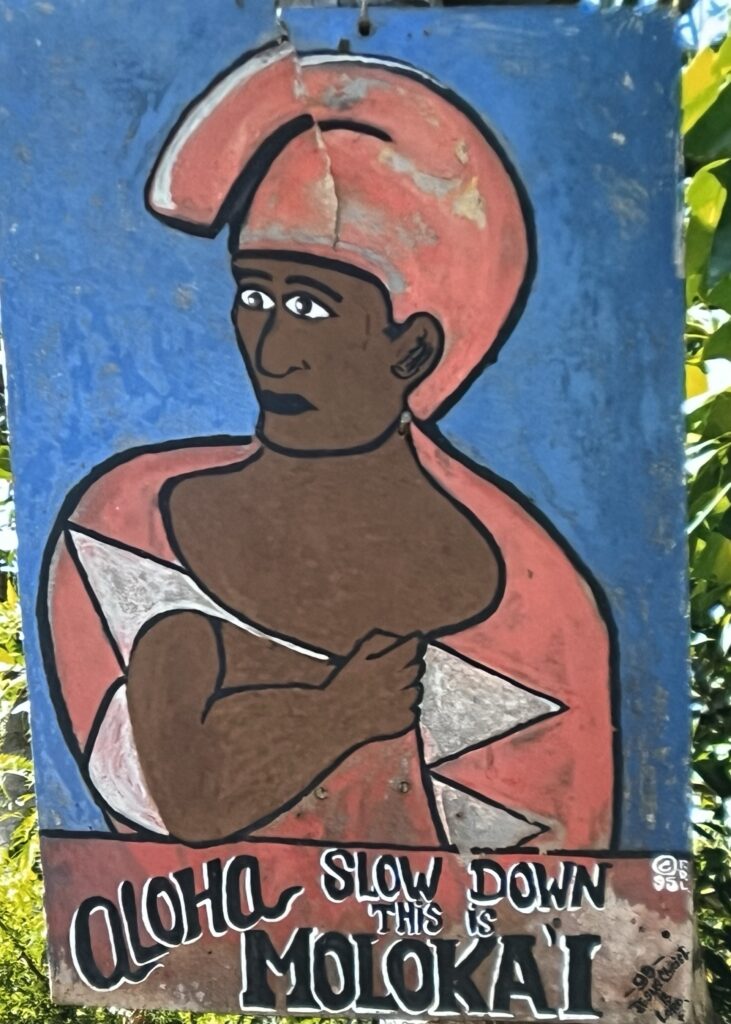
For Historians: Molokai holds significance as a center of Hawaiian spiritual and cultural power predating Western contact. The island was home to Lanikaula, a famous prophet renowned throughout the islands for possessing tremendous wisdom and reputed powers of sorcery.
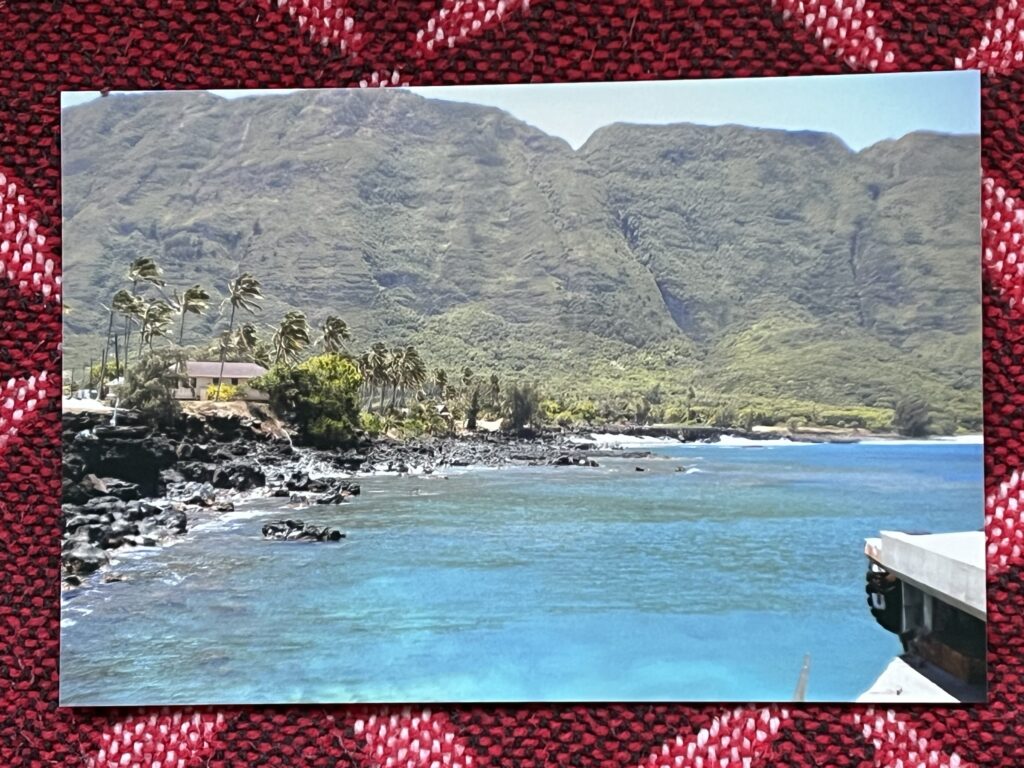
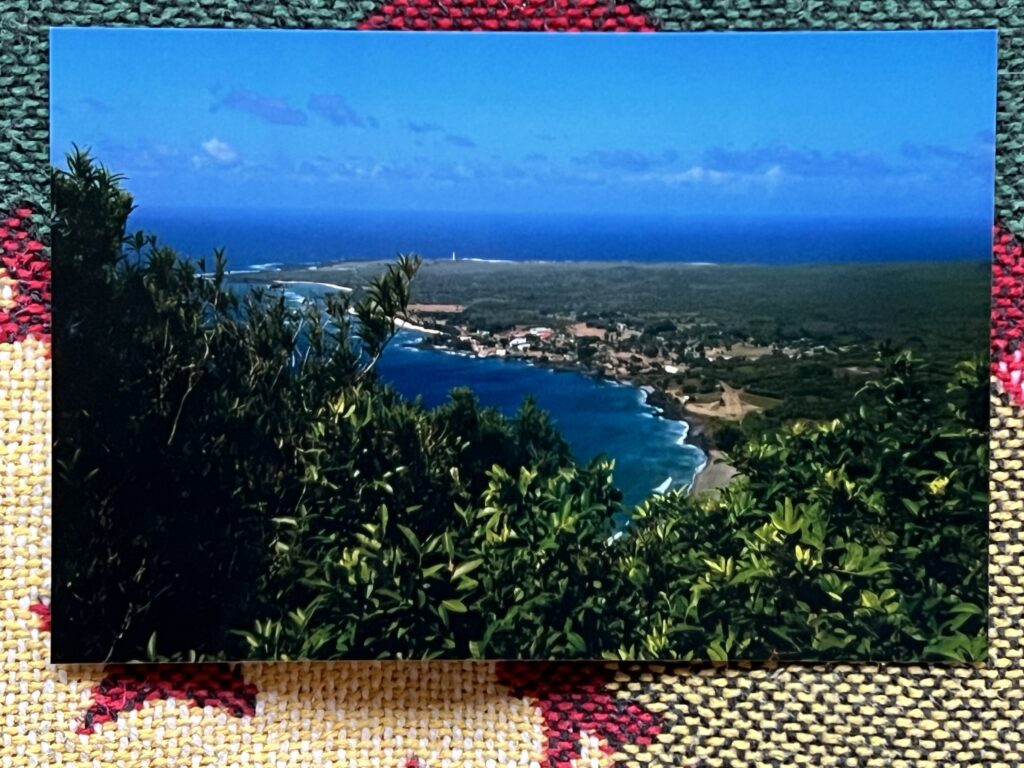
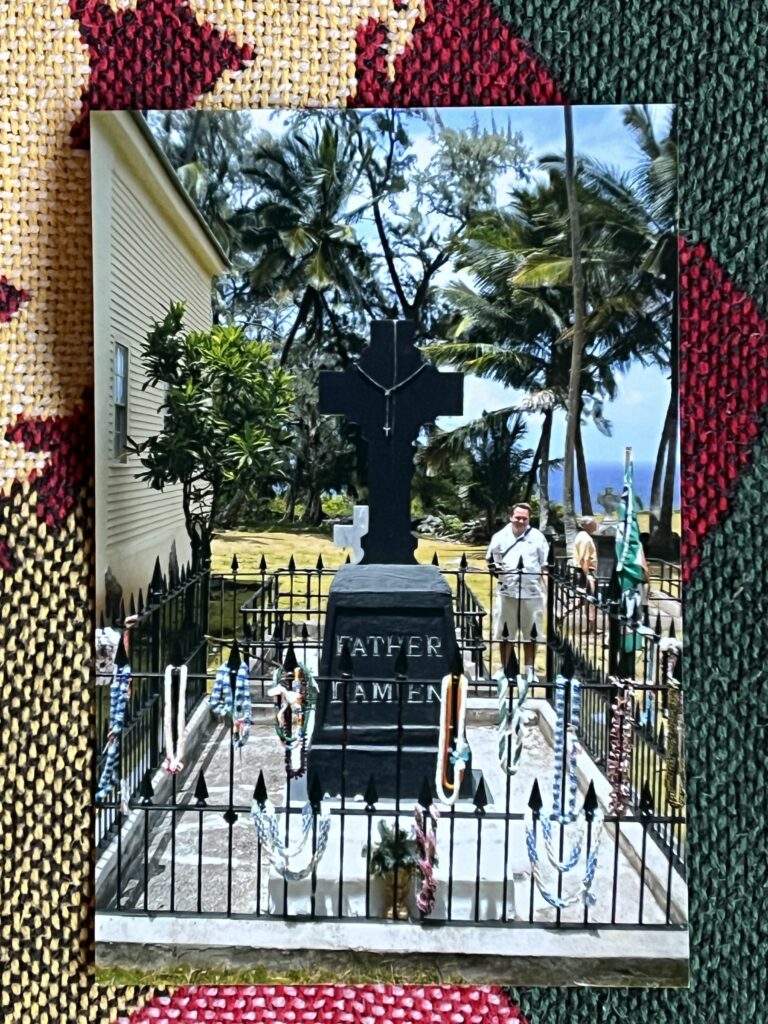
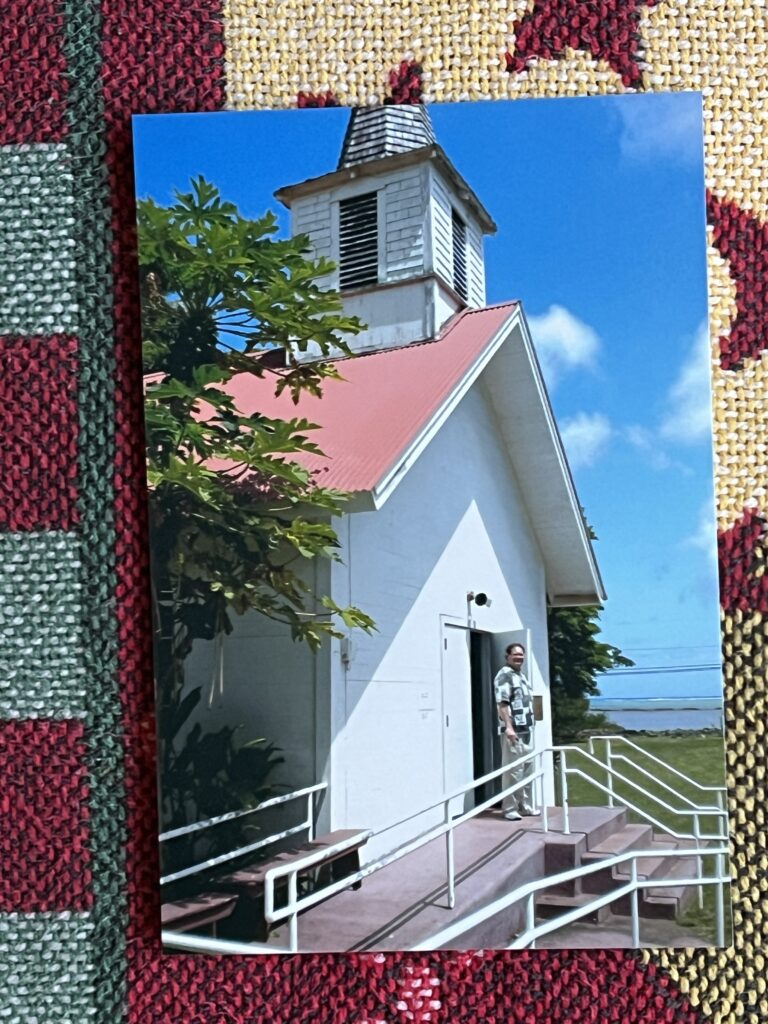
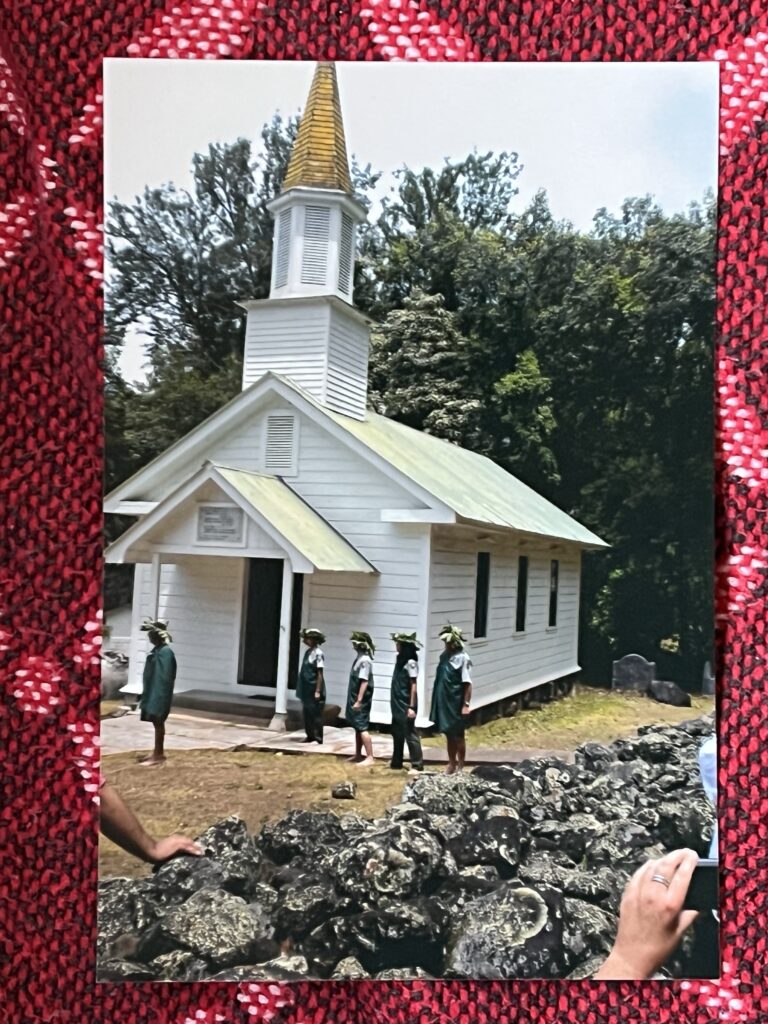
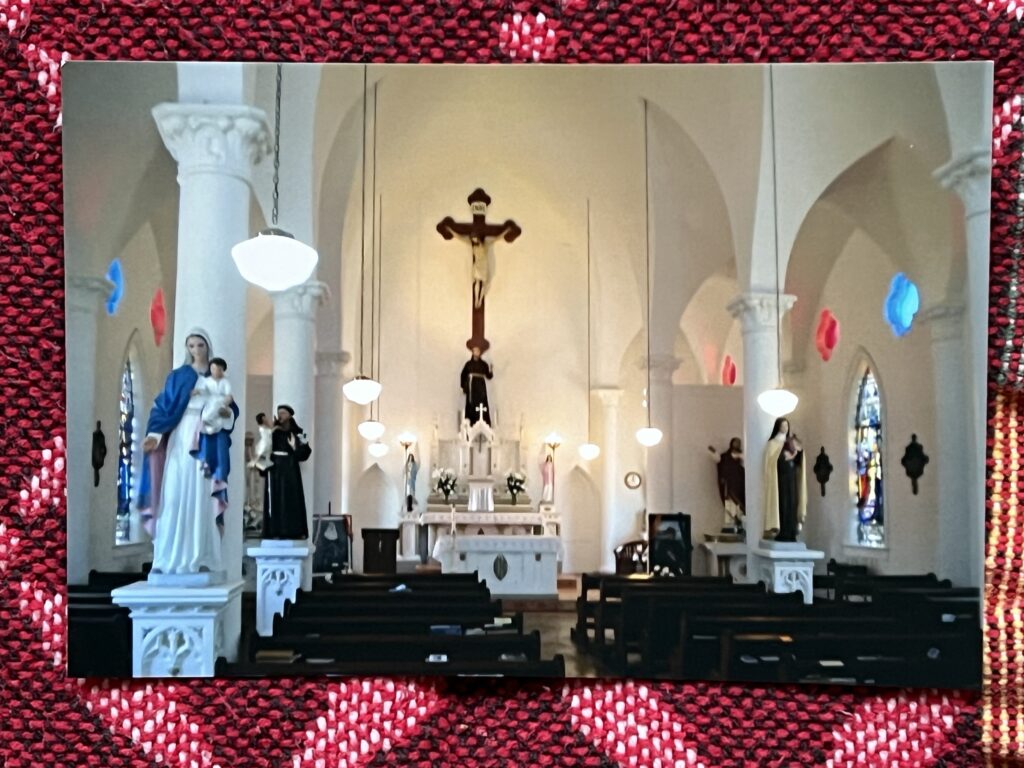
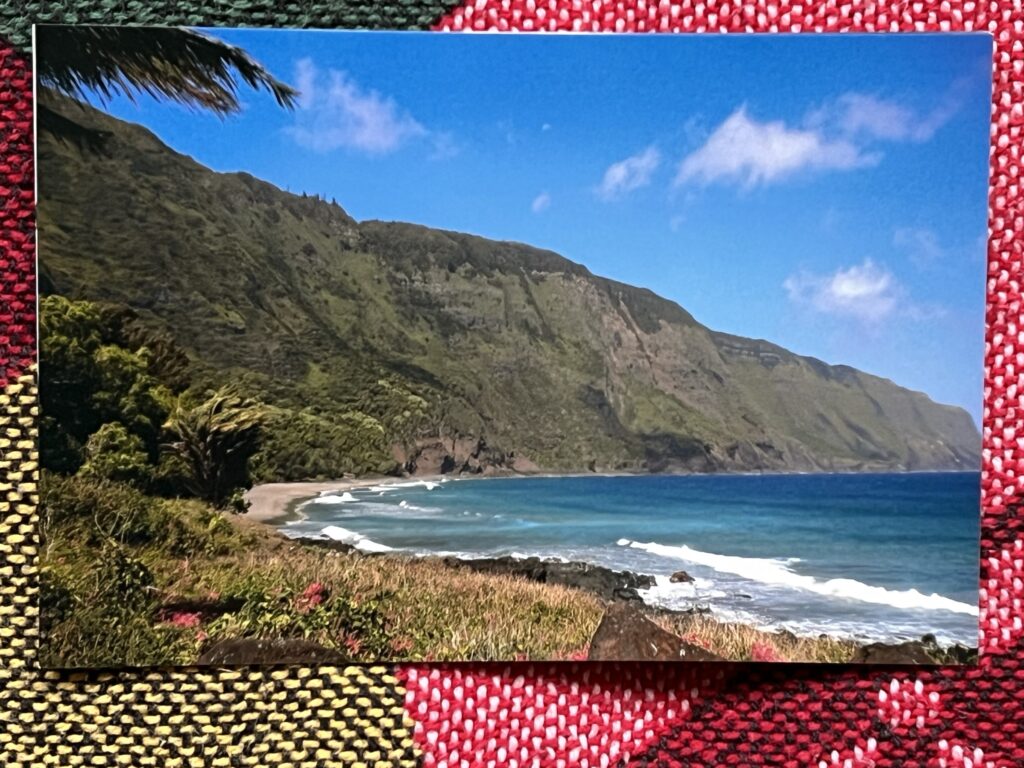
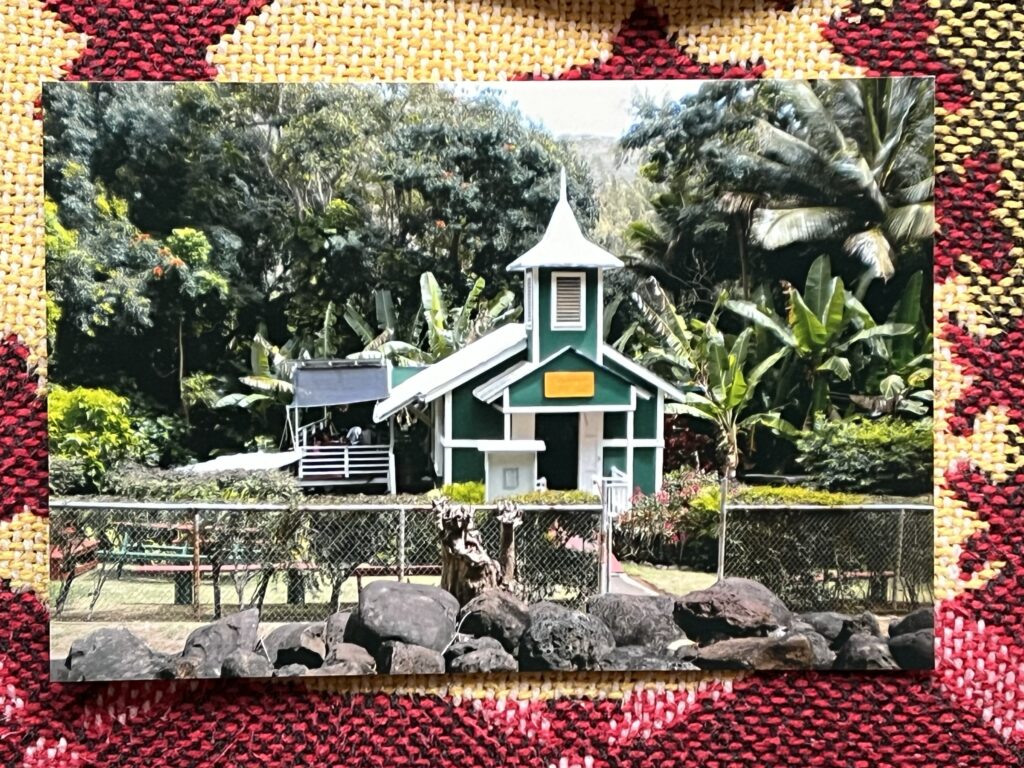
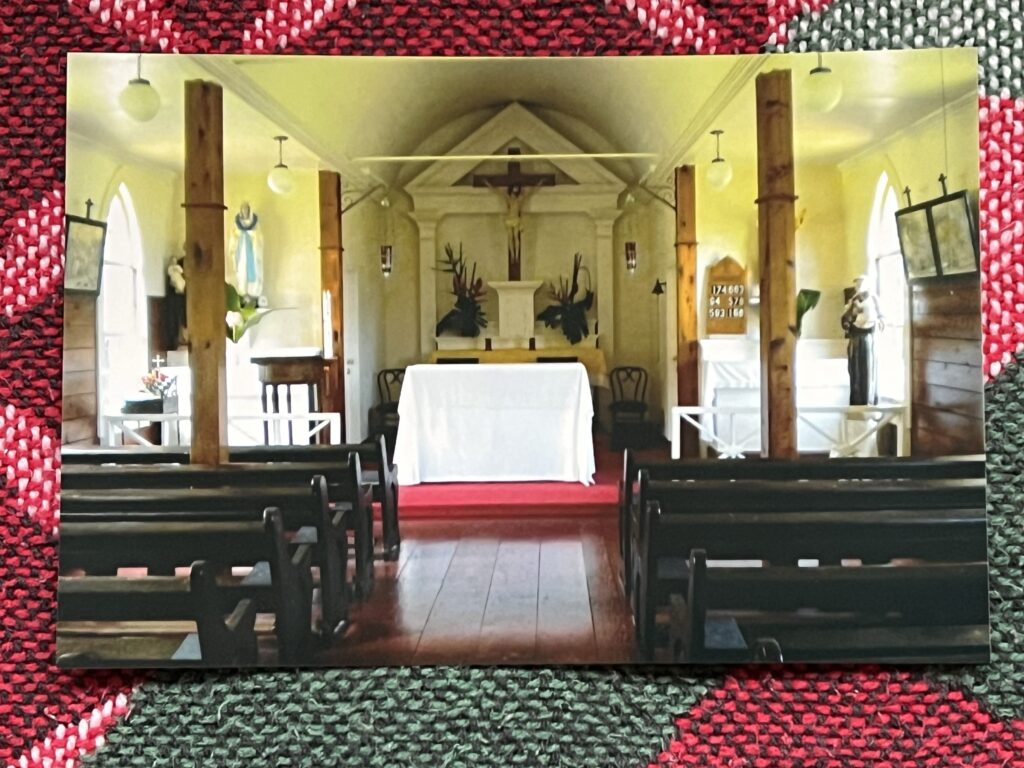
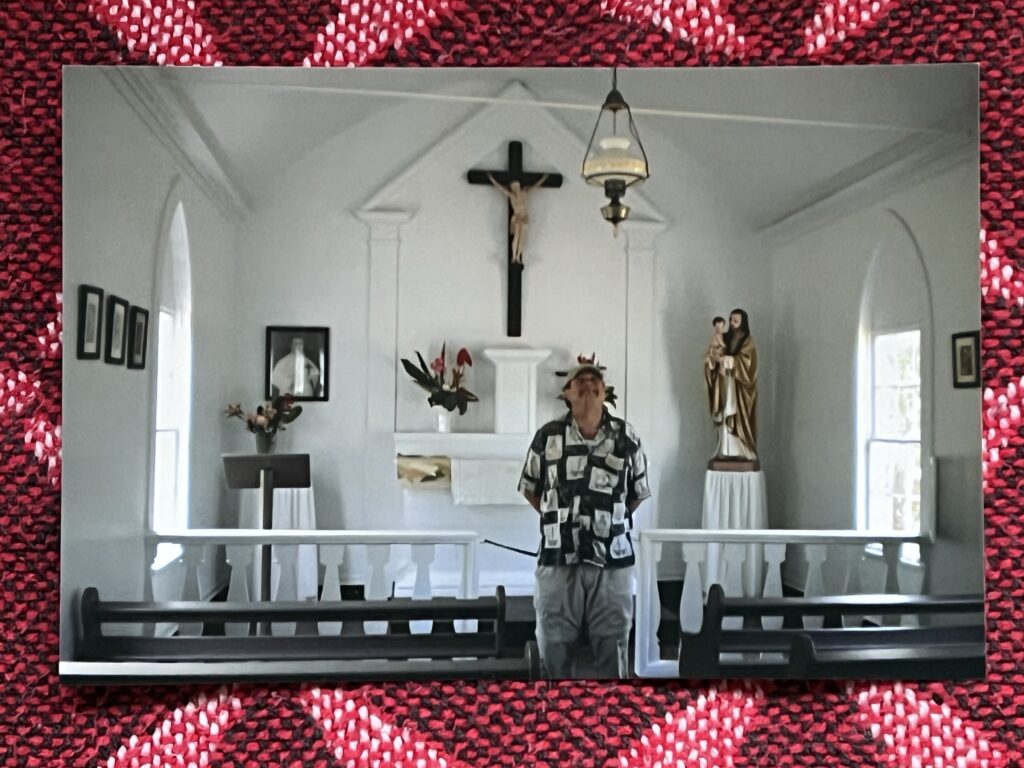
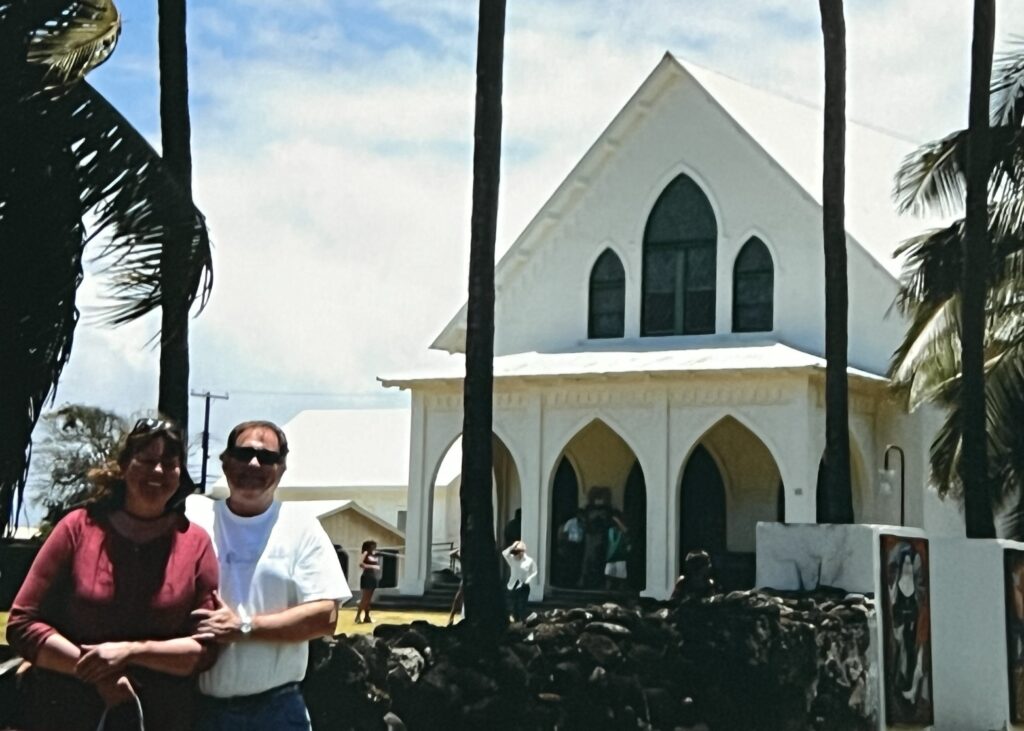
The island served as a refuge for war veterans and those facing religious persecution. In modern history, Kalaupapa National Historical Park preserves the tragic history of Hawaii’s leprosy settlement (1866 onwards), where thousands of afflicted individuals, predominantly Native Hawaiians with little immunity to the disease, were exiled to an isolated peninsula surrounded by the world’s tallest sea cliffs (approximately 3,500 feet).
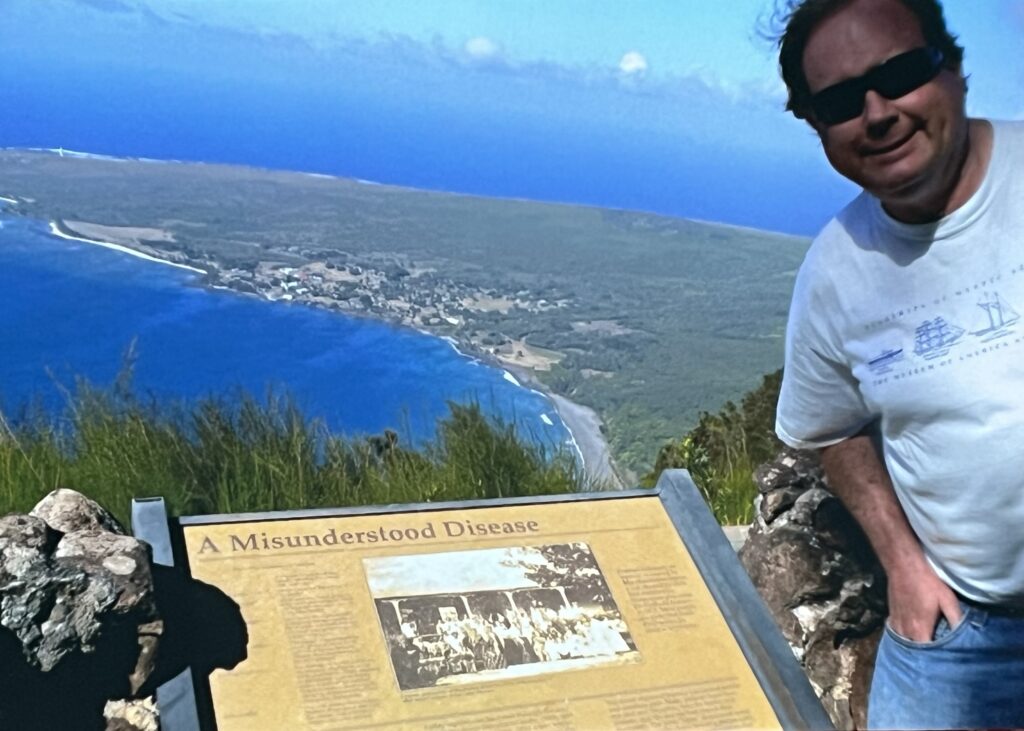
Father Damien, a Belgian priest who worked among the afflicted, became a symbol of compassionate ministry until his own death from leprosy.eastwest
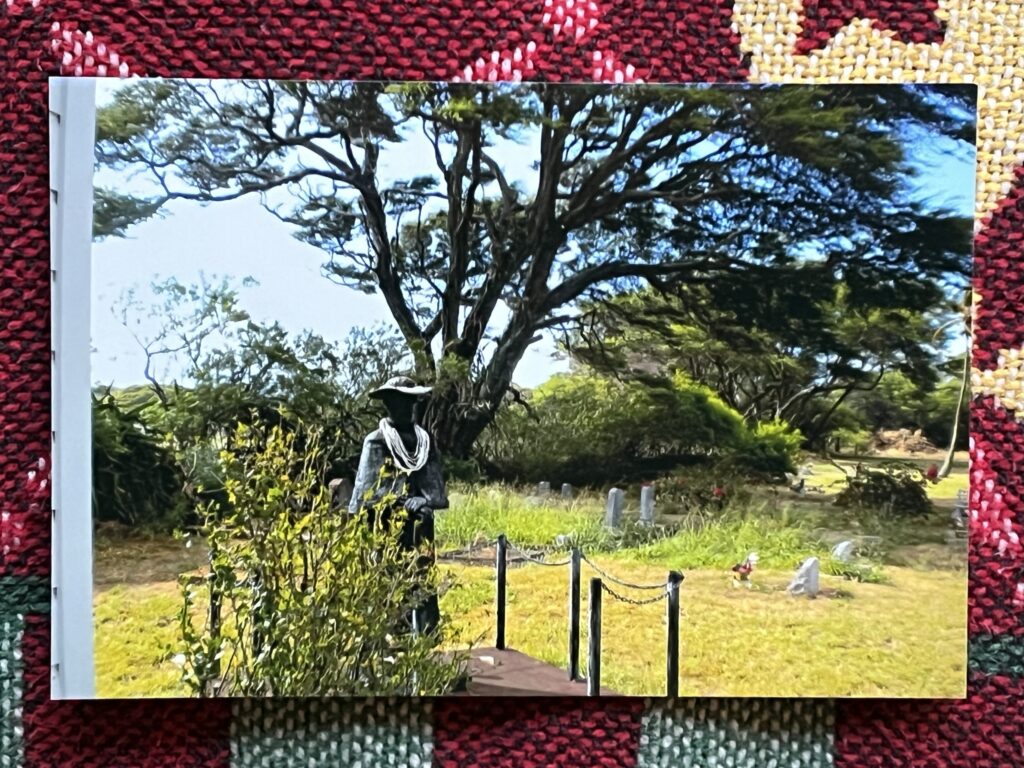
For Birders: Molokai supports endemic Hawaiian bird species including various honeycreepers and waterbirds adapted to the island’s diverse habitats.
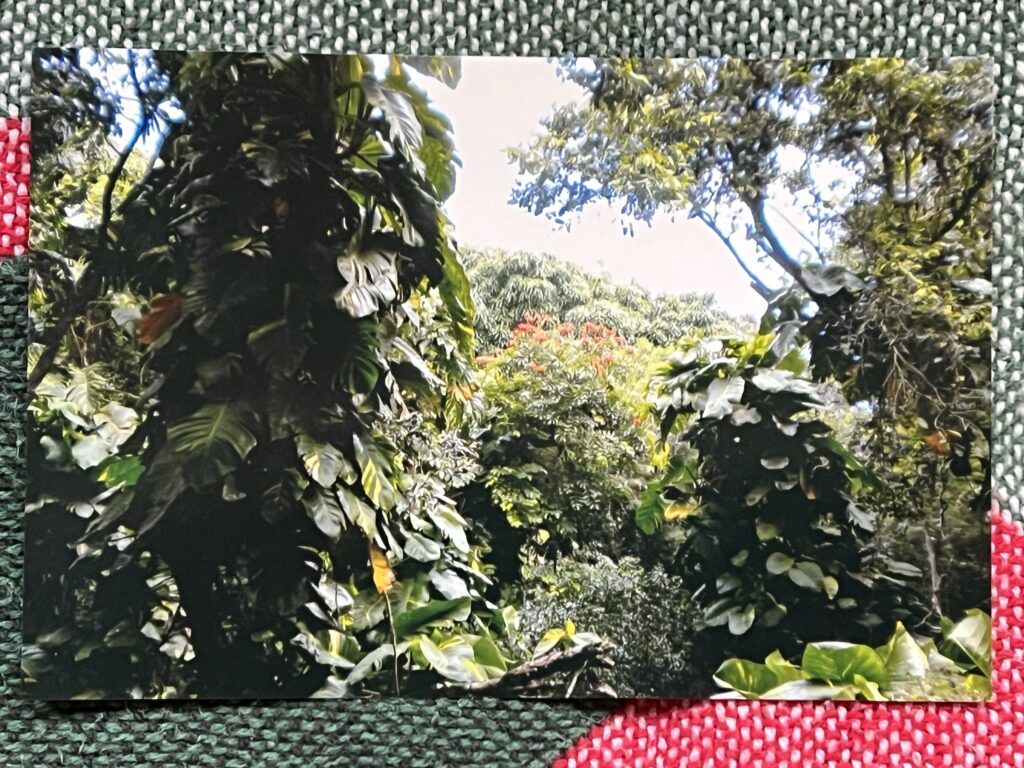
For Hikers: Pepeʻopae Trail crosses misty bogland and ends in dramatic valley views, providing a hiking experience distinct from other islands. The trail traverses native ʻōhiʻa forest and bog ecosystems. Wailau Valley and coastal cliffs offer additional hiking opportunities in remote areas.
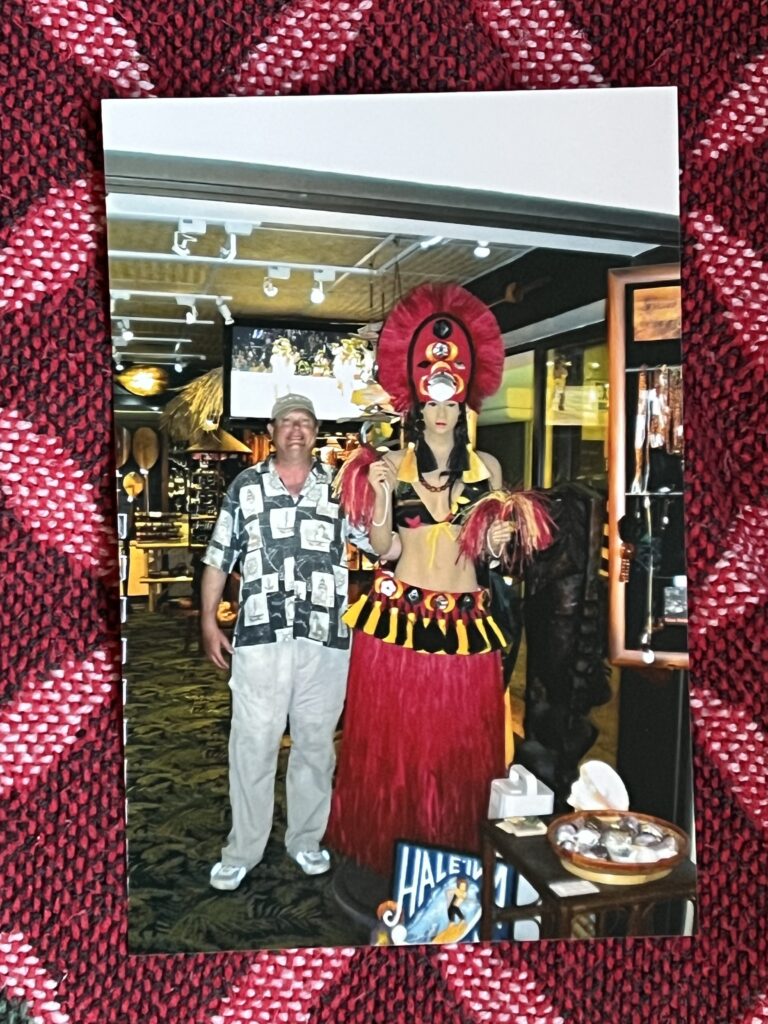
For Sailors: Molokai’s longest fringing coral reef (28 miles on the southern coast) and protected bays create excellent sailing conditions on the leeward side, though the northern coast experiences massive ocean swells and is unsuitable for small craft.
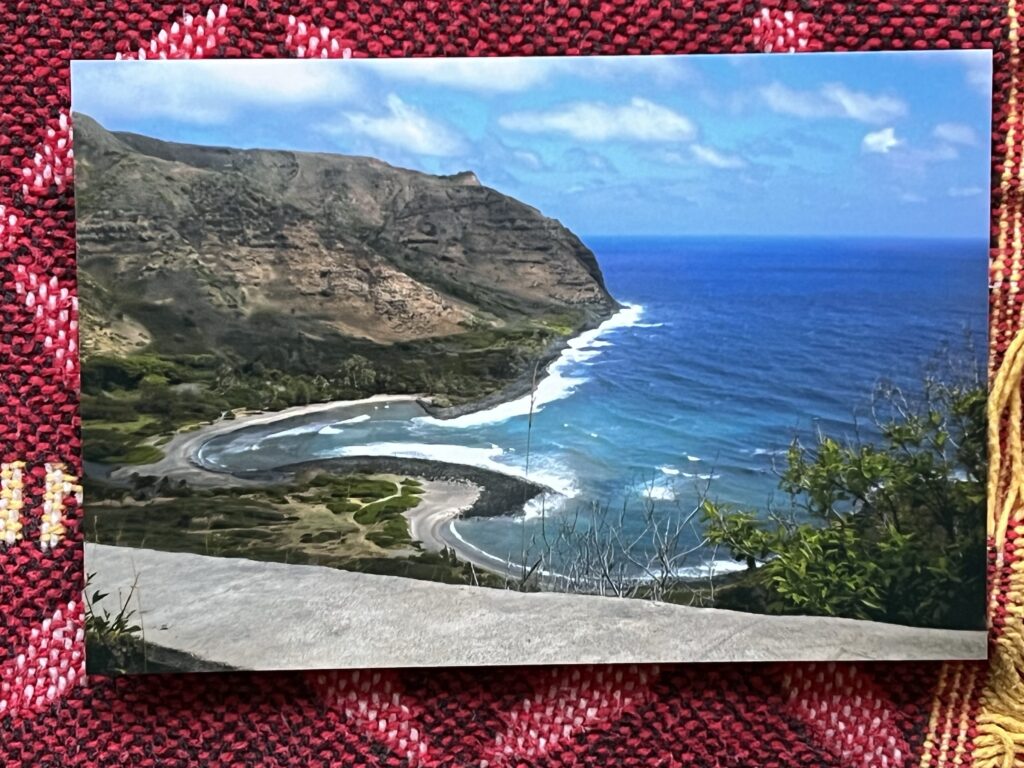
The island’s south shore historically supported the Pacific’s largest aquaculture complex with 50 or more Hawaiian fishponds before environmental degradation through deforestation and erosion filled them with silt.
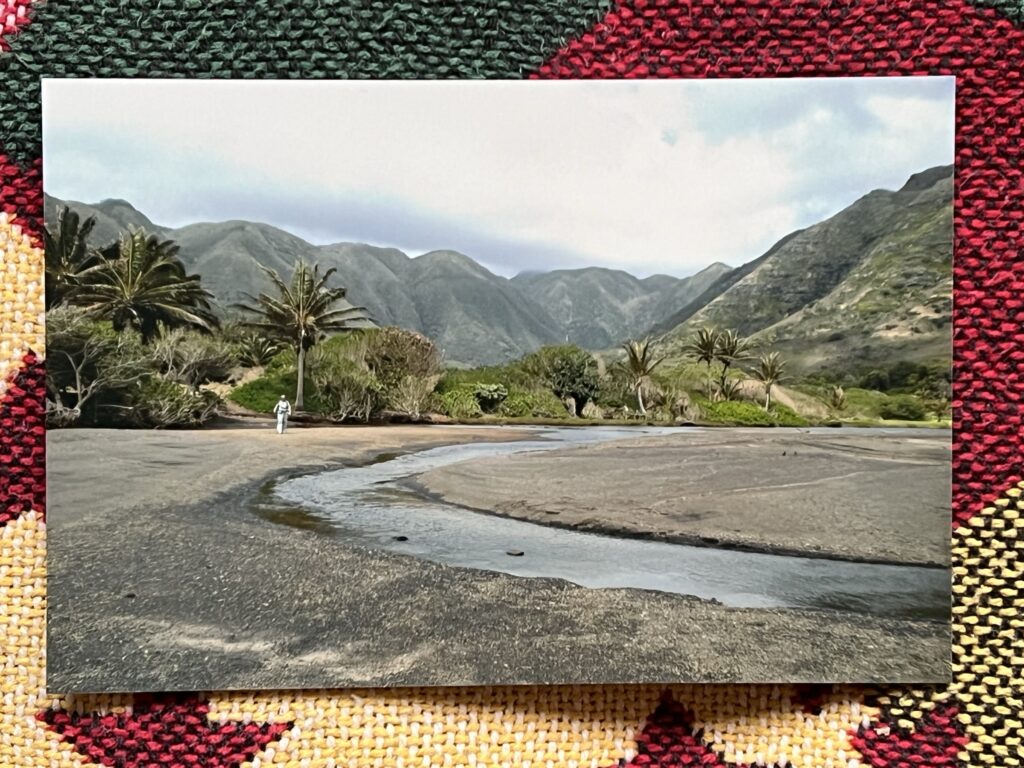
For Architects: Molokai lacks major resort development, maintaining traditional Hawaiian settlement patterns. The island consciously resists development through local opposition and limited infrastructure.
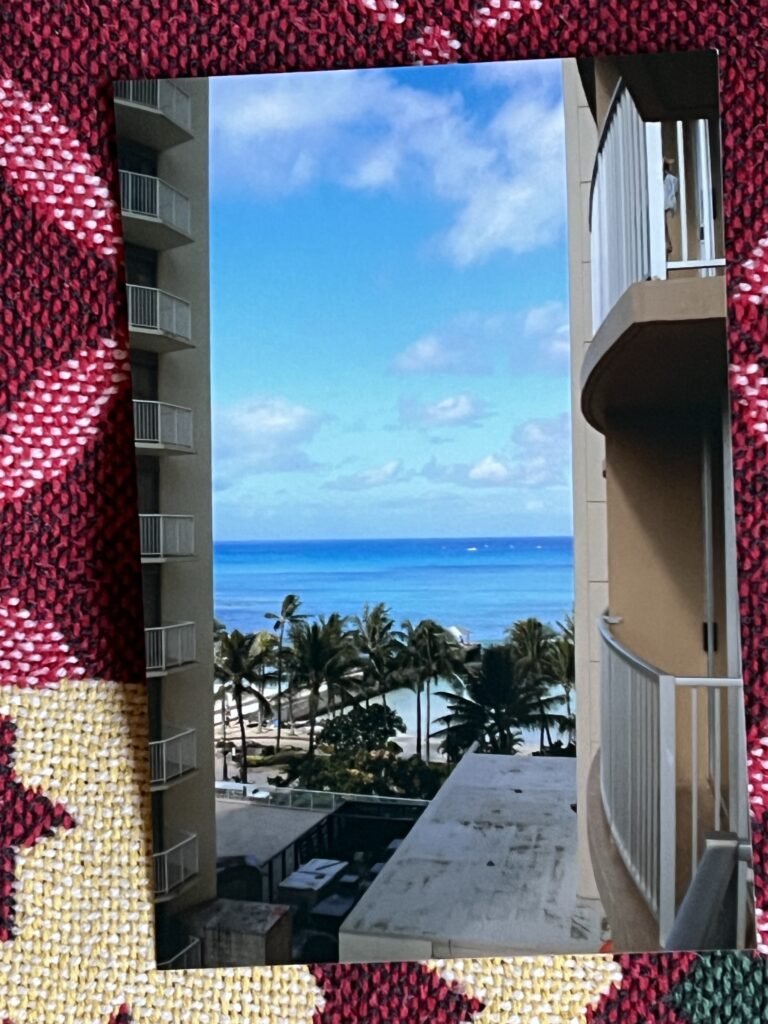
For Honeymooners: Molokai appeals to couples seeking authentic Hawaiian cultural immersion without resort luxury. The island’s traditional character, strong local community, and unspoiled environment create a different honeymoon experience—focused on connection with Hawaiian culture rather than resort amenities.
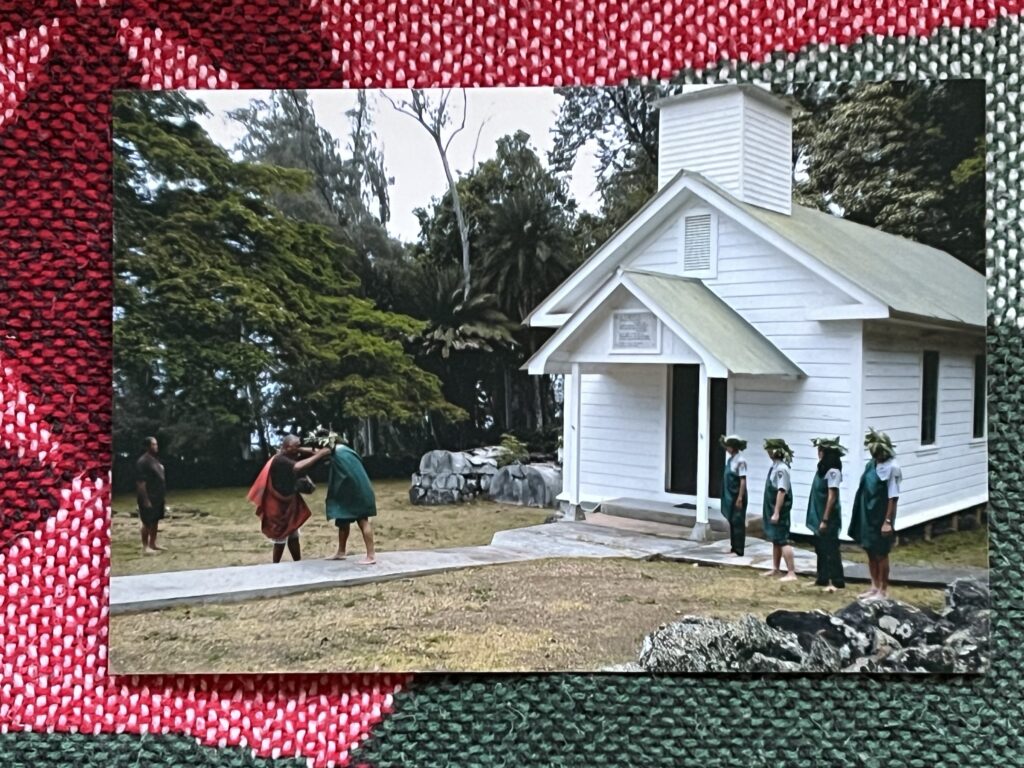
For Geologists: Molokai demonstrates dramatic geological features despite lacking active volcanism. The island’s northern sea cliffs represent some of the world’s tallest coastal formations, rising approximately 3,500 feet directly from the Pacific. These cliffs result from catastrophic landslides and ongoing erosion of volcanic rock sequences. The island’s interior features steep mountains and deep canyons carved by streams over millions of years, creating a topography markedly different from the gentler slopes of younger islands still influenced by active volcanism.
For Surfers: Molokai’s exposed northern coast experiences massive winter swells suitable only for expert big wave surfers willing to risk life in dangerous conditions. The southern leeward coast offers more manageable beach breaks.
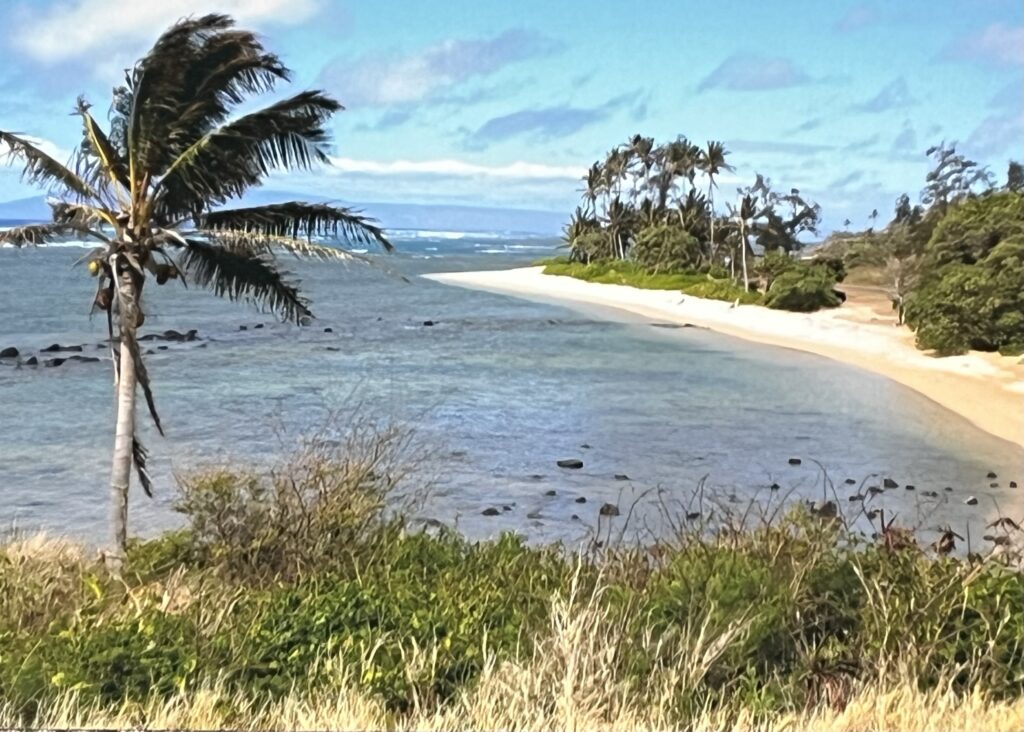
Best Overall for Molokai: Historians interested in Hawaiian spiritual traditions and the Kalaupapa leper settlement, combined with travelers seeking authentic Hawaiian cultural experiences, should prioritize Molokai. The island’s resistance to development and strong local Hawaiian community create an experience fundamentally different from resort-focused islands.
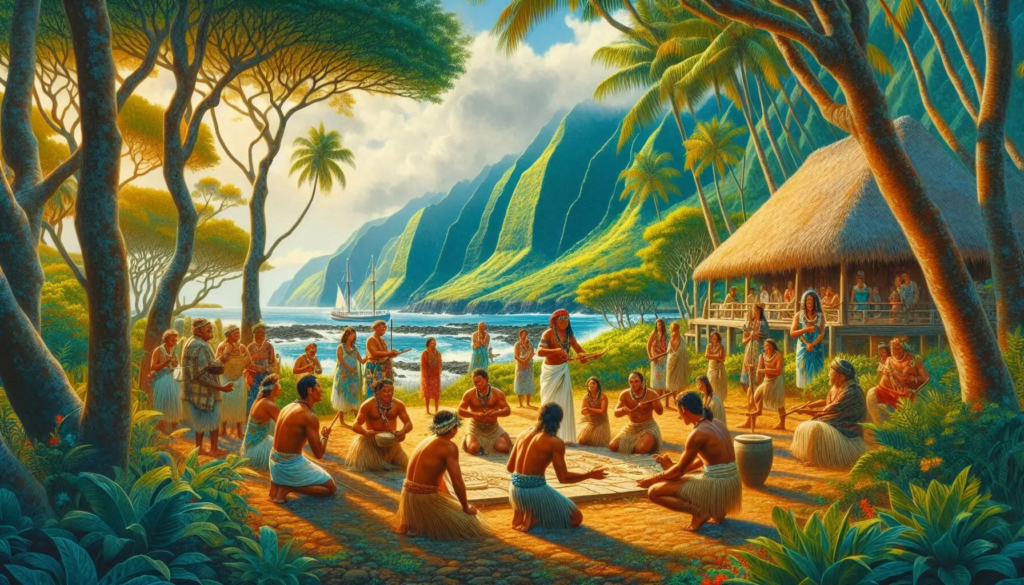
Hawaii’s Yacht Clubs
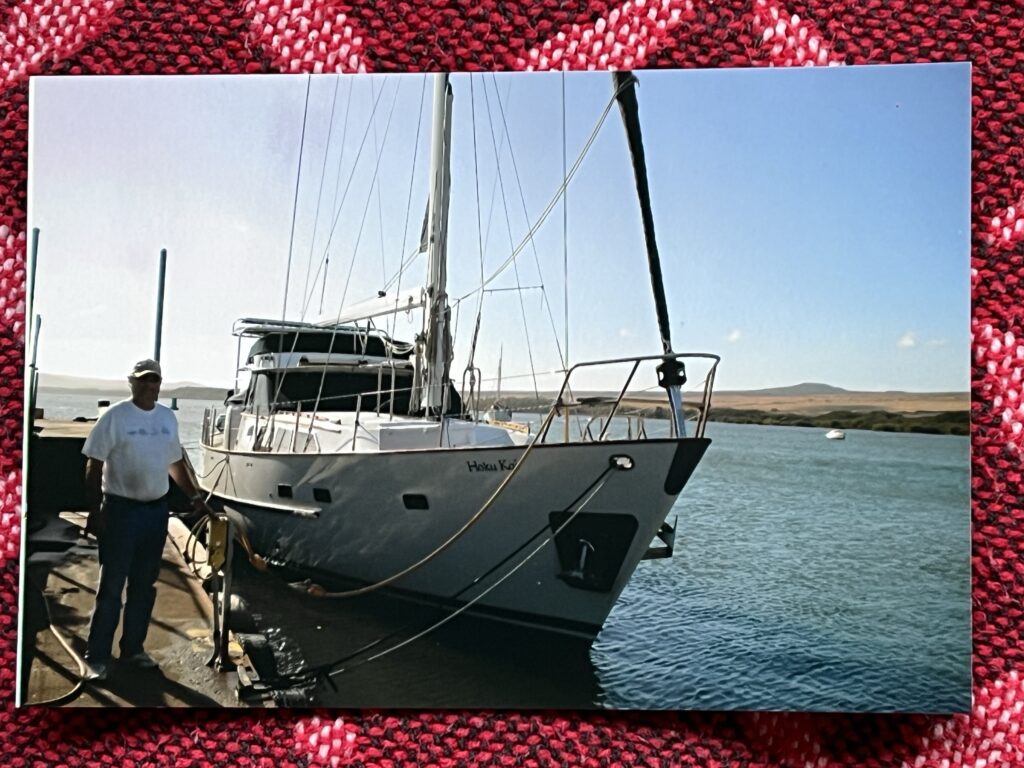
Hawaii boasts a substantial sailing culture with multiple yacht clubs serving residents and visitors:
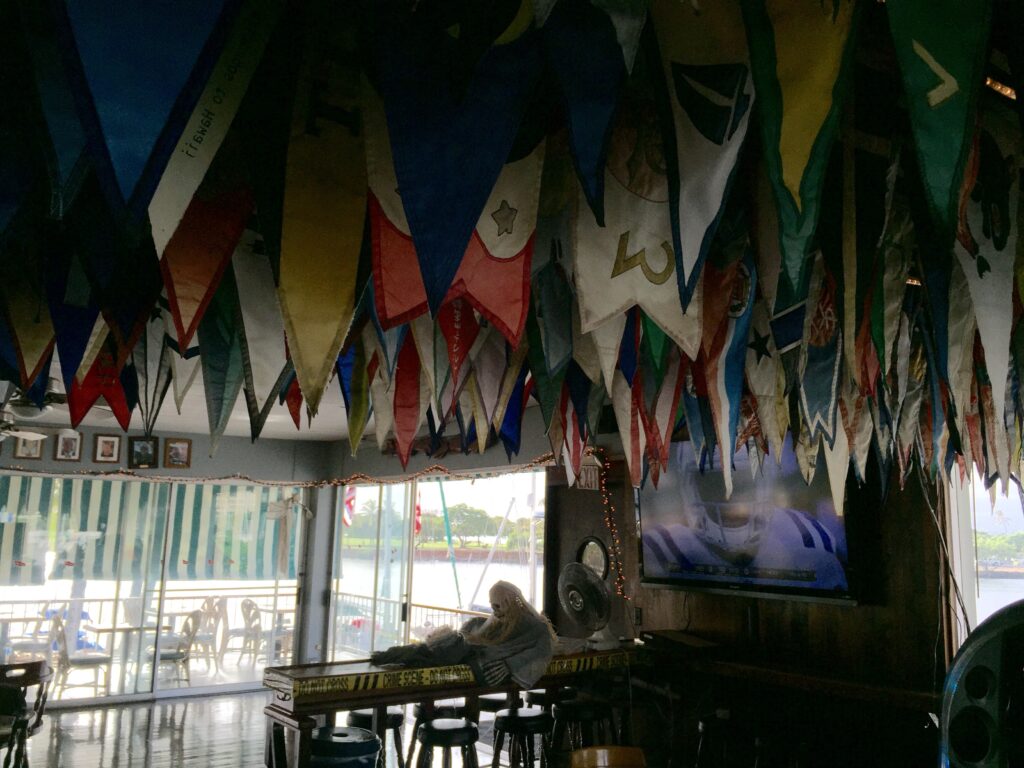
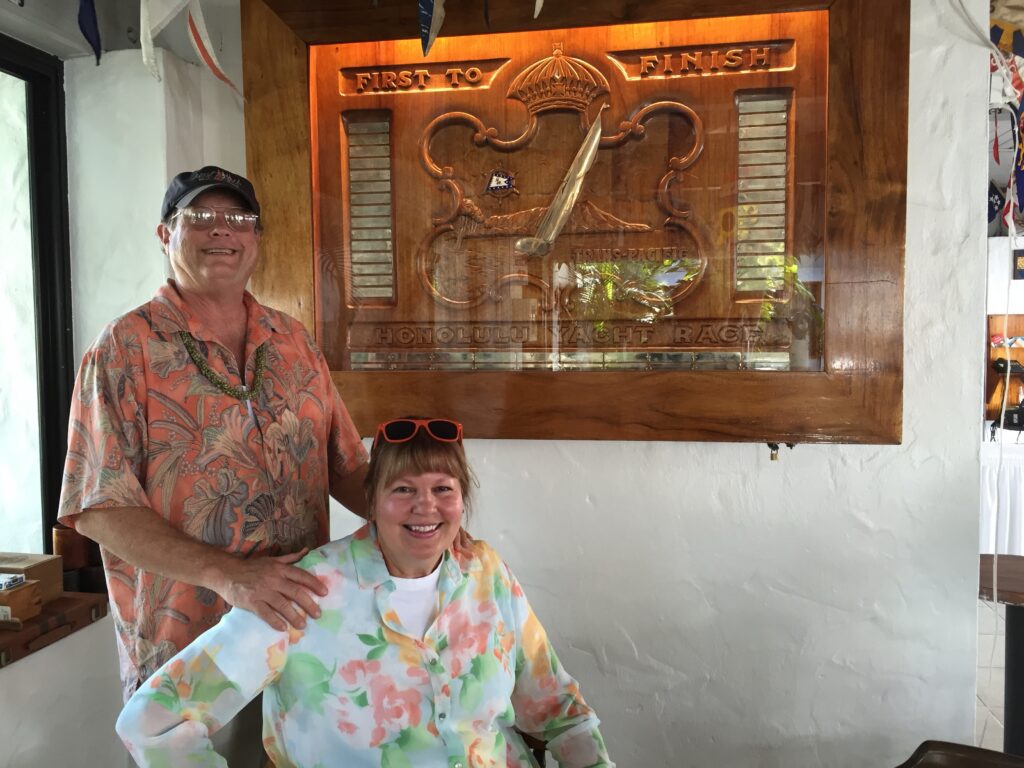
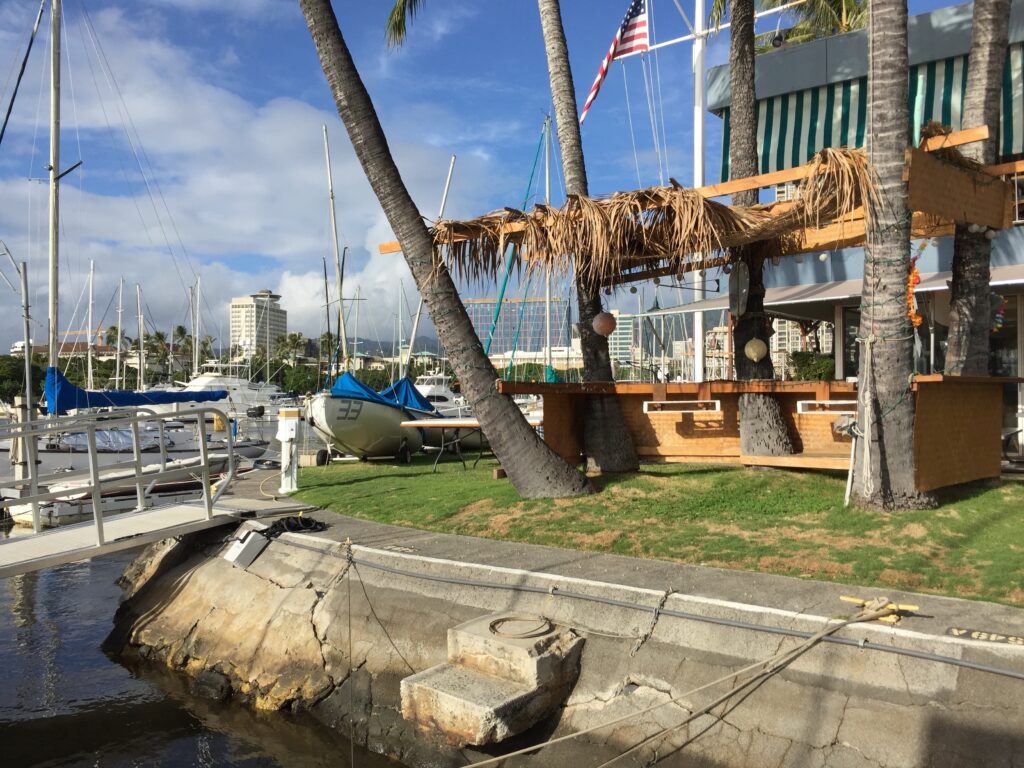
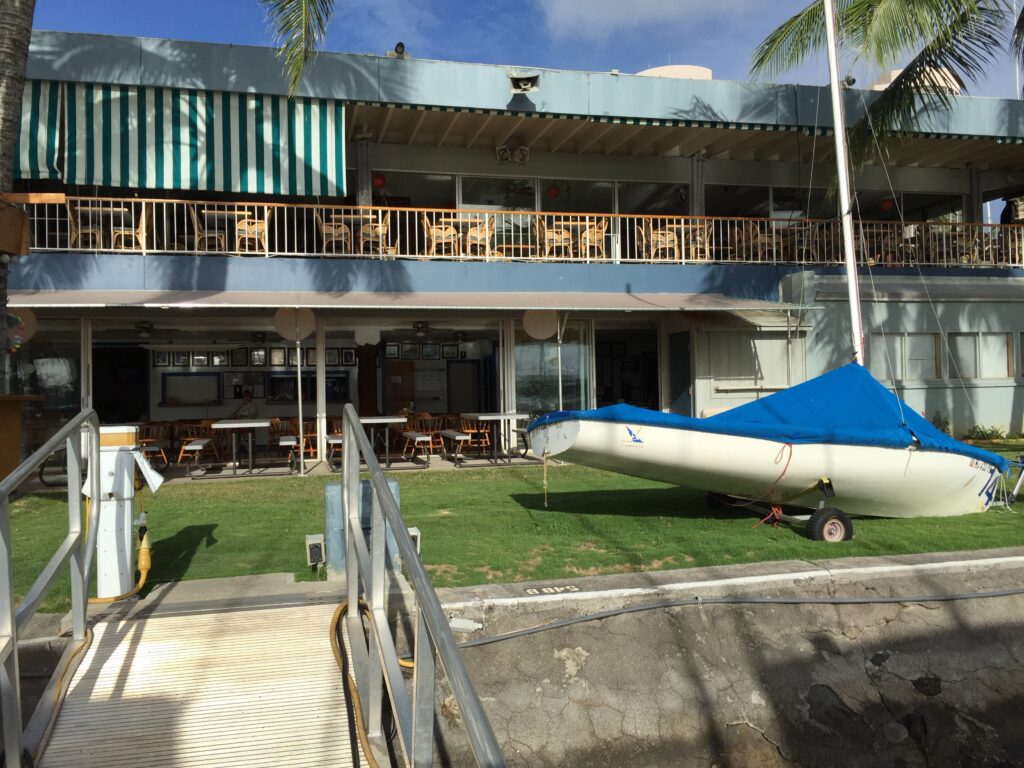
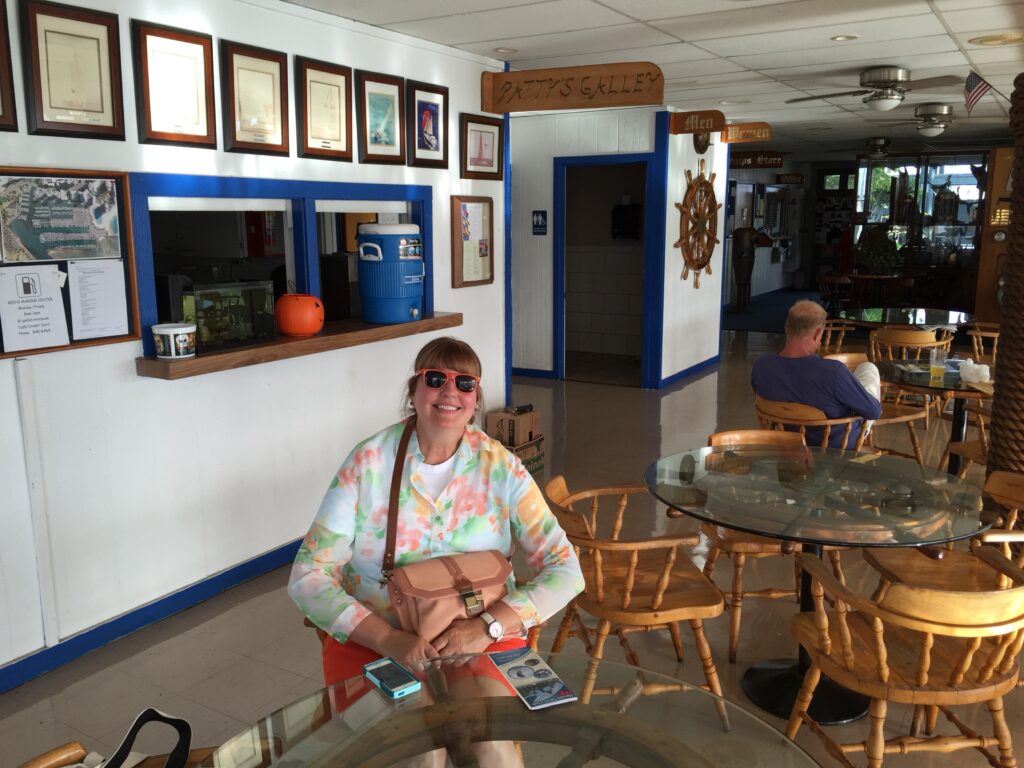
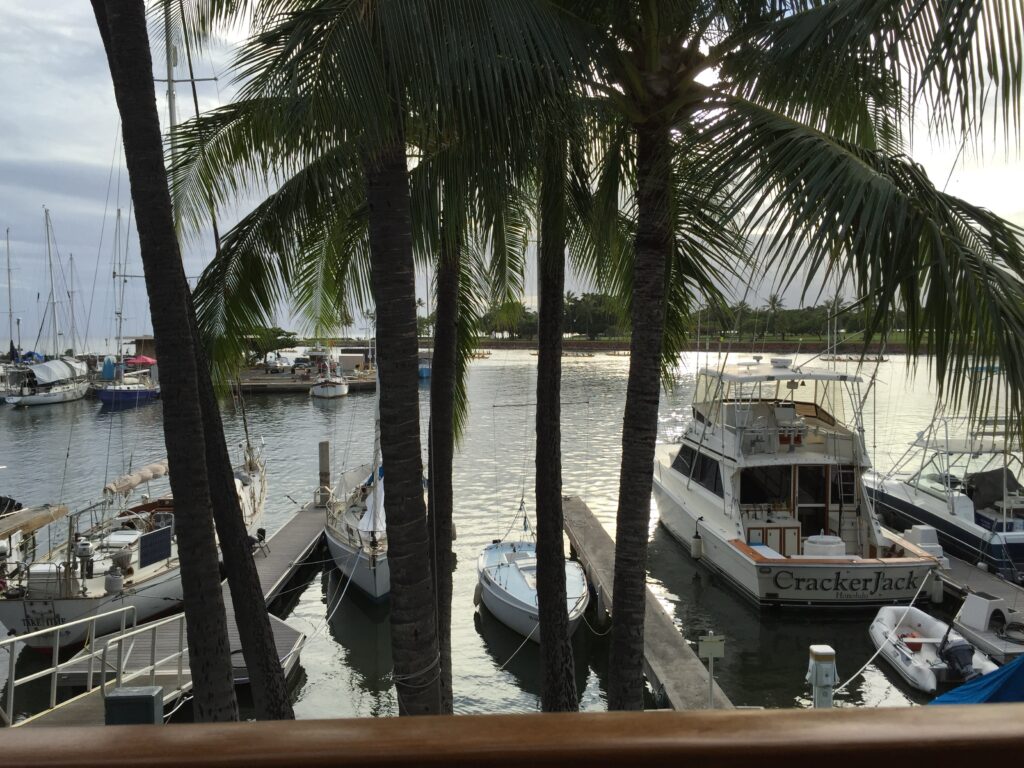
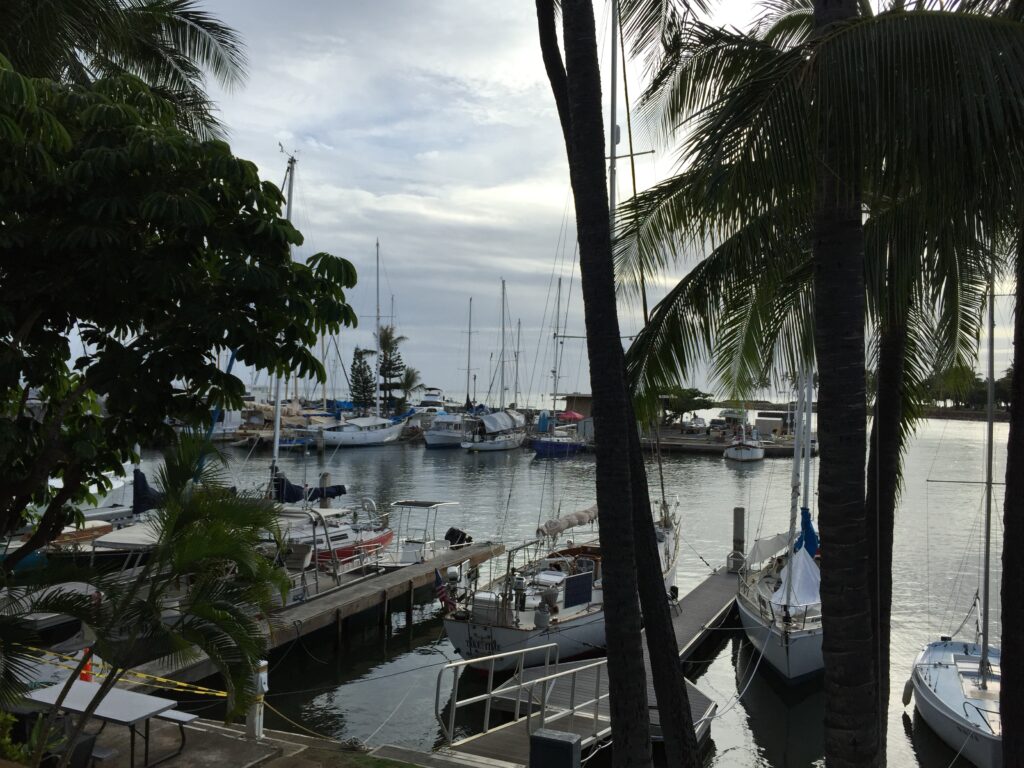
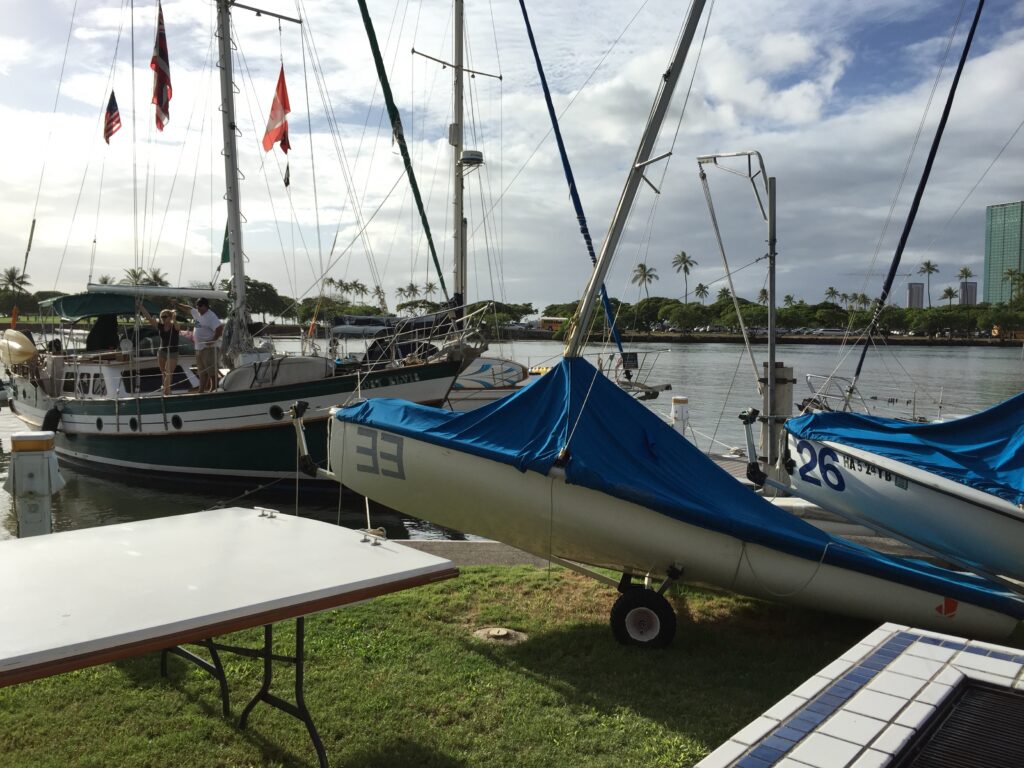
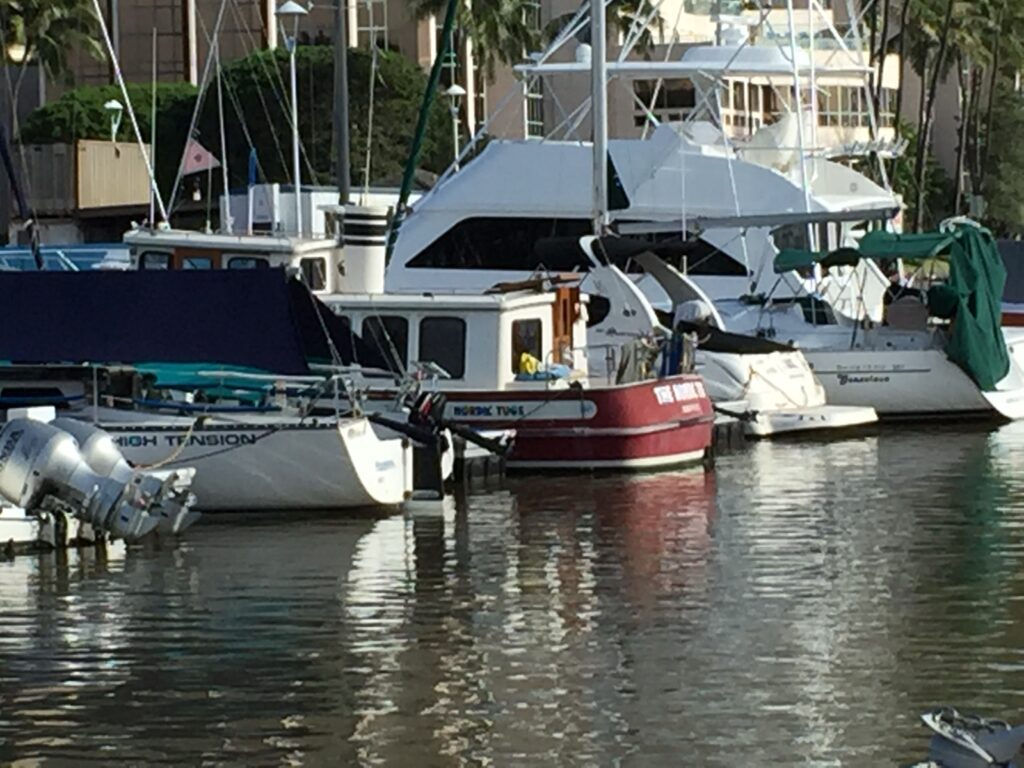
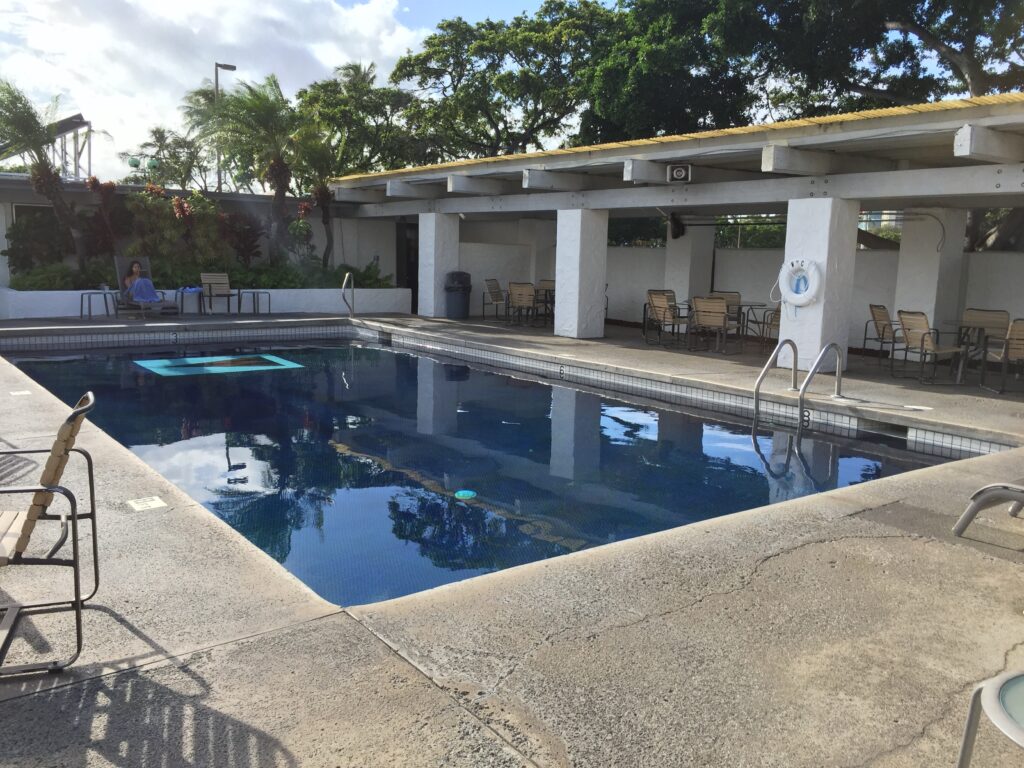
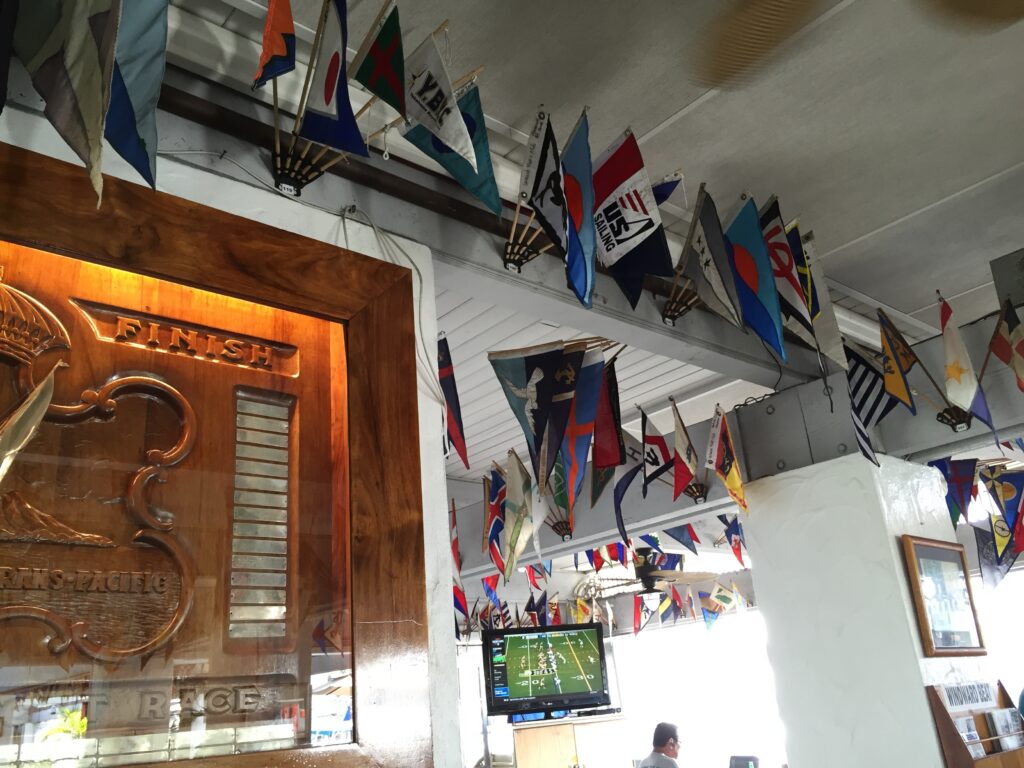
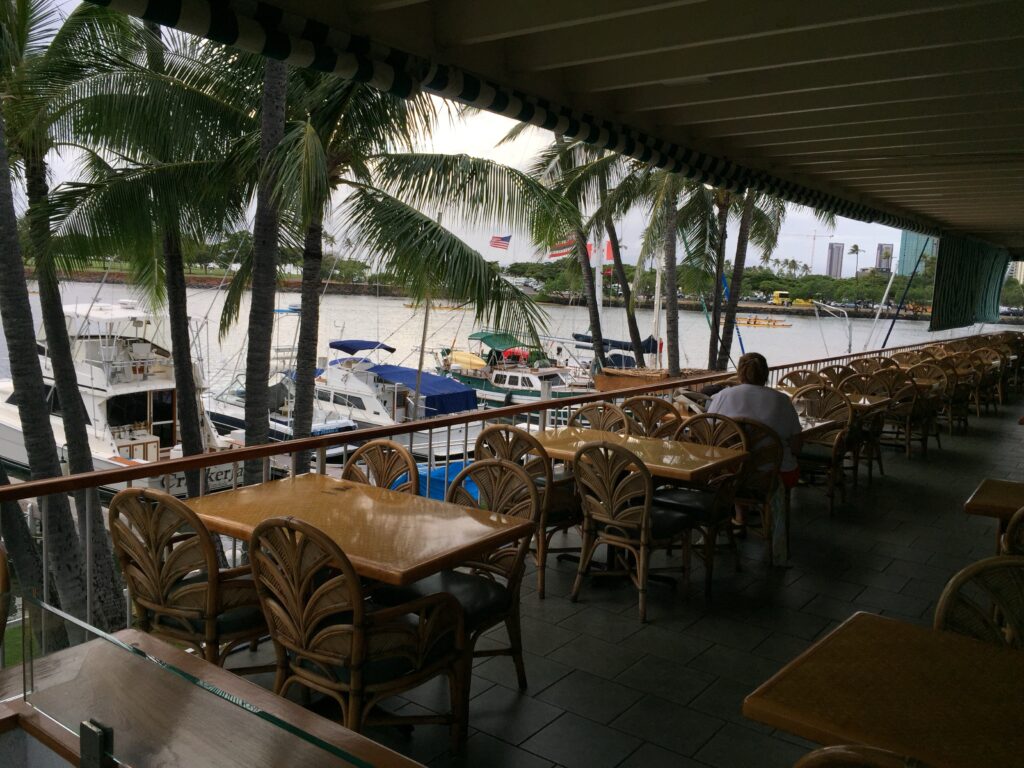
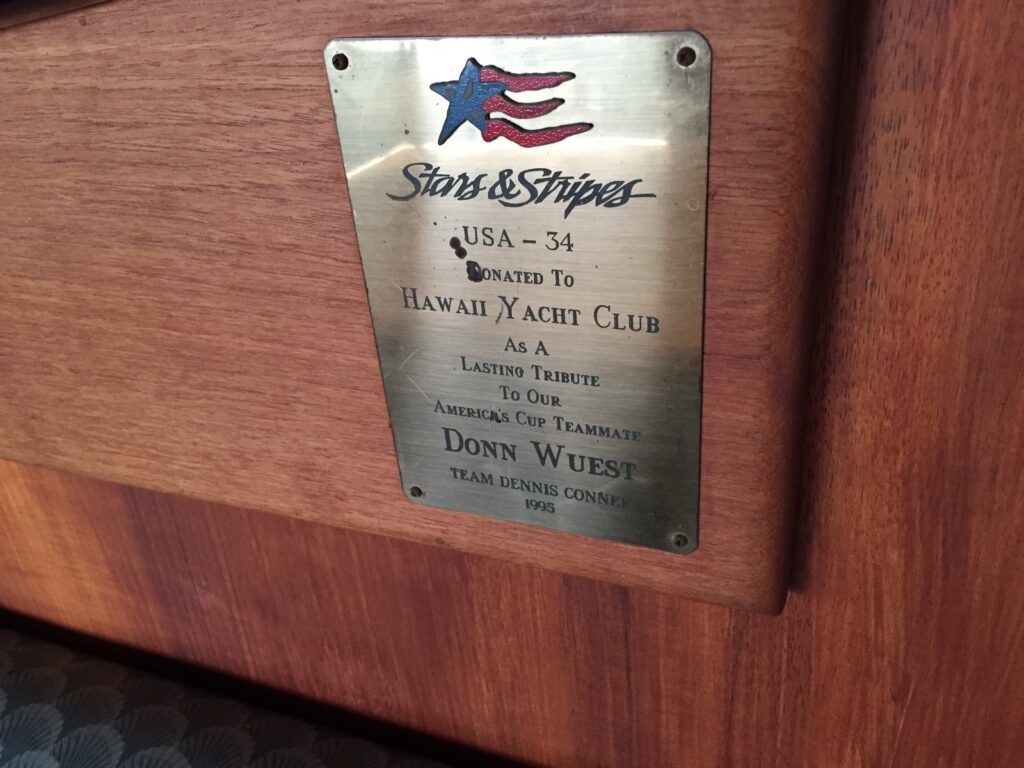
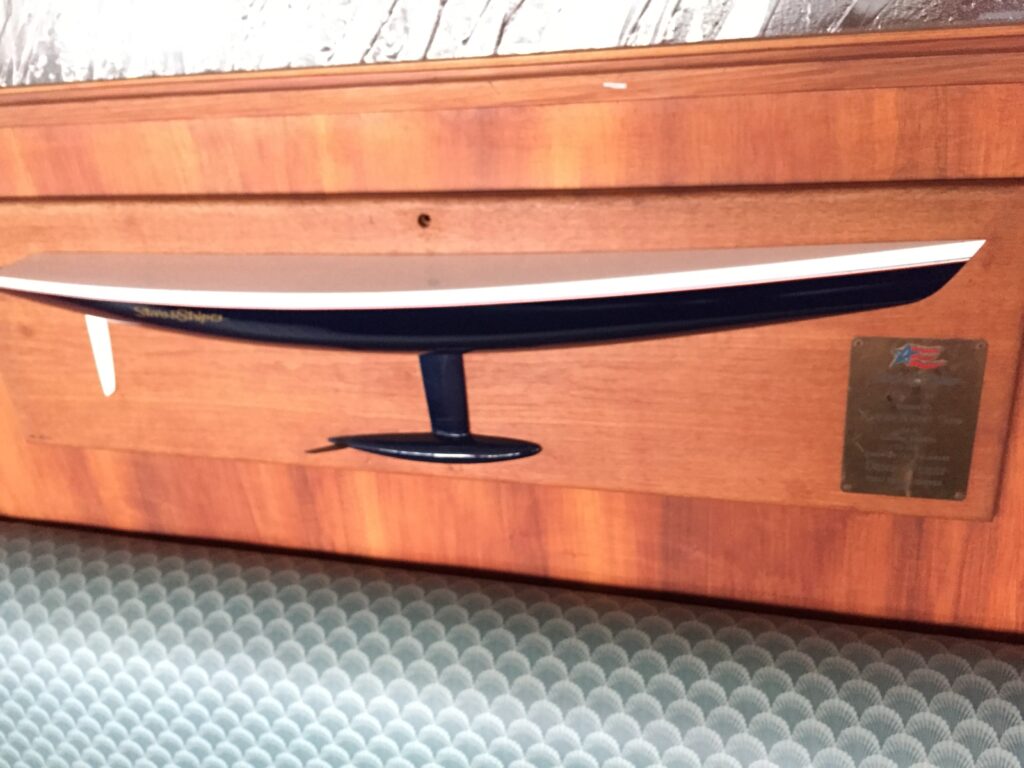
- Hawaii Yacht Club – Founded 1901, the oldest continuously operating club in the islands, located at 1739 Ala Moana Boulevard, Honolulu (808-944-9666). The club welcomes serious racing sailors and maintains competitive sailing programs.
- Waikiki Yacht Club – Established 1944, one of the Pacific’s premier yacht clubs, situated at the edge of Ala Moana Beach Park and Ala Wai Yacht Harbor in Honolulu (808-949-7141). The club extends reciprocity to visiting yacht club members from around the world and combines racing with social membership programs.
- Kaneohe Yacht Club – Located at 44-503 Kaneohe Bay Drive, Kaneohe, Big Island (808-247-4121), founded 1924, this club serves sailors in the windward waters of Oahu.
- Nawiliwili Yacht Club – Based in Lihue, Kauai (808-742-2512), this club provides sailing access from Kauai’s leeward port facilities.
- Pearl Harbor Yacht Club – Established 1924, located at 57 Arizona Memorial Drive, Slip 127, Honolulu (808-398-8232), this club operates from the historically significant Pearl Harbor naval complex.
- Pacific Yacht Club – A volunteer-run club focused on recreational sailing at Hickam Air Force Base, Honolulu, reflecting the military sailing tradition in Hawaii.
- Hilo Yacht Club – Based on the Big Island’s windward (wet) side at Honohononui Bay, this club describes itself as “Hilo’s Number One Dining Experience Destination” with a focus on hospitality.
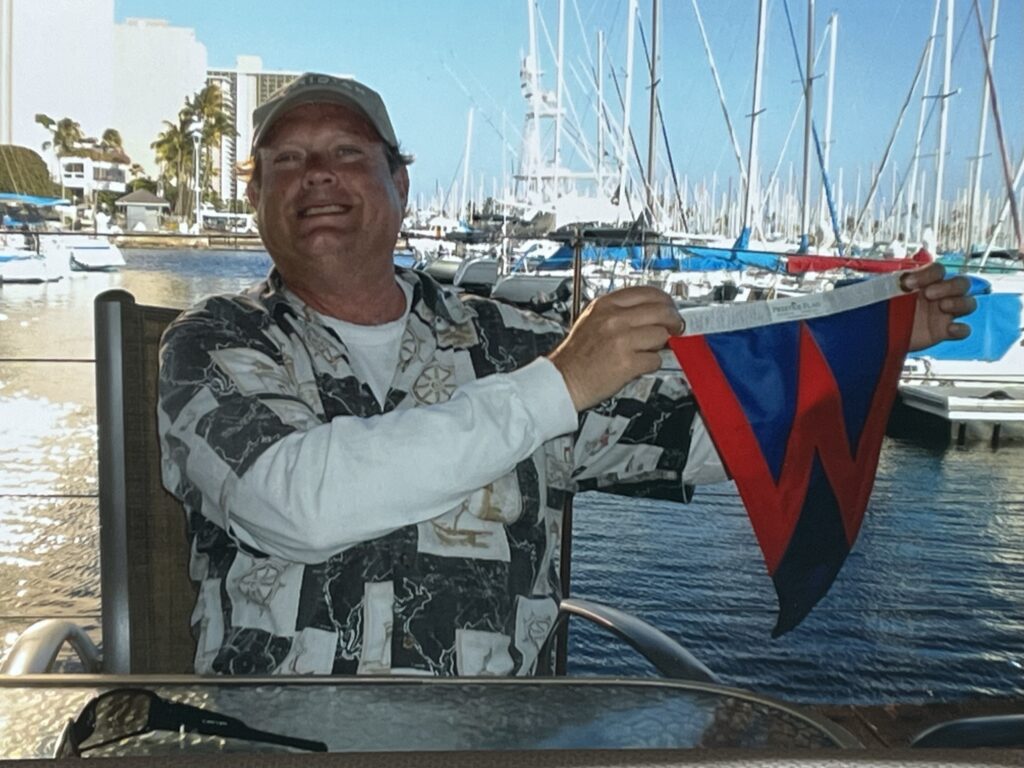
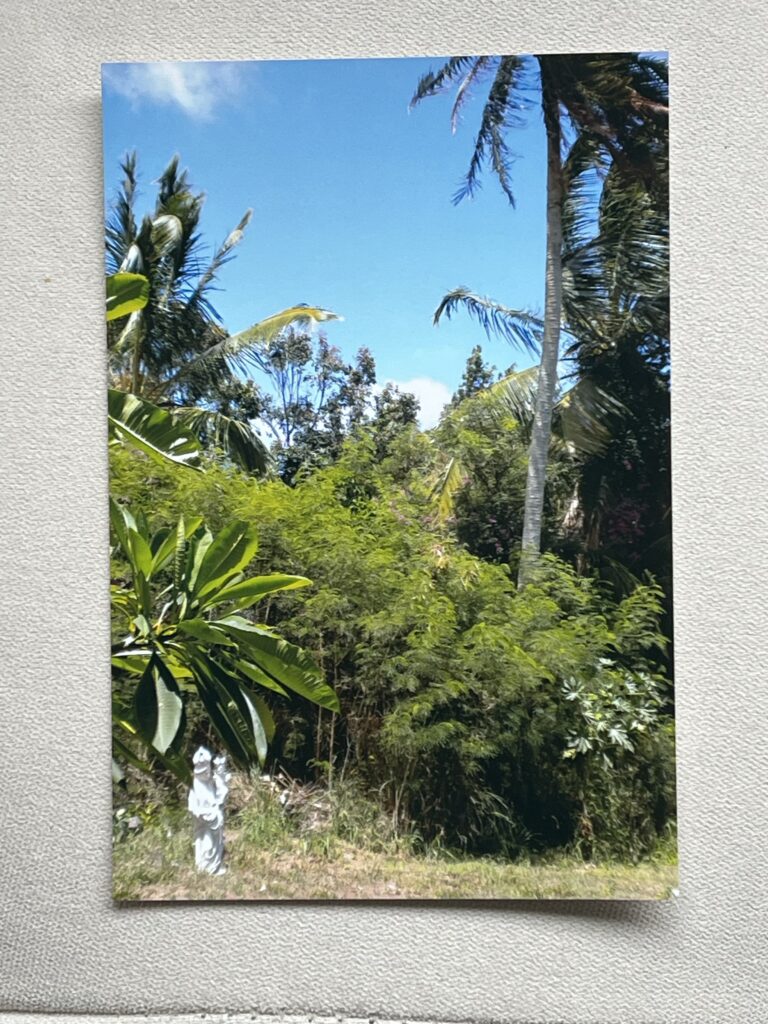
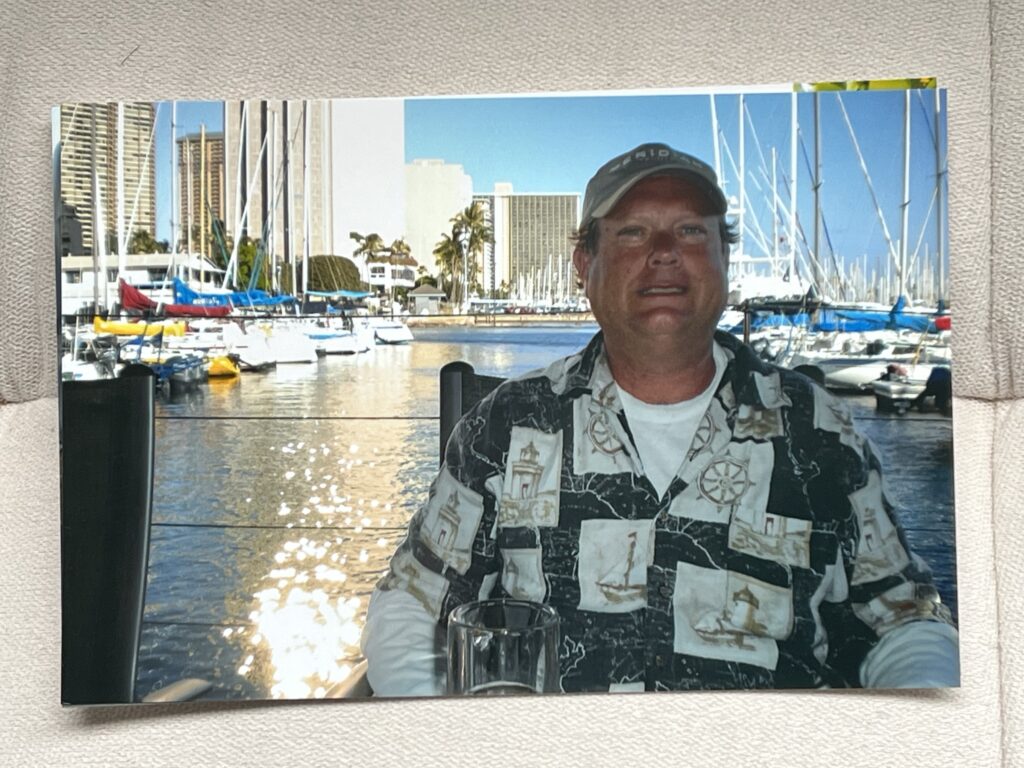
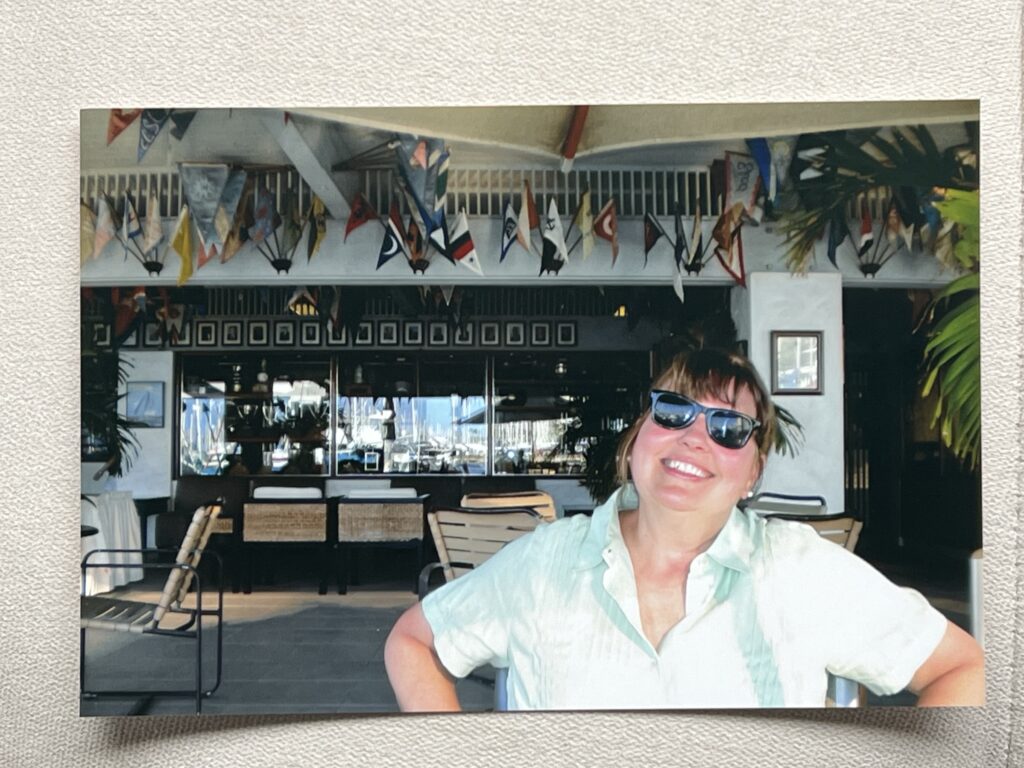
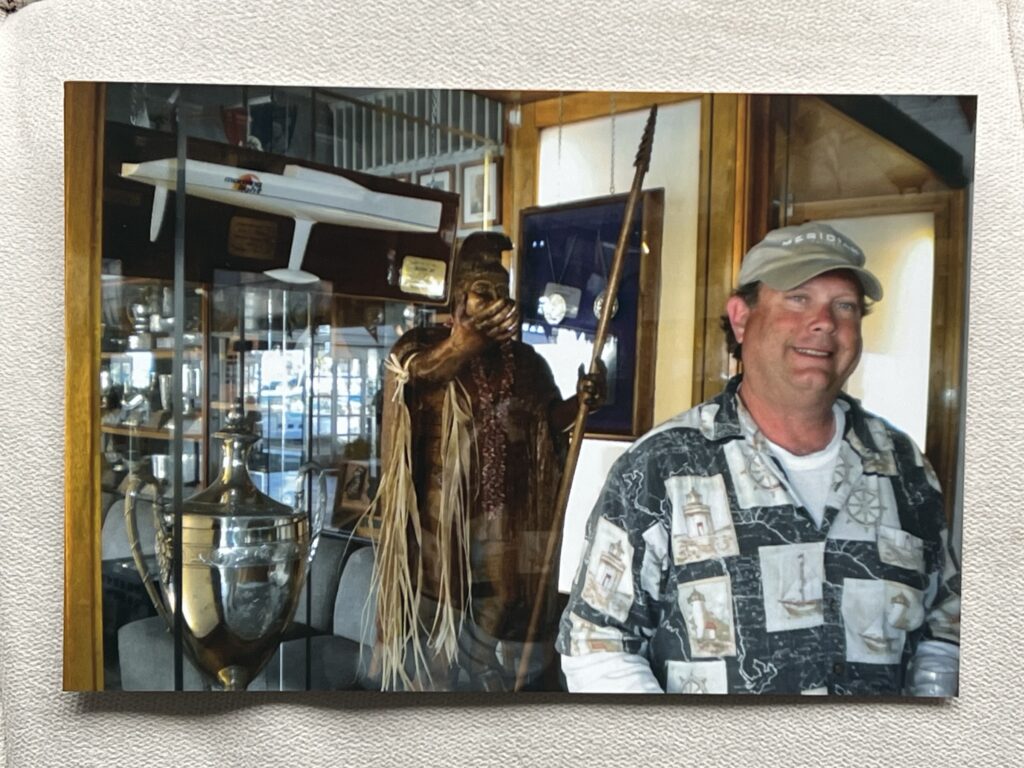
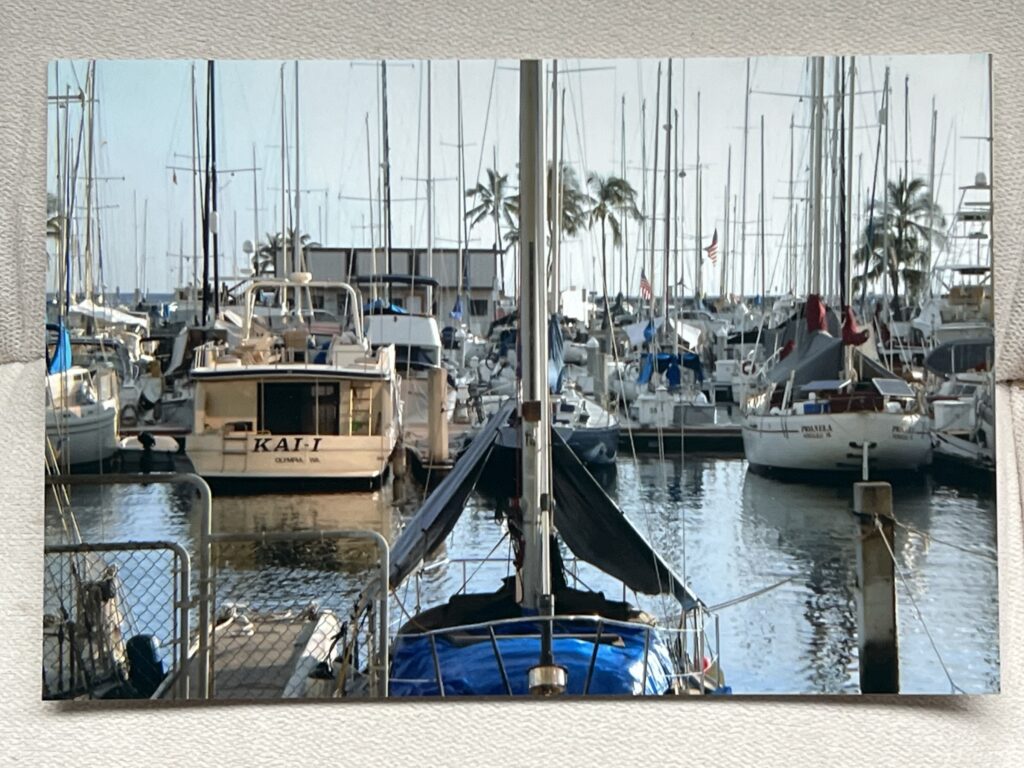
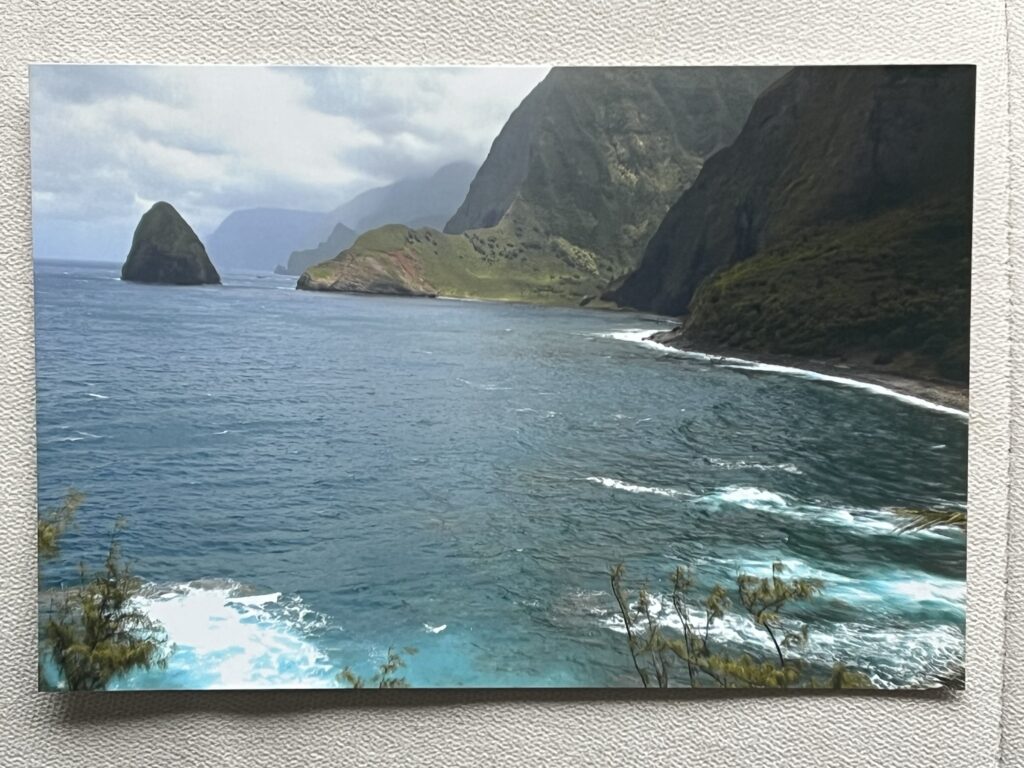
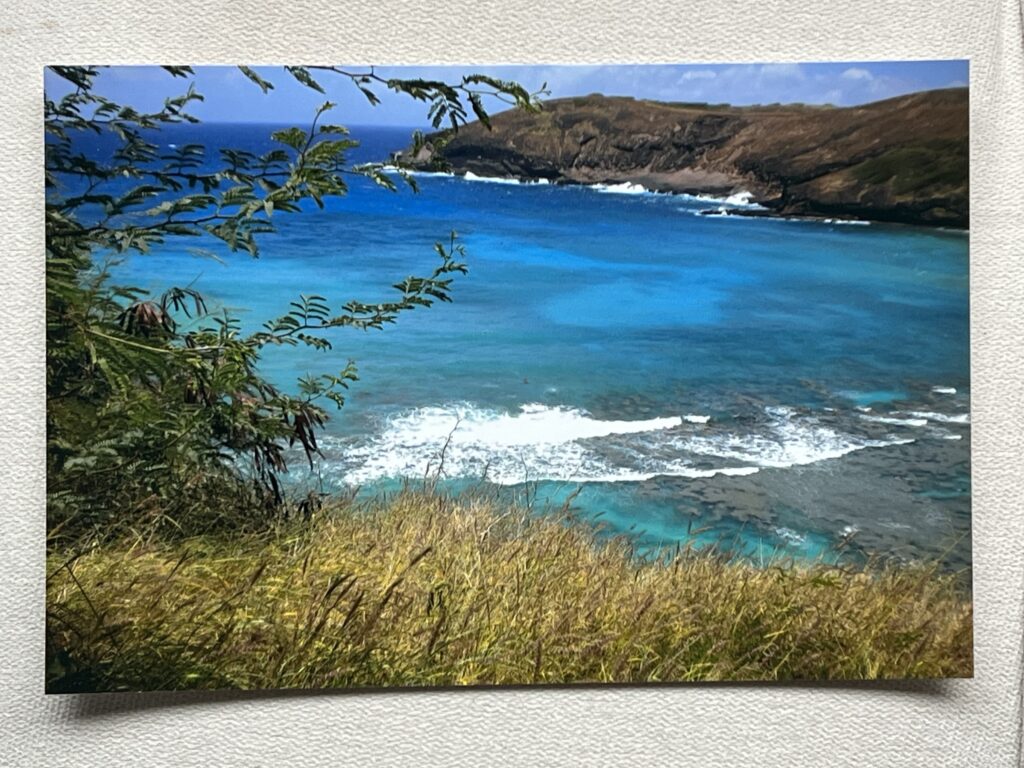
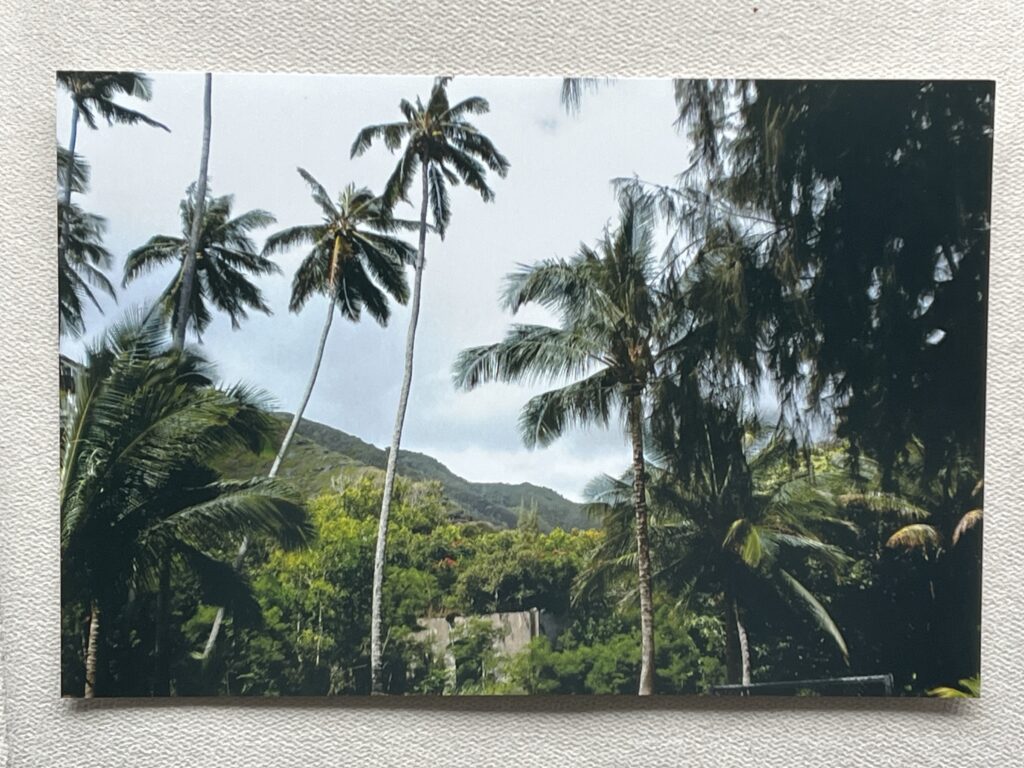
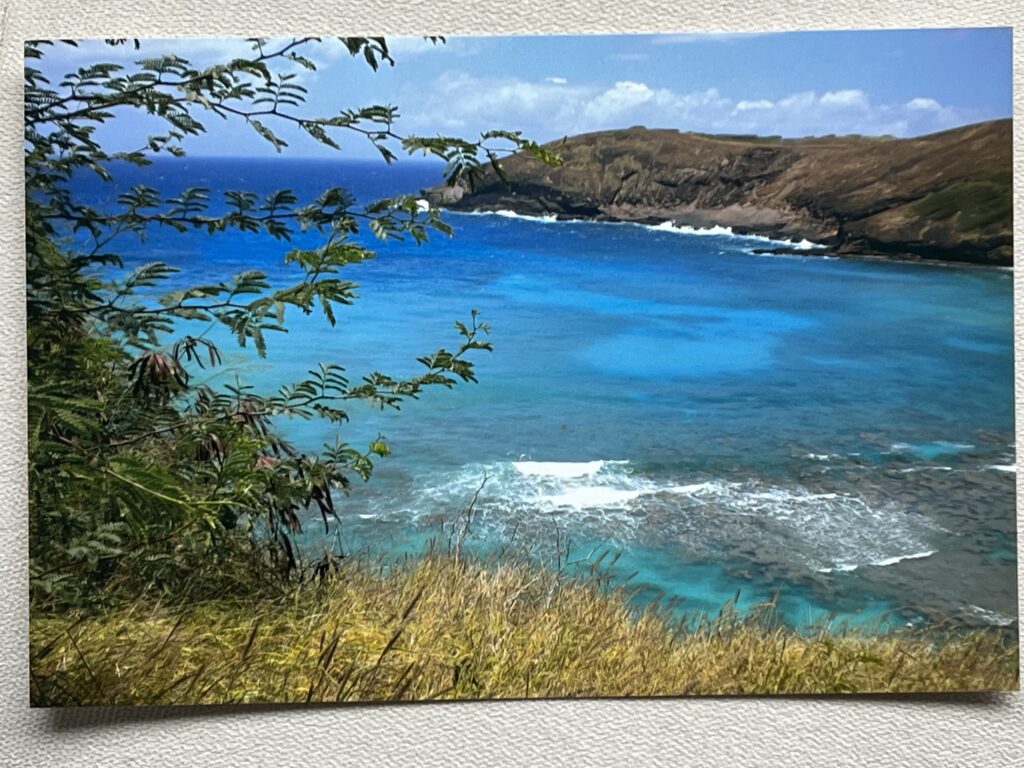
These clubs collectively represent Hawaii’s deep sailing tradition, combining competitive racing heritage with social membership and visitor reciprocity programs. The clubs maintain connections to Hawaii’s maritime history while serving contemporary sailors and motorsailing enthusiasts from both resident and visitor populations.
Sources Referenced:pearlharbortours+103youtube
Oʻahu
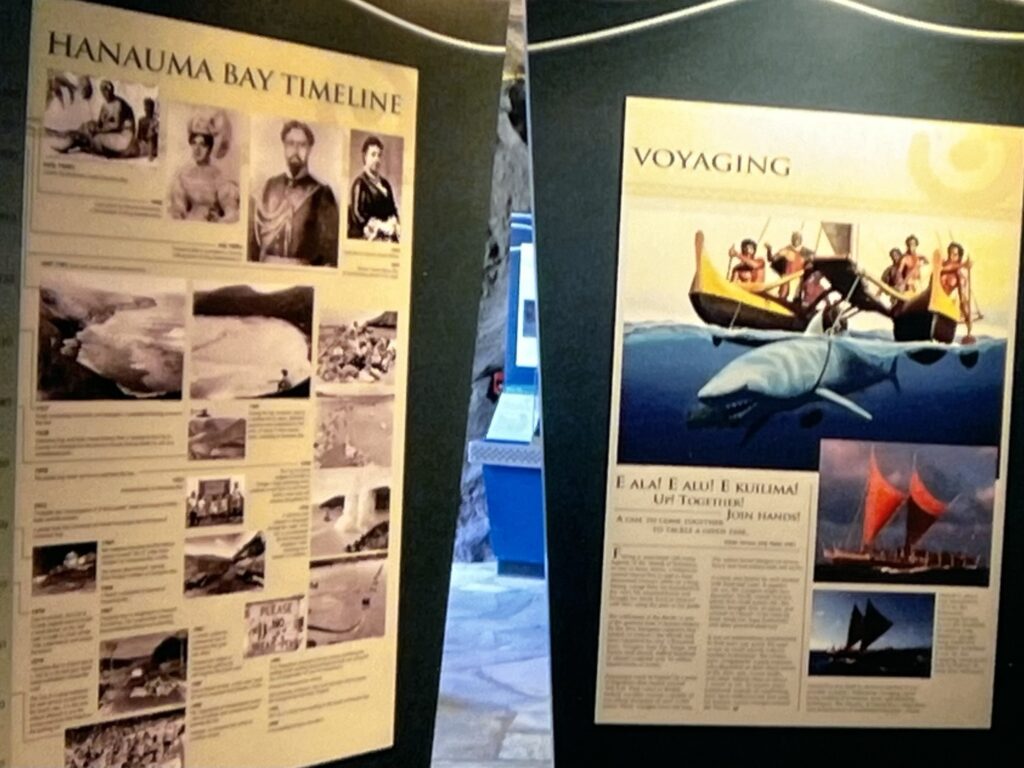
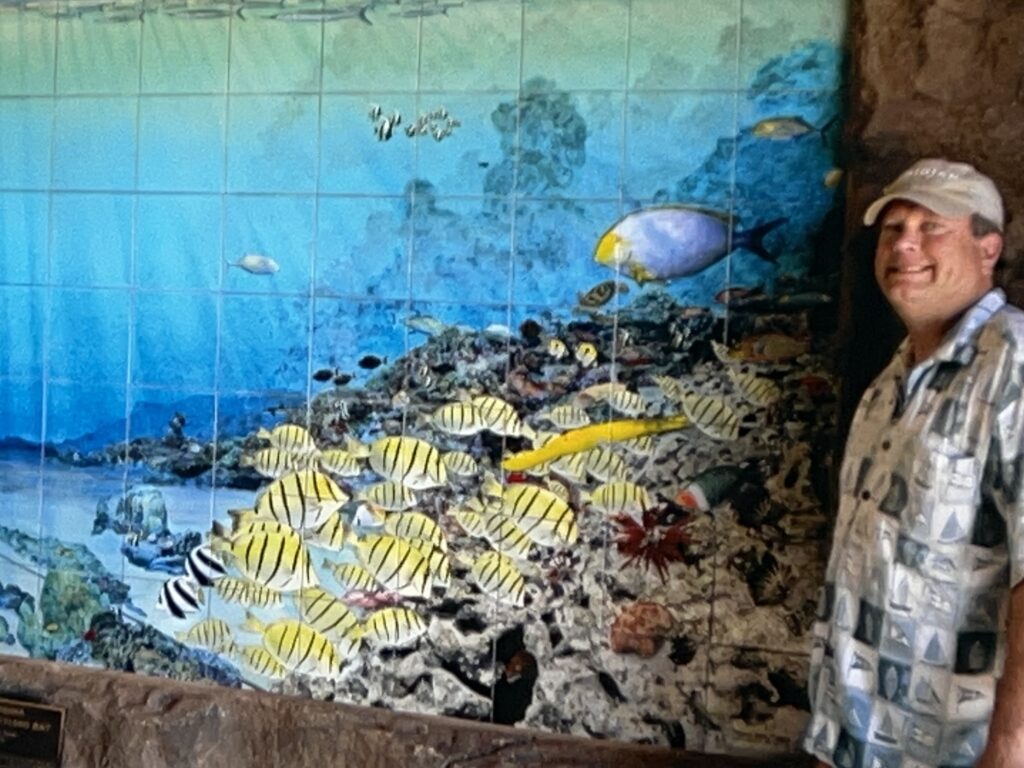
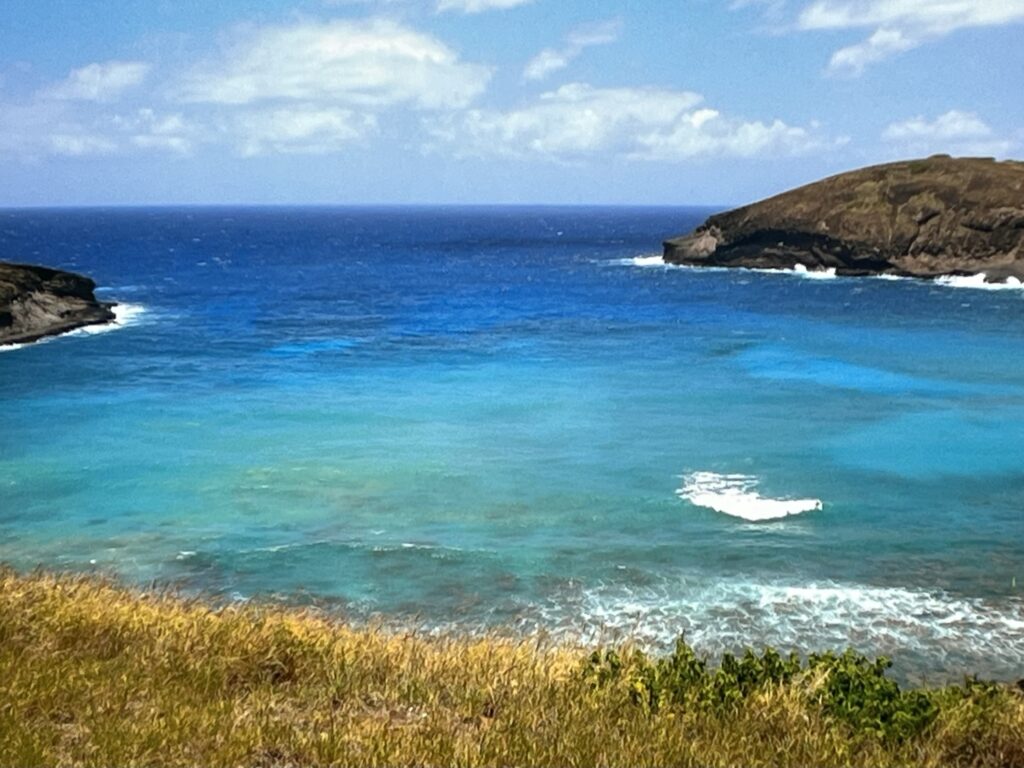
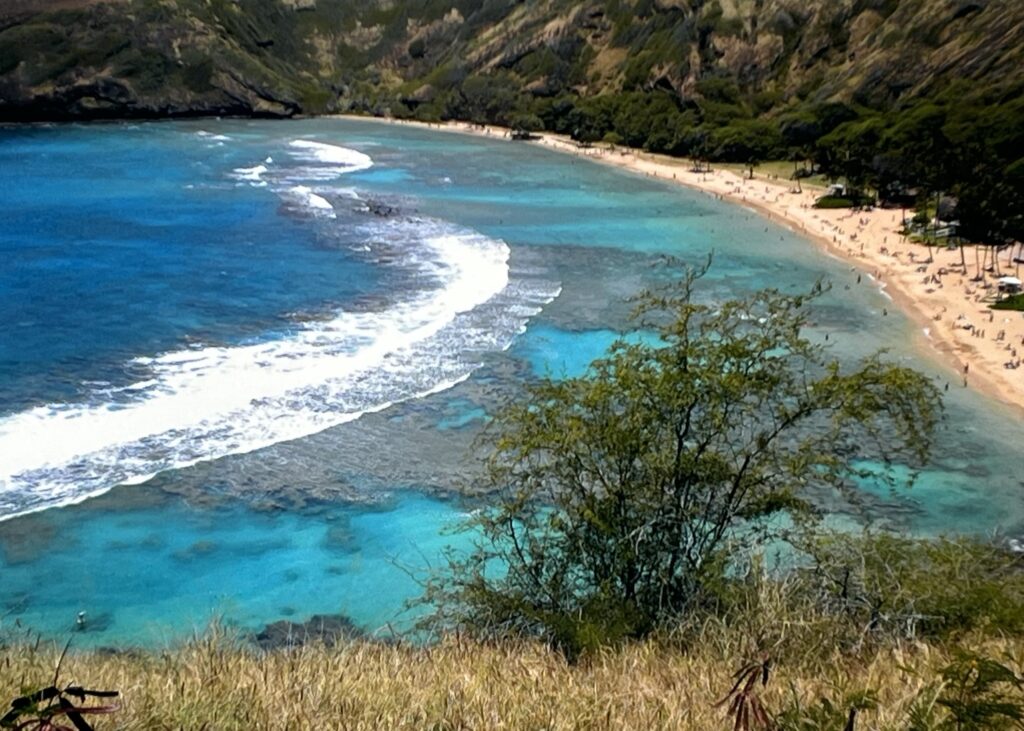
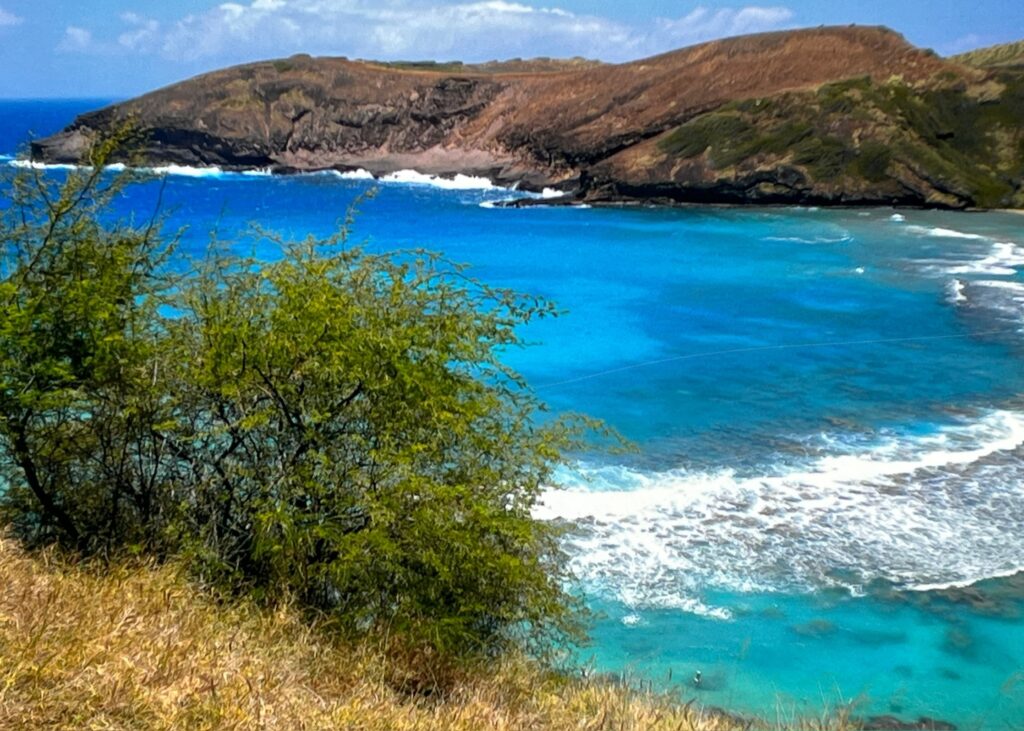
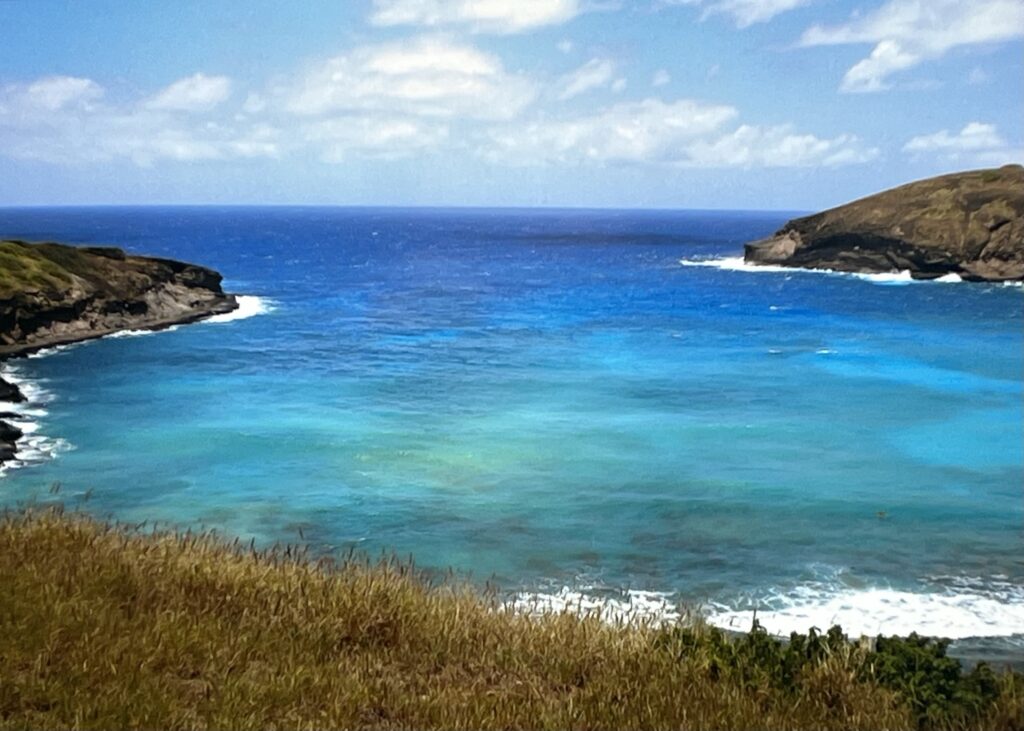
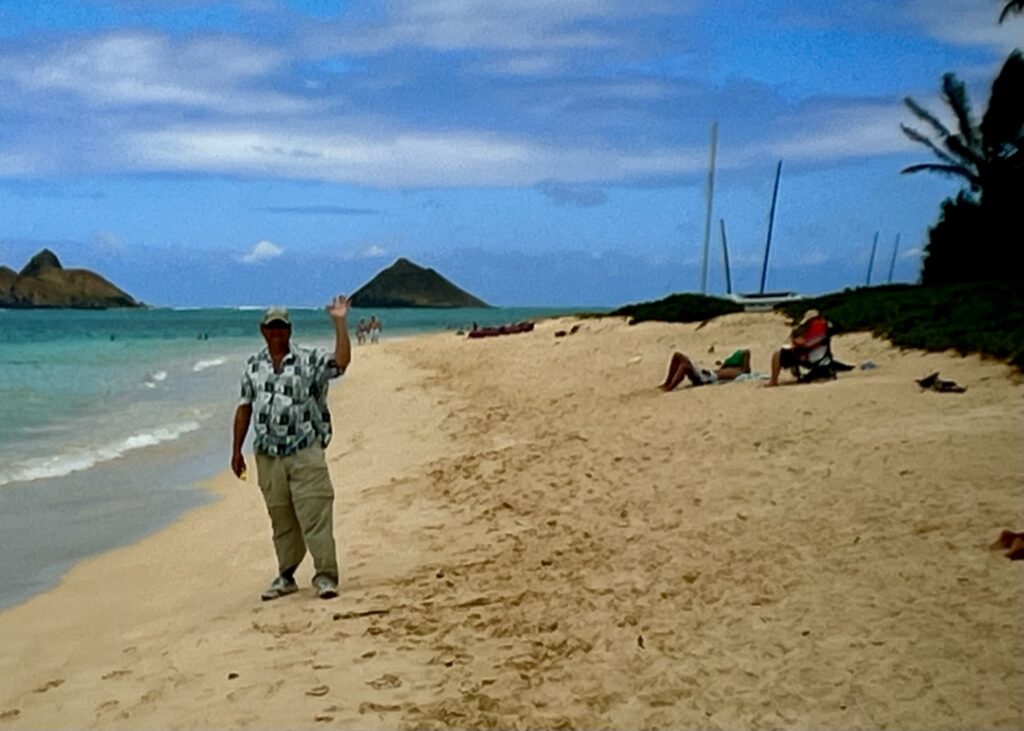
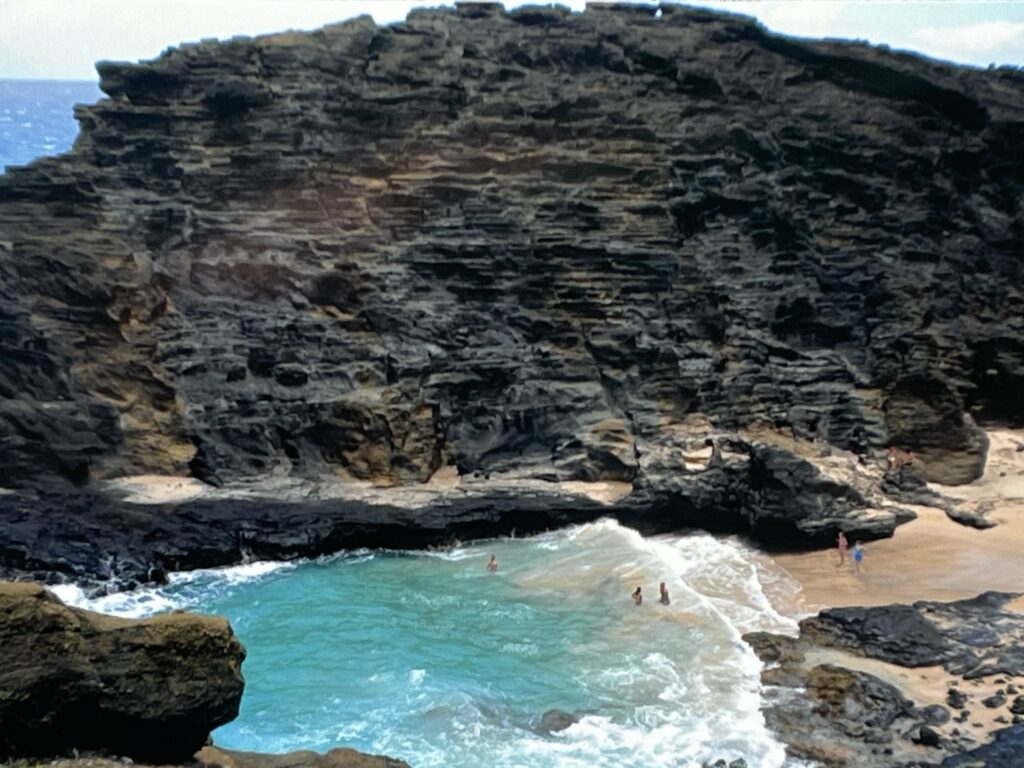
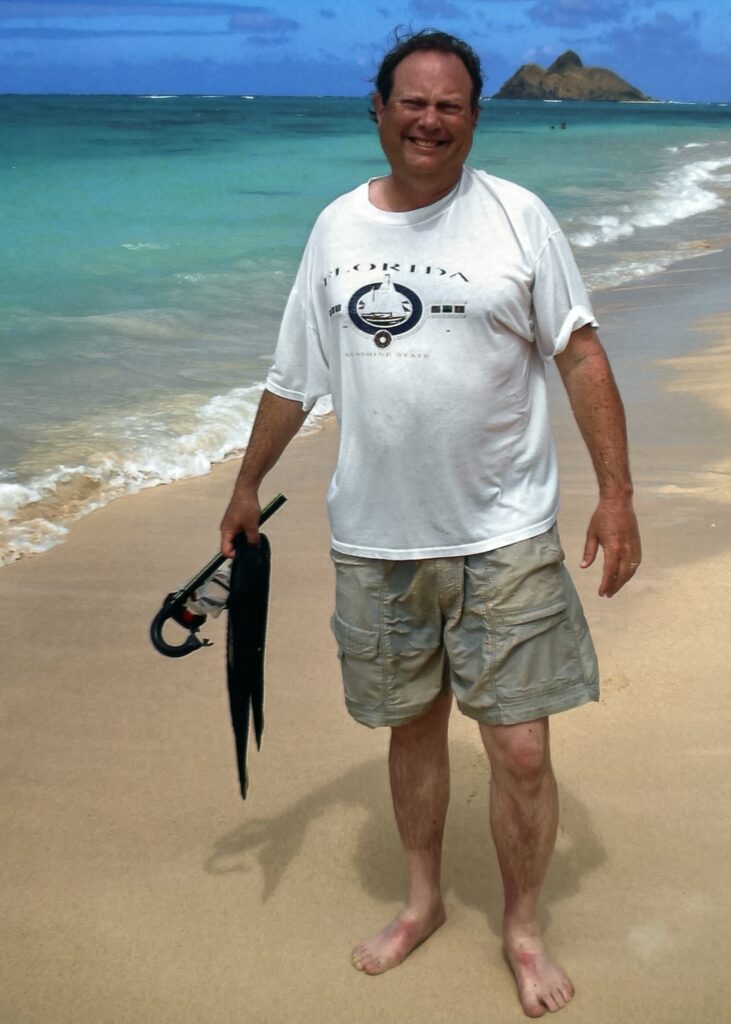
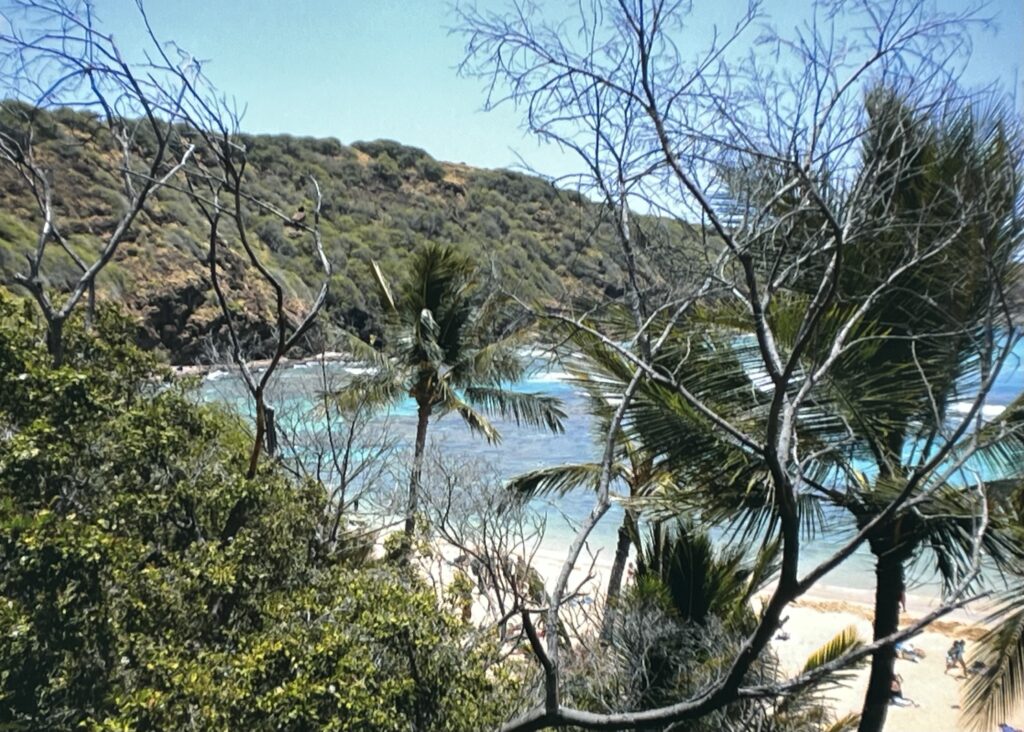
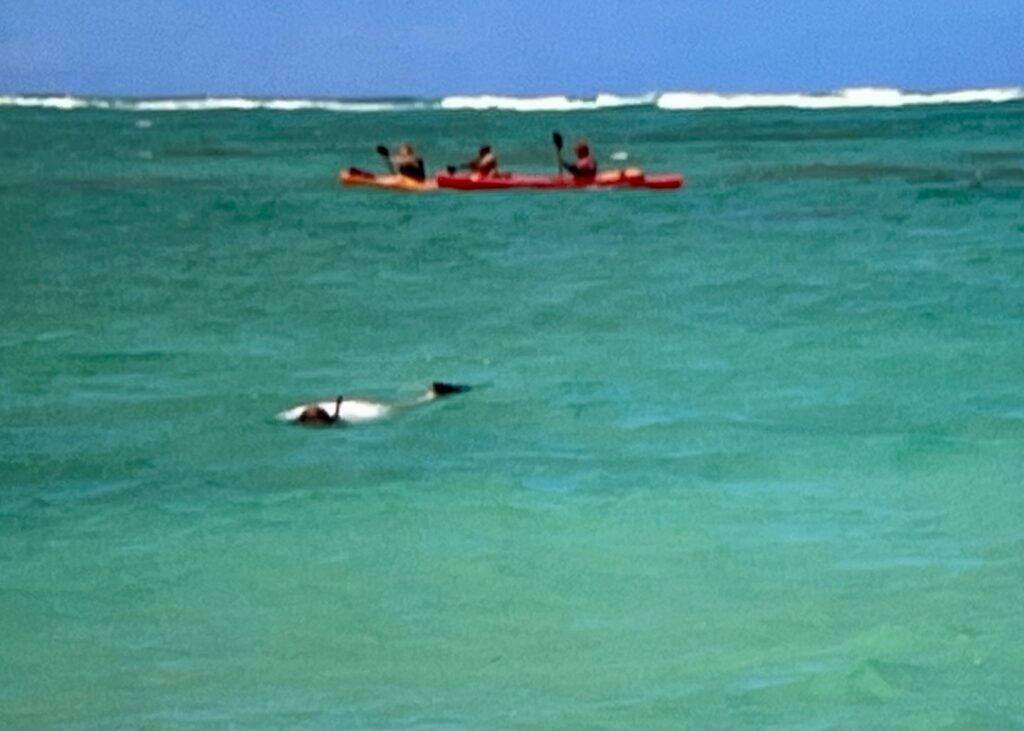
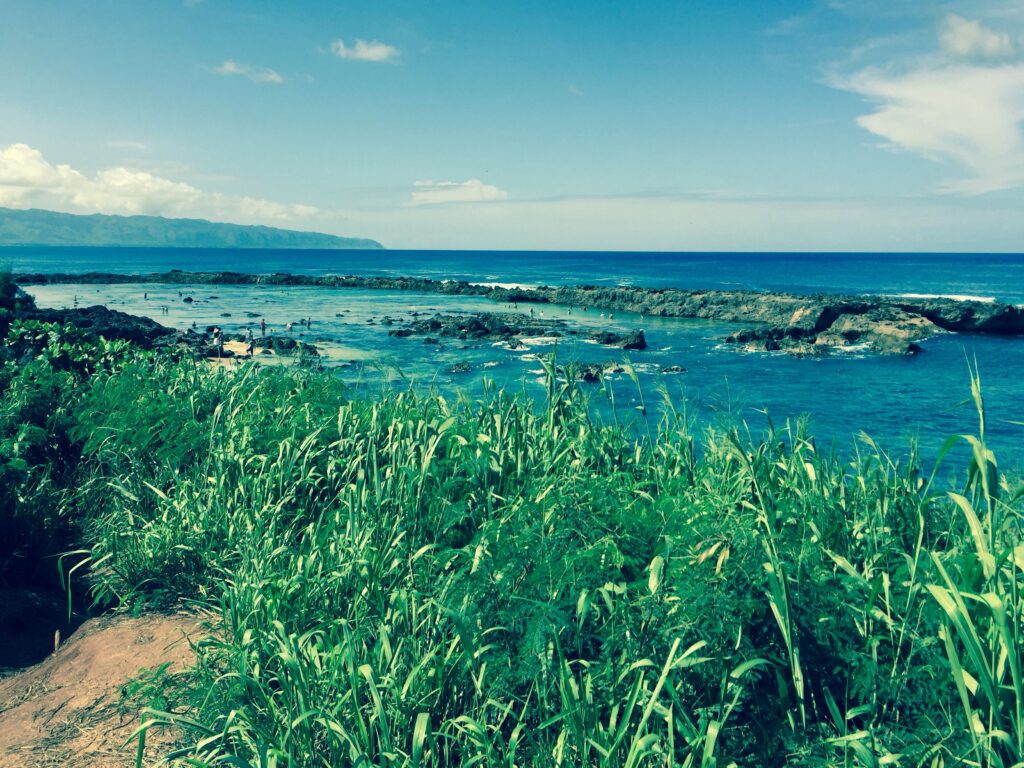
- Best snorkeling: Hanauma Bay (very protected, easy entry, lots of fish; closed Mondays & Tuesdays, reservations required, capacity controlled), Shark’s Cove (summer only, surgey in winter), Kahe Point (“Electric Beach,” more advanced), Ko Olina and Kuilima/other resort coves for calm water.youtubesnorkeling-report+1
- Typical cost:
- Hanauma Bay charges admission plus parking; non‑residents pay a significant per‑person fee, while Hawaiʻi residents have reduced or no admission charge depending on local rules at the time.snorkeling-report
- Most other beaches are free, with only parking or gear‑rental costs if needed.
- Preserves & parks: Hanauma Bay is a Marine Life Conservation District with strict rules (no touching coral or feeding fish, mandatory educational video) and daily visitor caps.snorkeling-report
- National parks: World War II Valor in the Pacific (USS Arizona area) is in Honolulu but is about history more than snorkeling.
Who it suits: First‑time snorkelers and families (Hanauma, resort lagoons) and confident swimmers wanting easy shore access on a quick trip.
Maui
- Best snorkeling: Molokini Crater (boat‑only volcanic crescent with very clear water and abundant fish), “Turtle Town”/Coral Gardens for frequent honu (green sea turtles), Honolua Bay (summer, excellent coral but entry over rocks), plus good spots near the Kihei–Wailea–Makena coast.konahonudivers+3
- Typical cost:
- Boat trips to Molokini or Coral Gardens are usually about 80–150 USD per person depending on boat type, duration, and inclusions.molokinicrater+1
- Shore sites like Honolua Bay are free aside from parking and gear.
- Preserves & parks: Molokini and Honolua are state marine protected areas with limits on fishing and anchoring to protect coral and fish.konahonudivers+1
- National parks: Haleakalā National Park is on Maui (volcano and high‑country hiking), but not a snorkel site.
Who it suits: Visitors who want the broadest mix of healthy coral, turtles, and boat excursions; Maui is often rated as having some of the healthiest remaining reefs in the state.tropicalsnorkeling
Hawaiʻi Island (Big Island)
- Best snorkeling: Kealakekua Bay (clear, deep, rich coral; usually reached by kayak or boat), Hōnaunau Bay/Two Step (easy entry via lava “steps,” excellent coral and fish), Kahaluʻu Beach Park (easy, protected, very popular, sometimes crowded), and several Kona/ Kohala coves like Waialea Bay and “Devil’s Cove.”thoroughlytravel+2
- Typical cost:
- Most major sites (Two Step, Kahaluʻu, many Kona bays) are free to access, with optional parking or donation fees.thoroughlytravel
- Kealakekua Bay often requires a paid kayak or boat tour unless you do a long hike or launch from permitted spots.
- Preserves & parks: Kealakekua and Hōnaunau are managed with marine protections (limited fishing, no touching coral); Hōnaunau sits beside Puʻuhonua o Hōnaunau National Historical Park, which charges a park entry fee but not a snorkel‑specific fee.konasnorkeltrips+1
- National parks: Hawaiʻi Volcanoes National Park is on this island; again, it is a land‑based park.
Who it suits: Strong swimmers and snorkelers who want a range of shore sites and deeper, more adventurous reefs; many divers rate the Big Island as the single best island overall for snorkeling variety.tropicalsnorkeling+1
Kauaʻi
- Best snorkeling: Tunnels Beach (lava‑tube reef with inside lagoon and outer reef, great scenery), Anini (very shallow, long fringing reef; good for cautious swimmers when conditions are calm), Poʻipū/other south‑shore spots, and boat‑access snorkeling along the Nā Pali Coast in summer.konahonudivers+1
- Typical cost:
- Shore sites are free aside from parking.
- Nā Pali Coast snorkel boat tours typically run from moderate to high per‑person prices similar to Molokini trips, depending on boat size and length of tour.
- Preserves & parks: Portions of the north shore reef system are managed with gear and access controls, and Nā Pali Coast State Wilderness Park is highly regulated with permit and vessel‑use rules.konahonudivers
- National parks: There is no national park on Kauaʻi, but state parks such as Nā Pali Coast and Waimea Canyon anchor much of the conservation.
Who it suits: Those who want dramatic scenery plus a mix of easy lagoons and more exposed outer reefs, and who may combine snorkeling with hiking and boat touring.
Lānaʻi & Molokaʻi
- Lānaʻi: Hulopoʻe Bay, a marine reserve fronting the main resort area, is the primary snorkel spot with turtles and reef fish in generally calm conditions; access is free for beachgoers, but most visitors pay for ferry or resort stays to reach the island.tropicalsnorkeling
- Molokaʻi: Fringing reefs on the south shore offer extensive coral but are shallow and can be tricky with tides and access; guided tours are often recommended, and prices are similar to small‑boat tours elsewhere in the state.tropicalsnorkeling
Who they suit: Repeat visitors or those seeking quieter reefs with fewer people, understanding that logistics and transport costs are higher than on the four main tourist islands.
Marine preserves and national‑park context (statewide)
- Hawaiʻi has a network of Marine Life Conservation Districts (MLCDs) and other protected areas—examples include Hanauma Bay (Oʻahu), Molokini and Honolua Bay (Maui), Kealakekua Bay (Big Island), and Hulopoʻe (Lānaʻi)—with gear, fishing, and access rules aimed at limiting damage and allowing reefs to recover.molokinicrater+3
- Terrestrial national parks—Hawaiʻi Volcanoes (Big Island) and Haleakalā (Maui)—do not host snorkel sites but frame the broader conservation landscape and are central to understanding volcanic, ecological, and cultural change in the islands.tropicalsnorkeling
Climate change and coral in Hawaiʻi
- Repeated marine heatwaves since the 2010s have caused widespread coral bleaching around Hawaiʻi; surveys show significant coral loss in some areas, although resilience varies from site to site and island to island.tropicalsnorkeling
- Warmer water, more frequent extremes, and local stressors (pollution, sediment, heavy use) weaken corals, making famous sites such as near‑shore Kona reefs, parts of Oʻahu, and shallow Kauaʻi lagoons visibly less vibrant than a few decades ago in many places.tropicalsnorkeling
- Managers are responding with stricter protections (visitor caps, anchoring bans, reef‑safe sunscreen education, and periodic closures after major bleaching) to give surviving coral a chance to adapt and recover.konasnorkeltrips+1
Plan early, and plan now
Because demand is high and ecosystems are fragile, visitors who want good snorkeling and healthy reefs in Hawaiʻi increasingly need to plan ahead now: reserve capped sites (like Hanauma Bay and popular boat tours), choose lower‑impact operators, schedule around seasonal swell and wind, and budget both time and money to visit more protected, better‑managed locations before warming and crowding reduce their quality further.konasnorkeltrips+2