The election of Katie Wilson as Seattle’s mayor in November 2025 marks a symbolic and substantive watershed moment: the emergence of the first millennial-led major American city, one explicitly designed around millennial values—not as a generational novelty, but as a coherent reimagining of urban life fundamentally different from the industrial cities of the twentieth century. Seattle is not merely the first millennial city; it is the only major U.S. city where municipal governance, workplace culture, infrastructure priorities, and civic heritage have coalesced around a vision that values experiences over possessions, community over consumption, and transit accessibility over automobile ownership.kuow+7
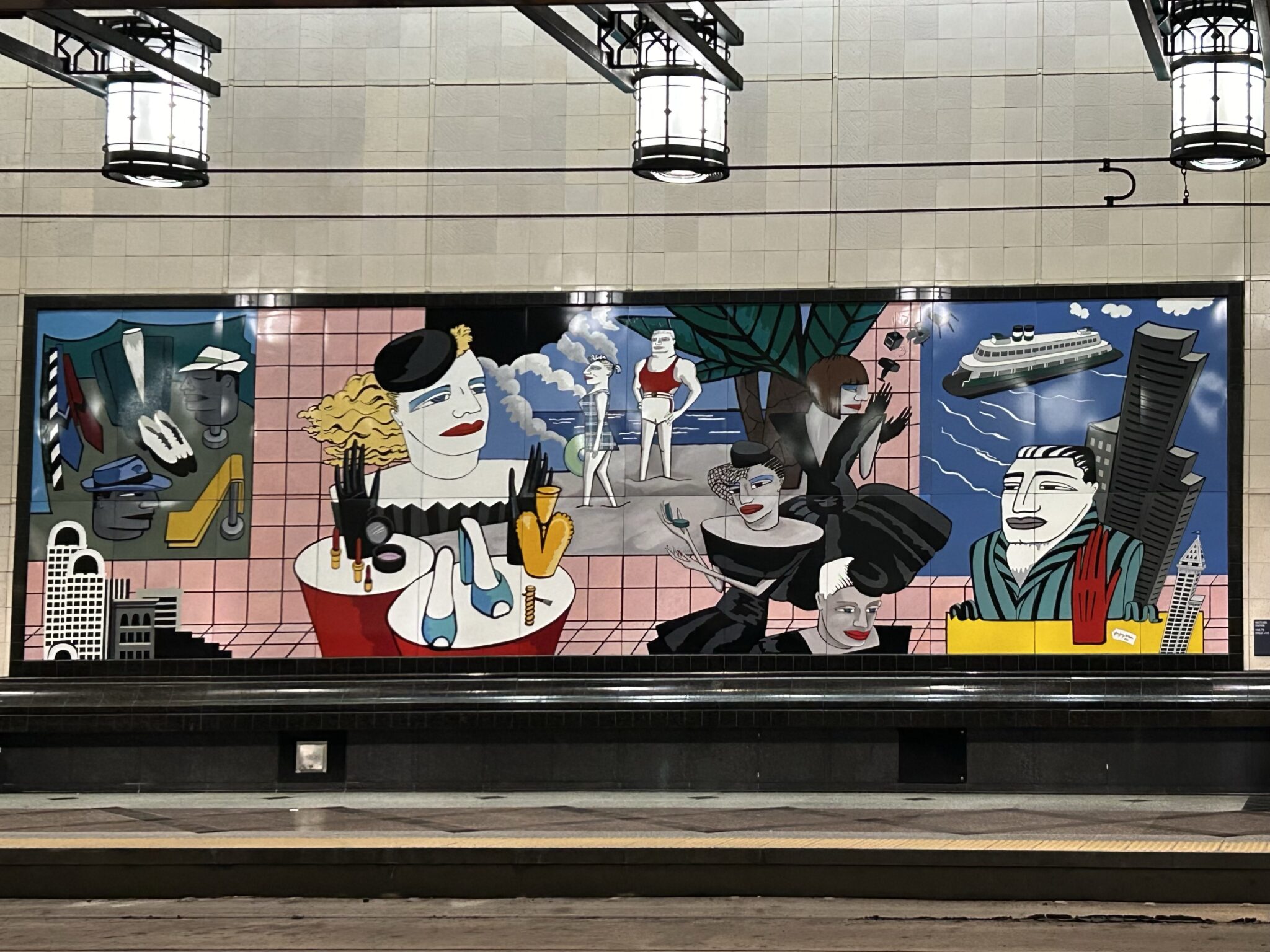
This distinction emerges not from happenstance but from the particular historical collisions that shaped Seattle’s economy and culture: the trauma of the Boeing Bust in 1971, which devastated the regional psyche and forced economic diversification; the subsequent rise of Microsoft and Amazon, which created a new class of intellectually nimble, globally oriented professionals; the environmental and outdoor recreation ethos of the Pacific Northwest; and crucially, the articulation by civic and corporate leaders of a fundamentally different set of values about work, space, leisure, and human flourishing than those that had dominated the postwar American city. Into this context, Katie Wilson arrives not as an outsider but as the inevitable expression of what Seattle’s residents have been building.seattleweekly+2
From Possession to Experience: Millennial Values and the Rejection of Automobile Culture
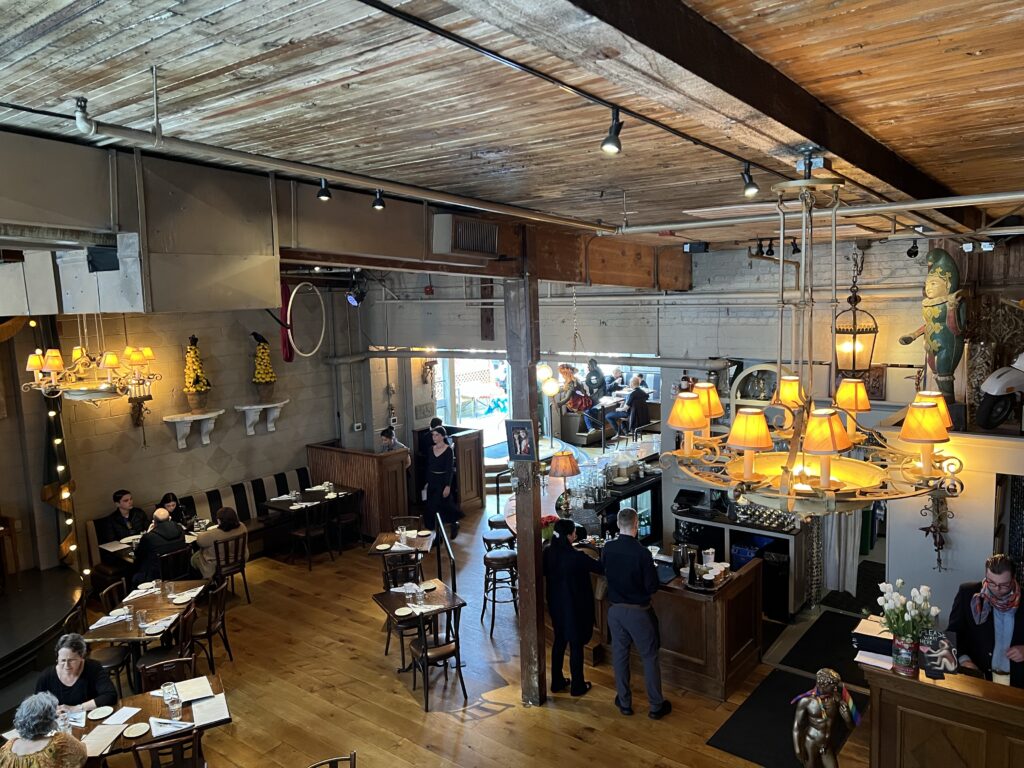
Millennials, born between 1981 and 1996, arrived into adulthood amid technological revolution and profound economic uncertainty. Unlike the Baby Boomers who preceded them, millennials did not inherit stable employment, defined-benefit pensions, or the assumption that homeownership was a straightforward path to wealth accumulation. Instead, they came of age as housing became prohibitively expensive, student debt became normalized, the dot-com bubble burst, and then the 2008 financial crisis obliterated whatever remaining faith in conventional economic ladders remained. As a result, millennials fundamentally reoriented their value systems: rather than viewing possessions—cars, houses, consumer goods—as markers of success and anchors of identity, they prioritized experiences: travel, cultural participation, community, and flexibility.
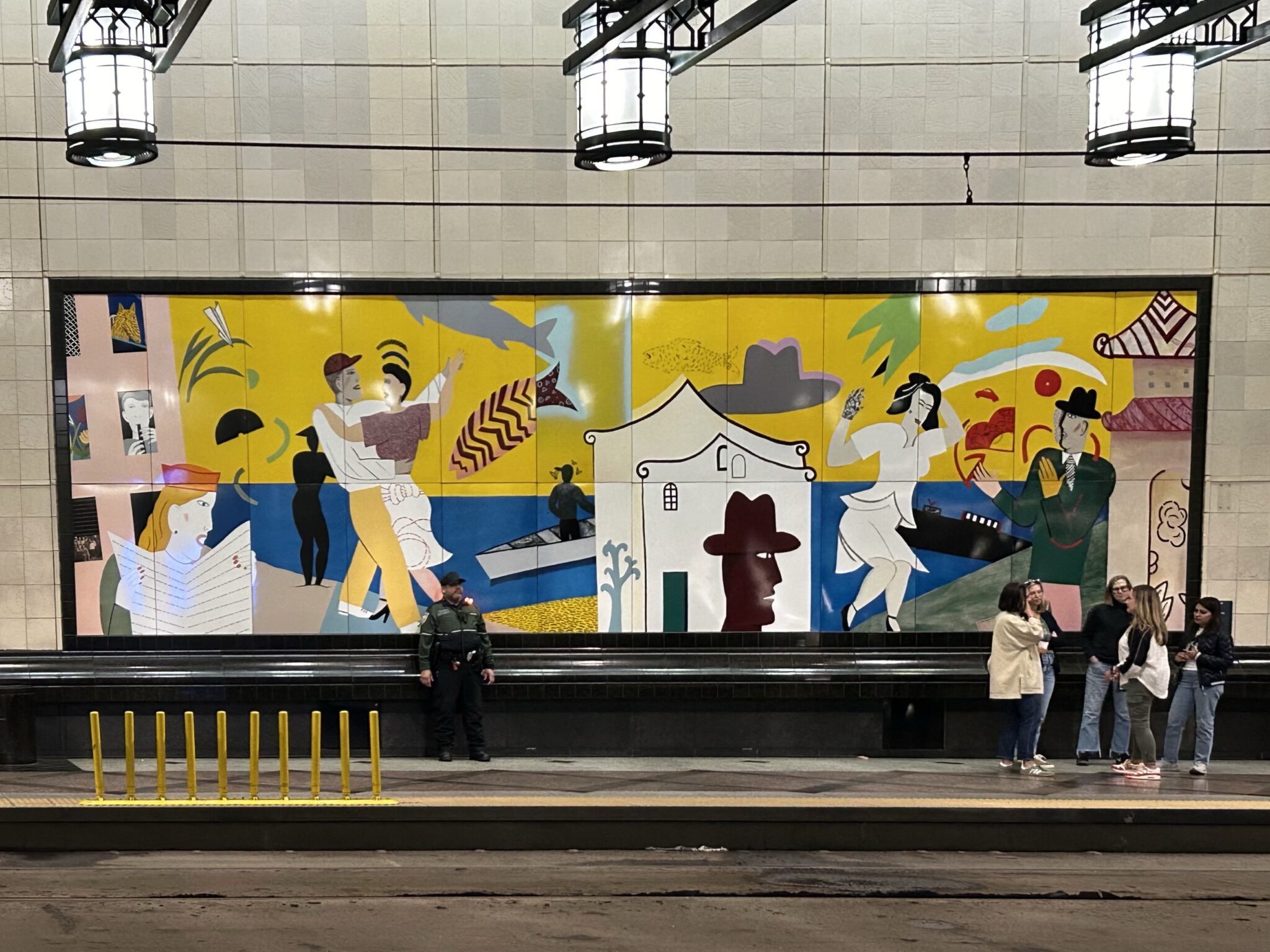
This generational shift in values found institutional expression in Seattle’s transportation and land-use planning like nowhere else in the United States. While most American cities built their twentieth-century identities around the automobile—sprawling suburbs, highway systems, parking as the default use of urban space—Seattle has systematically de-prioritized private car ownership in favor of a dense network of bike lanes, expanded transit service, and “third place” spaces where work, socializing, and leisure blur together. The city’s bicycle master plan explicitly aims to make “walking, rolling, biking, and taking transit the most efficient and easy option for people to get where they need to go,” with particular emphasis on equity—ensuring that low-income residents, who are disproportionately likely to lack private vehicles, have genuine mobility alternatives. Since 2009, while Seattle’s population grew by only 8 percent, car-free households increased by nearly 20 percent, and single-car households by 27 percent. This is not a marginal shift; it represents a city population actively choosing to live differently.theurbanist+3
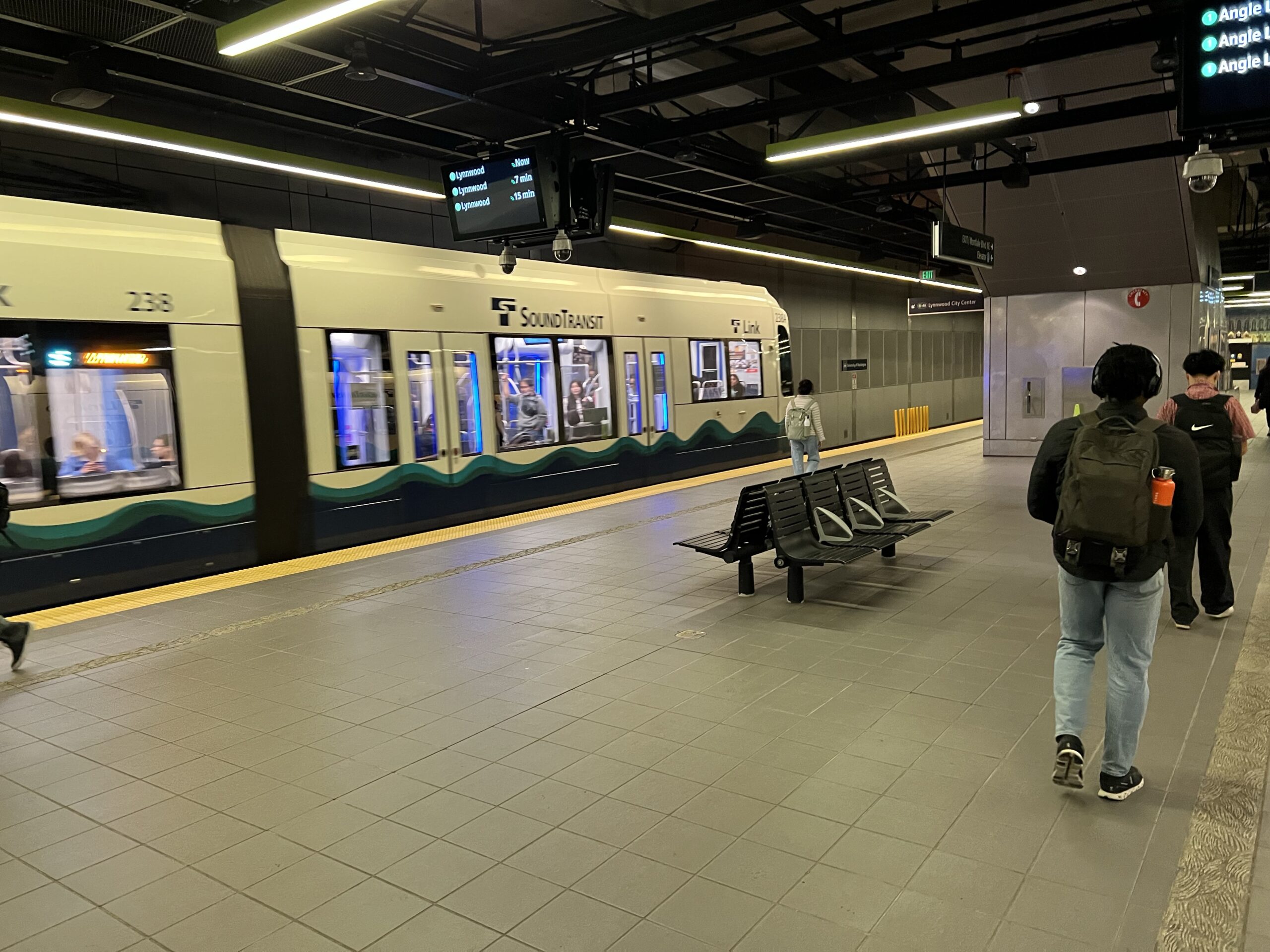
Katie Wilson’s career and mayoral platform are inseparable from this values reorientation. As founder of the Seattle Transit Riders Union in 2011, Wilson has spent over a decade building political power around transit justice and equitable mobility. Her most significant policy achievement—co-architecting the JumpStart Payroll Expense Tax in 2020, which taxed large corporations’ high-wage compensation—has funded thousands of units of affordable housing. Her mayoral priorities—reducing housing costs, expanding transit, creating safe public spaces, and building what she calls “world-class mass transit”—are not separate from one another but rather form an integrated vision in which people can live, work, and experience community without the burden of automobile ownership and the spatial fragmentation that cars impose on cities. Wilson’s vision explicitly rejects the late-twentieth-century model of car-dependent sprawl in favor of dense, walkable neighborhoods connected by reliable transit—precisely the model millennials intuitively prefer when given the choice.seattle24x7+5
Heritage, History, and the Third Place: From Starbucks to the Amazon Spheres
To understand Seattle as a millennial city requires recognizing how the city’s corporate culture—despite its complicated relationship to gentrification and inequality—has articulated novel conceptions of work that millennials find compelling. The philosophical anchors are Starbucks’ “Third Place” concept and Amazon’s Spheres, both of which emerged from Seattle and both of which challenge the division of life into discrete, disconnected domains.
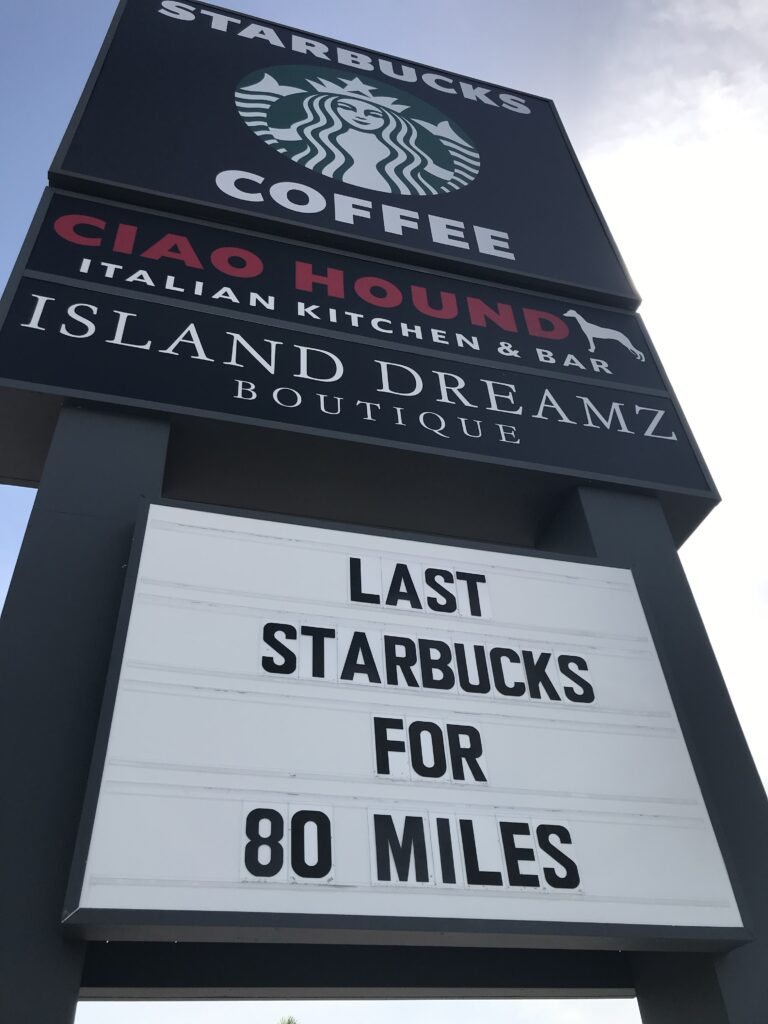
Starbucks’ Third Place Philosophy: When Howard Schultz returned to Seattle from Italy in the 1980s, inspired by Italian espresso bars where people gathered to socialize, argue, and linger, he envisioned Starbucks not merely as a coffee retailer but as a solution to a fundamental human problem in contemporary urban life: the absence of genuine commons. In Schultz’s 1995 observation, “If you look at the landscape of retail and America, there is such fracturing of places where people meet. There is nowhere for people to go. So we created a place where people can feel comfortable.” Starbucks pioneered what sociologist Ray Oldenburg called the “Third Place”—a space between home (first place) and work (second place) where individuals could relax, socialize, connect, and belong. The genius of Starbucks was not the coffee; it was the recognition that contemporary urban life had become fragmented into isolated, purposeful domains (home, work), and that human beings desperately needed neutral, welcoming, ambiguous spaces where multiple activities could happen simultaneously.thebrandhopper+3
Starbucks was also early to recognize that this third place needed to accommodate work: by offering free Wi-Fi in the early 2000s, Starbucks became an informal office for freelancers, students, entrepreneurs, and remote workers—people for whom the traditional office felt alienating or inaccessible. This innovation was prescient about millennial work patterns, decades before remote work became mainstream. For millennials, the Starbucks Third Place represented something crucial: the possibility of working flexibly, in community, without the rigidity of the traditional office commute.forbes+1
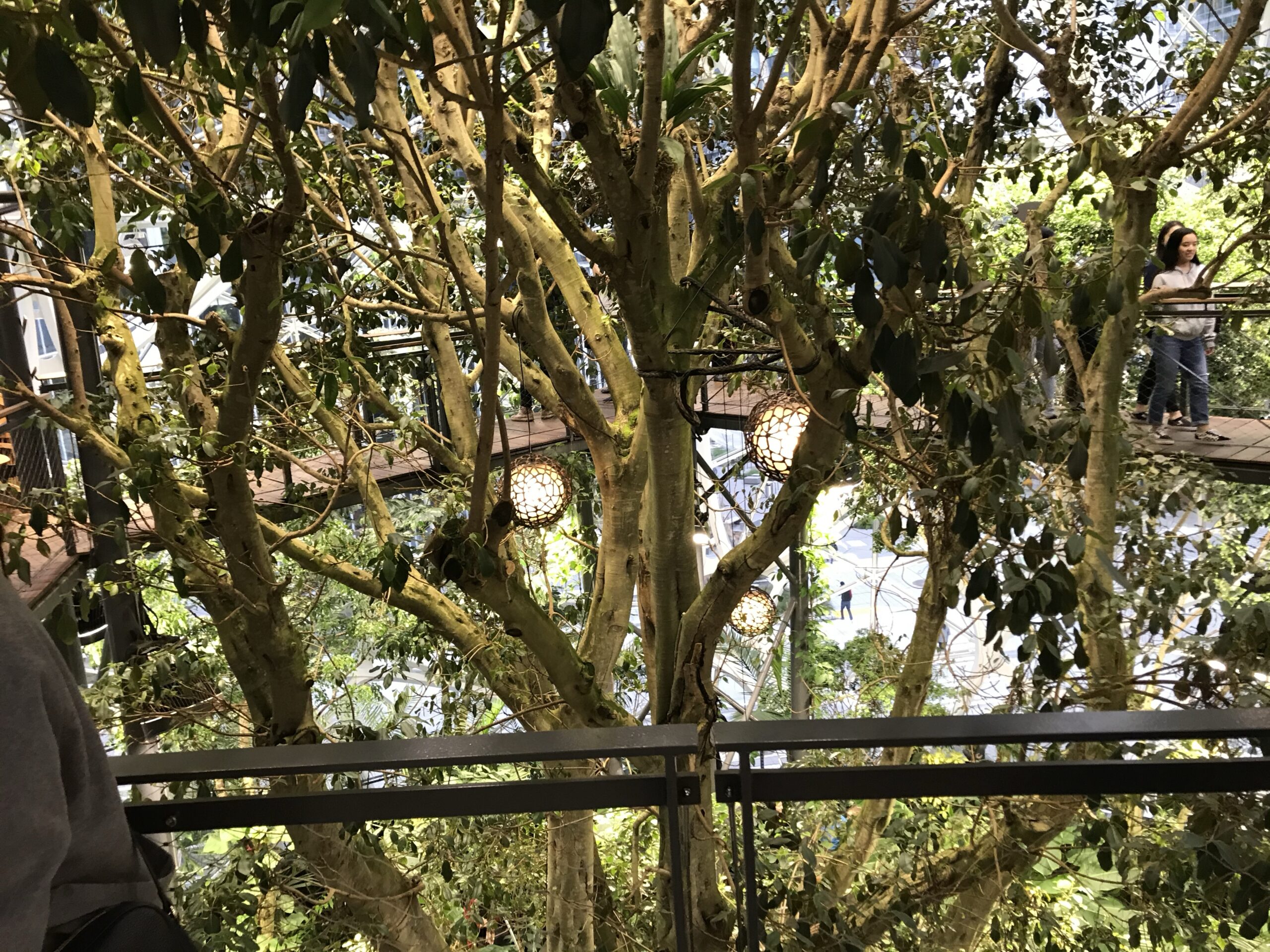
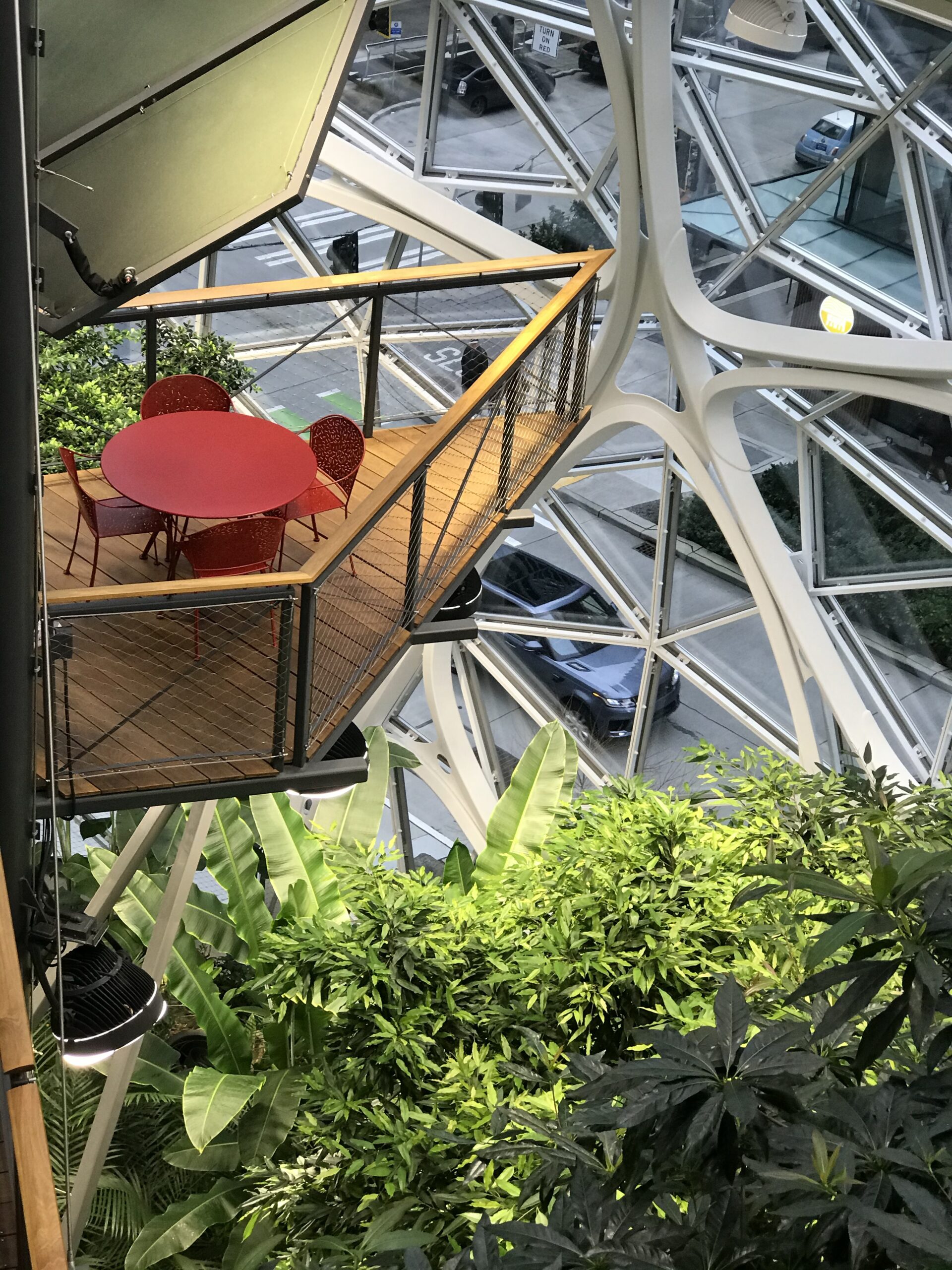
Amazon Spheres and Biophilic Design: If Starbucks represented the Third Place outside the office, Amazon’s Spheres represent an attempt to bring the Third Place into the office itself—to dissolve the boundary between work and experience by embedding employees in living nature. Opened in 2018 as the centerpiece of Amazon’s Seattle headquarters, the Spheres are three connected glass domes filled with over 40,000 plants, creating a “cloud forest” workspace. The design philosophy is explicitly biophilic: studies show that spaces incorporating nature reduce stress, promote creativity, and improve cognitive function. Rather than the glass-and-steel office parks of the twentieth century—designed for maximum efficiency and visual control—the Spheres represent a fundamentally different workplace ideology: one in which worker well-being, aesthetic experience, and connection to nature are seen as compatible with, indeed necessary to, productivity and innovation.dezeen+2
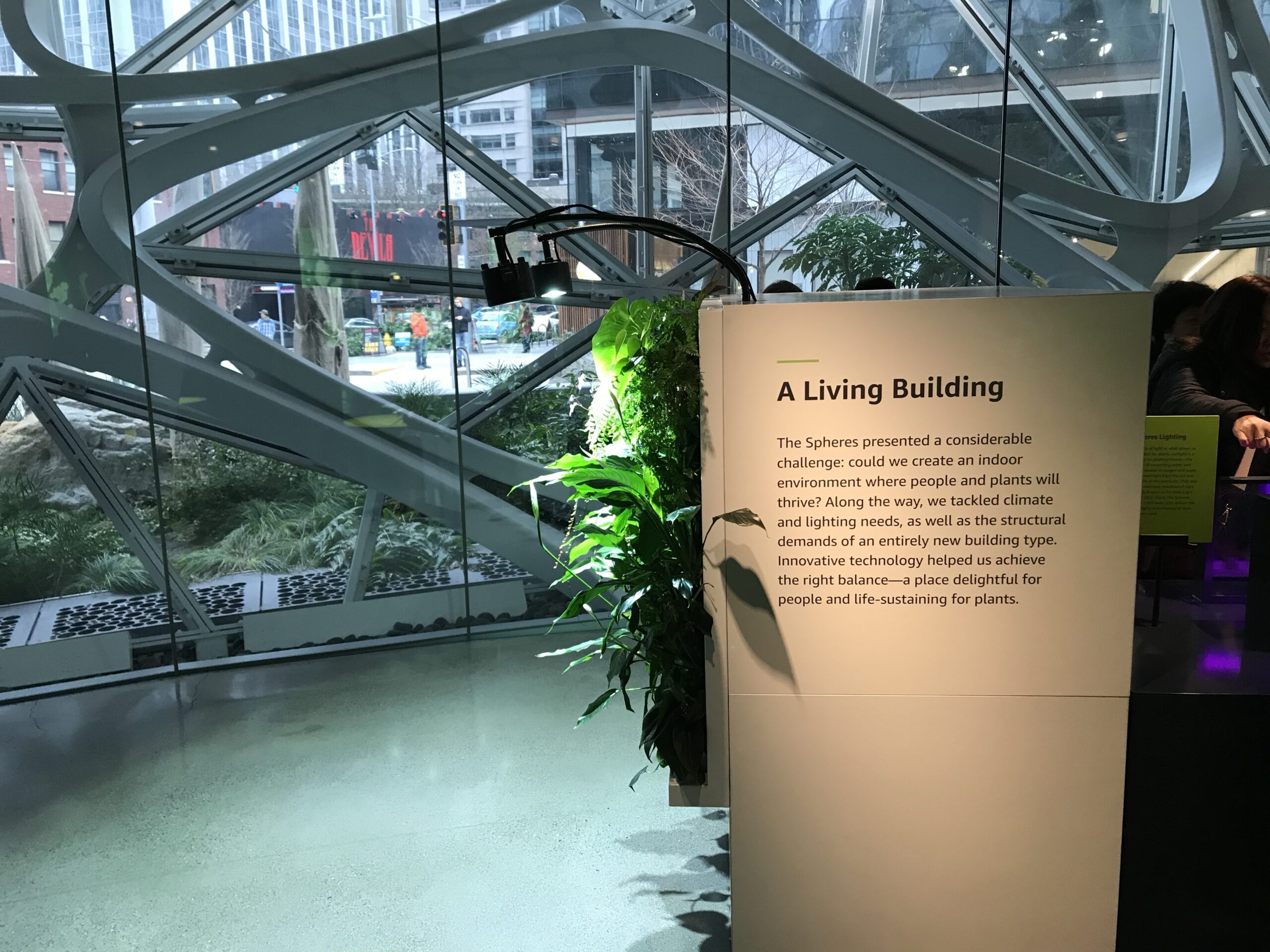
The Spheres also function as a public space, open to visitors and Seattle residents, embodying the millennial ethos of blurred boundaries between work and community, private and public, production and experience. An employee working in the Spheres experiences their labor not as alienated toil in a corporate machine but as embedded in a living ecosystem, surrounded by colleagues, and part of a larger civic whole.structuremag+1
A City of Living Heritage: Seattle Center Festál and Cultural Pluralism
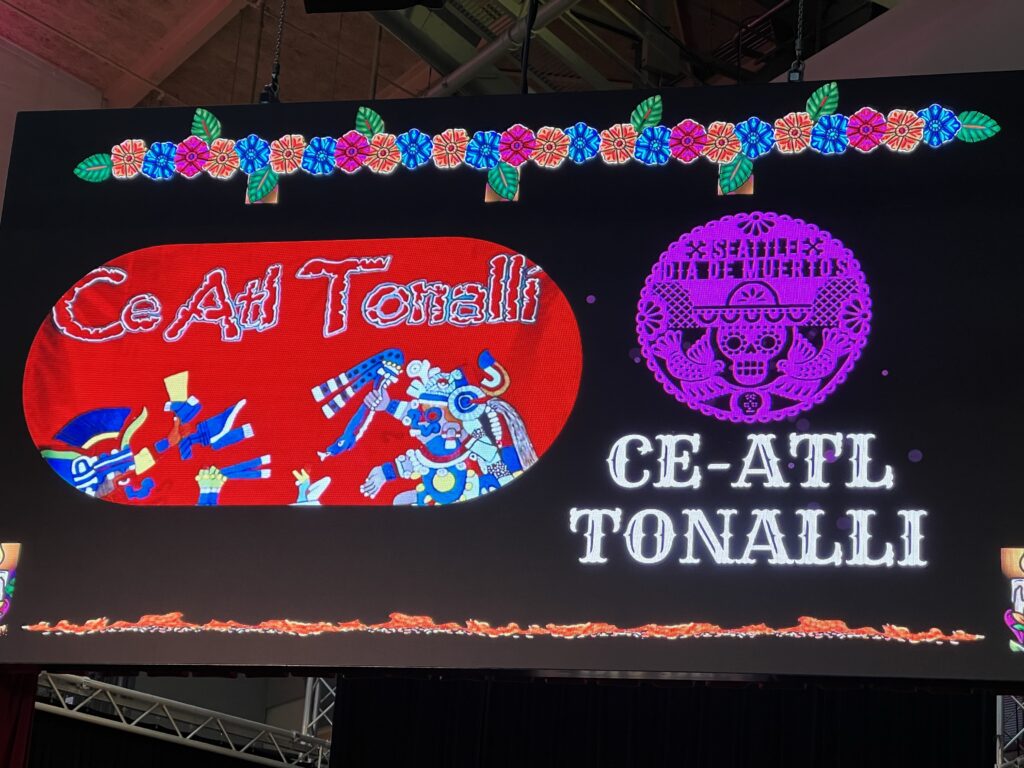
Seattle’s commitment to celebrating diverse cultural heritages each weekend at Seattle Center through the Festál program—a series of 25 annual festivals showcasing different ethnic and cultural communities—is arguably unique among major American cities. This is not merely multicultural tolerance; it is an institutional commitment to treating living cultural heritage as central to civic identity and public space. Where earlier American cities often relegated cultural heritage to museums (treating it as history to be preserved, distanced, and studied), Seattle has chosen to make heritage an active, ongoing, weekend experience: visitors can encounter Vietnamese culture one weekend, Indigenous peoples’ traditions the next, Japanese culture, African diasporic traditions, and so forth, each celebrated on its own terms through food, music, dance, art, and film. This approach treats heritage not as a historical artifact but as a living inheritance that communities actively maintain, perform, and transmit to new generations.seattlecenter+1
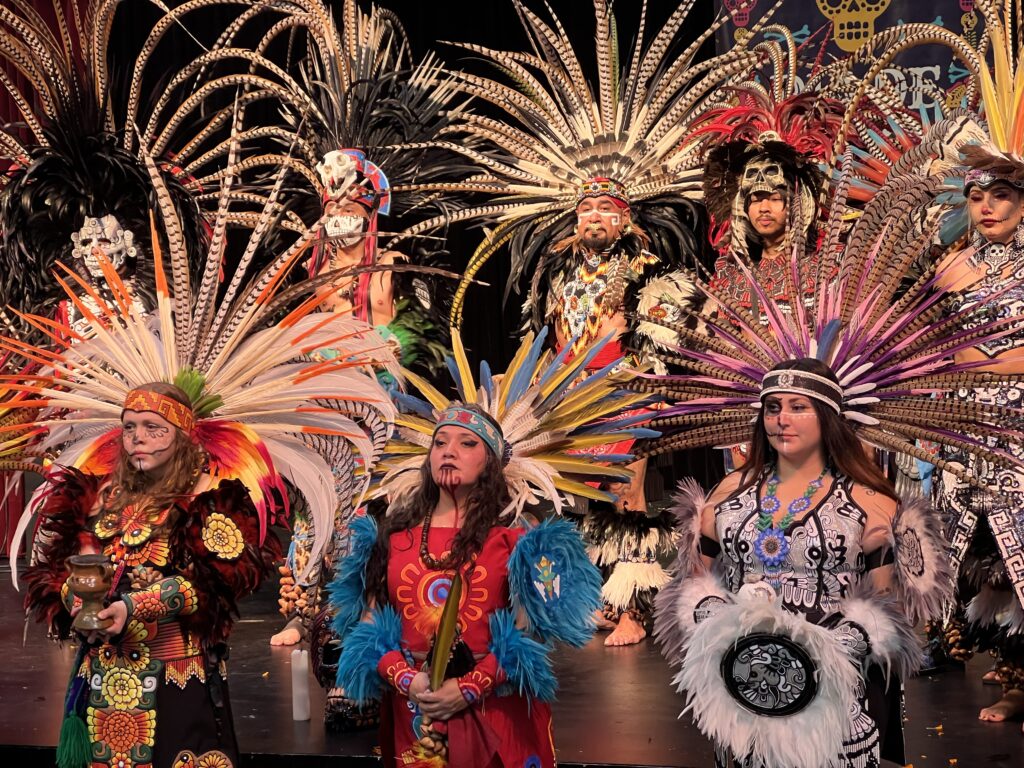
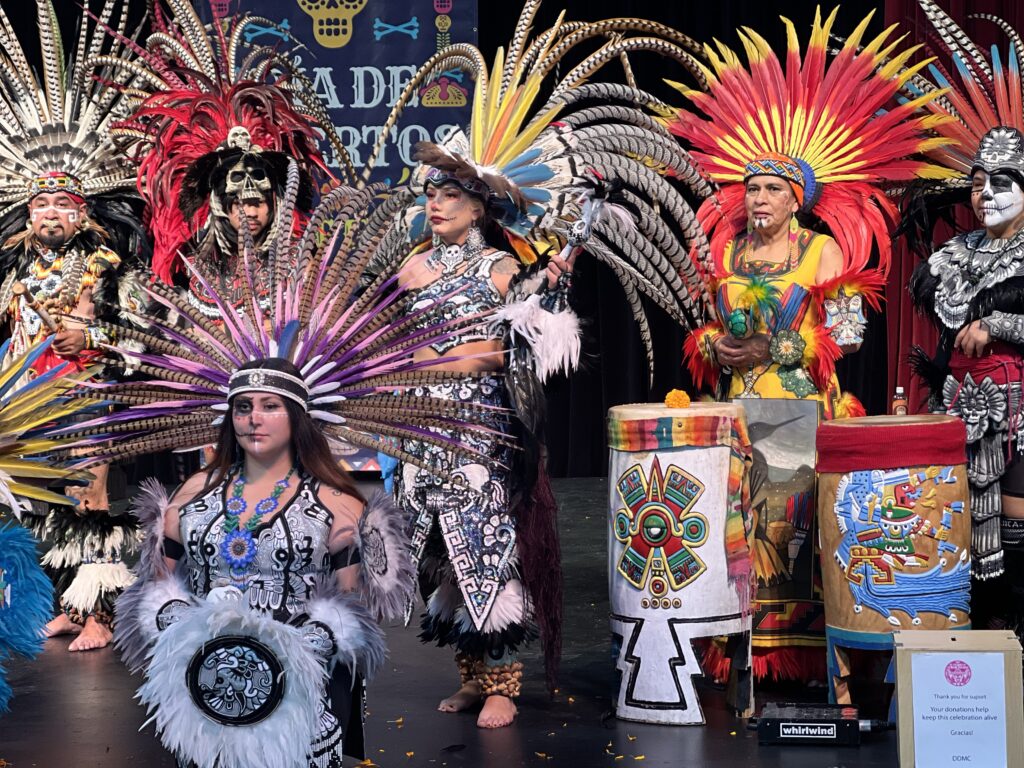
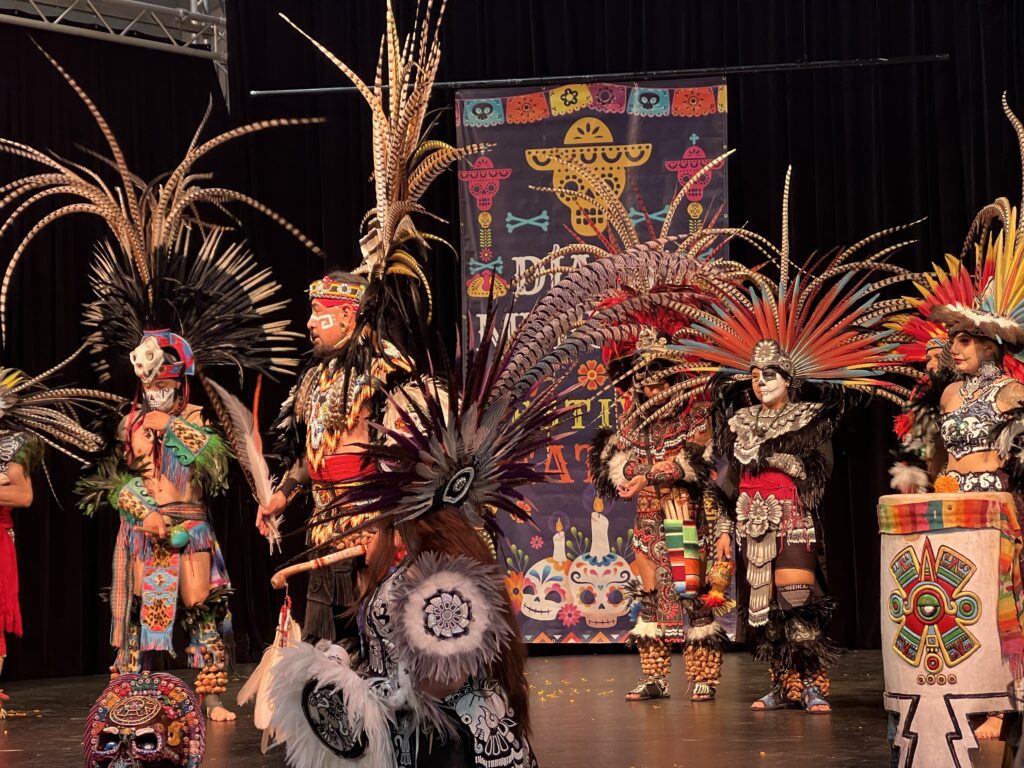
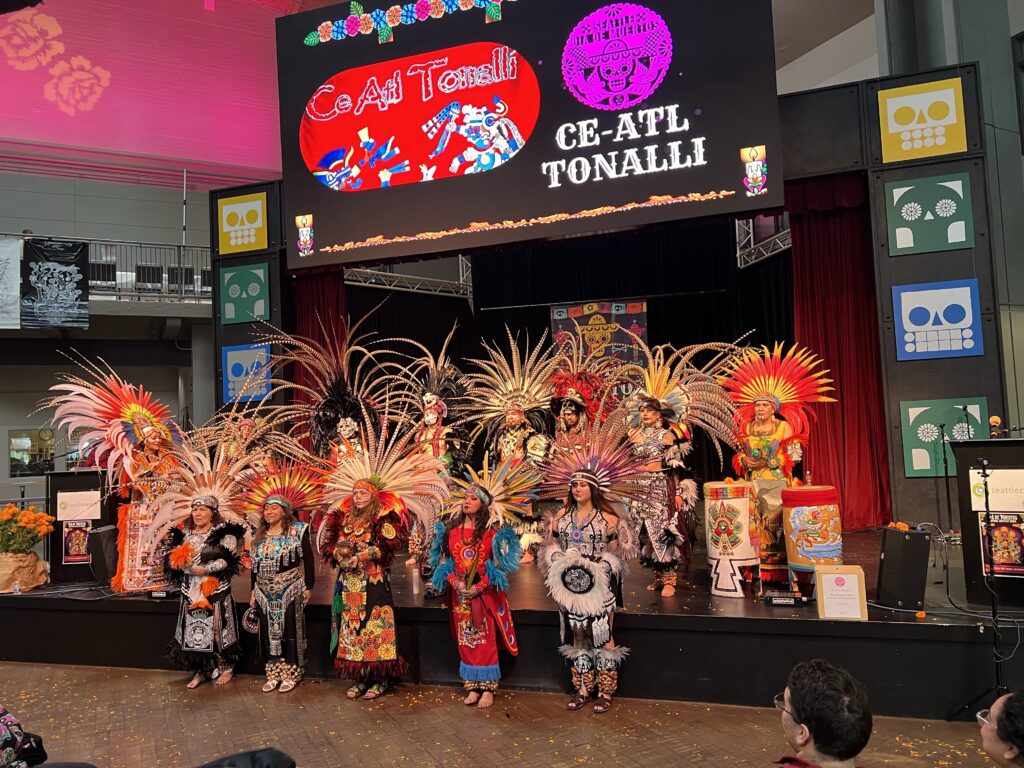
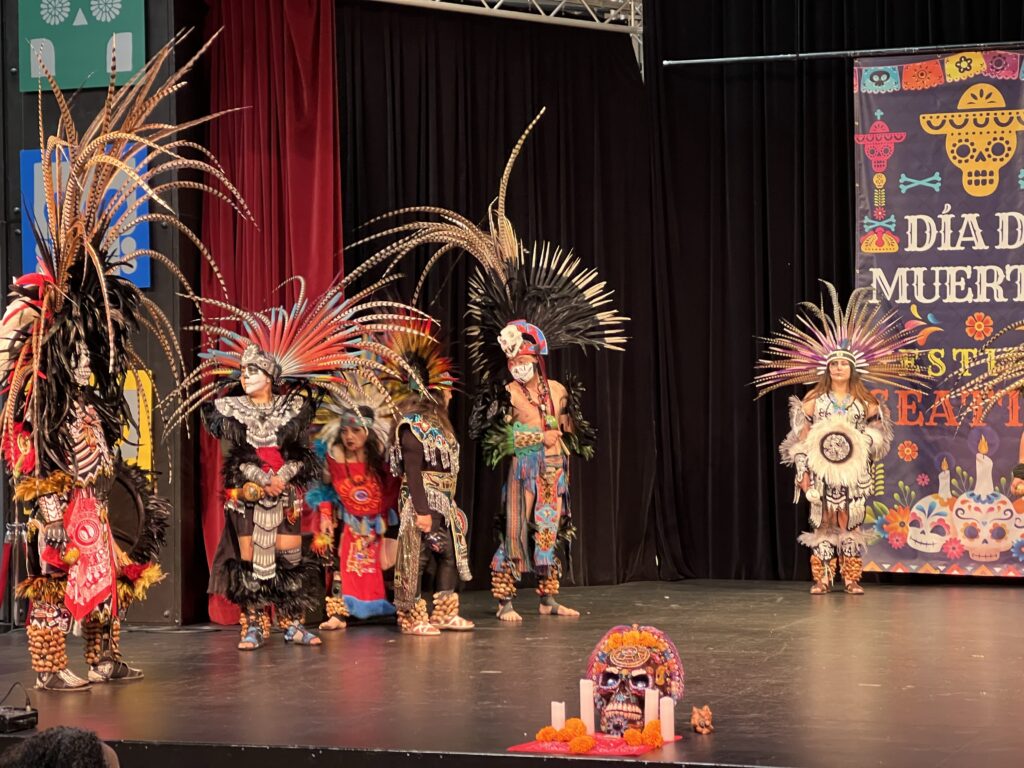
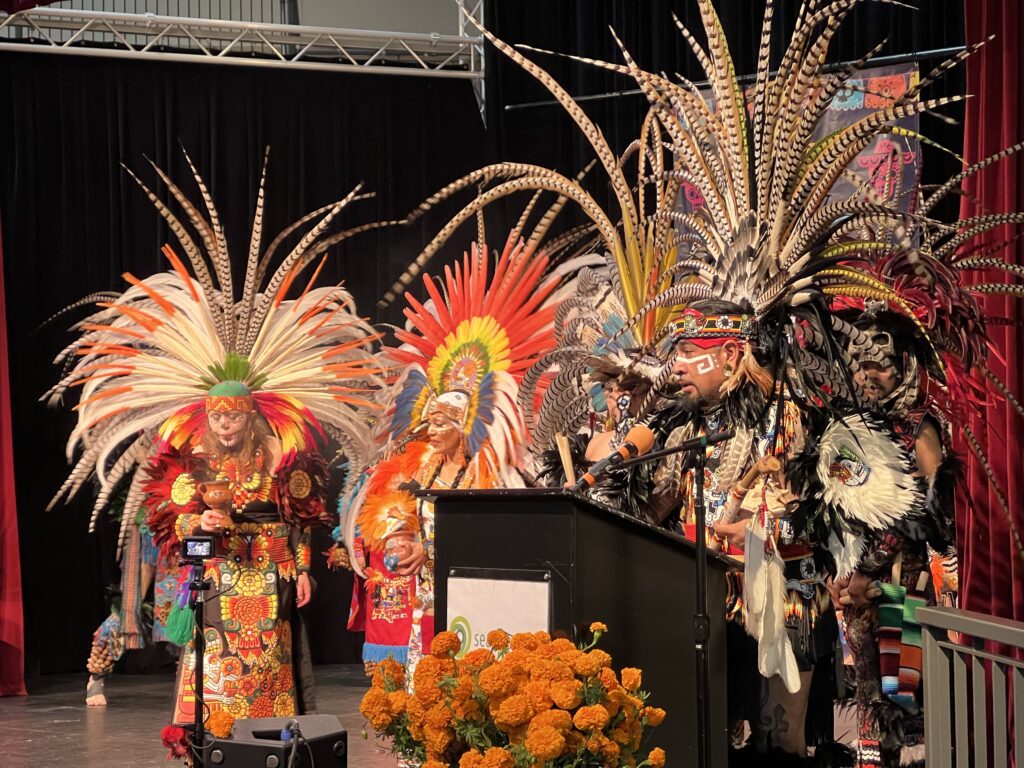
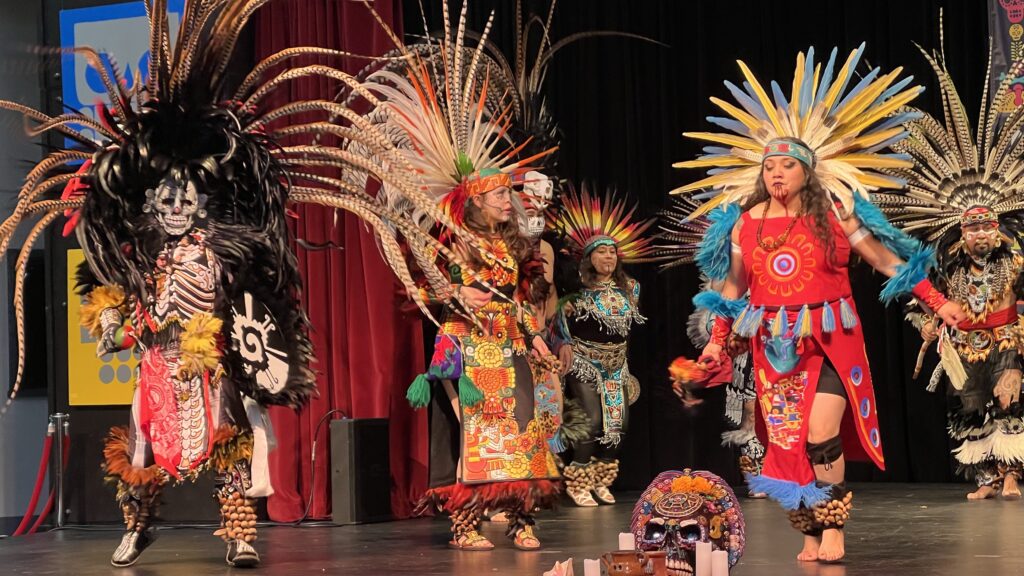
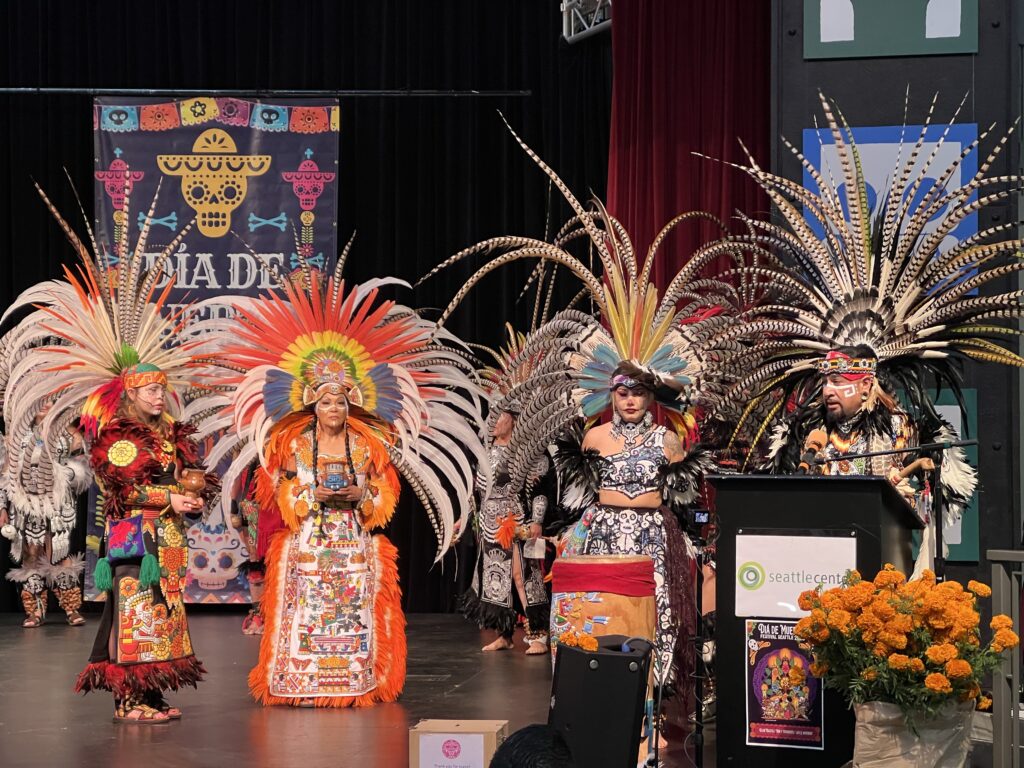
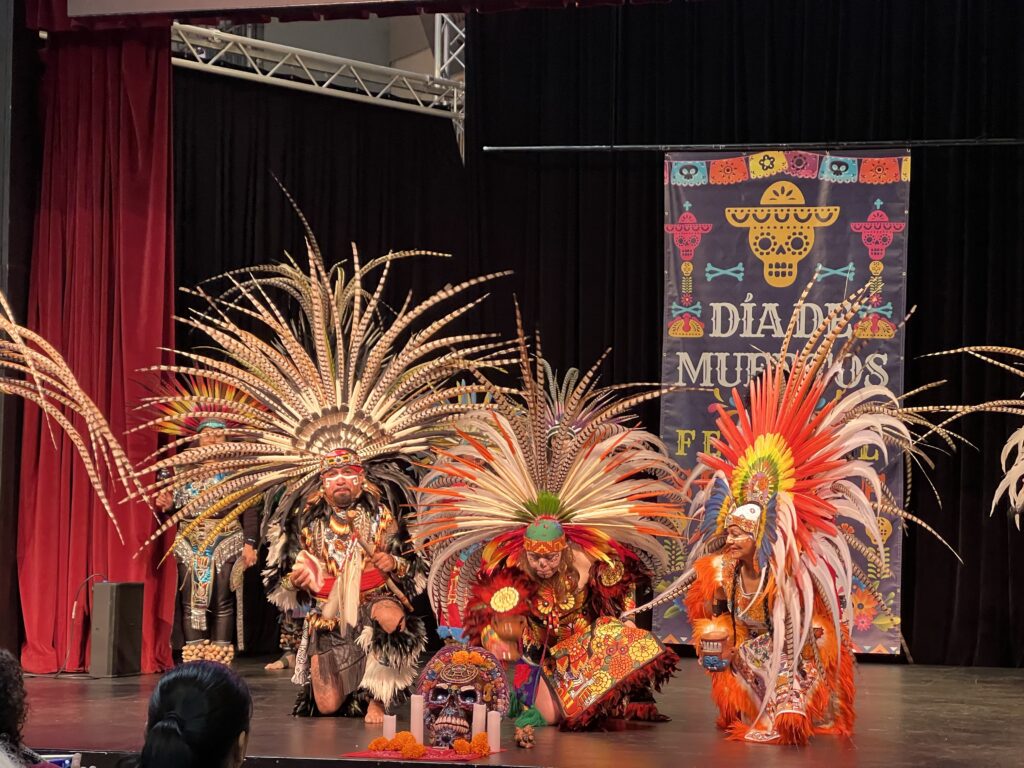
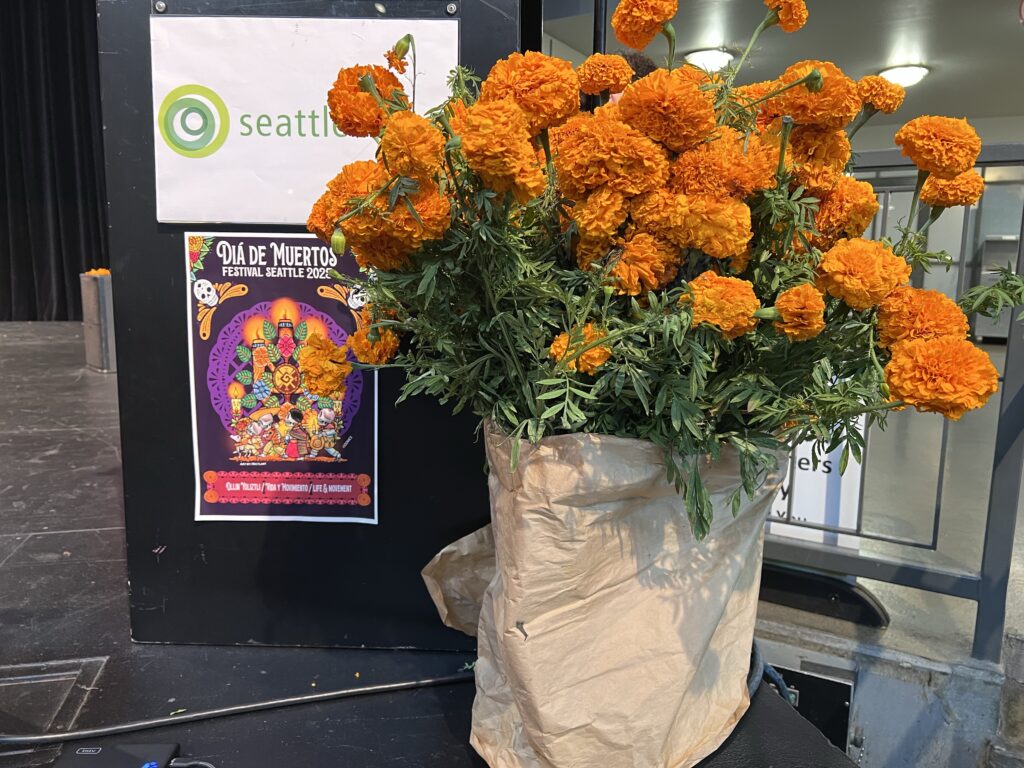
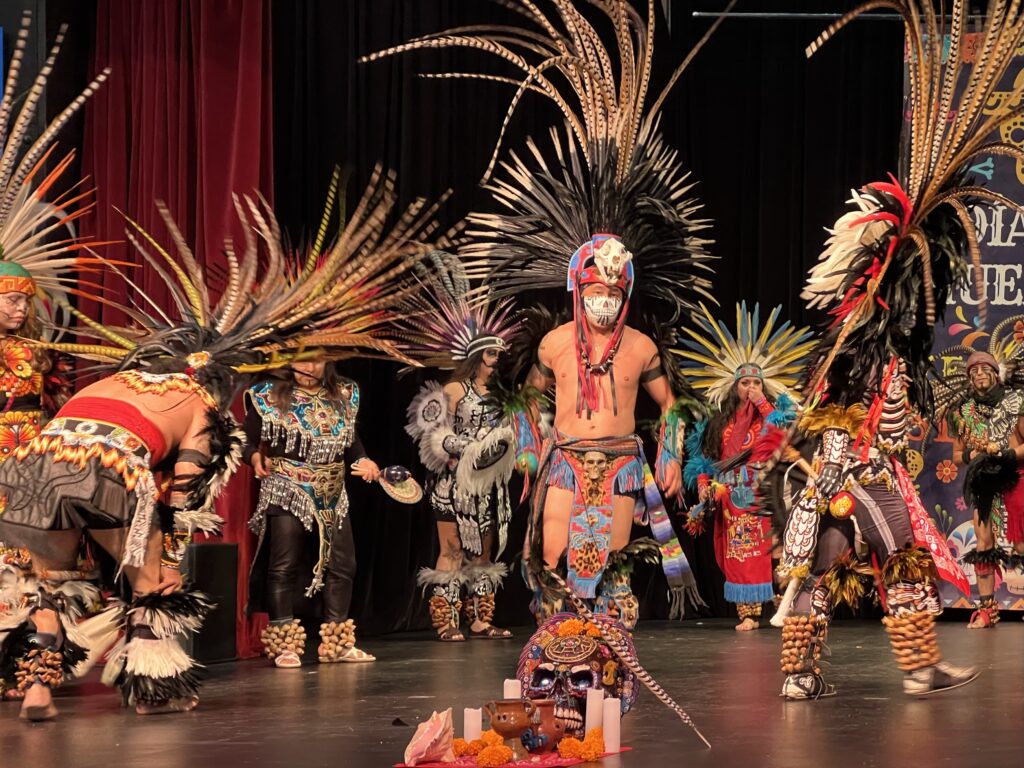

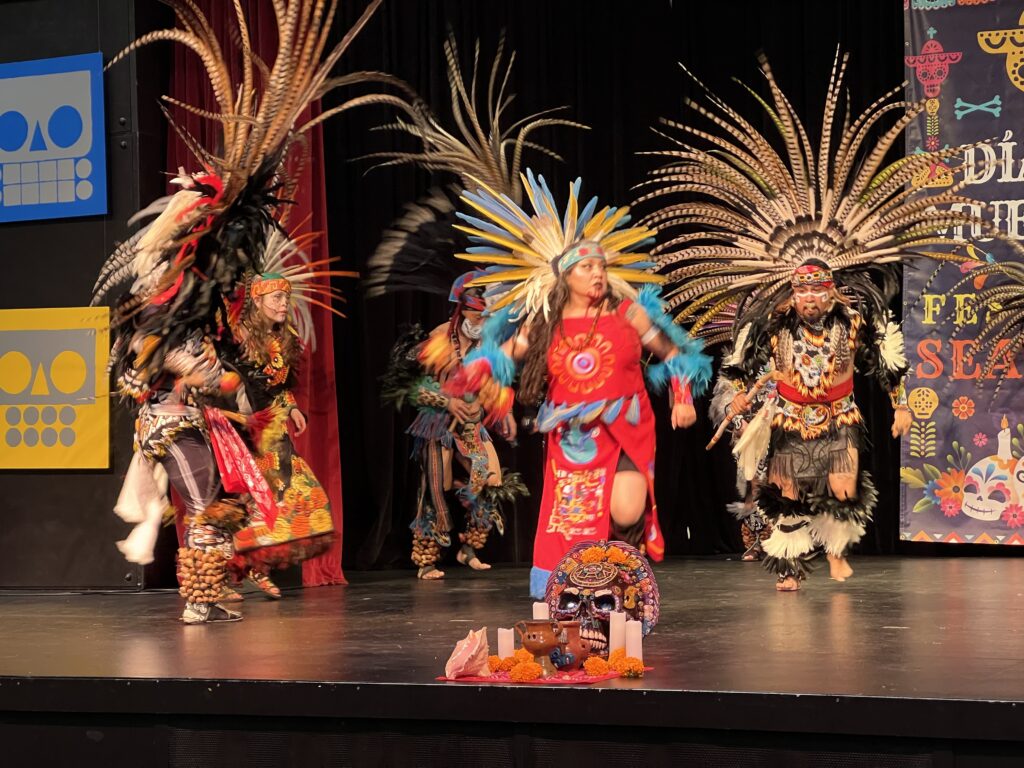
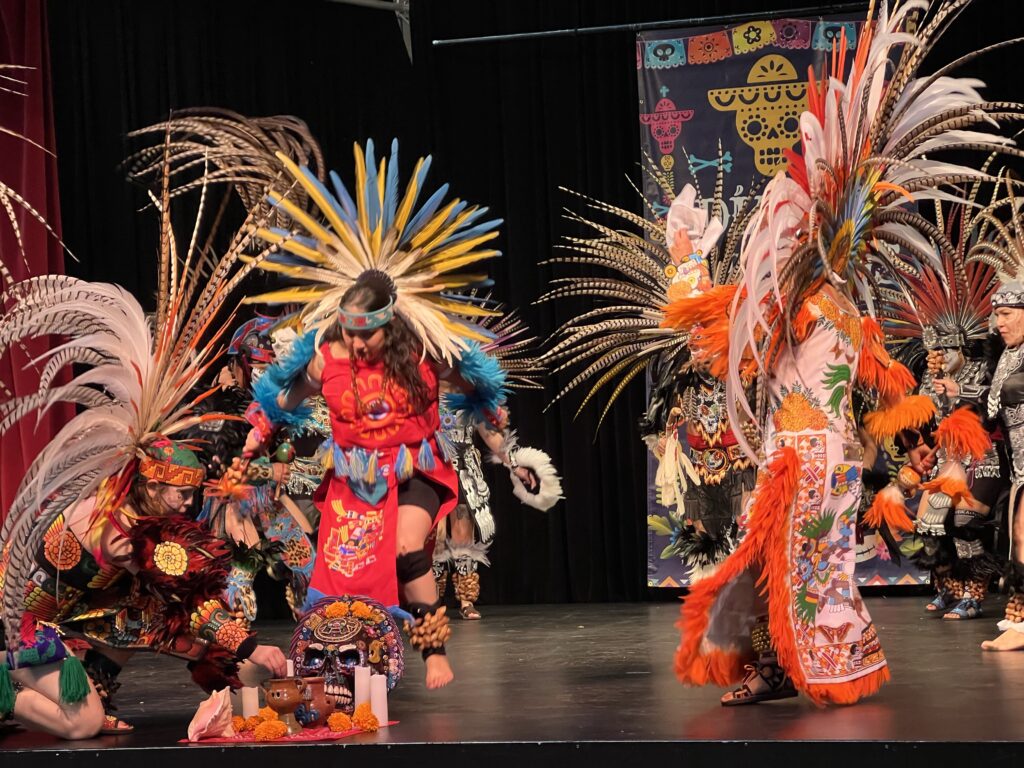
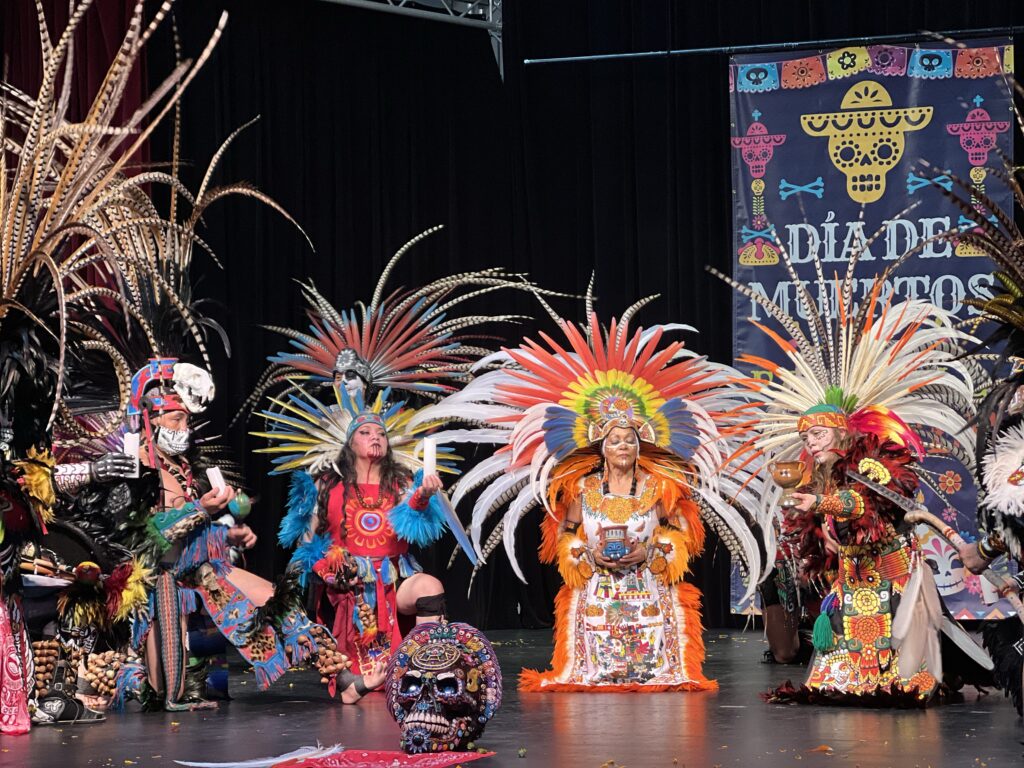
For millennials—who tend to value authenticity, cultural respect, and experiential learning—this approach to heritage is far more compelling than the heritage model of earlier generations, which often treated cultural traditions as museum pieces or quaint folk customs rather than as living, evolving practices. The Festál model also reflects a broader millennial ethos of experiencing diversity as normal, ordinary, and celebratory, rather than as an exotic other to be studied from a distance.frontporch.seattle+1
Heritage Versus History: Seattle’s Navigation of the Past
The distinction between heritage and history—is crucial to understanding what makes Seattle a millennial city.
Heritage is the living inheritance: the practices, traditions, values, and cultural expressions that communities actively maintain and pass forward. History is the analytical reconstruction of the past—the documented facts, causes, and consequences that historians establish through evidence. For nineteenth and twentieth-century American cities, the dominant model treated history and heritage as separate: cities preserved heritage in ethnic enclaves, museums, and designated “historic districts,” while treating the modern city as fundamentally detached from its past, free to be remade through urban renewal, highway construction, and technological progress.difference+1





When colonial powers erased indigenous written histories and suppressed indigenous heritage—burning codices, forbidding indigenous languages, systematizing cultural assimilation—they robbed indigenous peoples not of their souls (which they never lacked) but of their self-knowledge. An indigenous child taught only Spanish, Christian doctrine, and European history was disconnected from ancestral memory, from the accumulated wisdom of their civilization, from the stories that explained their place in the cosmos and their relationships to land and community.
Similarly, when contemporary societies allow historical understanding to atrophy or permit heritage traditions to vanish through neglect, they severing the population from its own past. Without knowledge of history, citizens cannot understand how present institutions came into being or why alternatives might exist. Without living heritage—practiced traditions, embodied knowledge, cultural continuity—communities lose the wisdom of their ancestors encoded in ritual, art, and social practice.
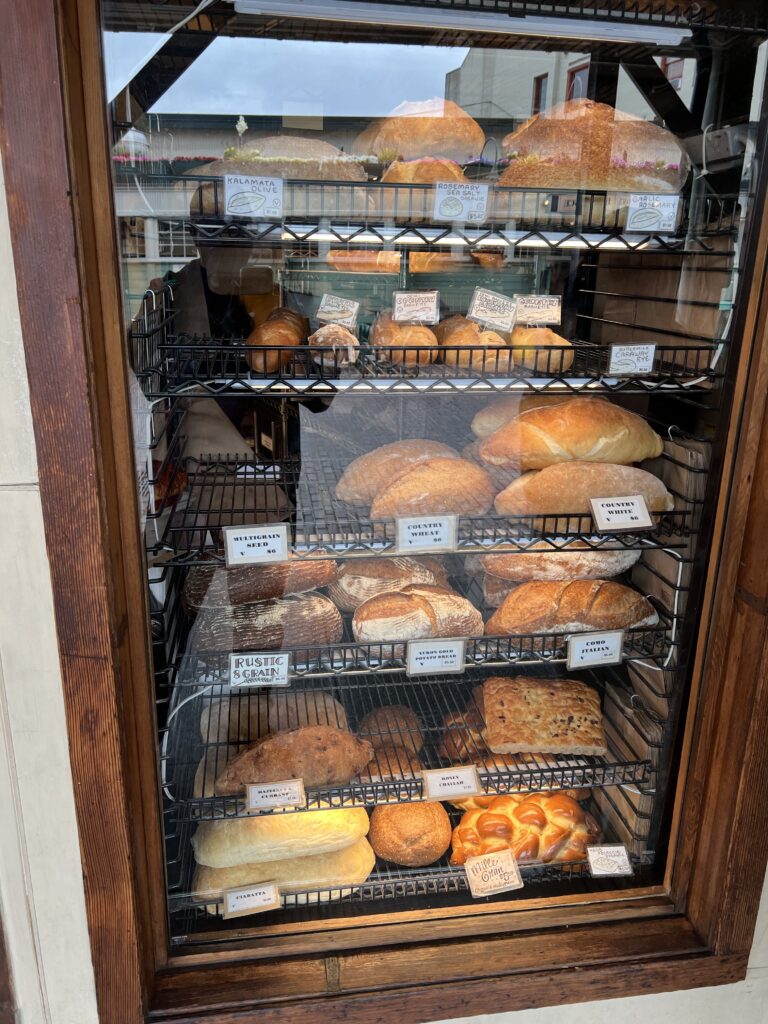
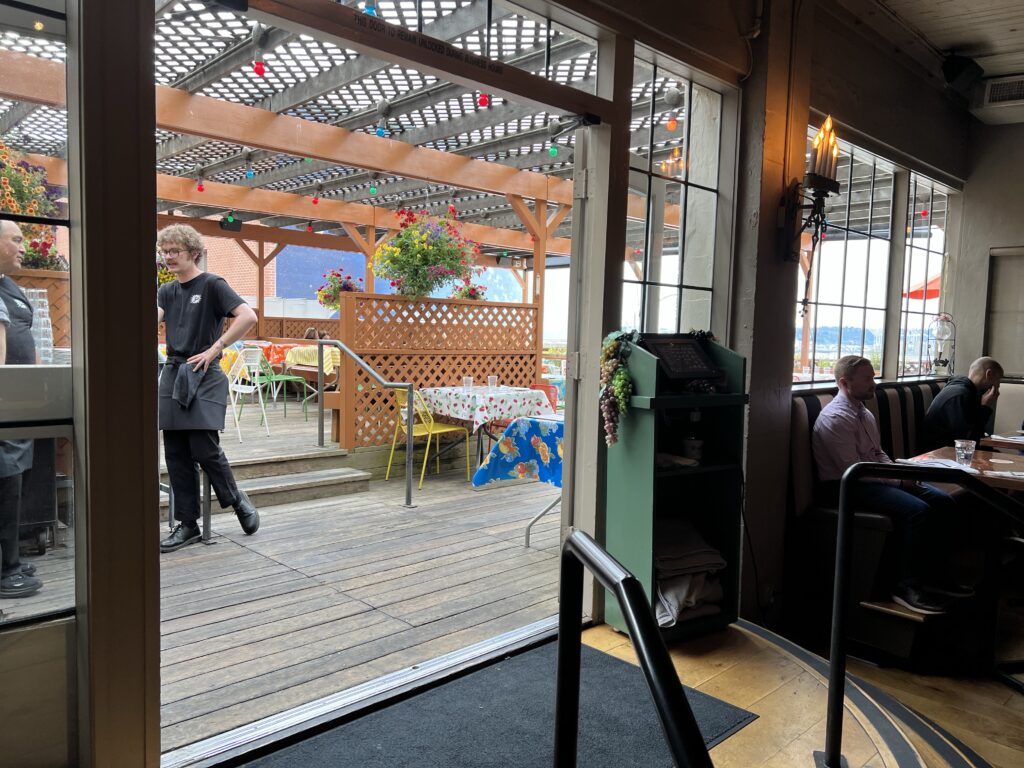
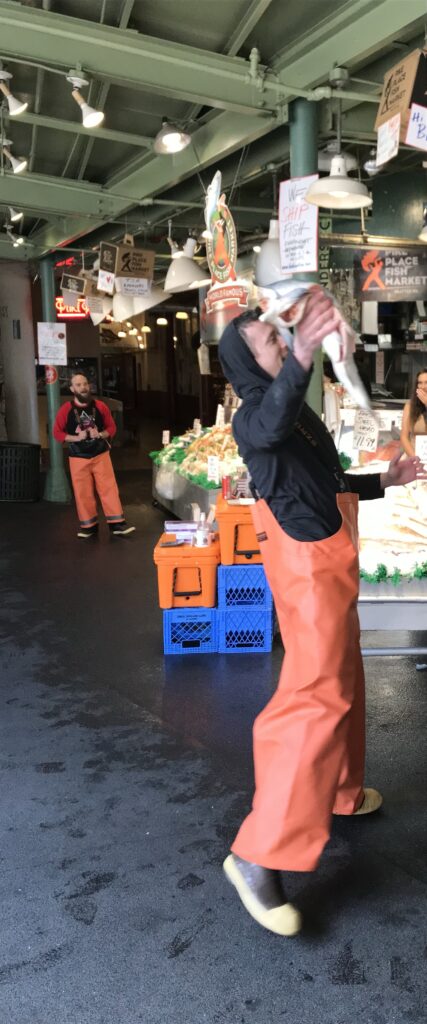
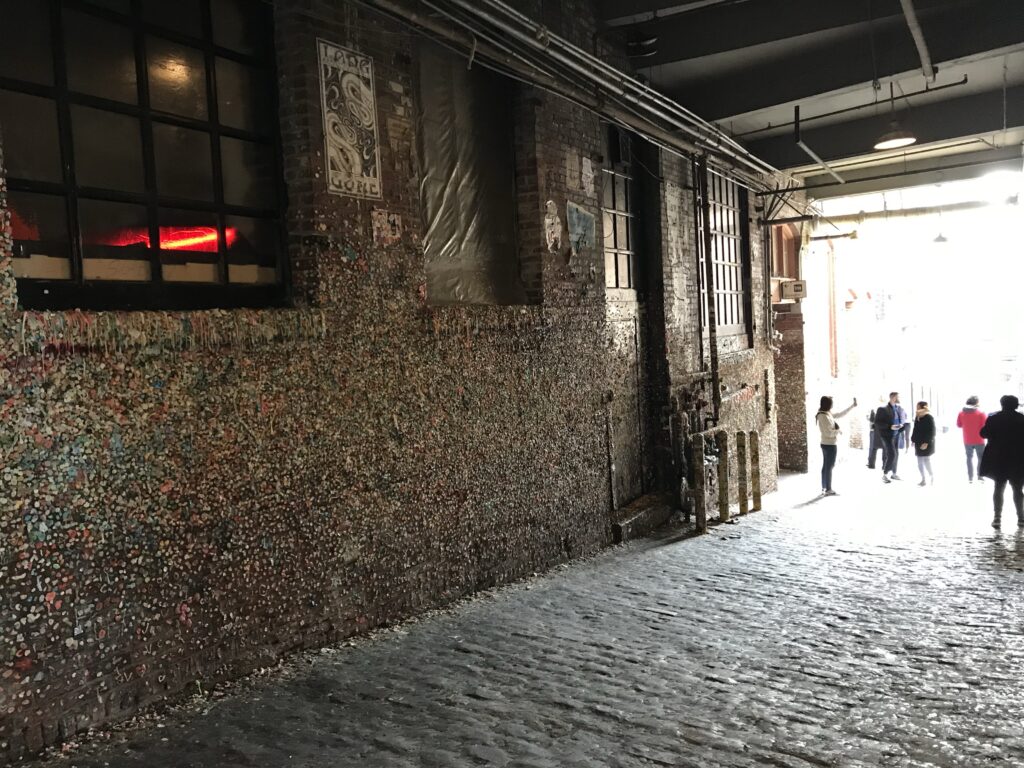
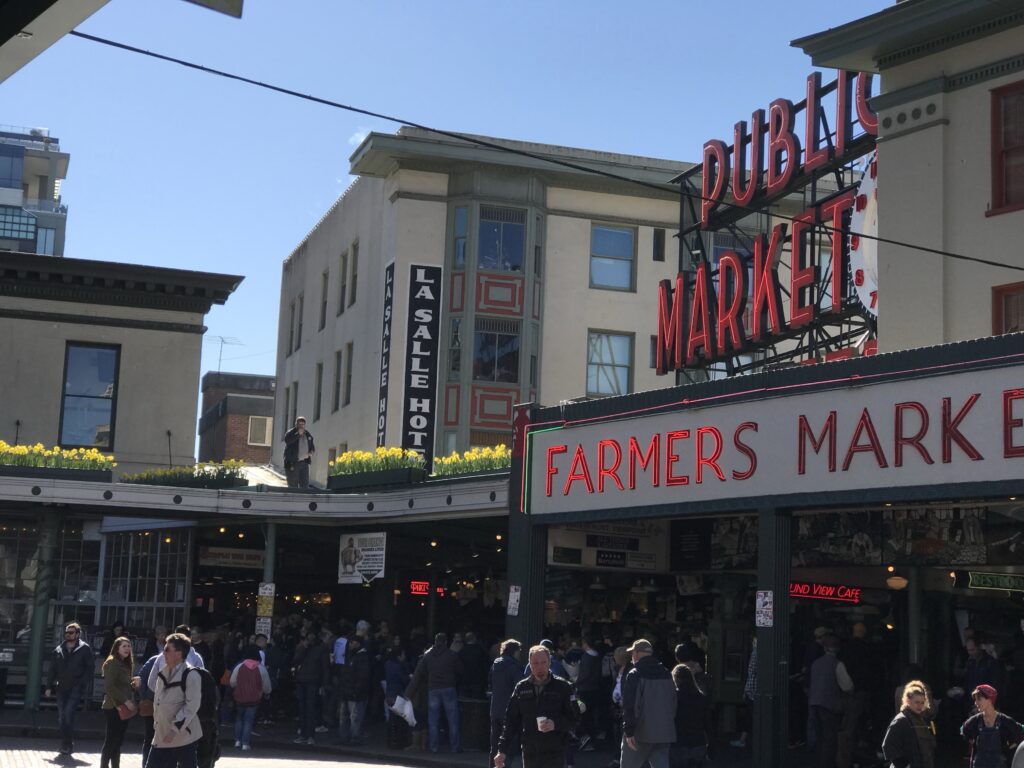
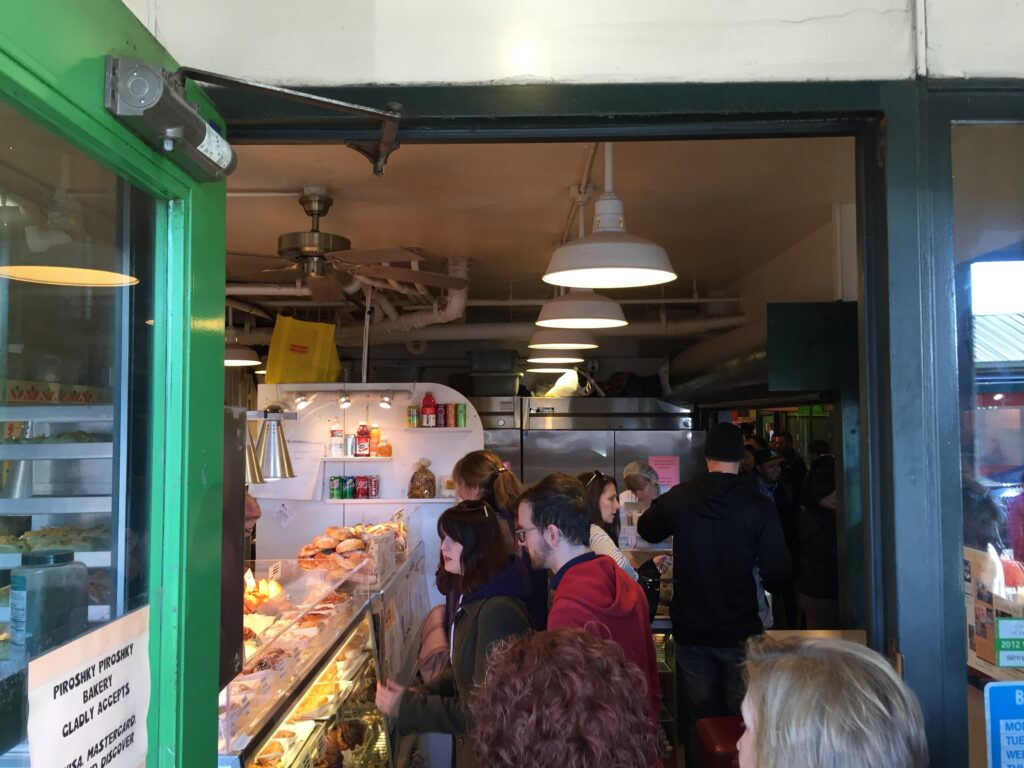
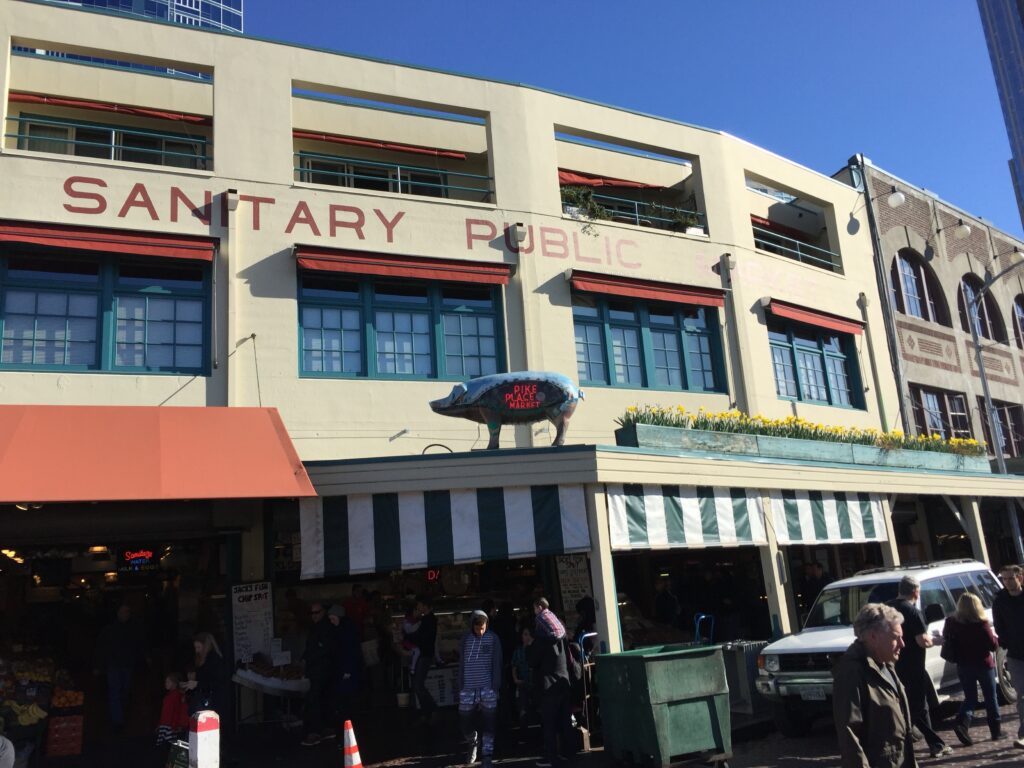
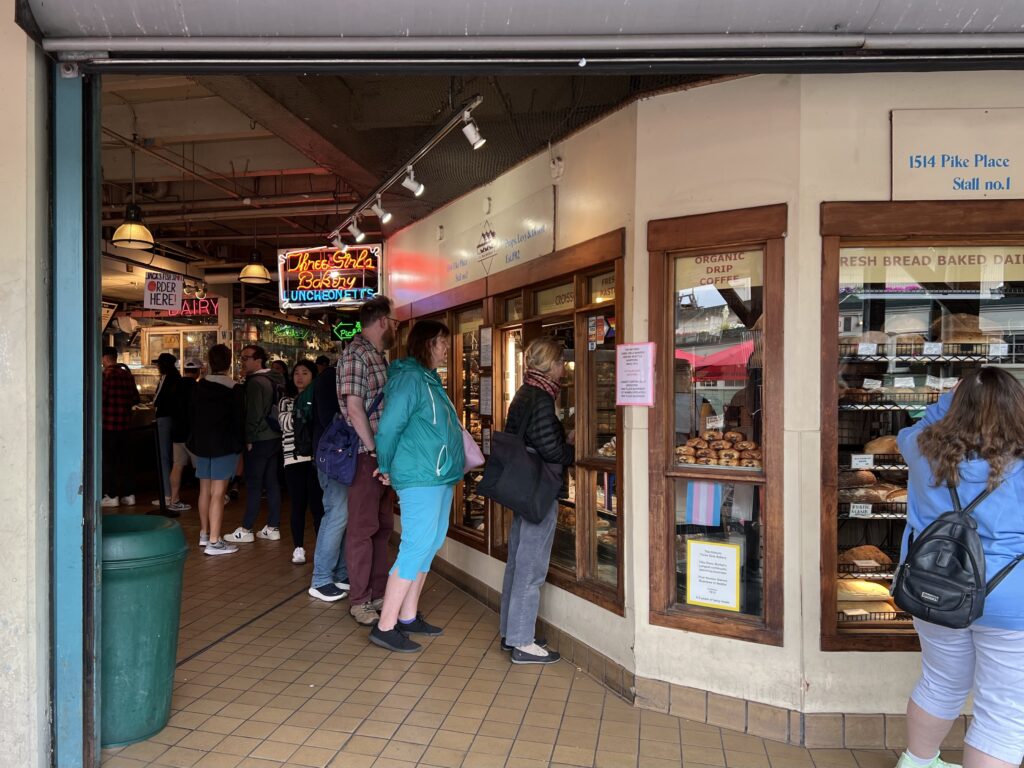
Seattle’s approach has been different. The city has retained far more of its physical heritage—Pike Place Market, the waterfront, neighborhoods like Capitol Hill and Ballard—than many comparable cities. More importantly, Seattle has refused the logic that heritage is incompatible with millennial values. Rather, the city has actively worked to integrate heritage—Indigenous peoples’ histories and ongoing presence, immigrant communities, labor history, maritime culture—into the fabric of contemporary civic life. This integration is not nostalgic romanticization but genuine engagement: Indigenous Peoples’ Day is celebrated with community-led marches and cultural events that center Native voices and ongoing sovereignty claims. Immigrant communities are celebrated through the Festál program not as “folklore” but as active participants in Seattle’s present and future.ocnjdaily+3
This stance reflects a crucial millennial insight: that abandoning heritage in pursuit of progress is not only ethically problematic but practically shortsighted. A city severed from its heritage loses the accumulated wisdom, aesthetic sensibility, and communal bonds that make urban life meaningful. The millennials who have chosen to build Seattle differently have implicitly recognized this, insisting that heritage and modernity are not opposed but rather that authentic modernity requires attending to the past, to diverse communities, and to what earlier generations have learned.
Economic Transformation: From Mono-Economy to Creative Diversity
Seattle’s transformation from a Boeing-dependent “company town” to a diversified knowledge economy is essential context for understanding why a millennial-led politics emerged here rather than elsewhere. The Boeing Bust of 1971—which eliminated 86,000 jobs and created a regional depression—traumatized Seattle’s collective psyche and forced policymakers to pursue economic diversification. This tragedy inadvertently created the conditions for a millennial city: rather than being locked into a single industry (as Detroit remained locked into automobiles), Seattle became open to new possibilities.historylink+2
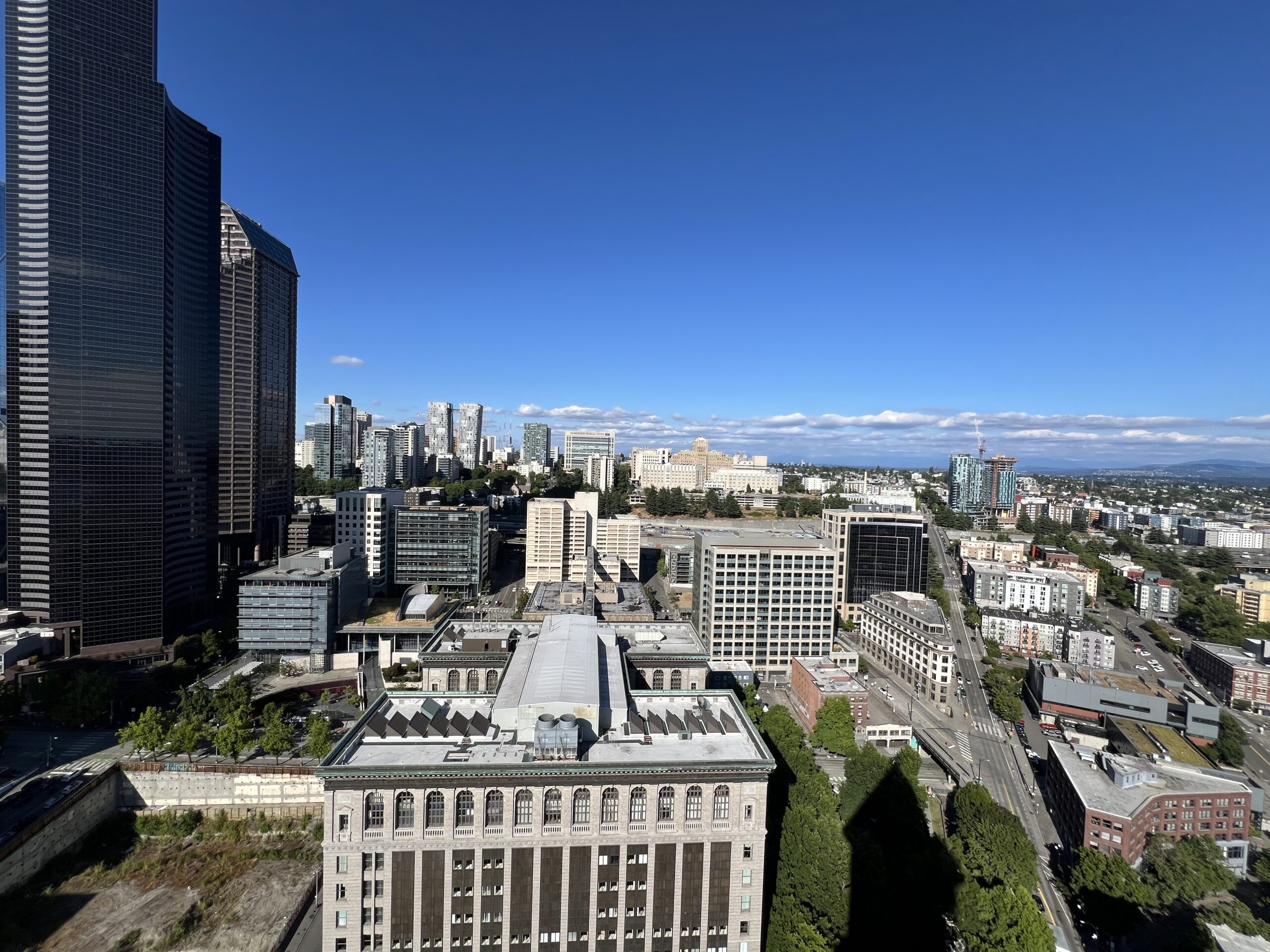
The return of Bill Gates and Paul Allen to the region in 1979 and the subsequent rise of Microsoft in the 1980s created a new class of young, educated, globally oriented professionals with disposable income but different values than the Boeing-era working class. These were people who valued flexibility, intellectual challenge, and creative autonomy over traditional hierarchical advancement. When Jeff Bezos moved Amazon to Seattle in 1994, drawn by the pool of programming talent around Microsoft, the city’s tech sector exploded. By the early 2000s, millennials arriving in Seattle found a labor market offering high wages, abundant job opportunities, and corporate cultures (at least at Microsoft and early Amazon) that emphasized work-life balance, outdoor recreation, and social consciousness—far more aligned with millennial values than the hypercompetitive, burnout-culture Silicon Valley model.employer-branding-trends+4
Critically, Seattle’s tech sector also developed a “missionary” rather than purely “mercenary” character. Companies like Microsoft under Satya Nadella emphasized empowerment and accessibility; Amazon emphasized customer obsession over pure profit maximization; and across the region, tech professionals pursued problems with social impact—healthcare technology, educational technology, sustainability ventures. This allowed Seattle’s tech sector to attract millennial talent not primarily motivated by wealth accumulation but by meaningful work and quality of life. The result is a city where the highest earners do not dominate civic discourse and where political power has not been entirely captured by corporate interests in the way it has in Silicon Valley or New York.seattle24x7+1
Katie Wilson: The Inevitable Millennial Mayor
Katie Wilson’s election as Seattle’s first millennial mayor is not an anomaly but the inevitable expression of everything Seattle has been building. Wilson, born in 1982, is the daughter of two biology professors and spent her formative years witnessing Boeing’s decline and the rise of the tech economy. She is the co-founder and executive director of the Seattle Transit Riders Union, an organization born from the insight that transit justice—affordable, equitable mobility—is fundamental to a livable city and that working families deserve the right to move through the city without the burden of automobile ownership and debt. For over a decade, Wilson has been the ideological and strategic architect of Seattle’s shift toward transit-first urbanism, not through technocratic planning but through grassroots coalition-building and democratic organizing.axios+4
Wilson’s career demonstrates the integration of heritage and history that characterizes Seattle as a millennial city. Her work on transit justice emerged from recognizing how earlier generations of Seattle (and American cities generally) had been shaped by the assumption that private automobiles were the inevitable future, creating landscapes of sprawl and inequality. Her recognition that this was a choice, not an inevitability, and that a different future was possible, reflects the millennial capacity to question inherited assumptions. Her successful campaigns for higher minimum wages in Seattle and surrounding cities, for renter protections, and for the JumpStart tax on large corporations demonstrate a political imagination that rejects both the neoliberal logic of the 1990s-2000s and the nostalgic conservatism that yearns to return to an imagined past. Instead, Wilson articulates a third way: building community wealth, ensuring dignity for working people, and creating cities where everyone has “the basics of a dignified life.”seattletransitblog+2
Wilson’s victory margin—50.2 percent to Harrell’s 49.5 percent—was narrow, but politically significant: polling data showed that younger voters, particularly those with signature-verification issues (which skew younger), broke heavily for Wilson, as did voters endorsing progressive ballot measures on housing and business taxation. Her victory represents the first time a millennial political vision has achieved municipal executive power in a major American city, and it did so not through inherited wealth or elite networks but through grassroots organizing, coalition-building, and directly confronting questions of affordability, equity, and quality of life that defined millennial political consciousness.boltsmag+2
Why Seattle and Not Elsewhere?
Other major American cities have millennial populations; many have progressive mayors and vibrant cultural scenes. What distinguishes Seattle is the comprehensive integration of millennial values across multiple domains: transit infrastructure, workplace culture, civic heritage celebration, economic structure, and now political leadership. This integration is not accidental but reflects decades of deliberate choices by planners, business leaders, community organizers, and residents to build a city fundamentally different from the automobile-dependent, office-park, consumption-focused model that dominated the twentieth century.
Cities like New York, San Francisco, and Los Angeles have significant millennial populations and progressive politics, but they remain constrained by older infrastructure (inherited automobile dependence, fragmented transit systems) and by political structures where corporate power dominates municipal decision-making. By contrast, Seattle’s relatively recent emergence as a major city (it was smaller and less politically ossified than the East Coast establishment cities) allowed it to be remade more deliberately. The city could rebuild around transit, experiment with car-free neighborhoods, and allow workplace culture to evolve in less hierarchical directions.sdotblog.seattle+5
Heritage in Crisis: The Peril of Forgetting
The analysis of heritage and history from the previous discussion applies directly to Seattle’s moment. Societies that ignore their heritage—that treat cultural traditions as obstacles to progress rather than repositories of wisdom—risk narrowing their humanity to habit, power, and amnesia. This was the tragic logic of colonization: indigenous peoples of the Americas were deemed to lack souls because they lacked written history, and therefore their cultures could be erased without moral consequence. The falsehood was not that they lacked souls but that culture could be treated as disposable.wikipedia+4
Similarly, when contemporary American cities abandoned their historic neighborhoods in favor of suburban sprawl, when they demolished market districts and local ecosystems in favor of highway construction, when they treated community heritage as quaint irrelevance to be replaced by corporate modernization, they were committing a kind of cultural erosion. The millennial rejection of this logic—the insistence that heritage matters, that walkable neighborhoods are superior to sprawl, that cultural diversity is something to celebrate rather than assimilate away—represents a recovery of something essential to human flourishing.seattlecenter+1
Katie Wilson’s platform explicitly embraces this: she speaks of wanting “land and wealth to be owned and stewarded by communities instead of corporations,” of creating “supportive communities,” and of ensuring that health and longevity do not “depend on your zip code or your race.” This is language that honors heritage—the accumulated knowledge of how communities care for one another—while also demanding justice grounded in history (recognition of how racism, redlining, and corporate power have created contemporary inequalities). A generation ignoring both history and heritage would be incapable of articulating such a vision; they would be trapped in the neoliberal present, treating corporations as inevitable and inequality as natural.komonews
Conclusion: The First Millennial City
Seattle is the community with the eighth highest quality of life, receiving high marks for health prevention, access, and quality. The Pacific Northwest city balances urban sophistication with natural beauty remarkably well.
The coffee culture here goes beyond cafes on every corner. It represents a social infrastructure where community gathering happens naturally, relationships form casually, and neighborhood identity solidifies.
Access to mountains, forests, and water within short drives creates weekend escape options that metropolitan areas rarely offer. That proximity to nature provides psychological relief from urban intensity.
15 Happiest Cities in The USA February 24, 2026 Author: Gargi Chakravorty
Seattle is America’s first millennial city not because it elected a millennial mayor, but because the entire urban project—from its transit infrastructure and workplace design, to its celebration of diverse cultural heritages, to its economic structure, to its political movements—has been deliberately reconstructed around millennial values: prioritizing experience over possession, community over consumption, equity over accumulation, and the integration of heritage and history into a livable present. Katie Wilson’s election to mayor is the symbolic capstone of this transformation, but she is not the architect; she is the inevitable expression of what Seattle’s residents, planners, and organizers have been building for decades.
This matters not merely as a Seattle story but as an American story. In a moment when heritage is under attack—when indigenous heritage is threatened by extractive economics, when immigrant heritage is criminalized, when working-class heritage is dismissed as nostalgia—Seattle offers a different model: a city consciously built on the recognition that heritage and modernity are not opposed, that equity and innovation reinforce each other, that humans need both history (understanding how we got here) and heritage (living connection to community, culture, and past). Whether Seattle can sustain this vision against the pressures of capital accumulation, gentrification, and the perpetual American temptation to abandon the past in pursuit of profit remains the urgent question. But for now, in Katie Wilson’s election and in the infrastructure and culture surrounding it, Seattle represents the most developed expression in contemporary America of what a millennial city might look like—and what cities might become if they refused to forget either history or heritage.
- https://www.kuow.org/stories/katie-wilson-increases-lead-over-bruce-harrell-poised-to-become-seattle-s-first-millenial-mayor
- https://www.theurbanist.org/2023/08/17/op-ed-how-to-plan-for-seattles-transportation-future/
- https://www.axios.com/local/seattle/2025/11/14/seattle-mayor-elect-katie-wilson-organizer-socialist-transit
- https://en.wikipedia.org/wiki/Katie_Wilson
- https://sdotblog.seattle.gov/2025/10/16/seattle-transportation-plan-3-year-implementation-outlook/
- https://www.seattle24x7.com/community/shoptalk/2025/02/25/to-live-and-thrive-in-the-nw-technosphere-the-greater-seattle-tech-work-experience/
- https://ocnjdaily.com/news/2025/jun/13/why-seattle-is-becoming-the-ideal-city-for-remote-work-travelers/
- https://www.employer-branding-trends.com/blog/why-seattle-stands-out-for-top-workplaces-exploring-great-companies-to-work-for-in-seattle
- https://www.seattleweekly.com/news/seattle-in-the-80s-an-influx-of-talent-and-trouble/
- https://www.historylink.org/file/11111
- https://www.geekwire.com/2015/amazons-boom-beats-microsofts-2014-saw-record-number-of-newcomers-to-seattle-area/
- https://www.seattle.gov/transportation/document-library/citywide-plans/modal-plans/bicycle-master-plan
- https://www.urbanrengroup.com/seattles-transportation-transformation/
- https://seattletransitblog.com/2025/11/13/katie-wilson-is-seattles-next-mayor/
- https://komonews.com/news/local/seattle-mayor-elect-katie-wilson-unveils-full-transition-team-democratic-socialisr-housing-affordability-harrell-community-needs-economic-trump-development-workers-rights-transportation-public-transit-safety-parks-homeless-drug-addiction-economy
- https://www.wilsonforseattle.com/about
- https://thebrandhopper.com/2025/09/08/starbucks-third-place-concept-coffee-shop-as-community-hub/
- https://www.forbes.com/sites/markfaithfull/2025/09/08/starbucks-cafe-of-the-future-central-to-second-coming-of-third-space/
- https://www.linkedin.com/pulse/starbucks-marketing-strategy-invention-third-place-seamus-moore–zfute
- https://www.cnn.com/2024/07/19/business/starbucks-mobile-orders-third-place
- https://www.dezeen.com/2018/01/30/plant-filled-seattle-spheres-open-amazon-headquarters/
- https://www.structuremag.org/article/amazon-spheres/
- https://www.bega.com/en/references/amazon-spheres-seattle/
- https://www.seattlecenter.com/events/featured-events/festal
- https://frontporch.seattle.gov/2025/10/09/events-across-seattle-honor-indigenous-peoples-day-monday-october-13/
- https://www.difference.wiki/history-vs-heritage/
- https://pediaa.com/difference-between-history-and-heritage/
- https://boltsmag.org/progressives-win-in-seattle-wilson-evans-public-safety/
- https://en.wikipedia.org/wiki/Indigenous_peoples_of_the_Americas
- https://www.americamagazine.org/politics-society/2022/07/28/doctrine-discovery-pope-francis-243435/
- https://e-tangata.co.nz/comment-and-analysis/finally-is-the-catholic-church-facing-its-colonising-past/
- https://www.vaticannews.va/en/vatican-city/news/2023-03/vatican-formally-repudiates-doctrine-of-discovery.html
- https://en.wikipedia.org/wiki/Bartolom%C3%A9_de_las_Casas
- https://www.spaceneedle.com/about
- https://www.seattle.gov/documents/Departments/SDOT/BikeProgram/2017_BikeShare_Evaluation_Report_113018.pdf
- https://www.theurbanist.org/2025/11/15/seattle-scootershare-ridership-surge-regulatory-push/
- https://komonews.com/features/dont-miss/seattle-history-industry-amazon-jeff-bezos-bill-melinda-gates-paul-allen-institute-brain-mapping-pike-place-market-cheese-chihuly-garden-glass-boeing-737-airplanes-jets-paccar-worlds-fair-space-needle-expedia-mccaw-cellular-starbucks-nordstrom-mt-rainier


