A Comprehensive Visitor’s Guide
The Sonoma area of California offers a remarkably diverse appeal across multiple visitor profiles, each discovering unique attractions aligned with their interests. Whether your passions center on architectural heritage, natural history, ornithology, creative writing, outdoor recreation, or culinary excellence, Sonoma County provides world-class experiences throughout the year, though certain seasons optimize specific interests. Attractions by Visitor Profile:
For Architects, the region presents significant cultural and structural landmarks. The Sonoma Valley Museum of Art showcases contemporary architectural design principles, while historic districts in downtown Sonoma, Santa Rosa’s Railroad Square, and Petaluma showcase Victorian-era commercial and residential buildings listed on the National Register of Historic Places. The Church of One Tree and William Hood House represent distinctive architectural styles from different periods, offering visual studies in design philosophy and construction technique.sonomacounty
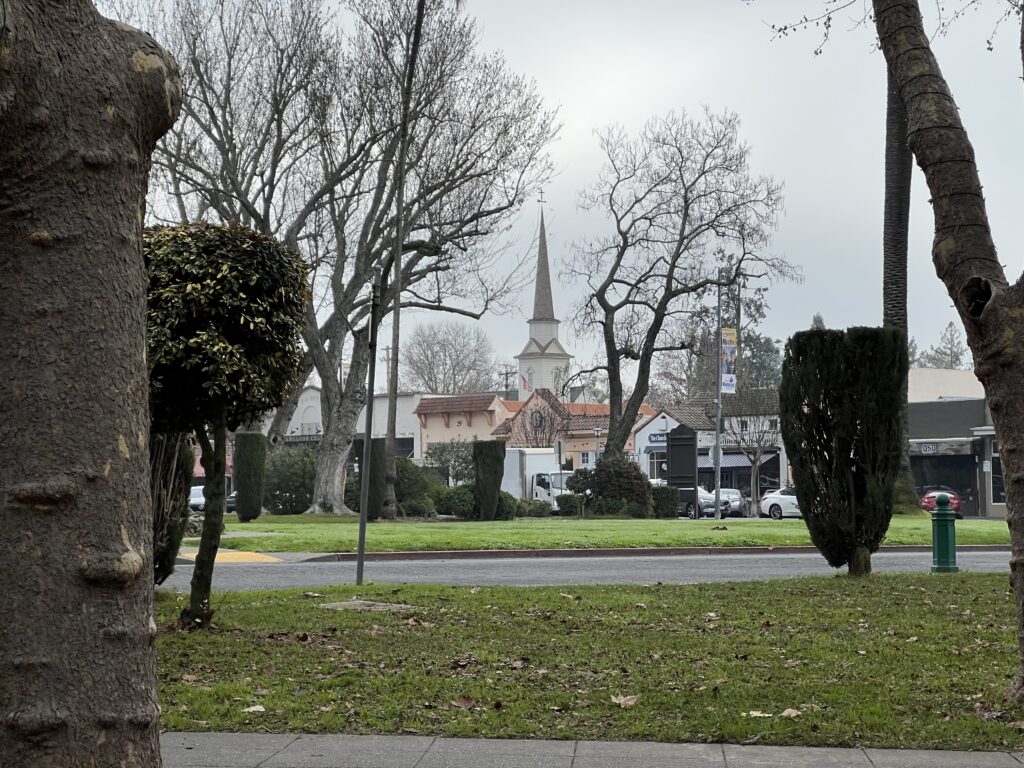
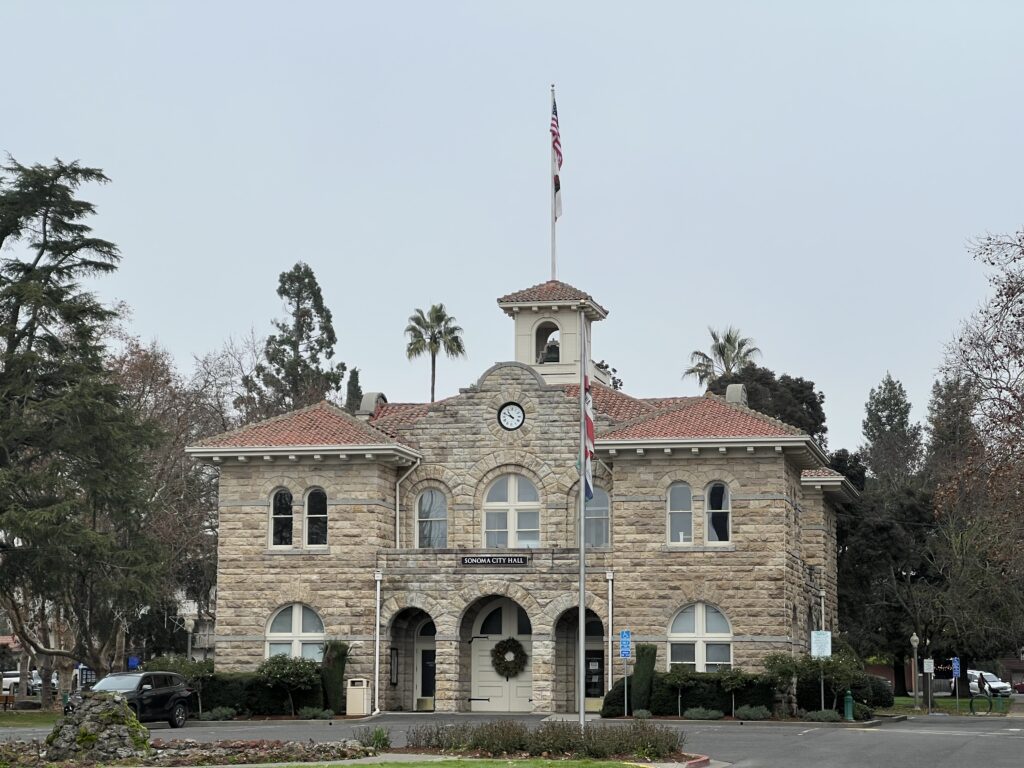
For Historians, Sonoma County functions as an open-air classroom spanning Spanish colonial, Native American, Russian, Mexican, and American frontier periods. Mission San Francisco Solano (1823), the northernmost and final California mission, anchors the Sonoma Plaza—California’s largest town square—and remains the focal point for understanding early colonial history. The Sonoma State Historic Park encompasses the Sonoma Barracks (once housing Mexican military troops), the Toscano Hotel furnished as an authentic 19th-century establishment, and the adobe compound Rancho Petaluma, a National Historic Landmark and one of California’s largest privately-owned adobe structures. Fort Ross State Historic Park preserves a Russian colonial settlement with reconstructed buildings including a Russian chapel, blockhouses, and the original Rotchev House. The Luther Burbank Home & Gardens, a National Historic Landmark, documents the life and botanical innovations of the pioneering horticulturist. For those interested in spiritual and pilgrimage traditions, the Camino de Sonoma presents a 75-mile ecumenical walking route connecting Mission San Francisco Solano with the Russian Orthodox chapel at Fort Ross, incorporating Native American wisdom and Christian pilgrimage practices.
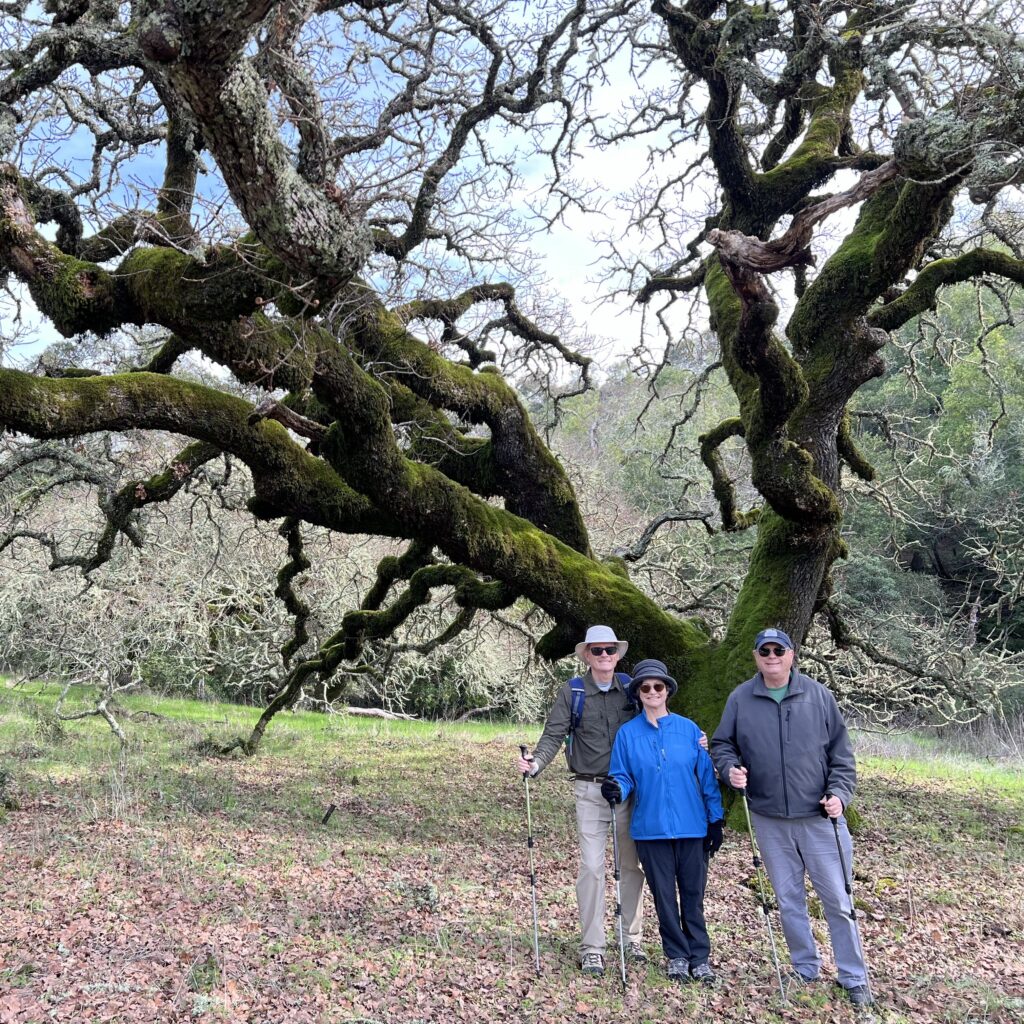
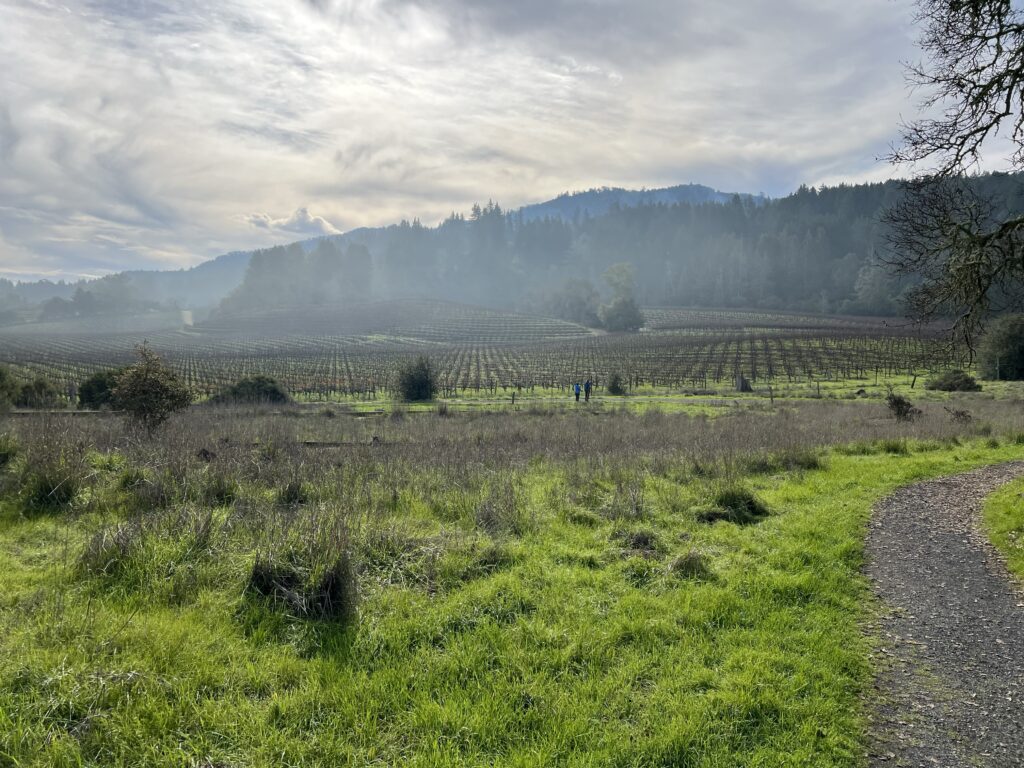
For Birders, Sonoma County operates along the Pacific Flyway and contains 150 miles of trails across diverse ecosystems. Riverfront Regional Park features a popular 2-mile loop trail with abundant bird species including Steller’s Jays, Oak Titmice, White-breasted Nuthatches, Great Blue Herons, and Western Meadowlarks. Spring Lake Regional Park near Santa Rosa, Hood Mountain Regional Park, and coastal trails near Bodega Bay and Jenner offer specialized habitat viewing. The region hosts organized bird walks on the last Wednesday of each month through Sonoma County Regional Parks.parks.
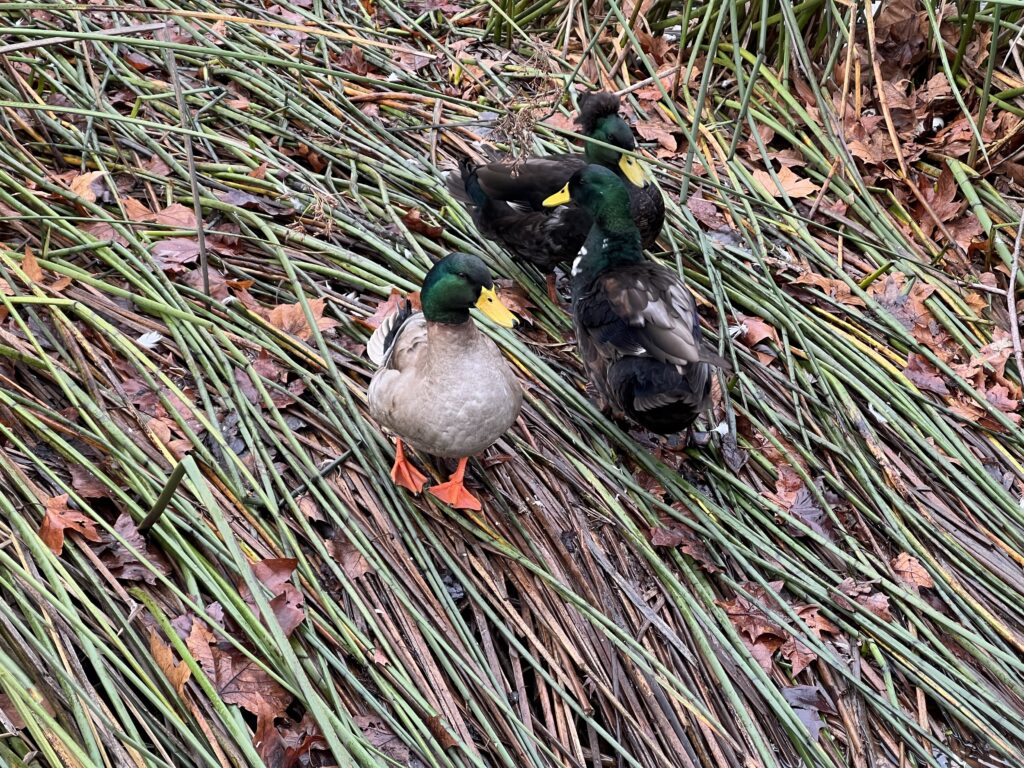
For Writers and Artists, the Sonoma Plaza provides both historical ambiance and contemporary cultural venues with galleries, boutiques, and museums situated amid historic architecture. The wine country landscape—rolling vineyards, redwood forests, and dramatic coastal vistas—offers inspiration for creative work. The Russian River and coastal towns present additional scenic backdrops for reflection and creative development.
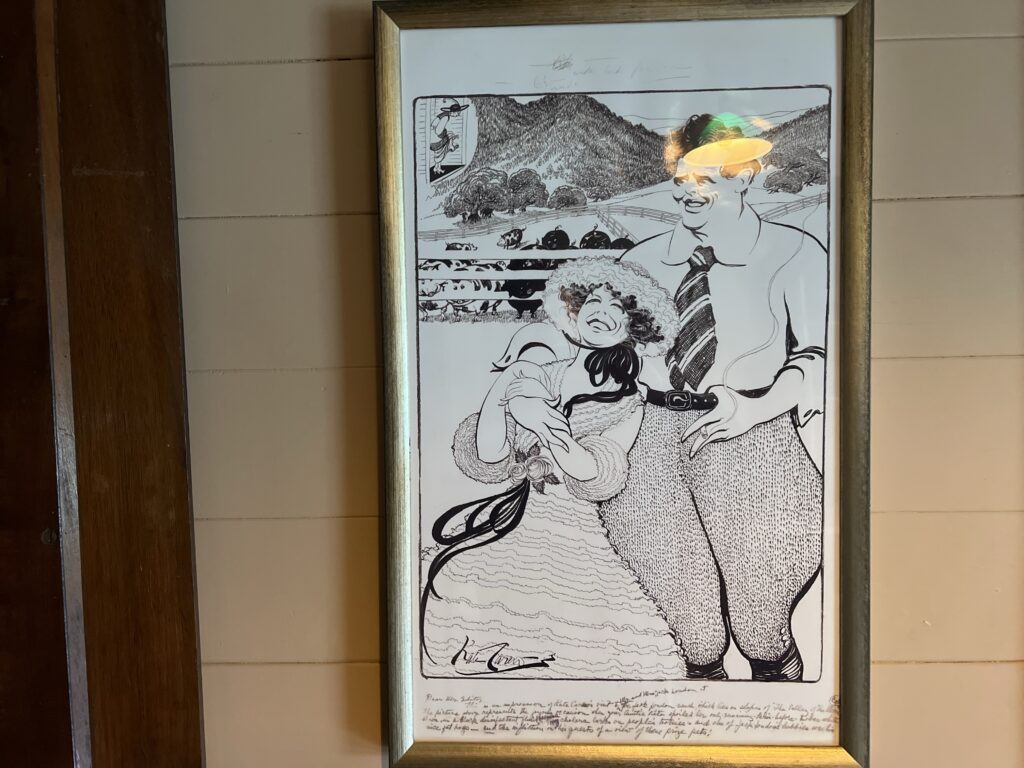
“You see, I am running an expensive ranch-said ranch being expensive because of the fact that I am heavily investing in it. I am planting eucalyptus trees, and at present moment have a hundred thousand trees in.
Each year I plant from 20,000 to 40,000 trees. This makes rather a tidy wage-list when, for months at a time, there are fifty men on the pay-roll.”
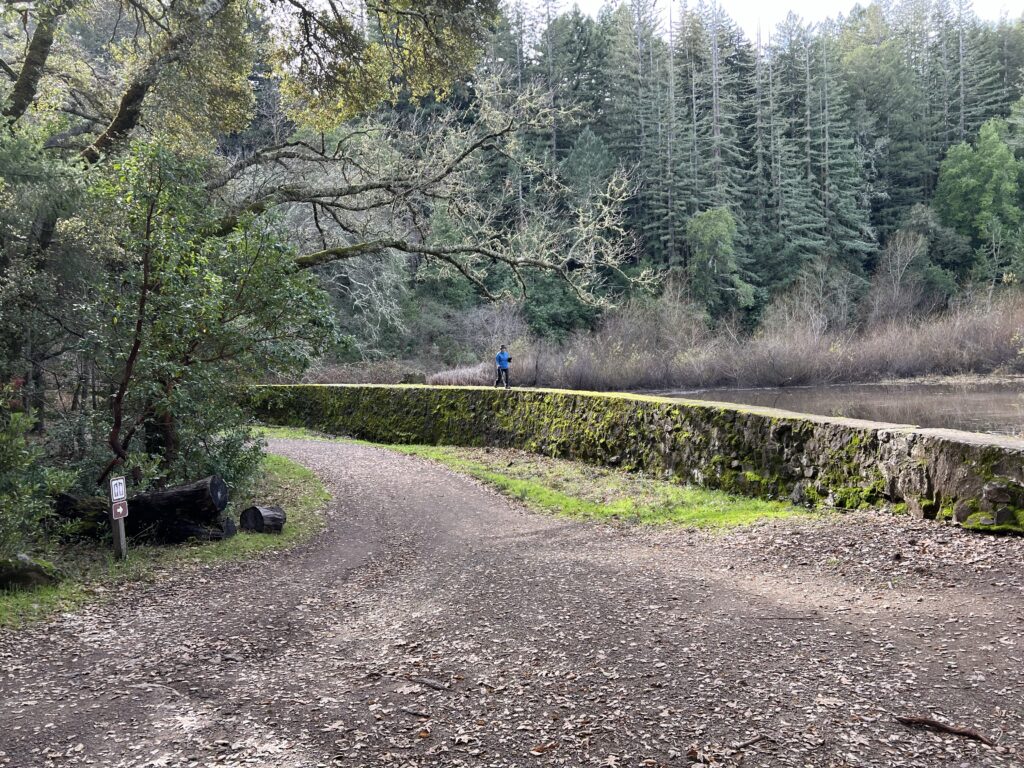
For Hikers, the region encompasses 150 miles of maintained trails across varied terrain. The Bodega Head Trail (1.7 miles, coastal bluff views with whale watching January through May), Kortum Trail near Jenner (4 miles, moderately challenging with ocean and beach vistas), Red Hill via Pomo Canyon Trail (5 miles, redwood forests and green hills), Islands in the Sky Vista Loop near Duncans Mills (3.9 miles, meadow and mountaintop scenery), and the challenging Sea to Sky Trail (7.5 miles, ascending nearly 1,000 feet through coastal meadows then 1,800 feet to Pole Mountain) cater to varying fitness levels. Fall color walks along North Sonoma Mountain Ridge Trail and spring wildflower hikes at Hood Mountain, Sugarloaf Ridge State Park, and Trione-Annadel State Park provide seasonal specialization.
For Foodies, Sonoma County delivers farm-to-table culinary experiences across multiple formats. The Healdsburg Farmers’ Market hosts local producers and seasonal produce, anchoring agricultural tourism. Relish Culinary Adventures offers half-day tours combining market visits with hands-on cooking workshops and lunch featuring locally sourced ingredients. The California Cheese Trail connects artisan cheesemakers, while farm sanctuary tours with La Belle Vie Tours combine wildlife experiences with vegan wine tastings. Mushroom foraging through the Sonoma County Mycological Association (SOMA) provides autumn through spring expeditions to Salt Point State Park. Cheesemaking classes, apple picking at Chileno Valley Ranch, and hands-on farm experiences create educational culinary engagement.sonomavalleywine
Heritage Events and Culinary Landmarks
The Lighted Tractor Parade, held annually on the Saturday after Thanksgiving (November 29, 2025), represents a quintessential Sonoma heritage celebration. Held at the historic Sonoma Plaza and organized by the Sonoma Valley Vintners & Growers Alliance, this event features agricultural vehicles—vineyard tractors, farm trucks, and vintage equipment—decorated with thousands of twinkling lights, circling the plaza perimeter while celebrating wine country’s farming roots and community spirit. The parade exemplifies how Sonoma County integrates agricultural identity with contemporary festival culture, drawing families and tourists to the historically significant plaza.
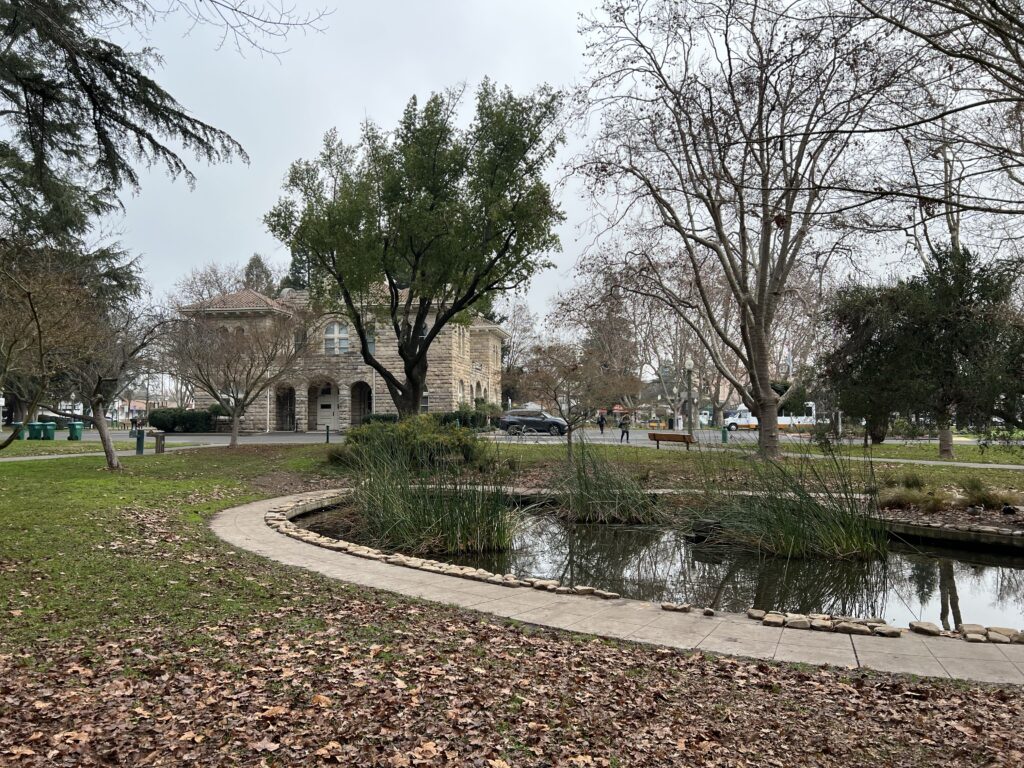
Mission San Francisco Solano functions as both a religious and historical monument. While primarily a museum and tourist destination preserving California mission heritage, the mission chapel maintains active religious functions.
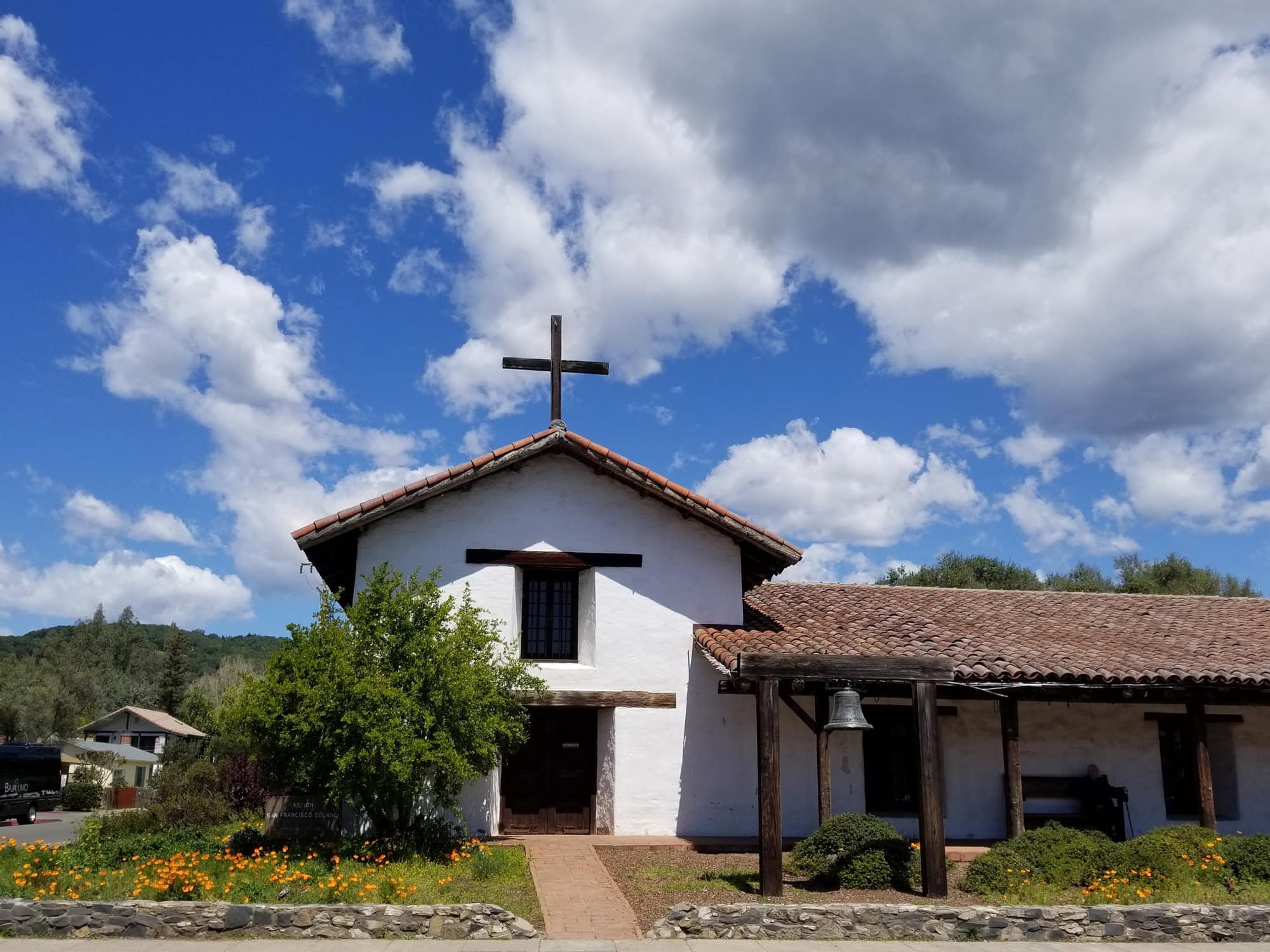
Regular Mass times occur at a nearby St. Francis Solano Catholic Church location with services in both English and Spanish. The mission’s grounds host tours and historical exhibits documenting colonial California and Native American neophyte experiences.
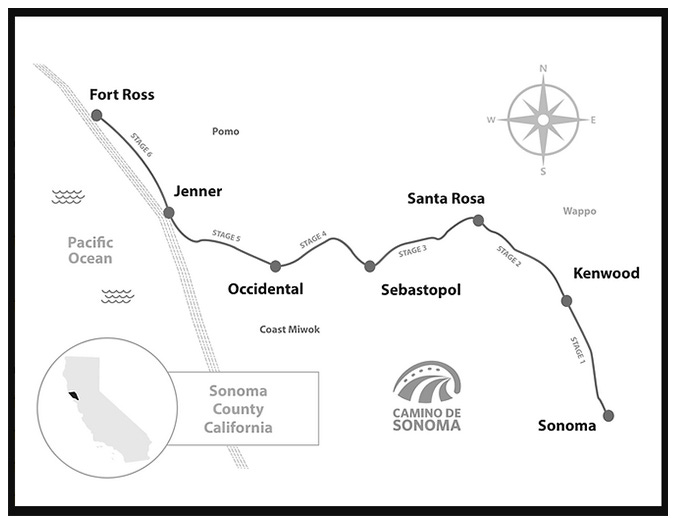
The Camino de Sonoma pilgrimage program organizes guided walks departing from the mission, blending in Christian spirituality with indigenous wisdom and environmental stewardship.
Les Pascals, located at 13758 Arnold Drive in Glen Ellen, represents an authentically French patisserie established in 2018 by Parisian couple Pascale and Pascal. Open Tuesday-Sunday (closed Wednesdays), the bright yellow café offers long-fermented artisanal breads, classical pastries including croissants, éclairs, Paris-Brest, and savory items like quiche Lorraine, Croque Madame sandwiches, and French onion soup. The bakery has become a cyclist favorite and morning destination for both locals and visitors seeking authentic French baking craft within wine country settings. Its success illustrates Sonoma’s capacity to attract and retain European culinary artisans who establish permanent operations.weekendsherpayoutube
Optimal Visiting Months
The question of “best month” depends fundamentally on activity priorities, climate preferences, and crowd tolerance. However, September through November (particularly October) emerges as the optimal period for comprehensive experience across multiple visitor types.
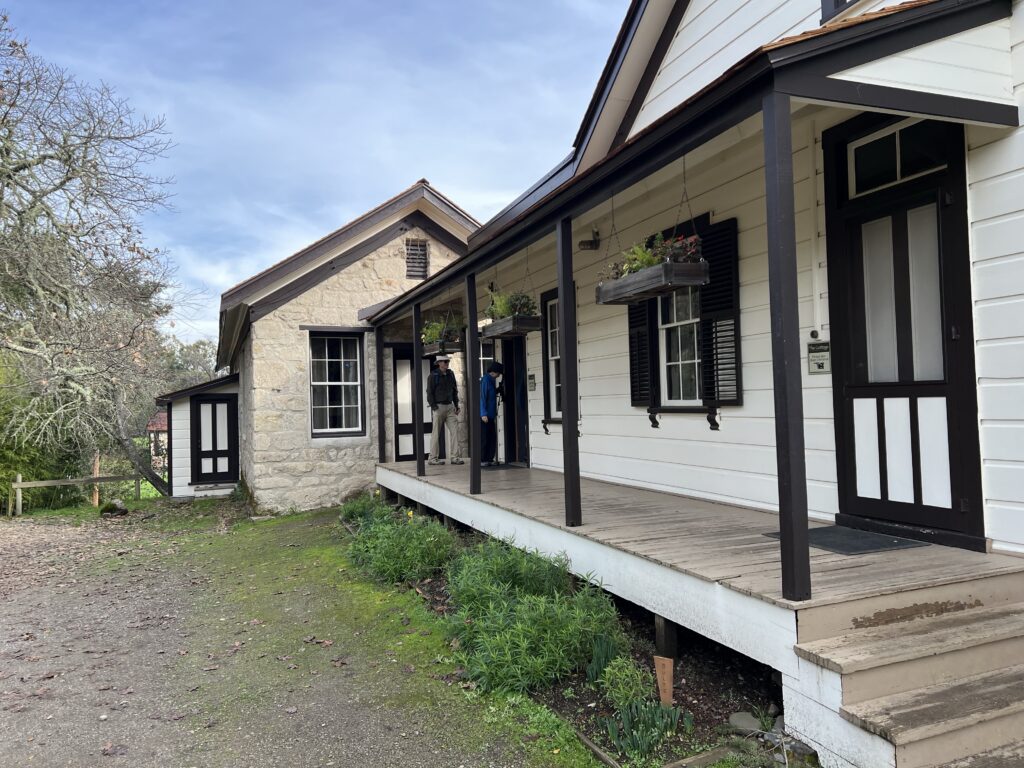
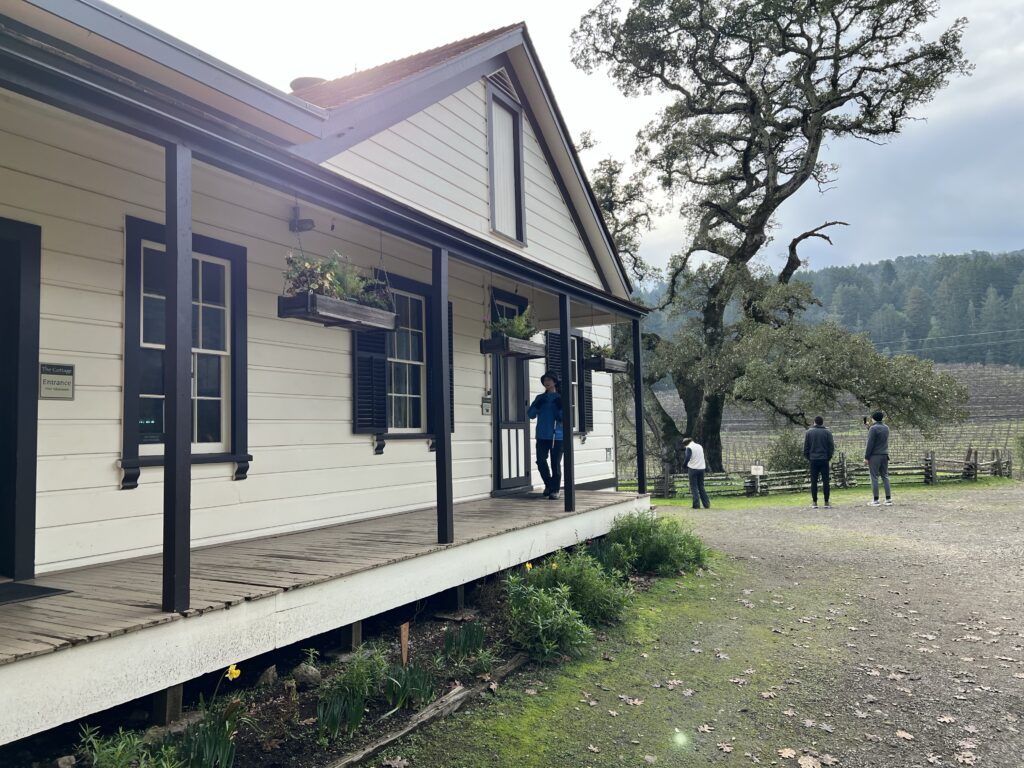
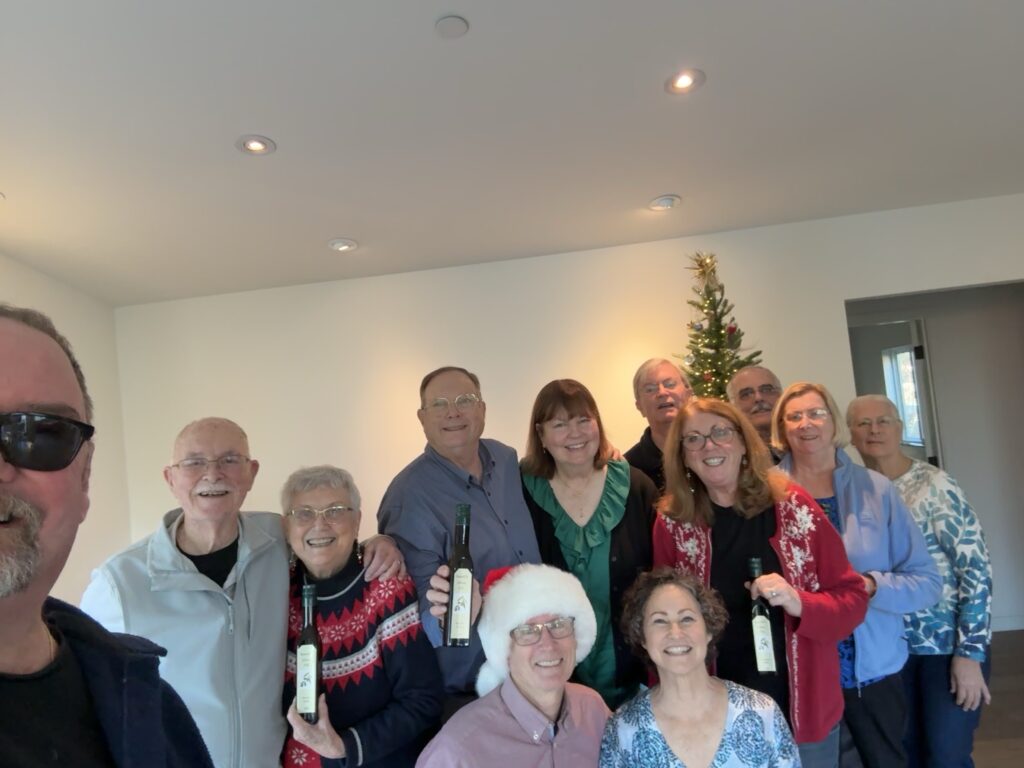
Jack and Charmian London invited people with diverse and creative backgrounds to visit them at Beauty Ranch. Up to ten visitors would stay on the Beauty Ranch at a time, many enjoying outdoor activities.
Fall (September-November) combines multiple compelling factors. From a meteorological standpoint, September maintains summer warmth with daytime temperatures in the 80s (81-82°F average high, 52°F average low), while October cools to comfortable 76°F days and 48°F evenings, and November further moderates to the mid-60s. This temperature trajectory eliminates summer’s peak heat (when August reaches 83°F) while avoiding winter precipitation and cold. The weather proves ideal for extended outdoor activities—hiking, wine touring, and coastal exploration—without excessive heat exposure or rain interference.randywallerre
Harvest season (late August through early November) transforms the wine country experience fundamentally. White wine harvesting begins in August, while red wine crushing continues through October. This creates a unique behind-the-scenes educational opportunity: visitors witness grape sorting, crushing, fermentation initiation, and fermentation management. Many wineries offer harvest participation experiences, allowing visitors to engage in picking or processing activities. The sensory experience—acres of vineyard foliage in transition from green to gold, amber, and crimson hues; the intoxicating fermentation aromas; the visible activity in crush pads and cellar facilities—cannot be replicated in other seasons.parks.
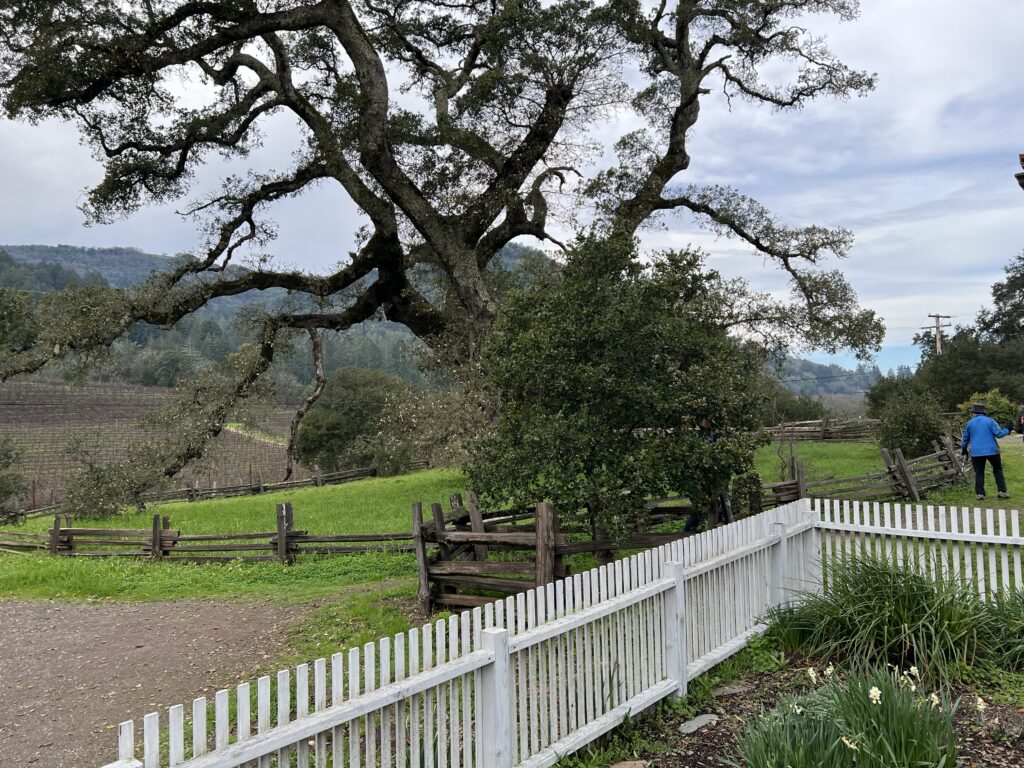
From an aesthetic perspective, fall foliage peaks between late October and November when vineyard vines display golden-yellow Chardonnay rows, fiery-red Merlot and Cabernet sections, and colorful tree-lined roads throughout the wine country. The Sonoma County Vineyard Adventures program offers free, no-appointment self-guided tours allowing visitors to walk among vine rows, discovering winemaking history and sustainable viticulture practices.
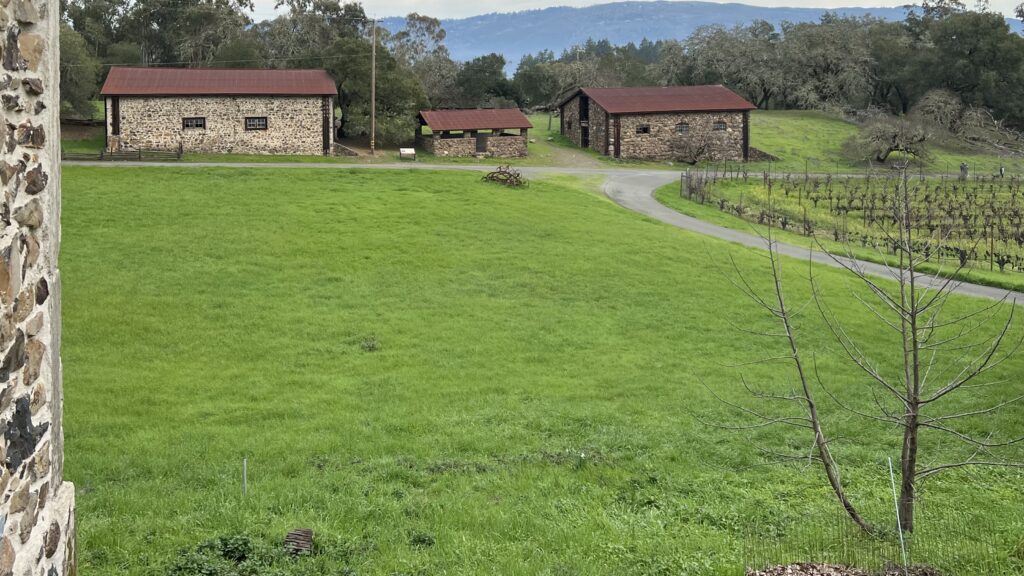
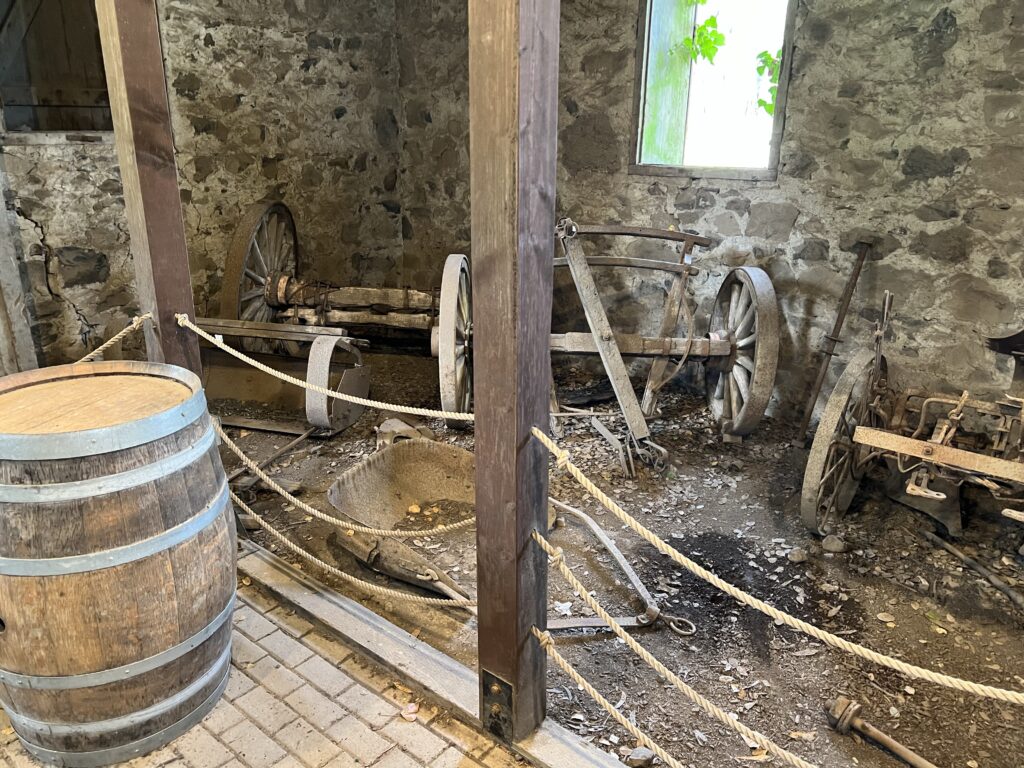
Damaged by the 1906 earthquake, the structure was later converted by the London’s into living quarters for their many workers and guests.
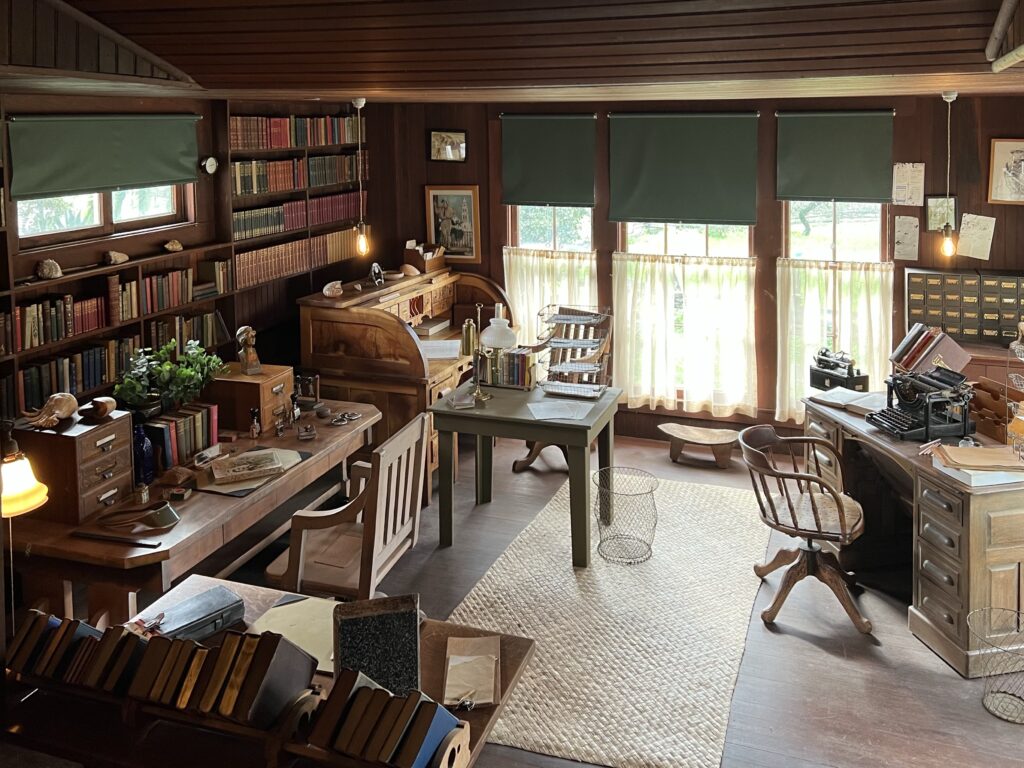
Jack’s stepsister, Eliza London Shepard, oversaw the old winery remodeling, As Beauty Ranch Superintendent, she directed the ranch’s daily operations from her office here.
Kohler and Frobling Winerys main building
Crowd dynamics slightly favor fall over summer. While September and October remain popular due to harvest activities, they attract wine enthusiasts rather than general tourists, creating a different crowd composition than summer’s broad demographic. November, positioned between harvest completion and holiday-season tourism, offers quieter tasting rooms with easier same-day reservations and more attentive service from winery staff. According to winemaking perspectives, November’s transformation within wineries—cessation of pump-overs, completion of fermentation, and vineyard leaf-fall—creates a visually distinctive experience compared to the frenetic activity of September-October.
Secondary optimal periods exist for specific interests. Spring (April-May) offers temperatures in the 60s-70s, wildflower blooms peaking in March-April across Hood Mountain, Annadel State Park, and designated wildflower reserves, and moderate crowds. Guided wildflower walks organized by Sonoma County Regional Parks, Jack London State Park, and specialty preserves create educational nature experiences unavailable in other seasons. Summer (June-August) suits those prioritizing coastal activities, beach swimming, outdoor dining, and extended daylight evening wine tastings, despite peak-season crowds and pricing.sonomamag
Disaster Vulnerability Assessment
Sonoma County residents and visitors face multiple natural hazard exposures, with wildfire presenting the dominant risk profile, supplemented by secondary earthquake, tsunami, and flood vulnerabilities.
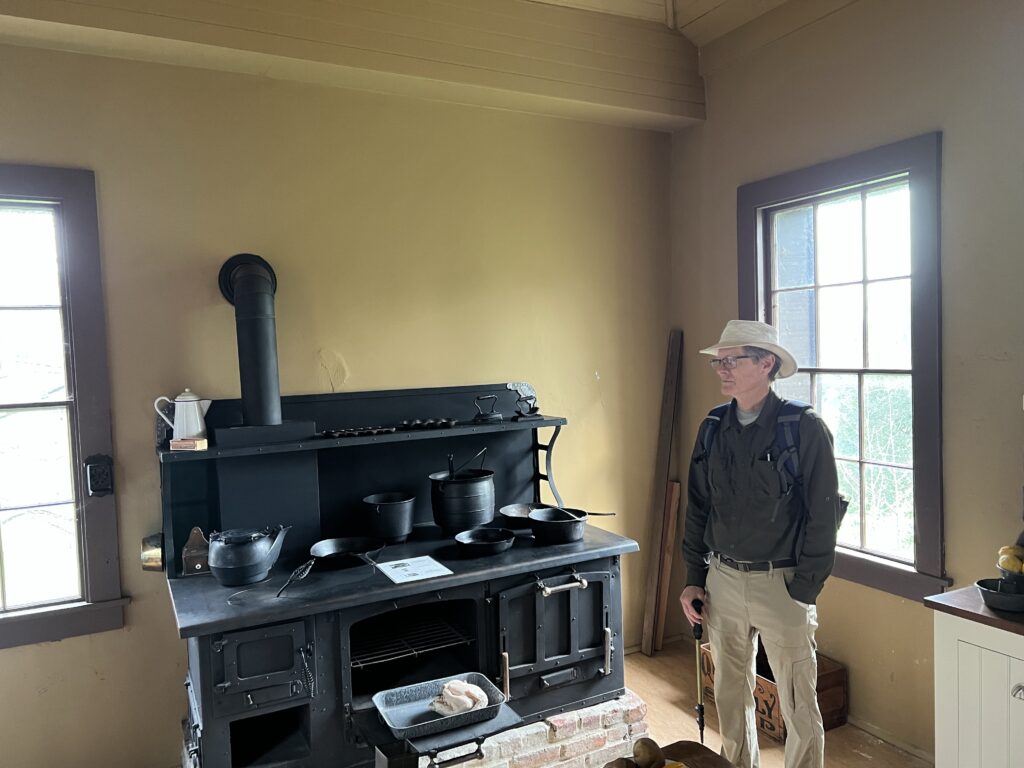
Pressures associated with living in the city
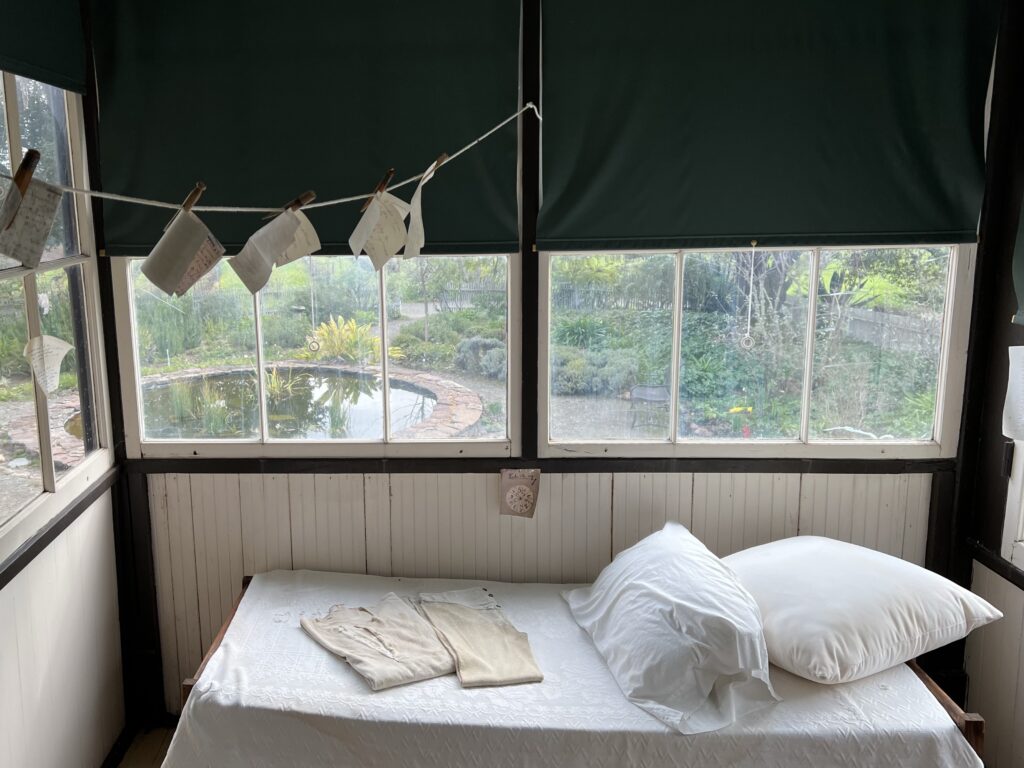
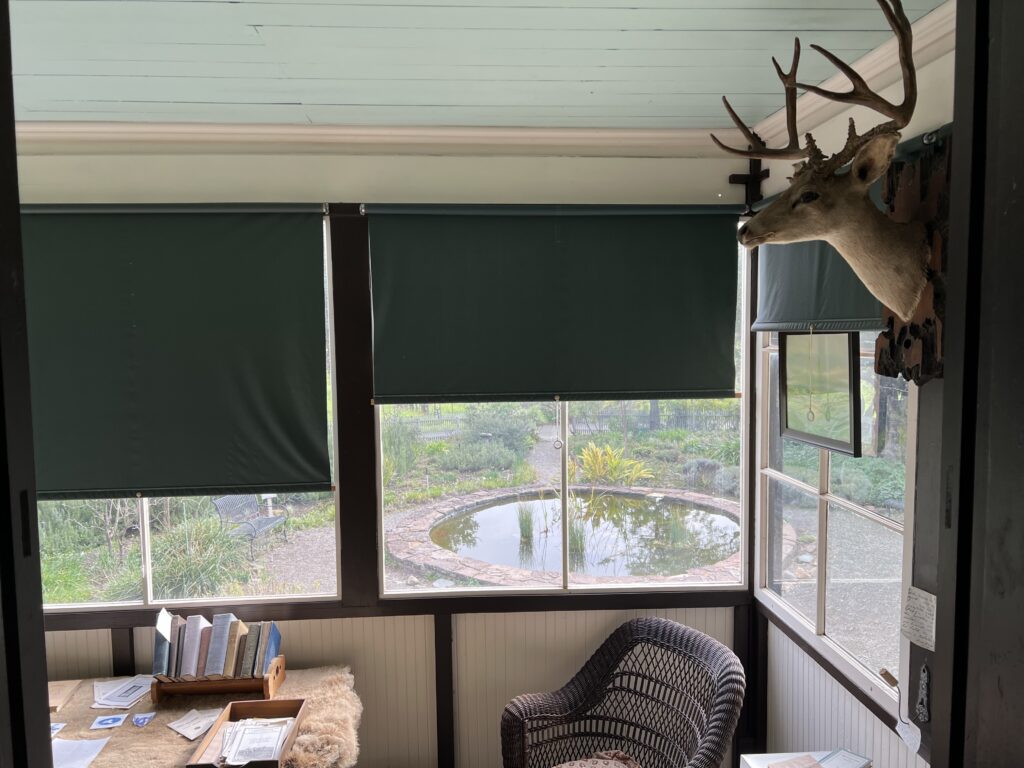
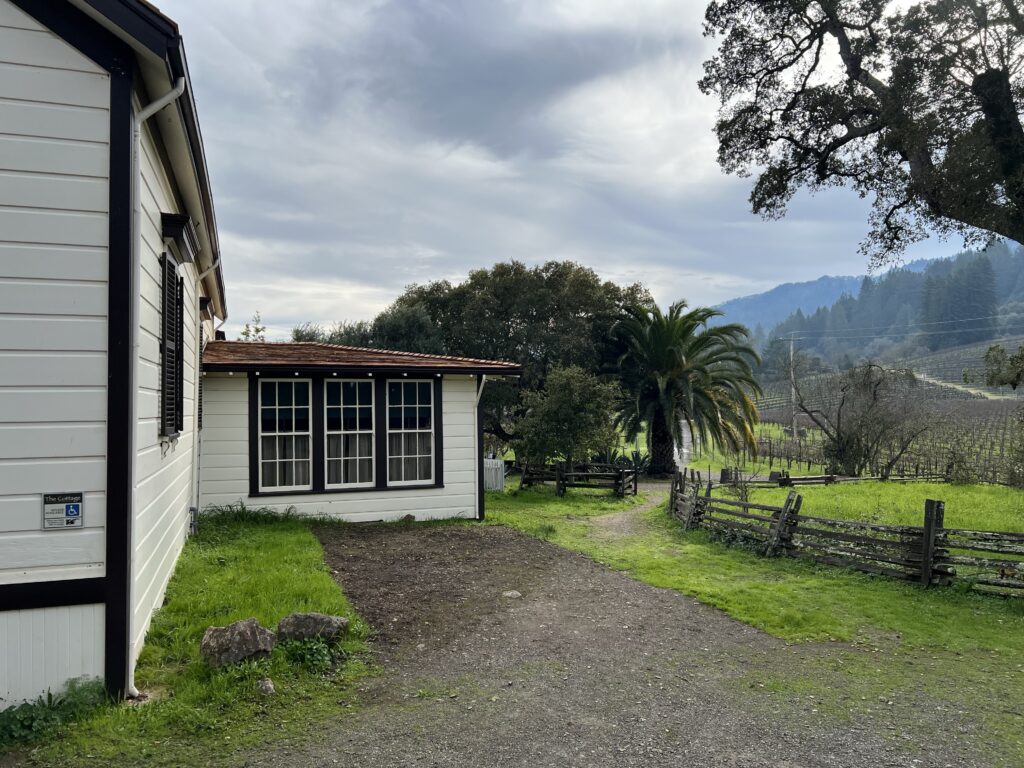
made him long for a place in the country where he could write and pursue his dream of creating a model farm. Here in the Cottage he brought many or his stones to life. He wrote about exotic locations, many based on his own adventures.
Wildfire Risk constitutes the primary existential threat. CalFire’s Fire Hazard Severity Zones classify Sonoma County areas into Moderate, High, and Very High designations based on fire history, fuel loads, terrain, weather patterns, and predictive modeling. The region experienced catastrophic fires including the October 2017 Sonoma Complex Fires (one of the worst firestorms in California history), which destroyed thousands of structures. The 2024 Point Fire near Lake Sonoma destroyed three residences and damaged eight others. Sonoma County has experienced 14 locally proclaimed disasters in the past six years, including multiple wildfires, floods, droughts, and power shutoff events. The 2025 CalFire fire hazard update (released February 24, 2025) incorporated latest climate data, fire history, topography, and wildfire modeling to reassess zones across Local Responsibility Areas. Multiple jurisdictions are updating building codes and development standards to respond to revised risk designations. Residents in designated Very High and High Hazard Zones face mandatory home hardening assessments and fire prevention requirements through programs like SoCoAdapts (Sonoma County Adapts), which evaluates wildfire vulnerabilities to home structures and recommends mitigation measures.
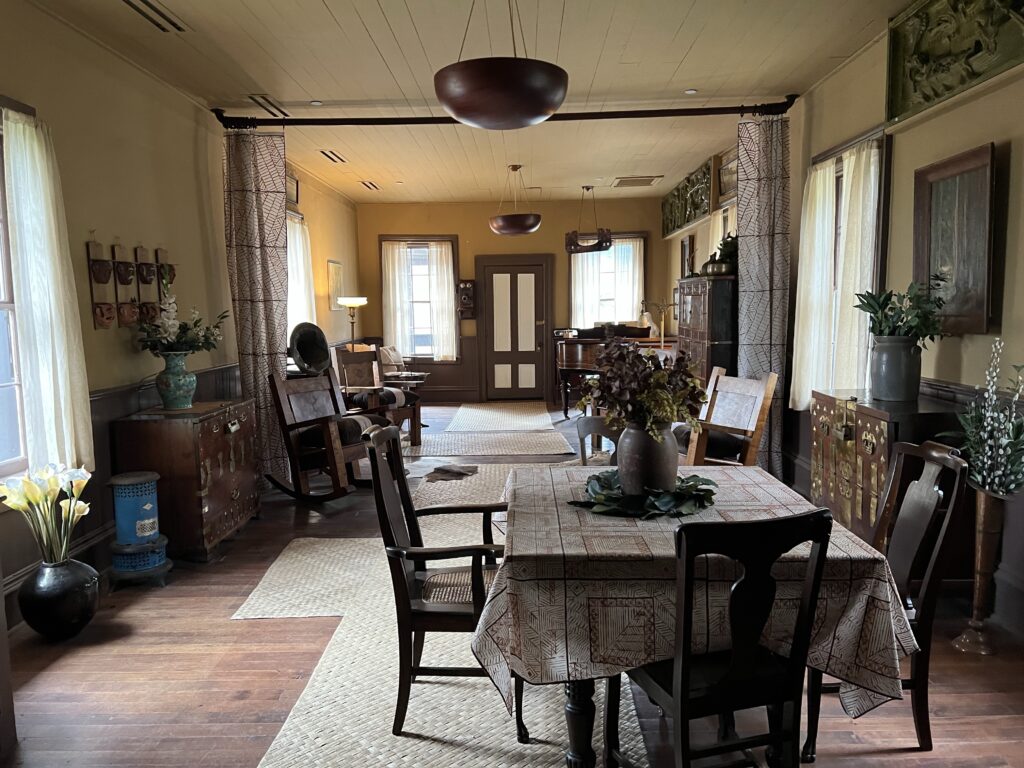
‘Jack’s home is the real home.’ The trail to that home is well worn with footprints, and is an ever-ready remembrance to his hosts of staunch friends in all quarters of the globe.”
L. Rudio Marshall, Ocerland Monthly,
May 1917
Earthquake and Tsunami Risk present secondary but significant threats, particularly for coastal residents. In July 2025, an 8.8-magnitude earthquake occurring 74 miles off the coast of Kamchatka, Russia triggered a tsunami warning for the California Coast. The Sonoma County Emergency Management Department maintains tsunami response protocols and conducted after-action assessments on the county’s preparedness. Ongoing tsunami concerns have intensified due to accelerated sea-level rise reported by NASA and increased recognition of seismic activity affecting coastal regions.parks.
Flood Risk affects specific geographic areas, particularly near creek systems. FEMA released preliminary flood maps for the Santa Rosa Creek Watershed in July 2025, identifying Special Flood Hazard Areas (SFHAs) in Bennett Valley near Matanzas Creek and along Santa Rosa Creek west of the city. Approximately 65 unincorporated Sonoma County properties face flood designation affecting approximately 65 properties, with FEMA’s 90-day public comment period expected to begin in winter 2025-2026. Properties designated in SFHAs become subject to flood insurance requirements and stricter building regulations upon map finalization. However, flood risk remains geographically concentrated compared to widespread wildfire exposure.
Resilience Planning efforts are underway. The City of Sonoma and Sonoma County participate in a Multi-Jurisdictional Hazard Mitigation Plan (MJHMP) update for 2026, systematically assessing risks from wildfires, earthquakes, floods, and droughts while outlining community resilience strategies. This collaborative planning effort across 24 jurisdictions seeks to streamline disaster mitigation and enhance regional preparedness.solanocatholic
In summary, Sonoma County residents and visitors should regard wildfire risk as the primary natural hazard concern, with earthquake/tsunami and flood risks presenting secondary but non-negligible exposures. Visitors planning visits should remain informed of current fire conditions, especially during late summer and fall months. Residents consider home hardening measures and maintain evacuation readiness. The region’s natural beauty and cultural richness are substantially offset by these climatic and seismic realities of Northern California geography.
Who Was Jack London?
Jack London (January 12, 1876–1916) stands as one of America’s most remarkable figures: a self-educated writer of extraordinary productivity who became the first author in the United States to earn one million dollars, achieving this unprecedented financial success before age forty while simultaneously building an experimental agricultural empire on 1,400 acres of Sonoma County property.sonomacounty+2
Born illegitimate and raised in poverty in Oakland, California, London refused the trajectory of his circumstances. At age fourteen, he left school to support his mother, working brutal jobs in canneries and factories that would fuel both his socialist politics and his restless hunger for escape. His early twenties consumed him with wandering: he became an oyster pirate stealing from San Francisco Bay, sailed as a sealing crew member to Japan, rode freight trains across America as a transient, and spent thirty days imprisoned for vagrancy at the Erie County Penitentiary in Buffalo, New York. These experiences proved invaluable—they became the raw material of his fiction.carolinesebastiani
Jack created stories and novels, wrote personal correspondence, and conducted farm business. While living at Beauty Ranch he wrote the pastoral farm novel The Valley of the Moon. Inspired by their new life at the ranch he penned a personal inscription to Charmian, calling the work “…our Book of Love.”
London’s breakthrough came through the Klondike Gold Rush. In 1897, at age twenty-one, he sailed to the Yukon Territory during the height of the gold fever. Though he discovered no substantial wealth, he acquired something more valuable: firsthand knowledge of extreme human survival. Malnourished in the frozen goldfields where he developed scurvy, London experienced the pitiless struggle between human determination and natural indifference that would echo through his masterpieces, particularly “To Build a Fire” (1908), a philosophical meditation on mortality written with painstaking technical precision.parks.sonomacounty.ca
By age thirty, London had achieved international fame through books including The Call of the Wild (1903) and The Sea Wolf (1904), works that captured the public imagination through their visceral depictions of primitive struggle and the human spirit tested against nature. Yet his literary appetite remained insufficient to contain his hunger for living. Between 1900 and his death in 1916, London authored over fifty books of fiction and nonfiction while simultaneously pursuing adventure, war correspondence, and agricultural experimentation on scales that would have consumed lesser lives entirely.sonomacity
The Snark Voyage and Southern Pacific Adventures (1907-1909)
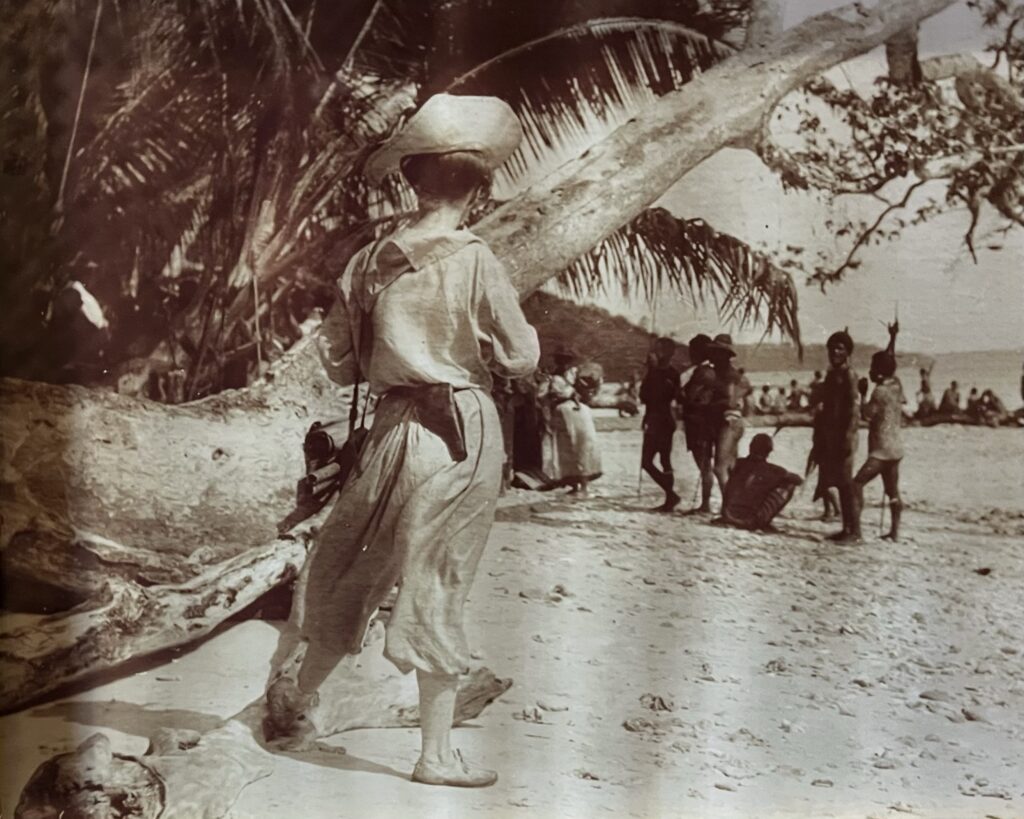
London’s most ambitious adventure came through his decision to sail around the world. Having commissioned a forty-five-foot ketch christened the Snark—a name drawn from Lewis Carroll—London and his second wife Charmian embarked from Oakland in April 1907 on what was intended as a seven-year circumnavigation but would actually span twenty-seven months of exotic, disease-ridden adventure across the South Pacific.tripadvisor
The voyage itself became both a proving ground for London’s character and a source of material that profoundly influenced his subsequent ranching philosophy. Contracted to write articles for Cosmopolitan magazine, London simultaneously functioned as navigator, problem-solver, and chronicler of increasingly exotic encounters. The head broke within twenty-four hours; the boat leaked persistently; food spoiled; the inexperienced crew required constant management. London taught himself celestial navigation on the fly, maintaining the vessel’s course toward Hawaii through sheer determination.imbirdingrightnow

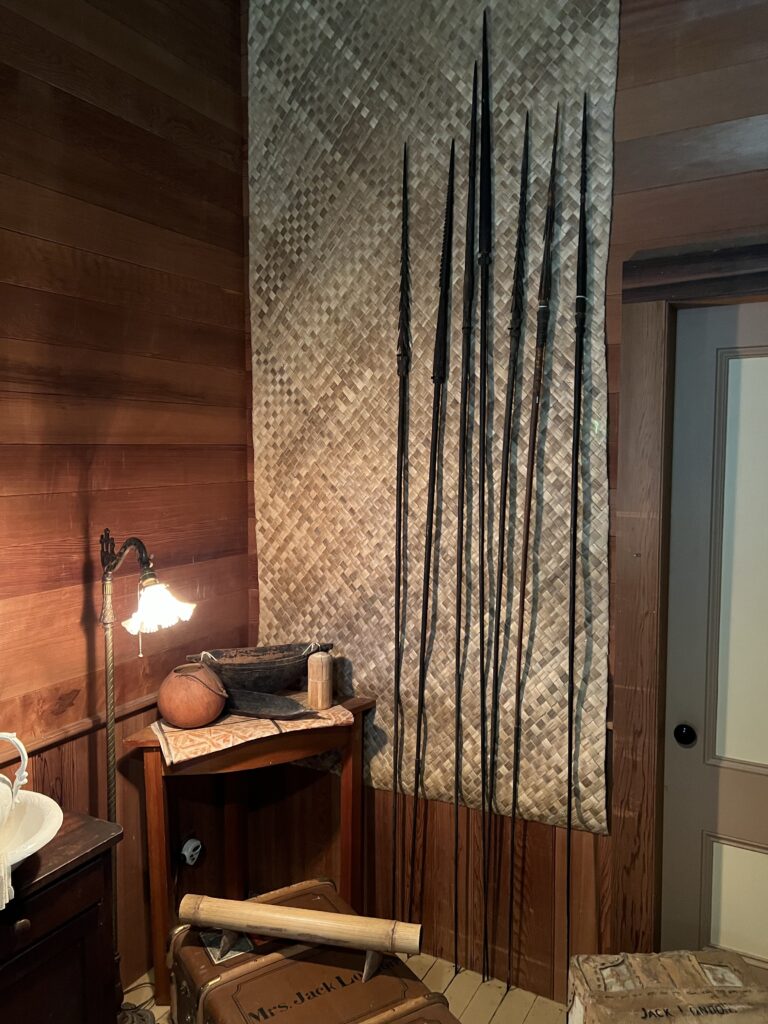
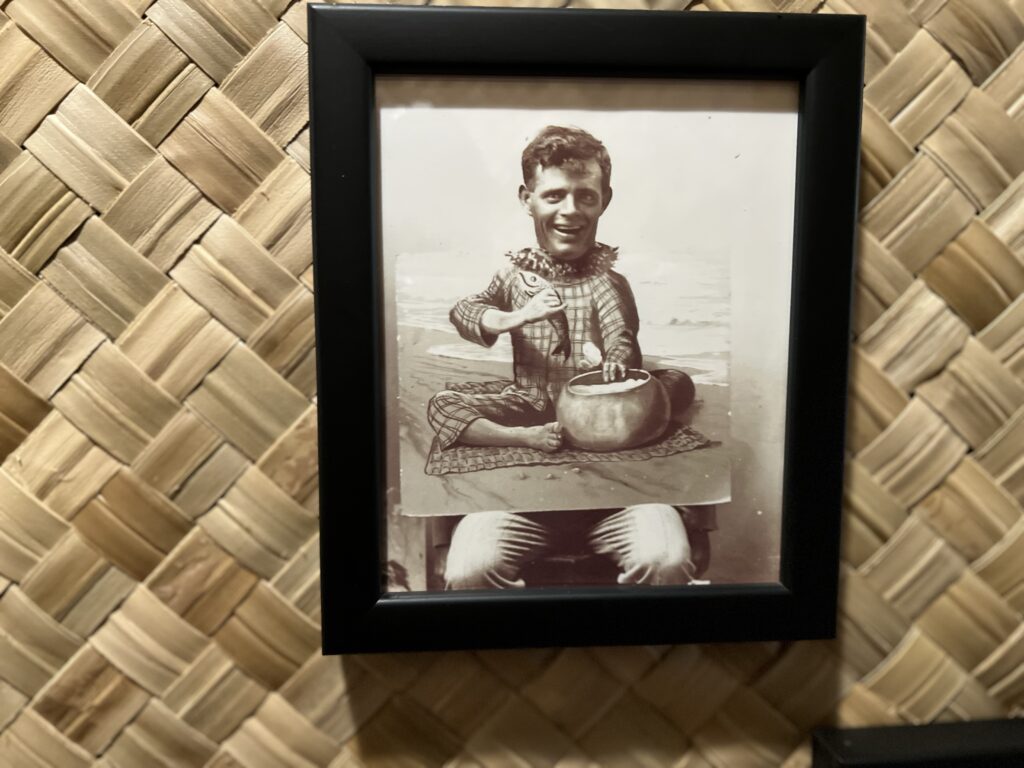
In Hawaii, London discovered surfing—then a dying cultural practice among native Hawaiians—and his enthusiastic essays in The Cruise of the Snark (1911) are credited with igniting mainland American fascination with the sport. But beyond the sensationalism of surfing lay deeper observations. London spent a week at the leper colony on Molokai, expecting “the most cursed place on earth.” Instead, he found happiness among the patients and wrote with unusual compassion about the disease’s actual transmission patterns, directly countering the sensationalized terror narratives that dominated American journalism.sonomavalleywine
Charmian Kittredge London, The Book of Jack London, 1921
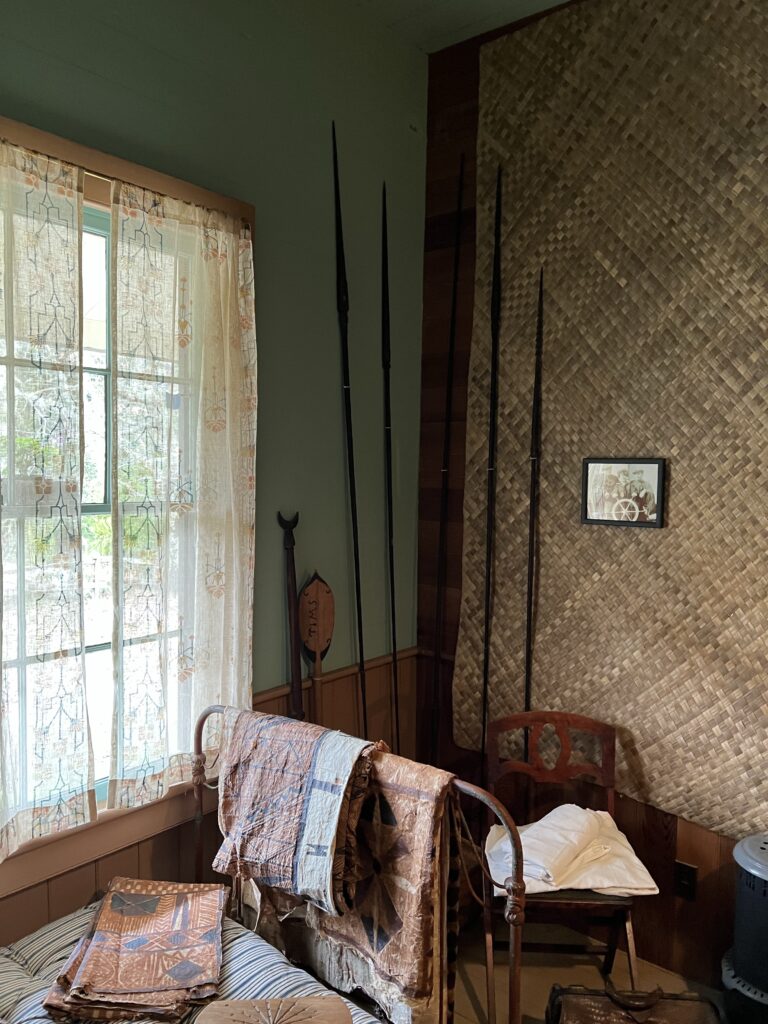
Following Melville’s footsteps to the Marquesas, traversing Tahiti, Samoa, Fiji, and the Solomon Islands, London encountered cultures at radically different stages of Western colonization. He documented cannibalistic tribal practices, indigenous wisdom systems, and the devastating impacts of Western imperialism on traditional societies. By the time illness forced the Londons to terminate the voyage and return to California via Australia, Ecuador, Panama, and New Orleans, Jack had collected both physical tropical diseases and a profound intellectual reassessment of civilization’s relationship to nature.sonomavalley
The Vision of Beauty Ranch (1905-1916)
Ironically, after escaping Oakland to sail the world, London discovered his deepest peace in the Sonoma Valley. In 1905, exhausted from city life—which he called “the man trap”—London purchased the first 130 acres of what became Beauty Ranch (also known as the Ranch of Good Intentions), located in Glen Ellen at the northern end of Sonoma Valley. The property had been overgrazed and degraded by previous owners, its soil depleted through forty years of careless tilling without fertilizer or fallow periods.
Initially, London claimed he had “no intention of ranching,” planning merely to grow hay on the cleared ground. But this statement proved spectacularly inaccurate. Each agricultural development led to new operations and expanded ambitions. Between 1909 and 1913, he purchased adjoining ranches and farms, eventually controlling 1,400 acres—making Beauty Ranch one of the largest in the Valley of the Moon. In 1911, he moved from temporary accommodations into a simple wood-frame cottage situated in the middle of his Kohler vineyard holdings. By 1916, he employed nearly fifty people across his agricultural operations.

London’s transformation from adventurer to rancher reflects an intellectual consistency beneath the surface restlessness. If his literary work explored humanity’s struggle against natural forces, his ranching represented an attempt to ennoble that same struggle through scientific agricultural restoration. He wrote to his friend Cloudesley Johns: “I am not going ranching,” then documented in meticulous detail his metamorphosis into precisely that.
How Travel Shaped Ranching Innovation
The connection between London’s global wanderings and his agricultural practices was not metaphorical—it was deliberate and documented. His travels had exposed him to multiple agricultural systems, degradation patterns, and restoration possibilities. Most crucially, his 1904 sojourn as a war correspondent in Korea taught him ancient terracing techniques for preventing soil erosion. Upon returning to Beauty Ranch, he applied these Korean methods to California’s degraded hillsides, understanding that traditional wisdom from one continent could restore productivity to another.youtube
London subscribed voraciously to agricultural newspapers and magazines, wrote to the agricultural departments of both the University of California and the California state government for information, and threw himself into what he termed “scientific agriculture”—a belief that systematic, knowledge-based farming represented not merely an economic activity but an idealistic calling. He reasoned that if the worn-out ranchlands surrounding him had become worthless through destructive practices, they could equally be restored through intelligent stewardship. He stated this philosophy repeatedly: “I believe the soil is our greatest asset.”randywallerre
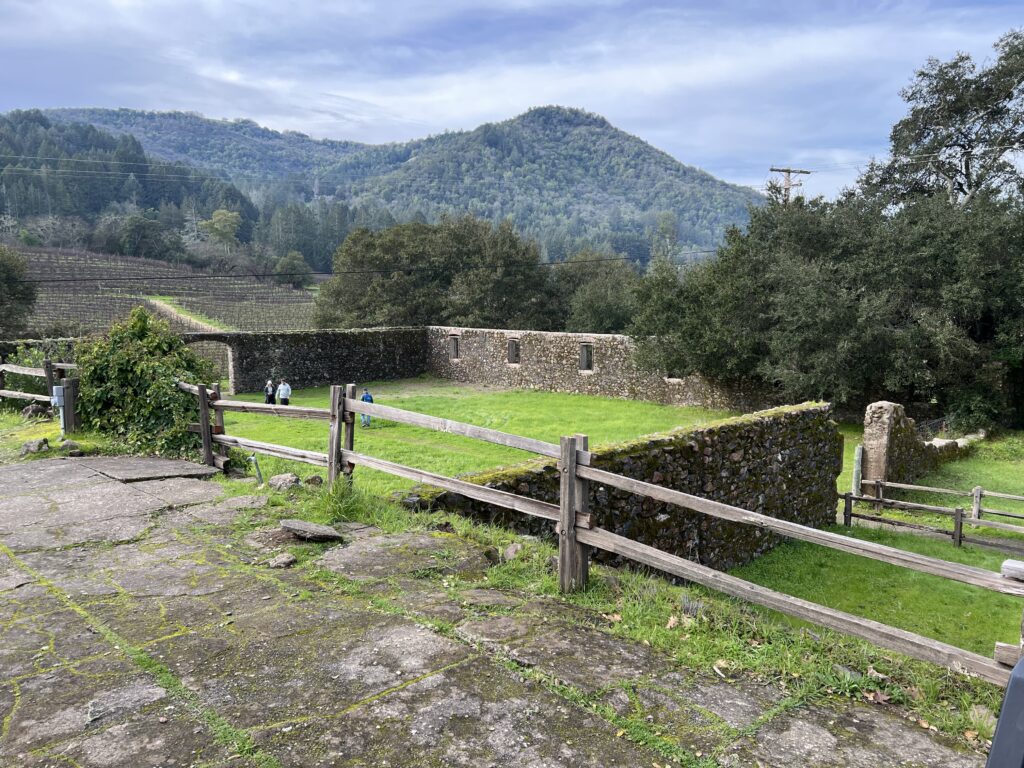
In 1965 fire gutted the building, destroying many valuable documents and artifacts.
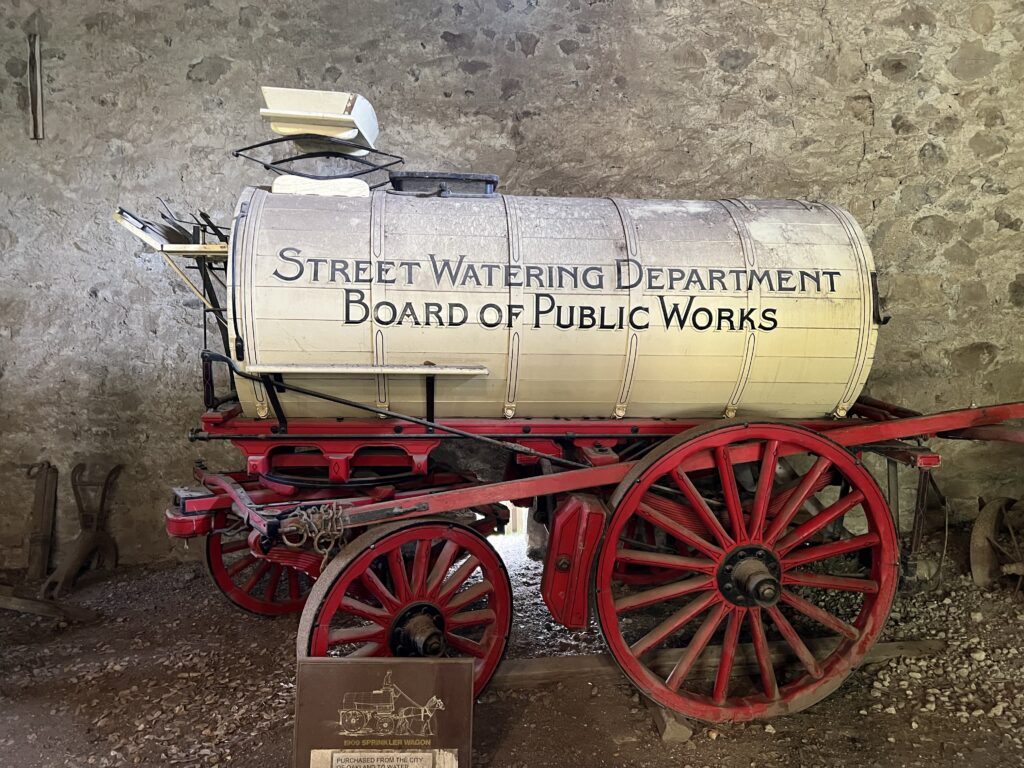
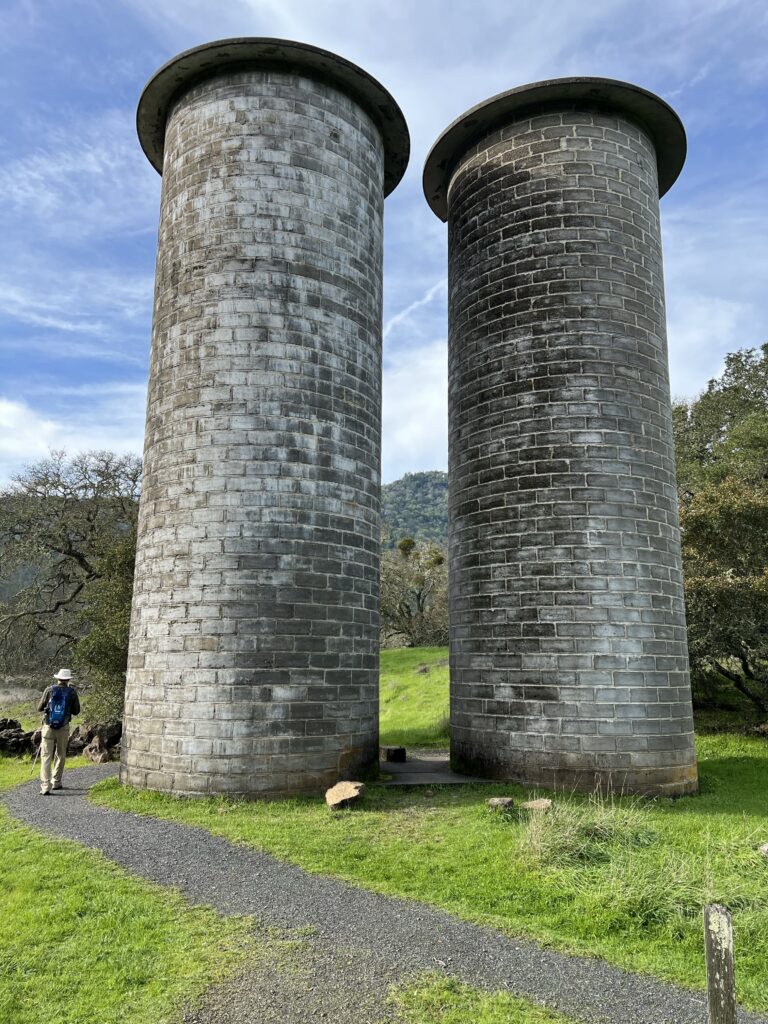
With his stepsister Eliza, London planned and executed a comprehensive land regeneration program. He implemented crop rotation (his adopted policy: “taking nothing off the ranch”), planted nitrogen-fixing cover crops and green manures that he plowed back into the soil, used natural composted fertilizer developed in dedicated manure pits, and constructed California’s first concrete block silo to preserve green silage for feeding dairy cattle and hogs. The results justified the methodology: he produced record yields of oat hay on land previously considered overfarmed and worthless. He claimed with characteristic hyperbole that where neighboring farms had once extracted “one-tenth of one meager crop a year,” his methods yielded “three rich crops a year.”parks.sonomacounty.ca
London’s approach to livestock regeneration mirrored his soil rehabilitation philosophy. He found the surrounding countryside’s stock had degenerated through careless breeding practices—”scrub bulls without pedigree” being used for breeding when superior genetics were available. He began selective breeding programs producing prize-winning livestock, dairy cattle, and beef cattle of superior quality. When he purchased the Kohler-Frohling Tokay Ranch in 1910 for $26,000, he inherited 200 acres of wine grape vineyards on volcanic soil with ideal microclimates and frost-free growing seasons. Though grapes sold for only $11 per ton when production costs exceeded that figure, he maintained enough vines for personal use while refusing to expand commercial grape production that would lose money.sonomamag
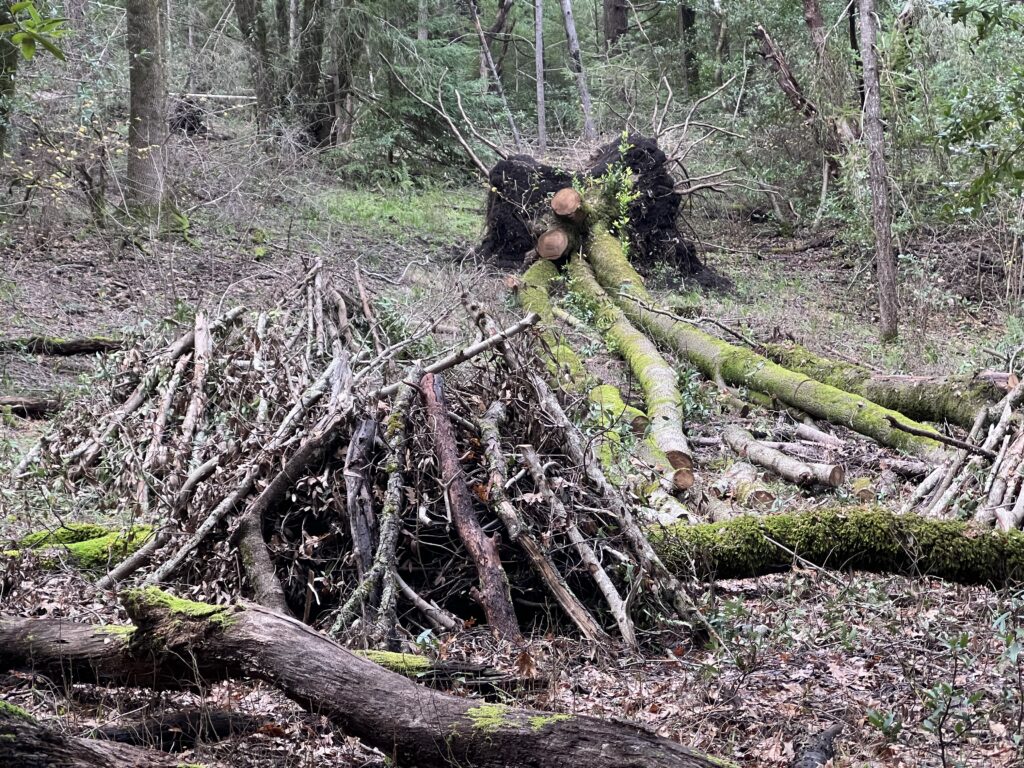
The Famous Pig Palace: Innovation Meets Obsession
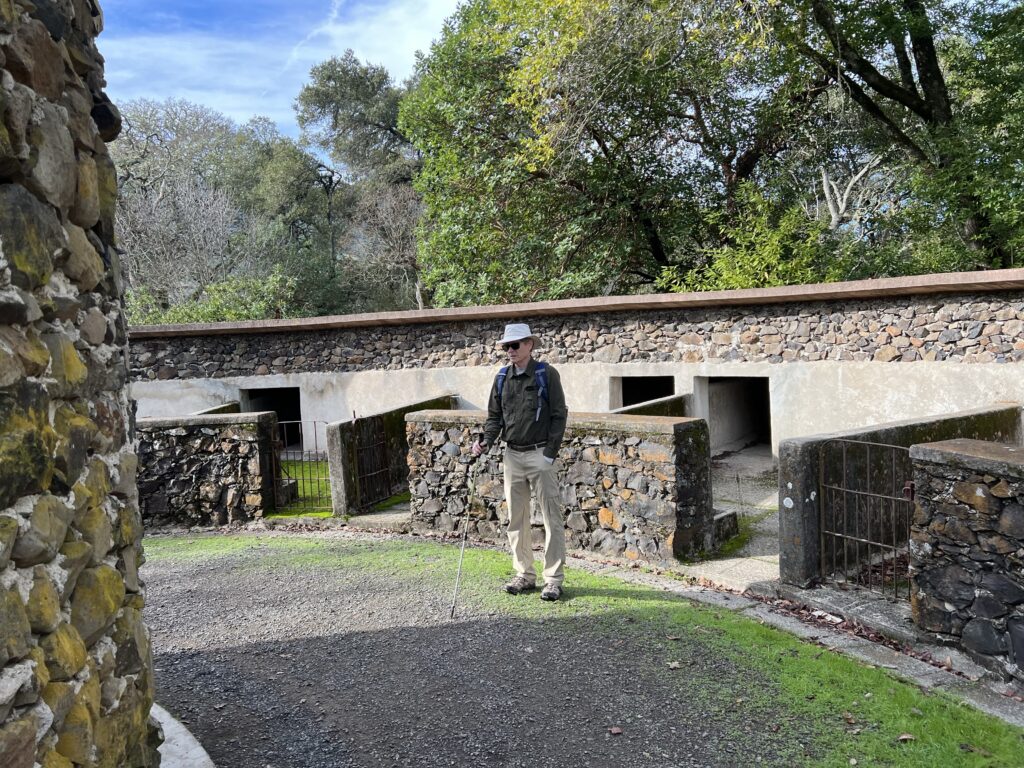
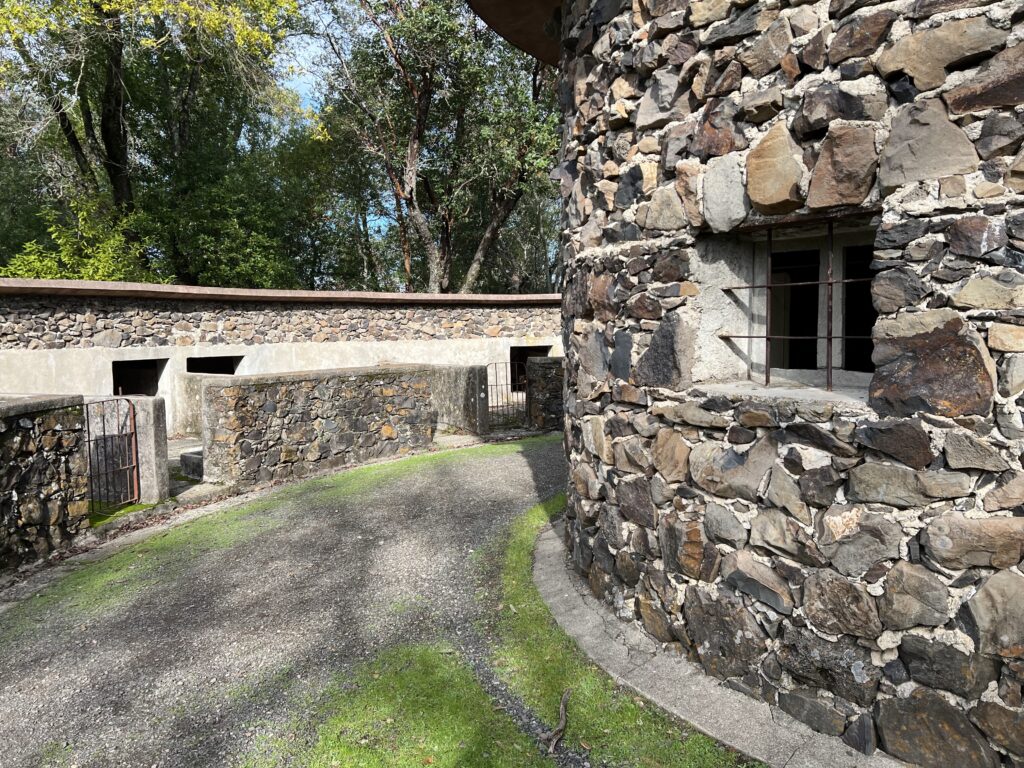
Of all London’s ranching innovations, none captured public imagination quite like the Pig Palace, constructed in 1915 at the astonishing cost of $3,000—roughly $90,000 in contemporary currency. When a San Francisco Chronicle reporter expressed shock at the expense for a pig pen, the facility became nicknamed the “Pig Palace,” a name intended mockingly but which the park’s historical record has preserved without irony.sonomacounty
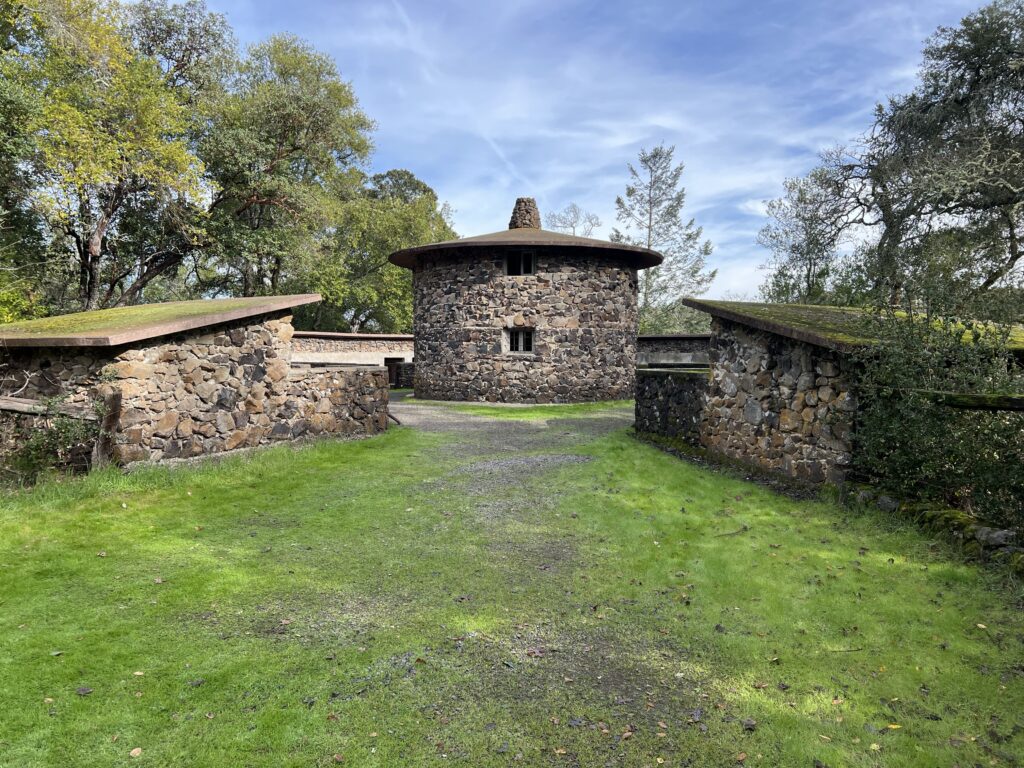
Jack London’s idea was to be sensitive to his pigs’ needs in hopes of improving the breed stock.
According to the editor of a farm journal, “Even the pig-pens on Jack London’s ranch are models of solidity, service and sanitation.”
The structure’s design reflected London’s fusion of scientific rationality and practical entrepreneurship. Laid out in a perfect circle, the Pig Palace allowed a single farmhand to manage over 200 hogs with unprecedented efficiency. A central two-story circular tower contained feed storage in the upper level. A single lever mechanism dropped feed into troughs below, eliminating the waste motion of manual distribution. Surrounding this tower, seventeen individual hog pens provided separate courtyard spaces with feed and water troughs, roofed sleeping areas, and fenced outdoor runs. Doors on opposite sides meant the attendant never had to walk more than halfway around the structure to access any pen. A single valve opened water flow to all troughs simultaneously.sonoma
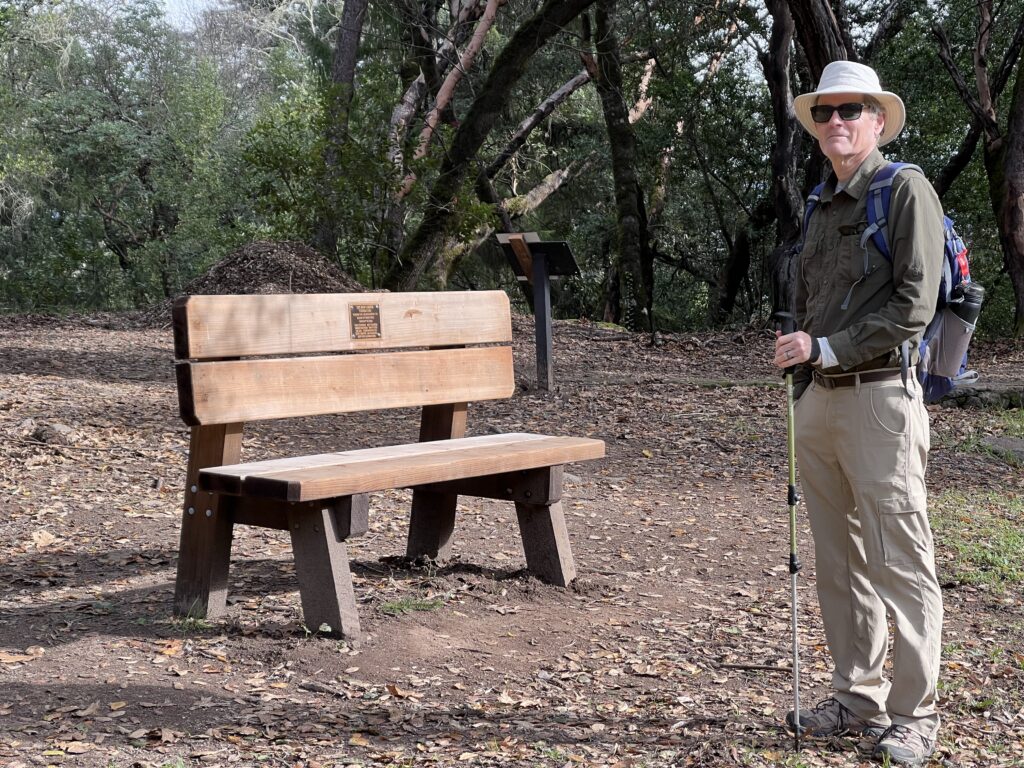
Guests were an important part of their lives and often found themselves on the receiving end of one of Jack’s numerous practical jokes.
The facility incorporated sanitation innovations of prophetic sophistication. Iron pipes extended from the floor of birthing pens, positioned to prevent sows from crushing newborn piglets against the walls—a simple solution to a persistent livestock problem. When his prized herd developed cholera, London immediately implemented a cordon sanitaire of impressive modern thinking: he fenced off the animal area and required anyone entering to walk through a carbolic acid disinfection bath to eliminate pathogenic contamination on footwear. Neighbors initially ridiculed the design as excessive, but it attracted nationwide attention and won architectural awards for agricultural innovation.sfarch
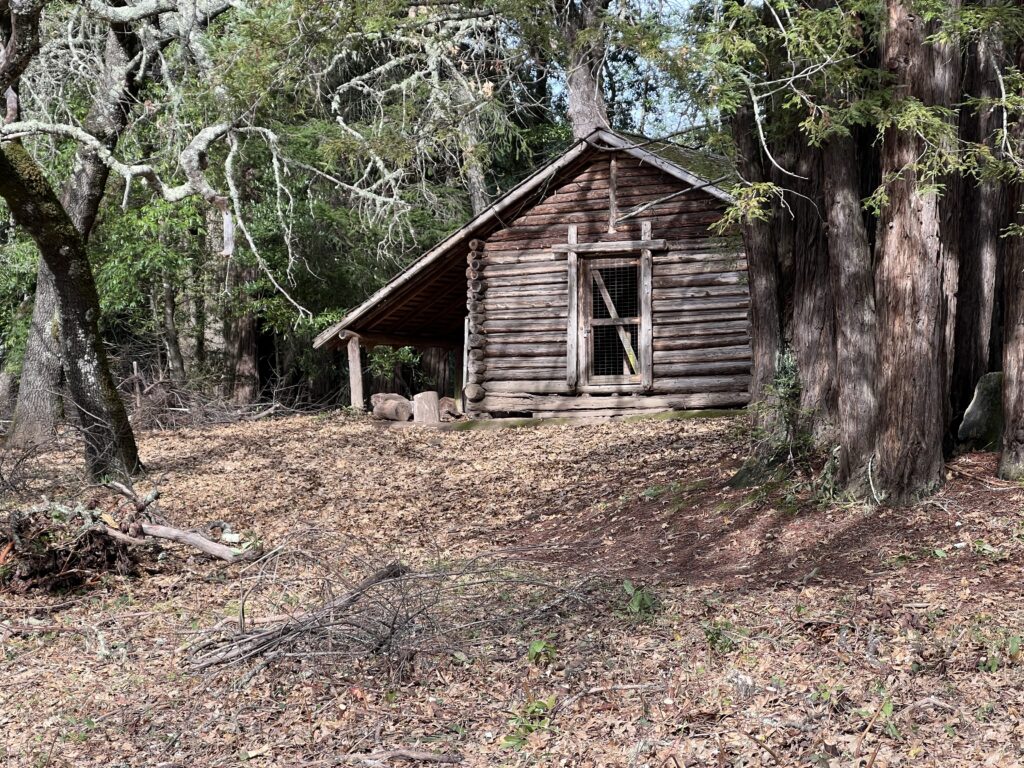
In the Valley of the Moon, Sonoma county, there has been laughter among ranchers over the latest achievement of Jack London, as a rancher. He has built what the valley dwellers have called a “Palace Hotel for Pigs.” The structure, surmounting a low hill a hundred yards from the ranch house, cost $3000, and was completed yesterday. It is all of concrete, circular in form with a feedhouse in the center of the ring of 19 pens, “In twelve years I’ll save the price of the thing in saving of labor, by feeding in the center of the ring of pens,” said London in defense of his scheme.-Examiner
SANTA ROSA PRESS DEMOCRAT OCT. 17,1915
The Pig Palace represented more than eccentric wealth’s indulgence. It embodied London’s core agricultural philosophy: that intelligent design could simultaneously improve animal welfare, maximize human efficiency, reduce disease, and increase profitability. In October 1915, London declared: “I am running nothing but registered pigs on the ranch. I plan shortly to build a slaughterhouse and install a refrigerating plant.” He was building an integrated, vertically controlled agricultural system generations before industrial agriculture terminology existed.sonomamag
“He had one kind of shirt and one kind of necktie, and plenty of them…he wore a broad
black tie, not the regular tailor-made kind.”
Yoshimatsu Nakata
The Eucalyptus Venture: Ambition Exceeds Results
Not every London initiative succeeded. His most visible failure remains the eucalyptus grove venture—a cautionary tale about the limits of romantic optimism when applied to natural systems without sufficient ecological understanding.
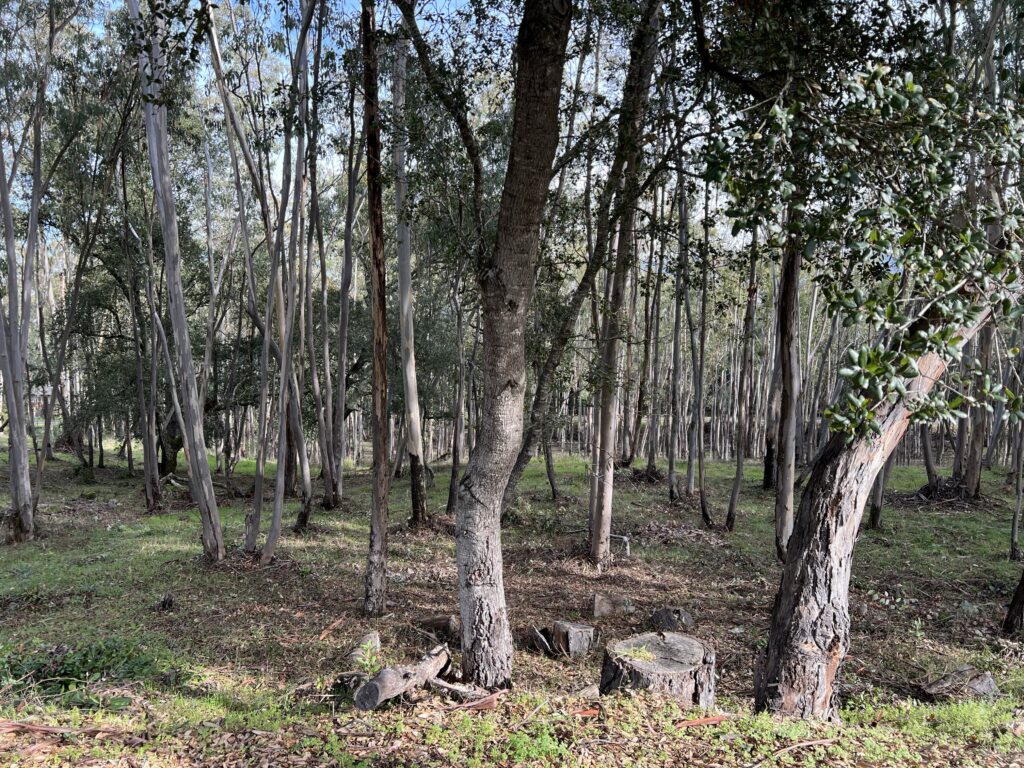
California’s pioneering families had introduced eucalyptus trees decades before London’s arrival, recognizing their rapid growth rate and suitability for lumber, furniture, and utility posts. The species seemed ideal for an entrepreneur willing to invest in long-term forestry projects. In approximately 1911-1912, London planted an estimated 65,000 eucalyptus seedlings, many sourced from the W.A.T. Stratton nursery in Petaluma, which had become California’s first institution specializing in eucalyptus propagation.sonomamag
London’s business plan was straightforward: plant fast-growing trees on land unsuitable for agriculture, wait for growth, harvest and sell the timber to building industry purchasers. The idea appealed to his investment instincts and his desire to maximize productivity across every acre of the ranch.
The plan failed spectacularly. The Blue Gum eucalyptus trees, while indeed growing rapidly, never achieved sufficient thickness to produce marketable lumber. The trees remained too thin, too weak-grained, too unsuitable for the building industry’s standards. London’s eucalyptus venture became a regional cautionary tale, a lesson in the difference between horticultural potential and commercial reality.shrinestjoseph
Modern assessment of London’s eucalyptus experiment has become increasingly harsh. The trees proved disastrous for California ecosystems: they are non-native invasive species that compete with native vegetation for nutrients, consume excessive groundwater, present significant fire hazards, and alter fire behavior in ways detrimental to surrounding forests. Contemporary observers note with wry understatement that “London would have been better off sticking with wine.” Today, approximately twenty to twenty-five acres of eucalyptus groves remain within the historic park boundaries, a living monument to an ambitious miscalculation.sonomacounty
Wolf House: The Dream That Burned
London’s agricultural vision found architectural expression in the grandiose Wolf House (also called Big House), designed by well-known San Francisco architect Albert Farr. Conceived in early 1911, the structure was imagined as a fifteen-thousand-square-foot mansion containing twenty-six rooms, four stories, Spanish tile roofing, and nine fireplaces—a house explicitly designed for entertaining guests and hosting the bohemian crowd that gravitated toward the famous author.trattorefarms

Construction proceeded through 1912 and into 1913. London, characteristically, incorporated his own design philosophies: he insisted on natural materials, particularly unpeeled redwood logs meant to resist fire—an ironic specification given what would transpire. The project consumed $80,000, an enormous sum representing years of writing income.
In 1913, one month before the Londons planned to move into their dream house, Wolf House burned to the ground. The fire’s cause remained mysterious for decades until subsequent investigation determined that a pile of linseed oil-soaked rags had spontaneously combusted—a preventable but undetected catastrophe. Insurance covered only $10,000 of the $80,000 construction cost, representing a devastating financial loss that would haunt London for the remainder of his life.californias-missions
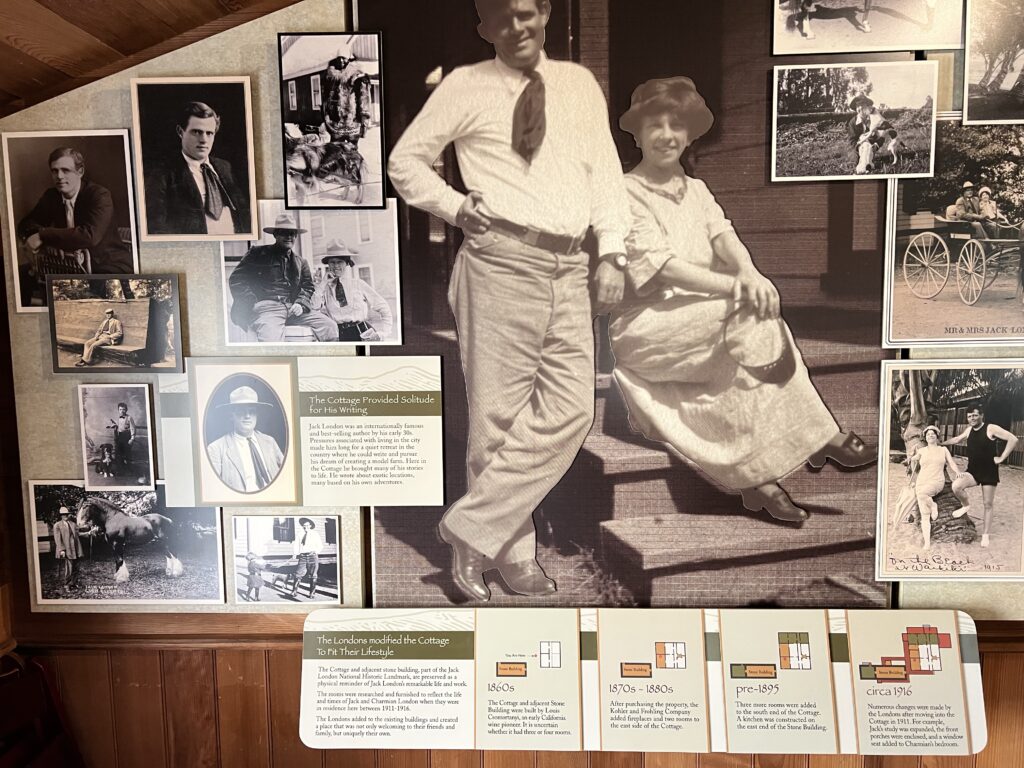
London’s response to this disaster reveals character. Depressed and heartbroken, he nonetheless forced himself to return to work, adding a new writer’s study to the simple cottage and continuing his livestock breeding programs and ranch expansion. But he never rebuilt Wolf House. Instead, he remained in the modest wood-frame cottage until his death in 1916, aged thirty-nine.
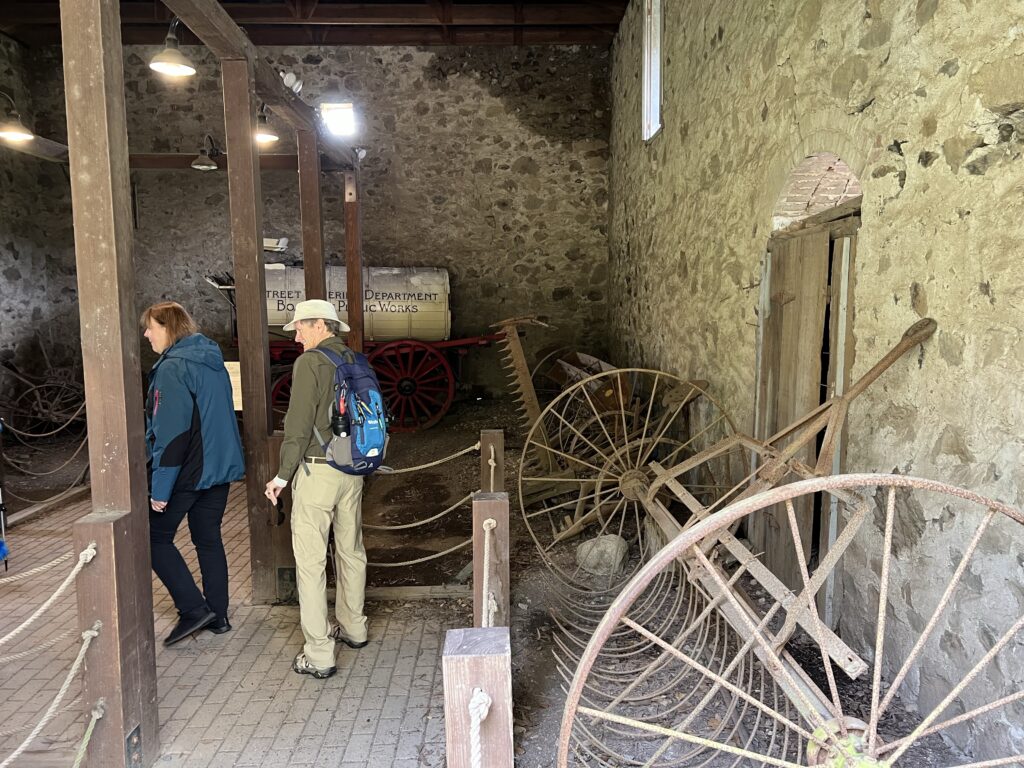
Jack London State Historic Park Today
The 1,400 acres of Beauty Ranch now operate as Jack London State Historic Park, a California state historic site managed by the Valley of the Moon Natural History Association. Visitors encounter a carefully preserved landscape that documents both London’s successes and failures.
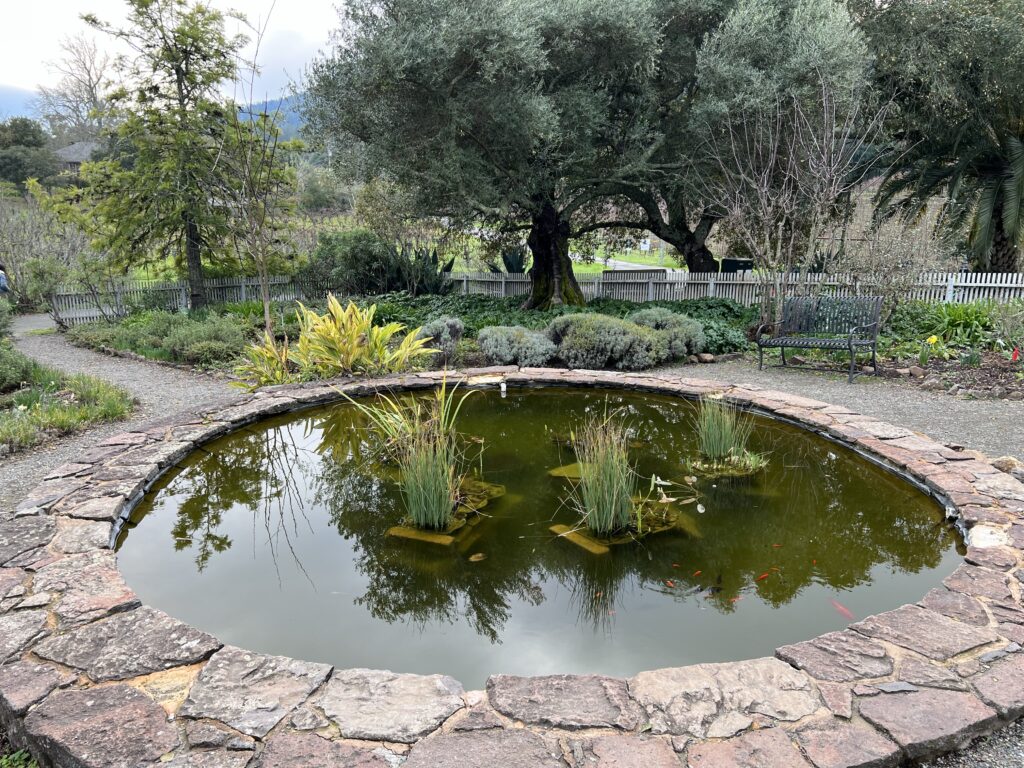
The park centers on several historic structures. The House of Happy Walls, built by Charmian London after Jack’s death, functions as the primary museum, housing artifacts from their South Seas voyage, period furniture, clothing, and Charmian’s 1901 Steinway grand piano. Upstairs displays detail different periods of Jack’s adventurous life and intellectual development. The simple wood-frame cottage where London lived and wrote from 1911 until his death in 1916 remains accessible, offering intimate glimpses of his working conditions and domestic arrangements. The Stone Dining Room adjacent to the cottage, built from salvaged winery materials, communicates the period aesthetic. The ruins of Wolf House dominate the landscape—substantial stone walls and fireplace structures remain, allowing visitors to imagine the mansion that never was.yelp
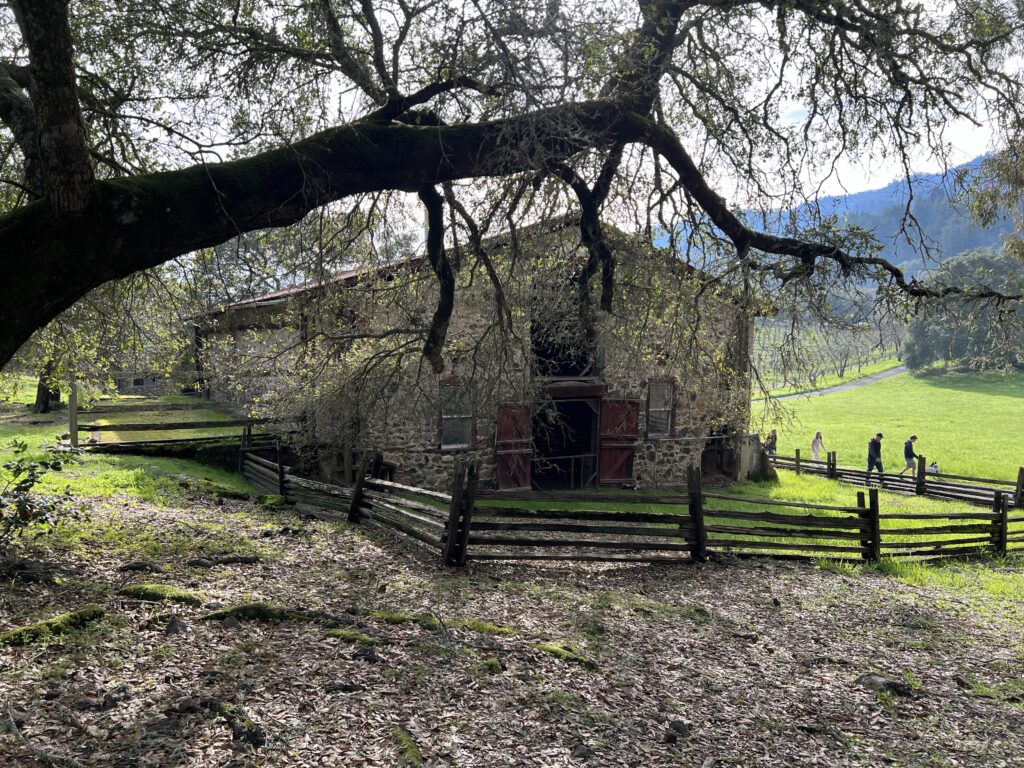
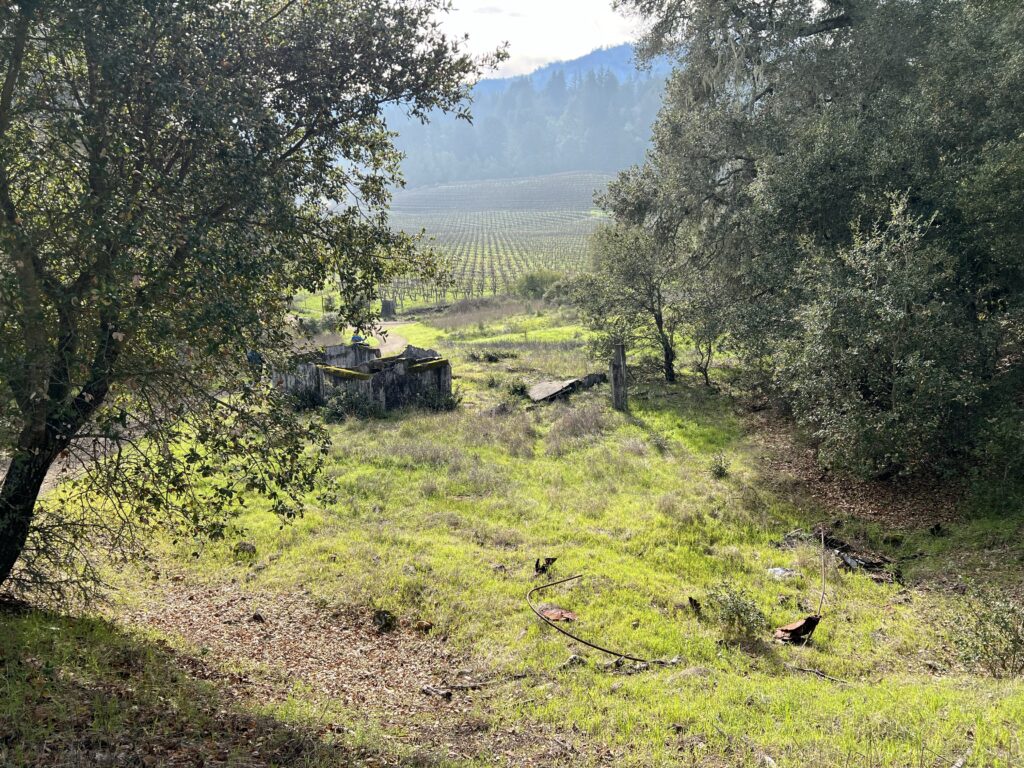
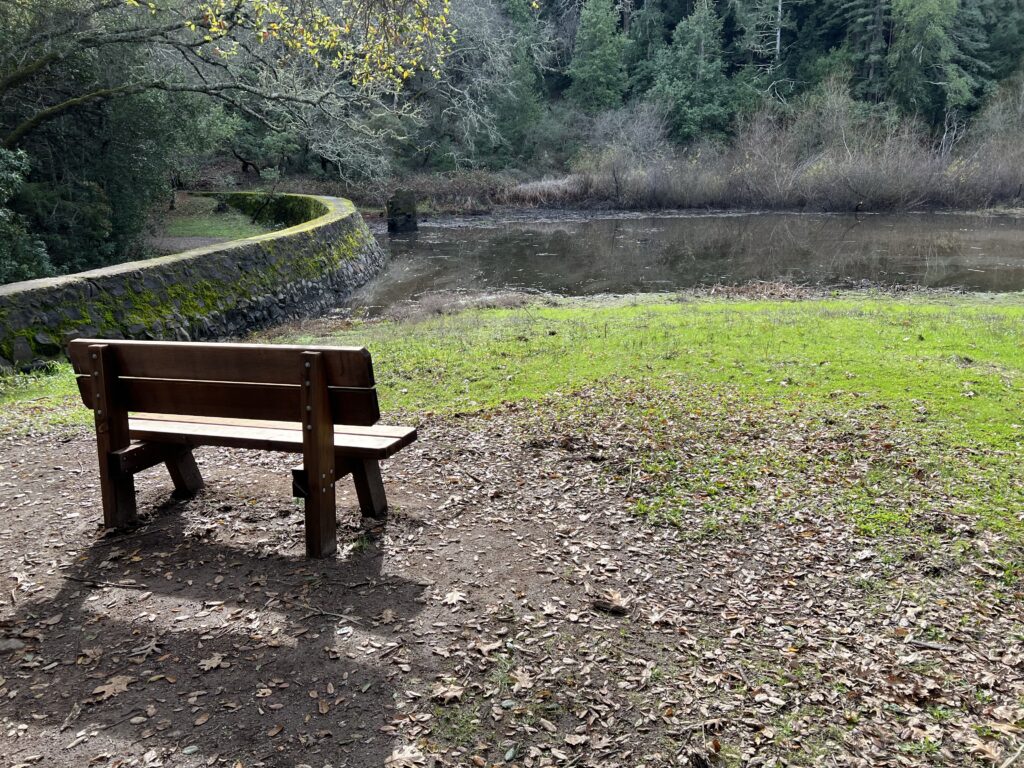
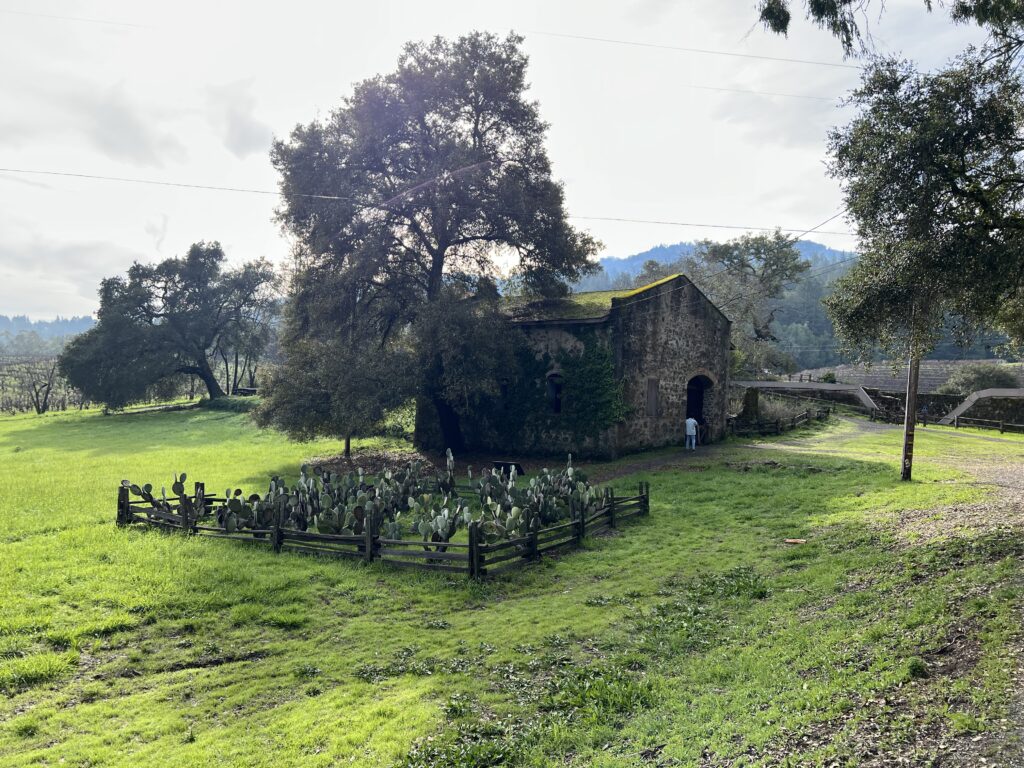
Beyond the buildings, the park preserves the physical expressions of London’s agricultural philosophy. The famous Pig Palace stands as a structural testament to his innovative livestock housing design. Stone barns and silos document the mechanical infrastructure of his farming operations. The ruins of an old stone winery, predating London’s ownership, reflect the property’s long agricultural history. Approximately twenty to twenty-five acres of eucalyptus groves remain—London’s failed timber experiment now serving ecological education. A lake with bathhouse areas provided recreation spaces.
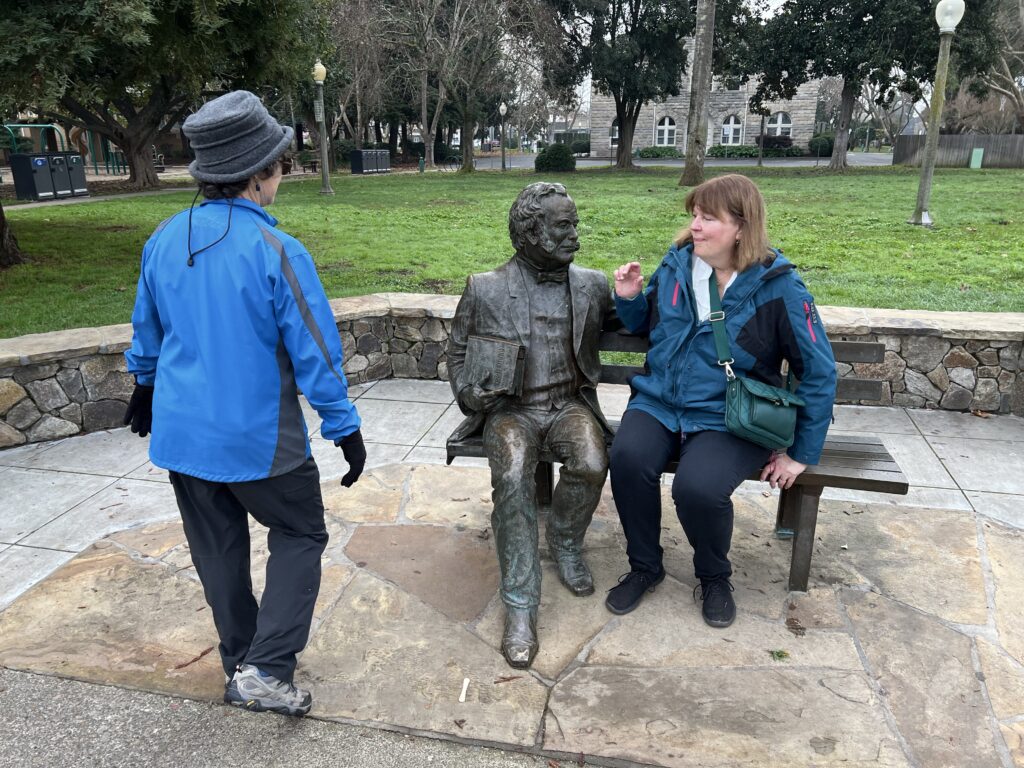
The grounds encompass over twenty miles of hiking trails through redwood groves, across meadows, and up Sonoma Mountain’s slopes. A cactus garden and vineyard sections remain. The cemetery contains the graves of Jack and Charmian London; Jack chose to be buried beside two pioneer children’s graves marked by wooden headboards, requesting that his ashes might “someday lie next to little David and Lillie.”parks.sonomacounty.ca
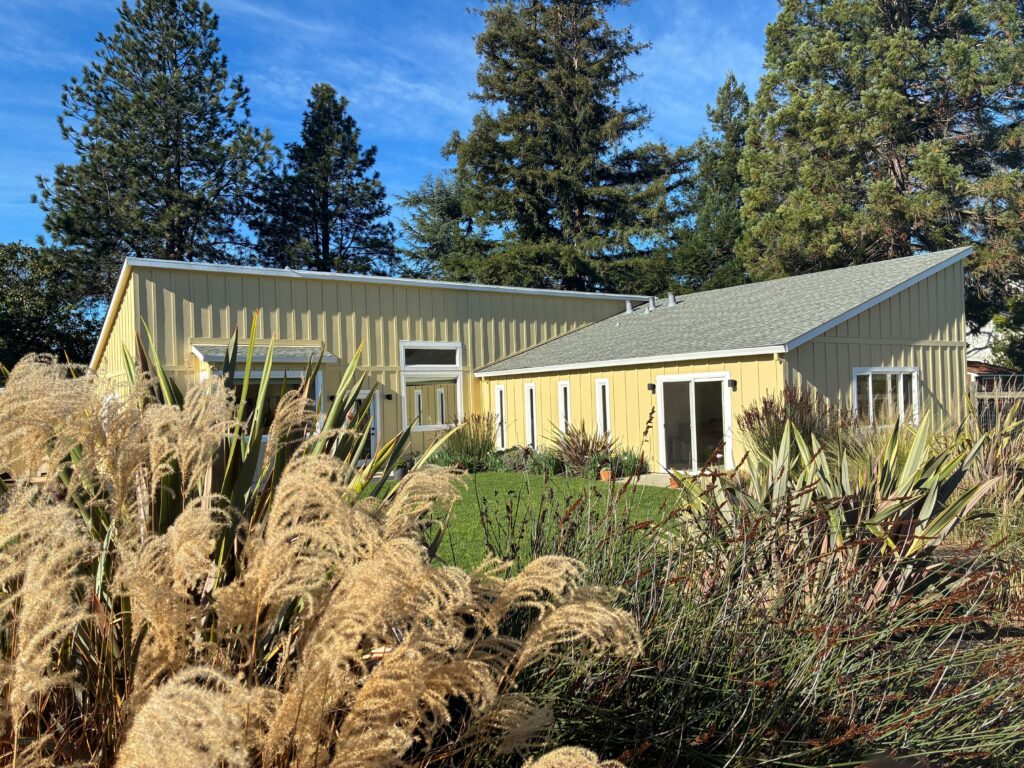
The park operates daily from 9:00 AM to 5:00 PM with a $10 per vehicle day-use fee. Free docent-guided tours occur on weekends, covering the Wolf House, Beauty Ranch operations, and London’s life. Visitors engage in hiking, mountain biking, horseback riding, bird watching, photography, and picnicking. The museum and cottage typically occupy one to three hours of a visit, while the full park experience can extend to an entire day.
The Travel-to-Ranching Connection: Ambition and Romanticism
London’s transition from restless adventurer to committed rancher exemplifies how intellectual curiosity and physical experience can converge in unexpected places. His worldwide travels exposed him to agricultural degradation (neighboring California ranches abandoned as worthless), environmental restoration techniques (Korean terracing for erosion control), and the romantic notion that human effort could transform exhausted land into productivity.
Yet his ranching ventures also reveal the limits of adventurer’s romanticism when applied to agricultural systems. The eucalyptus grove failure demonstrates that enthusiasm for innovation and willingness to experiment do not guarantee ecological or economic success. His various agricultural experiments—the spineless cactus that livestock refused to eat (though its spines stubbornly returned), failed hay crops, wine grape cultivation rendered unprofitable by market prices—show that even a writer earning $1 million and employing fifty people could not overcome nature’s economic constraints through determination alone.
What distinguishes London’s ranching from mere vanity project was his fundamental commitment to scientific methodology and soil restoration as philosophical ideals. He was not playing farmer; he was attempting to implement cutting-edge agricultural science on degraded California land. His success with hay production, livestock breeding, and soil restoration vindicated this approach, even as the eucalyptus project and other experiments failed. Beauty Ranch functioned as both a literal home—the anchor point for his restless personality—and a philosophical assertion that human intelligence could restore what carelessness had destroyed.
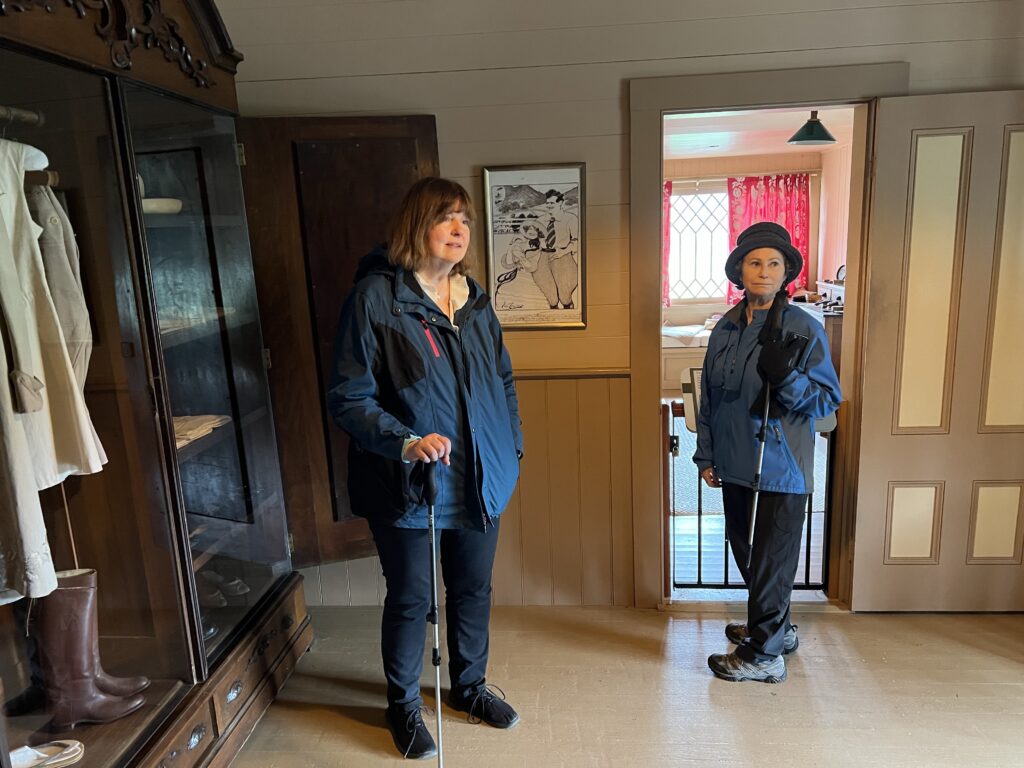
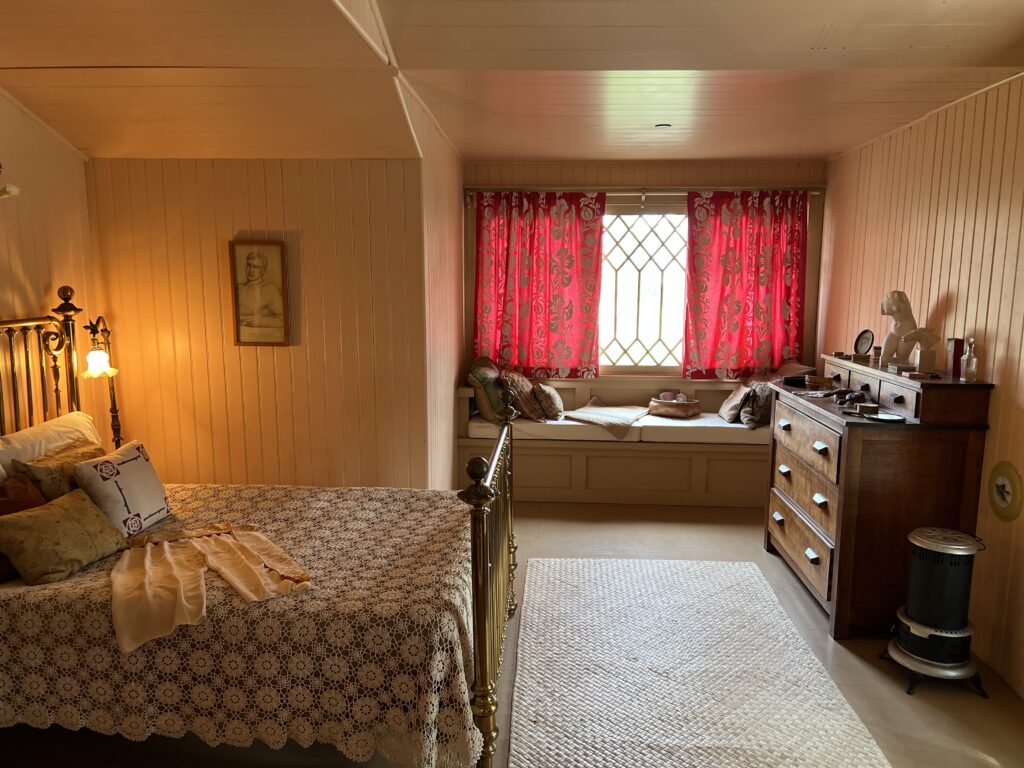
The cozy window seat with glass panes was Jack London’s gift tc his wife after the Wolf Hous burned in 1913.
Jack London died in Glen Ellen in 1916, aged thirty-nine, his life consumed with the intensity and restlessness that characterized everything he attempted. The ranch he built, the innovations he experimented with, and the written record he left provide a fascinating historical document of early twentieth-century agricultural ambition, ecological experimentation, and the complex relationship between lived adventure and intellectual idealism.
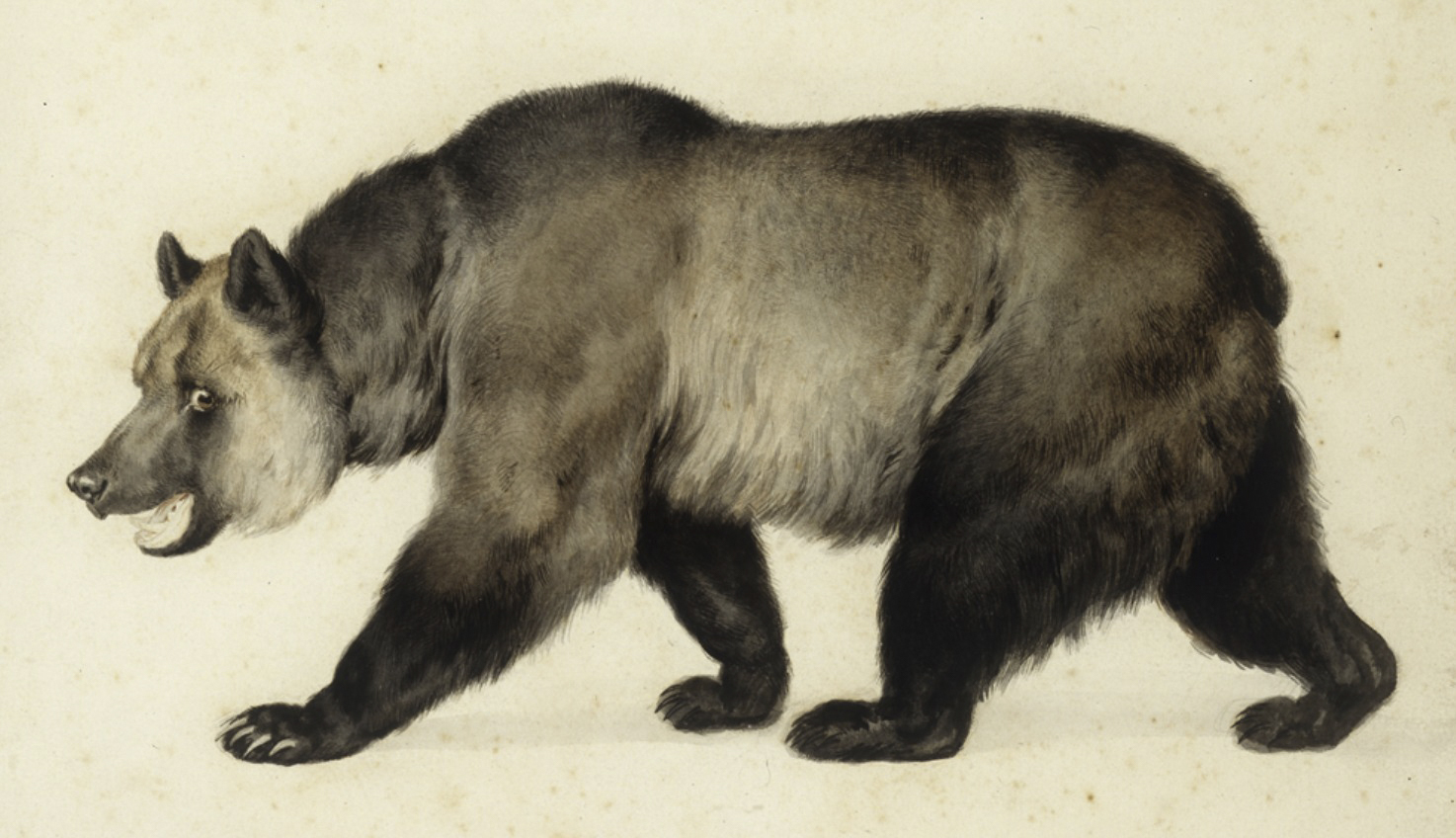
In 1846, grizzly bears were all over California, which was still part of Mexico. That year, a group of about 30 American settlers rebelled against the Mexican government and took over the town of Sonoma.
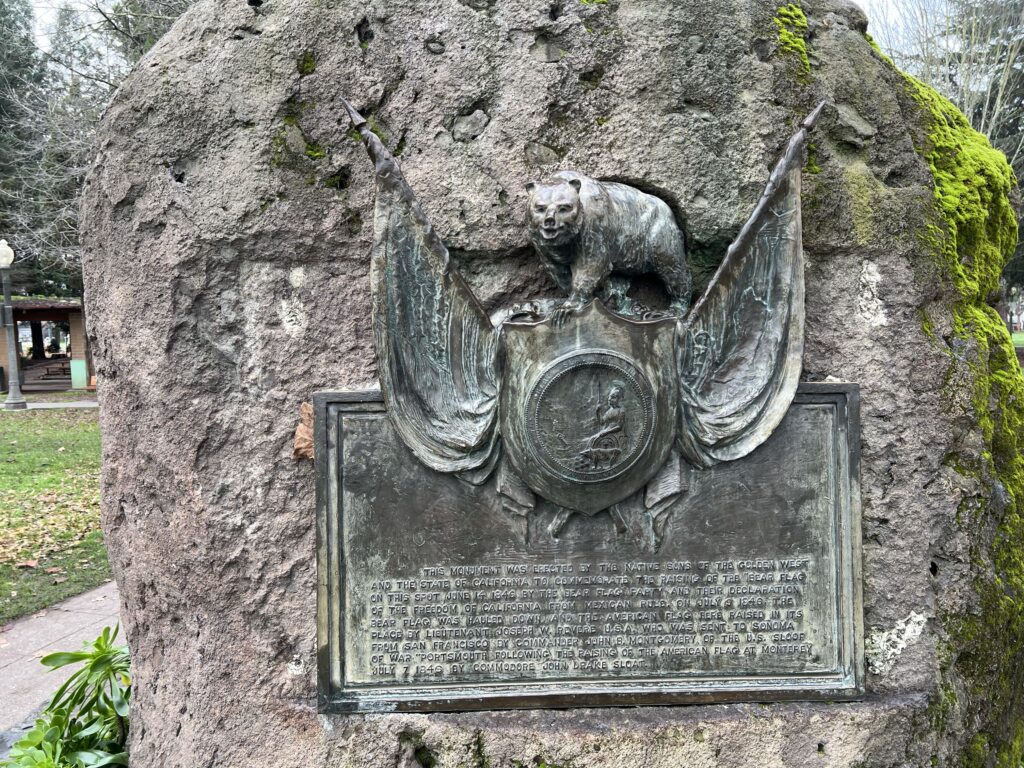
They painted a bear and a star on a sheet, raised it above town, and proclaimed themselves an independent nation: “the California Republic.” They said the grizzly symbolized “strength and unyielding resistance.”