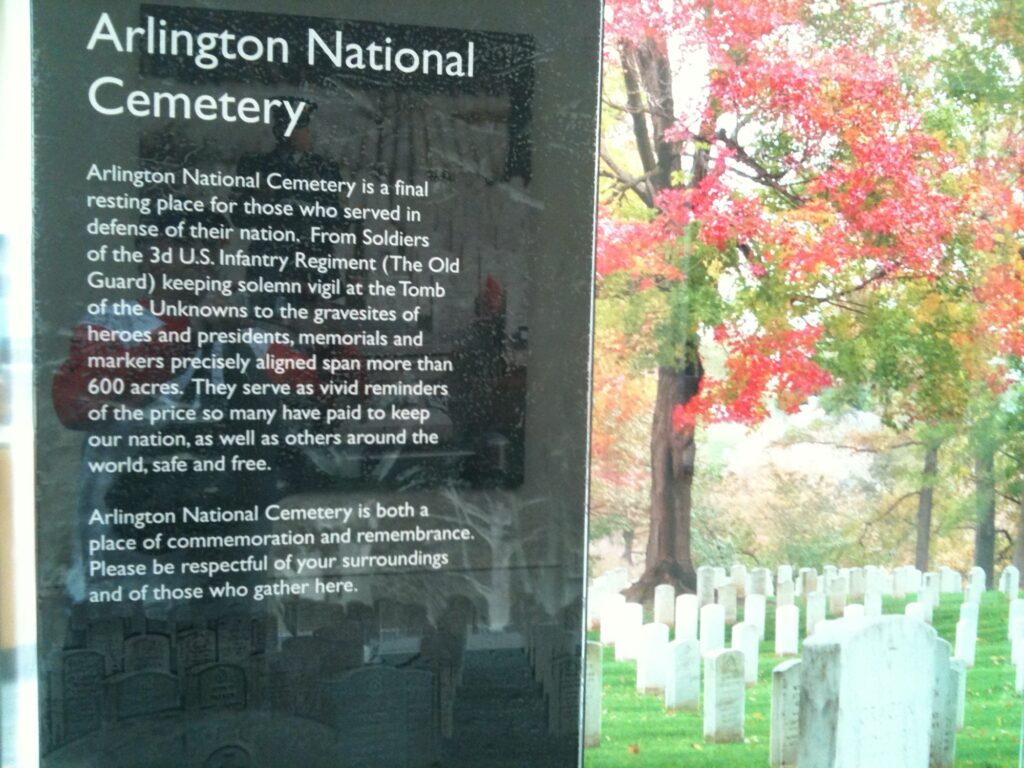
“Reconsidering Presidential Burial Norms: Historical Analogies, National Memory, and the Case for Arlington Eligibility Reform”
This page examines whether the United States should revisit the eligibility criteria for presidential interment at Arlington National Cemetery. Drawing on historical analogies—particularly the legacy of Napoleon Bonaparte—it explores how nations memorialize powerful and controversial leaders, how burial sites shape political memory, and whether existing U.S. regulations adequately reflect the constitutional role of the presidency.
The analysis considers the case of President Donald J. Trump, whose supporters have raised questions about whether Arlington should be an available option for future presidents regardless of prior military service.
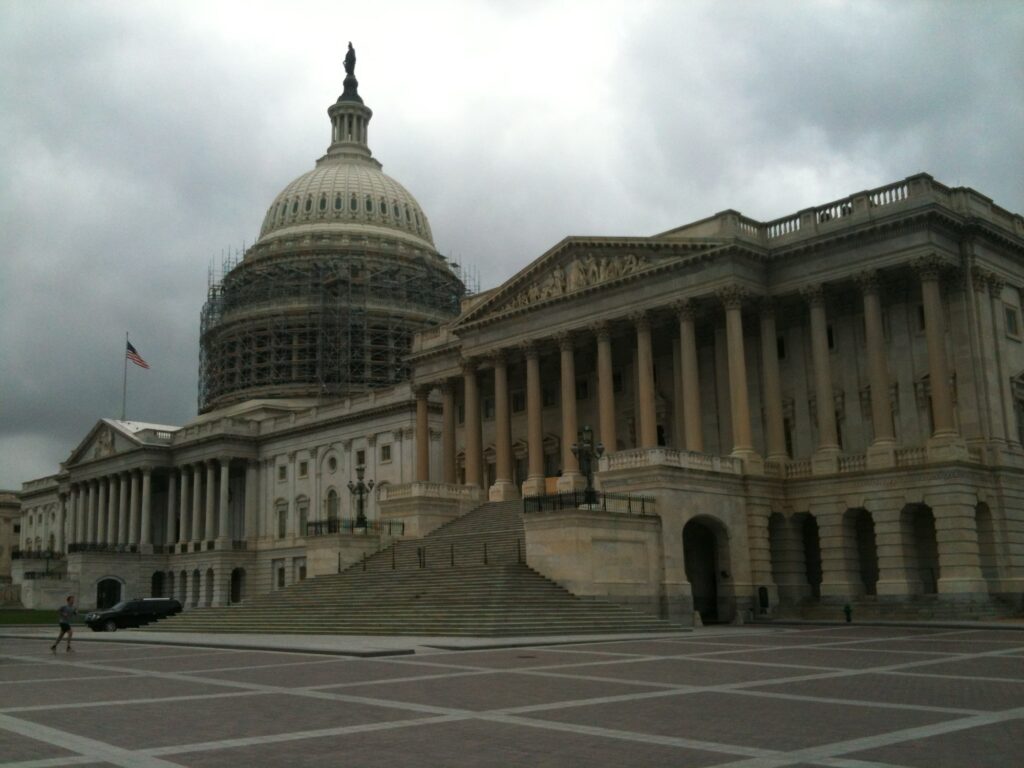
I. National Memory and the Politics of Burial
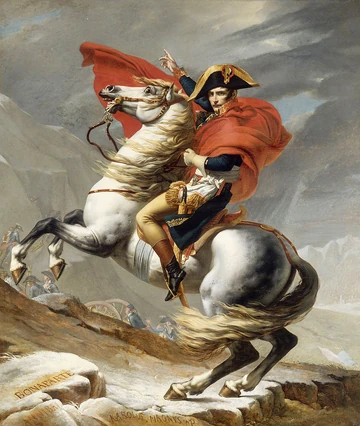
Napoleon as a Model of Monumental Commemoration
Napoleon Bonaparte died in exile on Saint Helena in 1821. His remains were returned to France in 1840 and placed in the Dôme des Invalides in Paris—a monumental tomb that continues to attract admirers and scholars alike. His burial site functions as:
- A national pilgrimage destination
- A symbol of French statehood
- A focal point for debates about empire, leadership, and legitimacy
The French state ultimately chose to integrate Napoleon into its national memory rather than exclude him.
The American Context
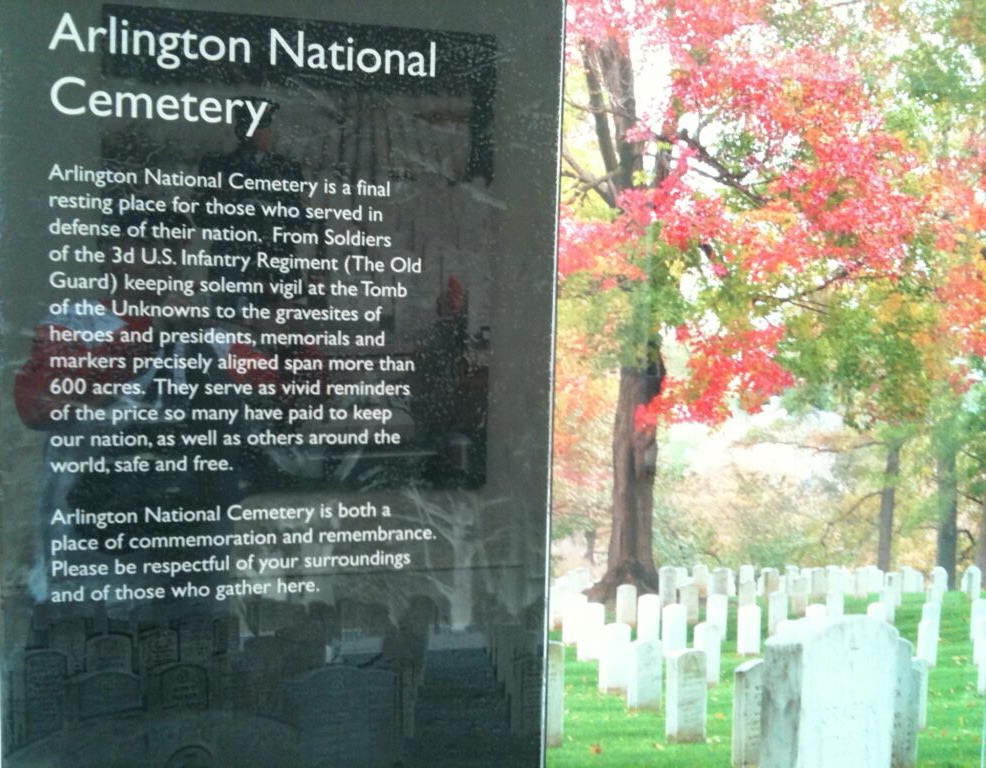
Arlington National Cemetery serves a different purpose: it is a military shrine, not a presidential necropolis. Only two U.S. presidents—John F. Kennedy and William Howard Taft—are buried there. Most presidents choose home states or presidential libraries.
Yet the symbolic power of Arlington is undeniable. For some Americans, the question arises: Should the nation’s chief executive, as Commander in Chief, be eligible for burial there regardless of military service?
II. Trump, Bonaparte, and the Politics of Monumental Power
Parallels in Leadership Style
Scholars have noted structural similarities between Napoleon’s rise and Trump’s political persona:
- Both positioned themselves against entrenched elites
- Both cultivated intensely loyal core constituencies
- Both used monumental aesthetics—Napoleon’s Arc de Triomphe, Trump’s proposed triumphal arch—to project authority
- Both were associated with institutional crises (the Coup of 18 Brumaire; January 6, widely described as an insurrection by courts and historians)
- Both used economic confrontation as a strategic tool (the Continental System; the U.S. trade war)
These parallels do not imply equivalence, but they illuminate how leaders shape national memory.
Does Trump Seek a Bonapartist Legacy?
Trump has expressed admiration for monumental architecture and has proposed structures explicitly compared to Napoleonic models. His supporters often frame him as a transformative figure whose legacy should be memorialized accordingly.
This raises the policy question: Should presidential burial norms reflect the symbolic role of the presidency, not merely military service?
III. Arlington Eligibility: Legal and Institutional Constraints
Current Rules
Arlington’s regulations require active military service for in‑ground burial. The presidency, despite its constitutional role as Commander in Chief, is explicitly a civilian office.
Therefore, the Commander‑in‑Chief title does not qualify as military service.
Past Legislative Efforts
In recent years, legislation was introduced that would bar twice‑impeached presidents from burial at Arlington. Although not enacted, the proposal demonstrates that Congress views Arlington eligibility as a matter of national symbolism and political significance.
If Congress can restrict eligibility, it can also expand it.
IV. Policy Options for Reform
This section outlines analytical possibilities.
Option 1: Redefine “Service” to Include the Commander in Chief
Congress could amend Arlington regulations to recognize the presidency as a form of national service equivalent to military duty.
Arguments in favor might include:
- The president bears ultimate responsibility for military decisions
- The role involves risk, national sacrifice, and constitutional duty
- Other nations treat heads of state as eligible for national shrines regardless of military background
Option 2: Create a Special Presidential Eligibility Category
Congress could establish a new category allowing any president—regardless of military service—to be interred at Arlington if they or their families request it.
Option 3: Commission a President into the Military
In theory, Congress could authorize an honorary commission for a president, retroactively or posthumously. This would be symbolic rather than operational, but it could satisfy Arlington’s service requirement.
Such commissions have historical precedent for civilians in other contexts, though not for presidents.
Option 4: Maintain the Status Quo
Arlington remains a military cemetery, and presidential burial continues to be rare and exceptional.
V. Foreign Pressure and Institutional Constraints: A Modern Analogy
Some analysts draw a parallel between the coalitions that ultimately constrained Napoleon and the international pressures that shape modern U.S. politics. However, unlike the 19th century, foreign intervention today is diplomatic, economic, and institutional—not often military.
Examples include:
- International norms regarding democratic governance
- Diplomatic pressure from allies
- Global economic consequences for political instability
- Reputational costs in international institutions
These mechanisms can influence political trajectories but do not resemble the military coalitions that defeated Napoleon.
Conclusion
The question of whether a president—such as Donald Trump—should be eligible for burial at Arlington raises deeper issues about national memory, constitutional symbolism, and the evolving meaning of service. Historical analogies, particularly with Napoleon, highlight how nations grapple with the legacies of powerful and polarizing leaders.
Whether the United States chooses to reinterpret Arlington eligibility, create new categories, or maintain existing rules, the debate itself reflects a broader conversation about how the nation honors its leaders and how it defines the presidency in the architecture of national remembrance.