Ted Turner’s sailing career was both competitive and formative, and it later fed directly into his conservation-minded worldview.
Professional Sailing
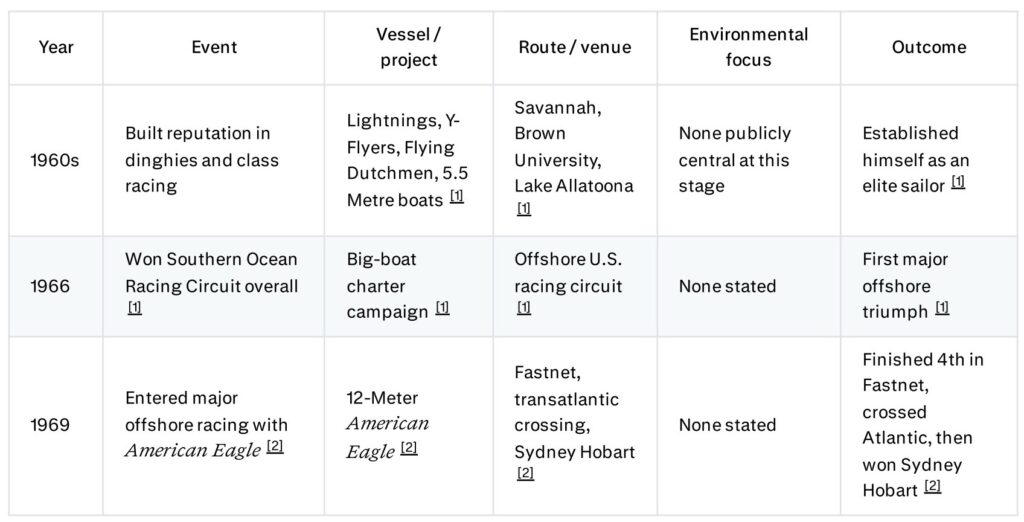
Ted Turner began sailing at age eight in Savannah, Georgia, and developed into an elite competitor across dinghies, the Flying Dutchman class, and the 5.5 Metre class before moving into offshore racing and major championship campaigns. By the time he was a Brown University intercollegiate standout, he had already established the foundation for a career that combined personal ambition, tactical skill, and an unusually public leadership style.
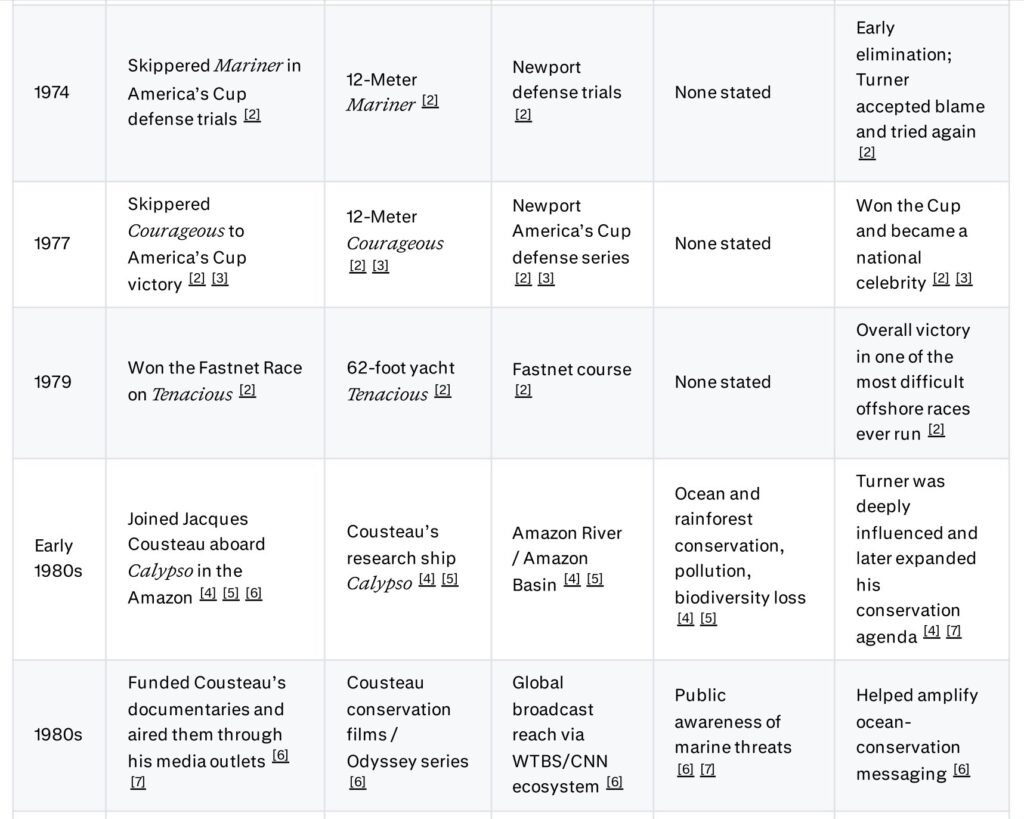
His offshore breakthrough came in 1969 when he acquired the 12-Meter American Eagle. With that boat he finished fourth in the Fastnet Race, crossed the Atlantic Ocean, and then won the Sydney Hobart Race after shipping the yacht to Australia. In 1974, he served as skipper of Mariner in the America’s Cup Defense Trials, but the boat was not competitive and was eliminated early. Turner accepted significant blame for that failure and returned to the Cup arena determined to try again.
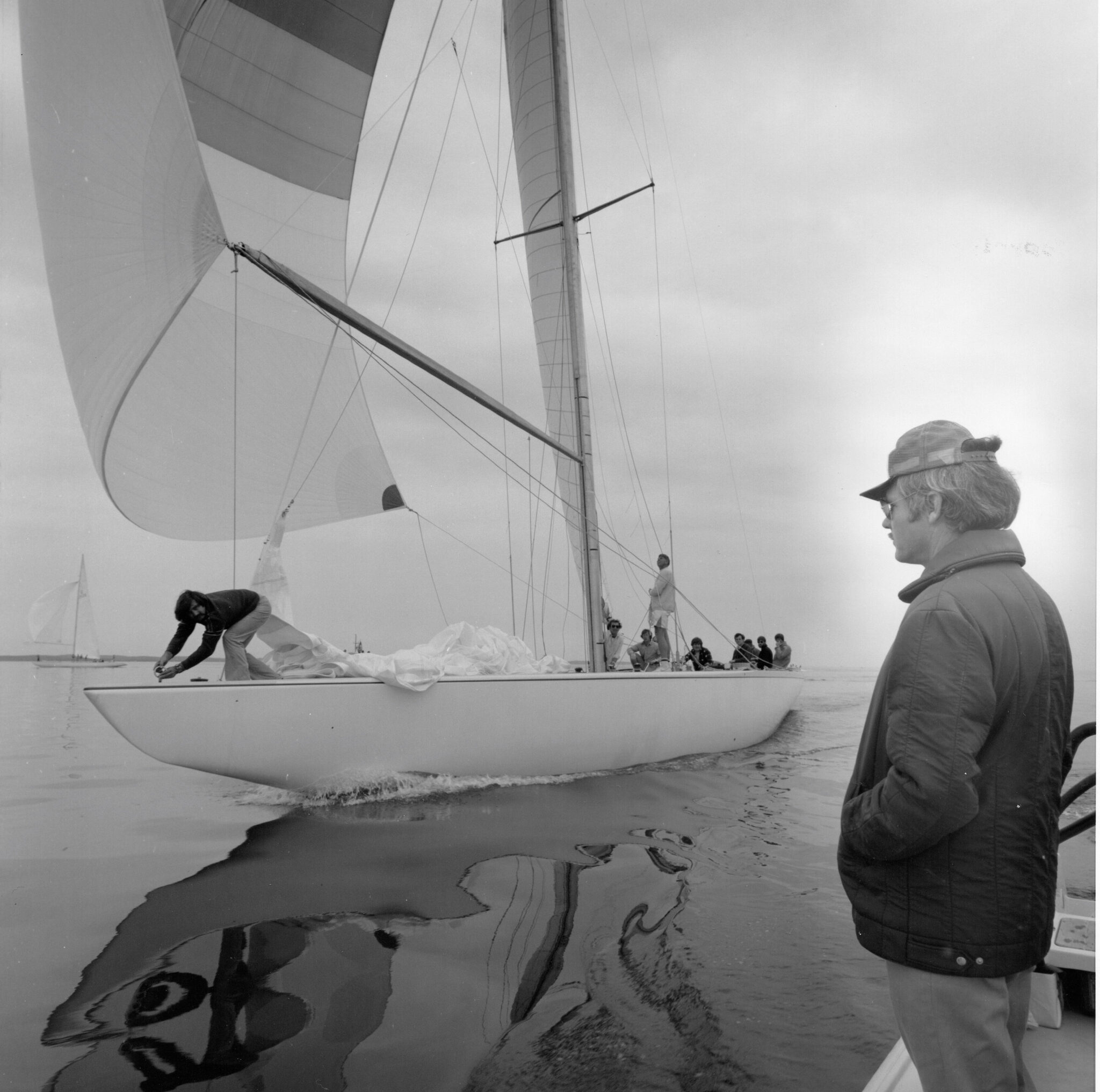
That second attempt came in 1977 aboard Courageous, which had already won the Cup under Ted Hood in 1974. Turner and his crew struggled and rebounded during the campaign, ultimately winning the defense trials and successfully defending the America’s Cup. This victory made Turner a household name and cemented his reputation as a bold, charismatic skipper who took responsibility when things went wrong and shared credit when things went well. The same competitive streak carried into offshore racing, where he won the 1979 Fastnet Race aboard the 62-foot Tenacious, a race later remembered for extreme weather and heavy losses.
Turner’s sailing life also carried him into the broader world of ocean exploration and environmental advocacy.
Jacques Cousteau
In the early 1980s, after founding CNN, he was invited by Jacques Cousteau to join him aboard Calypso in the Amazon River. The invitation came through John Denver, and Turner brought his sons Rhett and Beau on the Brazil trip while Cousteau’s team was filming a documentary for TBS. That voyage became a turning point: Cousteau gave Turner a forceful argument for persistence in the face of environmental decline, and Turner came away with a deeper commitment to keep using his media power and resources for conservation.
The Cousteau connection was not just personal; it was practical. Turner had already been funding Cousteau’s documentary work, and he used his broadcast reach to help amplify conservation messaging about ocean pollution, habitat loss, and other environmental threats. The Amazon experience, and Cousteau’s insistence that responsible people must keep acting even when the outlook is grim, became one of the defining influences on Turner’s environmental thinking. Turner later called Cousteau a major inspiration and, after Cousteau’s death in 1997, referred to him as “the father of the environmental movement”.
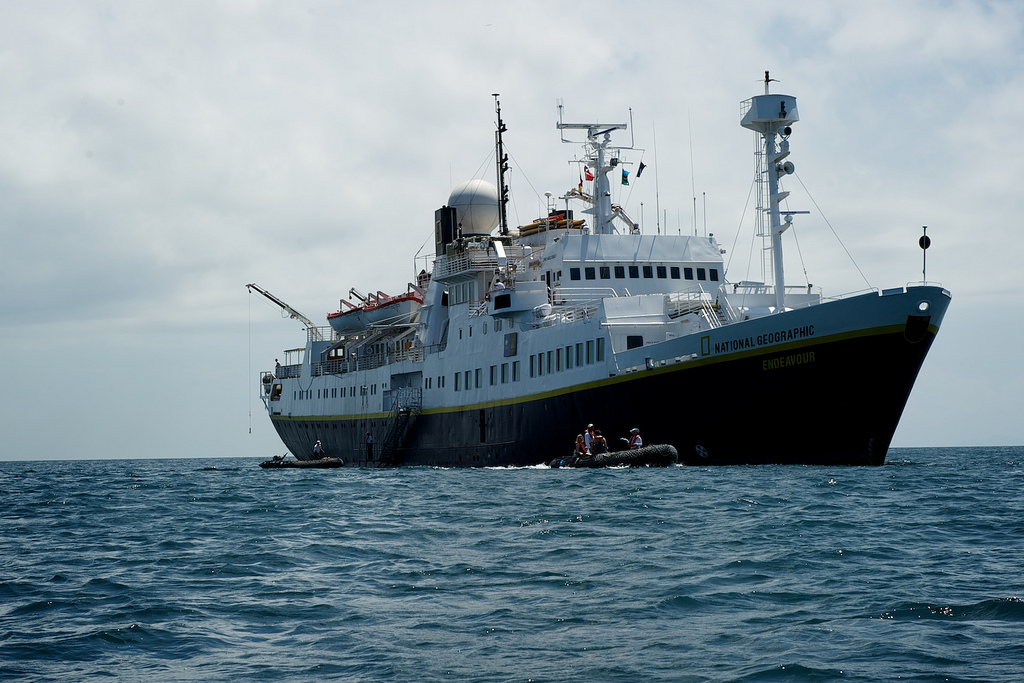
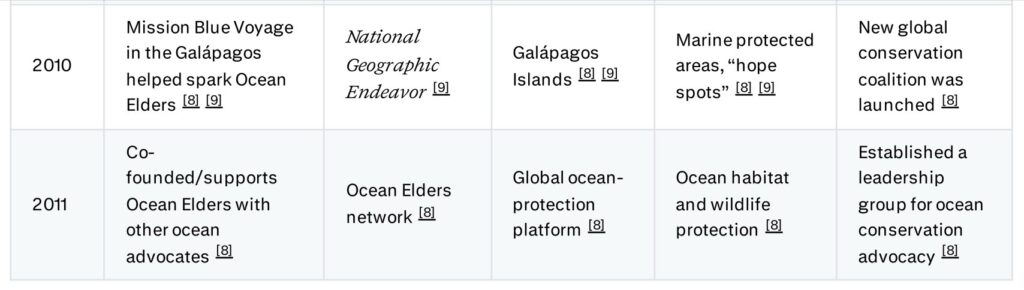
Turner’s environmental activism ultimately widened into organized ocean advocacy. After the 2010 Mission Blue Voyage in the Galápagos aboard the National Geographic Endeavor, Turner joined with other ocean leaders to help launch Ocean Elders in 2011. That effort focused on marine protected areas, “hope spots,” and broader ocean-protection priorities. In parallel, his broader conservation work through Turner Enterprises and the Turner Foundation reinforced the same philosophy: protect land, water, and wildlife, and use wealth and influence to back practical conservation outcomes.
- The Sailing Museum & National Sailing Hall of Fame — “Robert ‘Ted’ Edward Turner”thesailingmuseum
- Sailing World — “Ted Turner: The Icon, The Champion And Captain Outrageous”sailingworld
- Mountain Journal — “A Time To Rally: When Ted Turner Gave Jacques Cousteau An End-Of-Life Pep Talk”mountainjournal
- Mission Blue — “Ted Turner, Dr. Sylvia Earle and Sir Richard Branson Unite to Form Ocean Elders”missionblue
- TED Blog — “How a TED Prize wish has helped one woman create a sea change”ted
- Ted Turner Reserves — “About Ted Turner Reserves”tedturnerreserves
- The Christian Science Monitor / HCN — “Ted Turner: A Good Guy After All?”hcn
- TRCP — “In the Arena: Remembering Ted Turner”trcp
Key vessels and routes
Turner’s best-known sailing vessels included American Eagle, Mariner, Courageous, Tenacious, and, through his Cousteau connection, Calypso. The routes and venues that mattered most in his story were the Fastnet Race, the transatlantic passage aboard American Eagle, the Sydney Hobart Race, the Newport America’s Cup campaigns, and the Amazon voyage with Cousteau. Those settings mattered because they connected elite racing with exploration and environmental storytelling.
Outcomes and legacy
As a racer, Turner was one of the most accomplished owner-skippers in modern sailing history, with major wins in the America’s Cup, Fastnet Race, Sydney Hobart Race, and multiple class championships. As a conservation figure, he helped move ocean issues into public conversation through funding, broadcasting, and later institutional leadership. The larger outcome was that his sailing career became more than sport: it became the bridge between competitive excellence and a lifelong environmental mission.


