The Sonics left Seattle mainly because the ownership group failed to secure a publicly backed replacement arena, the lease dispute was unresolved, and the team was moved after a legal settlement with the city. The Sonics name and related intellectual property were left with the Seattle side for a future NBA team in Seattle, while Climate Pledge Arena is now majority-owned by the Kraken’s ownership group under the One Roof umbrella, with OVG (Oak View Group) retaining a minority stake.[1][2][3]
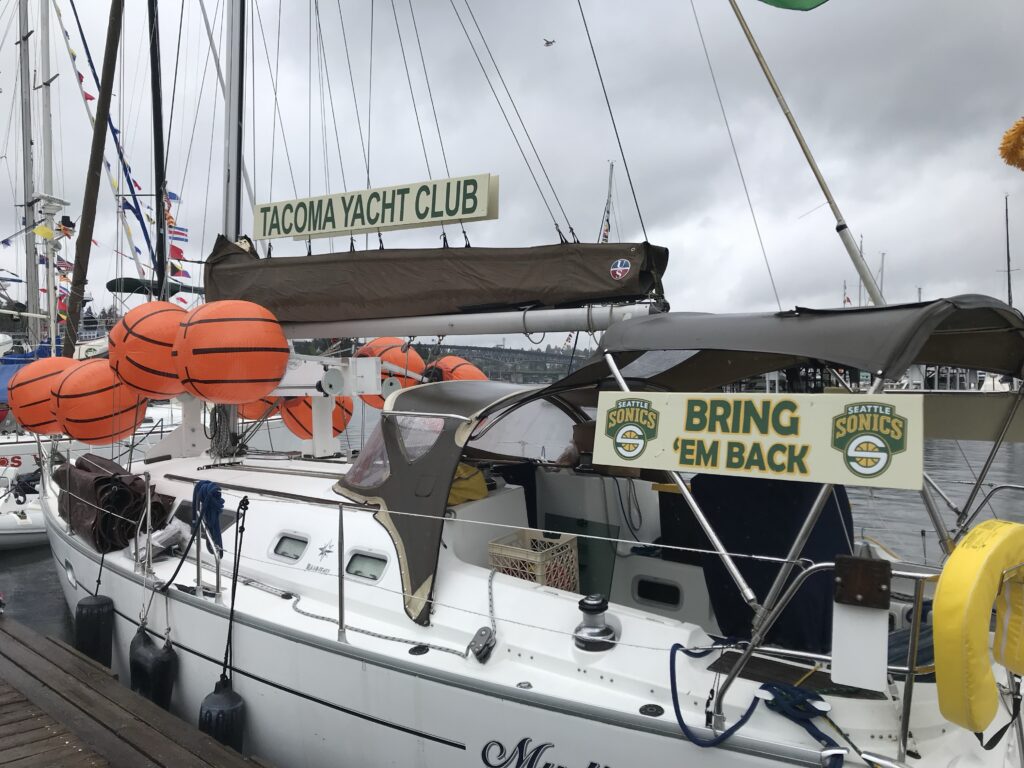
Why the Sonics left
The most direct reason was arena economics: the new ownership group could not get local governments to fund a new arena complex, and the existing KeyArena lease and litigation pushed the franchise out of Seattle. Public money limits also mattered; Seattle voters had passed Initiative 91, which restricted tax dollars for arena projects unless the city could show a profit.[2][4] Seattle residents were one of the first to view billionaires more like Europeans have for decades, as predators, rather than benefactors.
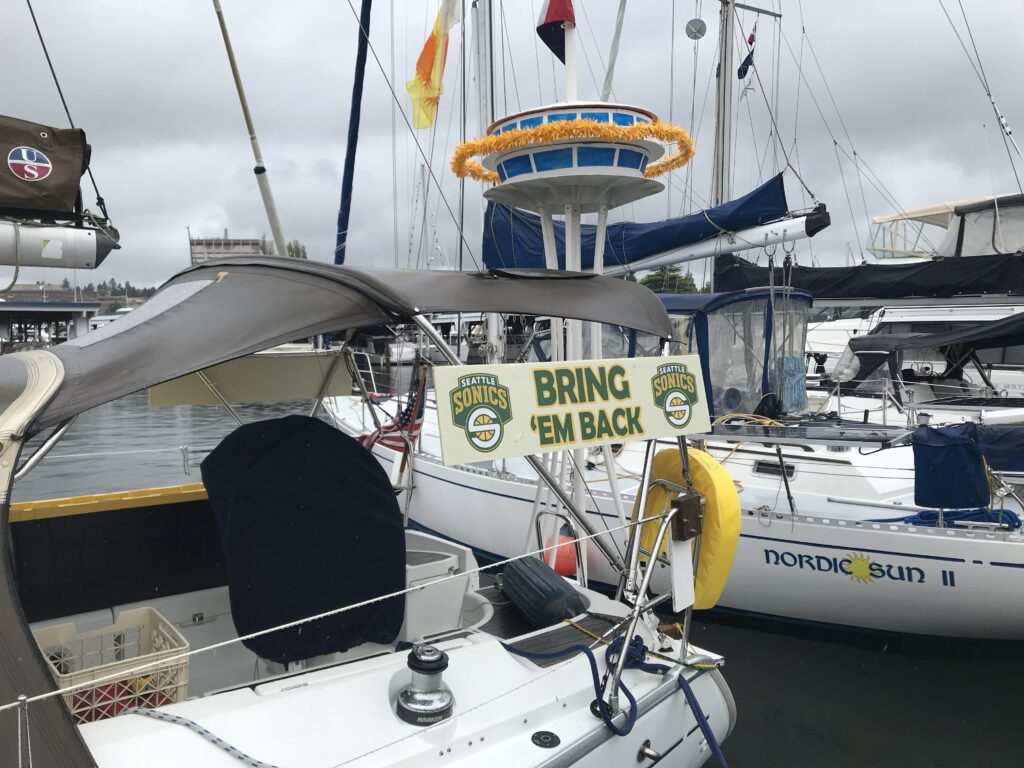
Public funding for arenas can help a city secure or keep a team, accelerate neighborhood redevelopment, and spread costs over a long time horizon. The big downside is that the public often pays a lot while most of the financial upside goes to team owners, and decades of research find that stadium subsidies rarely produce enough local economic growth to justify the cost.[1][2][3]
Main advantages
Public money can make a project possible when private financing alone is too expensive or too risky. It can also support infrastructure upgrades, transit access, and mixed-use development around the arena, which may have benefits beyond sports. In Seattle’s KeyArena redevelopment, the city emphasized neighborhood mobility, historic preservation, and a privately financed project structure rather than direct city bonding.[4] It is difficult to to claim that the city wasn’t punished by billionaire basketball team owners in that no team was approved to move to Seattle (such as the Portland Trail Blazers) . Perhaps after 20 years has that punishment been lifted?
Main drawbacks
The strongest criticism of public funding is opportunity cost: tax dollars used for an arena cannot be used for housing, schools, transit, or parks. Studies summarized by Journalist’s Resource and Brookings say local economic gains from stadiums are usually far smaller than the subsidies, and economists broadly conclude that venue subsidies are a poor development tool.[2][5][1]
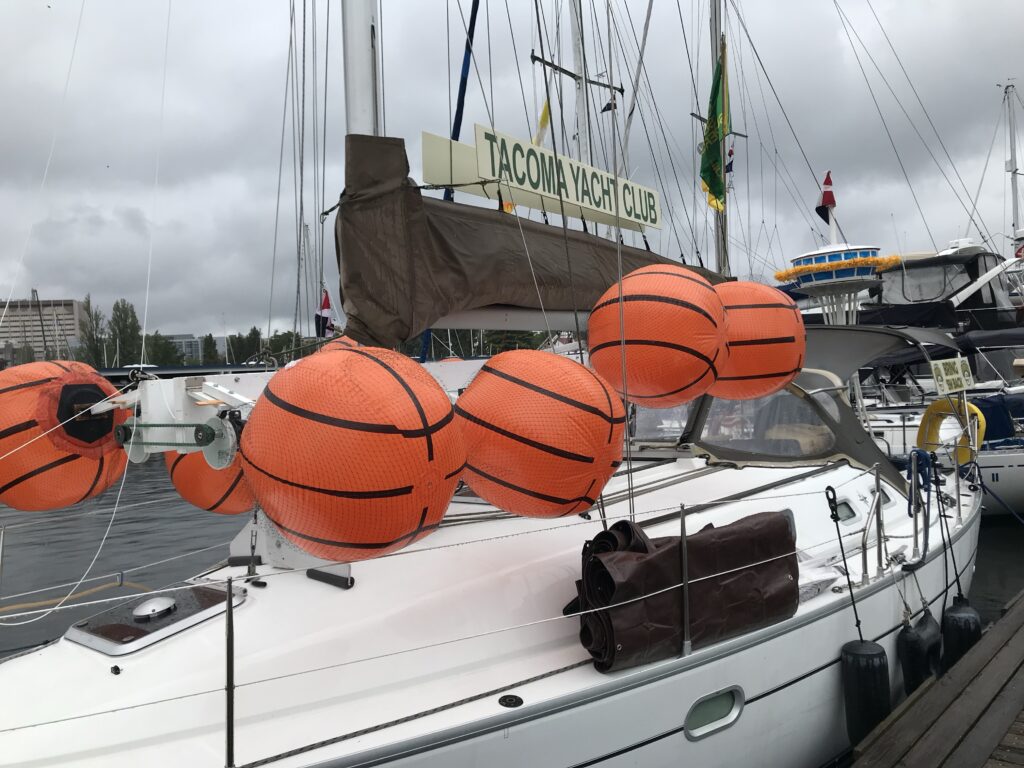
Seattle example
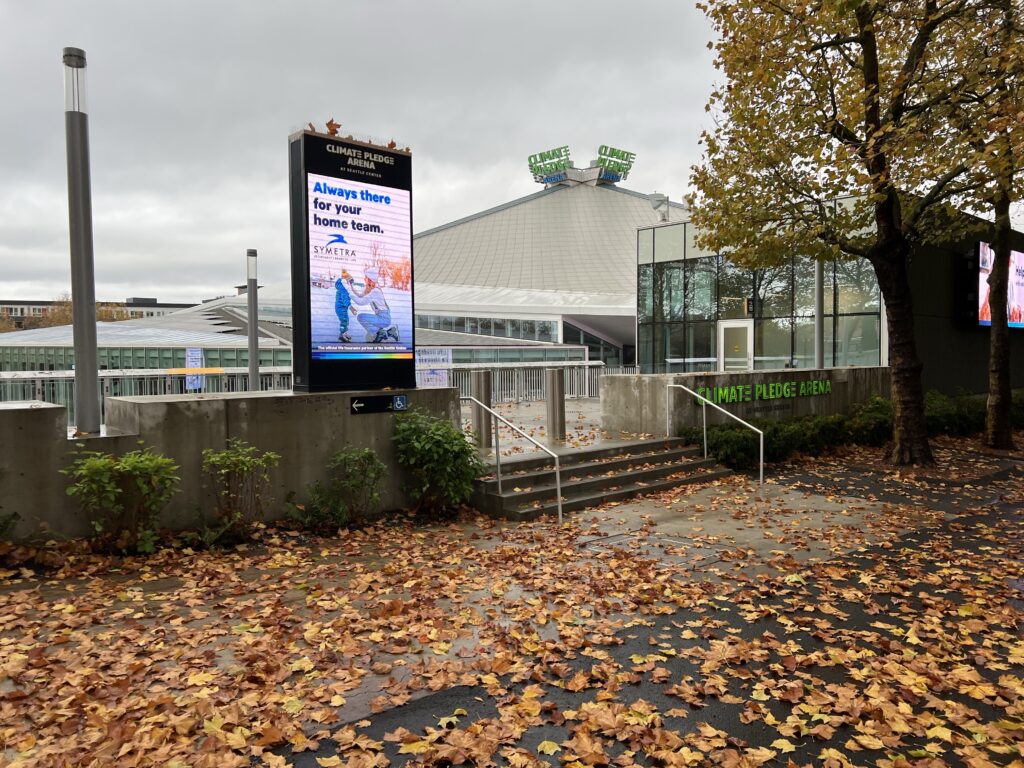
KeyArena is a useful case because Seattle tried to limit direct public subsidy and still had to navigate political tradeoffs, lease terms, and public expectations. Seattle Mayor Greg Nickels was politically damaged by the Sonics loss, and the issue became part of the broader criticism of his administration. The loss was a major factor in the political backlash around his tenure. The Climate Pledge arena deal ultimately relied on private equity, debt, and tax credits, while the city kept a role in site control and adjacent public-interest conditions.[6][4]
When public funding can make sense
Public funding is easier to justify when the project solves a genuine civic need, such as preserving an important venue, fixing infrastructure that serves the whole neighborhood, or creating broad public access. It is weakest when the main purpose is simply to increase franchise value for a team owner.[1][2]
Simple rule
If the city gets measurable public benefits that it would not otherwise get, some public support can be defensible. If the main result is shifting private risk onto taxpayers, the deal is usually a bad one for the public.[3][2]
Sources
[1] Public funding for sports stadiums: A primer and research roundup
[2] Economics Of Subsidizing Sports Stadiums | St. Louis Fed
[3] Stadium Subsidies – The Center for Economic Accountability
[4] Council Approves Unprecedented Agreement to Redevelop KeyArena
[5] Sports, Jobs, & Taxes: Are New Stadiums Worth the Cost? | Brookings
[6] Seattle demands a privately funded arena revolution, fails – CNBC
[7] San Antonio: Do Stadium Subsidies Reward Billionaires Or … – Forbes
[8] The Myth of Economic Growth Through Stadium Subsidies
[9] Will Seattle See a New Arena: Part 2 – Schwabe
[10] Why Publicly funded stadiums are a bad idea – 22ZIN
Who owns the name
The Sonics trademarks were effectively preserved for Seattle by the settlement terms, which kept the nickname, logo, and color scheme available for a future Seattle NBA team subject to league approval. A recent report also says the agreement requires the Thunder ownership to transfer the Sonics IP to a new NBA team owner in Seattle at no cost.[3][5]
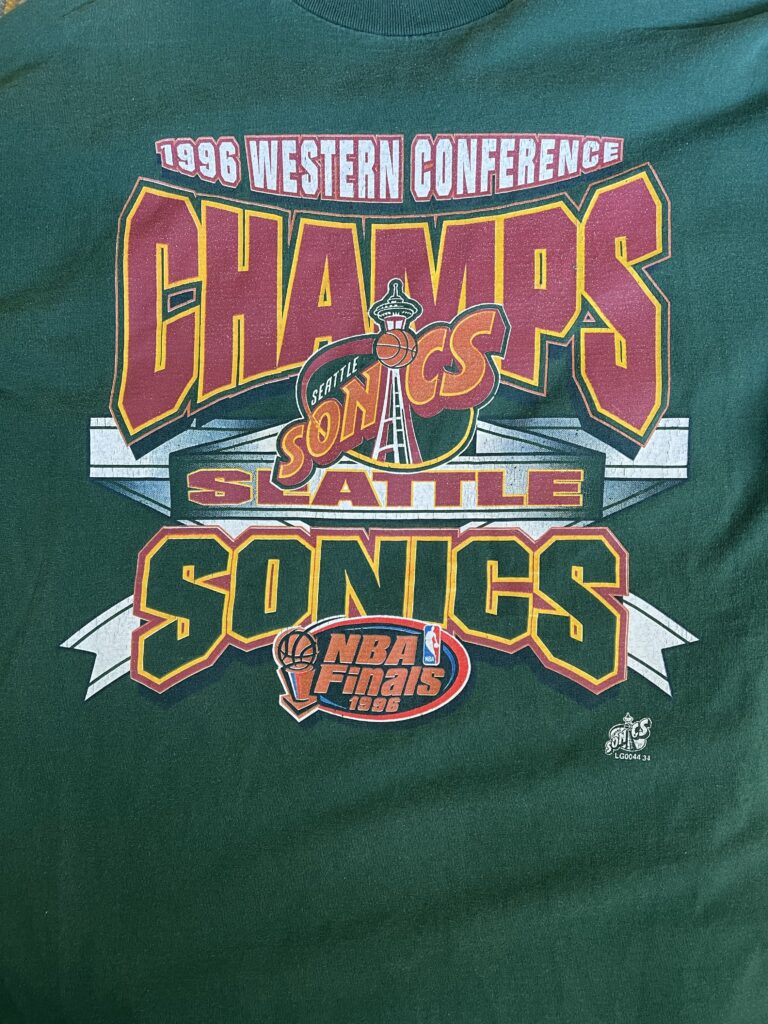
Sonics history is usually understood to include the Seattle franchise’s full on-court record and identity: the 1979 NBA championship, the 1978 and 1996 Western Conference titles, six division titles, the all-time regular-season and playoff records from the Seattle years, retired numbers, and the franchise records held by Sonics players. The team’s Seattle-era record was 1,745–1,585 in the regular season and 107–110 in the playoffs.[2][3]
Titles and records
The core historical trophies are the 1979 NBA title and the Western Conference titles in 1978, 1979, and 1996. The franchise also had six division titles, with the last in 2005, and the major career record holders in Seattle are Gary Payton, Shawn Kemp, and Jack Sikma, with Rashard Lewis holding the franchise mark for made three-pointers.[3][2]
What “history” may mean
In the current expansion discussion, “Sonics history” is being used more narrowly than all Thunder history: it usually means Seattle-era achievements, banners, retired jerseys, records, and associated franchise identity. Reporting says the Thunder would transfer that Seattle-era history back to a new Seattle team if one is awarded.[5][6]
What is less clear
There is some ambiguity about whether all statistical records, draft history, and lineage details would move in exactly the same way, because leagues often separate “team history,” “franchise history,” and “records” differently in relocation settlements. But the broad expectation in recent coverage is that Seattle would regain the Sonics’ pre-2008 identity and honors.[7][10]
Sources
[1] 40 years ago, an unheralded group of Sonics brought Seattle its …
[2] NBA expansion: How Seattle retained Sonics name, history while …
[3] Seattle SuperSonics – Wikipedia
[4] The Story Behind The Seattle SuperSonics | Part 1 – YouTube
[5] 5,000 Pieces of Thunder History Are Hidden in Seattle
[6] Thunder fans, do you consider Sonics history as a part of your team …
[7] How official NBA history changes if the Seattle SuperSonics return
[8] What happens to the Sonics’ history when they return to Seattle?
[9] Seattle Supersonics: Golden Era of Basketball (Full Documentary)
[10] Please stop using SuperSonics’ history like it belongs to the Thunder
Who owns the arena
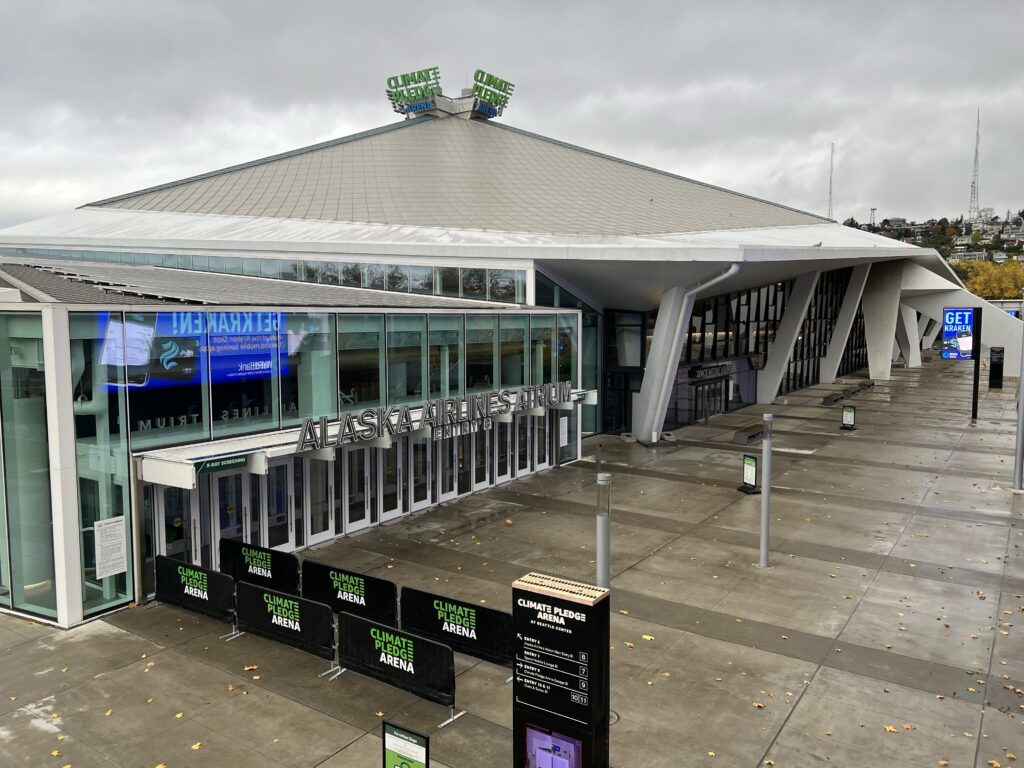
Climate Pledge Arena was privately financed and has been operated through a public-private structure involving the Kraken, Oak View Group, and Seattle Center; in March 2026 the Kraken announced it was buying additional equity and becoming the majority owner, while OVG remains a minority owner and operator. The building was renamed after Amazon bought naming rights and chose the Climate Pledge branding instead of Amazon Arena.[6][7][8]
Public-private finance
For the original Sonics fight, the city-state-private balance was unstable because the team wanted more public support for a new arena, while the public side was politically resistant to subsidizing it. In contrast, the newer arena model is closer to a privately led public-private partnership: the team side put money into the building, while the public sector retained some role through Seattle Center and the arena’s civic integration.[7][8][2]
Likely expansion deal
If Seattle gets an expansion team, the NBA would likely expect a large expansion fee paid by the new ownership group, not by the city. The league’s current owners usually maximize value by selling a limited number of new franchises at a high price, then preserving existing franchise economics by controlling approvals, ownership standards, and arena certainty.[8][7]
Name and arena leverage
A Seattle buyer could likely use the Sonics name with little or no additional IP cost if the settlement language is enforced as reported, but arena access would still be a major bargaining chip. If One Roof set a credible market rental price for Climate Pledge Arena, that could help by giving non-One Roof bidders a clear cost baseline instead of forcing them to guess at operating expenses.[3][7]
Millionaire tax effect
A millionaire-income tax would not directly change the NBA expansion price, because the purchase price is set by league supply, demand, and strategic competition among bidders. But it could affect the economics of the market by changing the after-tax returns for local owners, which might either reduce willingness to bid or require a richer long-term business case to offset the tax burden.[9][10]
Profit-maximizing for owners
NBA owners maximize profit by running a competitive expansion process, extracting a high fee from Seattle, and encouraging multiple credible bids. They also benefit if Seattle has an existing modern arena, a strong local ownership group, and enough certainty around team identity and venue access to make the bid easy to finance.[7][8] The last SuperSonics game in Seattle was played on April 13, 2008. Seattle’s population was about 603,404 in 2008, while the metro area is about 4.04 million now; Seattle city itself is about 801,192 in 2026. Hence, there are at least 4 million potential fans to draw from.
On a rental-price condition
Requiring One Roof to set a rental price for Climate Pledge Arena as a bid condition could indeed encourage outside bidders, because it lowers uncertainty and lets bidders model cash flow. It would also reduce one major advantage of insider bidders who already know their internal arena economics, though the NBA would still care about whether the venue terms are fair, durable, and compatible with league standards.[8][7] Something like this appears necessary because another reason public private partnerships rarely are fair to the public involves rigged bids
Wednesday, July 9, 2025
For Immediate Release
Office of Public Affairs
Note: The defendant in this case, Timothy J. Leiweke, received a pardon from the President of the United States for the offenses alleged in the indictment described in the press release below.
A federal grand jury has returned an indictment against Timothy J. Leiweke, the Co-Founder and Chief Executive Officer of Oak View Group (OVG), for orchestrating a conspiracy to rig the bidding process for an arena at a public university in Austin, Texas, the Justice Department’s Antitrust Division announced today. OVG develops and provides a variety of services to live entertainment venues.
Sources
[1] Eighteen years after the Supersonics moved to Oklahoma City, the …
[2] Seattle SuperSonics relocation to Oklahoma City – Wikipedia
[3] Why Seattle’s New NBA Team Would Be the Sonics Again
[4] Climate Pledge Arena – Wikipedia
[5] Seattle SuperSonics – Wikipedia
[6] Seattle’s KeyArena gets new name: It’s now called Climate Pledge …
[7] Seattle Kraken assume majority ownership of Climate Pledge Arena
[8] Seattle Kraken acquire majority stake in Climate Pledge Arena …
[9] Washington Governor talks Sonics, NBA’s Adam Silver, and the …
[10] Washington tax concerns surface as NBA weighs Sonics comeback
[11] Sonics Arena – Wikipedia
[12] What Happened to KeyArena?
[13] ELI5: Why did the Supersonics get moved to OKC? : r/nba – Reddit
[14] PSA: Seattle doesn’t own the rights to the SuperSonics name/logo …
[15] Private Events – Climate Pledge Arena
[16] Premium seating – Climate Pledge Arena
[17] The PitchBook Suites – Climate Pledge Arena
[18] Does Seattle Lose NBA SuperSonics for 2nd time due to … – YouTube
[19] Kraken acquire majority stake in Climate Pledge Arena before NBA …
NBA ownership rules are stricter than many people assume: an NBA team may have no more than 25 equity owners, and every non-waived owner must generally hold at least a 1% stake. The majority owner is expected to control the team, but the exact minimum percentage is not stated; the league instead focuses on control, qualifications, and approval of the lead governor.[1]
Multiple teams
You generally cannot freely own multiple NBA teams because the league applies conflict-of-interest and ownership approval rules, and it is also limiting private-equity exposure across teams. The current rules reported for institutional investors say one fund can own minority stakes in up to eight teams, with up to 20% in a single franchise and no more than 30% of a team owned by private equity in total.[2][3]
Interest in men’s basketball
Interest in men’s basketball is strong and still broad-based, with fan bases skewing male but having substantial female participation. One recent fan-demographics summary put NBA fans at 58% male and 42% female, with the biggest age concentration in the 25–44 range.[4][5]
By age and sex
NBA interest is highest among adults in their prime consumption years, especially 25–44, and still meaningful across teens and older adults. For college men’s basketball, the strongest interest is also concentrated in younger and midlife adults, with 18–44 and 35–54 showing notable engagement in recent survey results.[6][7][4]
Seattle and other sports
A Seattle NBA team would probably compete for discretionary time and some sponsorship dollars with women’s basketball, college basketball, soccer, baseball, and hockey, but it would not automatically cannibalize them. Seattle’s sports market has shown it can support multiple strong teams, and recent Seattle coverage suggests broad fan enthusiasm across men’s and women’s pro sports, which usually means complementarity as much as competition.[8][9]
Millennials and attendance
Millennials tend to value experiences, and live sports fits that preference better than many other entertainment products. That can raise the value of sports franchises in an experience-driven market like Seattle, but it only helps if the team is part of a strong live-event ecosystem with transit, venues, and repeatable fan rituals.[10][11]
The election of Katie Wilson as Seattle’s mayor in November 2025 marks a symbolic and substantive watershed moment: the emergence of the first millennial-led major American city, one explicitly designed around millennial values—not as a generational novelty, but as a coherent reimagining of urban life fundamentally different from the industrial cities of the twentieth century. Seattle is not merely the first millennial city; it is the only major U.S. city where municipal governance, workplace culture, infrastructure priorities, and civic heritage have coalesced around a vision that values experiences over possessions, community over consumption, and transit accessibility over automobile ownership
Seattle’s transit and a Sonics return
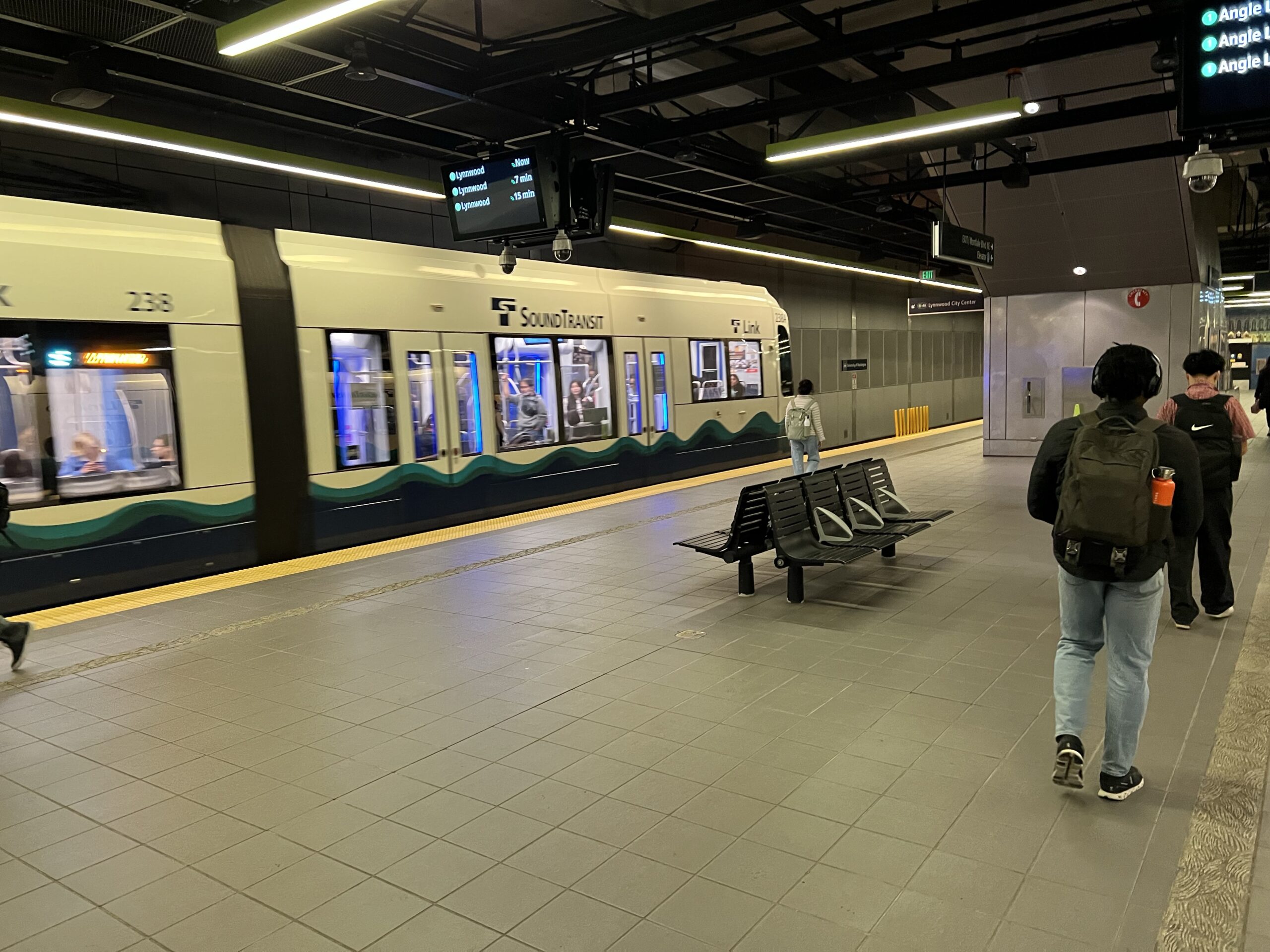
Seattle’s expanding light rail network is a real asset for arena access, and recent opening news shows the region now has a much stronger rail spine than it did when the Sonics left. That improves the business case for attendance, especially for suburban fans and younger residents who are less car-dependent.[12][13]
Politics and Mayor Wilson
Katie Wilson is currently mayor of Seattle and she is working to “bring the Sonics back”. This work will help her secure a second term [14]
Likely bidders
The most likely billionaire bidders for a Seattle expansion team would be owners with deep local ties, arena experience, or NBA credibility, especially people already connected to Seattle or the league. Based on the market logic in current reporting, the strongest candidates are usually a local or regional consortium, a private-equity-adjacent financier with an approved lead governor, or an established sports owner looking to add an NBA asset.[3][1]
Sources
[1] 25 Person NBA Ownership Rule – Sport$Biz – Martin J. Greenberg
[2] The NBA has updated its ownership rules to allow investment firms …
[3] Asset Class: Private Equity in NBA – Front Office Sports
[4] The SponsorPulse Guide to NBA Fan Demographics
[5] Share of NBA fans by gender US 2025 – Statista
[6] College men’s basketball interest levels by age US 2025| Statista
[7] Interest in the Men’s and Women’s NCAA Basketball Tournaments …
[8] Fan support for Seattle Teams sparks more optimism Sonics could …
[9] Impact of sports fans in Seattle sparks optimism Sonics could return
[10] The 2025-2026 Generational Fan Study – WSC Sports
[11] How Millennials and Gen Z are Changing the Sports Experience
[12] Sound Transit celebrates opening of the new Crosslake Connection …
[13] Light rail now connects Seattle to the east side. Historic day!
[14] Transportation and Mobility – Katie Wilson for Mayor
[15] The NBA has updated its ownership rules to allow investment firms …
[16] Millennials Lead Sports Fandom, Gen Z Favors Athletes Over Teams
[17] NBA Fandom in 4 Charts – Michael Lewis
[18] Organizational Expansion within Professional Sports
[19] Interest in the WNBA is the highest it has ever been, but … – YouGov
Seattle 2050: A City Vision Built for the Return of the Sonics
The Future of Seattle Is Bigger Than Basketball
The return of the Sonics is more than a sports story. It is part of a larger vision for Seattle’s future. Seattle is pursuing a long-range strategy that combines the innovation and entrepreneurial energy associated with global technology centers while preserving the beauty, waterfront character, and livability that have long defined the Pacific Northwest. Through the City’s One Seattle Comprehensive Plan, leaders are focusing on housing, transportation, economic opportunity, and neighborhood vitality as foundations of long-term prosperity.[1]
The goal is not to become another city. The goal is to become the strongest version of Seattle itself.
Planning Before Problems Become Crises
One lesson learned from successful but expensive coastal cities is that growth works best when cities prepare for it before challenges become crises.
Seattle’s growth strategy recognizes that more people will continue to choose the region as their home. As a result, city plans call for significant new housing throughout urban centers, neighborhood centers, and transit corridors. The objective is to expand housing choices while improving affordability and reducing displacement pressures.[1] In this vision, housing is not merely a real estate issue. It is essential civic infrastructure.
More housing means more opportunities for young families, workers, retirees, and longtime residents to remain in the communities they love. It is also viewed as one of the most important tools available to reduce the housing pressures that contribute to homelessness and housing instability. Seattle’s planning documents directly connect housing abundance with affordability, neighborhood stability, and homelessness prevention.[1]
Experienced Leadership Returns to City Hall
Seattle’s future is being shaped by both innovation and experience. In 2026, longtime public finance leader Dr, Dwight Dively returned to Seattle city government as Finance Director after more than a decade serving King County in senior budget and operational leadership positions.[2] His return reflects an important principle in Seattle’s civic culture: progress benefits from both fresh ideas and institutional memory.
For many longtime residents, particularly Baby Boomers who witnessed Seattle’s transformation during the past half-century, Dively’s return symbolizes continuity, fiscal discipline, and confidence in Seattle’s future. Experienced leadership remains a vital component of the city’s long-term vision.[2]
Bellevue: Seattle’s Strategic Growth Partner
Modern metropolitan success is increasingly regional. Across Lake Washington, Bellevue has matured into a major employment and residential center with a growing skyline, expanding transit connections, and a powerful technology economy.[3] Far from competing with Seattle, Bellevue increasingly acts as a strategic partner.
Bellevue functions as a regional pressure-relief valve by accommodating housing demand, office development, and new employment opportunities that might otherwise place greater pressure on Seattle’s housing market and transportation system. As East Link light rail and future transit investments connect the region more closely, Seattle and Bellevue are becoming complementary urban centers rather than competitors.[3]
The future success of Seattle increasingly depends on a successful Bellevue, just as Bellevue benefits from Seattle’s cultural, educational, governmental, museum, zoo, aquarium, sports and maritime assets.
Innovation Continues to Power the Region
Seattle remains one of North America’s leading centers of innovation. The https://comotion.uw.edu/University of Washington CoMotion Program and the Arthur W. Buerk Center for Entrepreneurship continue helping researchers, students, and entrepreneurs transform ideas into successful businesses.[4]
The region’s unique combination of universities, global corporations, venture capital, and startup culture creates a cycle of continuous innovation that fuels economic growth and opportunity.
Education supports innovation —> Innovation creates businesses —> Businesses create jobs —> Jobs support thriving communities.
A Retirement Destination for Active Living
Seattle is increasingly attractive not only to younger generations but also to active retirees seeking a rich and connected lifestyle.
Residents enjoy access to exceptional healthcare, cultural institutions, lifelong learning opportunities, museums, sports, parks, and waterfront amenities.
Unlike many retirement destinations, Seattle offers an uncommon balance between urban amenities and access to nature. Mountains, forests, islands, ferries, and waterways are all within easy reach.
For many retirees, Seattle is less about slowing down and more about beginning the next adventure.
The Maritime Lifestyle
Few major cities offer a boating lifestyle comparable to Seattle.
From local marinas, boaters can reach Puget Sound, the San Juan Islands, the Gulf Islands, Desolation Sound, and eventually the Inside Passage to Alaska. The region remains one of the world’s premier cruising destinations.
Seattle is also home to the Mainstation of the Seattle Yacht Club on Portage Bay. Founded in 1892, the club reports nearly 5,000 members and is widely recognized as one of the oldest and largest yacht clubs in the Pacific Northwest.[5]
For many residents, especially retirees, boating provides adventure, companionship, lifelong learning, and a deep connection to the marine environment that defines the Pacific Northwest.
The Return of the Sonics
Few possibilities generate as much civic excitement as the return of the Seattle SuperSonics. Seattle continues to be identified as one of the leading candidates in ongoing NBA expansion discussions, with Climate Pledge Arena recognized as a modern, NBA-ready venue capable of supporting a future franchise.[6]
Should the Sonics return, they would represent far more than professional basketball. Their return would symbolize confidence in Seattle’s future and the continued resurgence of the city’s downtown core.
Why Downtown Seattle Is the Only Place the Sonics Truly Belong
Successful sports franchises thrive when they are woven into the life of a city. Downtown Seattle continues to evolve into a mixed-use neighborhood where people live, work, shop, dine, attend performances, and participate in civic life throughout the day and evening. Residential growth, visitor activity, cultural amenities, and transit connectivity all contribute to a vibrant urban center.[7]
What makes downtown uniquely powerful is accessibility. No suburban location can replicate the combination of:
- Light rail connections
- Ferry access
- Walkable neighborhoods
- Hotels
- Convention facilities
- Tourism activity
- Restaurants and entertainment venues
- A growing residential population
The same investments Seattle is making in housing, transit, and downtown revitalization are creating the conditions for a successful NBA franchise.
A thriving city center supports a thriving basketball franchise.
A thriving basketball franchise strengthens the city center.
The relationship works both ways.
Seattle’s long-term vision recognizes that the strongest home for the Sonics is not simply an arena.
It is the heart of the city itself.
Seattle 2050
Seattle’s future is built upon balance.
A balance between growth and affordability.
A balance between innovation and quality of life.
A balance between experienced leadership and entrepreneurial talent.
A balance between Seattle and Bellevue.
A balance between urban opportunity and access to nature.
It is a city where additional housing helps preserve affordability and reduce homelessness pressures.
It is a city where universities continue launching new businesses.
It is a city where retirees remain active participants in civic life.
It is a city where boaters can leave a marina and reach some of the finest cruising grounds on Earth.
And it may once again be a city where the green and gold of the Sonics play beneath downtown lights at the center of a thriving waterfront metropolis.
Seattle 2050: A city built for opportunity, connected by water and transit, strengthened by regional partnership, and energized by a downtown that remains the beating heart of the Pacific Northwest.
Footnotes & Sources
[1] City of Seattle, One Seattle Comprehensive Plan and Growth Strategy
https://www.seattle.gov/planning-and-community-development/comprehensive-plan
[2] Mayor’s announcement appointing Dwight Dively as Seattle Finance Director
https://wilson.seattle.gov/2026/01/09/mayor-wilson-announces-new-leadership-at-office-of-city-finance-and-office-of-economic-development/
[3] City of Bellevue Economic Development and City Profile
https://bellevuewa.gov/discover-bellevue/about-us
https://bellevuewa.gov/city-government/departments/community-development/economic-development/why-bellevue
[4] University of Washington Entrepreneurship and Innovation Programs
https://startup.uw.edu/
https://comotion.uw.edu/
[5] Seattle Yacht Club History and Membership Information
https://www.seattleyachtclub.org/our-story
[6] NBA Expansion Coverage and Seattle Market Evaluations
CBS Sports, KOMO News, Seattle Sports reporting on NBA expansion process and Climate Pledge Arena.
[7] Downtown Seattle Association, State of Downtown Economic Report
https://downtownseattle.org/economic-report/


