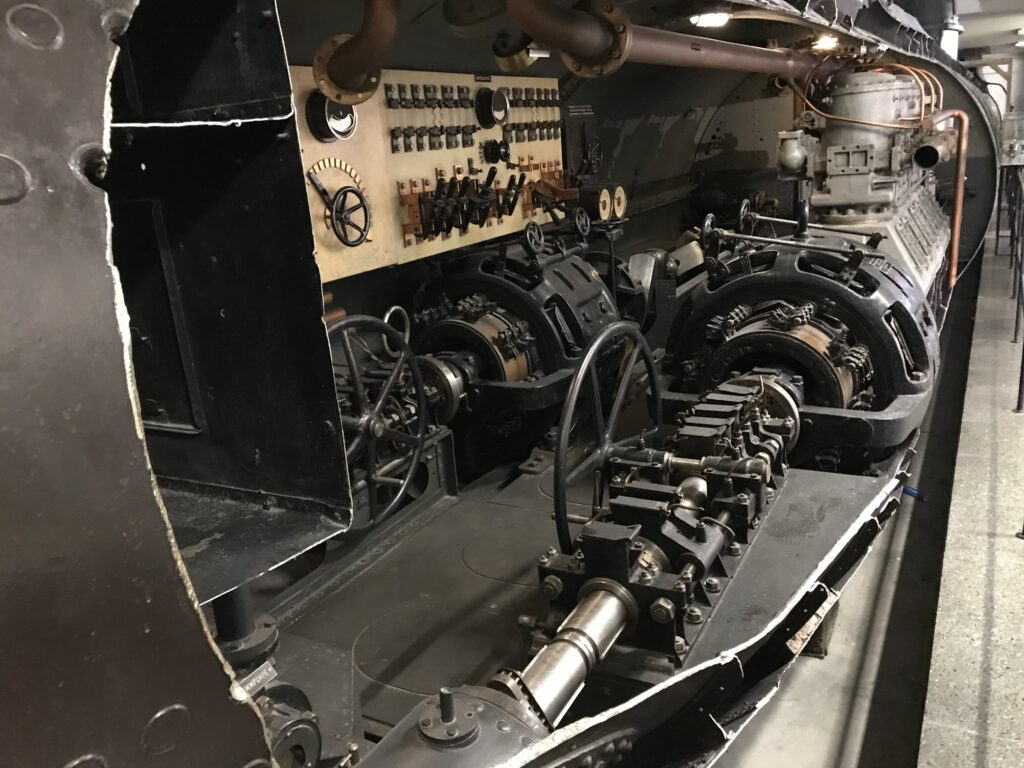
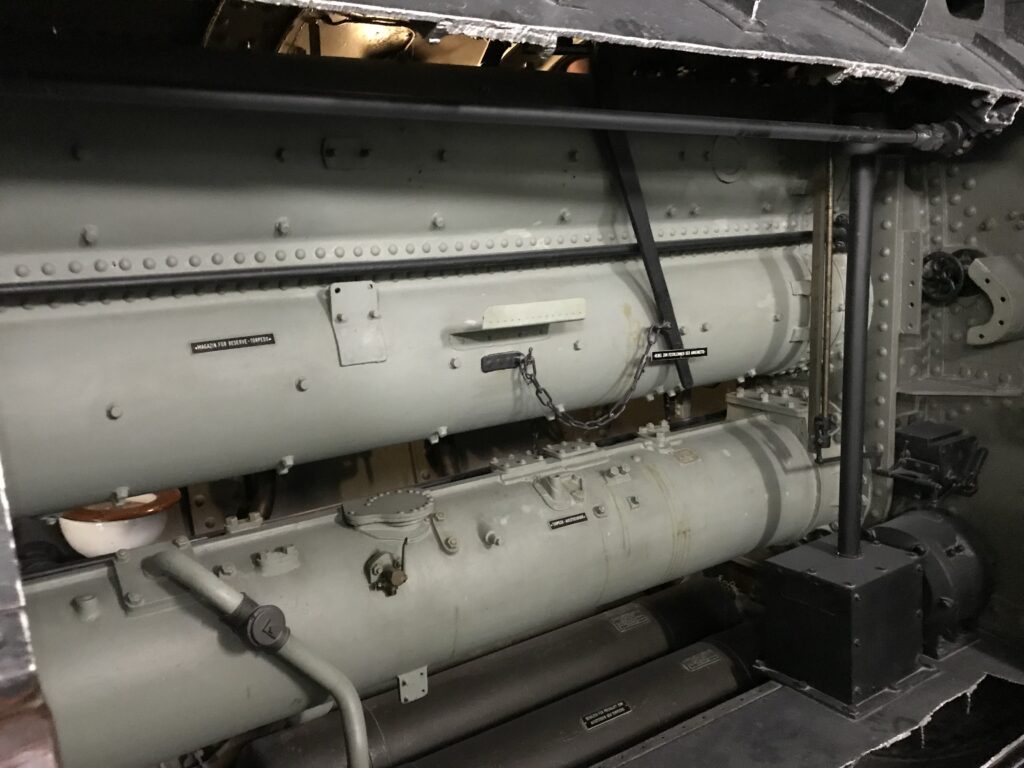
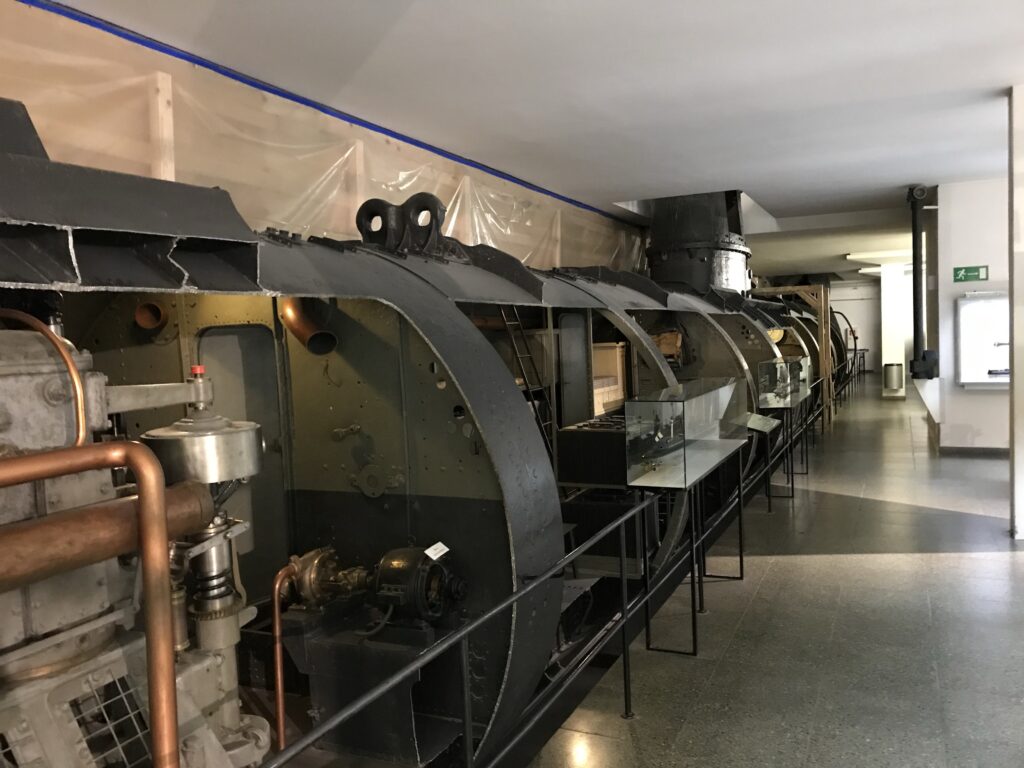
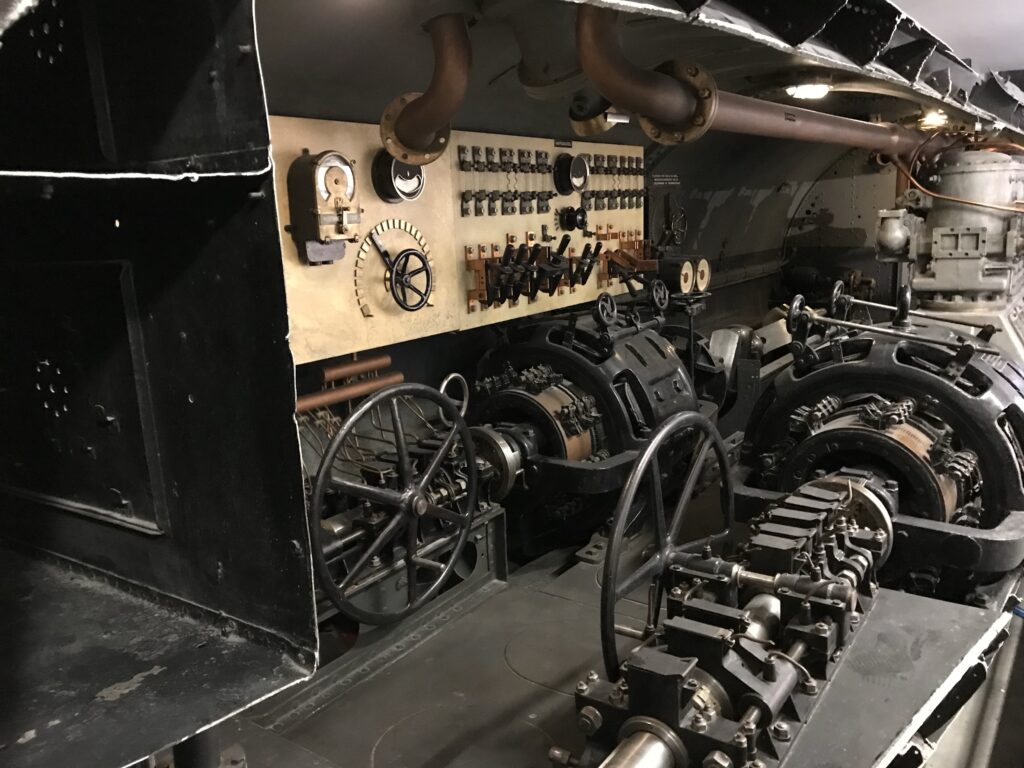
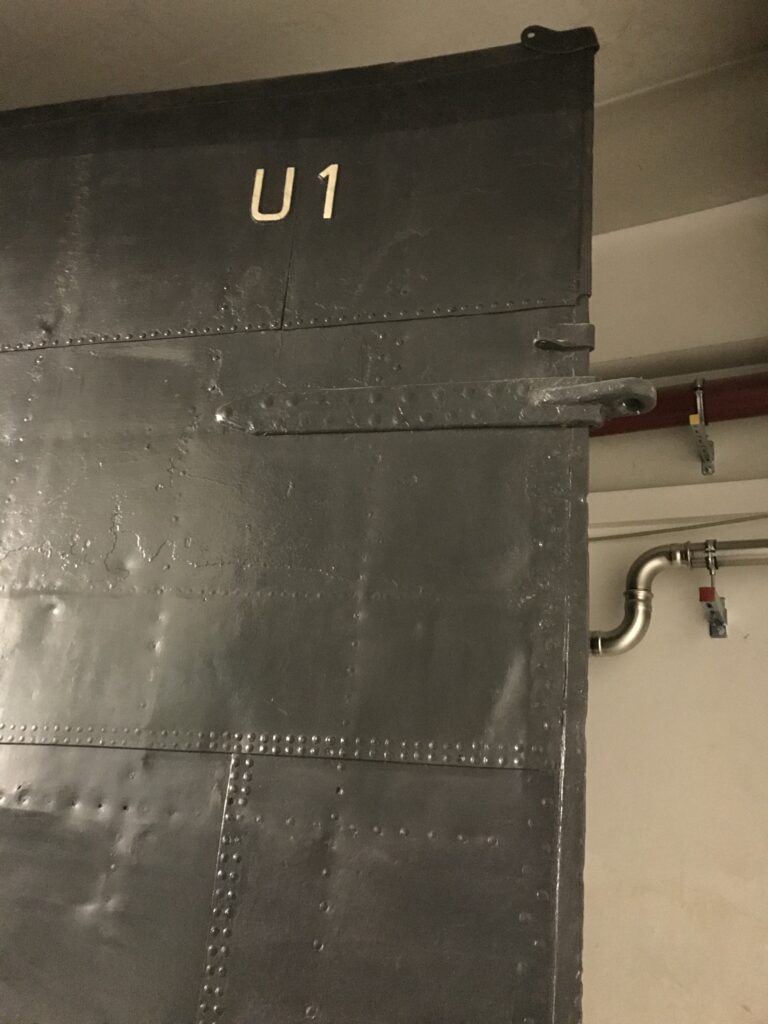
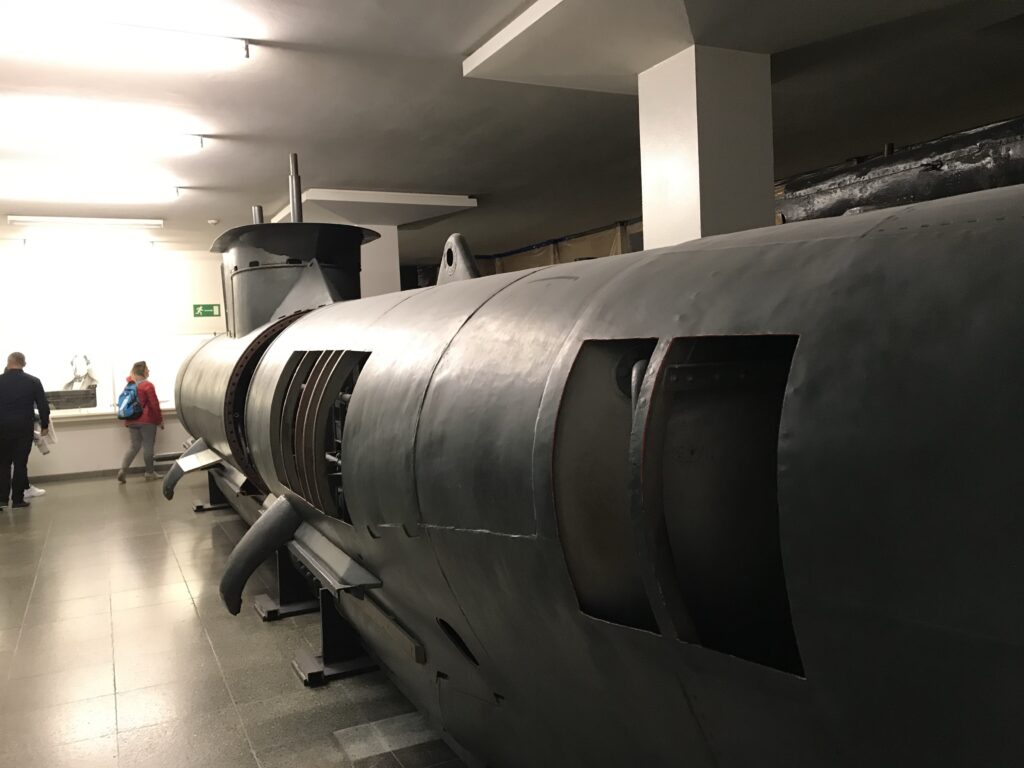
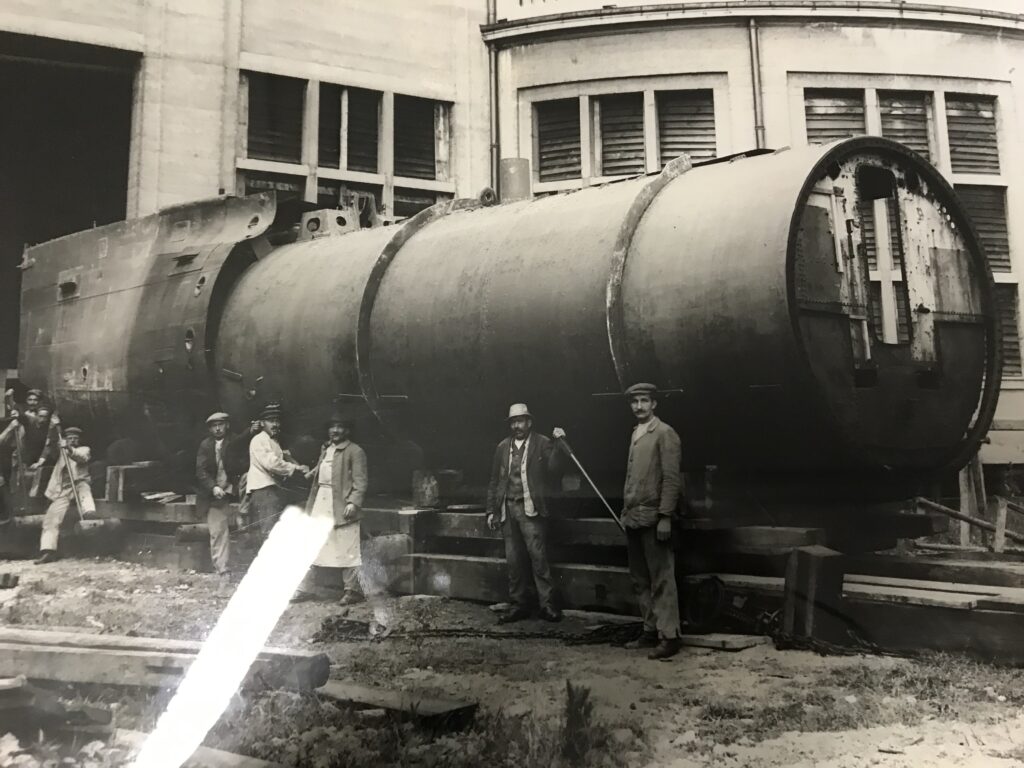
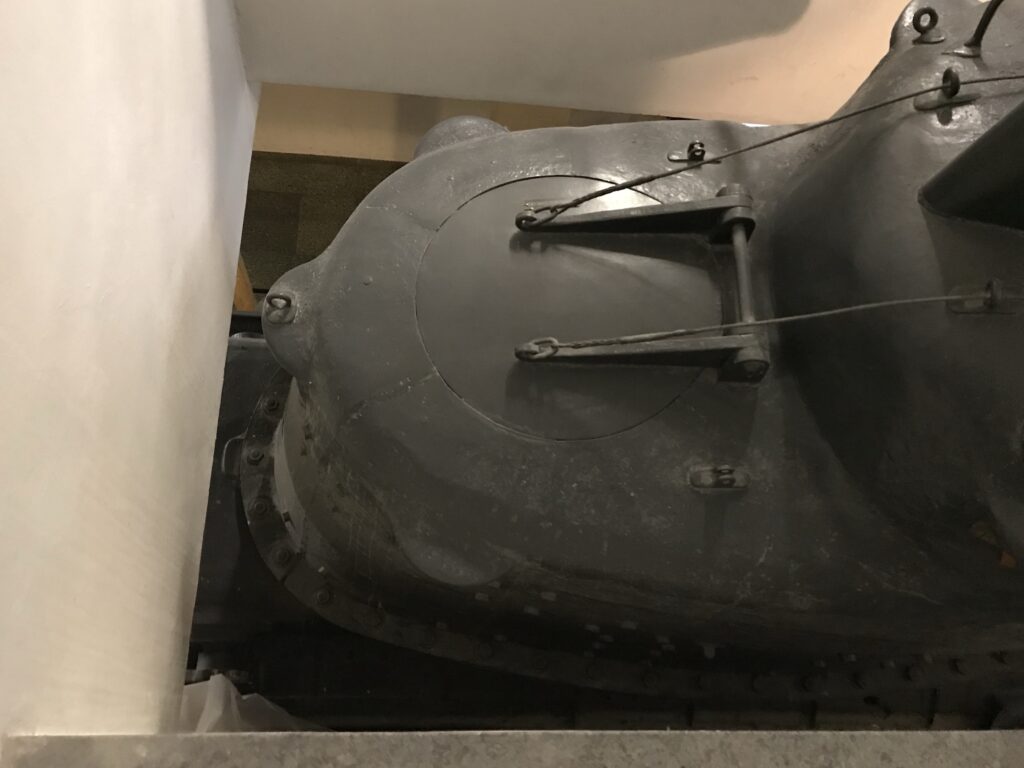
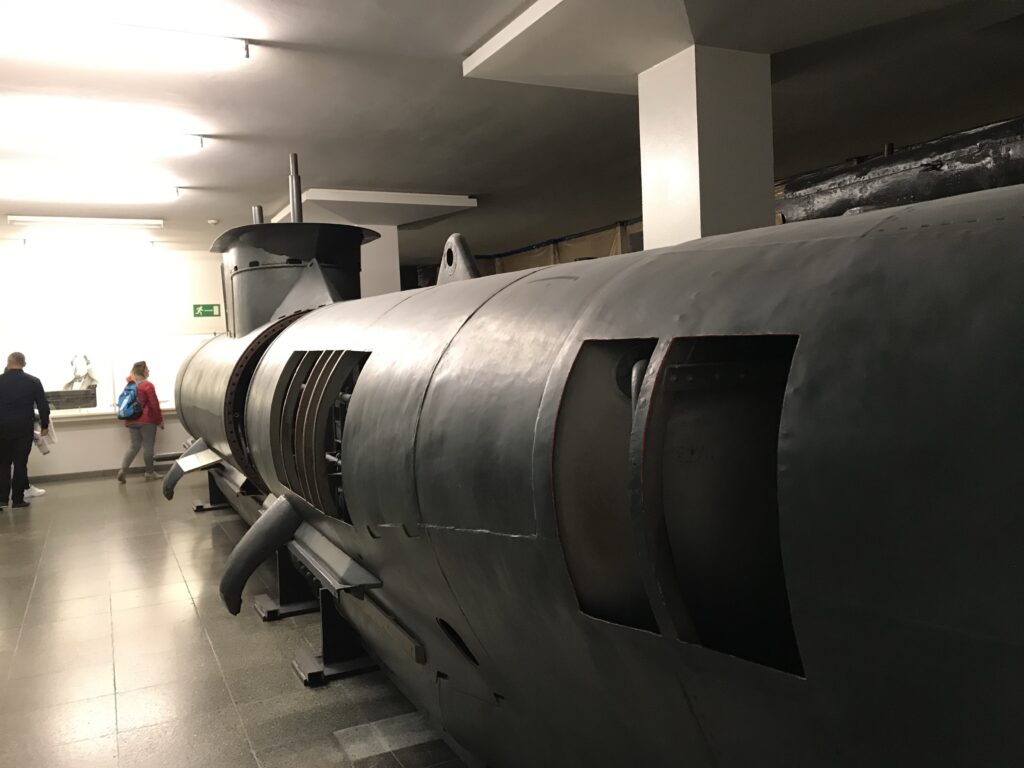
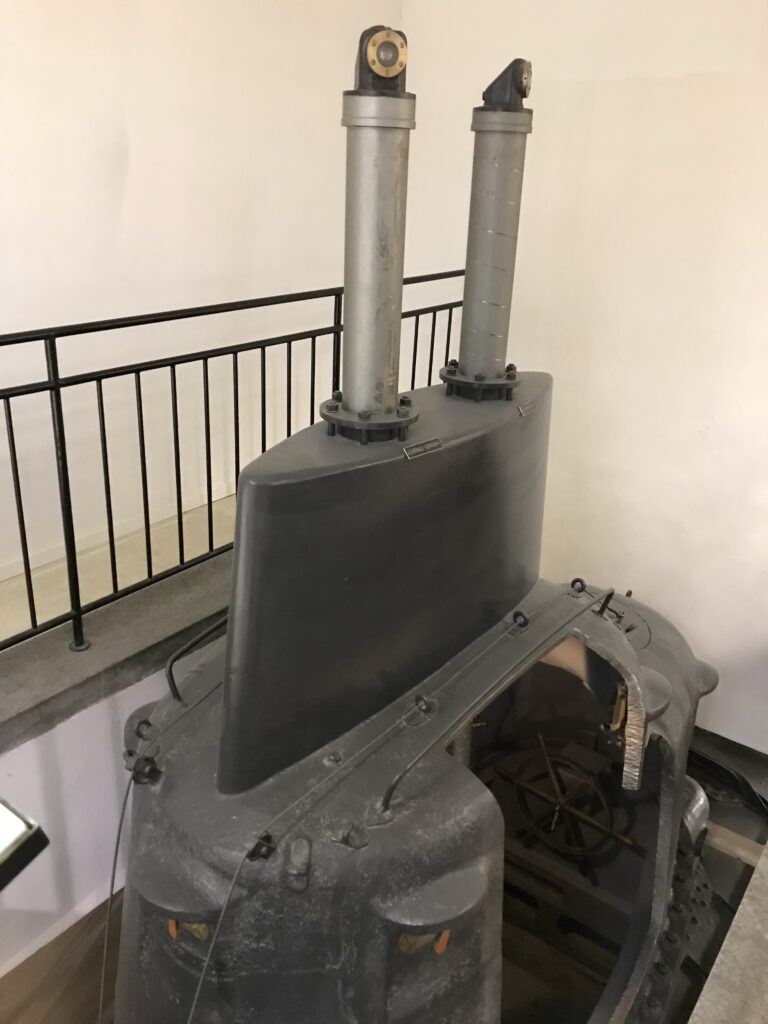
The U-1 in Munich is interesting because it is Germany’s first government-commissioned submarine and the Deutsches Museum’s major original submarine exhibit; it was built as an experimental vessel and later became a training boat before being preserved in Munich. Its design shows how early submarines worked in practice: a pressure hull inside a lighter outer hull, ballast tanks for diving and surfacing, horizontal diving planes for depth control, and movable internal weights for trimming.[1][2]
Main features
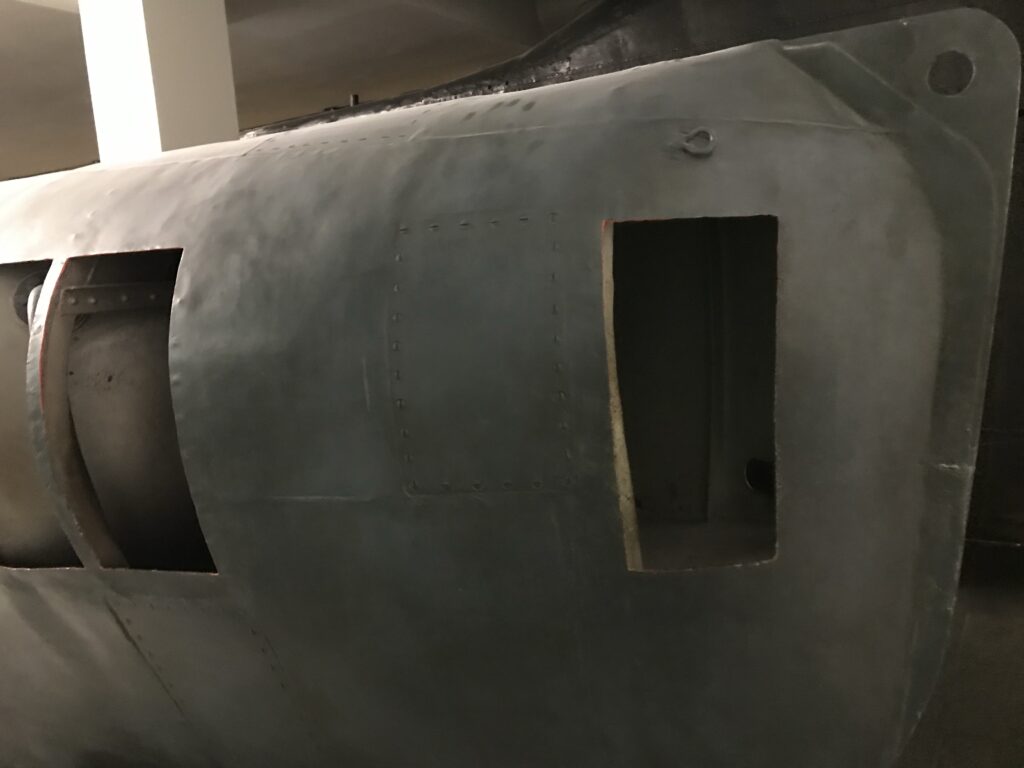
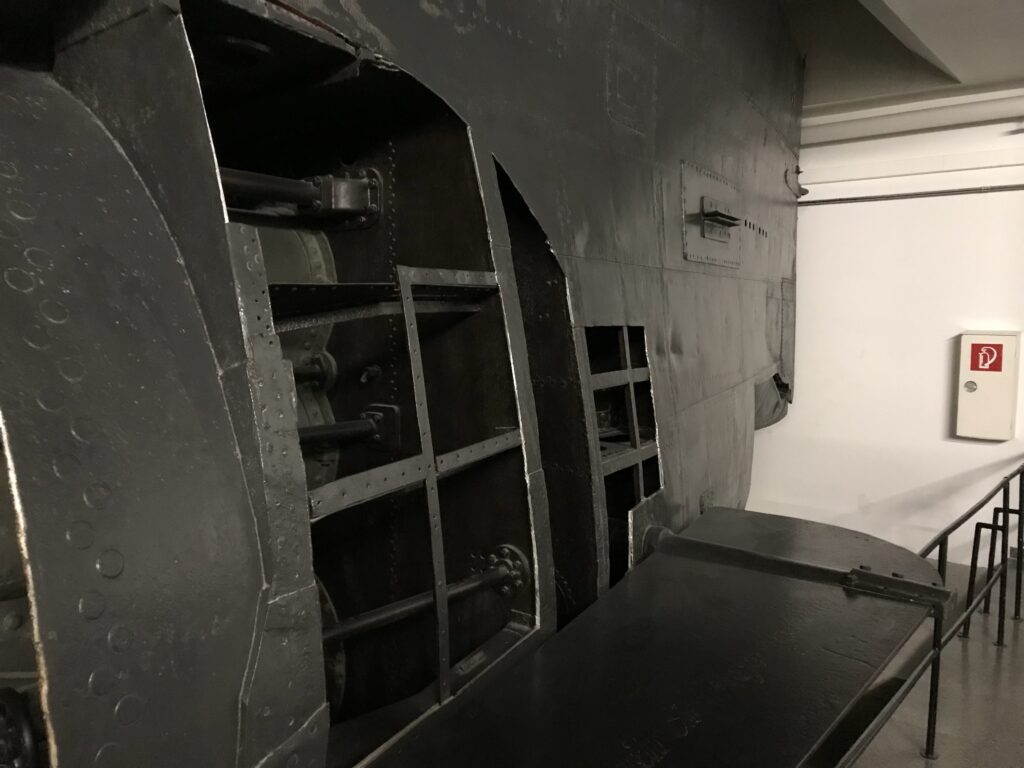
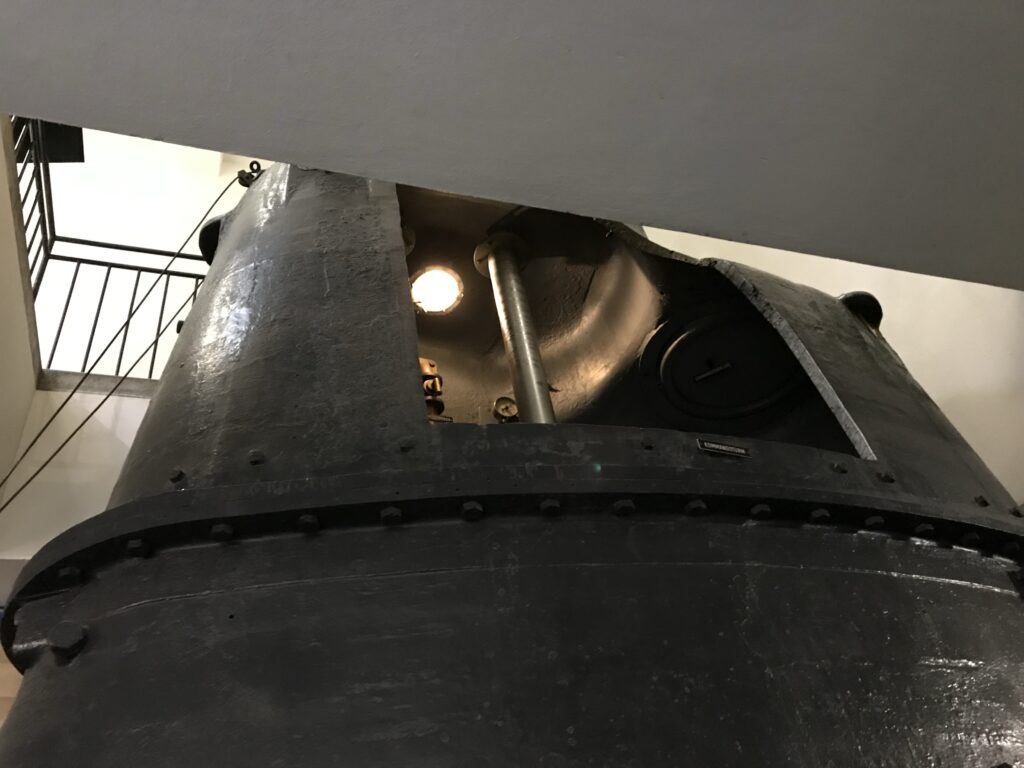
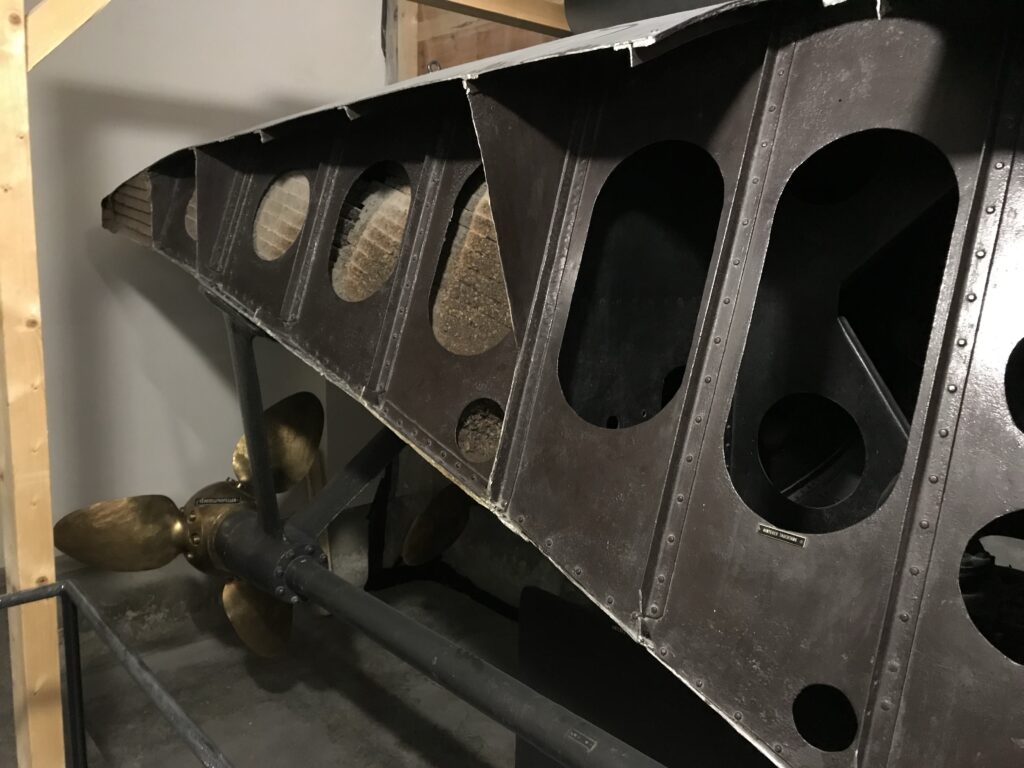
Pressure hull and outer hull. The tubular pressure hull held the crew and machinery under sea pressure, while the thin outer hull gave the boat its shape and space for ballast tanks.[1]
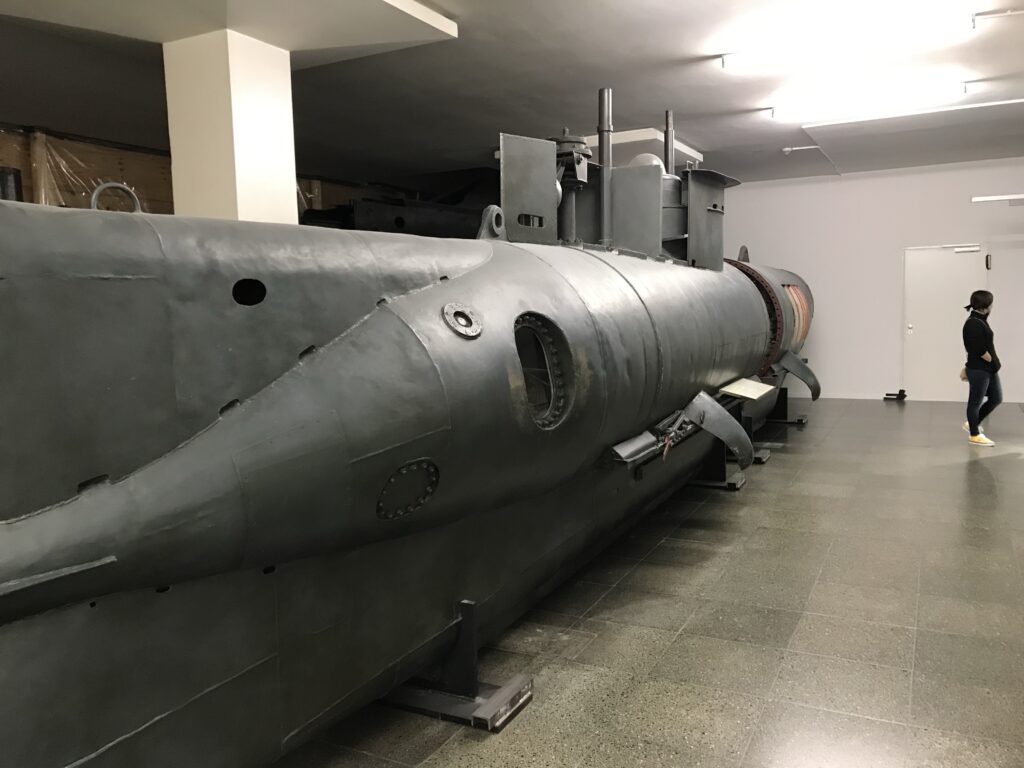
Ballast tanks. These tanks filled with water to make the boat submerge and were blown empty to restore buoyancy and surface again.[1]
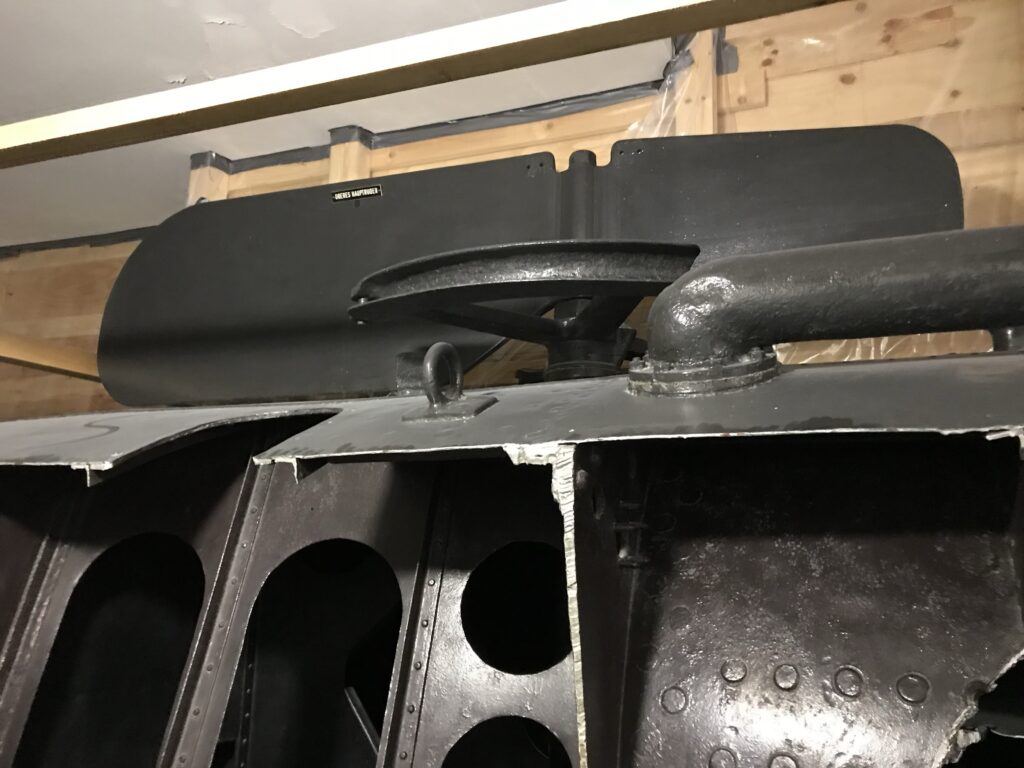
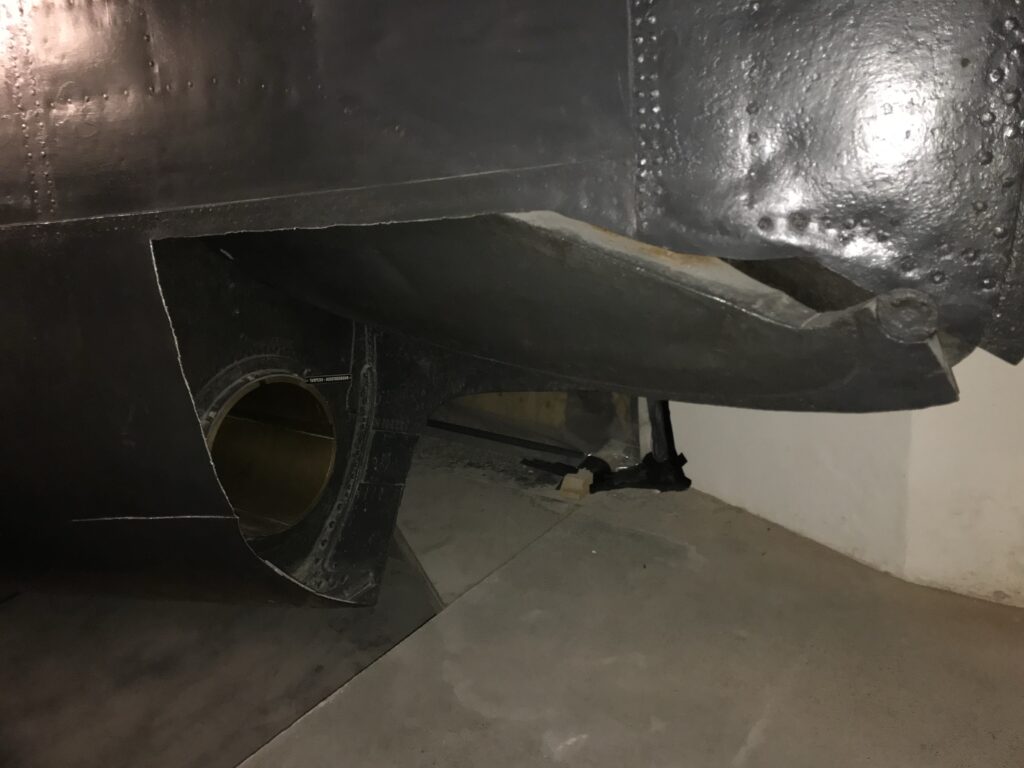
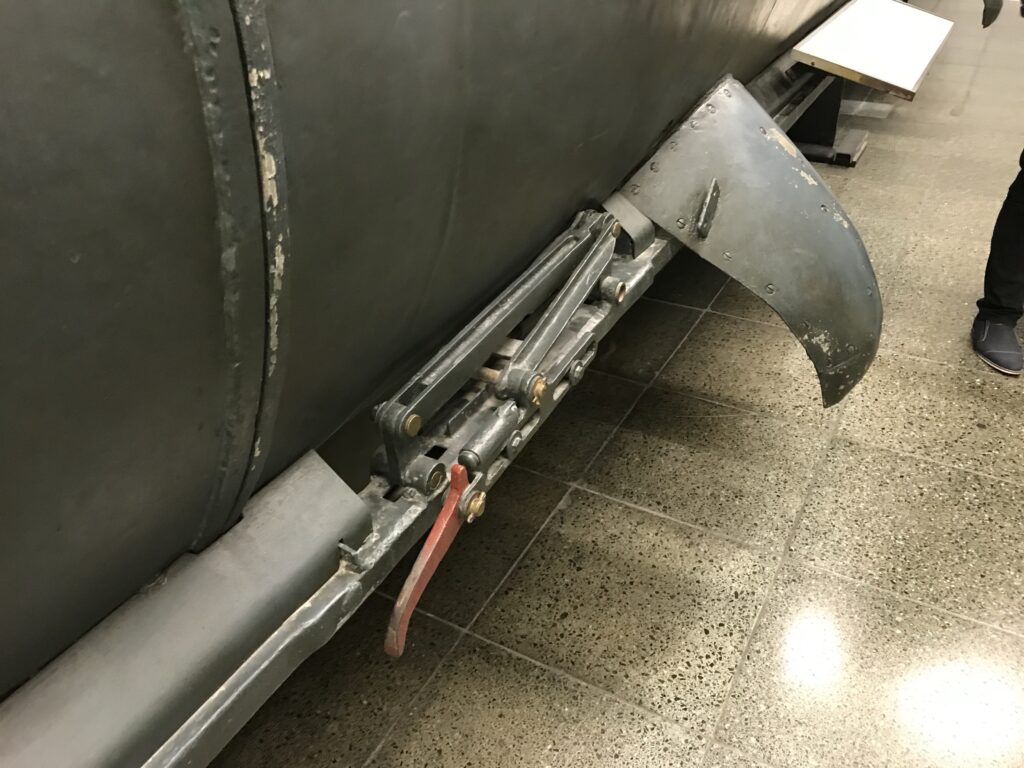
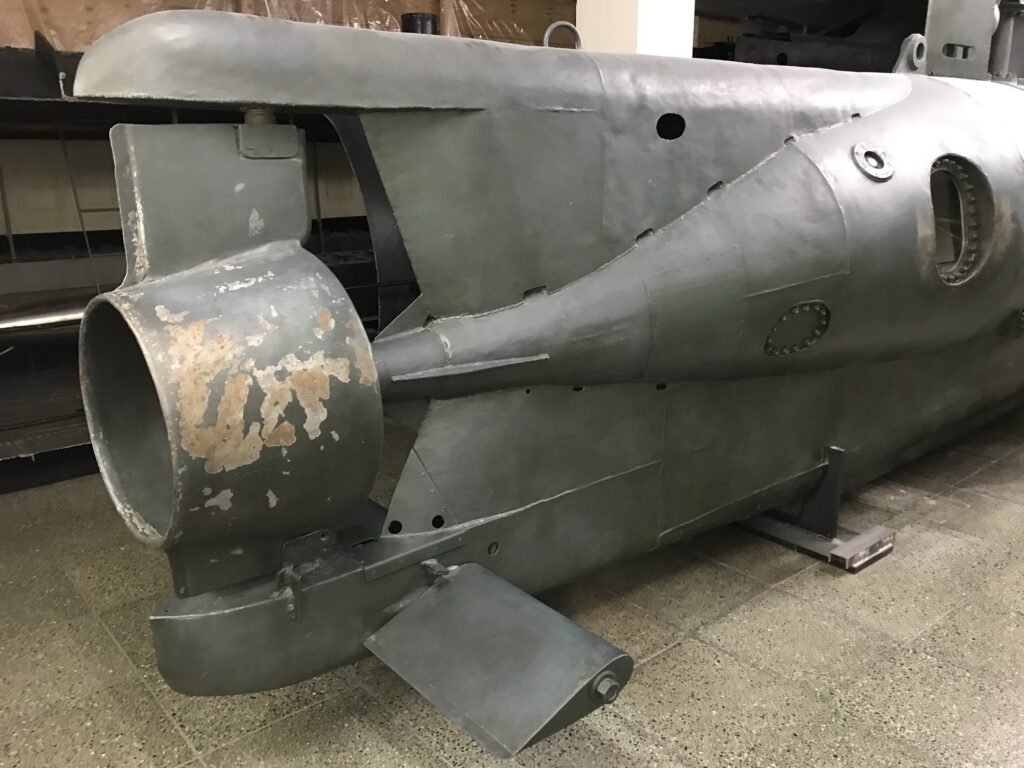
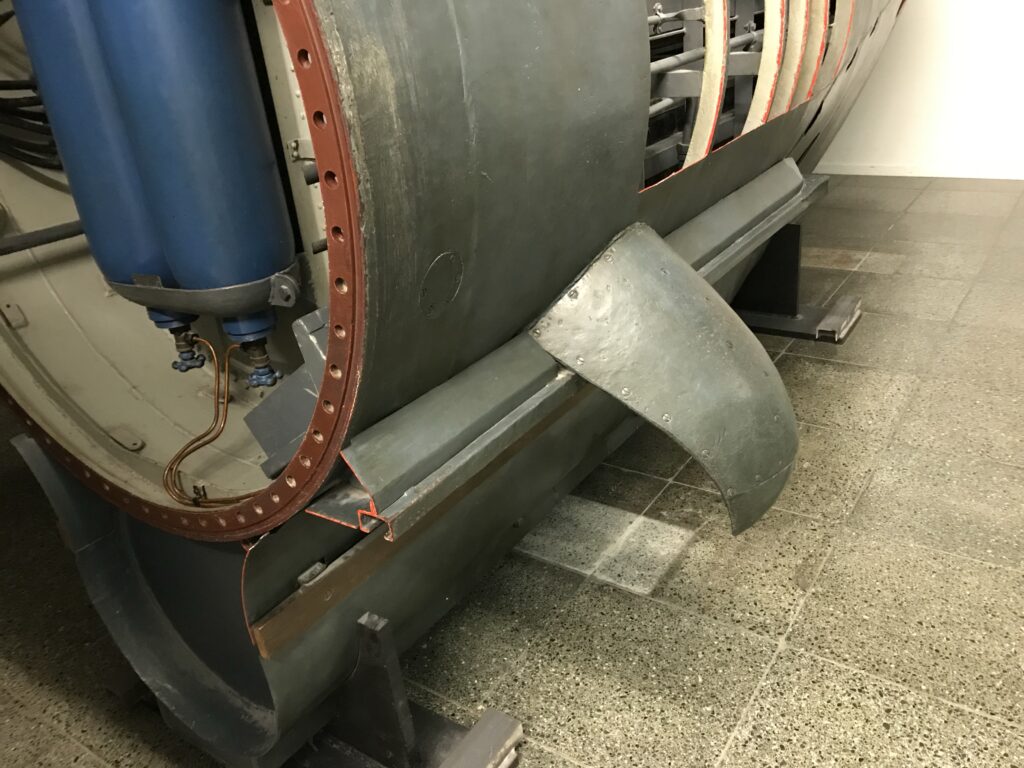
Diving planes. Forward and aft horizontal rudders controlled the boat’s angle and helped it go up and down while underway.[1]
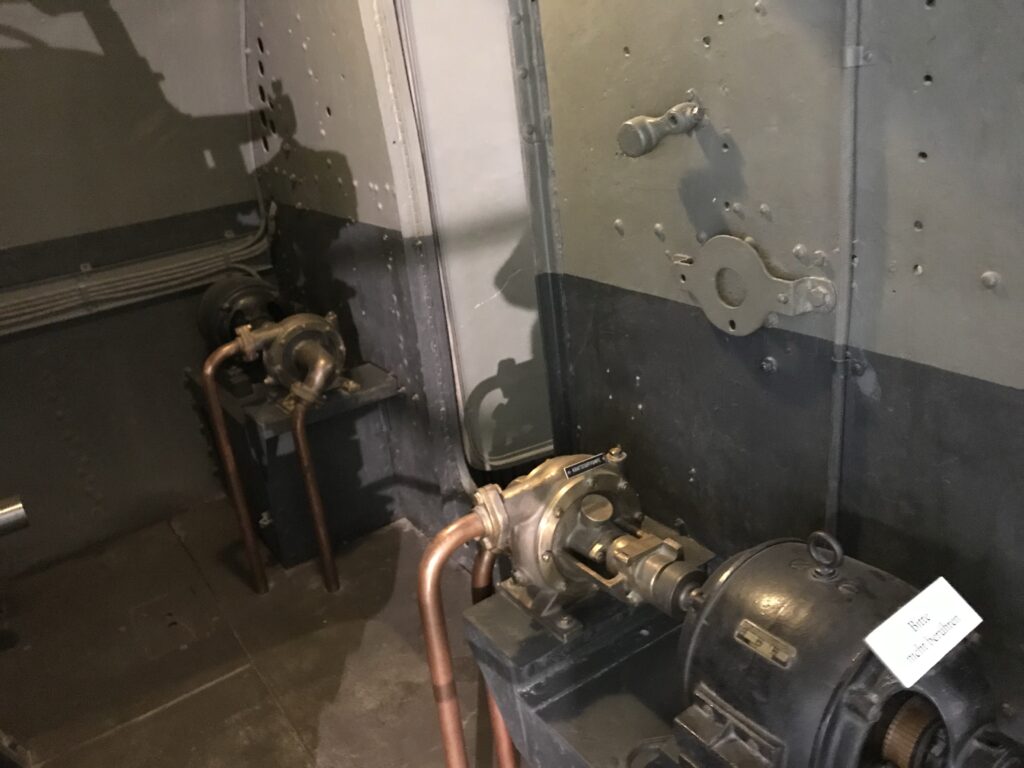
Trimming weights. Movable weights inside the pressure hull let the crew fine-tune balance and attitude in the water.[1]
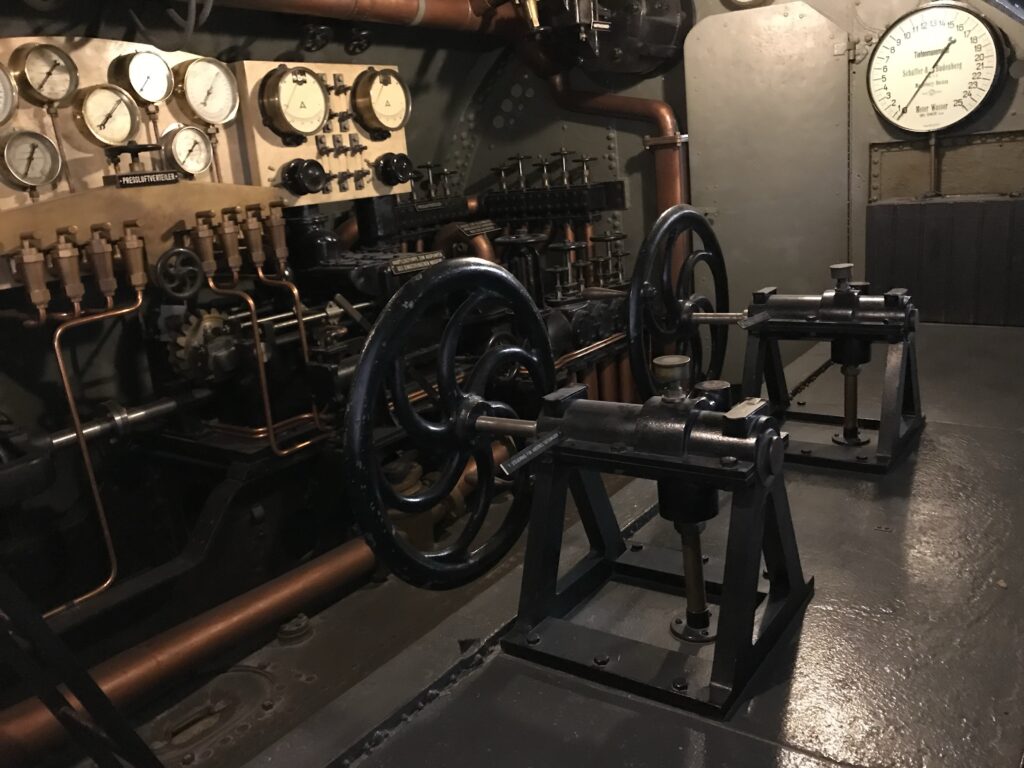
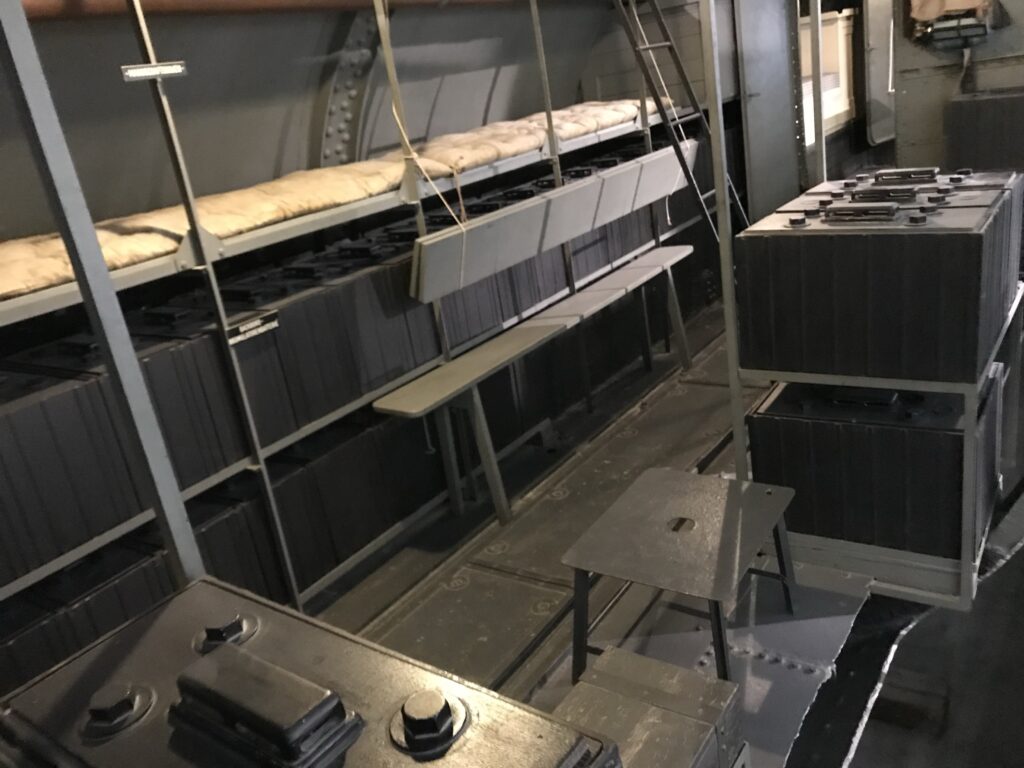
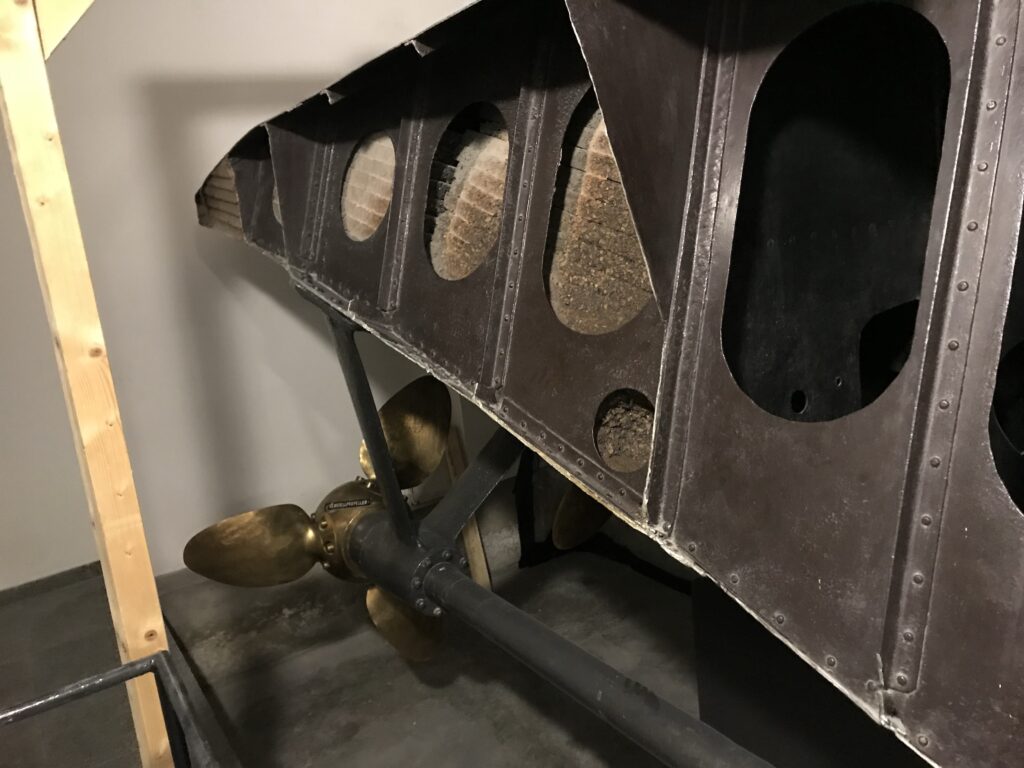
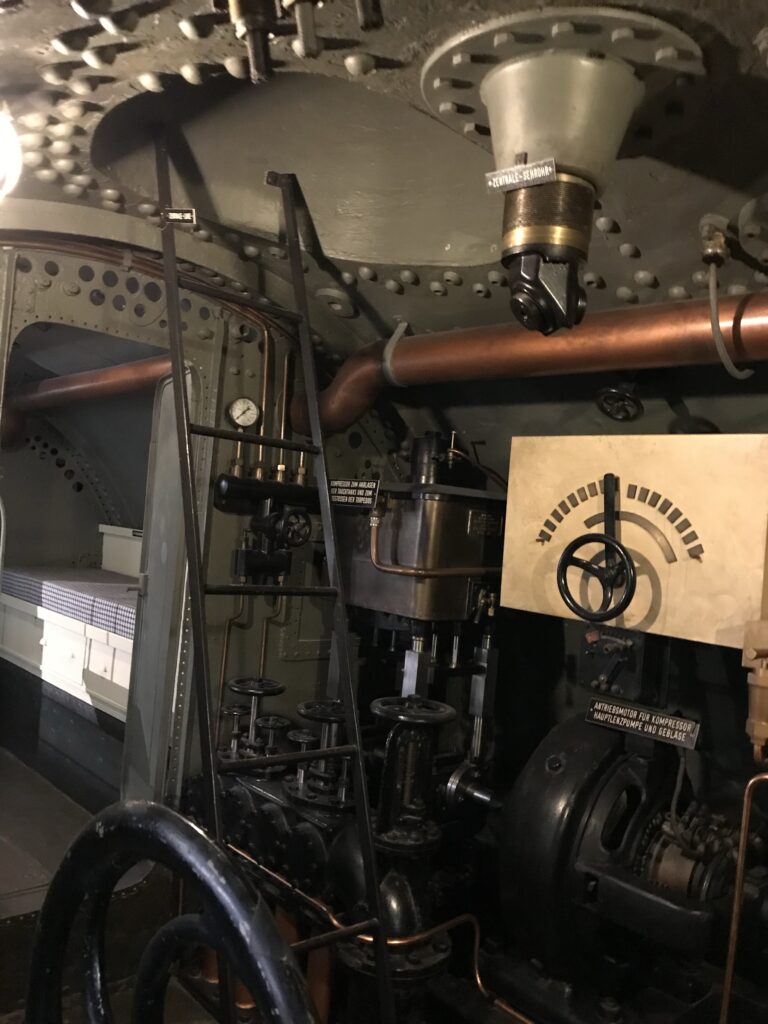
Propulsion system. On the surface it used two Körting heavy-oil/kerosene engines; submerged it used two electric motors, which also acted as generators on the surface to charge batteries.[3][1]
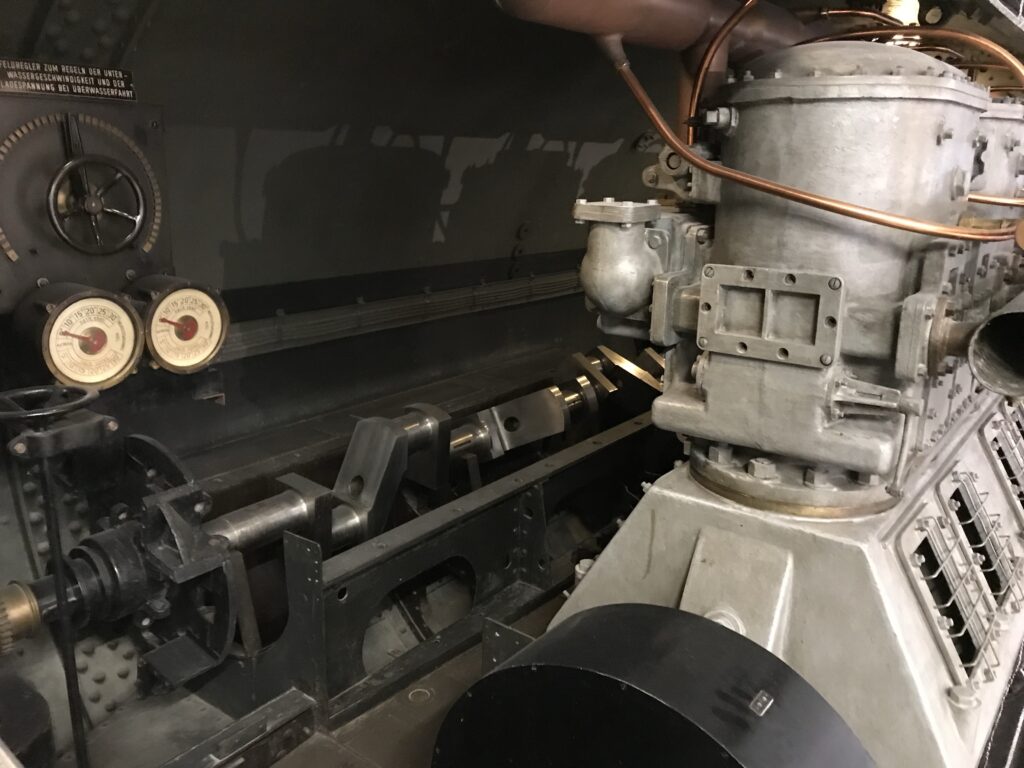
Propellers. The ship used adjustable-pitch propellers because the kerosene engines could not be reversed and could not vary speed much.[3]
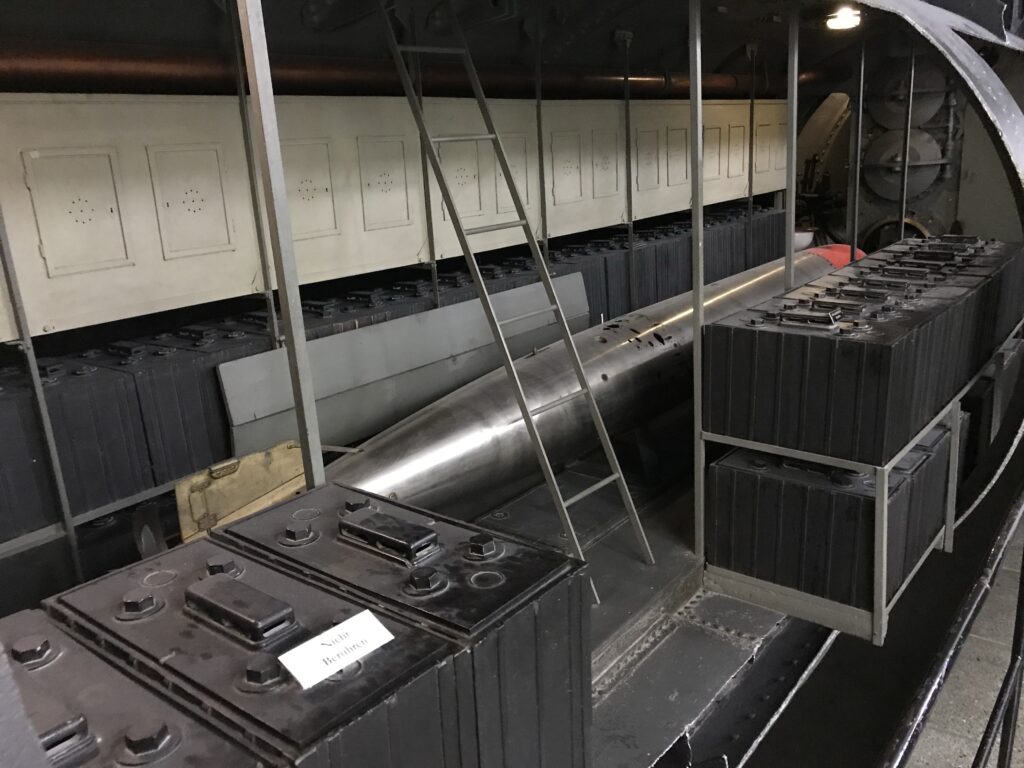
Torpedo armament. U-1 carried one torpedo ready to fire plus two reserve torpedoes, reflecting its early experimental and limited offensive role.[4][1]
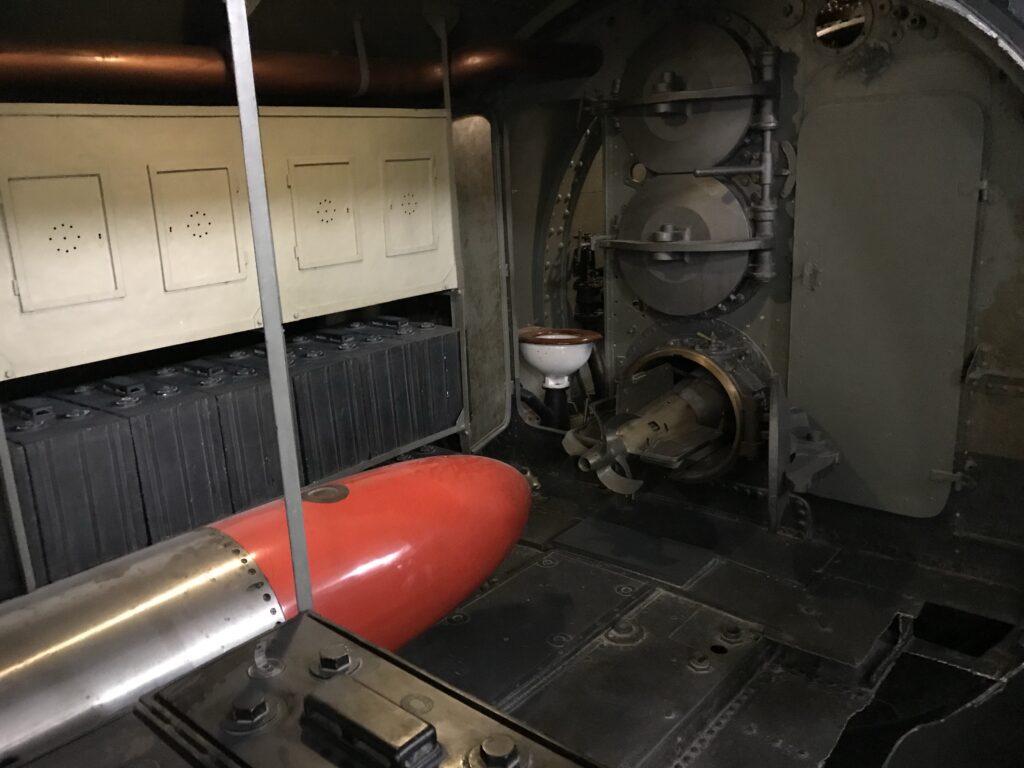
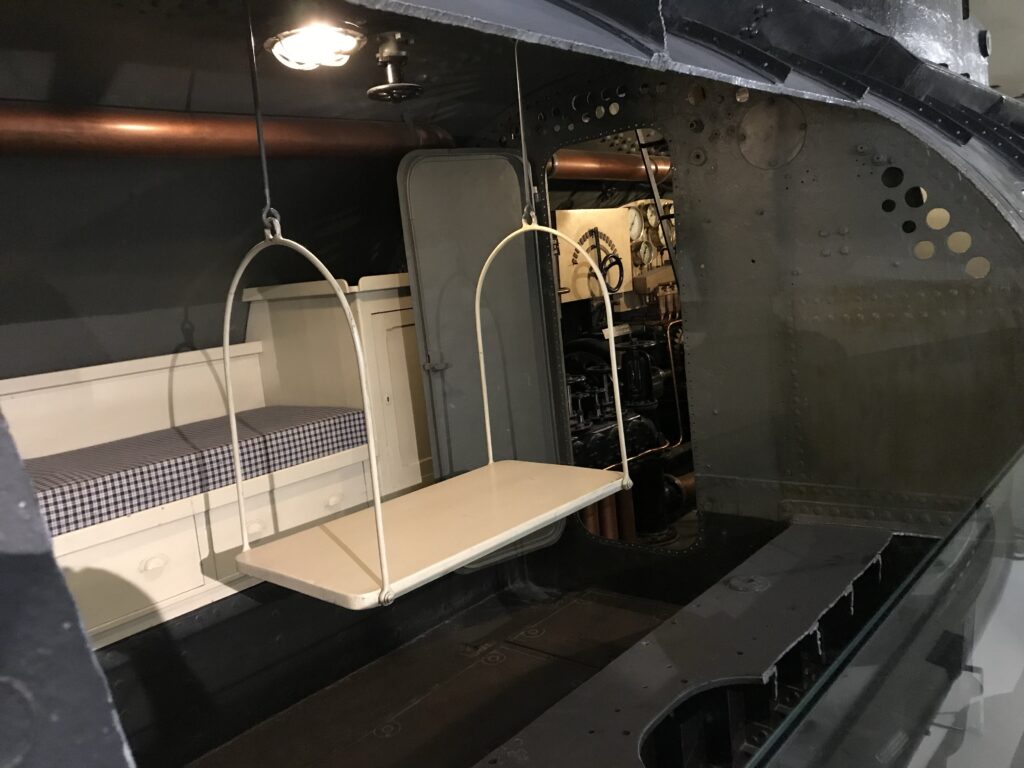
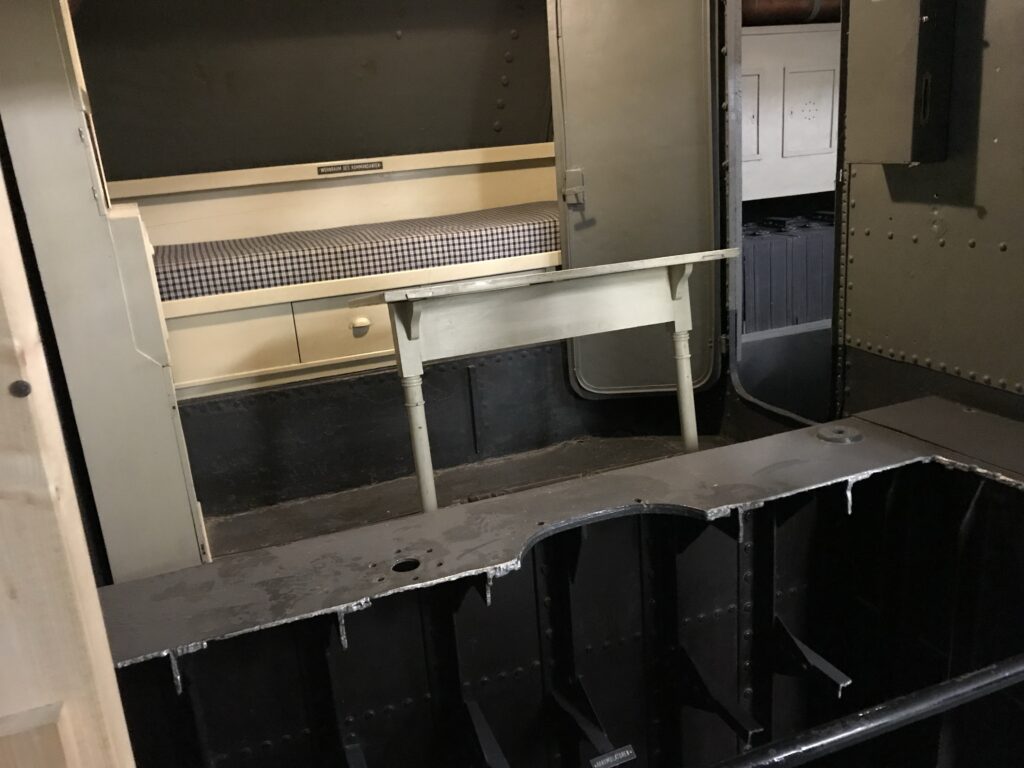
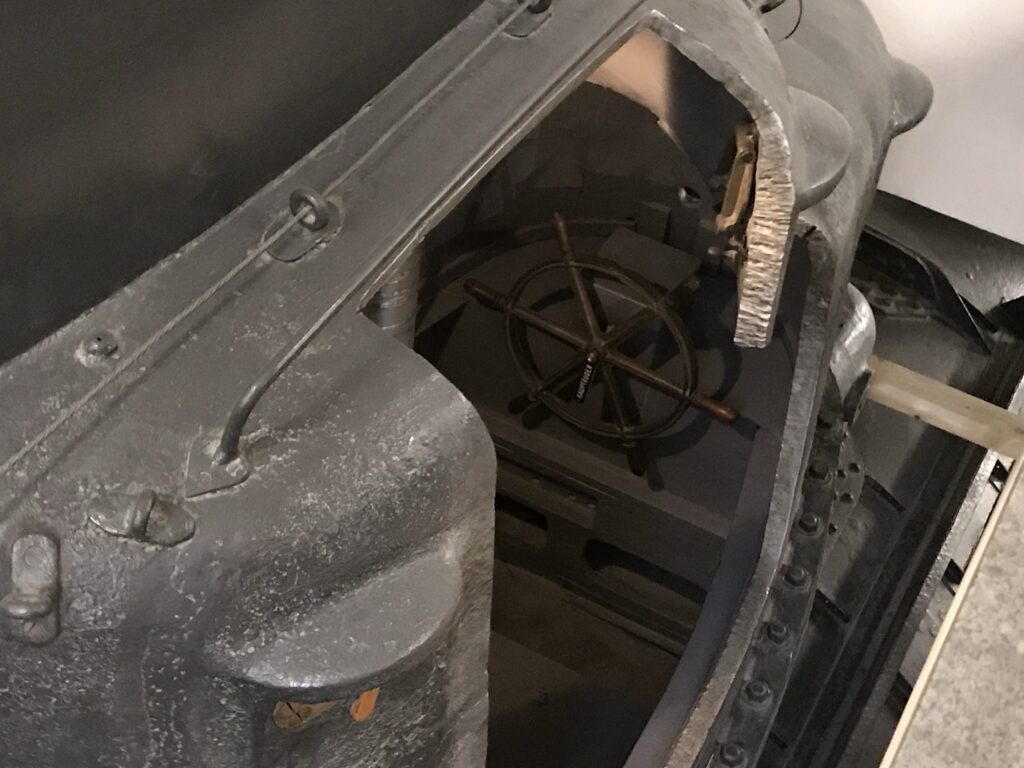
Crew spaces. The crew was small, about 12 to 22 men, with very tight living conditions and shared berths; even the toilet was placed close to the torpedoes.[4][1]
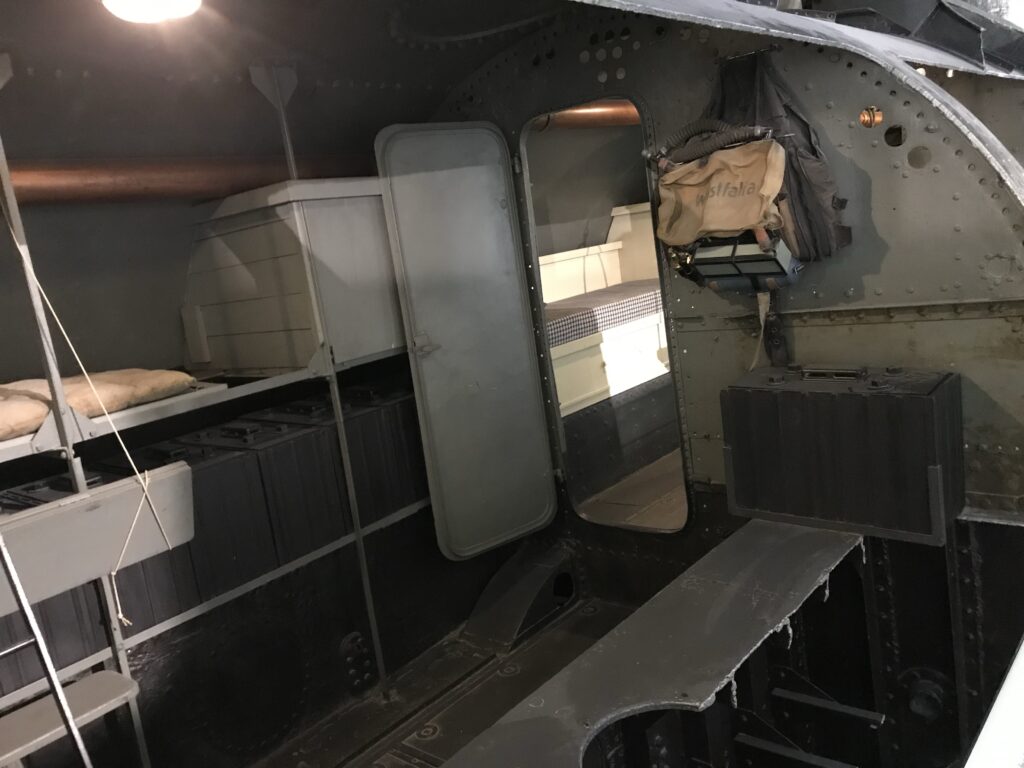
Aboard U-1, crew conditions were extremely cramped, noisy, and primitive by modern standards. The boat carried a small crew, and everyone lived and worked in close quarters with very little privacy, limited fresh water, and no real comfort for long periods.[1][2]
Crew roles
Commander and officers. They handled navigation, tactical decisions, and overall boat management.[1]
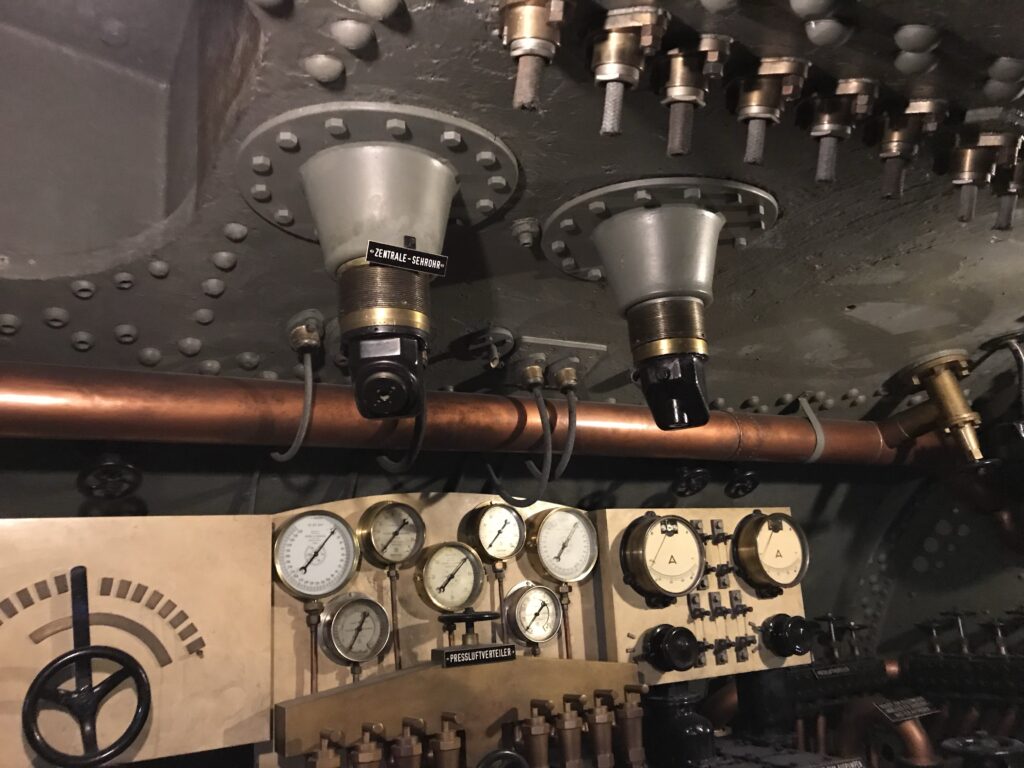
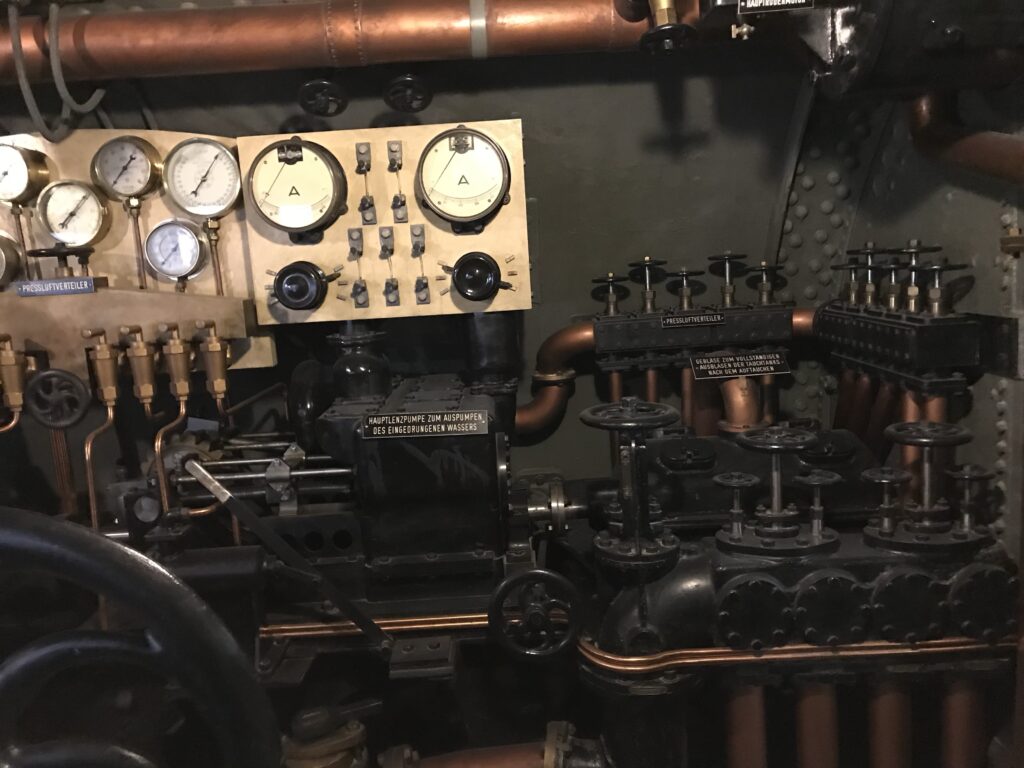
Engine crew / machinists. They operated and maintained the surface engines, batteries, and machinery needed for propulsion and diving systems.[2][1]
Torpedo crew. They maintained the torpedo tube and the stored torpedoes, and they handled loading and firing.[3][1]
Seamen / deck hands. They stood watch, handled general maintenance, and assisted with routine tasks aboard the boat.[4]
Specialists. On later U-boats, roles like radioman, torpedoman, and machinist were distinct; U-1 was an early boat, so its division of labor was simpler, but the same functional needs were already present.[4][1]
Living conditions
- Very little space. The interior was tight enough that crew members had to share sleeping spaces and use nearly every compartment for work and storage.[5][4]
- Poor hygiene. Fresh water was scarce, washing was restricted, and there was no showering in normal use on submarines of this era.[5][4]
- Long hours. Submarine life required continuous watchkeeping, so the crew worked in rotating shifts around the clock.[4]
- Shared, noisy environment. Engines, equipment, and the close-packed crew made the boat loud and stressful to live in.[5][4]
What mattered most
The key thing about U-1’s crew was that it was a machine-dependent team: every man had to help keep propulsion, trim, navigation, and torpedo readiness working at once. Early submarines like U-1 were as much test platforms as warships, so the crew had to cope with experimental equipment and constant mechanical attention.[2][1]
How it was operated
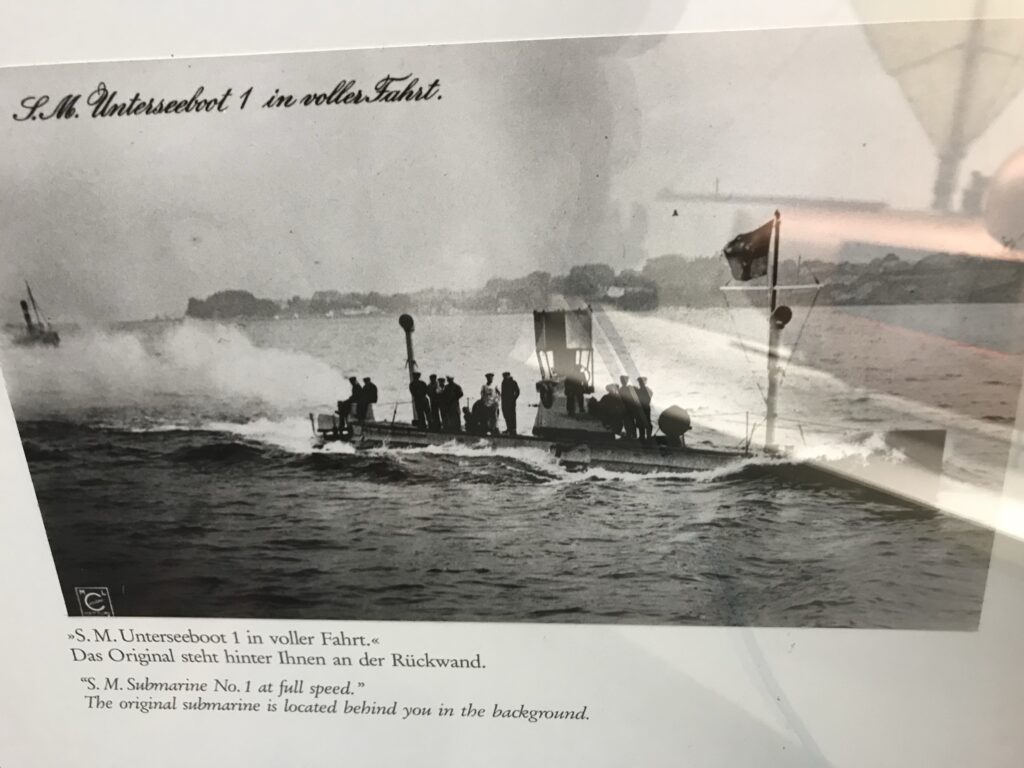
U-1 was operated as a hybrid surface-and-submerged vessel: the crew ran the kerosene engines on the surface, then switched to electric motors and battery power underwater. Diving was managed by flooding ballast tanks and using the planes and trim weights to hold the desired depth and attitude. Because early engines were limited and the boat was compact, operation demanded constant attention from the crew and was much more experimental than later submarine service.[1][3]
History of the vessel
U-1 was built by Germaniawerft in Kiel, launched in 1906, and commissioned in December 1906 as a test platform for the Imperial German Navy. In 1907 it completed a voyage around Jutland that helped convince the German admiralty submarines were operationally useful. During World War I it served mainly as a training boat because it was already obsolete. After the war, instead of being destroyed or surrendered, it was preserved through the efforts of Oskar von Miller and placed in the Deutsches Museum in Munich.[1][2][3]
Why it matters
U-1 matters because it represents the moment German submarine technology moved from experiment to real naval capability. It is also a rare surviving physical record of how early submarines were built and lived in: cramped, mechanically awkward, but already using the core ideas that defined later U-boats.[1][3][5]
Sources
[1] Submarine U-1 – Germania Werft, Kiel
[2] Marine Navigation
[3] U-1
[4] The First Uboat-U1 – YouTube
[5] The history of Germany’s deadly U-boats
[6] German submarine U-1
[7] Unraveling the Secrets of Germany’s WWI Submarine …
[8] SM U-1, 1 of the the last surviving WW1 warships …
[9] U-boat | German Submarine Warfare in WWI & WWII
[10] SM U1 | 1906 pre-WW1 U-Boat – YouTube