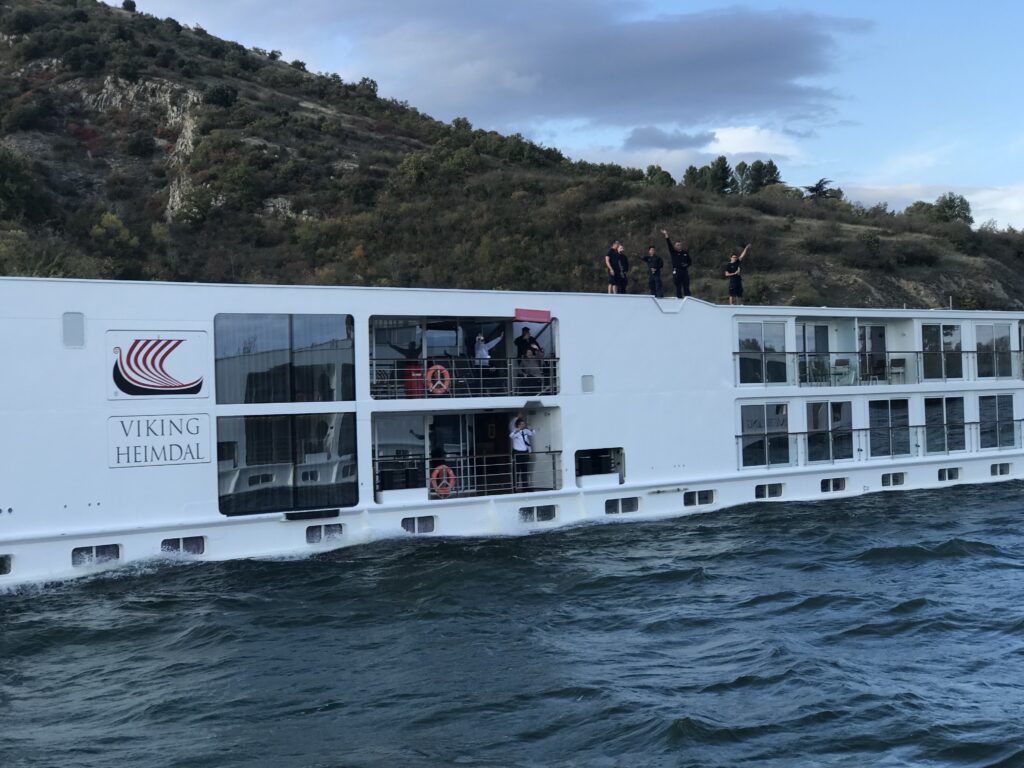
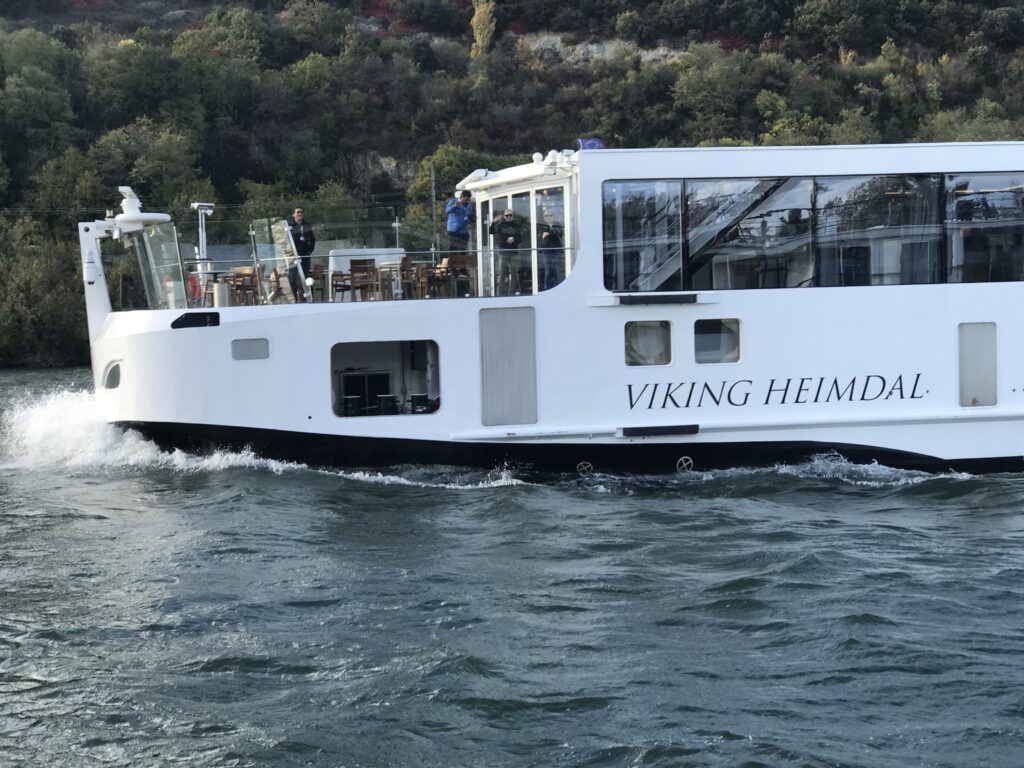
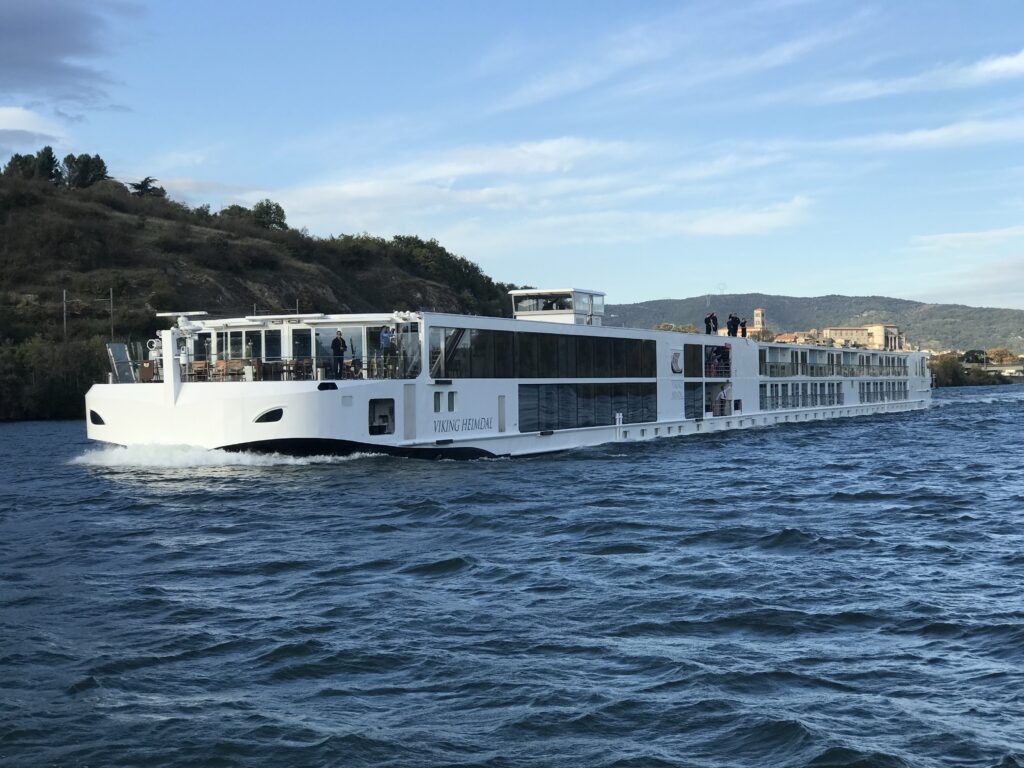
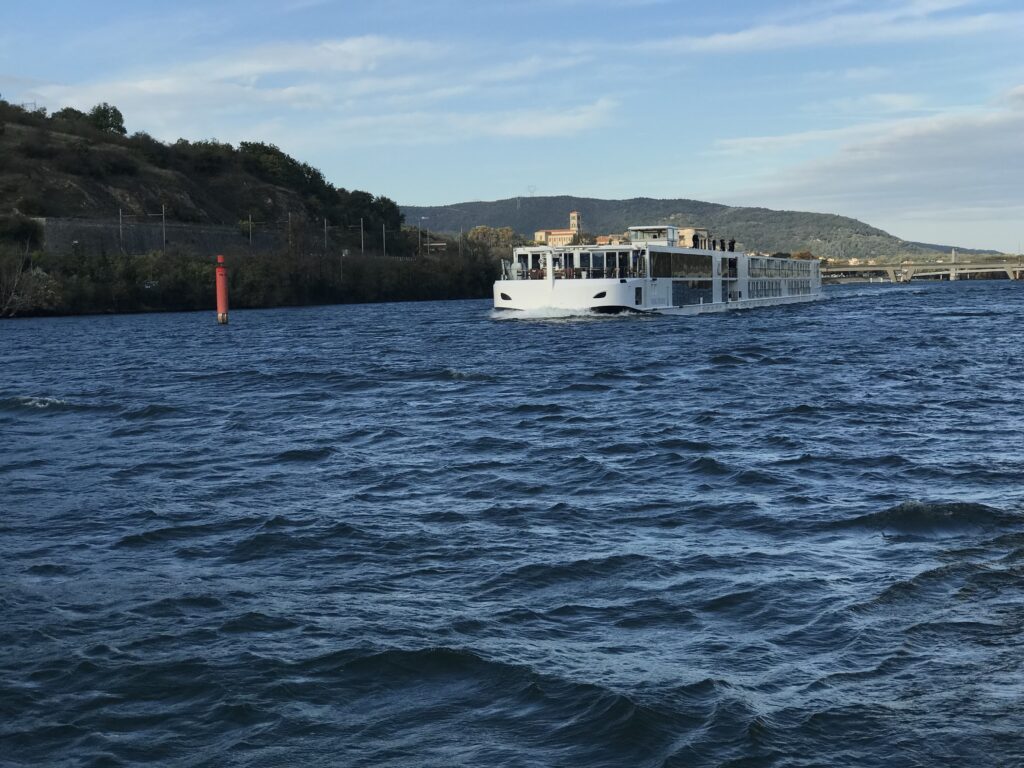
Viking’s Rhône cruises are sailed by modern “longships” inspired by Viking longboats, followed by a sequence of Provençal ports and river hamlets that each carry deep layers of Roman, medieval, and wine‑country history.[1]
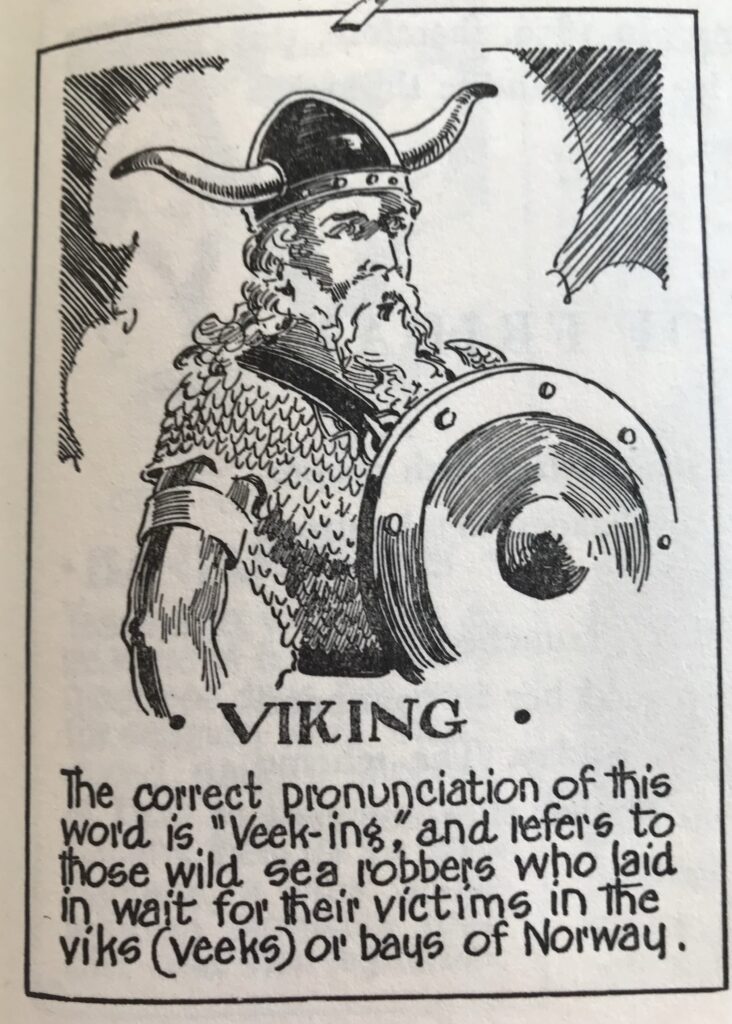
Viking longships on the Rhône
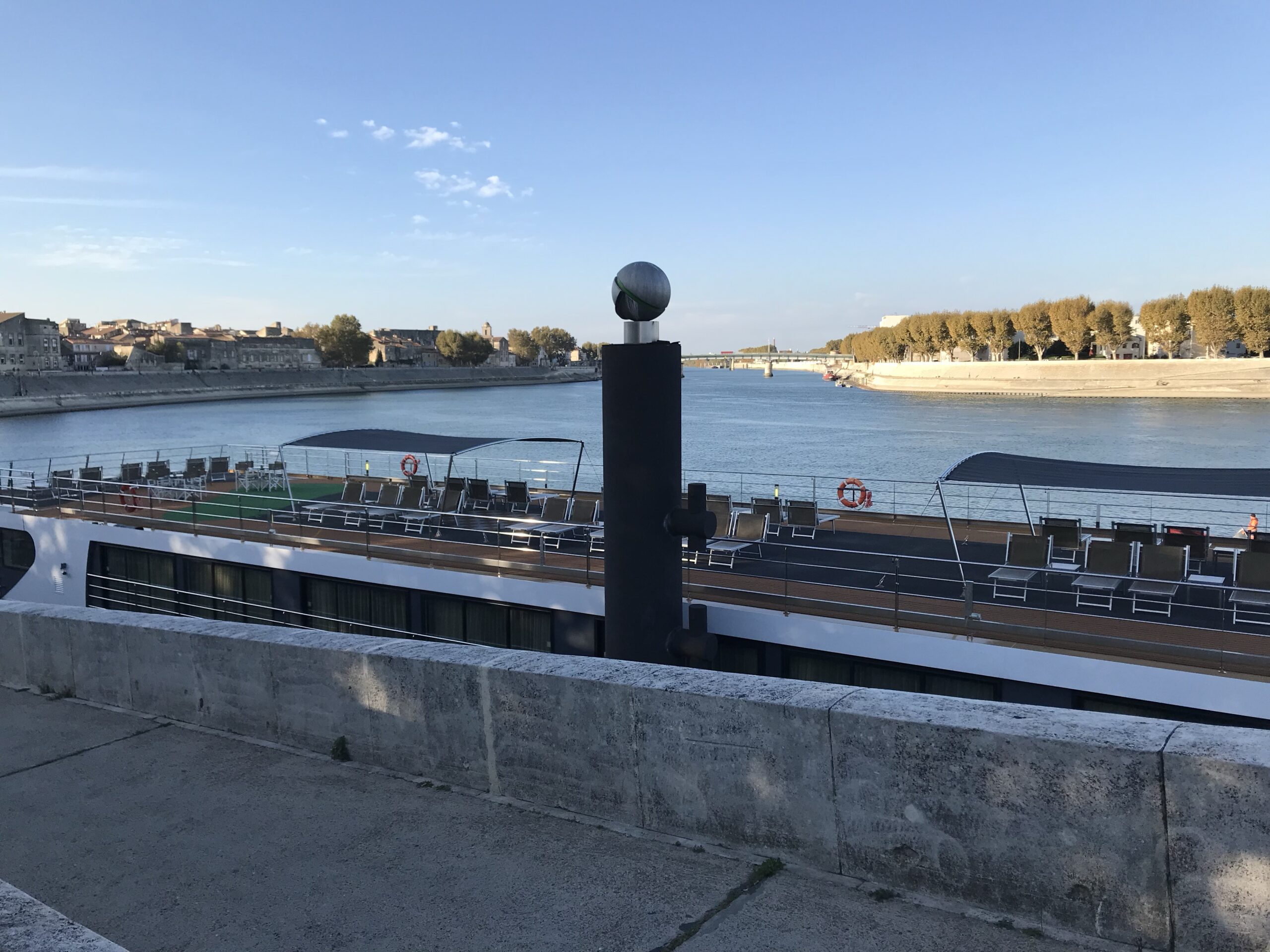
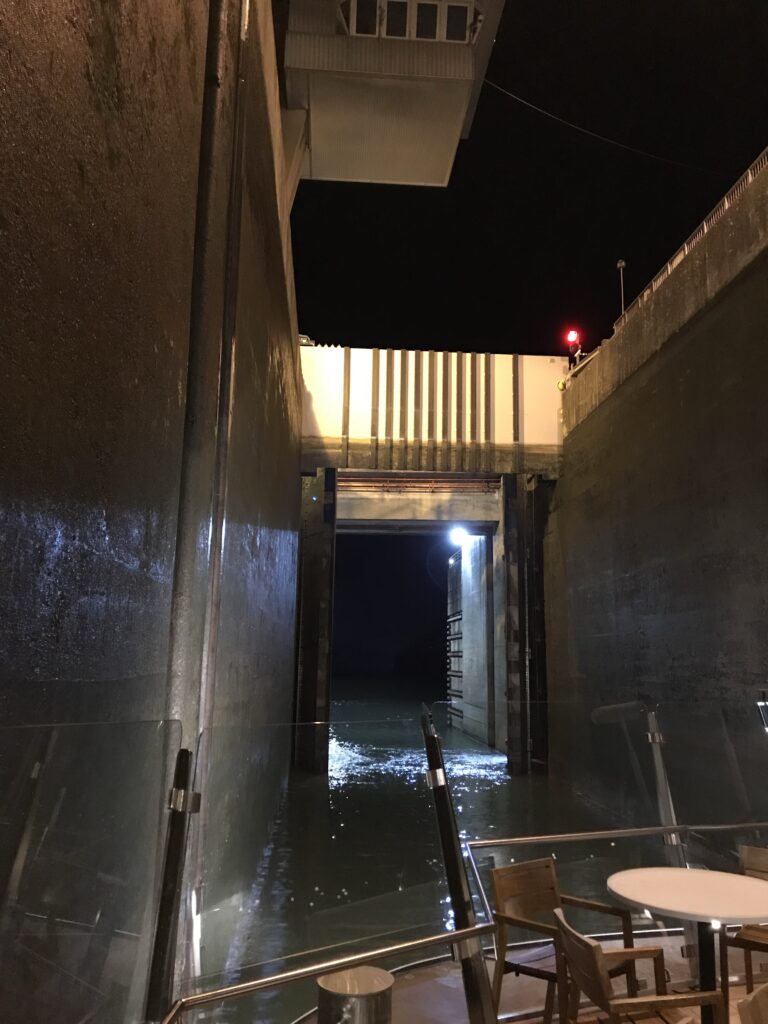
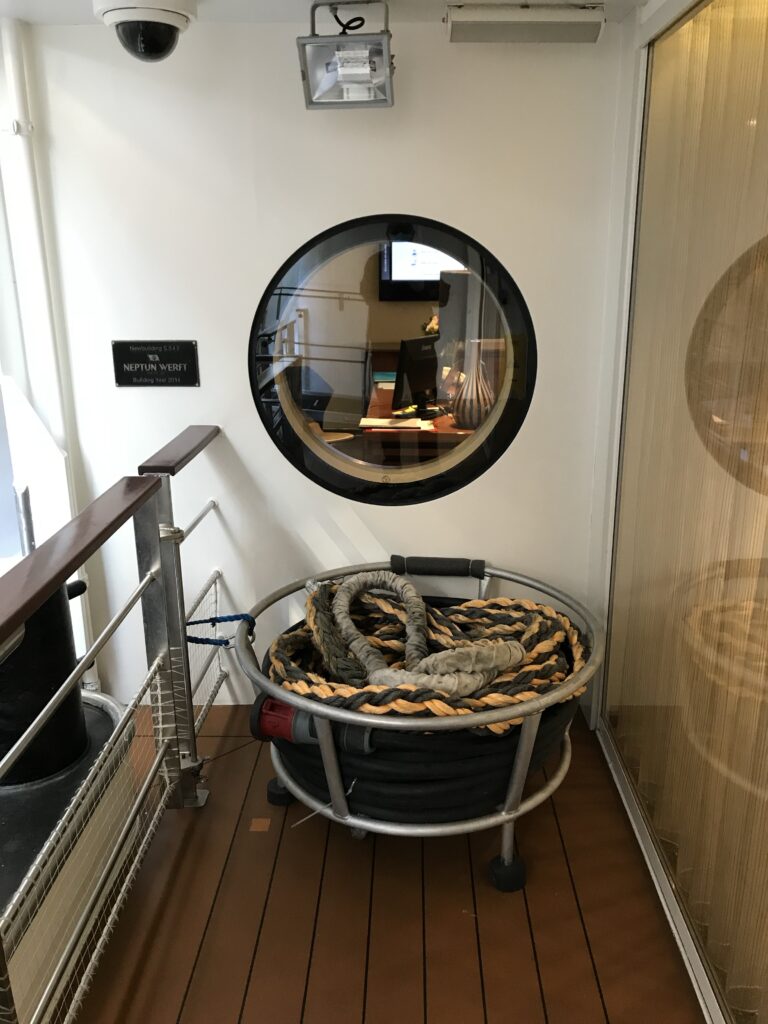
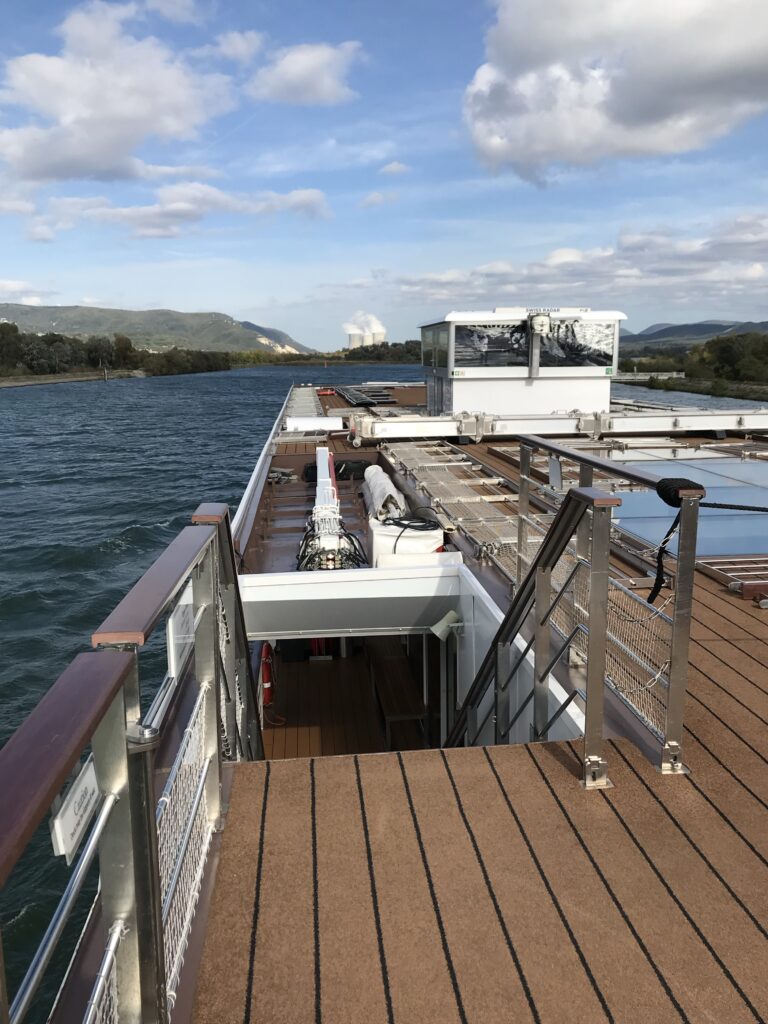
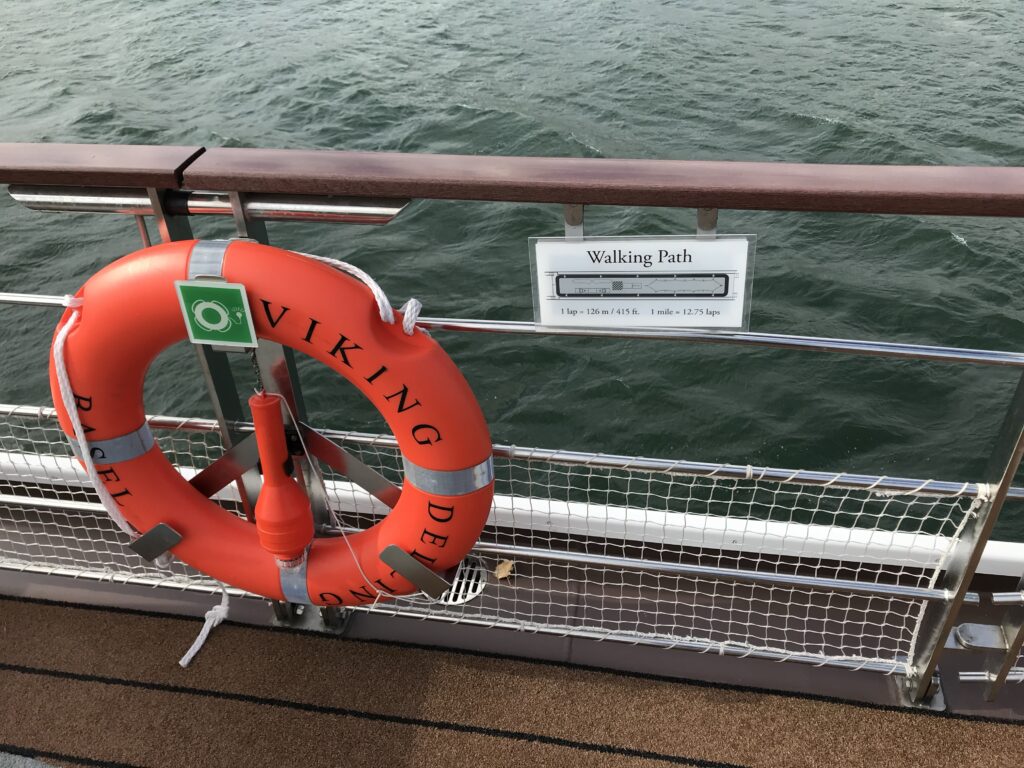
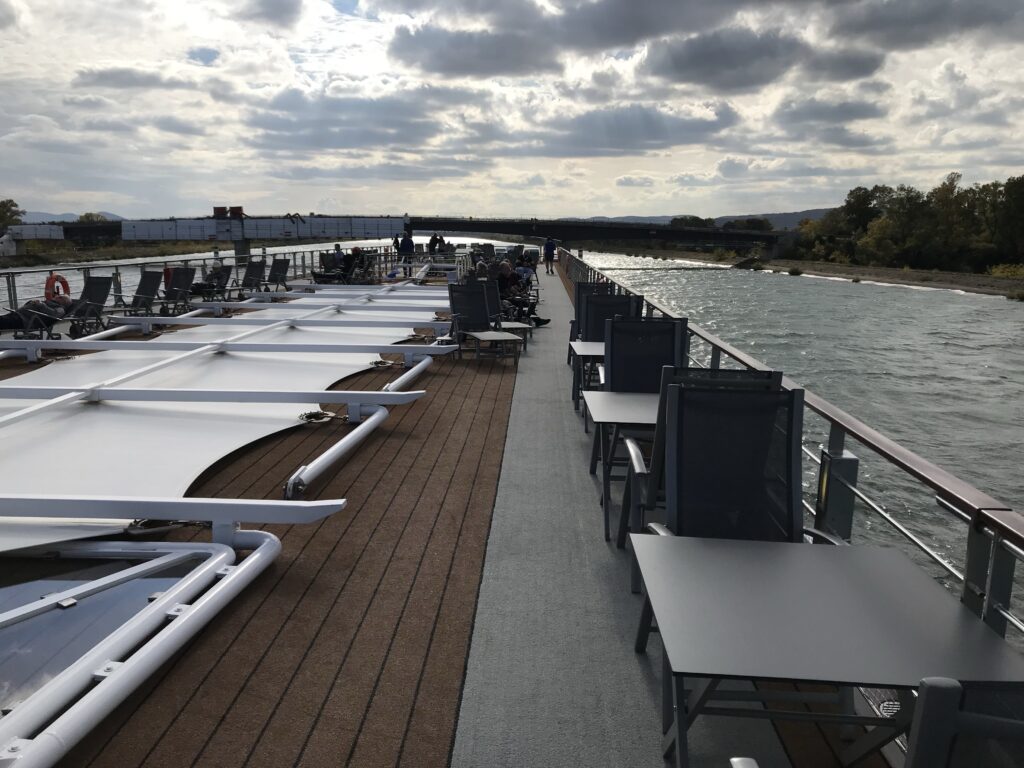
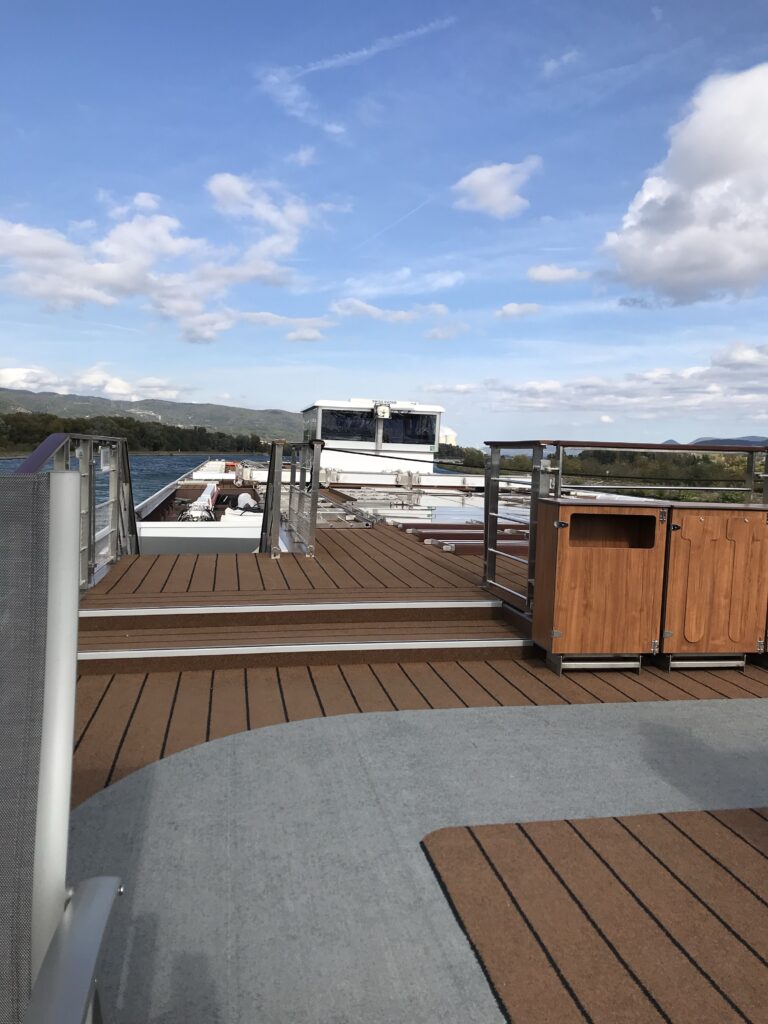
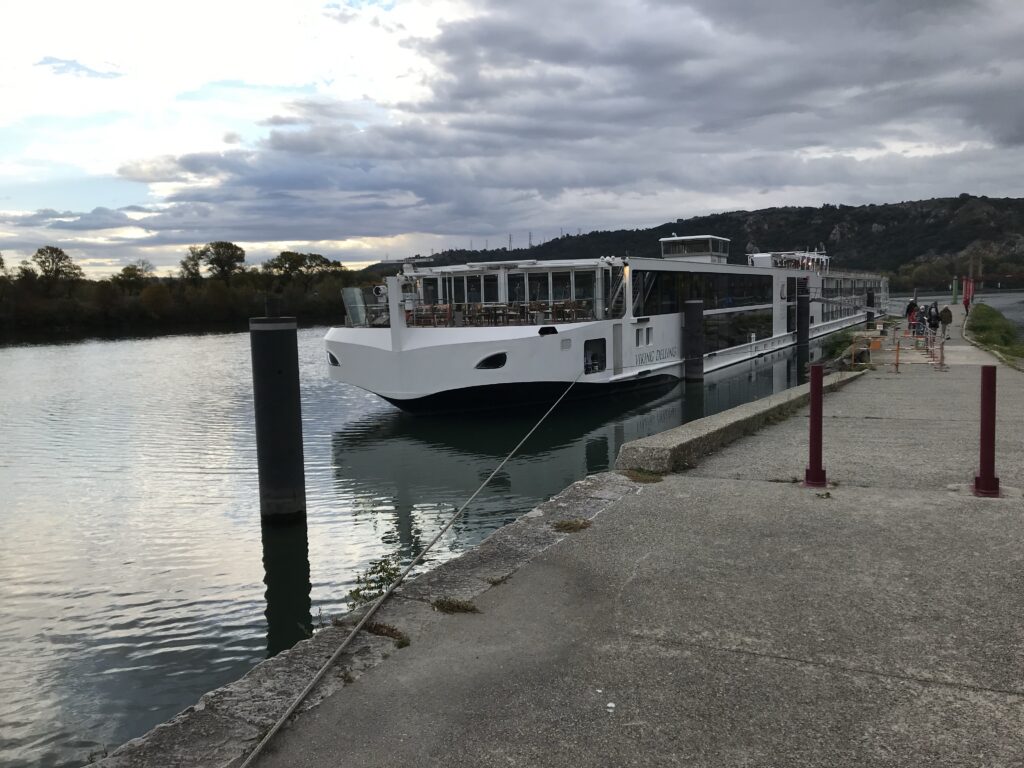
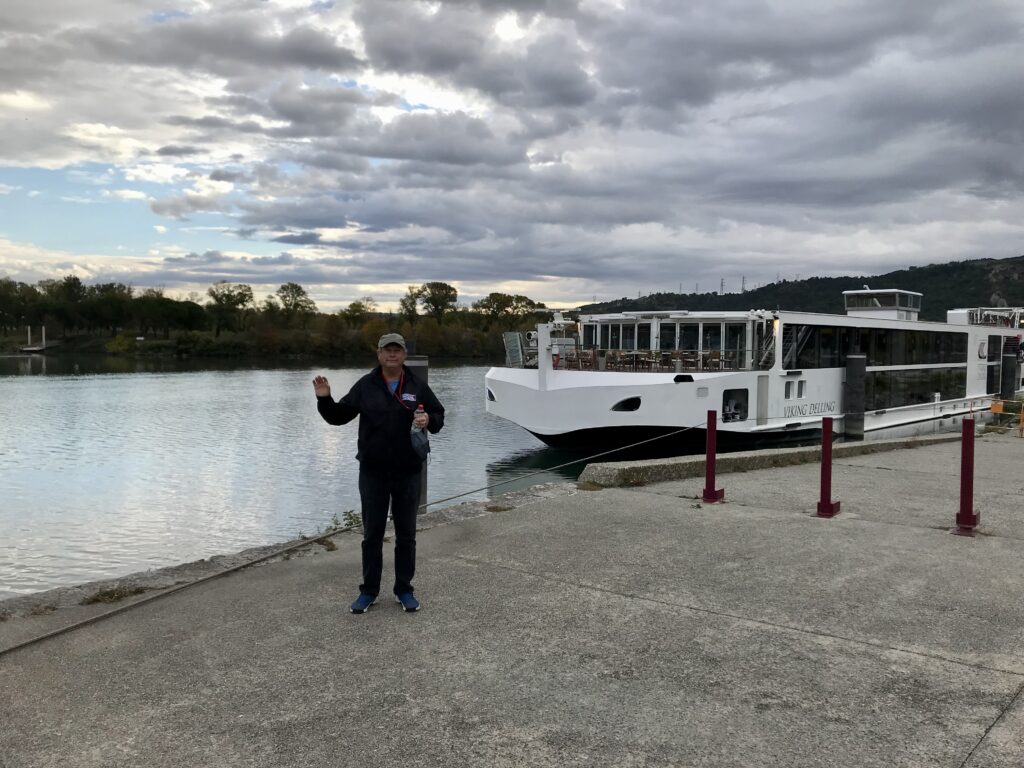
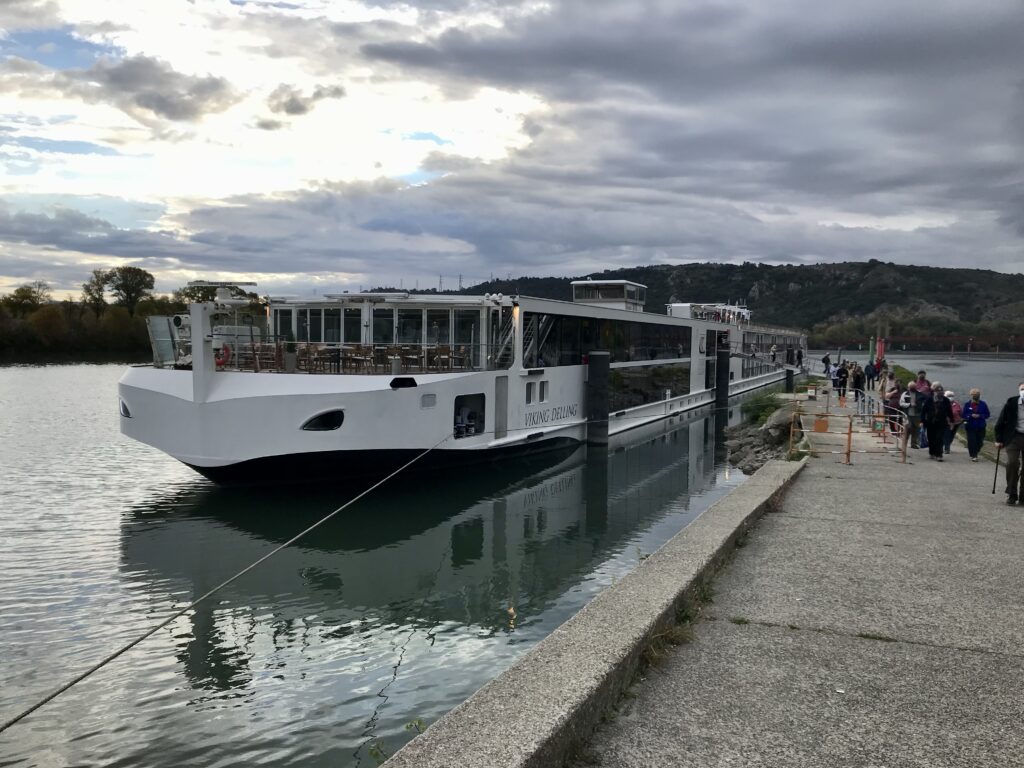
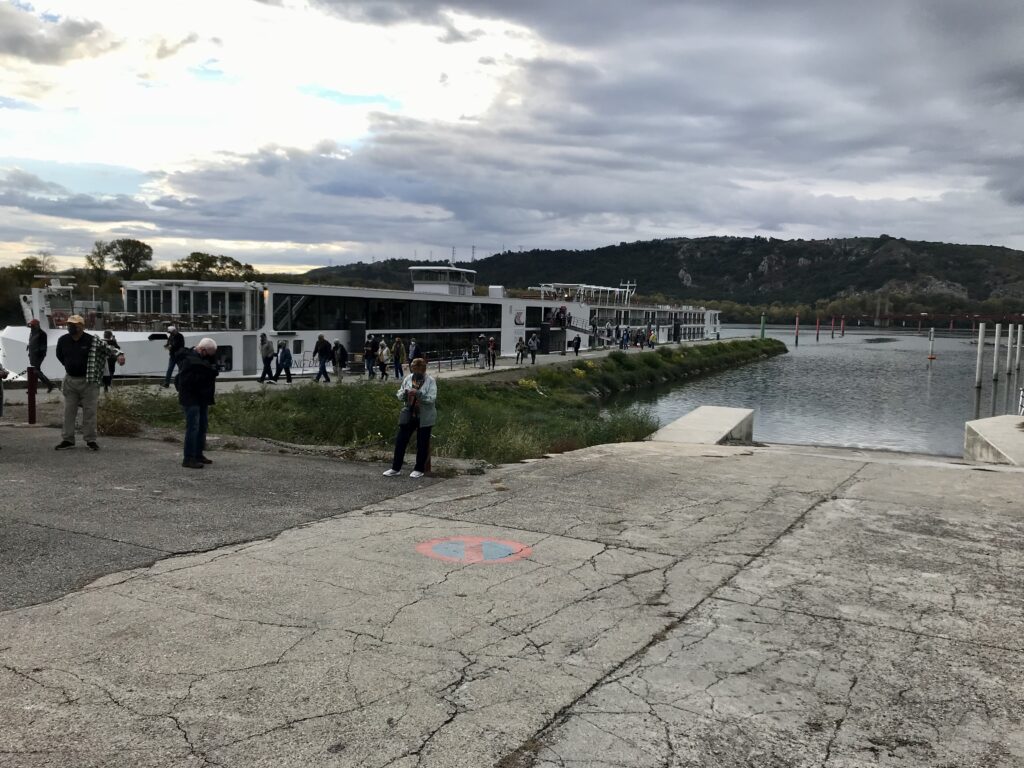
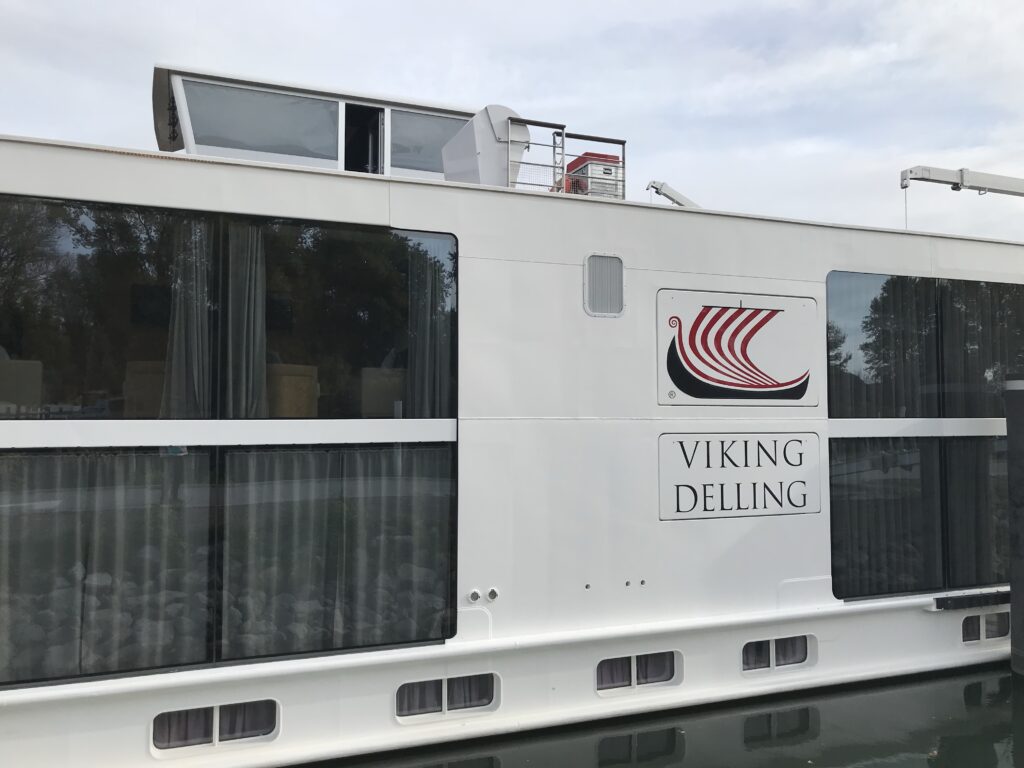
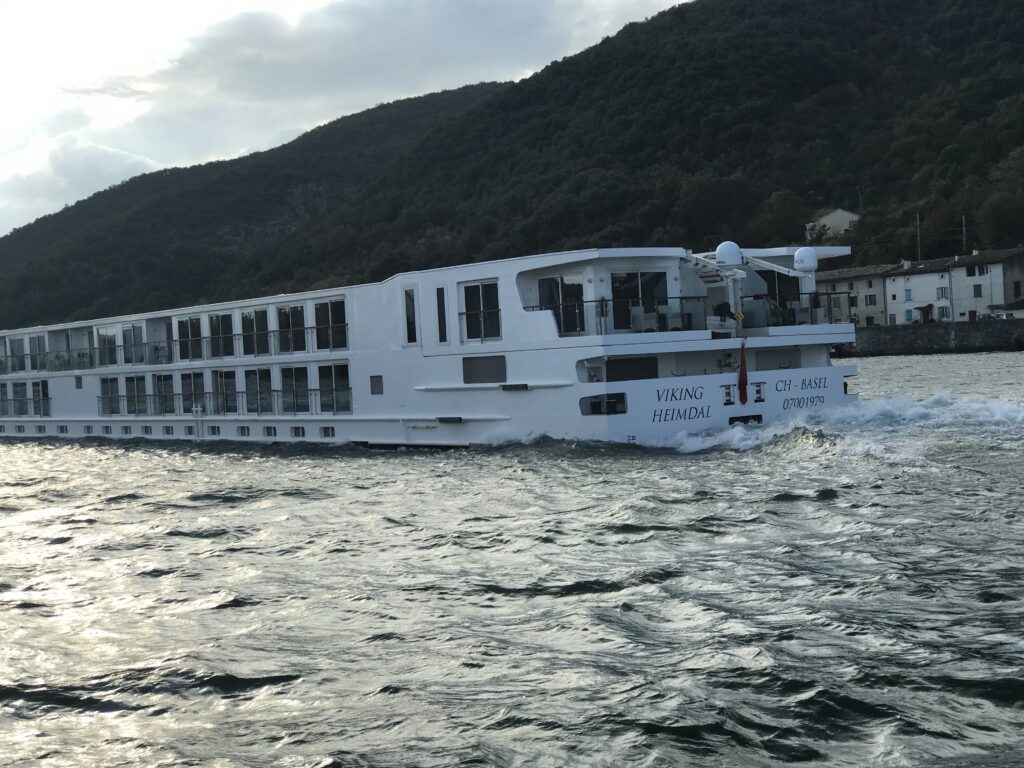
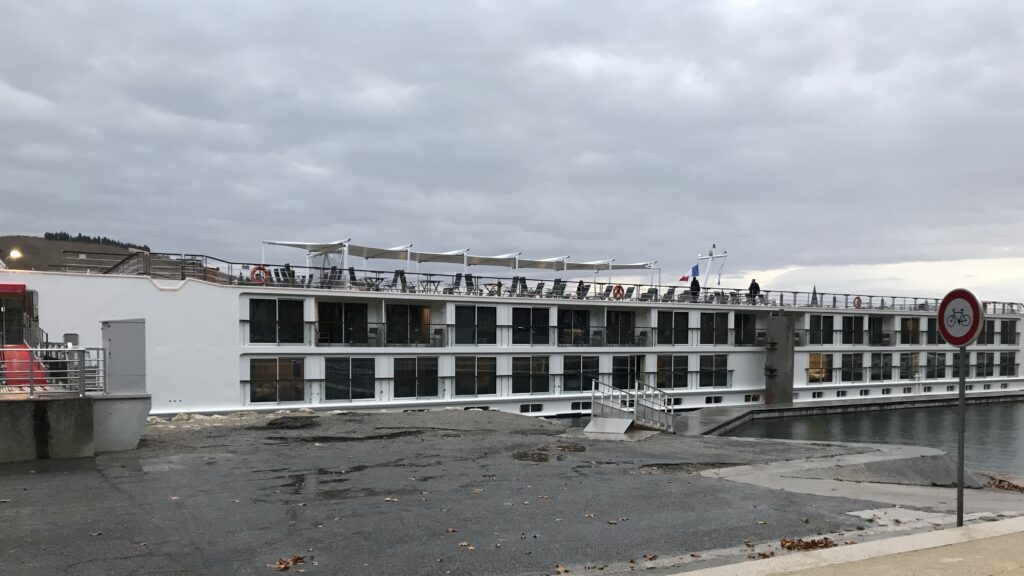
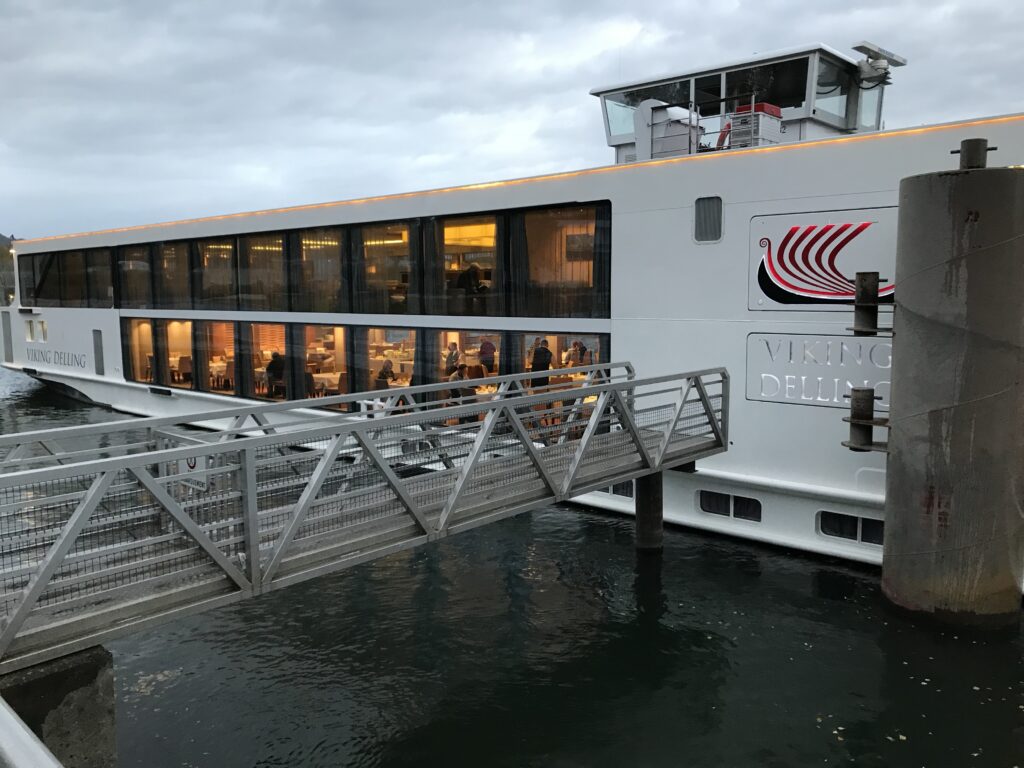
Viking’s river longships are a class of shallow‑draft passenger vessels built mainly at Neptun Werft in Rostock, Germany, starting around 2012 for service on European rivers including the Rhine, Main, Danube, Seine and Rhône.[2][3]
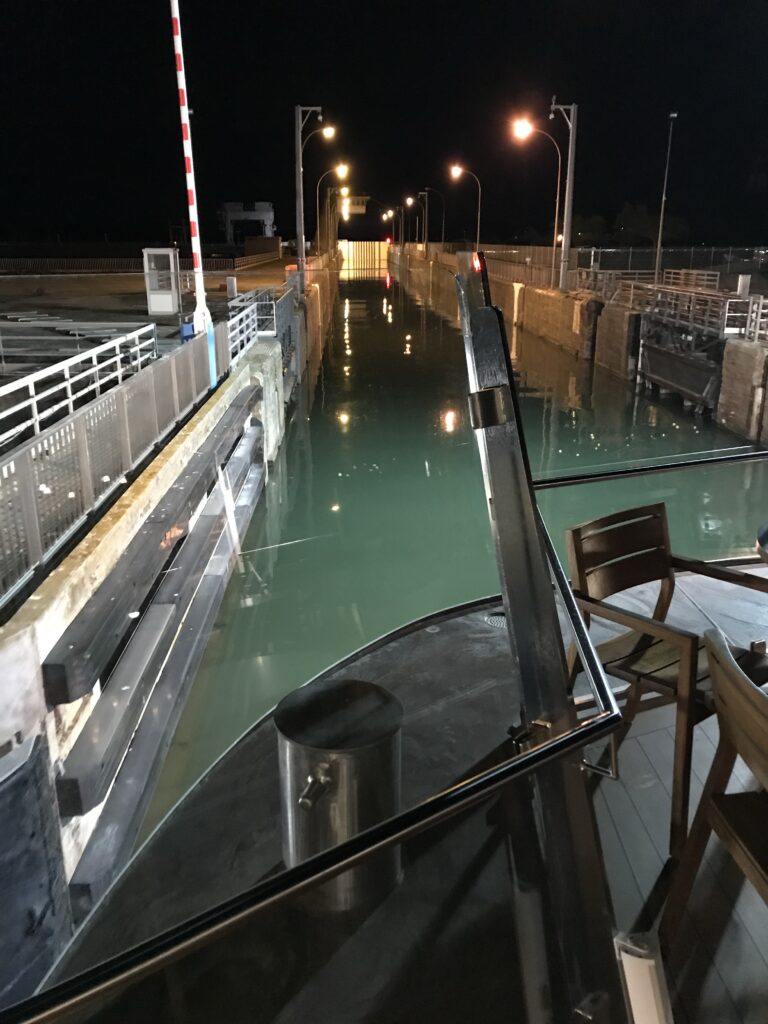
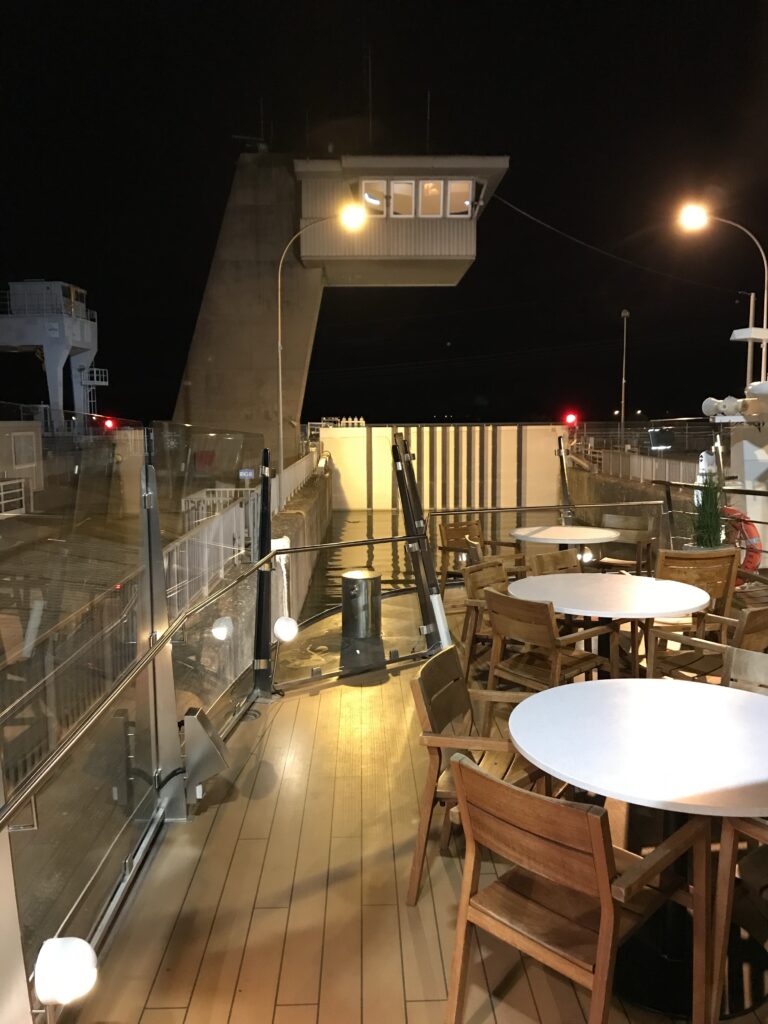
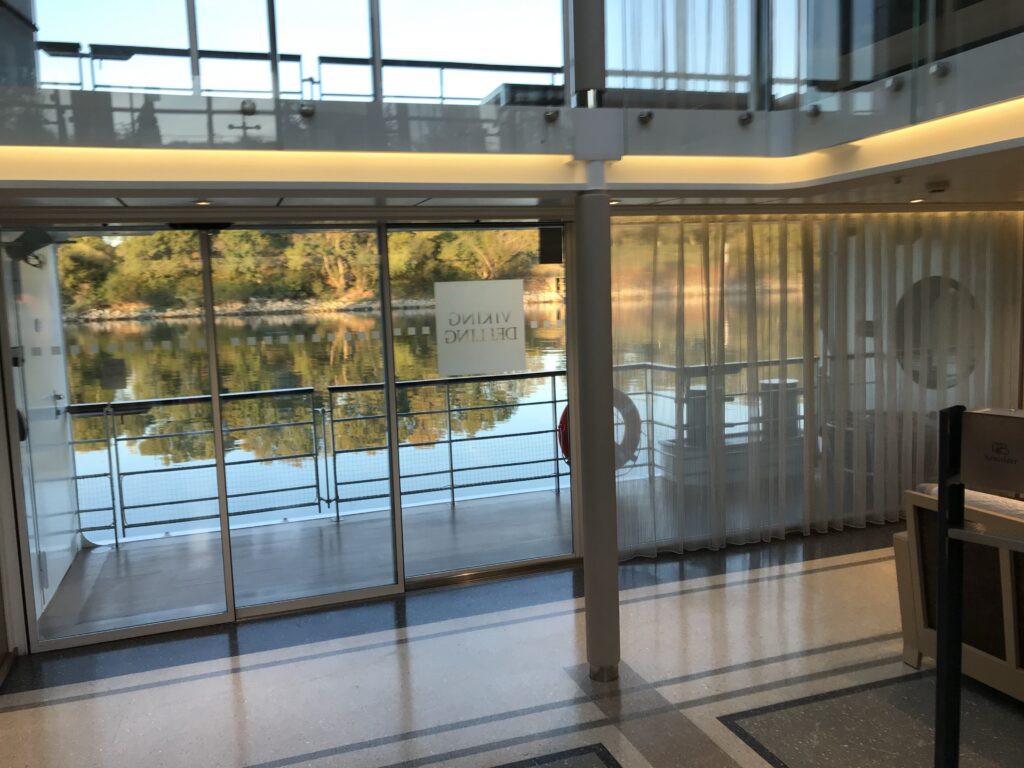
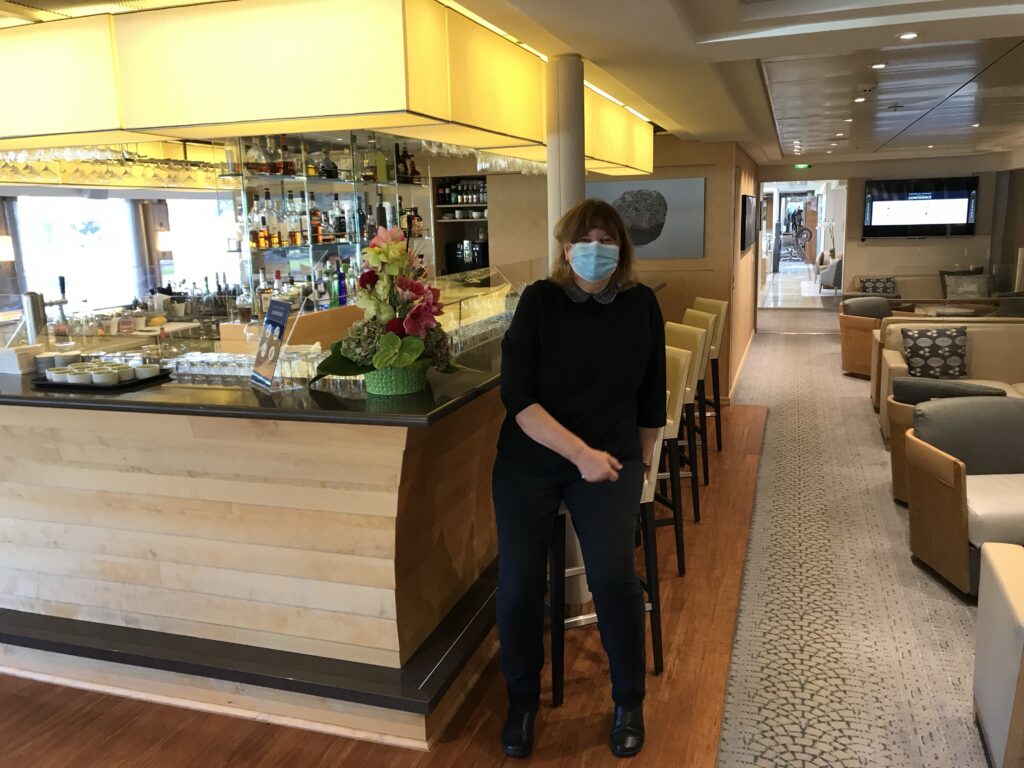
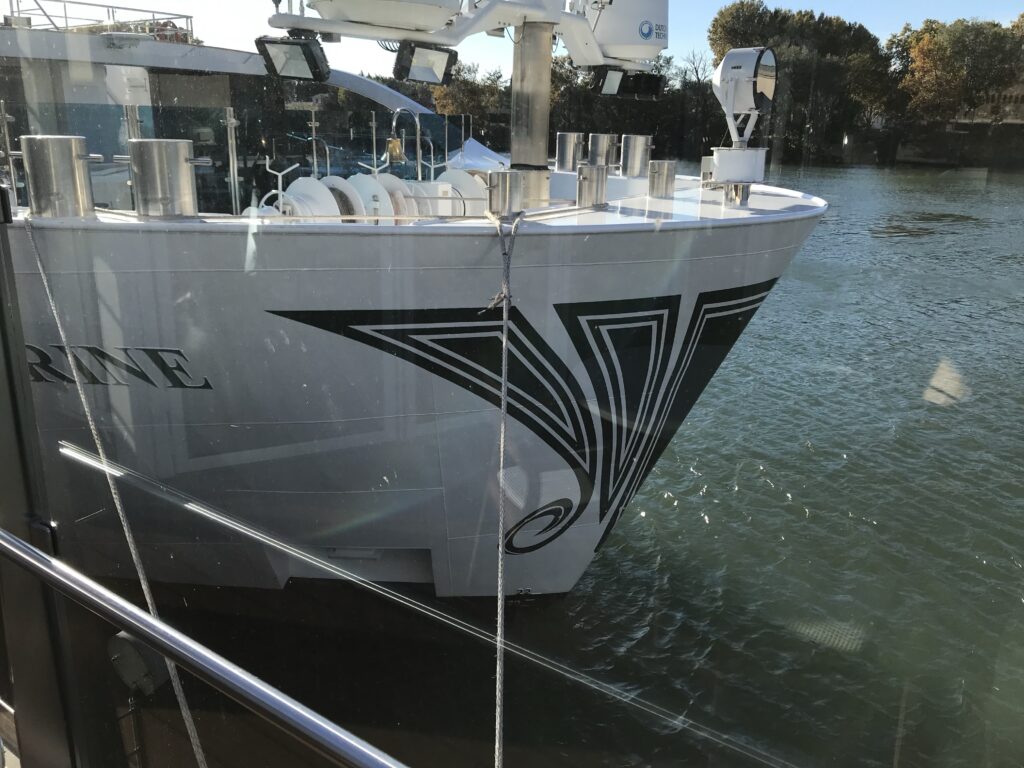
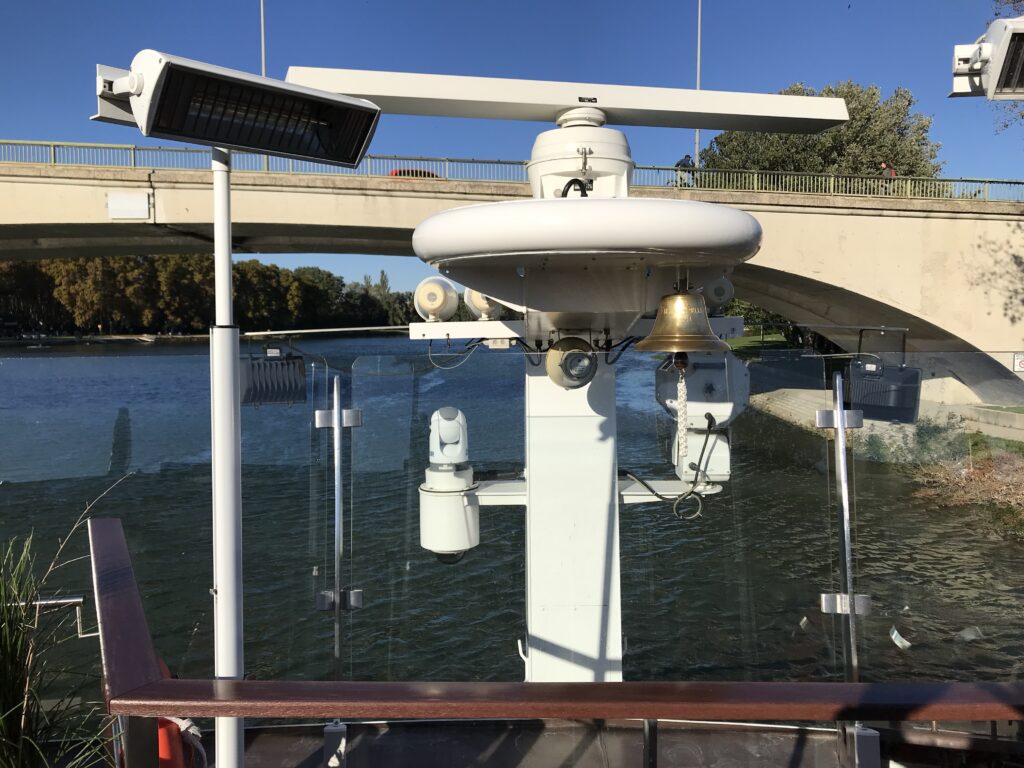
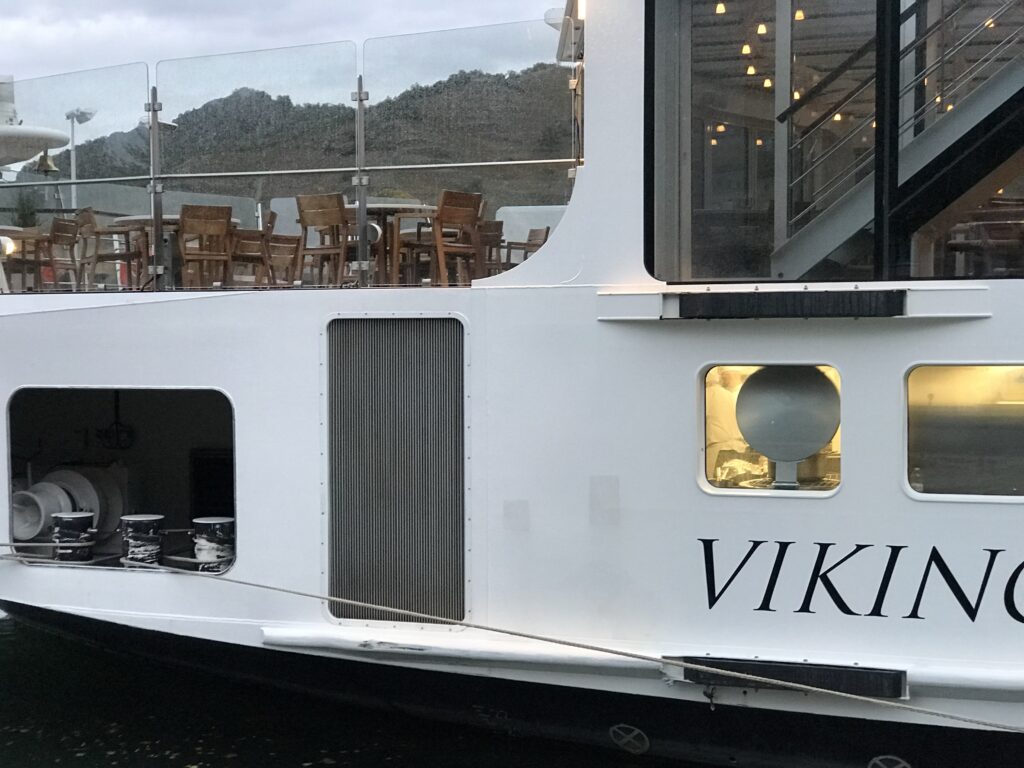
They are named individually—Viking Forseti, Freya, Tor, Skadi and many others—in homage to Norse gods and heroes, and are designed with squared bows, open sun decks, and panoramic lounges that visually echo historic Viking longboats while meeting modern hotel‑ship standards.[3][2]
Arles – Roman city and Van Gogh
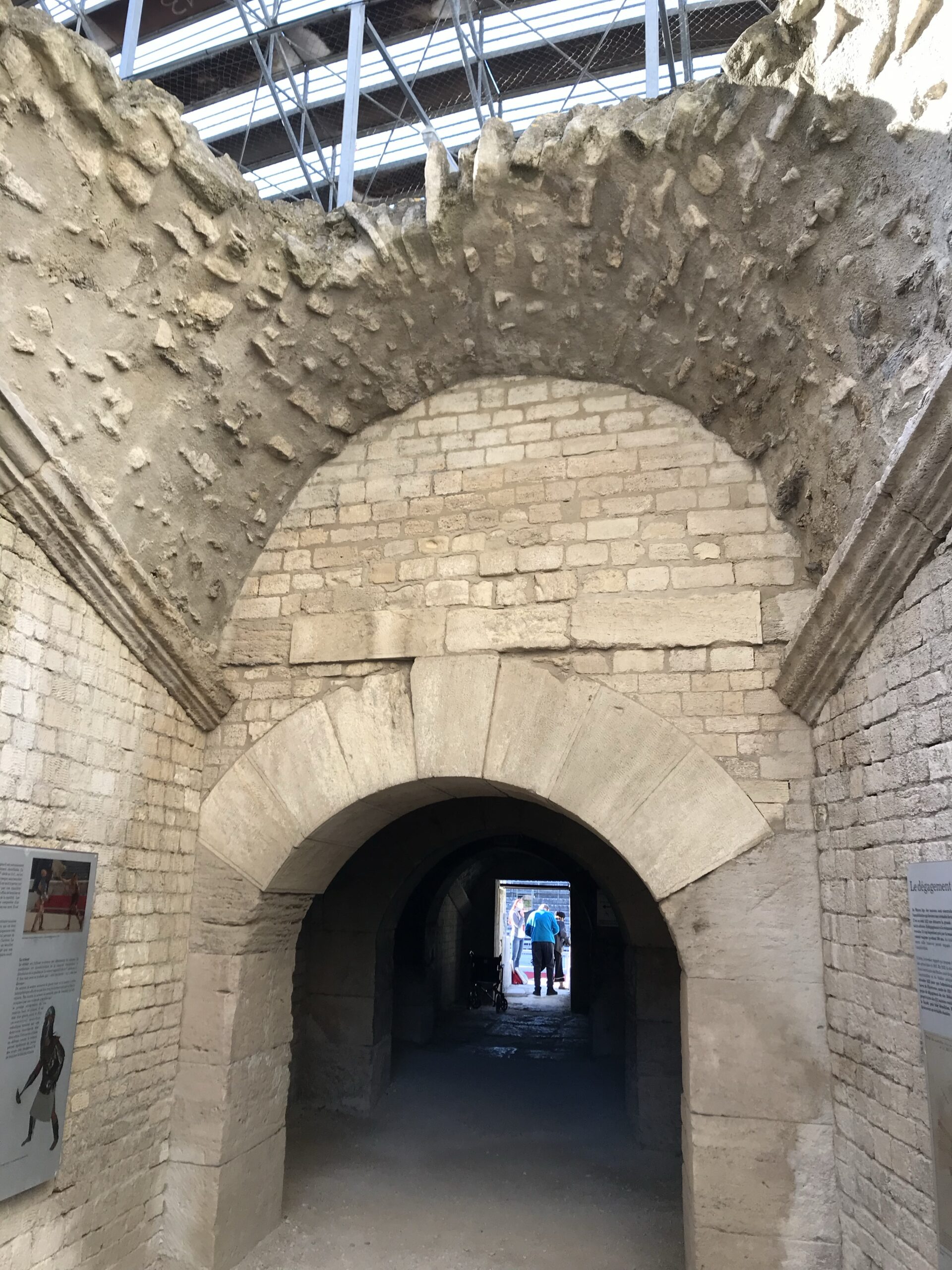
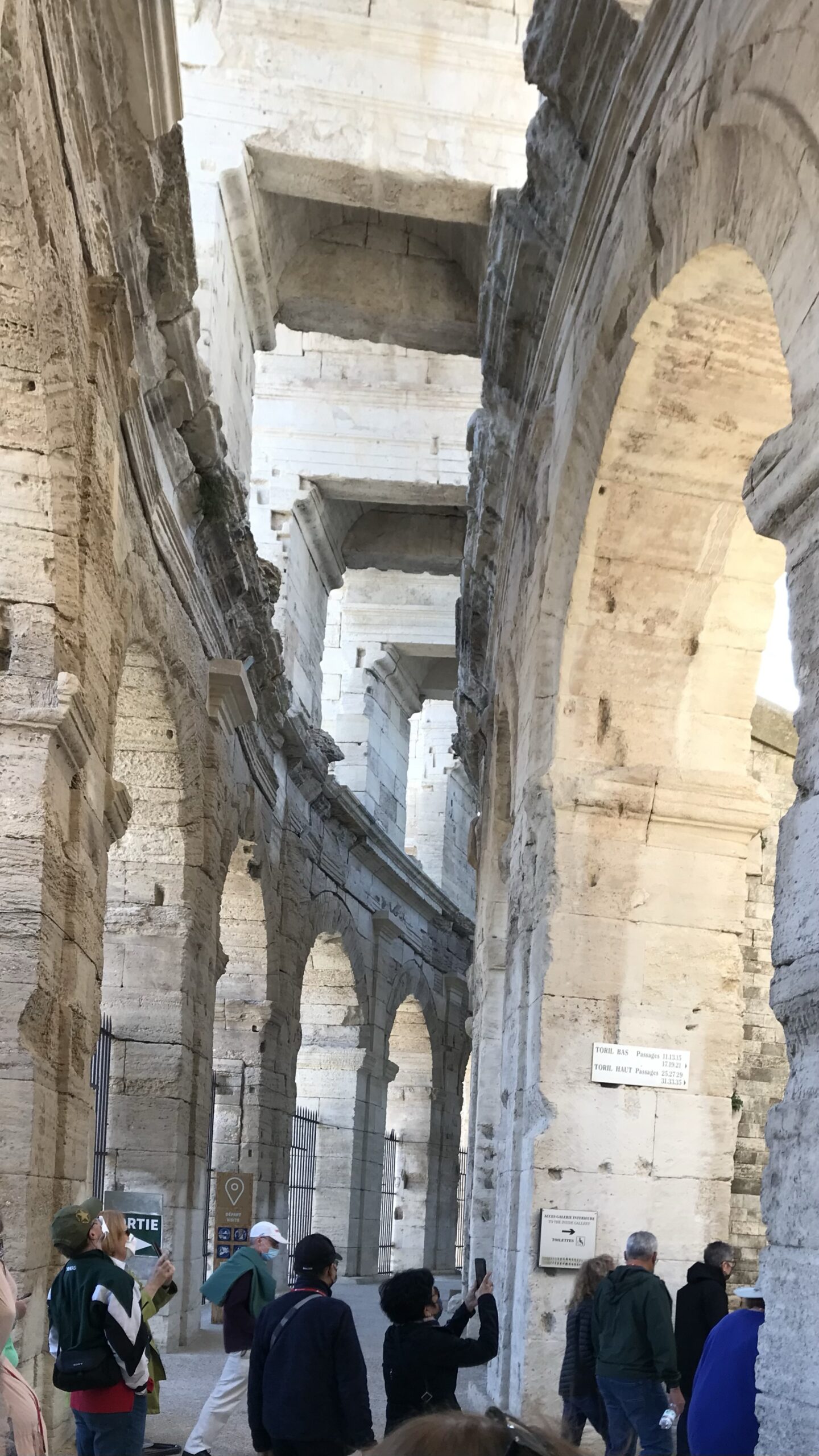
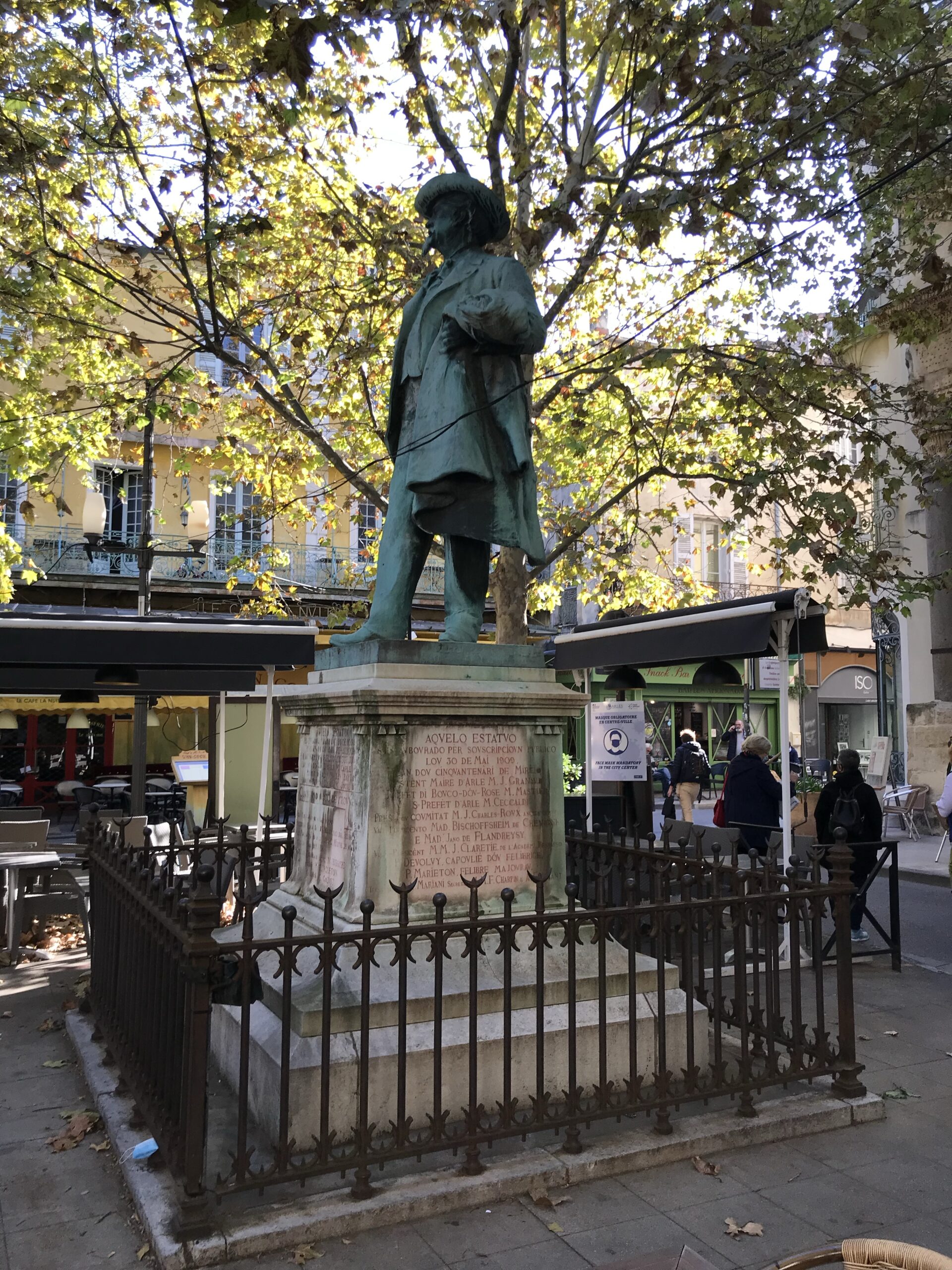
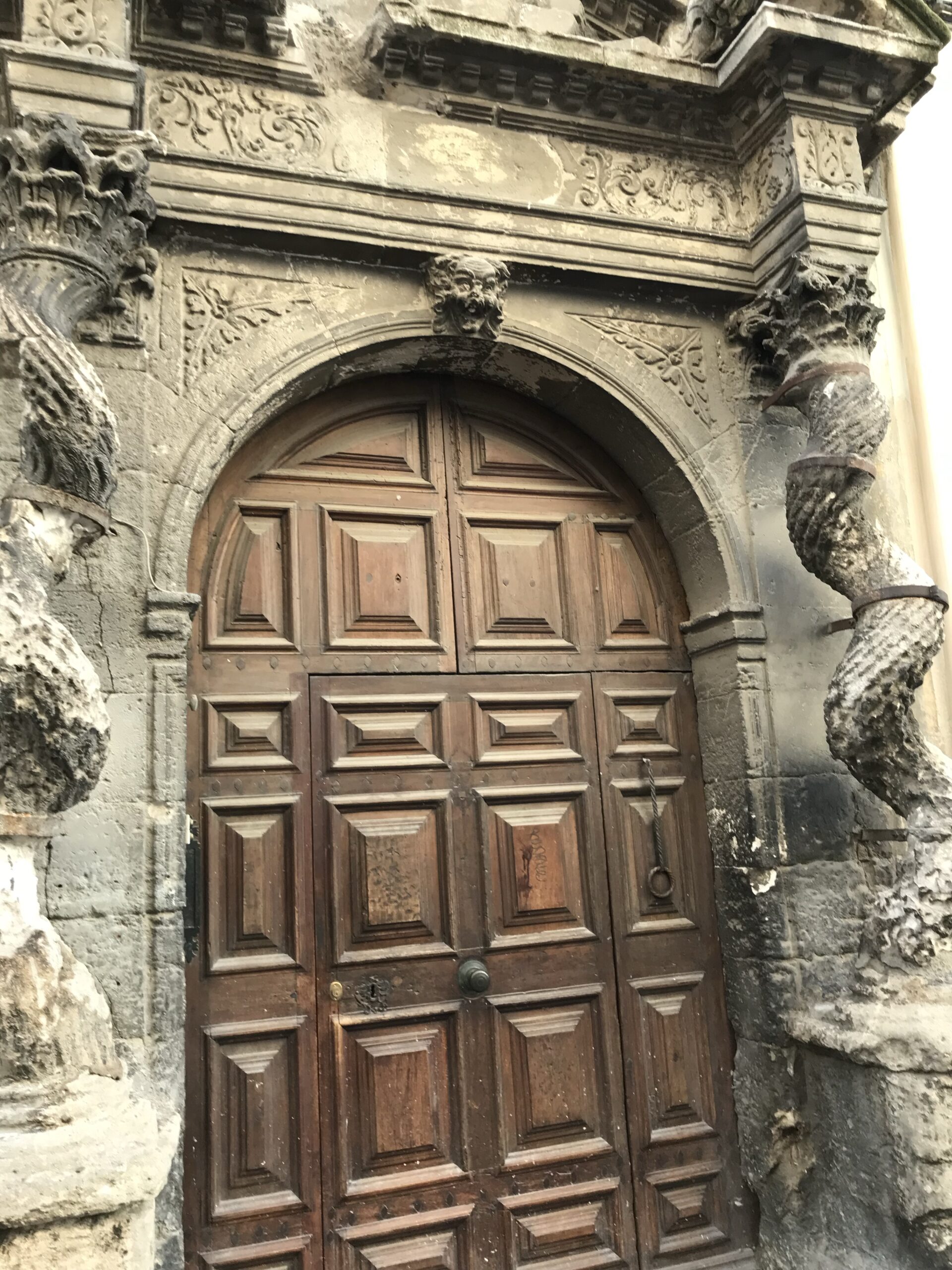
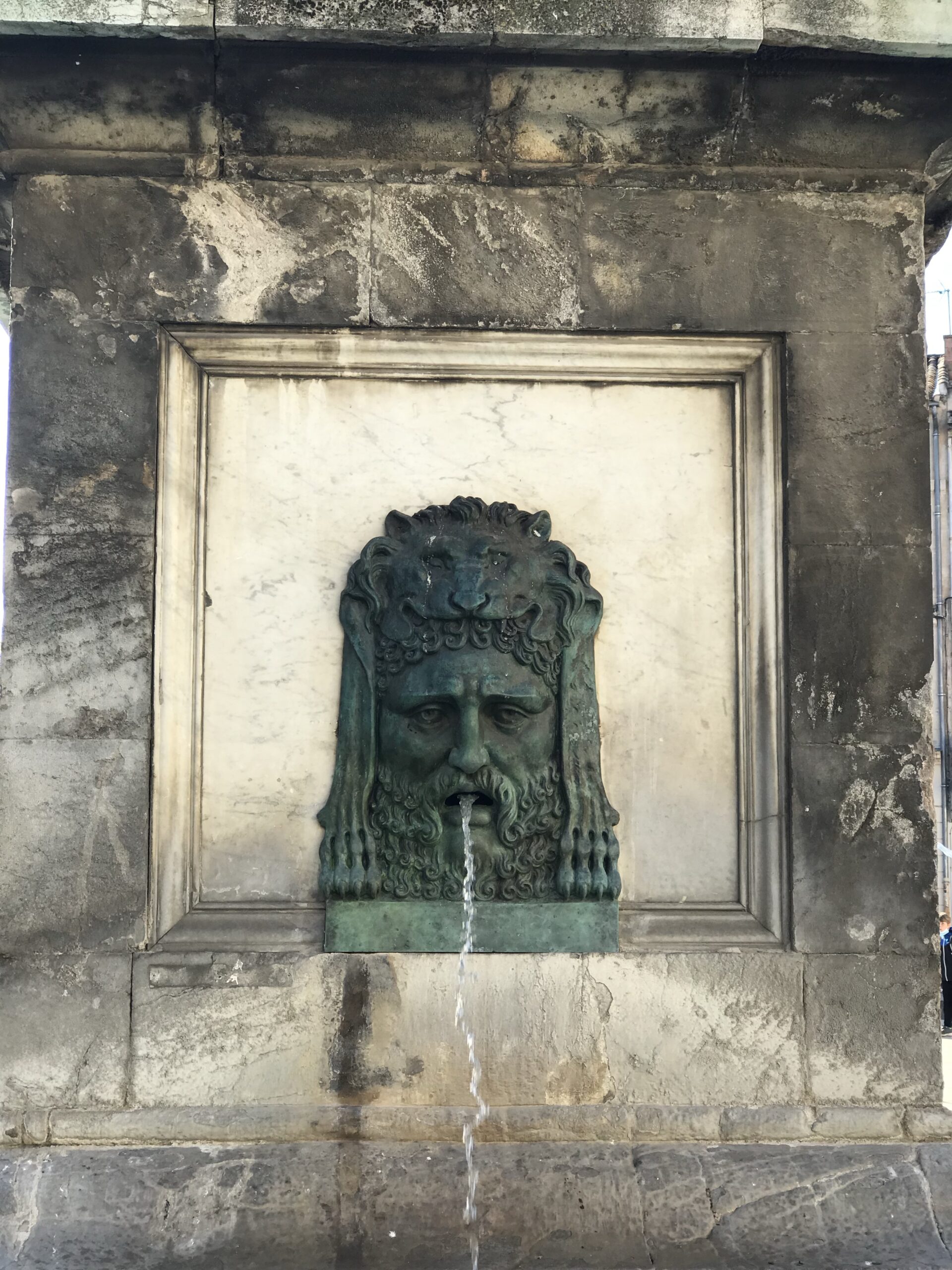
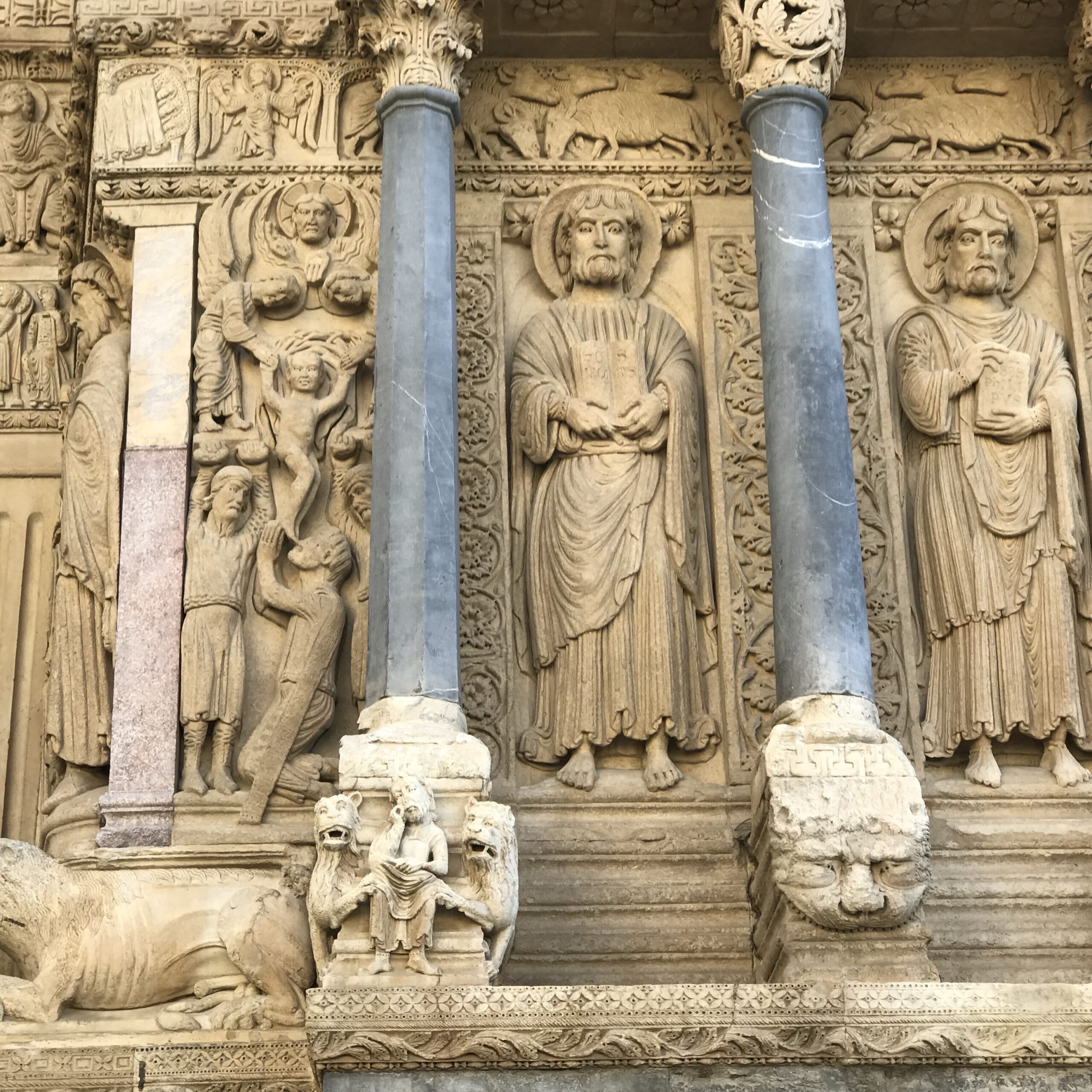
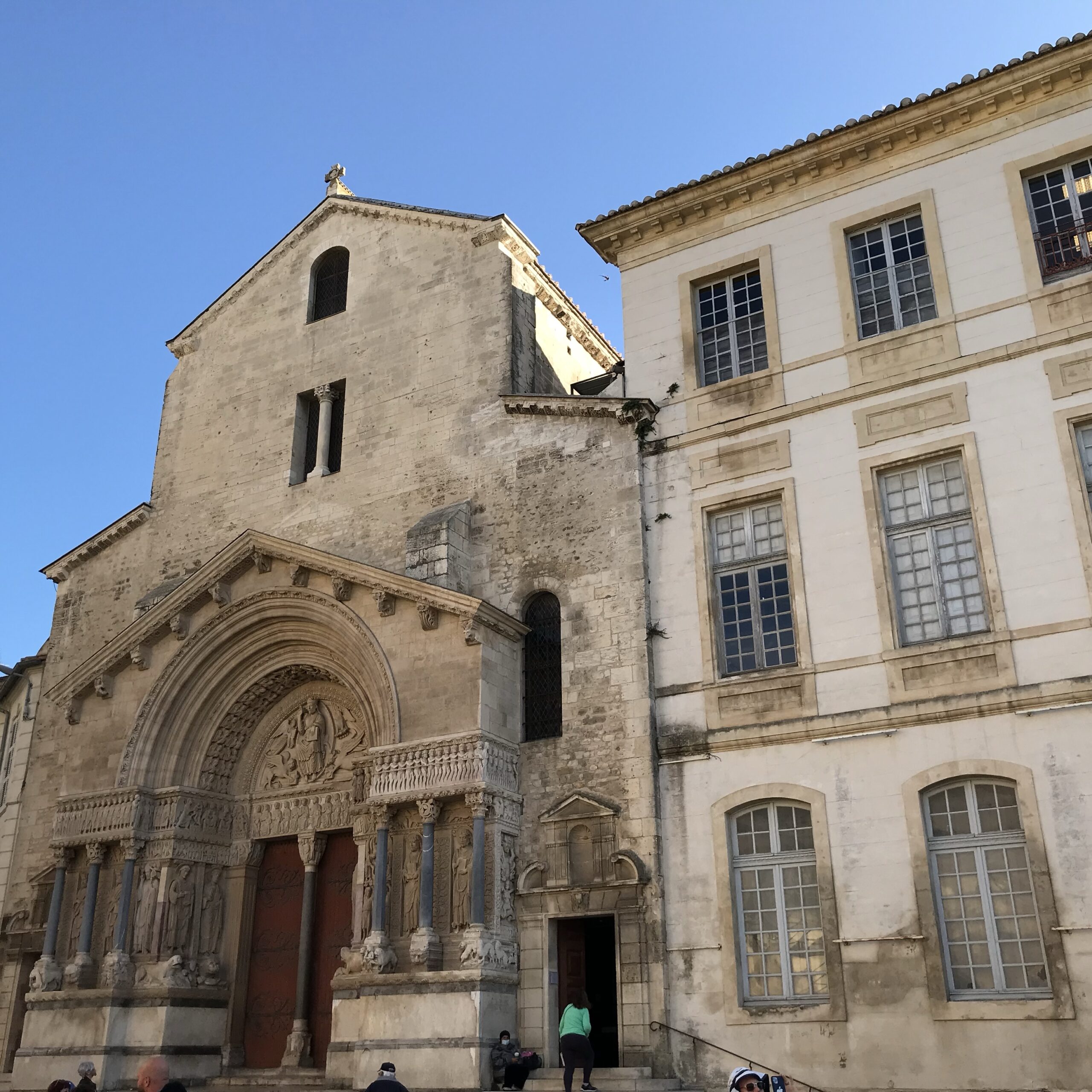
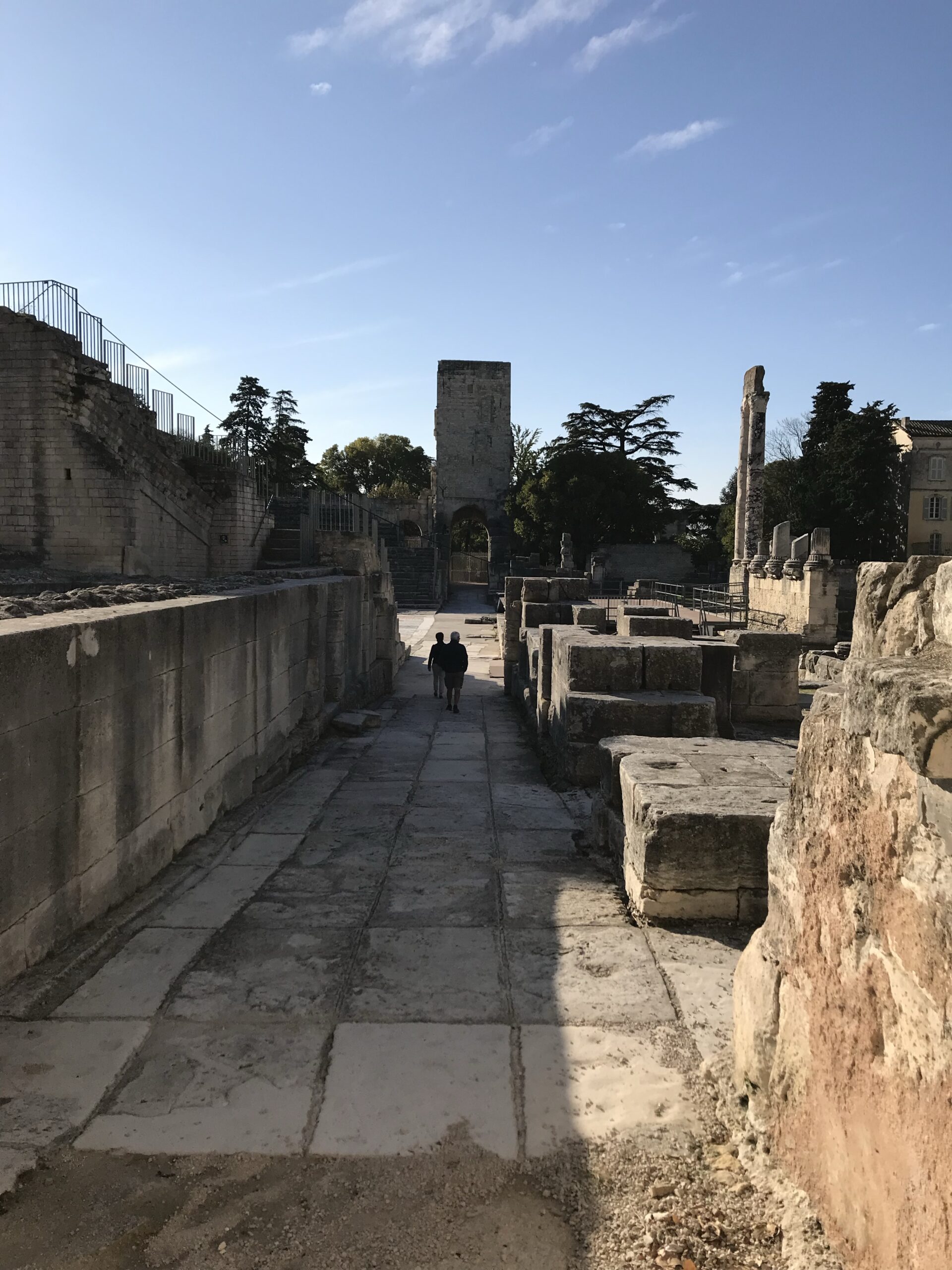
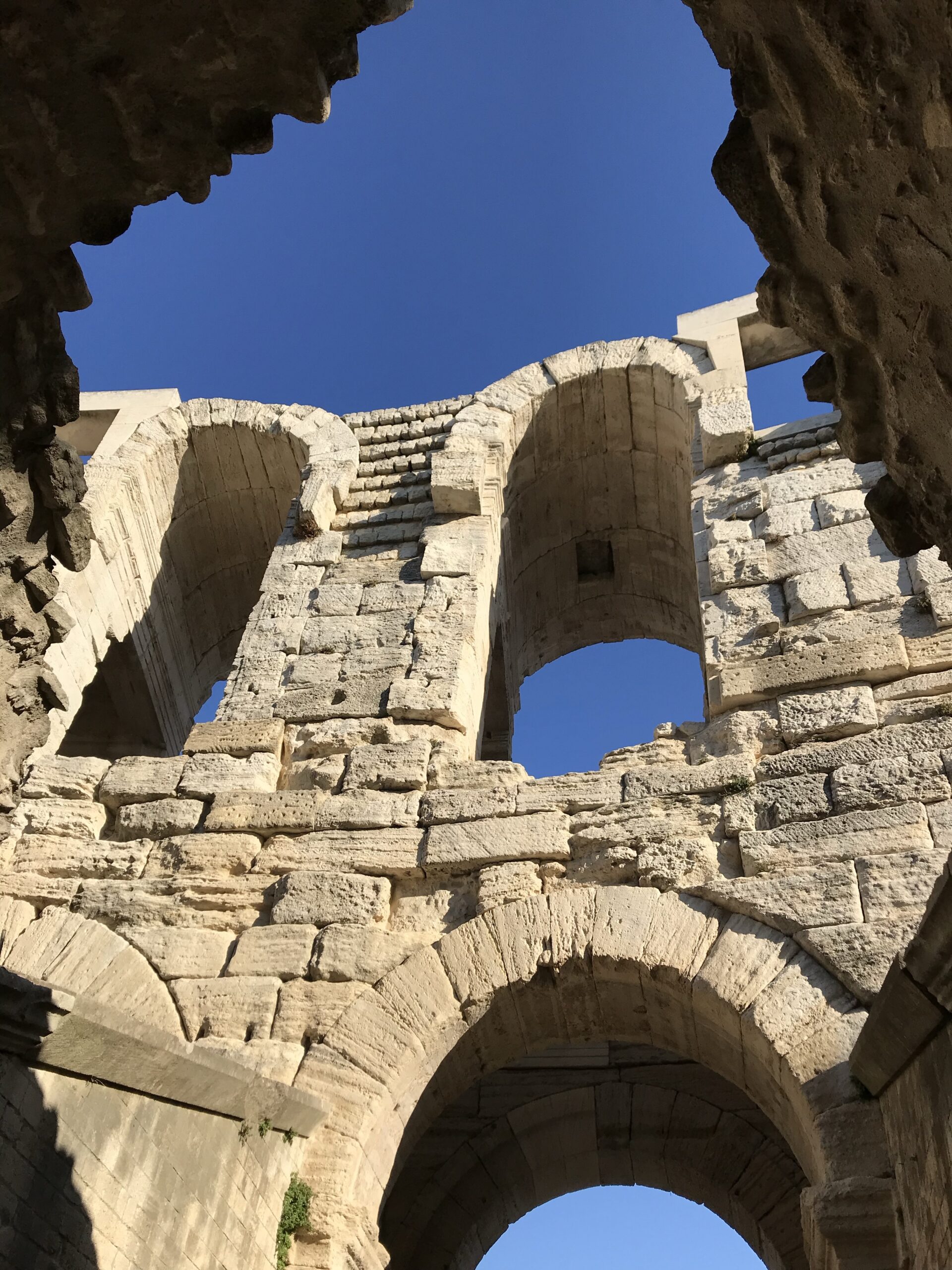
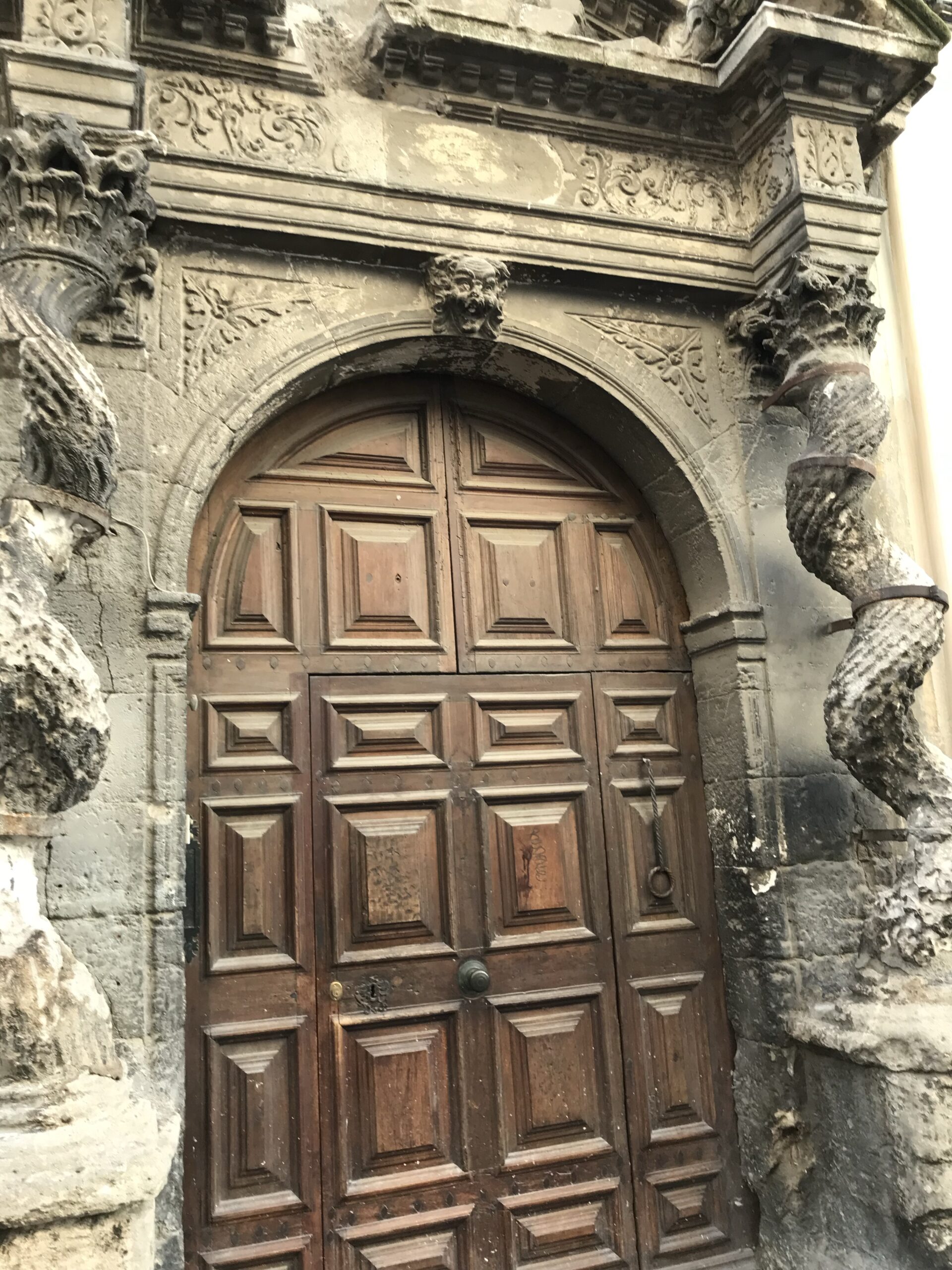
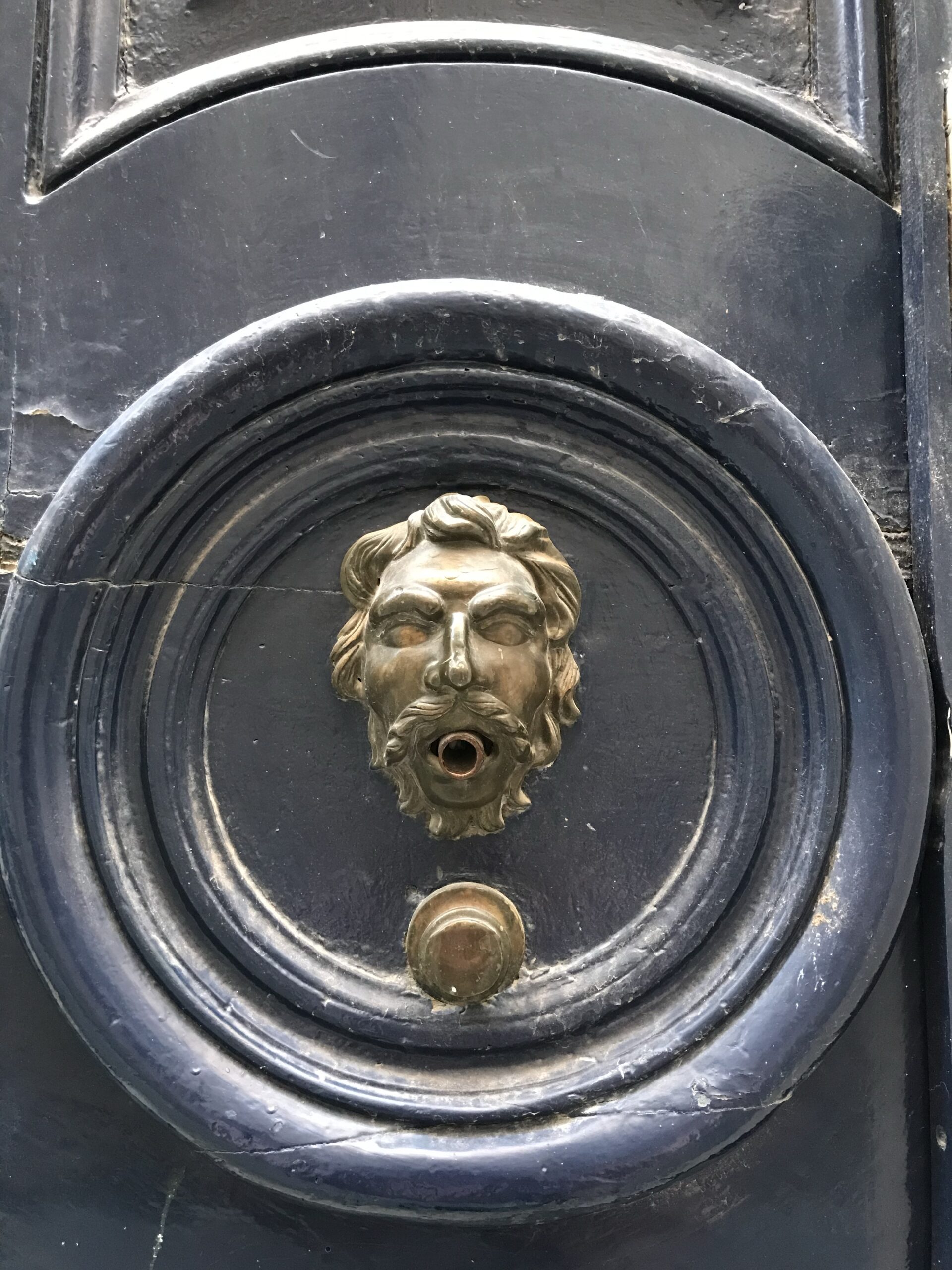
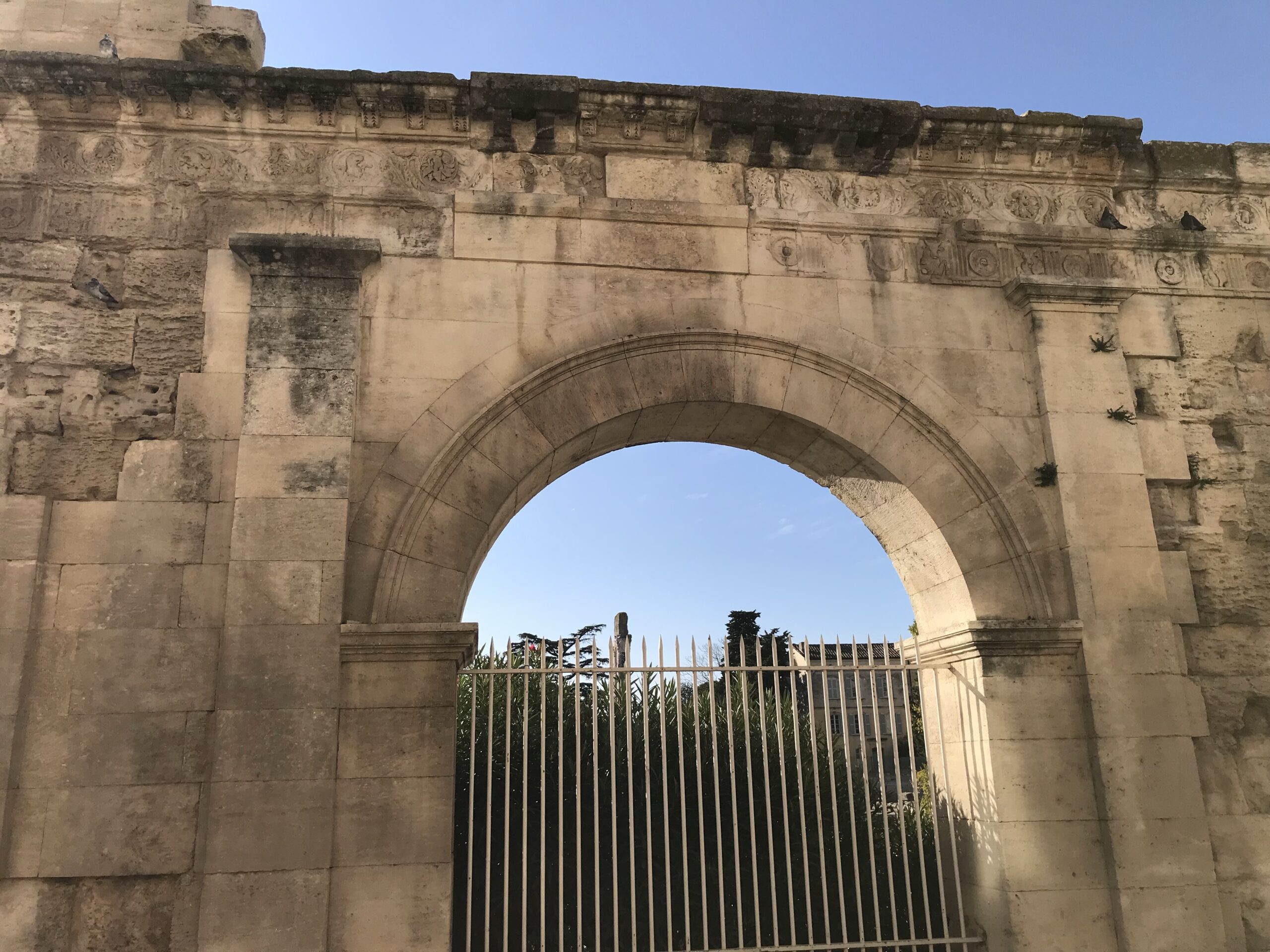
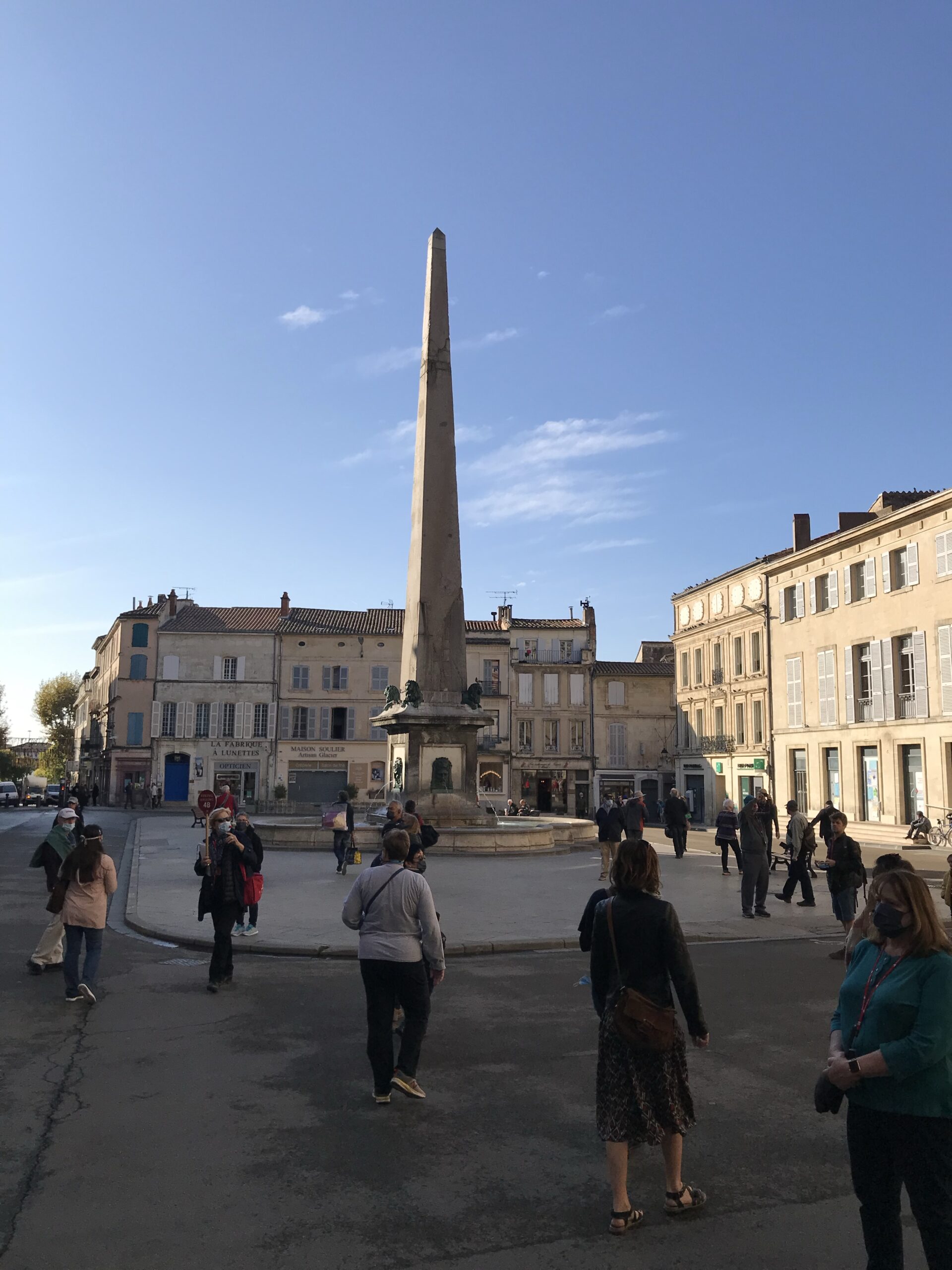
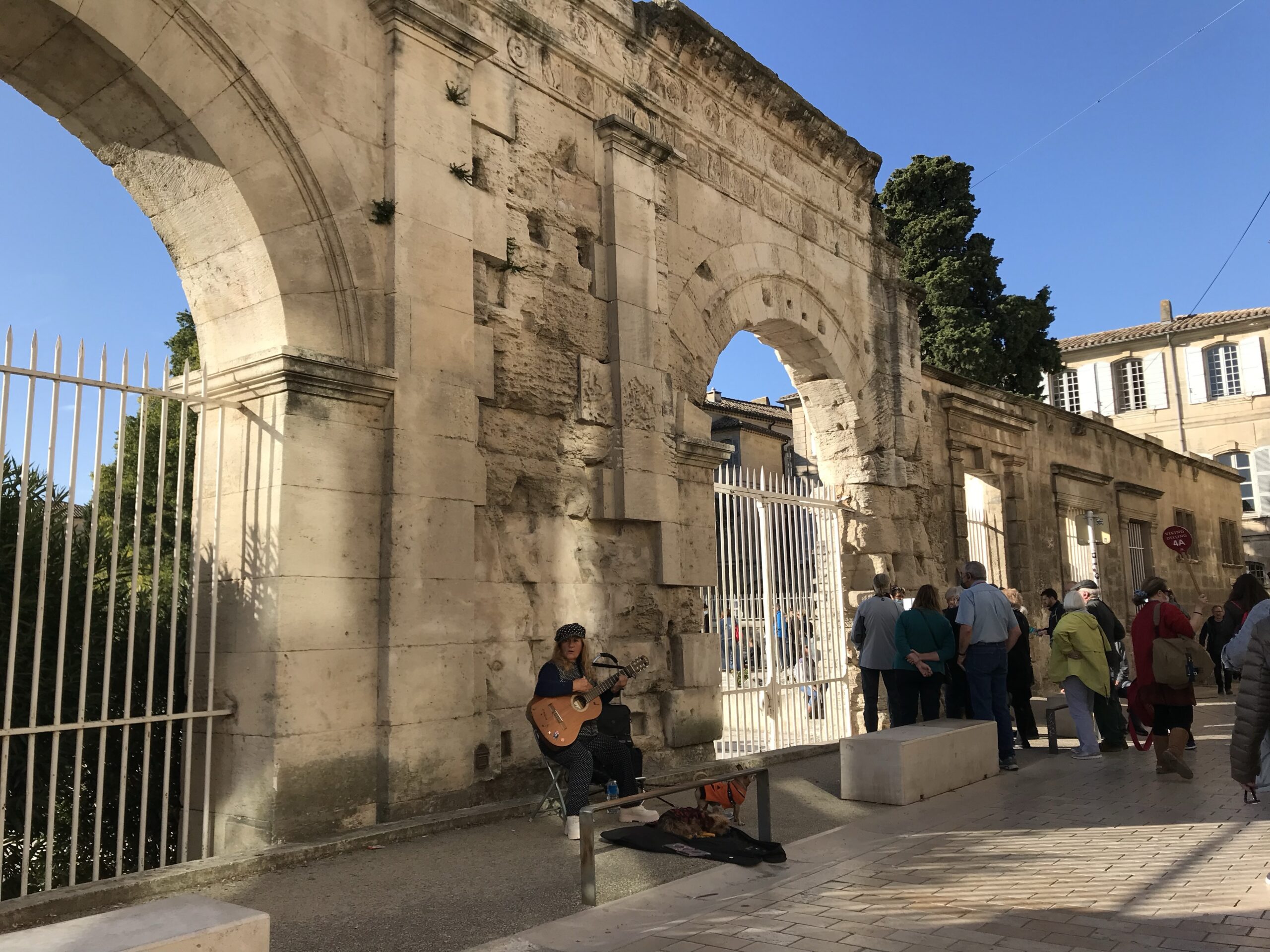
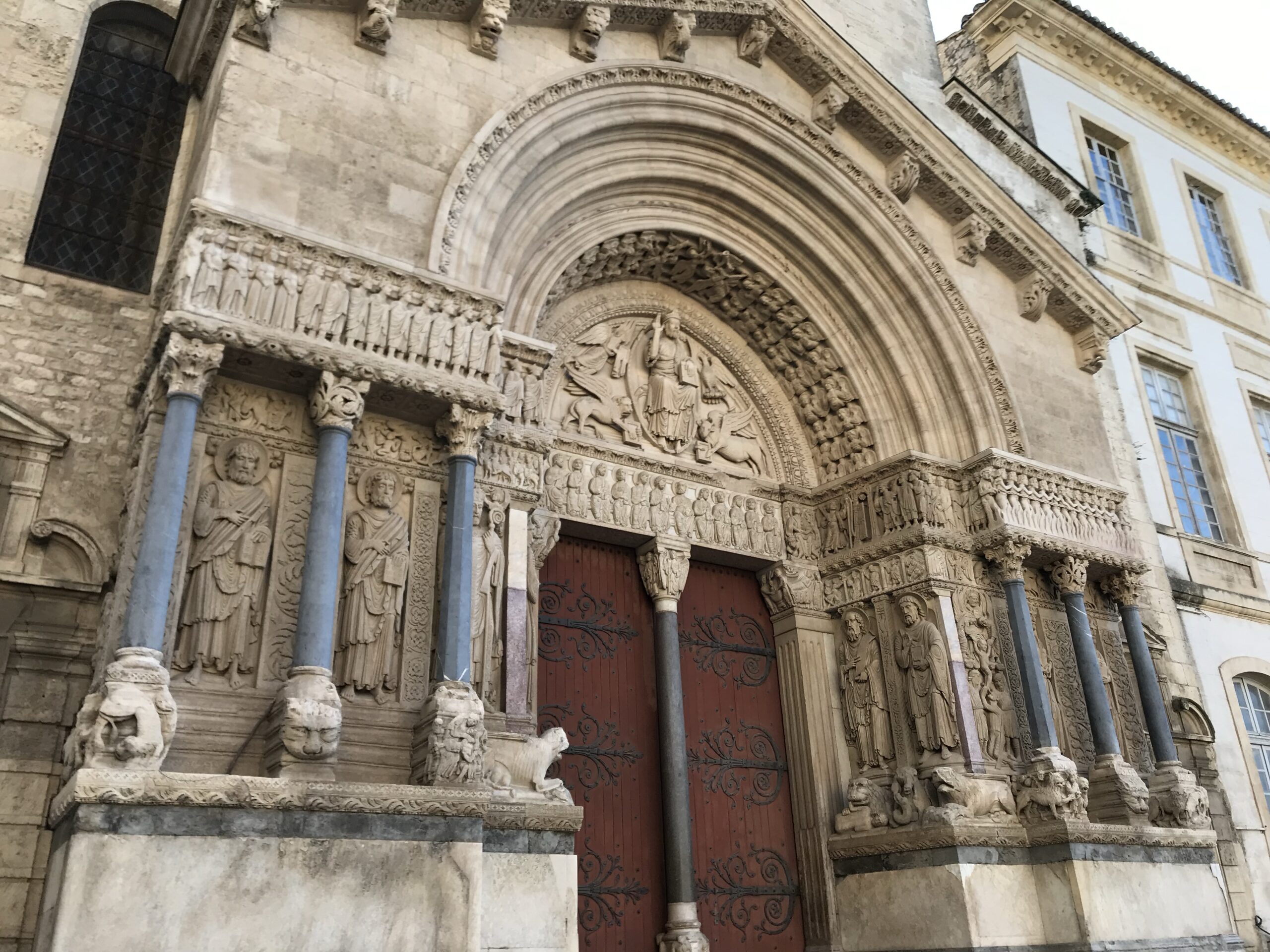
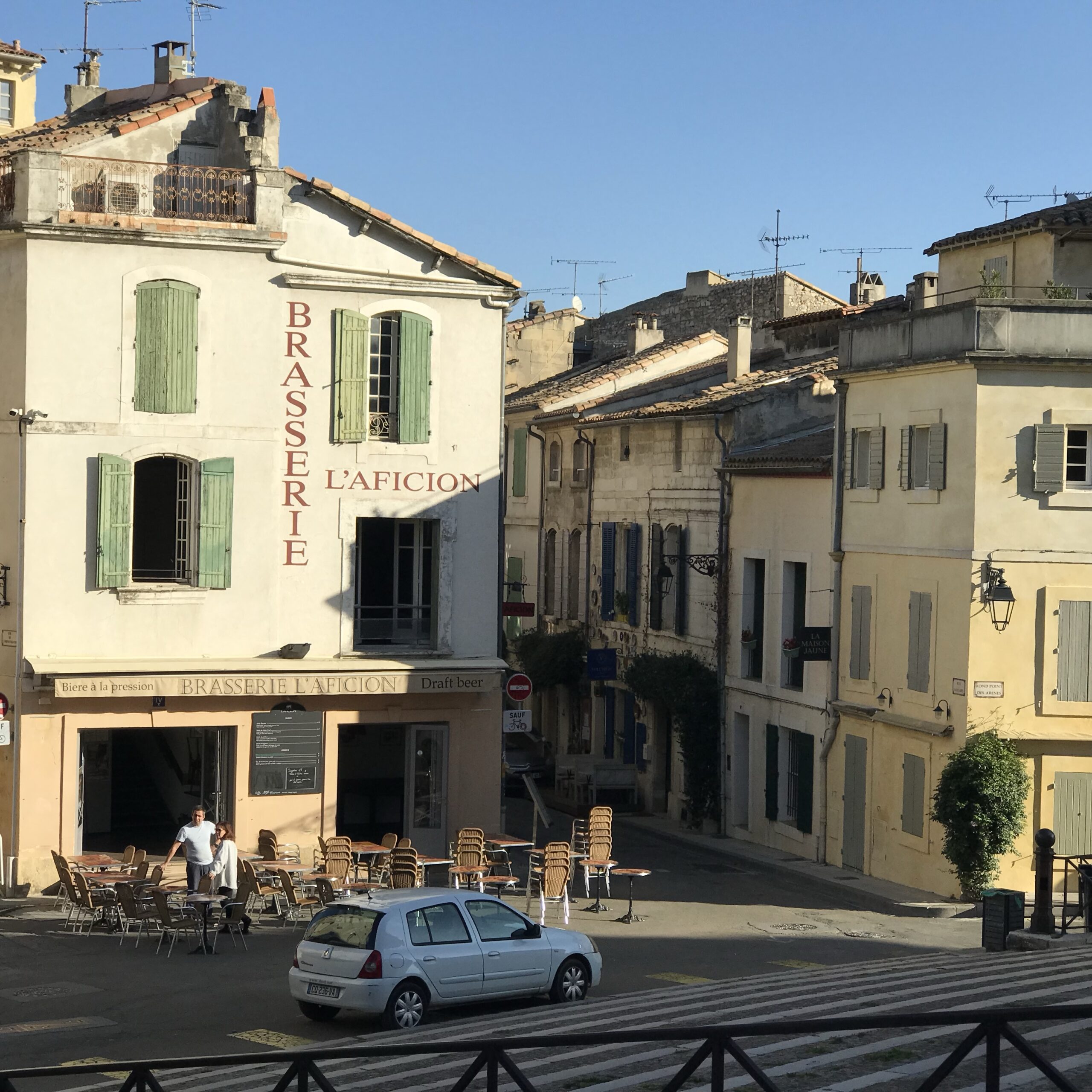
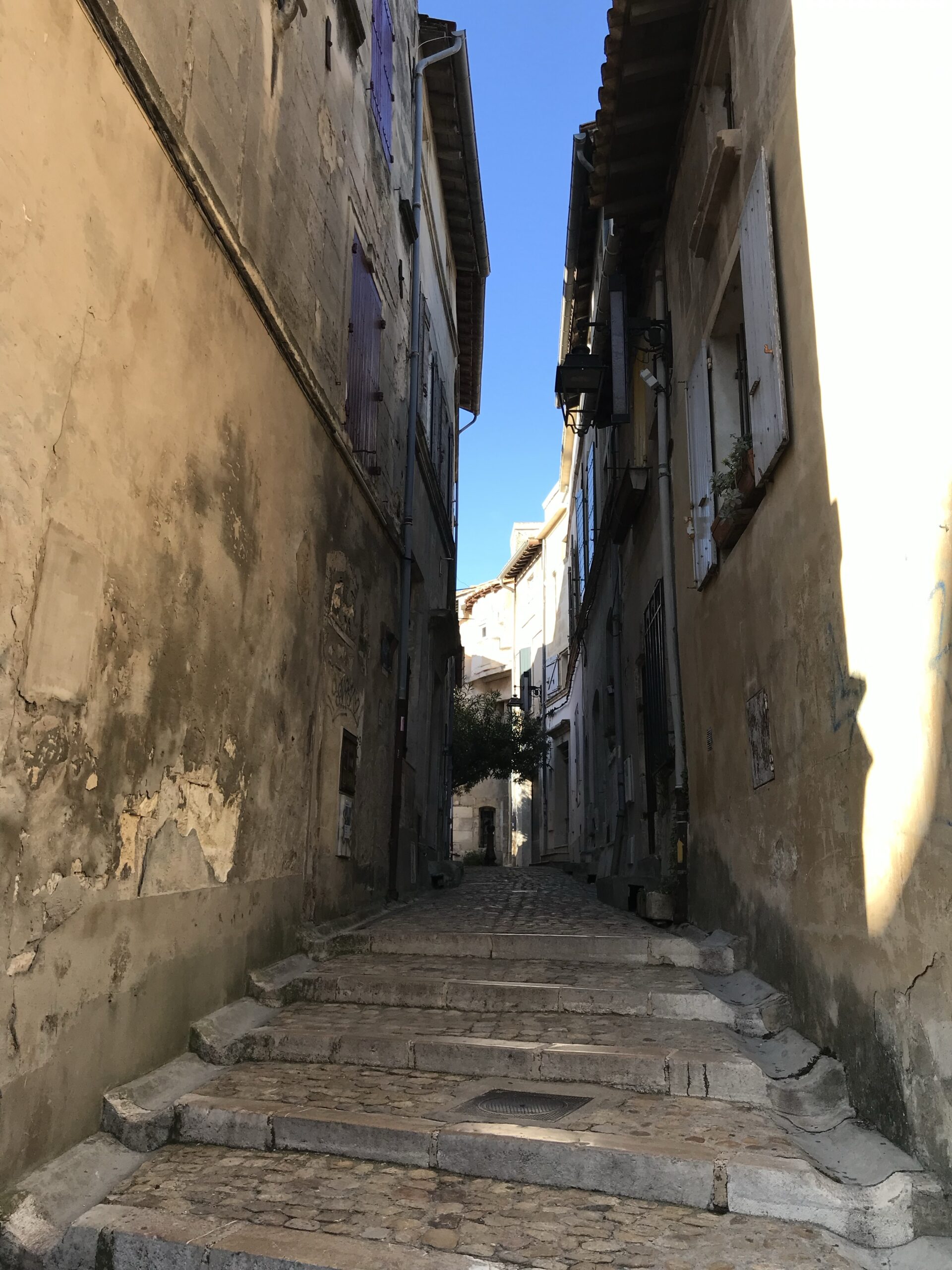
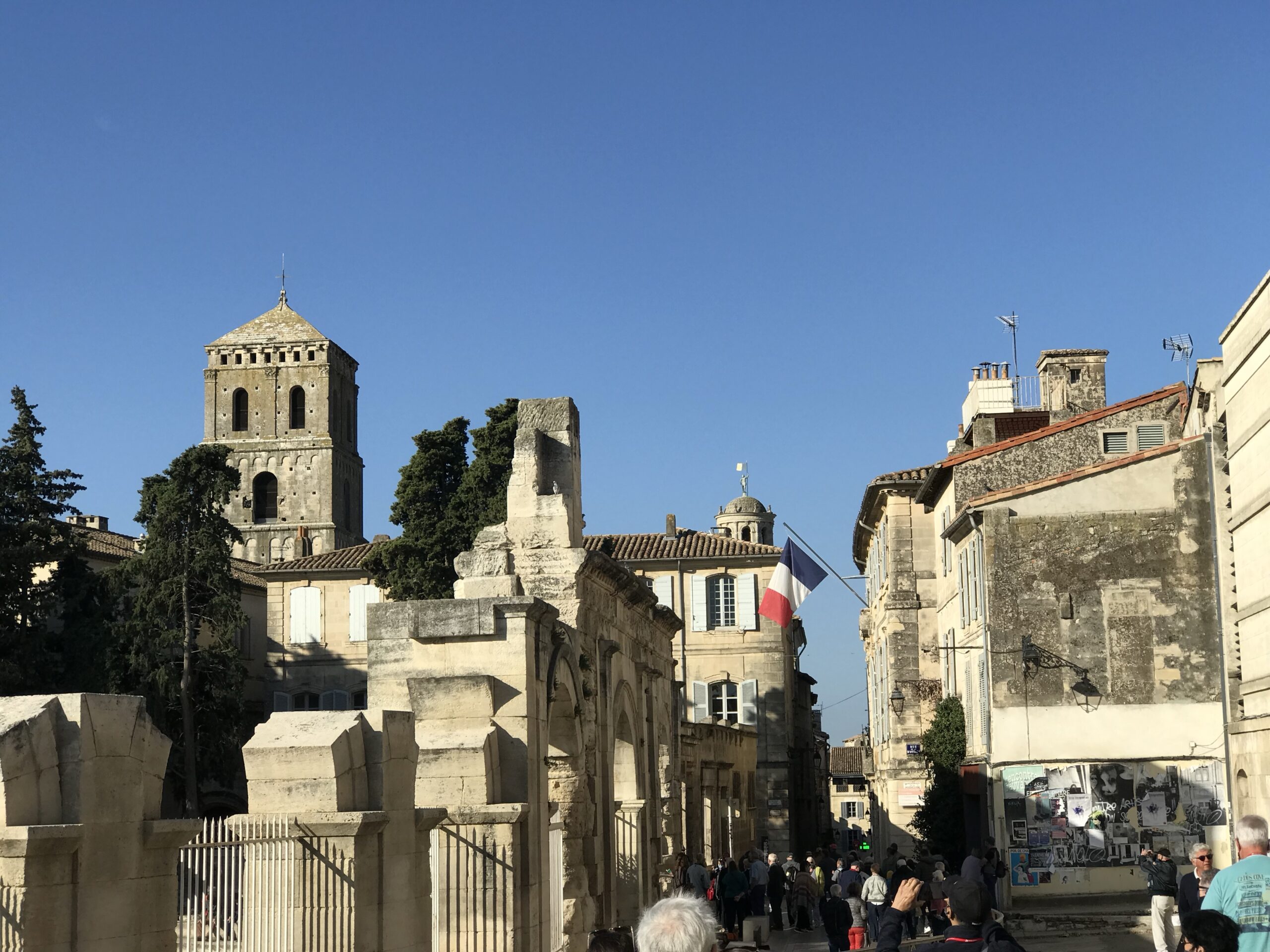
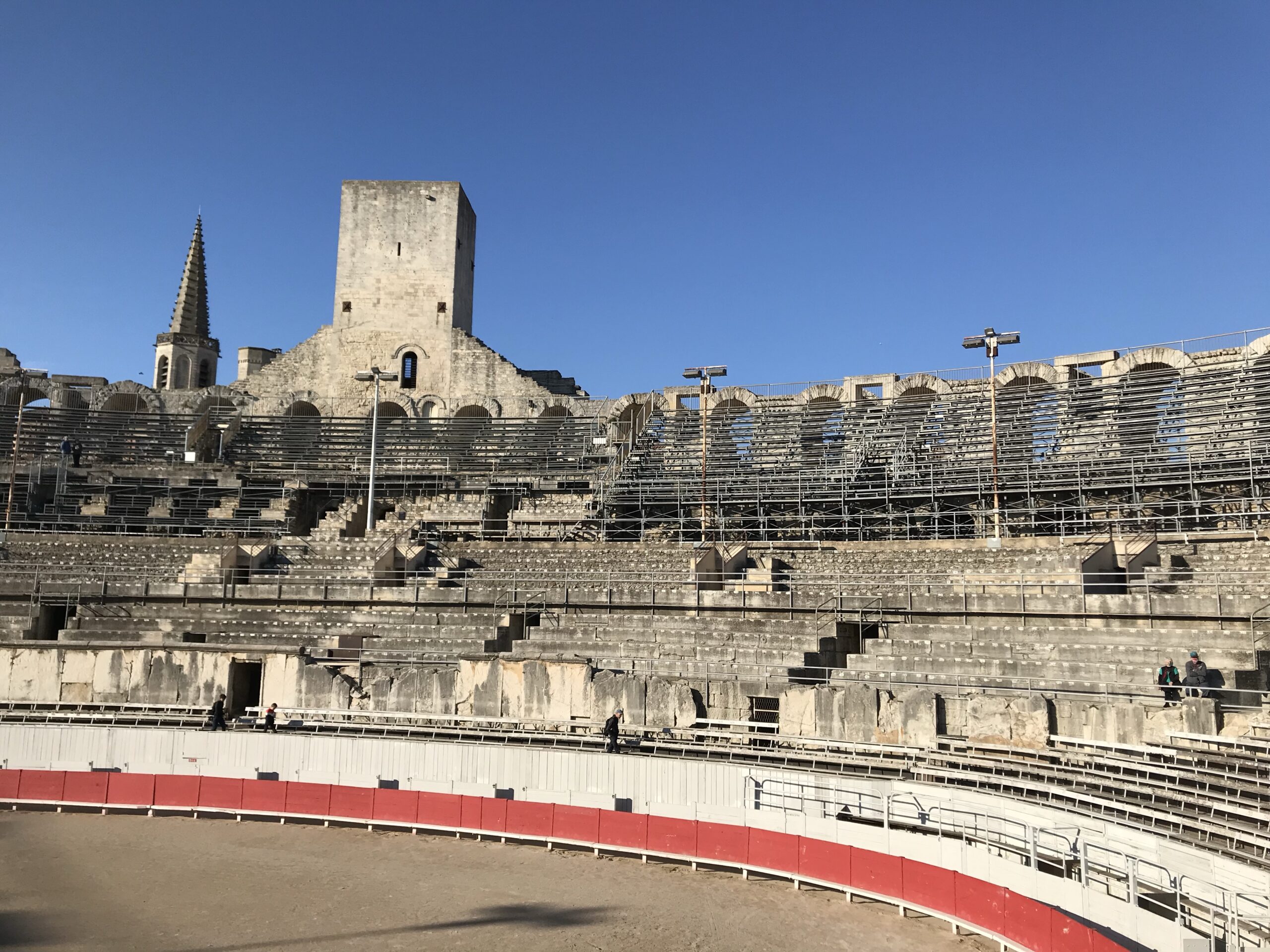
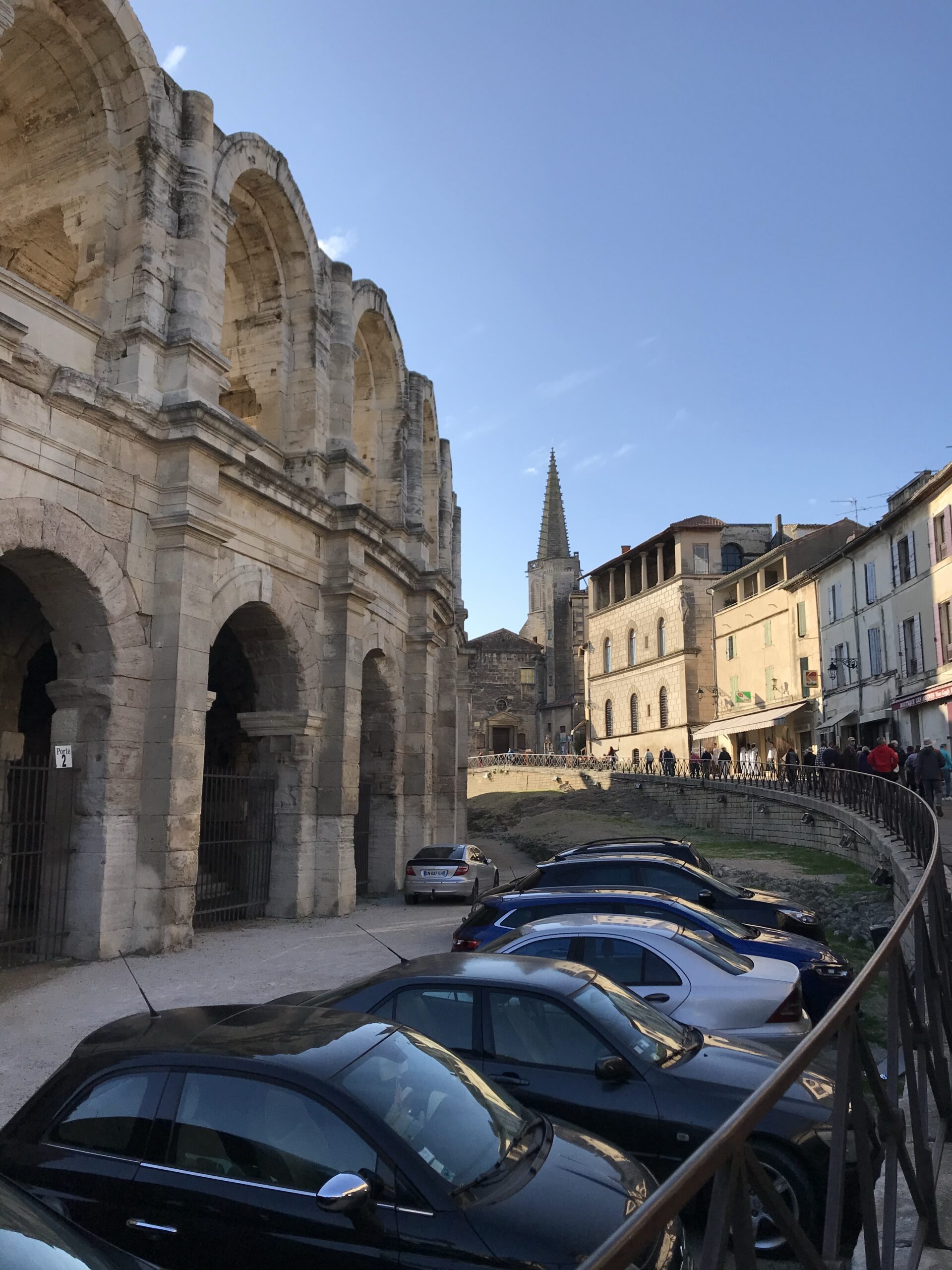
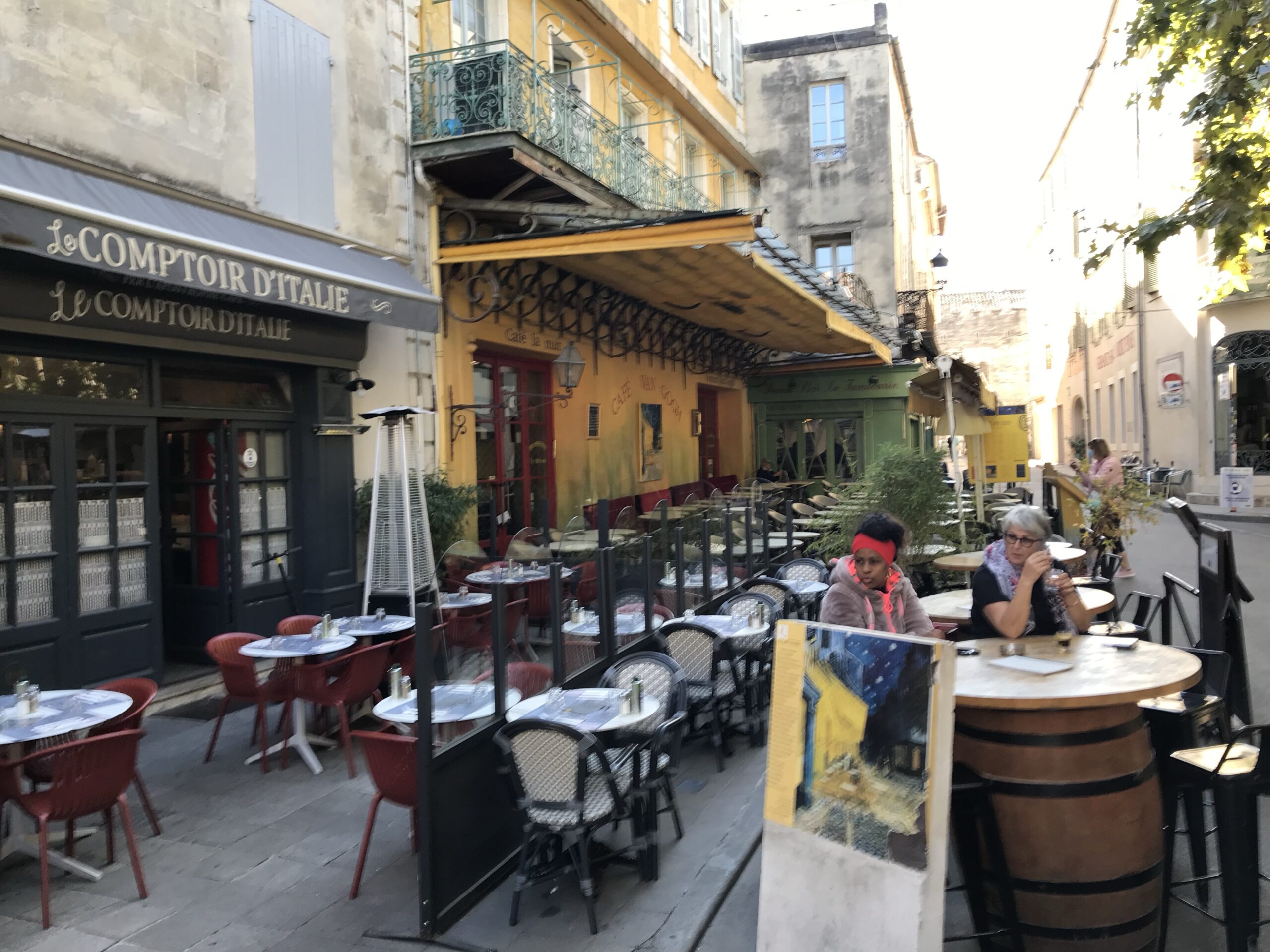
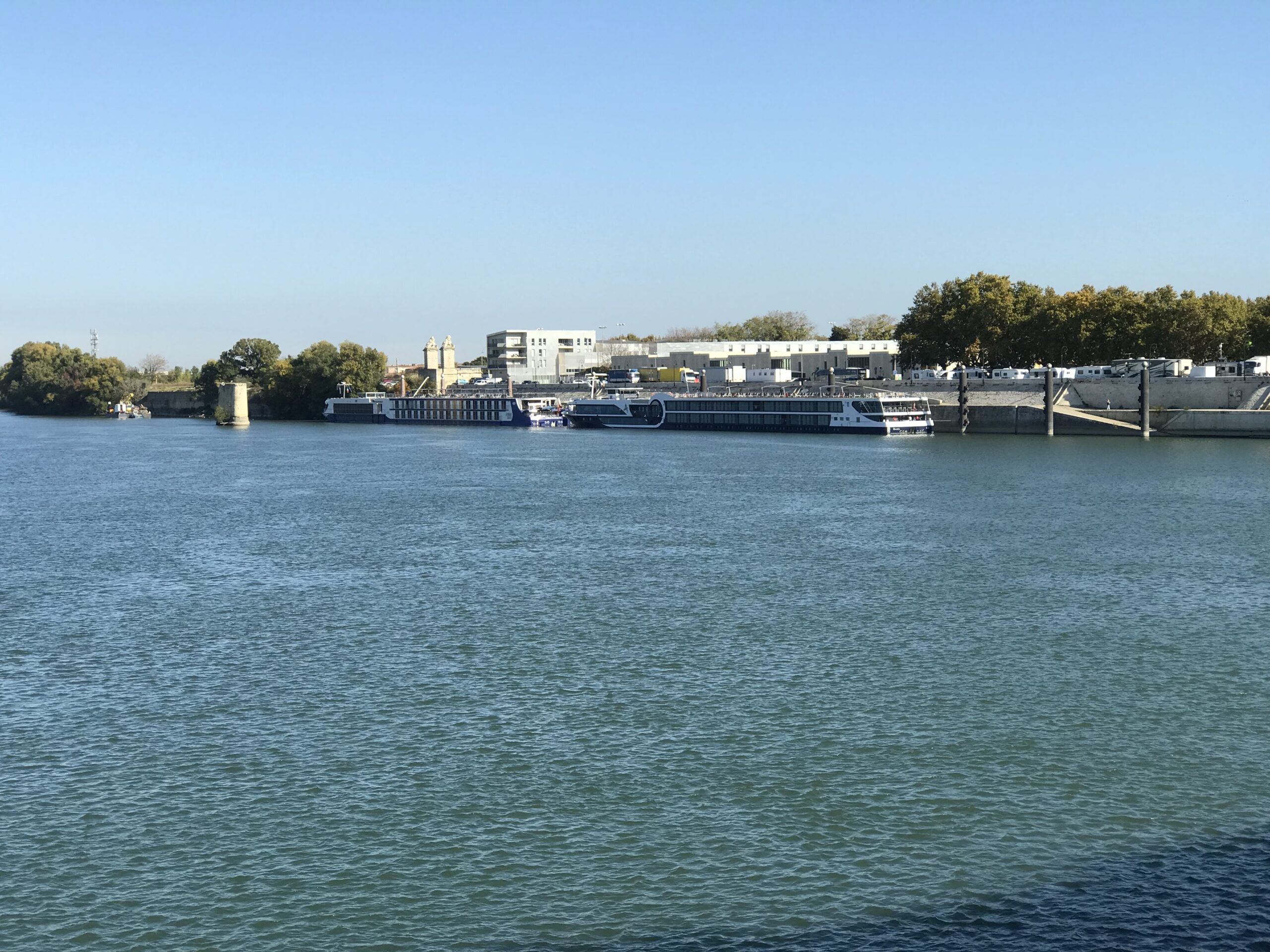
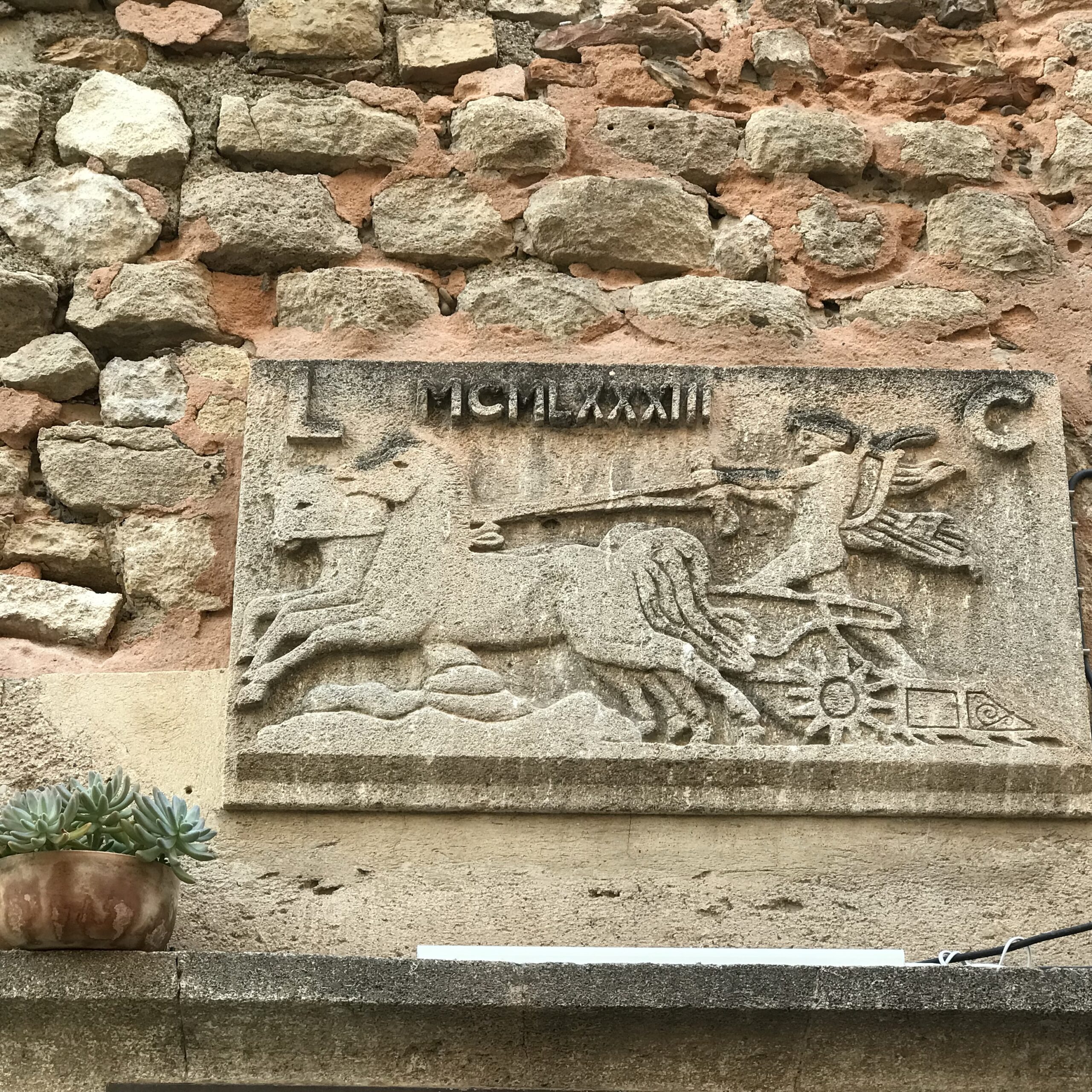
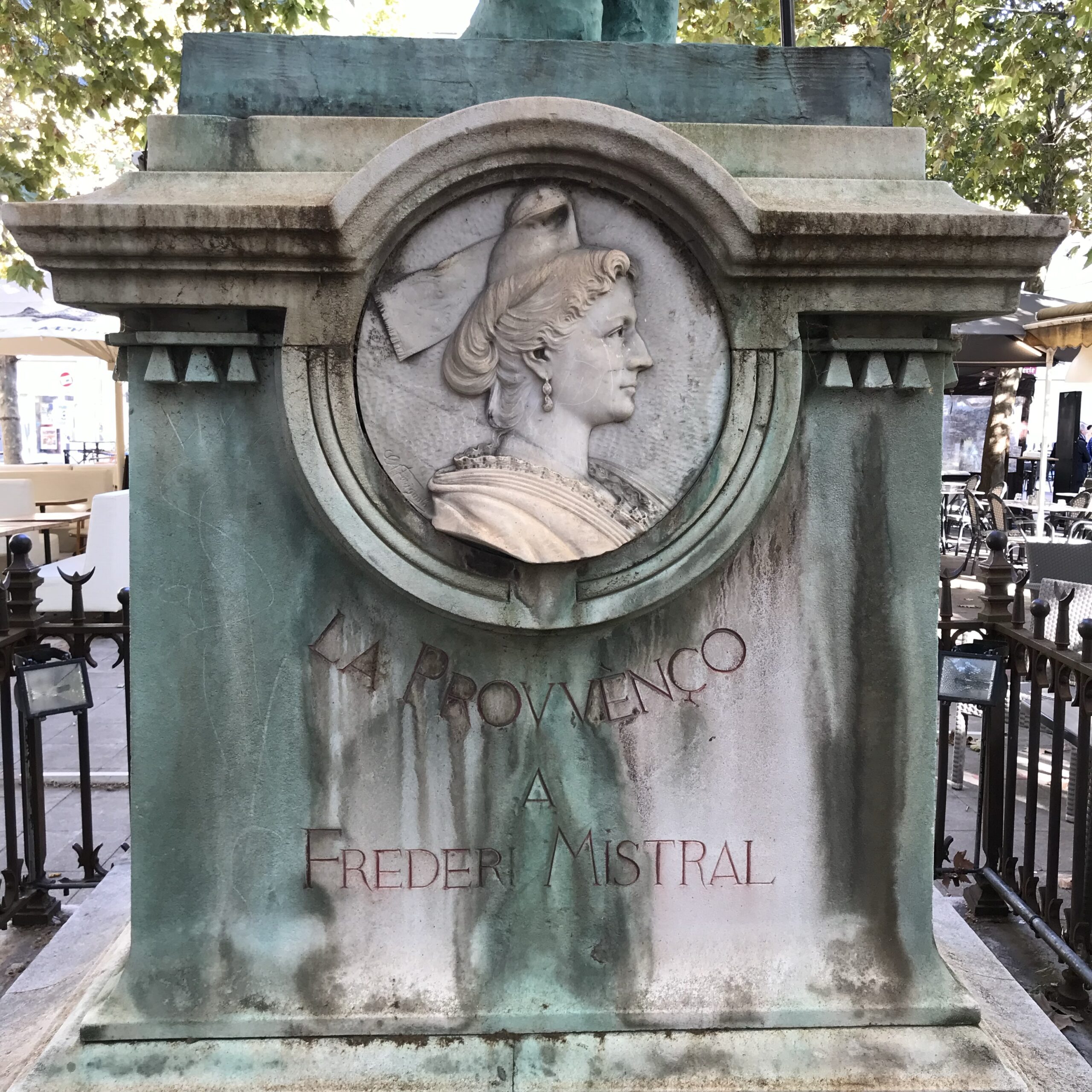
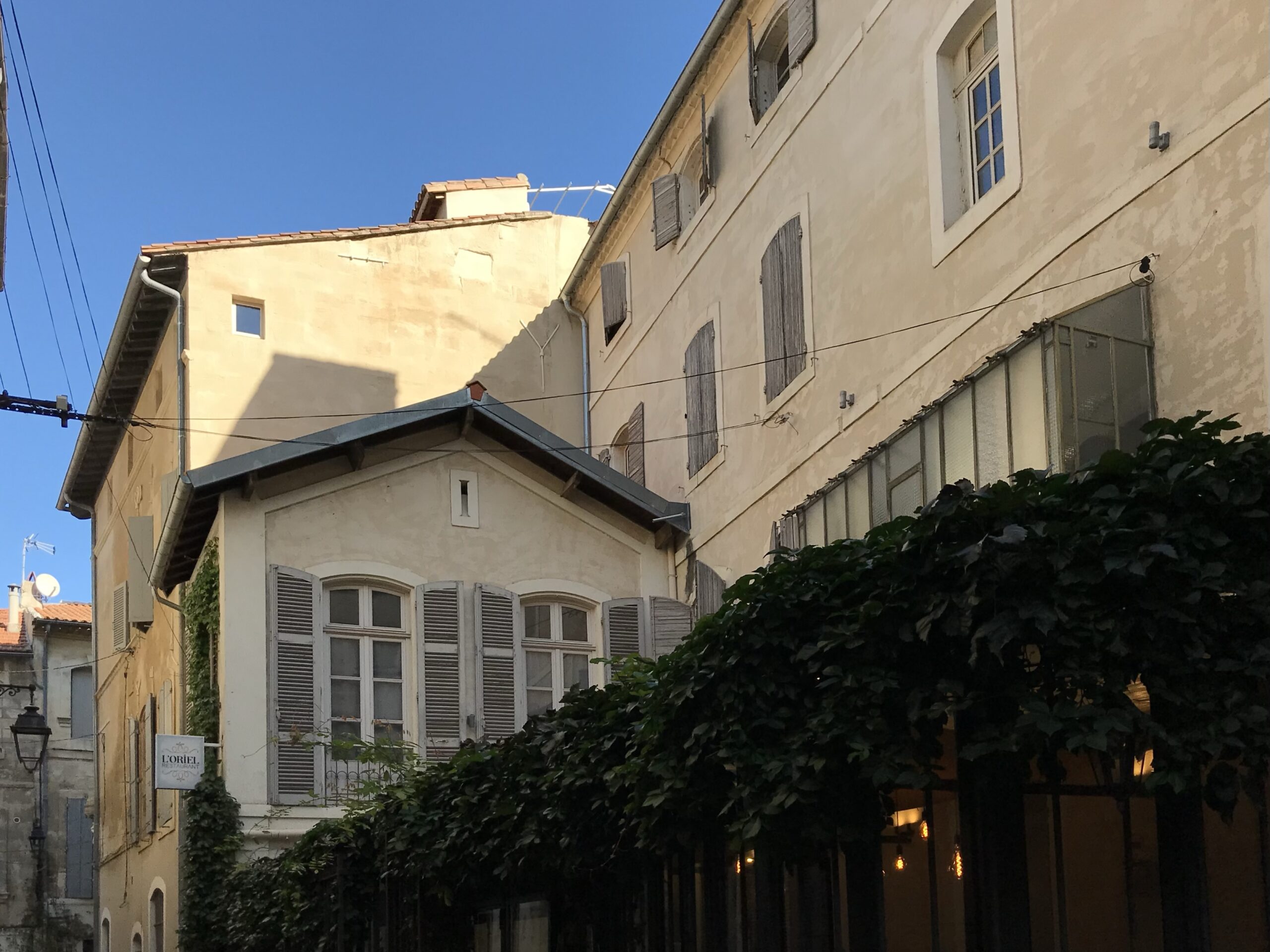
Arles is a Provençal city on the Rhône, best known for its exceptionally preserved Roman and Romanesque monuments, now a UNESCO World Heritage Site.[4][5]
The name Arles comes from Latin Arelate, linked to its status as an important Roman river port, and major landmarks include the 1st‑century amphitheatre, Roman theatre, cryptoporticus, the Baths of Constantine, the necropolis of Alyscamps, and the Romanesque church and cloister of Saint‑Trophime.[5][4]
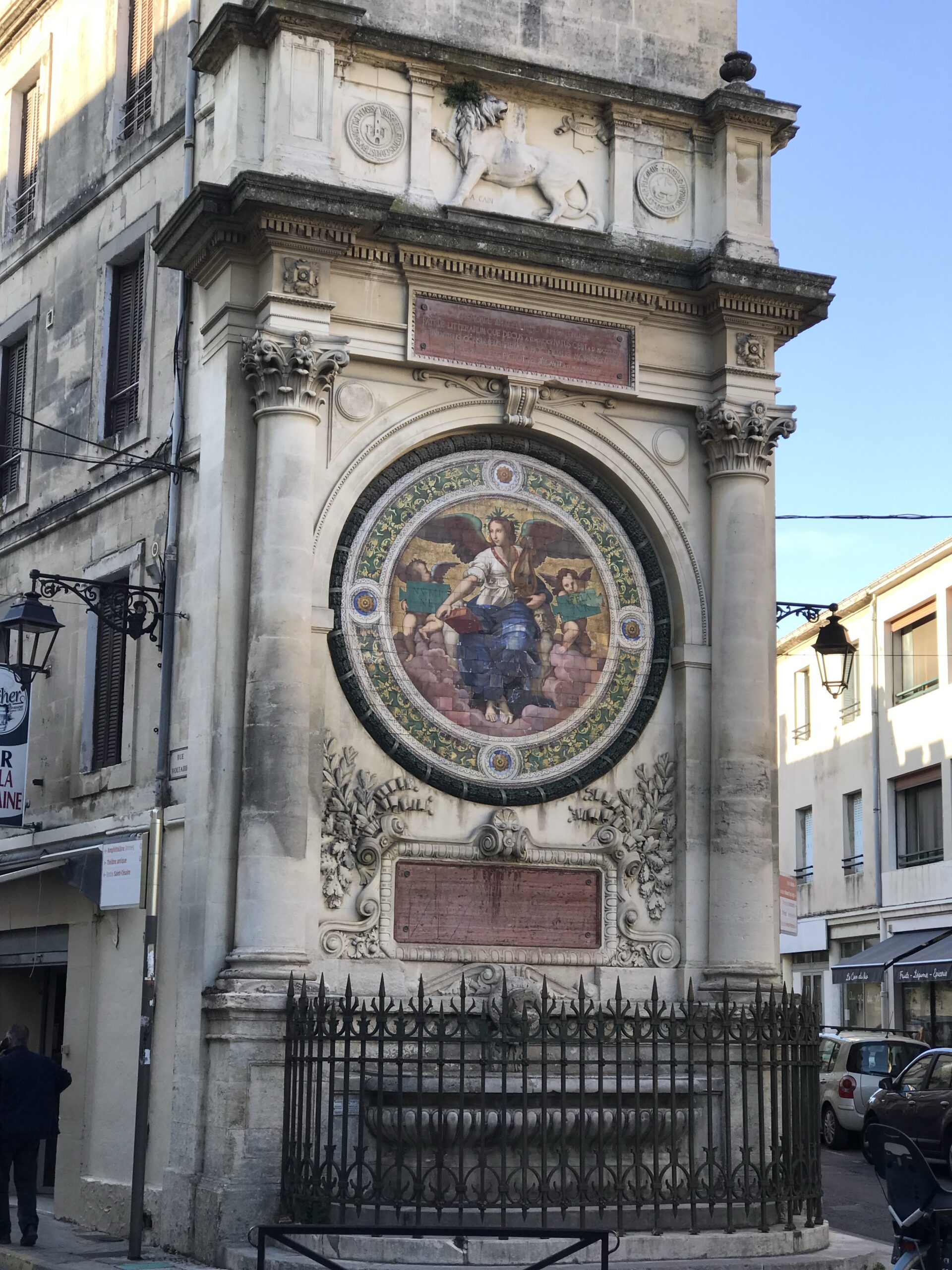
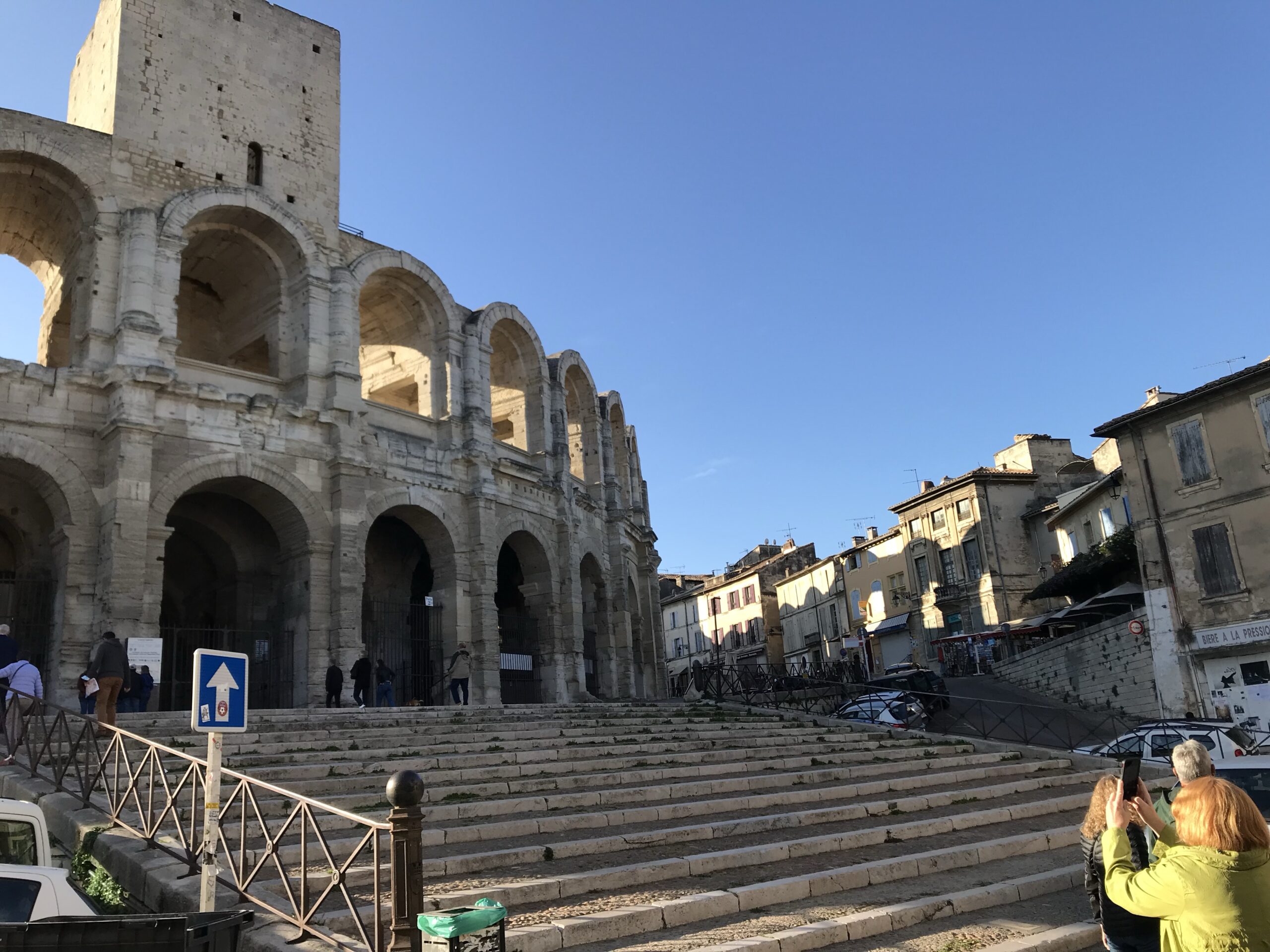
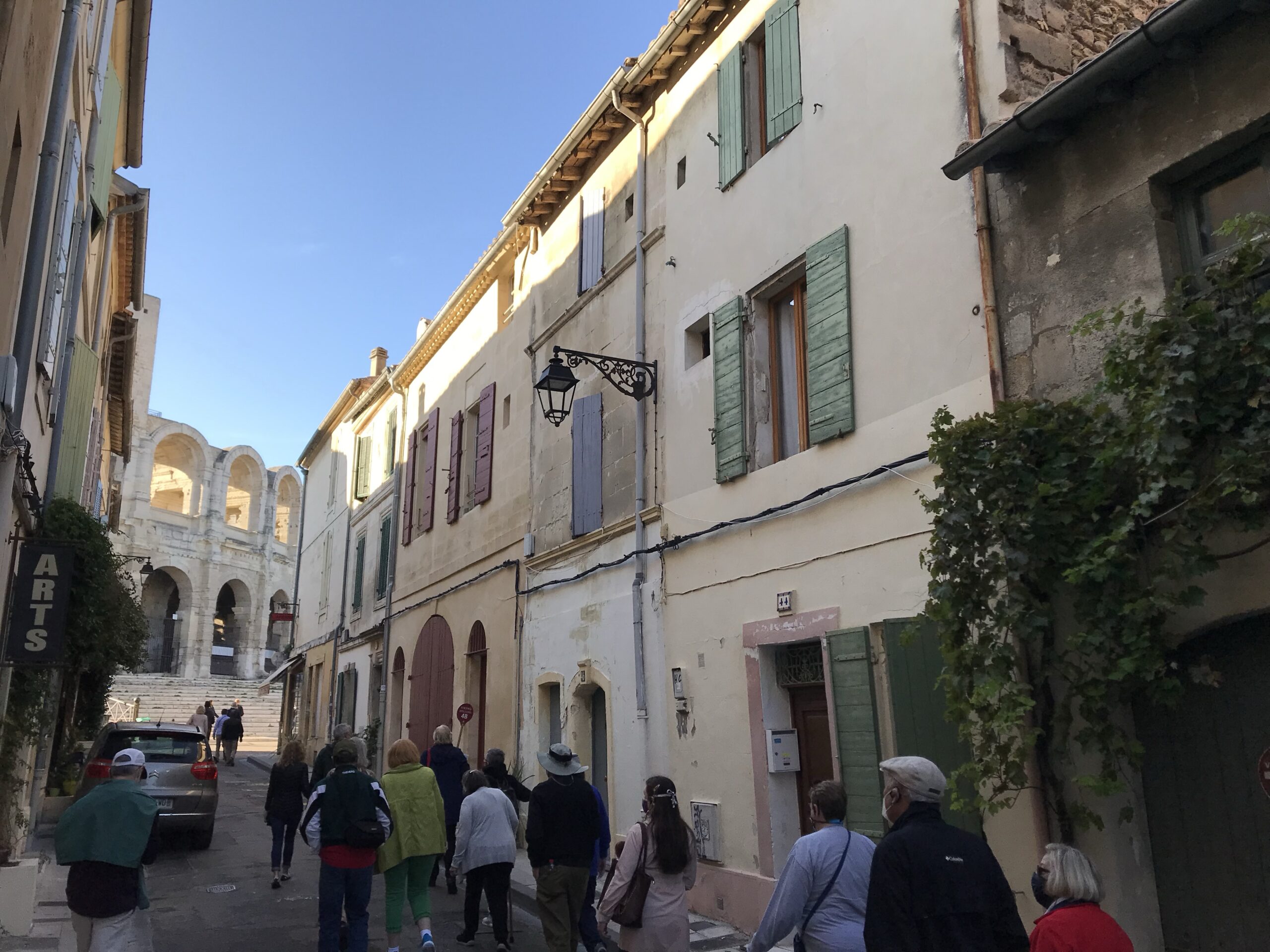
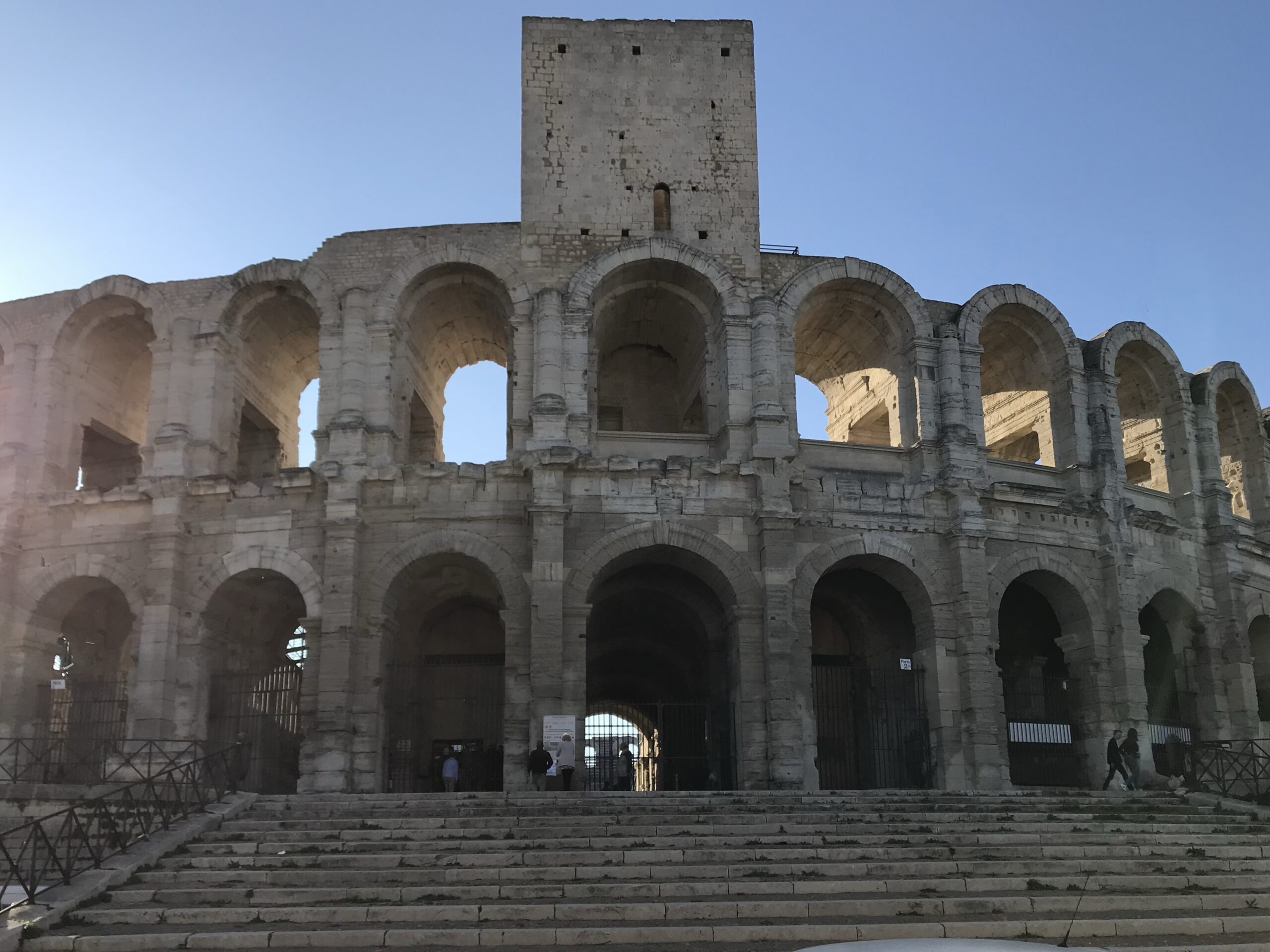
Beaucaire – fortress above the first inland port
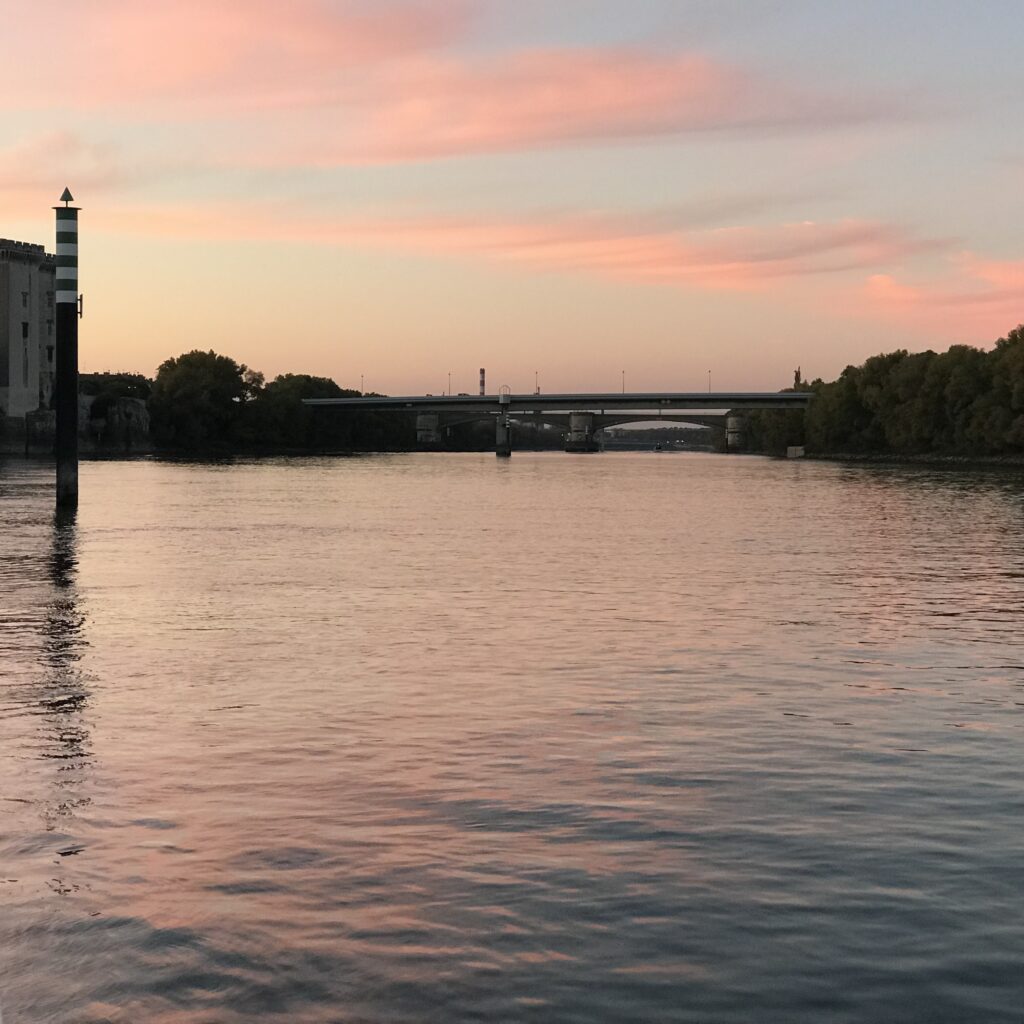
Beaucaire sits on the Rhône just inland from the Mediterranean and historically guarded one of the first inland ports upstream, making it a fiercely contested frontier town.[6]
Its name relates to “beautiful stone” or “beautiful rock,” reflecting the rocky spur above the river, and today the town is especially known for the medieval Château de Beaucaire dominating the skyline and the remains of its historic ramparts.[7][6]
Île du Comte – off Barthelasse
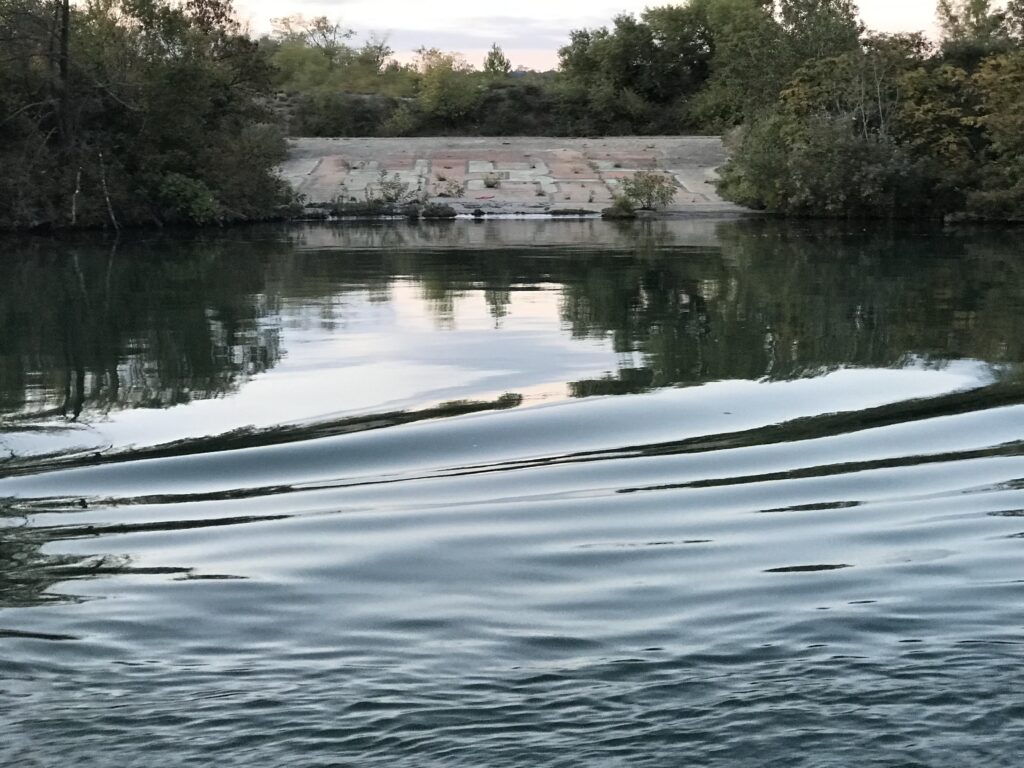
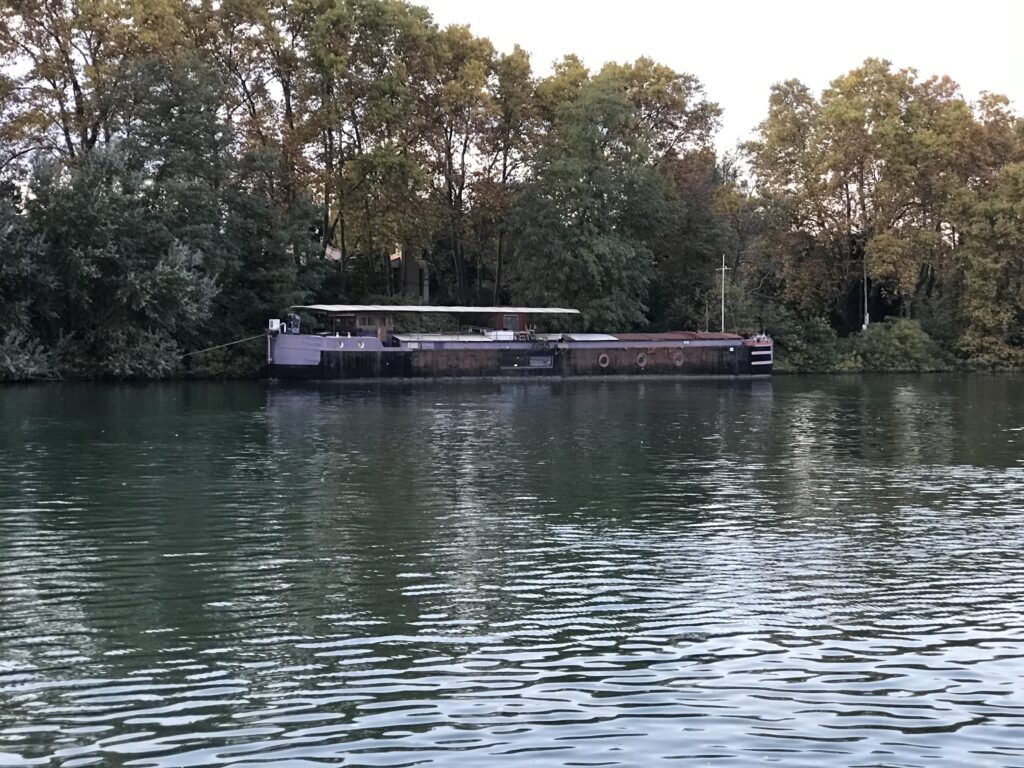
The Île du Comte lies in the braided Rhône near Avignon, in the same river archipelago as Barthelasse and Piot islands, and is part of this low‑lying floodplain environment of channels and farmland.[8][9]
Its name evokes a “count’s island,” suggesting past seigneurial ownership, and while it lacks major built landmarks of its own, its interest is in views back to Avignon’s walls and its role in the wider protected river landscape around Barthelasse.[9][8]
Île de la Barthelasse – Europe’s largest river island
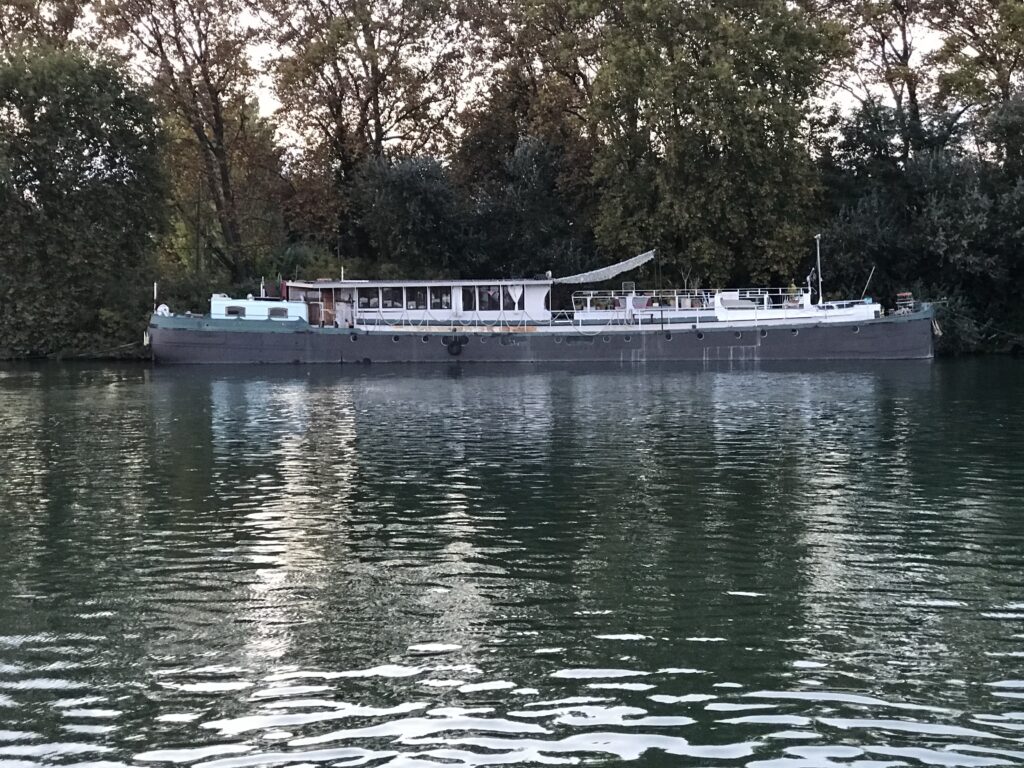
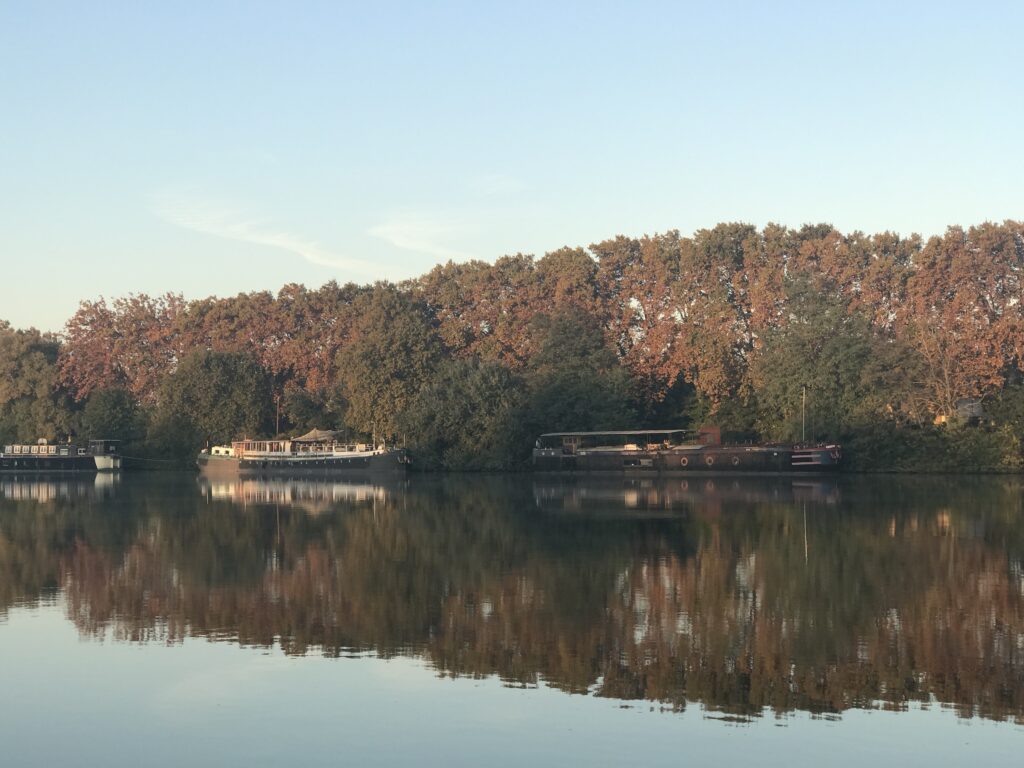
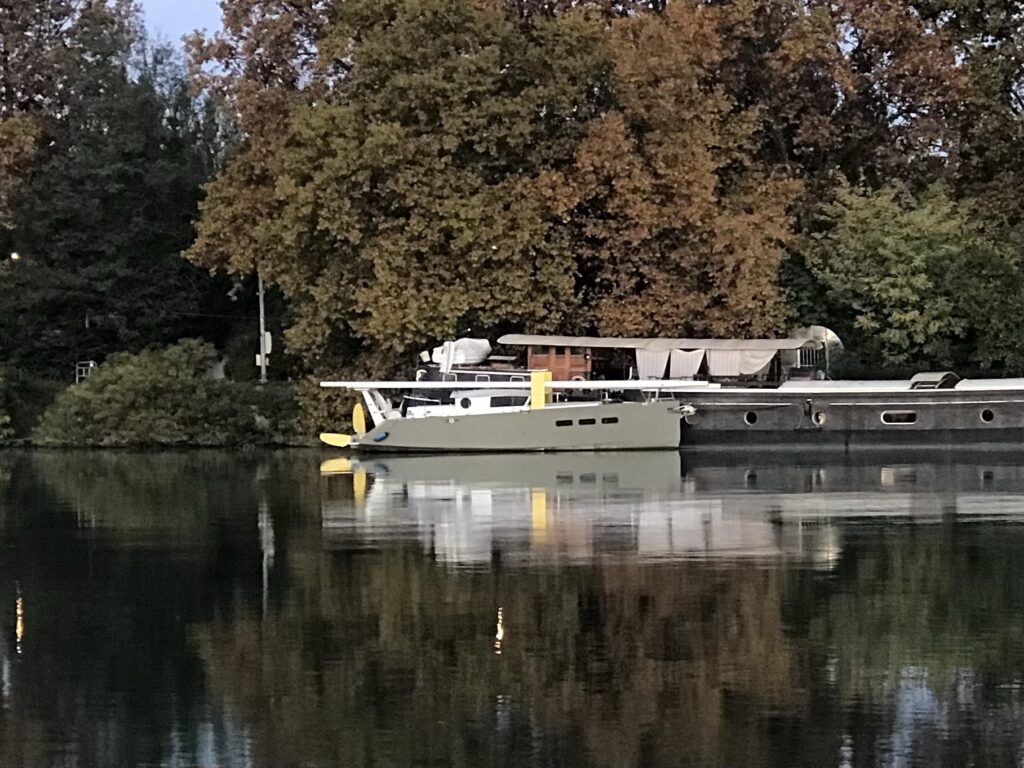
Île de la Barthelasse, between Avignon and Villeneuve‑lès‑Avignon, is often described as Europe’s largest river island, covering roughly 700 hectares between two branches of the Rhône.[10][8][9]
The name is tied to historic local landownership, and the island is known for its orchards and farmland, riverside paths and bike routes, leisure areas, and wide views across to the Pont Saint‑Bénézet and the Popes’ Palace; there is also a Maison du Parc visitor space highlighting its protected natural status.[8][9][10]
Avignon – popes, walls, and a broken bridge
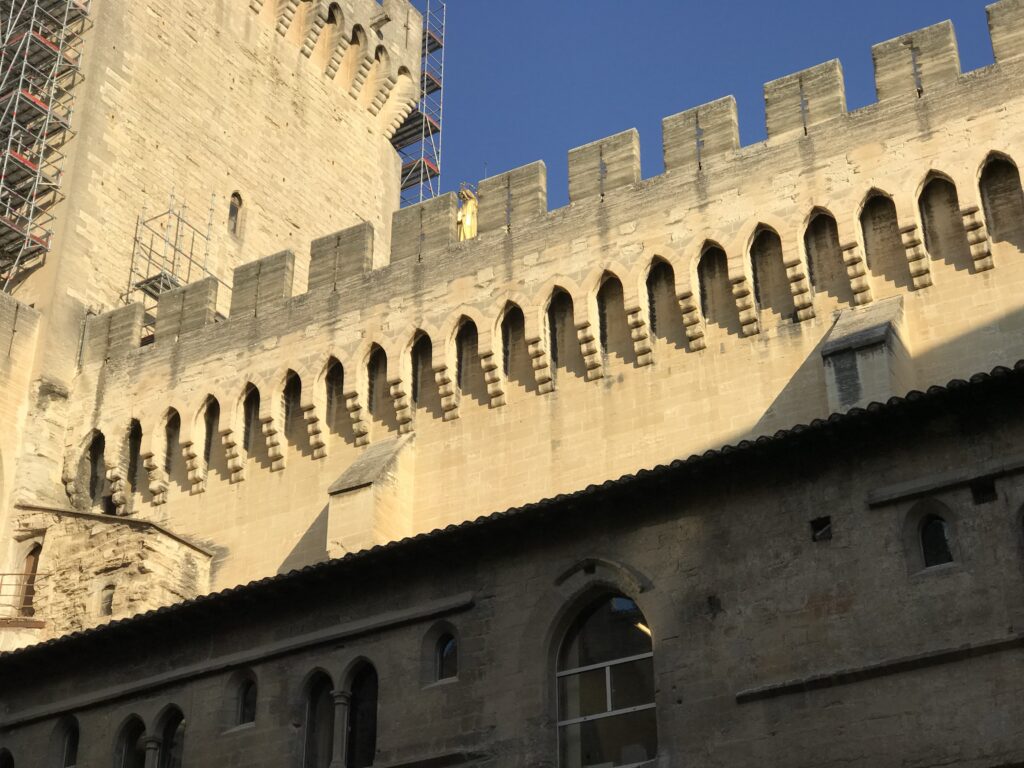
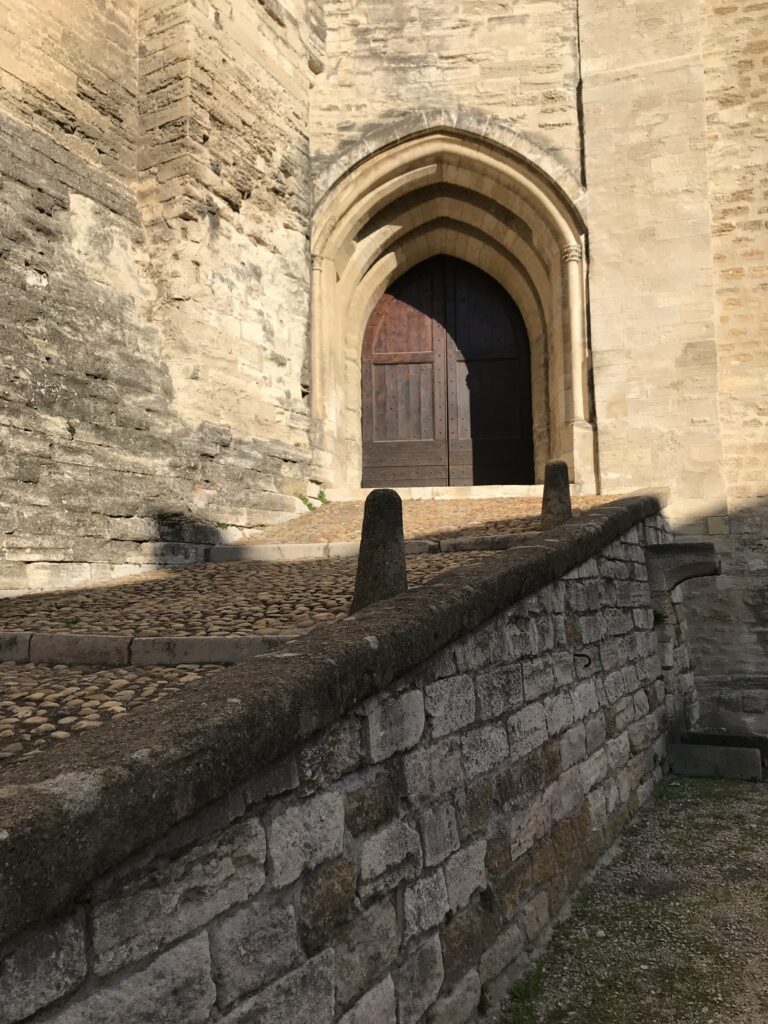
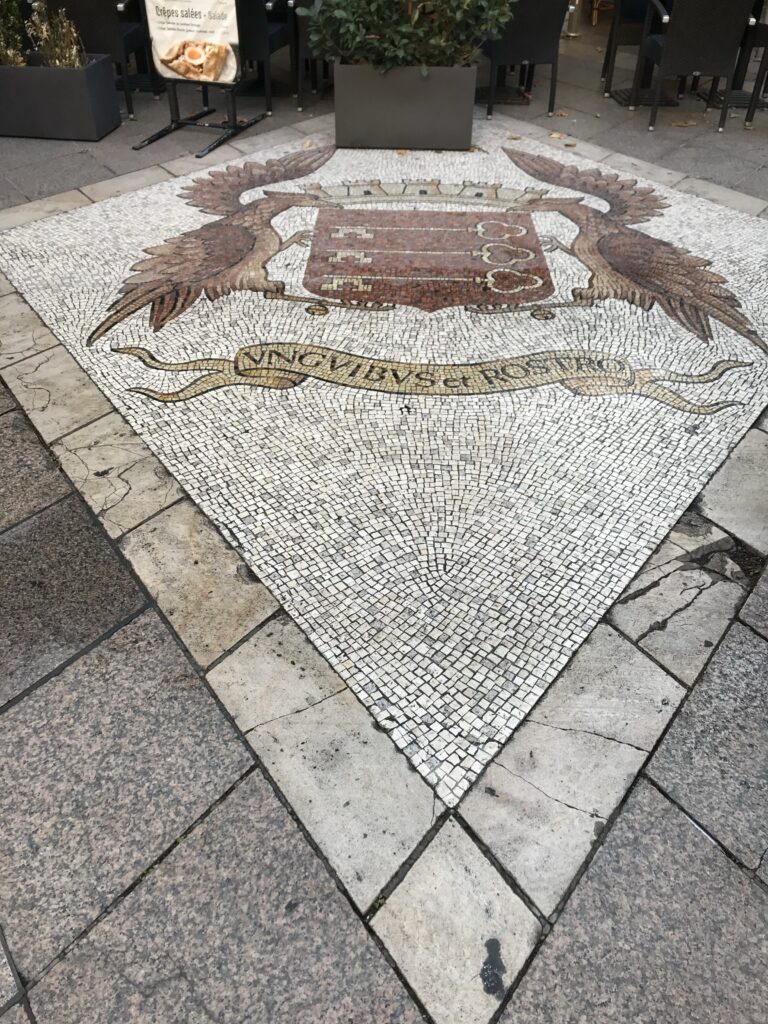
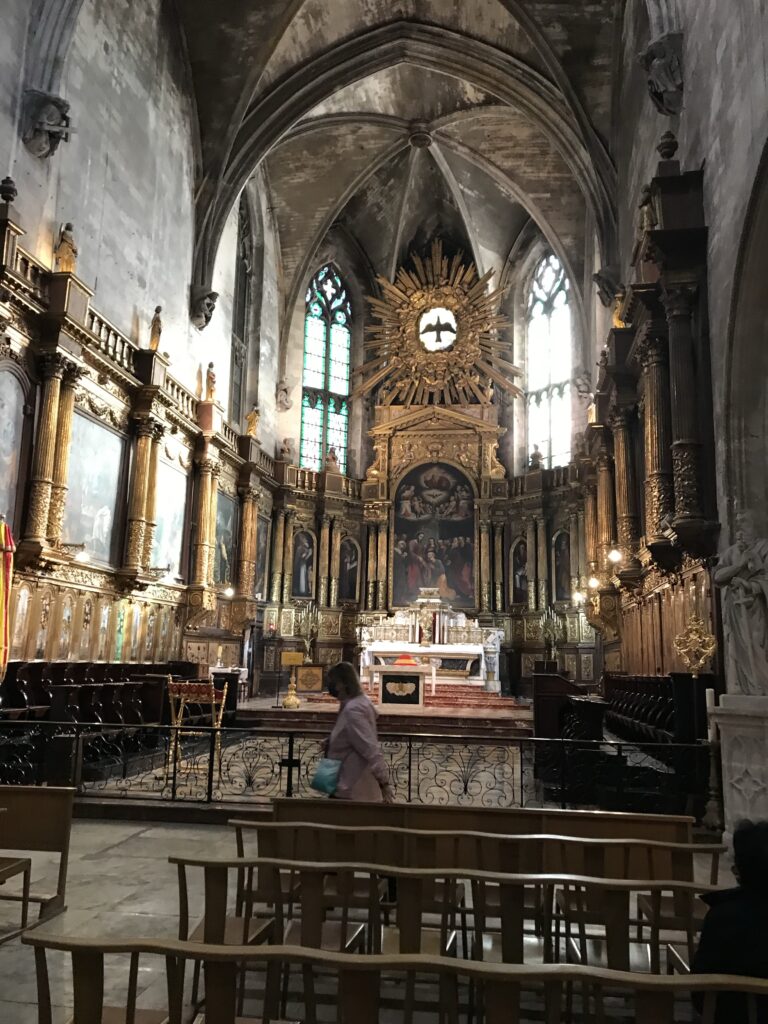
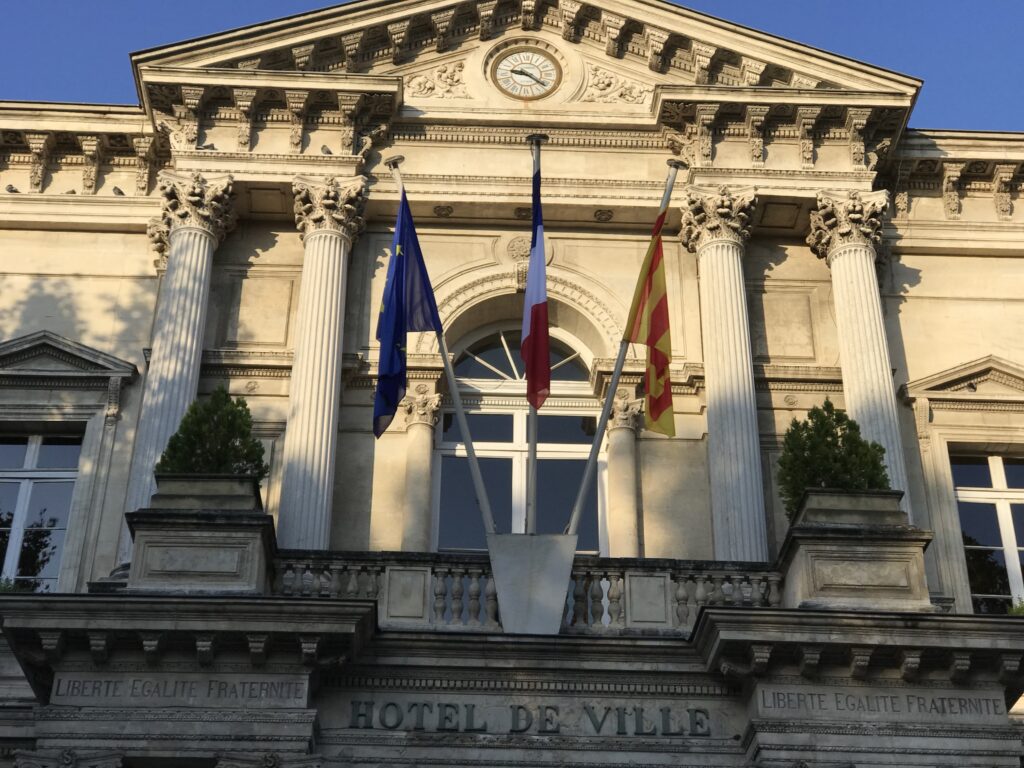
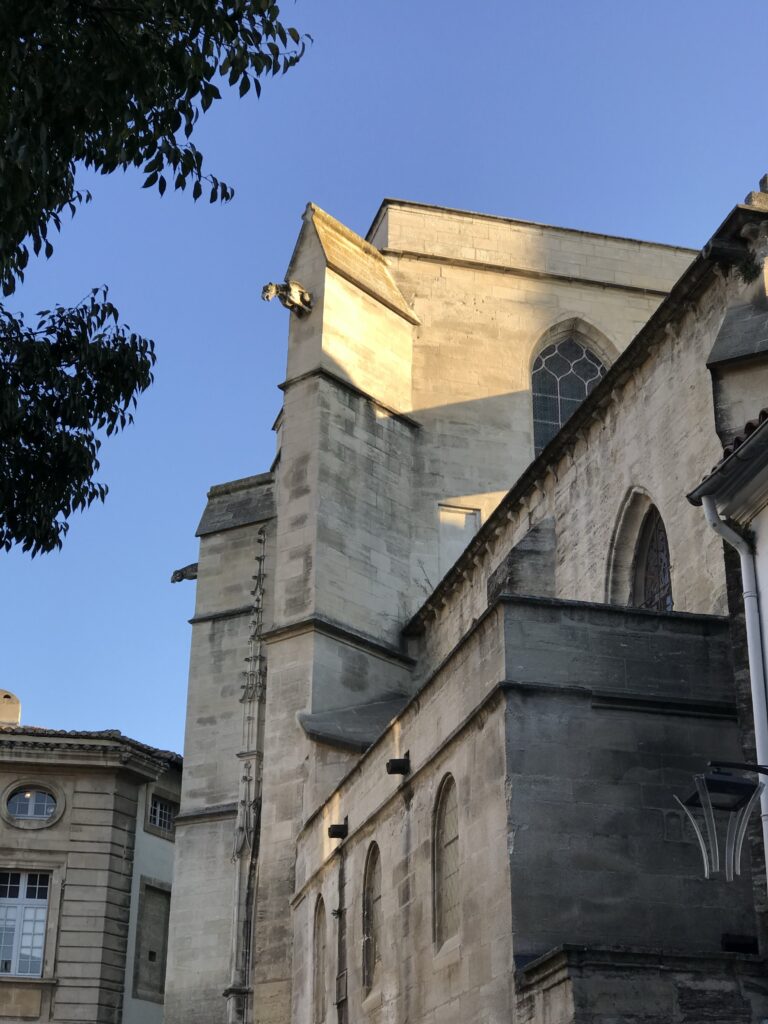
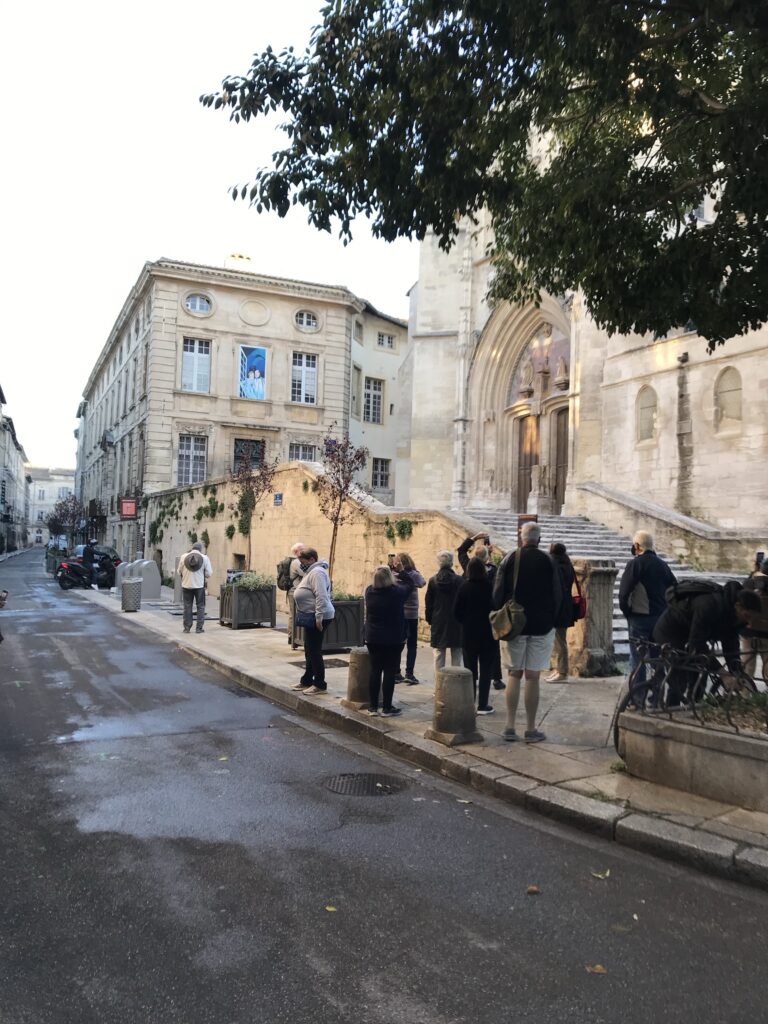
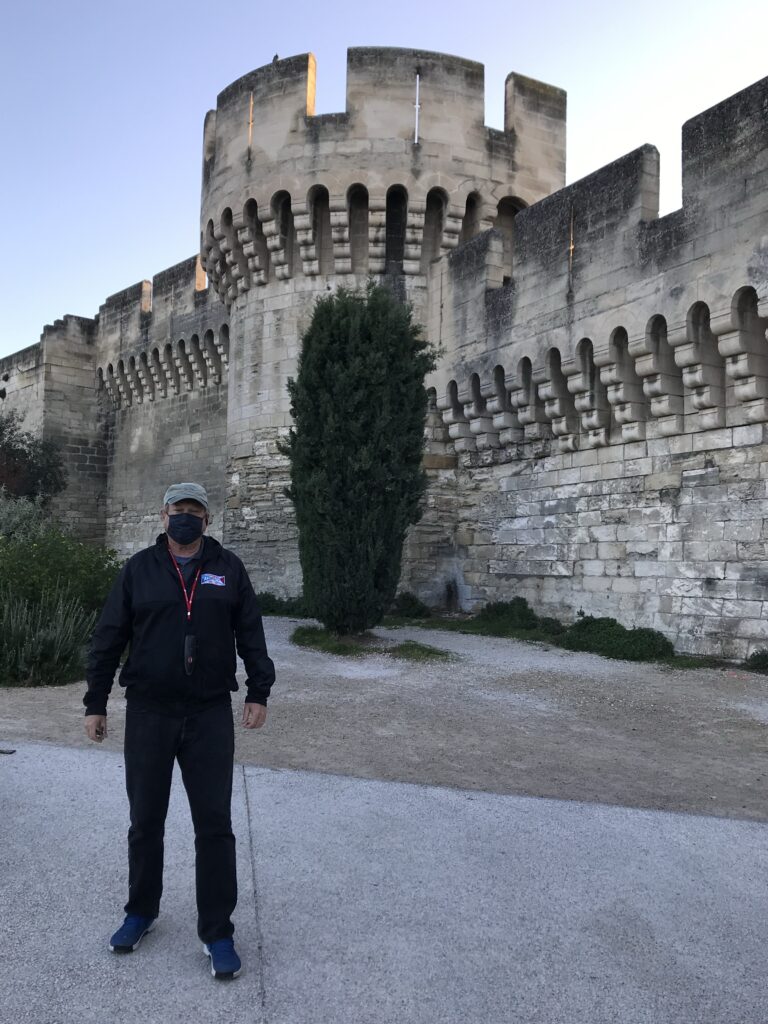
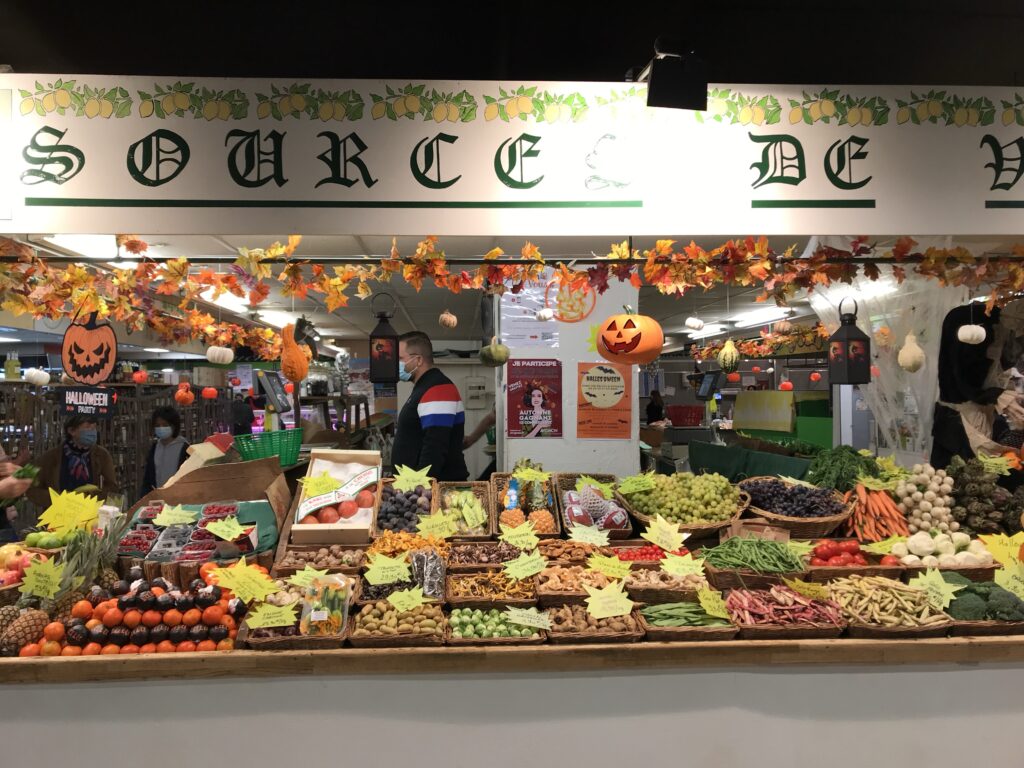
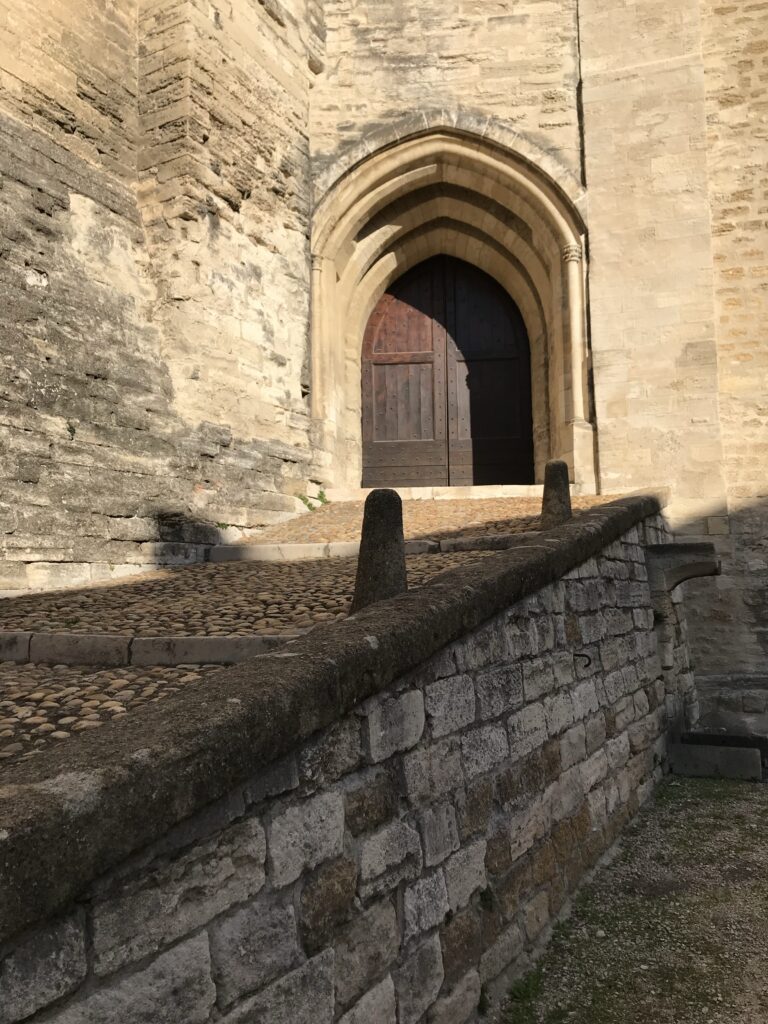
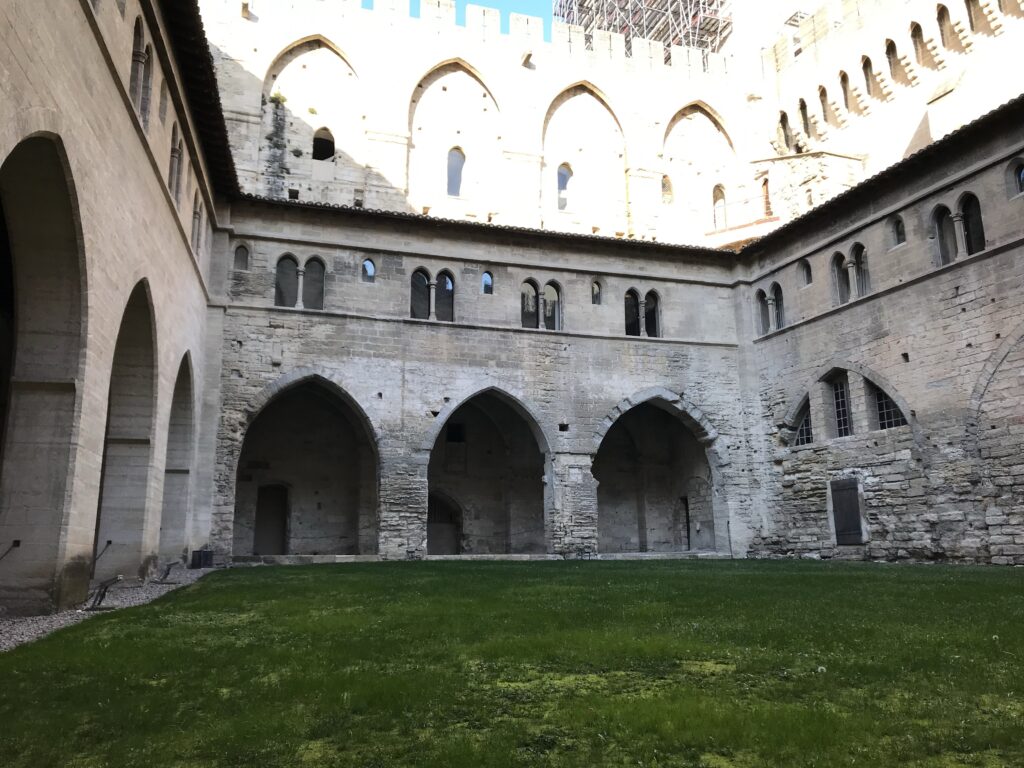
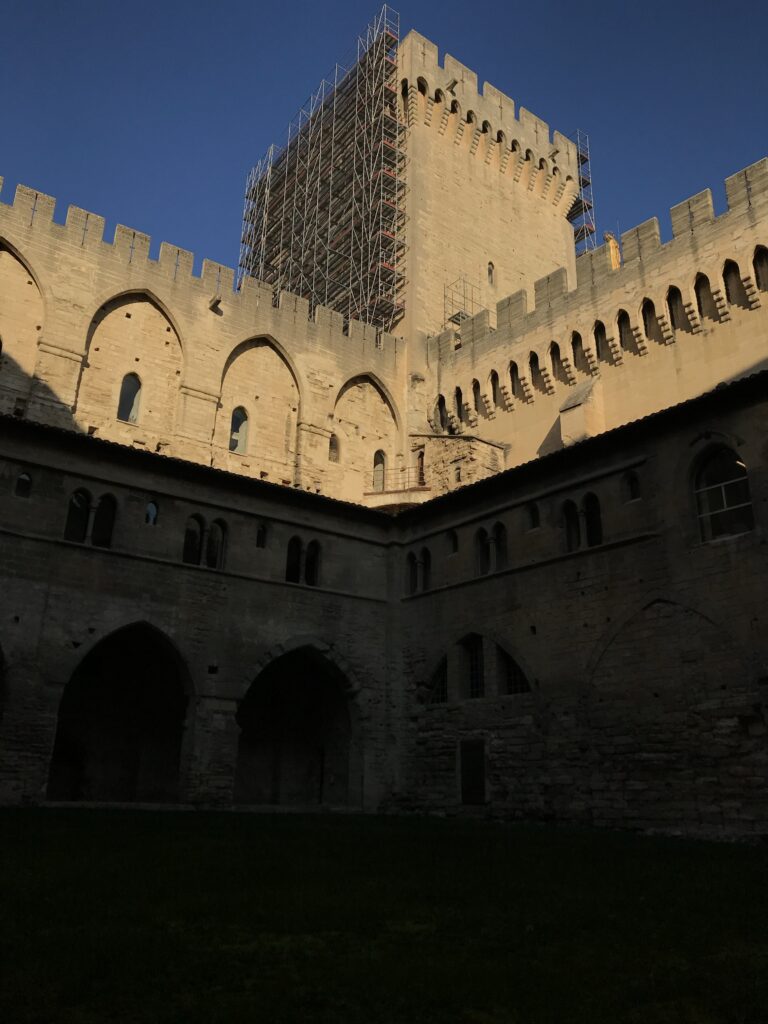
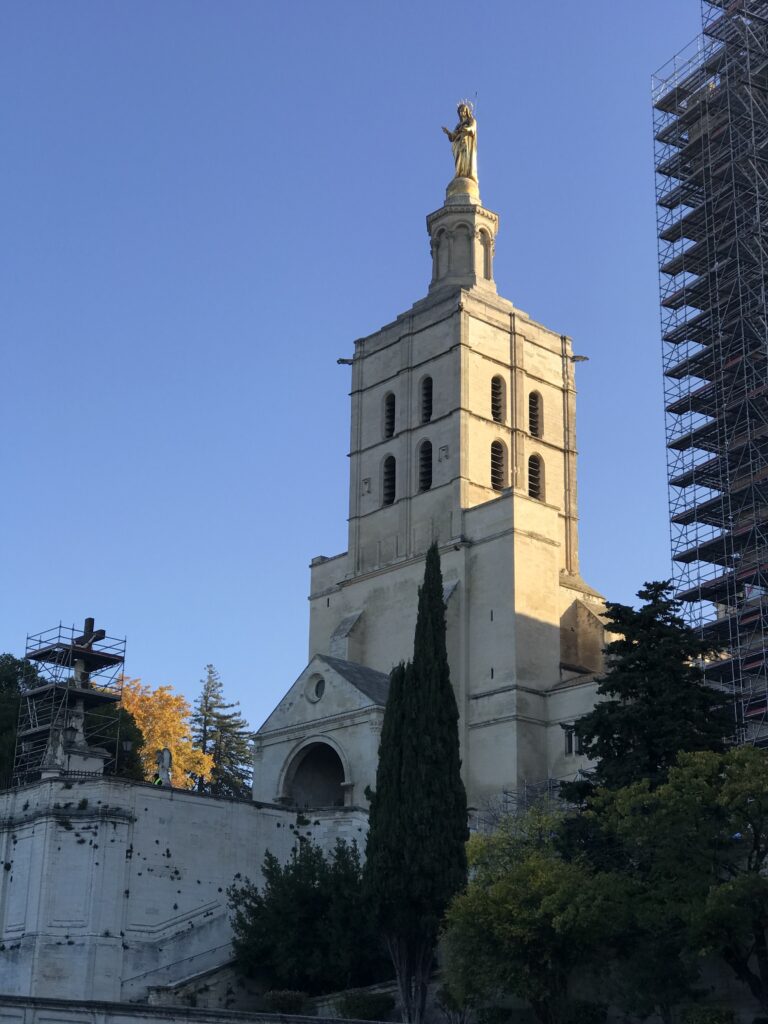
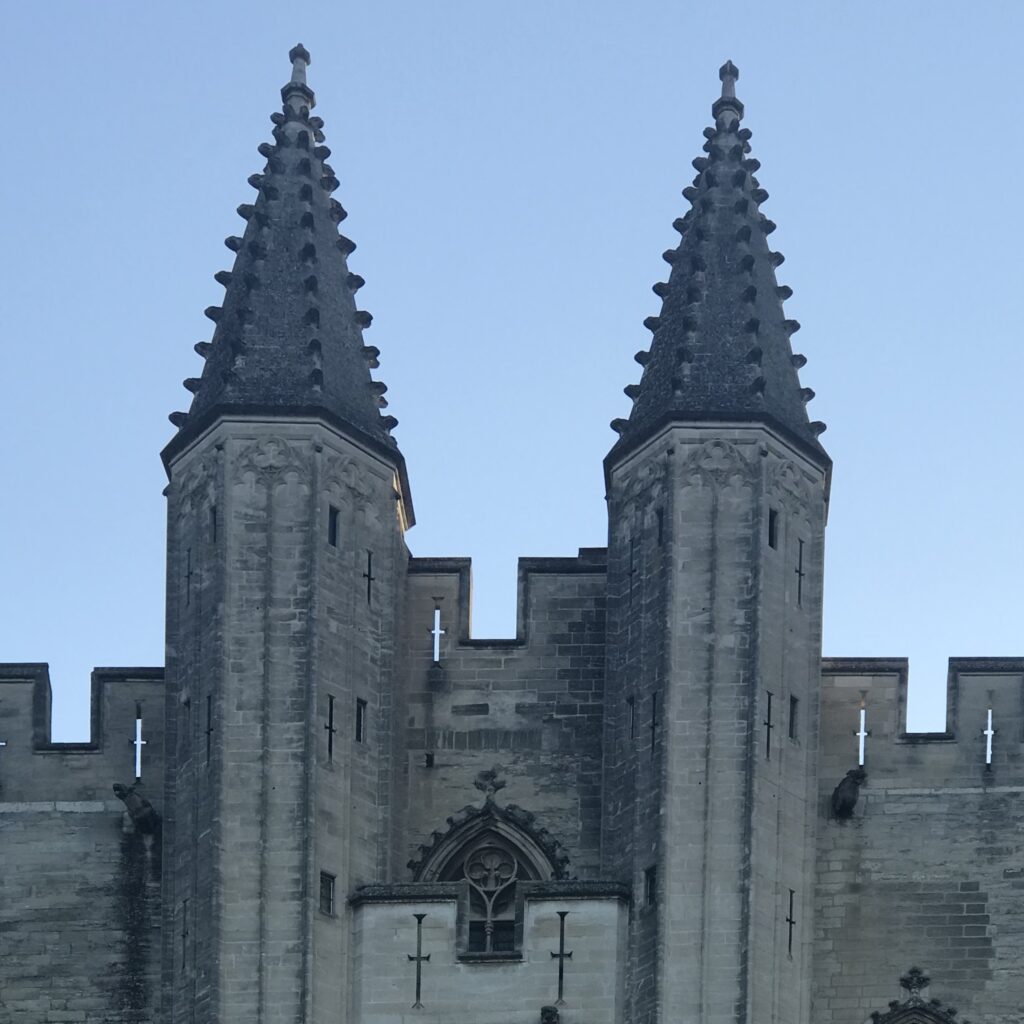
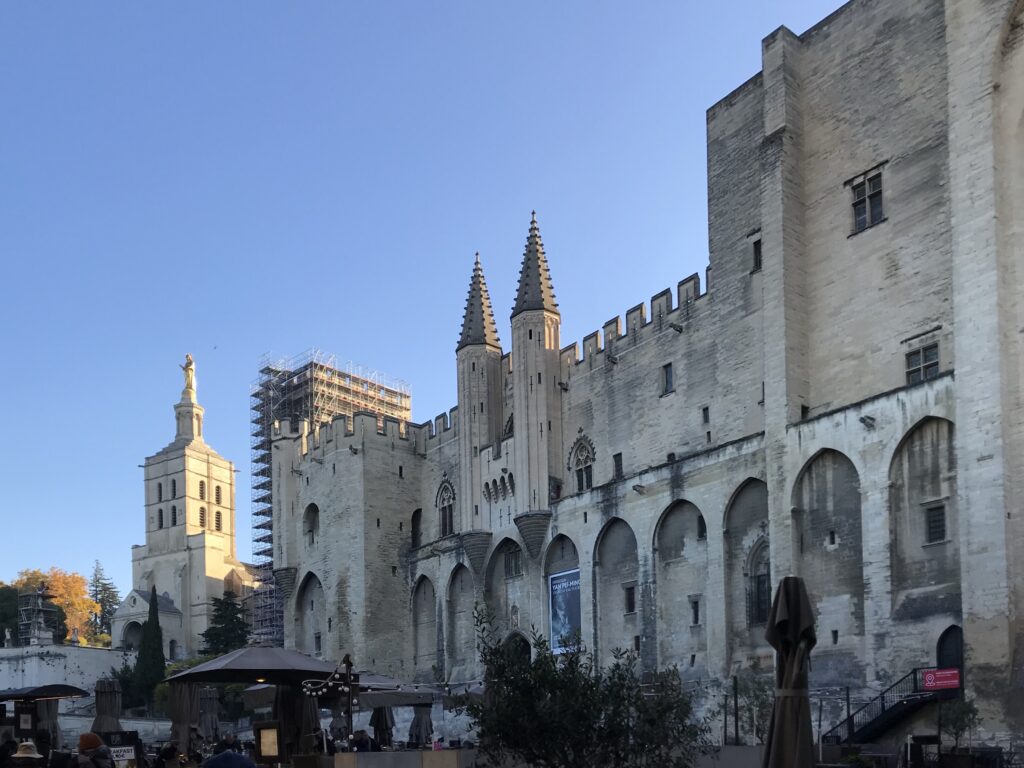
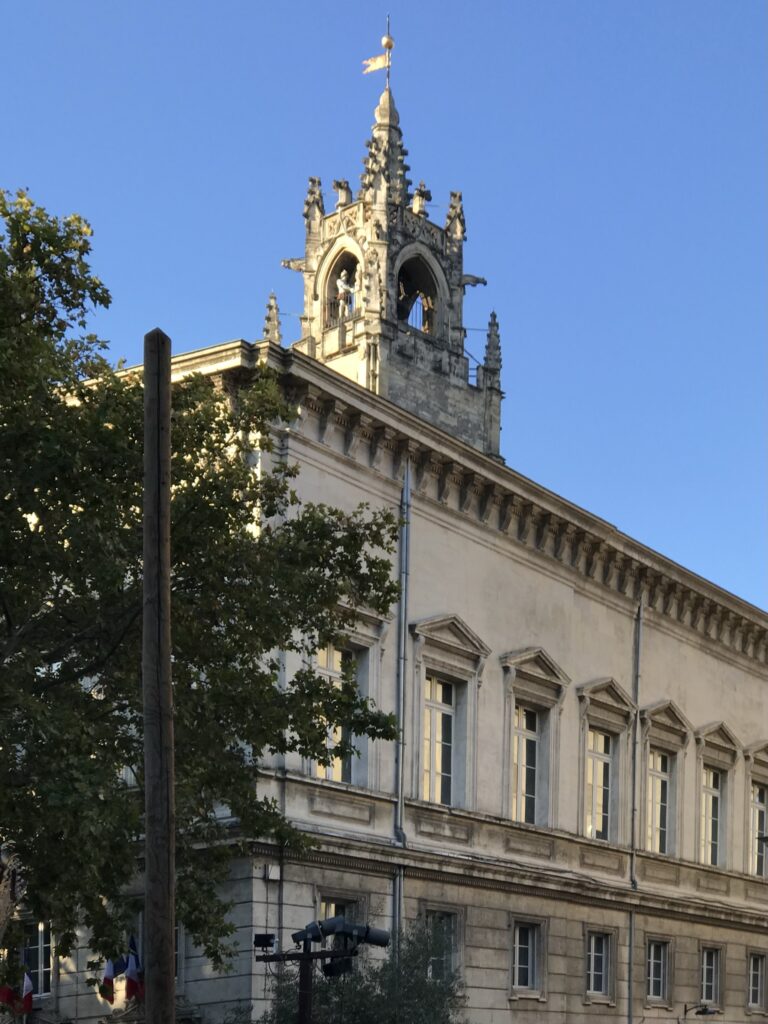
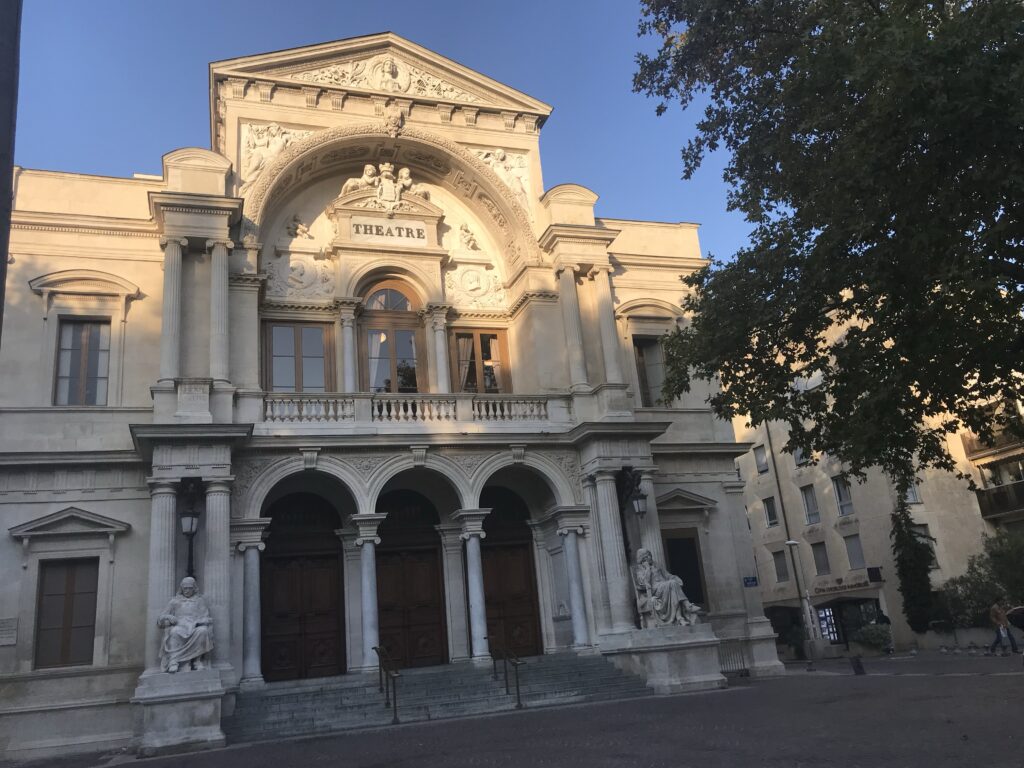
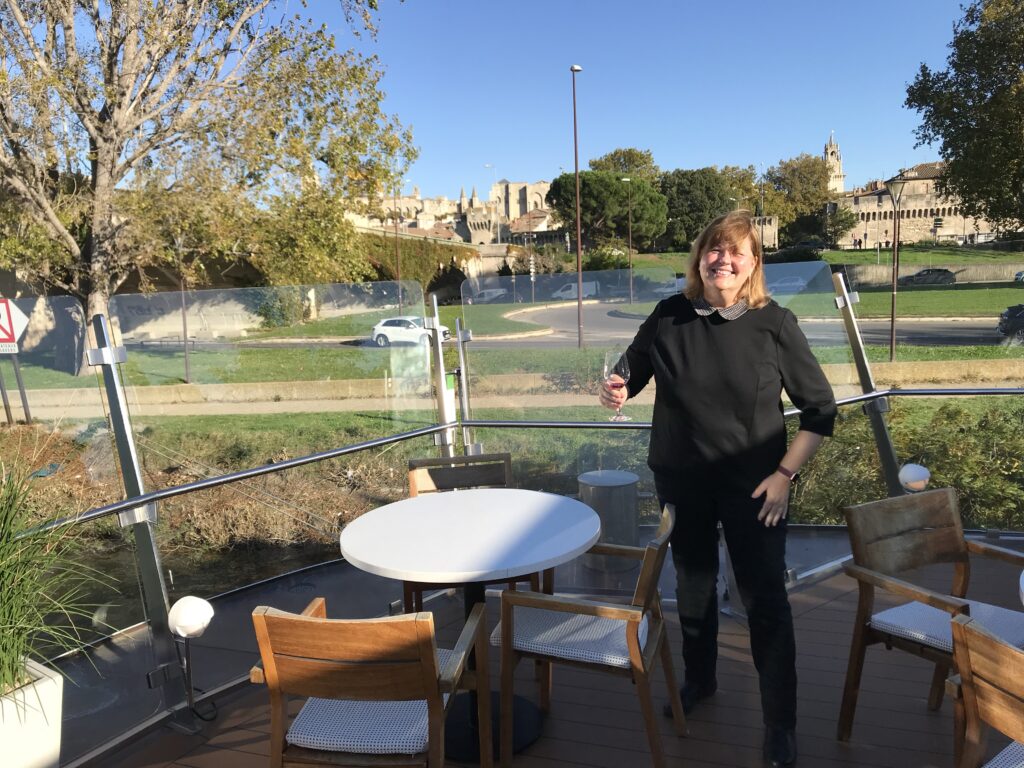
Avignon is famed for having been the seat of the papacy in the 14th century, enclosed within about 4.3 km of intact medieval city walls.[11][12]
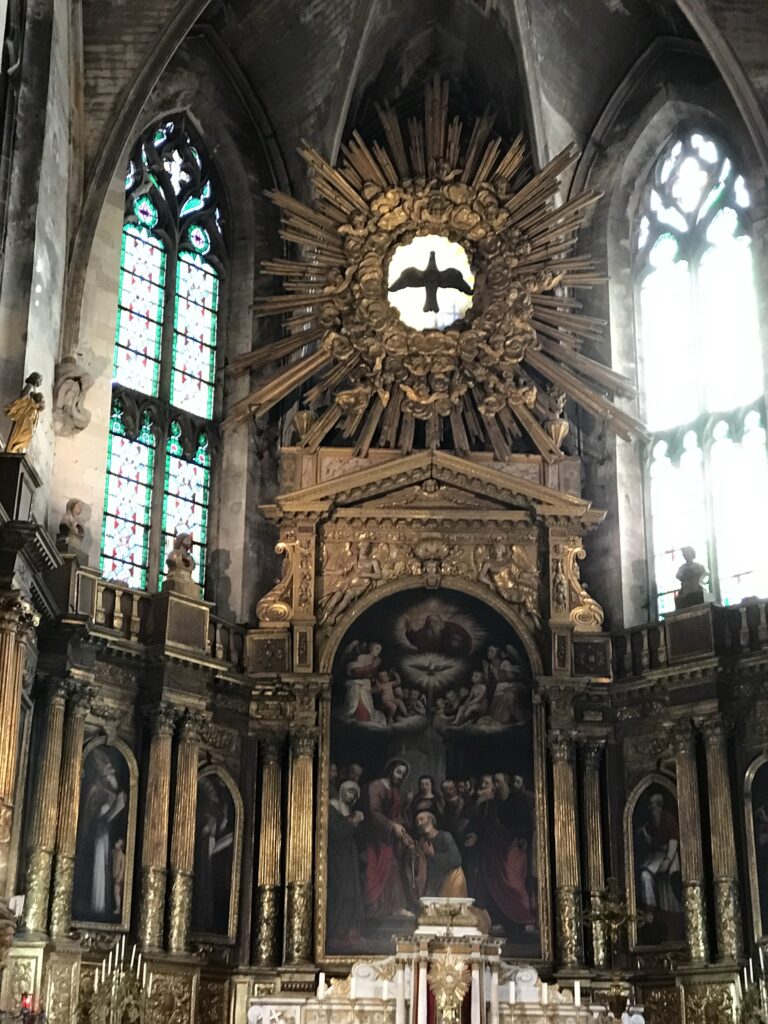
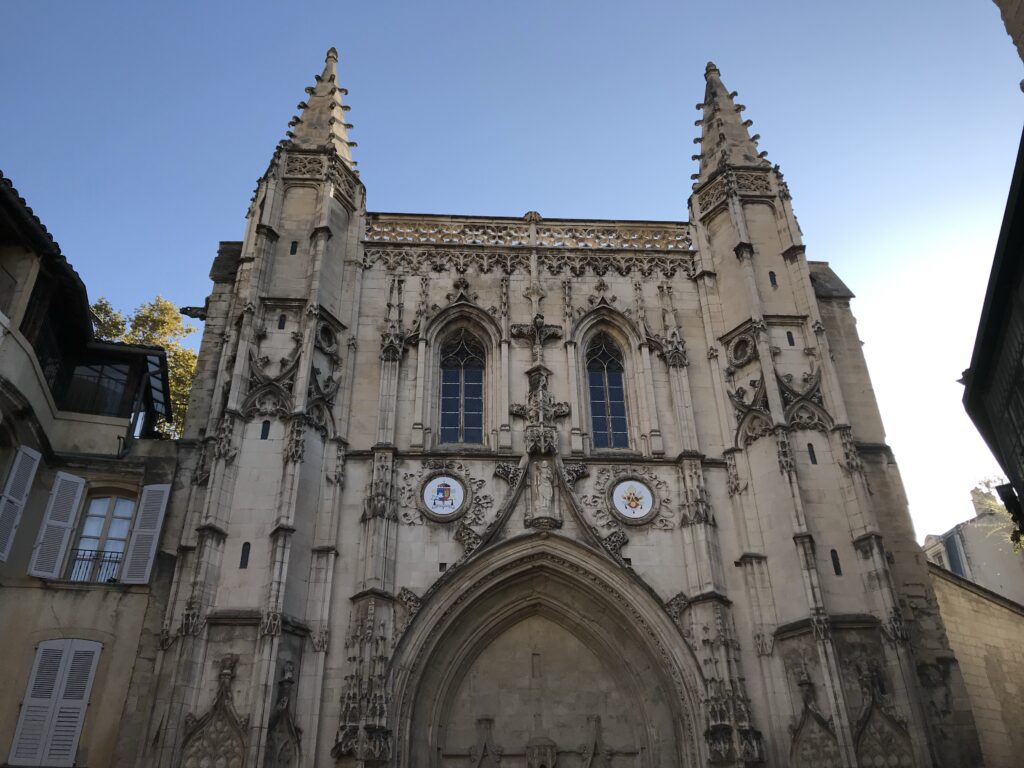
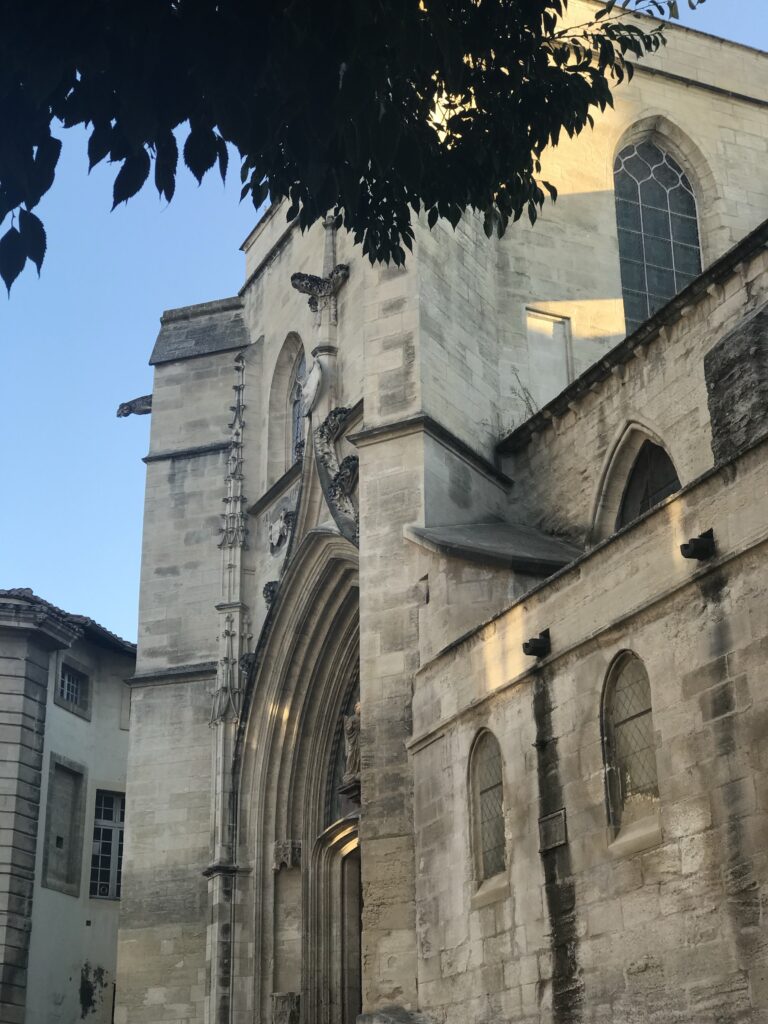
Named from the ancient Avenio, possibly of Celtic origin, it is dominated by the Gothic Popes’ Palace, the truncated but iconic Pont Saint‑Bénézet (“Pont d’Avignon”), the ring of city walls, and churches and palaces such as the Basilica of Saint‑Pierre and the Petit Palais.[12][11]
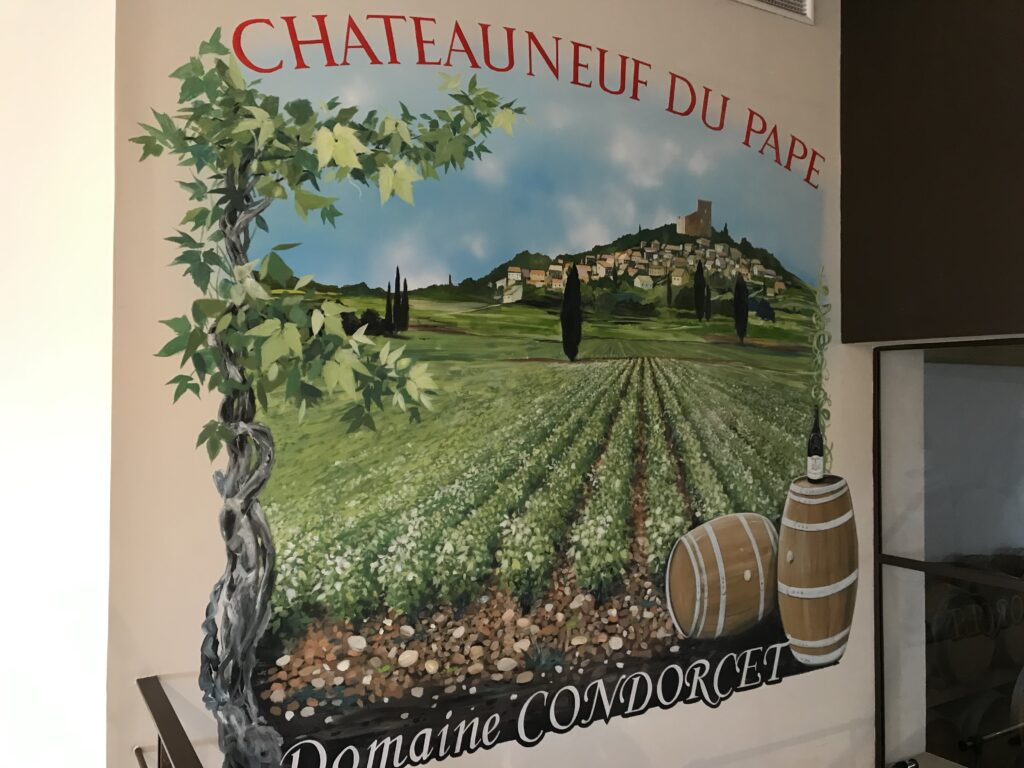
Châteauneuf‑du‑Pape – papal wine hill
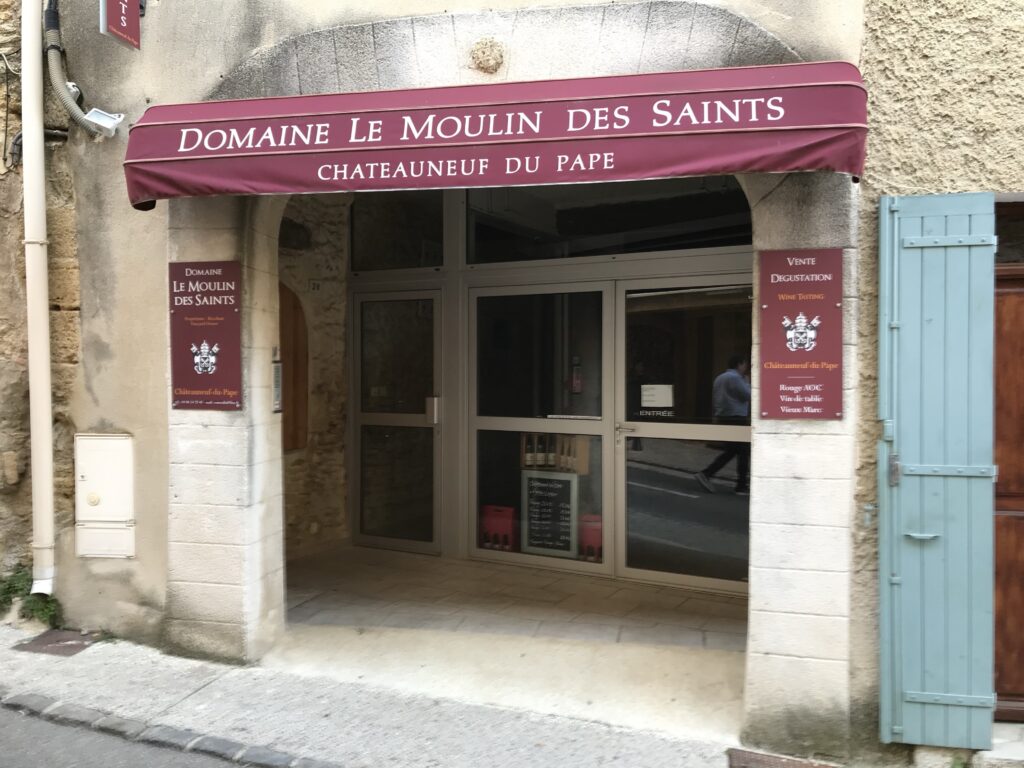
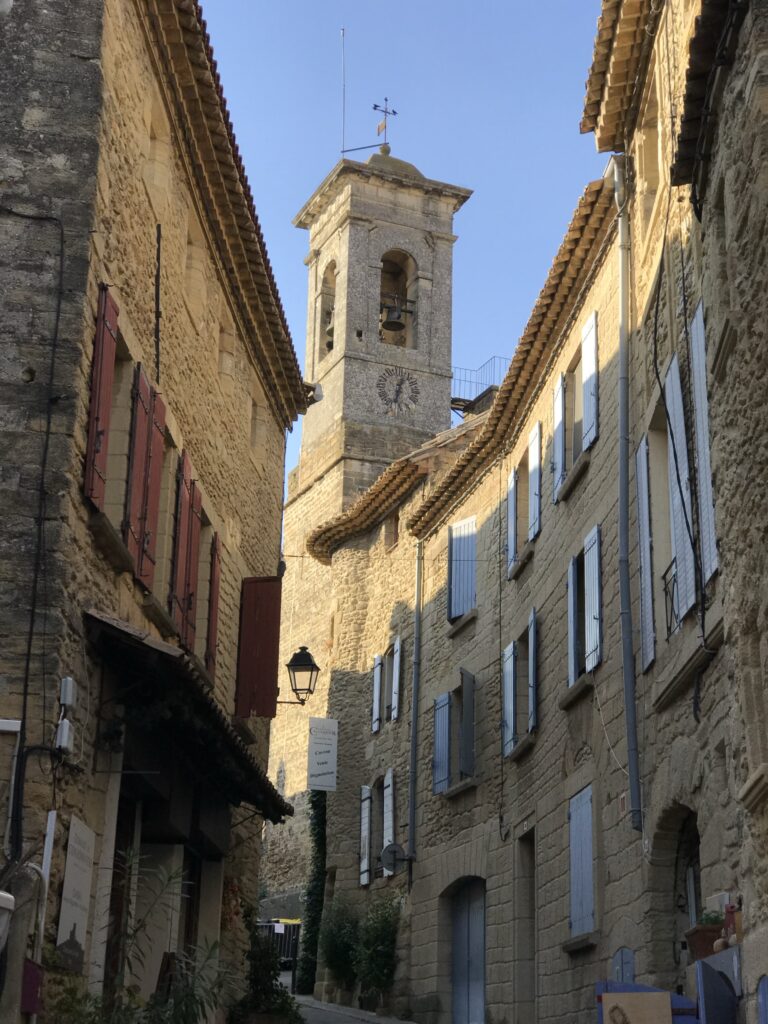
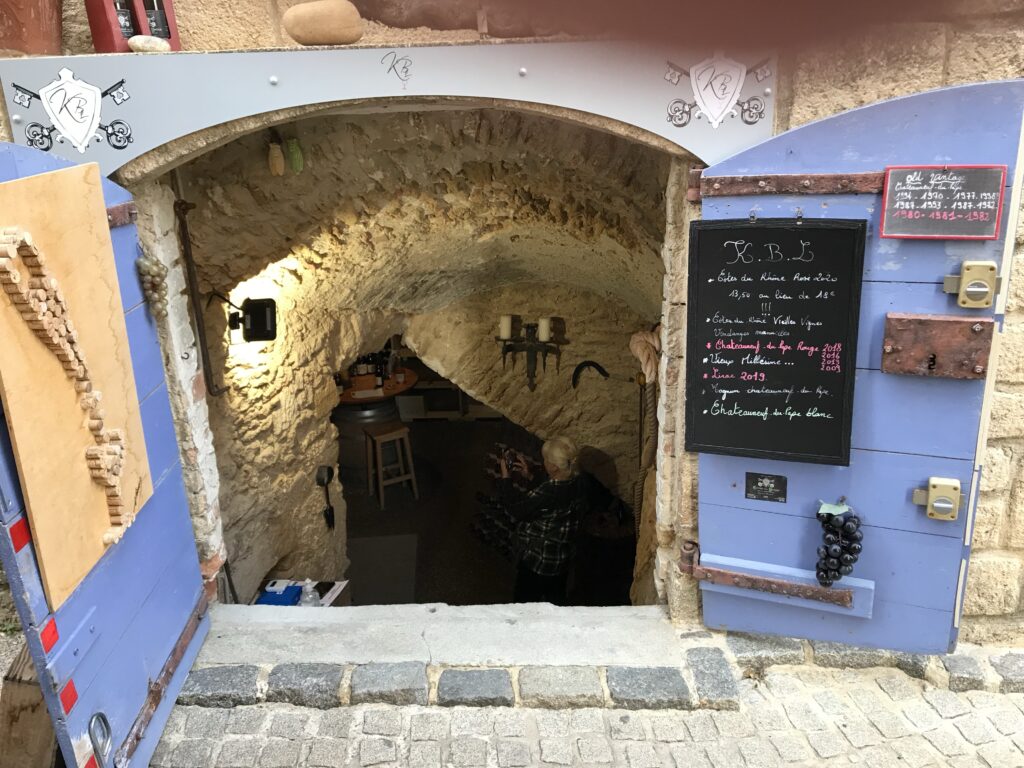
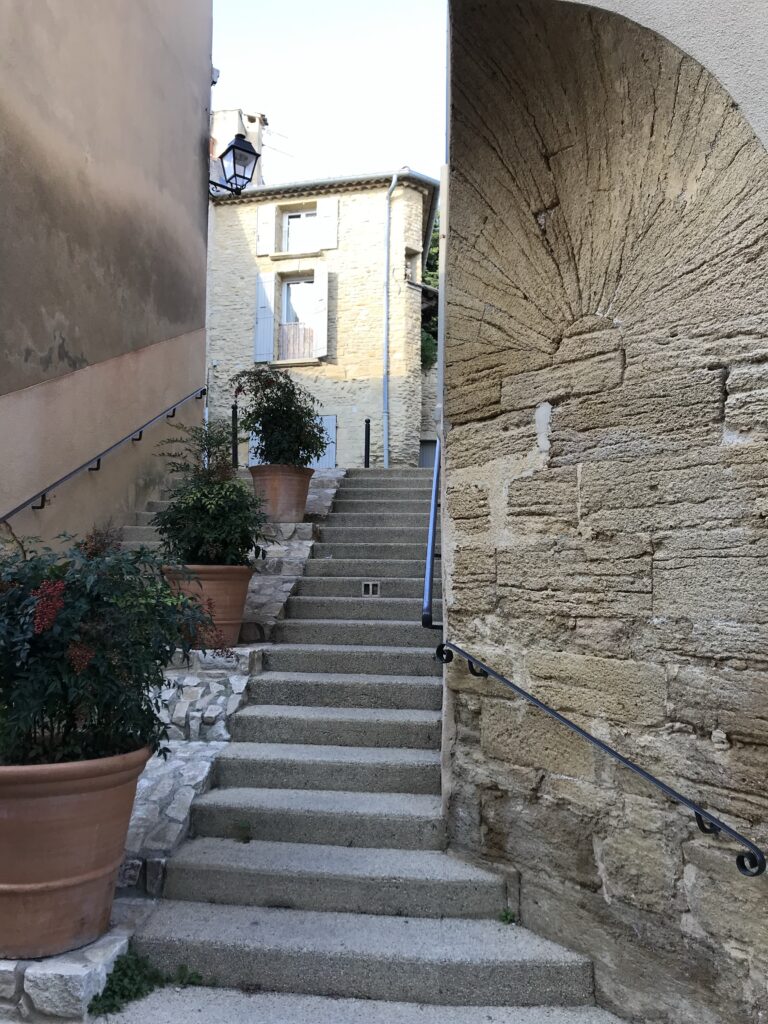
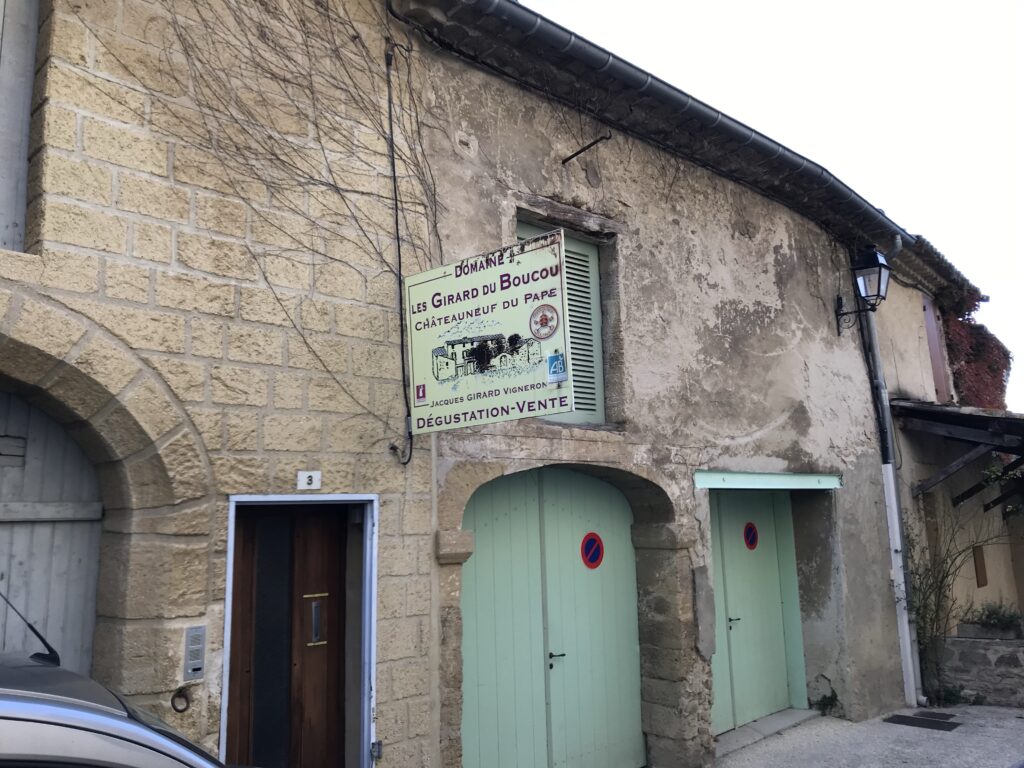
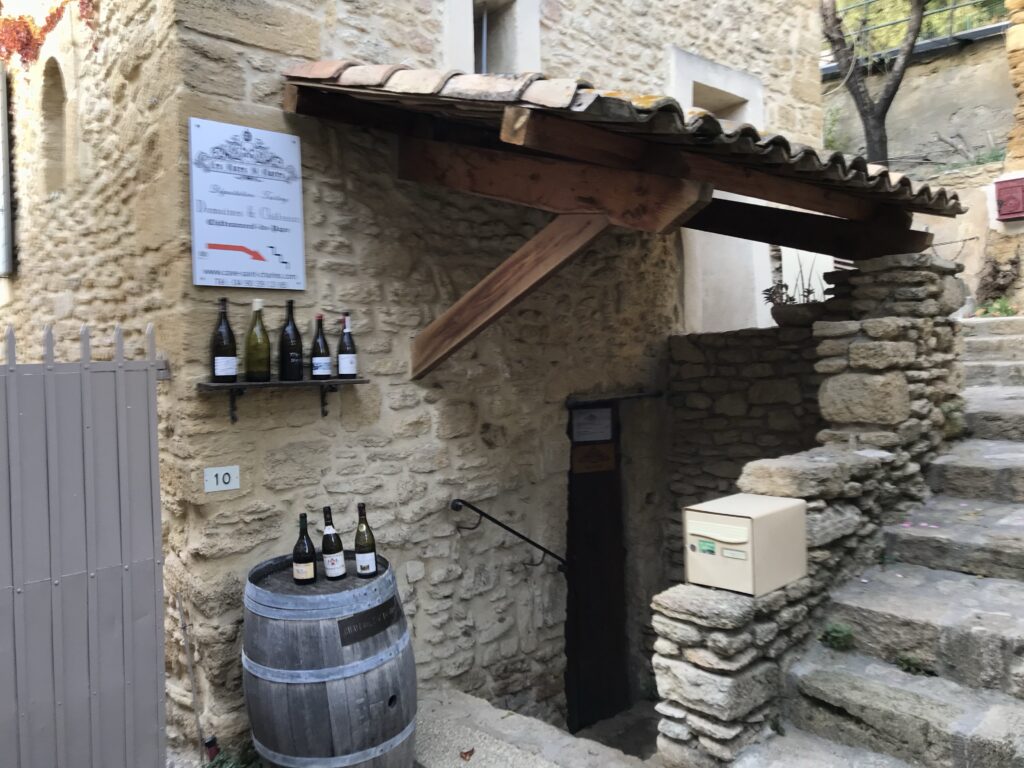
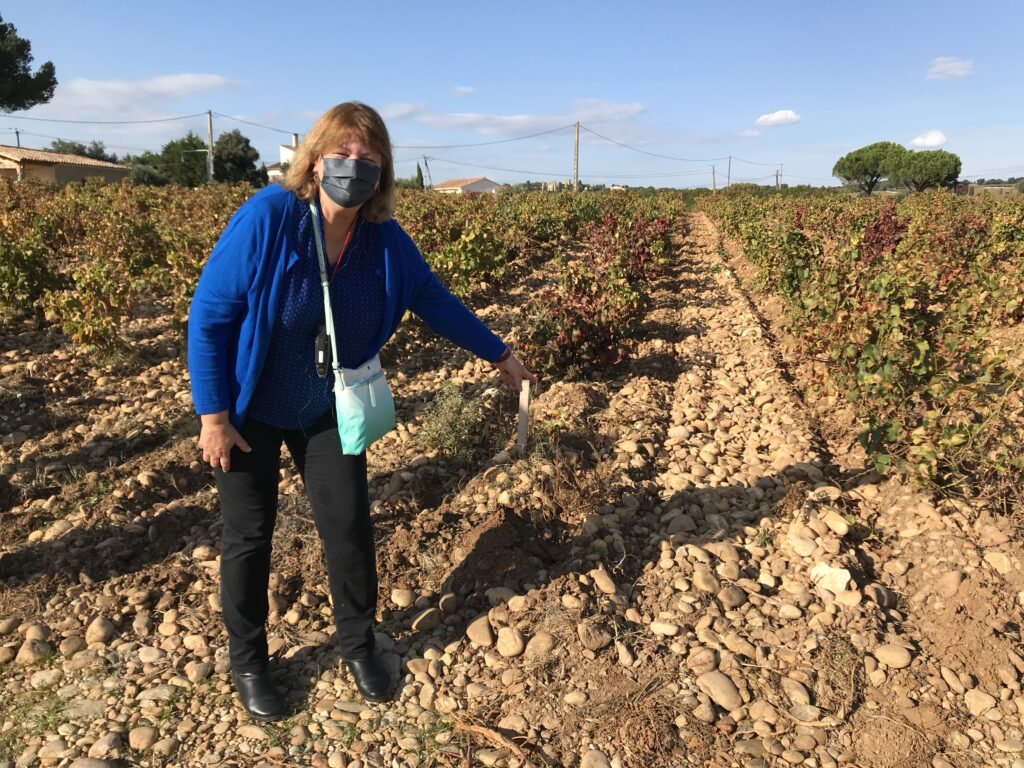
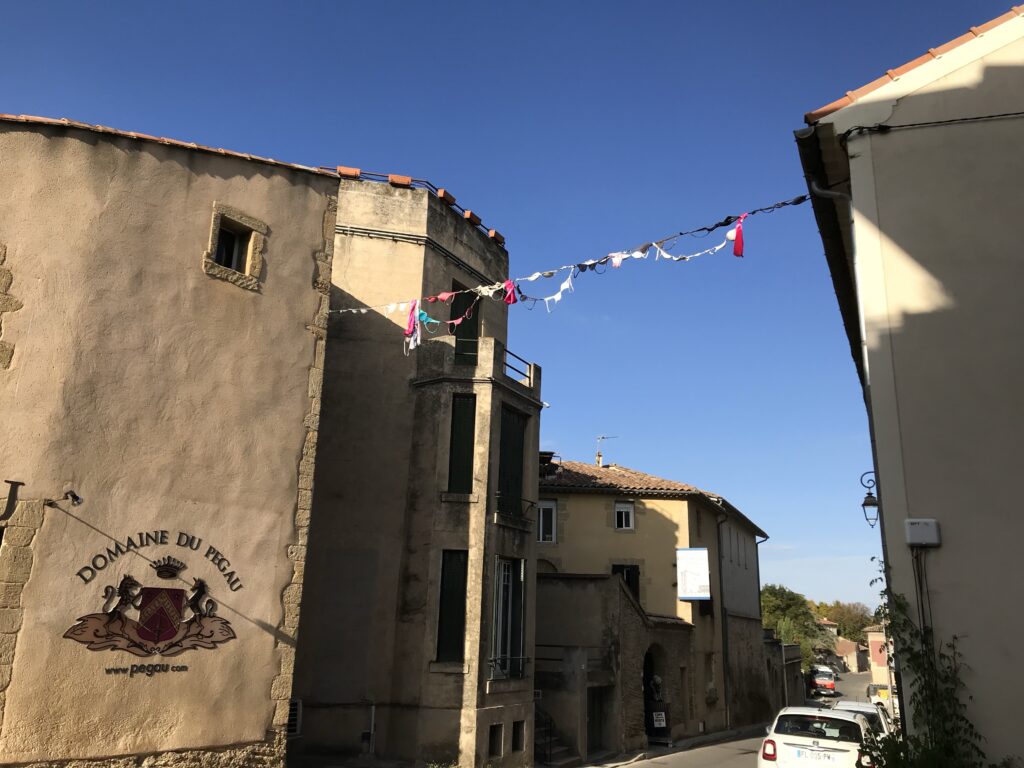
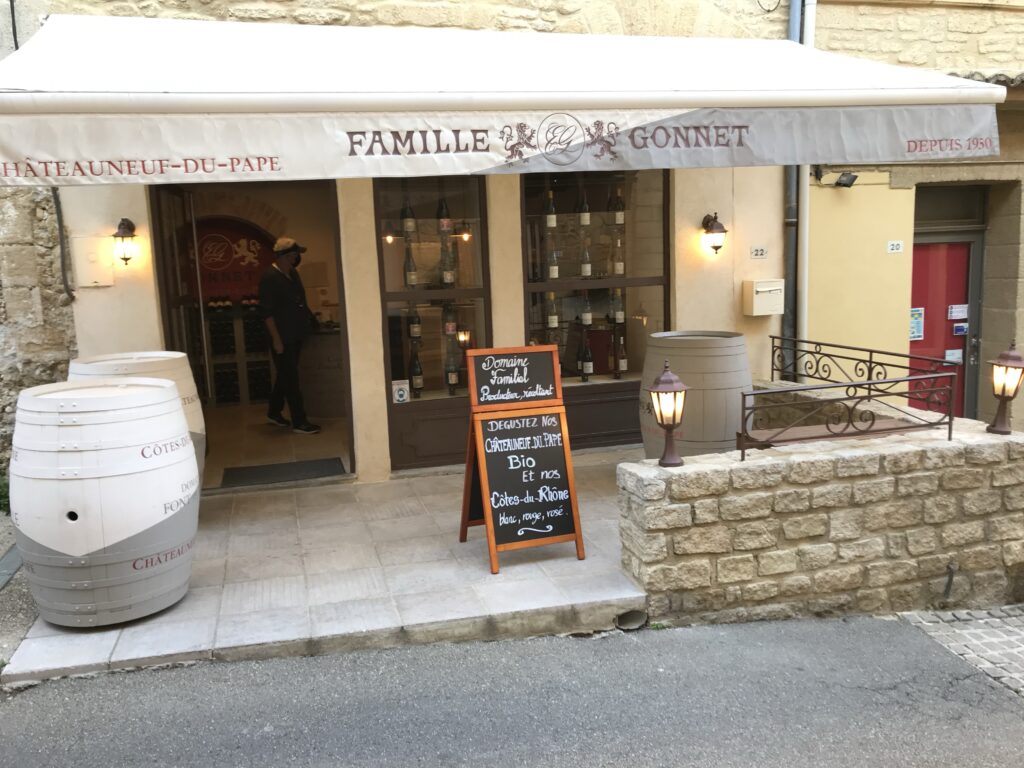
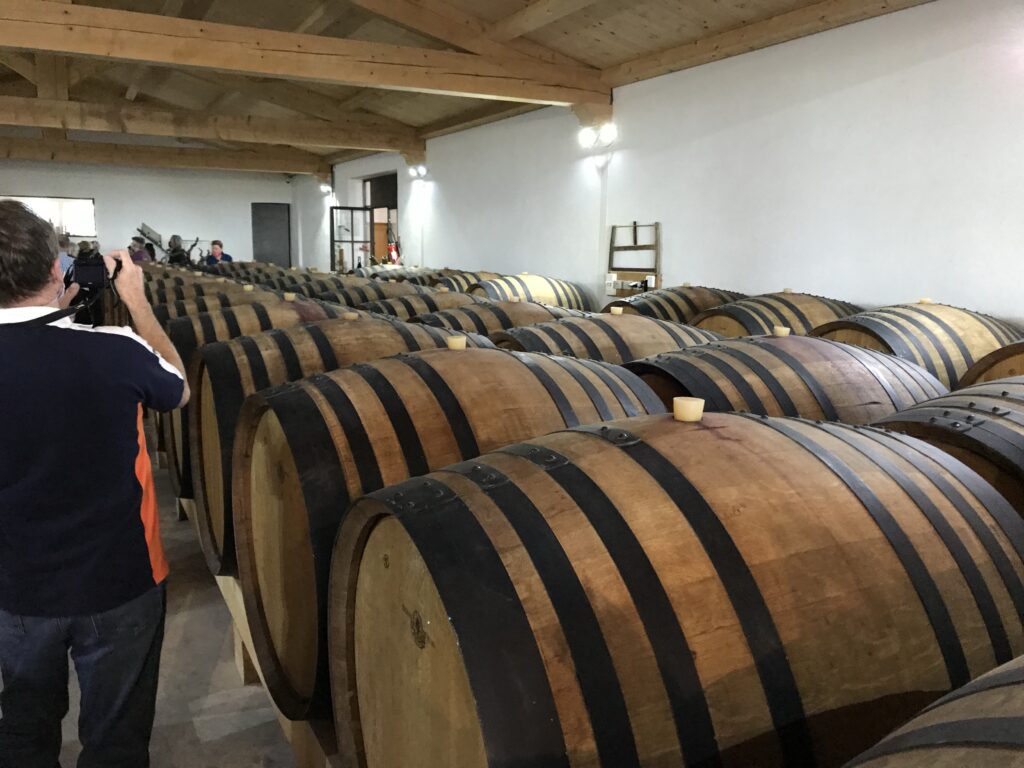
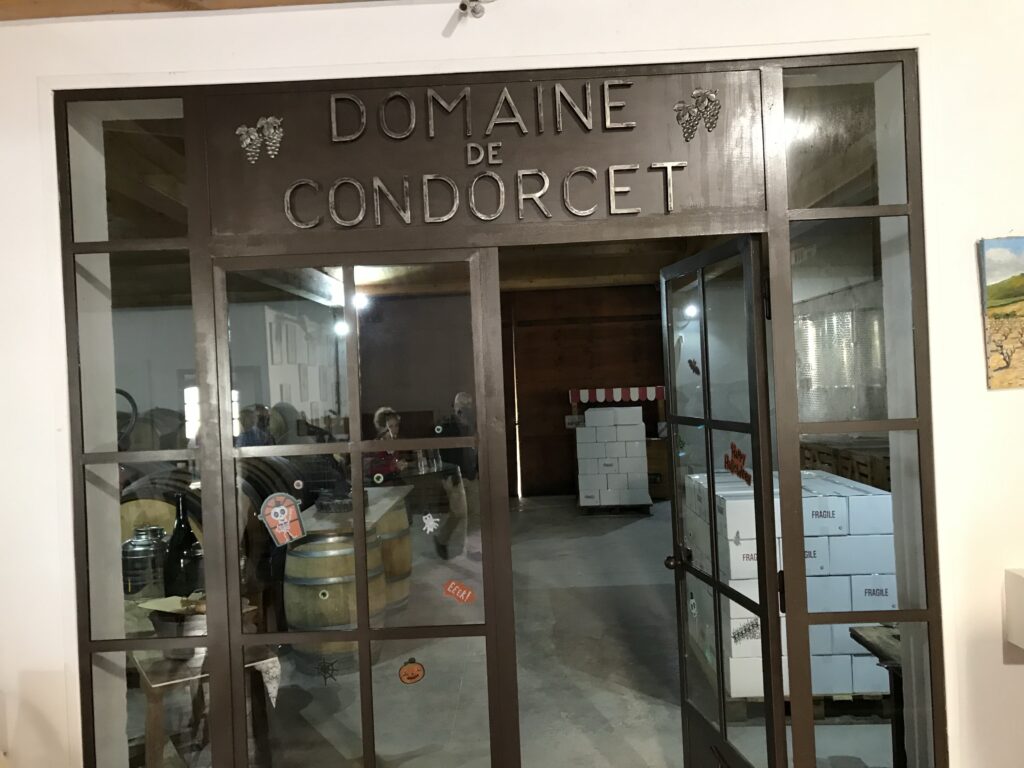
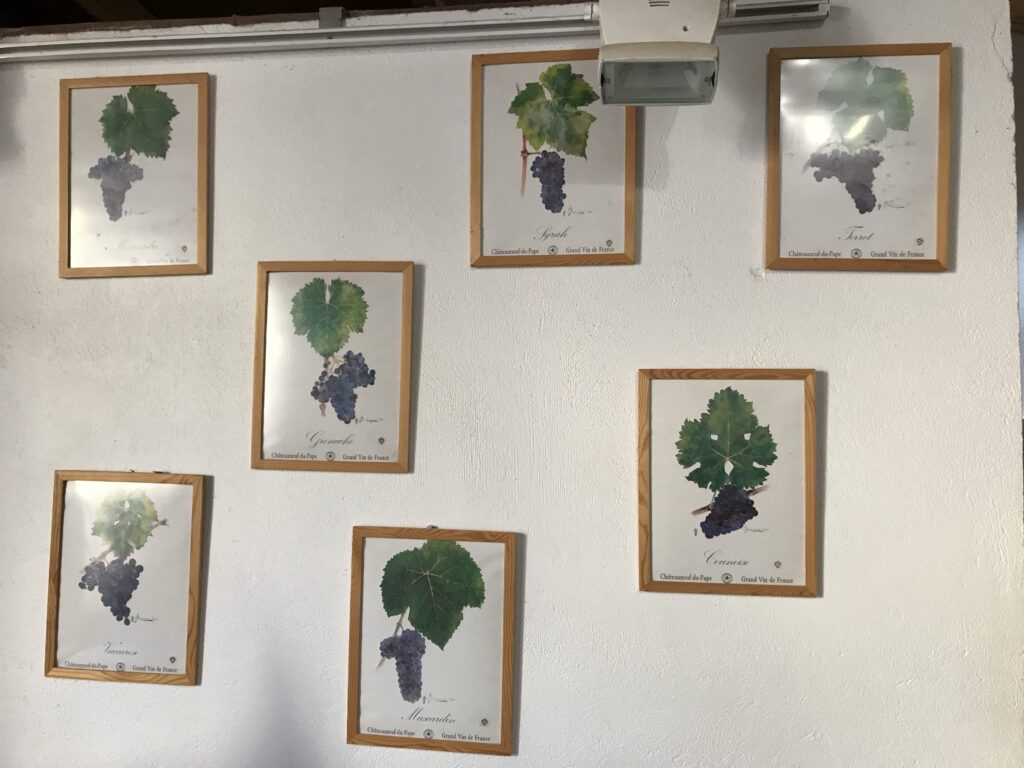
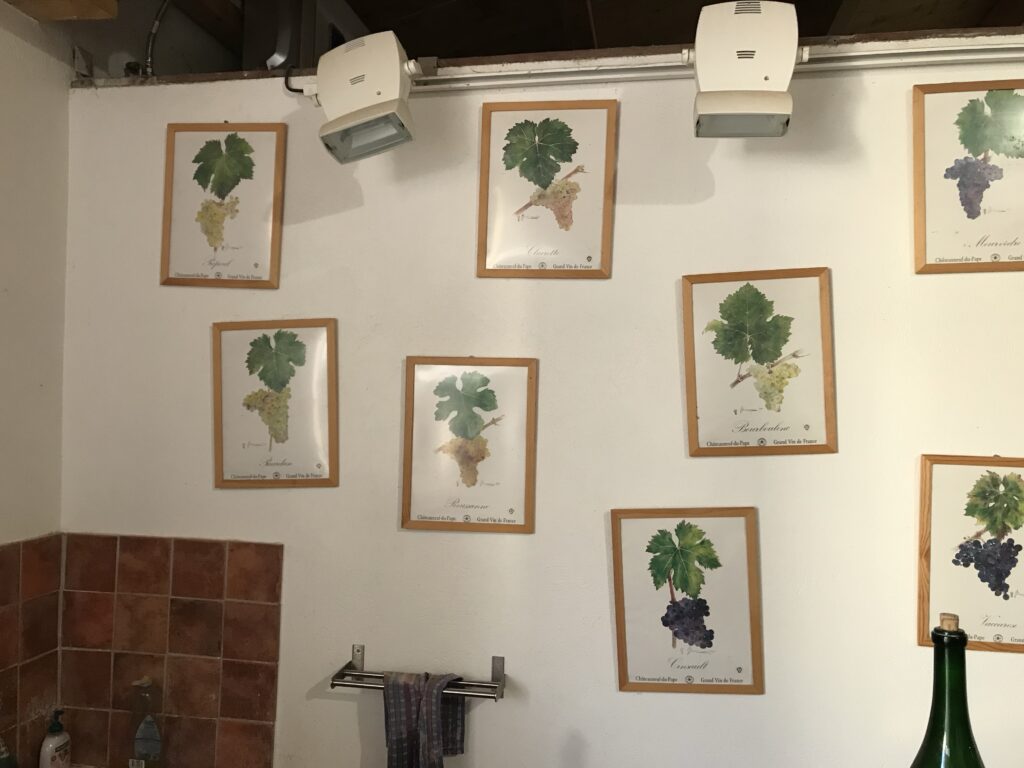
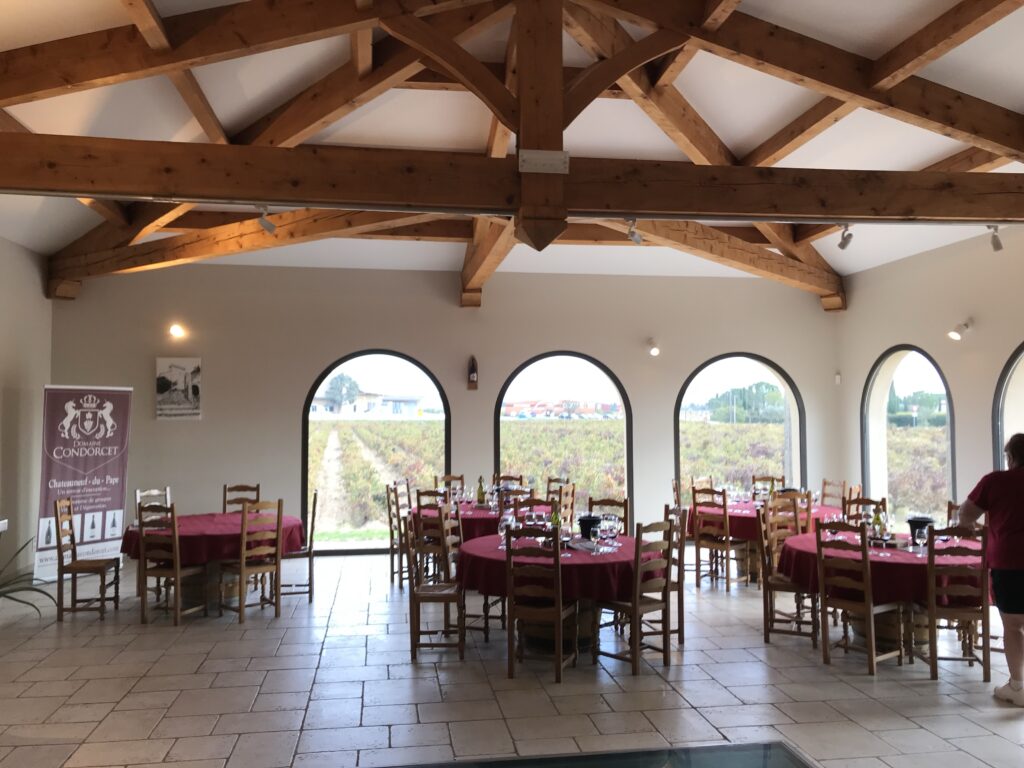
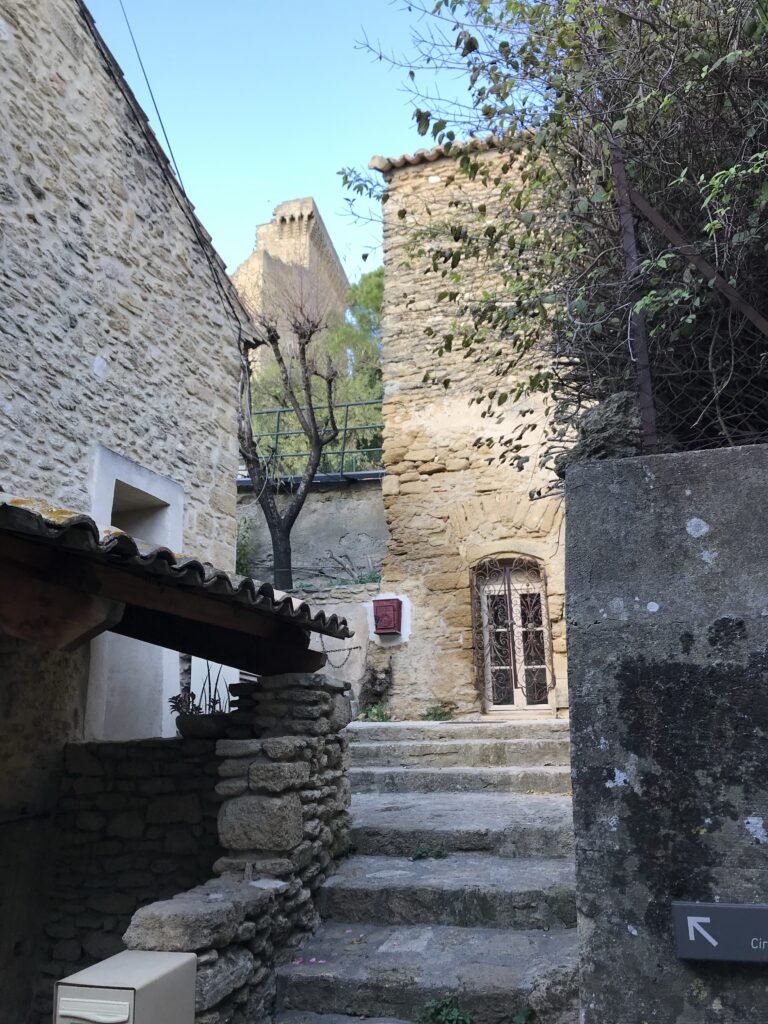
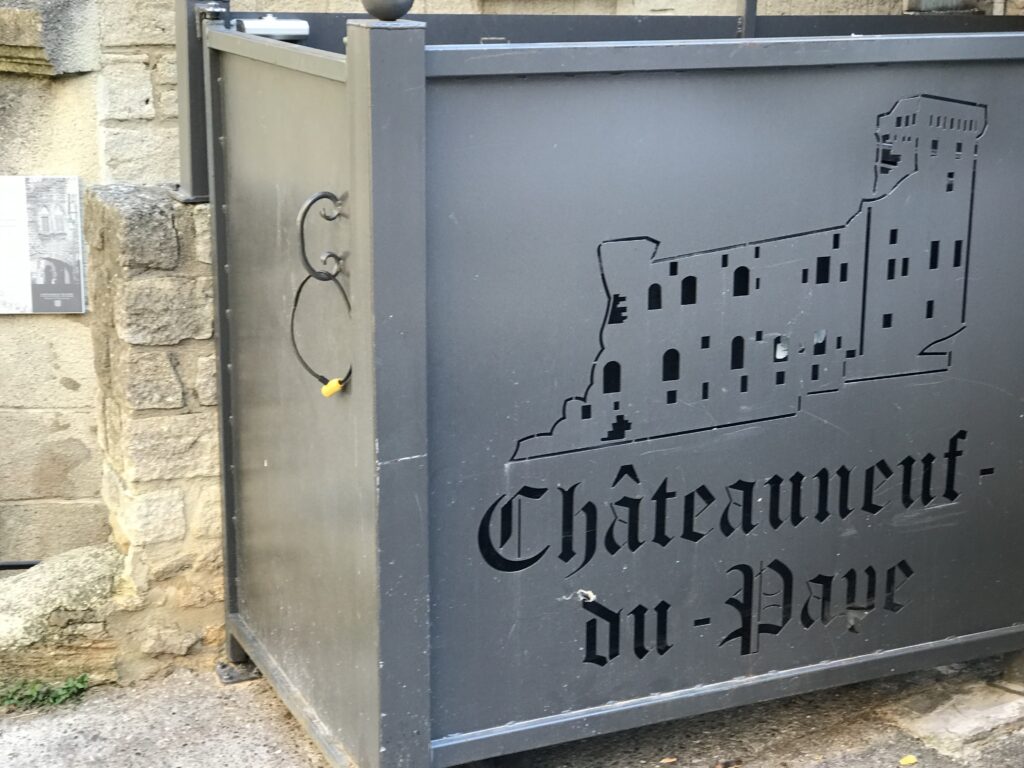
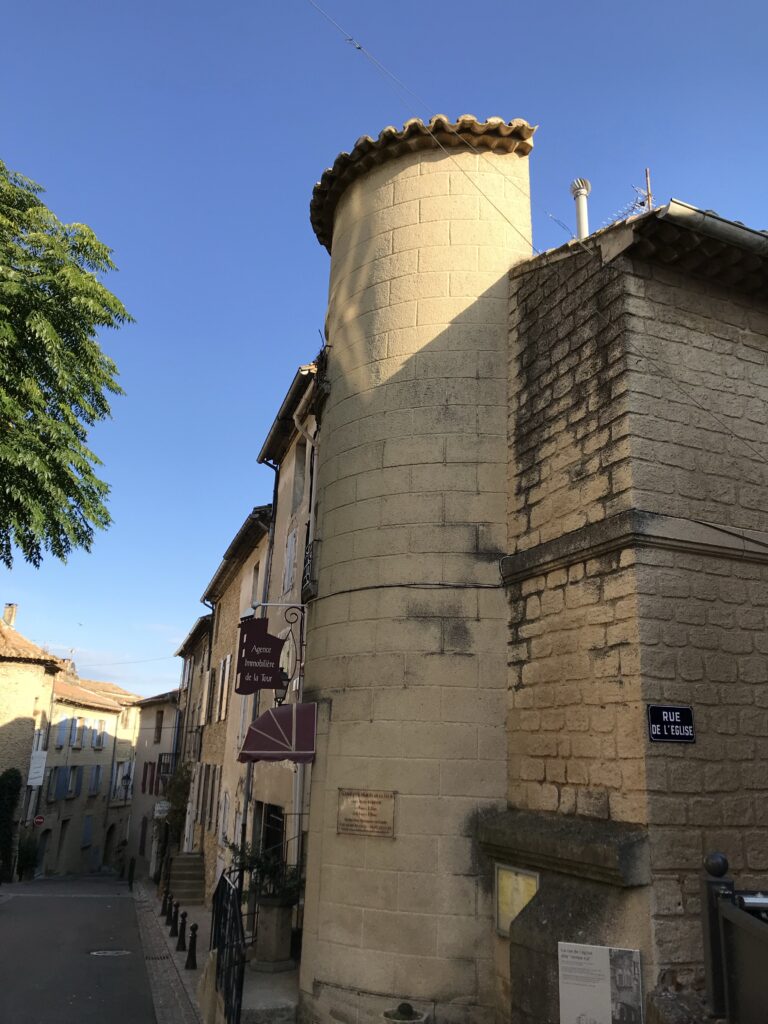
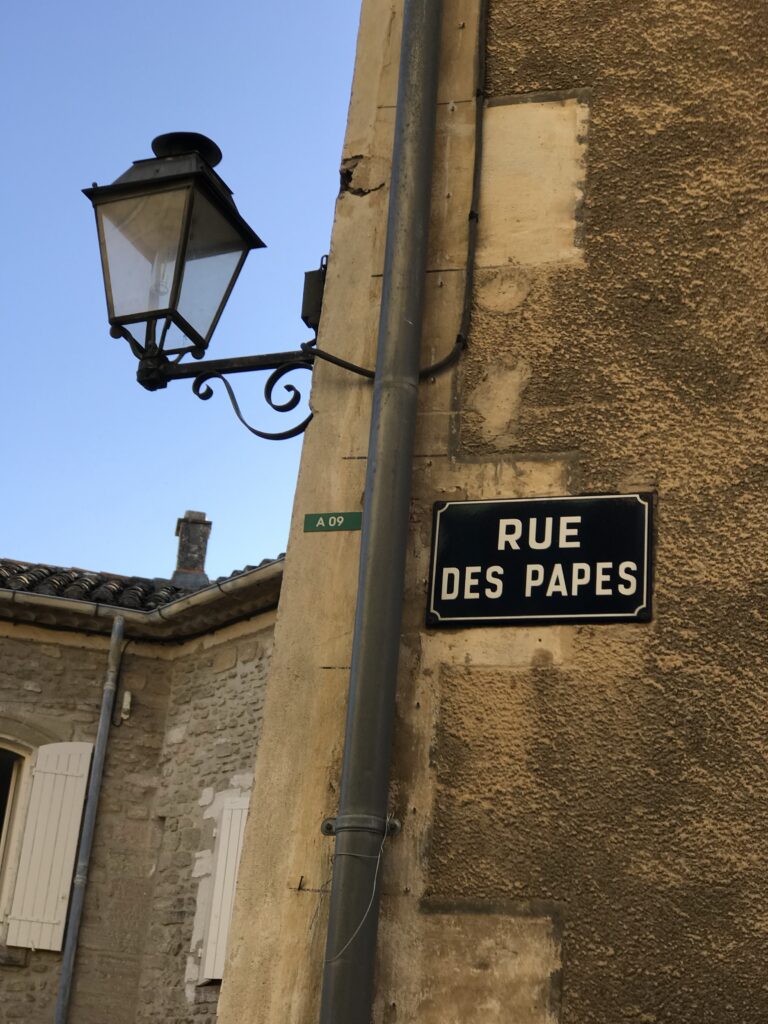
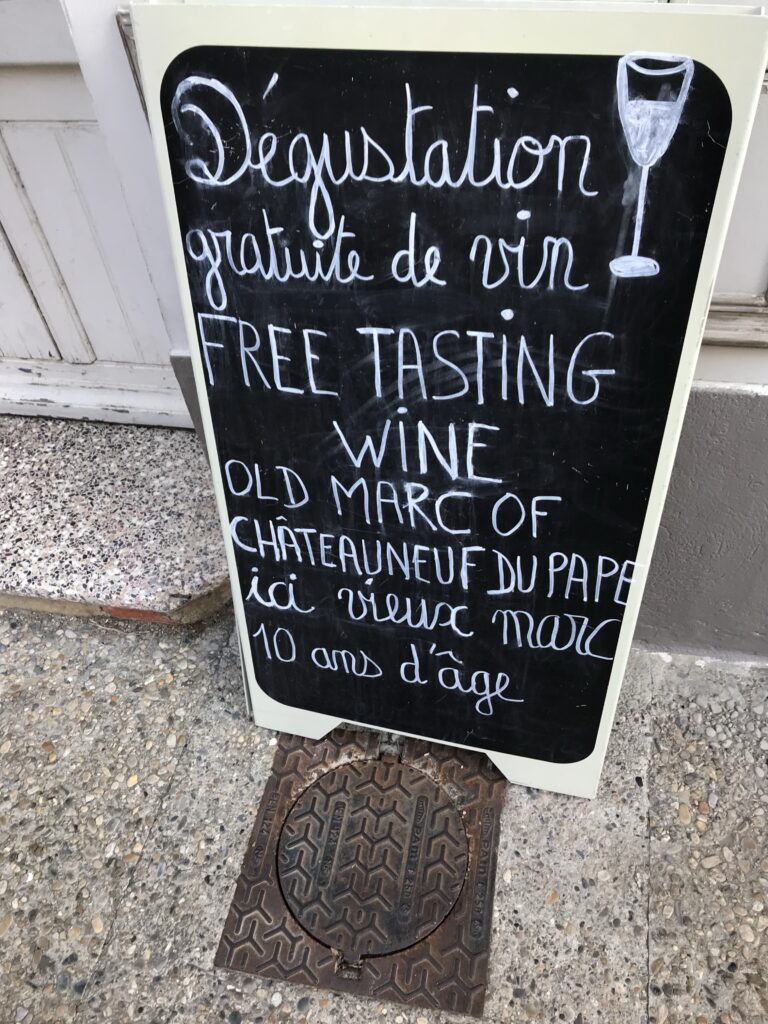
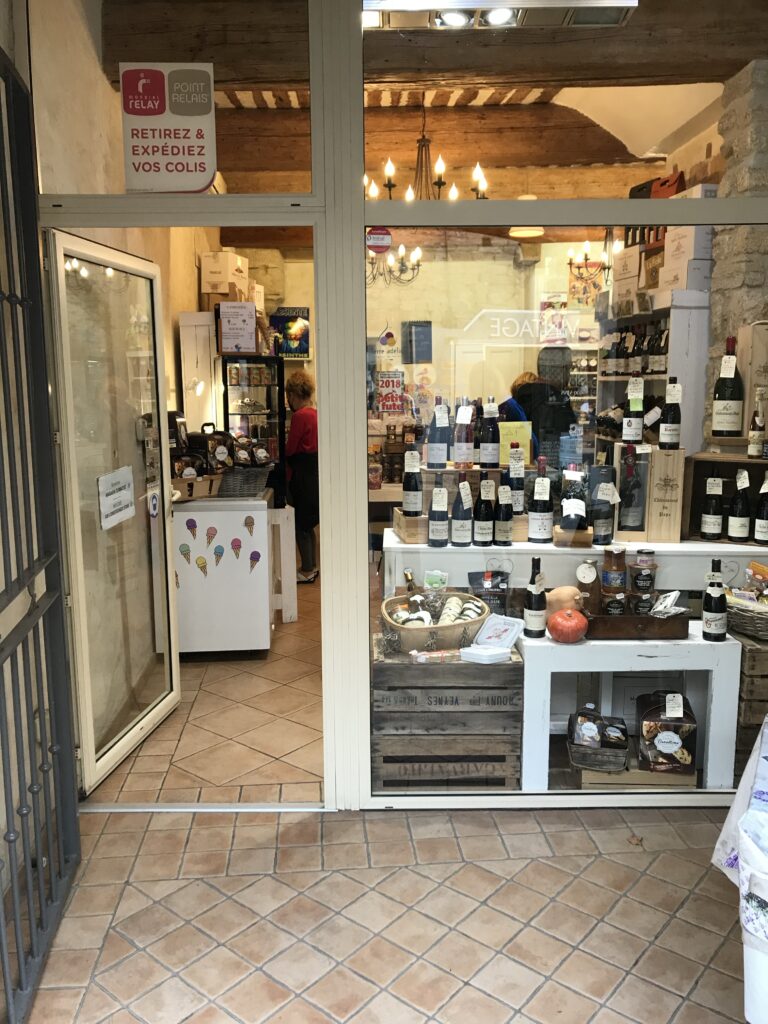
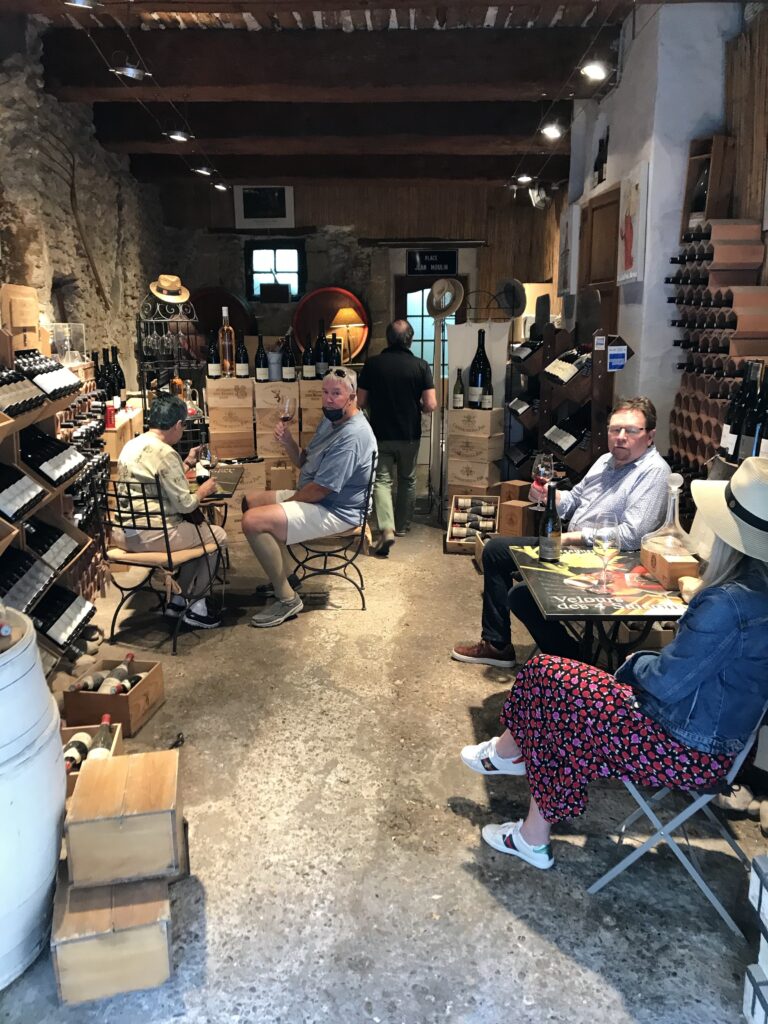
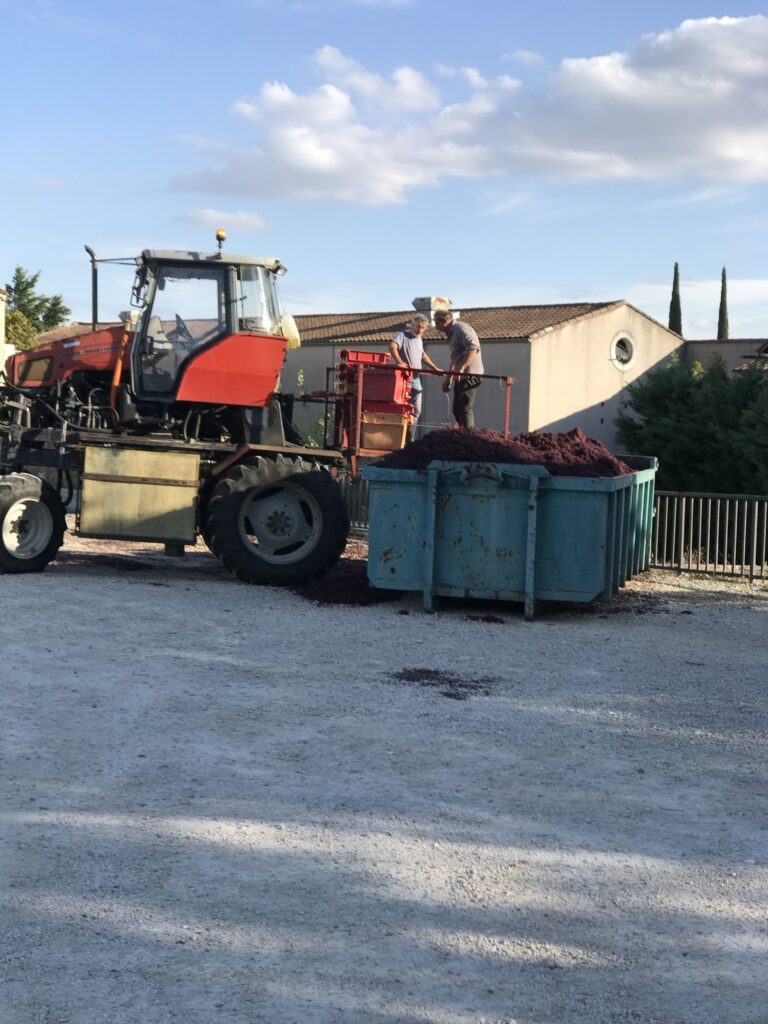
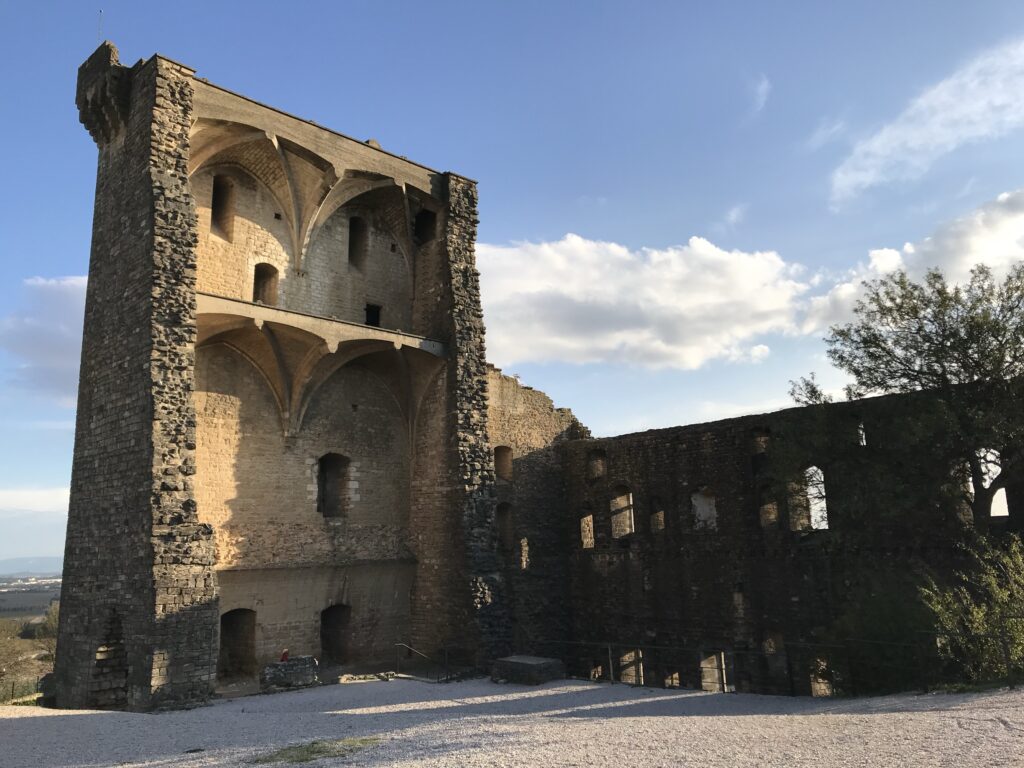
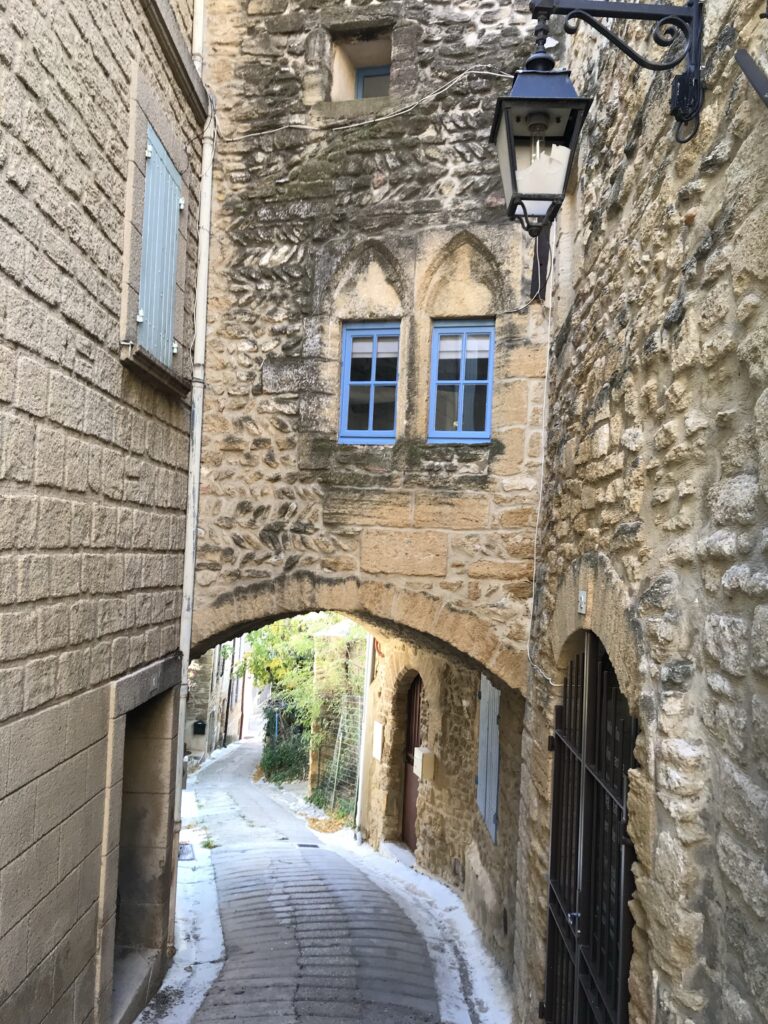
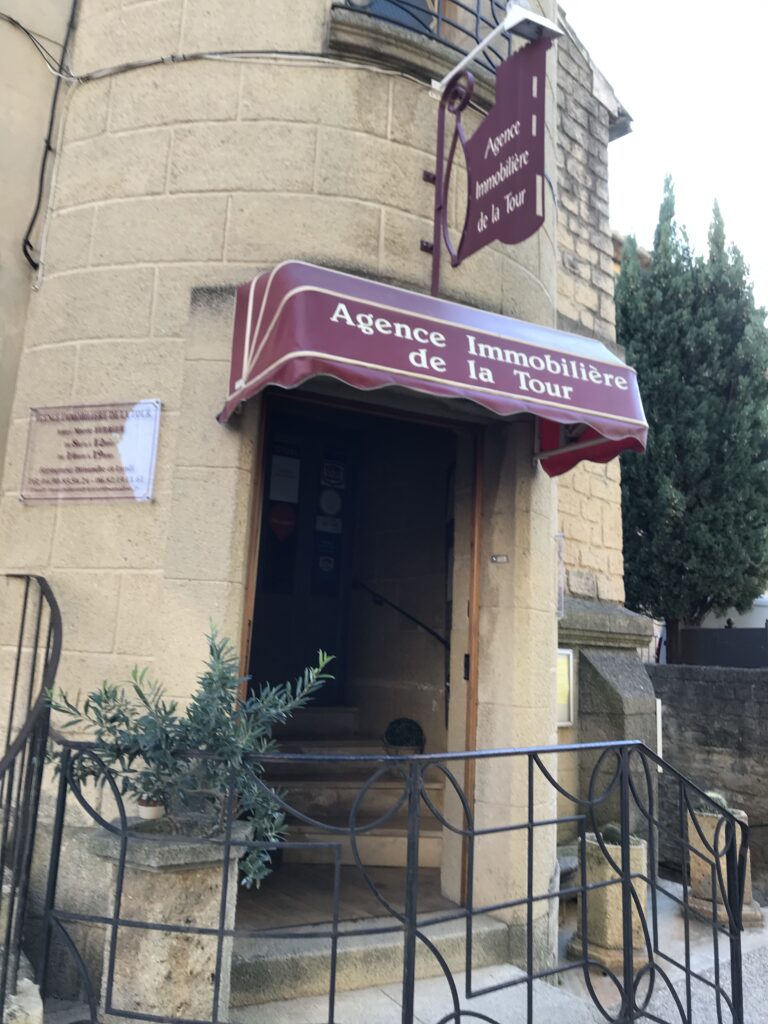
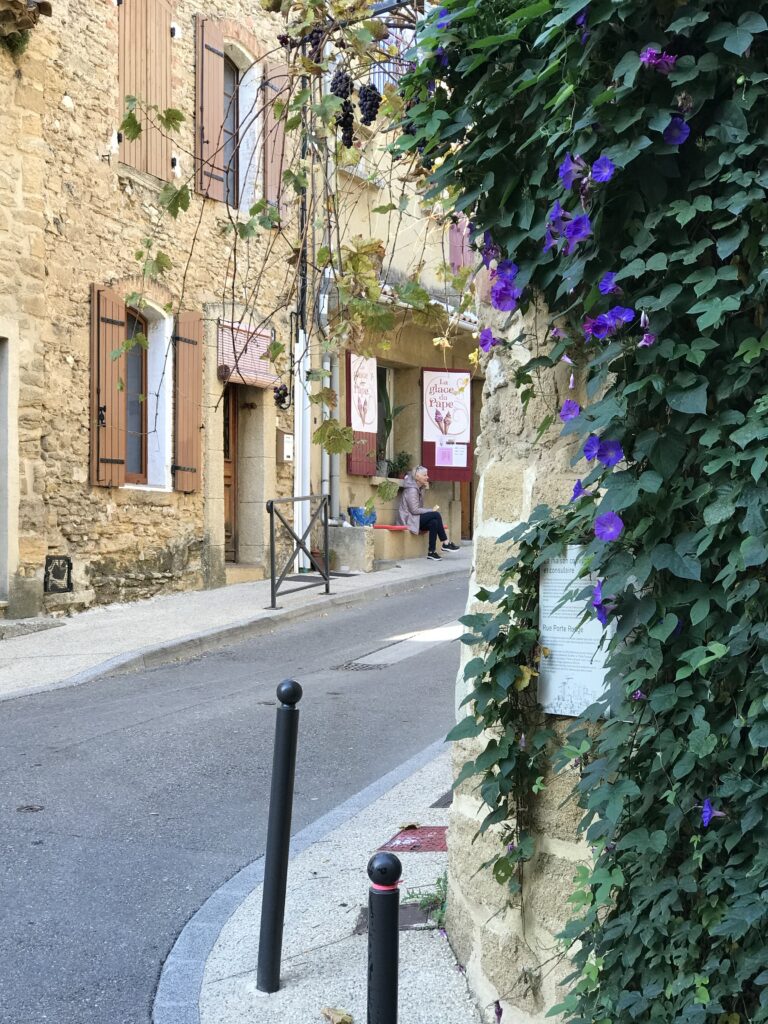
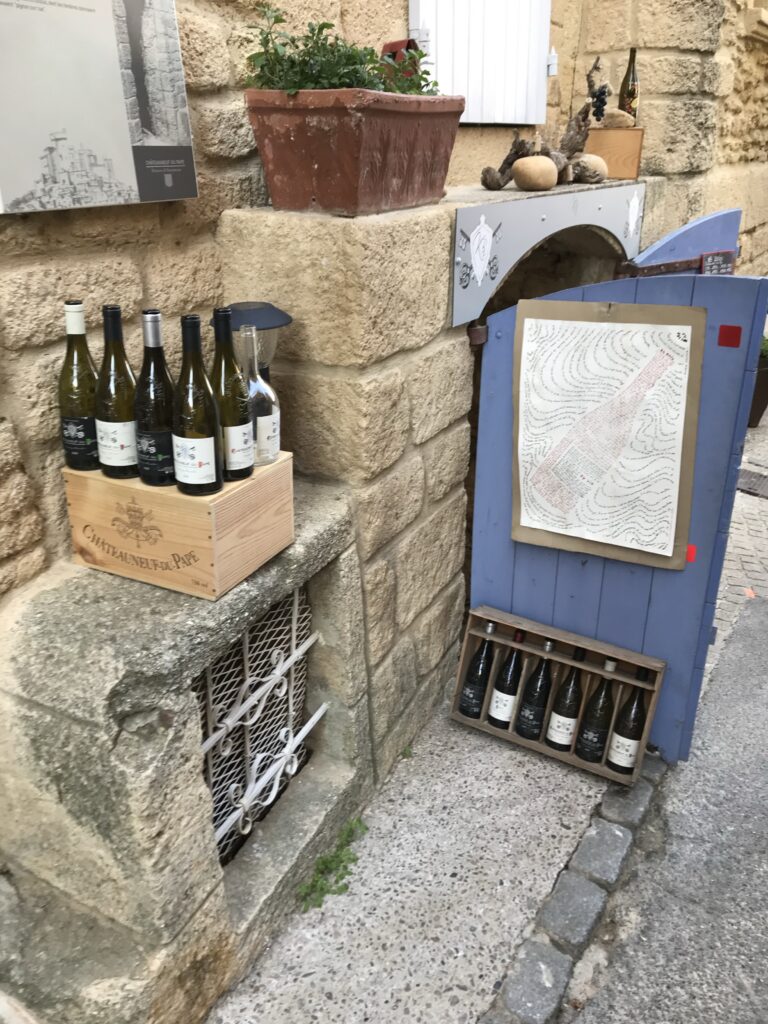
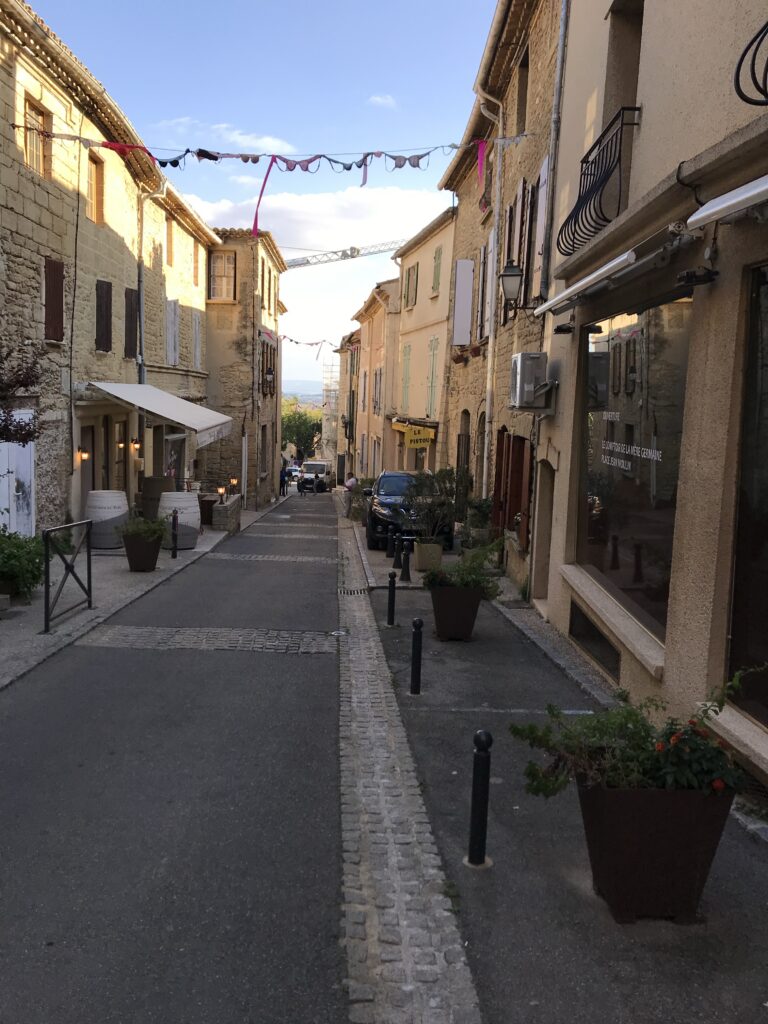
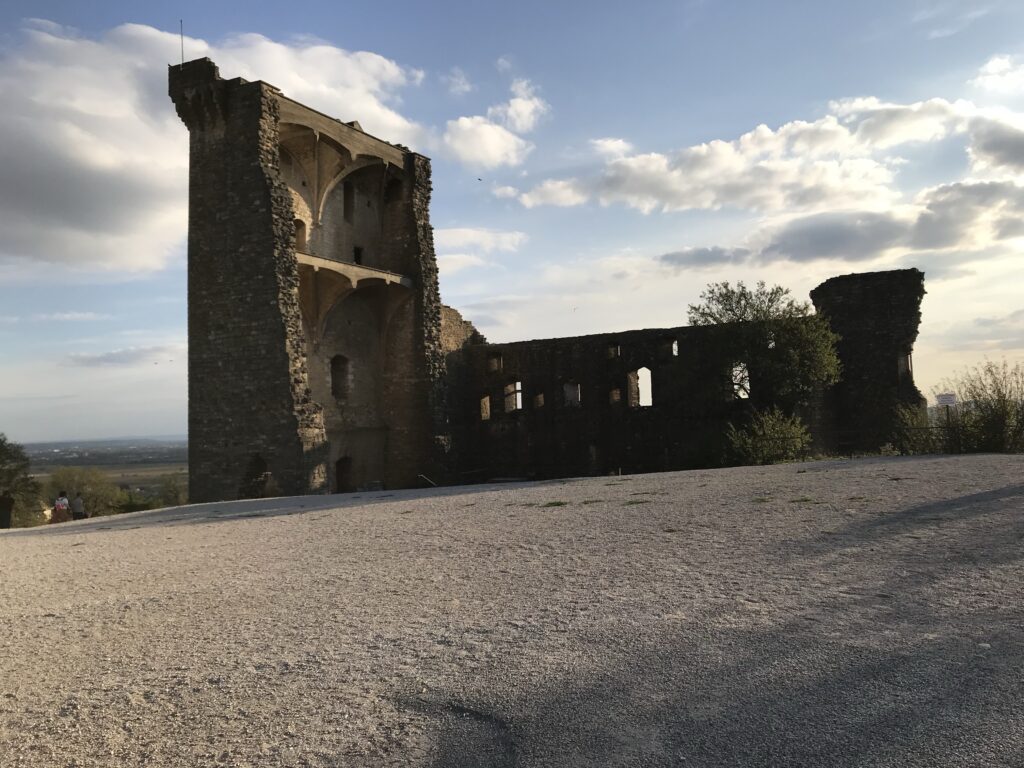
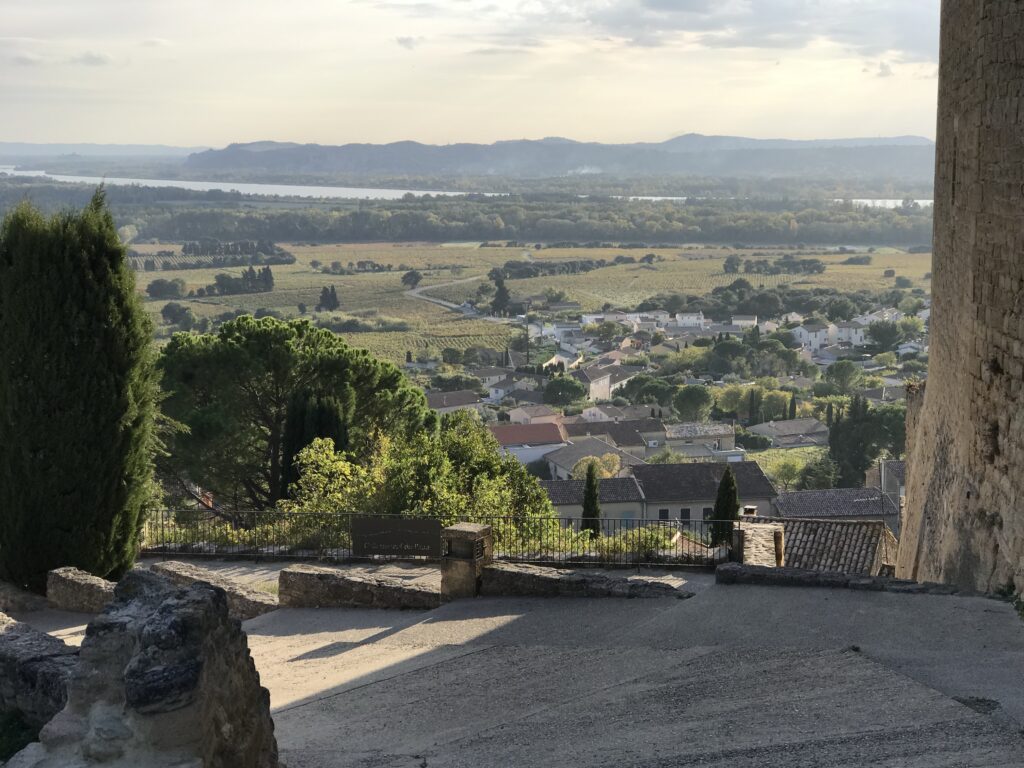
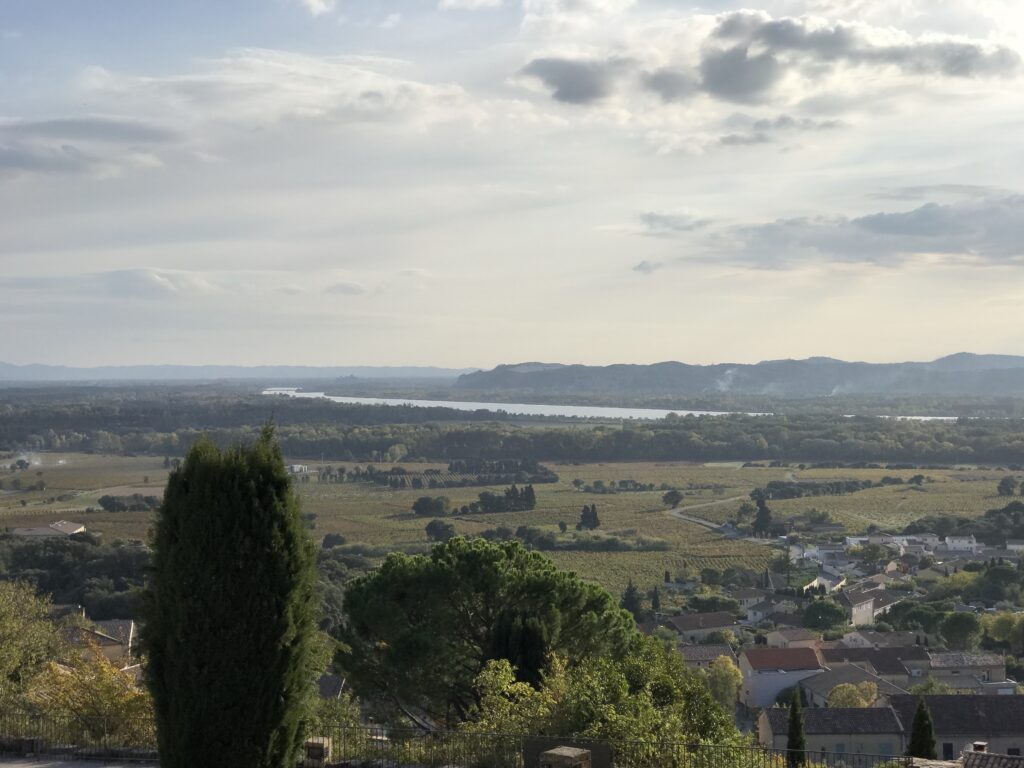
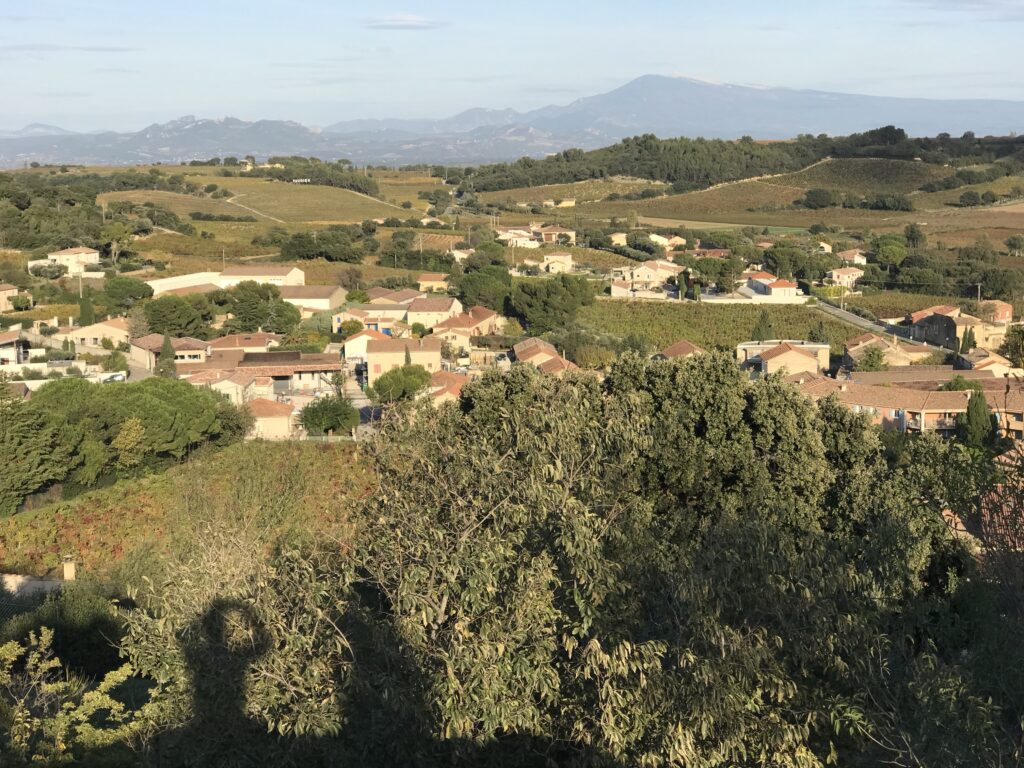
Châteauneuf‑du‑Pape is a hilltop village north of Avignon, world‑renowned for its powerful red and white wines produced under France’s first official appellation contrôlée.[13][14]
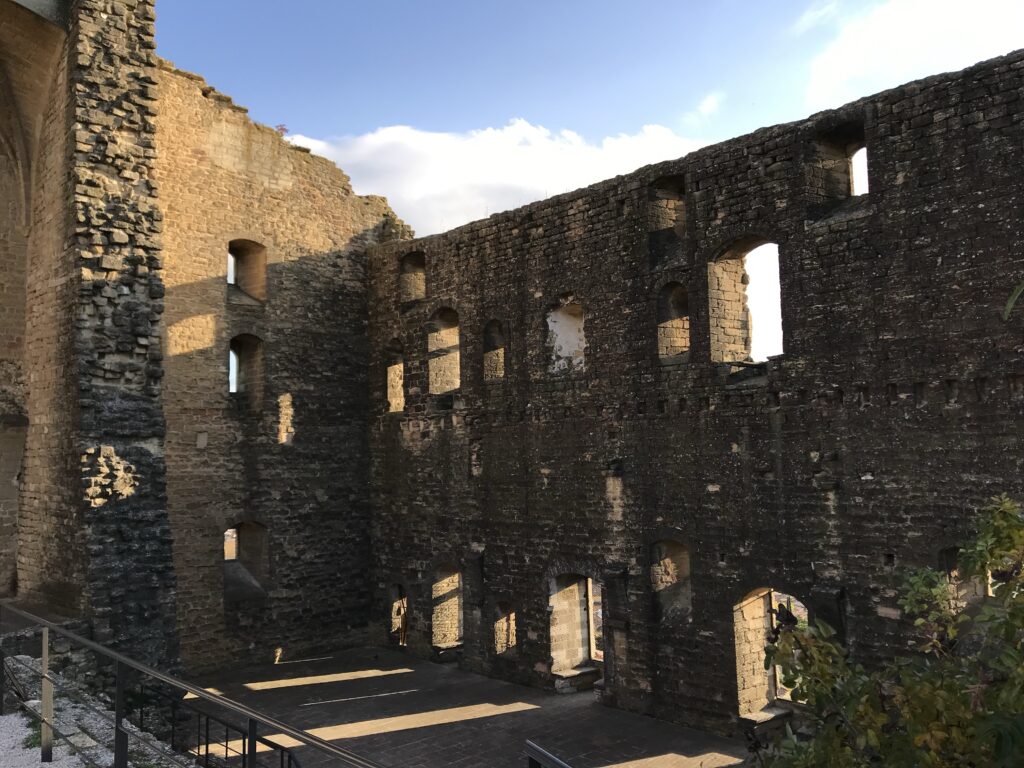
The name means “the pope’s new castle,” referencing the summer residence the Avignon popes established there; today the partial château ruins crown the hill, and visitors focus on cellar doors, the Brotte Wine Museum, and viewpoints toward Mont Ventoux and the Rhône plain.[14][15][13]
Ancone / Ancône – small Rhône commune
Ancône (often written Ancone in English) is a small commune on the Rhône in the Drôme, functioning historically as a minor river‑side agricultural and trading settlement.[1]
Its name reflects a long‑standing riverside hamlet rather than a specific dedication, and while it lacks major headline monuments, its interest on a cruise is as part of the working Rhône landscape of levees, small quays, and village church clustered near the bank.[1]
Viviers – episcopal town above the river
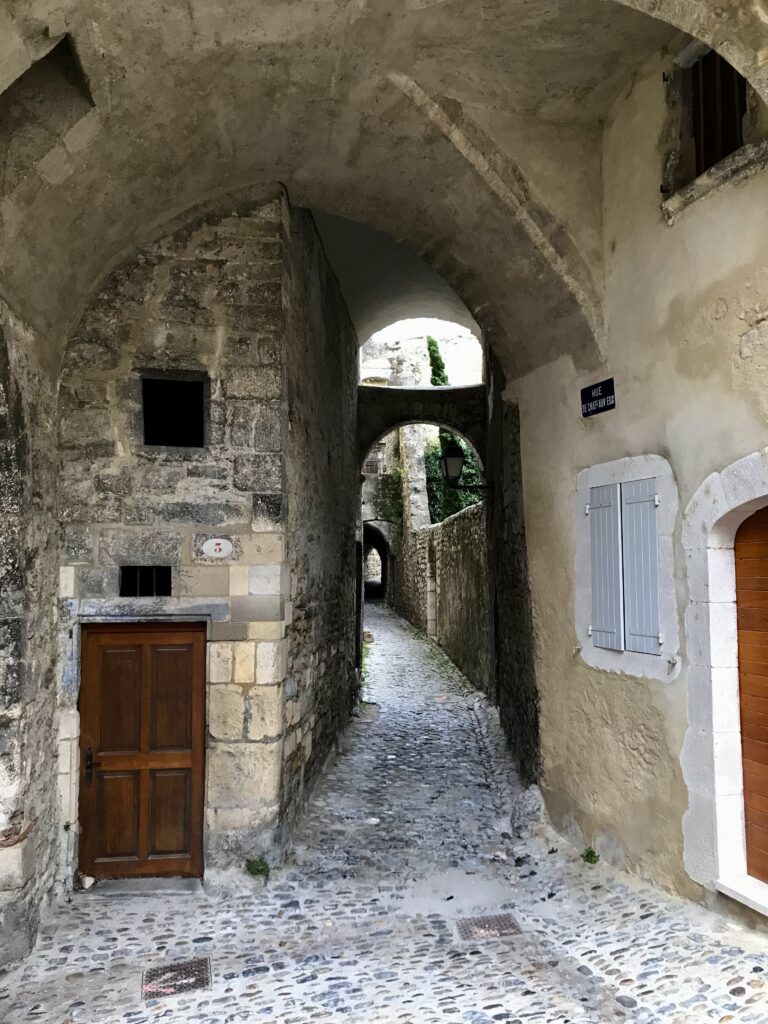
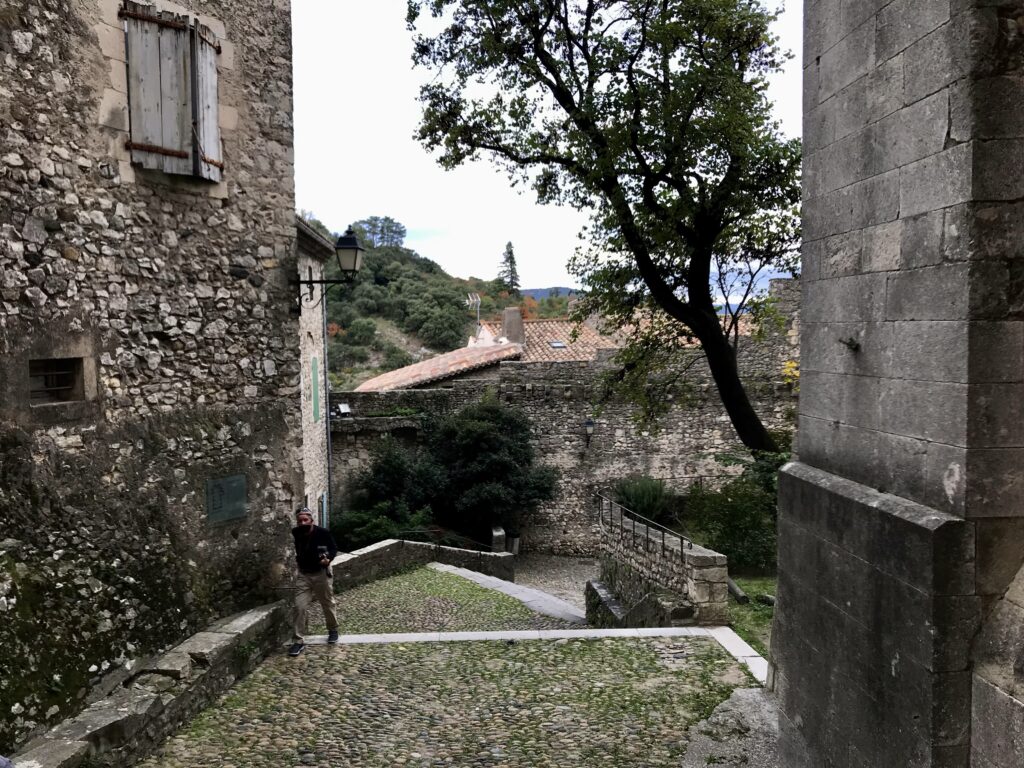
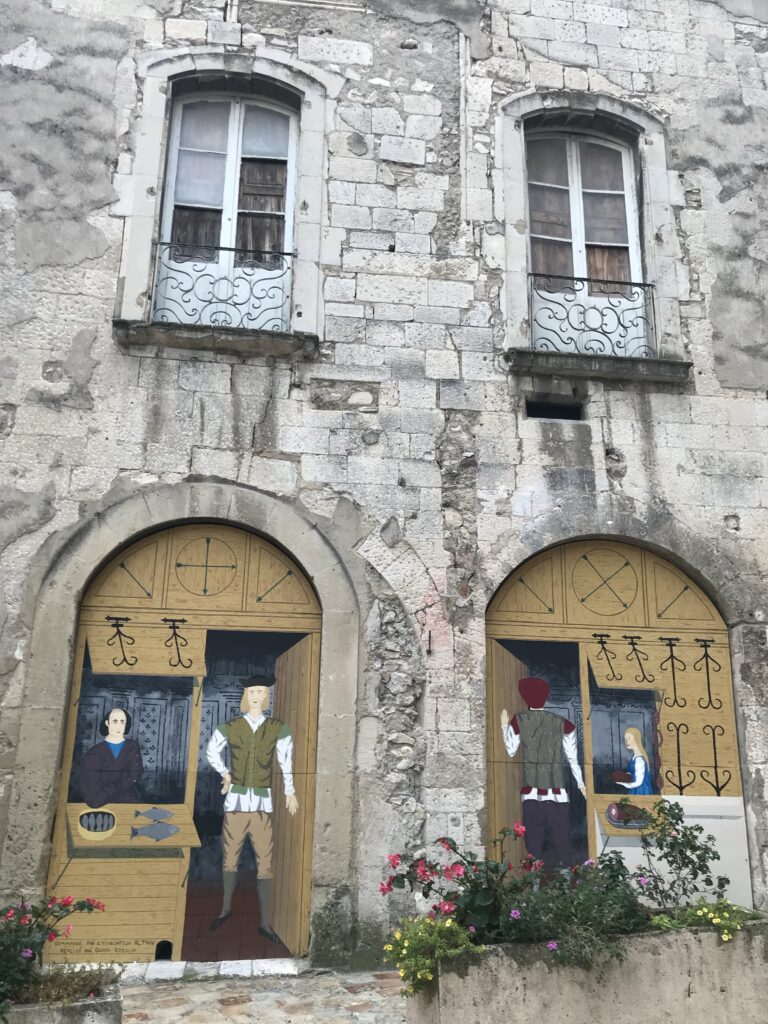
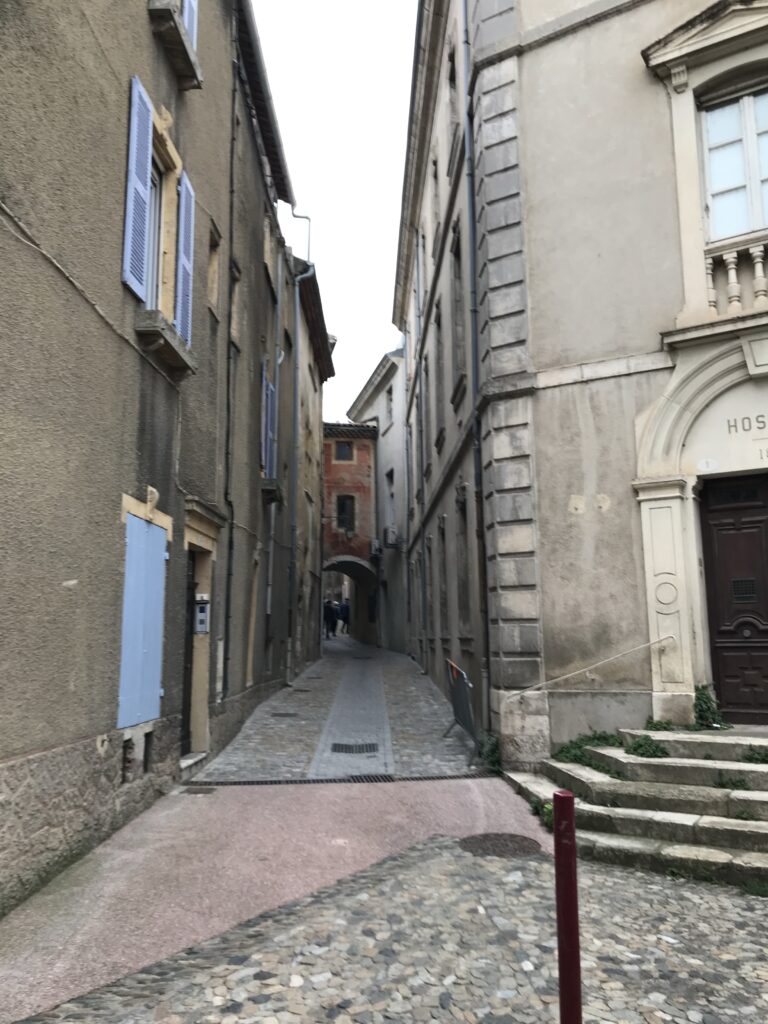
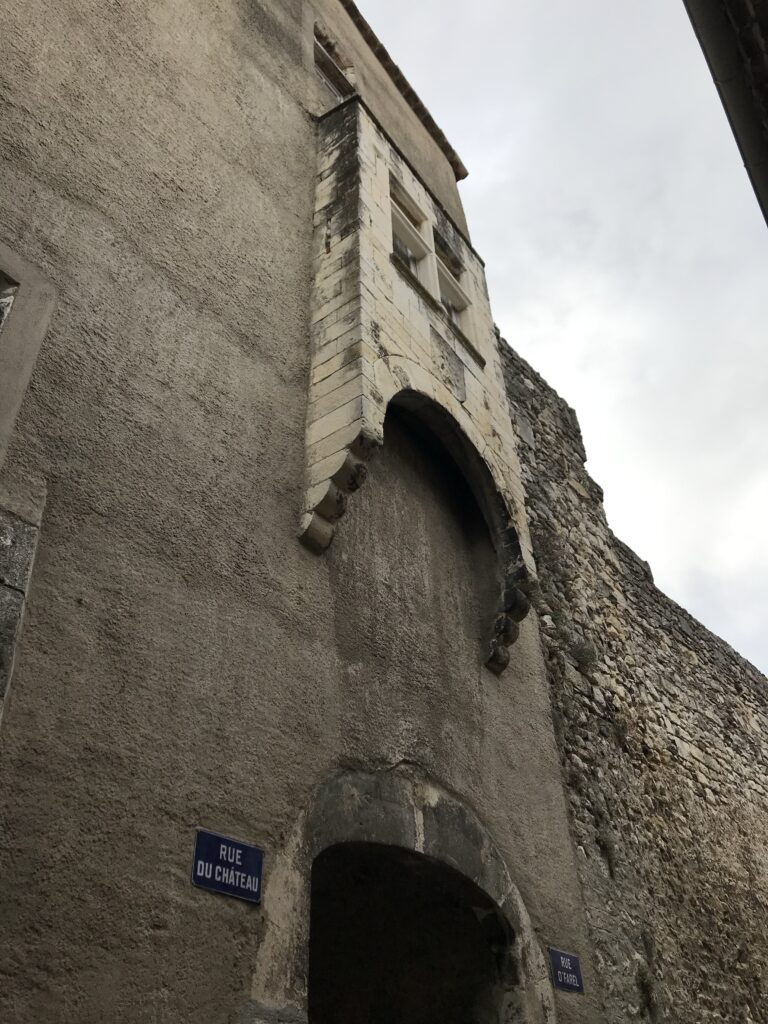
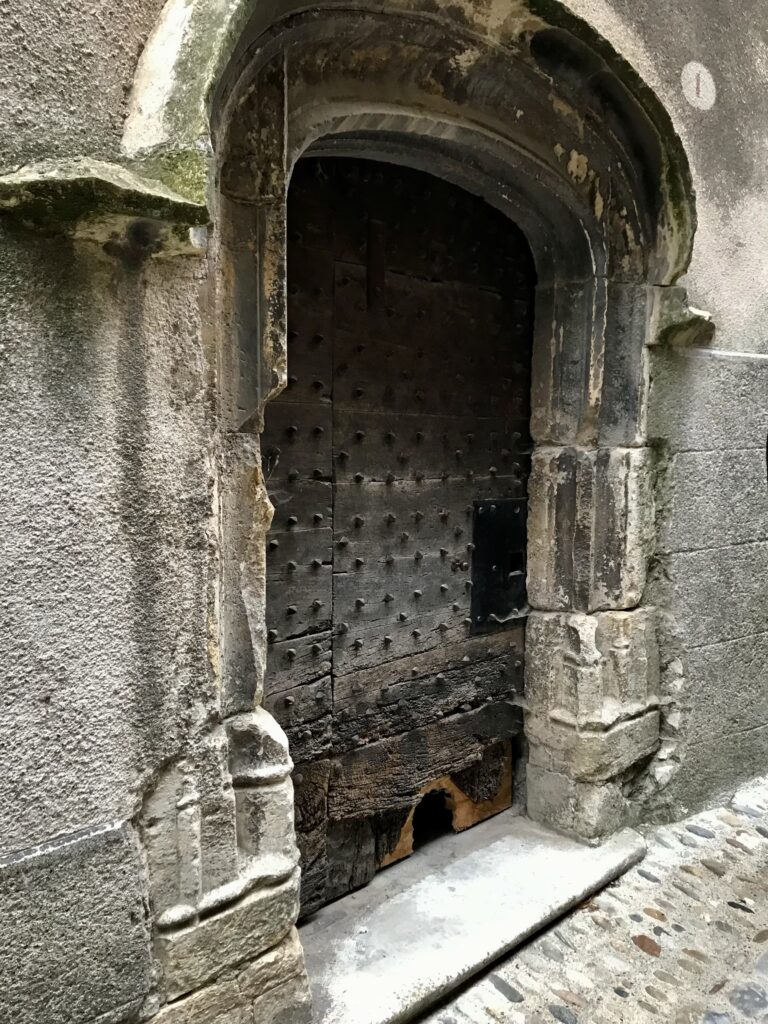
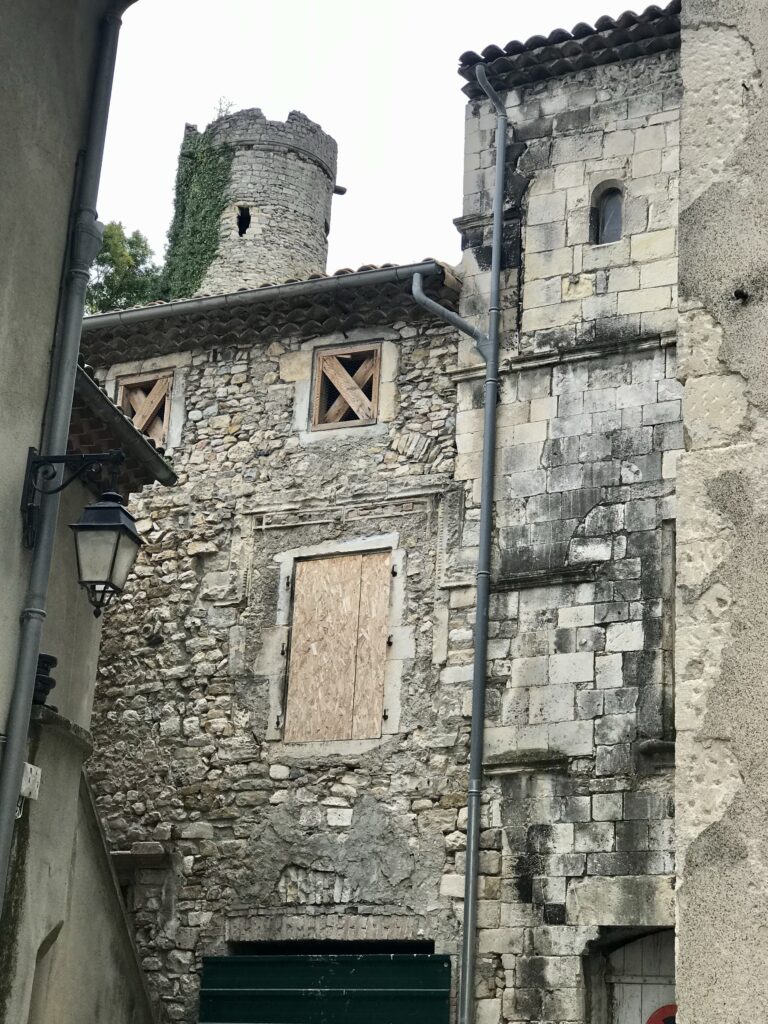
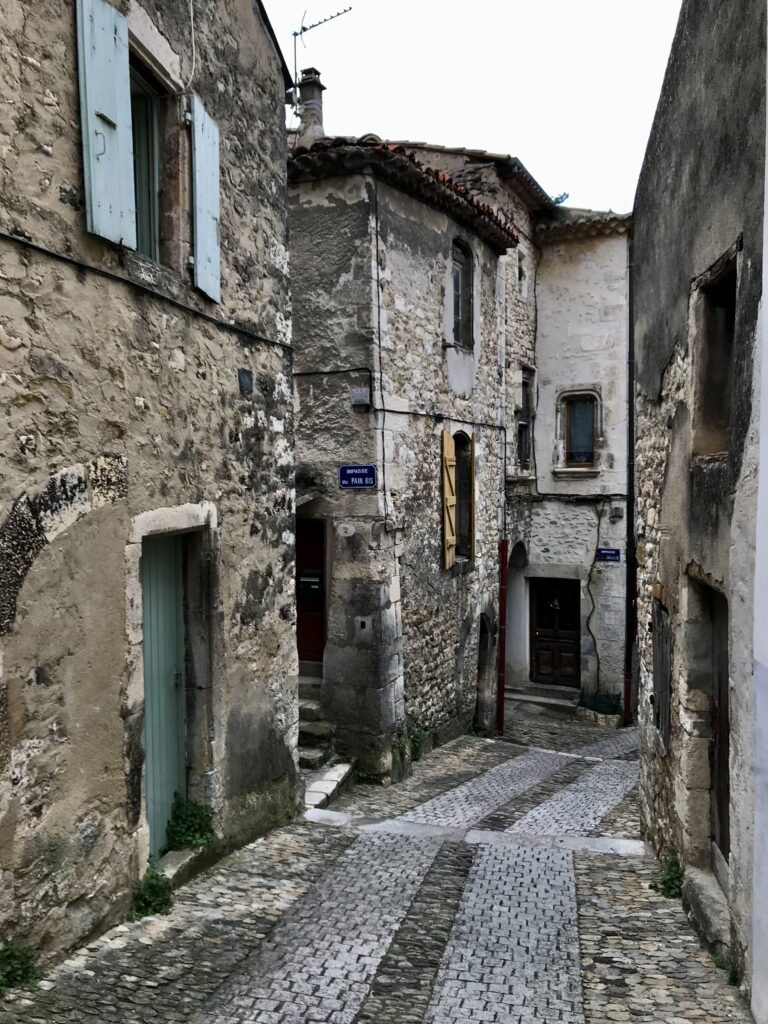
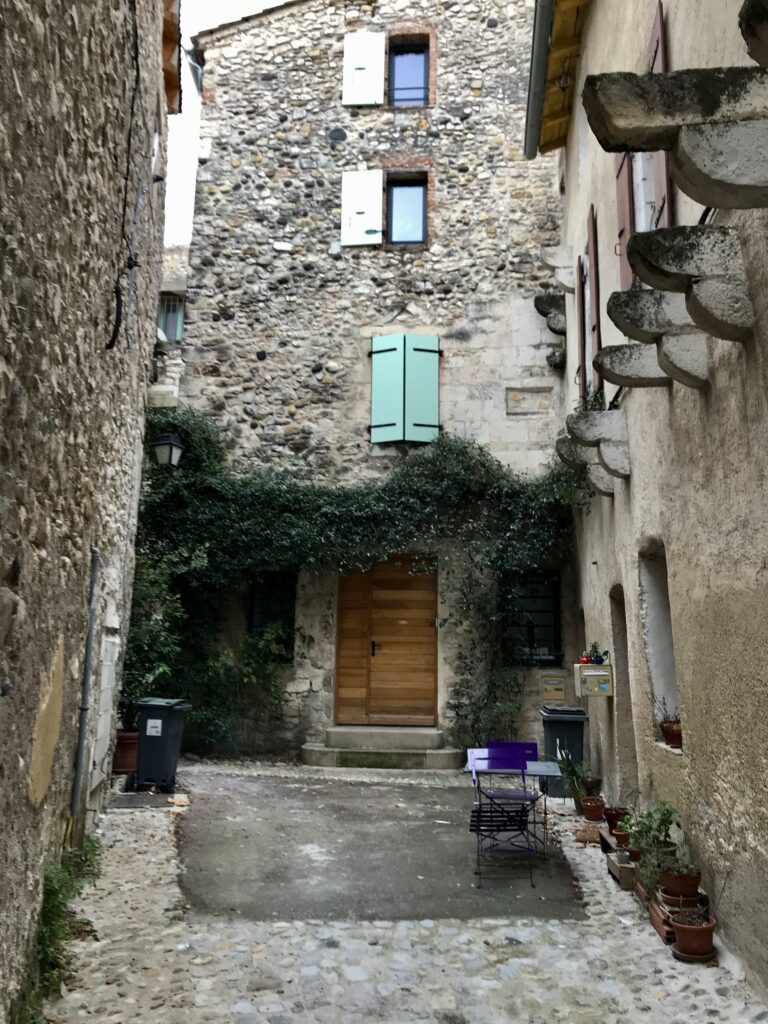
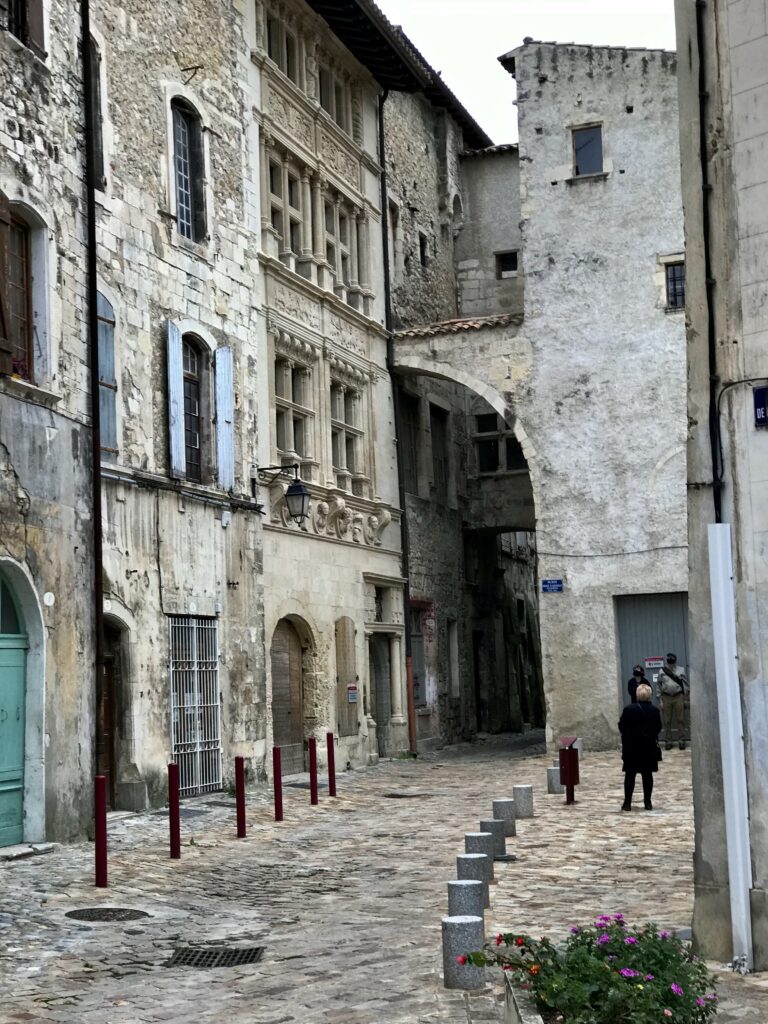
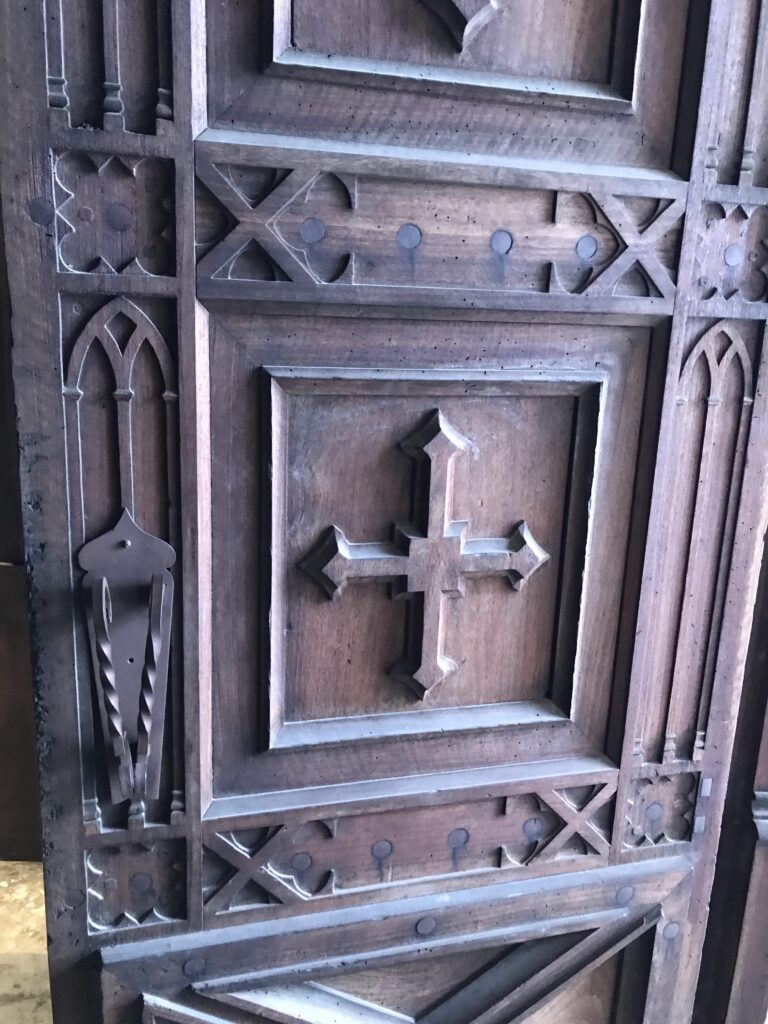
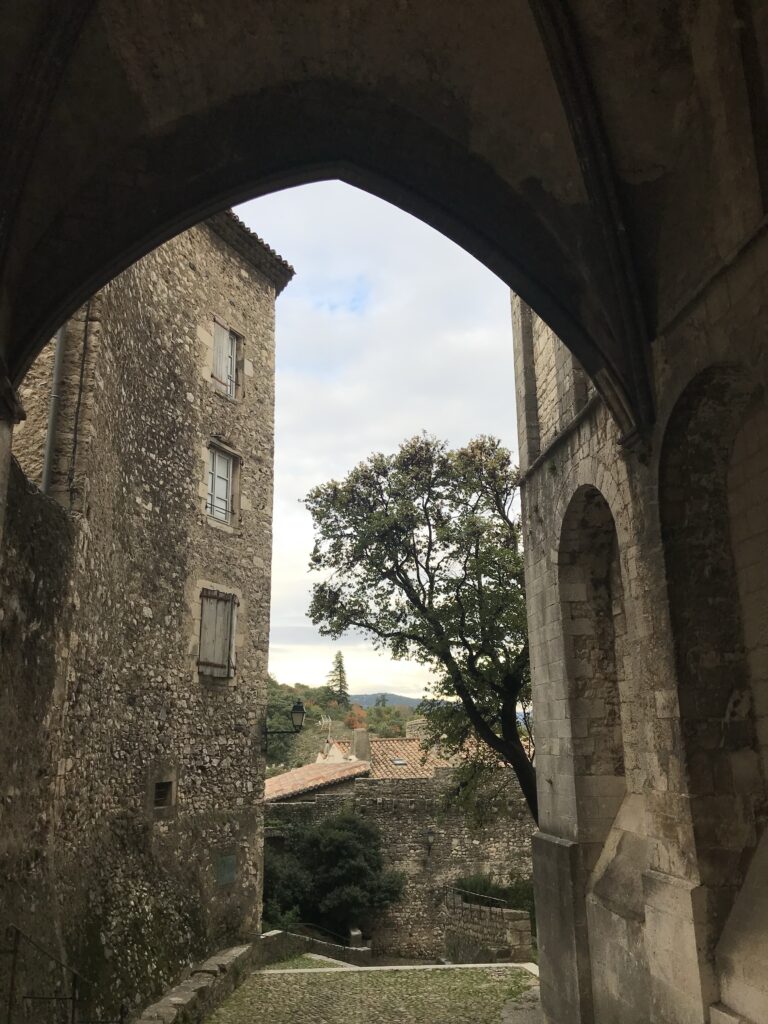
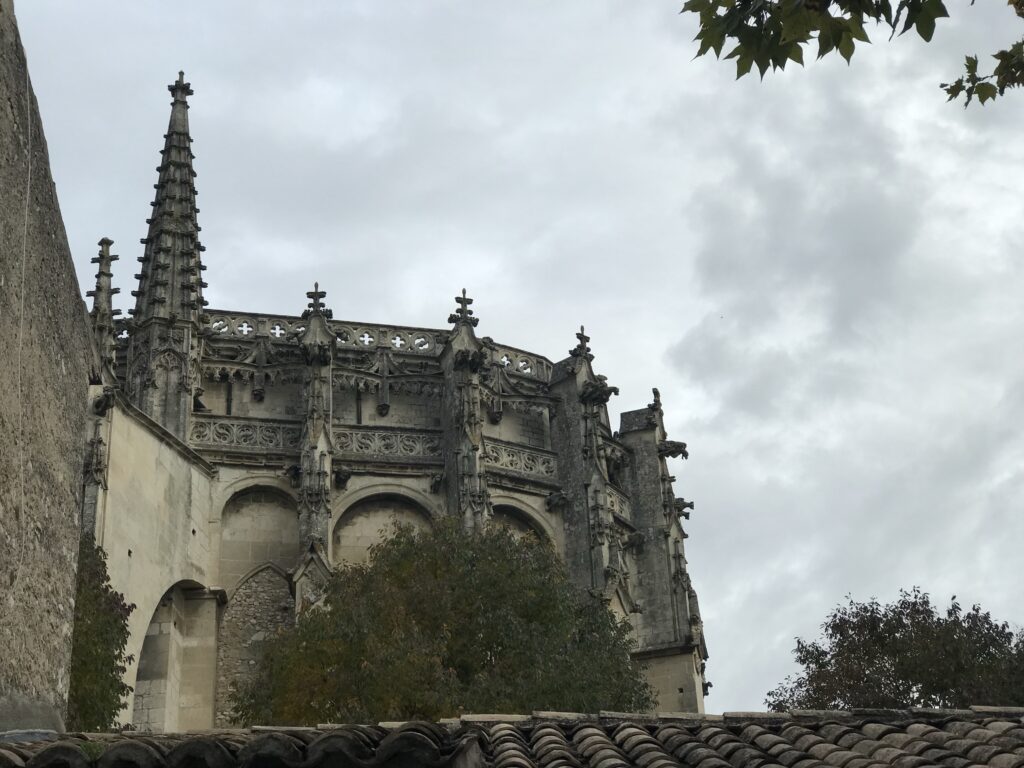
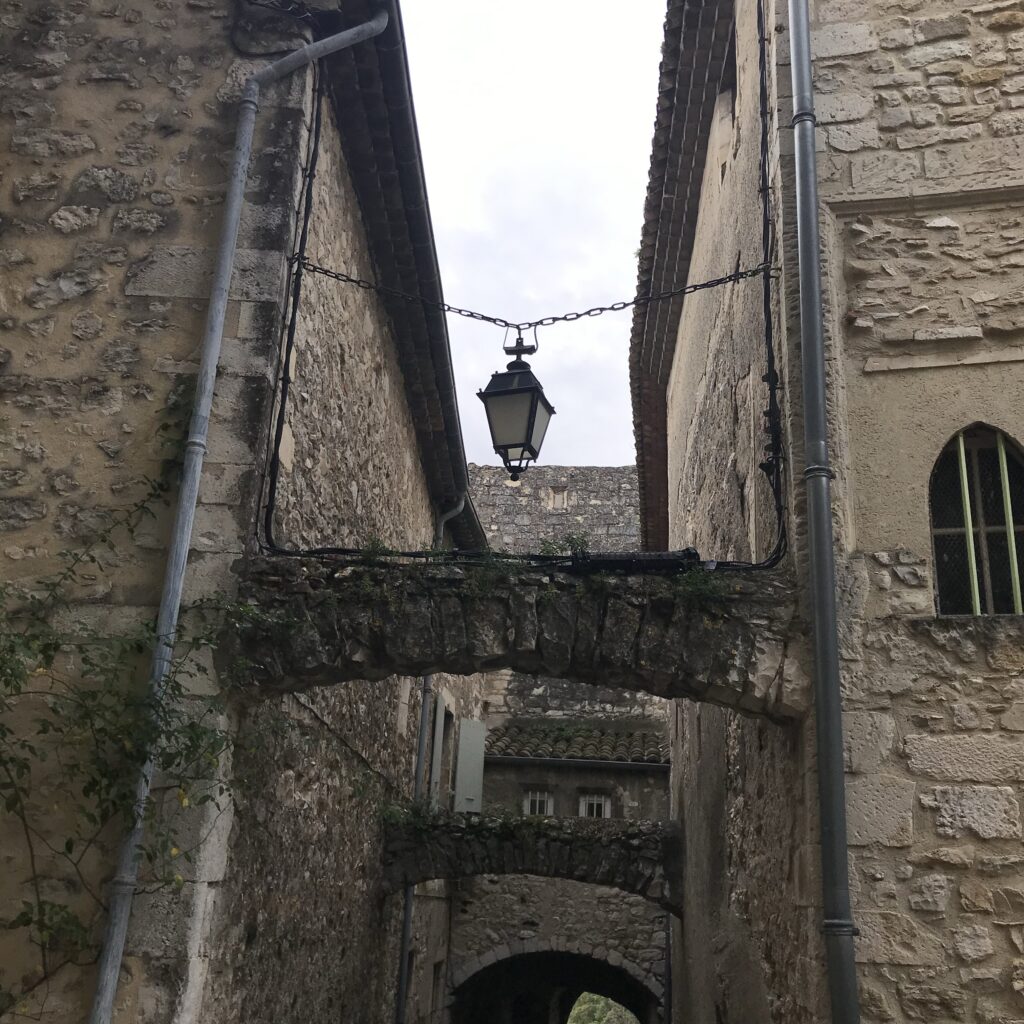
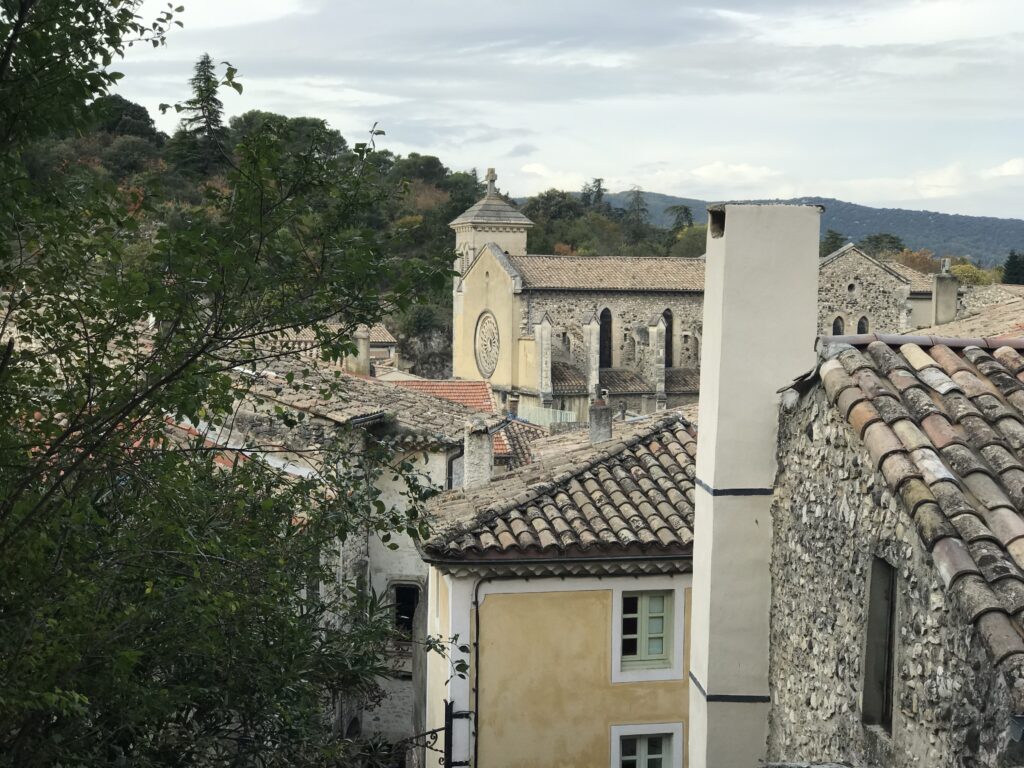
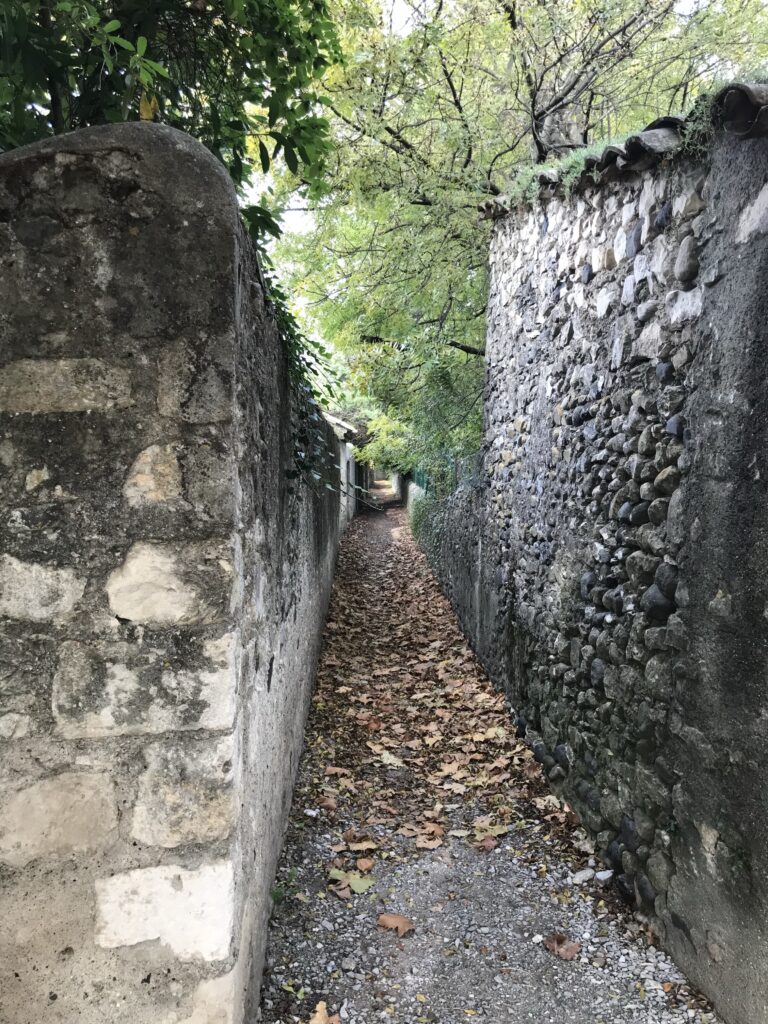
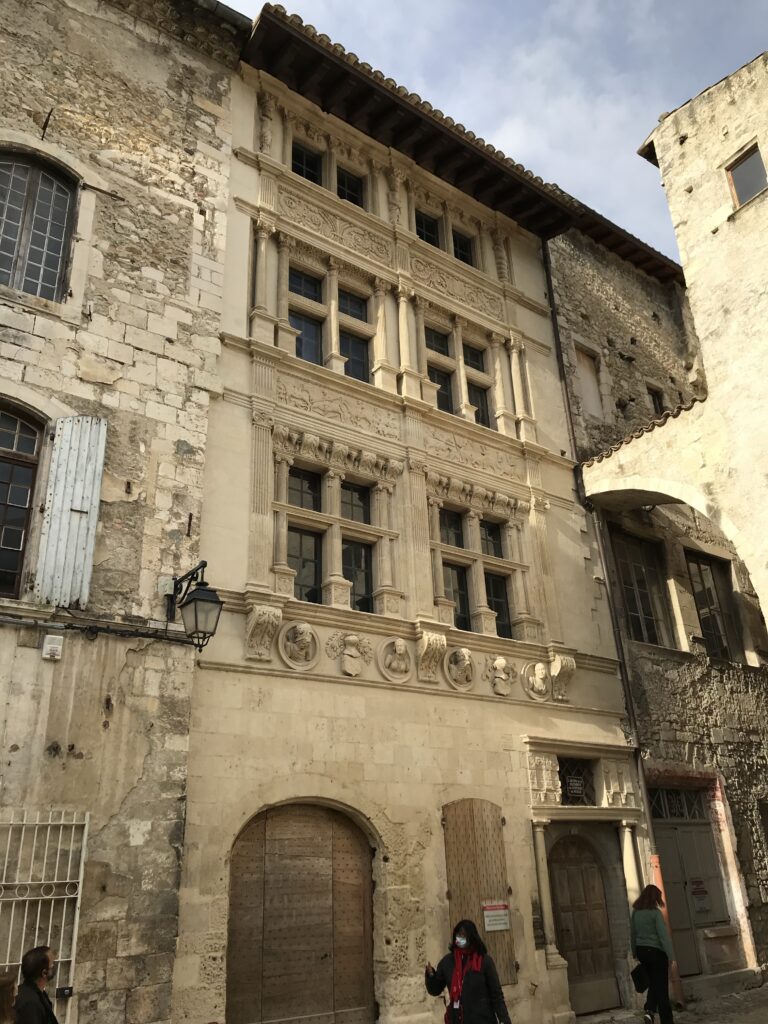
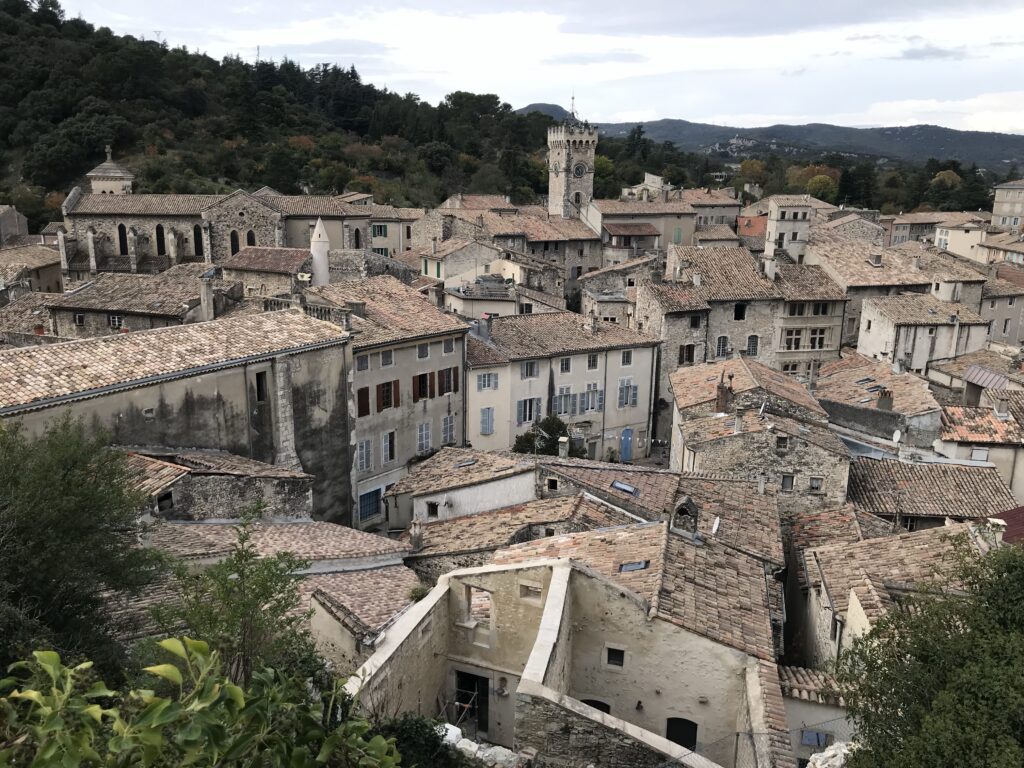
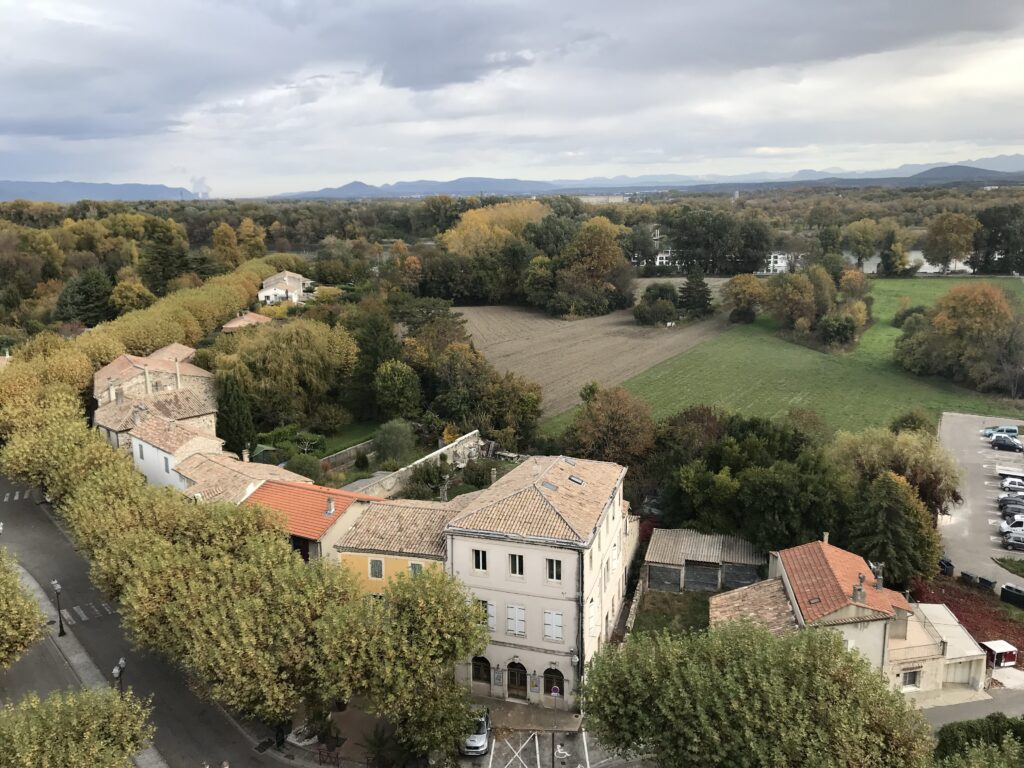
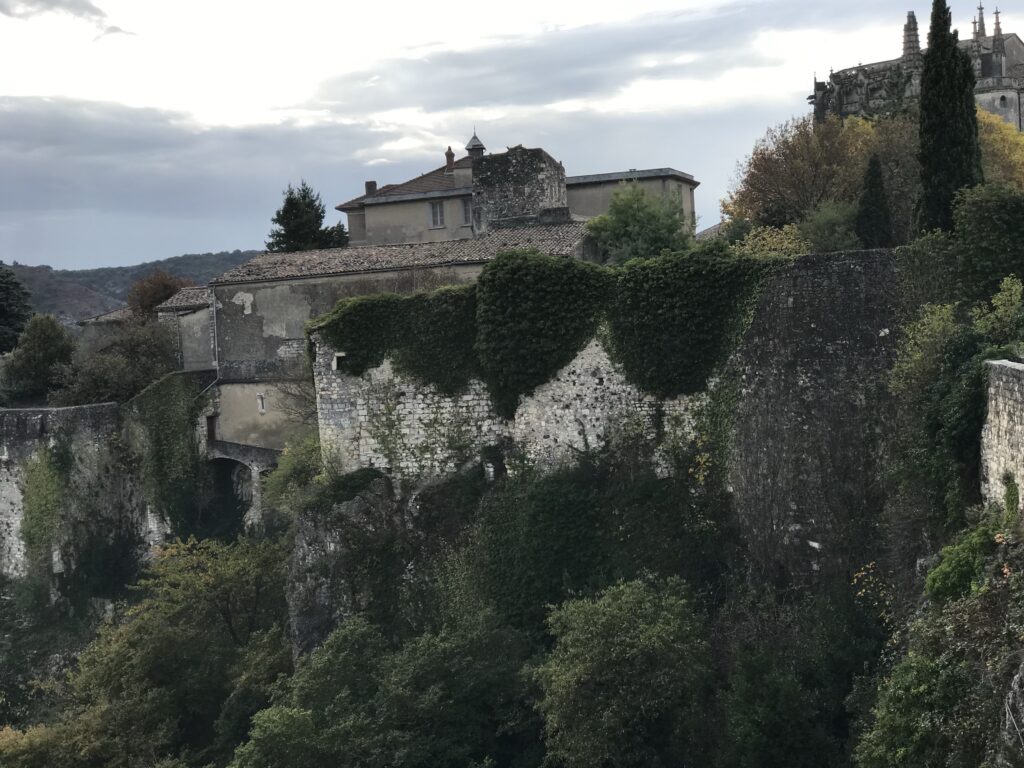
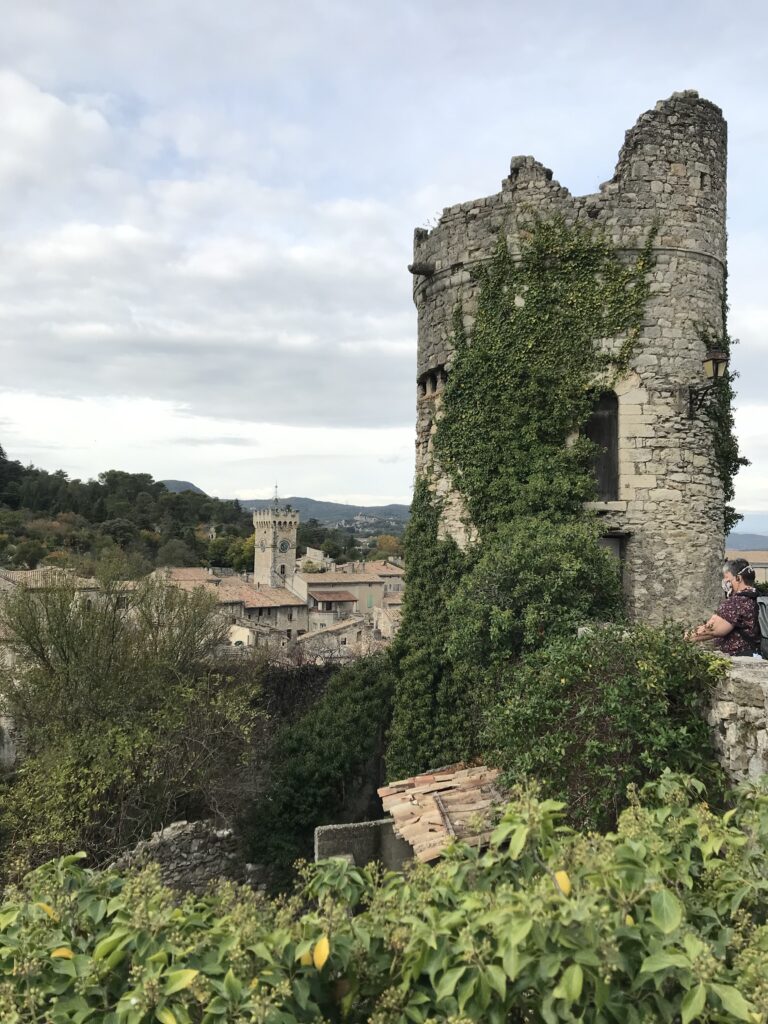
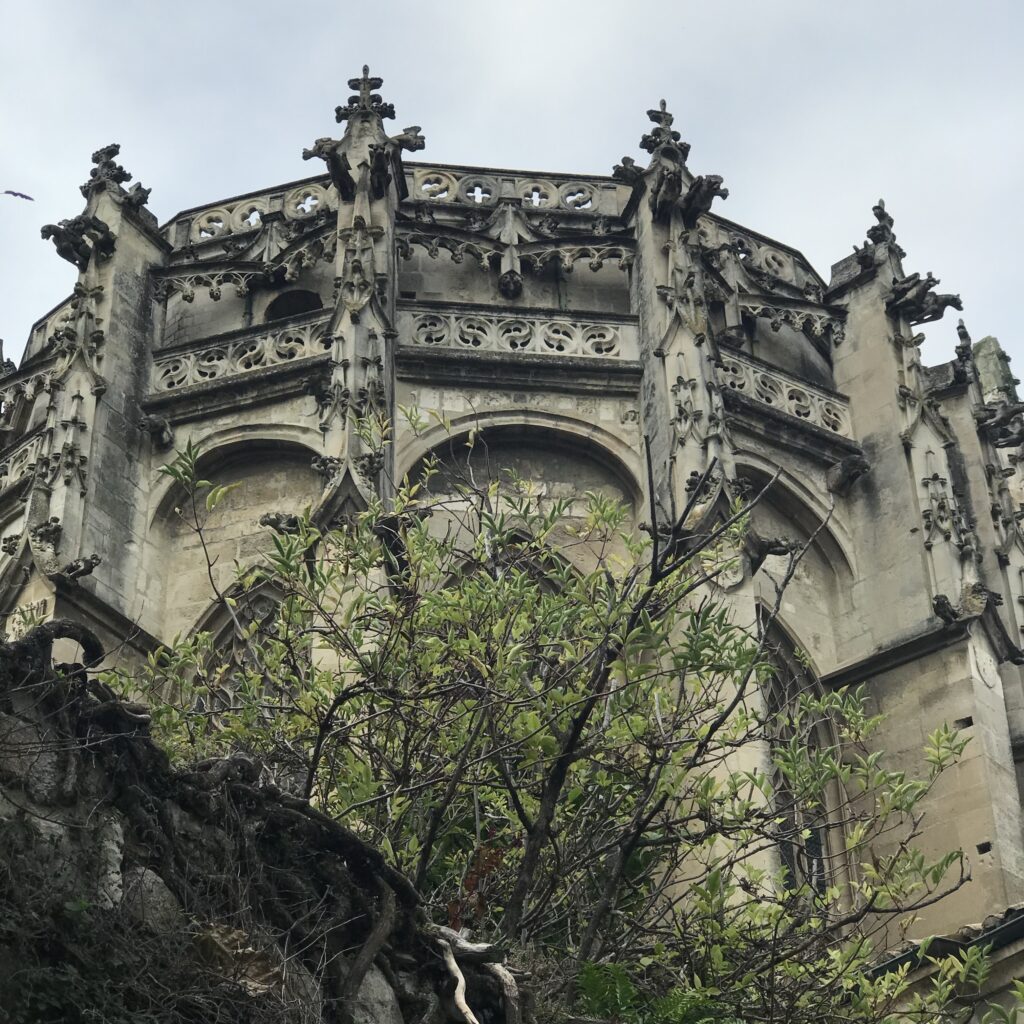
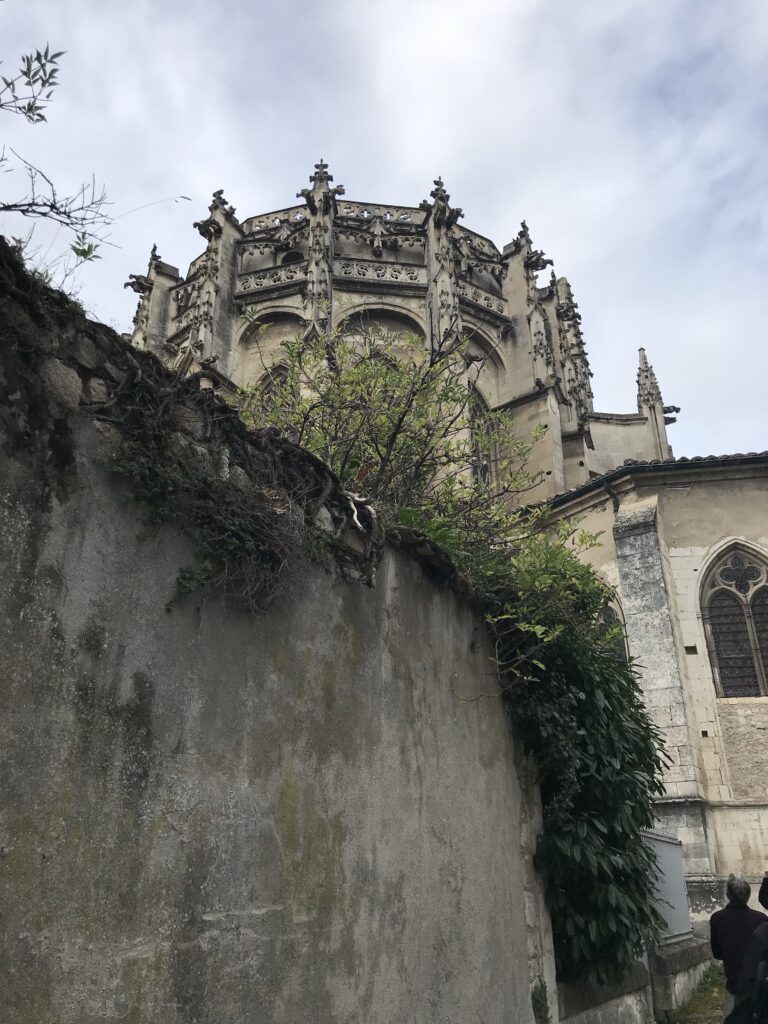
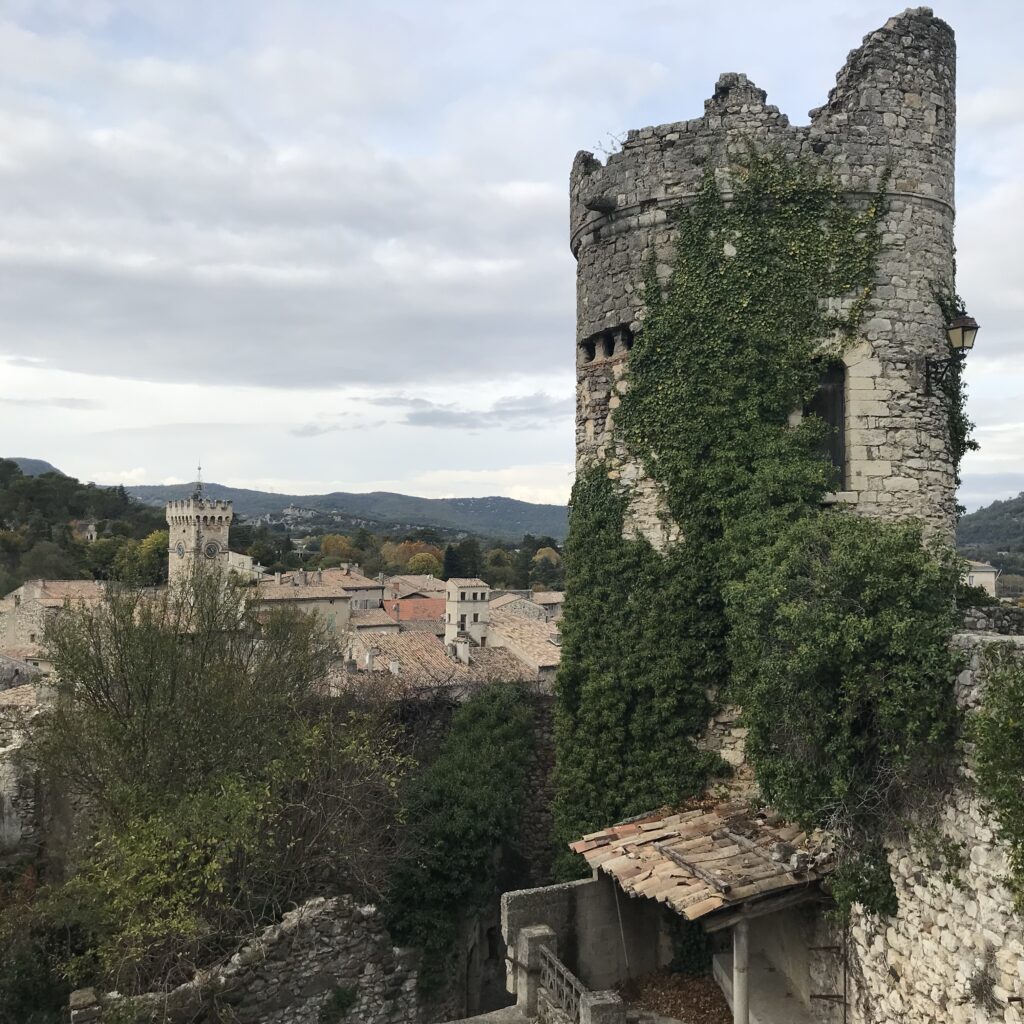
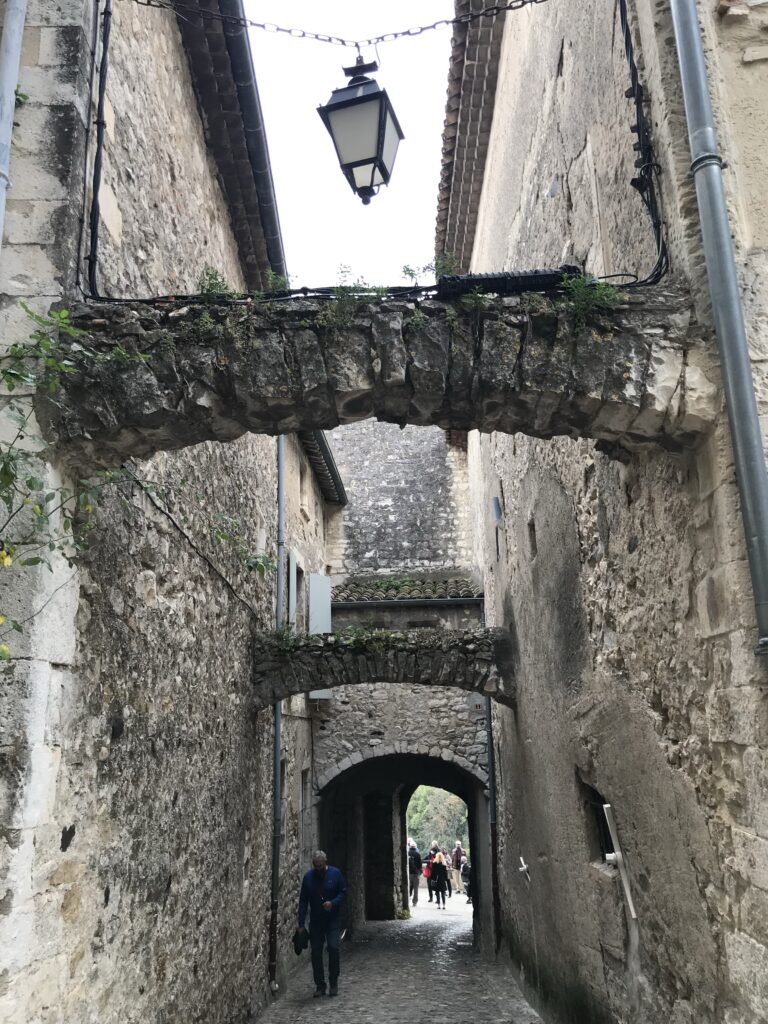
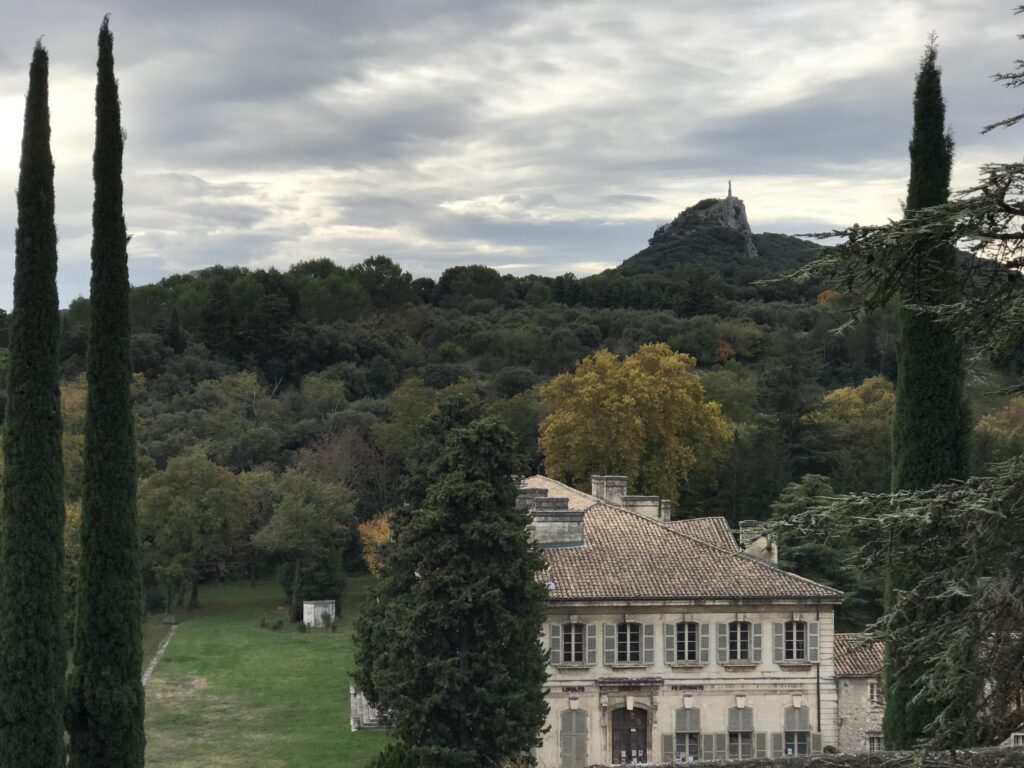
Viviers, in the Ardèche, is known as a remarkably intact medieval episcopal town perched above the Rhône, often described as an open‑air museum of religious and civic architecture.[16][17]
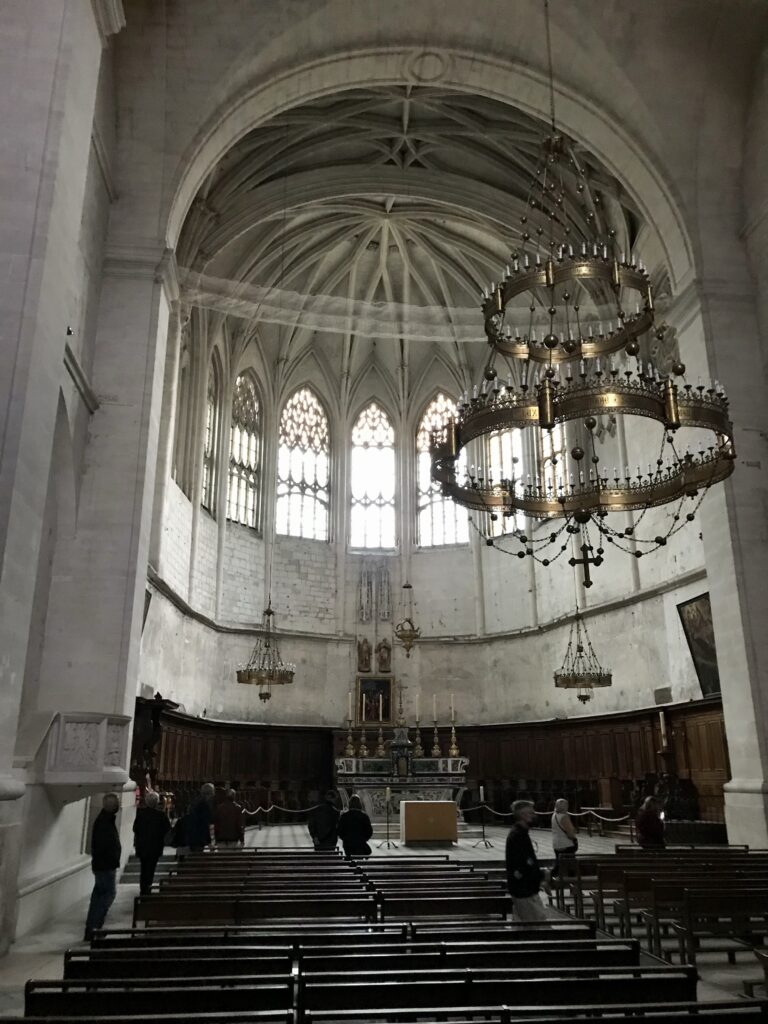
Its name derives from Latin Vivarium, referring to Roman fishponds once built on the riverbank, and notable landmarks include the medieval cathedral of Saint‑Vincent, the Bishop’s Palace, the Hôtel de Roqueplane, a Roman bridge with multiple arches, and ruins such as the Saint‑Martin tower and Château de l’Ourse.[17][18][16]
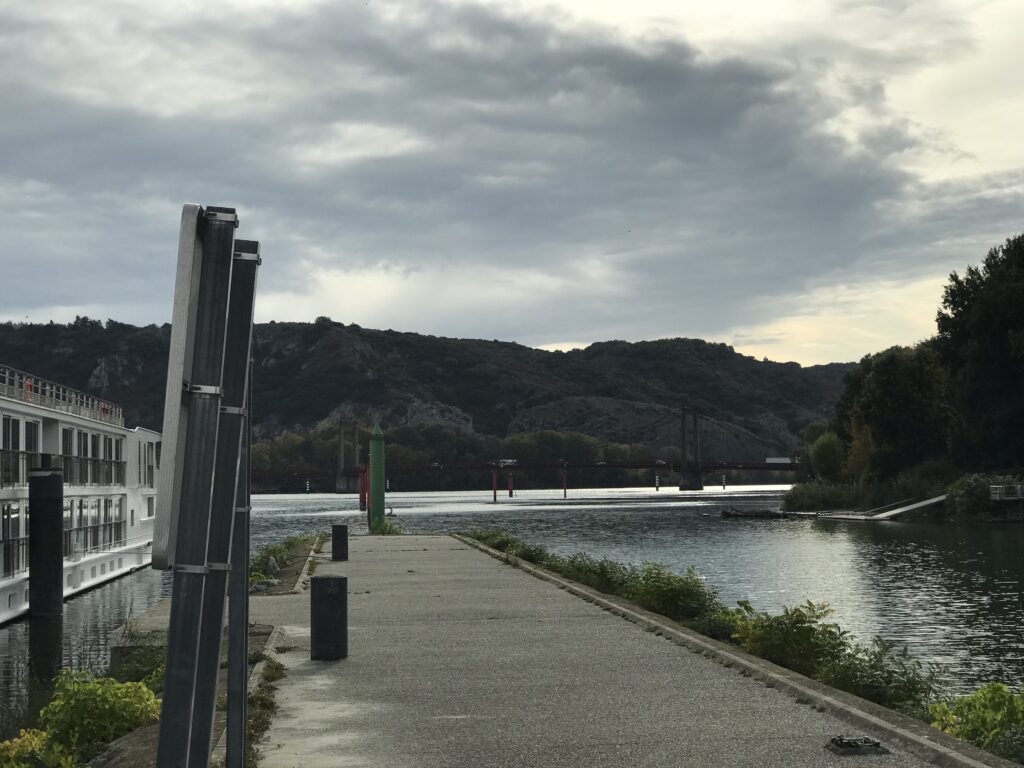
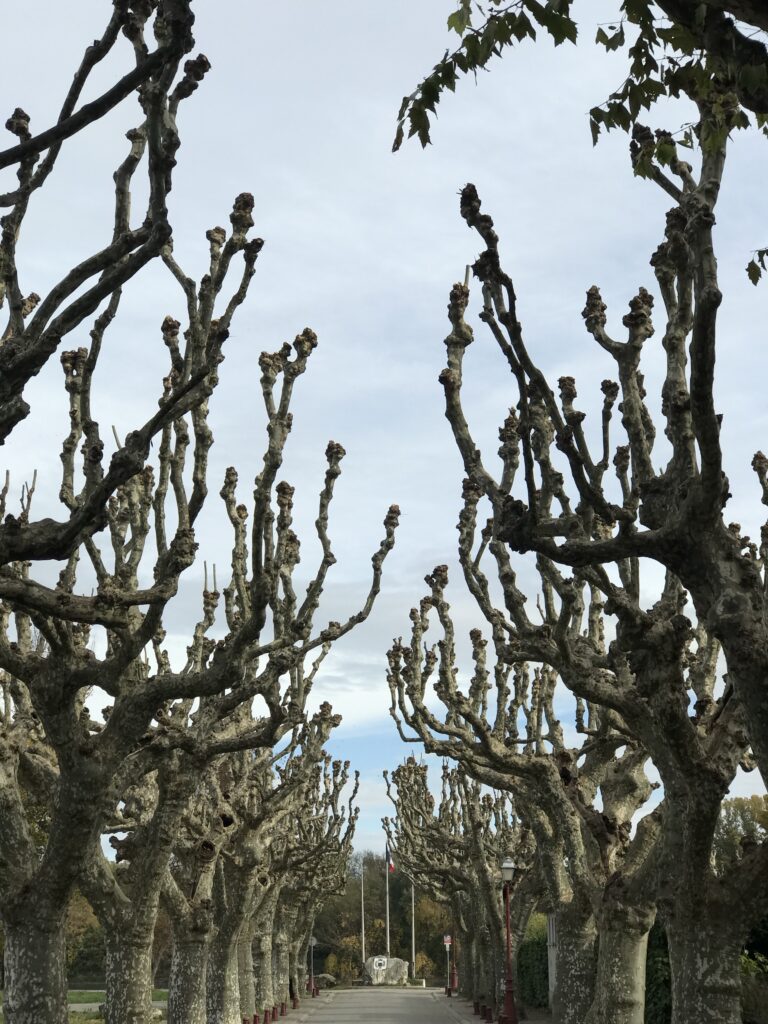
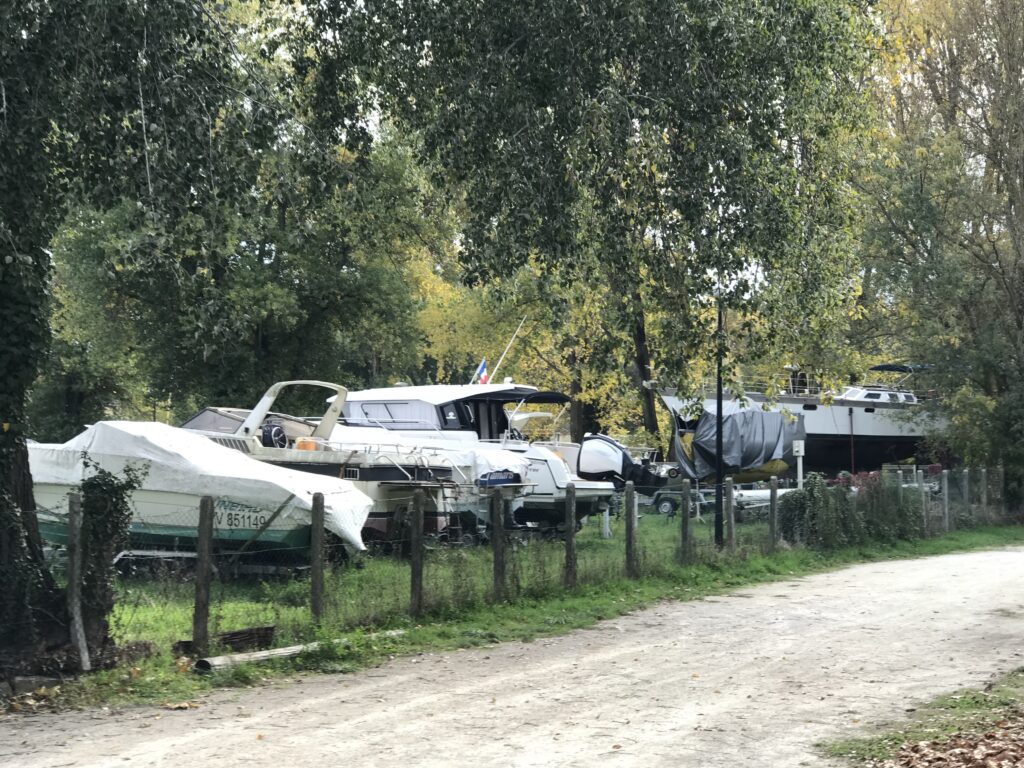
Châteauneuf‑du‑Rhône – “new castle on the Rhône”
Châteauneuf‑du‑Rhône is a small commune whose name literally means “new castle of the Rhône,” reflecting a medieval fortified site that once oversaw traffic on this stretch of river.[17][1]
Today it is better known for its setting among vineyards and orchards and for remnants of its defensive past—village church, old houses and traces of fortifications—rather than a single dominating monument.[1]
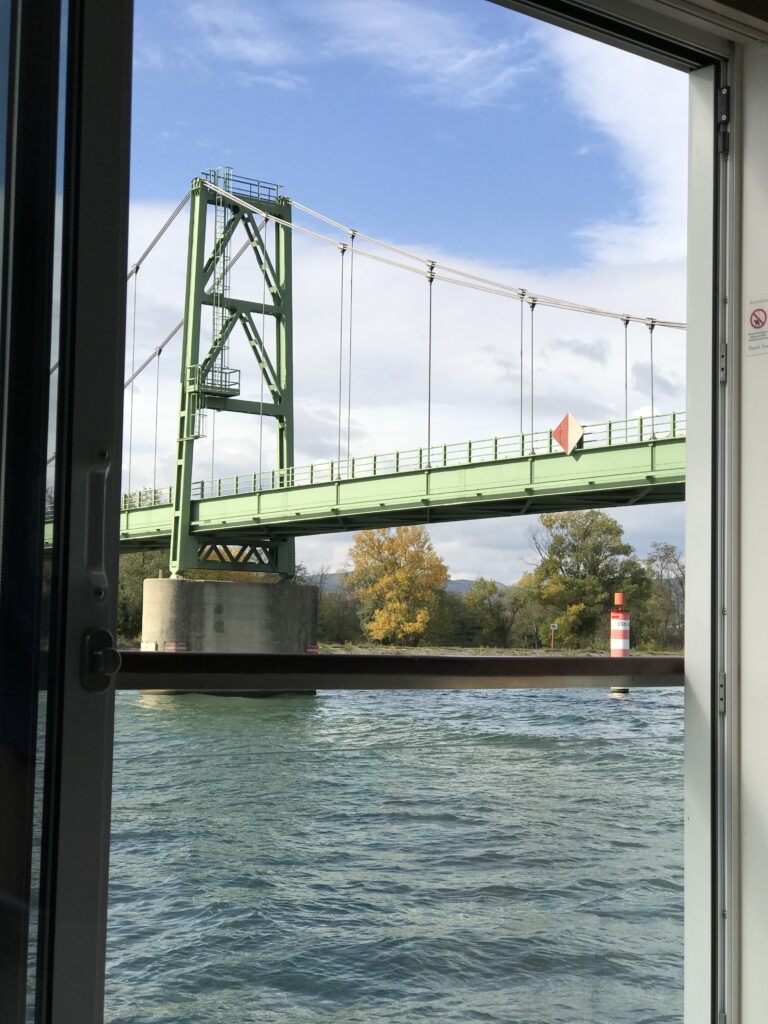
Coucourde / La Coucourde – ribbon village on the bank
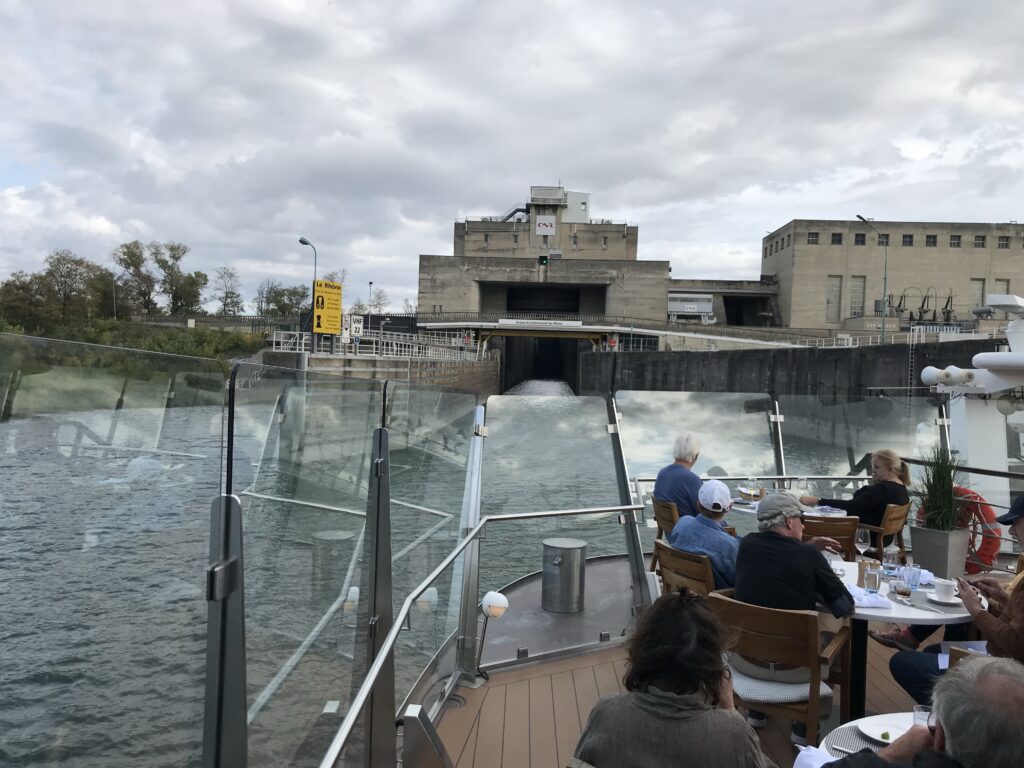
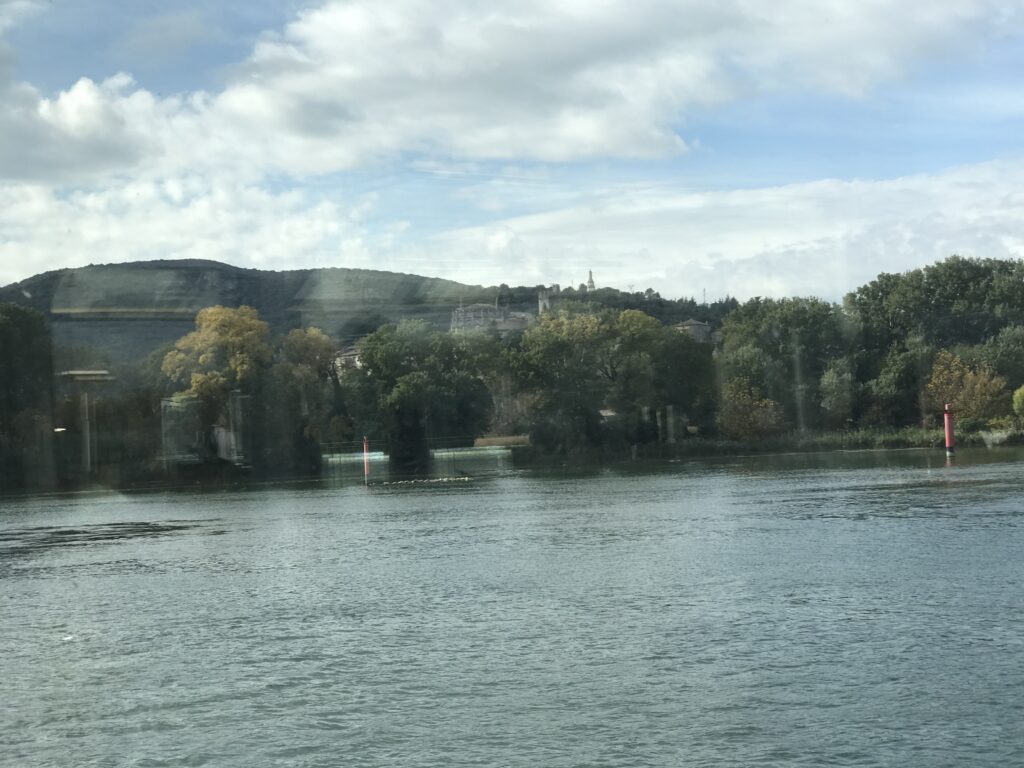
La Coucourde is a linear village strung out along the Rhône and major road routes, historically serving as a modest agricultural and river‑adjacent community.[1]
The name probably relates to local toponyms tied to fields and farms, and while there are no headline monuments, the village offers views of the working river and low surrounding hills that frame the navigation channel and nearby locks.[1]
Canal de Dérivation de Montélimar – engineered Rhône shortcut
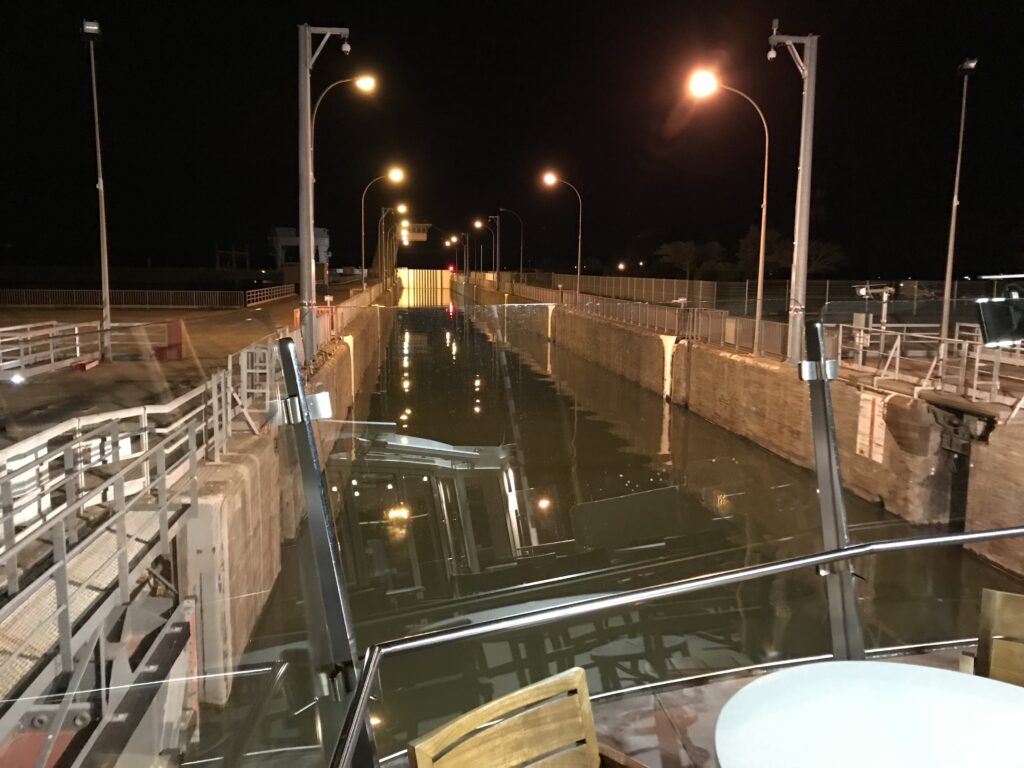
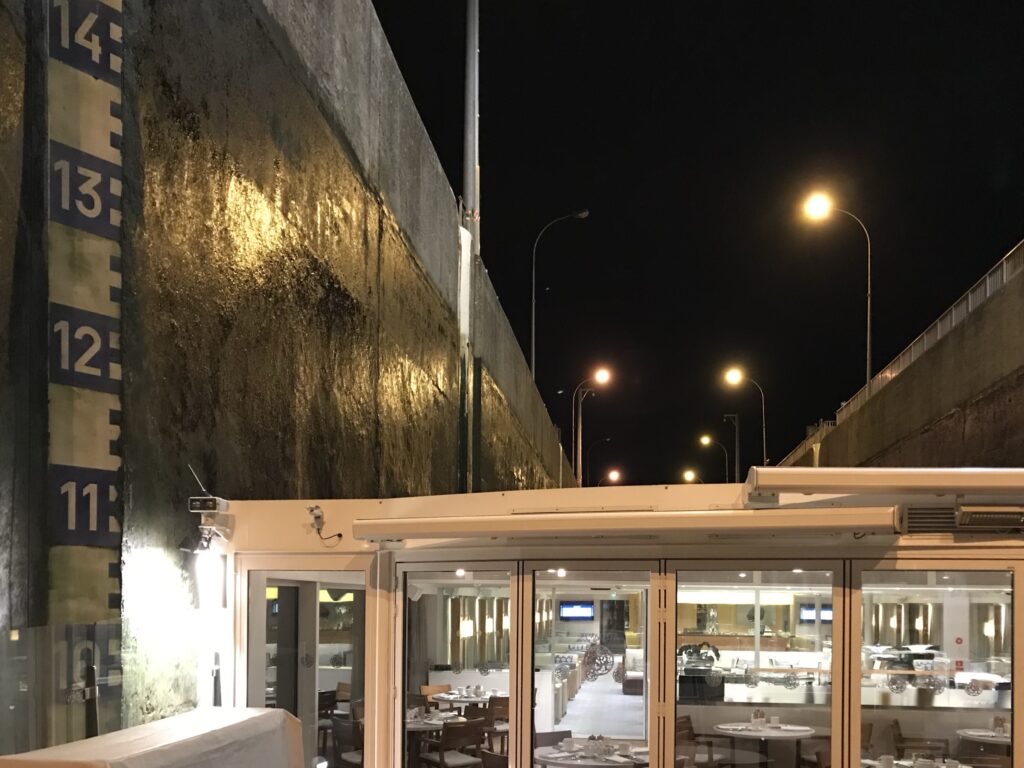
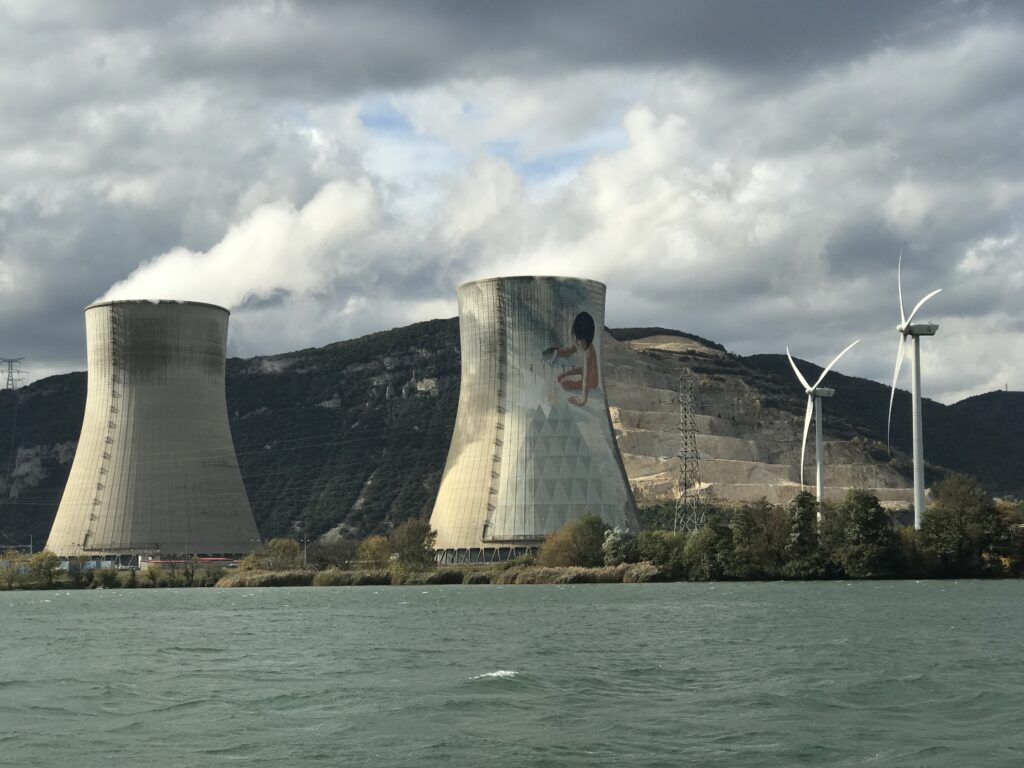
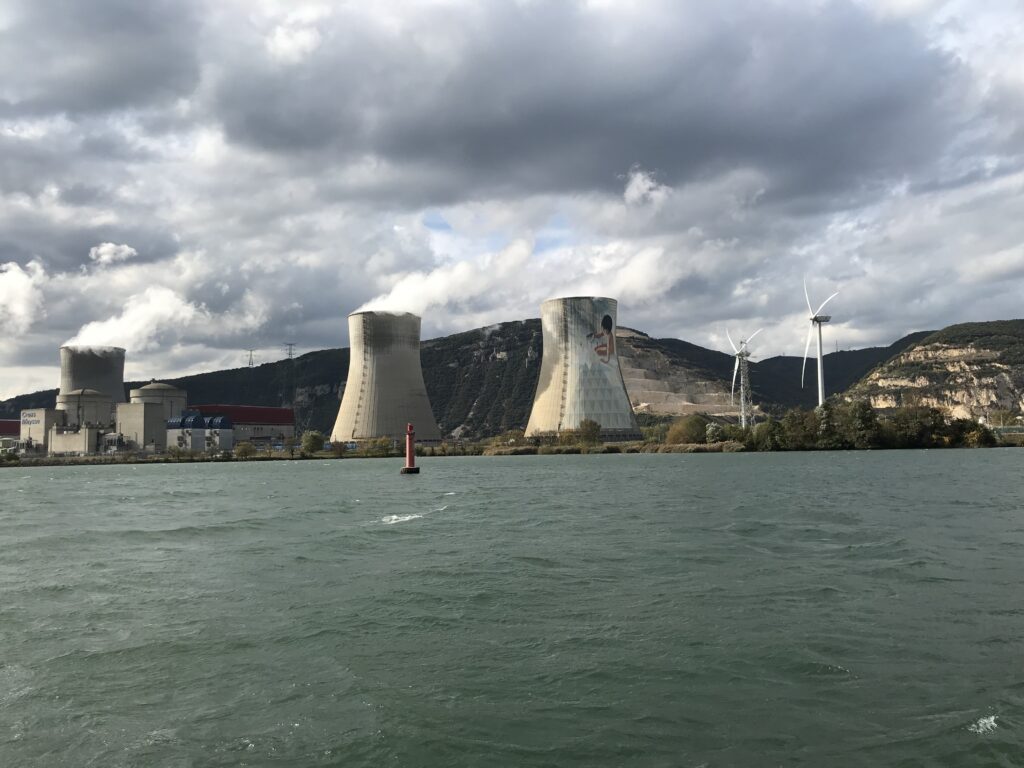
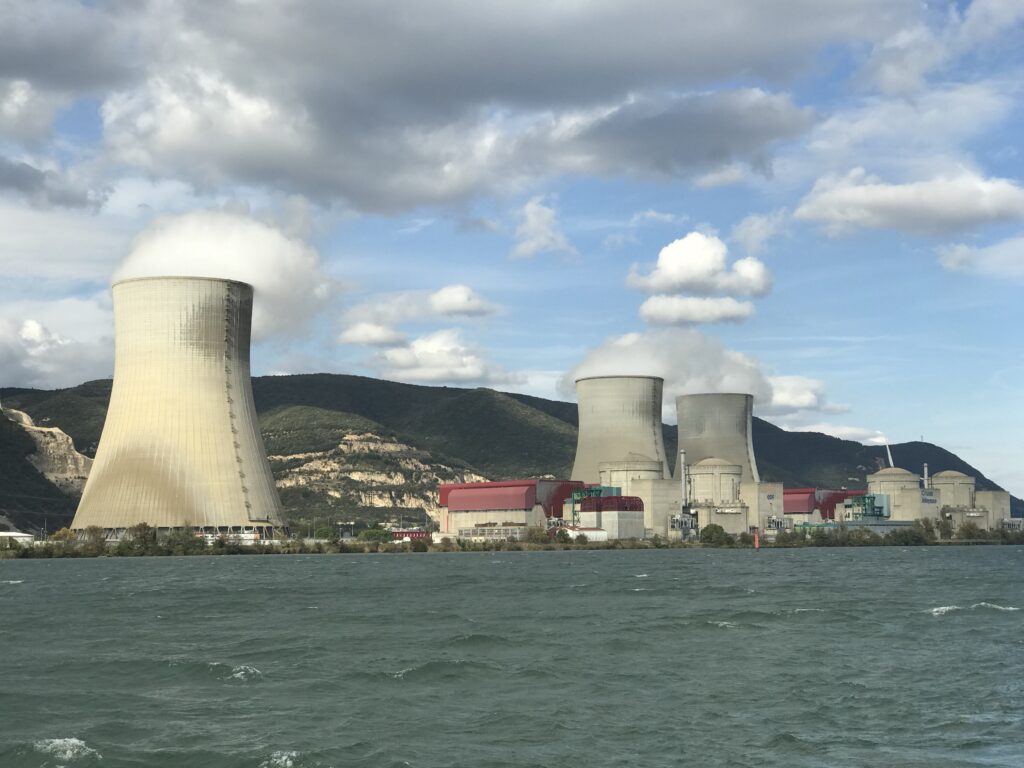
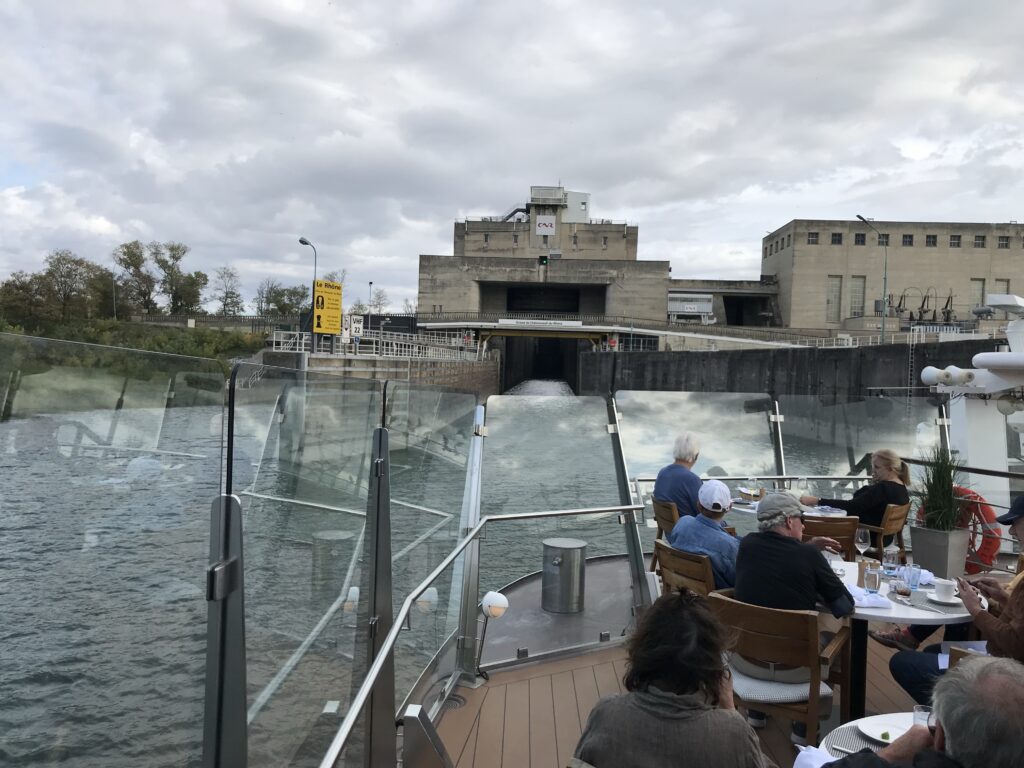
The Canal de Dérivation de Montélimar is a modern navigation canal that bypasses an older, more sinuous section of the Rhône near Montélimar to improve commercial and cruise traffic.[1]
It takes its name from the nearby town famous for nougat, and its principal “landmarks” are engineering works—locks, embankments, and bridges—that illustrate how the Rhône has been reshaped for reliable navigation and hydropower.[1]
Le Pouzin – gateway to the Eyrieux valley
Le Pouzin is a small town on the right bank of the Rhône near the mouth of the Eyrieux valley, long positioned at a junction between river and upland routes.[19]
The name reflects an old settlement at this crossing point, and its points of interest include its riverside setting opposite natural reserves, its bridge links to the Drôme side, and its role as a base for exploring the Eyrieux valley rather than individual blockbuster monuments.[19]
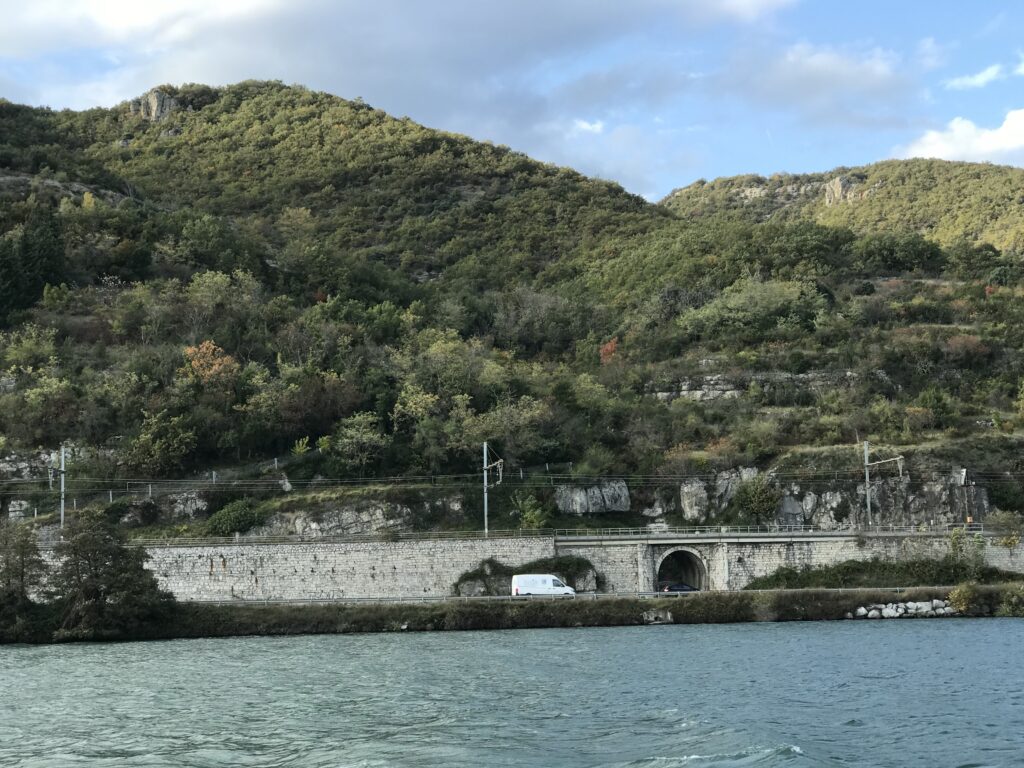
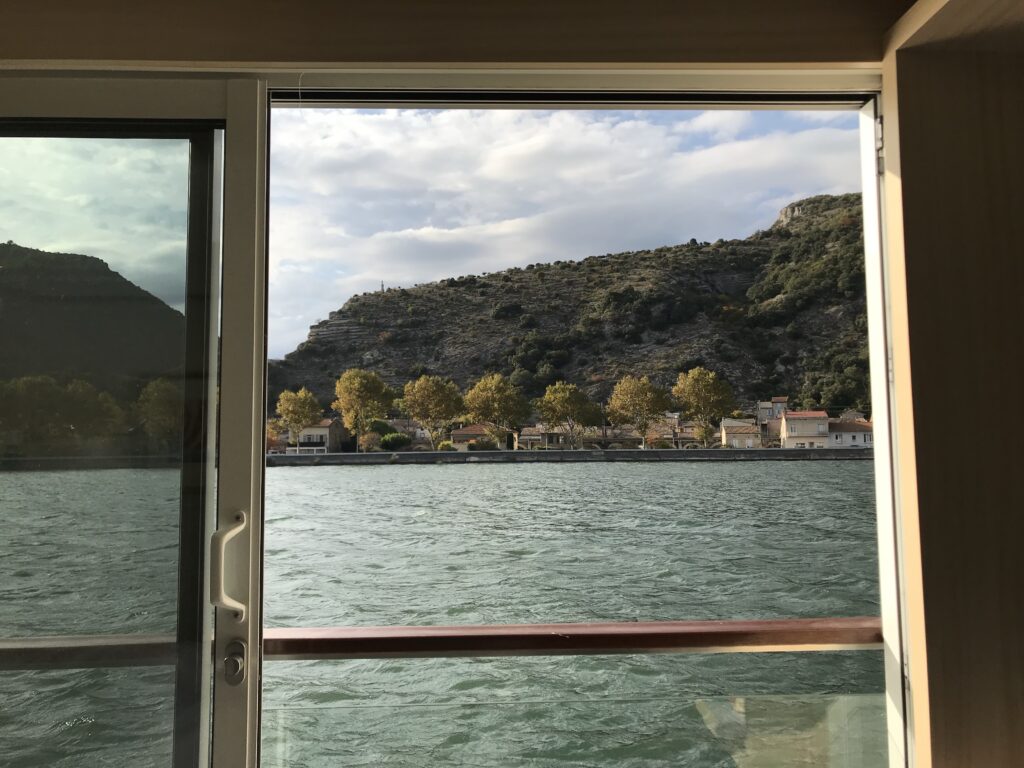
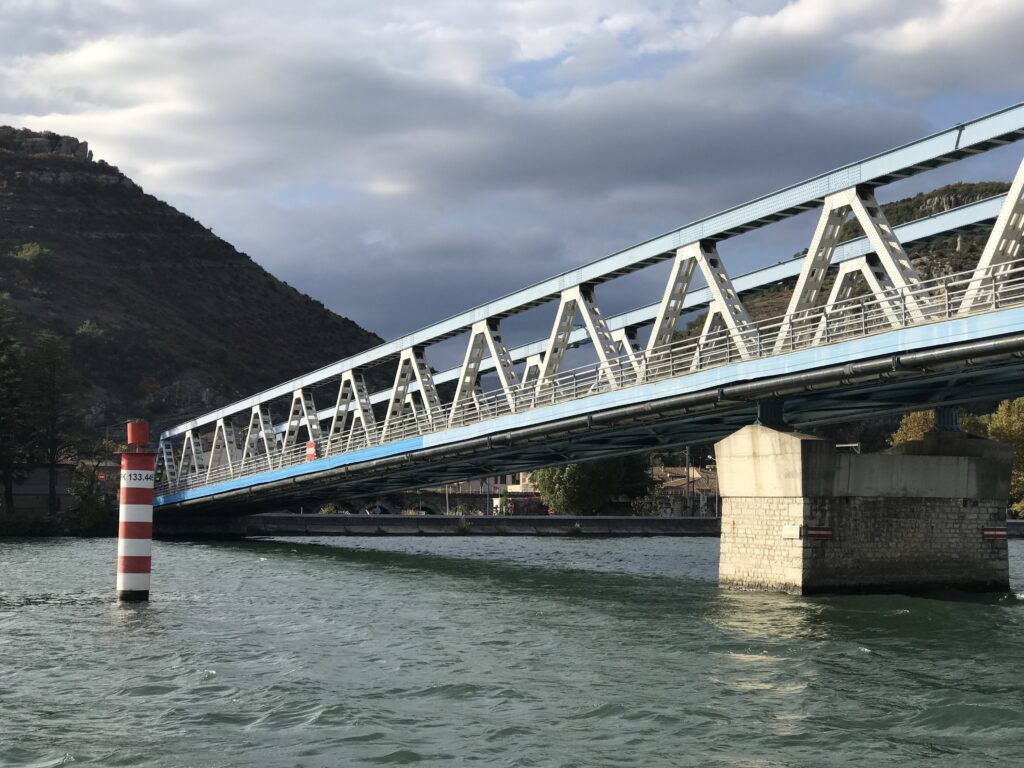
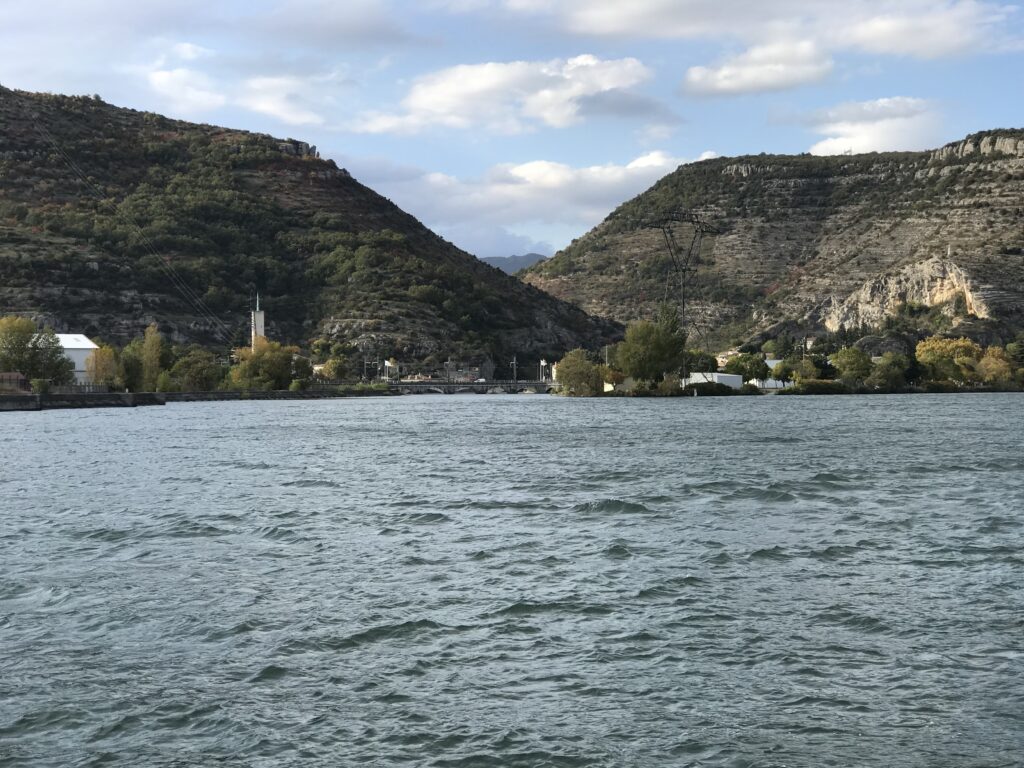
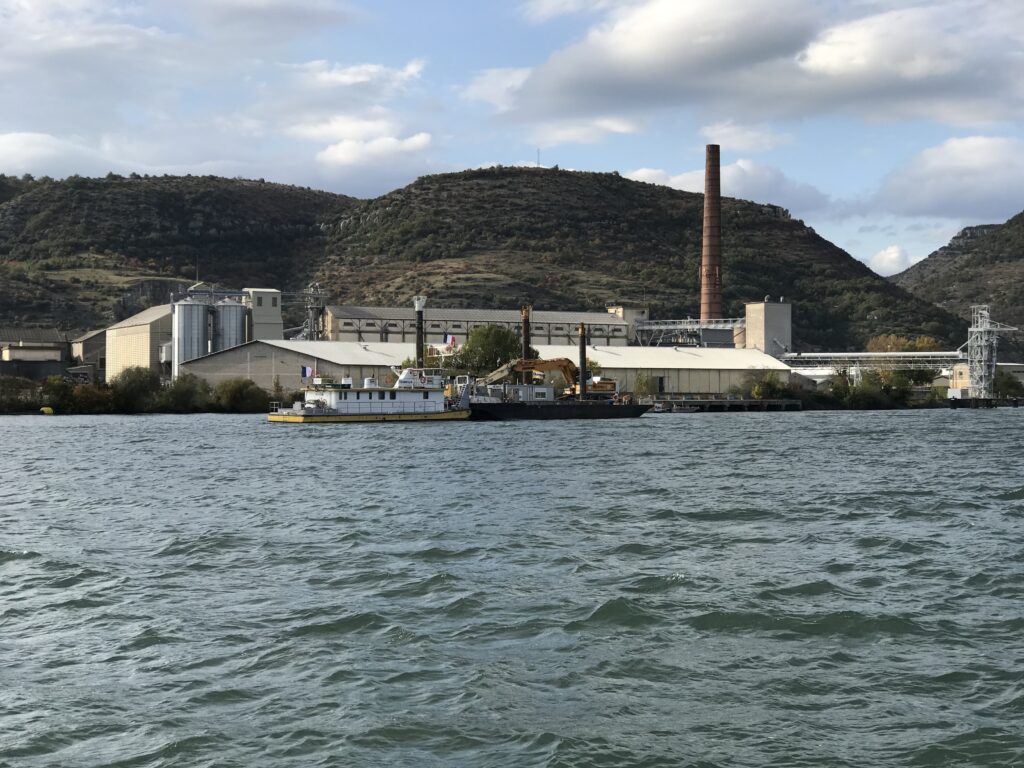
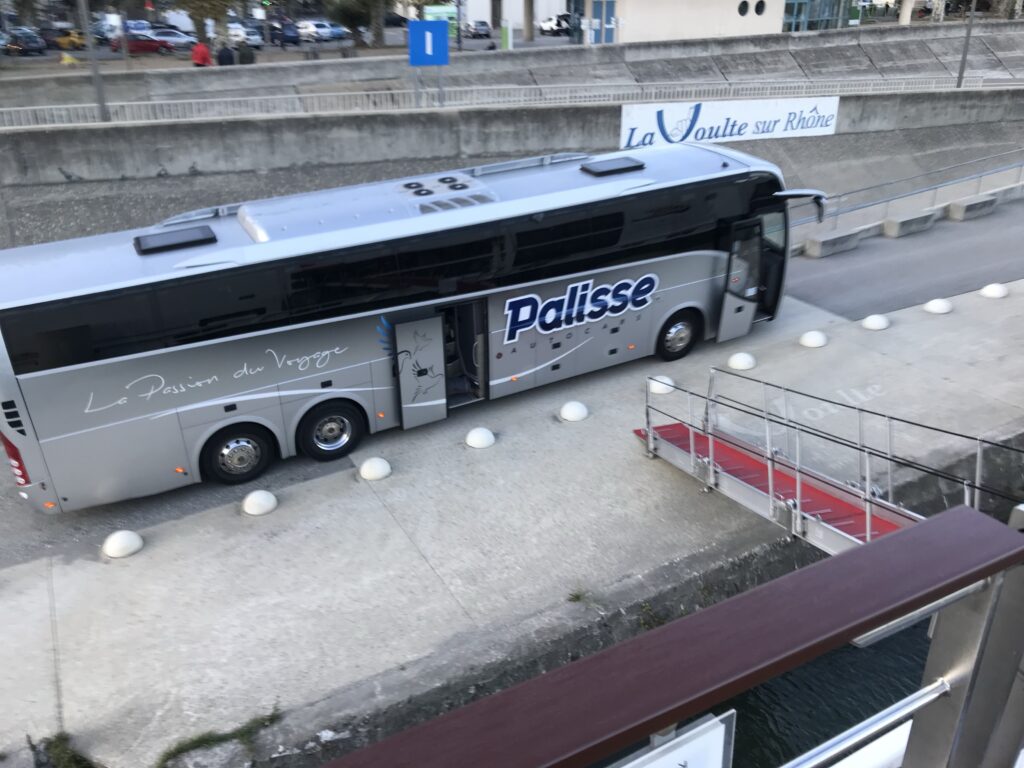
La Voulte‑sur‑Rhône – small industrial and natural hub
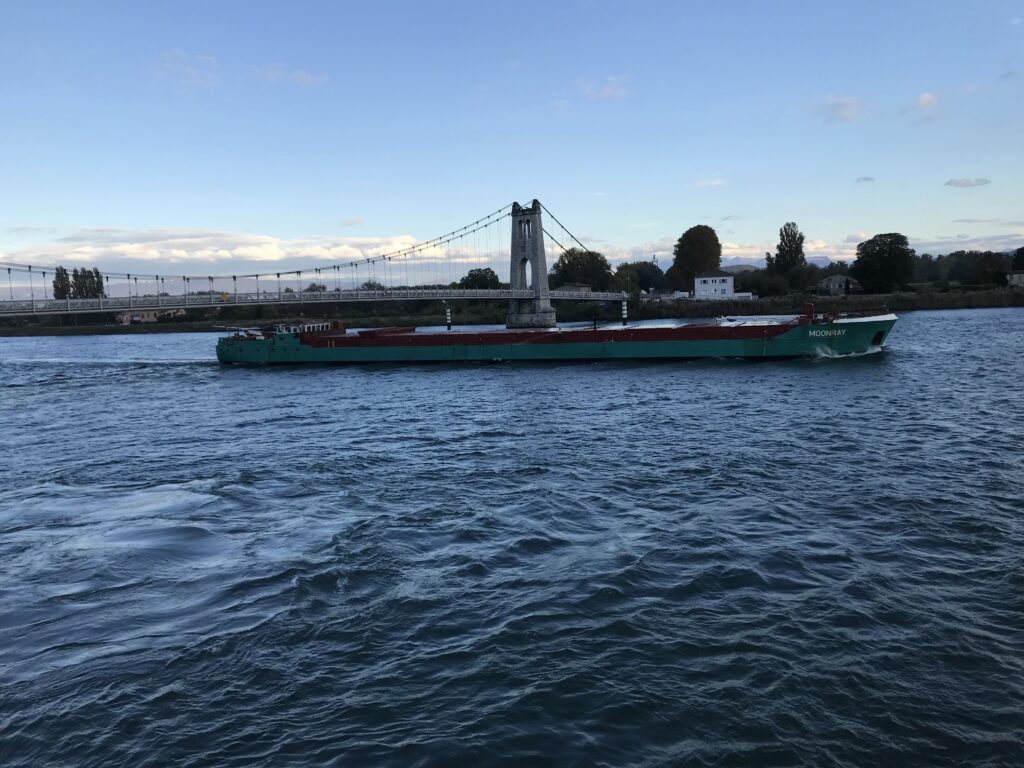
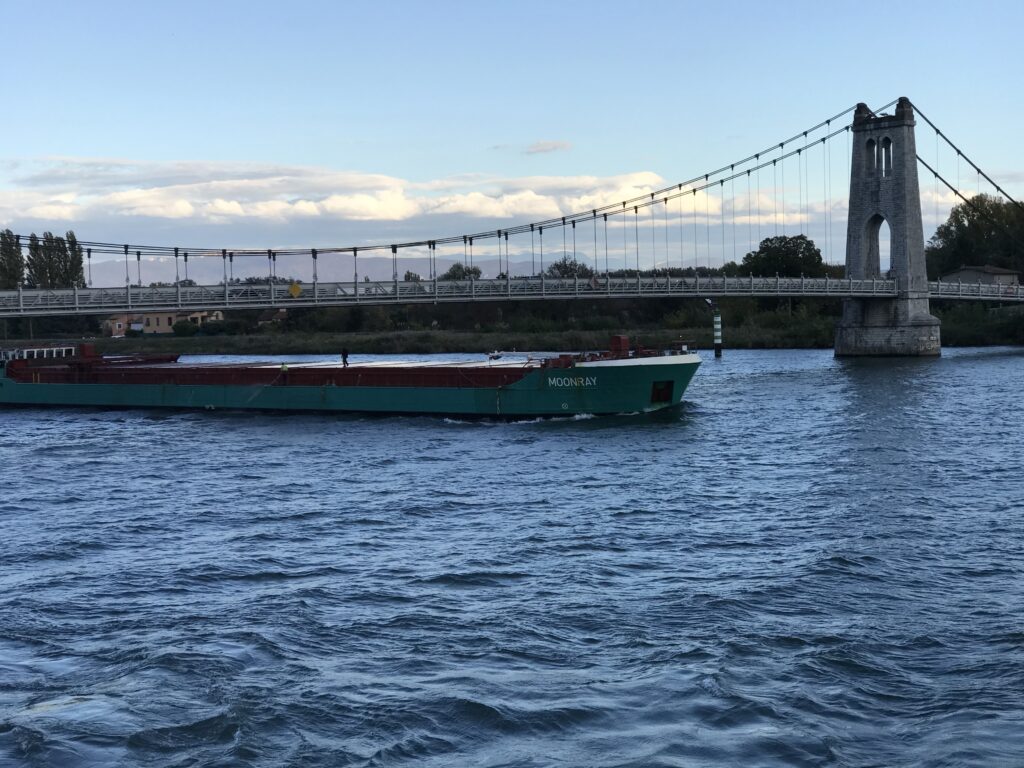
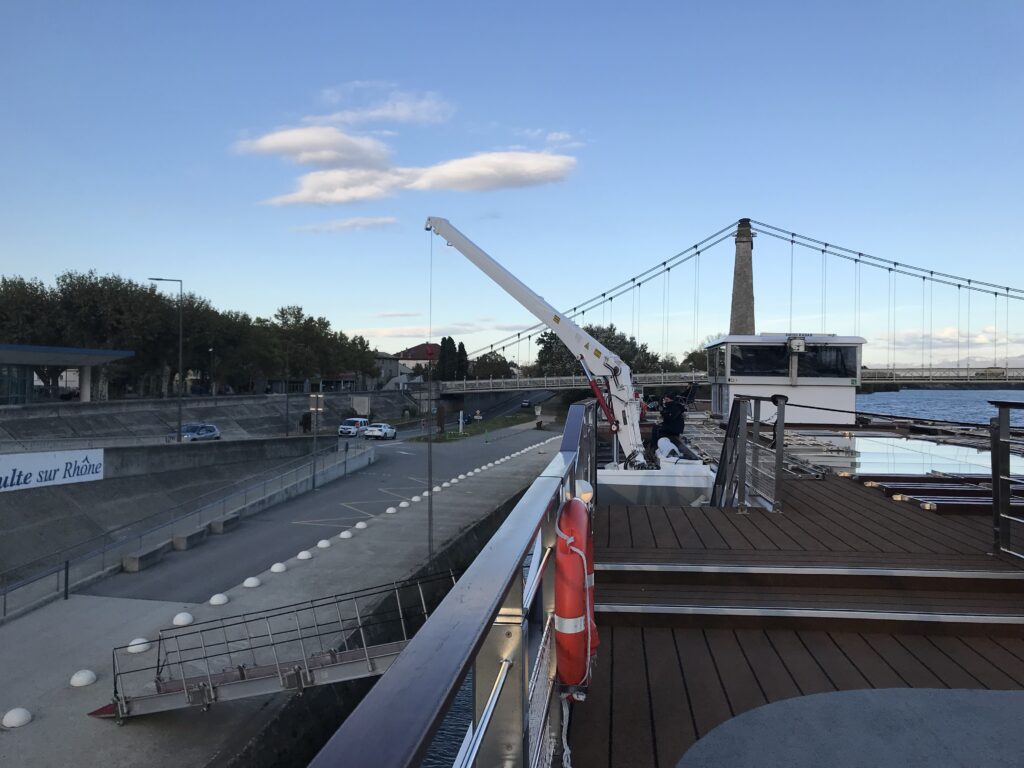
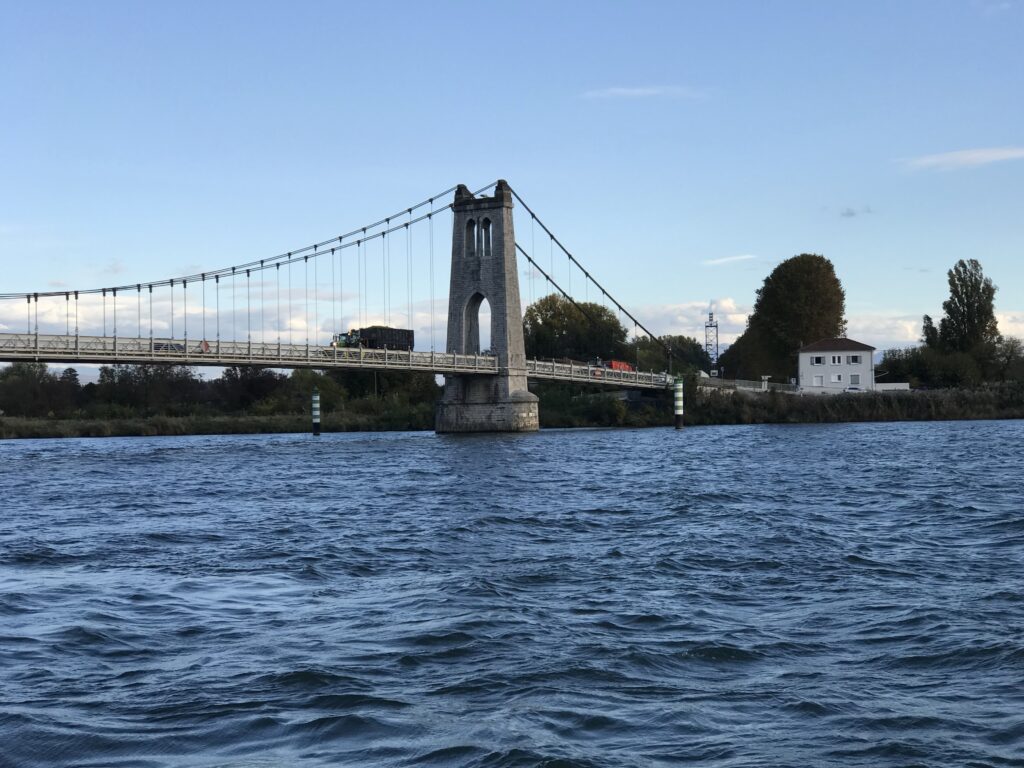
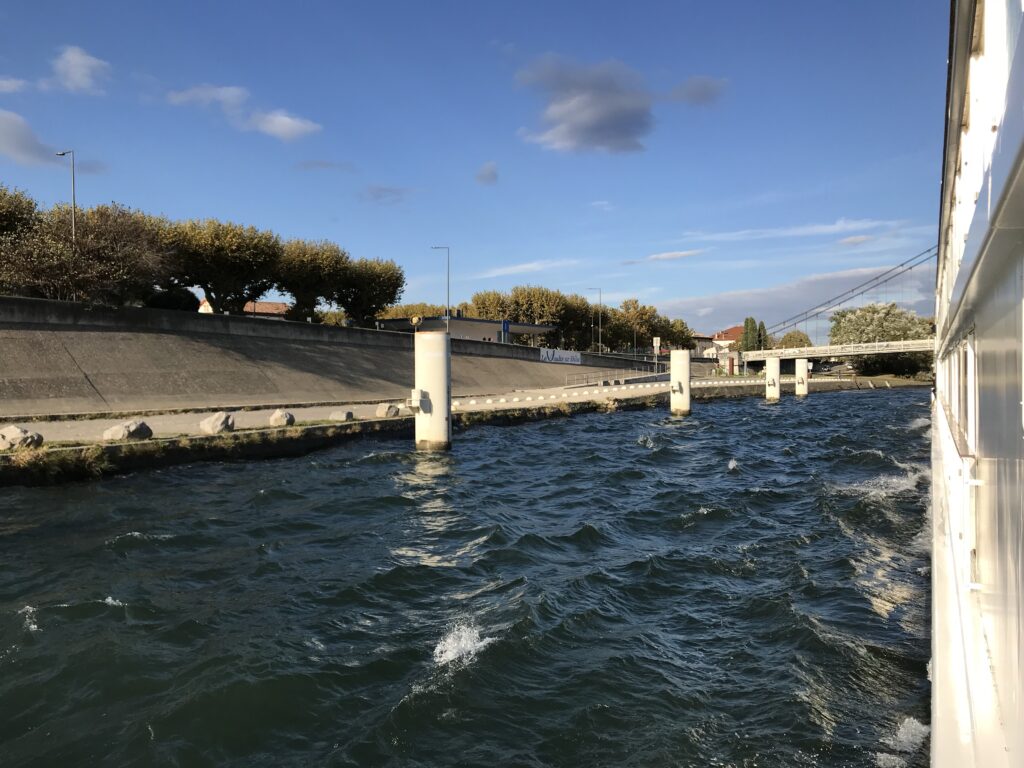
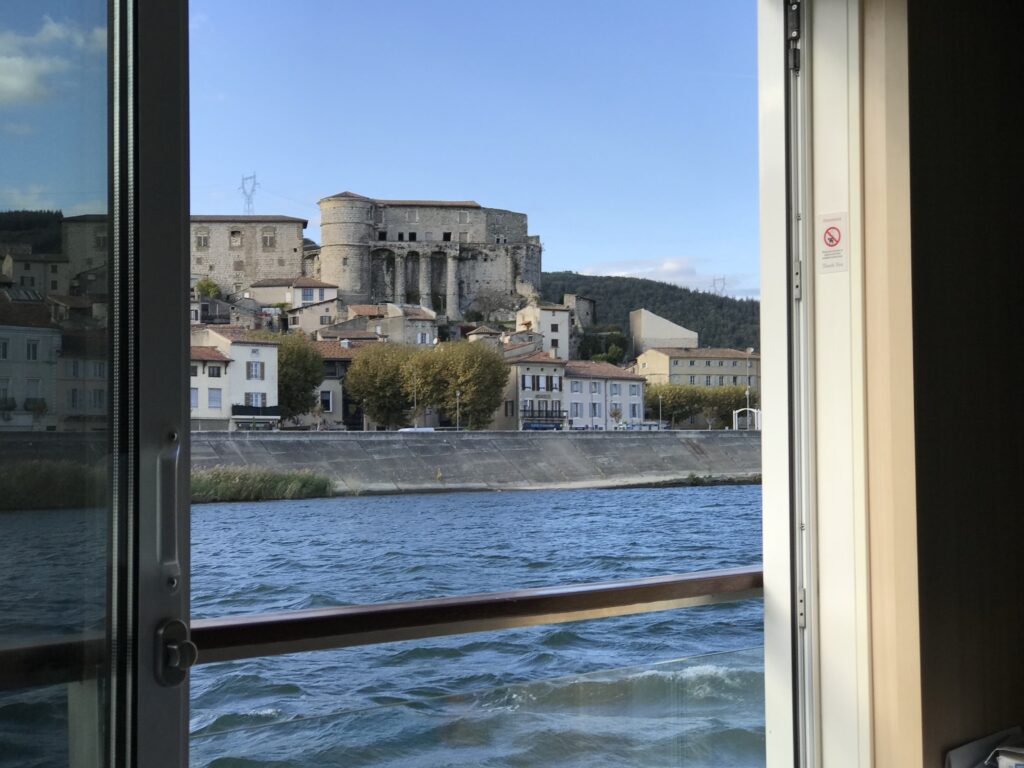
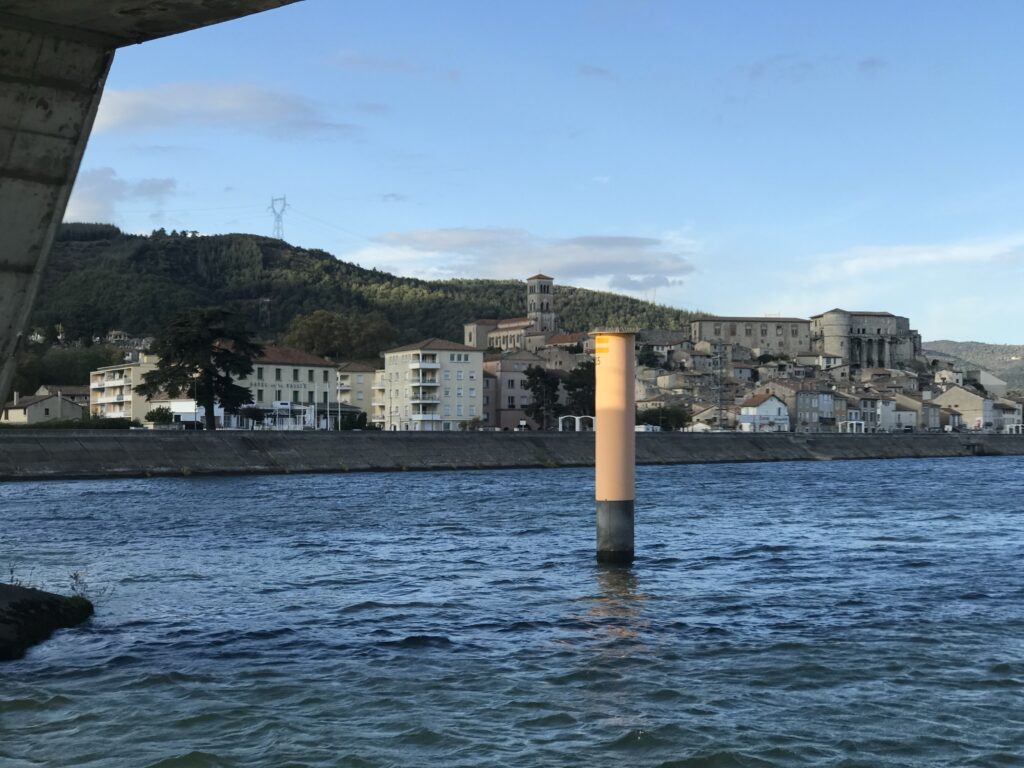
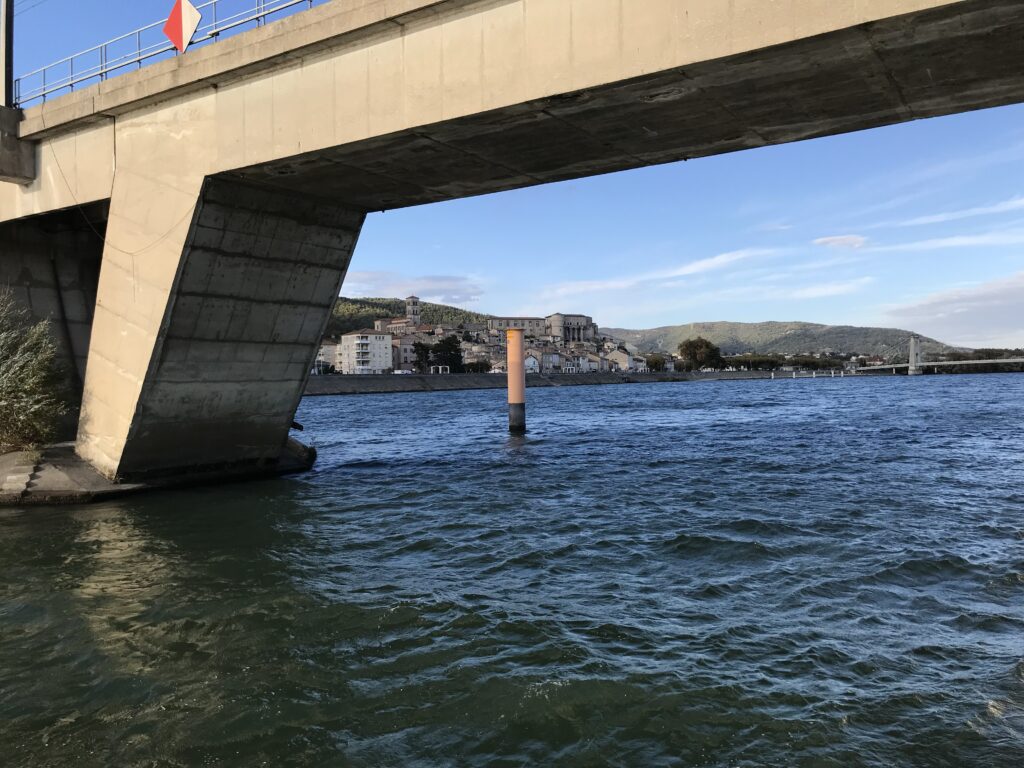
La Voulte‑sur‑Rhône is a commune in Ardèche on the right bank of the river, historically a local administrative centre and industrial town.[20][19]
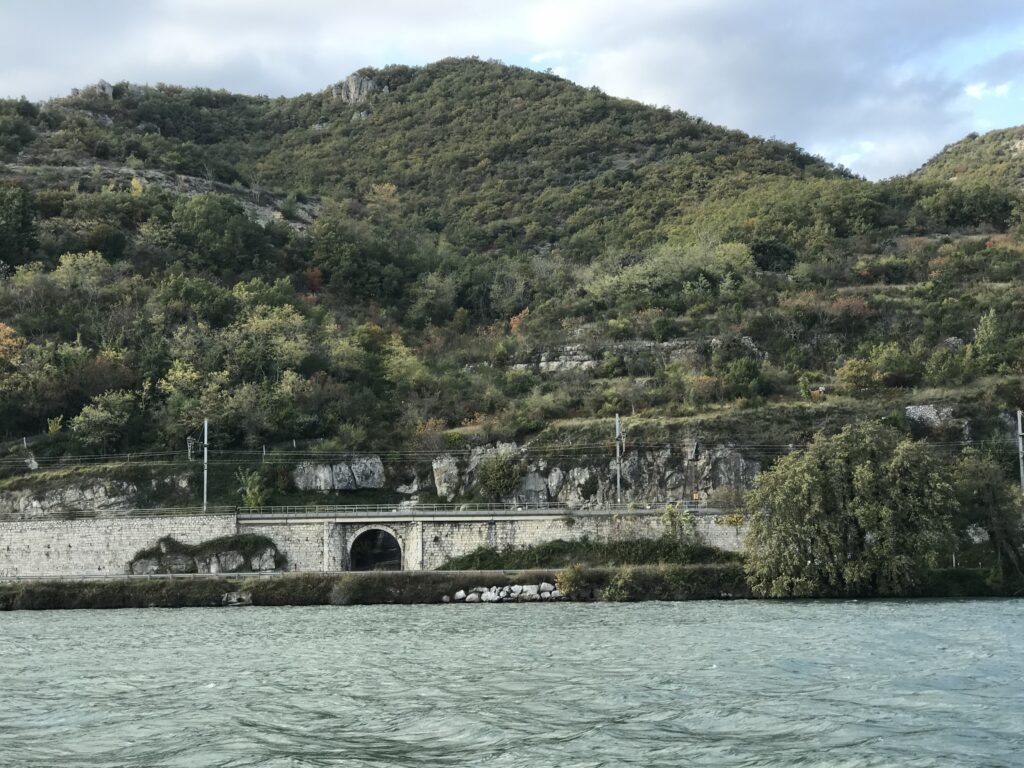
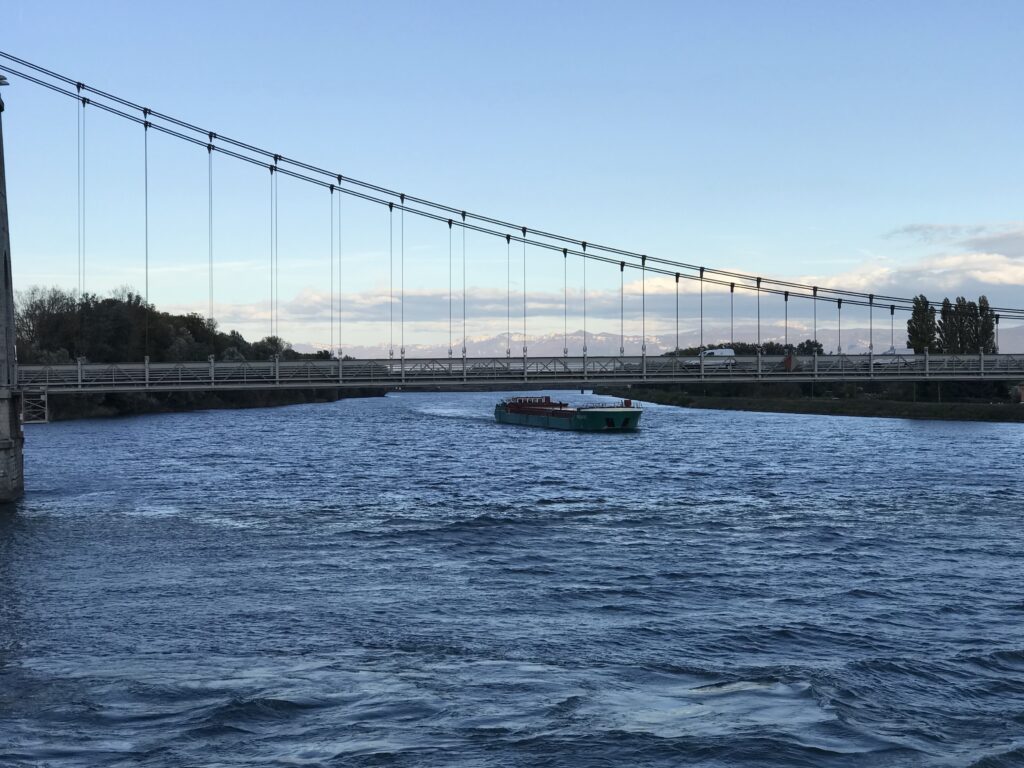
Its name simply indicates “La Voulte on Rhône,” and the town is known for its riverside views, a cable‑stayed bridge toward Drôme, proximity to the Printegarde nature reserve on the opposite bank, and access into the nearby foothills.[20][19]
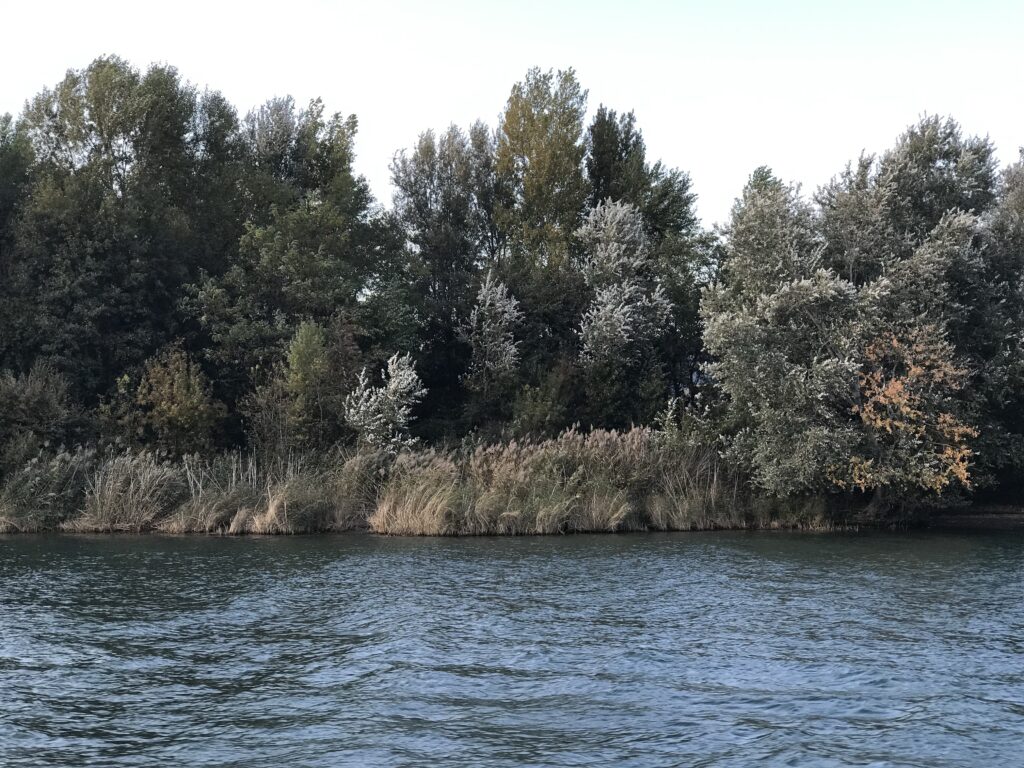
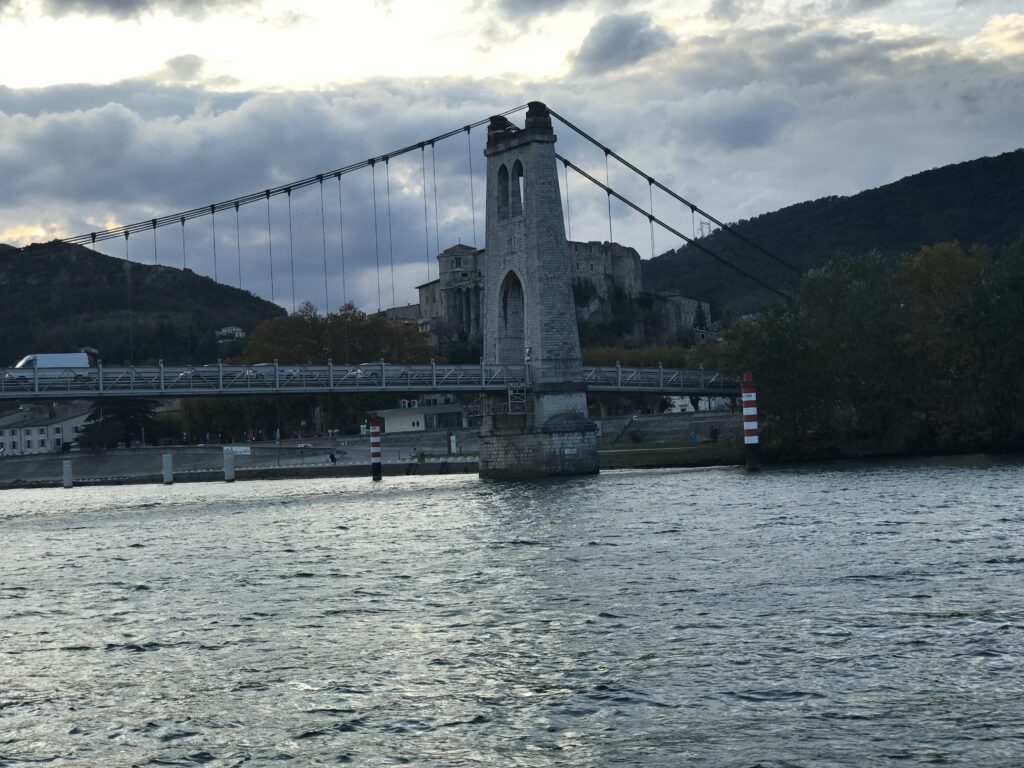
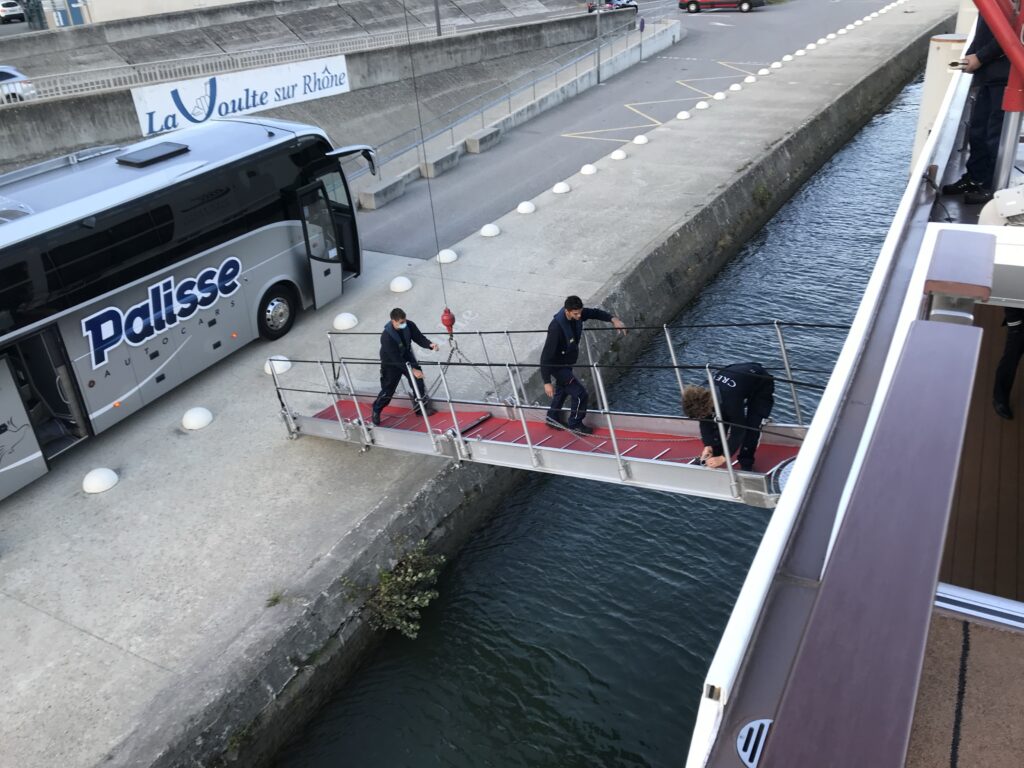
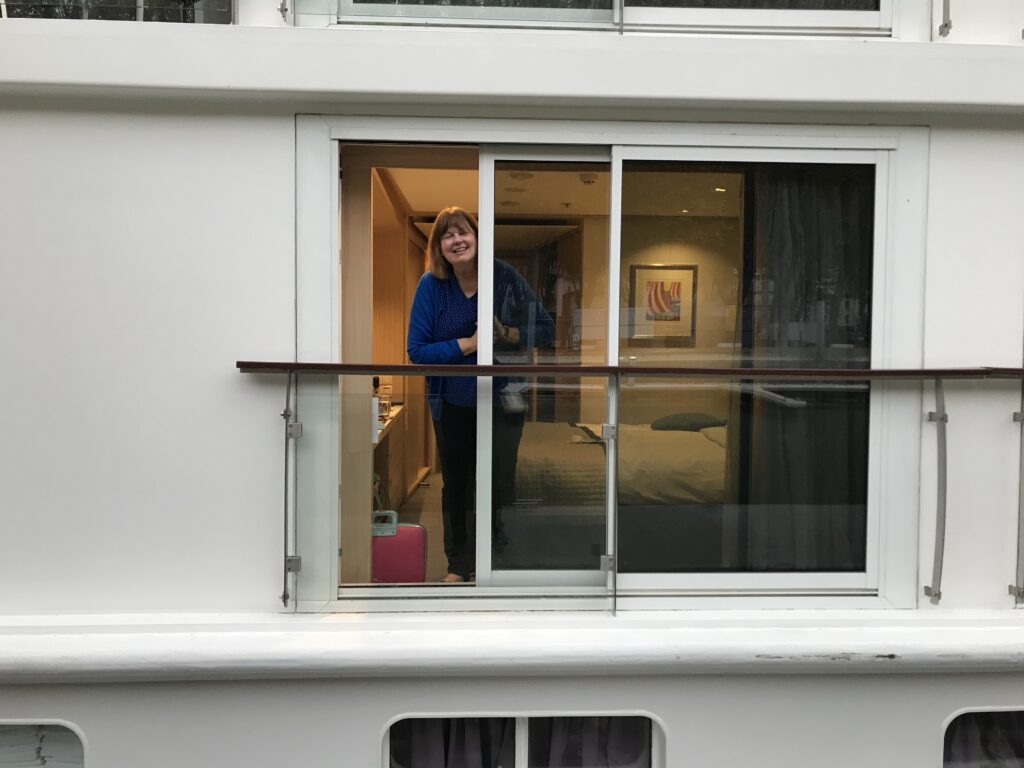
Tournon‑sur‑Rhône – castle and wine crossroads
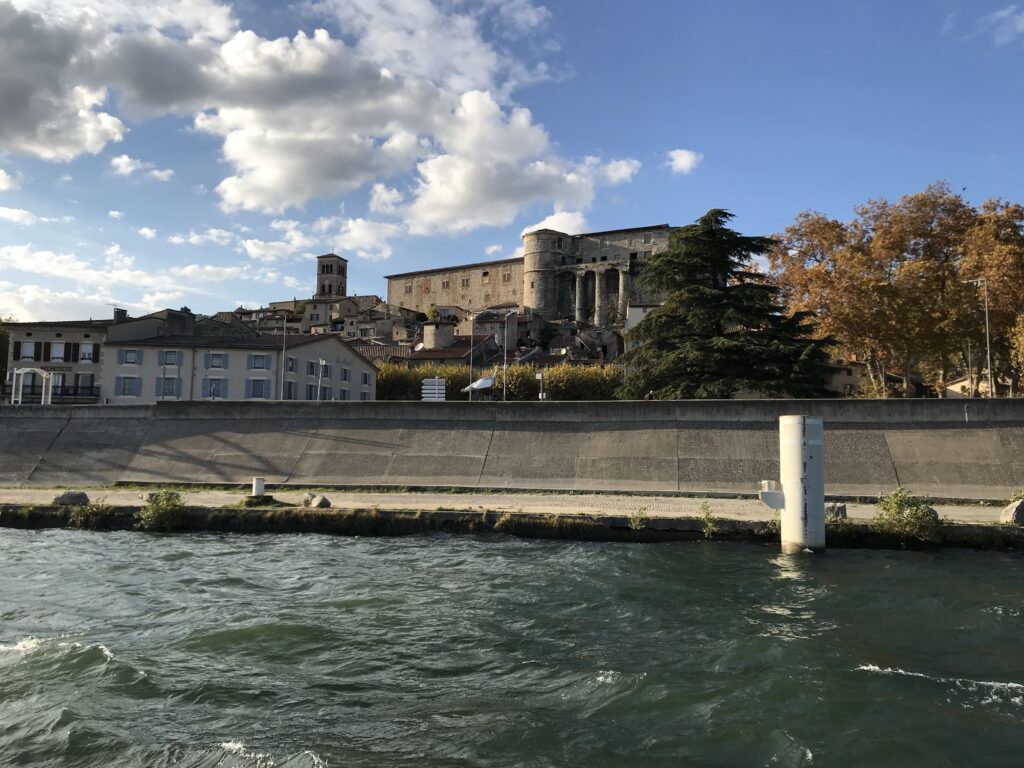
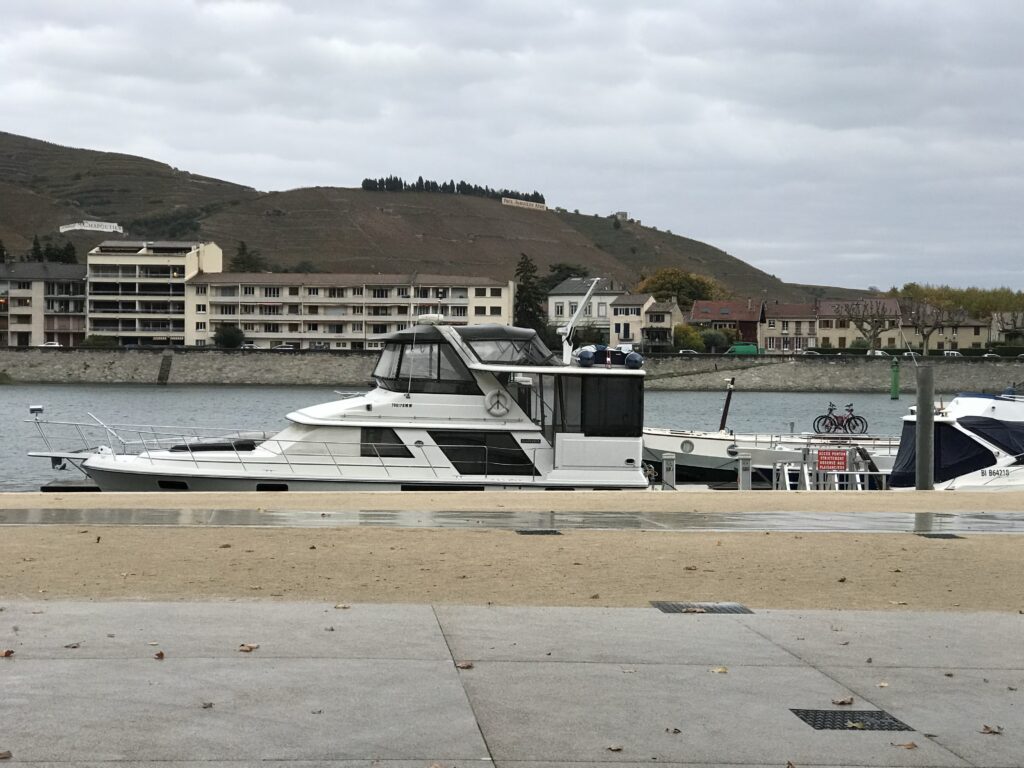
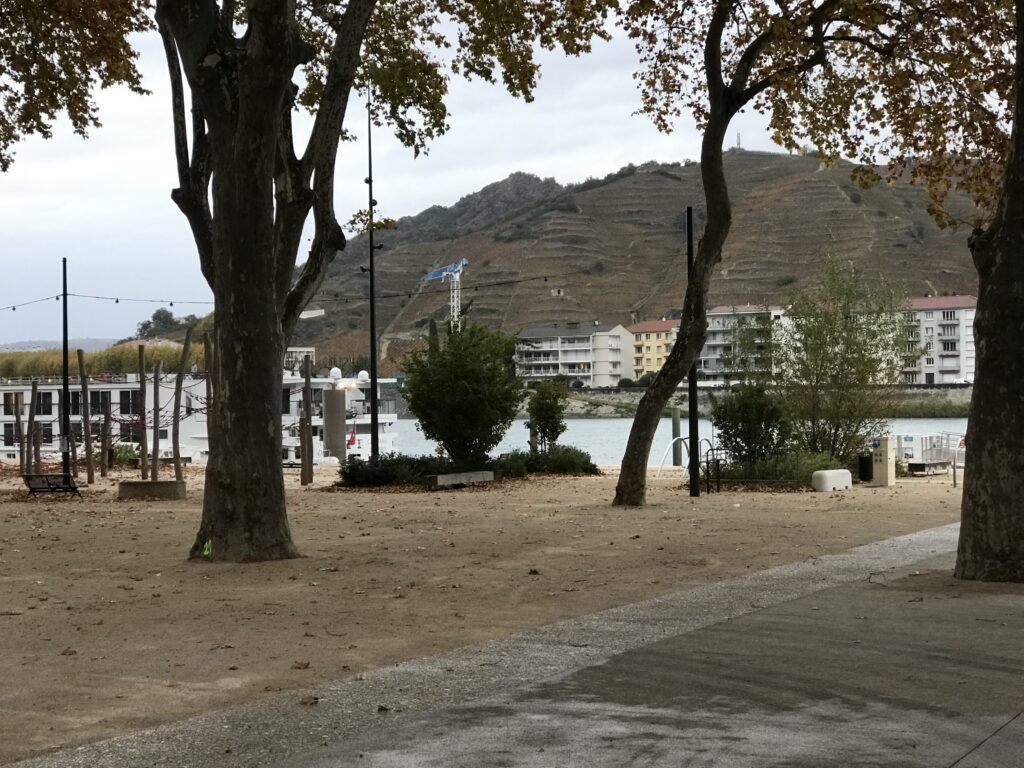
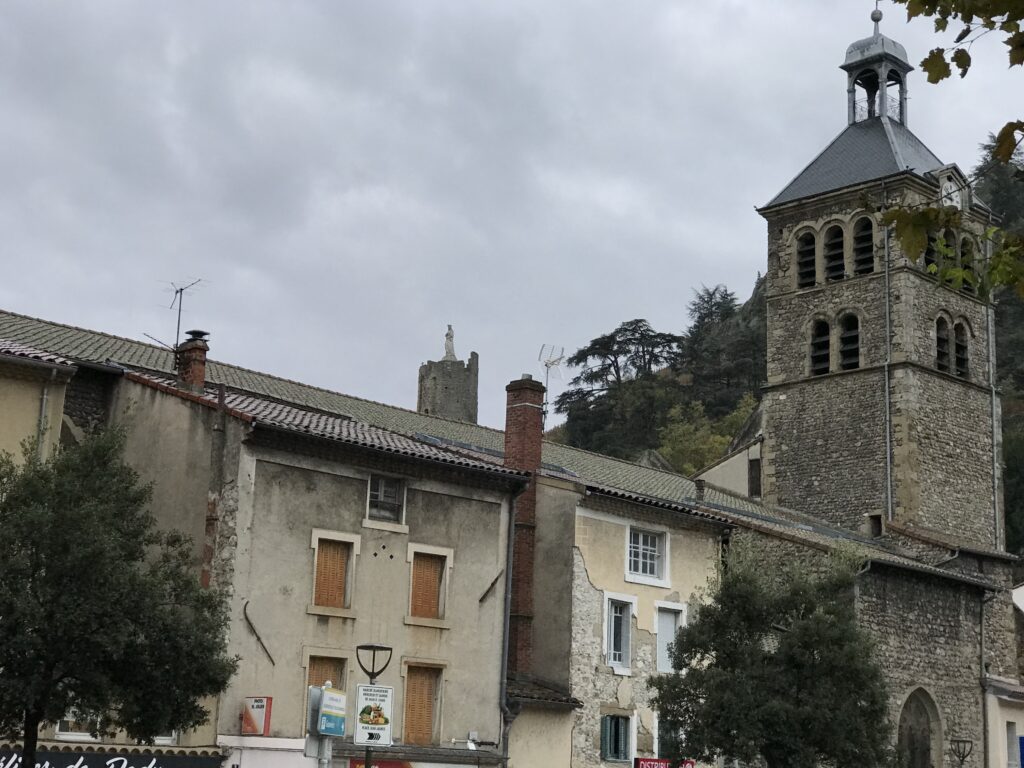
Tournon‑sur‑Rhône is a historic town about midway between Avignon and Lyon, best known for its medieval and Renaissance heritage and its connection to northern Rhône wines.[21][22]
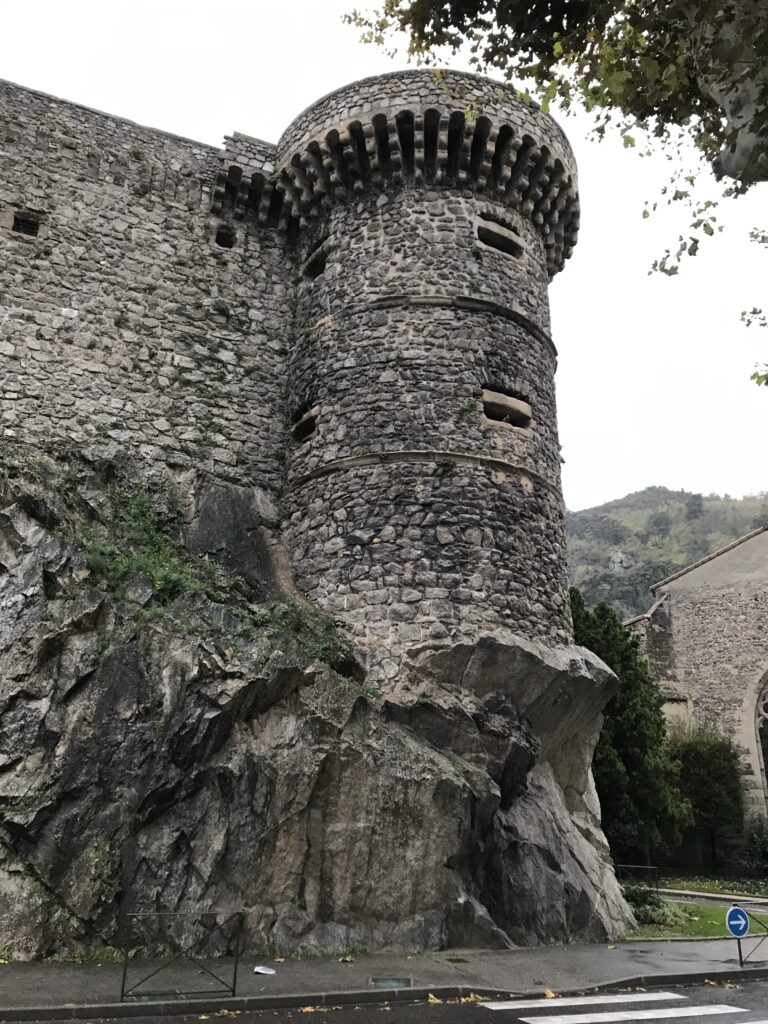
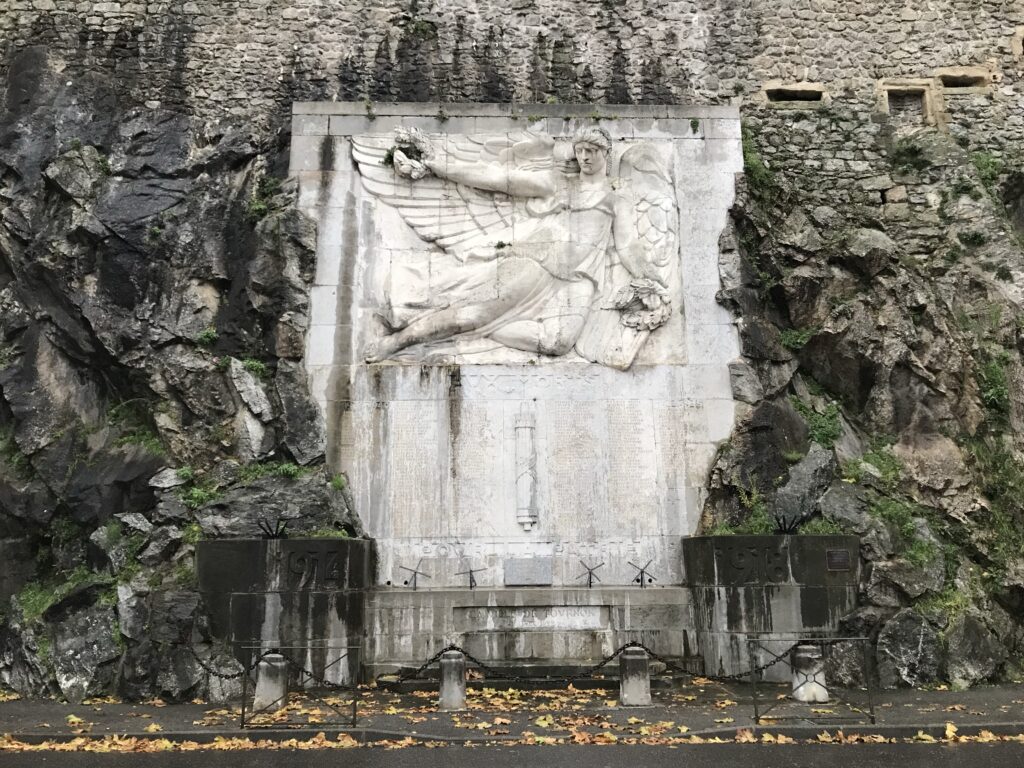
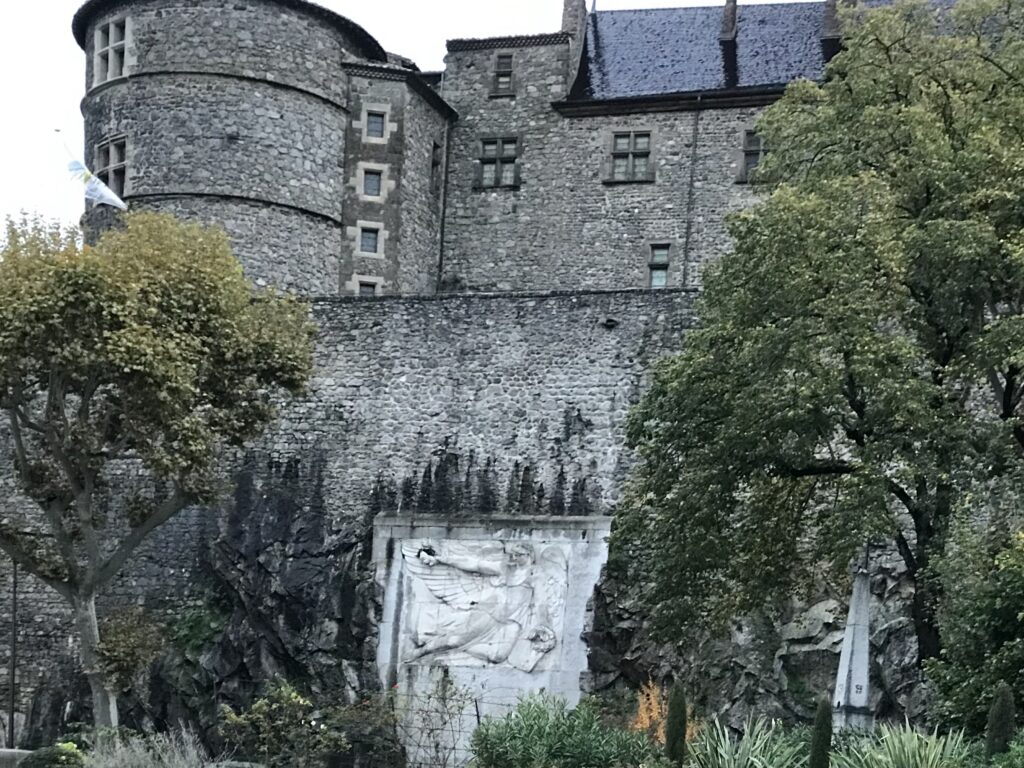
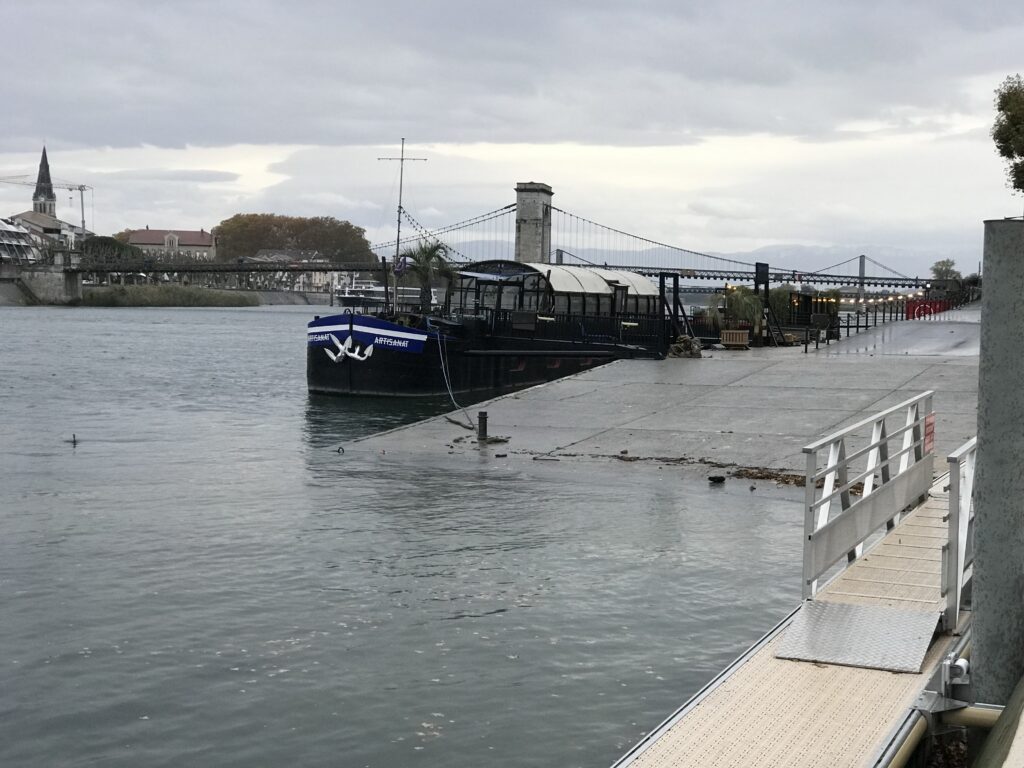
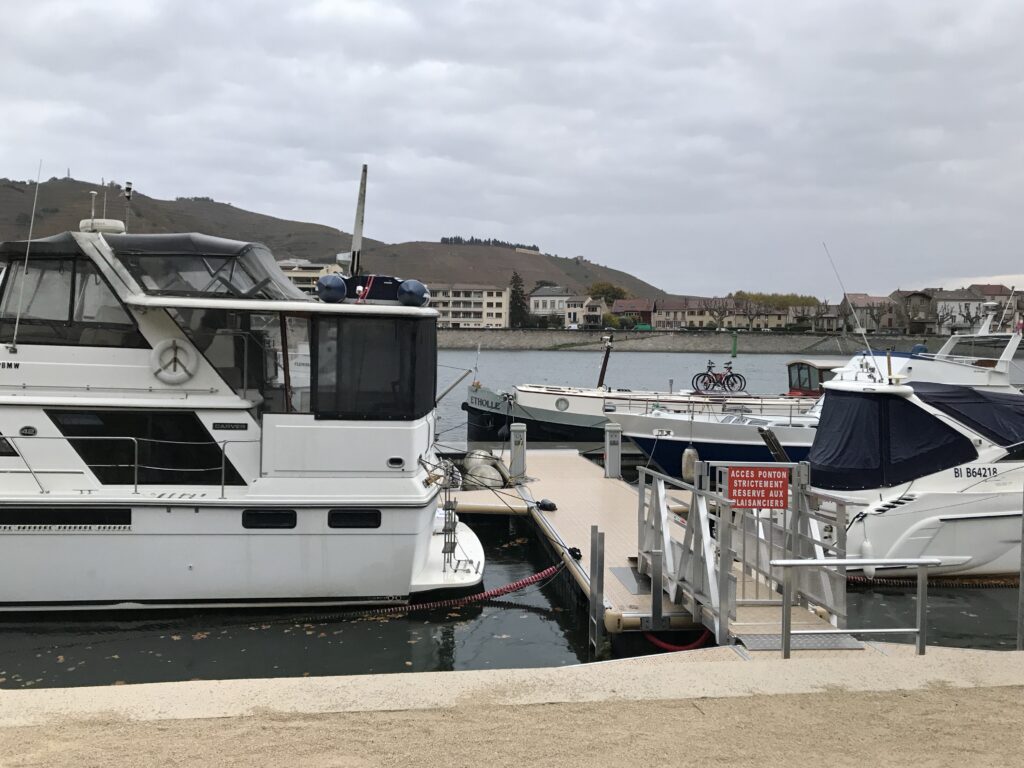
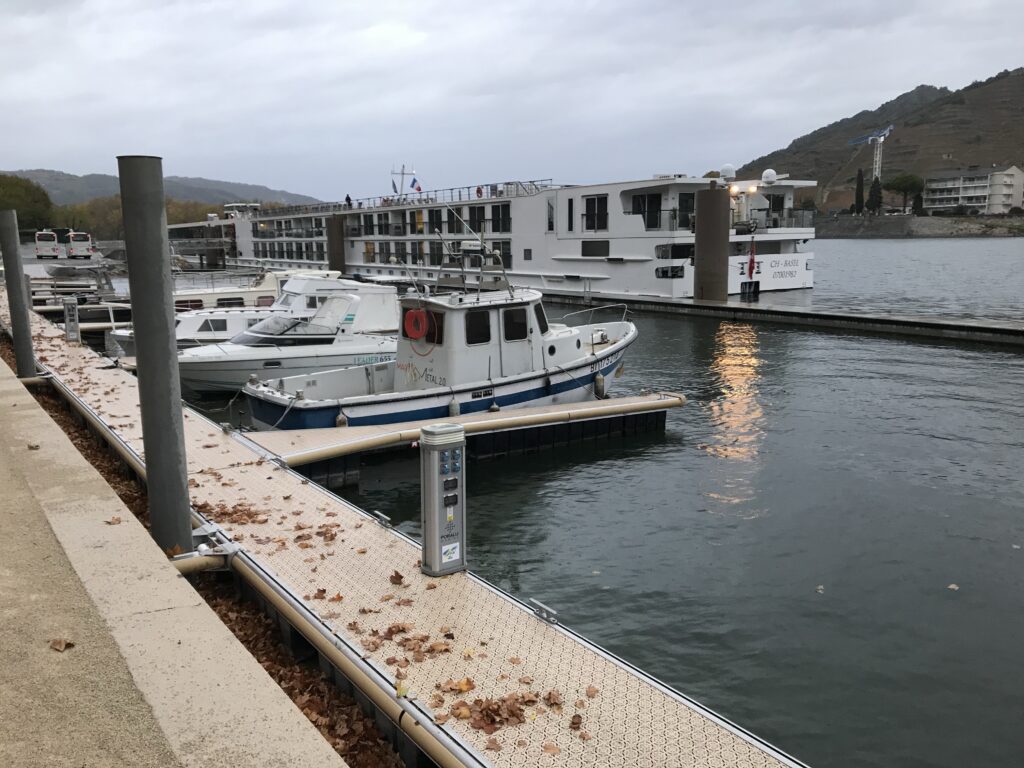
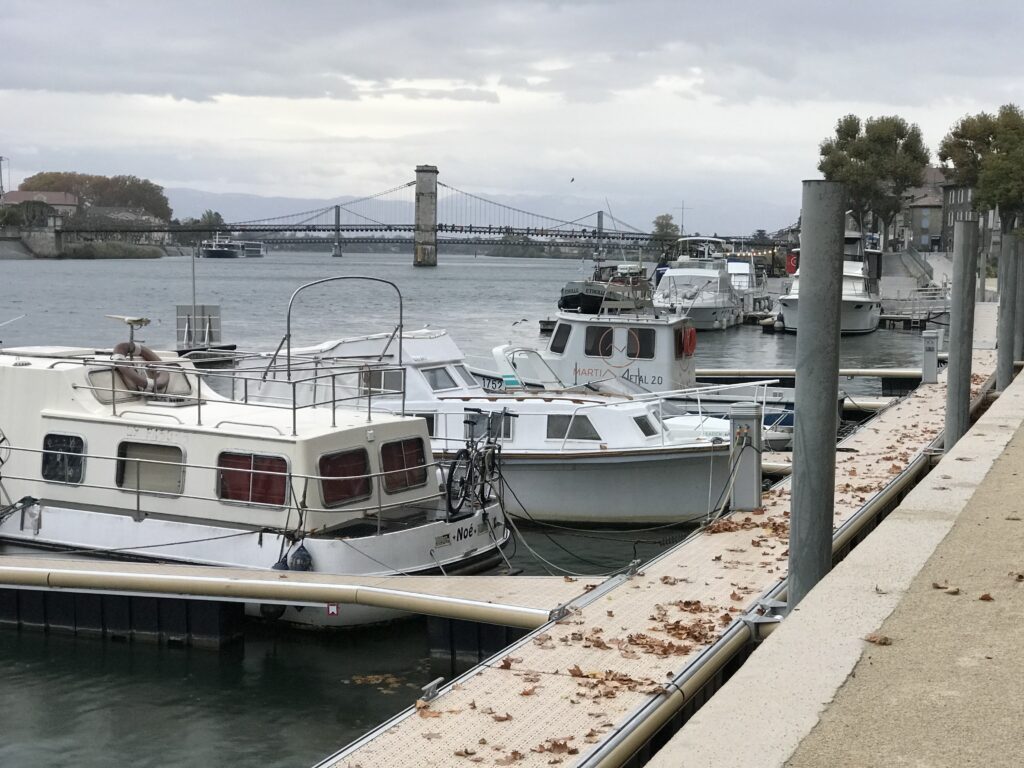
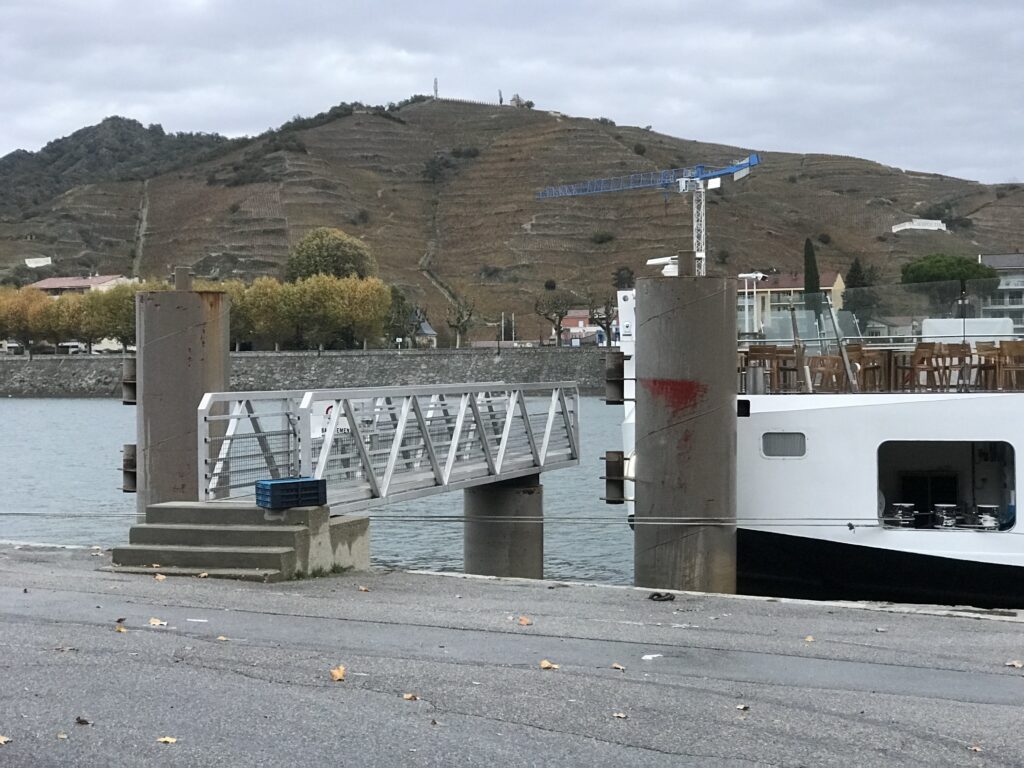
The name references its riverside site, and its standout landmark is the Château de Tournon overlooking the river, now a museum; from the town and surrounding hills there are also prized views across to the Hermitage vineyards and access to wine cellars and tasting rooms.[22][23][21]
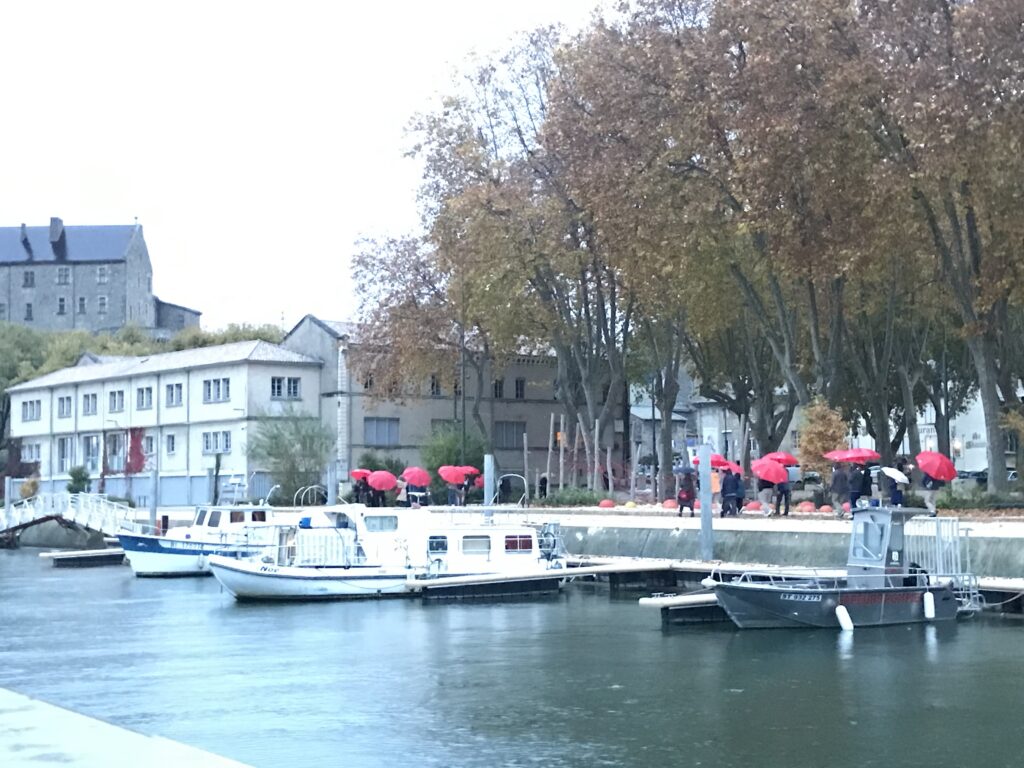
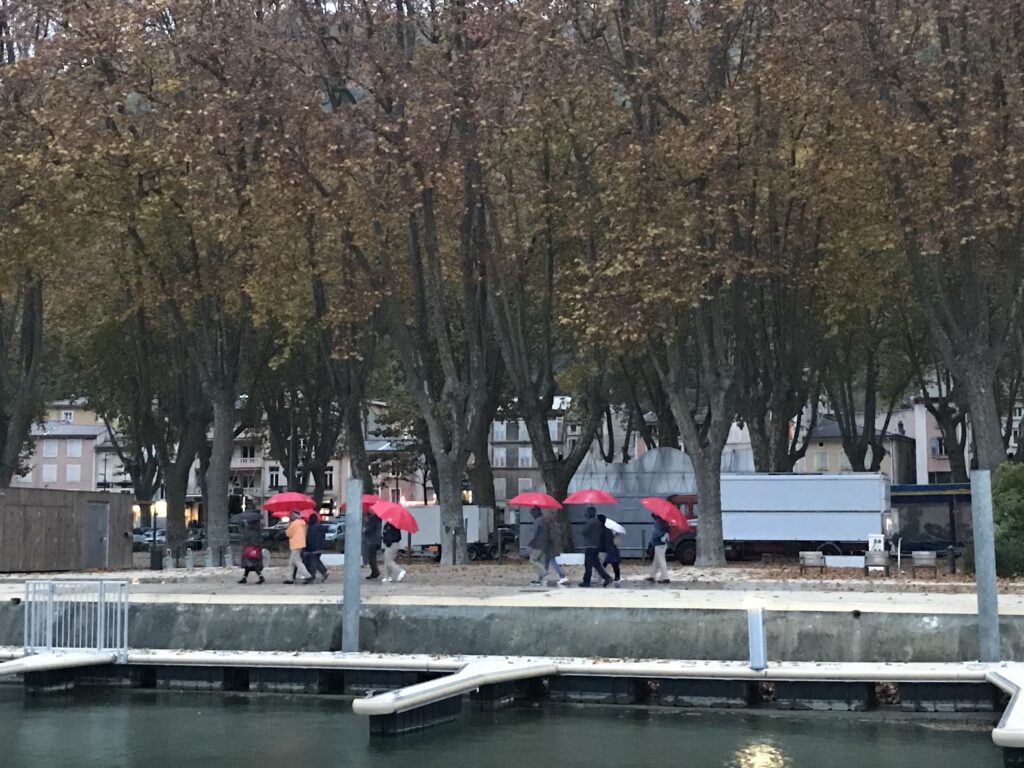
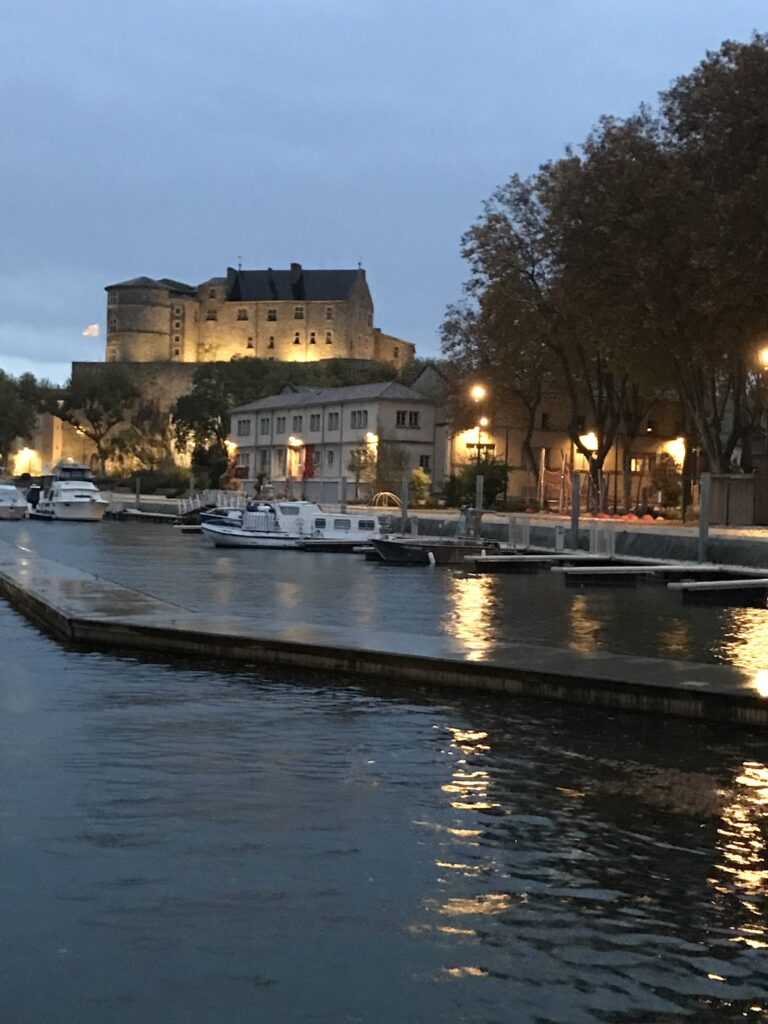
Saint‑Jean‑de‑Muzols – village opposite the vines
Saint‑Jean‑de‑Muzols lies just upstream from Tournon on the Rhône’s right bank, serving historically as a rural parish community facing the steep vineyard slopes across the river.[23][22]
Named for Saint John and the Muzols area, it has a parish church and village core as its main landmarks, with its appeal on a cruise being views into the Hermitage and Crozes‑Hermitage hills and the mosaic of vineyards and orchards that surround it.[22][23]
Gervans – at the foot of Hermitage
Gervans is a small commune in the northern Rhône, closely associated with winegrowing on the slopes that help form the Hermitage and surrounding appellations.[23]
Its name preserves an old local toponym, and while the village itself is modest in monuments beyond its church and traditional houses, it is framed by terraced vineyards that are a living landscape landmark of the valley.[23]
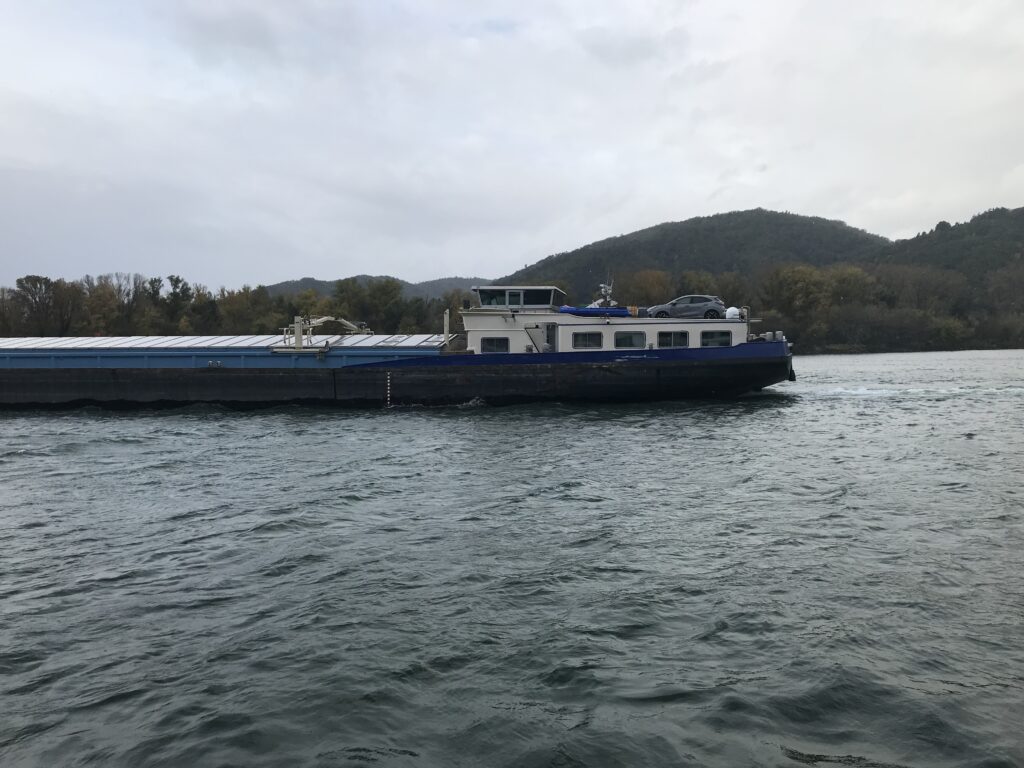
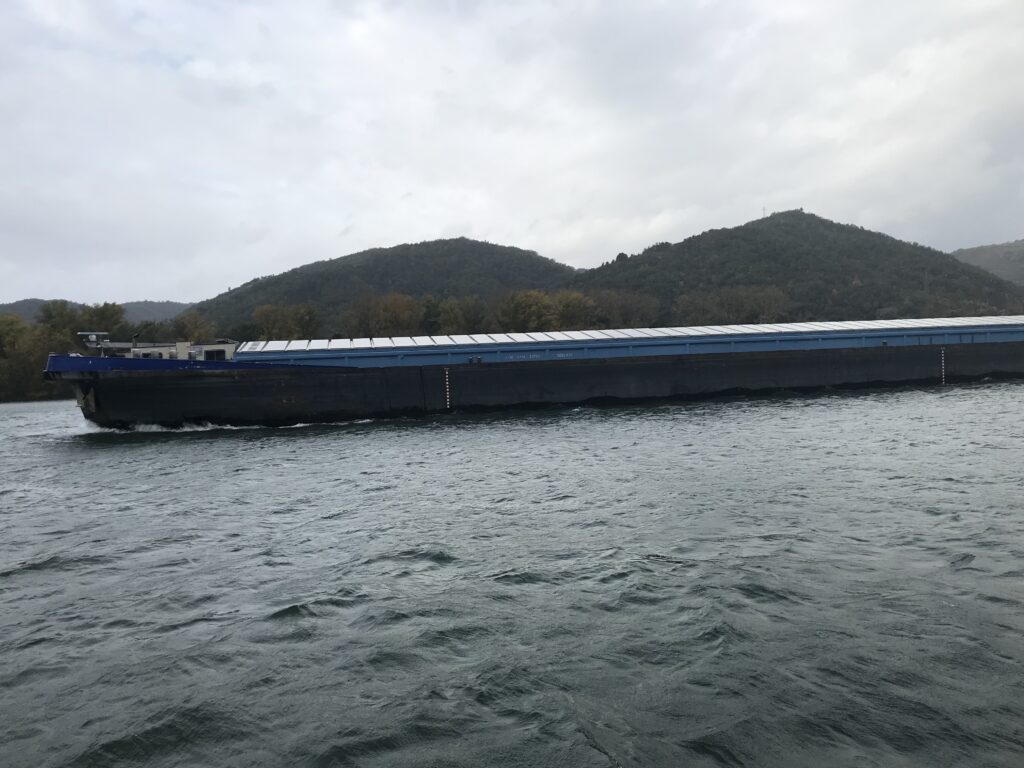
Serves‑sur‑Rhône – river bend and vines
Serves‑sur‑Rhône is another compact commune on a bend of the Rhône, forming part of the chain of wine and fruit villages along this reach of the river.[1]
Named simply “Serves on Rhône,” its interest is in its riverside quay, church, and surrounding vineyard and orchard lands, with the broader landscape rather than a single building providing the memorable impression from the water.[1]
Arras‑sur‑Rhône – narrow valley opening
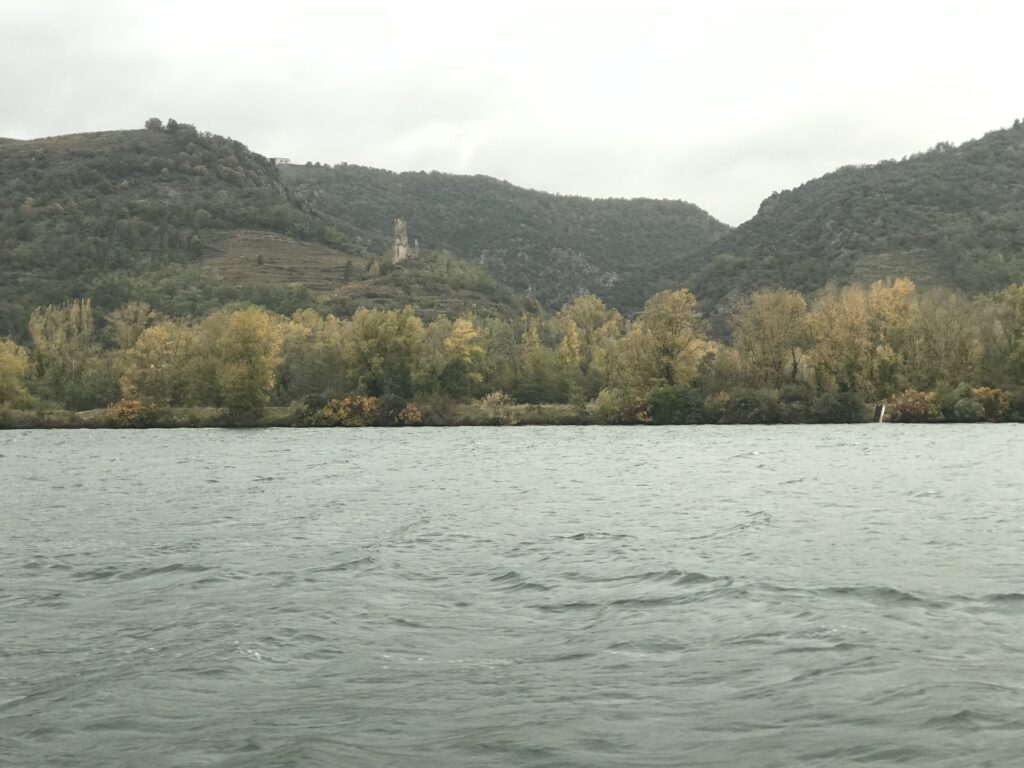
Arras‑sur‑Rhône is a small Rhône‑side village occupying a narrow opening where side valleys meet the main river.[1]
The name preserves an ancient local place‑name, and while landmarks are limited to the parish church, riverbank and clustered stone houses, from a passing longship it marks another point where hills press closely to the water and the valley briefly tightens.[1]
Ozon – final hamlet of this reach
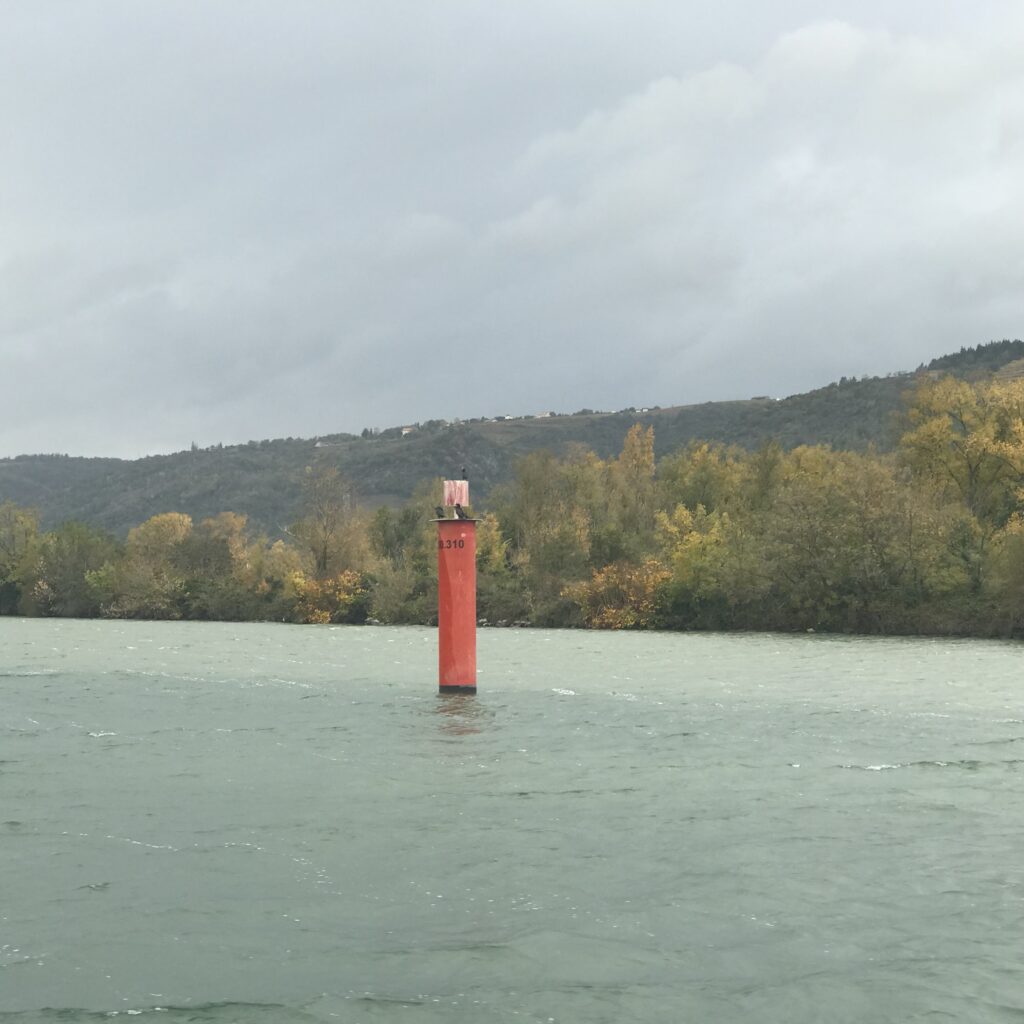
Ozon is a tiny commune on the Rhône embankment, representing one of the northernmost small hamlets you encounter on this segment of the cruise.[1]
Its name echoes a long‑standing rural settlement, and its most notable features are its riverside location, small church, and backdrop of hills and cultivated slopes, closing this stretch of the Rhône with a quieter, agricultural landscape.[1]
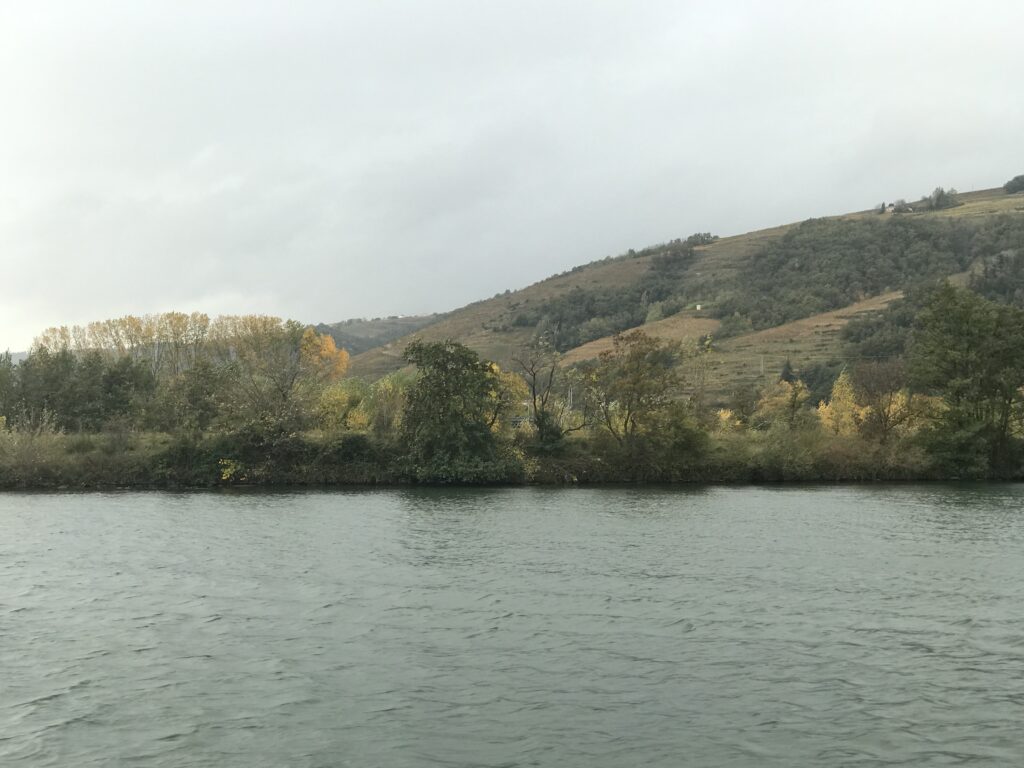
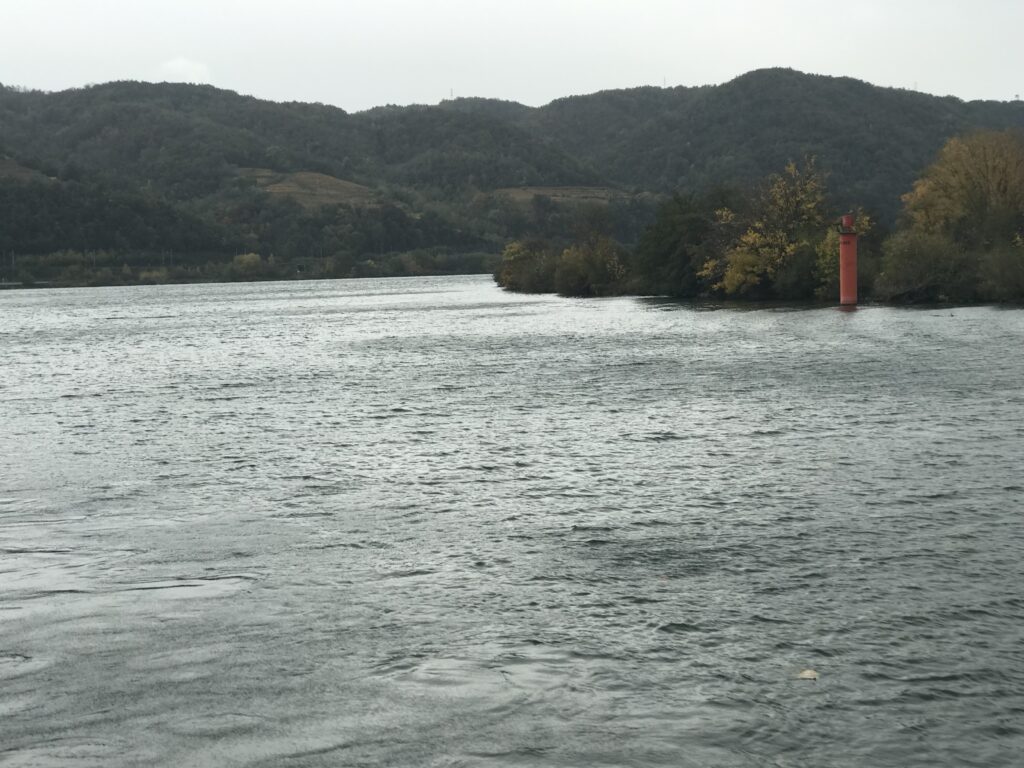
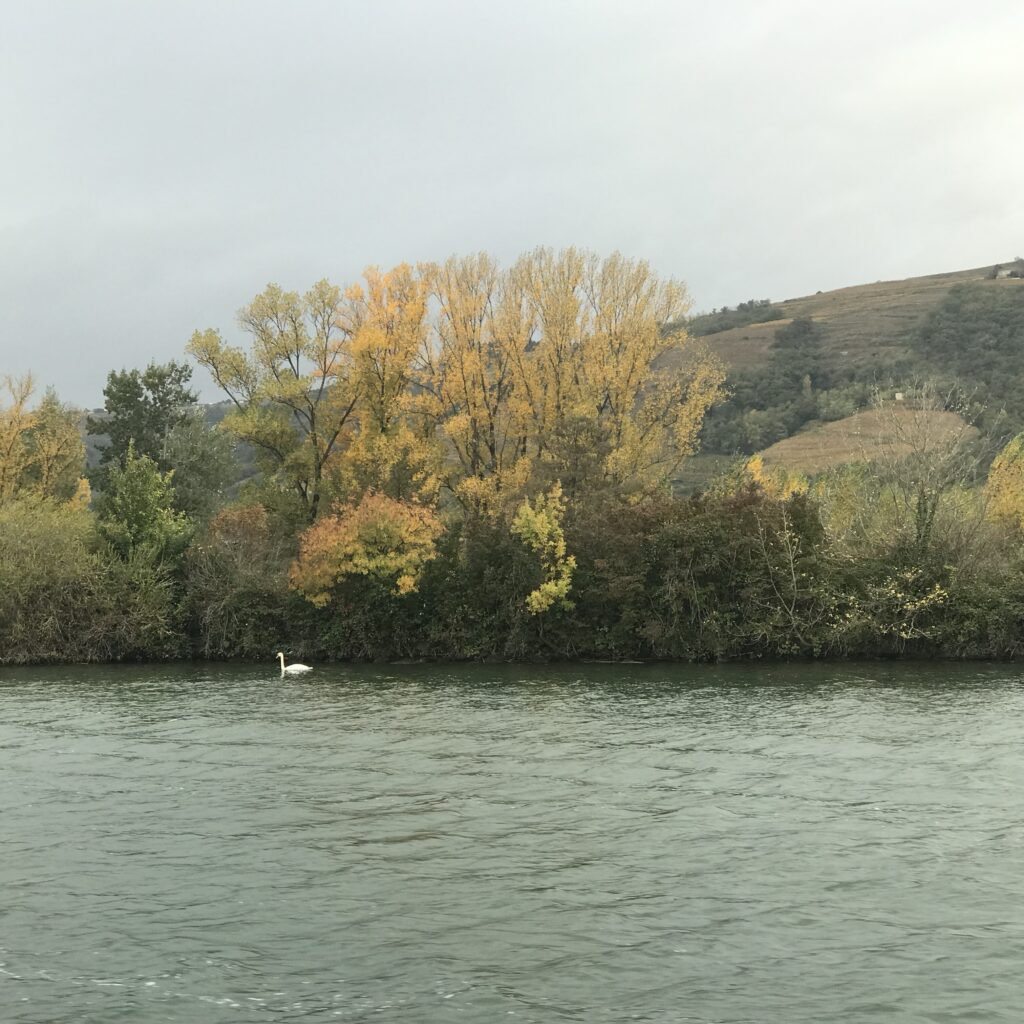
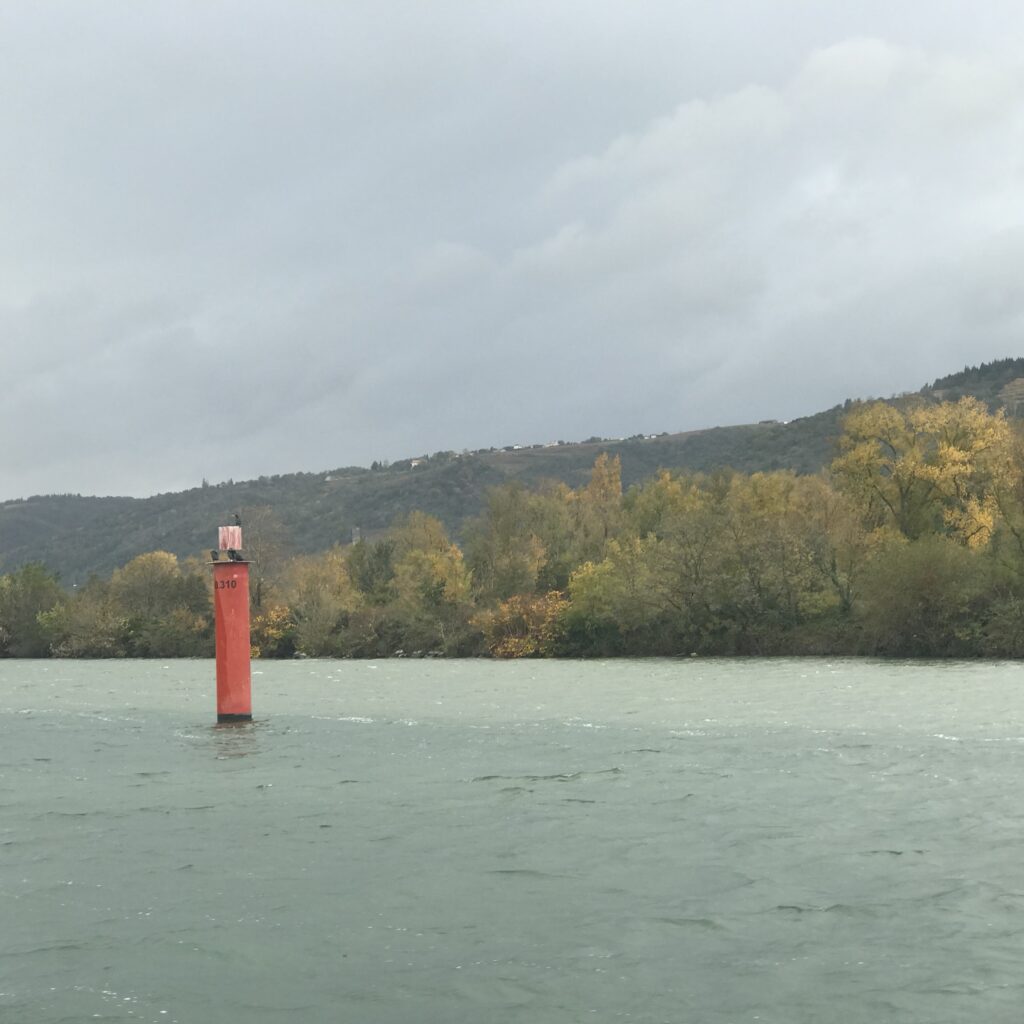
Upon the Rhône we drift, where morning’s fingers gild
The river’s silver breast and wake the willows still;
From Arles, where Roman stones and old renown remain, To Beaucaire’s rocky watch above the steely main.
At Barthelasse, broad and green, the quiet orchards lie, While Avignon, with papal crown, lifts towers to the sky; Her bridge half-gone, her walls yet whole, her cloisters old and fair, Keeps time as though the centuries had tangled in her hair.
Then Châteauneuf, wine-throned and warm beneath the sun, Where popes once raised a castle, and their earthly days were done; Then Ancone small, and Viviers high in bishop’s proud array,
Where cathedrals guard the cliffs and bless the traveler’s way.
Châteauneuf-du-Rhône and Coucourde, Le Pouzin in turn, La Voulte with its river-bend where hidden embers burn; Then Tournon’s keep, Saint-Jean-de-Muzols, and Gervans by the vine, Serves, Arras, Ozon—each shore a note in nature’s line.
So onward sails the longship, sleek as legend’s carved device, Through France’s heart of stone and grape, through water, wind, and spice; And as the Rhône flows seaward on, so in our hearts shall stay
The hush of dusk on ancient banks and dawn on every day.
Sources
[1] Rhone-Camargue-Provence cruises
[2] About Our Longships – Viking River Cruises
[3] Our Fleet Overview – Viking River Cruises
[4] Arles, Roman and Romanesque Monuments
[5] Arles, Roman and Romanesque Monuments – Wikipedia
[6] Discover Beaucaire: Hidden historic gems in the south of France
[7] Top 10 small heritage sites – Beaucaire Terre d’Argence
[8] Barthelasse Island – Avignon Tourisme/
[9] Barthelasse Island in Avignon
[10] Ile de la Barthelasse – Provence
[11] The monuments in Avignon and the surroundings
[12] Ponts and palaces: The best things to do in Avignon, France
[13] Tourism in Châteauneuf-du-Pape – Avignon et Provence
[14] What’s So Special About Châteauneuf-du-Pape? A Full Guide
[15] A complete guide to Châteauneuf-du-Pape village in France
[16] Viviers, Ardèche – Wikipedia
[17] Tourism in Viviers – Southern Ardèche – Avignon et Provence
[18] Viviers, France: A Timeless Ecclesiastical Gem on the Rhône
[19] La Voulte-sur-Rhône – Tourism, Holidays & Weekends
[20] La Voulte-sur-Rhône – Wikipedia
[21] Wine Tasting in Tournon-sur-Rhone – Urban Bliss Life
[22] Tournon-sur-Rhône, France: A Historic Jewel of the Rhône Valley
[23] The Wine Towns of Tournon-sur-Rhône & Tain l’Hermitage
[24] Arles – on the Rhone in Provence France
[25] Arles in Provence: Roman Ruins, Van Gogh’s Legacy, and …
[26] Viking names 9 river vessels, including its 100th ship
[27] Ile De La Barthelasse (2026) – All You MUST Know … – Tripadvisor
[28] THE 10 BEST Avignon Sights & Historical Landmarks to Visit (2026) Avignon_Vaucluse_Provence_Alpes_Cote_d_Azur.html
[29] Visiting Avignon, France: Things to Do & Top Attractions
[30] La Voulte-sur-Rhone, France – Tripadvisor


