An AVA is an American Viticultural Area: a federally designated U.S. wine grape-growing region defined by distinct geographic or climatic features, and if it appears on a wine label, at least 85% of the grapes must come from that AVA.[1][9]
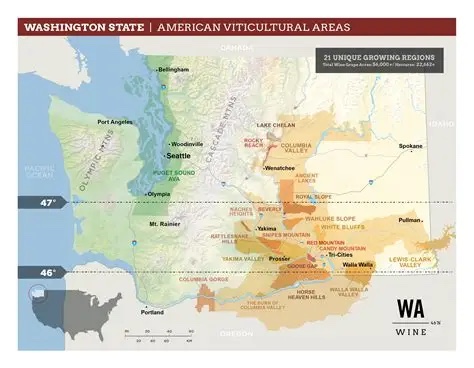
Washington State currently has 21 federally recognized American Viticultural Areas (AVAs). These are:
- Yakima Valley AVA
- Columbia Valley AVA
- Wallula Valley AVA
- Snipes Mountain AVA
- Horse Heaven Hills AVA
- Red Mountain AVA
- Rattlesnake Hills AVA
- Wahluke Slope AVA
- Ancient Lakes of Columbia Valley AVA
- Lake Chelan AVA
- Naches Heights AVA
- Rogue Valley AVA (shared with Oregon; Washington component is small)
- Columbia Gorge AVA
- Puget Sound AVA
- Lewis‑Clark Valley AVA
- Candy Mountain AVA
- The Burn of the Columbia Valley AVA
- Beverly, Washington AVA
- A few others nested within the Columbia Valley “super‑AVA,” such as Goose Gap AVA and White Bluffs AVA, depending on the exact count source.
Washington’s AVAs cover a wide range of climates, from the cool, maritime‑influenced Puget Sound in the northwest to the warm, dry, high‑sun Columbia Valley and its sub‑regions in the central and southeastern part of the state. Columbia Valley alone accounts for about 99% of Washington’s wine‑grape acreage, with the rest of the AVAs functioning as sub‑appellations or distinct, smaller regions within it.
Four Washington‑centric AVAs extend into neighboring states, and three of those reach into Oregon:
- Columbia Valley AVA – Stretches from eastern Washington across the Columbia River into a small slice of northern Oregon, mainly near the Dalles and down toward Milton‑Freewater.
- Columbia Gorge AVA – A linear appellation in the Columbia River Gorge that runs along the river corridor and straddles the Washington–Oregon border.
- Walla Walla Valley AVA – Centered on Walla Walla, WA, but its boundaries extend south across the state line into a small part of northeastern Oregon.
- Lewis‑Clark Valley AVA – Shared between Washington and Idaho, not Oregon.
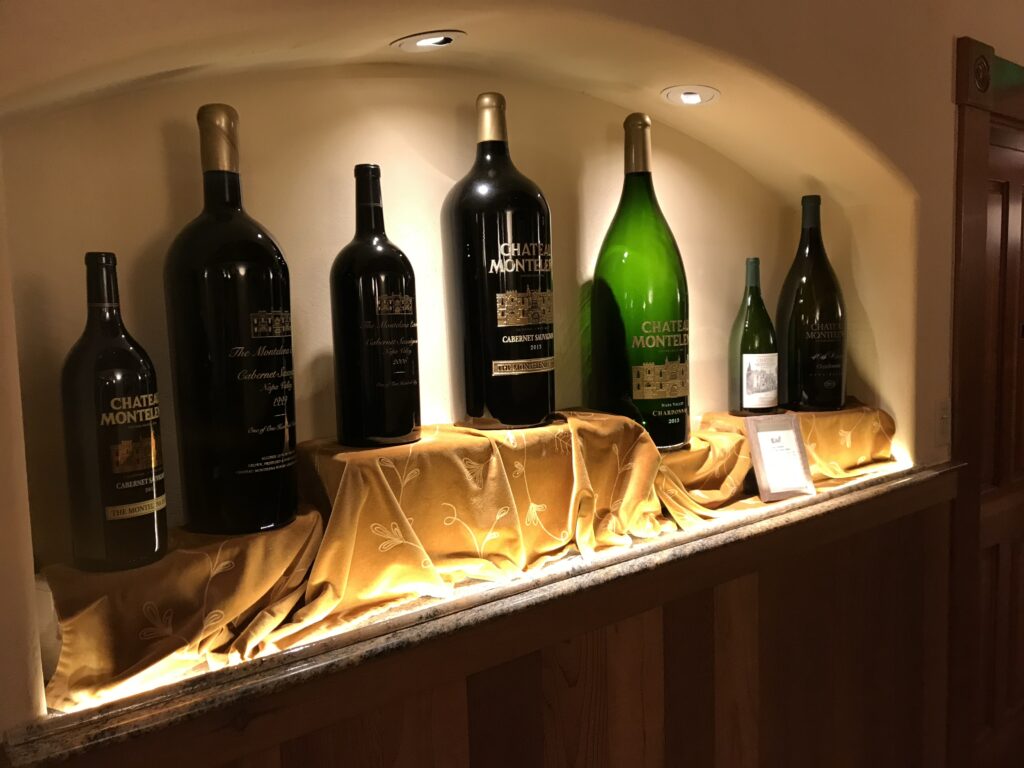
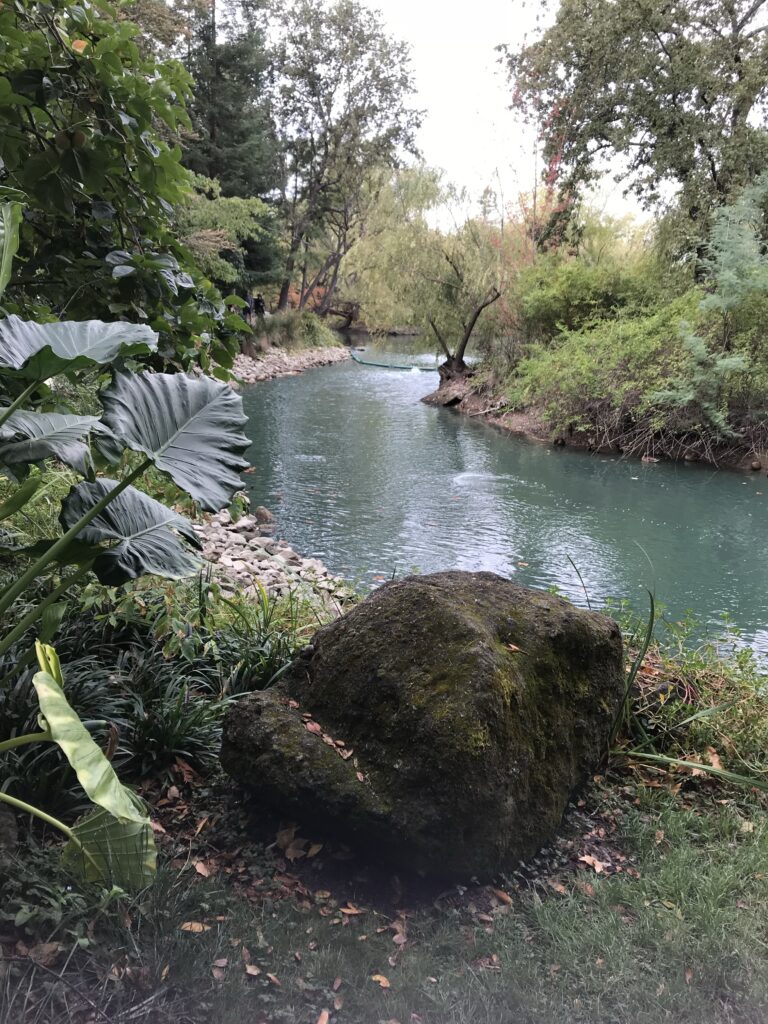
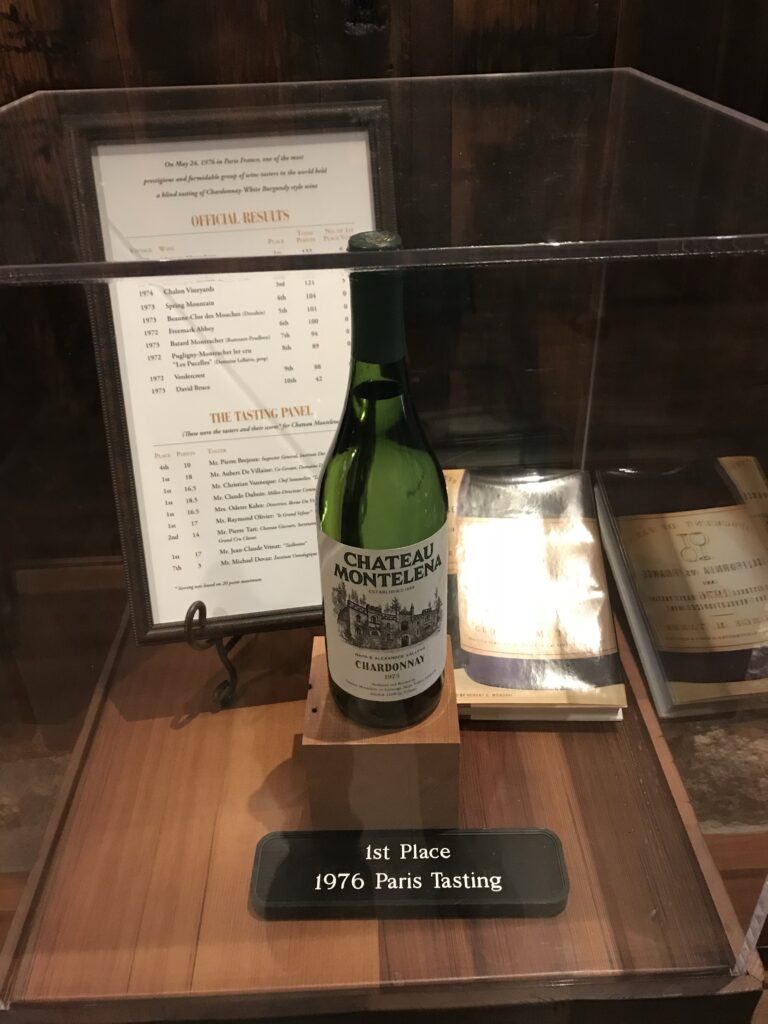
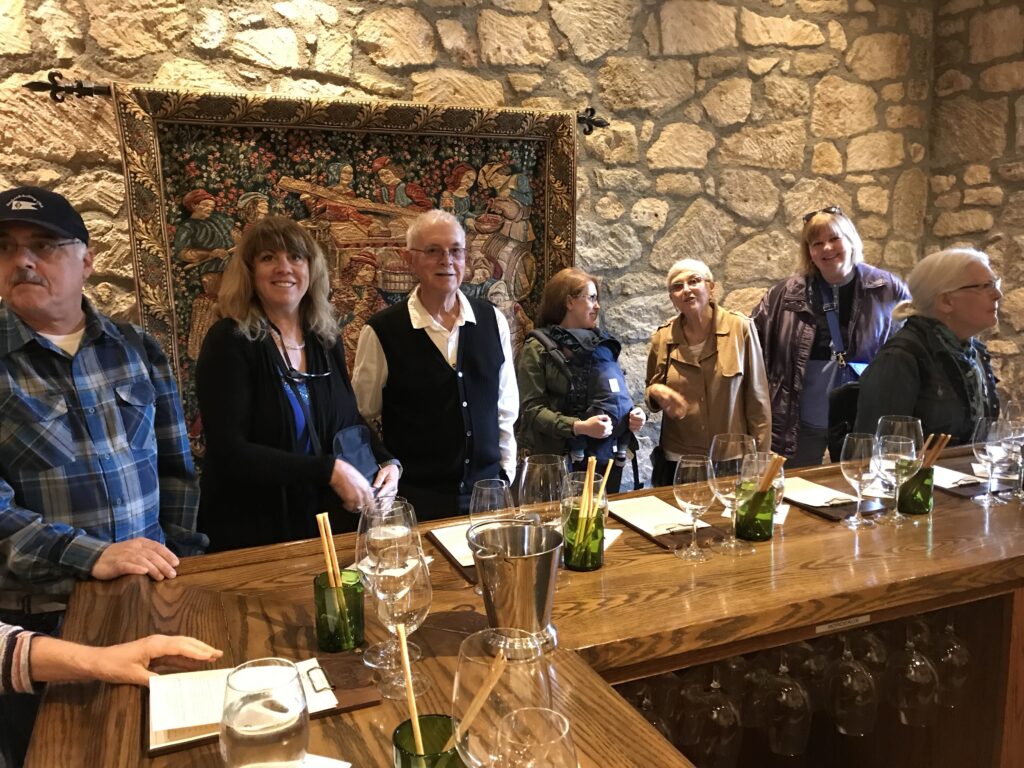
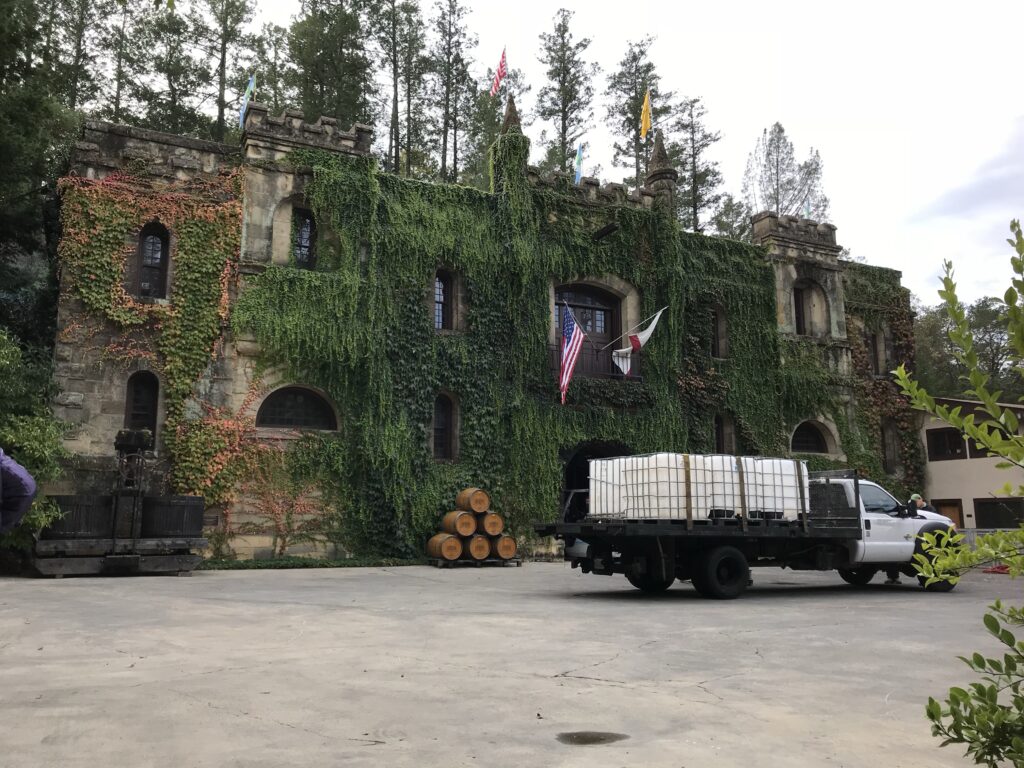
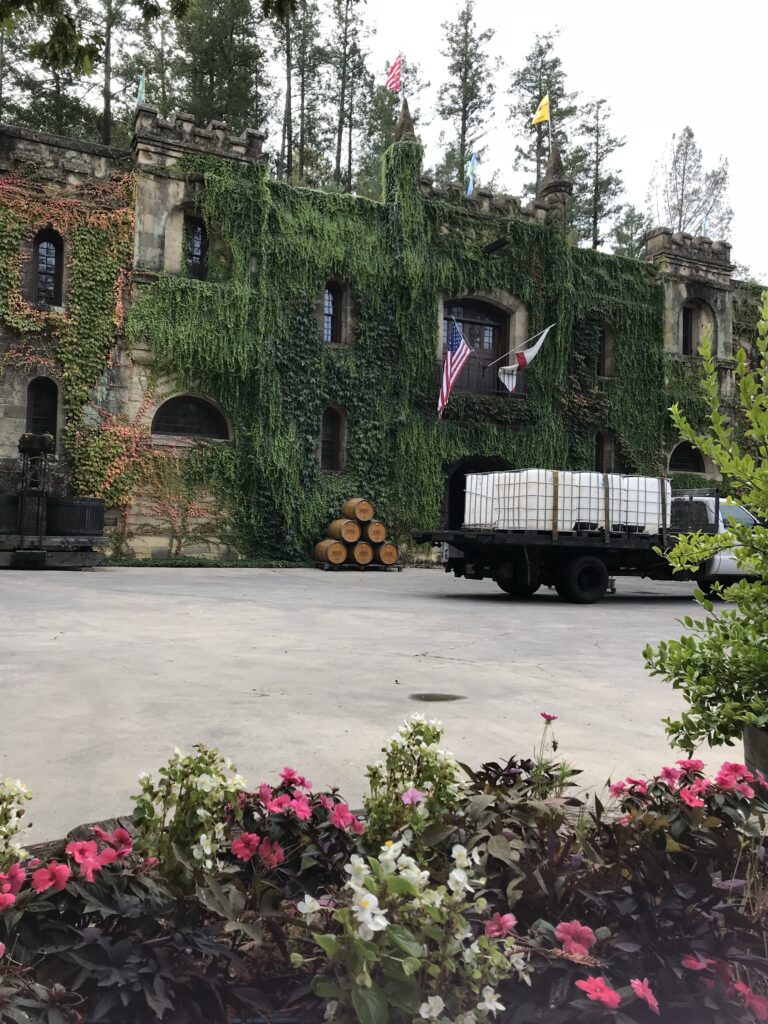
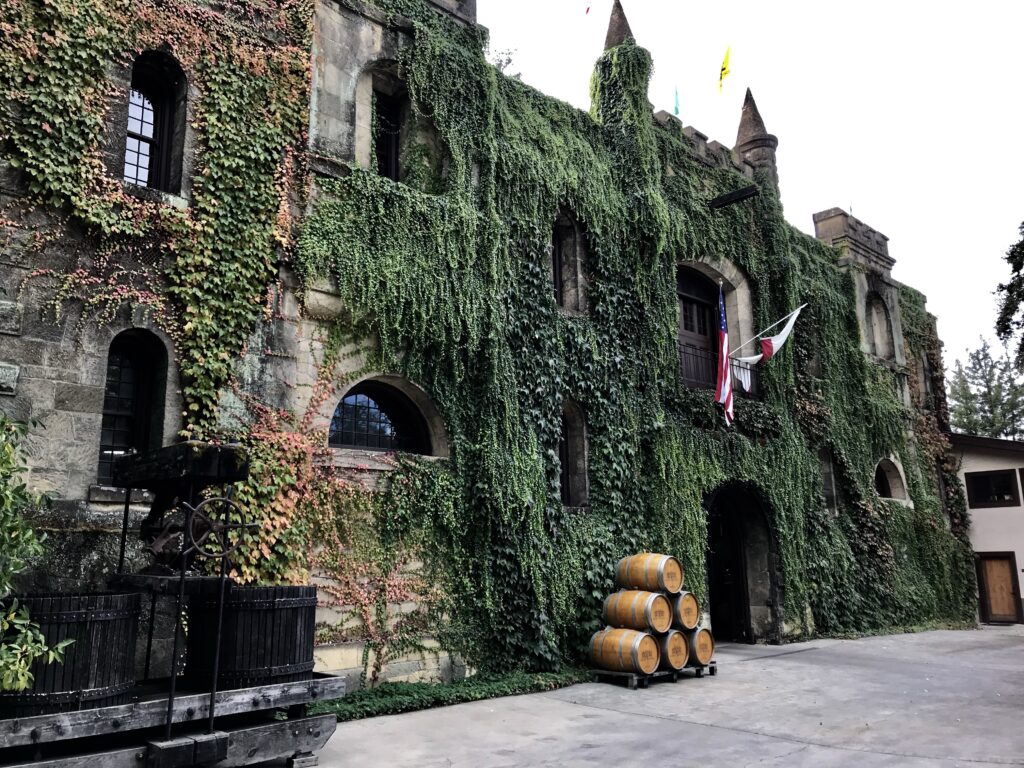
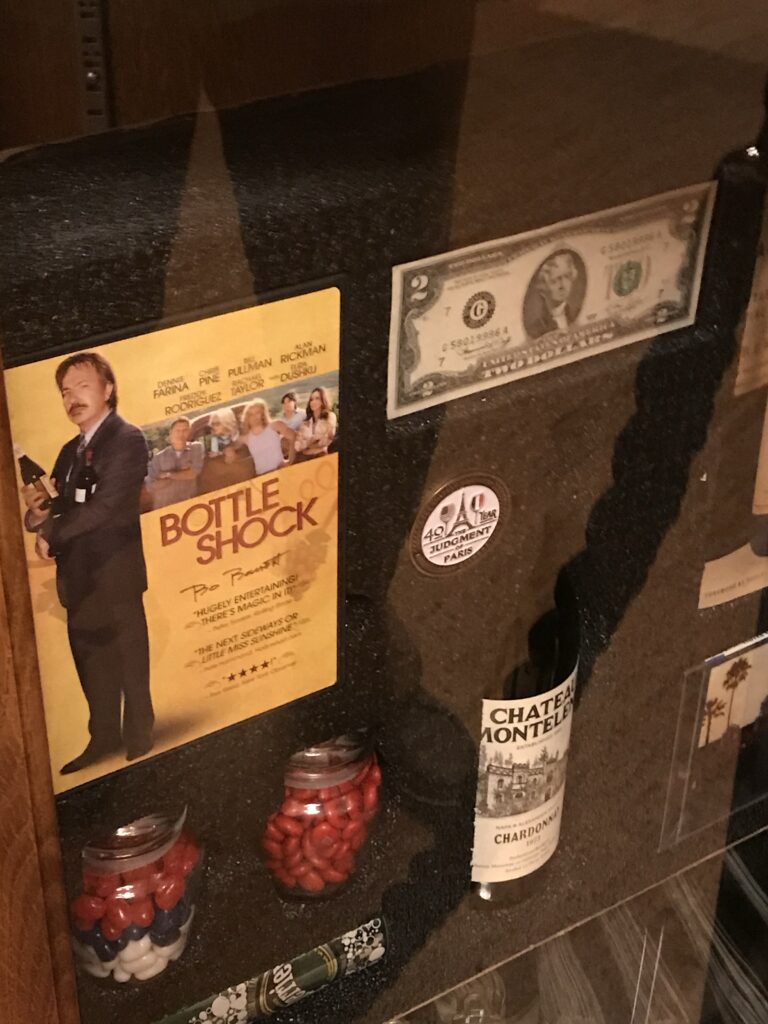
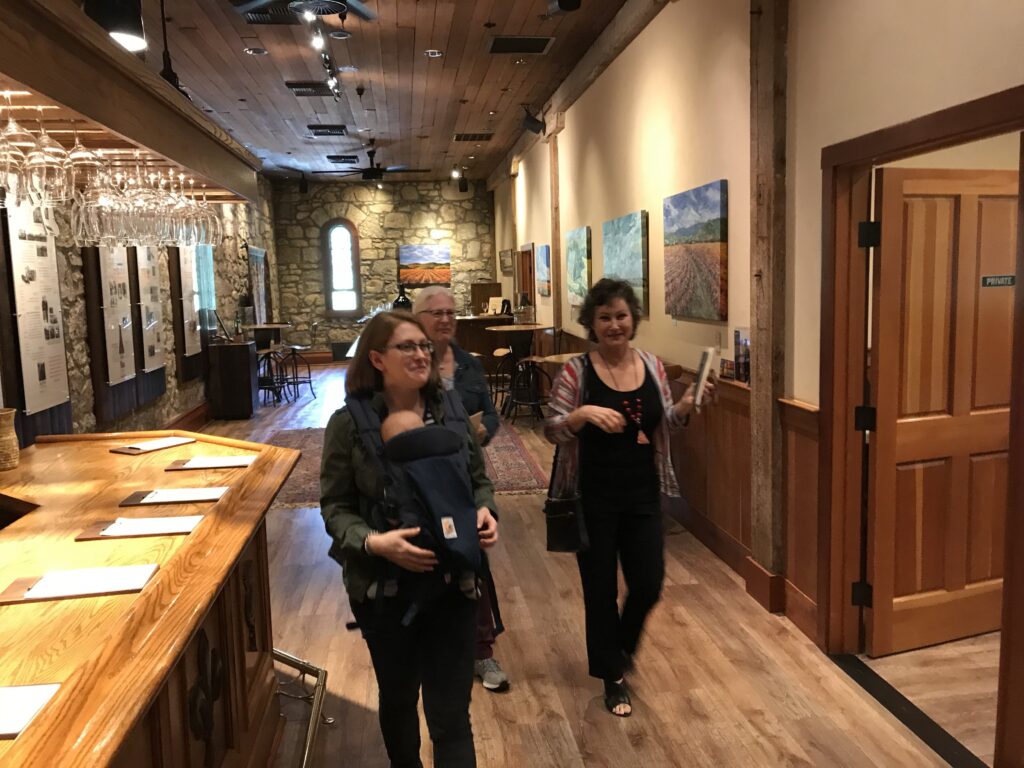
has made wine at Chateau Montelena, California,
garnering accolades for wines that combine
intensity and power with lush, rich texture-
wines that express the unique characteristics
of the land they came from.
It started with owner/founder Jim Barrett’s goal
of producing a world-class California First-Growth
Cabernet Sauvignon. His vision was grounded in
the principle of growing the right grape in the
right place: a vineyard that could consistently
produce a quality crop year in, year out.
And in 1972, he found that right place,
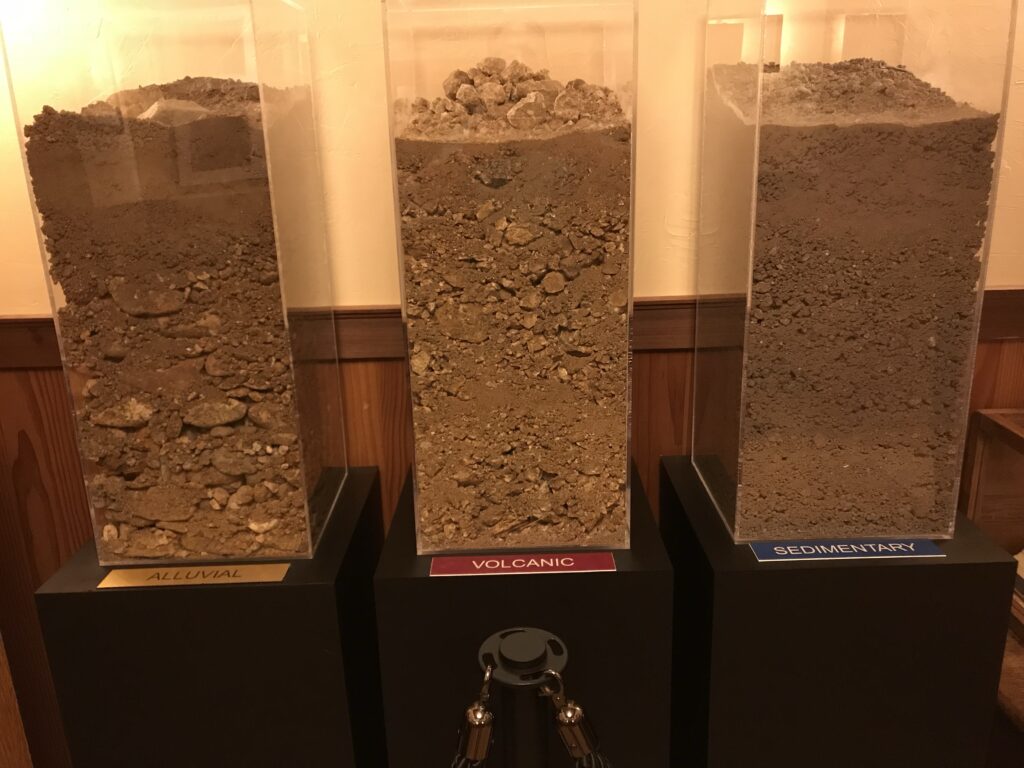
with the perfect combination of soils, climate,
and exposure, at the base of Mt. St. Helena
at the north end of the famed Napa Valley:
the historic Montelena Estate.
So three Washington‑defined AVAs—Columbia Valley, Columbia Gorge, and Walla Walla Valley—do include parts of Oregon, meaning that a single AVA label can legally cover vineyards on both sides of the Washington–Oregon boundary.
In the USA, Washington wines are best known for high‑quality, value‑driven reds—especially Cabernet Sauvignon, Merlot, Syrah, and Cabernet Franc—grown in the warm, dry eastern half of the state, with the Columbia Valley and its sub‑AVAs (like Red Mountain, Yakima Valley, and Walla Walla) as the core regions.[1][2][3]
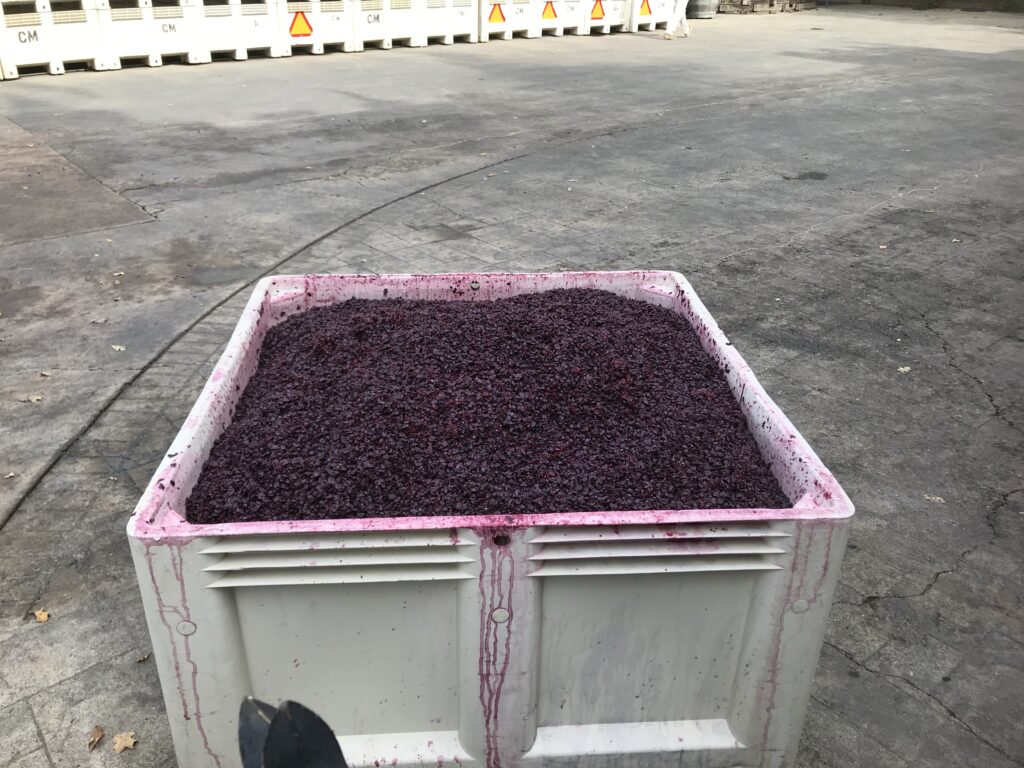
What Washington is known for
- Big reds: Cabernet Sauvignon, Merlot, Syrah, and Cabernet Franc are the flagship varieties, often yielding concentrated, age‑worthy wines with good structure and acidity at lower prices than comparable California bottlings.[2][3][1]
- Syrah: Washington has built a strong reputation for Syrah, with many reviewers calling it world‑class, especially from sites like Red Mountain, The Rocks District, and Yakima Valley.[4][2]
- Bordeaux‑style blends: Washington’s “left‑bank” style Cabernet‑based blends and Merlot‑dominant wines are widely regarded as excellent, often scoring in the mid‑90s with critics while selling for less than Napa‑style Cabernets.[5][6][7]
- White wines: Washington also makes very good Riesling, Chardonnay, Sauvignon Blanc, and Rhône‑style white blends, though reds dominate the state’s image and production.[1][2]
Wines from Washington that often rank as high as or better than California wines
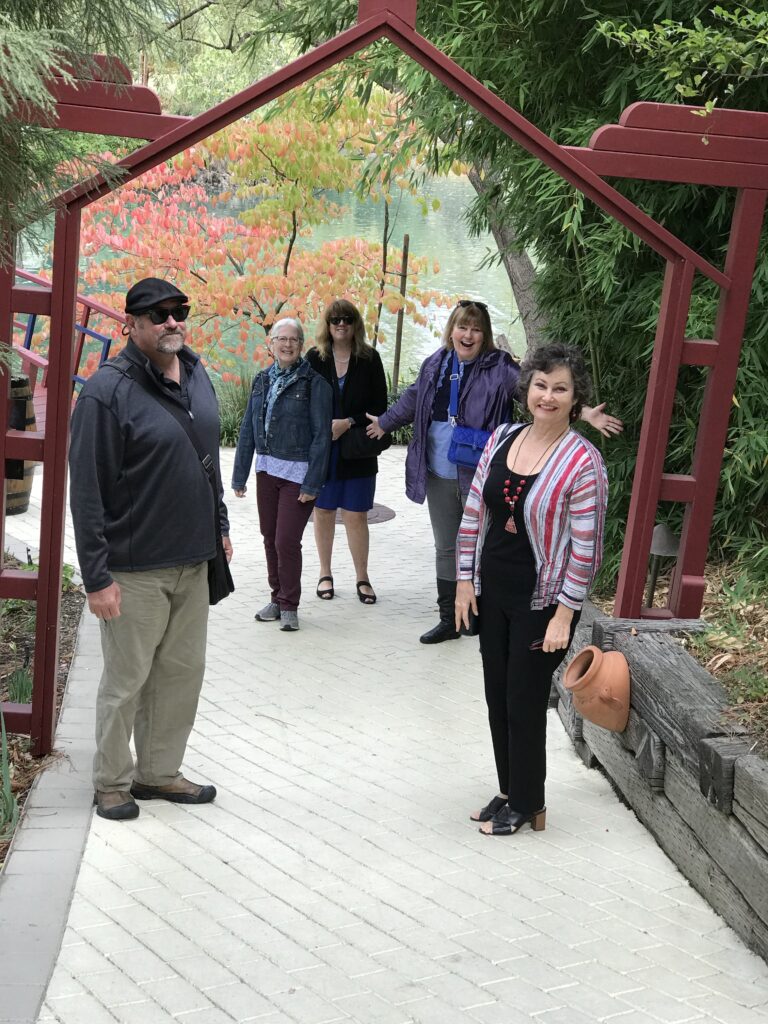
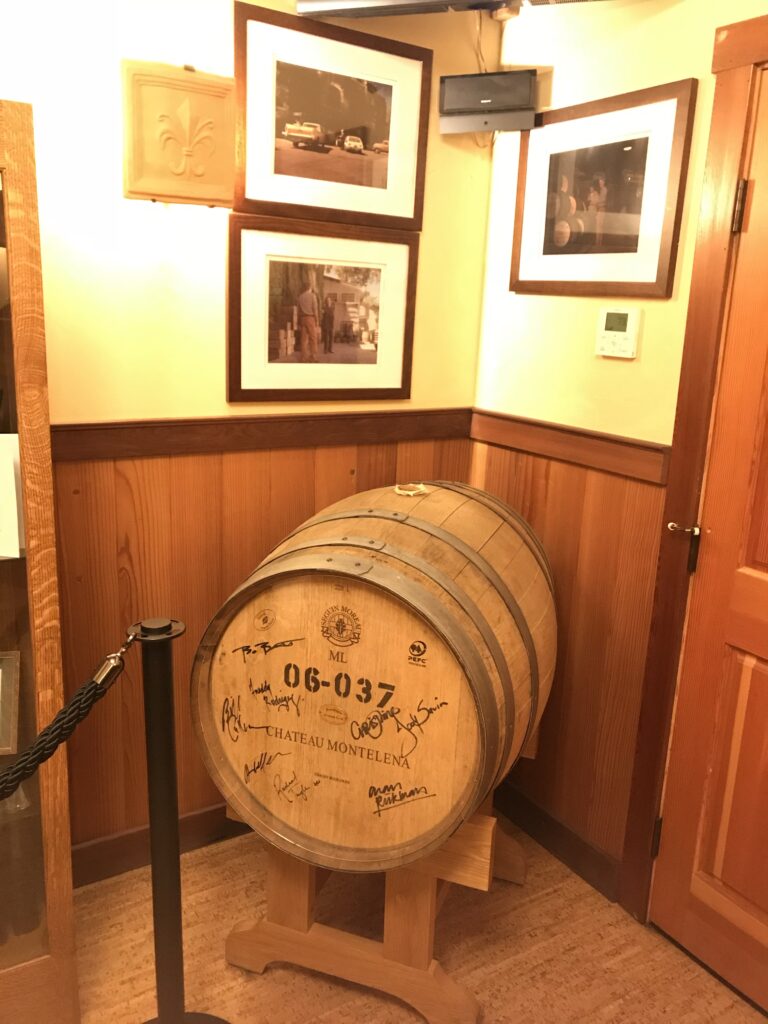
Lee Paschich purchases the Chateau in California from the Wing-Frank Family and begins reassembling the Montelena Estate.
There is no single “state‑against‑state” official ranking, but in blind tastings, points‑based reviews, and value‑for‑money discussions, certain Washington styles consistently perform at or above California equivalents:
- Cabernet Sauvignon & Bordeaux blends:
High‑end Washington Cabs from producers such as L’Ecole No. 41, Leonetti Cellar, Quilceda Creek, Woodward Canyon, and others regularly score in the mid‑90s to 98–100 in major publications, matching or exceeding many Napa bottlings while often being priced lower.[6][7][5] - Syrah:
Washington Syrahs from sites like Red Mountain, The Rocks District, and Yakima Valley are often rated on par with top‑tier California and even Rhône‑style Syrahs, particularly in value‑plus‑quality comparisons.[2][4]
In short, top Washington Cabernet, Syrah, and Bordeaux‑style blends routinely rank as highly as, or better than, many California wines of the same style, especially on a price‑per‑point basis.[7][6][1][2]
Sources
[1] Washington Wine: The Evolution of the Industry – Drink In Life
[2] Wines from Washington State
[3] Nine Oregon and Washington State producers you need on your radar
[4] Washington v. The Rest of the World
[5] Washington State Wines – The New York Times
[6] Washington Wine’s Identity Crisis – The Wine Economist
[7] Alphabetical Guide to Washington Wines
[8] The Best Washington State Wines to Add to Your Bucket List
[9] Thoughts on high end and low end Washington wine : r/wine – Reddit
[10] [WA Advice Request] Walla Walla or Columbia River for wine? – Reddit
Washington can produce Cabernet that often feels “better‑value” than Napa because of a mix of climate, costs, and brand‑driven pricing, not because the grapes are inherently “better.”[1][2][3]
1. Cheaper land and lower overhead
- Land and vineyard real‑estate in Napa are among the most expensive in the world, while Washington’s Columbia Valley and sub‑AVAs (like Walla Walla, Red Mountain, Yakima Valley) are far less costly.[2][1]
- Lower land and building costs mean Washington producers can spend more on vineyard quality and winemaking for a given price point, while Napa often has to pass on high land and brand premiums.[3][2]
2. Climate and concentration
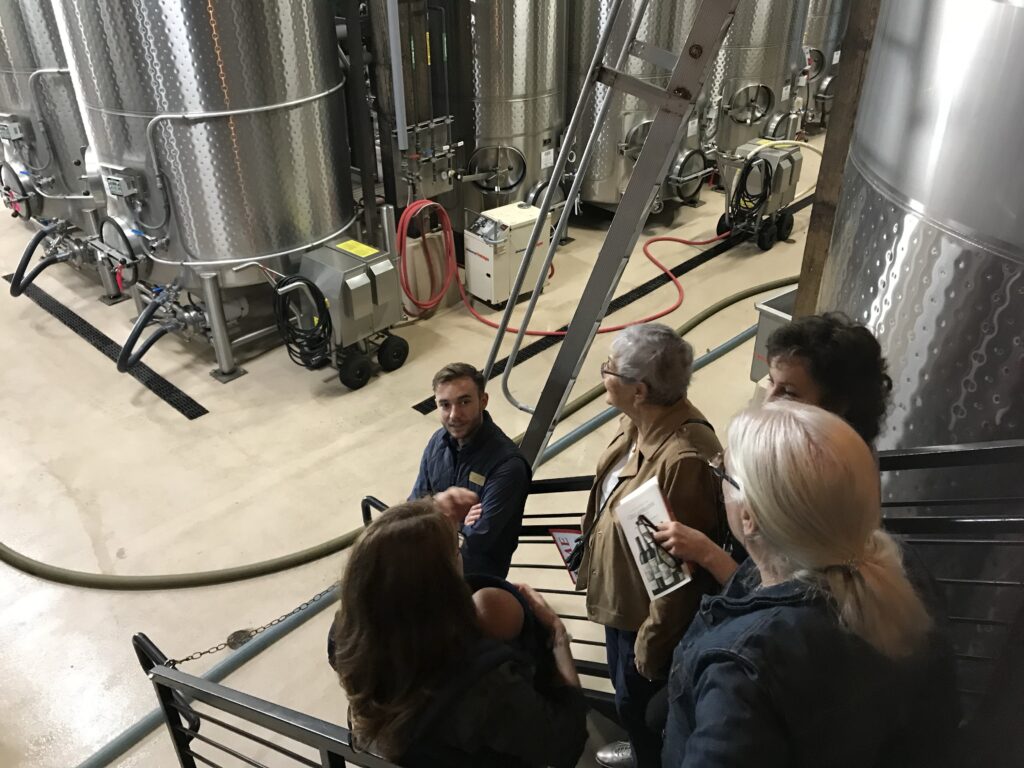
- Washington’s eastern side has hot, dry, sunny days plus cool nights and low disease pressure, yielding ripe, concentrated Cabernet with good acidity and moderate alcohol, at scale.[4][1]
- That natural concentration means many Washington Cabs match Napa in body and polish, but they are often less ripe‑in‑your‑face and more Bordeaux‑style, which critics rate highly at lower prices.[5][3]
3. Brand and demand effect
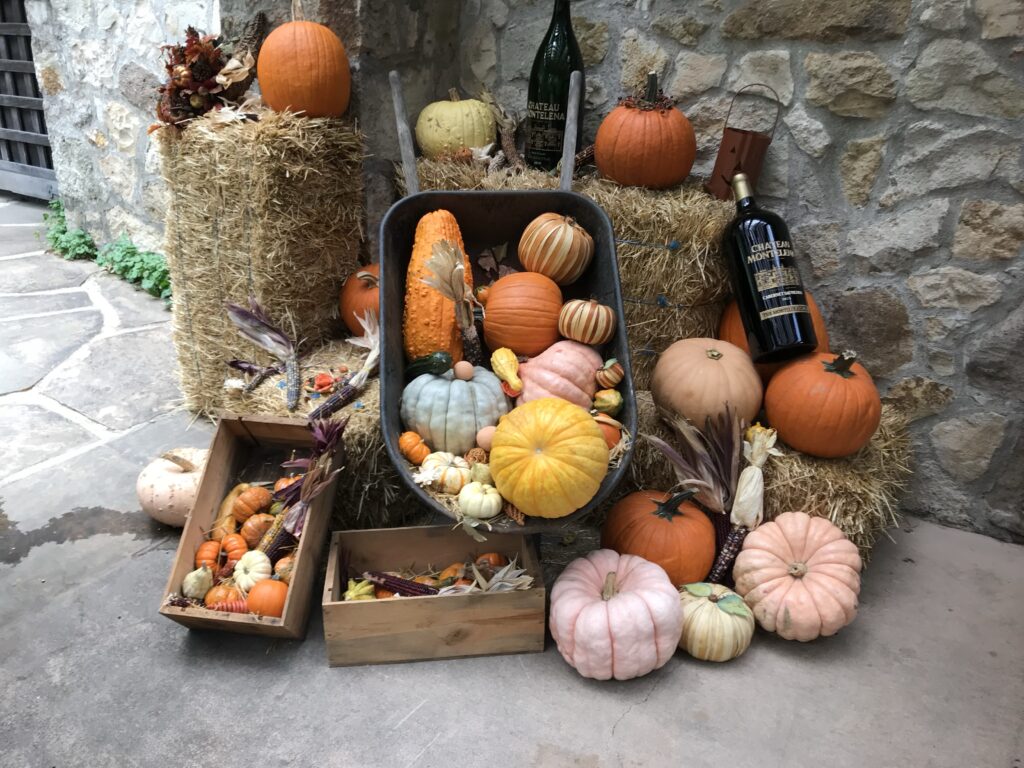
- Napa has a superstar brand; “Napa Cabernet” often commands a huge branding premium before the wine even leaves the winery, even if the quality level is comparable to a Walla Walla or Red Mountain Cab.[6][2]
- Washington Cabs, especially in the $25–$75 range, are frequently scored in the mid‑90s by critics yet sell for much less than Napa wines of similar score, giving a better quality‑per‑dollar (QPR) in that bracket.[1][2][3]
4. Style and drink‑ability expectations
- Washington Cabs tend to be less obviously fruit‑bomb, with firmer tannins and higher acidity, so they can come across as “tighter” young and require more age or air, which can suppress their appeal in casual blind tastings even if they age beautifully.[7][5]
- Napa often delivers immediate, fruit‑forward, opulent Cabs that show brilliantly young, which helps sustain high prices even when the quality‑to‑price ratio is not as strong.[8][6]
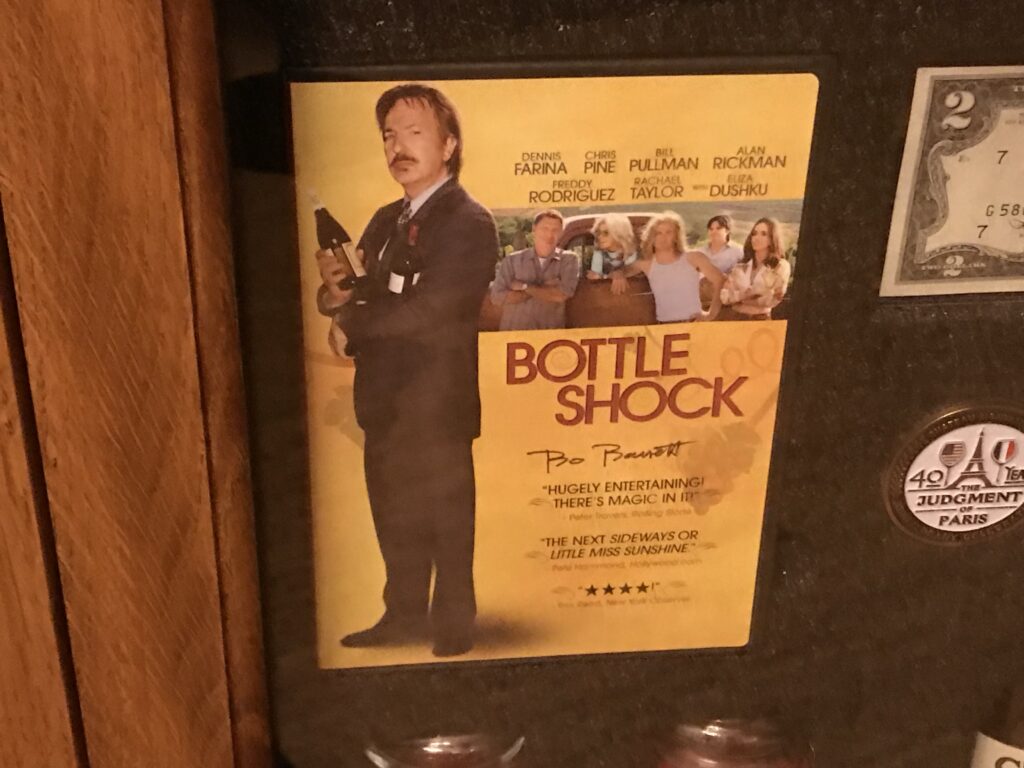
In short, Washington Cabernet is not universally “better” than Napa, but it often offers similar or comparable quality at a lower price because of lower land and overhead costs, strong climate, and a less inflated brand—so buyers get more score‑per‑dollar for many Washington Cabs versus Napa‑labeled Cabs in the same score band.[2][3][1]
Sources
[1] How Washington Is Emerging as a Major Rival to Napa
[2] The Rising Impact of Washington State’s Wine Scene
[3] Washington State Cabernet Sauvignon: Among the World’s Best
[4] Why Washington Wines? Part 1: Cabernet Sauvignon
[5] Cabernet Sauvignon: Napa vs. Walla Walla – Wine Diva Experiences
[6] Napa vs Washington (State) – WINE TALK – WineBerserkers
[7] Blind tasting #9: Washington Cabernet vs. California Cabernet : r/wine
[8] Rude’s Compares Some Great Cabs from Washington and Napa
[9] Which Wines Are Better? Washington vs. California Wine? – YouTube
Armstrong Family Winery
Since 2011, Armstrong has been guided by the conviction that the finest wines are defined by balance and restraint.
We believe modern winemaking has conflated concentration with quality.
Truly compelling wines are more subtle; they balance fruit with earth, structure, and tension to complement food and reward aging. This belief has guided our approach from the start.
Our wines are built for the table and for time. By favoring modest extraction and preserving natural acidity, we want our wines to complement a meal rather than compete with it. And we accept that they may speak more quietly in their youth.
More than twenty years ago, a single bottle of Walla Walla wine from a Chicago wine shop changed everything. We followed that bottle across the country: first into winemaking, learning the region through its fruit, and eventually into farming. Today, we farm two estate vineyards in the Walla Walla Valley, where we grow Cabernet Sauvignon and Syrah with minimal inputs, and we partner with other growers that share our values.
We take it one vintage at a time.
We invite you to visit us online at armstrongwinery.com or at our tasting rooms in Woodinville and Walla Walla.
Armstrong
Tasting Room Address:
19151 144* Ave NE, Woodinville
9 N. 2nd Ave, Walla Walla
Phone number: 509-524-8494
www.armstrongwinery.com
Wines being poured/sold:
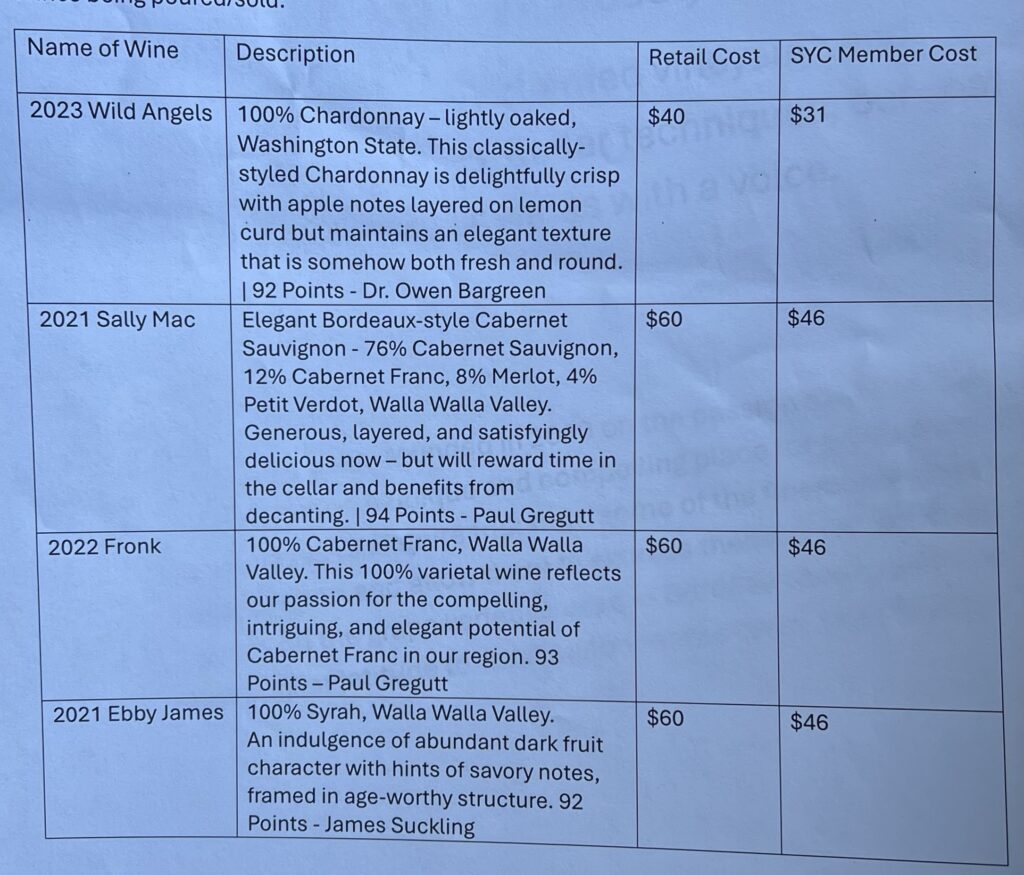
Andrew Will
Andrew Will is a benchmark Washington winery focused on expressing vineyard differences through blending. Its style is Bordeaux-inspired, with some early Sangiovese work, and it sources from places like Champoux, Ciel du Cheval, Two Blondes, and Discovery/May’s Discovery in the broader Yakima Valley and Red Mountain area. It began in 1989. The best red to taste is usually one of the Cabernet-based flagship blends, often Sorella or a similar Bordeaux blend. Whites are not the main focus, but Sauvignon Blanc is the obvious white when available.
“I am not interested in the similarities of my wines but the differences. The different identities of our vineyards and varietals which explore the identity of Washington State as distinct from California or Bordeaux.”
– Chris Camarda
Andrew Will is a boutique family-owned and run winery located on Vashon Island, WA named after his son Will and nephew Andrew.
Owner Chris Camara’s first commercial vintage was 1989. The winery is one of the premier Washington State wineries and has been recognized in numerous national publications, can be found on Michelin starred menus and has distribution across the US and Internationally.
The winery produces around 5500 cases of wine annually. We source our fruit from several vineyards throughout the Columbia Valley AVA and have a focus on Bordeaux varietals.
Starting in 2013 Will Camarda came back full-time to work at the winery. He has now taken over as Winemaker and Sales Director.
Andrew Will
No Tasting Room
Website: https://andrewwill.com
Phone number: 206-463-9227
Email: INFO@ANDREWWILL.COM
Wines being poured/sold:
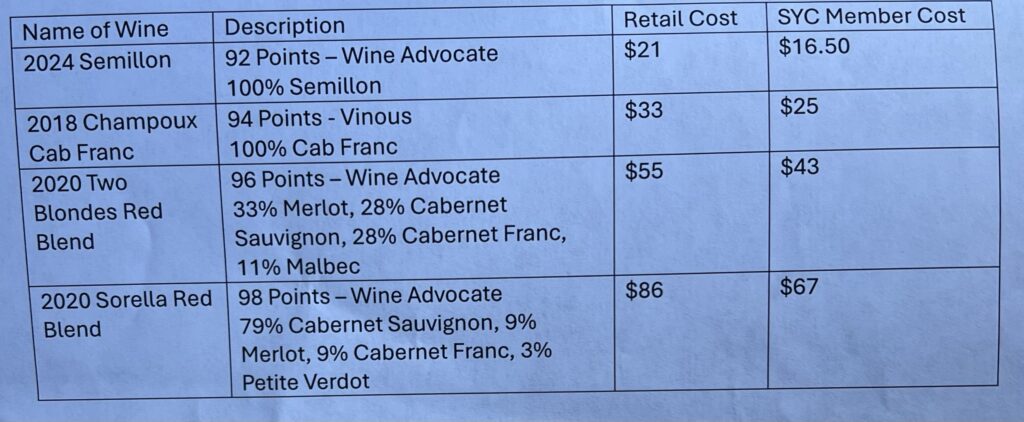
Col Solare
Col Solare is the most overtly Italian-linked winery. It is a partnership between Antinori and Chateau Ste. Michelle, centered on Red Mountain Cabernet with a Tuscan-influenced, polished Bordeaux style. Its grapes come from Red Mountain and the Col Solare Estate Vineyard, and the first commercial vintage was 1995. The flagship Cabernet Sauvignon is the wine to taste; whites are not really part of the core identity.
SOLARE A Washington Icon of Italian Heritage. Every bottle of Col Solare expresses the bold vision of Tuscany’s Marchesi Antinori. Every sip transcends borders, crosses generations, and brings countless years of expertise into focus.
Col Solare is a beacon of bold, patient, and innovative winemaking techniques in Washington’s Red Mountain AVA.
Col Solare joins winemaking philosophies from two regions to reflect Washington terroir with the style of Tuscany.
Col Solare
Tasting Room Address: 50207 Antinori Road, Benton City, WA 99320
Phone number: 509-588-6806
info@colsolare.com
Wines being poured/sold:
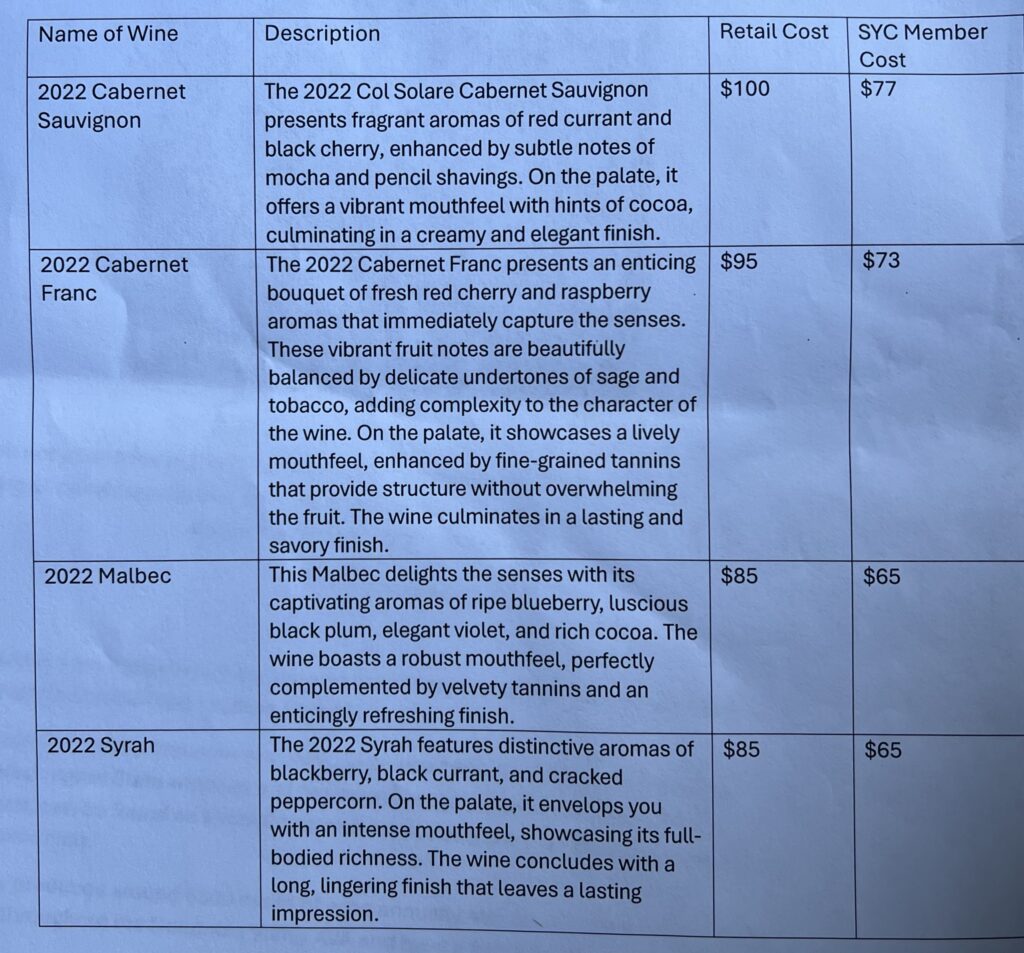
Dineen
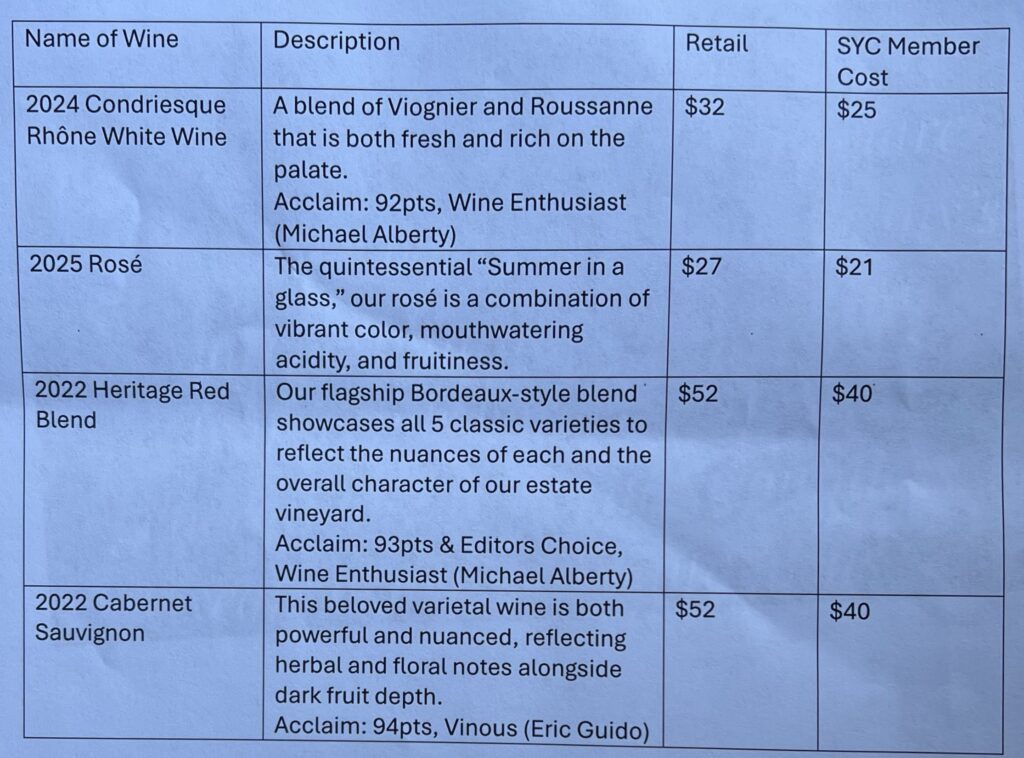
Dineen is a family estate in the Rattlesnake Hills part of Yakima Valley, built around estate-grown Bordeaux and Rhône varieties. Its story is one of a former apple orchard turned vineyard, with a strong family ownership identity. The vineyard was founded in 2001. The best white to taste is Viognier, and the best red is the Heritage Bordeaux blend.dineenvineyards+1
DINEEN VINEYARDS
100% Estate Grown
100% Certified Sustainable
100% Dineen
At Dineen Vineyards, we understand that the quality of our wines begins with the land.
Dineen Vineyards is a family-owned estate tucked into the rolling hills of Washington’s Yakima Valley (Rattlesnake Hills AVA). Founded in 2001 by Patrick and Lanie Dineen, and now led by their daughter Marissa, the vineyard began with the transformation of a small apple orchard and has since grown into 100 acres devoted to Bordeaux and Rhône varietals.
Rooted in family and farming heritage, every detail tells a story-from the vineyard blocks named after loved ones to the iconic black truck, a tribute to Pat’s father and the family’s agricultural roots. Even the winery itself, with its barn-inspired architecture, is a tribute to the family legacy.
Exclusively estate-grown, Dineen wines reflect both place and care.
Certified sustainable through Lodi Rules and Sustainable WA, their farming honors the land while crafting wines of integrity and character. Visitors are invited to experience the charm of farm life — where the land, sun, and sense of family create a unique and memorable escape.
Charlotte Esperon, the upcoming third generation, served as Junior Rear Commodore for SYC in 2024-2025 and is a summer sailing instructor.
Dineen
Tasting Room Address: 2980 Gilbert Road, Zillah WA 98953
Phone number: 509.829.6897
Email: info@dineenvineyards.com
Wines being poured/sold:
Isenhower
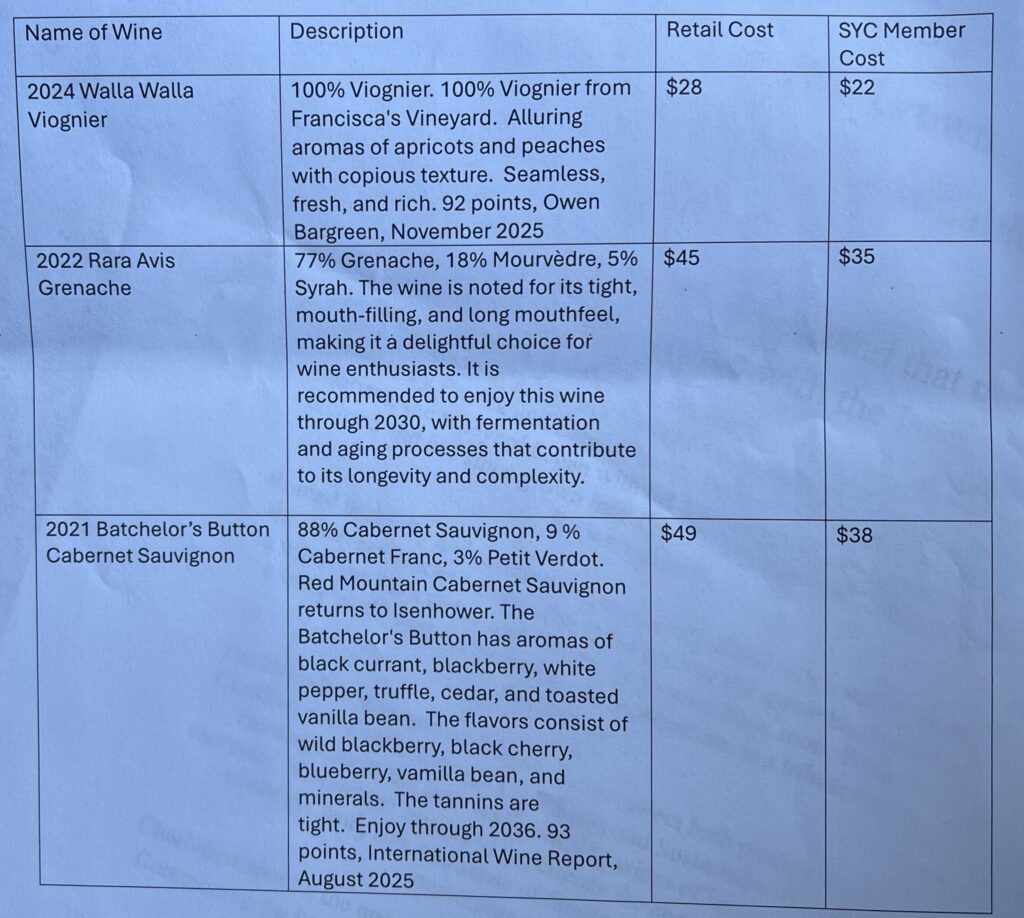
Isenhower is a small-production, site-driven Washington winery with a strong Bordeaux-style identity and a special emphasis on Cabernet Franc. It sources from a broad set of top Columbia Valley sites, including Horse Heaven Hills, Walla Walla, Yakima Valley, Red Mountain, and the Wahluke Slope, with some Oregon sourcing as well. The signature Bordeaux-style blend dates to 2004. Cabernet Franc is the standout red, and Sauvignon Blanc is the white to look for if it is on the list.
Founded in 1999 by Brett and Denise Isenhower, we are a family-owned and operated winery. Our handcrafted wines reflect their vineyards with clarity and purity. Every wine expresses lightness of touch and depth of character that reward enjoyment now and with patience 10+ years of bottle age.
What makes Isenhower Different:
Hand-selected grapes, single-vineyard focus
We work with growers who farm distinctive sites. Most of our wines come from single vineyards: each bottle expresses a unique sense of place.
Minimalist, thoughtful winemaking
Brett intervenes lightly: gentle extraction, precise fermentation, careful monitoring of every step to preserve freshness, tension, fruit, and nuance in every wine.
Small lots of grapes, quality first
We produce strictly limited quantities, buying grapes with acre contracts. This approach priorities quality and attention to detail over volume.
Isenhower
Tasting Room Address: 3471 Pranger Rd, Walla Walla, WA 99362
Phone number: 509-526-7896
Info@isenhowercellars.com
Wines being poured/sold
Rotie Cellars
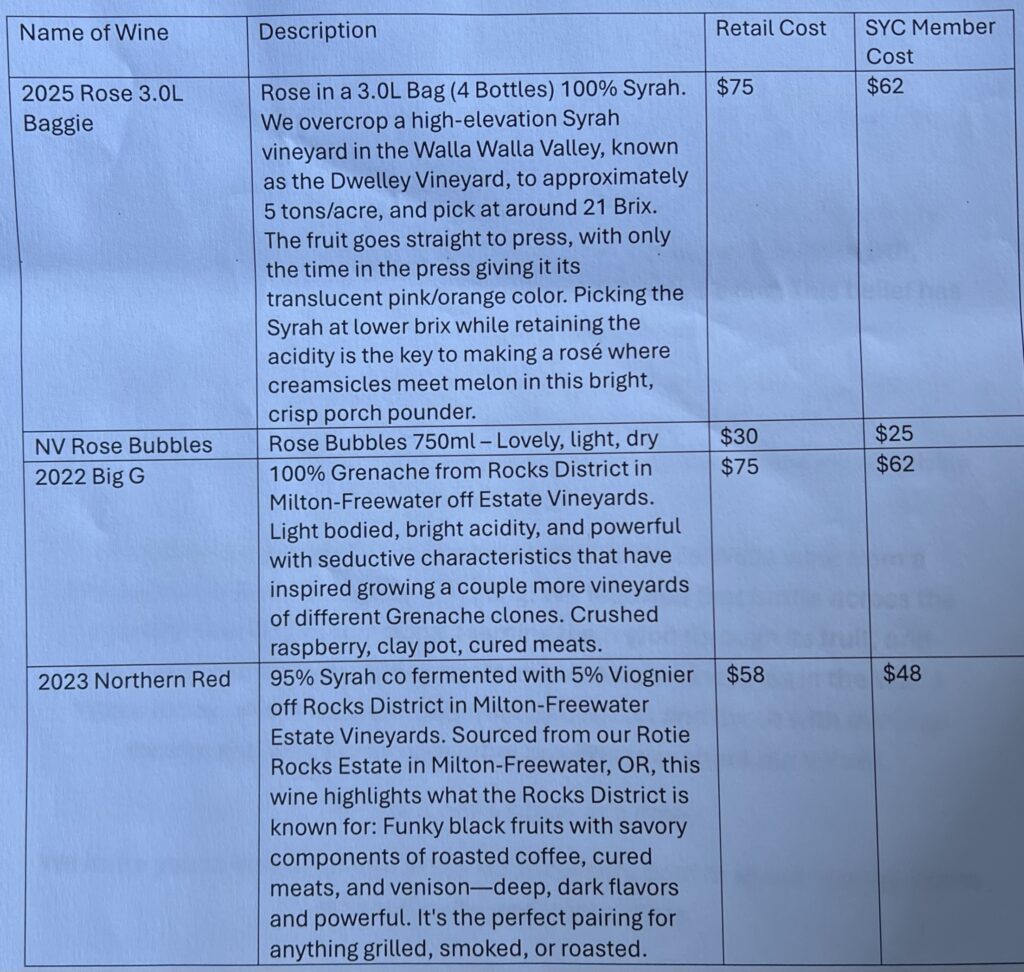
Rotie Cellars is a Rhône-inspired winery, with a house style that leans southern Rhône, especially Grenache-based blends. It uses Washington fruit along with estate vineyard sources in the Rocks District of Milton-Freewater. For tasting, the red to choose is usually one of the Grenache-led blends, and a Viognier-based Rhône white is the white to seek if available.unwindwine.blogspot+3
Tasting Room Address: 3471 Pranger Rd, Walla Walla, WA 99362
Phone number: 509-526-7896
info@isenhowercellars.com
Wines being poured/sold:
Welcome To Rotie Cellars
Rhône xPacific Northwest
Rotie Cellars was born from a deep respect for the wines of the Rhone Valley-paying homage to tradition while letting Northwest vineyards tell their own story.
Our Rotie Rocks Estate Vineyard anchors a winemaking philosophy that puts a sense of place first, crafting wines that are grounded, expressive, and true to where they come from. Whether you’re tasting with us in Seattle, raising a glass in Walla Walla, or gathering around the table, we bring people together over wines worth sharing.
Badass Rhone producer known for Rocks District Grenache and Syrah’s out of Walla Walla Valley.
Rotie Cellars
Tasting Room Address:
SODO: 1387 1st Ave S, Ste F, Seattle WA, 98134 – 206-359-0905 – tioni@rotiecellars.com Rotie Rocks Estate in Walla Walla at 84328 Trumbull Ln, MF, OR 97862 – 509-301-9074 – liz@rotiecellars.com
www.rotiecellars.com/
Wines being poured/sold:
Whitman Hill
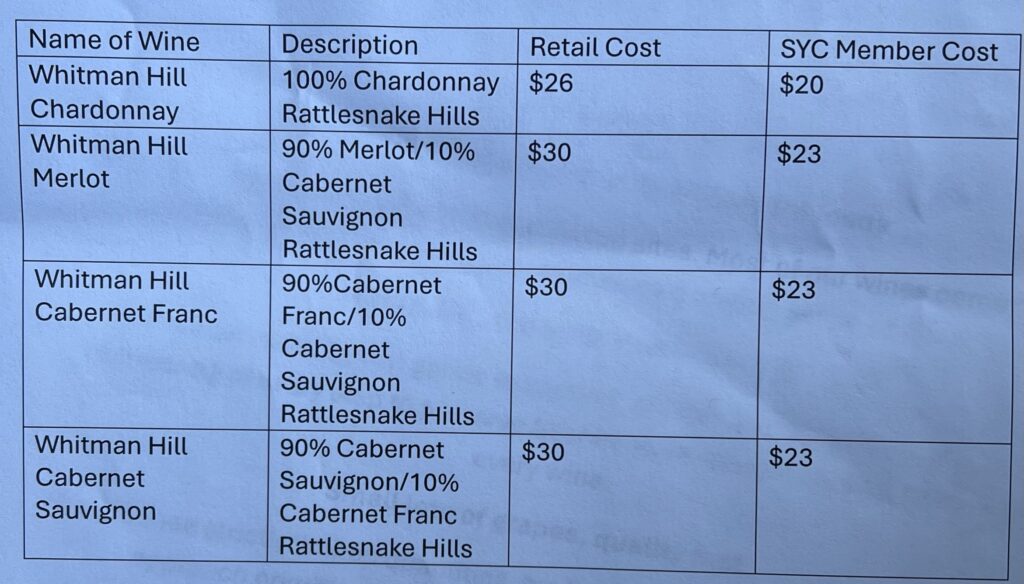
Before establishing Whitman Hill, Scott and Denise Whitman co-owned a winery on Washington’s west side, sourcing grapes from the Yakima Valley and becoming deeply connected to the quality and character of its fruit. Their first wines for that project were made humbly in their garage, a fitting start for a hands-on, family-driven venture that later inspired the Garage wines— collection at Whitman Hill that reflects the same creativity, determination, and roll-up-your-sleeves spirit.
When the opportunity arose in 2020 to acquire property in Zillah, they seized it, choosing to grow and craft wines where the vineyards could be farmed under their own care and vision.
Whitman Hill Winery is a family-owned vineyard estate in Washington’s Yakima Valley, intentionally planted and farmed to reveal the nuance of our land and winegrowing region. Guided by thoughtful farming and a measured interplay of nature and craft, our wines are made for balance and varietal integrity, a true expression of place. We invite guests to a genuine vineyard-to-glass experience rooted in our land and story.
The Whitman Hill crest tells this story in symbols. The intertwined W and H represent the Whitman and Hill families, while three stars honor family and purpose: the North Star for hope and direction, and two smaller stars for their sons, Cole and Bradley. The stag, a symbol shared by both family crests, represents strength, harmony, and renewal, reflecting their connection to nature and the enduring rhythm of harvest.
Whitman Hill Winery stands as a continuation of that legacy, a family-owned estate dedicated to preserving tradition while crafting wines that honor the land.
Whitman Hill
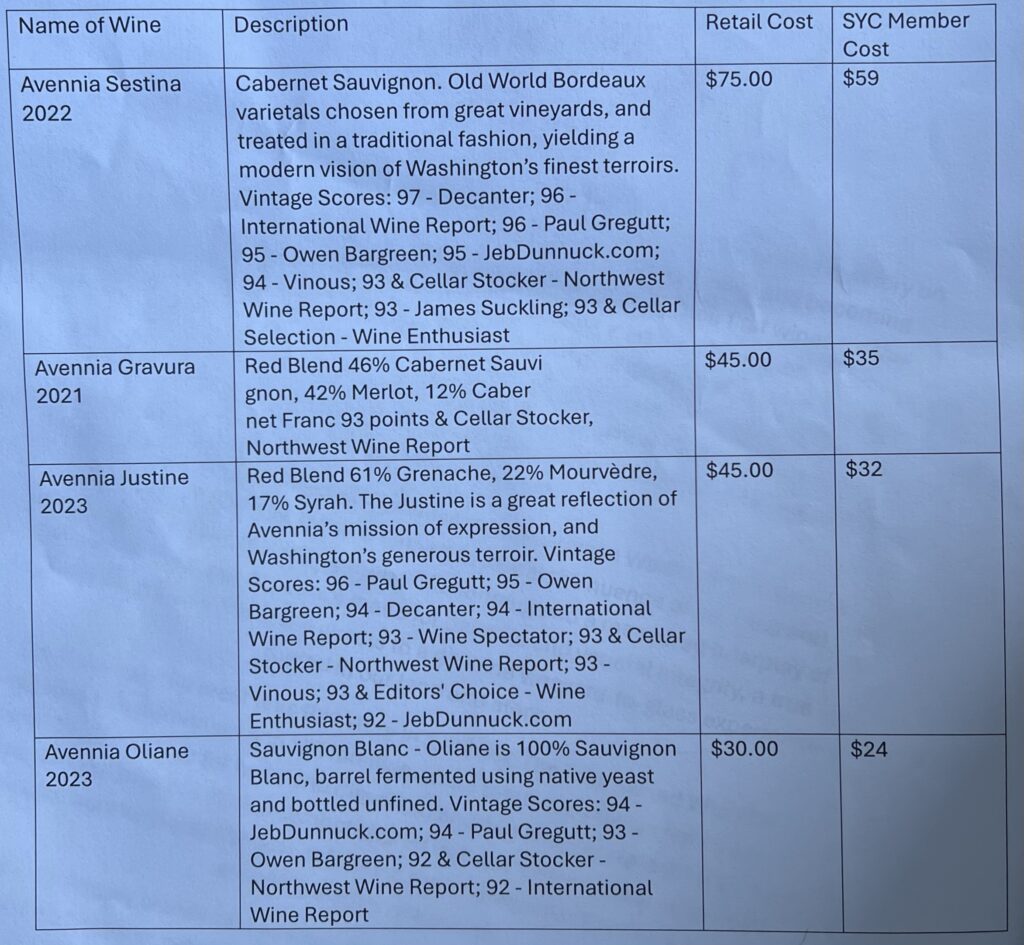
Avennia
Avennia’s mission is “Old World inspiration, proudly Washington,” and it is one of the clearest examples of a traditional European-inspired Washington winery. Its style covers Bordeaux and Rhône influences, with sourcing from Yakima Valley, Red Mountain, Horse Heaven Hills, Boushey, and Ciel du Cheval. The winery began in 2010. Cabernet Sauvignon or Cabernet Franc are the best reds to taste, and Sauvignon Blanc is the obvious white.avennia+1
Old World Inspiration. Proudly Washington.
Sourcing from acclaimed vineyards and employing traditional cellar techniques, our goal is to create wines with a voice.
Avennia was founded in 2010 on the passion to showcase
Washington as a unique and compelling place for great wines. Our priority is to acquire fruit from some of the finest vineyards in Washington and allow them to express themselves. We chose to focus on the grape varieties used in Bordeaux and the Rhône, as their similar latitude to Washington makes them a natural fit to excel here.
Avennia
Tasting Rooms Addresses:
Woodinville – 19255 Woodinville-Snohomish Road NE, Suite #1, tastings@avennia.com,
425-482-4364
Red Mountain Estate – 20206 E. 583 PR NE, Benton City, redmountain@avennia.com, 509-
588-6870
Wines being poured/sold:
Eight Bells
Eight Bells is a small-lot Washington project focused on site and clone expression, especially from Red Willow Vineyard and Boushey Vineyard in the Yakima Valley AVA. Its style leans Bordeaux and Rhône, with a lot of emphasis on vineyard character over cellar flash. The first commercial vintage was 2009. The most interesting red is usually a Red Willow-based Bordeaux blend or Cabernet Franc, while a white is worth trying only if one is being poured from the same vineyard set.auctionofwawines+1
If you want the cleanest tasting order, I would do Dineen, Avennia, Isenhower, Andrew Will, Col Solare, Eight Bells, and then Rotie. That sequence moves from estate Bordeaux and Rhône toward more polished, more powerful, and then more distinctly Rhône-driven wines.
DeLille Cellars
Here are winery notes for DeLille Cellars in the same style as the earlier winery summaries.
DeLille Cellars is one of Washington’s foundational Bordeaux-style wineries, with a mission centered on blending to express Washington terroir rather than chasing single-varietal sameness. Its portfolio spans Bordeaux and Rhône styles, but the house identity is most strongly tied to left-bank Bordeaux blends and ageworthy whites such as Chaleur Blanc.[1][2][3]
The European style is primarily Bordeaux, especially Cabernet Sauvignon, Merlot, Cabernet Franc, Petit Verdot, and Bordeaux-style white blends of Sauvignon Blanc and Sémillon. DeLille also makes Rhône-inspired wines, but the Bordeaux side is the clearest signature.[3][4][1]
Its key grape sources include some of Washington’s best-known vineyards and AVAs, especially Red Mountain and Snipes Mountain, with the winery explicitly noting that Chaleur Estate and Harrison Hill come from those two distinct AVAs. DeLille also draws from other top Columbia Valley sites for its broader range.[4][5][3]
What distinguishes DeLille is its long record of making elegant, structured, cellar-worthy wines that still show Washington fruit purity. The winery is also notable for pioneering dry Bordeaux-style whites in Washington and for wines that often age exceptionally well.[2][6][4]
In terms of heritage, DeLille is a Washington pioneer with strong French/Bordeaux stylistic roots rather than an immigrant family heritage tied to a specific old-world region. It helped establish Washington as a serious premium wine region. The first commercial vintage was 1992, when Chaleur Estate first appeared.[1][3][4]
If you want two wines to taste, the best red is Chaleur Estate Rouge or D2, both Bordeaux-style blends built around Cabernet Sauvignon, Merlot, and Cabernet Franc. The best white is Chaleur Blanc, typically a Sauvignon Blanc and Sémillon blend; one recent release was 69% Sauvignon Blanc and 31% Sémillon.[7][4][1]
Sources
[1] At The Tasting Room | DeLille Cellars – Woodinville Wine Country
[2] An Integral Part of Washington State Wine – DeLille Cellars
[3] DeLille Cellars – Wikipedia
[4] A Peek Behind the Label: Chaleur Estate & Harrison Hill
[5] 2023 Cabernet Sauvignon – DeLille Cellars
[6] The Test of Time: A Retrospective Tasting of DeLille Cellars
[7] DeLille Cellars: Standing the Test of Time – Advinetures.ca
[8] 2022 Reserve Red Blend – DeLille Cellars
[9] Le Dessein | Acclaim – DeLille Cellars
[10] 2020 Shaw Cabernet Sauvignon – DeLille Cellars
Woodinville is the main wine-tasting hub near Seattle, with 100+ tasting rooms, and most of its wines are made from grapes grown in Eastern Washington’s Columbia Valley, especially the Columbia Valley AVA, because Woodinville is primarily a tasting/production area rather than a major grape-growing region. Seattle also has a growing urban-winery scene, but those wineries typically source Washington grapes from eastern AVAs such as Columbia Valley, Red Mountain, Yakima Valley, Walla Walla, and Ancient Lakes.[1][2][3][4][5]
Woodinville wineries
Winery Tasting experience Where the grapes are grown Review Chateau Ste. Michelle Large, polished flagship tasting room in Woodinville [6][7] Mostly Columbia Valley grapes; the winery owns large vineyard acreage there [8][9] A classic stop if you want the biggest-name Washington wine experience. It scores high for breadth, history, and a full-service feel, though it can be busier and more formal than smaller rooms [6][9].
DeLille Cellars Boutique Woodinville tasting room in the Hollywood District [10] Washington-grown fruit, with Columbia Valley sourcing typical for the area [2] Good choice for elegant, higher-end Bordeaux-style wines. The appeal is refinement and consistency rather than a flashy venue [10][2].
Long Shadows Woodinville tasting room in the Hollywood District [10] Washington fruit, generally from premier eastern Washington vineyards [2] Strong pick for polished wines with a premium feel. It is best for tasters who want a structured, serious tasting rather than a casual drop-in [10][2].
L’Ecole No. 41 Woodinville tasting lounge with curated tastings [10] Washington-grown grapes, typically from eastern Washington vineyards [2] One of the most dependable stops for classic Washington wine styles. The reputation is strong for balance, elegance, and value, especially if you like Chenin Blanc and Merlot [10].
Barnard Griffin Established Woodinville tasting room with a broad portfolio [10] Fruit is sourced from select Washington vineyards across the state [10] A versatile, crowd-pleasing winery with a long track record. It is a good “safe bet” if you want variety and a trusted Washington producer [10].
Columbia Winery Woodinville tasting room offering exclusive pours [1] Grapes for its wines are sourced from Columbia Valley AVA vineyards [11] Solid stop for people who want Washington wines with a straightforward, approachable style. It is especially useful if you want to taste wines tied closely to Columbia Valley sourcing [11][1].
Novelty Hill-Januik Contemporary Woodinville tasting room with strong ratings [1] Washington-grown grapes, typically from eastern Washington vineyards [2] A polished, modern tasting room with a broad appeal. Good if you like a more updated space and a mix of serious wine with a relaxed setting [1][2].
Tinte Cellars Woodinville tasting room plus Seattle location [12] Owns vineyard acreage in Red Mountain; fruit comes from its vineyard and other Washington sites [13] Especially attractive if you want wines with a Red Mountain emphasis and strong Bordeaux varieties. It stands out for site-driven wines and a focused, premium style [13][12].
Goose Ridge Estate Woodinville tasting room for a family estate winery [14] Estate vineyard in Columbia Valley near Red Mountain [14] Worth visiting for a true estate story in a market dominated by tasting rooms. The wines often feel fruit-forward and structured, and the atmosphere is comfortable rather than intimidating [14].
McQueen Champagne Bar Sparkling-focused stop in Woodinville [10] Mainly a sparkling-wine venue; not a classic grape-source showcase [10] Best as a palate-reset or celebratory stop rather than a full vineyard education. It is more about bubbles and experience than a deep terroir-driven tasting [10].
Seattle wineries
Winery Tasting experience Where the grapes are grown Review
Locus Wines Downtown/Pioneer Square tasting room with paired flights and bites [3] Washington-grown fruit, generally from eastern Washington vineyards [3][5] One of Seattle’s more interesting tasting-room concepts because of the food pairing. Good for Rhône-style wine fans who want a compact but thoughtful urban stop [3].
Browne Family Vineyards Pioneer Square tasting room in a historic building [15] Washington fruit, sourced from state vineyards [15] Strong downtown option if you want a more upscale, polished room near the stadiums and city attractions. The setting is a major part of the appeal [15].
Bacovino Waterfront tasting room plus a separate Seattle winery tasting room [16][17] Seattle-based winery that makes wine from Washington grapes, with production in South Seattle [18][16] A good choice if you want a contemporary city tasting room with views and a newer, energetic feel. It is less about estate vineyards and more about urban convenience and style [16][18].
Tinte Cellars Georgetown Seattle tasting room in Georgetown [12] Red Mountain and other Washington vineyard sources [13][12] A useful Seattle option if you like Tinte’s Red Mountain-driven style but do not want to drive to Woodinville. The wines should appeal to fans of structured reds [13][12].

Cloudlift Cellars Small industrial-district tasting room [3] Uses sustainable Eastern Washington vineyards [3] Charming if you value personality over polish. It sounds intimate, informal, and storyteller-driven, which makes it a nice change from more corporate tasting rooms [3].
Latta Wines Tiny Seattle tasting room focused on small-lot reds [3] Sources unique sustainable vineyards in Eastern Washington [3] Excellent for adventurous drinkers who like bold reds and small-production wines. The experience seems more niche and nerdy than glamorous, in a good way [3].
Where grapes are grown
For Woodinville wineries, the standard answer is Eastern Washington, especially the Columbia Valley AVA, because the warm, dry, irrigated climate there is ideal for grapes and sits east of the Cascade rain shadow. Some Woodinville wineries also pull fruit from specific sub-areas like Red Mountain, Yakima Valley, Walla Walla, Ancient Lakes, Horse Heaven Hills, and Snipes Mountain. In Seattle, urban wineries usually do not grow grapes locally; they make wine in the city but source fruit from those same eastern Washington vineyard regions.[2][3][4][5][11][13]
Best choices by style
- For the most iconic stop, choose Chateau Ste. Michelle.[6][9]
- For elegant, premium reds, choose DeLille Cellars, Long Shadows, or Tinte Cellars.[10][13]
- For a dependable all-around tasting, choose L’Ecole No. 41, Barnard Griffin, or Columbia Winery.[11][10]
- For a Seattle urban-winery day, choose Locus Wines, Browne Family, or Bacovino.[3][15][16]
Would you like this turned into a shorter “top 10 with addresses” list or a tasting itinerary for one day in Woodinville and Seattle?
Sources
[1] Woodinville Uncorked – Visit Seattle
[2] Woodinville Wine Country – Discover Washington Wine
[3] Best Seattle Urban Wineries, as Told By a Local – The Emerald Palate
[4] Columbia Valley AVA – Washington State Wine Commission
[5] It’s Not a Secret Anymore: Seattle Urban Wineries Are a True …
[6] 12 Washington Wineries Near Seattle for a Great Day Trip
[7] Wineries in Woodinville, WA
[8] Chateau Ste. Michelle Winery | Woodinville, WA | Washington Grown
[9] Our Columbia Valley AVA Estate Vineyards – Chateau Ste. Michelle
[10] Six Must-Visit Tasting Rooms in Woodinville, Washington
[11] Woodinville’s Columbia Winery: Their goal is to make wine you won’t …
[12] Tinte Cellars | WA Winery | Seattle & Woodinville Tasting Rooms …
[13] Tinte Cellars Acquires A Second Red Mountain Vineyard …
[14] Goose Ridge Estate Vineyard & Winery Tasting Room (Woodinville)
[15] Seattle Tasting Room | Wine, Cocktails & Events
[17] Seattle Waterfront Tasting Room – Bacovino
[18] Bacovino opens tasting room on Seattle waterfront
[19] Wineries to visit while in Seattle? : r/wine – Reddit
[20] Exploring Woodinville Wine Country – Greenlake Guest House
[21] Explore Woodinville Wineries in Woodinville Wine Country
[22] Downtown, Seattle, WA – Wine Tasting Room – Yelp
[23] Where to go for wine tasting in Seattle? – Facebook
[24] Bacovino – Visit Seattle
[25] Find Seattle Wineries | Complete Seattle Urban Wine Guide
[26] Columbia Valley Wines 2026 | Washington’s Finest | WineTourism.com
[27] Exploring Wine in Woodinville: 15 Wineries Not to Miss + Tasting …
[28] These Urban Wineries Bring Washington’s Vineyards to Seattle
Ste. Michelle Wine Estates has been important to Washington wine because it helped prove that Washington could make premium, internationally competitive wine long before the state had much reputation. It built the category through vineyard development, consultant expertise, ambitious branding, large-scale distribution, and later by serving as an anchor for many of Washington’s best-known wineries and vineyards.[1][2]
Early foundations
The company’s roots go back to the 1930s, when Pomerelle and National Wine Company were founded in Seattle and Grandview, and in 1951 National Wine Company began planting vinifera grapes in the Columbia Valley under Vic Allison’s guidance. In 1954 the businesses merged to become American Wine Growers, and in 1967 the company launched the Ste. Michelle brand with vinifera wines from eastern Washington, which is the real beginning of Washington’s premium wine identity. That same era brought André Tchelistcheff as consultant, which was a major credibility boost because he was one of the most respected winemaking figures in the U.S.[1][3]
Woodinville and expansion
In 1974, groundbreaking began for the Woodinville winery that became Chateau Ste. Michelle, and Woodinville soon became the company’s public face and headquarters for Washington premium wine. The move mattered because it created a visible, consumer-friendly tasting destination near Seattle while the grape-growing happened in the Columbia Valley and other eastern Washington AVAs. That separation of vineyards east, tasting room west became a defining Washington model and helped introduce many consumers to the idea of regional terroir across the Cascades.[1][2]
Public-company era and tobacco ownership
The company changed names and structure several times as it grew, eventually becoming Stimson Lane Vineyards and Estates in 1986 to manage a larger portfolio that included Chateau Ste. Michelle and Columbia Crest, plus later Napa holdings. Ownership then passed into the orbit of U.S. Smokeless Tobacco / Altria, and Ste. Michelle became part of a large tobacco-company wine portfolio after corporate consolidation and later Altria’s ownership. That period gave the company capital and scale, but it also made Ste. Michelle something of a corporate wine giant rather than a purely Washington-grown family winery.[1][4][5]
California and national footprint
Ste. Michelle’s importance to Washington wine also came from the fact that it did not stay narrowly local. Through Stimson Lane and later corporate ownership, it acquired or controlled important California properties such as Villa Mt. Eden, Conn Creek, and later additional premium brands. Those moves gave the company national credibility and distribution reach, but they also meant Washington wine was being marketed beside California wine on the same corporate stage rather than as an isolated regional curiosity.[1][5]
Bowman era and transformation
The most recent phase of transformation has come under David Bowman, who joined in 2021 to lead the California properties, then became chief commercial officer, and in 2026 became CEO. His leadership has been associated with a more operationally disciplined, portfolio-focused reorganization, including restructuring, stronger commercial execution, and the later sale of some brands under prior ownership. In 2025, the company was sold from Altria to the Wyckoff family of Grandview, marking the first Washington-state ownership in decades and symbolically bringing the story back home.[6][7][8][9]
Why it mattered
Ste. Michelle mattered because it created the proof point that Washington could produce wines with serious quality, scale, and national visibility. It helped build vineyards, trained talent, established regional brands, and turned Woodinville into a gateway for Washington wine tourism. Even when the ownership changed, the company’s early role in defining Washington as a premium wine state remained foundational.[1][2][3]
Sources
[1] History – Ste. Michelle Wine Estates About
[2] A Visionary Heritage | Washington State Wines | Chateau Ste. Michelle
[3] A look into Washington wine’s past and the promise of Ste. Michelle
[4] Wine giant Ste. Michelle sold for $1.2 billion | The Seattle Times
[5] Ste. Michelle Wine Estates Sold to Private Equity Firm for $1.2 Billion
[6] Ste. Michelle announces leadership changes
[7] Altria Reaches Agreement to Sell Its Ste. Michelle Wine Estates …
[8] David K. Bowman – President/CEO | CPG & Beverage Advisor
[9] David Bowman – Ste. Michelle Wine Estates About
[10] Washington Wine History Interviews: Ted Baseler, Chateau Ste …
Conclusion
American Viticultural Areas, or AVAs, are the foundation of Washington’s modern wine map and help explain why the state now has over 150 active wineries producing wines that often rival—and sometimes beat—Napa and Sonoma on value. AVAs are federally defined regions whose soils, climate, and elevation give consistent character to the grapes grown there, so different AVAs like Columbia Valley, Red Mountain, Yakima Valley, Walla Walla, and Woodinville’s urban “wine‑country” all offer distinct profiles, from powerful, structured Cabernets to mineral‑driven Syrahs and bright, aromatic whites.



Because Washington’s AVAs cover a huge, dry, sun‑drenched interior with relatively low land and vineyard costs, many wineries can afford to invest in quality fruit and skilled winemaking while still pricing their wines below comparable Napa and Sonoma releases. This is especially clear in Cabernet Sauvignon, Bordeaux blends, and Syrah, where Washington wines regularly earn mid‑90s critic scores yet sell for less than Napa‑labeled counterparts, giving buyers far more “score‑per‑dollar” in the same style. The AVA system makes all of this transparent: a label that says “Red Mountain” or “Yakima Valley” or “Columbia Valley” signals a clear style and quality expectation, which wineries build on by blending within and across AVAs.
With over 150 wineries, from avant‑garde urban operations in Seattle and Woodinville to the big regional anchors like Ste. Michelle Wine Estates, Washington offers an unusually deep, structured, and value‑rich tasting experience. The combination of AVA‑driven diversity, high‑quality reds, and strong price‑to‑quality ratios means that visitors who devote time to exploring Washington wines—whether in a single AVA or a scattered set of tasting rooms in Woodinville and the Yakima corridor—will discover a wine scene that is both sophisticated and accessible, and often more rewarding per dollar than the more famous California regions.
For visitors, the conclusion is straightforward: Washington’s AVA‑driven system and the quality‑price gap versus Napa and Sonoma make it worth planning a serious, multi‑stop, multiple‑day exploration rather than a quick sample‑and‑go. Taking the time to taste across AVAs—to compare a Red Mountain Cabernet, a Yakima Valley Syrah, a Walla Walla GSM, and a Columbia Valley white blend—gives a real sense of how place shapes the wines and why Washington is one of the best value‑wine regions in the U.S. today.


