Featuring the intertwined legacies of Washington, Cal, and Seattle Yacht Club
I. The Water City and the Birth of a Tradition (1890s–1913)
Seattle has always been a city defined by water. Long before rowing shells sliced through the Montlake Cut, the lakes and waterways were alive with fishing boats, ferries, and pleasure craft. In 1892, the Seattle Yacht Club (SYC) was founded to bring order, community, and celebration to the city’s maritime culture.
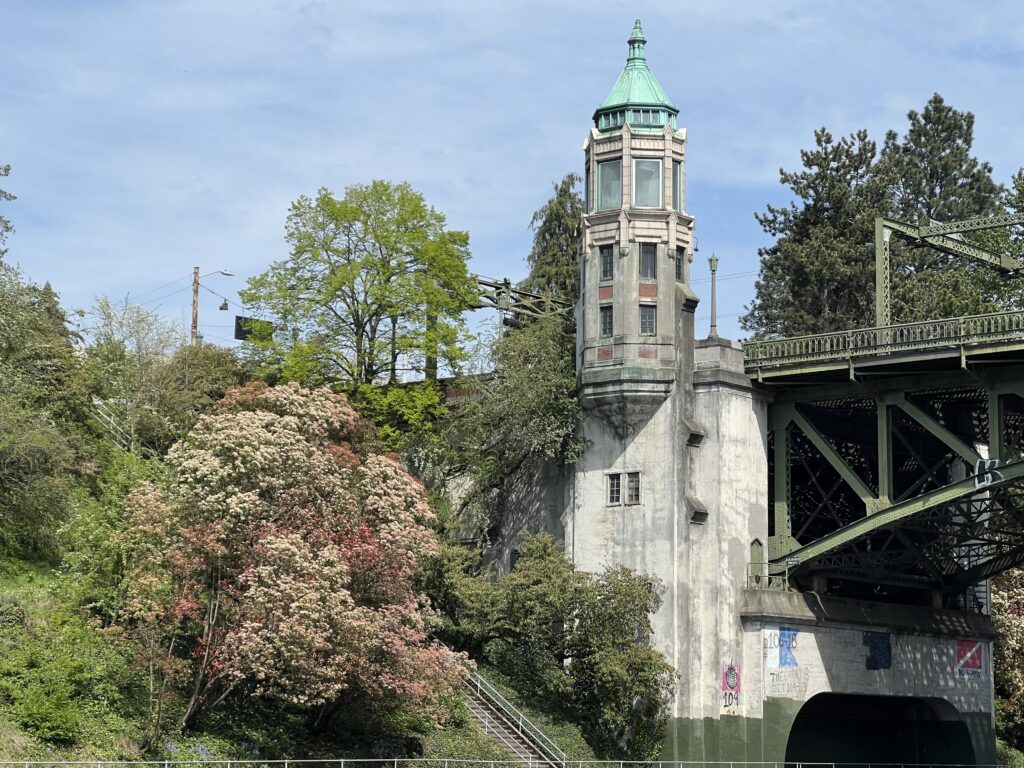
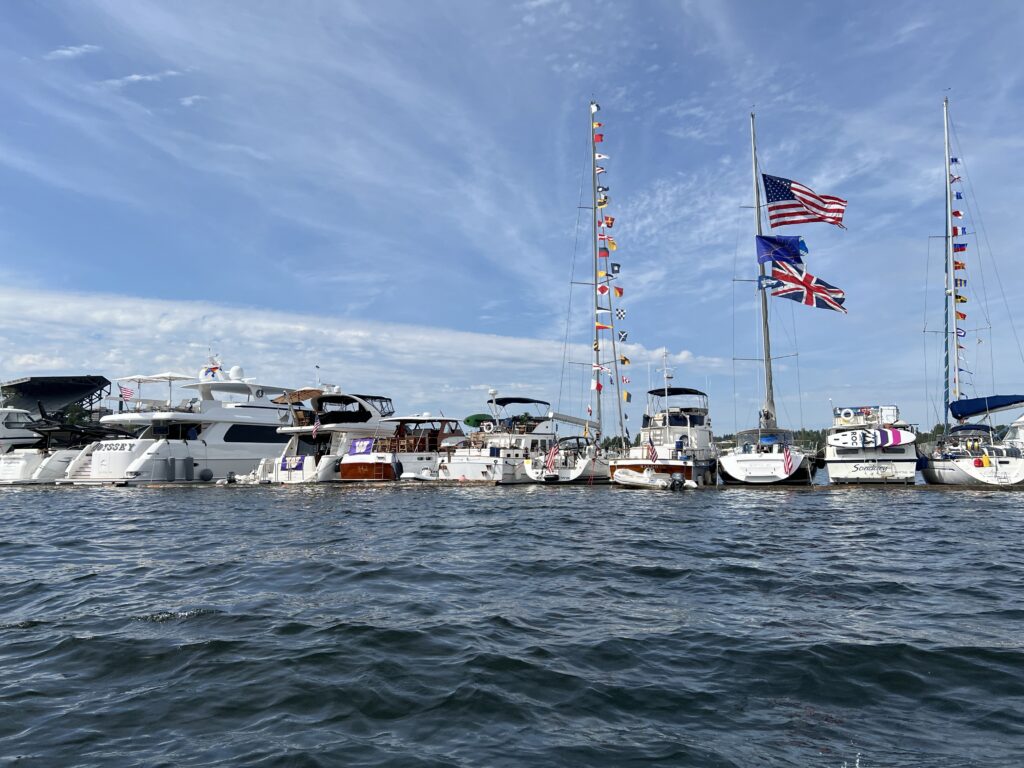
By 1913, SYC launched what would become its signature event: Opening Day of Boating Season. It was a civic spectacle — a parade of decorated boats, naval vessels, and community groups — a celebration of Seattle’s identity as a maritime city. At this point, rowing was not yet part of the festivities. But that would soon change.
II. The Rise of West Coast Rowing (1920s–1960s)
While Opening Day grew as a boating festival, another story was unfolding on the water: the rise of Washington and Cal rowing, two programs that would become the fiercest and most respected rivalry in American crew.
Washington: The Northern Powerhouse
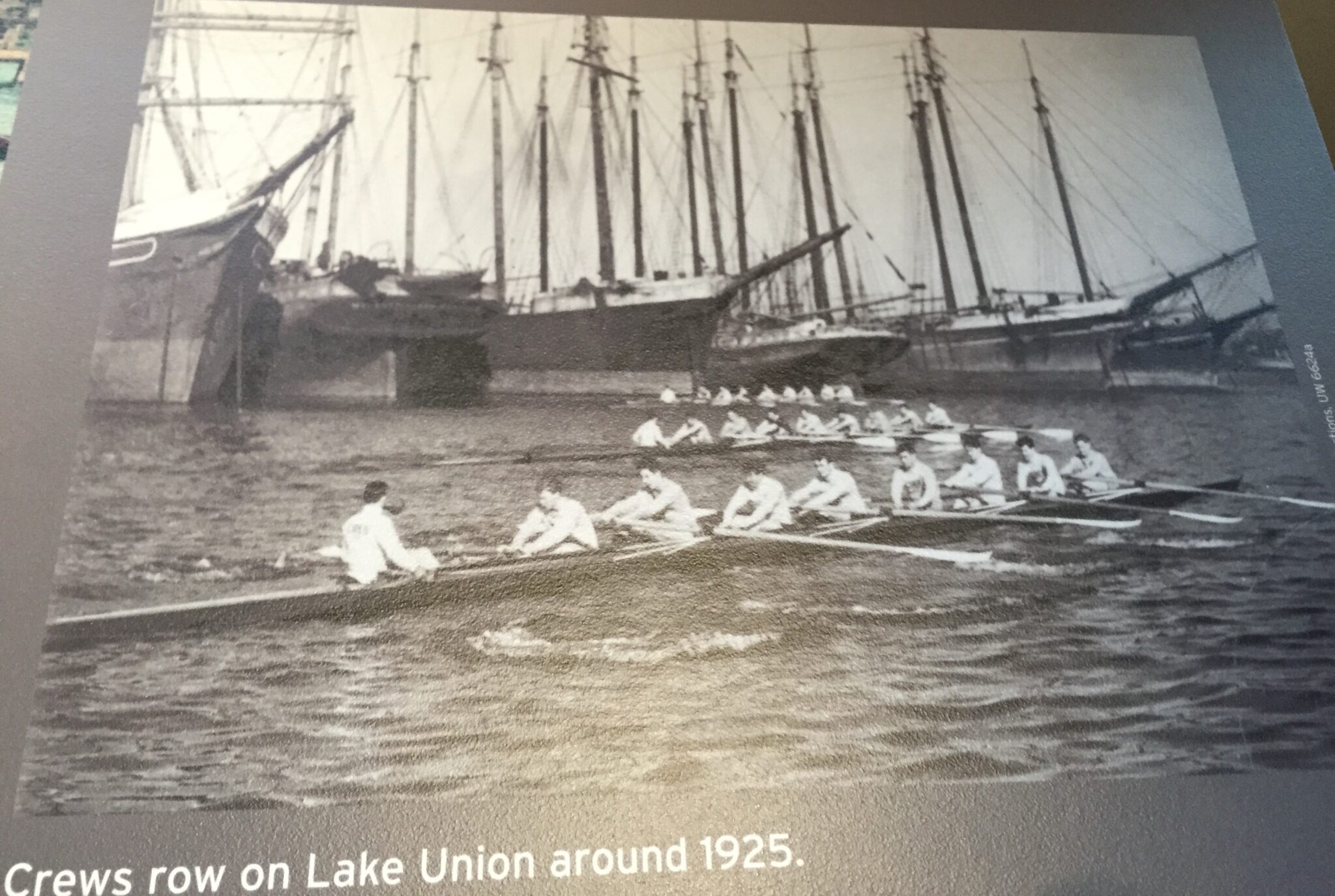
UW’s men’s crew surged to national prominence in the 1920s and 1930s, culminating in the legendary 1936 Olympic gold medal in Berlin — the “Boys in the Boat.” Their training on Lake Washington, often in brutal winter conditions, forged a culture of toughness and unity.
Cal: The Southern Counterweight
Cal, meanwhile, was building its own dynasty. Under coach Ky Ebright, the Golden Bears won Olympic gold in 1928, 1932, and 1948, establishing themselves as the West Coast’s other superpower. Their rivalry with Washington became the backbone of collegiate rowing on the Pacific Coast.
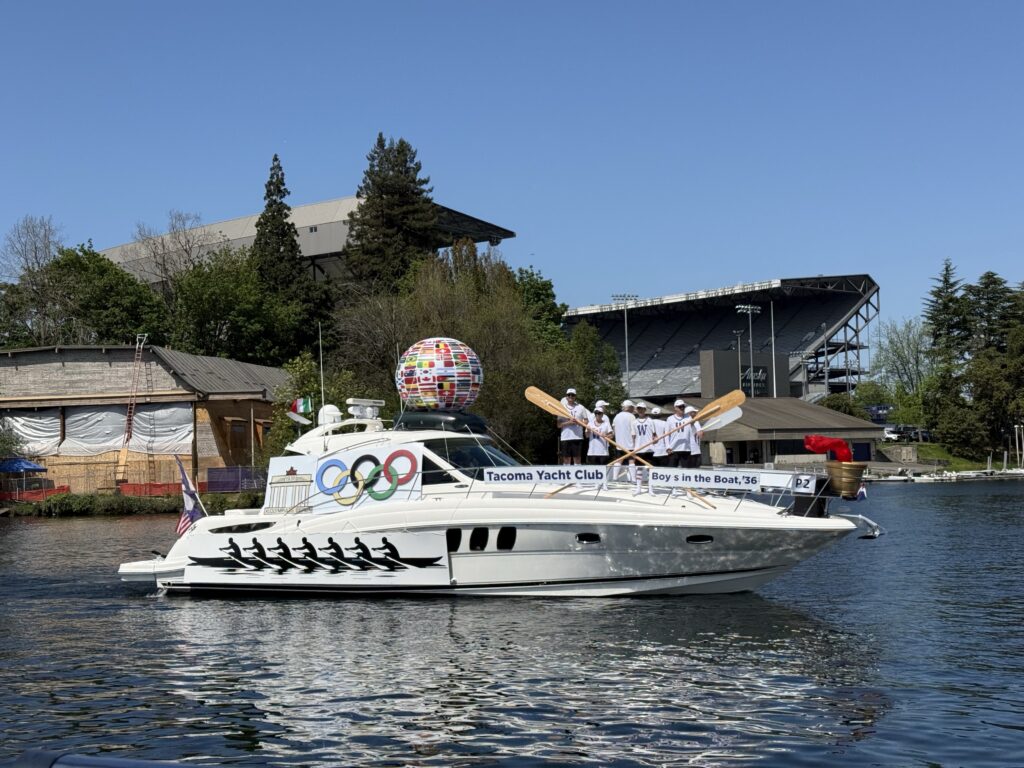
For decades, the two programs traded national titles, Olympic berths, and West Coast supremacy. Their annual dual race became one of the most intense traditions in American sport.
Yet despite this rich rowing culture, Opening Day remained primarily a boating parade — until the 1970s.
III. Rowing Joins Opening Day (1970s)
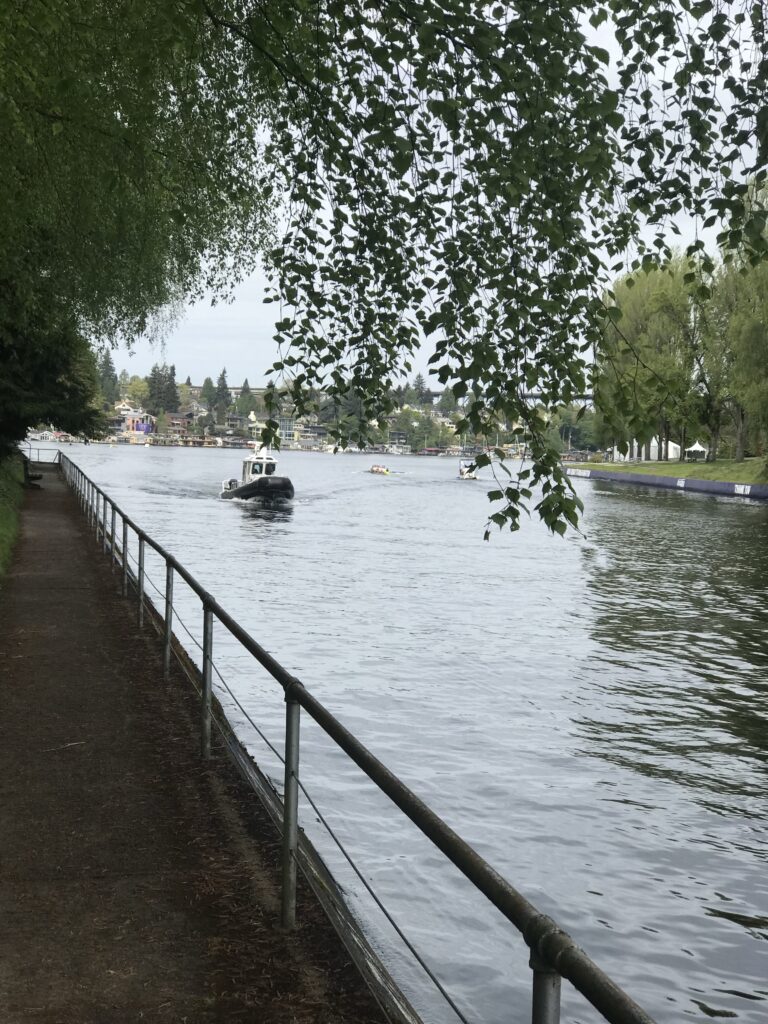
As Seattle grew, so did interest in showcasing its athletic identity. The University of Washington and Seattle Yacht Club began collaborating to add intercollegiate rowing races to Opening Day. The Montlake Cut — narrow, loud, and lined with spectators — proved to be a perfect amphitheater.
Washington and Cal both raced Opening Day events during this era, often using the regatta as a tune‑up for their annual dual. The presence of Cal added prestige and competitive fire, reinforcing the West Coast’s dominance in collegiate rowing.
Still, the event was regional. That would change dramatically in 1987.
IV. The Windermere Cup Revolution (1987)
The transformation came when Windermere Real Estate partnered with UW to elevate Opening Day into an international rowing showcase. Their idea was bold: invite the world’s best crews to race Washington on home water.
The inaugural guest?
The Soviet Union, the most dominant rowing nation of the era.
The race was electric. The Soviets edged Washington in a dramatic finish that drew enormous crowds and national attention. The event was christened the Windermere Cup, and Opening Day was reborn as a global regatta.
Seattle Yacht Club remained the ceremonial and logistical anchor — running the parade, coordinating maritime traffic, and hosting dignitaries — while Windermere and UW brought the world to the Cut.
V. The International Era (1990s–2010s)
Over the next three decades, the Windermere Cup became one of the premier single‑day rowing events in the world.
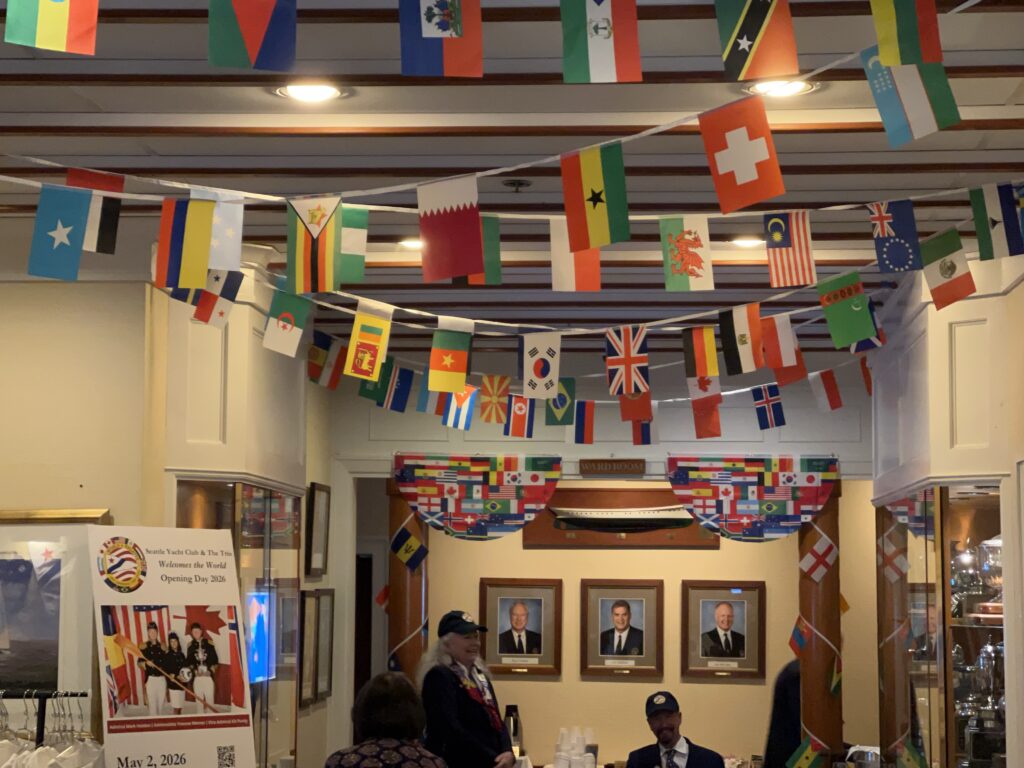
International Crews Arrive
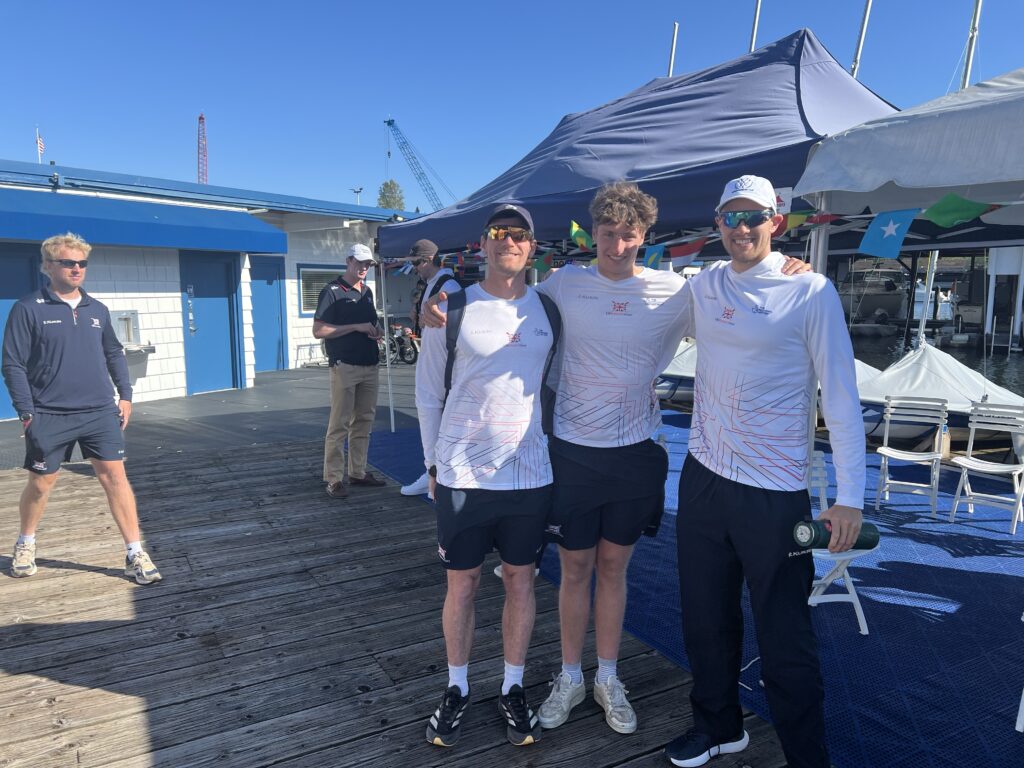
Germany, Italy, China, Australia, New Zealand, Great Britain, the Netherlands — Olympic and World Championship crews came to Seattle to test themselves against Washington.
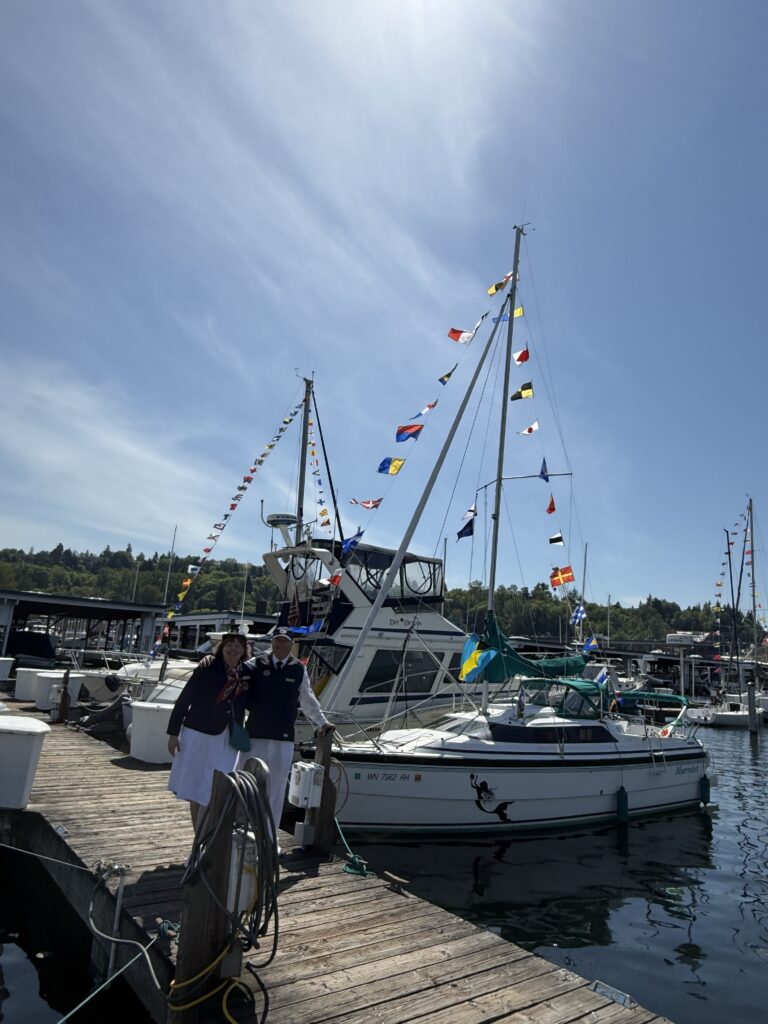
Cal’s Role in the Modern Era
Although Cal was not the annual invited international crew, the Golden Bears remained central to the West Coast rowing landscape:
- Cal often raced in the Cascade Cup or other Opening Day events.
- Cal athletes frequently appeared in international lineups representing their home countries.
- The Washington–Cal rivalry shaped the competitive standard that made the Windermere Cup possible.
- Many Cal alumni rowed in the very international crews invited to the Cup.
In a very real sense, the Windermere Cup is built on the foundation of West Coast rowing excellence — a foundation Washington and Cal created together.
VI. The Montlake Cut Becomes Legendary
By the 2000s, Opening Day had become a uniquely Seattle phenomenon:
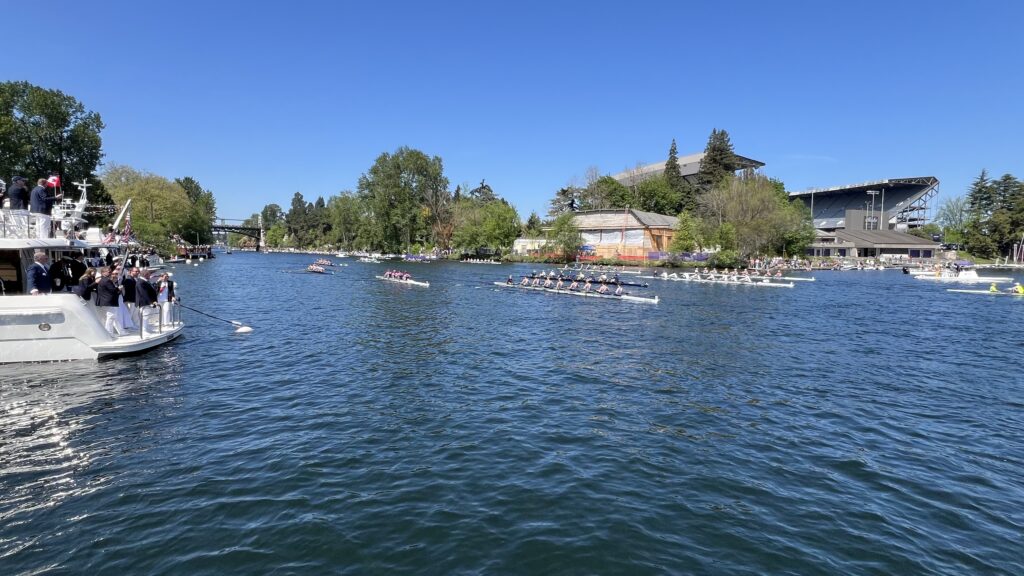
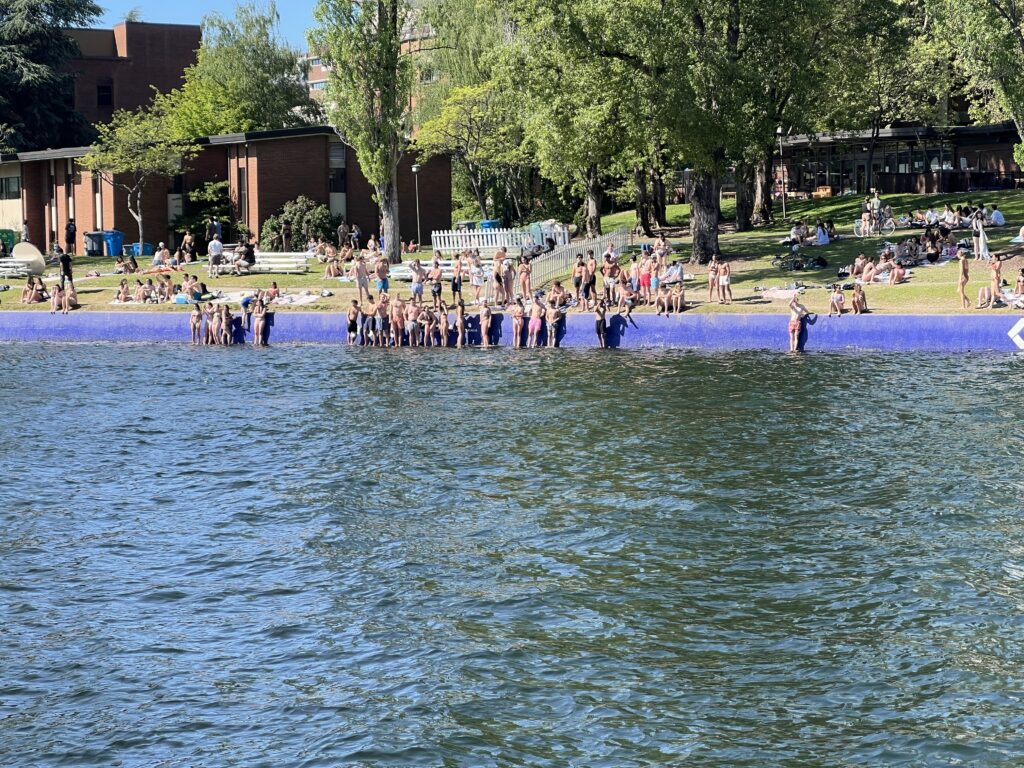
- Tens of thousands of fans lined the Cut.
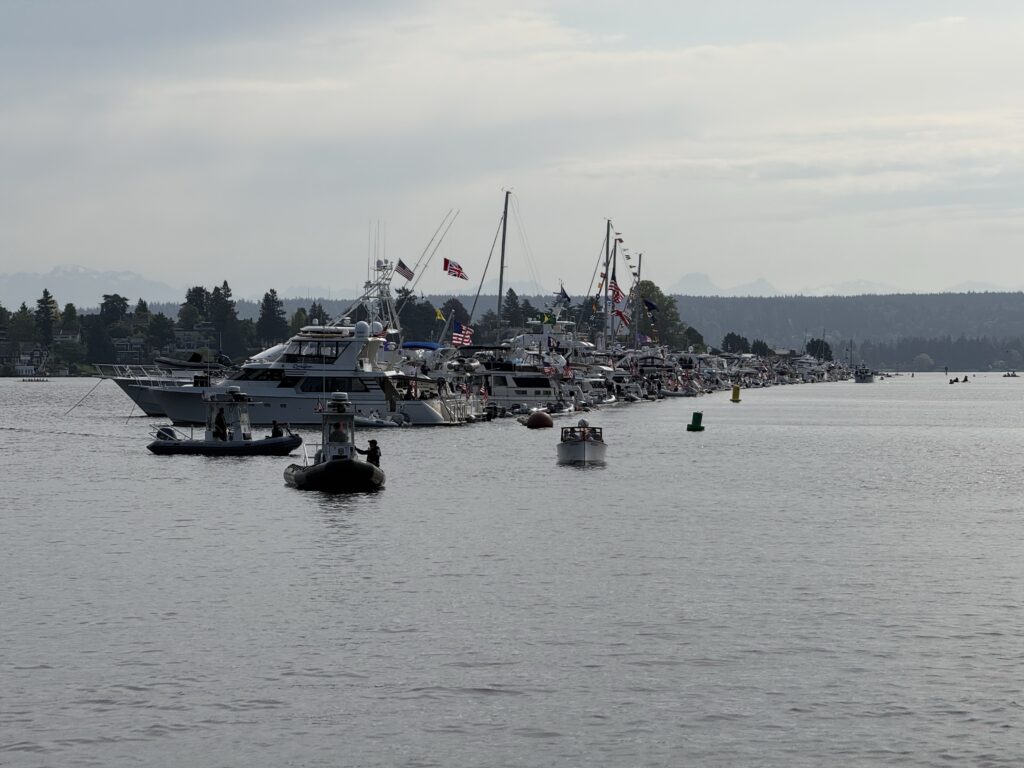
- Boats packed the log boom, turning the lake into a floating stadium.
- The roar of the crowd echoed off the concrete walls as shells sprinted toward the finish.
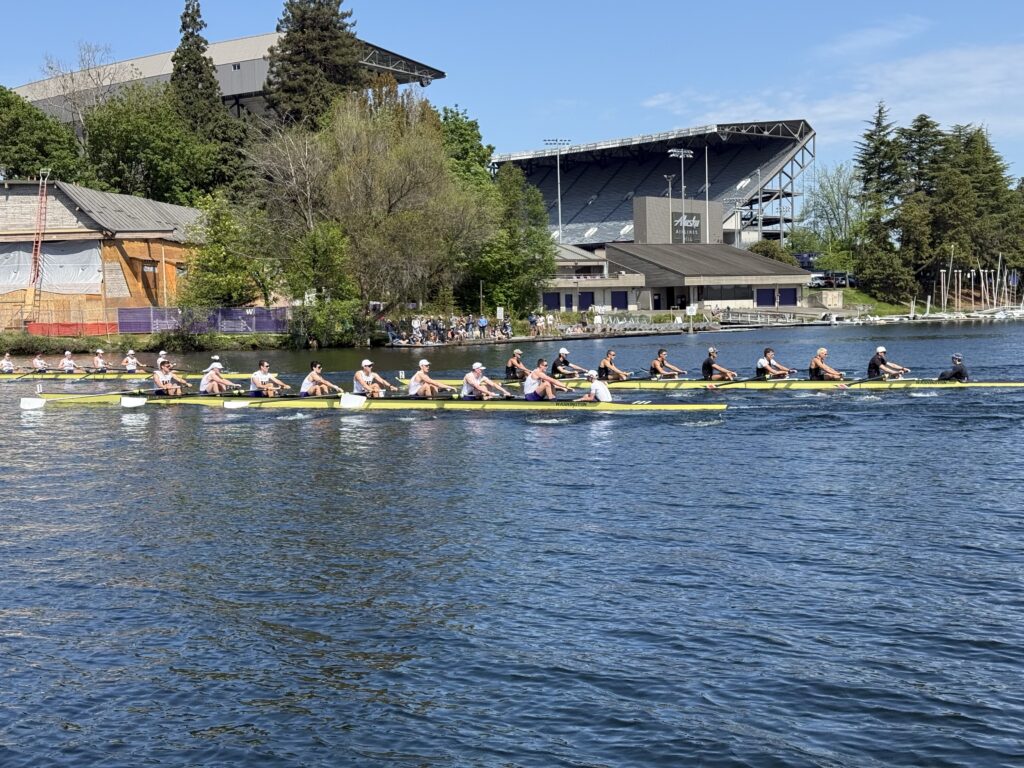
The Cut became one of the most iconic venues in rowing — a place where collegiate crews could feel like Olympians for a day.
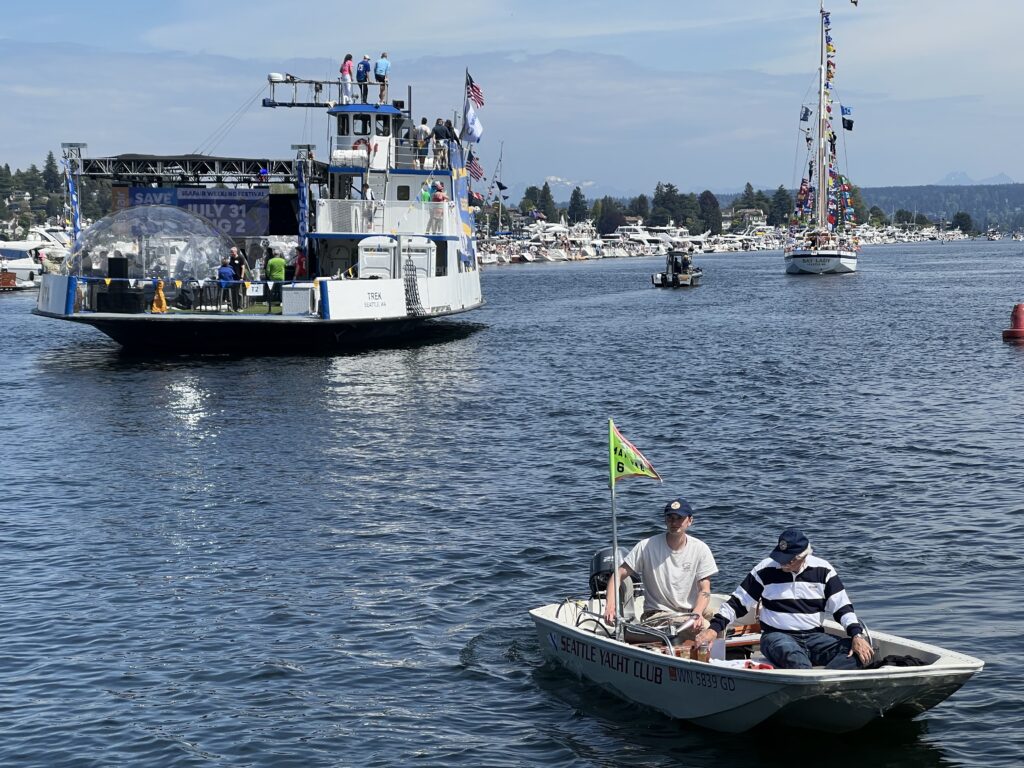
VII. The Modern Windermere Cup (2010s–2026)
The event continued to grow:
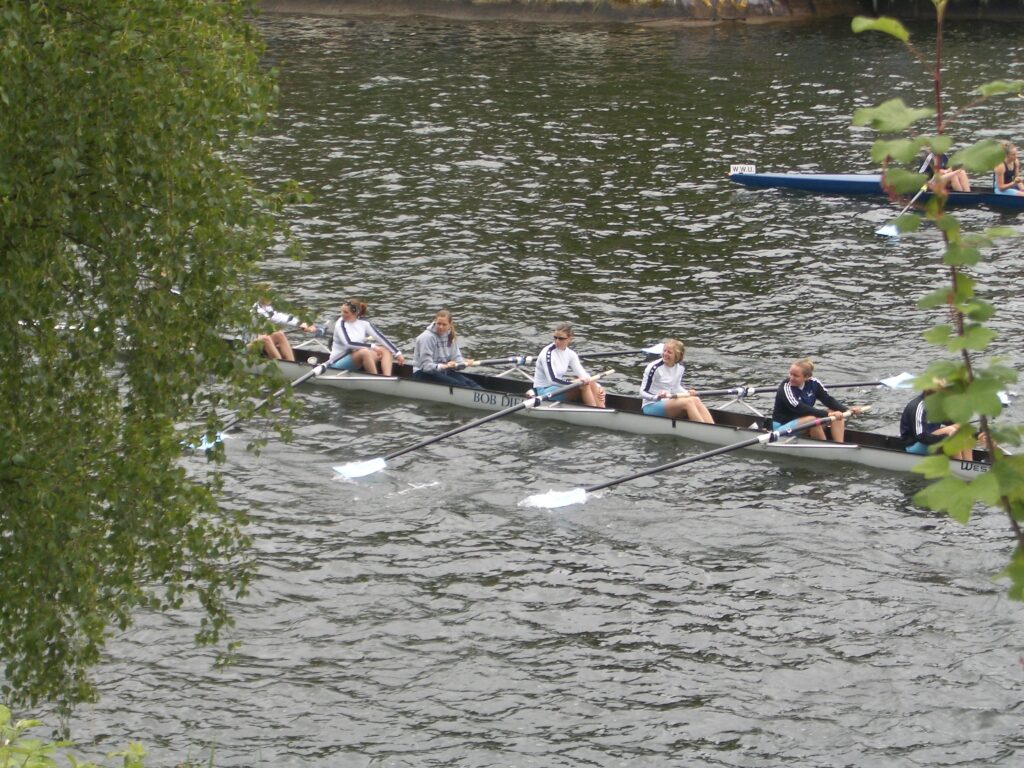
- The UW women, under Yasmin Farooq, became a national powerhouse.
- The men’s team remained one of the top programs in the world.
- International crews continued to bring Olympic‑level speed.
- Seattle Yacht Club preserved the pageantry and tradition of Opening Day.
- Windermere expanded the event’s global reach and community impact.
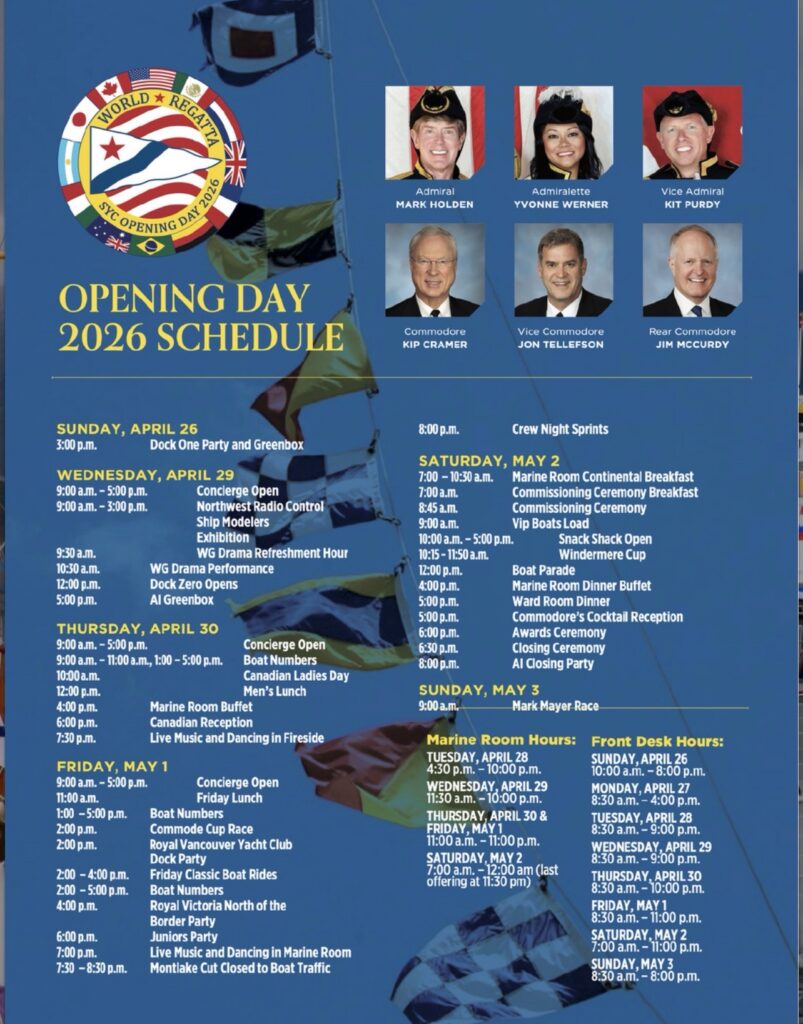
By 2026, the Windermere Cup was not just a regatta — it was a cultural institution.
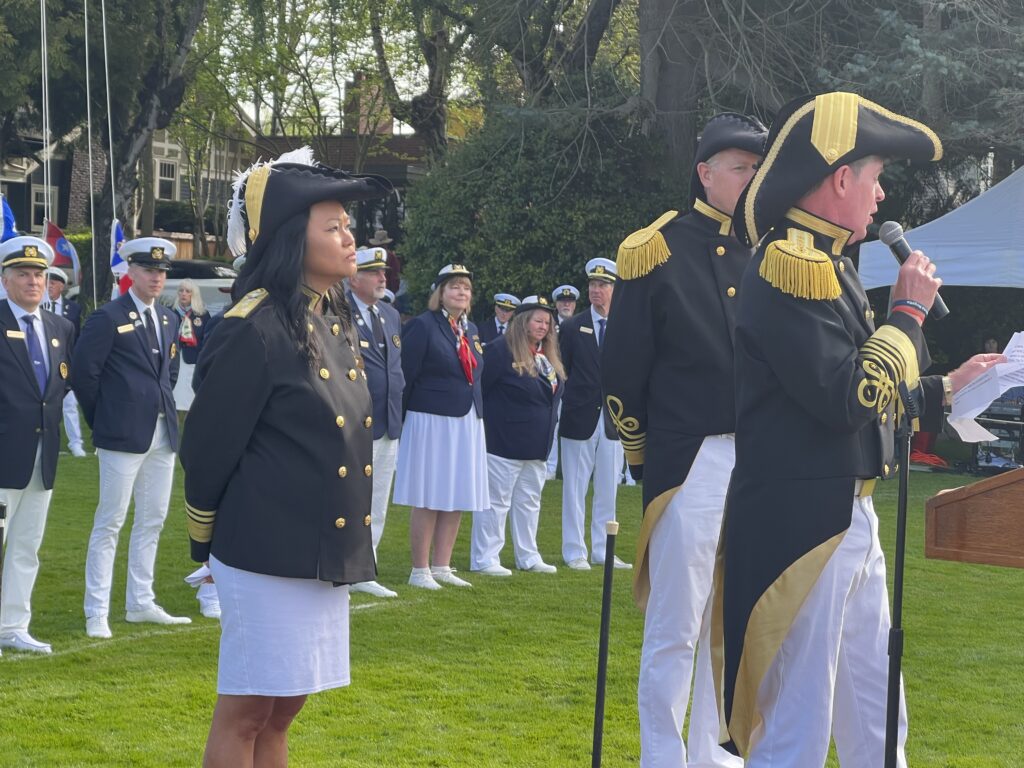
⚓ Seattle Yacht Club: The Stewards of Tradition
Throughout this entire history, the Seattle Yacht Club has been the quiet force holding Opening Day together.
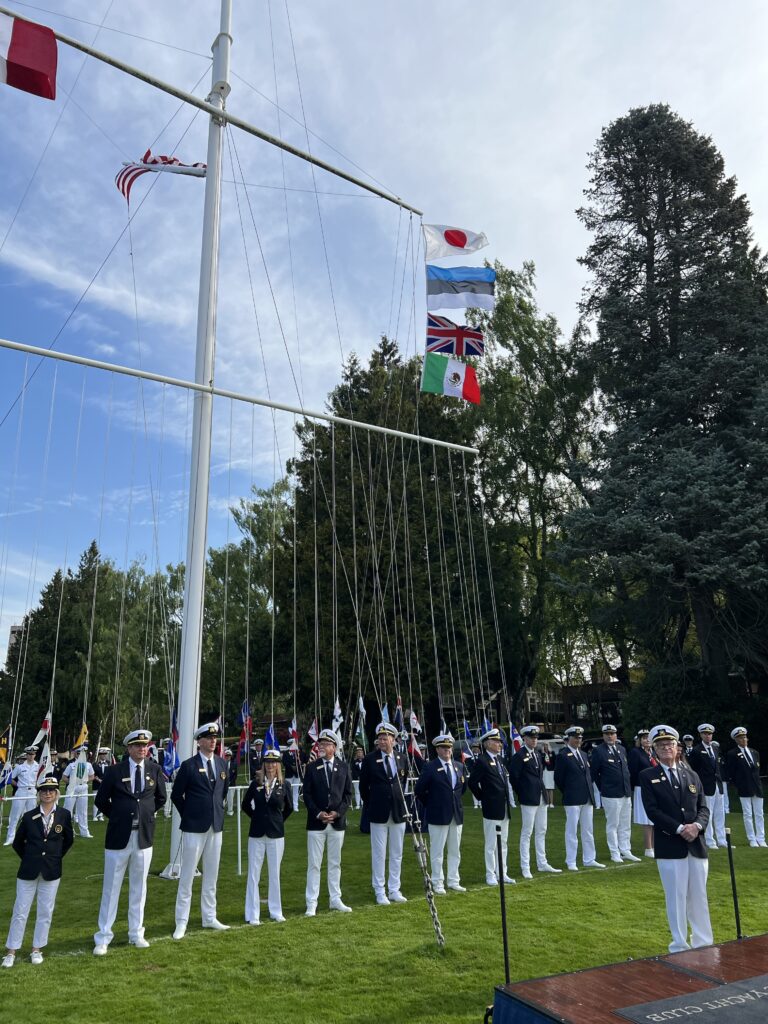
They are responsible for:
- Creating Opening Day in 1913
- Running the boat parade
- Managing maritime logistics and safety
- Hosting international crews and dignitaries
- Maintaining the ceremonial and historical continuity of the event
Without SYC, there is no Opening Day.
Without Opening Day, there is no Windermere Cup.
Cal Rowing’s Place in the Story
Cal’s role in this narrative is essential:
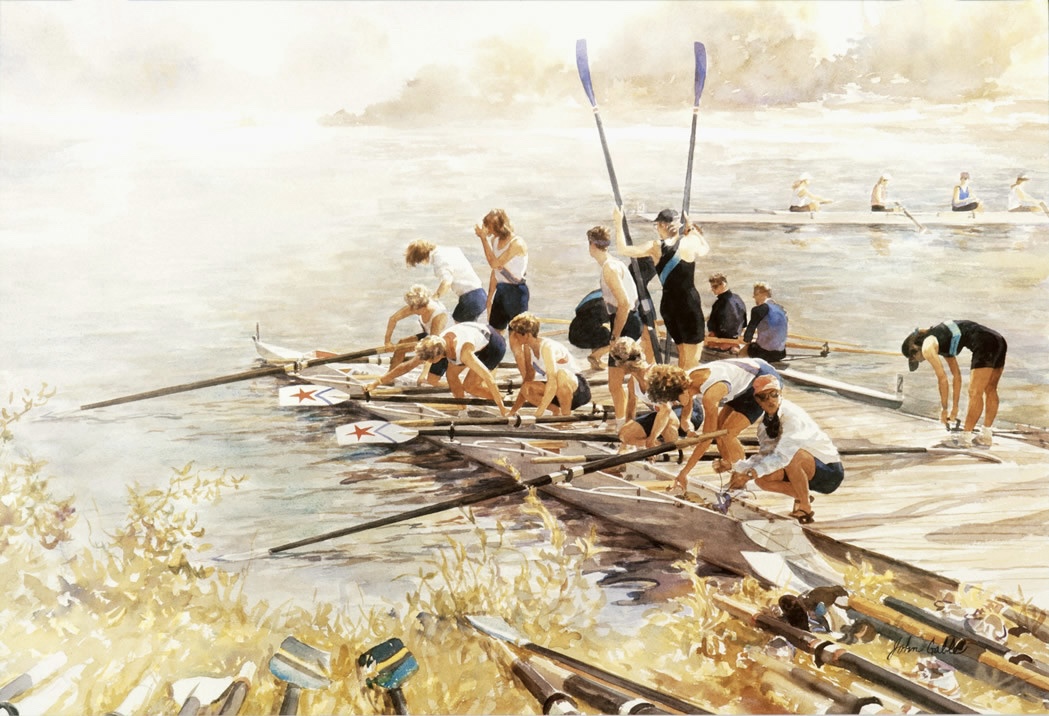
- They are Washington’s greatest rival — iron sharpening iron.
- Their Olympic legacy rivals UW’s, elevating West Coast rowing to global prominence.
- Their athletes and coaches have shaped international rowing for a century.
- Their presence in Opening Day races helped legitimize the event before it became international.
- Their competitive excellence helped create the environment that made the Windermere Cup possible.
The Windermere Cup is a celebration of global rowing — but its roots are firmly planted in the rivalry between Washington and Cal.
Conclusion: A Tradition Forged by Water, Rivalry, and Community
The Windermere Cup is the product of three forces:
- Seattle Yacht Club, the guardians of Opening Day
- University of Washington Rowing, the home team and perennial powerhouse
- Windermere Real Estate, the visionary sponsor that brought the world to Seattle
And woven through it all is the enduring presence of Cal rowing, the rival that helped define West Coast rowing excellence for more than a century.
Together, they created one of the most unique sporting traditions in the world — a fusion of maritime celebration, international sport, and Pacific Northwest culture.


