The Maria (HF 31) is one of the most historically valuable vessels in the Deutsches Museum’s marine collection — a wooden, two‑masted fishing ewer built in 1880–1881, and the oldest surviving example of its ship type. It spent 70 years in active North Sea service before becoming a museum exhibit in 1958.
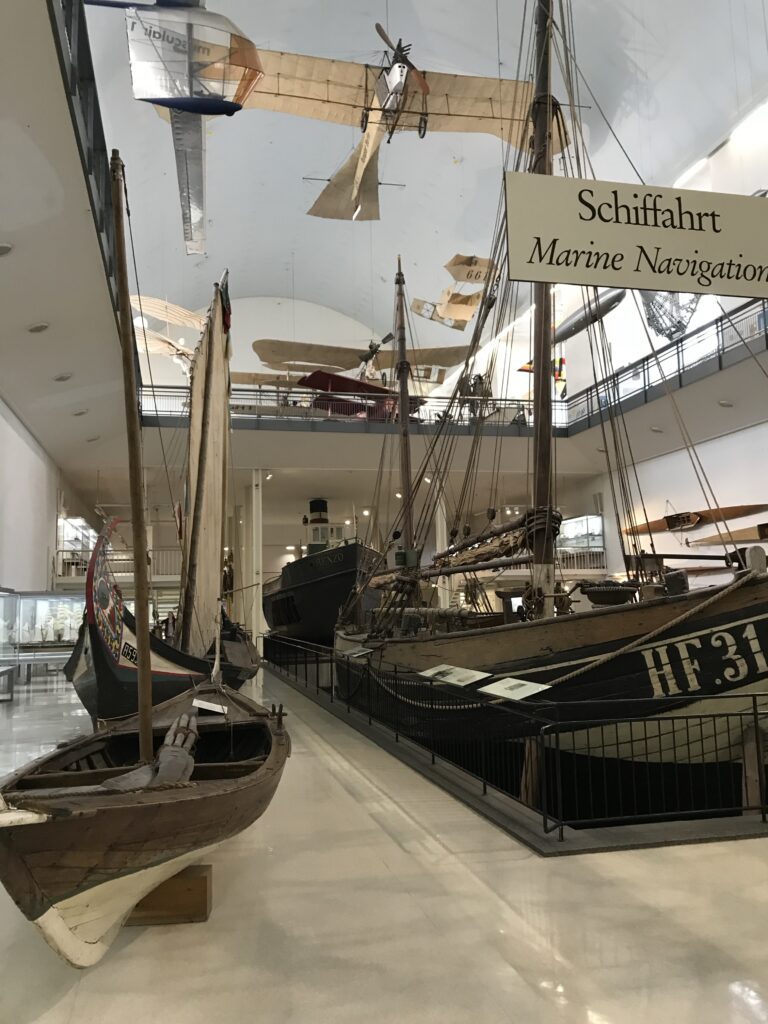
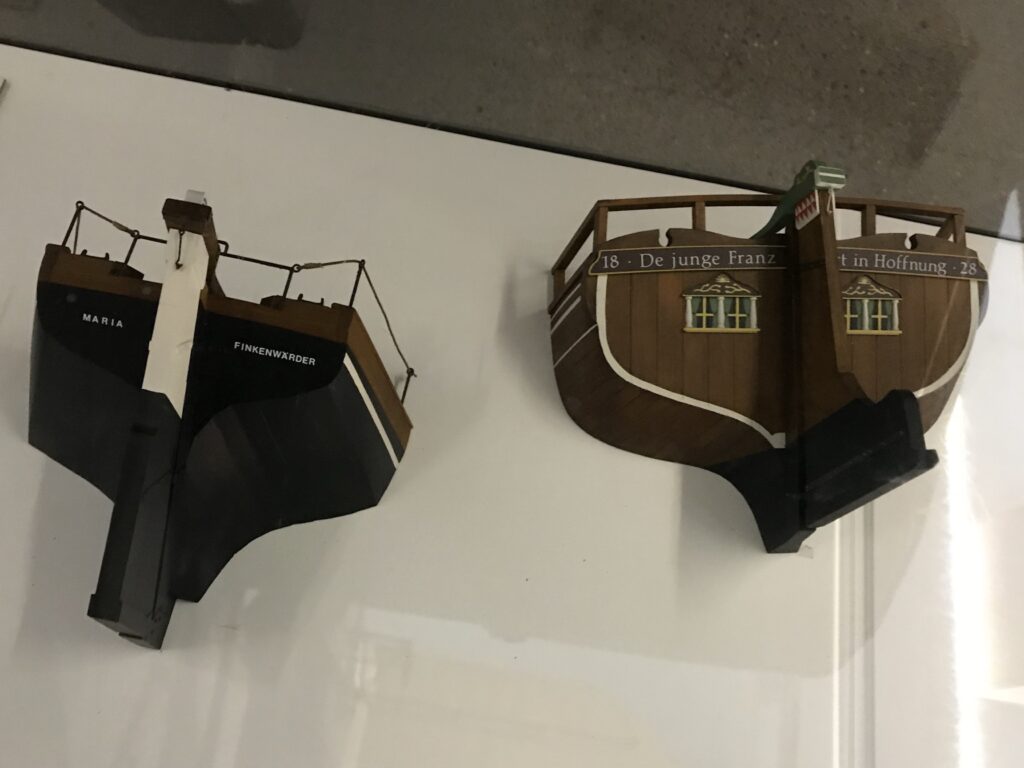
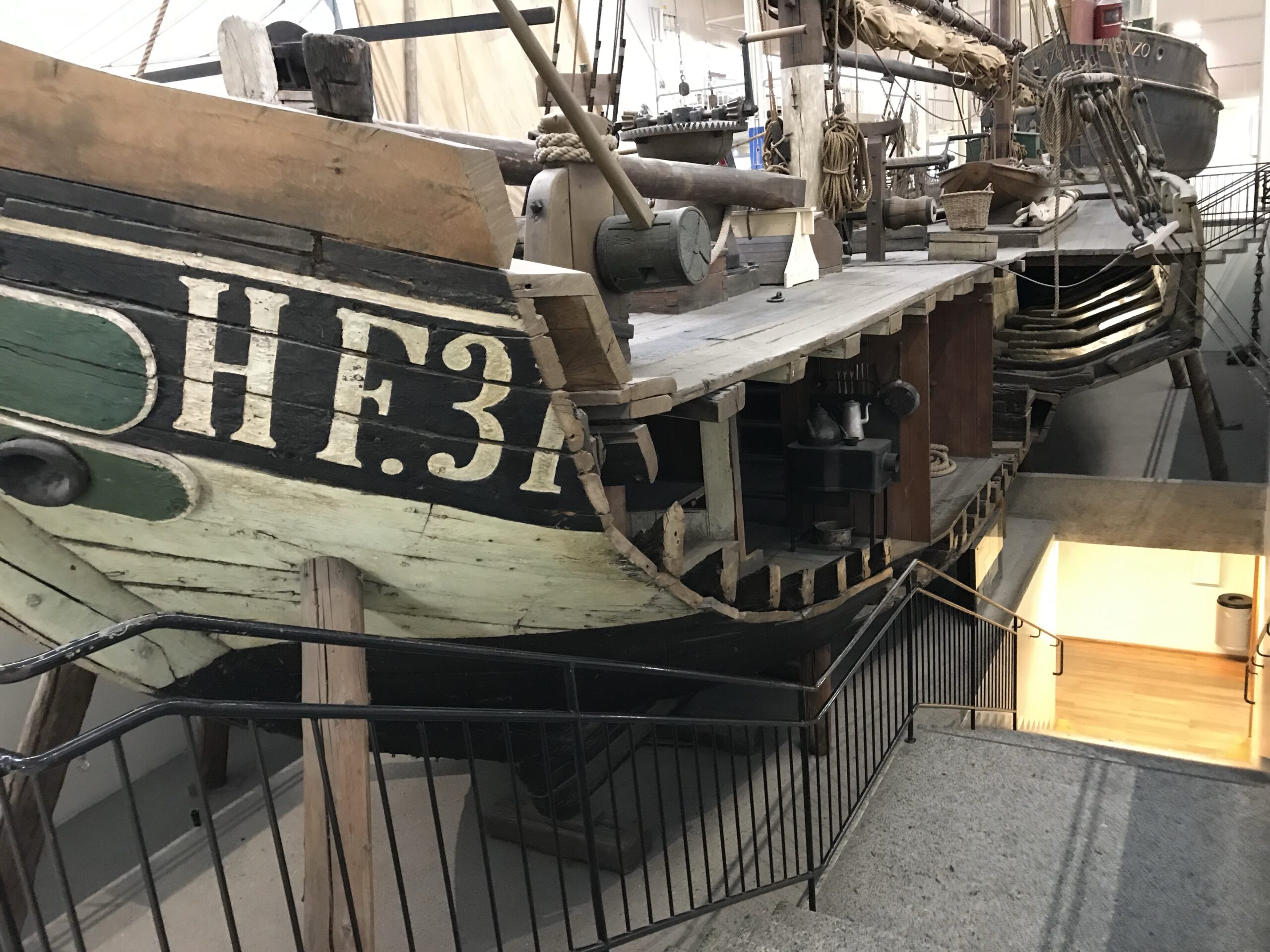
The Maria fishing boat is a traditional Finkenwerder fishing ewer, built at the H. Sietas shipyard in Cranz and registered in 1881. It operated from Finkenwerder (Hamburg) with the fishing number HF 31.
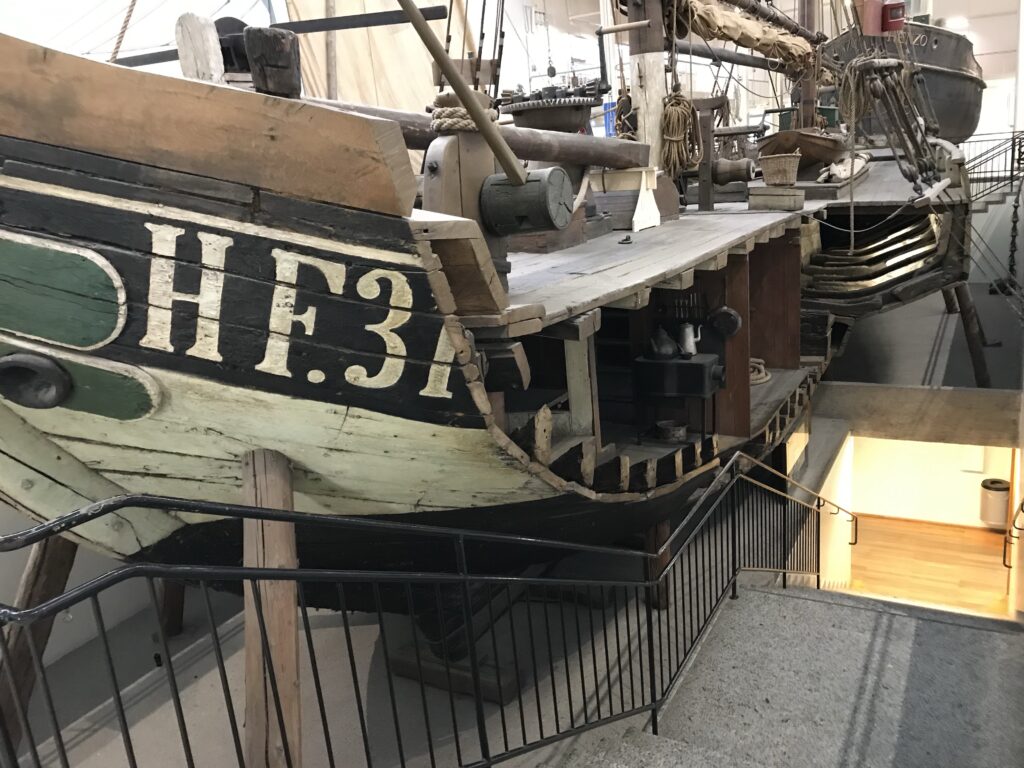
It is preserved today in the Deutsches Museum as a key example of pre‑industrial wooden shipbuilding and North Sea fishing culture.
Why the Maria is historically important
- Oldest surviving fishing ewer – No other vessel of this type from the 1880s remains in comparable condition.
- 70 years of continuous service — From 1881 to the 1950s, it fished for plaice and sole in the North Sea.
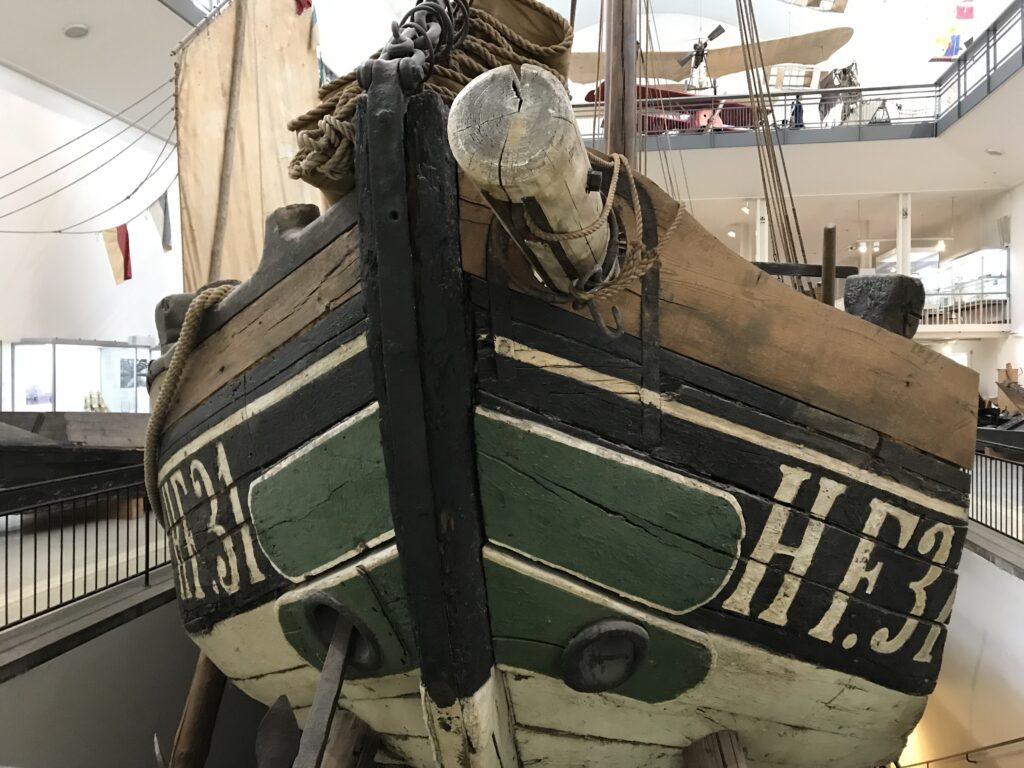
- Richly documented life – Accidents, ownership changes, and refits are unusually well recorded, making it a rare “complete” historical source.
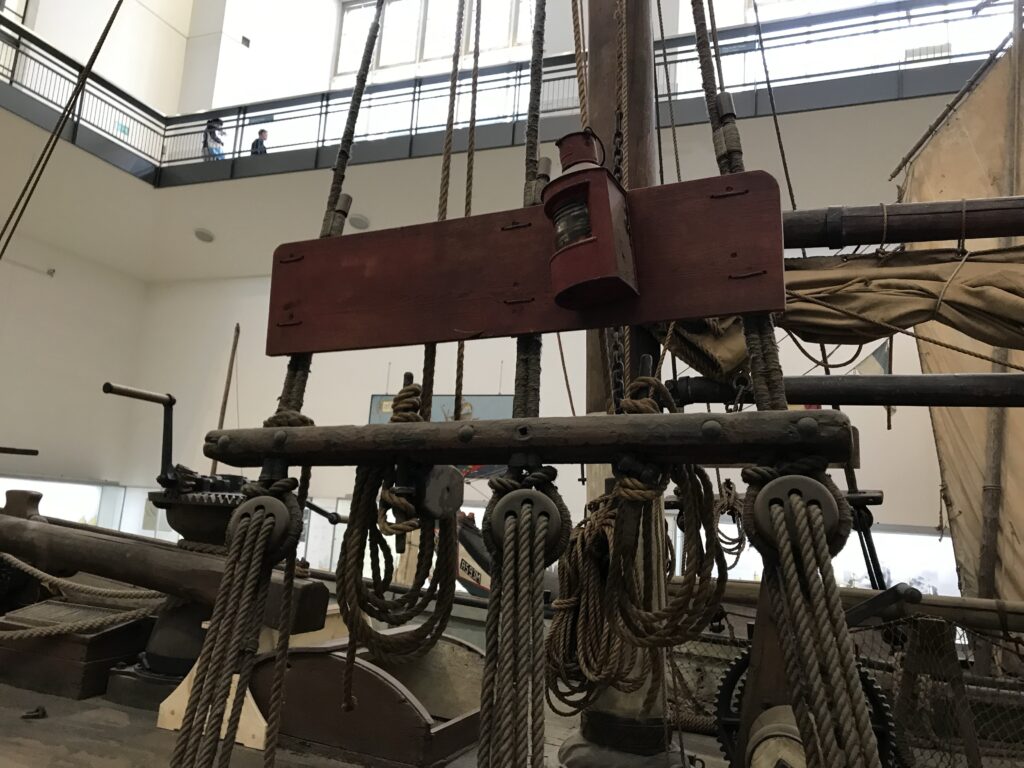
- Represents the evolution of fishing — It began as a pure sailing vessel and later adapted to industrialization pressures, reflecting the shift from sail to mechanized fishing.
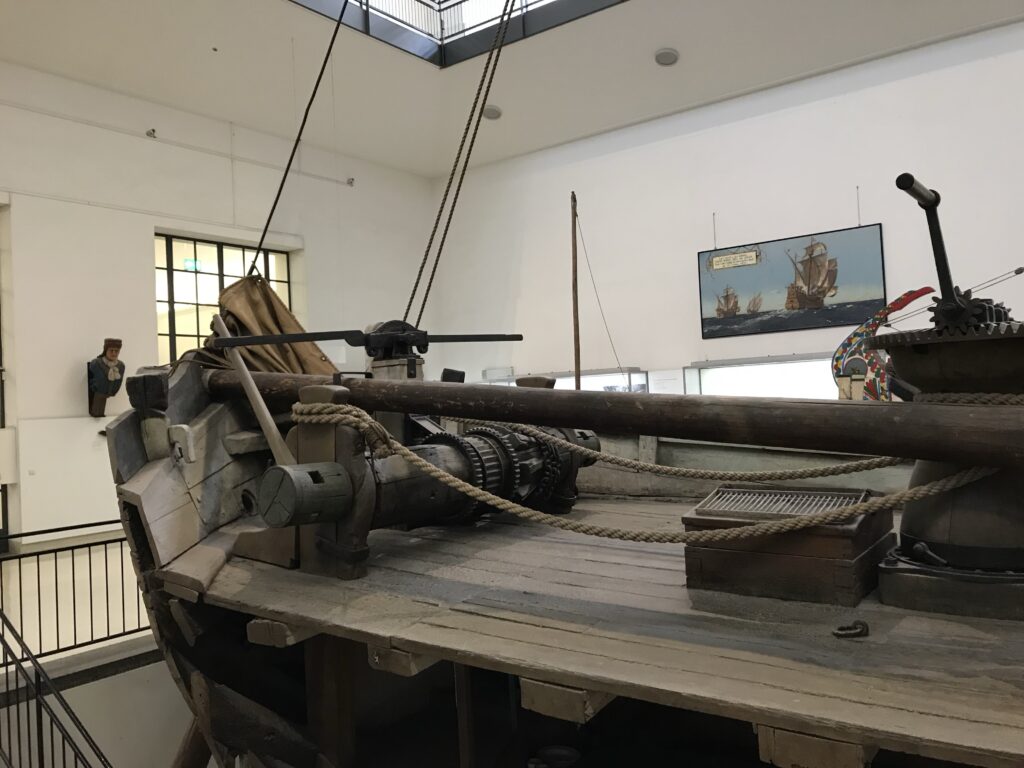
Cultural significance — Finkenwerder’s economy depended heavily on fishing; the Maria embodies that community’s working life.
Noteworthy features of the Maria
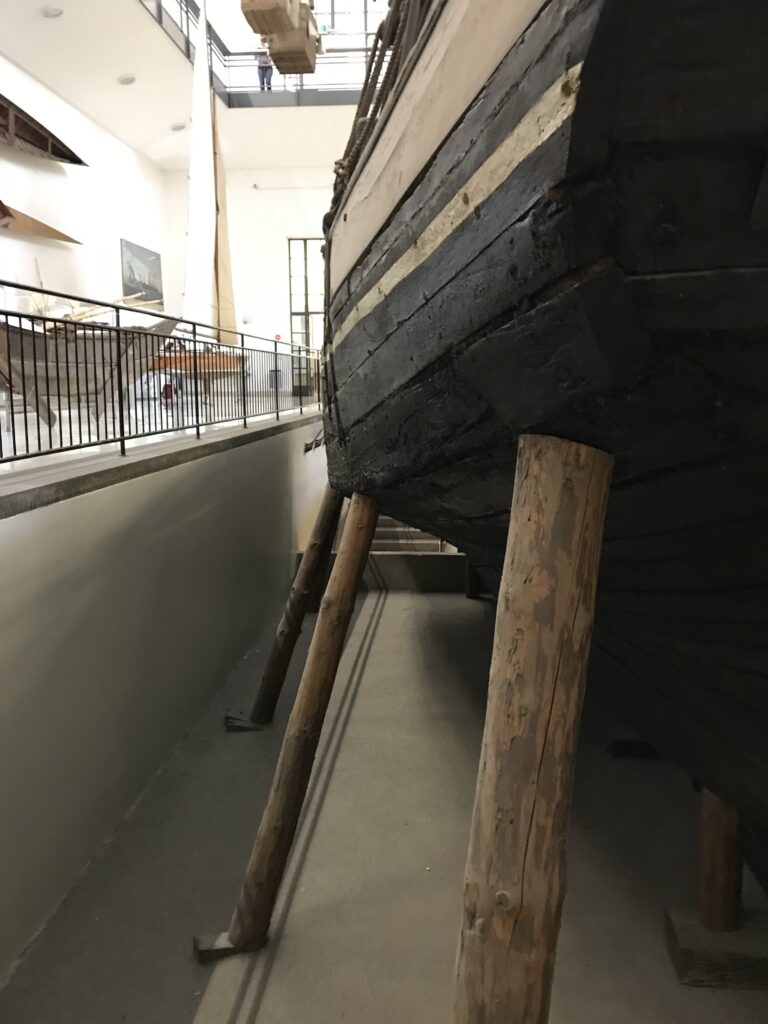
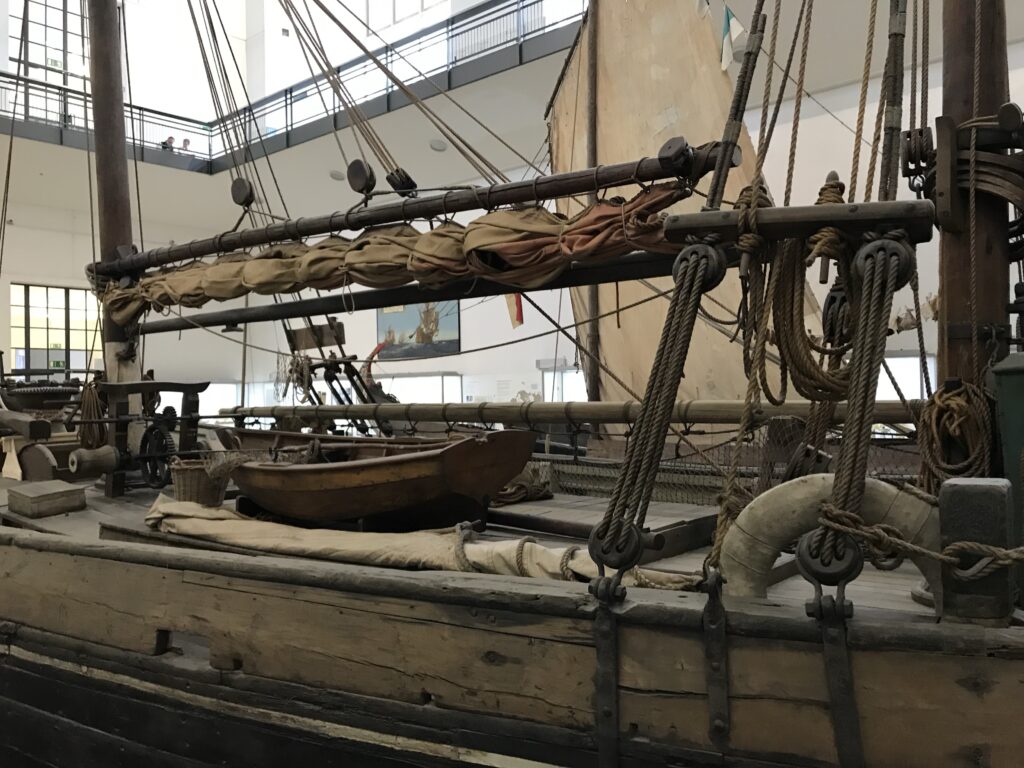
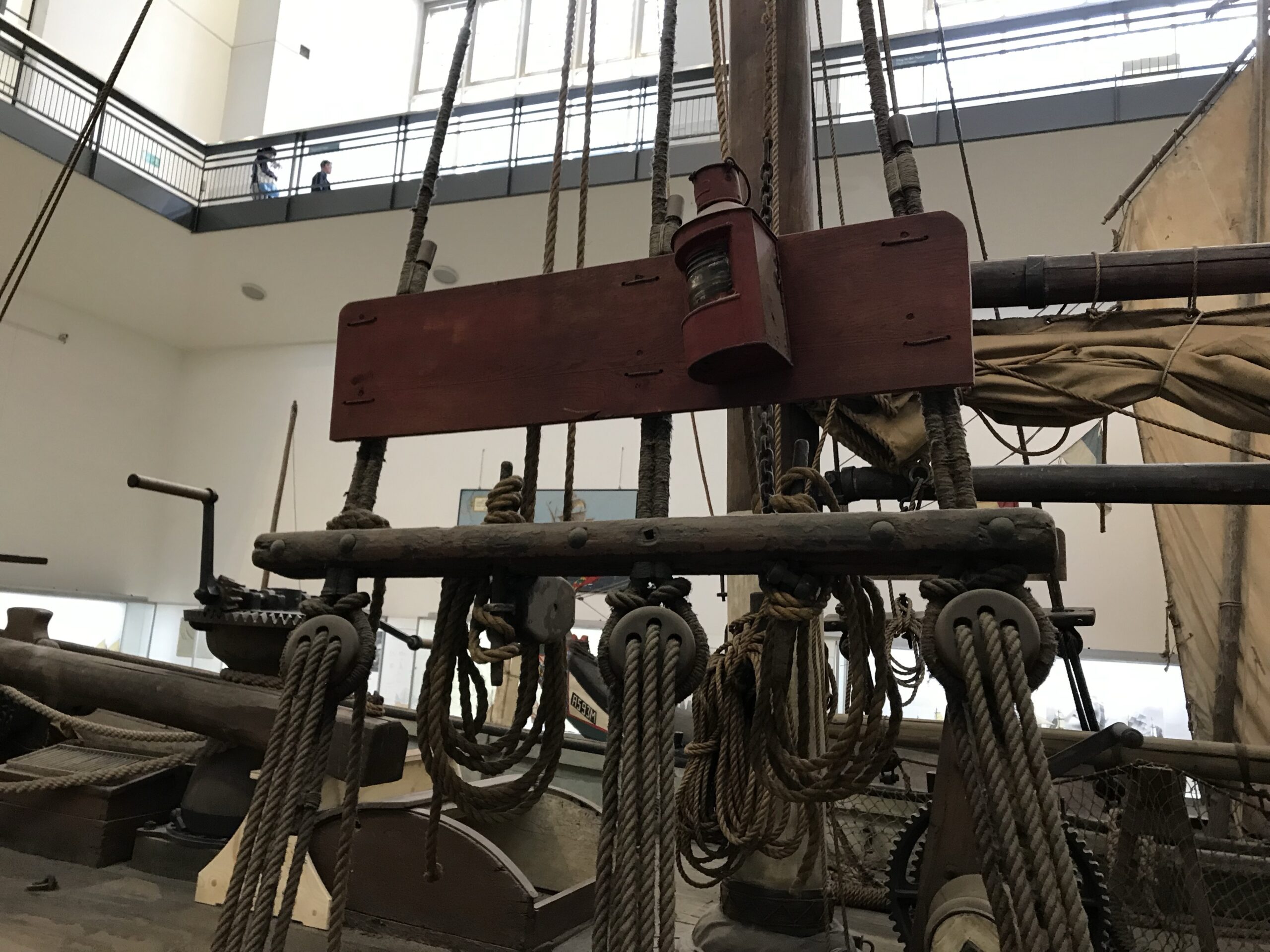
Traditional wooden hull construction
Built from locally available timber, showing the craftsmanship of small shipyards.
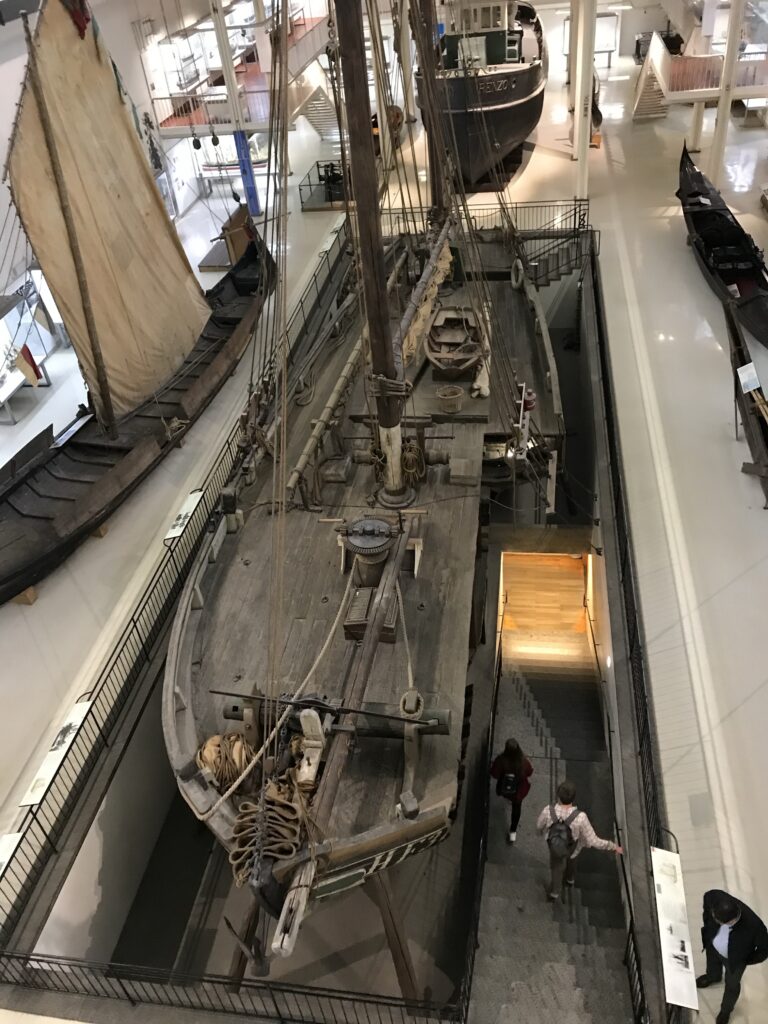
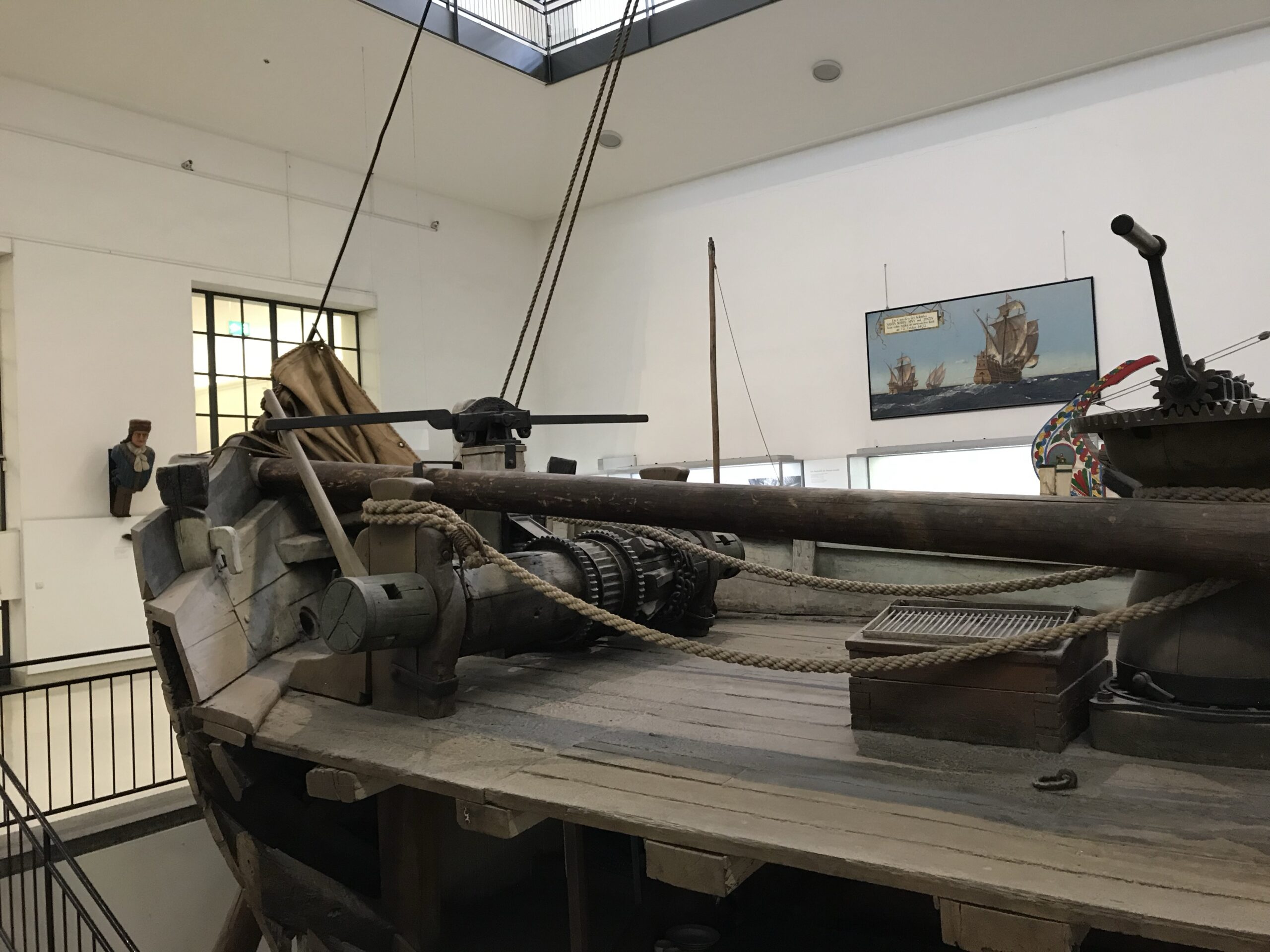
Compact working deck
Designed for hauling nets and traps, with minimal shelter – a reminder of the tough conditions fishermen faced.
Representative rather than luxurious
Unlike naval or merchant ships, Maria is valuable precisely because it is ordinary – a window into everyday maritime labor.
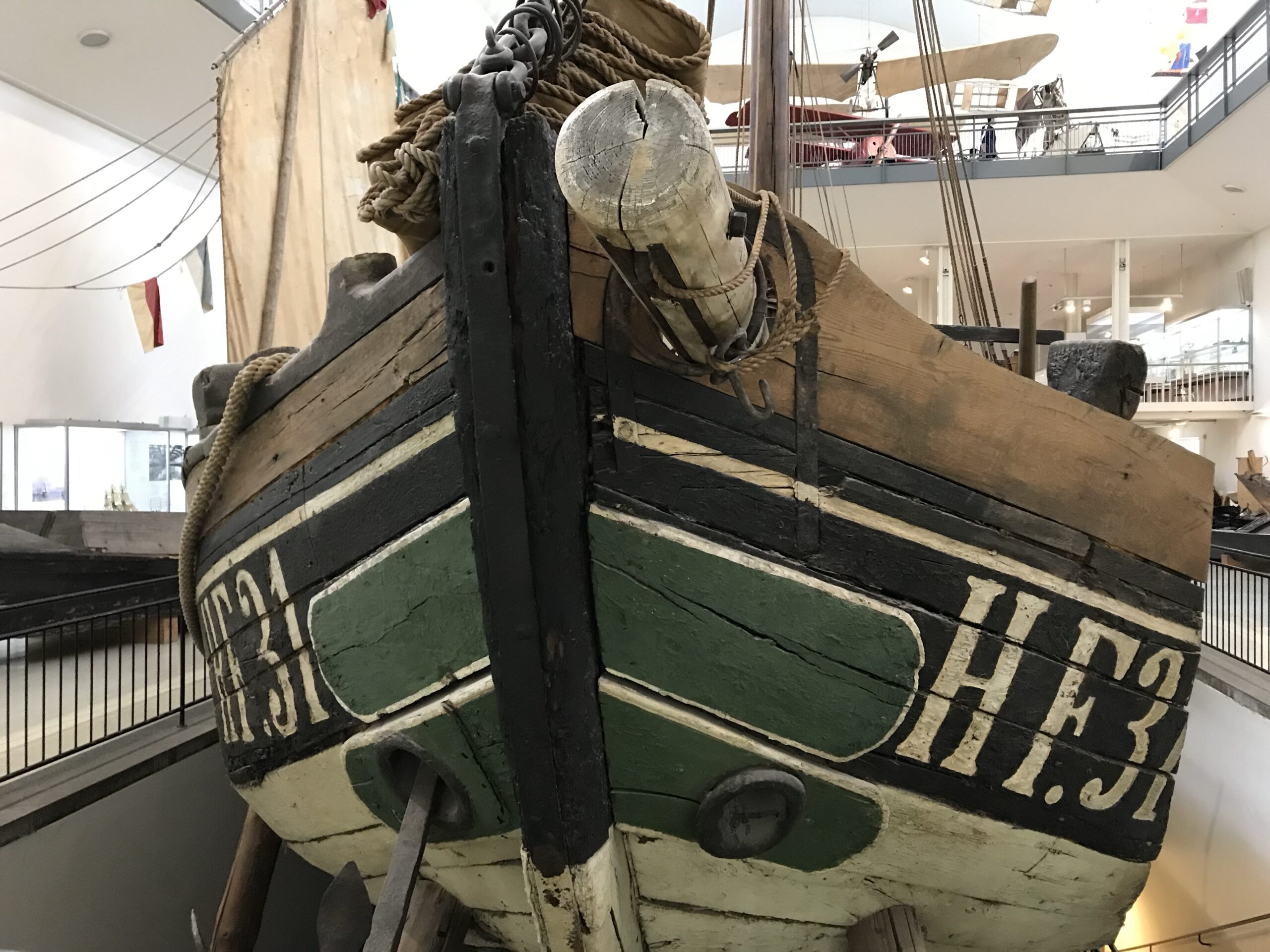
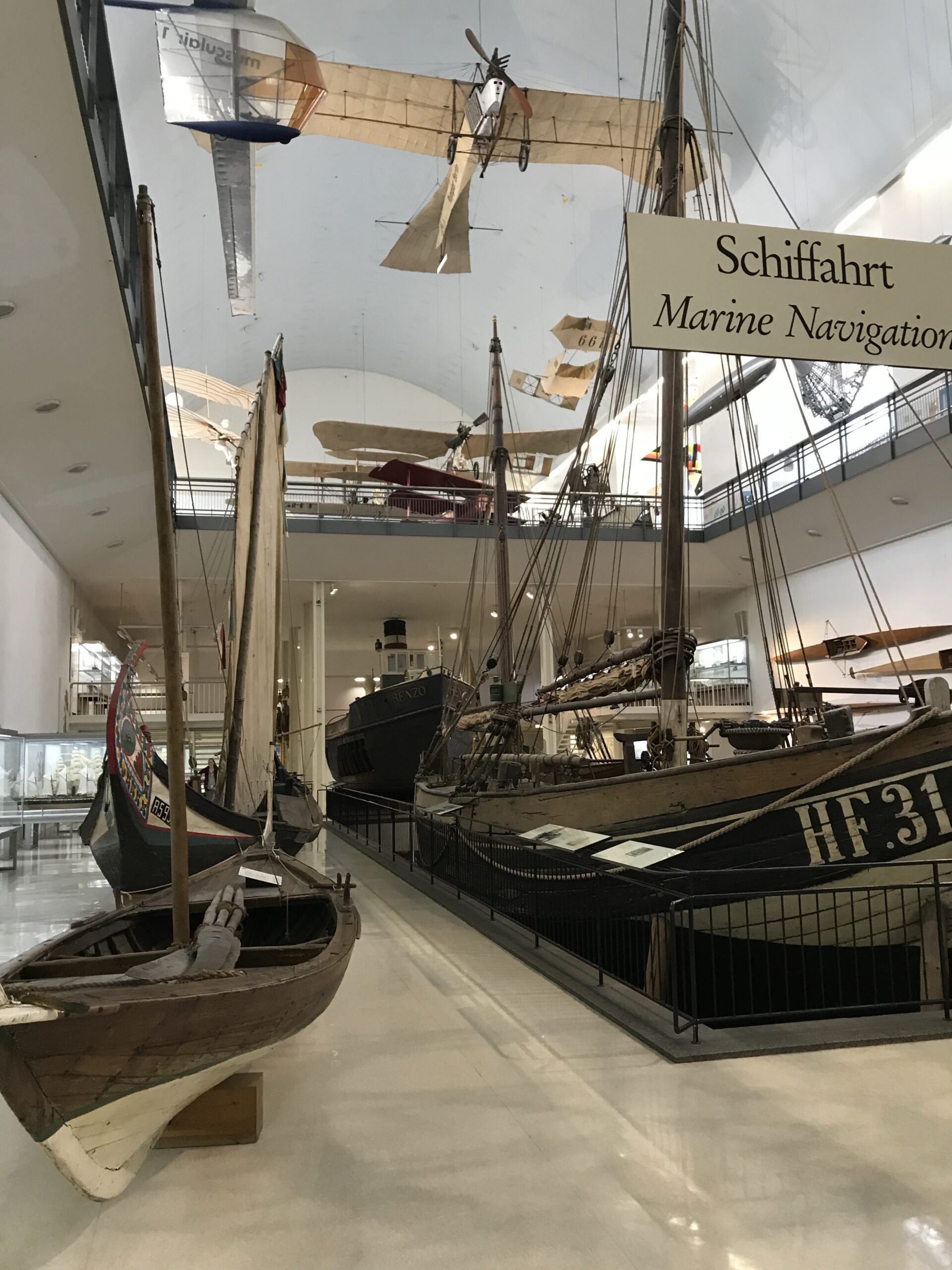
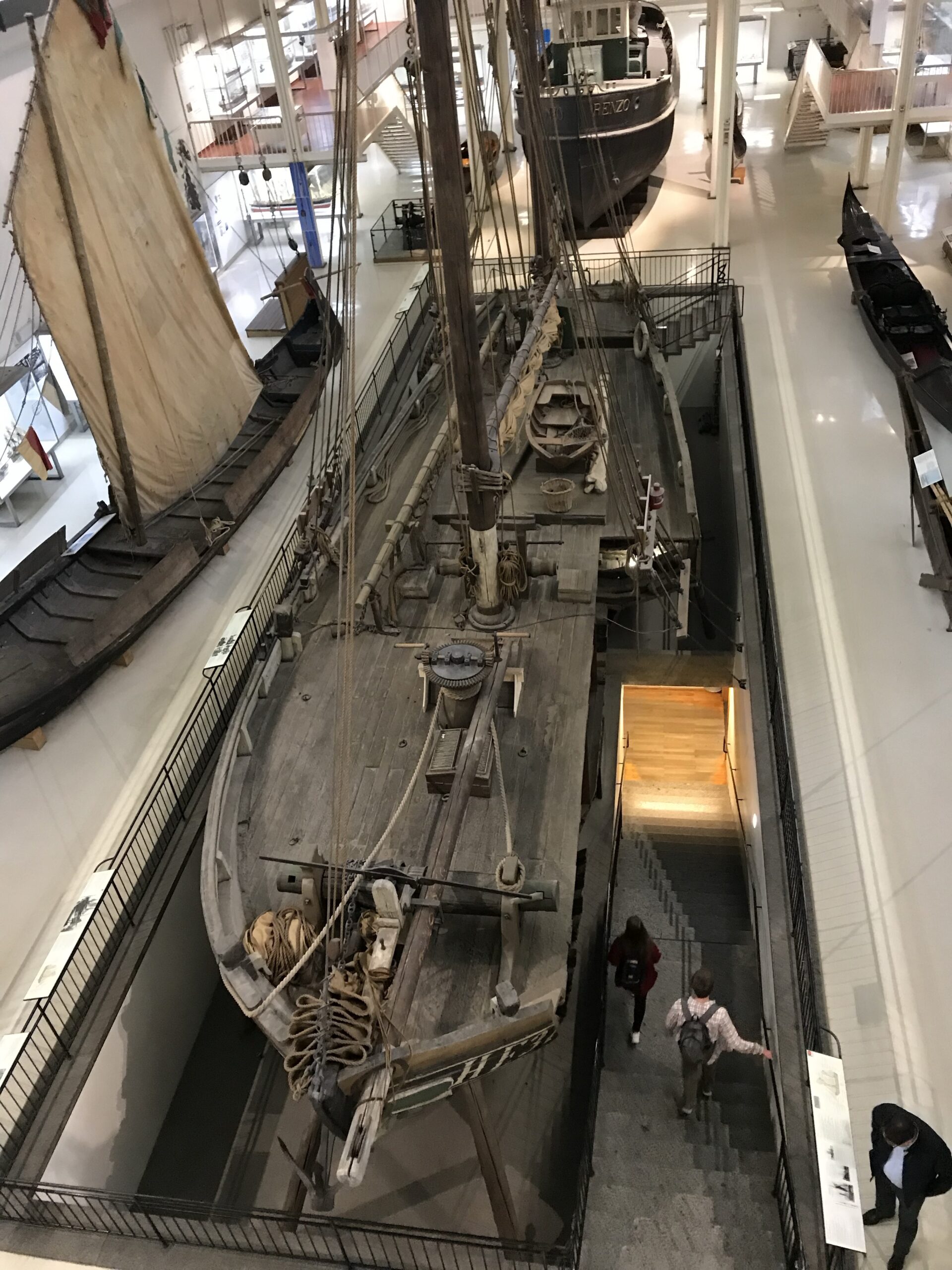
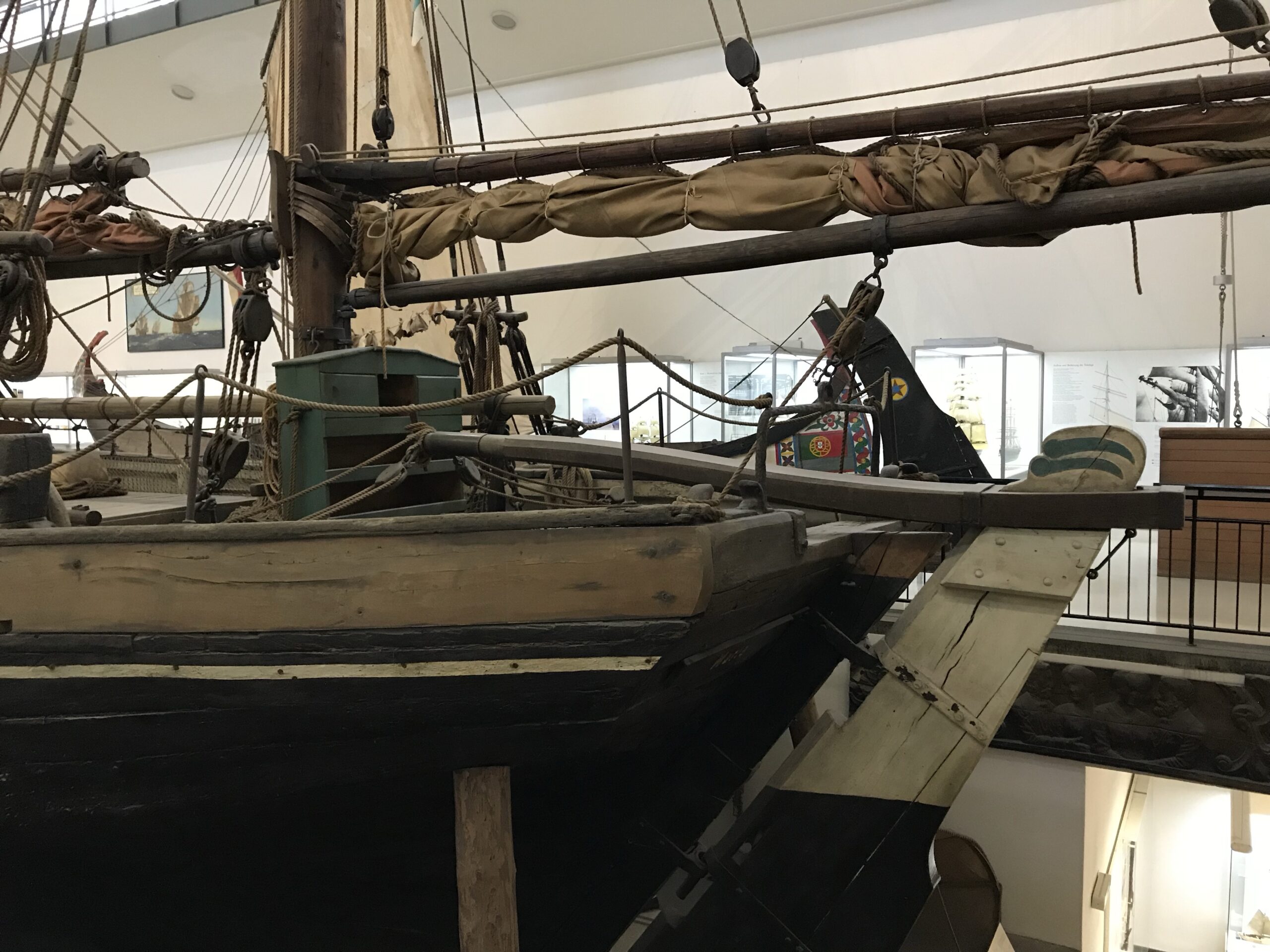
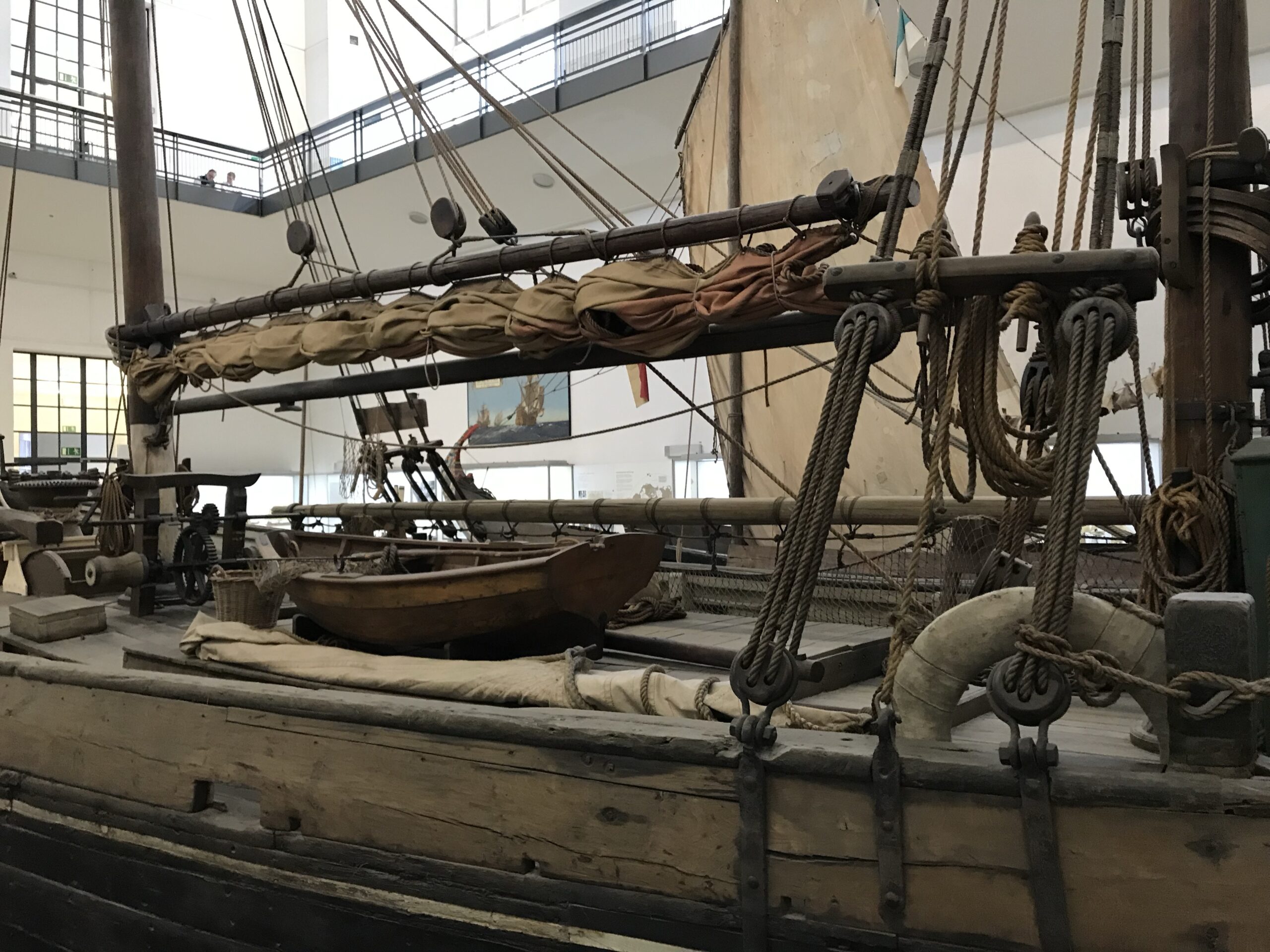
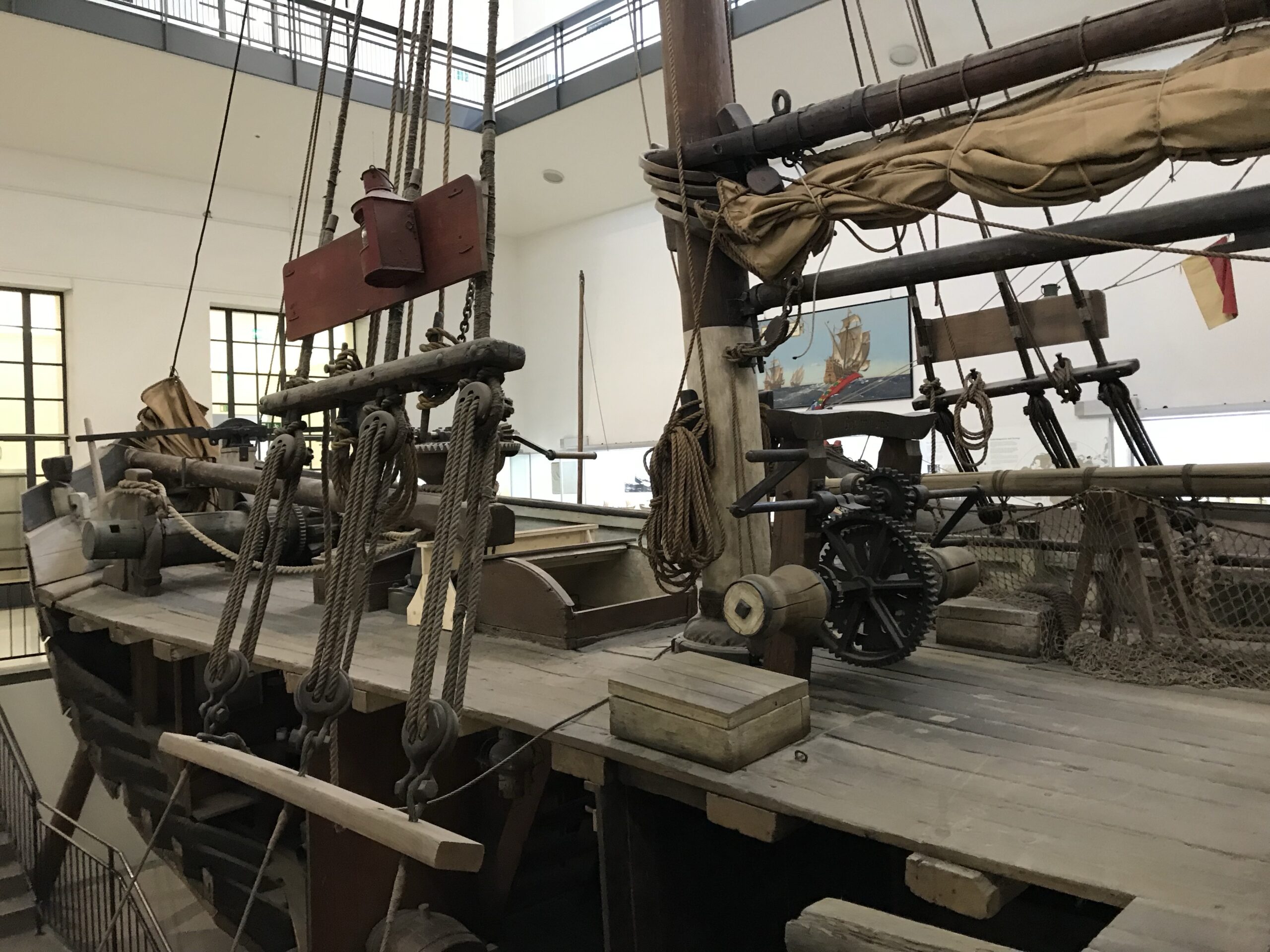
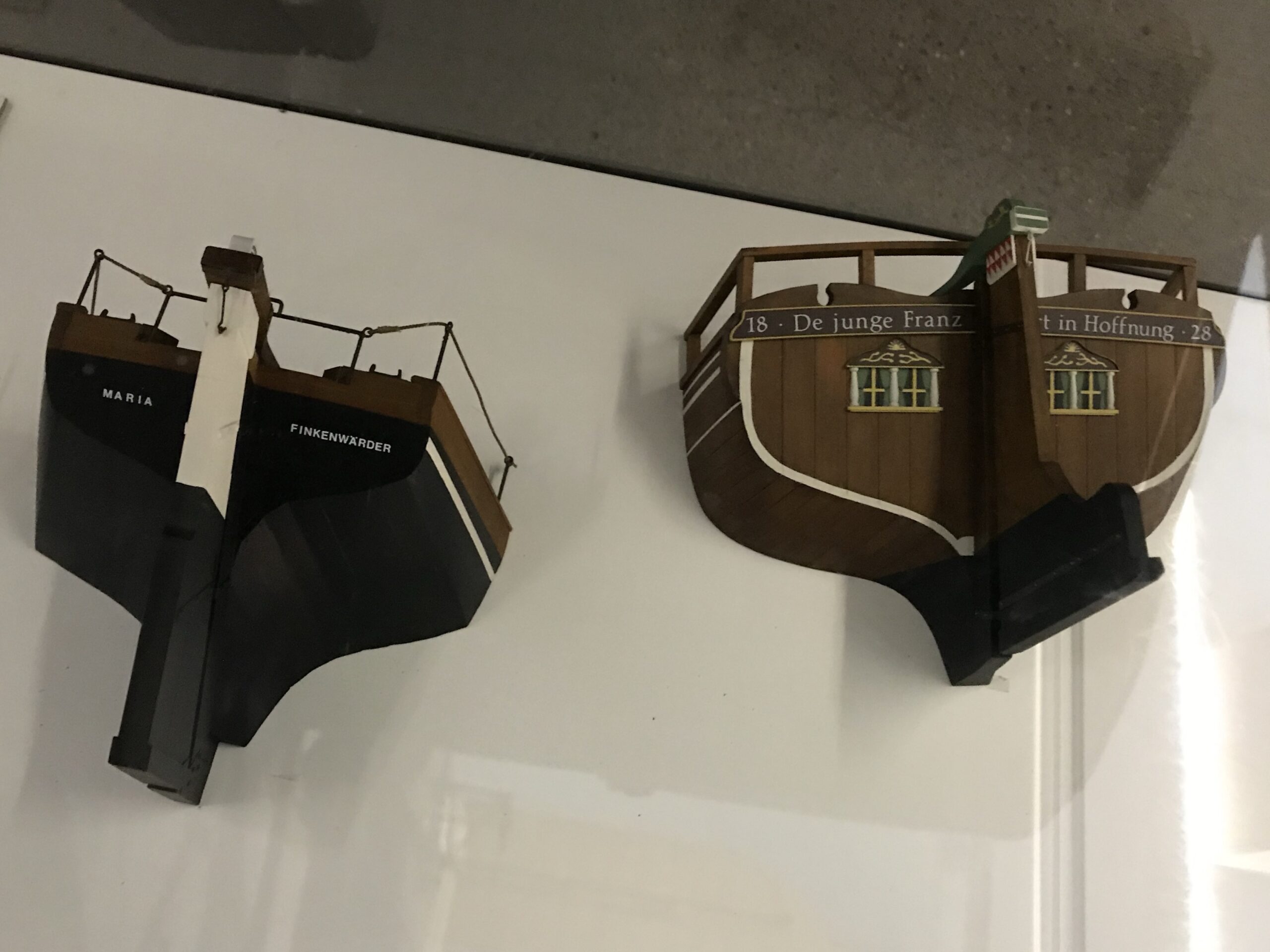
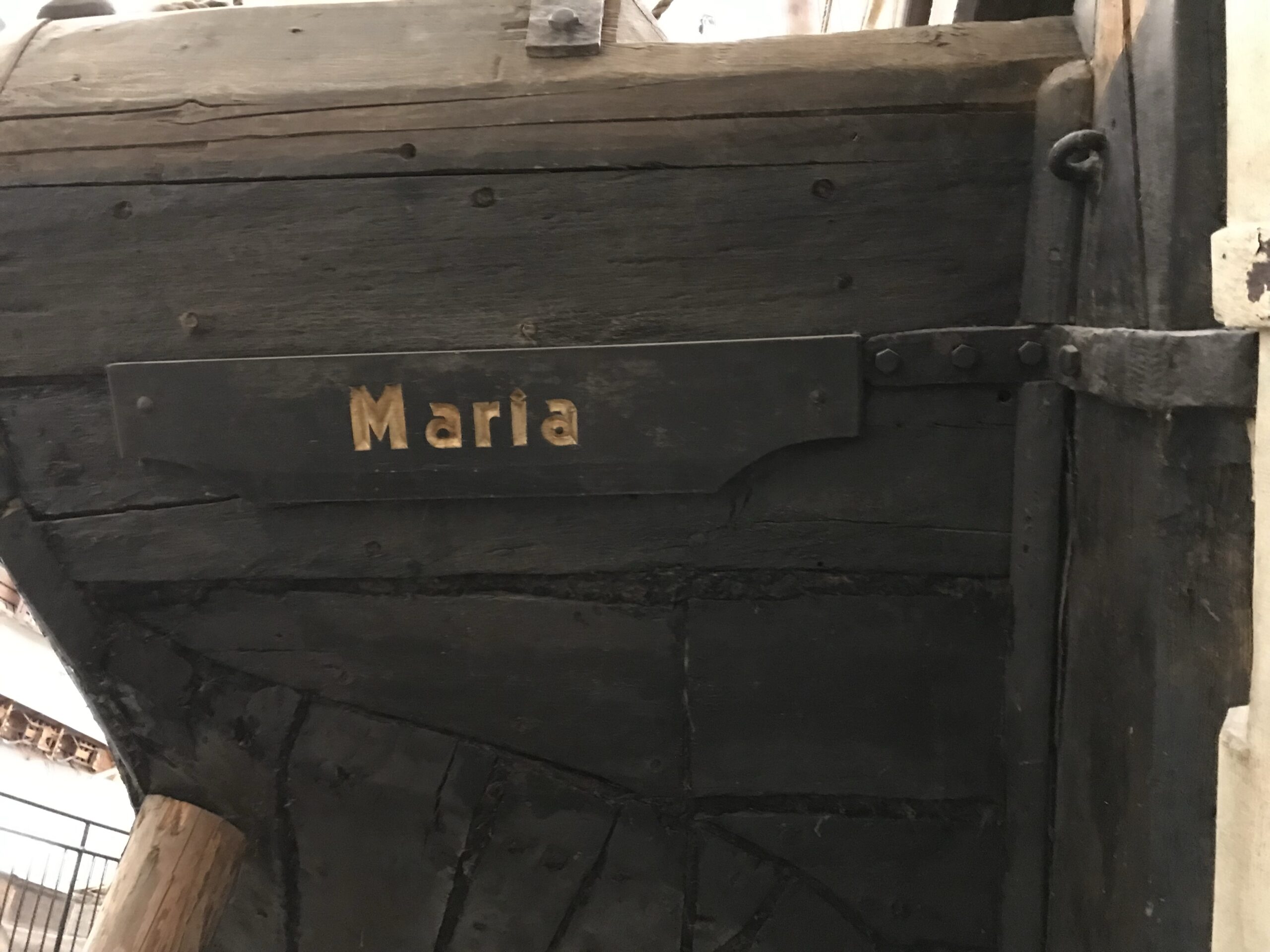
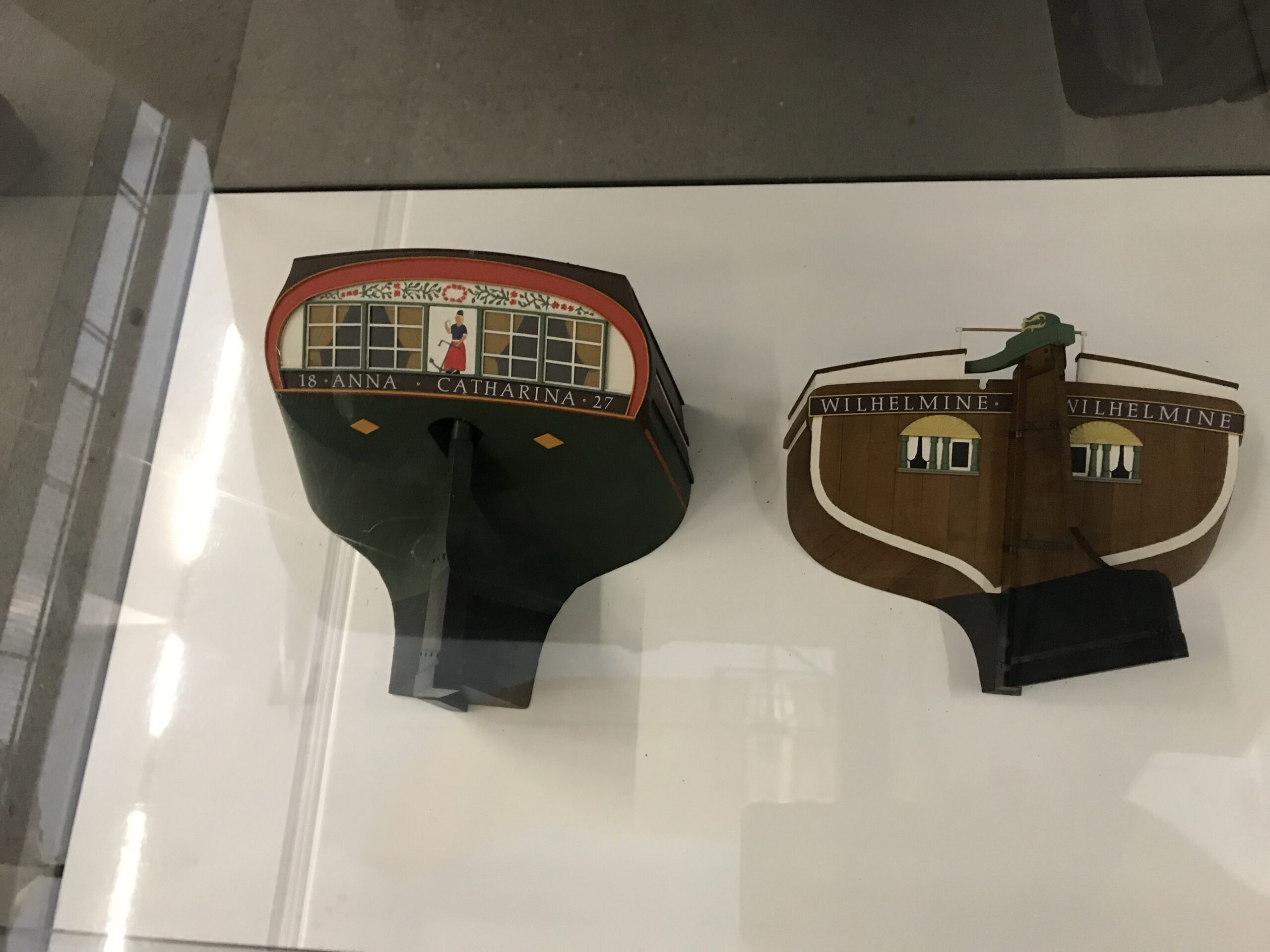
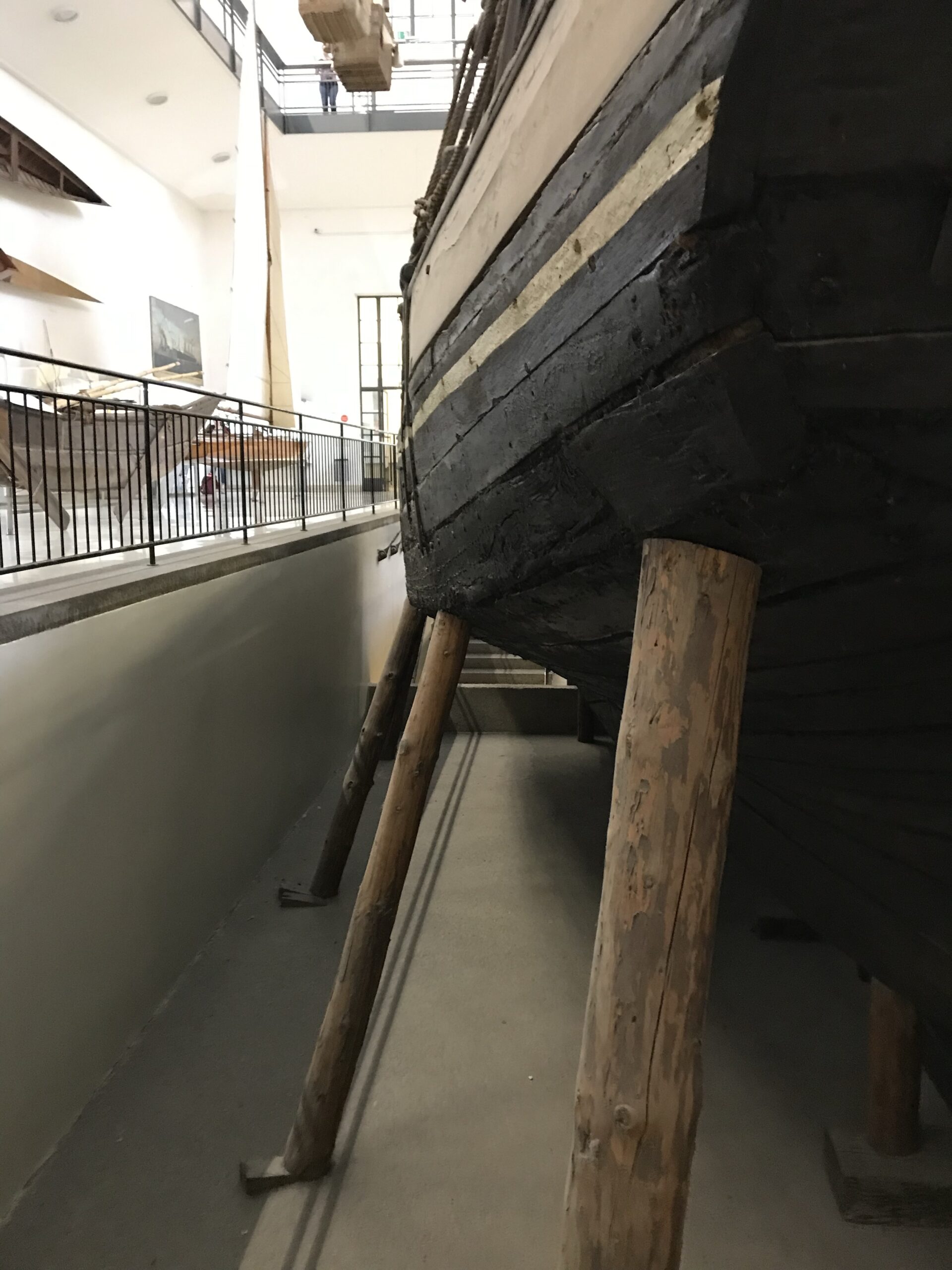
Here is a poem about the Maria, carrying her from 1881 to 1958, and finally toward the 2028 reopening of the exhibit.
“Maria, HF 31”
A poem of wood, wind, work, and time
In 1881, when her timbers were young,
the Maria slid into the Elbe with a promise on her tongue—
a ketch of oak and iron nails,
built for nets, for storms, for salt‑bitten tales.
She learned the North Sea’s shifting moods,
the winter gales, the summer foods,
the long slow pull of a drift‑net line,
the quiet pride of a working design.
Through decades of toil, she carried her crew—
Johann, then Winter, then Meyer too.
She weathered loss, she weathered years,
her planks absorbing fishermen’s fears.
By 1958, her fishing done,
her sails were tired, her battles won.
No longer chasing plaice or sole,
she found a gentler, final role—
a museum’s care, a sheltered berth,
a place to tell the story of her worth.
Now she waits in thoughtful grace,
a witness to another age,
her wooden bones still holding fast
to every echo of her past.
And when the doors swing wide again
in 2028, go visit then—
let the Maria speak in creak and grain,
and hear her North Sea heart again.