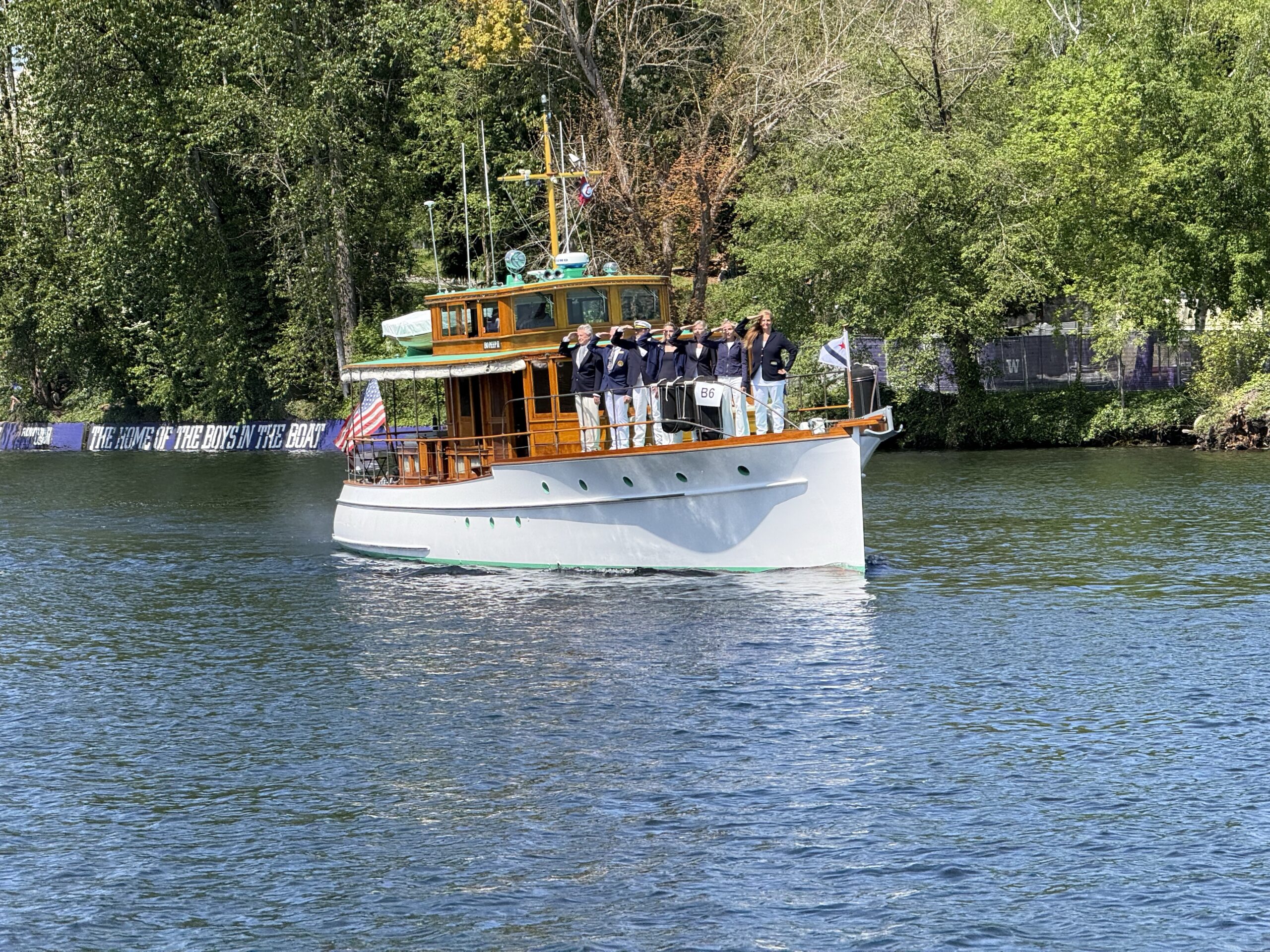
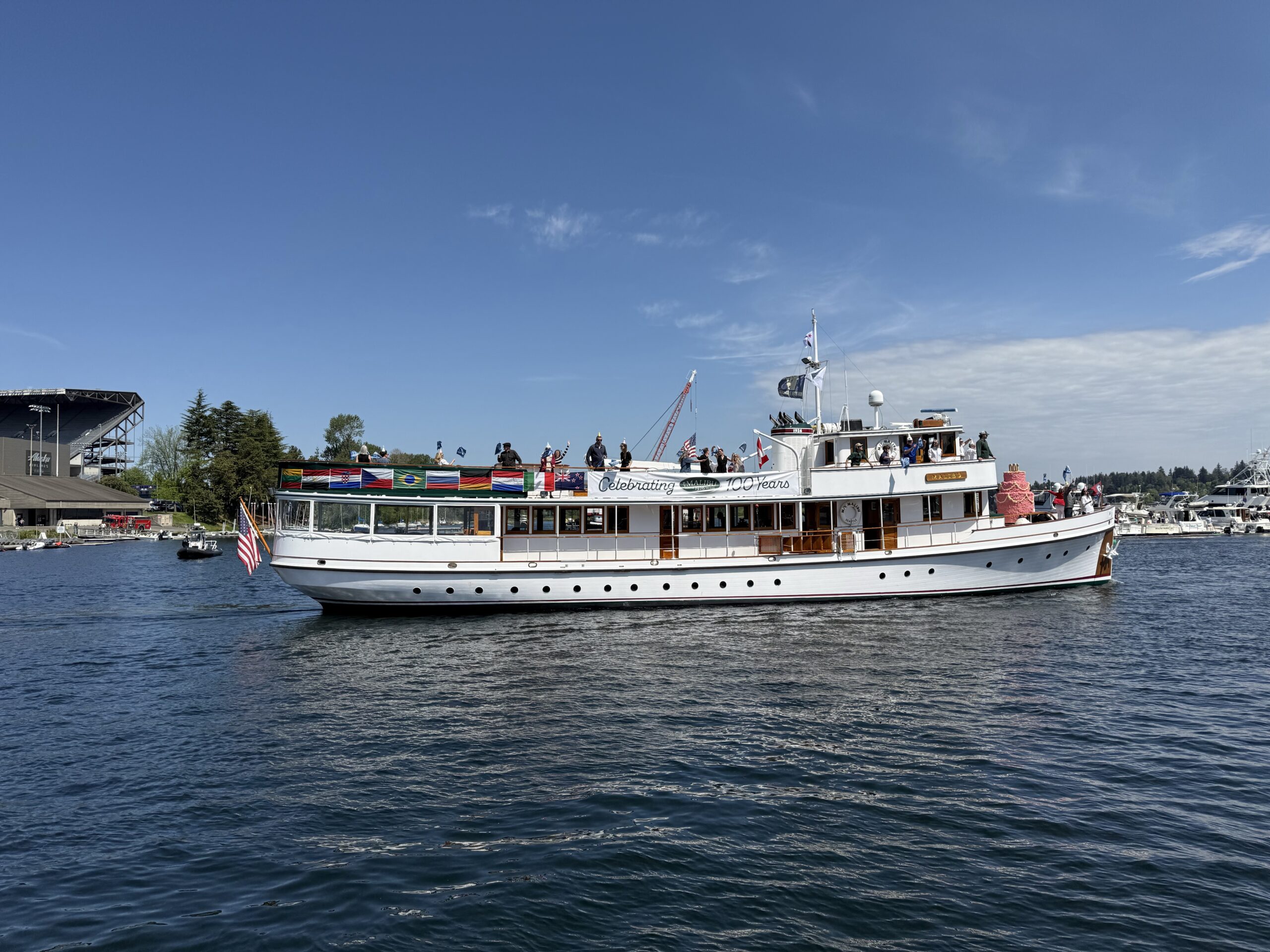
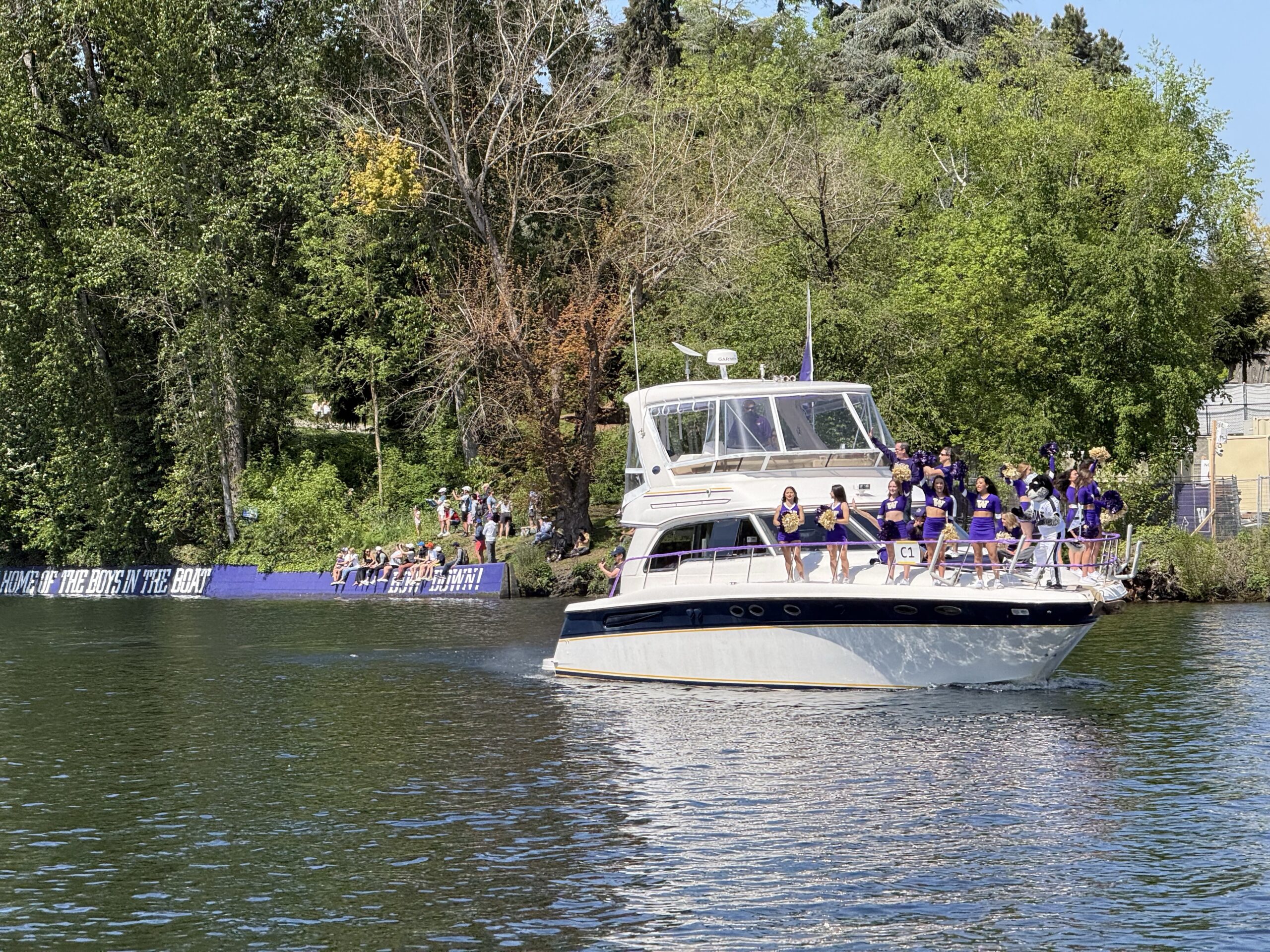
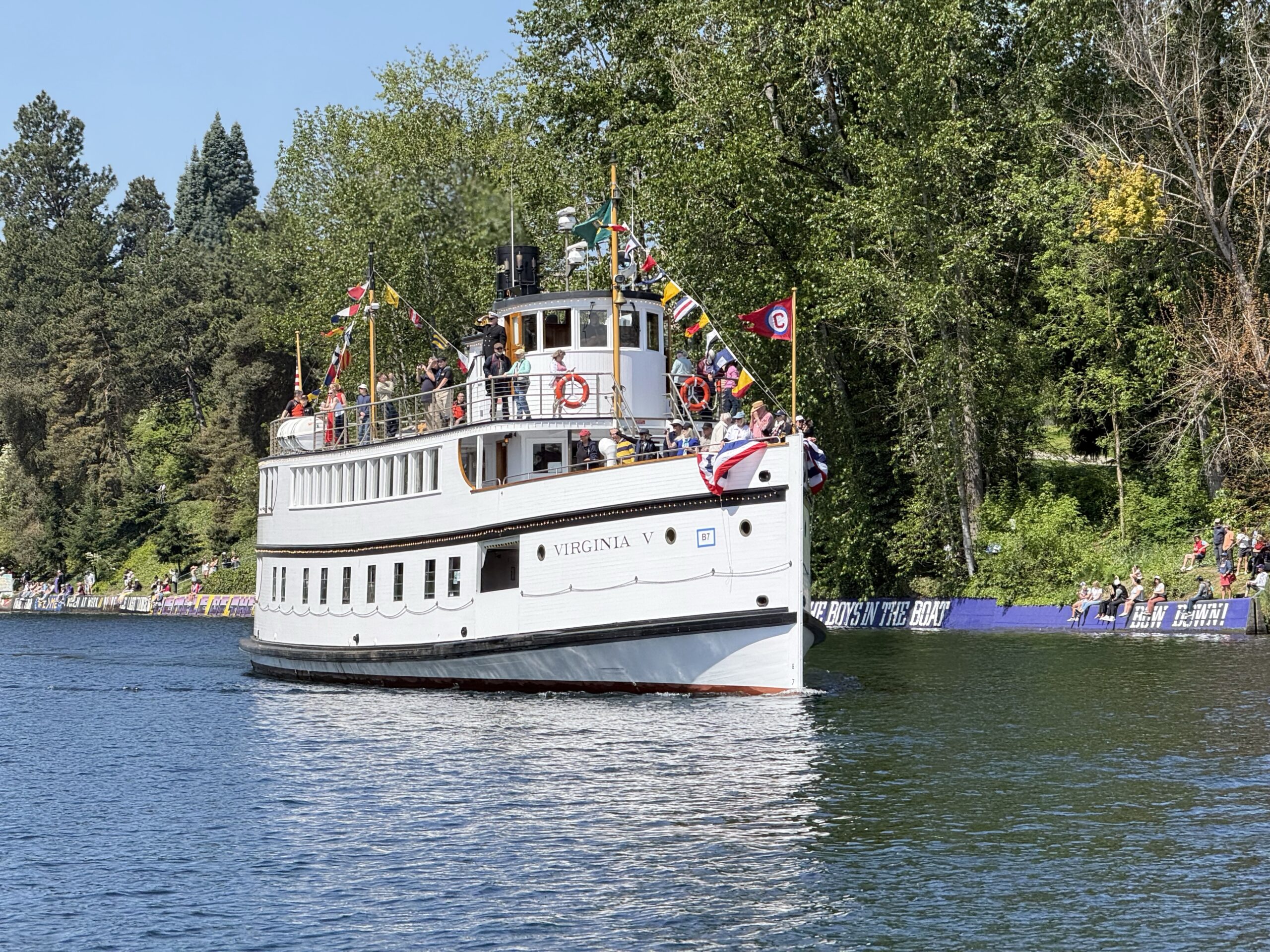
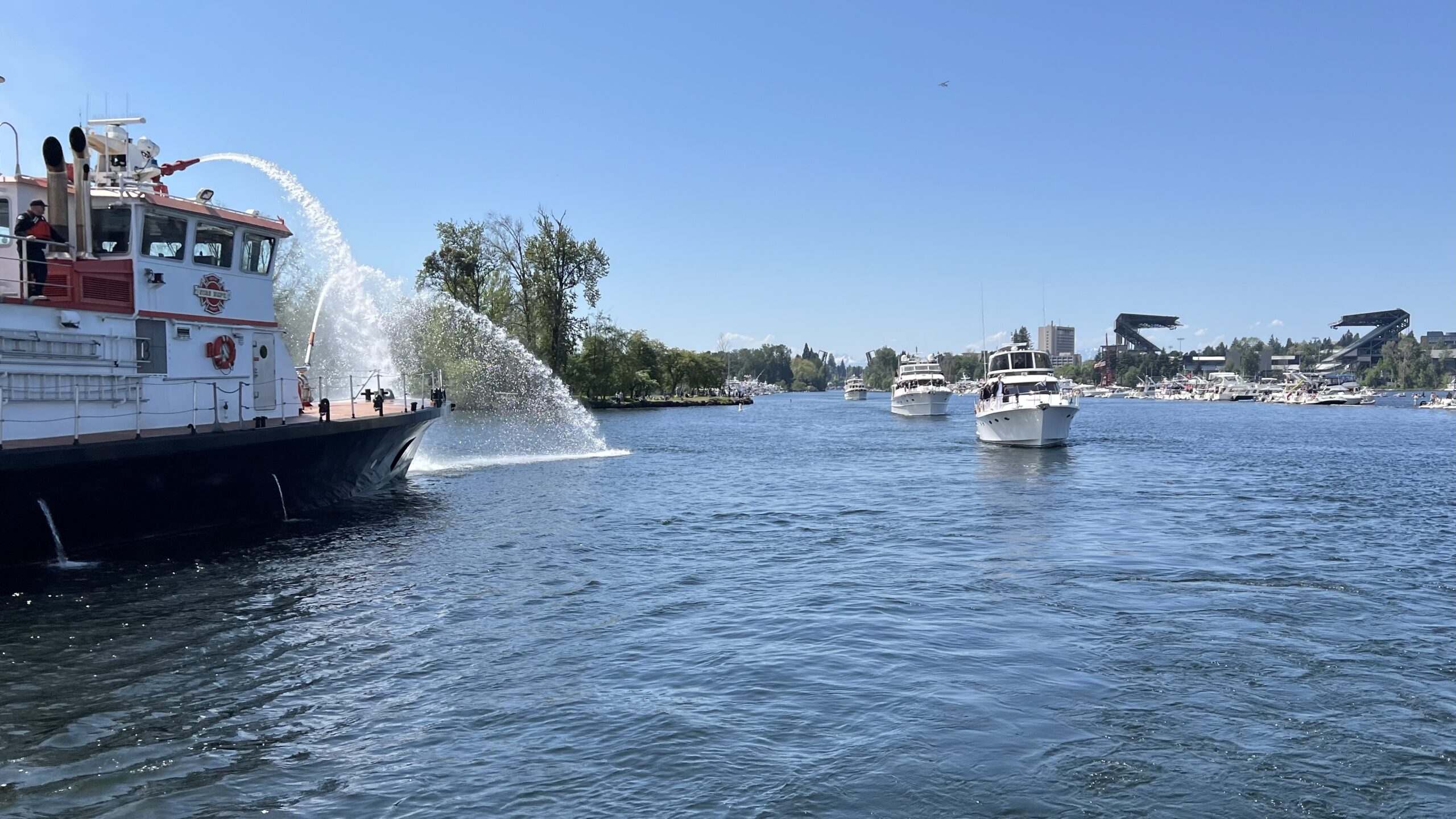
Fun leaning into verbing energy. Here’s a poem that tries to animate as many boat names as possible while grounding it in the log boom/ Marsh Island opening day scene.
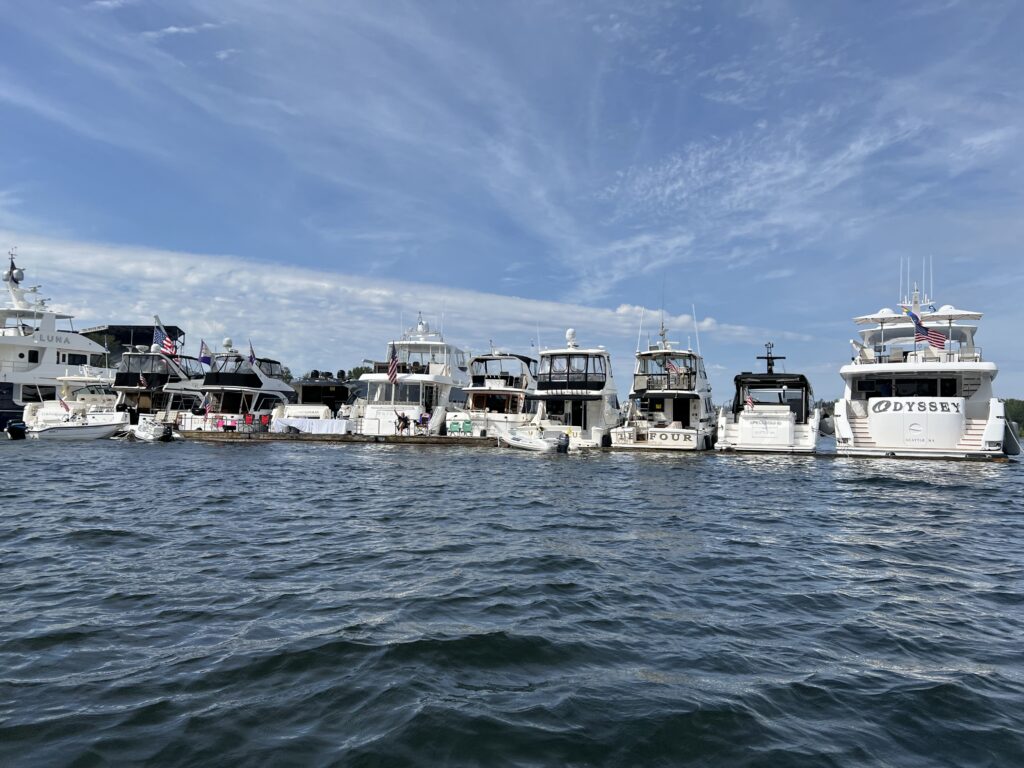
On opening day 2026, the logs have arrived
and we Wander the waterline where the boom begins,
an extension of Dock Zero—
we Convergence the tide with timber and time.

• the physical mass of the logs (timber)
• and the timing/history of the operation (time)
So in plain language, it’s describing the act of aligning everything just right so the log boom works—tides, logs, and human timing all meeting at once. Think of it like a harbor crew saying: “now everything lines up—the water, the wood, and the moment.”
Tugs Resolute, they Ripple After the swell,
while crews VERBOATIN the morning into motion,
hands that Bootable the chains,
voices that Spring Tides into rhythm.
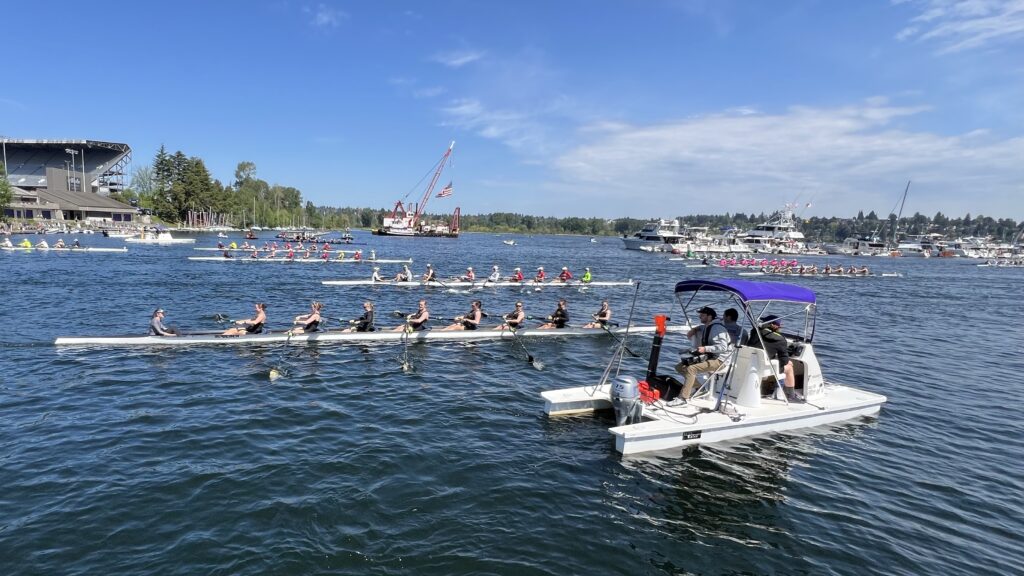
We PUNTA GALEA the horizon,
we Seaduction the current,
we CADEA the drifting giants into order,
and someone laughs, a little Mad hatter,
as gulls SEA LIFE the sky into noise.
scanning or holding the horizon with a steady, watchful presence—like a lookout point. So the line suggests the crews are: watching the horizon deliberately, reading weather, swell, and incoming movement with practiced focus. You can read it as: we stand watch on the horizon like a headland. “CADEA” evokes “cadena” (Spanish for chain), which fits the log boom context really well.
As a verb, it implies: chaining, linking, or securing things together into a controlled structure. “the drifting giants” = the logs “into order” = into the organized boom. So the line means: the crews are physically corralling and fastening the floating logs—bringing loose, drifting timber under control and into formation. In plain terms: we chain the logs together and make them behave.
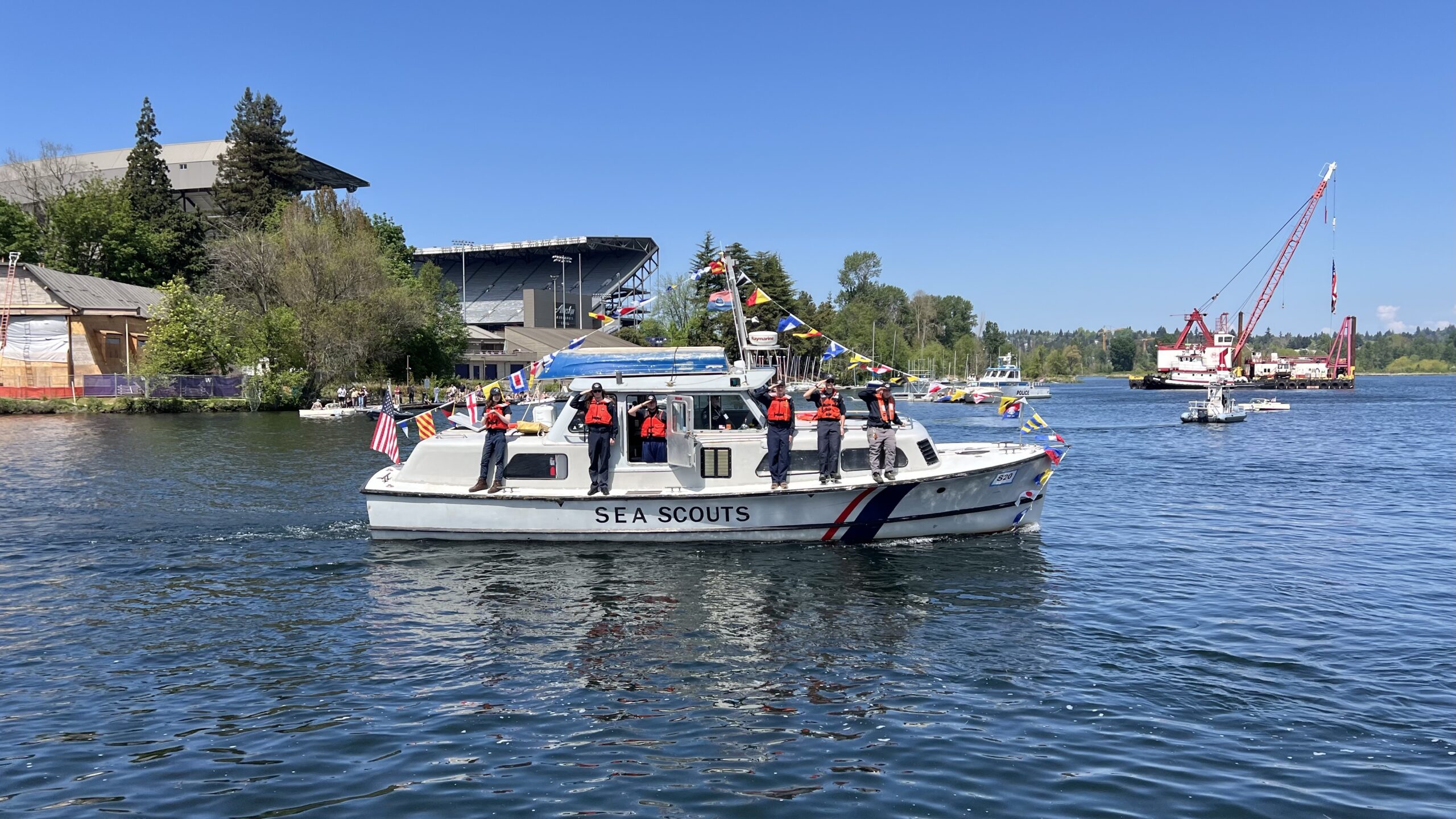
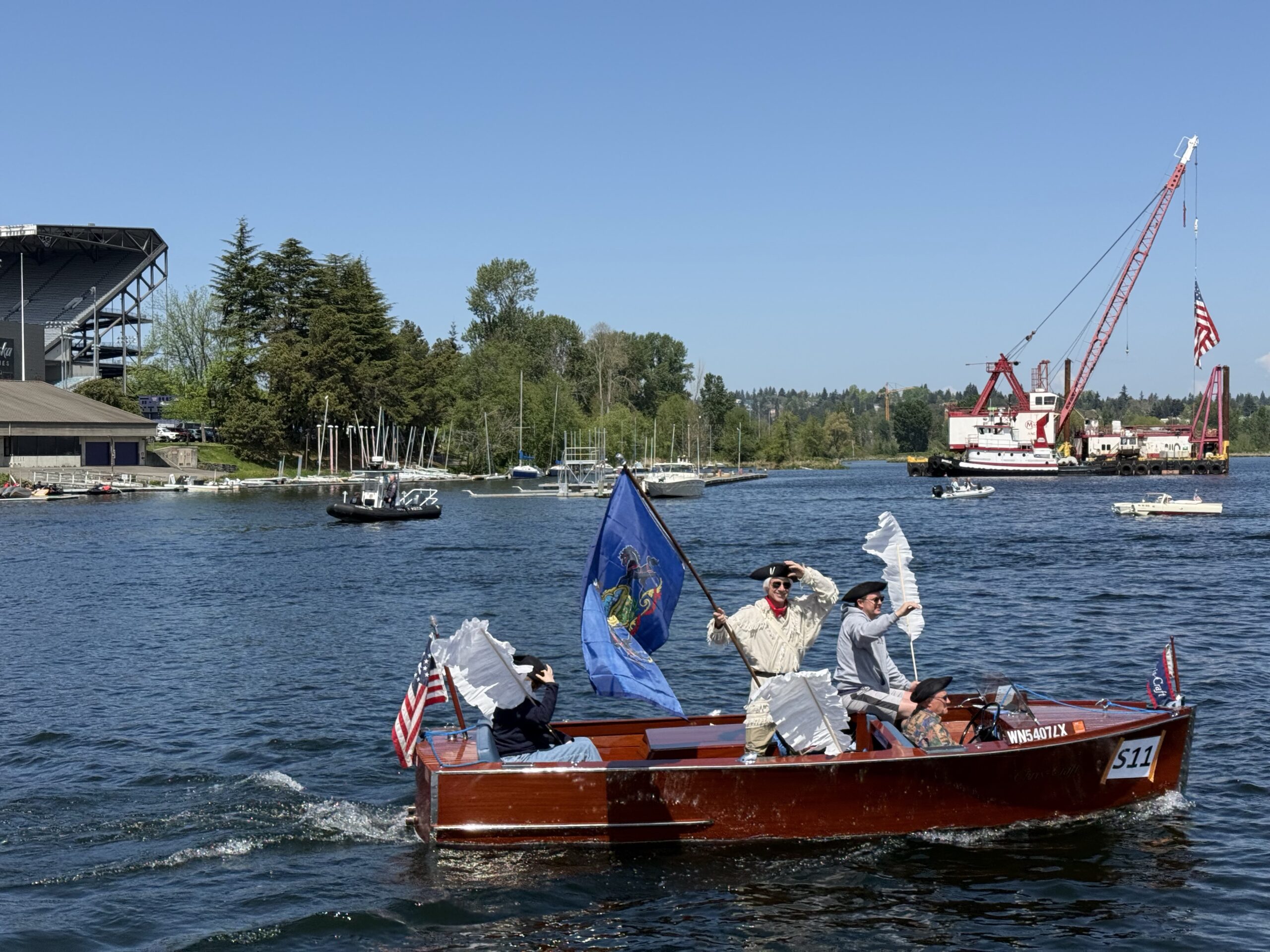
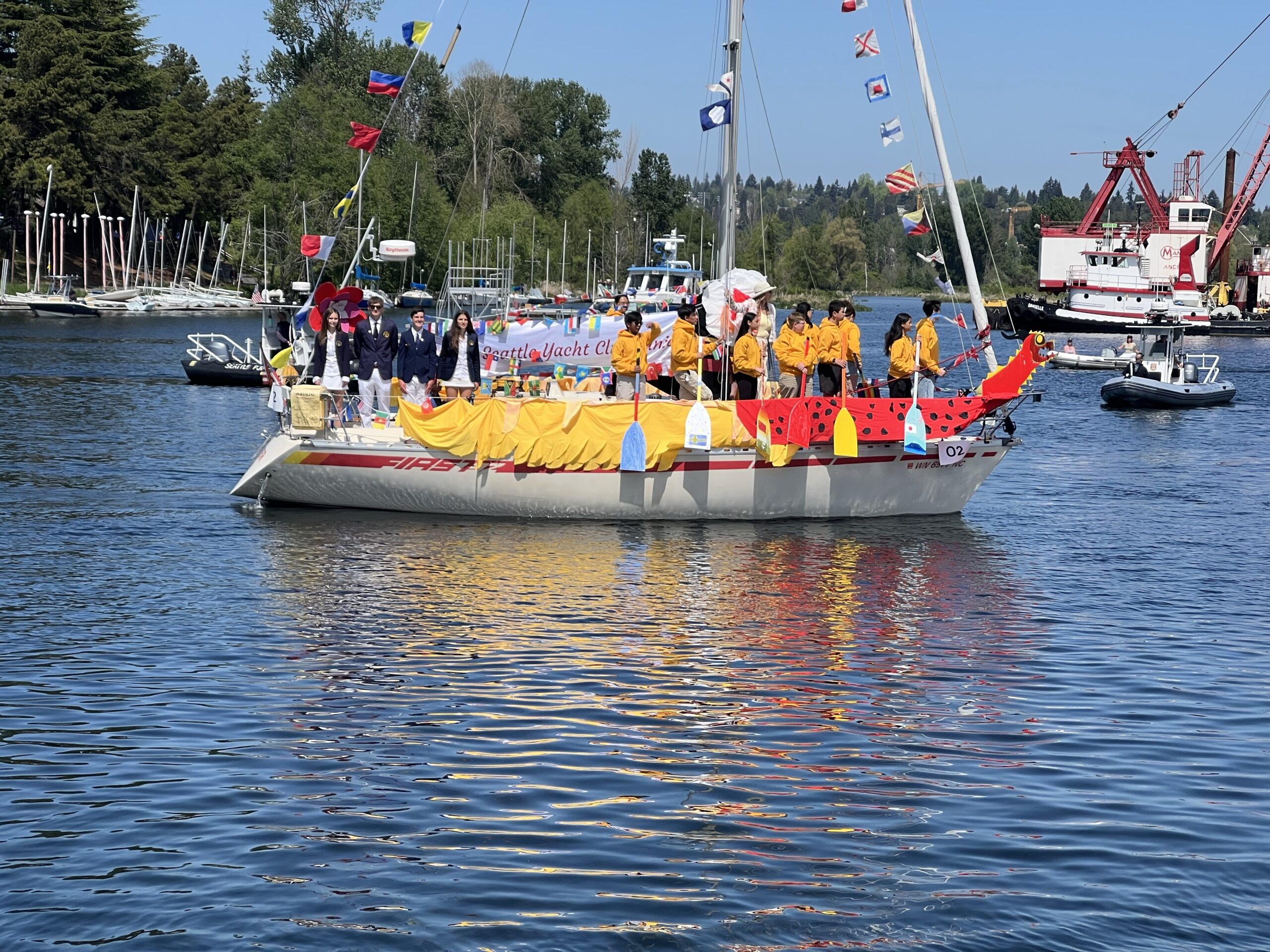
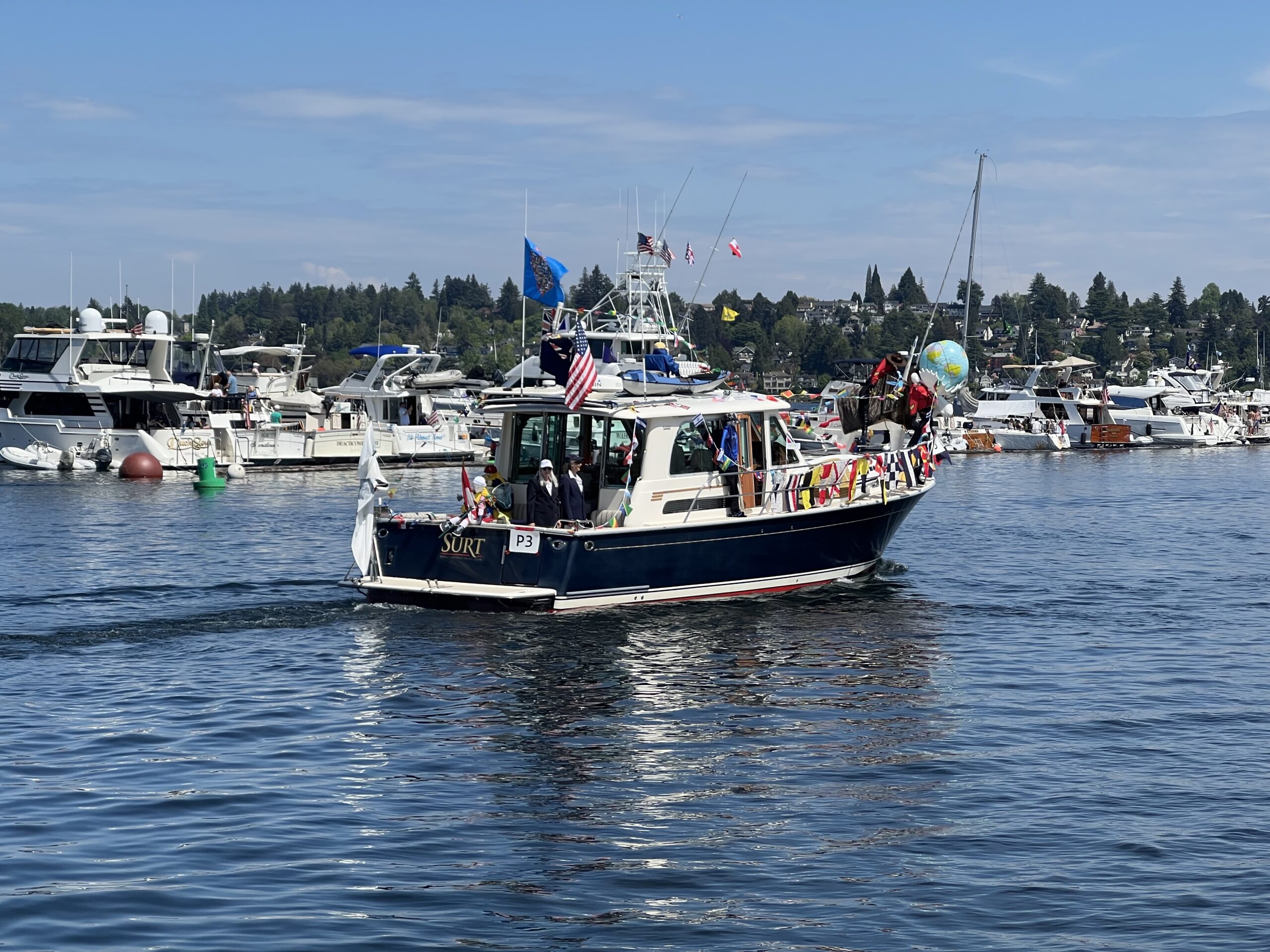
The old boats SWEPT AWAY the quiet years ago,
but today they Dock Holiday back into memory,
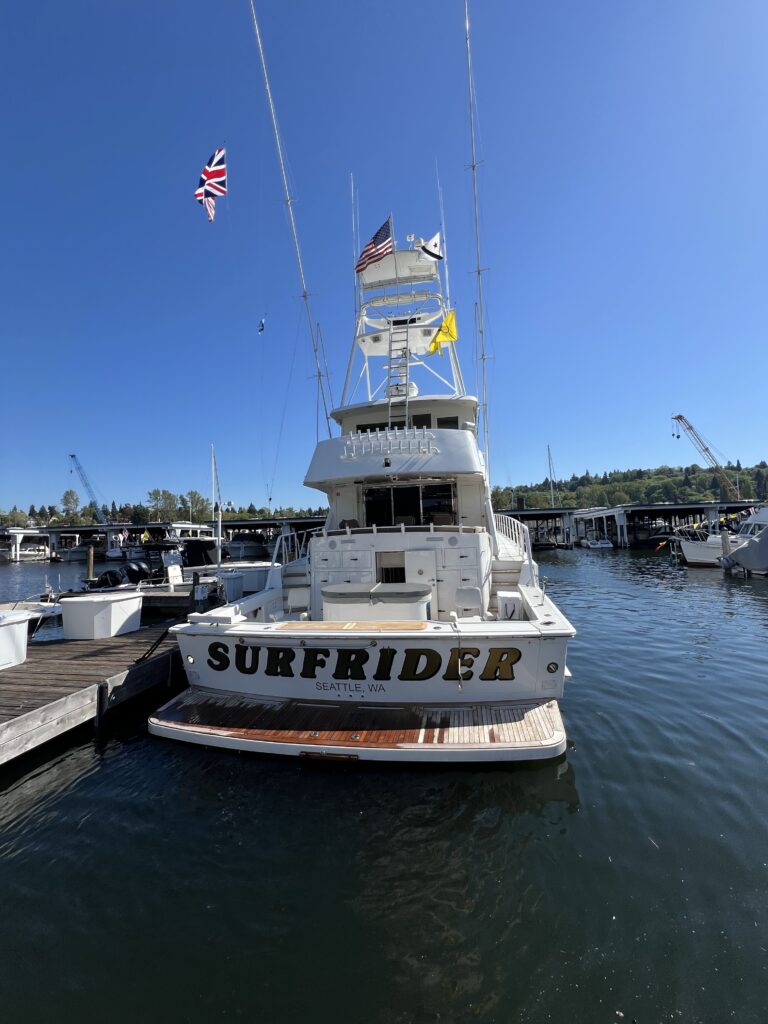
they Ventura the wind, they Surf Rider the wake of industry reborn.
returning to a familiar resting place in memory—like boats coming back to harbor after time away. So the line means:
the old boats (or traditions) come back into awareness, revisiting the past as if they’re docking again. In plain terms: they return and settle back into memory like boats tying up at the dock. “Ventura” evokes coastlines (like Ventura, California), openness, and movement along wind-swept shores. As a verb, it suggests: moving with, riding, or channeling the wind—leaning into it rather than resisting it. So the line means: the boats are using the wind, shaping their motion around it, almost collaborating with it. You can read it as: they ride the wind along the coast, or they let the wind carry them forward.
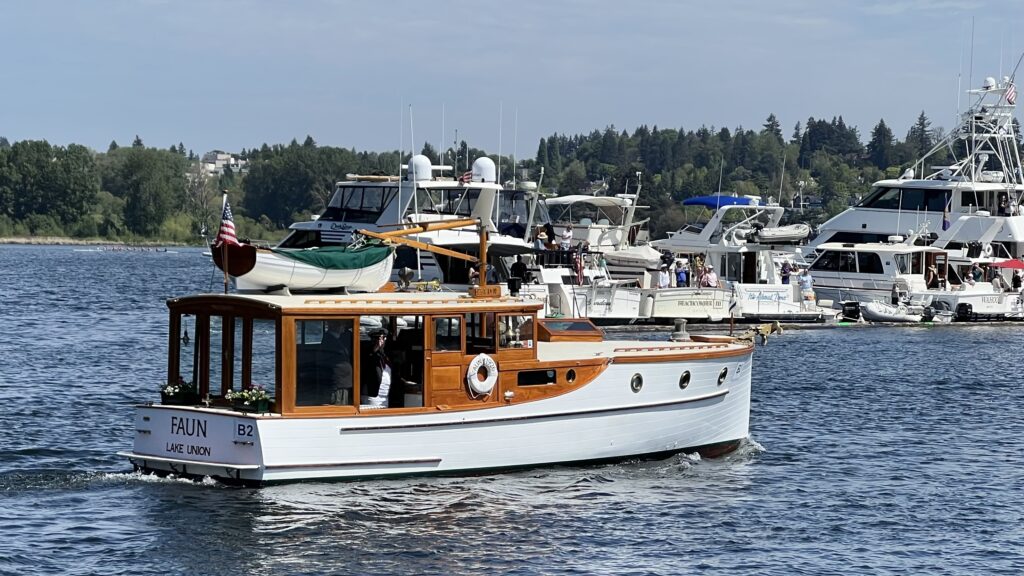
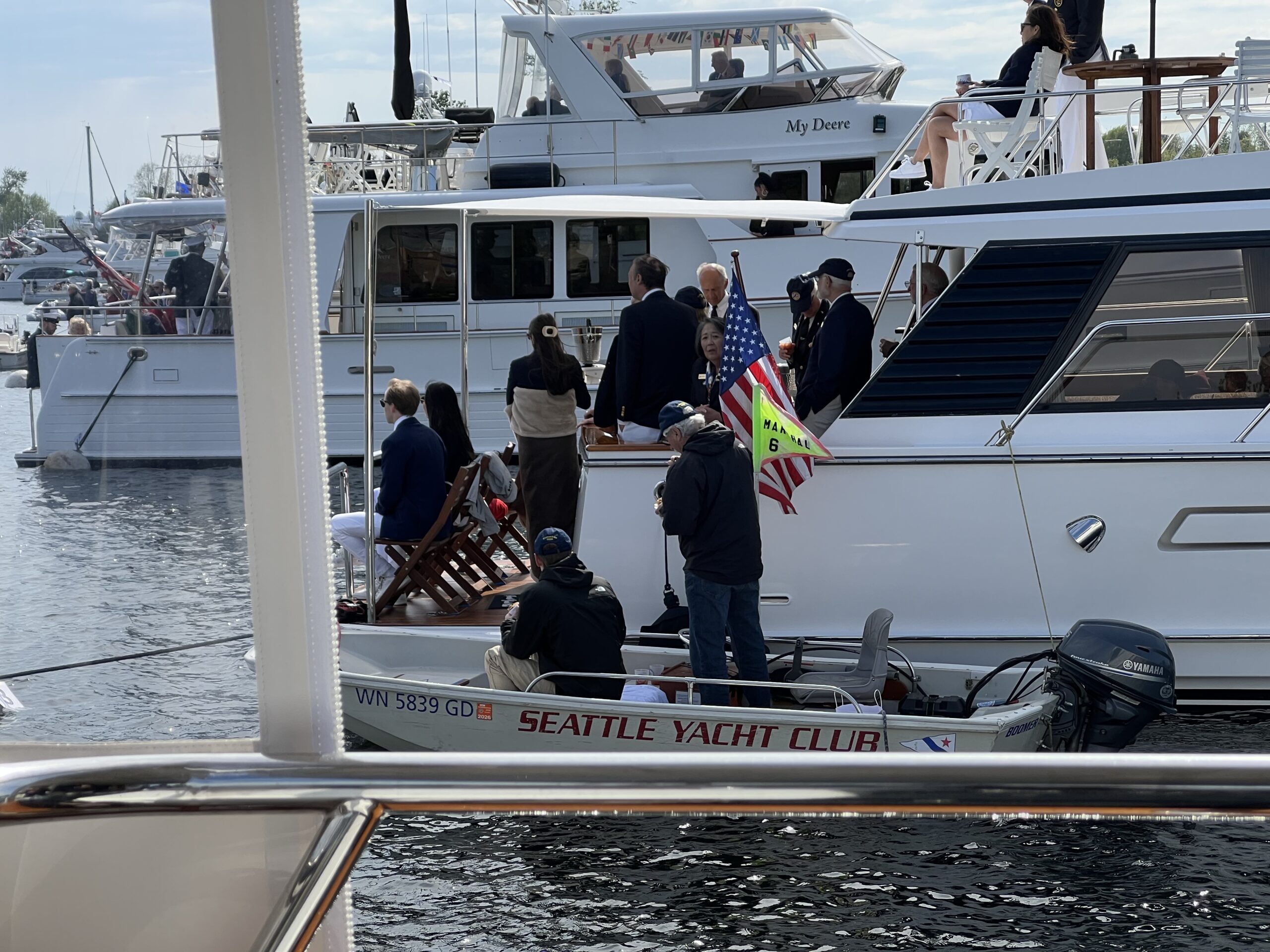
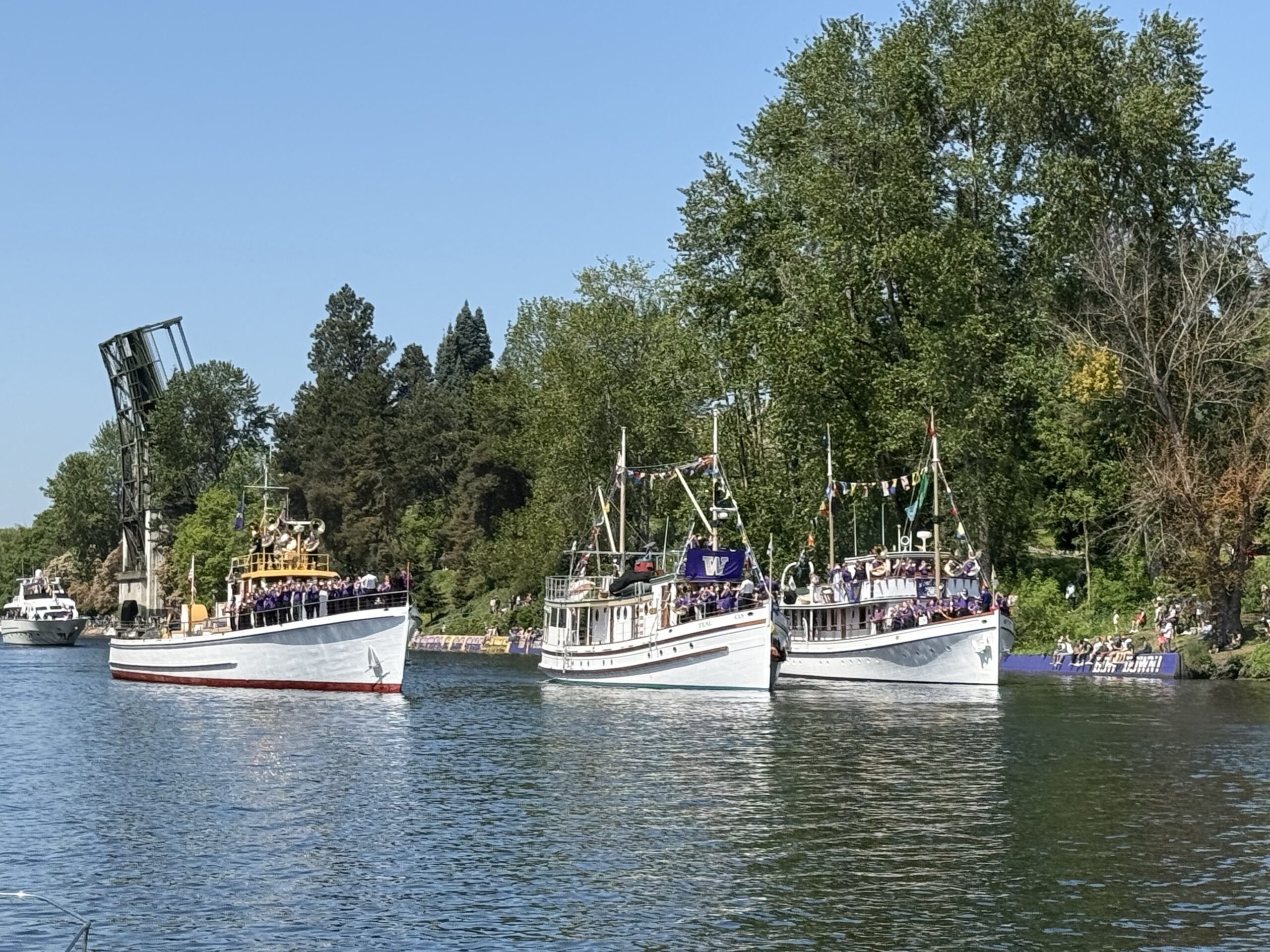
A bell rings—SALISH LADY answers,
WESTERN Star flickers in the rigging of dawn,
and we Pomokha the line tight,
we Casstepera the knots into permanence.
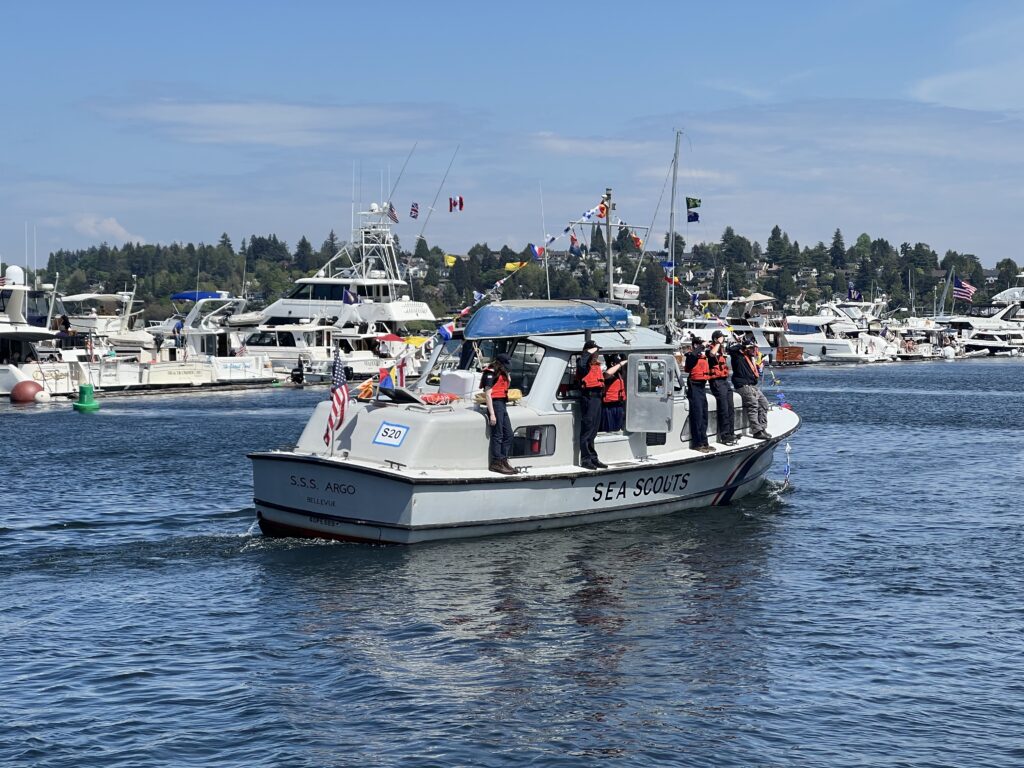
the crew is hauling and tightening the boom lines—making sure everything is secure and under control. Plain version: we haul the line tight and hold it fast. “Casstepera” feels like something intricate or deliberate—almost like craftsmanship. As a verb, it suggests: tying, setting, or finishing knots in a way that makes them lasting and reliable. So the line means: the crew isn’t just tying knots—they’re securing them so they’ll hold under strain, current, and time. Plain version: we tie the knots so they’ll stay put, no matter what. Together, the two lines describe that crucial moment in boom work where everything shifts from loose and moving to fixed and controlled—tension set, knots locked, system stable.
Someone hums Amazing Grace,
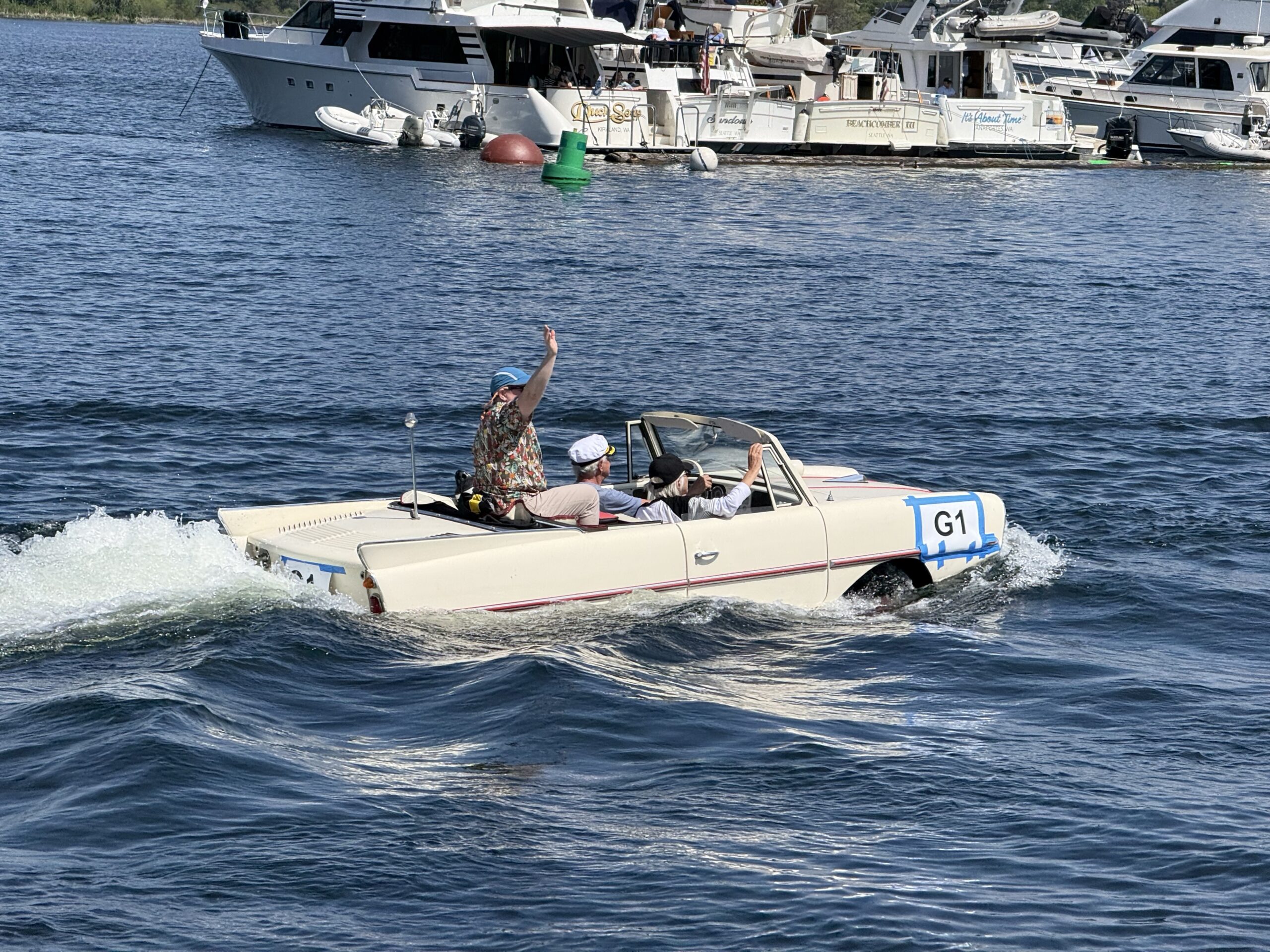
someone else Duck Soup the tension with a joke,
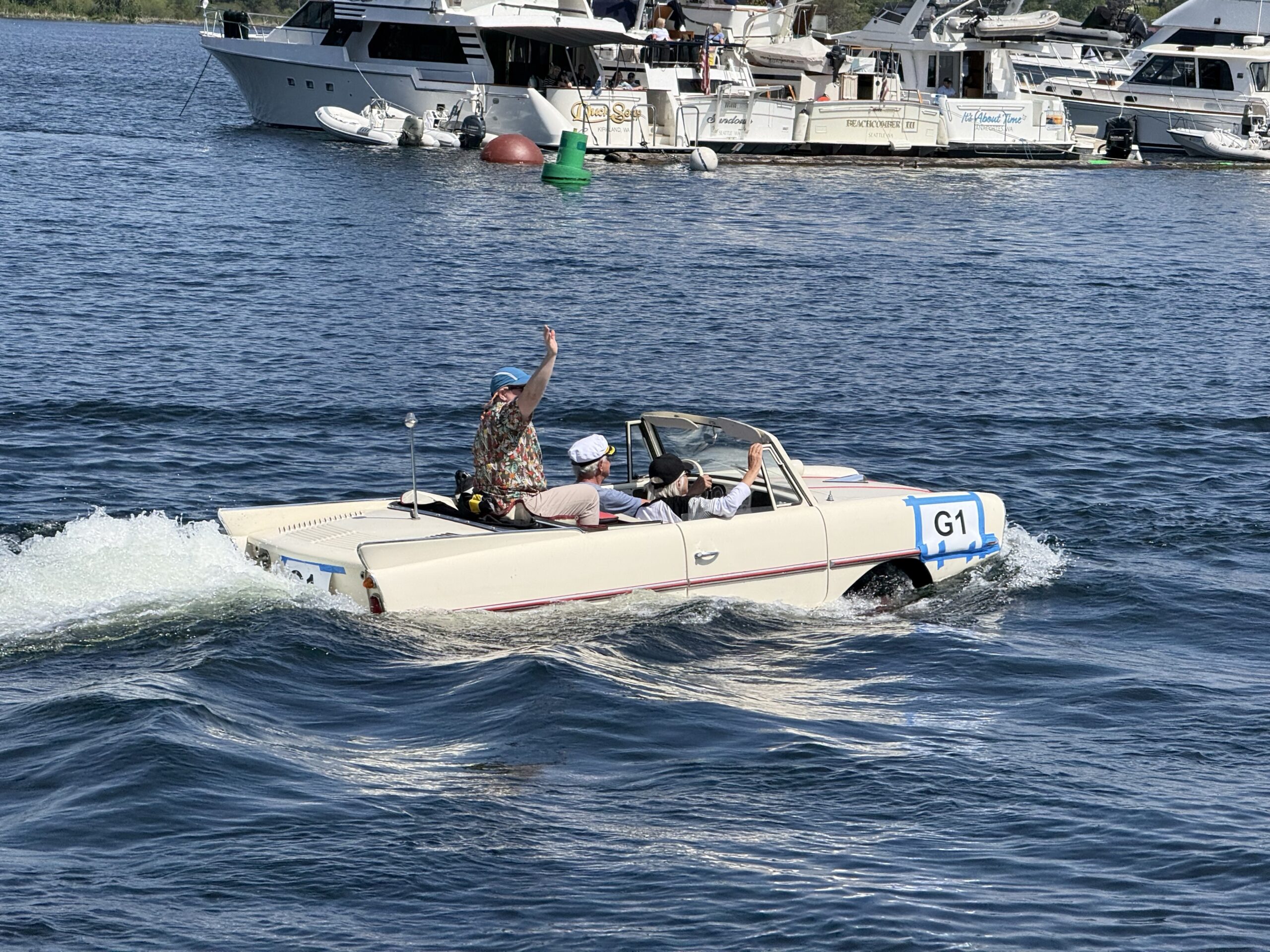
and together we Beach Comber the edges
where stray logs Coho against the boom.
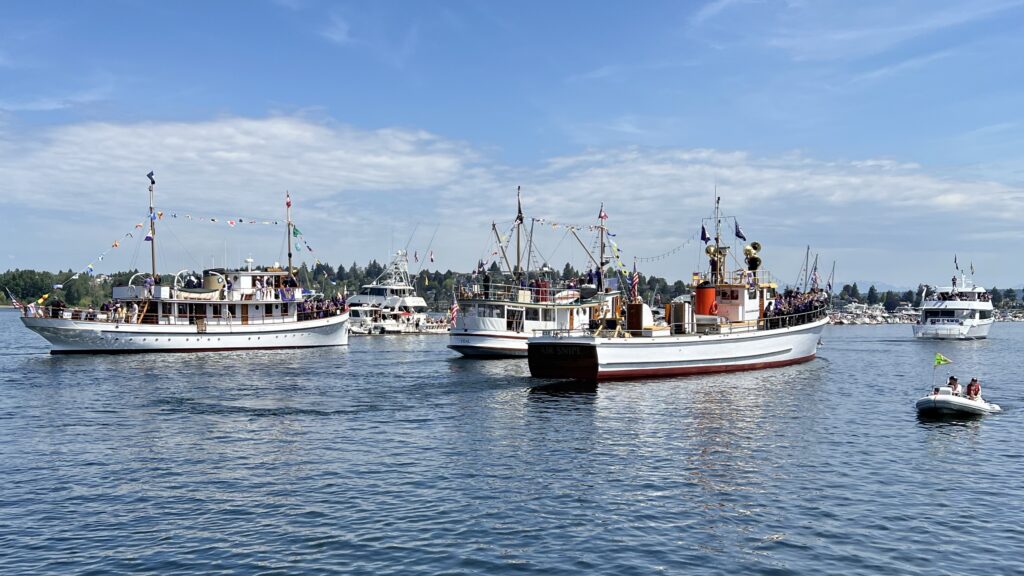
Plain version: they make the tension disappear easily with a joke.
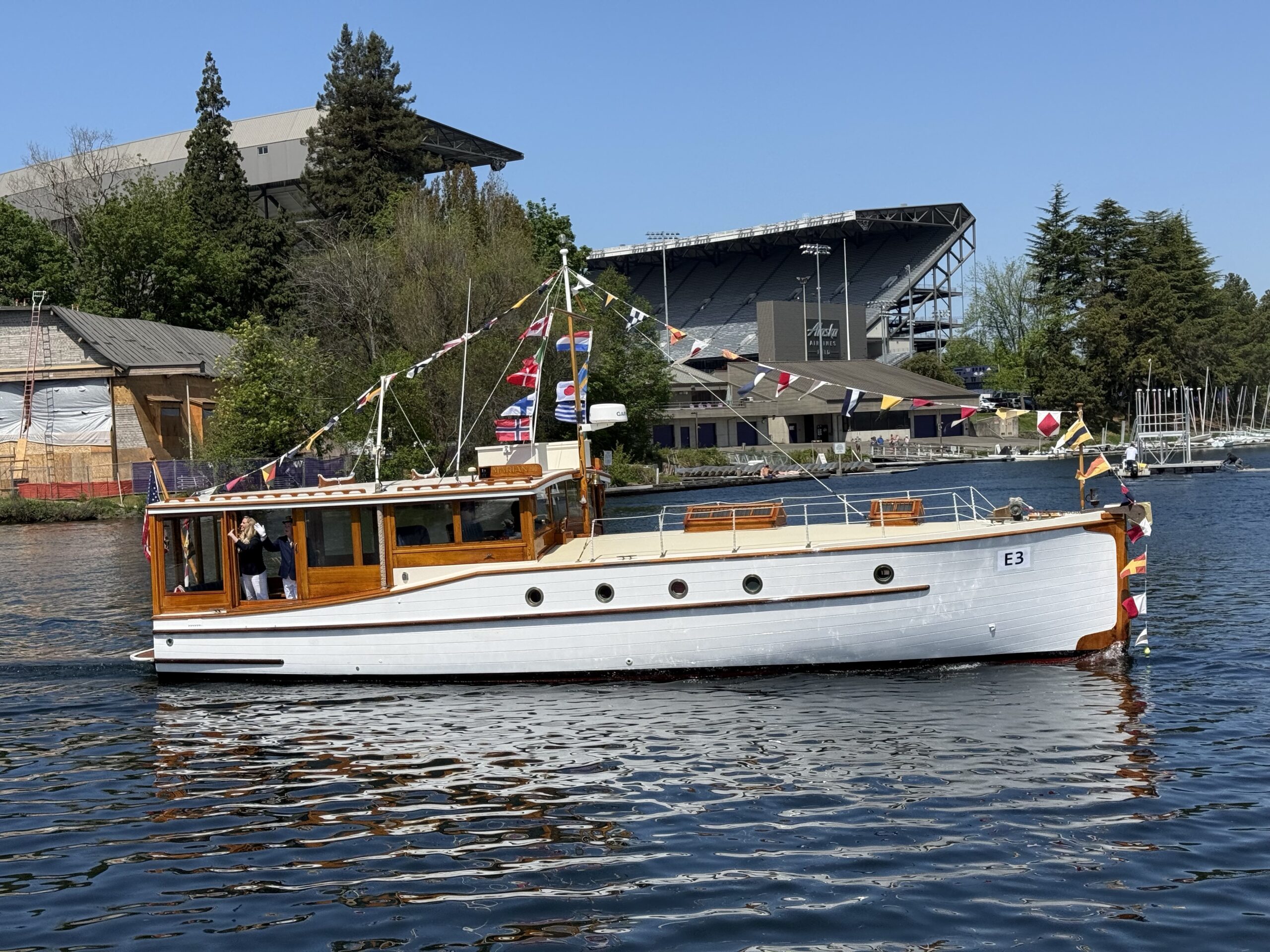
Time itself It’s About Time n,
then doubles back to HidAbout Time,
as if the past Odyssey’d here
just to Afterglow in cedar and salt.
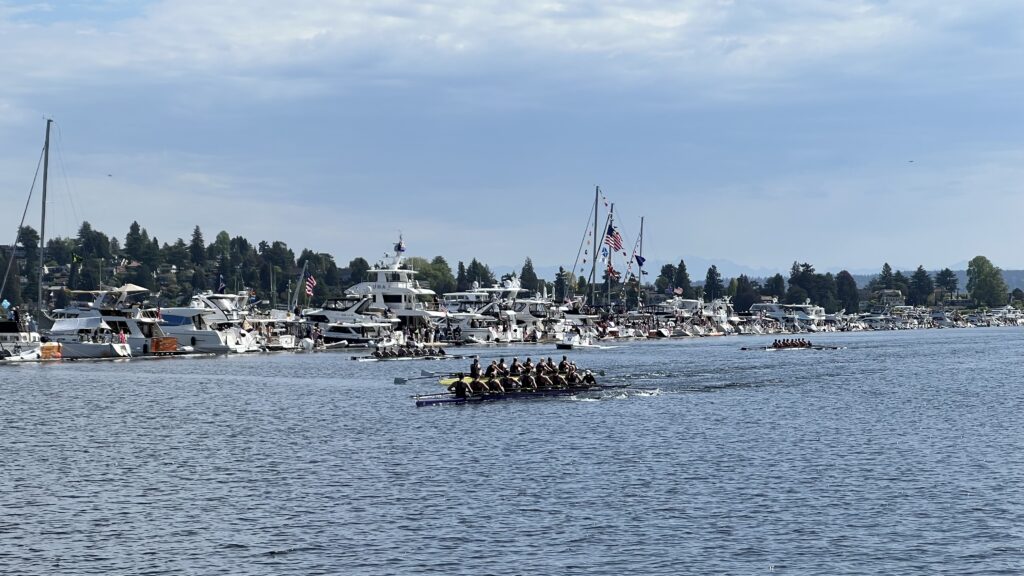
it feels like all the history of logging, boats, and the waterfront has traveled across time to arrive here, and now it’s quietly lingering in the present moment—held in the smell of cedar logs and saltwater. In plain terms: as if all that history came all this way just to softly linger here in the harbor air.
We Captain Morgan the stories,
we Island Time the hours,
we Next Stop the future
with a long, patient Long Game.
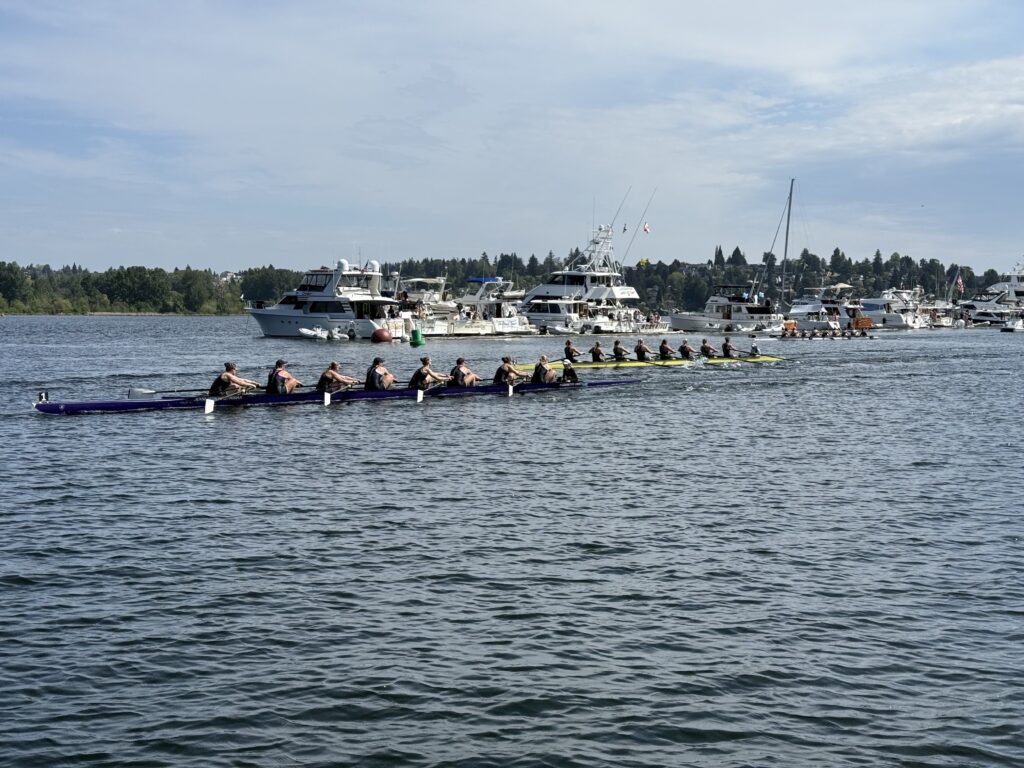
Using it as a verb, “We Captain Morgan the stories” suggests: telling stories in a bold, animated, slightly theatrical way—like seasoned mariners swapping tales, maybe with a bit of embellishment and camaraderie. It carries a mix of: • authority (the “captain” voice),
• performance (leaning into the drama of the story),
• and social warmth (shared drinks, shared memory).
Plain version: we spin our stories like old sea captains, lively and a little larger than life.
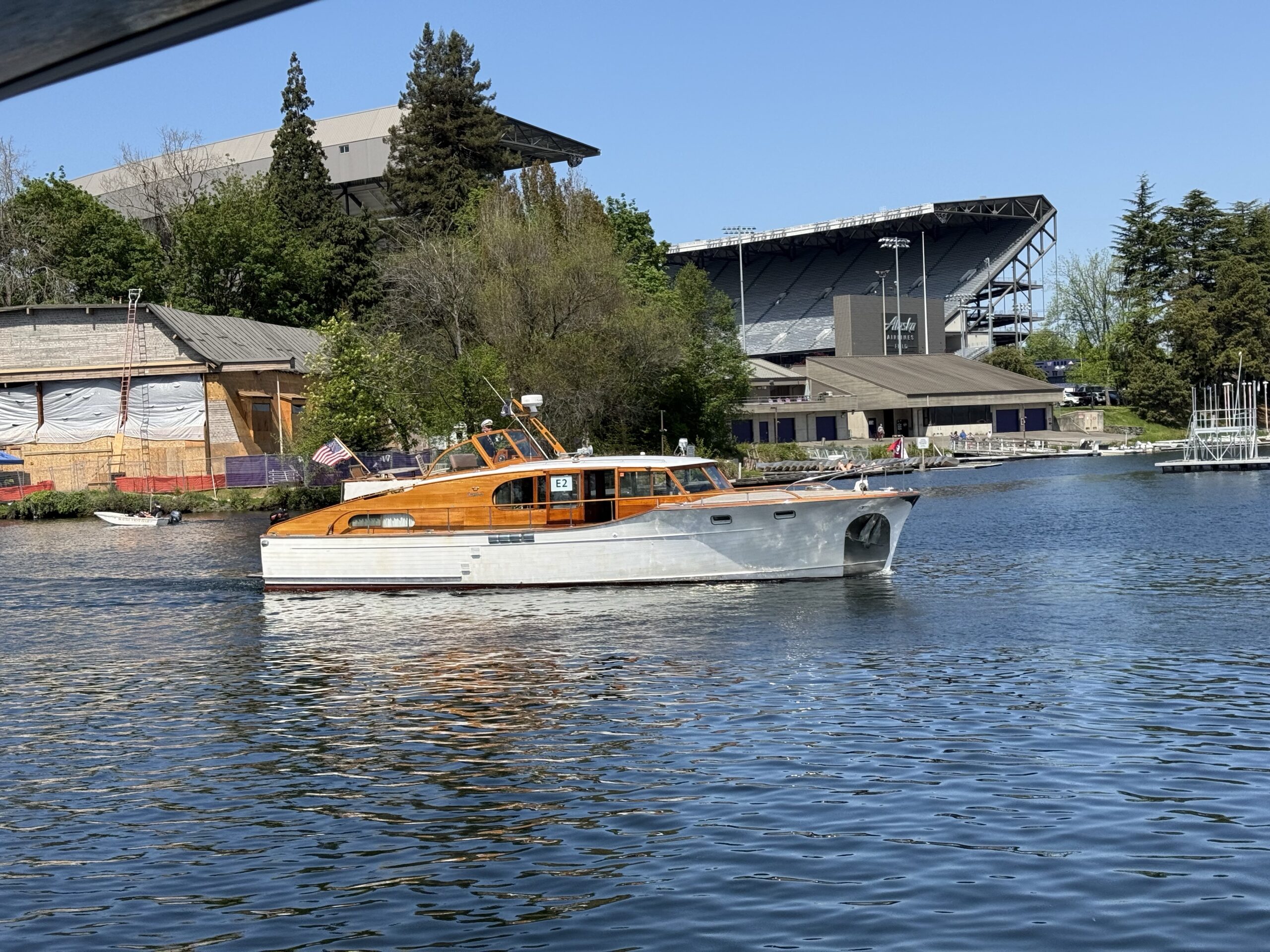
Even the current Whiskey Throt the pilings,
even the sun Sun Changer the sheen of wet bark,
until the whole harbor Euphória—
a living thing that Cat Tricks the eye.
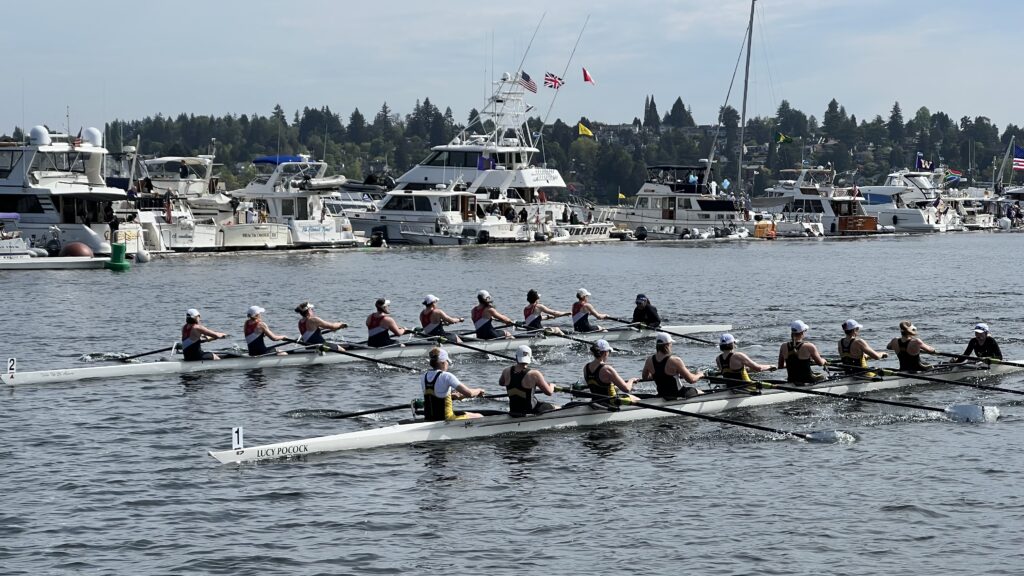
And in the drift between motion and stillness,
we Luna, we Liberty, we Convergence again—
logs held fast, yet always becoming,
as the boom extends from Dock Zero
into everything that moves.
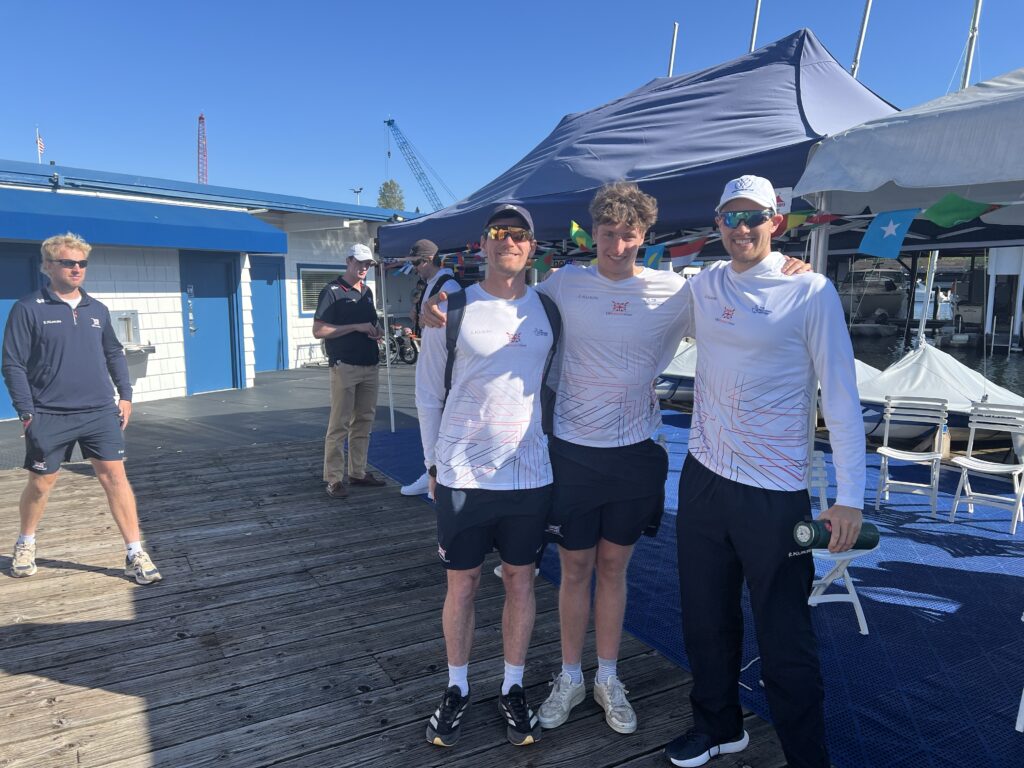
It suggests: a moment of loosening—either physically (after securing the boom) or emotionally (after the work is done).
So the line means: the crew experiences a sense of freedom or release—breathing out after tension, enjoying the space they’ve created. Plain version: we feel a sense of freedom and release in the moment. Together, the two lines move from harmony to release: first being in sync with the forces around them, then letting go into a brief feeling of freedom after the work is set.
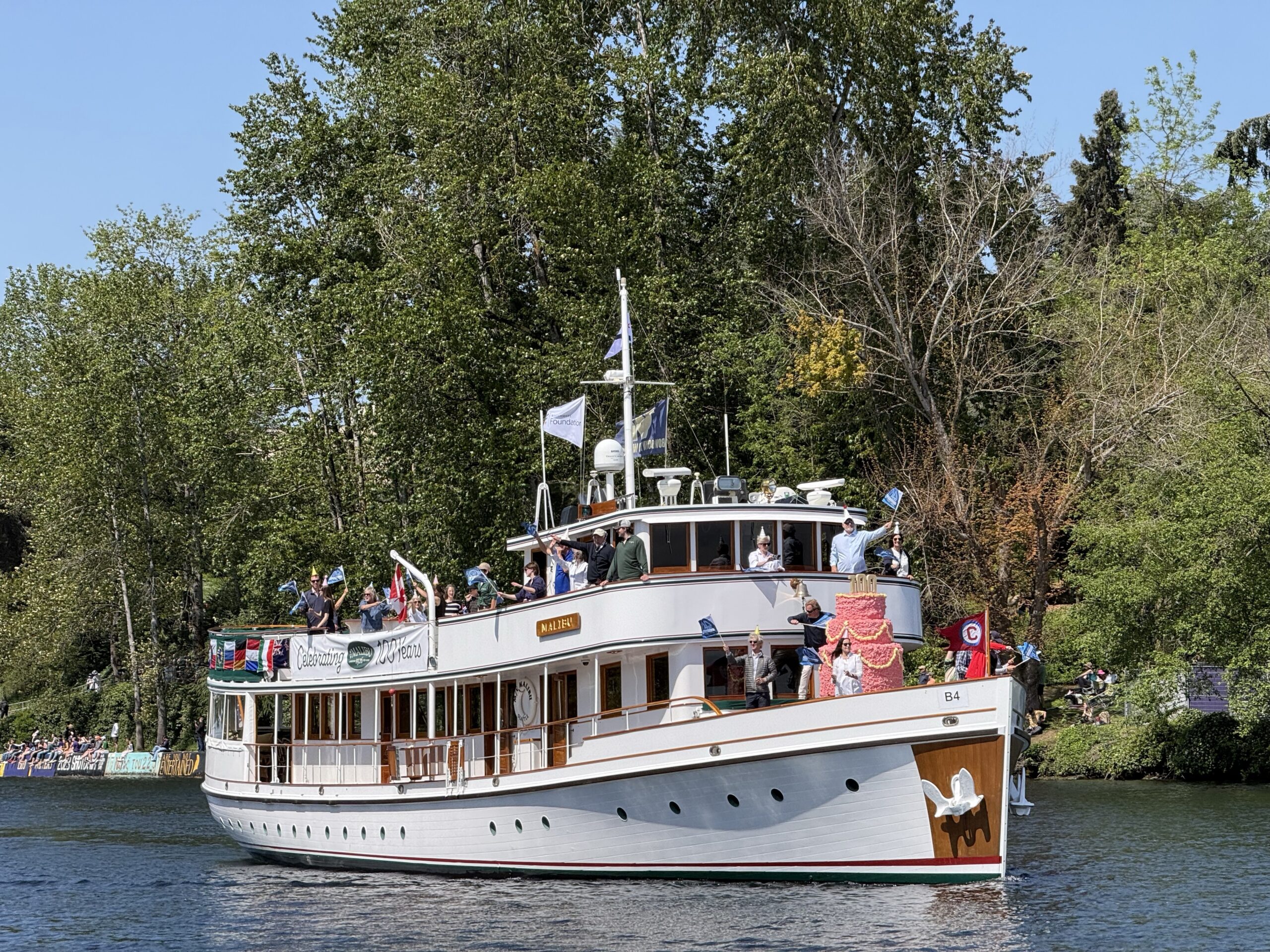
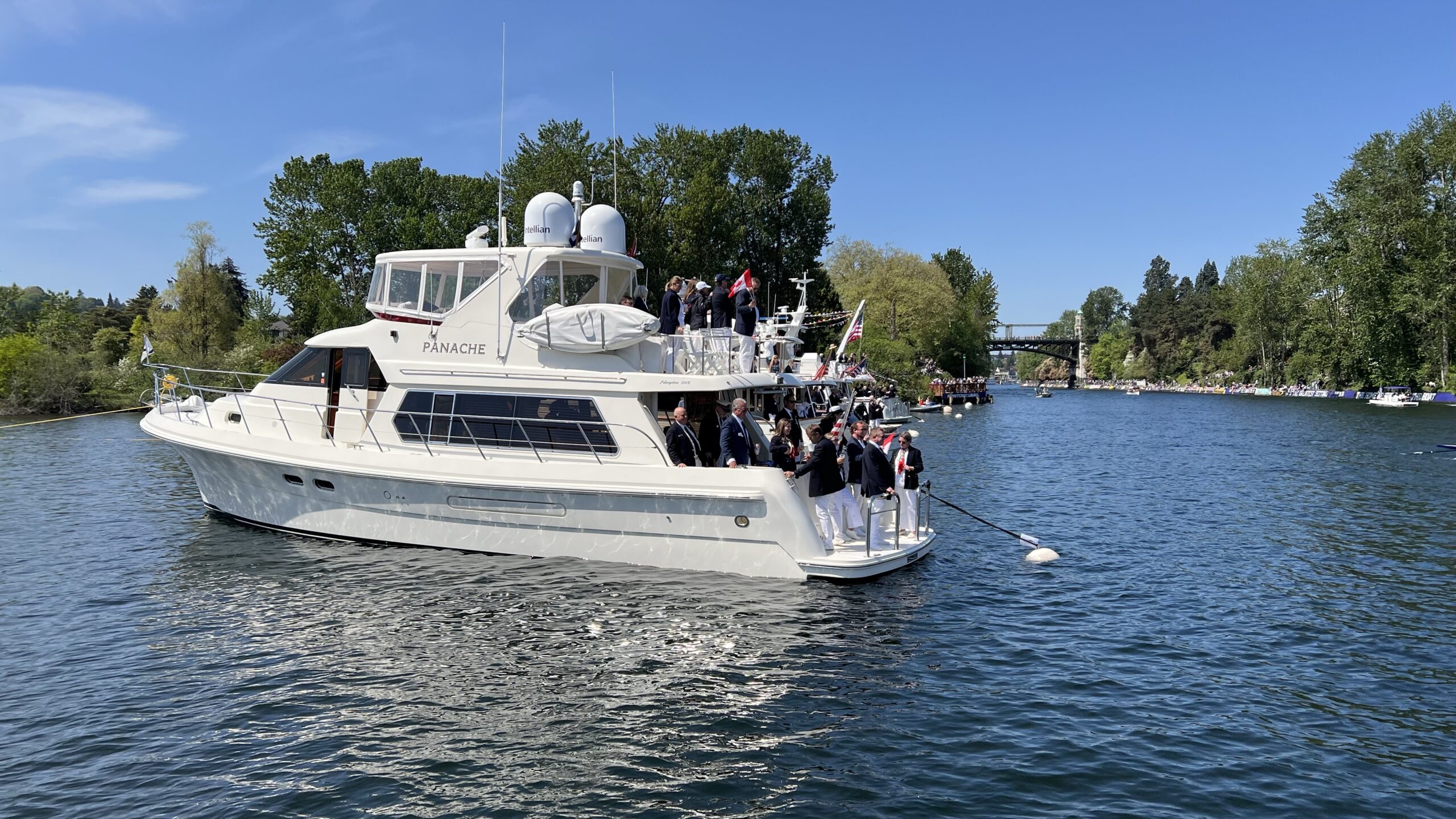
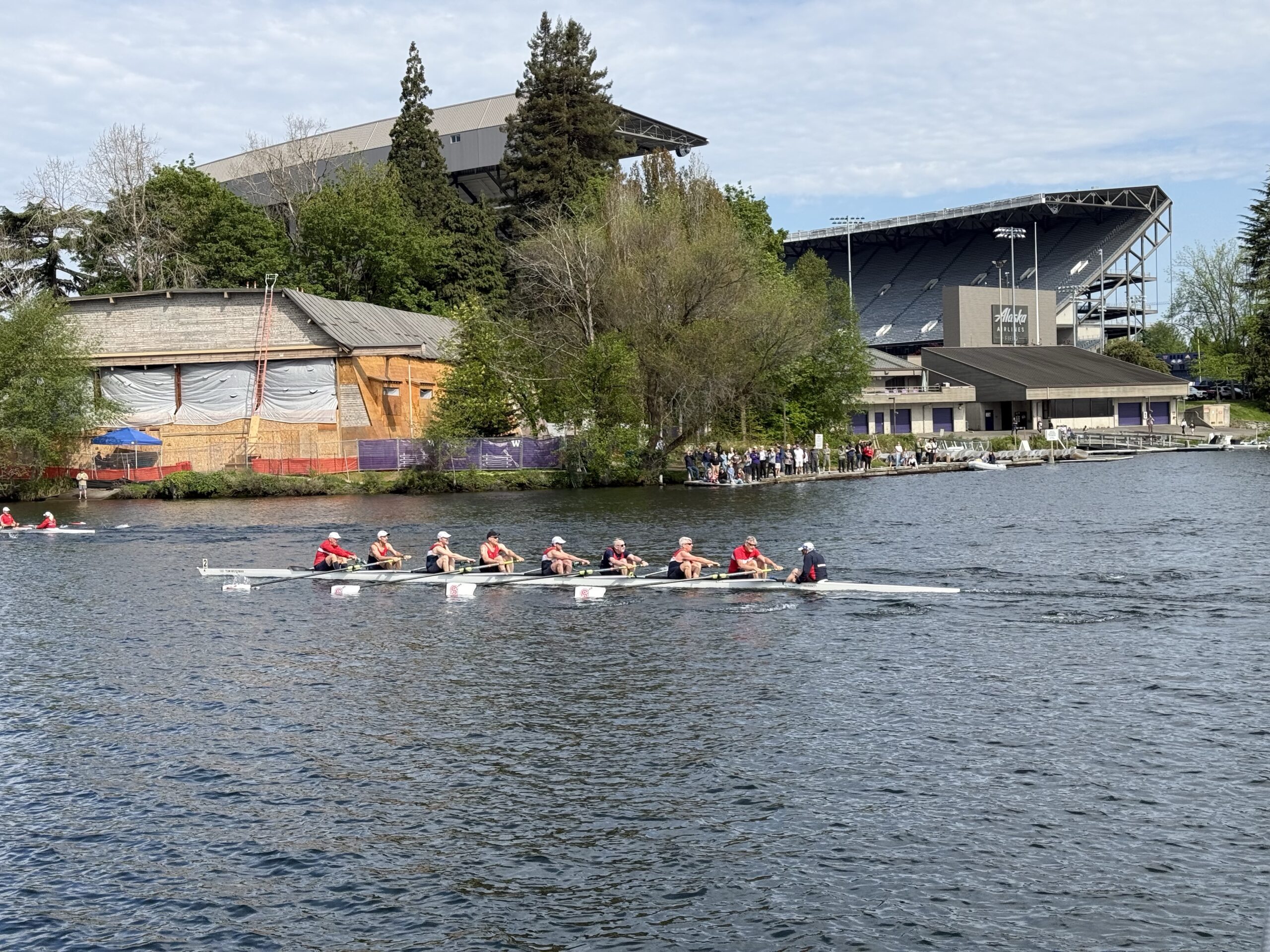
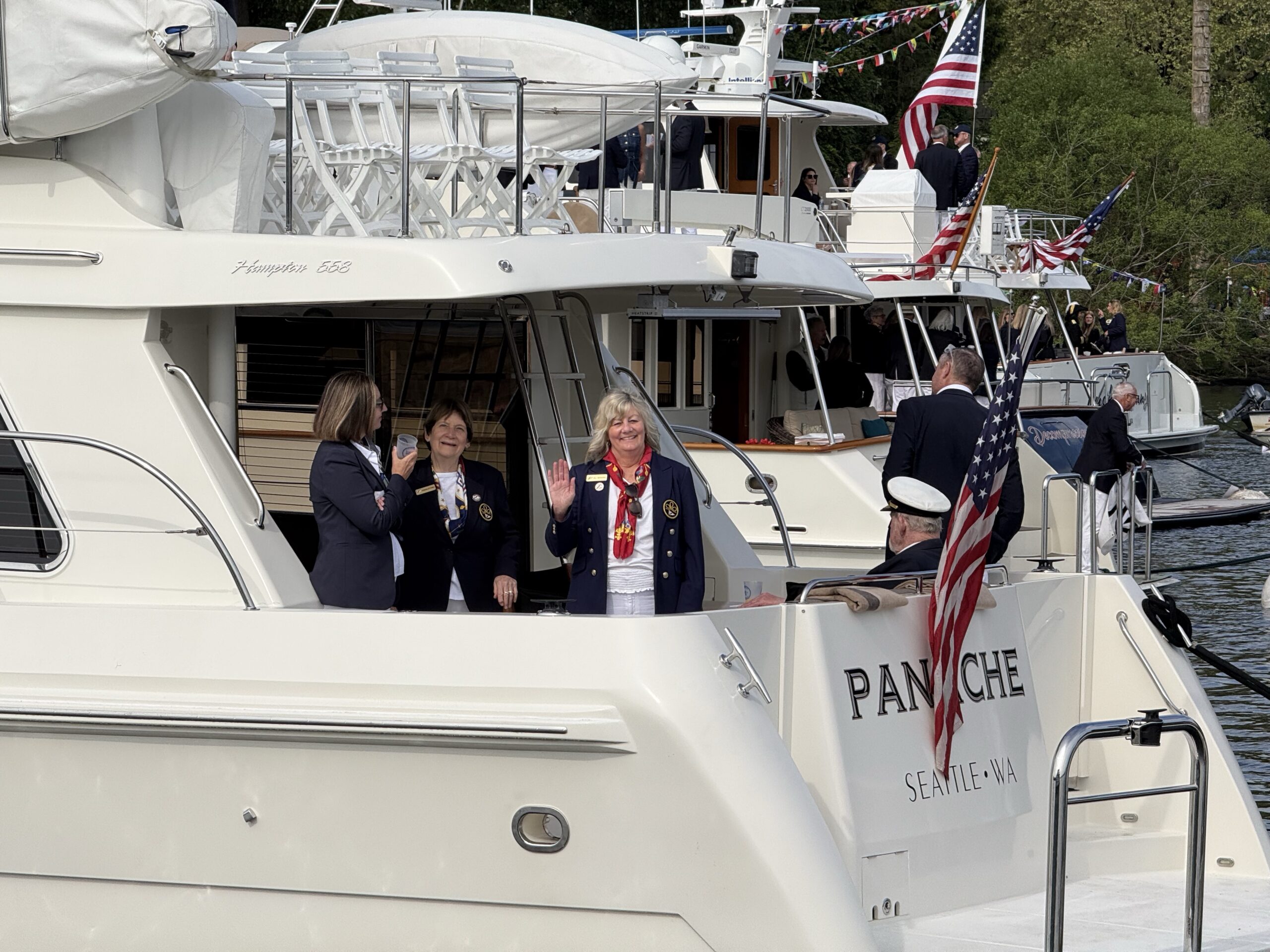
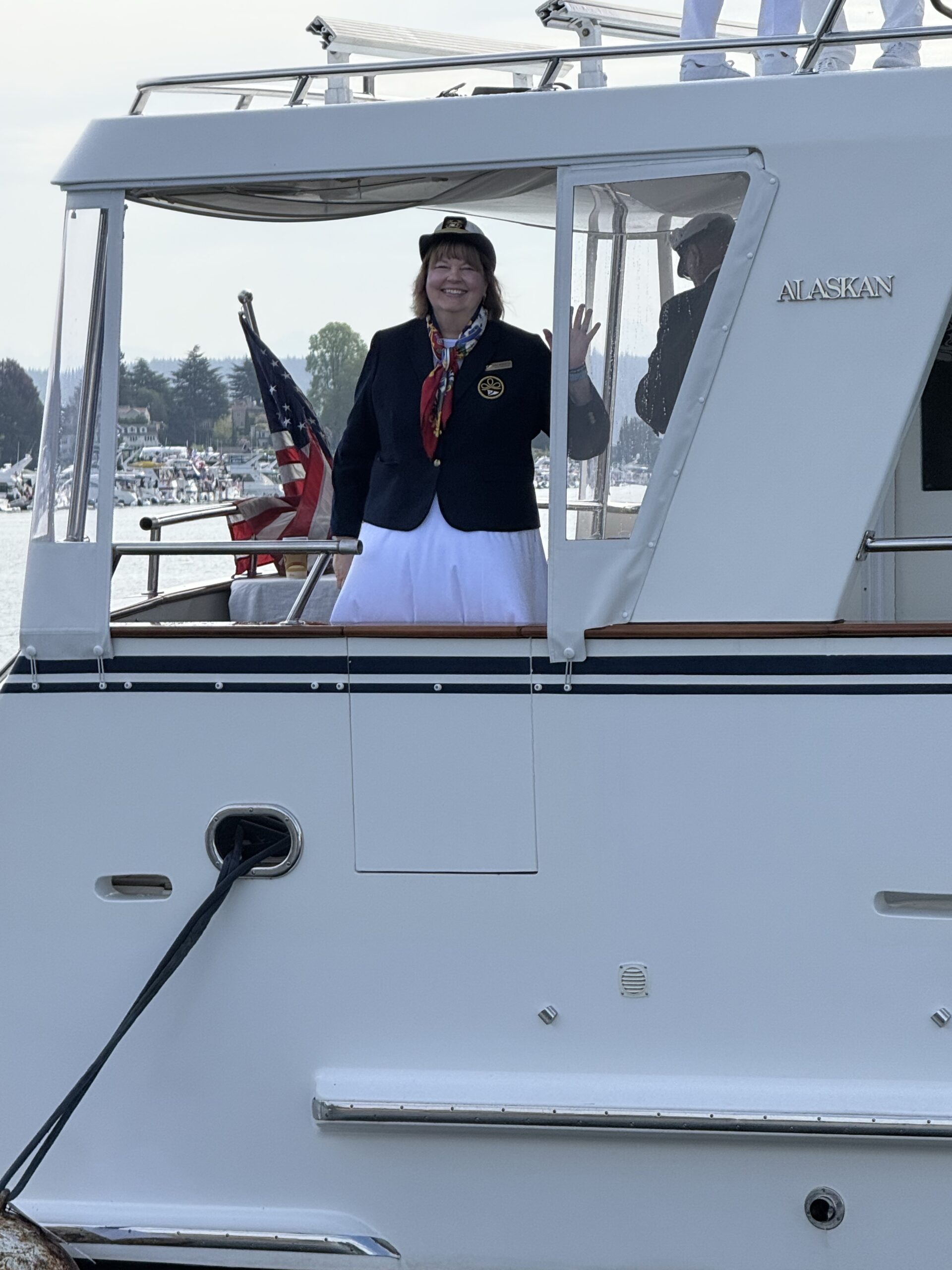
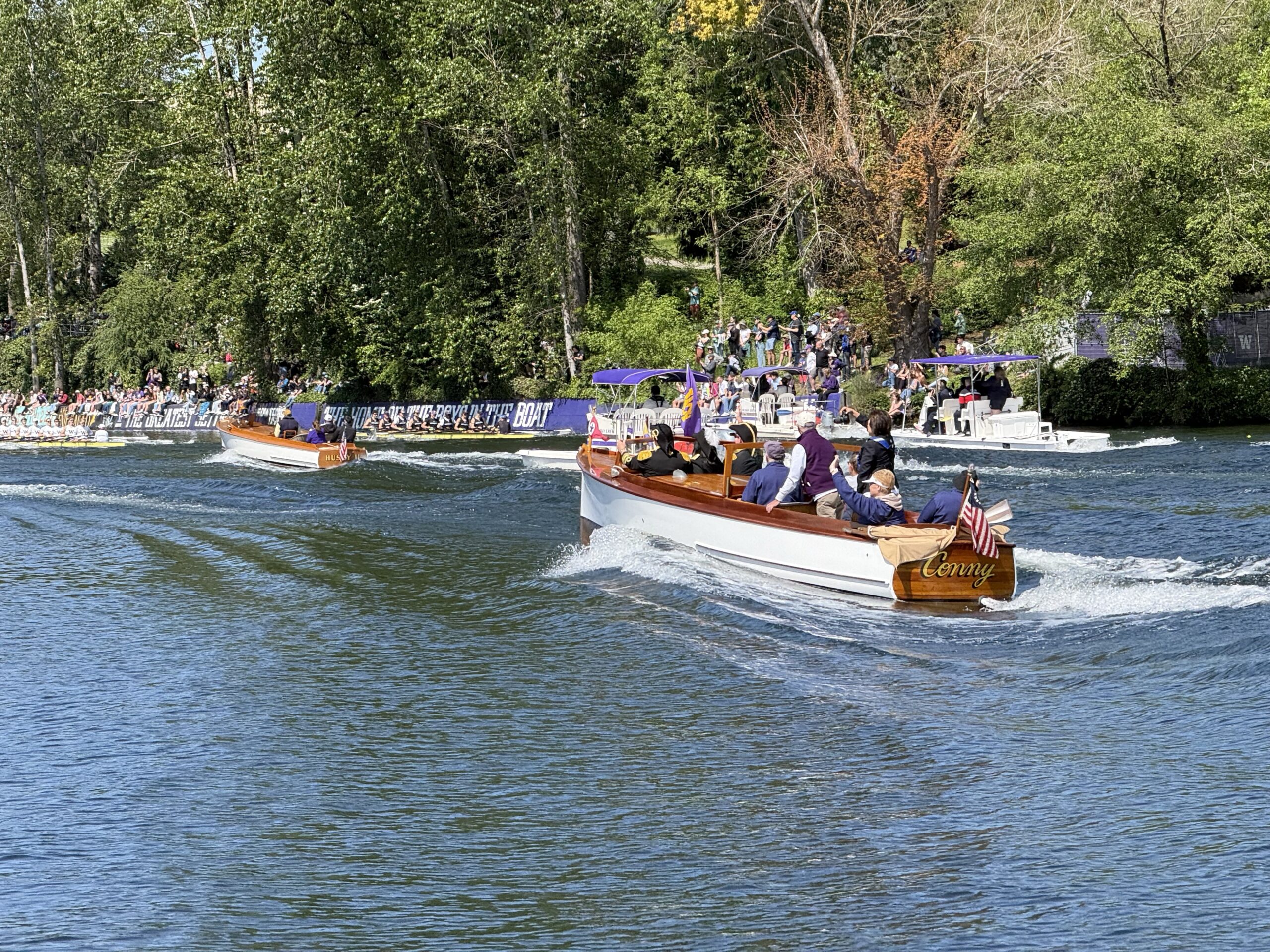
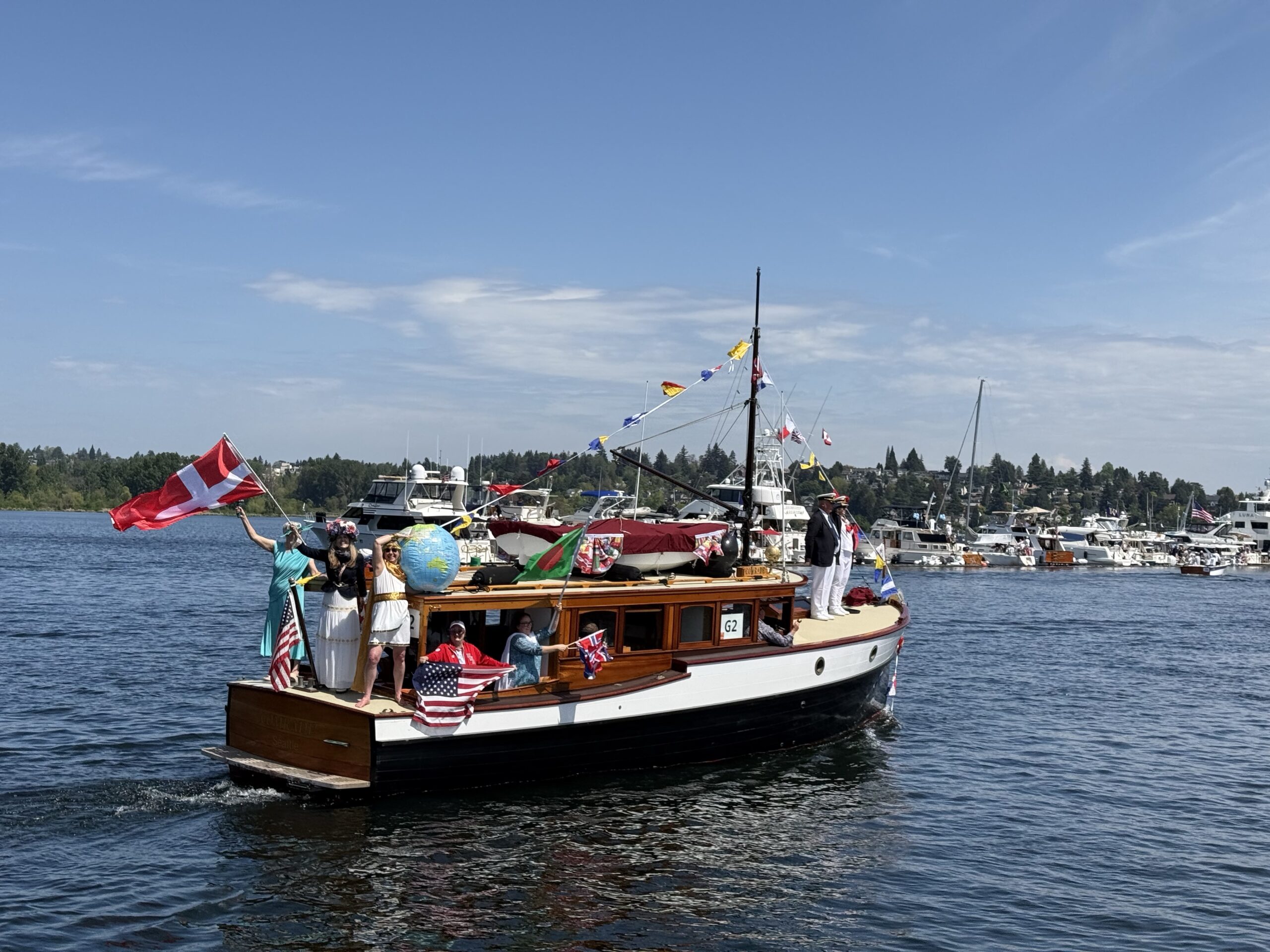
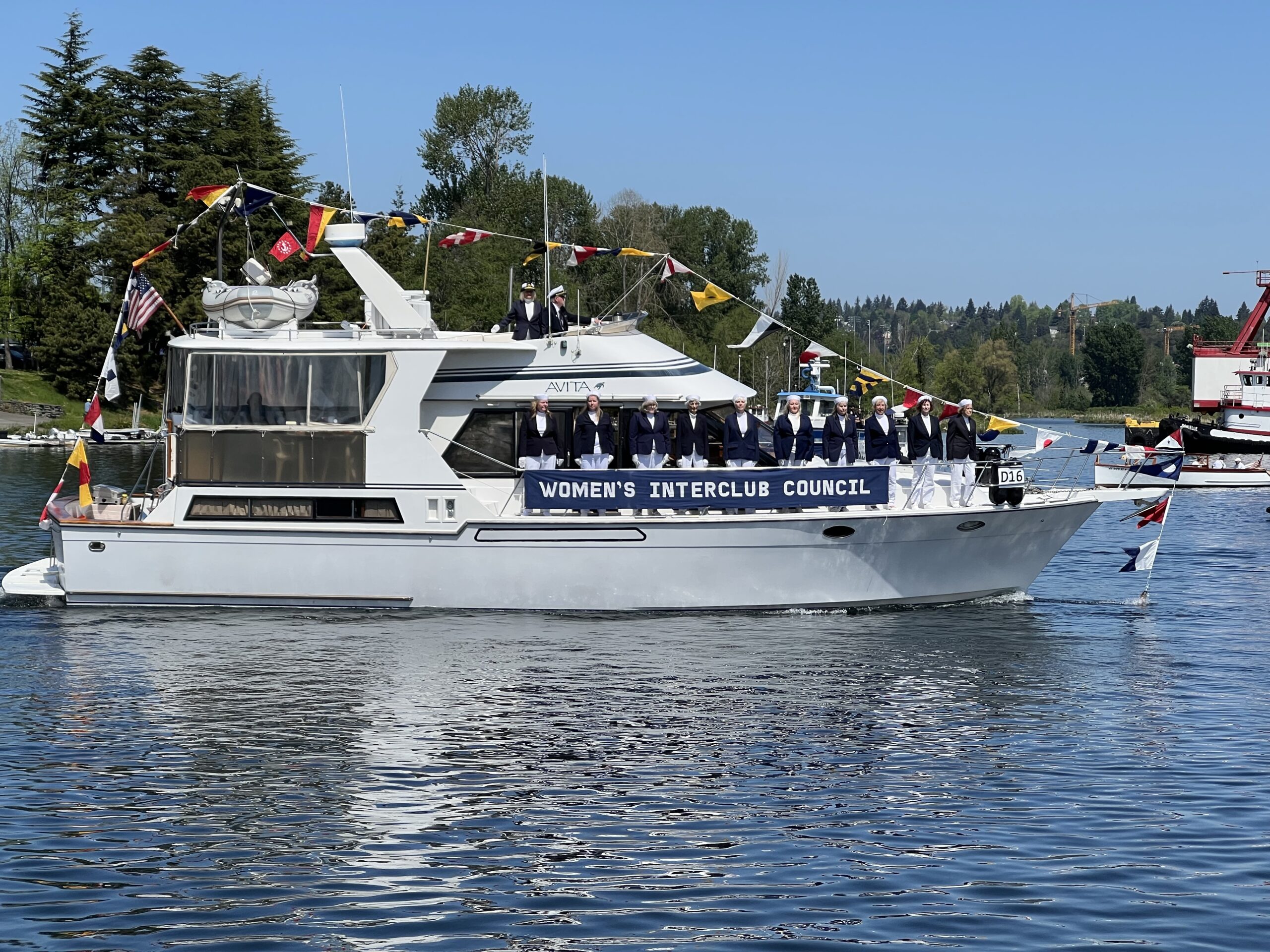
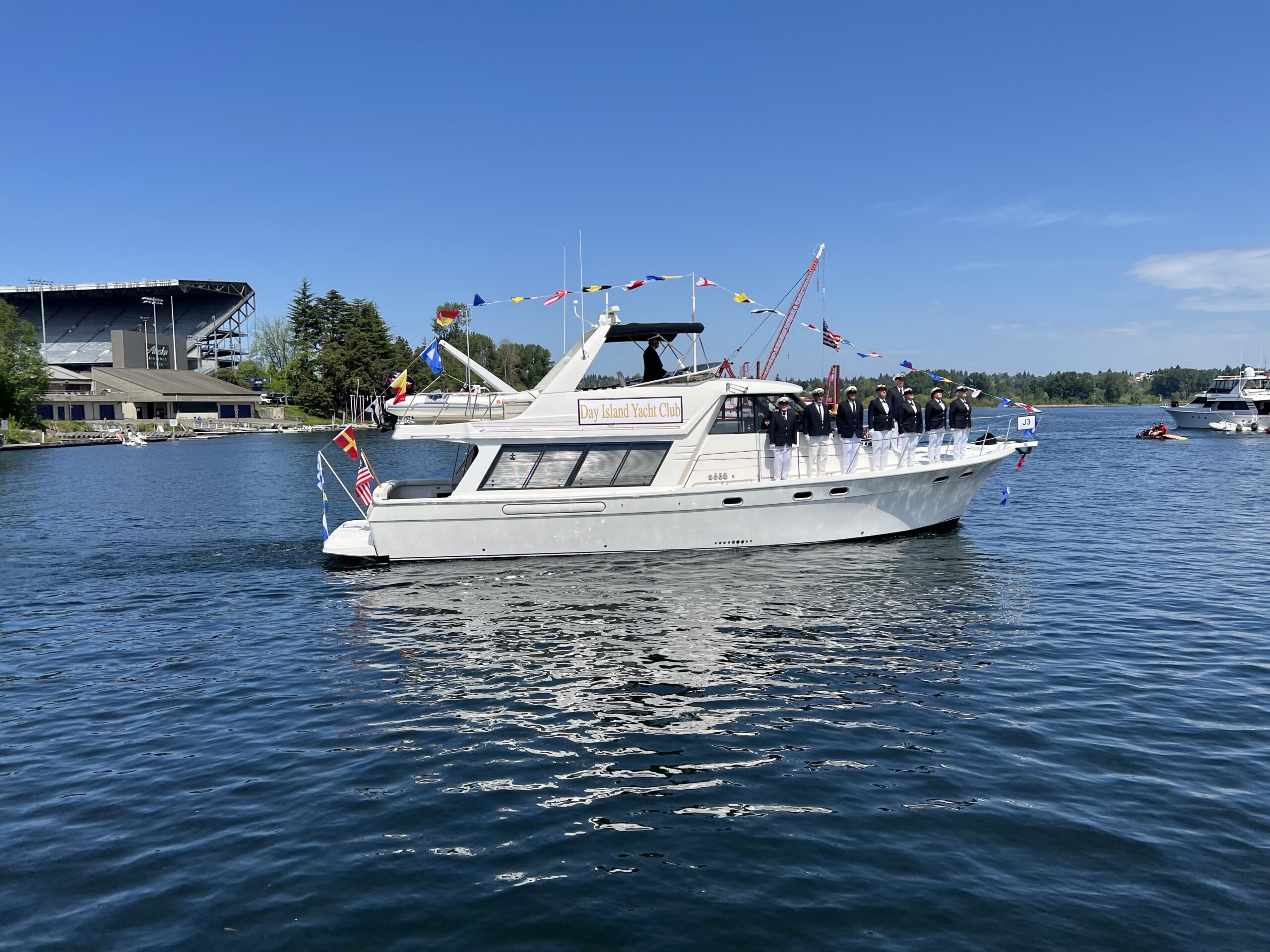
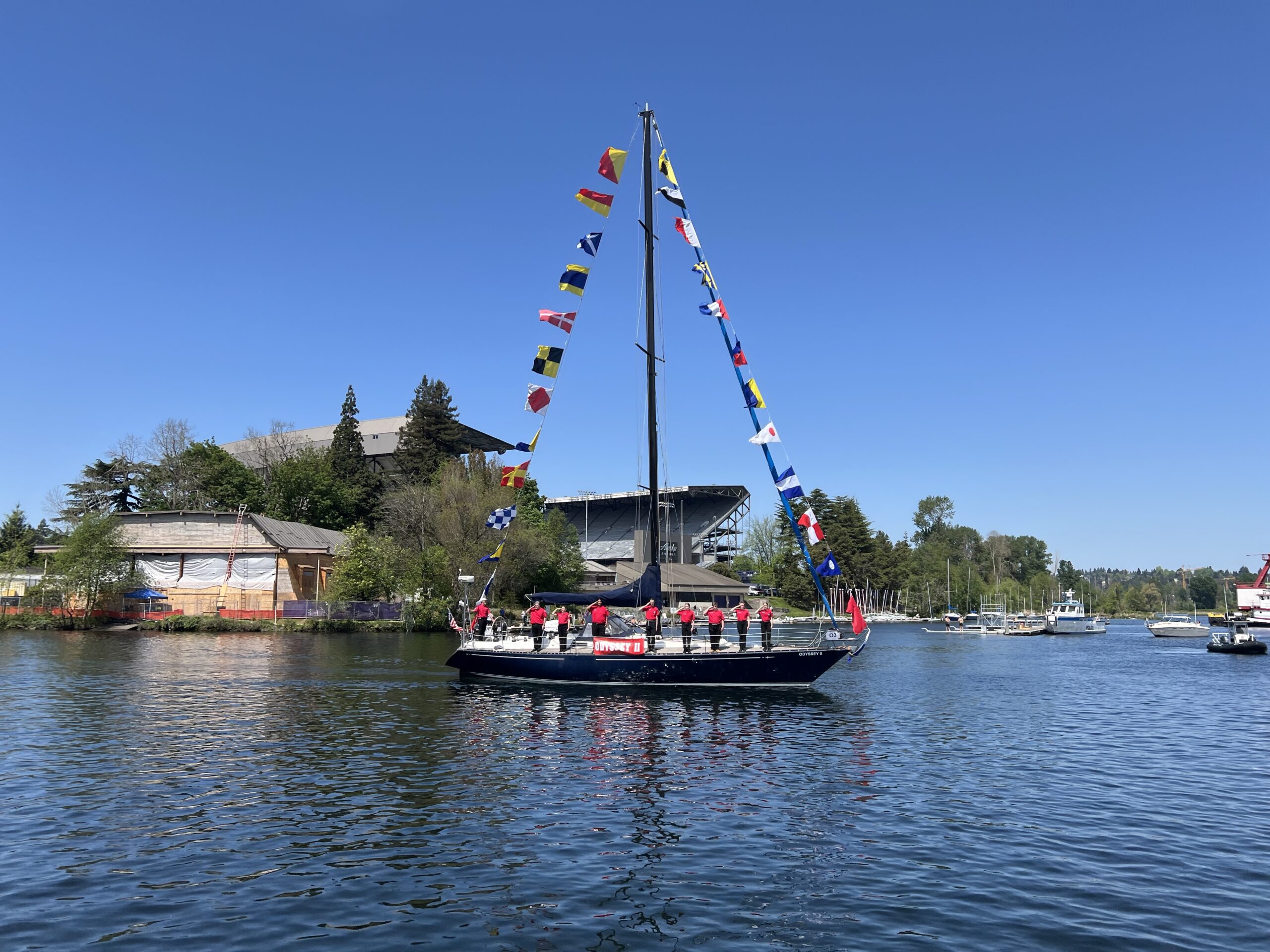
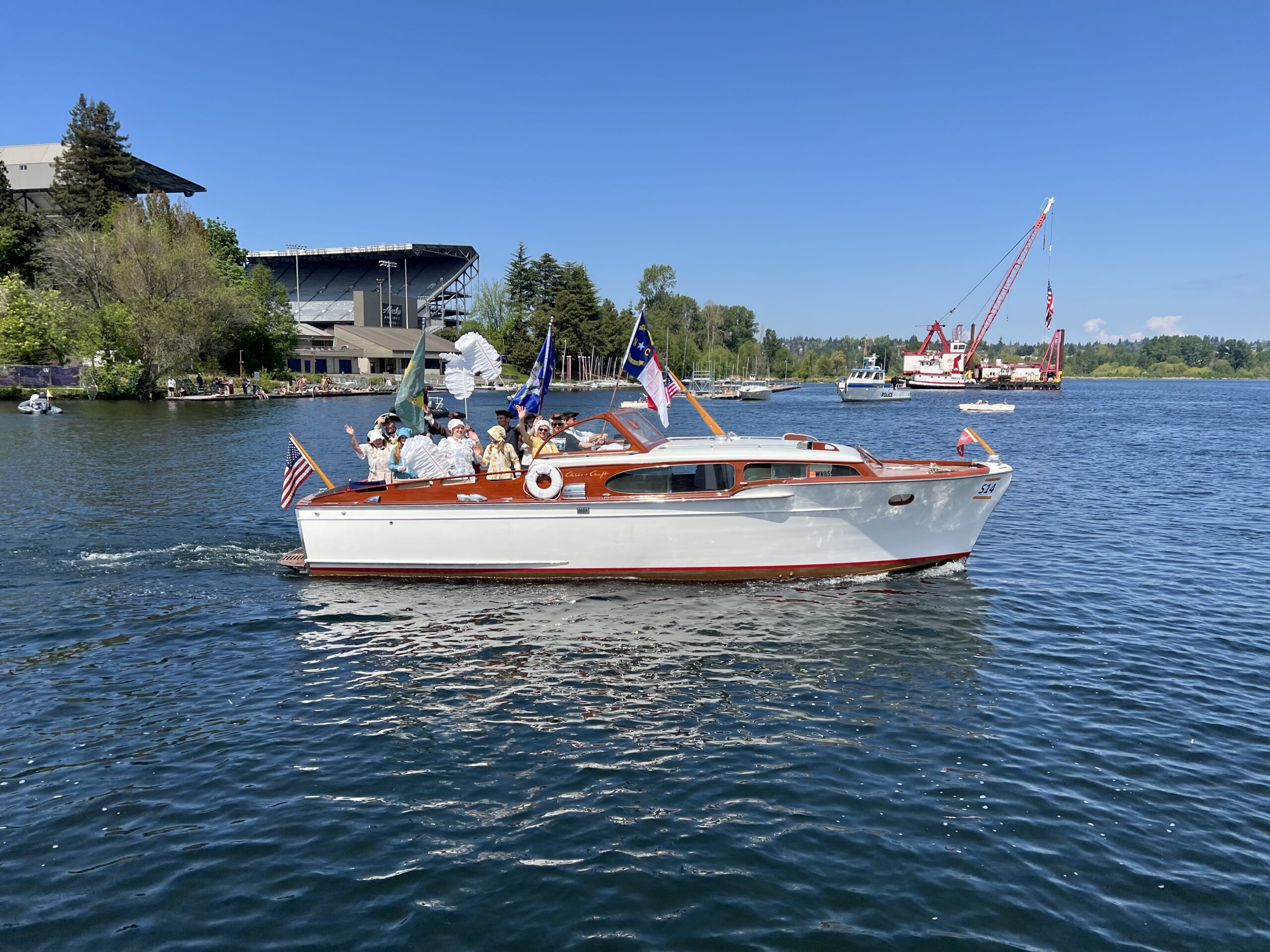
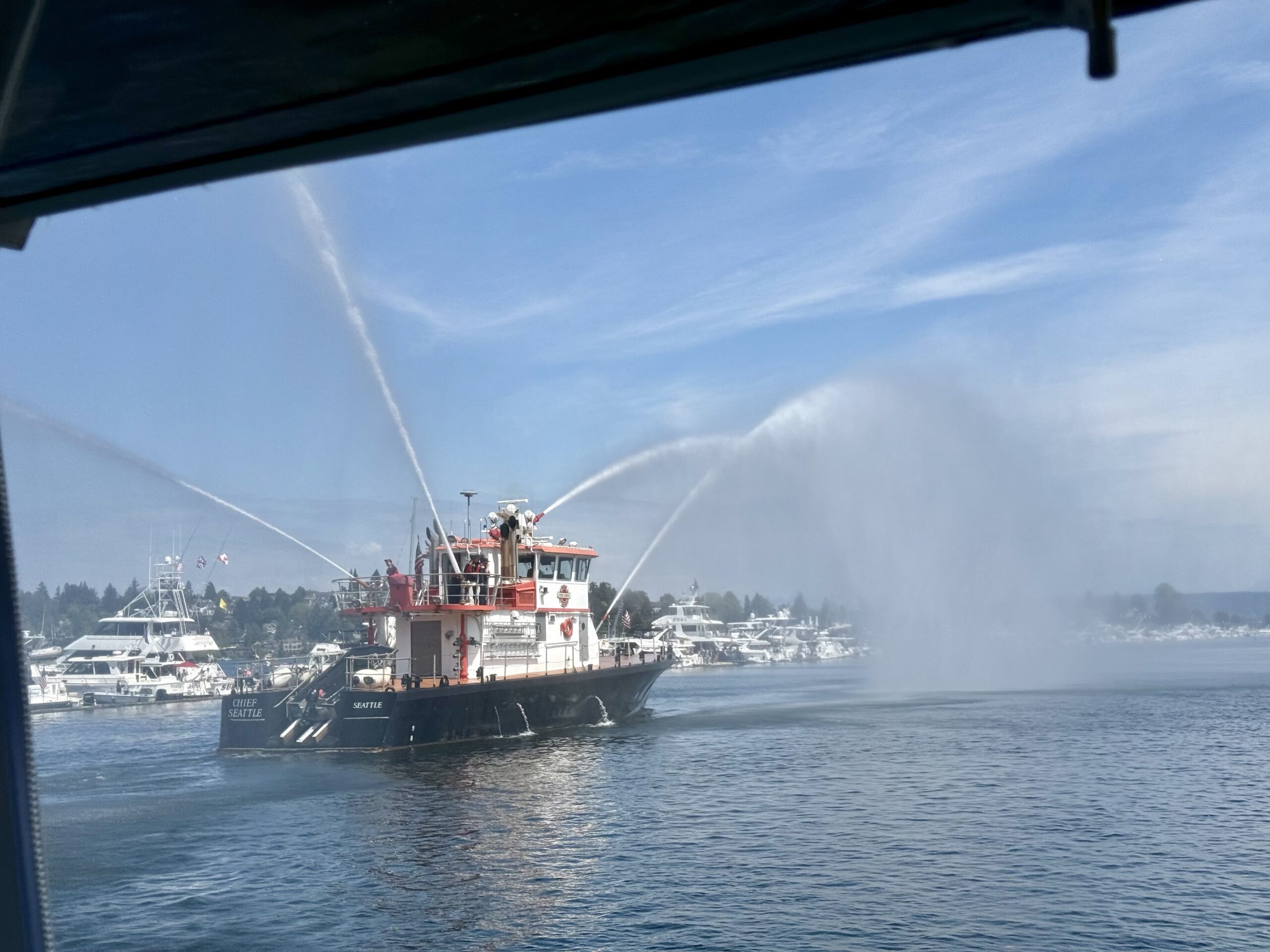
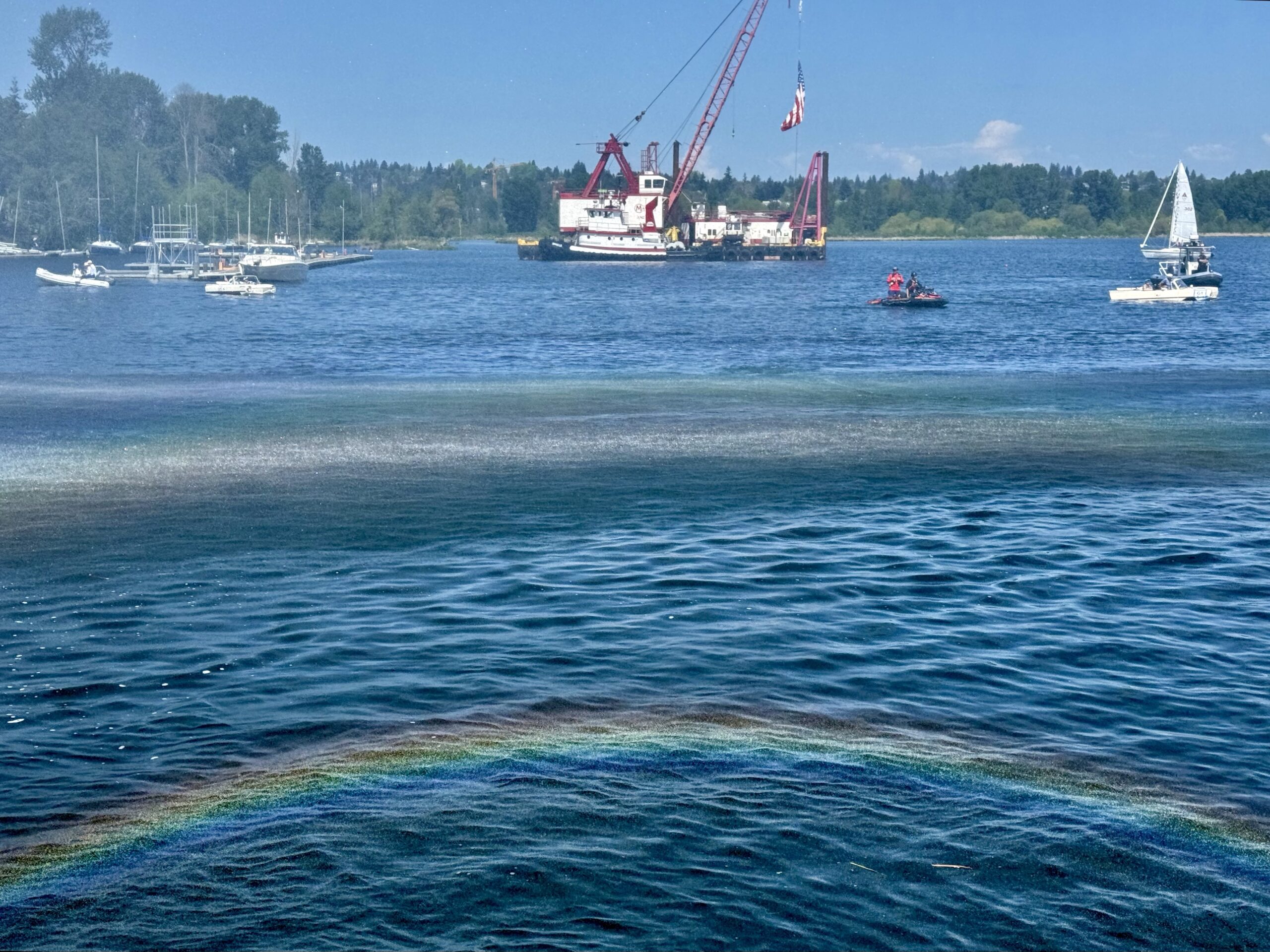
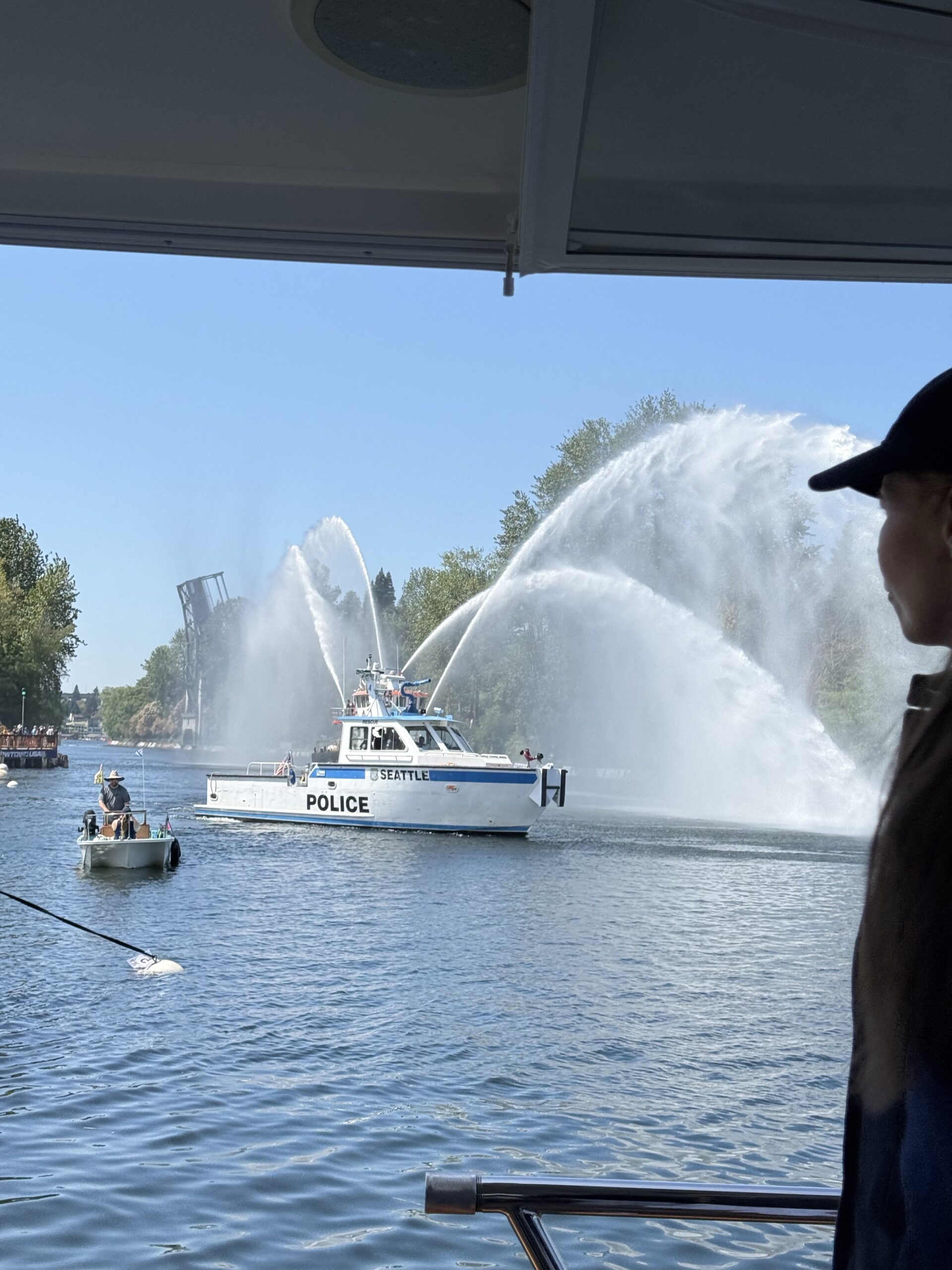


“Cat Trick” plays on the idea of a cat’s quick, elusive, almost magical movements—things that dart, flicker, and make you question what you just saw.
So “a living thing that Cat Tricks the eye” means:
the harbor scene feels so dynamic and fluid that it almost deceives your vision—movement, light, and water shifting so სწრაფly that it’s hard to pin down.
It suggests:
• quick, subtle motion (like ripples, reflections, drifting logs)
• a bit of visual illusion
• something playful and slightly unpredictable
In plain terms: it looks alive in a way that flickers and tricks your eyes, like something moving just faster or more subtly than you can fully track.