Berlin makes a compelling one or two‑day side trip from Munich, offering a dense blend of river scenery, Cold War history, and contemporary political debate.
For a first‑time visitor, the city’s Spree River boat tours provide a calm, visual introduction to the urban landscape, while Checkpoint Charlie and the remains of the Berlin Wall anchor that landscape in the drama of the twentieth century.
Layered on top of this is a modern German conversation about taxes, reconstruction, and solidarity, which gives today’s Berlin a distinct political and economic edge. This essay sketches how to weave these elements into an overnight visit.
Seeing Berlin from the Spree
Berlin is a city that can initially feel scattered: grand nineteenth‑century museums, glass‑and‑steel government buildings, Soviet‑era boulevards, and gentrifying industrial quays all coexist, but they are not intuitively aligned for a newcomer on foot.
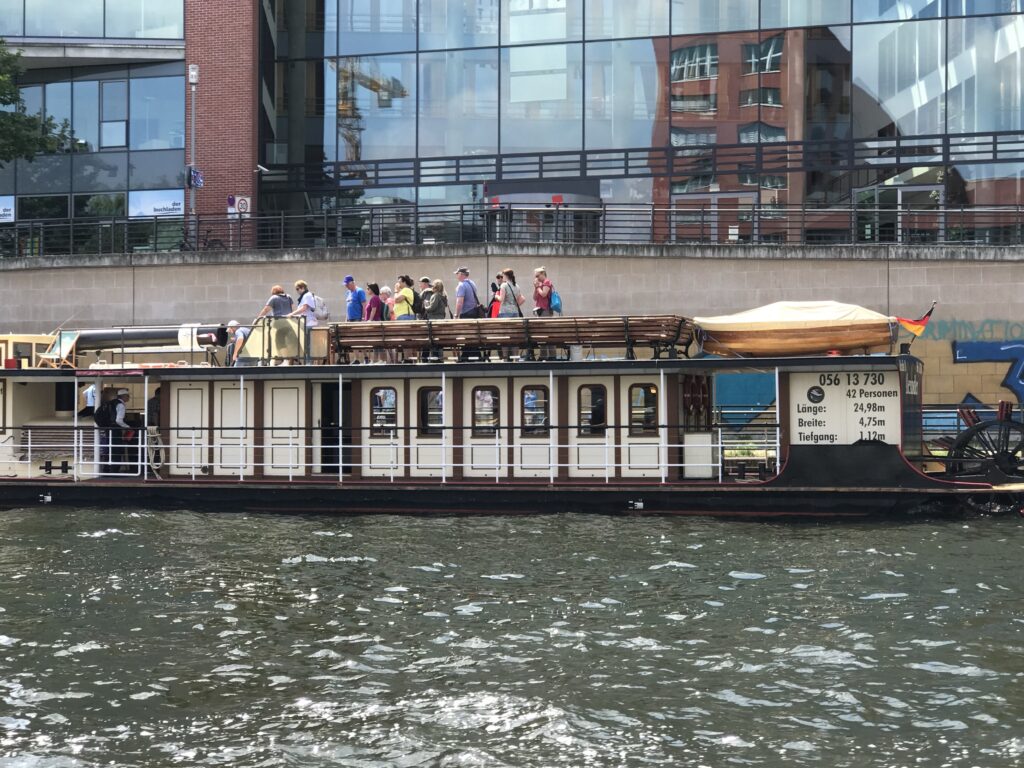
The Spree River, however, threads through the core and acts as a natural guide. A boat tour is therefore less a tourist cliché and more a practical orientation tool.
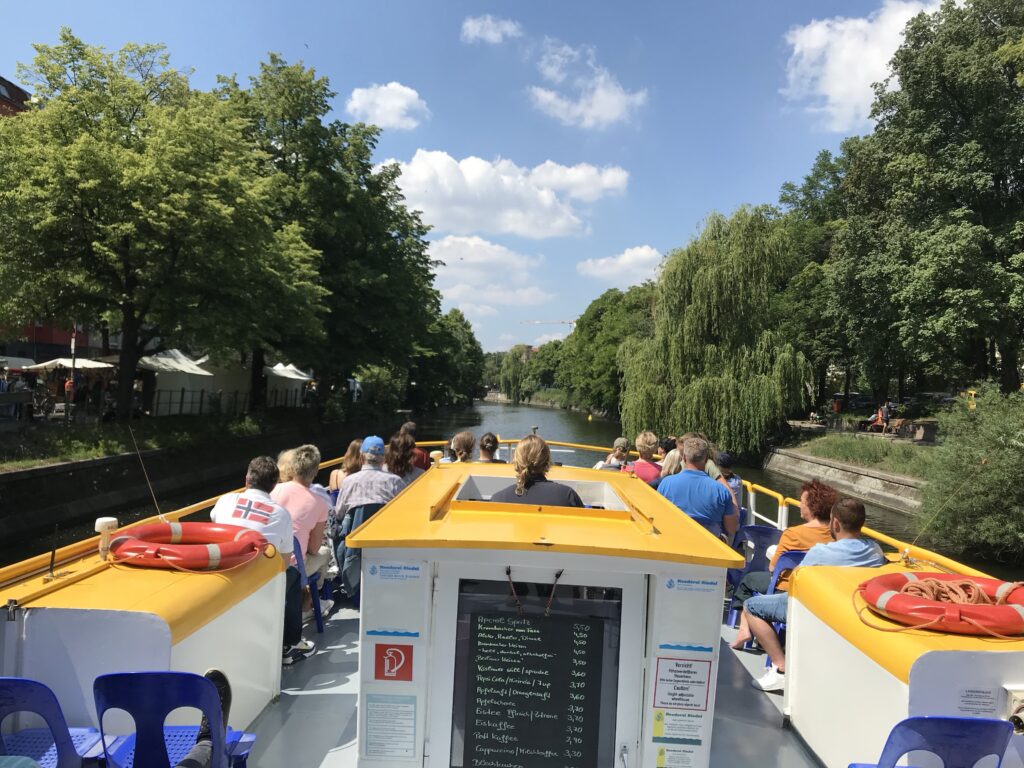
In the span of an hour or two, you can observe how the historic royal and imperial heart of Berlin on Museum Island gives way westward to the Bundesrepublik’s post‑reunification government quarter, and further still to quieter stretches of canals and residential areas.
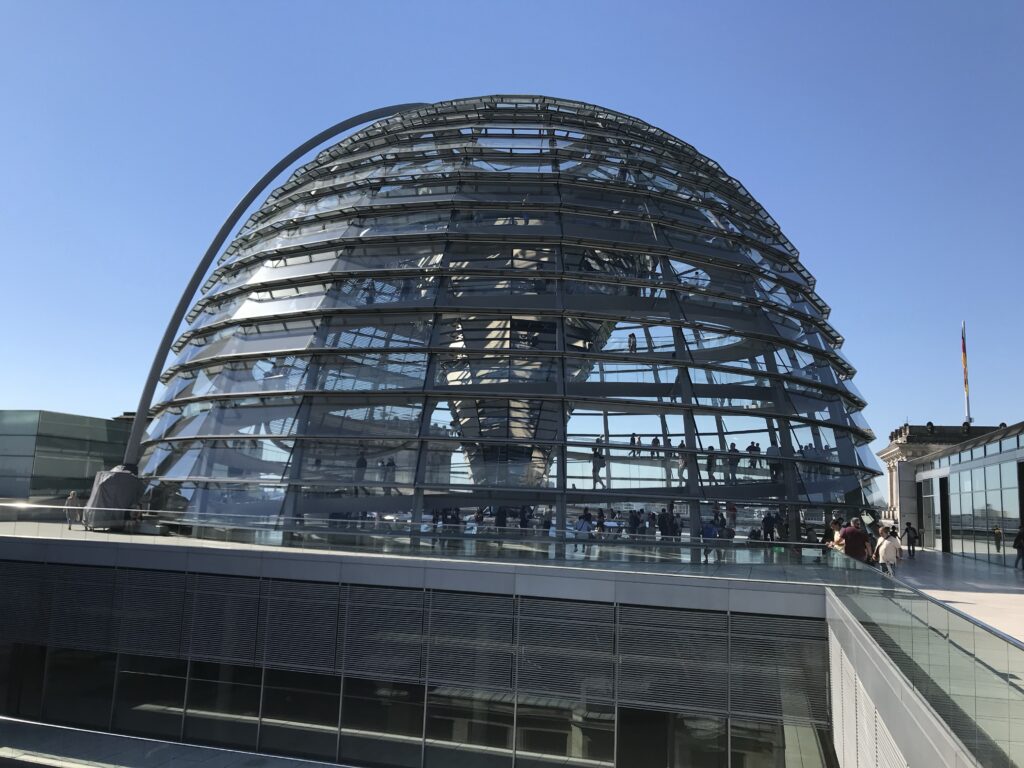
On a standard central‑city cruise, you are likely to start near Friedrichstraße, Museum Island, or another central pier. As you glide along the water, the Reichstag comes into view, its nineteenth‑century stone mass crowned by the modern glass dome.
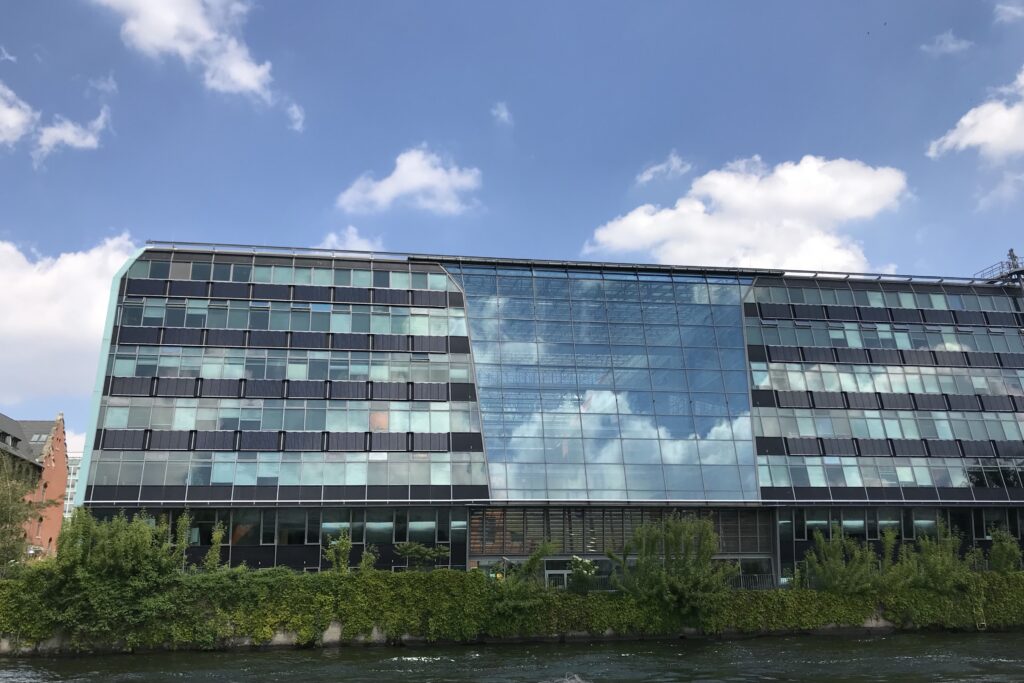
From the river, you see the Reichstag not just as a symbol of German democracy, but as part of a carefully choreographed ensemble: the Chancellery across the water, the linking footbridges, and the long office blocks of the Bundestag.
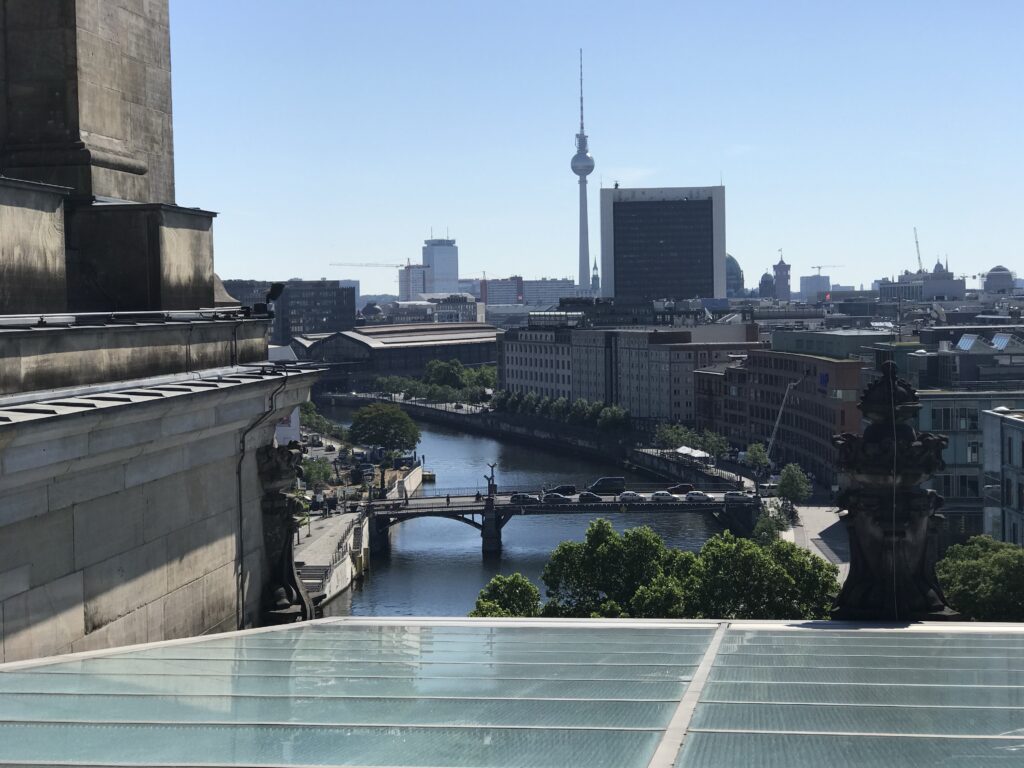
The ensemble captures how reunited Germany chose to arrange its federal power visibly along the river, in contrast to the more closed and ceremonial arrangements of earlier regimes. The river view emphasizes this openness, with extensive glazing and promenades that invite citizens to approach, at least visually, the apparatus of state.
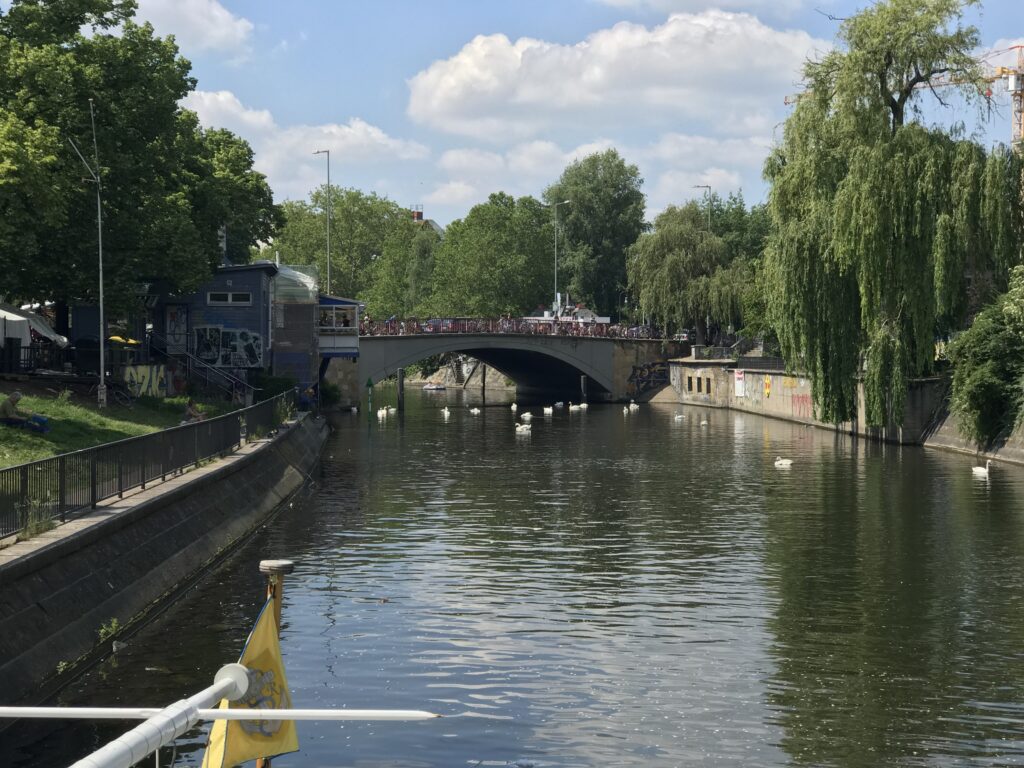
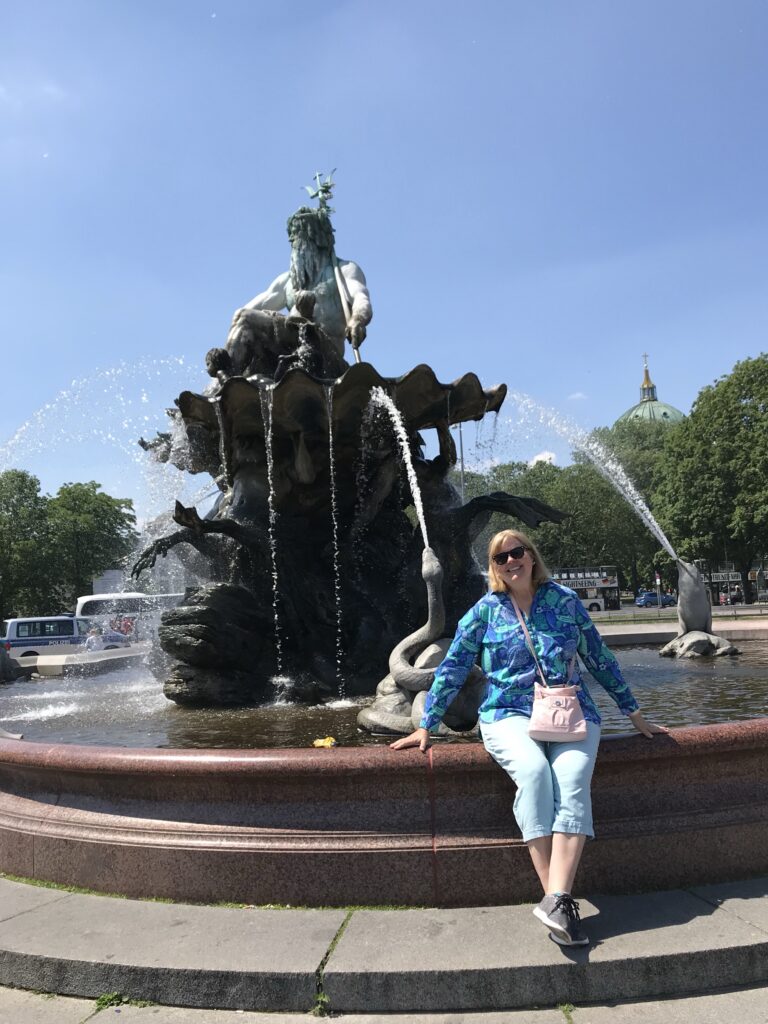
As the boat enters the historic center, the skyline shifts. The massive dome of the Berlin Cathedral rises above the water, while the stately façades of the museums line the banks in a sequence of neoclassical colonnades and reconstructed Baroque volumes.

The rebuilt Berlin Palace, now the Humboldt Forum, stands as a controversial symbol of Berlin’s tendency to reconstruct and reinterpret its past.
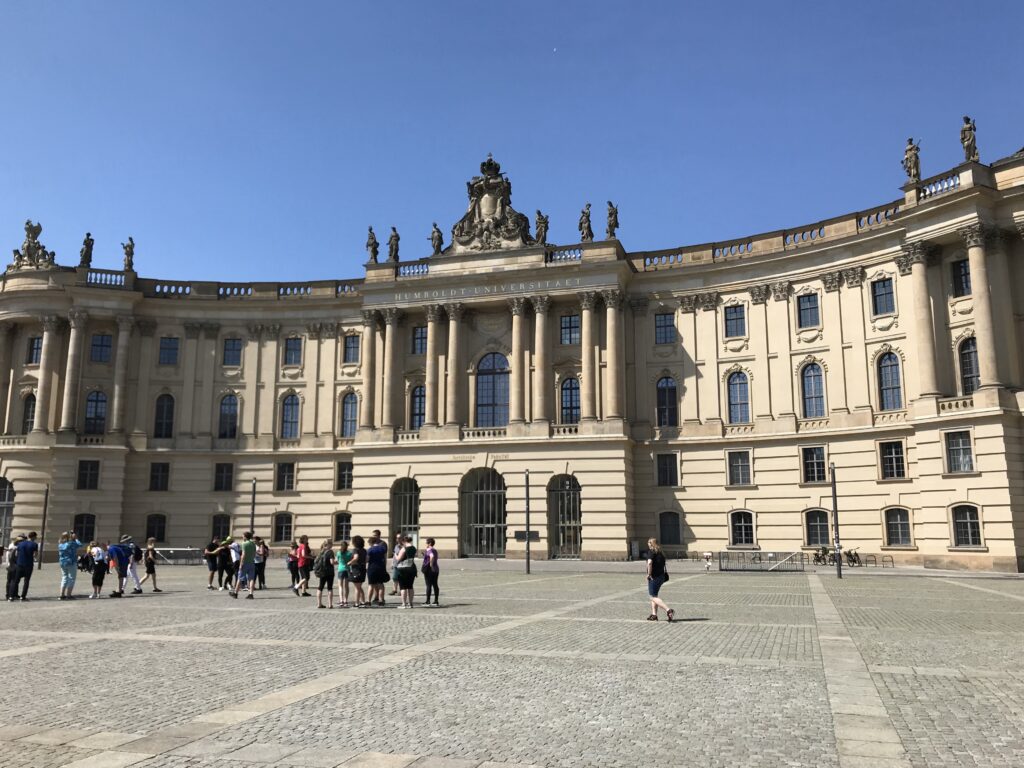
From the water, the debate recedes and the building simply provides a dramatic backdrop: arcades, portals, and courtyards that photograph beautifully from a low, riverine perspective. Further along, you pass Nikolaiviertel, the medieval core, where pointed church towers and narrow façades hint at pre‑industrial Berlin, a fragmentary reminder of a time before the devastations of the twentieth century.
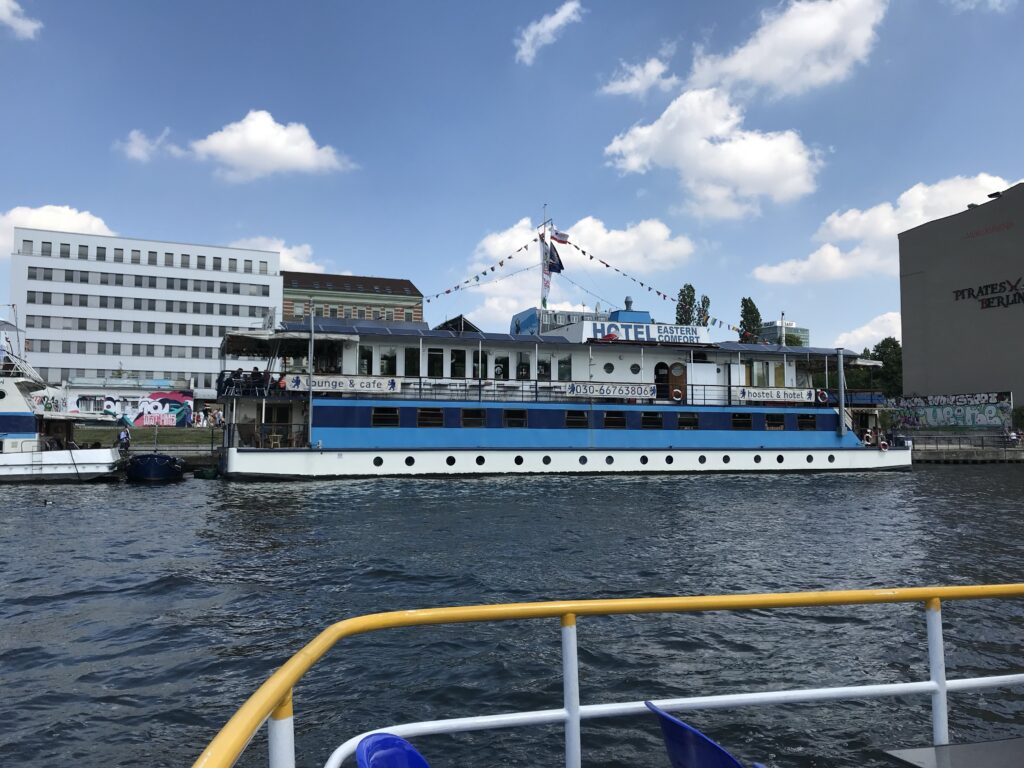
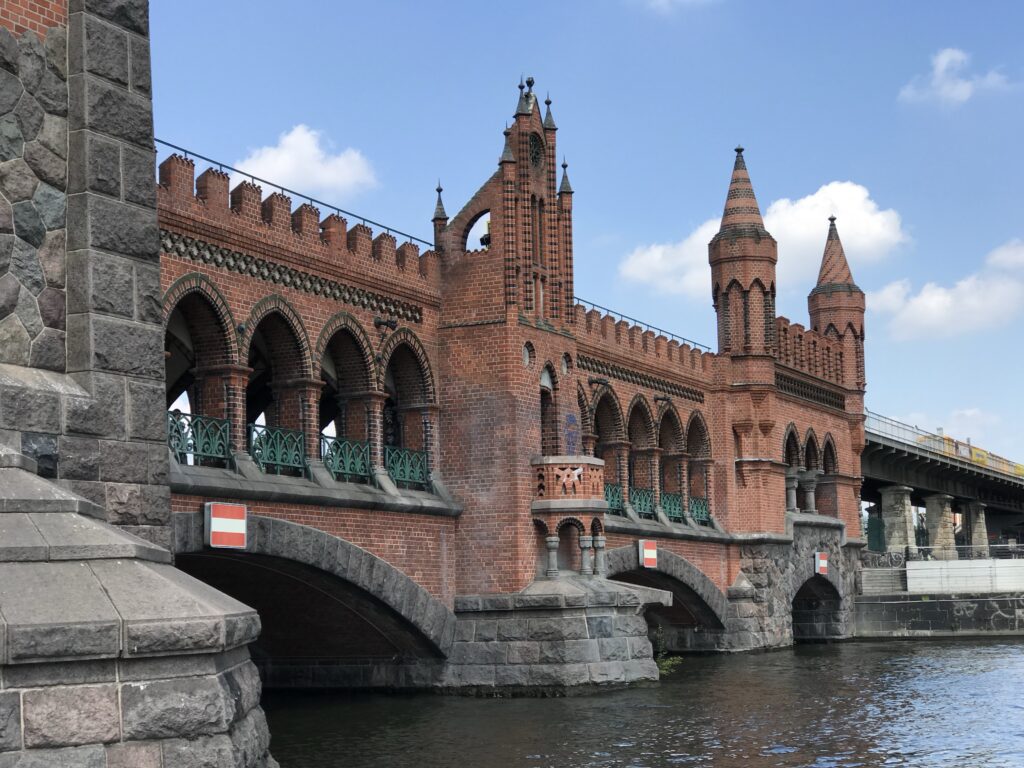
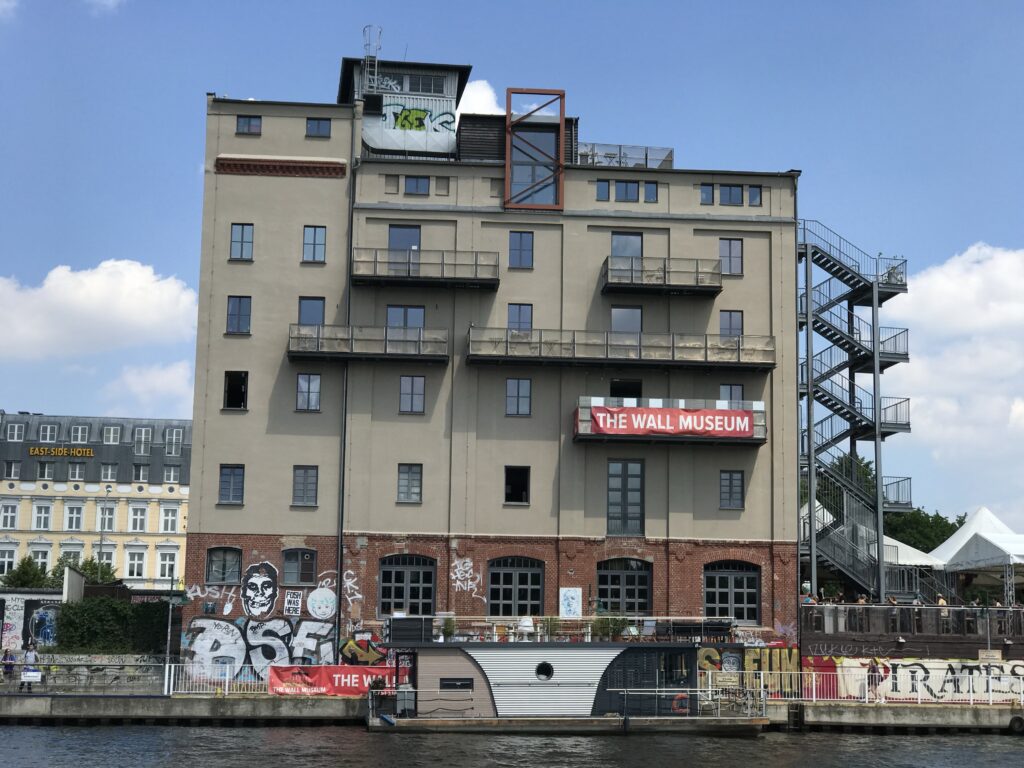
Longer tours, especially those combining the Spree with the Landwehrkanal, broaden the story further. As you navigate under dozens of low bridges, you encounter neighborhoods like Kreuzberg and Friedrichshain, see the red‑brick arches of Oberbaumbrücke, and pass the East Side Gallery, where surviving segments of the Berlin Wall are covered in murals.
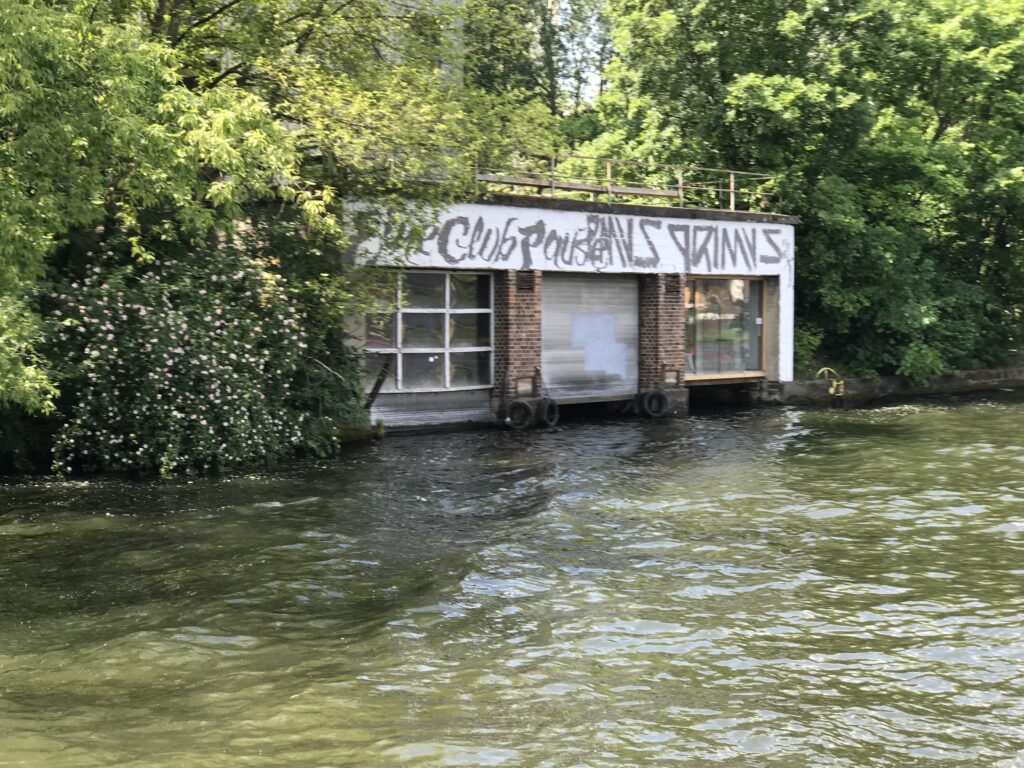
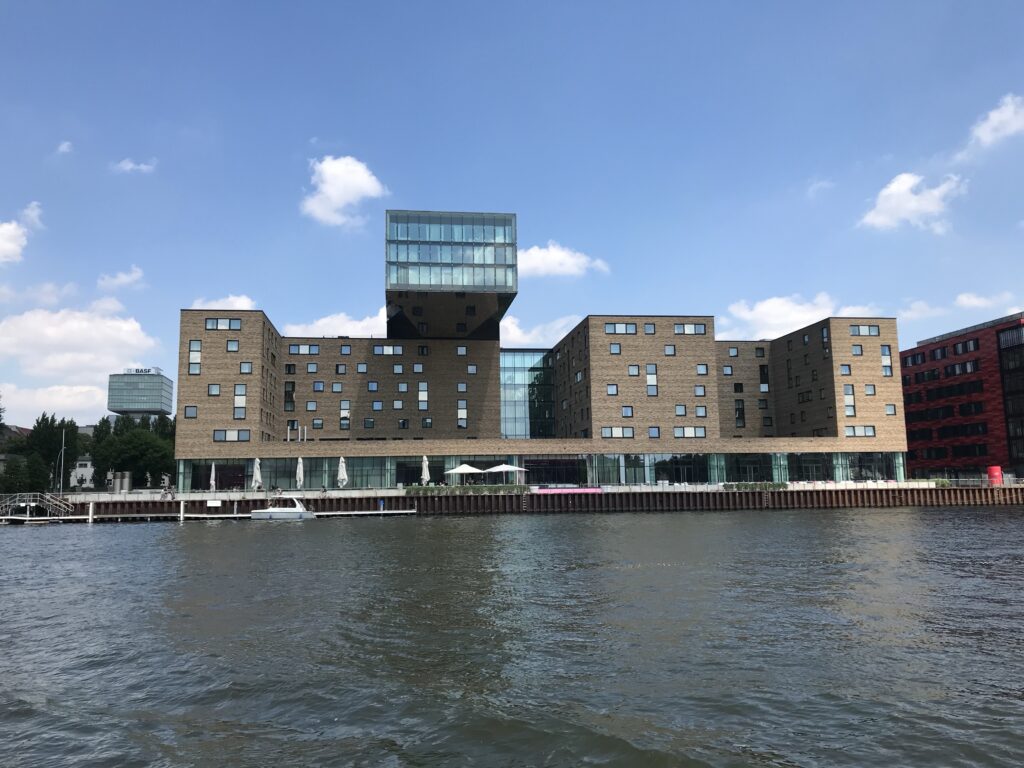
Here the river becomes a boundary in another sense: it separates old industrial spaces that have now been converted into offices, event venues, and clubs from more traditional residential blocks. Looking back, your photos will trace a subtle, continuous narrative: from state to culture, from pre‑war to post‑industrial, from monumental to lived‑in. Berlin’s complexity, when seen from the water, feels more intelligible.
The Spree’s Locks and the Rhythm of the City
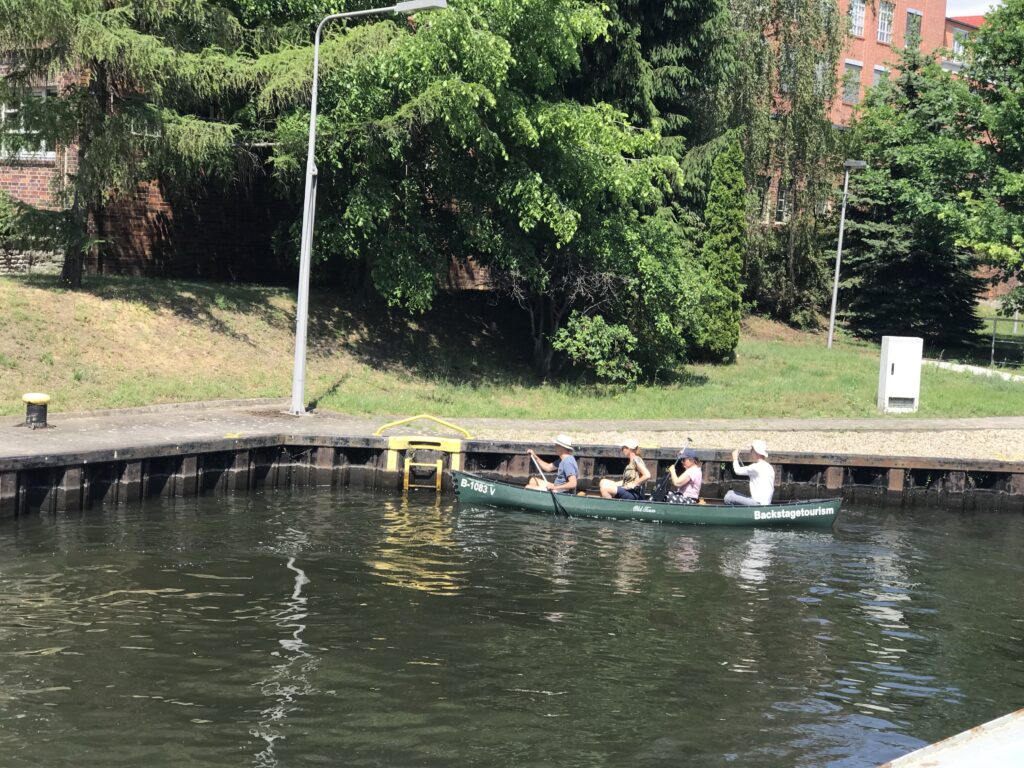
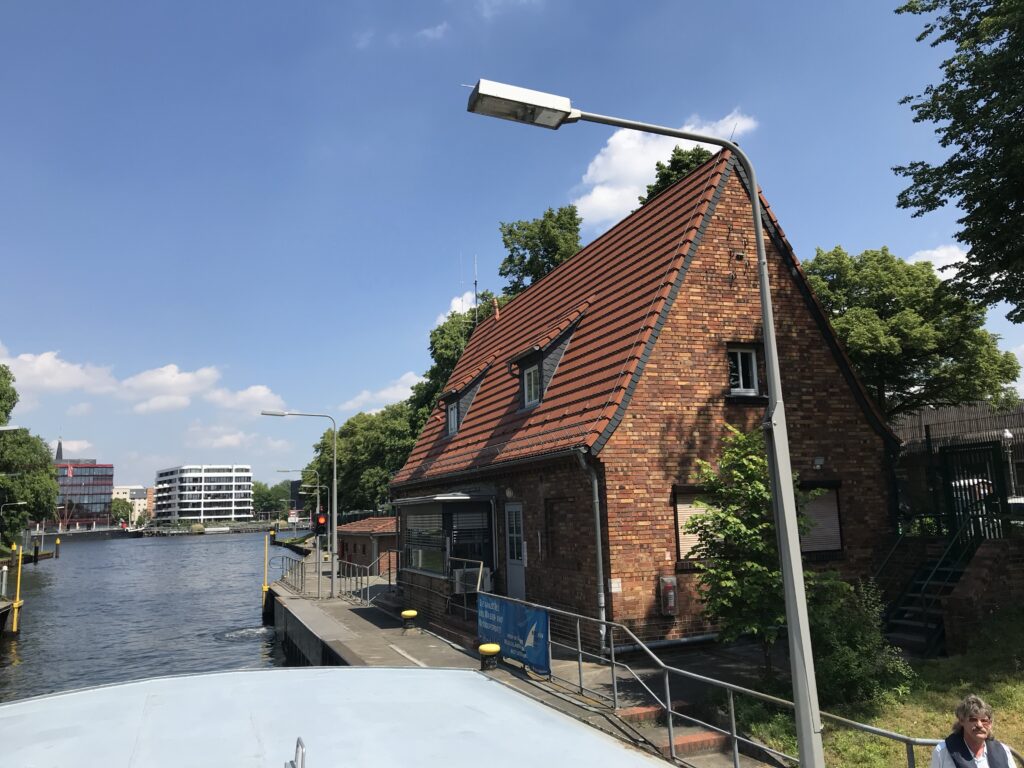
On the largest circuits—those that combine the main river with the Landwehrkanal—you pass through river locks that quietly remind you Berlin is as much an engineered water landscape as it is a political or cultural one.
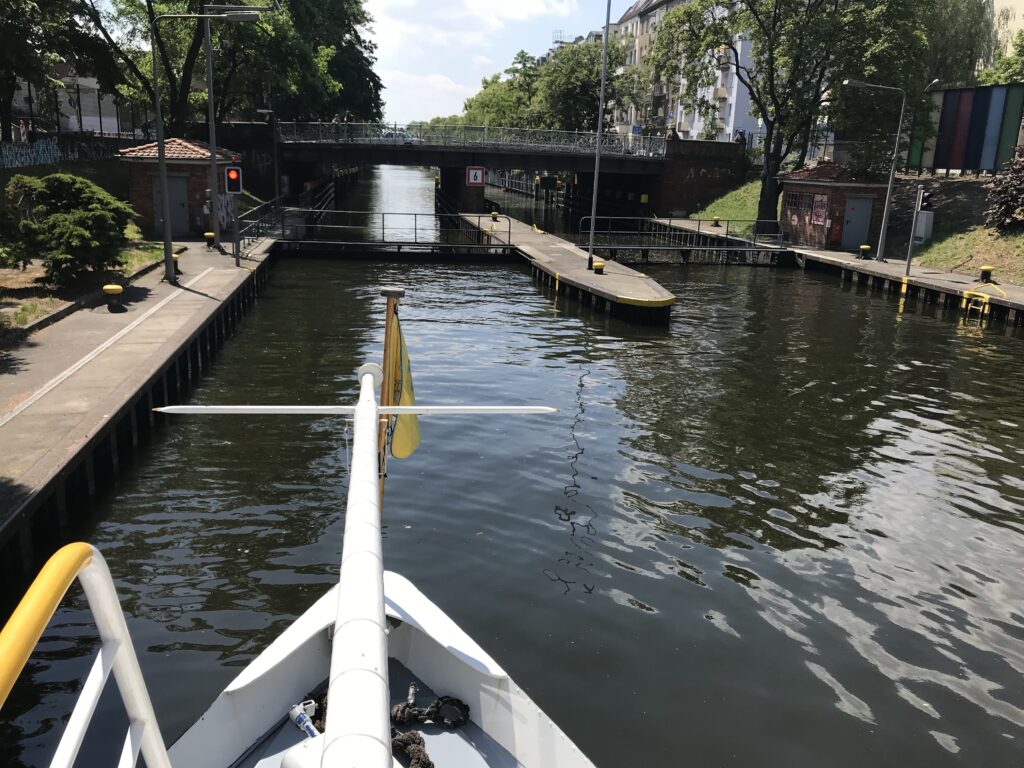
A full Spree–Landwehrkanal loop typically transits two locks, such as the Mühlendamm lock in the central area and another lock connecting the Spree with the canal system.
The process of entering, rising or falling, and exiting a lock usually takes on the order of ten to twenty minutes, depending on traffic, water level, and operational tempo.
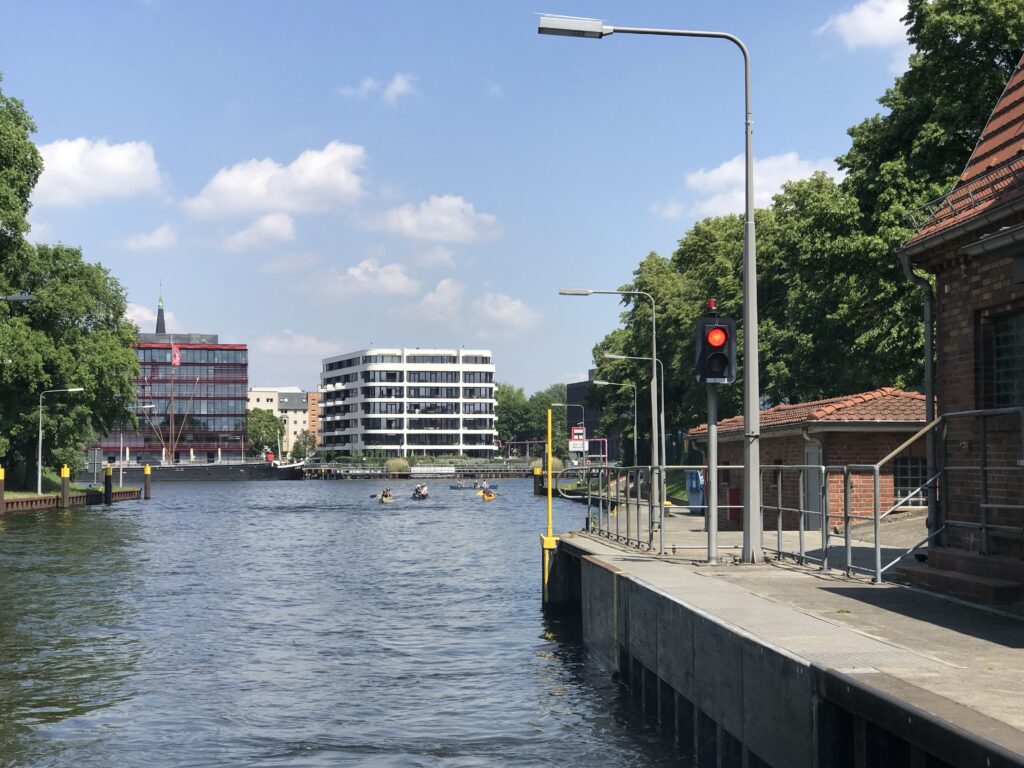
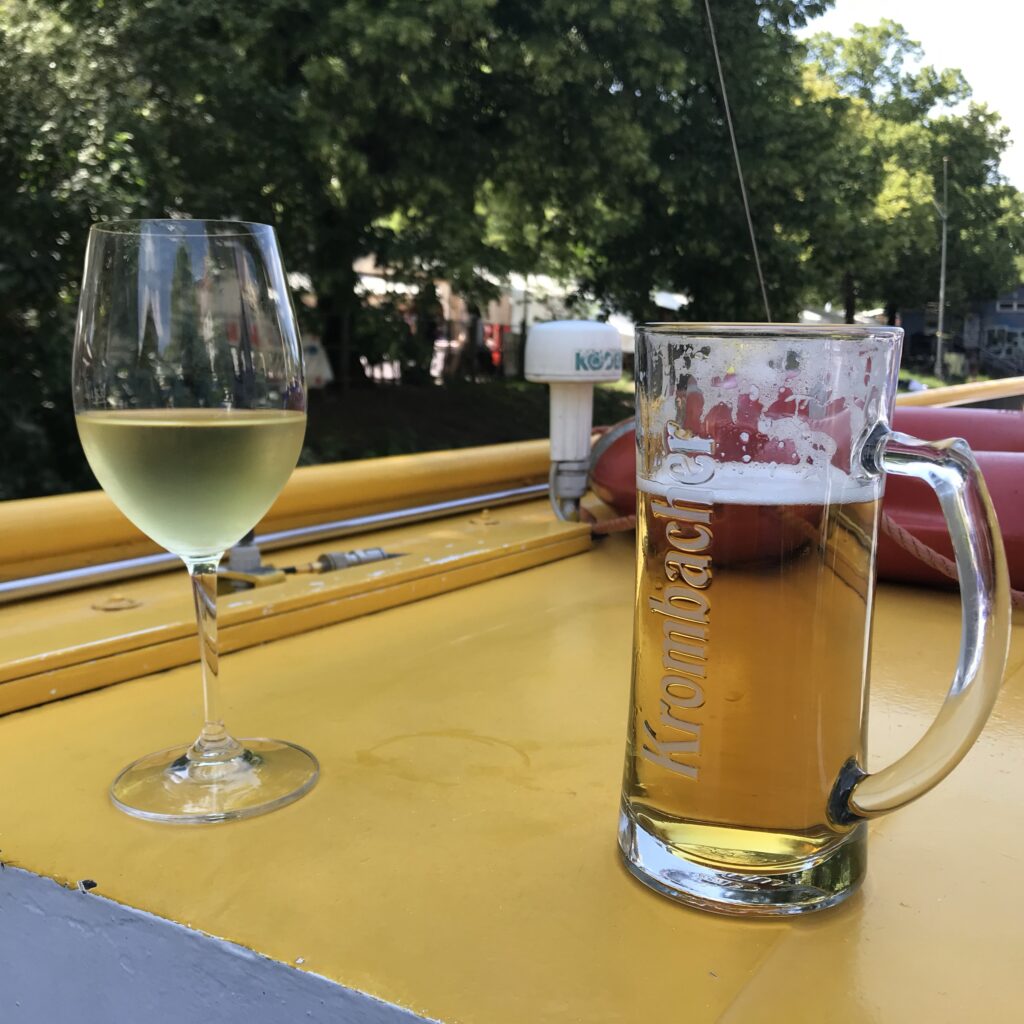
This slow mechanical choreography imposes its own rhythm on the tour. As the gates close behind the boat and water roars in or drains out, conversation often quiets and cameras come out. Locks are not visually spectacular in the way palaces or cathedrals are, but they are an excellent metaphor for Berlin’s layered, infrastructural reconstruction.
The city, repeatedly broken and repaired, has turned the management of flows—water, people, capital—into a kind of art.
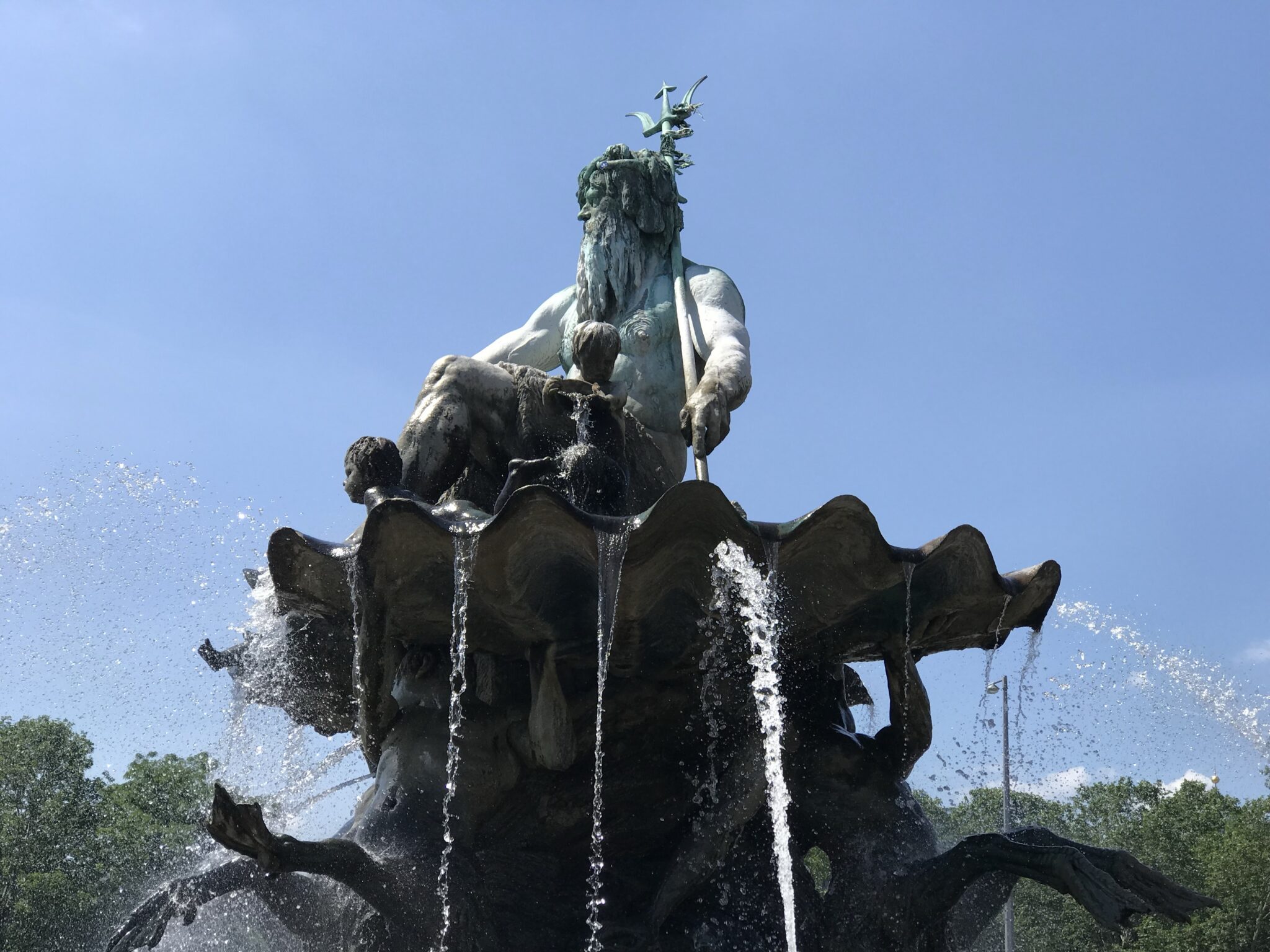
You can frame photographs that juxtapose raw concrete lock walls with distant glass towers, capturing the sense of ongoing adjustment and recalibration that defines Berlin’s physical and political evolution.
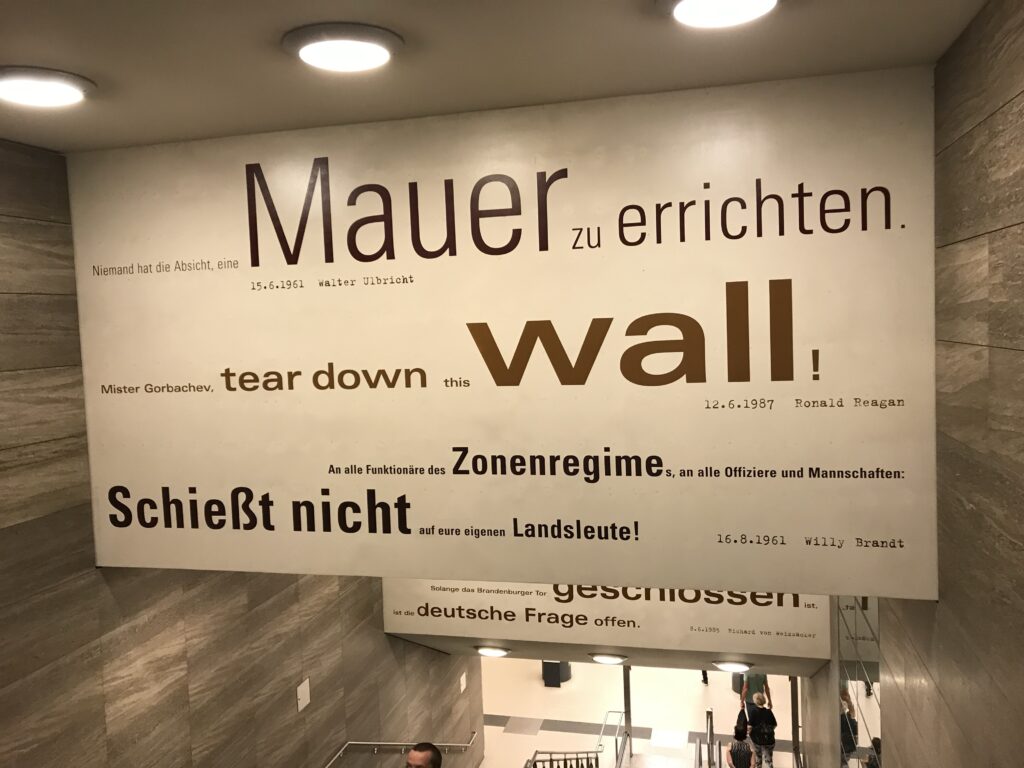
Checkpoint Charlie and the Wall: Berlin’s Divided Memory
Once you step off the boat, the abstractions of politics and history become concrete at sites like Checkpoint Charlie and the remains of the Wall.
Checkpoint Charlie was the iconic crossing point between the American sector in West Berlin and the Soviet‑controlled East. It became famous during the 1961 tank standoff, when American and Soviet armor faced one another at close range, each side testing the limits of the other’s resolve. For a first‑time visitor, the site distills the Cold War into a single, relatable scene: two systems, literally nose‑to‑nose, separated by white boundary lines and watchful guards.
Today, the checkpoint area is undeniably commercialized: replicas of guardhouses and signs, souvenir shops, and information panels compete for attention. Yet, with a little imagination, you can look beyond the kitsch. Stand in the middle of the street and picture the physical reality that once existed here: concrete barriers, barbed wire, armed guards with orders to shoot defectors.
The Wall itself is best understood not only through Checkpoint Charlie, but at dedicated memorials and surviving stretches. At Bernauer Straße, for example, an outdoor memorial preserves a cross‑section of the border fortifications: inner wall, patrol road, watchtower, and outer wall, separated by the infamous “death strip.” From a raised viewing platform you can photograph the preserved segment in its full depth, then pivot to capture the surrounding modern apartment blocks and tram lines. The juxtaposition shows how ordinary Berlin life has flowed back over a landscape once dedicated to surveillance and separation.
At the East Side Gallery, the Wall takes on a different character. Here, a long riverside segment is covered in murals painted shortly after reunification and periodically renewed or restored. The art ranges from satirical to mournful, but collectively it transforms the Wall from an instrument of oppression into a canvas for commentary. Walking along the gallery, you can photograph both the individual works and the continuous sweep of painted concrete. The nearby Oberbaumbrücke, spanning the Spree with its distinctive brick arches and towers, makes a particularly striking backdrop, especially at dusk when lights come on along the riverfront. The water you traveled by boat earlier now reflects a barrier that became a symbol and is now an artwork. This transformation is central to Berlin’s identity: the city does not erase its scars; it exhibits and repurposes them.
An Overnight Plan: How to Structure Your Side Trip
For a side trip from Munich, assume you arrive in Berlin late morning or midday and depart the following day around noon. This compressed window still allows you to combine a Spree cruise, core historic sights, and Wall‑related sites into a cohesive narrative.
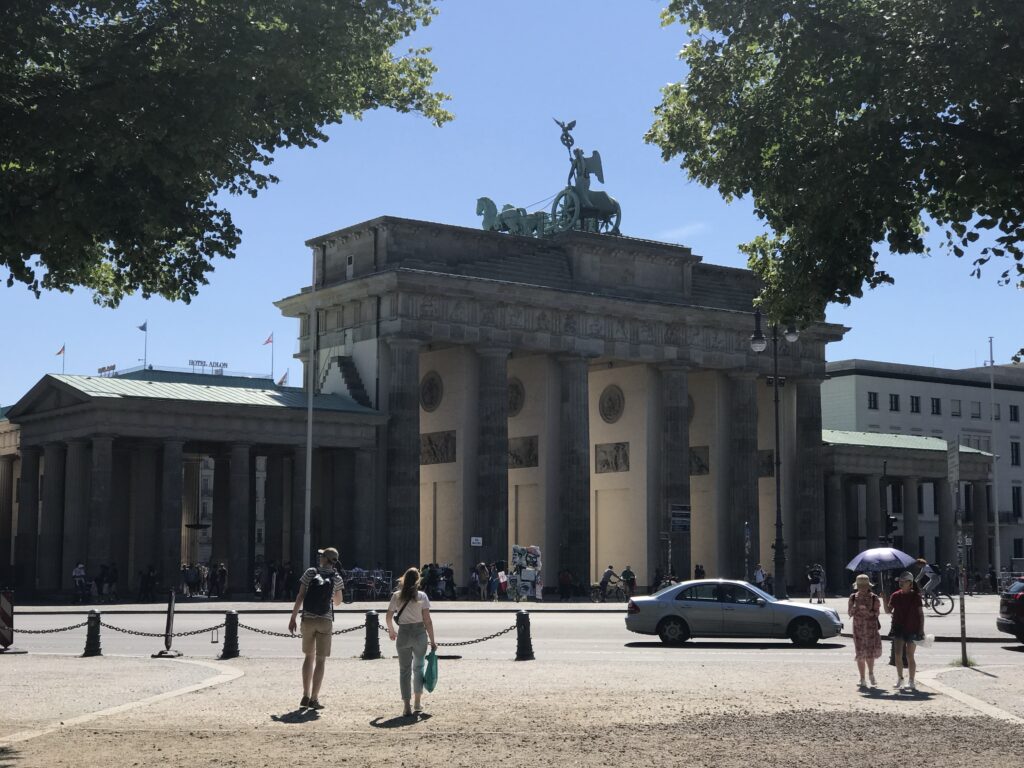
Upon arrival, drop your luggage at a hotel in Mitte, which puts you within walking distance of many landmarks and boat piers. Begin on land at the Brandenburg Gate and the Reichstag. Even though you saw the Reichstag from the river or will see it later, standing before it offers a sense of scale and gravity that photos from a boat can only partly convey. From here, walk through the nearby memorials—especially the Memorial to the Murdered Jews of Europe, with its undulating field of concrete stelae. Photographing this space is less about capturing an object and more about conveying mood: the disorienting alleys, the shifting heights, and the way passersby appear and disappear among the blocks.
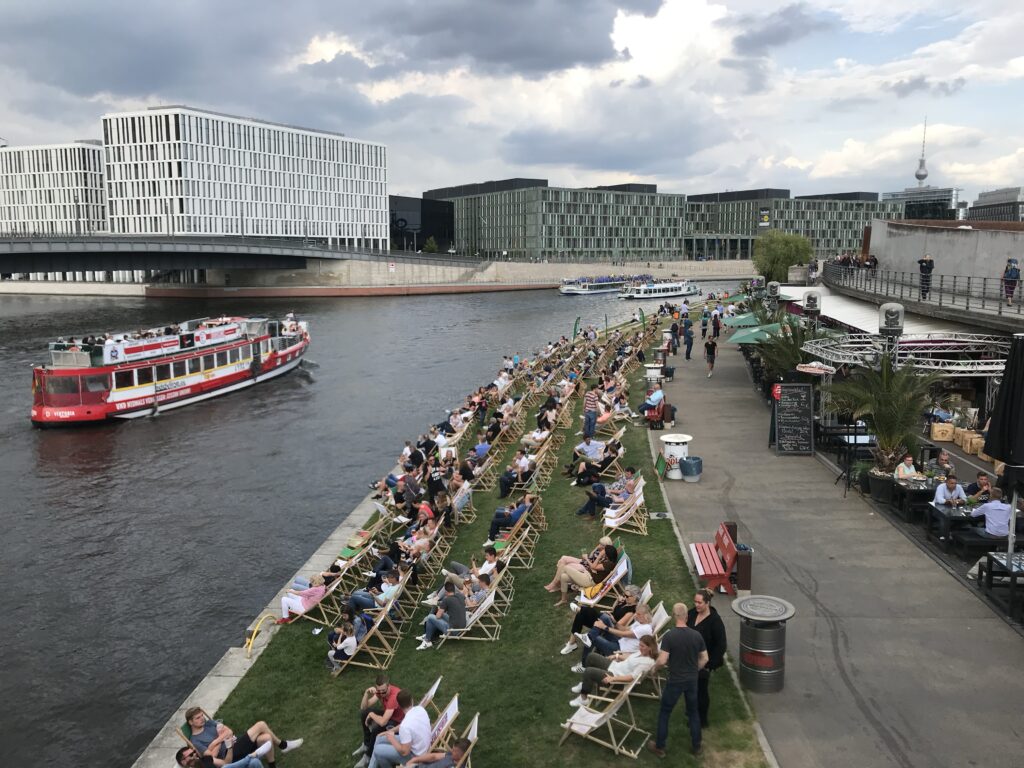
From the government quarter, make your way to a nearby pier for a one‑ to two‑hour boat tour in the early afternoon. The timing is deliberate: by now you have a basic mental map on land, so the river perspective will clarify spatial relationships instead of confusing them. You will recognize the Reichstag, see the Chancellery, trace the curve of the Spree around Museum Island, and note how close or far certain neighborhoods lie from the historic core. This is the moment to take sweeping shots from the boat—wide angles of riverfront architecture, detail shots of bridges, and candid frames of Berliners using the riverside paths.
Once ashore, turn your attention to the Cold War. Head to Checkpoint Charlie in late afternoon, when the light softens and the daytime crowds thin slightly. The checkpoint itself rewards close‑up photographs: the signage, period‑style sandbags, and the symbolic intersection of sectors. Afterward, walk a few blocks to find remaining Wall traces or visit a Wall‑focused exhibition if time allows. Dinner in nearby Kreuzberg or around Gendarmenmarkt lets you end the evening in neighborhoods that, while very much alive and contemporary, were shaped by decades of division and subsequent reinvention.
The next morning, prioritize depth over breadth. Choose either the Bernauer Straße Wall Memorial for a sobering, spatially rich understanding of the border system, or the East Side Gallery and Oberbaumbrücke for a more artistic and riverside‑oriented experience. At Bernauer Straße, vantage points allow layered photos of the preserved border strip with the city behind it, ideal for illustrating your later narrative about division and reunification. At the East Side Gallery, your images will be more colorful and dynamic, capturing street art, the river, and the bridge. After this focused excursion, return to Mitte for a brief stop on Museum Island or a stroll through Nikolaiviertel before departing.
Taxes, Reconstruction, and Contemporary Frustrations
It helps to understand a tension that many Germans feel today: despite high taxes and social contributions, public infrastructure and housing are perceived as lagging, and political debates continue to invoke ideas of reconstruction and solidarity. When people talk about “reconstruction” in a modern German context, they are not referring solely to the immediate post‑1945 rebuilding, which is decades in the past. Rather, they often mean a continuum of large, long‑term public tasks: rebuilding after war, integrating the former East after 1990, modernizing infrastructure, and responding to new crises.
Germany’s overall tax and contribution burden, especially on middle‑income earners, is among the higher ones in advanced economies. Income taxes, social insurance contributions, and indirect taxes combine to take a substantial share of earnings. Over the years, special surcharges—most famously the solidarity surcharge introduced after reunification to help finance the costs of integrating the new eastern Länder—have reinforced a narrative that citizens are perpetually asked to fund “reconstruction” projects. Even as some of these surcharges have been reduced or partially phased out for many taxpayers, the perception lingers that extraordinary burdens have become ordinary and permanent.
At the same time, many Germans look around and see infrastructure that feels tired: delayed rail projects, aging bridges, underfunded schools, and a digitalization process that lags behind other countries. In cities like Berlin, you can photograph crumbling residential façades next to newly built luxury apartments, or modern governmental buildings overlooking stations where trains are overcrowded or delayed.
These visual contradictions mirror a financial one: tax revenues are high in absolute terms, yet visible outcomes seem uneven. This can generate frustration, leading some people to conclude that reconstruction money and tax increases have been misallocated or absorbed by bureaucracy.
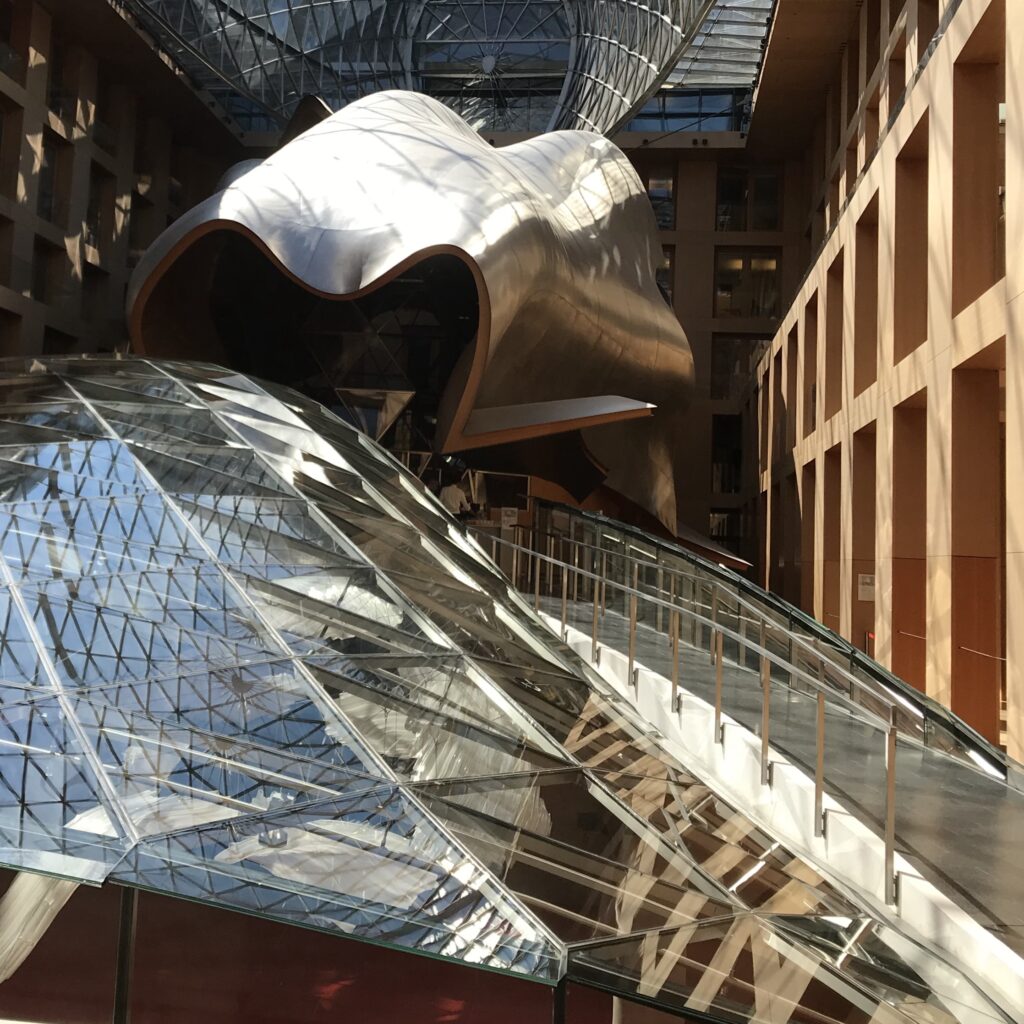
Berlin itself is an ideal backdrop to illustrate this theme. The city center features large, meticulously reconstructed or newly built structures—the Berlin Palace, glass‑fronted ministries, polished tourist infrastructure—while outer districts and transport corridors still bear the marks of underinvestment. Your photos of gleaming government buildings along the Spree juxtaposed with older or less maintained infrastructure can visually support discussion of why some Germans feel that the balance between tax burden and public benefit is off. The city’s very skyline, with cranes and construction sites alternating with empty lots or decaying buildings, tells a story of ongoing, incomplete reconstruction.
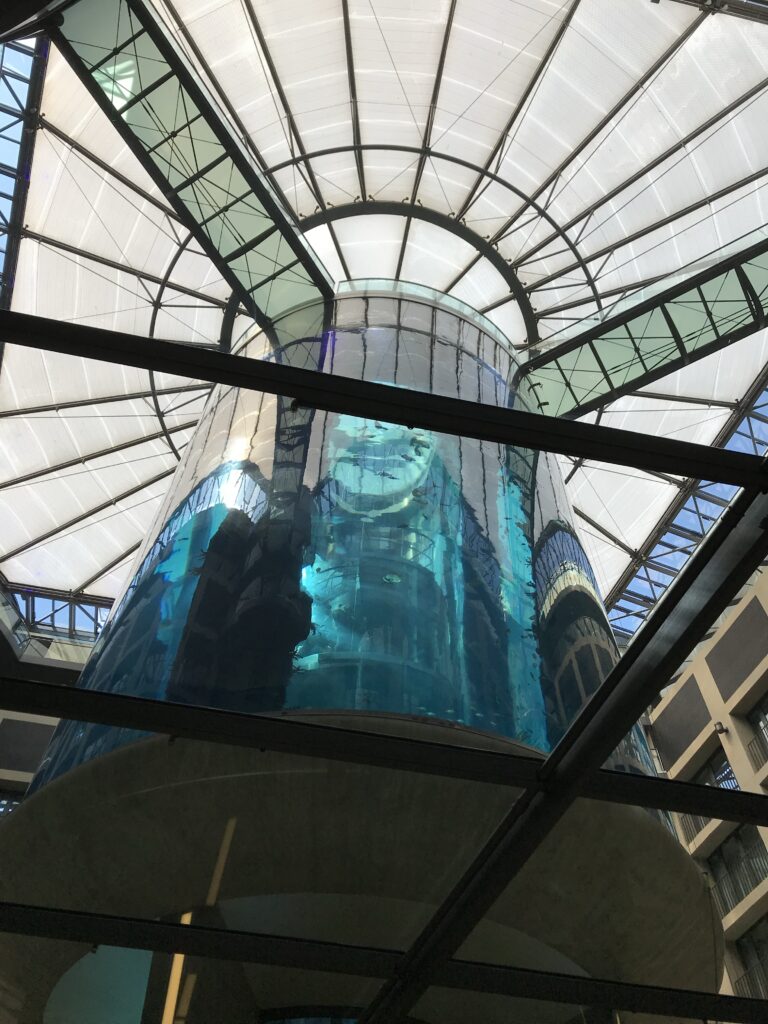
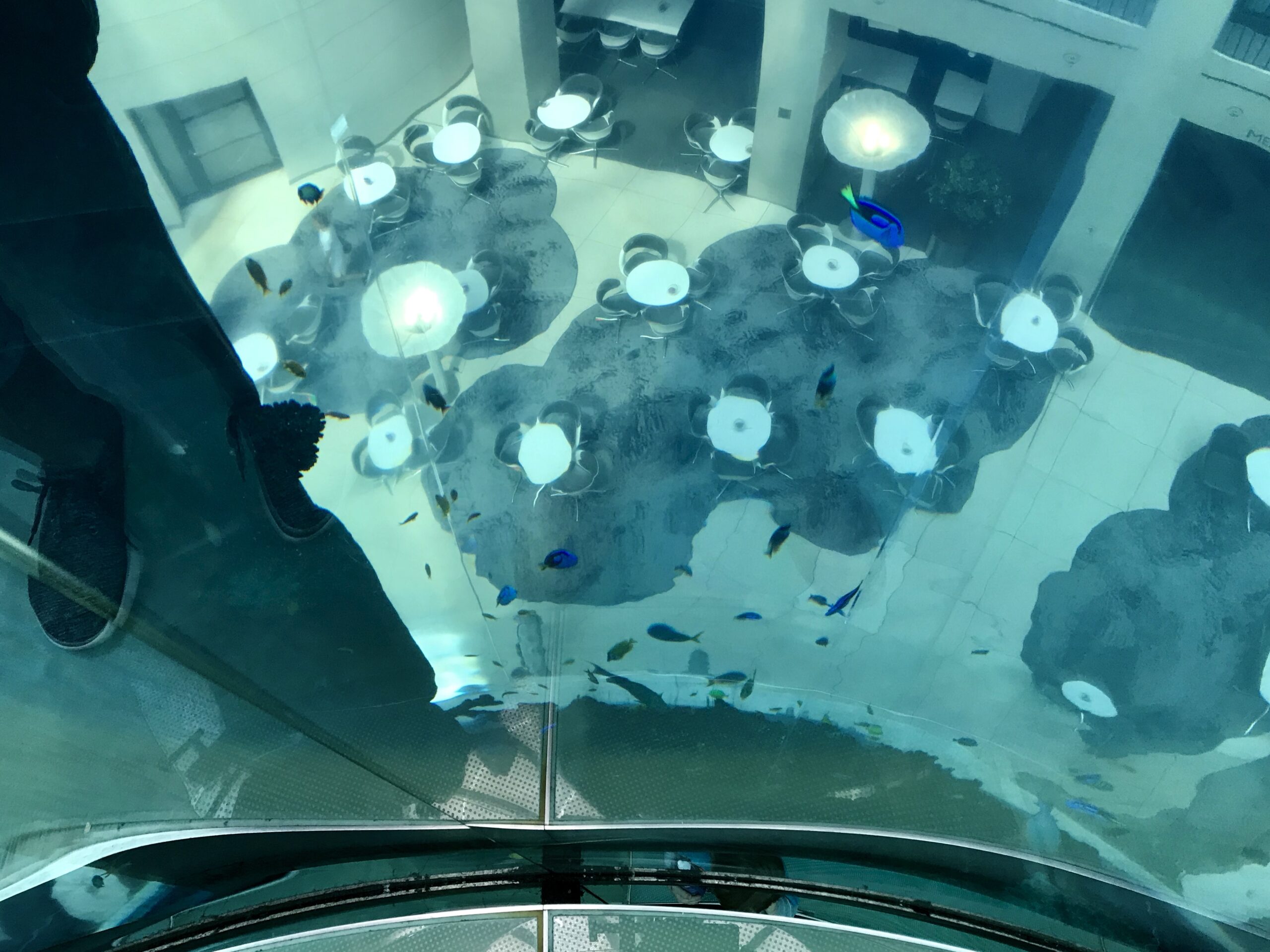
DomAquarée (often written DomAquaree in English) is a large mixed‑use building complex in central Berlin, very close to Berlin Cathedral (Berliner Dom) on Karl‑Liebknecht‑Straße.
- It contains a hotel (the Radisson Collection/formerly Radisson Blu), offices, shops, restaurants, and museum/exhibit space.
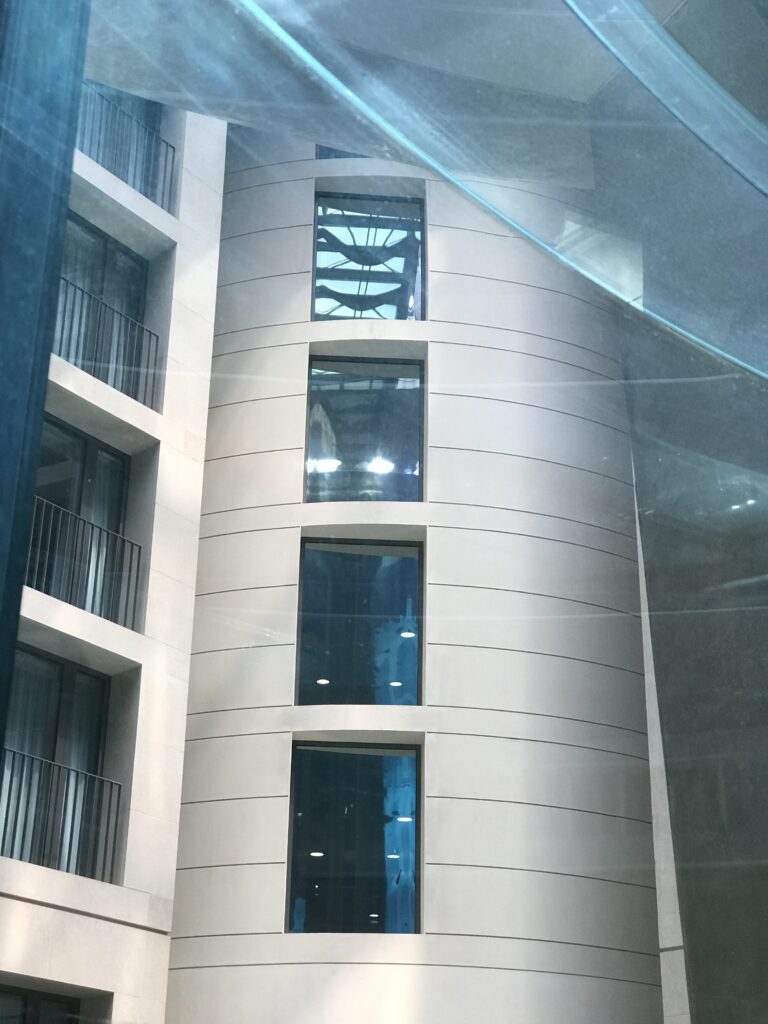
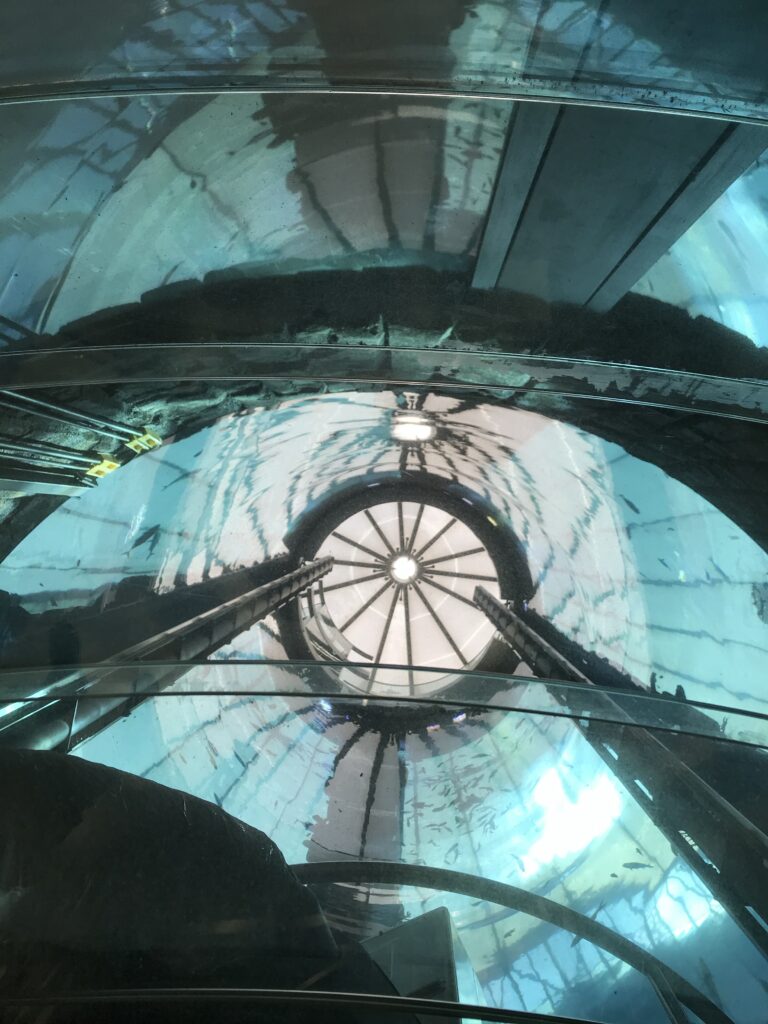
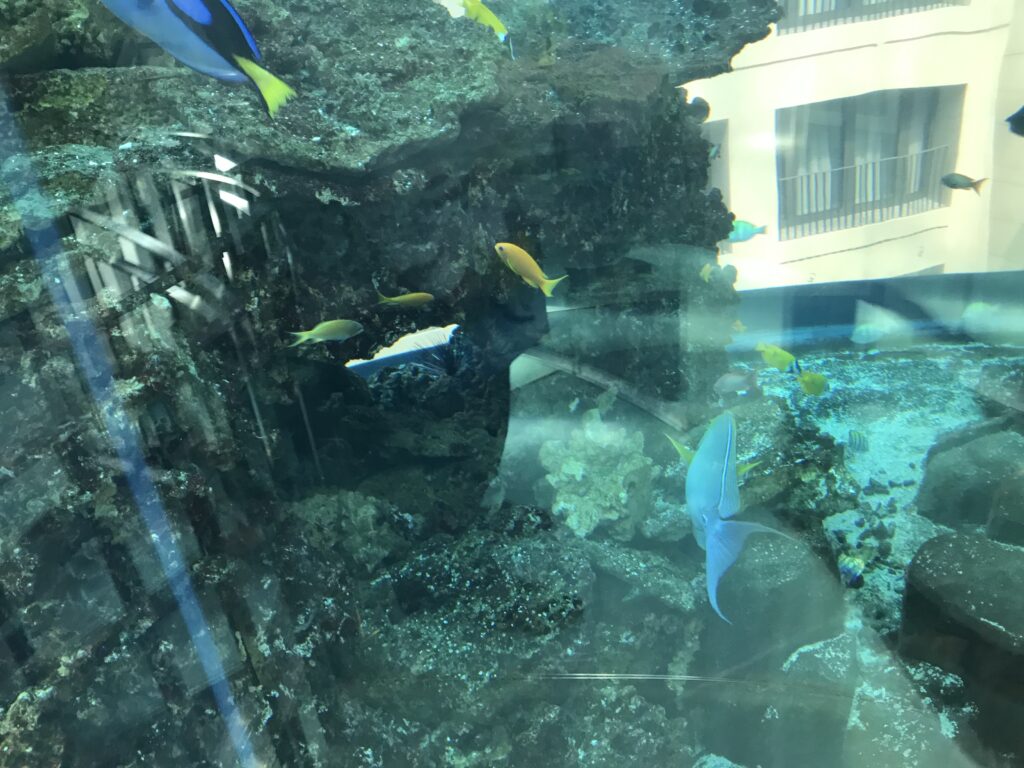
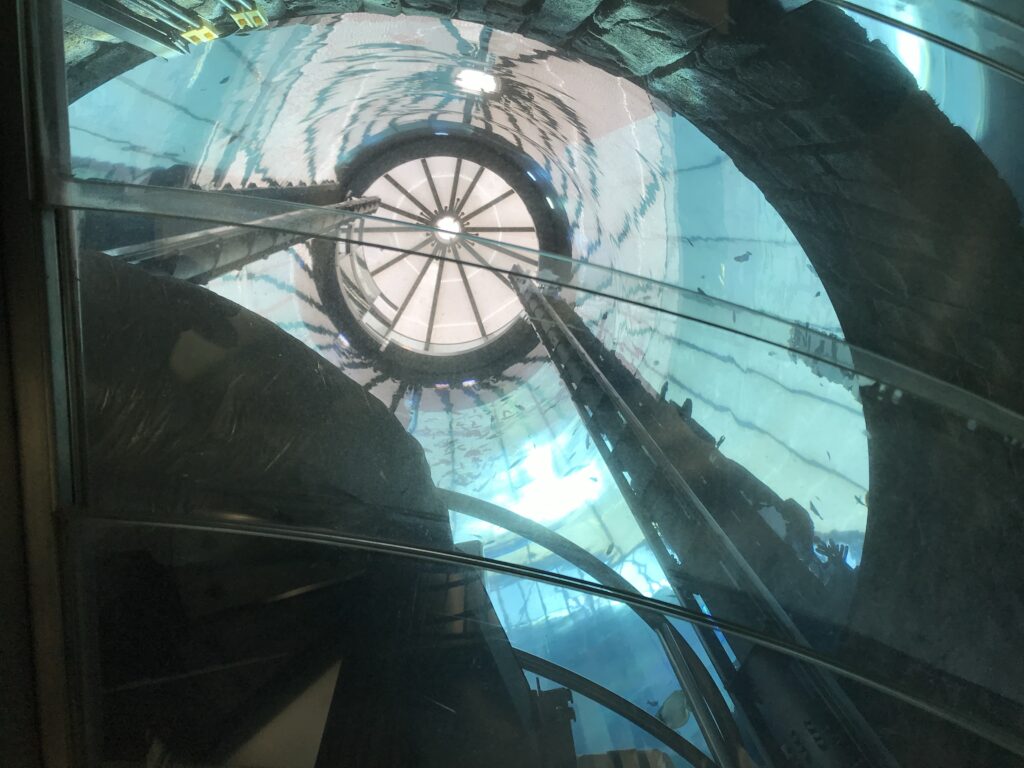
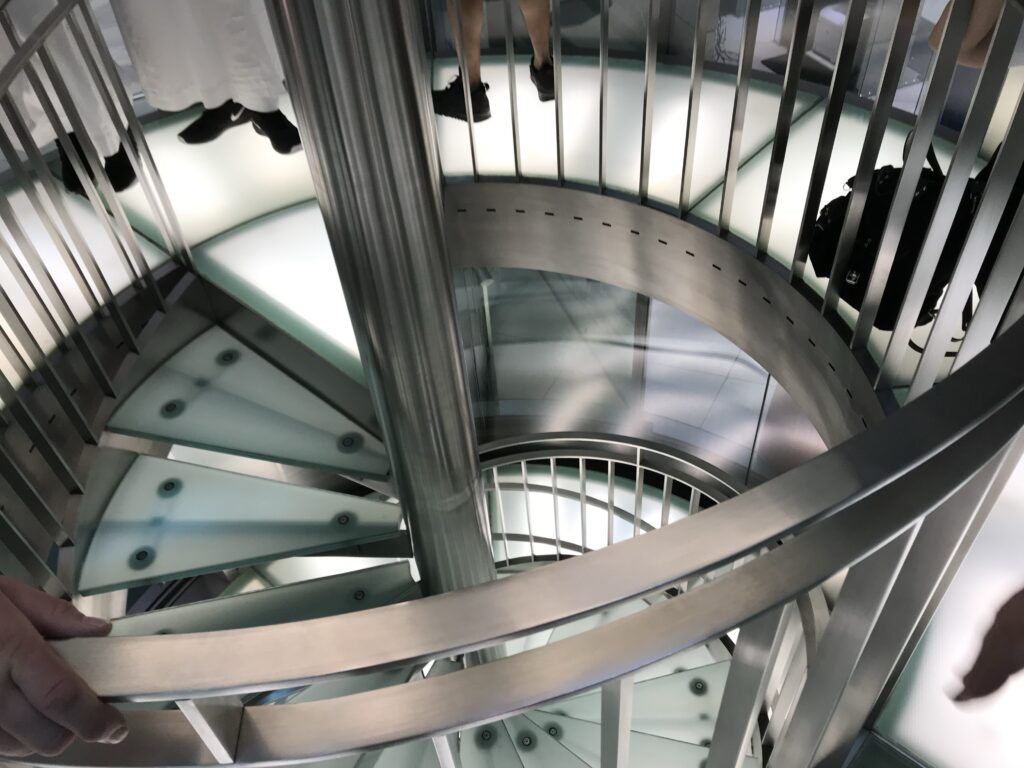
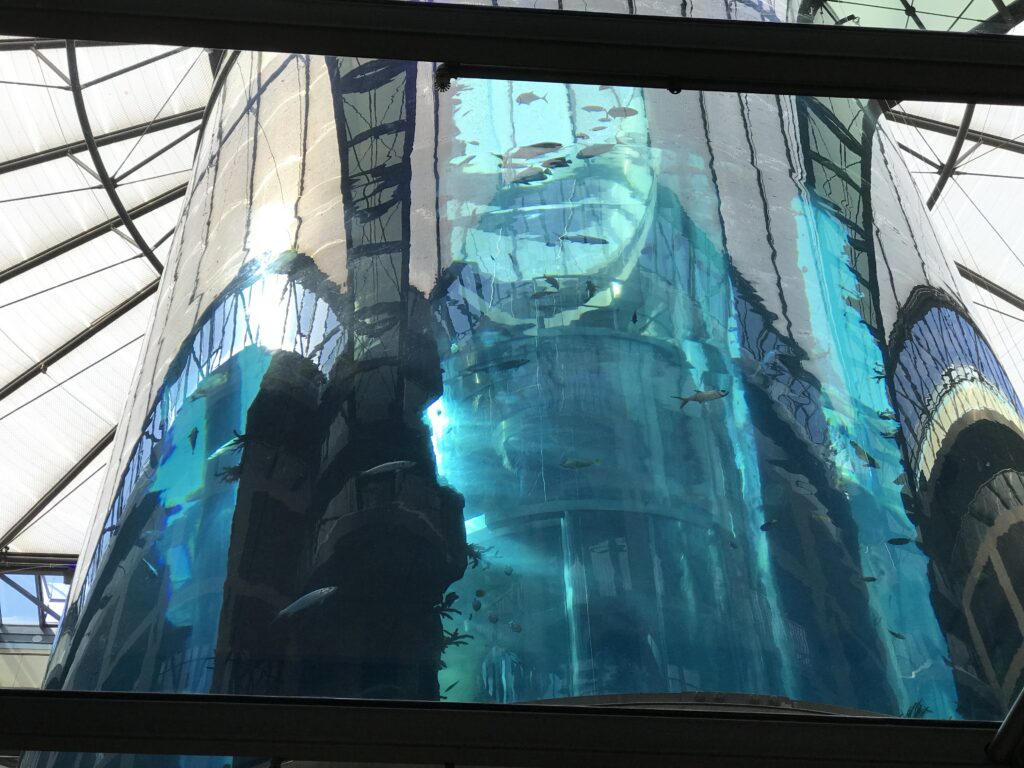
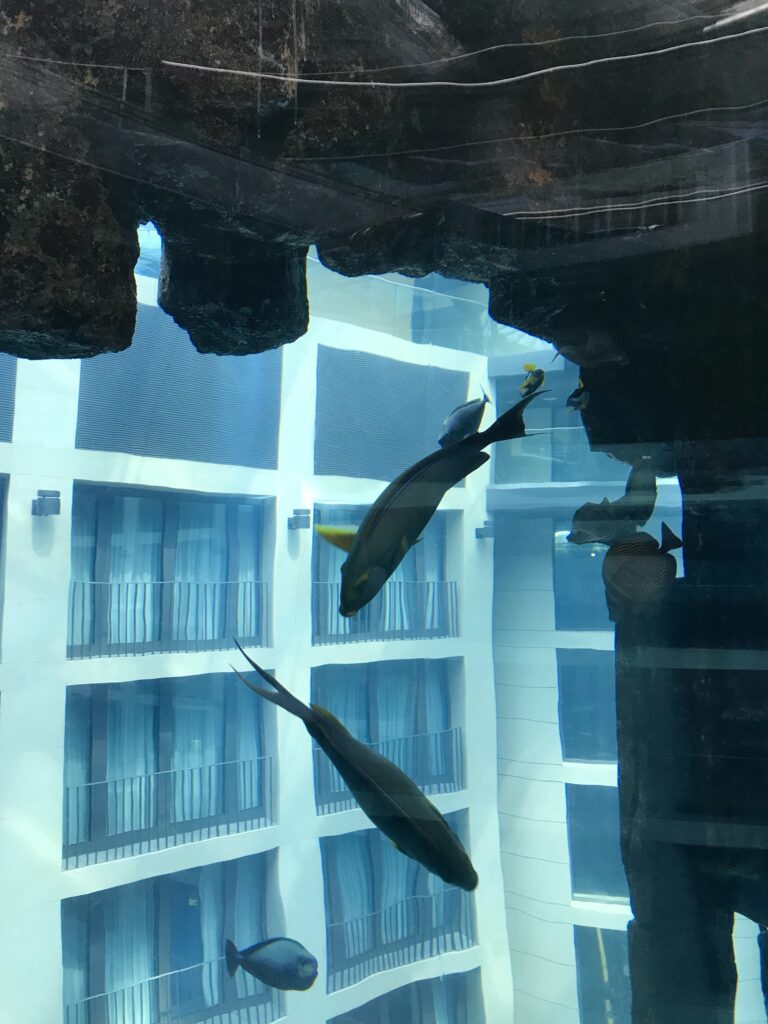
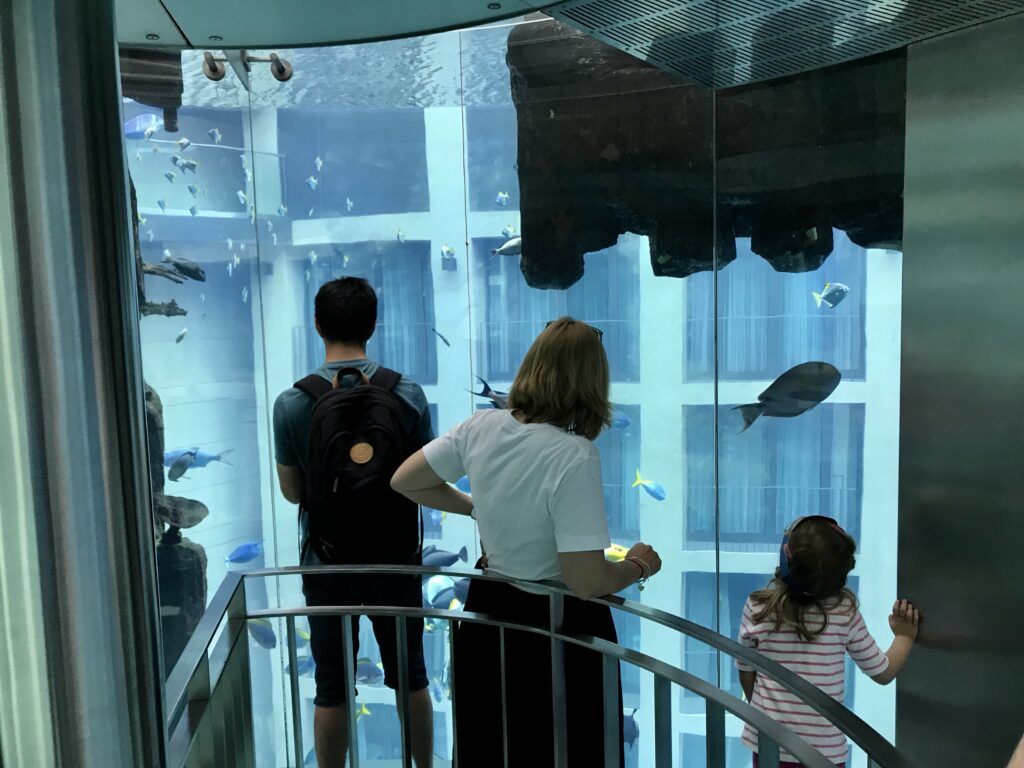
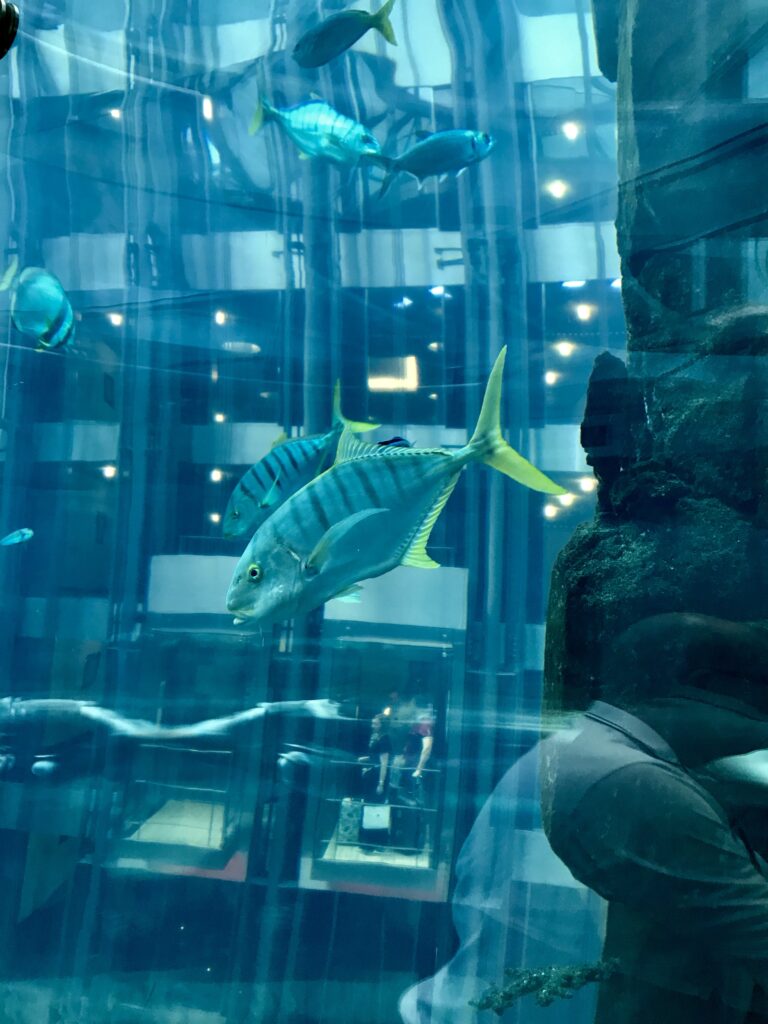
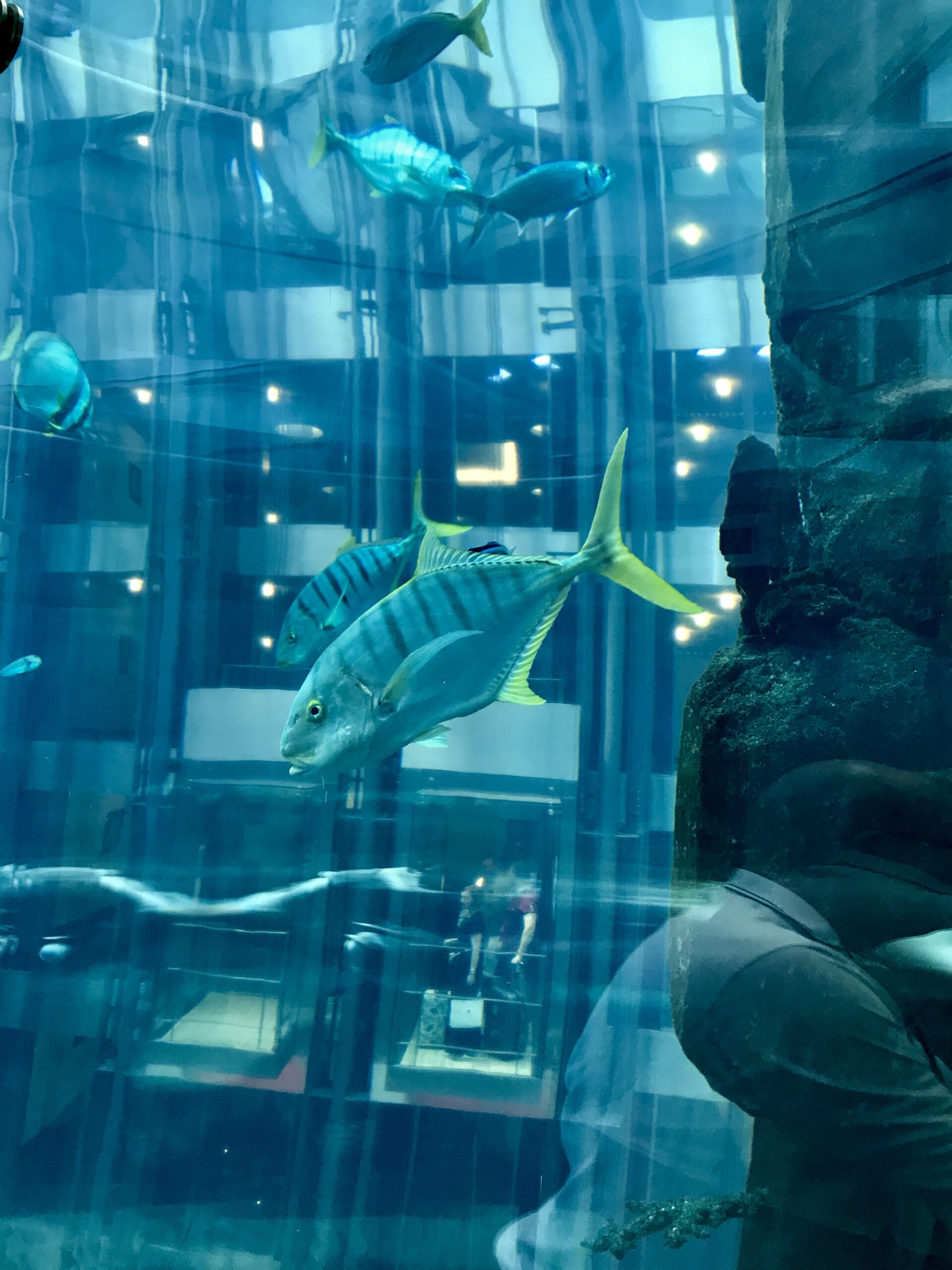
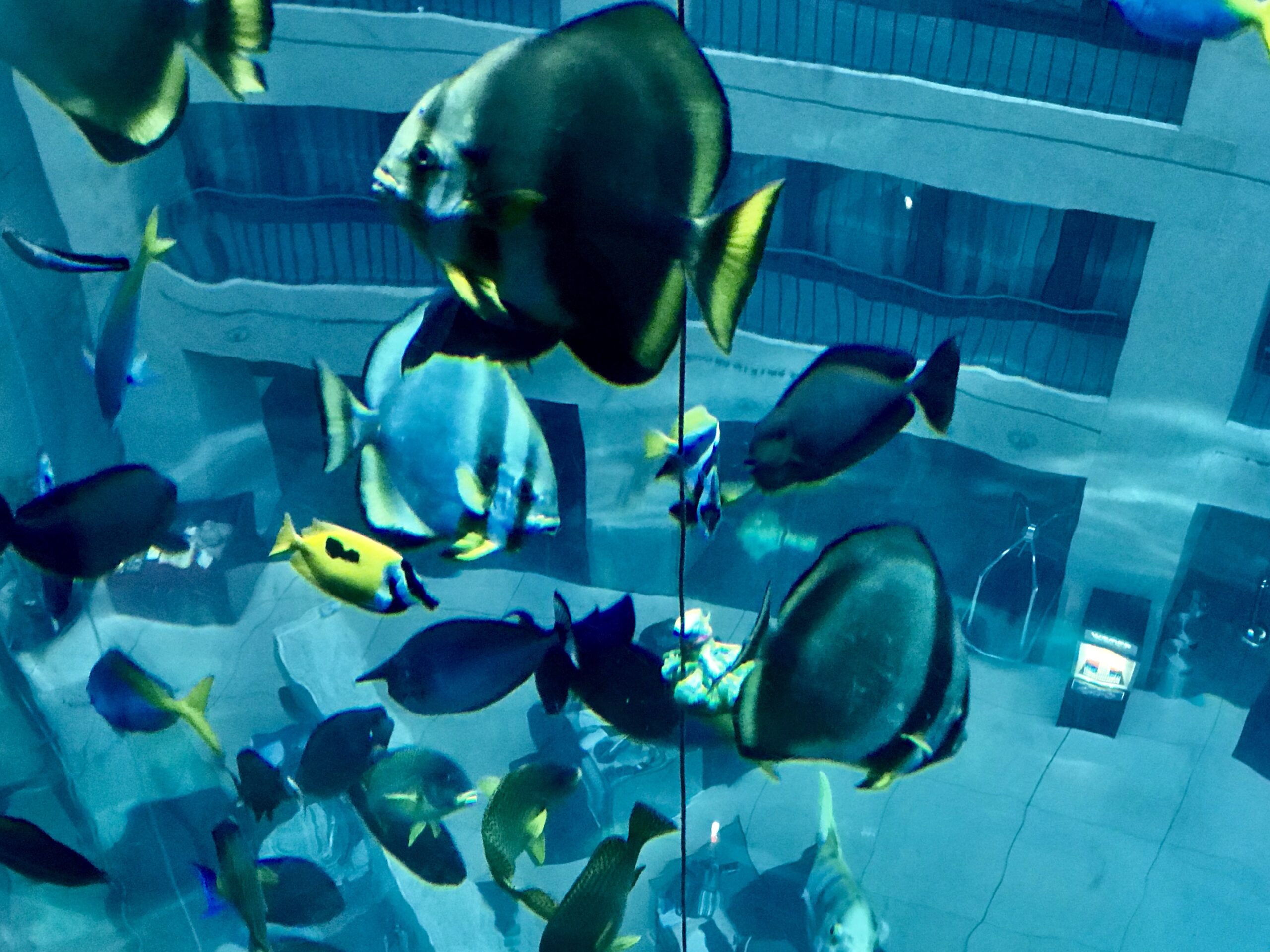
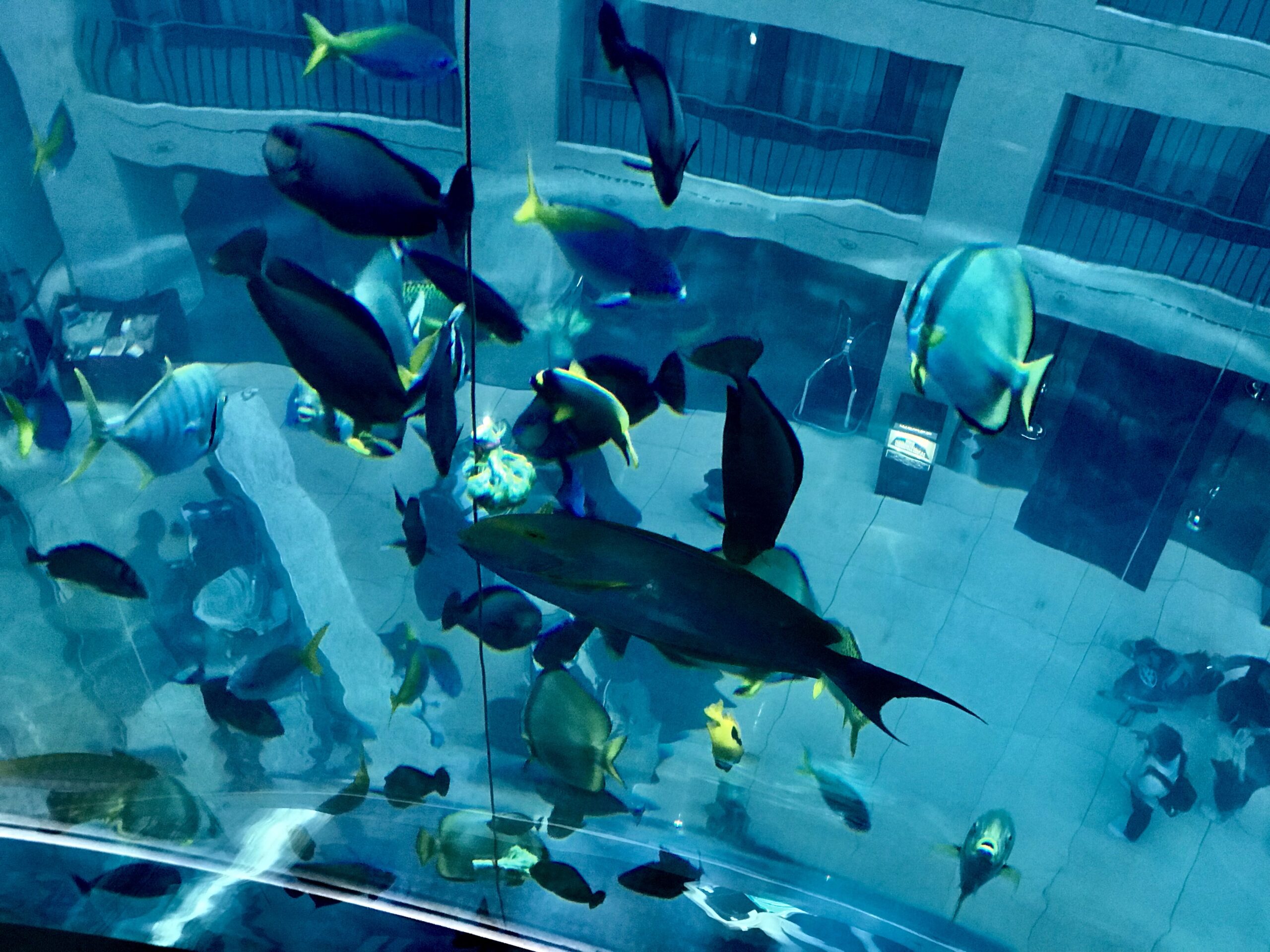
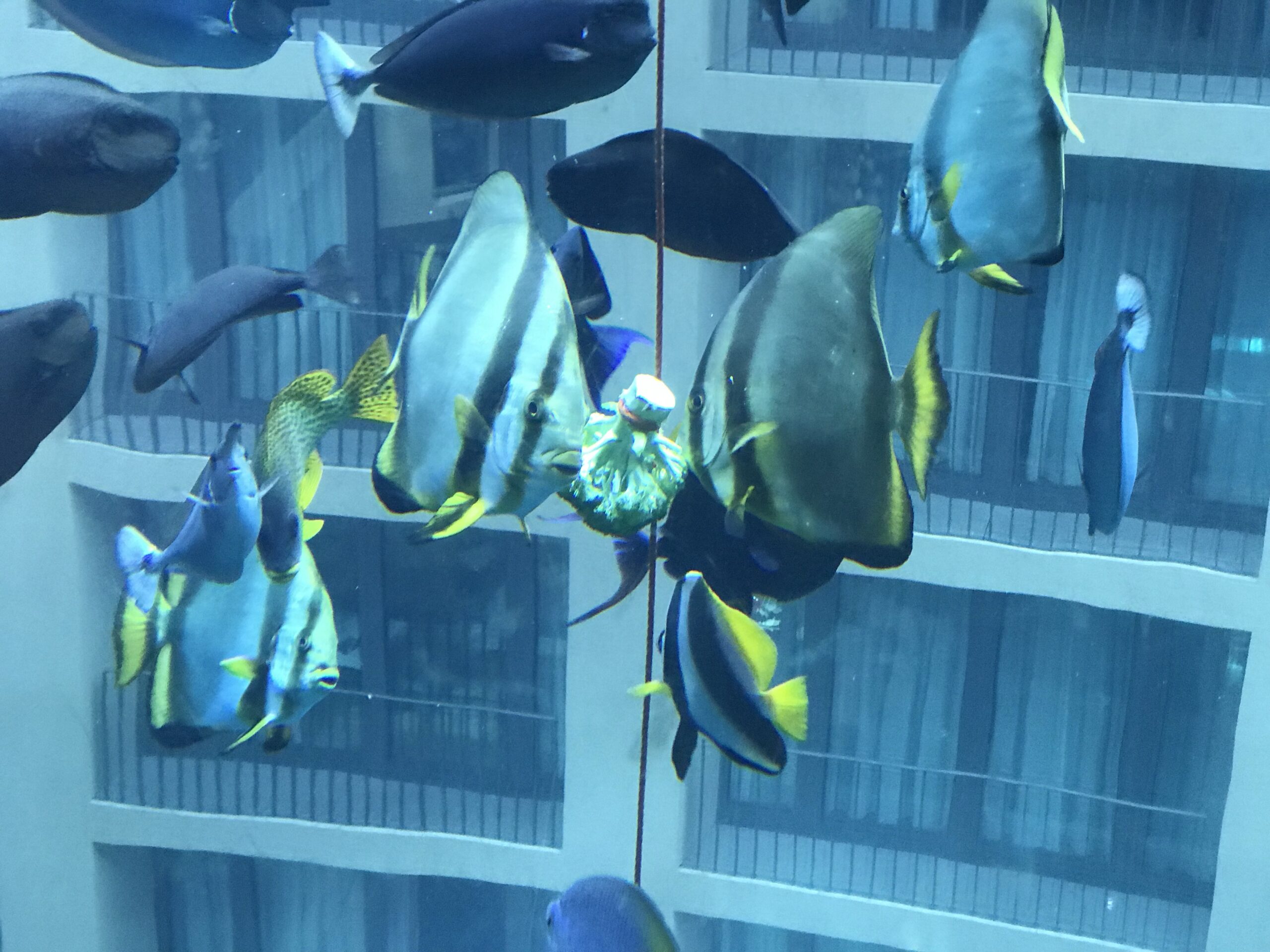
- It was best known for housing the AquaDom: a huge freestanding cylindrical aquarium in the hotel atrium with a glass elevator running up through the middle.
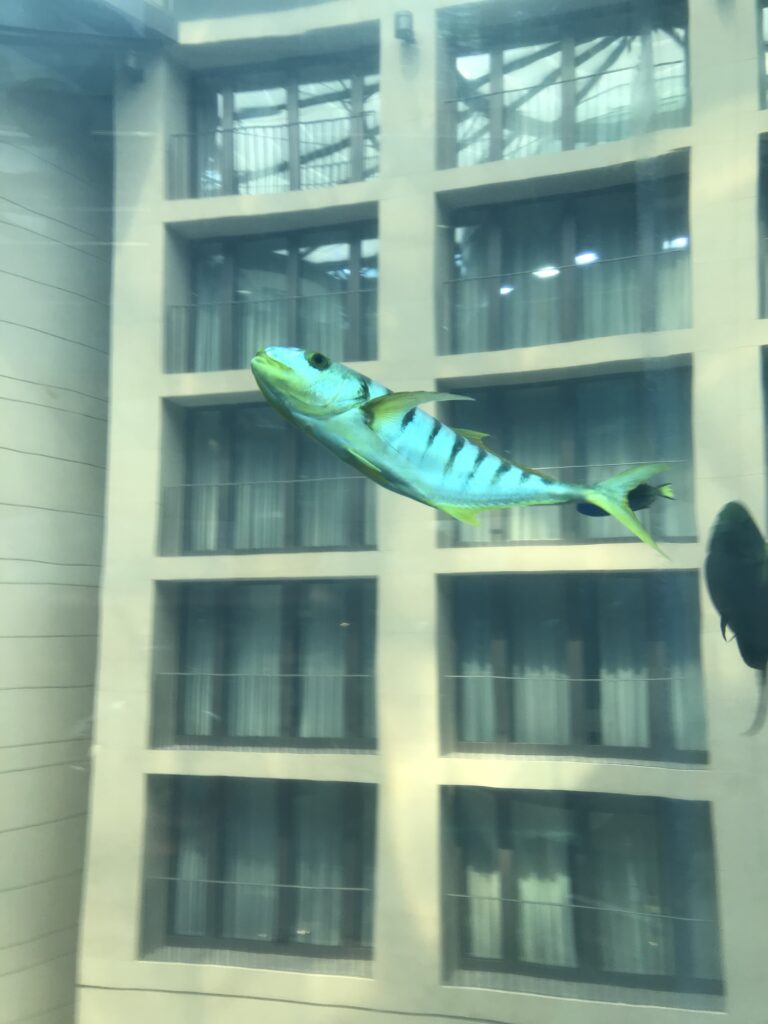
- The AquaDom held about a million liters of saltwater and roughly 1,500 tropical fish and was marketed as the largest freestanding cylindrical aquarium in the world.
- In December 2022 the AquaDom catastrophically burst, destroying the tank and killing most of the fish; since then, the iconic aquarium itself has not been operating, and the complex has been under repair and reconfiguration.
DomAquarée refers to the overall building complex; AquaDom was the famous aquarium structure inside it, which no longer exists in its original form after the 2022 rupture.
Sources
[1] Berlin: Massive aquarium home to 1,500 fish bursts – DW.com
[3] Did you know Berlin has an #aquarium with an elevator … – Instagram
[4] A massive aquarium holding 1500 tropical fish bursts in Berlin – NPR
[5] Giant Aquarium in Berlin Holding 1,500 Fish Bursts In Dramatic Video
[6] Million liter, eight storey aquarium bursts in Berlin – YouTube
[7] Giant aquarium with nearly 1,500 exotic fish bursts in Berlin – YouTube
[8] Massive Aquarium Shatters in Berlin – Facebook
[9] Huge Berlin aquarium bursts, spilling 1,500 fish onto road – CNBC
Each cluster can be tied back to the overarching idea of Berlin as a side trip from Munich that reveals a different face of Germany. Munich is often perceived as affluent, orderly, and historically Bavarian, with its own wartime scars largely obscured by prosperity. Berlin, by contrast, wears its history and its unfinished projects more openly. Your essay can underscore that contrast: whereas Munich’s river, the Isar, frames a city of beer gardens and alpine excursions, Berlin’s Spree carries the reflections of parliaments, memorials, and murals painted on what was once a deadly border.
Sources


