Messi & Thiel: Power, Politics, and Global Wealth
draft
Messi and Thiel are billionaires shaped by radically different worlds — global sport vs. ideological technology — yet both sit inside political ecosystems that reveal how modern wealth interacts with democracy, oligarchy, religion, immigration, and the machinery of global institutions like FIFA.
In the twenty‑first century, billionaires are not merely wealthy — they are gravitational forces. They bend culture, politics, and institutions around themselves. But not all billionaires operate in the same orbit. Lionel Messi and Peter Thiel represent two distinct models of modern power: one rooted in global admiration and cultural mythmaking, the other in ideological disruption and political engineering.
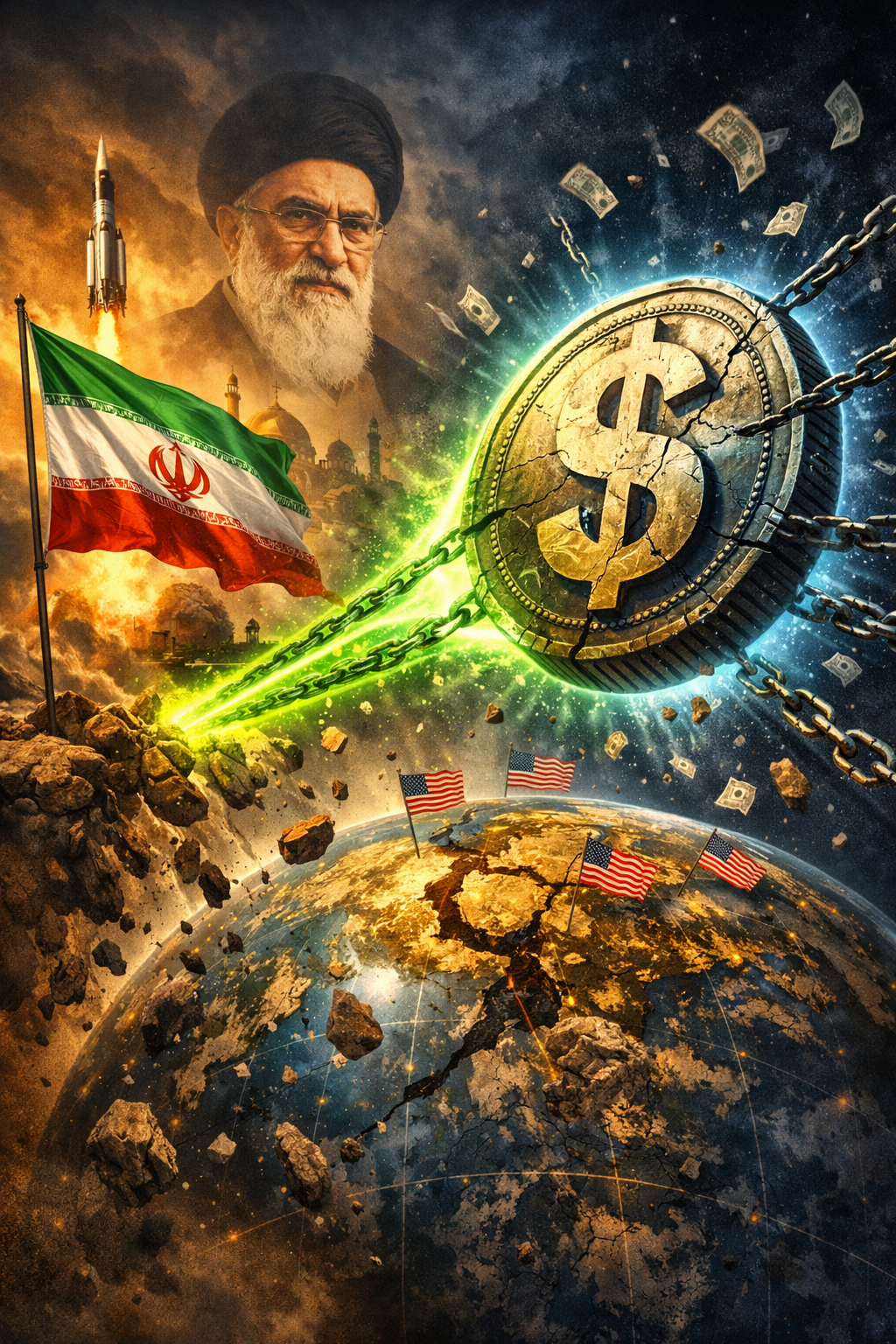
A landmark 2012 study by Martin Gilens and Benjamin Page found that over 1,800 policy proposals from 1981–2012 were overwhelmingly shaped by the interests of very wealthy individuals, corporations, and business groups, with little measurable effect from ordinary citizens
Messi’s world is built on football, family, and global fandom. Thiel’s world is built on technology, sovereignty, and political leverage. Their stories illuminate how excessive wealth interacts with democracy, oligarchy, religion, immigration, and the shifting social landscapes of the United States and Argentina.
⚽ Messi: The Apolitical Icon Who Cannot Escape Politics
Lionel Messi’s rise to billionaire status came from football salaries, endorsements, business ventures, and global brand value. His wealth is cultural, not ideological — built on admiration rather than influence.
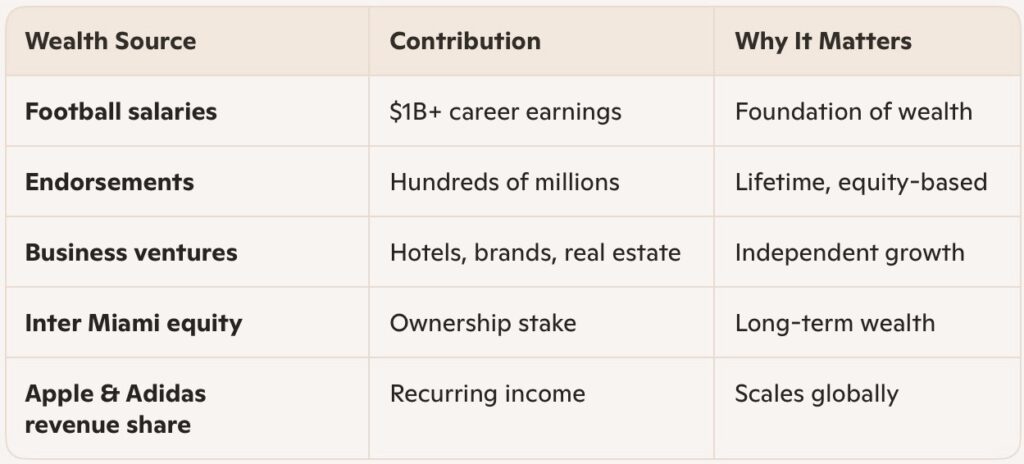
Messi’s club contracts alone generated over $1 billion in career earnings before endorsements.
- Barcelona (2004-2021) – His final Barcelona contract (2017-2021) was the largest in sports history, worth over $600 million across four years.
- Paris Saint-Germain (2021-2023) – Earned roughly $35-40 million per year.
- Inter Miami (2023-present) – Lower base salary, but massive equity and revenue-share components.
His football income is the backbone of his billionaire status.
Messi’s public persona is famously quiet, almost allergic to political controversy. During the Catalonia uprising, when teammates like Gerard Piqué openly supported independence, Messi remained silent. He did not endorse Catalan separatism. He did not criticize Spain. He did not take a side. His stance was neutrality — a refusal to let politics contaminate the purity of sport.
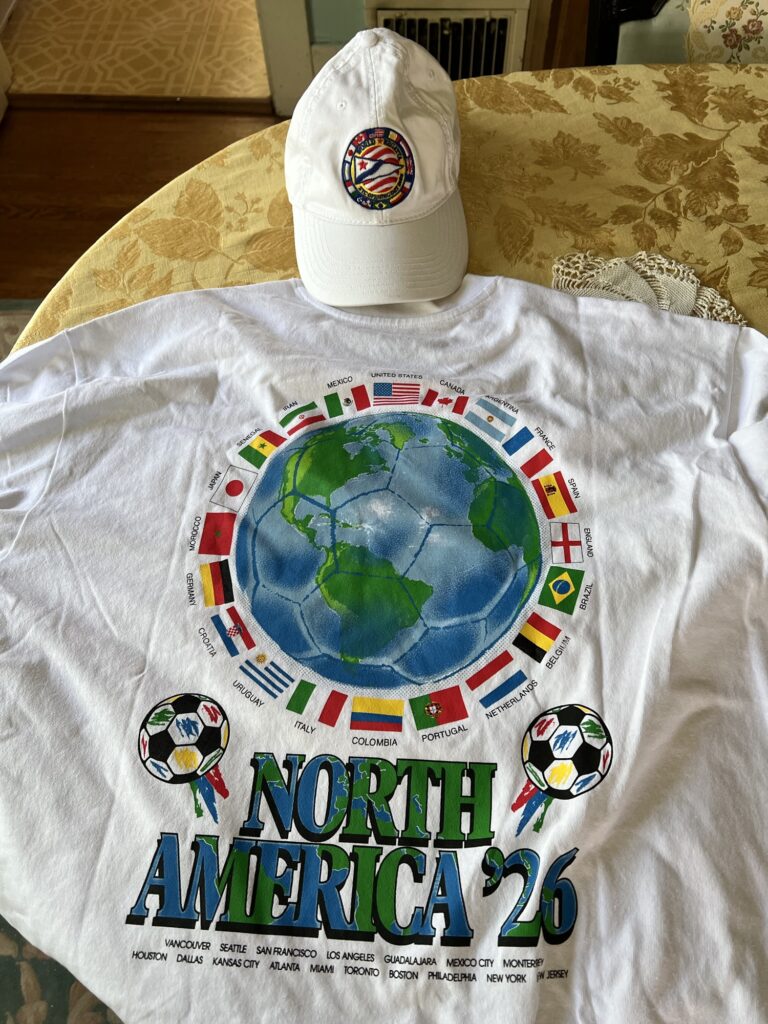
Yet Messi is not truly apolitical. Through FIFA, he participates in a global political ecosystem whether he chooses to or not. FIFA influences:
- national prestige
- immigration enforcement through athlete visas and global mobility
- diplomatic relations between host nations
- cultural narratives of belonging and identity
FIFA’s power over immigration pathways — from expedited athlete visas to special residency tracks — means Messi’s career has always intersected with political structures. His moves from Argentina to Spain to the United States were shaped by immigration systems that bend for global talent.
Messi’s wealth is soft power: cultural influence, global admiration, and emotional resonance. His ties to Argentina remain deep and personal. His U.S. residency in Miami reflects comfort, opportunity, and commercial partnerships — not ideological ambition. His business interests, from Inter Miami equity to Apple and Adidas revenue shares, are commercial rather than political.

Messi moves crowds, not systems.
Thiel: The Ideological Pirate of American Politics
Peter Thiel’s billionaire status comes from PayPal, Palantir, Facebook, and a constellation of venture investments. But unlike Messi, Thiel uses his wealth to shape political outcomes.
Thiel has spent tens of millions of dollars influencing U.S. politics:
- major funding for Senate candidates
- support for ideological super PACs
- backing nationalist and populist movements
- financing political narratives about technology, sovereignty, and governance
Thiel’s worldview is openly skeptical of mass democracy. He has questioned whether one‑person‑one‑vote produces freedom or effective governance. He has said that “I no longer believe that freedom and democracy are compatible”, a statement often cited in discussions of his political philosophy. Thiel believes the wealthy should have greater than equal status with other voters. His interventions are strategic, targeted, and often disruptive.
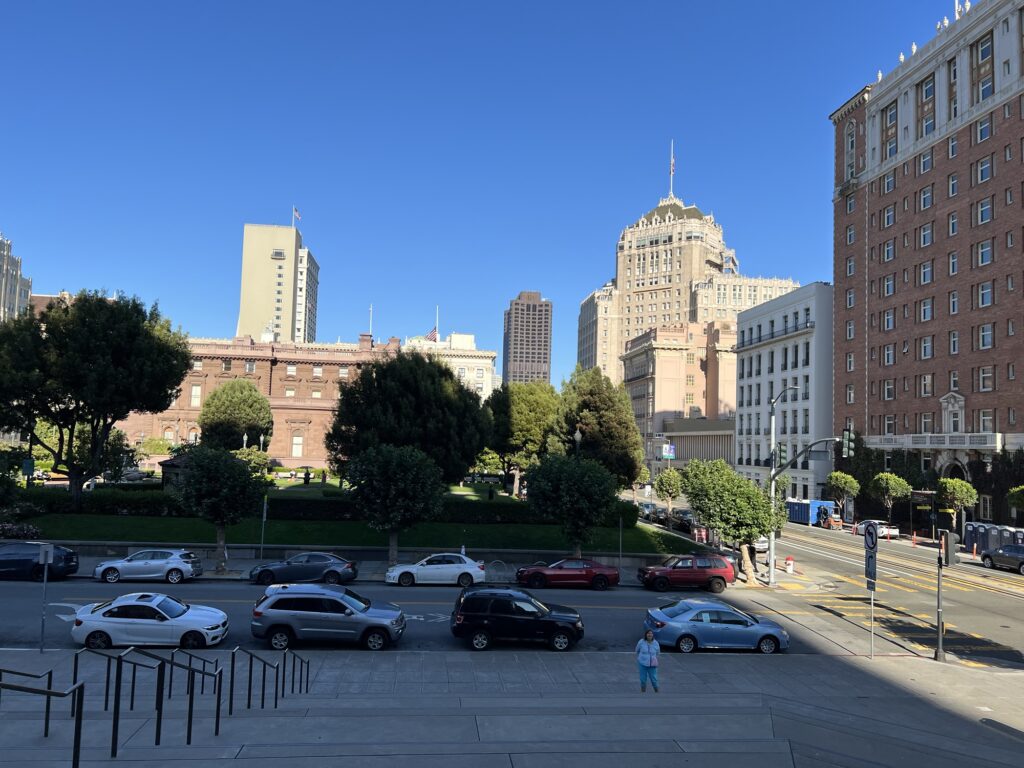
His recent move from California attempts to avoid about a billion dollars in potential state taxes. But California authorities will look to see if his professional ecosystem suggests he still has a California-centered life. This includes not only where you physically work but also where your business partners are located. It includes not only where your board meetings occur but also where your employees are concentrated and where your professional network operates. Thiel is subject to California sovereignty by that investigation especially when you consider teleconferences where location is defined by the state. Under the proposed California billionaire tax (often referred to as Proposition 40 or the “one‑time wealth assessment”), Peter Thiel’s $5B Roth IRA would be included in the taxable wealth base. This is state sovereignty over federal.
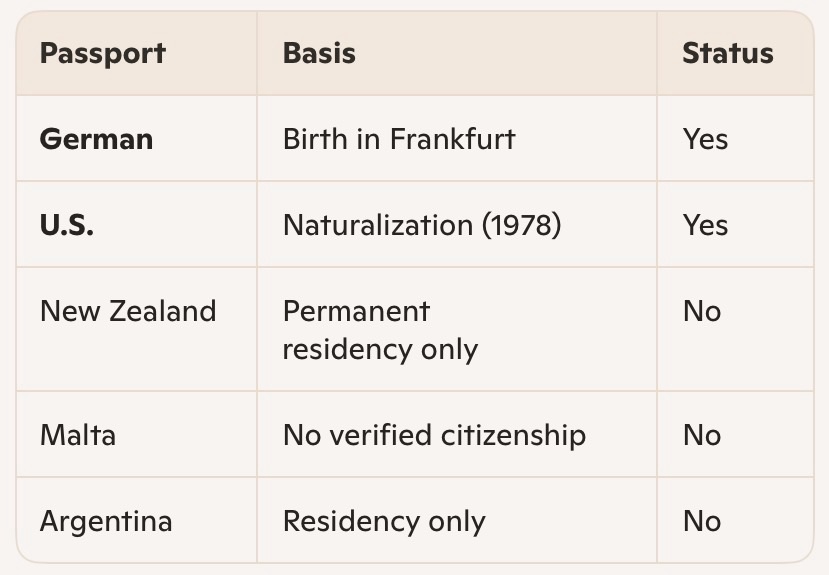
Thiel’s approach to sovereignty is unconventional. He retains German and U.S. passports, but his residency shifts — California to Florida to Argentina — reflect a philosophy of jurisdictional flexibility. He seeks environments that maximize autonomy and minimize constraint. In this sense, Thiel operates like a political pirate, navigating between systems, exploiting openings, and challenging norms.
His relationship to Catholicism is intellectual rather than devotional, building on his Stanford degrees. (Peter Thiel holds two Stanford degrees — a B.A. in Philosophy and a J.D. from Stanford Law School.). The Catholic Church is often cited as the longest continuously operating organization in the Western world. And it is not a democracy. This is of interest to Thiel.
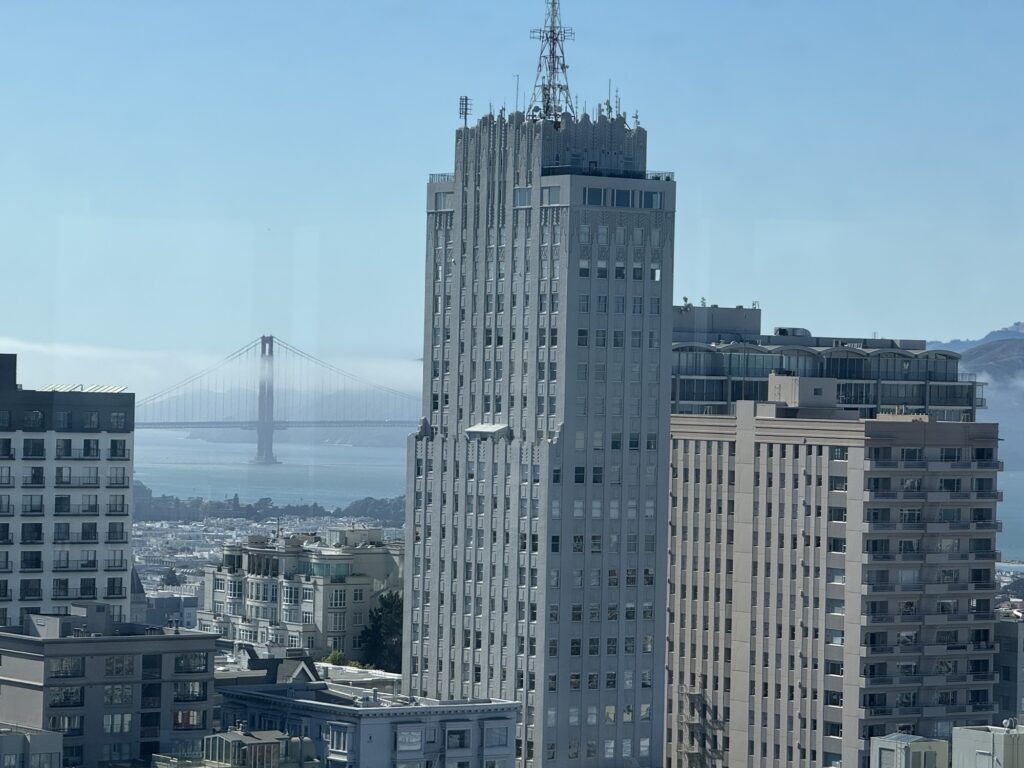
Thiel has funded Catholic thinkers, A Catholic Vice President’s career, Catholic‑adjacent political movements, and philosophical projects that explore the intersection of faith, governance, technology, and the antichrist. His interest in Catholicism is part of a broader fascination with institutional power (specifically Autocracy) — how it forms, how it decays, and how it can be rebuilt.
Thiel moves systems, not crowds.
The Vice Presidency, Wealth, and Political Financing
The current Vice President converted to Catholicism. In the United States, the vice presidency is shaped not only by constitutional design but by the financing structures that surround modern campaigns. Billionaires like Thiel influence:
- super PAC ecosystems
- ideological candidate pipelines
- policy think tanks
- digital political infrastructure
Peter Thiel is well known for indirectly financing Vance’s career.
While Messi’s wealth flows through entertainment and sport, Thiel’s wealth flows through political machinery. His spending does not target the vice presidency directly, but it shapes the political environment in which vice presidents operate — especially in a system where campaign financing increasingly resembles oligarchic influence.
The U.S. remains a high‑functioning democracy, but the gravitational pull of billionaire financing creates oligarchic pressures. Thiel is part of that pressure. Messi is part of the cultural economy that thrives within it.
Democracy vs. Oligarchy: Argentina and the United States
Argentina is a democracy with oligarchic features — shaped by economic instability, elite capture, and populist cycles. It is not authoritarian, but its institutions are fragile. It can swing toward stronger democracy, but its path is cyclical.
Messi’s relationship to Argentina is emotional and cultural — not political. He is a symbol of national pride, not a political actor.
Thiel’s relationship to Argentina is strategic — residency, deregulation, California state tax avoidance and ideological alignment with libertarian reforms.
The United States remains a high‑capacity democracy with growing oligarchic pressures:
- wealth concentration
- political donations
- corporate lobbying
- influence of billionaires in policy debates
Thiel is part of this pressure. Messi is part of the cultural economy that thrives within it. Thiel avoids taxes, paying close to nothing; Messi pays an estimated 30 percent.
Excessive Wealth and Social Change
Both men exist in a world where excessive wealth transforms social structures:
Messi
- Wealth amplifies cultural influence.
- Global fandom creates soft power.
- FIFA politics shape immigration pathways.
- His neutrality becomes a political stance in itself.
Thiel
- Wealth amplifies ideological influence.
- Political spending shapes elections.
- Residency choices challenge tax systems.
- His skepticism of democracy pushes debates about governance.
- His intellectual ties to Catholicism shape his political networks.
Messi represents celebrity capitalism — wealth through admiration.
Thiel represents ideological capitalism — wealth through disruption.
Two Billionaires, Two Models of Power
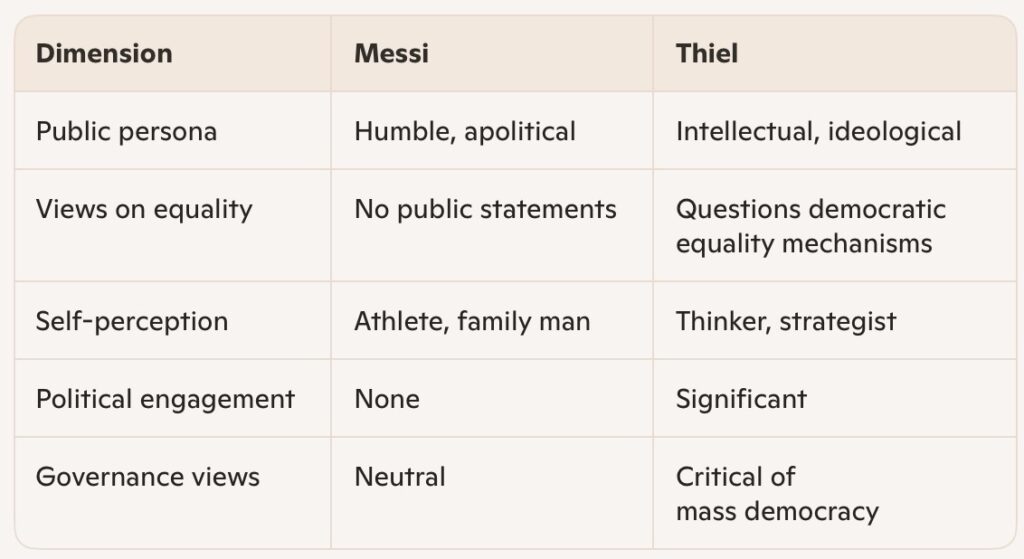
Messi and Thiel illustrate two archetypes of modern wealth:
- Messi: the apolitical global icon, whose power is emotional, symbolic, and cultural.
- Thiel: the ideological strategist, whose power is structural, political, and disruptive.
Messi’s world is built on admiration.
Thiel’s world is built on intervention.
Messi avoids politics but cannot escape FIFA’s global political machinery. Thiel embraces politics and navigates it like a pirate — crossing borders, challenging systems, and shaping outcomes.
Together, they reveal how excessive wealth interacts with democracy, oligarchy, religion, immigration, and social change — and how two billionaires can inhabit the same world while living in entirely different political universes.