Bend, Oregon, is best understood not as a single destination but as a conversation among river, desert, forest, and human industry. Once a timber town defined by sawmills and railroad spurs, it has become a high-desert cultural center shaped by outdoor recreation, craft brewing, music, museums, and a notably disciplined daily rhythm. Its appeal lies in the way it accommodates remarkably different visitors: the architect finds adaptive reuse; the historian finds the residue of an industrial economy; the musician finds a riverfront stage; the beer drinker finds an internationally known Ale Trail; and the hiker, boater, birder, and artist each find a landscape that invites sustained attention.12
The River at the Center
The Deschutes River gives Bend its geographical and psychological center. At Drake Park, Mirror Pond gathers the river into a calm, tree-lined pool beneath the Cascades, offering one of the city’s most familiar and photogenic landscapes. It is equally a place for casual bird-watching, an evening walk, and the beginning or end of a summer river float.36
The river is not merely scenery. It is an active civic corridor: tubers drift from Riverbend Park toward Drake Park, kayakers and surfers test themselves at the Bend Whitewater Park, and the Old Mill District’s trails and bridges make the waterfront part of everyday urban life. In Bend, the river functions as both public commons and economic asset.6227
Architecture as Memory
For an architect, Bend’s most consequential site is the Old Mill District. The district occupies the former Shevlin-Hixon and Brooks-Scanlon lumber-mill lands, where vast timber operations defined the local economy for much of the twentieth century. Rather than erase that past, the redevelopment retained brick powerhouses, industrial volumes, railcars, and the three smokestacks that still dominate the skyline.318
The REI store is the clearest example of this approach. Two 1923 Brooks-Scanlon buildings—the powerhouse and the fuel-storage building—were joined, renovated, and given a second floor to create a modern retail space without abandoning their industrial character. The result is not a nostalgic theme park; it is an argument that a city can honor its working past by giving its buildings a new public purpose.212223
History, Art, and Indigenous Presence
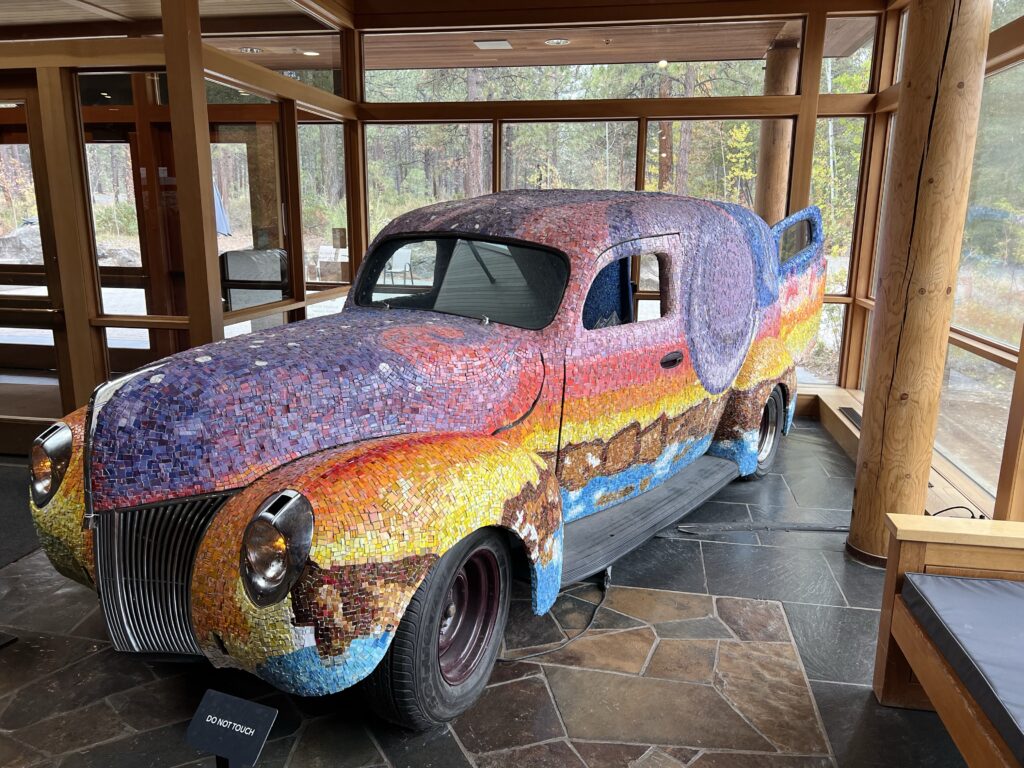
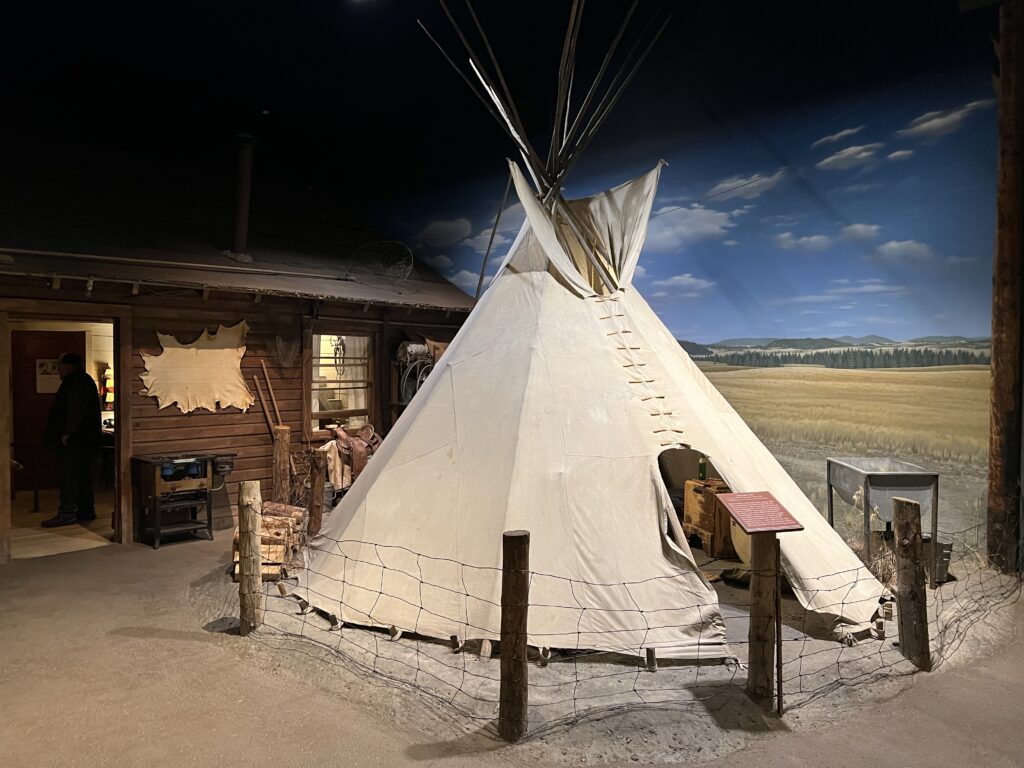
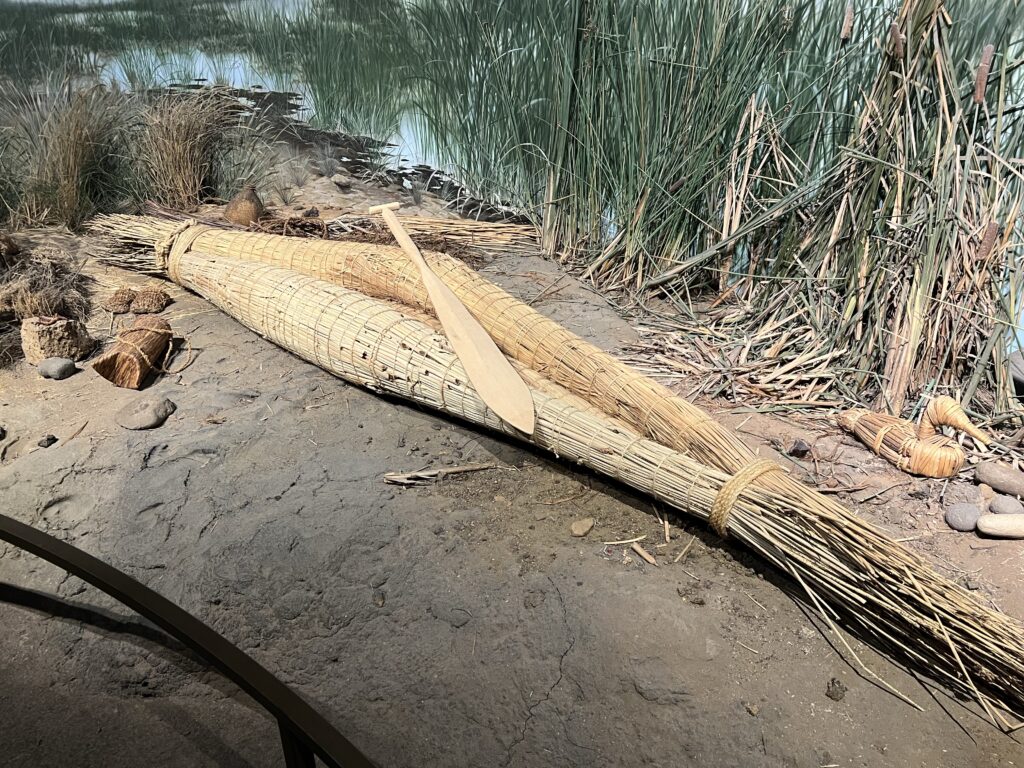
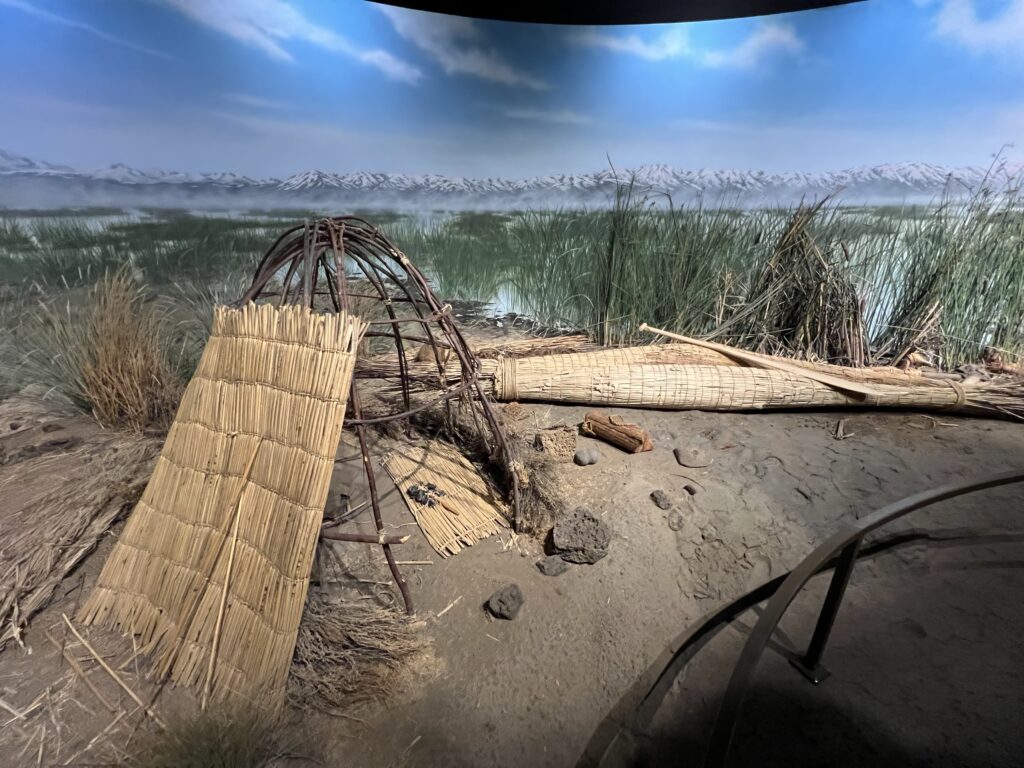
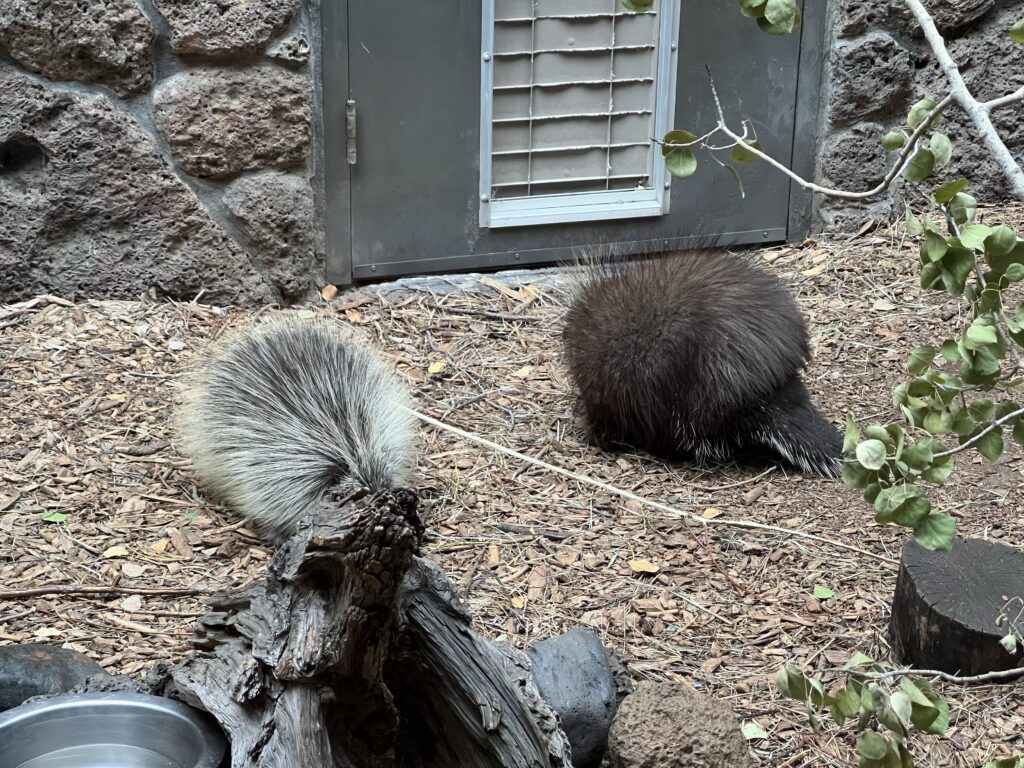
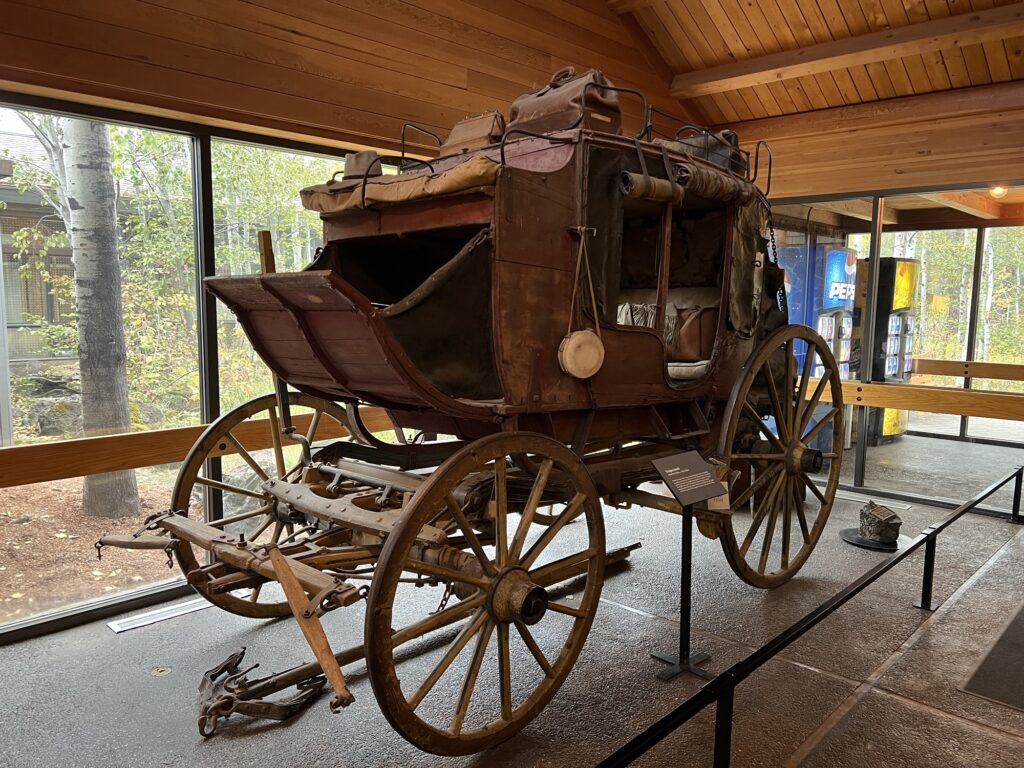
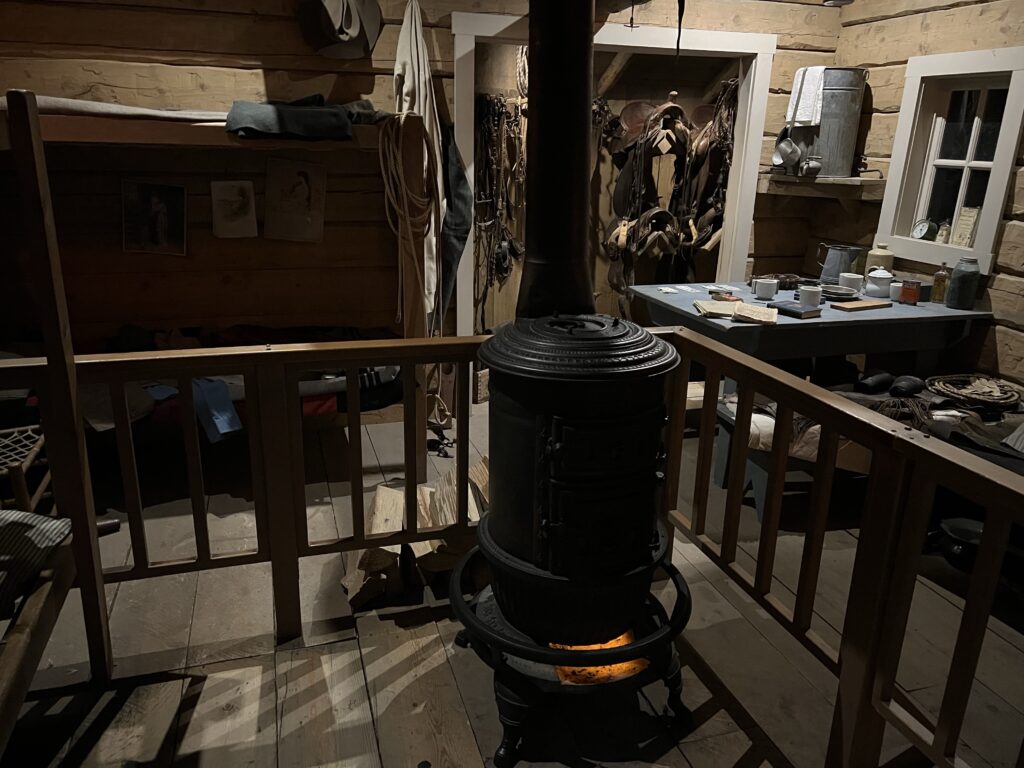
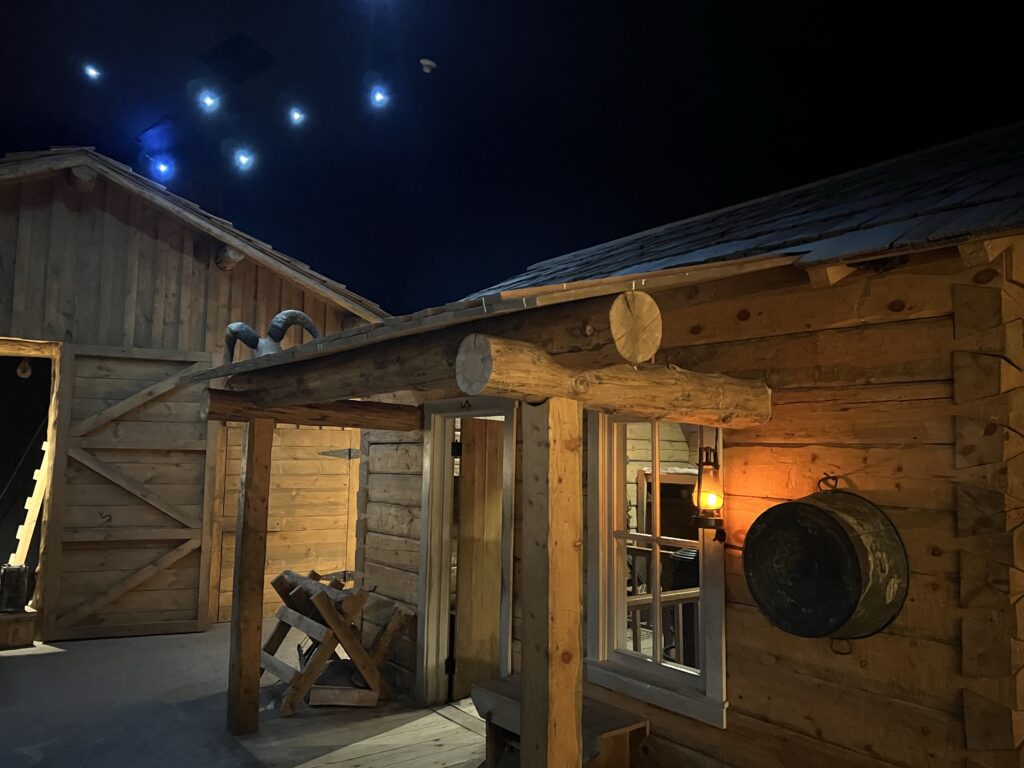
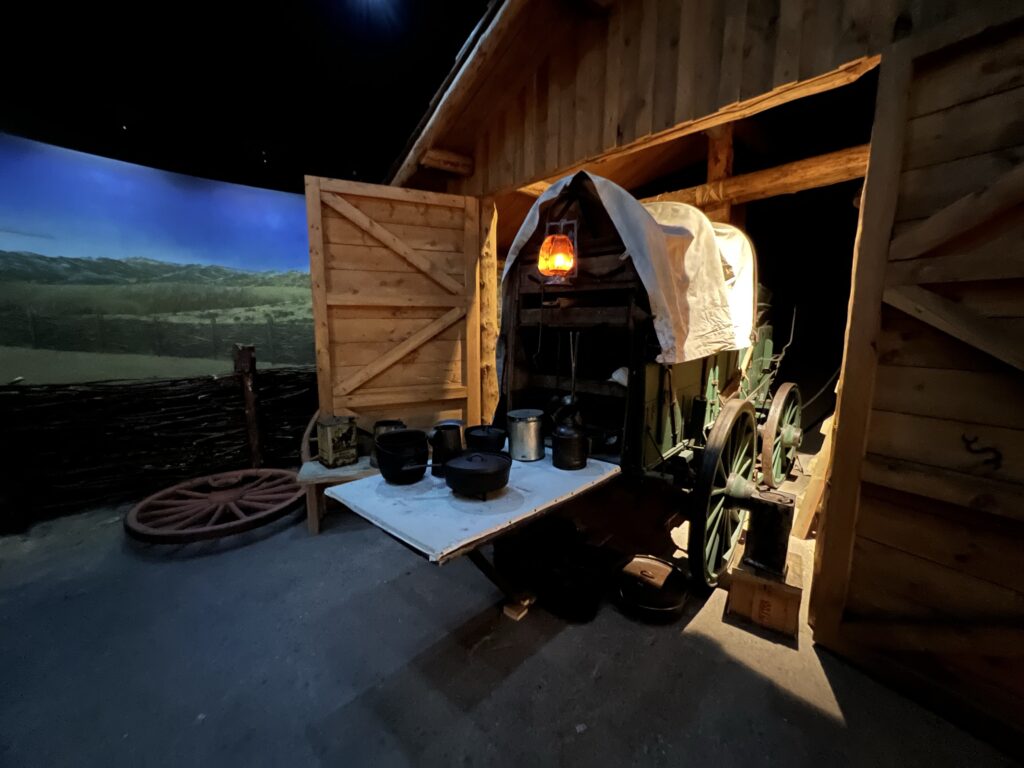
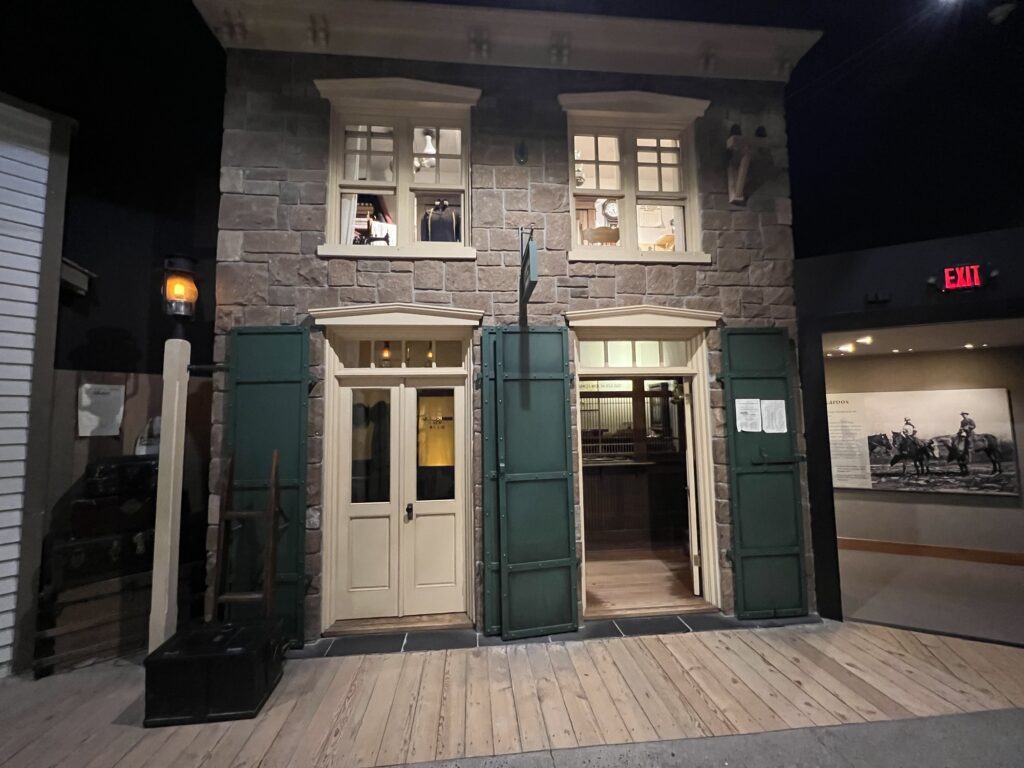
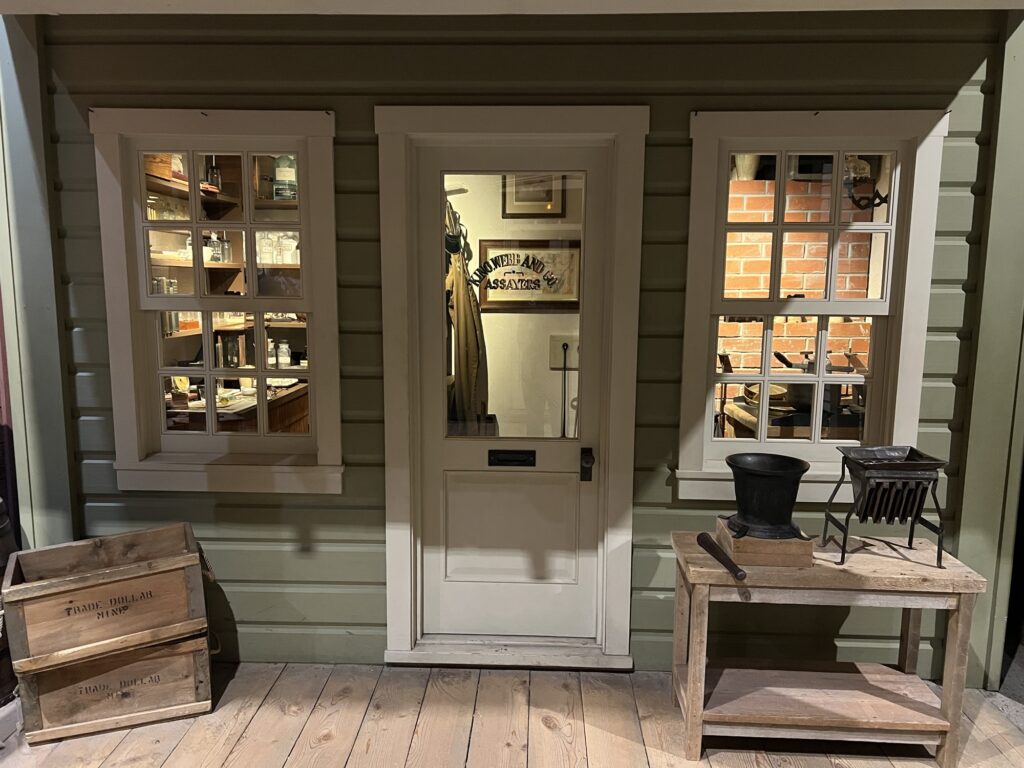
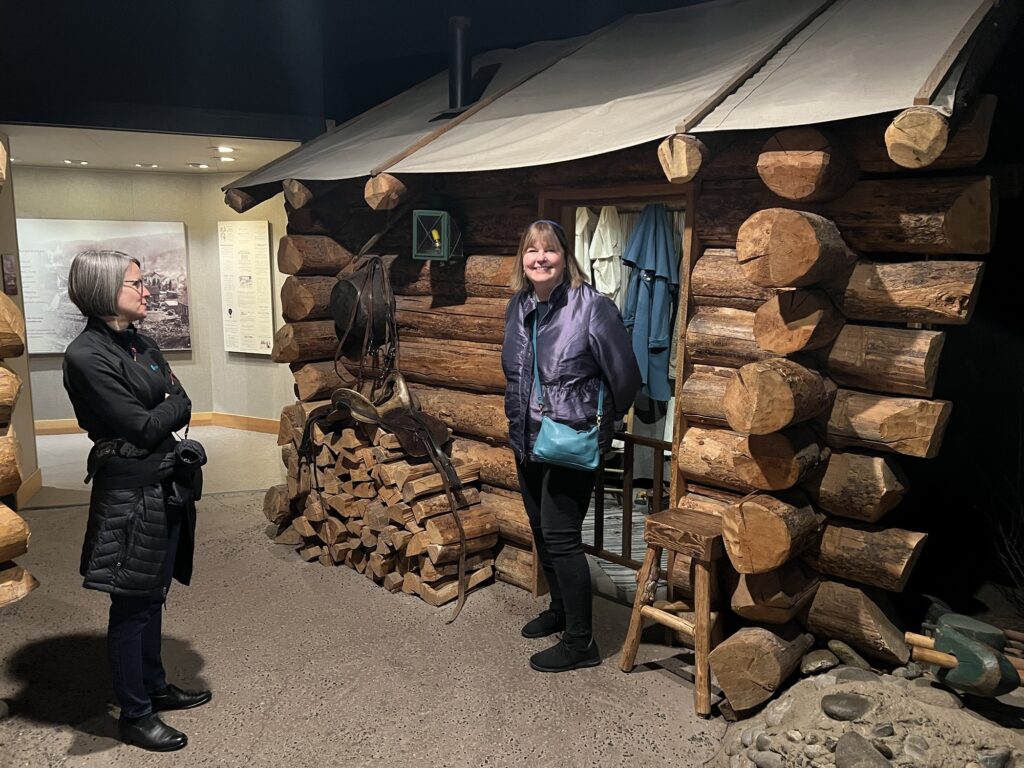
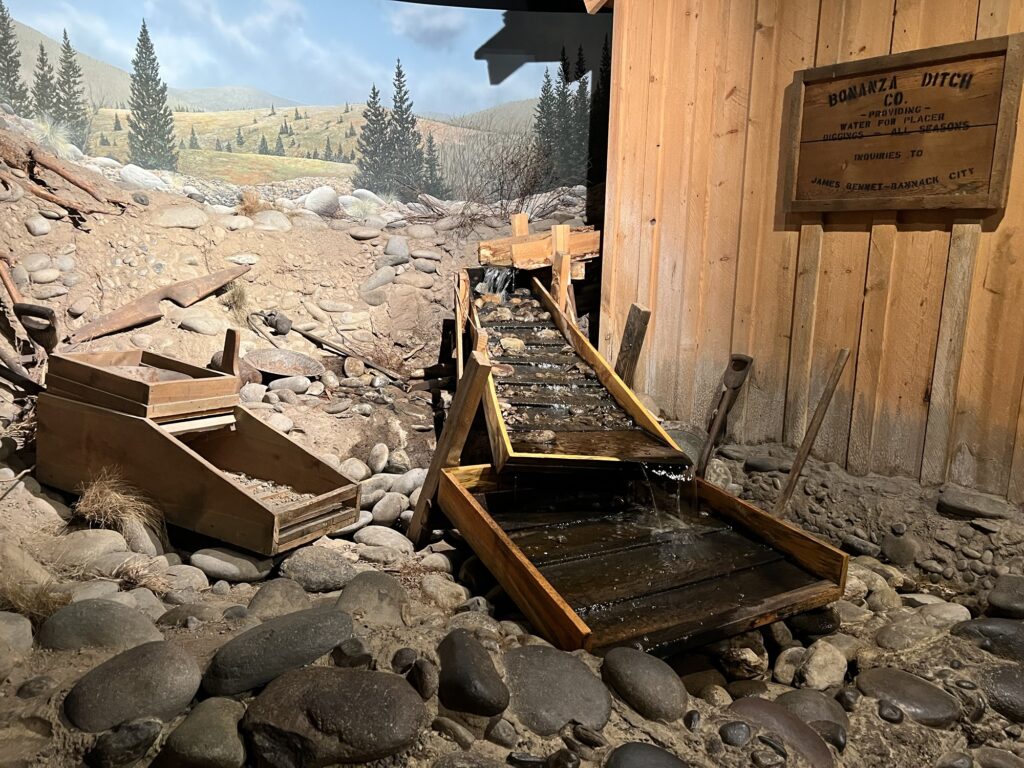
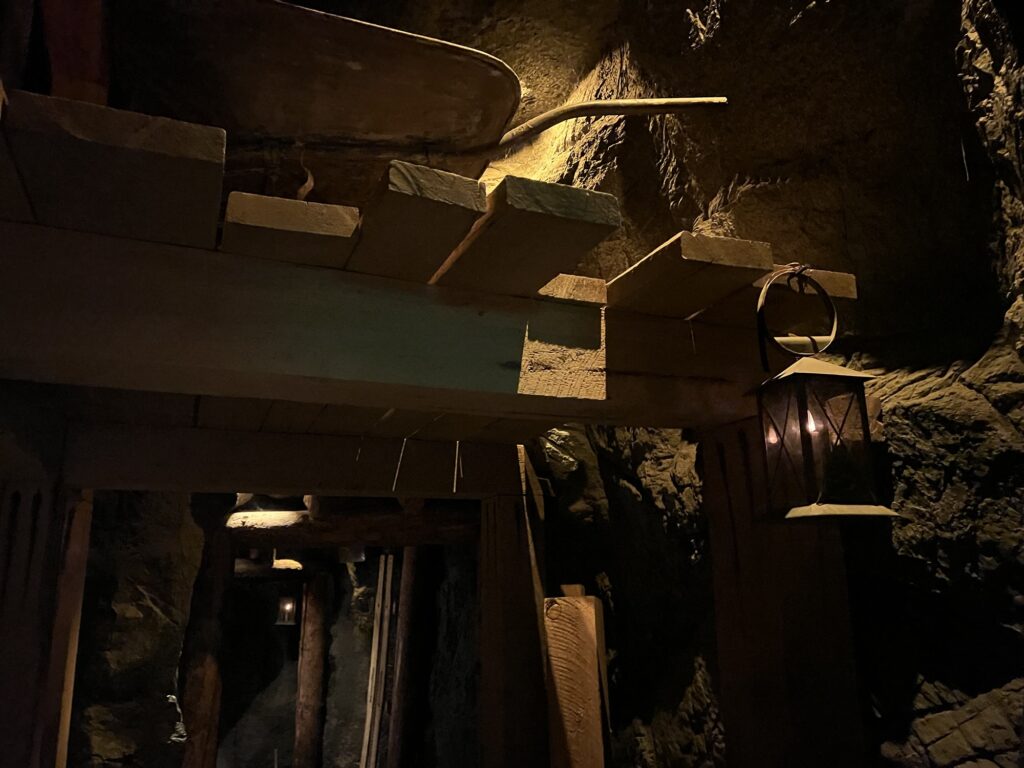
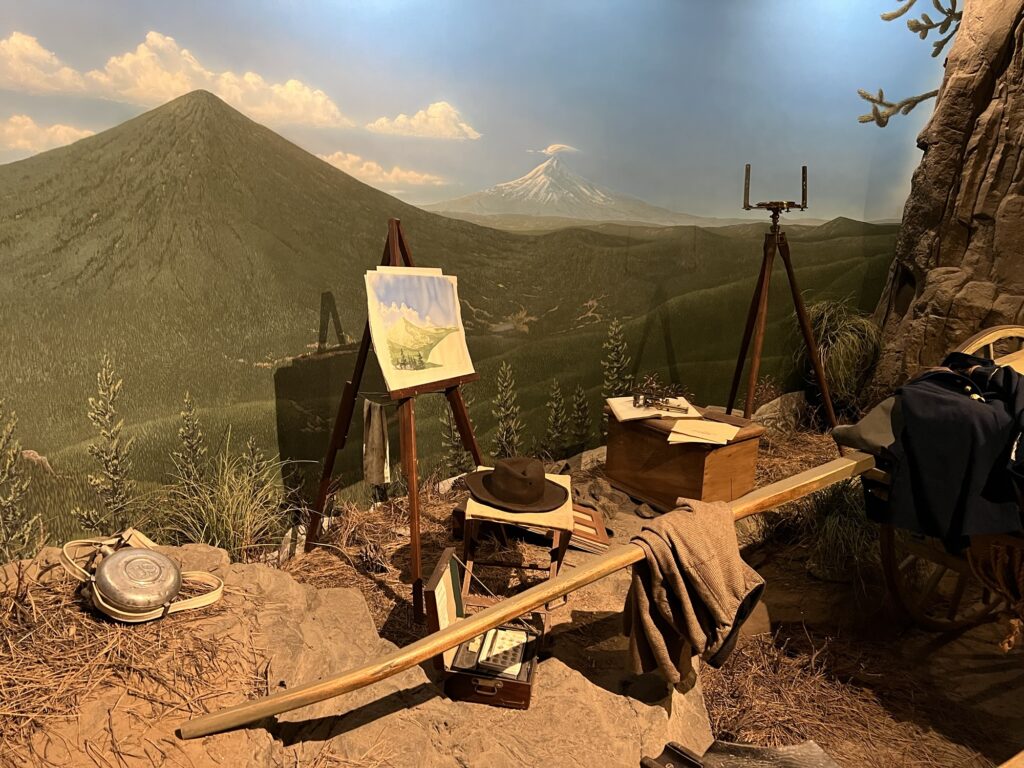
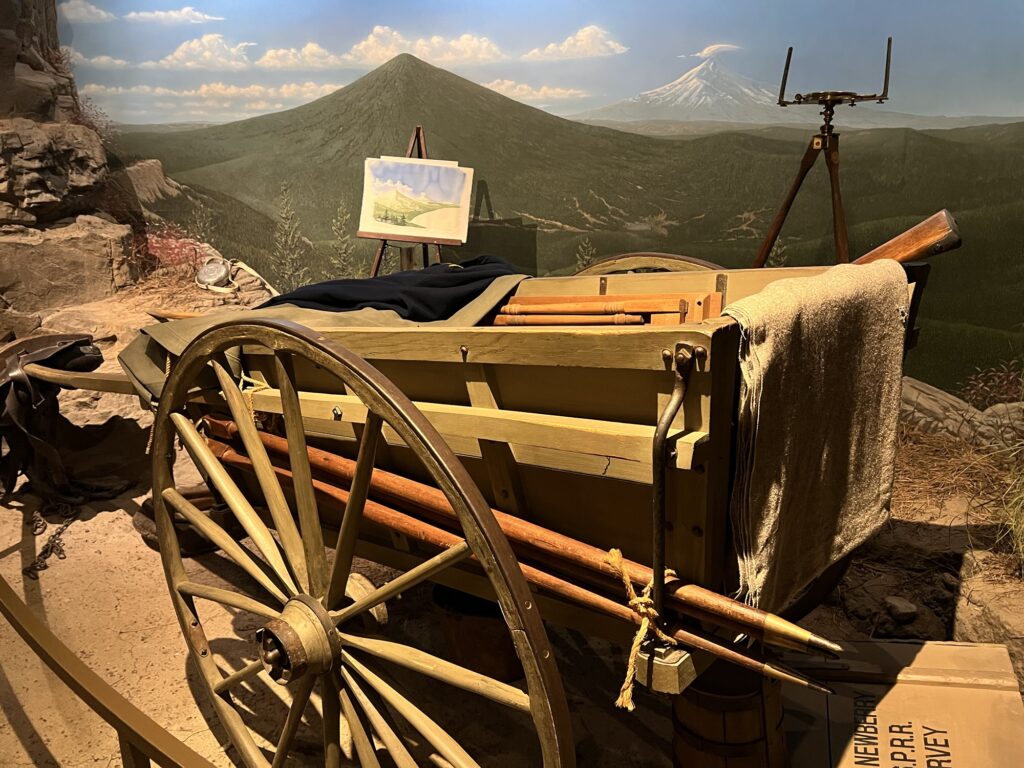
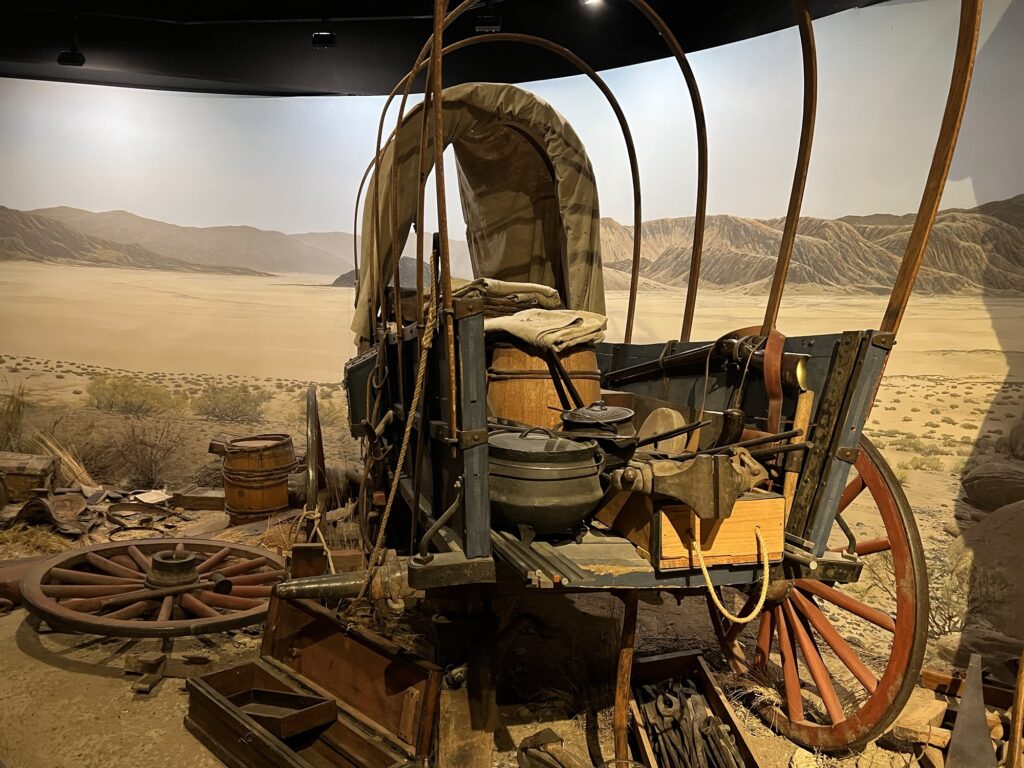
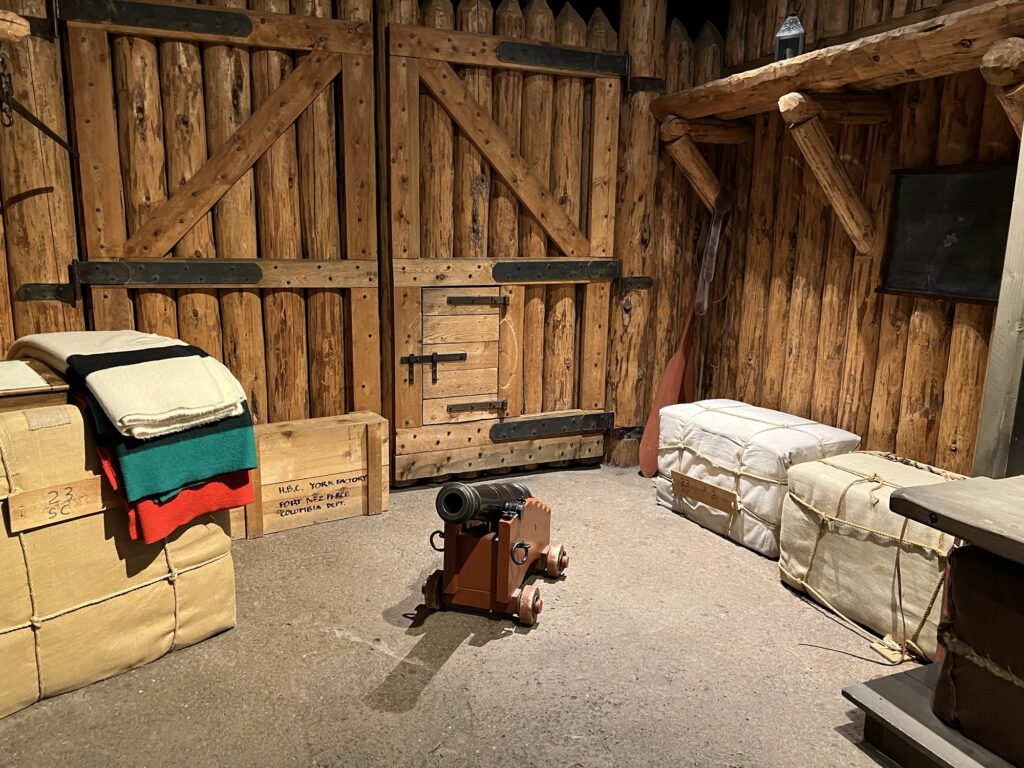
The Deschutes Historical Museum helps explain how Bend moved from timber production to tourism and recreation, while the High Desert Museum places that local story within the larger ecology and cultures of the high desert. The museum is particularly valuable because it does not treat nature, history, art, and Indigenous knowledge as separate subjects. Its exhibitions and programs bring together regional artists, wildlife, ranching traditions, volcanic landscapes, and the perspectives of the Confederated Tribes of Warm Springs.27
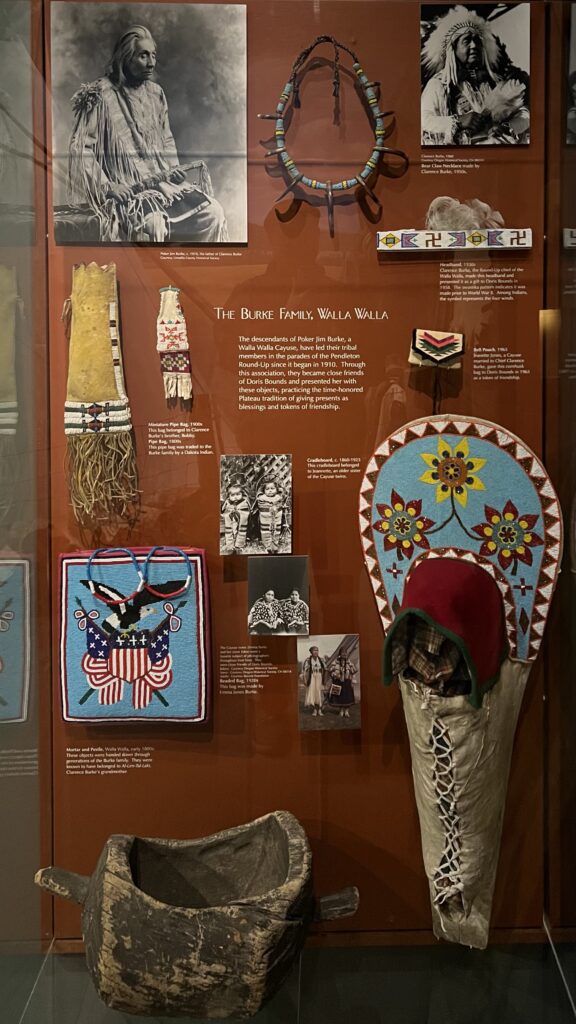
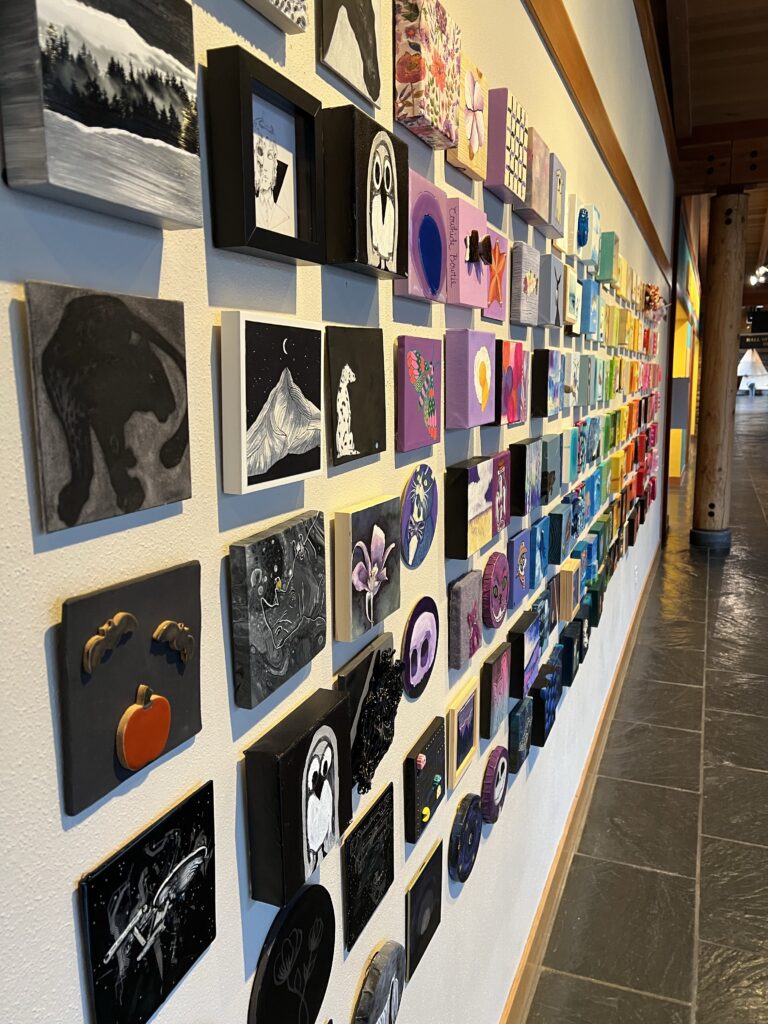
For the art lover, the High Desert Museum’s Art in the West and Coyote Encounters exhibitions are especially significant. They present the region not as an empty recreational backdrop but as a lived cultural landscape, shaped by Indigenous storytelling, ecological change, and artistic interpretation.7 For the Native American visitor or learner, the museum’s Indigenous-centered programming offers a more respectful and substantive entry point than conventional frontier narratives.27
Beer, Music, and the Bend Way
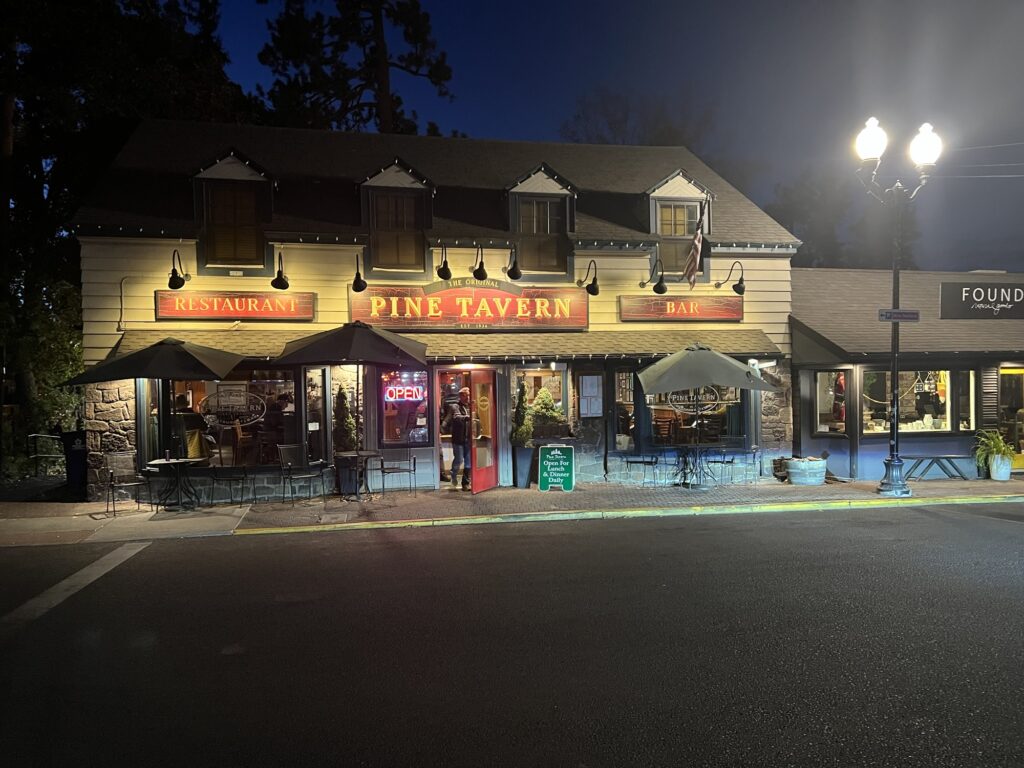
Bend’s social culture is inseparable from its breweries. The Bend Ale Trail includes more than thirty breweries, with Deschutes Brewery’s original Public House serving as both a destination and a symbol of the city’s transformation from lumber town to craft-beer center.116 The beer culture is relaxed rather than exclusive: it belongs as much to cyclists, kayakers, musicians, and visitors as to connoisseurs.
Music has a similarly public character. The Hayden Homes Amphitheater, built within the Old Mill District in 2001, places large-scale concerts beside the Deschutes River and beneath the preserved mill landscape. The Tower Theatre, meanwhile, provides a restored historic venue downtown, while the city’s last Blockbuster has become an unlikely monument to film culture.1345
Yet Bend retains an early-to-bed quality. Many businesses open after 7 a.m., and much of the town closes by 10 p.m. This is part of what might be called the “Bend Way”: a lifestyle organized around early hikes, river floats, work, family, and sleep rather than a late-night metropolitan economy. Visitors who expect midnight urban energy may need to adjust their expectations; those who embrace the rhythm often find it part of the city’s charm.10
Nature Without Leaving Town
Bend’s outdoor opportunities begin within the city limits. Pilot Butte rises above the residential grid and offers a short but rewarding hike with broad views of the Cascades.
Beyond town, Tumalo Falls, Smith Rock, and Newberry Volcanic National Monument provide waterfall, canyon, lava-flow, and caldera landscapes within an easy drive.16
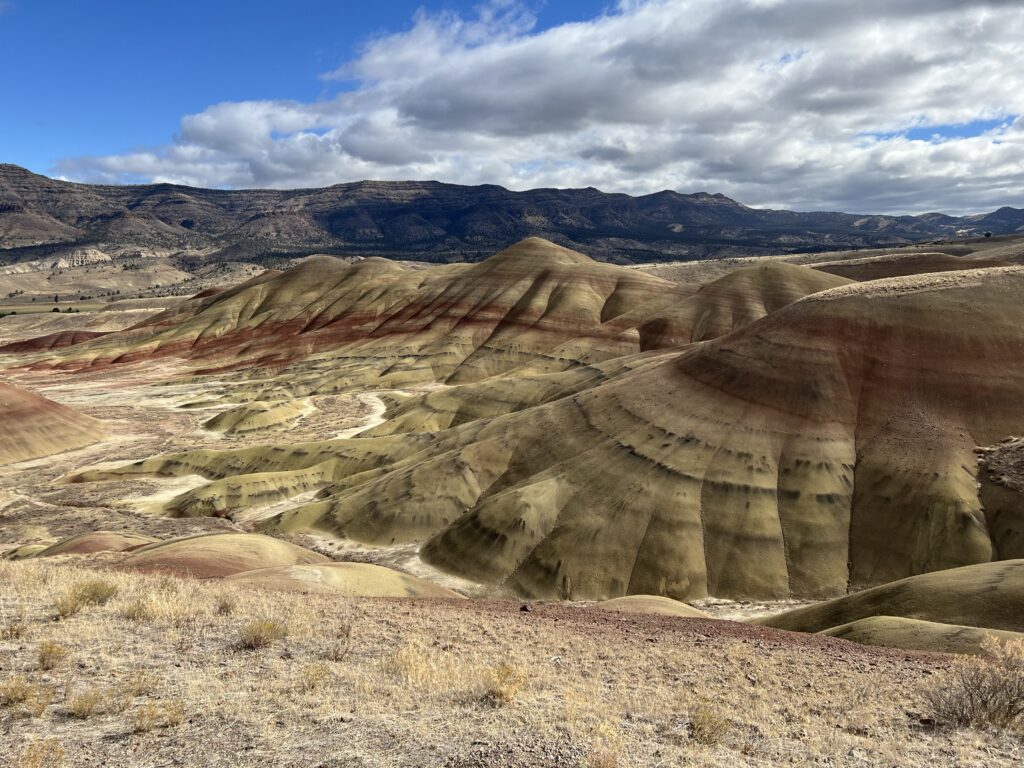
The Painted Hills, however, require a fuller commitment. Roughly 90 to 120 road miles from Bend, depending on route, they are best treated as a full-day excursion through Prineville and Mitchell. Their striped geological formations reward the drive with a landscape that feels almost like geological time made visible.89
Economy and Its Tensions
Bend’s employment market reflects its reinvention. Healthcare is now the largest sector, accounting for more than 12,400 jobs in 2023, while construction, tourism, professional services, technology, education, manufacturing, and renewable energy provide a more diversified base than the timber economy ever could.131416
The city’s challenge is affordability. Its natural amenities, cultural institutions, and outdoor lifestyle attract newcomers and remote workers, but housing costs can outpace wages in service, hospitality, and many entry-level fields. Bend’s prosperity is therefore real but uneven: it is a place of opportunity for some, and an increasingly difficult place to remain for others.1417
A Day in Bend
A satisfying Bend day might begin with coffee and a walk around Mirror Pond, followed by a visit to the High Desert Museum. Afternoon could bring a float from Riverbend Park to Drake Park, a walk through the Old Mill District, and a close look at the REI powerhouse conversion. Evening might end with a brewery meal, a concert at the amphitheater, or simply the early quiet that reminds a visitor that Bend remains, at heart, a river town rather than a nightlife capital.67
What distinguishes Bend is not that it has escaped its past. It is that it has made its past usable. The sawmills became shops and offices; the smokestacks became landmarks; the railcars became dressing rooms; the river became a public stage. In that sense, Bend offers a model for small Western cities: honor the industrial inheritance, protect the natural setting, and build a culture that can hold both history and reinvention.31822

Footnotes
- Travel + Leisure, “The Essential Guide to Bend, Oregon.” ↩
- Visit Central Oregon, “Top Things to Do in Bend.” ↩
- Old Mill District, “History of the Old Mill District in Bend, Oregon.” ↩
- Central Oregon Luxury, “Architectural Landmarks in Bend Oregon.” ↩
- Visit Bend, “Bend, Oregon: Guide to Local Community Arts and Services.” ↩
- Visit Central Oregon, “How to Float the Deschutes River in Bend, Oregon.” ↩
- High Desert Museum, “Exhibitions.” ↩
- CYPaint, “Exploring Painted Hills: Distance and Travel Tips From Bend.” ↩
- Bend Explored, “Complete Guide to Exploring the Painted Hills Oregon.” ↩
- Yelp, “Top 10 Best Open Late in Bend, OR.” ↩
- U.S. Census Bureau, “QuickFacts: Bend city, Oregon.” ↩
- World Population Review, “Bend, Oregon Population 2026.” ↩
- City of Bend, Economic Development Strategic Plan. ↩
- Moving to Bend, “Employment & Business Opportunities in Bend.” ↩
- KTVZ, “Oregon unemployment rate holds steady at 5.0% amid modest job gains.” ↩
- Bend Oregon Jobs, “Top 10 Growing Industries in Bend, Oregon.” ↩
- BendZeit, “Bend Oregon Jobs, Economy & Employment Guide.” ↩
- Old Mill District, “From Timber to Tourism.” ↩
- Historical Marker Database, “Today’s Old Mill District.” ↩
- Hayden Homes Amphitheater, “About.” ↩
- Oregon Historical Quarterly, “Big Red: The Brooks-Scanlon Mill in Bend.” ↩
- Old Mill District, “Historic Powerhouse Building’s Past Connects an Adventurous Present.” ↩
- CIDA, “Old Mill District – REI.” ↩
- Old Mill District, “Brooks-Scanlon Mill Remnants Now House Floral Arrangements.” ↩
- Old Mill District, “Celebrating National Historic Preservation Month.” ↩
- Visit Bend, “How to Float the River in Bend, Oregon.” ↩
- Visit Bend, “Deschutes River Tubing, Surfing, and Paddling Guide.” ↩
- Bend Park and Recreation District, “Riverbend Park.” ↩
- Tumalo Creek Kayak & Canoe, “River Tube Float Rentals.” ↩
- Visit Bend, “Tours + Guides in Bend, Oregon.” ↩
- Oregon Rafting, “Deschutes River Rafting Trips.” ↩
- Bend Park and Recreation District, “Bend Whitewater Park.” ↩
- Visit Central Oregon, “How to Enjoy Bend’s Whitewater Park.” ↩
- Visit Central Oregon, “Bend’s Whitewater Park.” ↩
- Bend Park and Recreation District, “Kayak the River.” ↩
- Bend River Wave, “Bend River Wave.” ↩