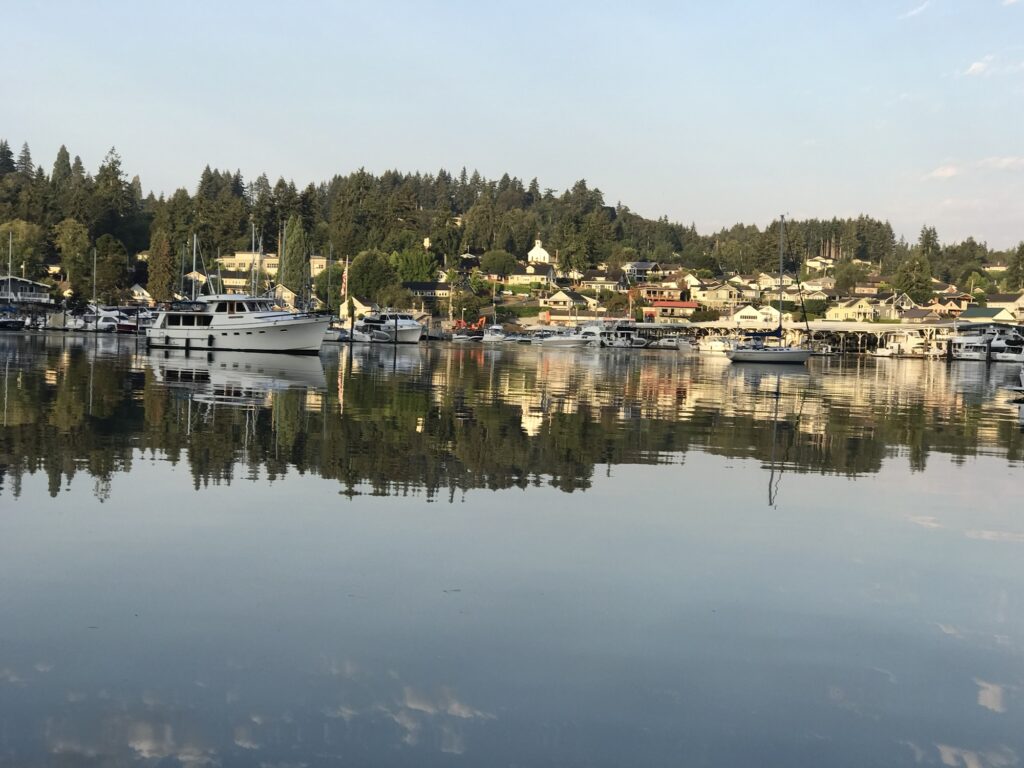
Gig Harbor is unusually rich because it is one compact, working waterfront: sailboats and racing, commercial-fishing history, harbor ecology, live music, beer, art, and waterborne social life.
For the sailor
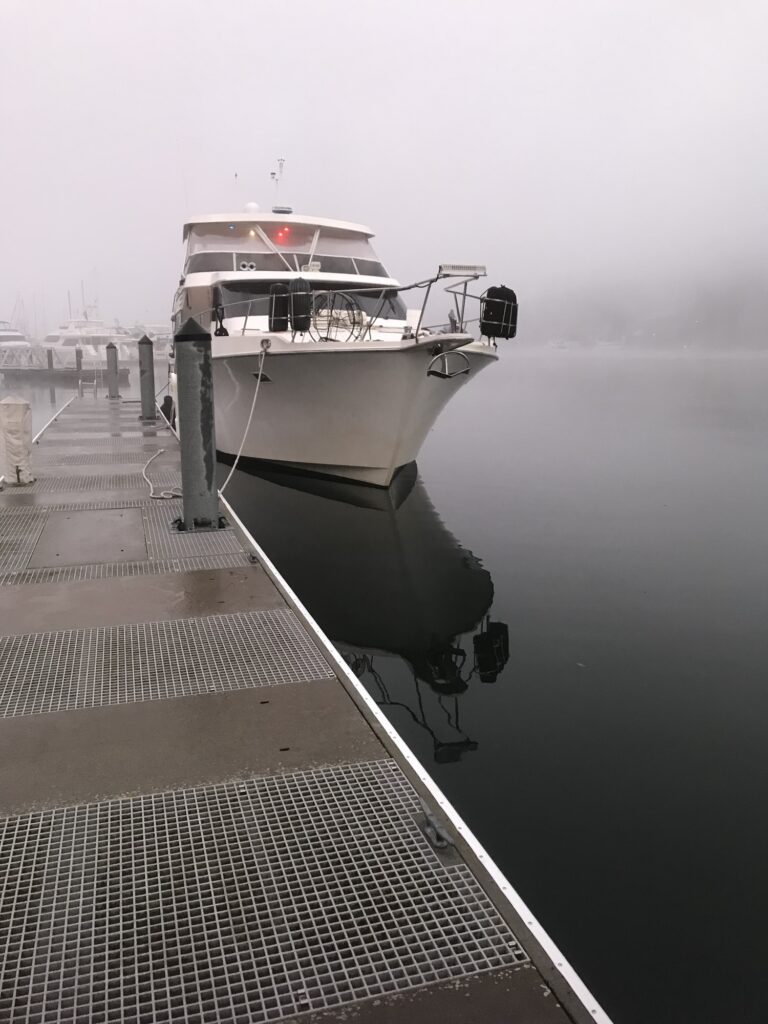
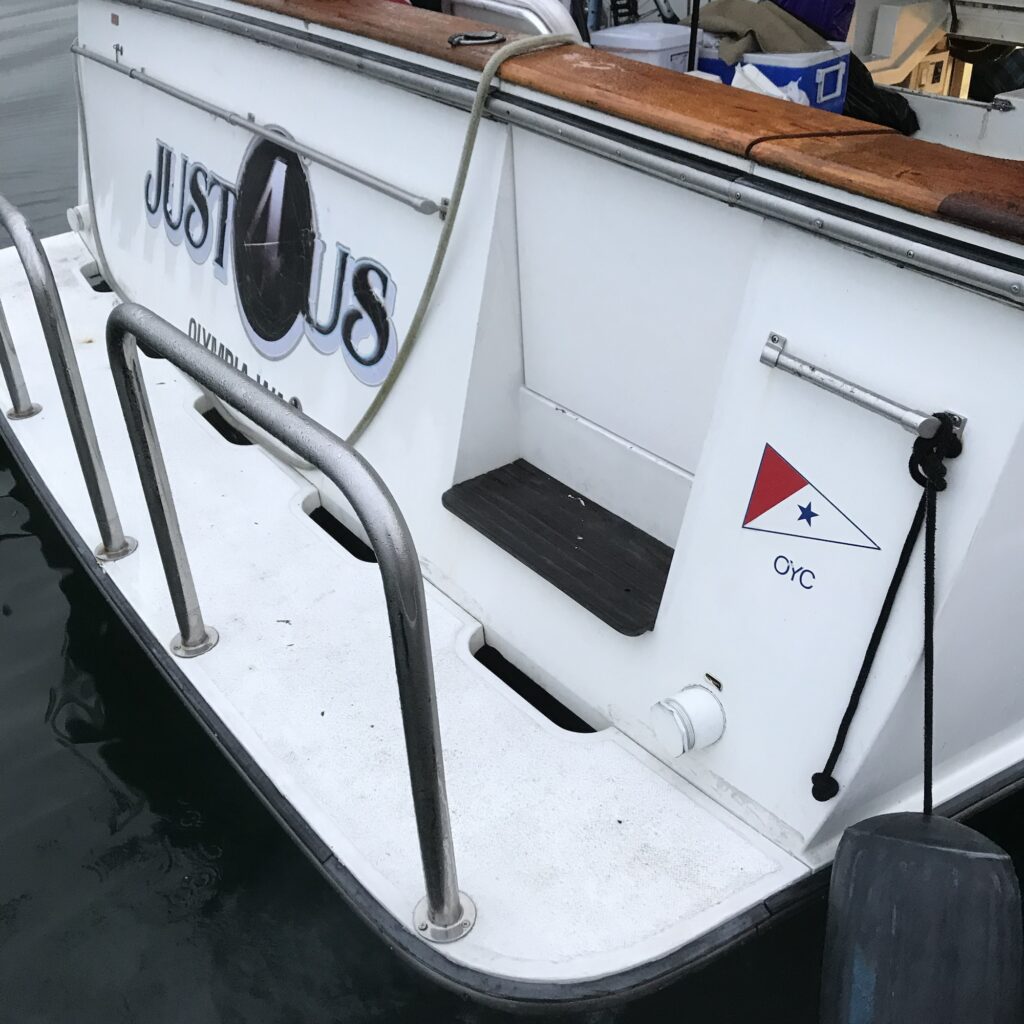
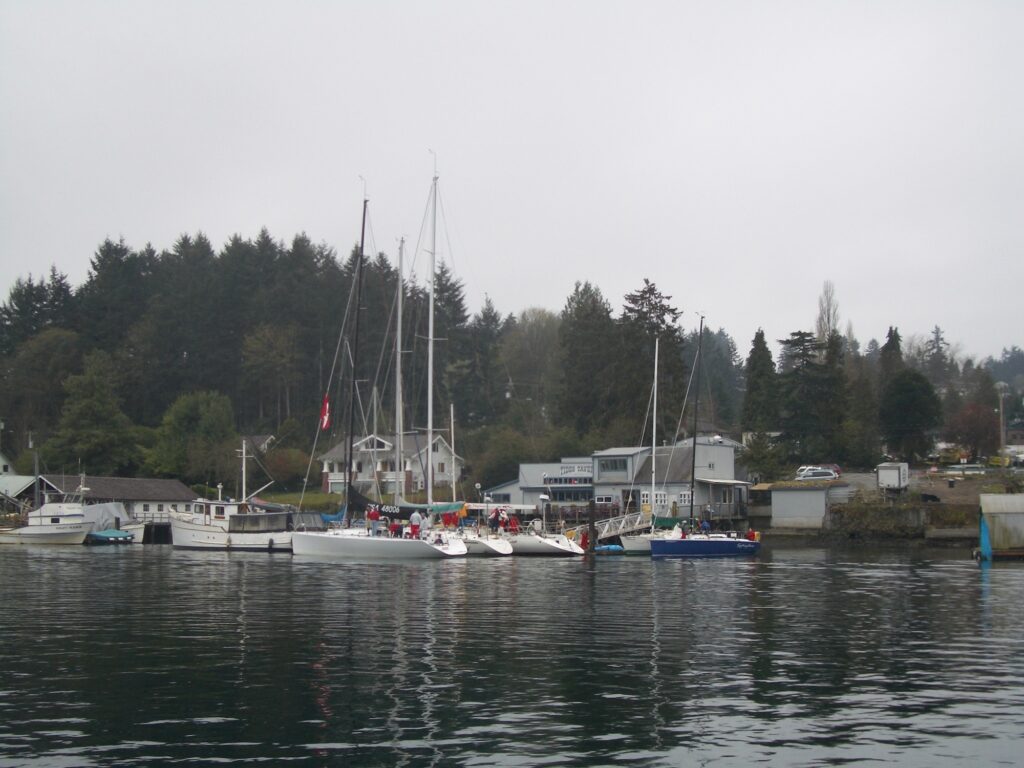
The Seattle Yacht Club outstation is part of SYC’s network of 10 outstations. Its Gig Harbor presence grew from leased dock space and later acquired slips; the club eventually added its pier and float in the mid-1980s. It is a significant stop for cruising sailors in South Puget Sound.
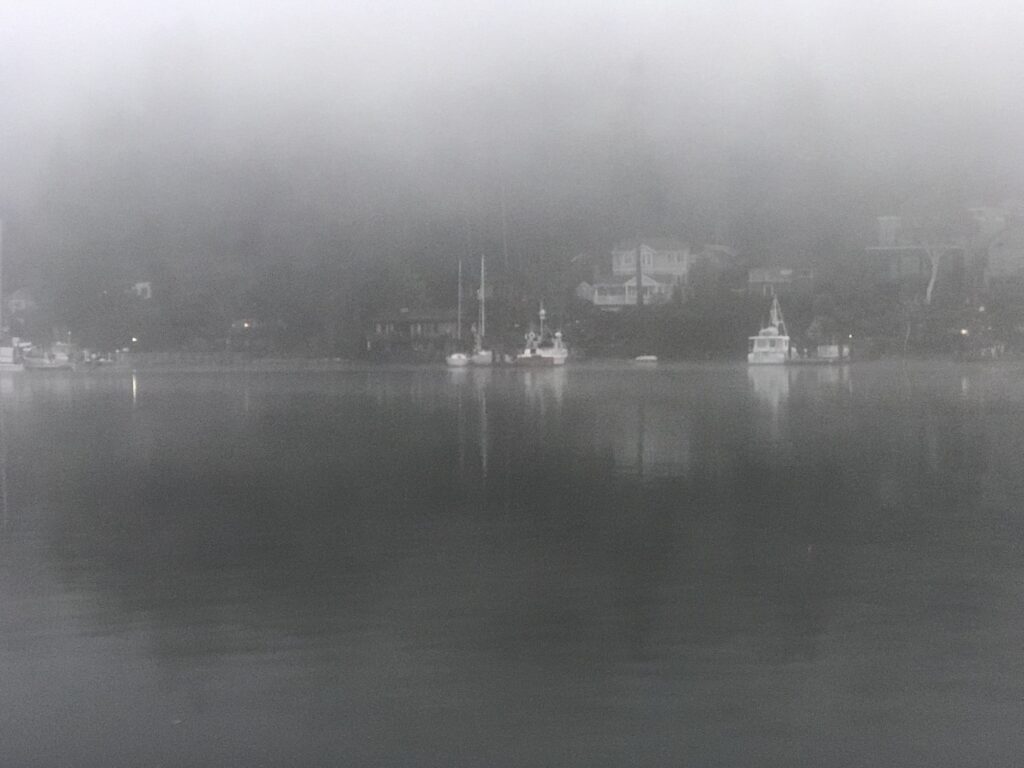
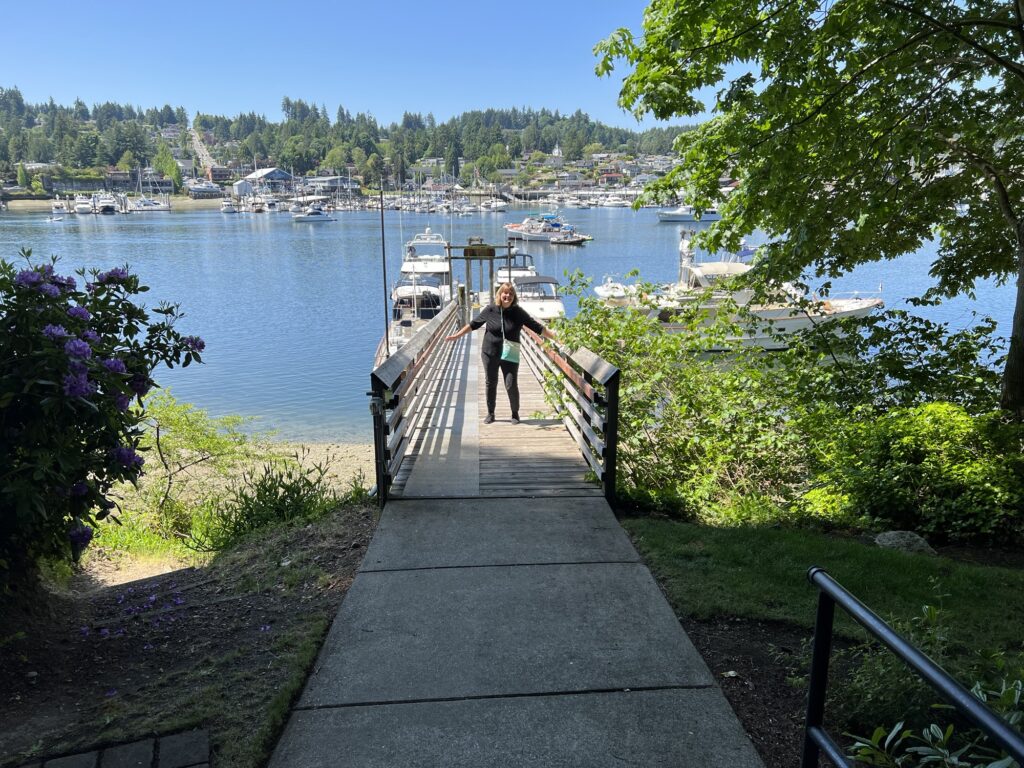
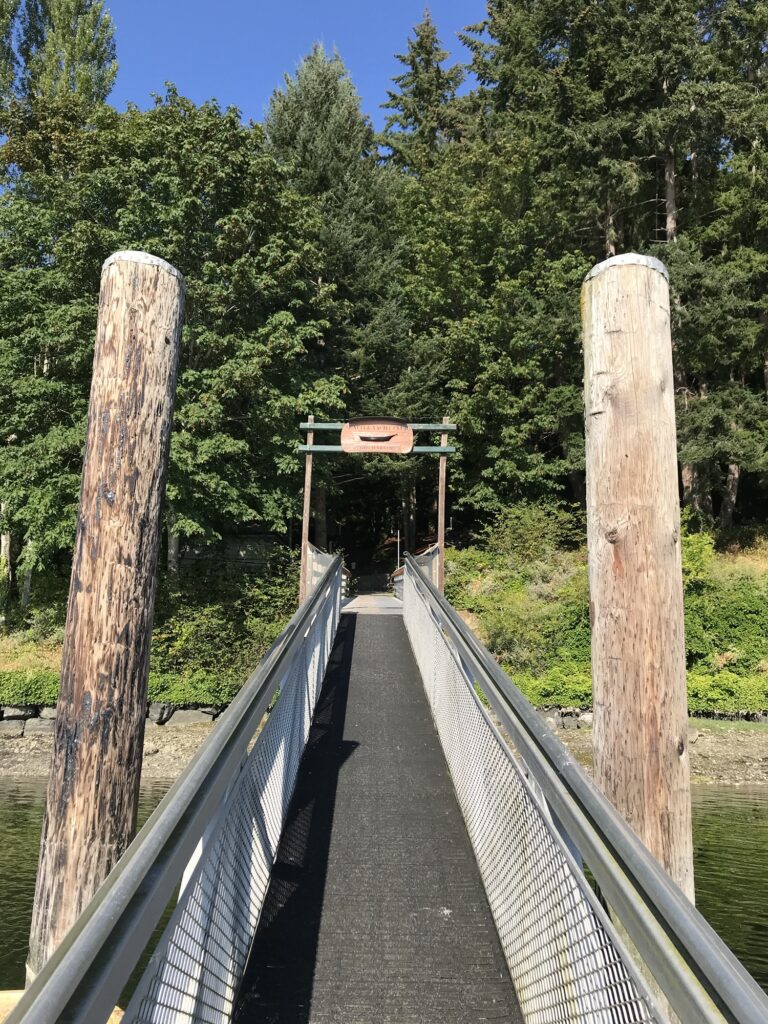
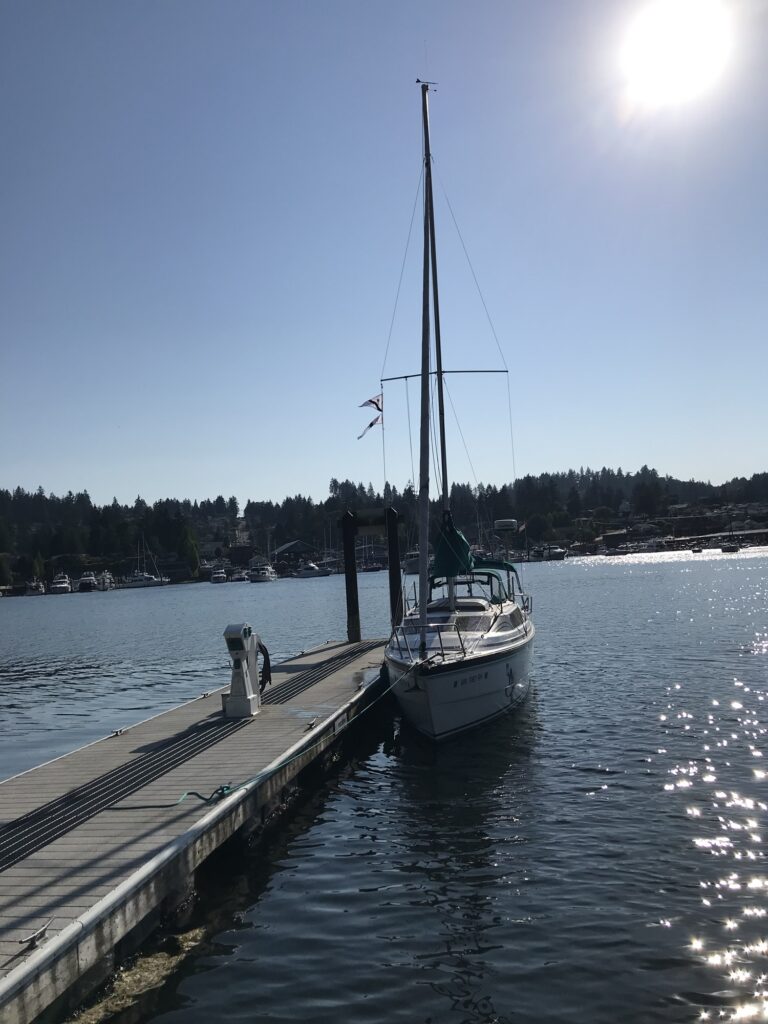
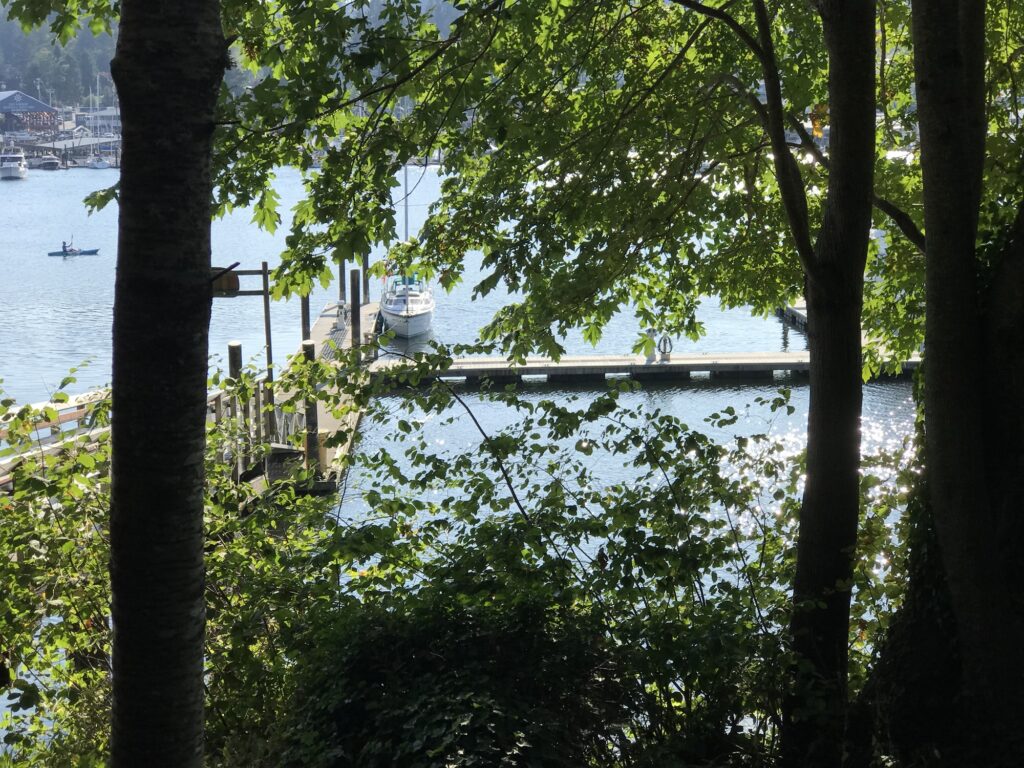
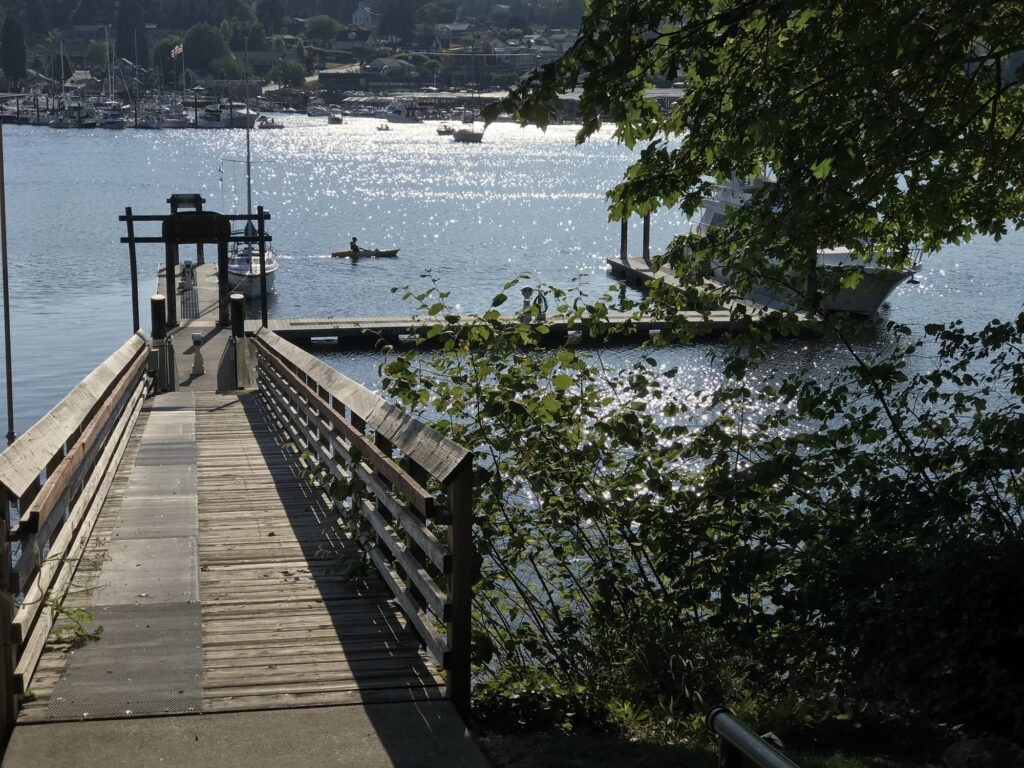
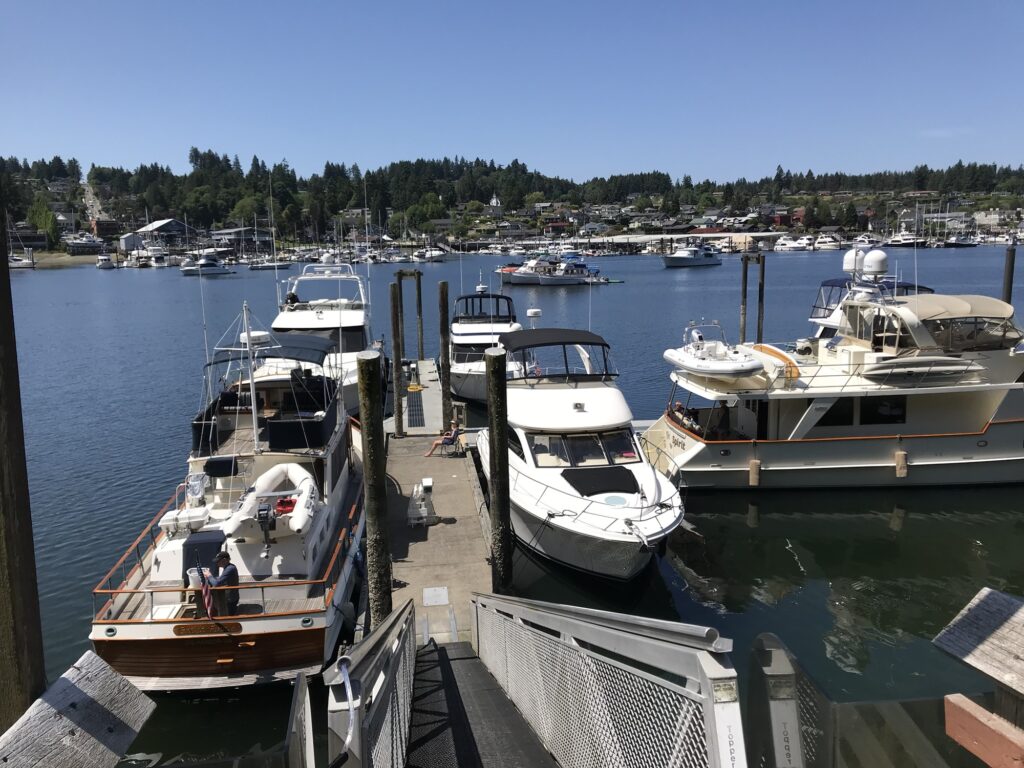
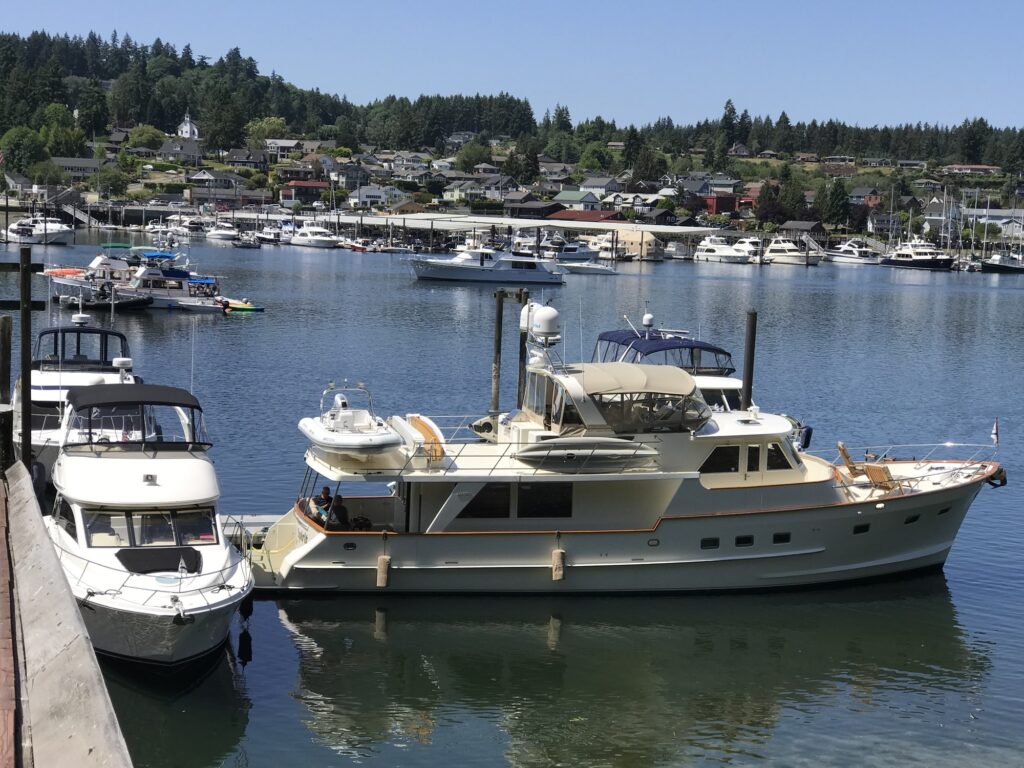
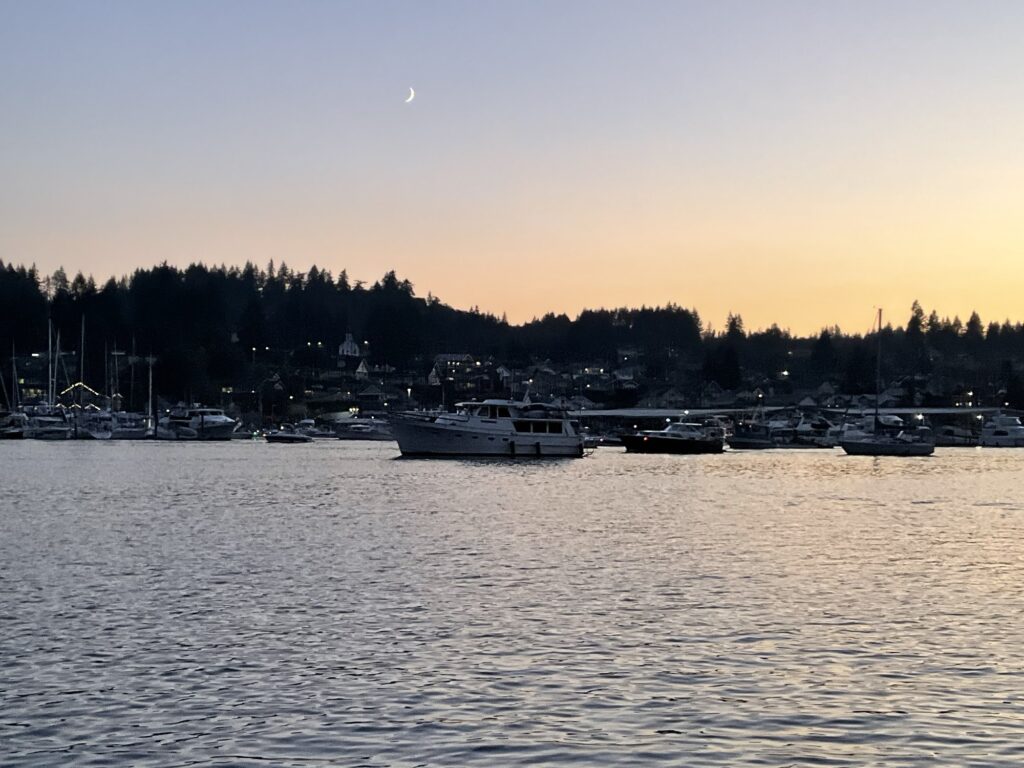
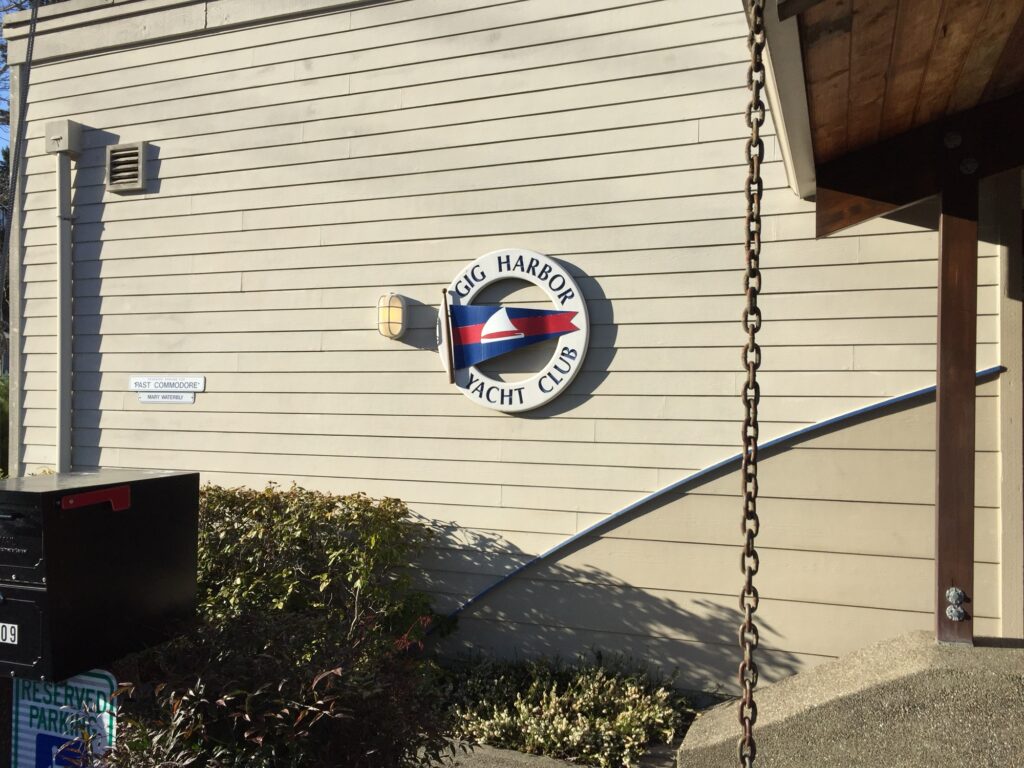
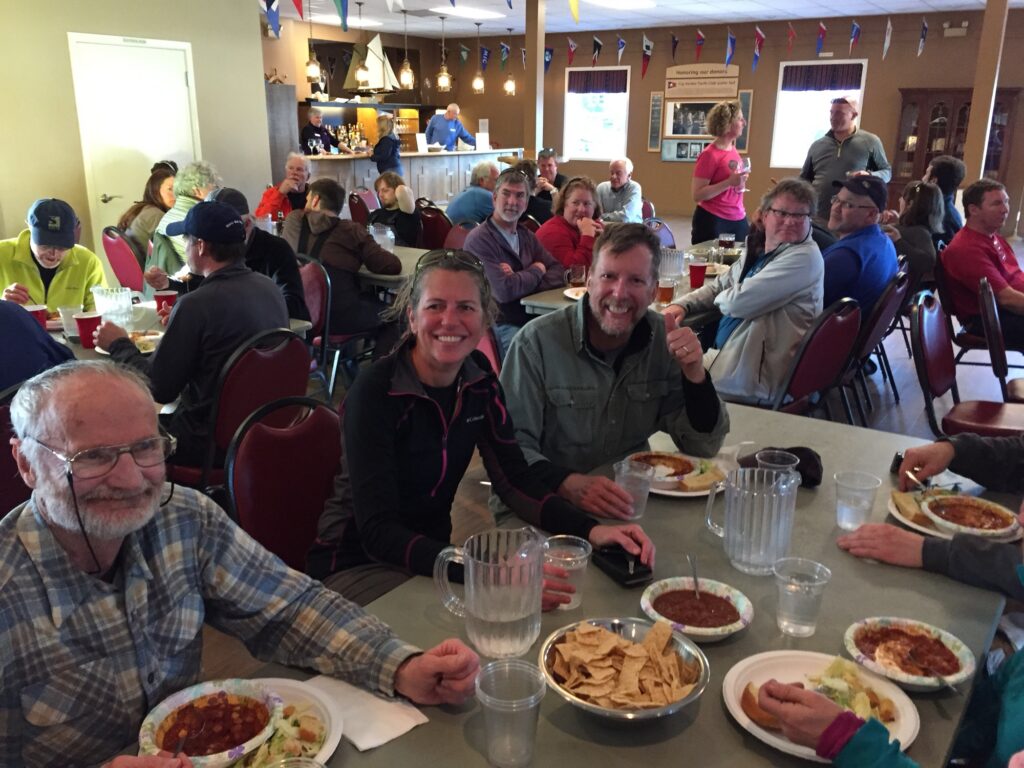
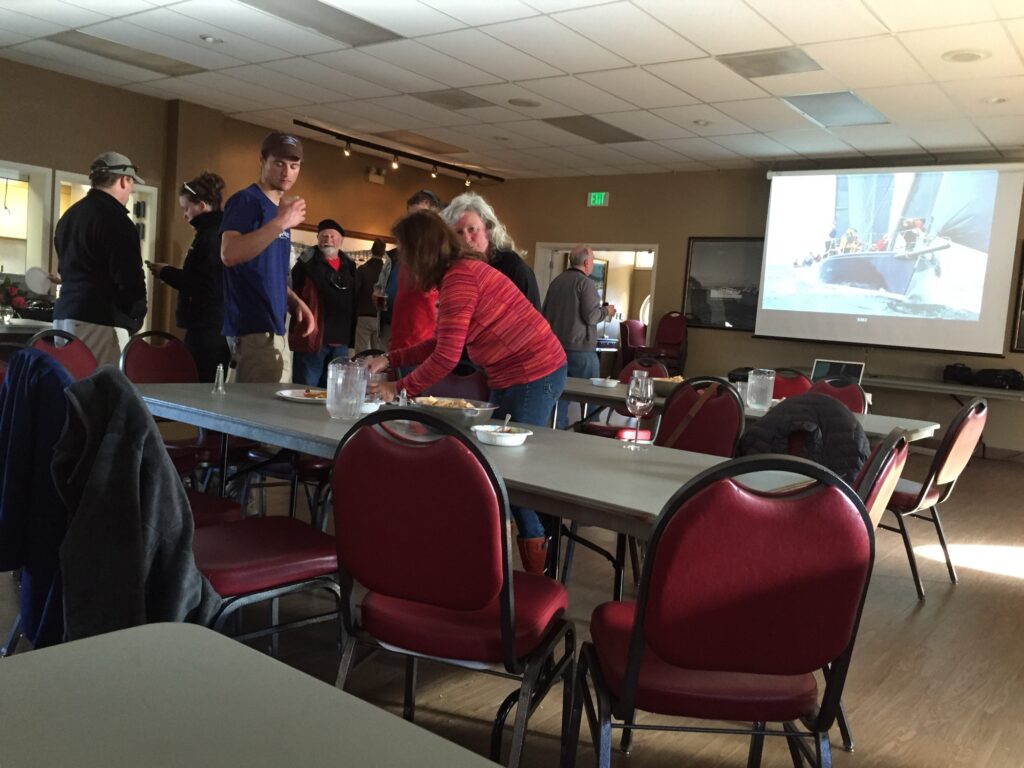
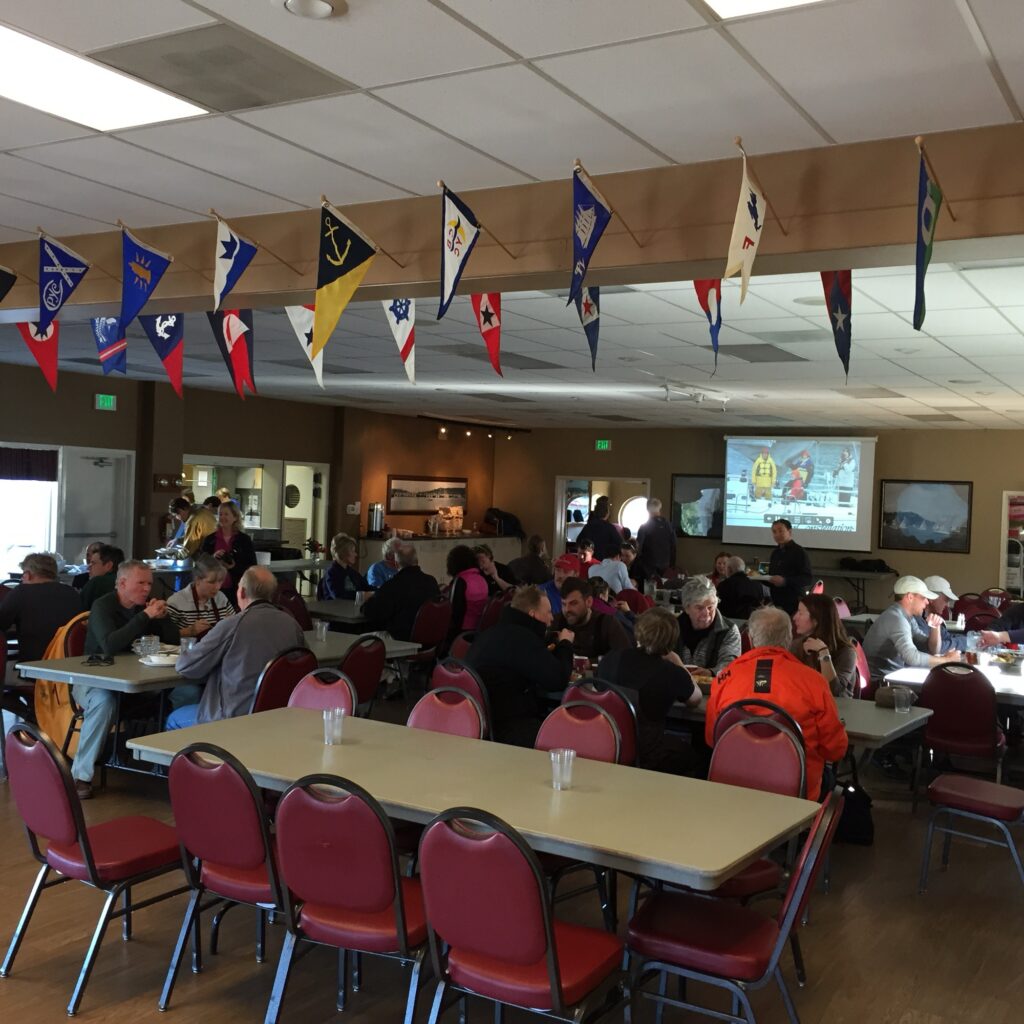
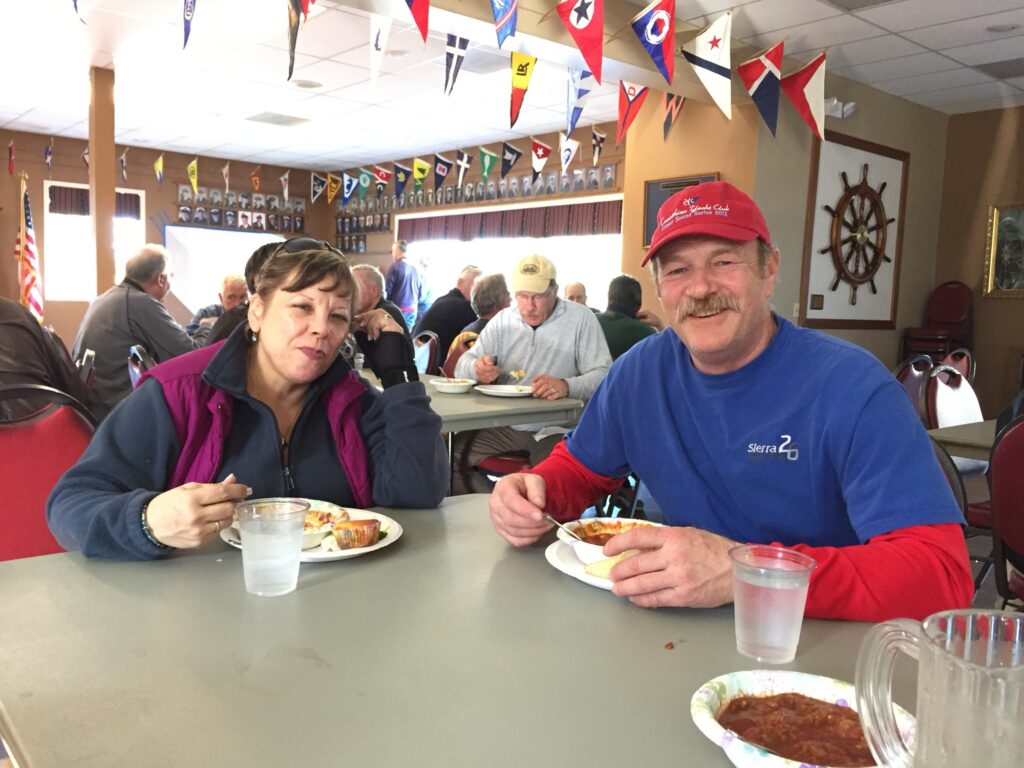
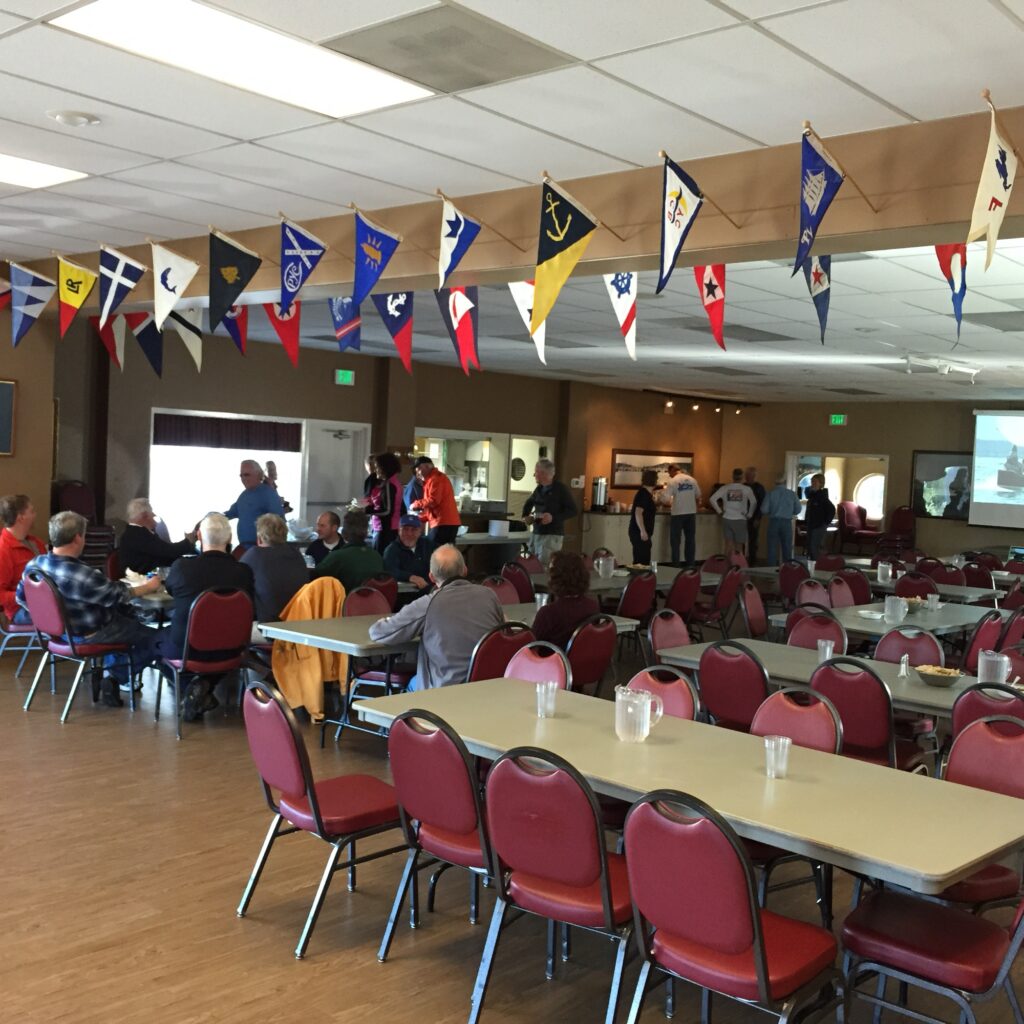
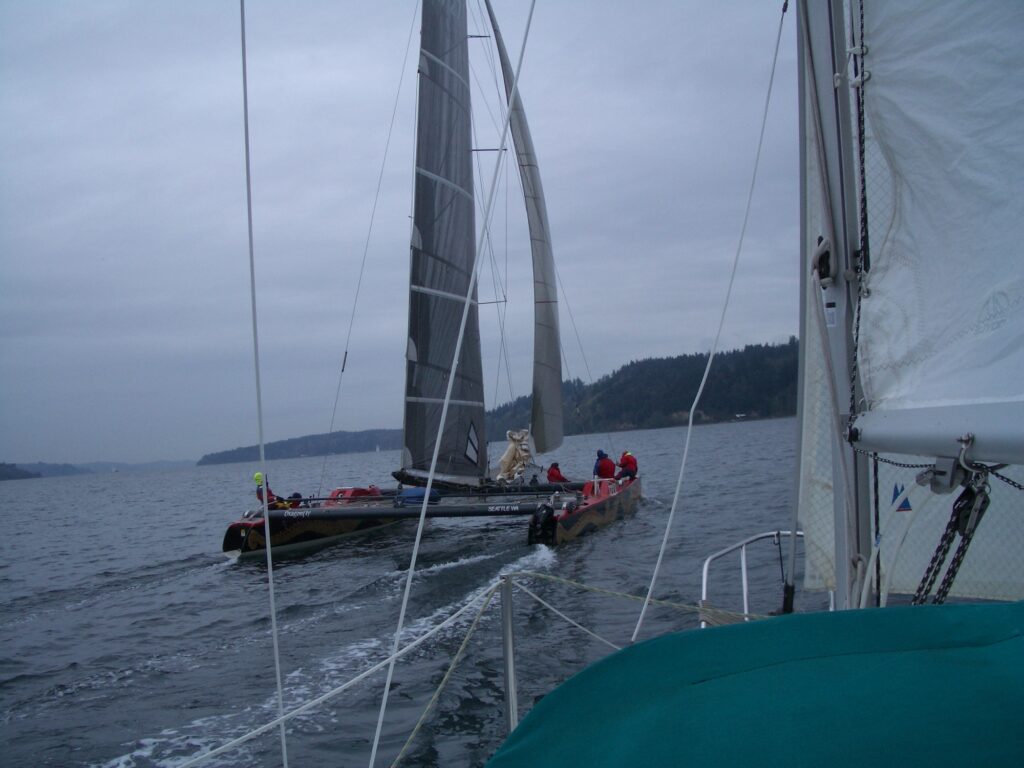
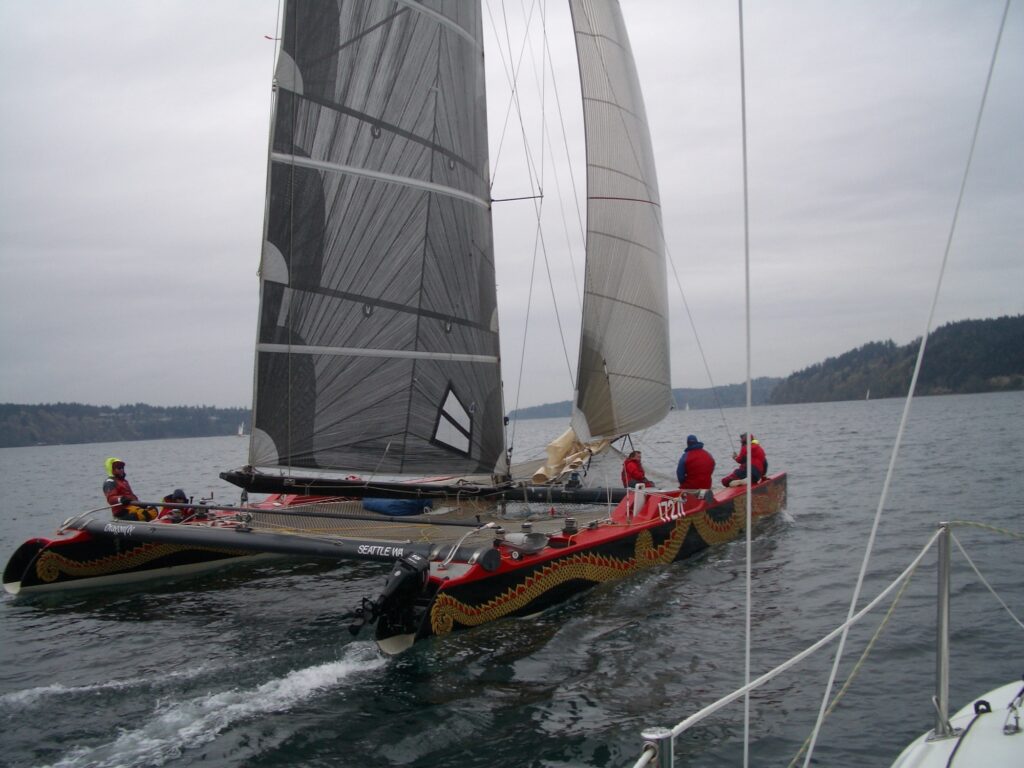
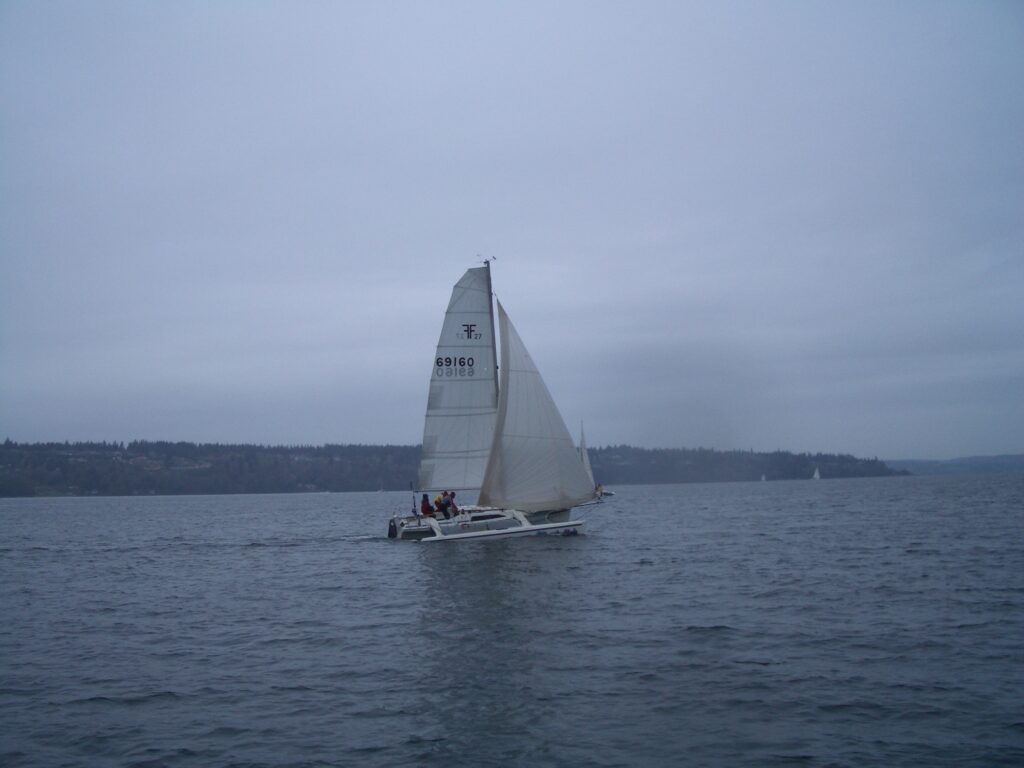
Gig Harbor Yacht Club offers local cruises and boating events, while the annual Le Mans race is a particularly Gig Harbor sort of spectacle: crews begin from anchored boats and race under sail.
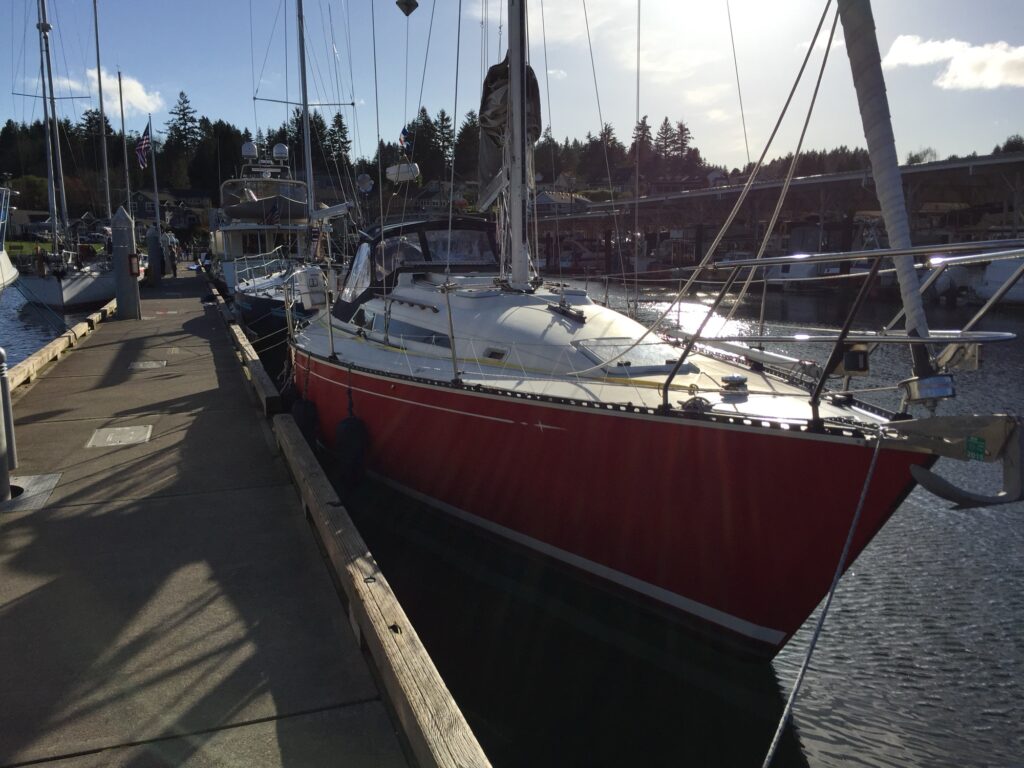
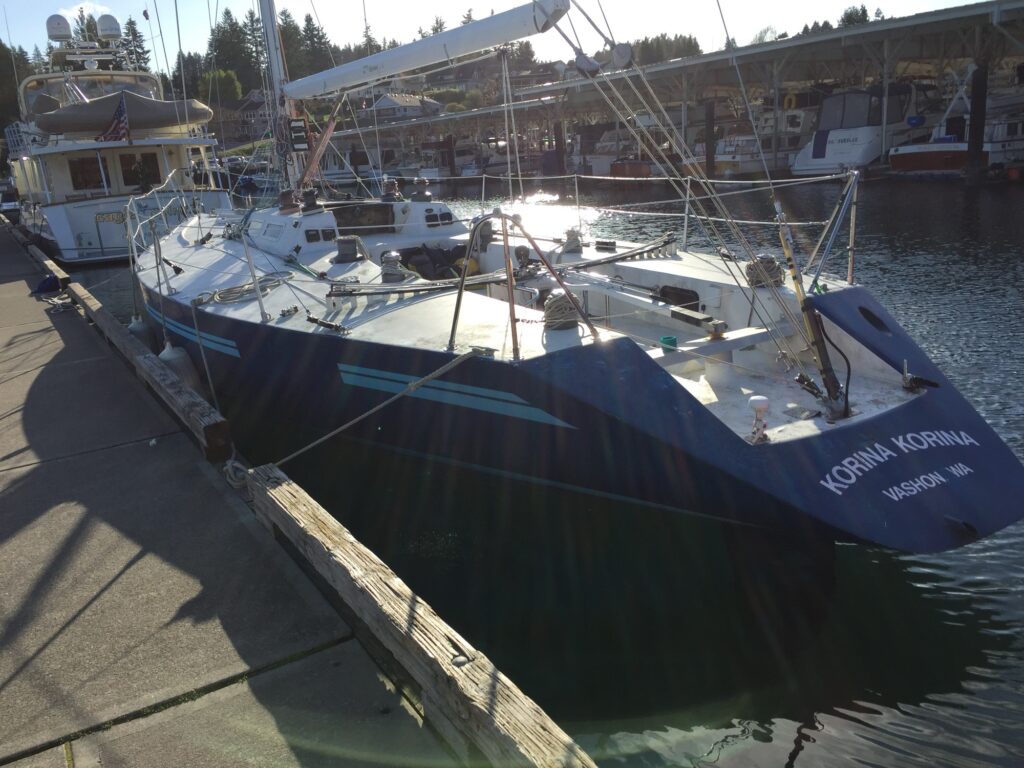
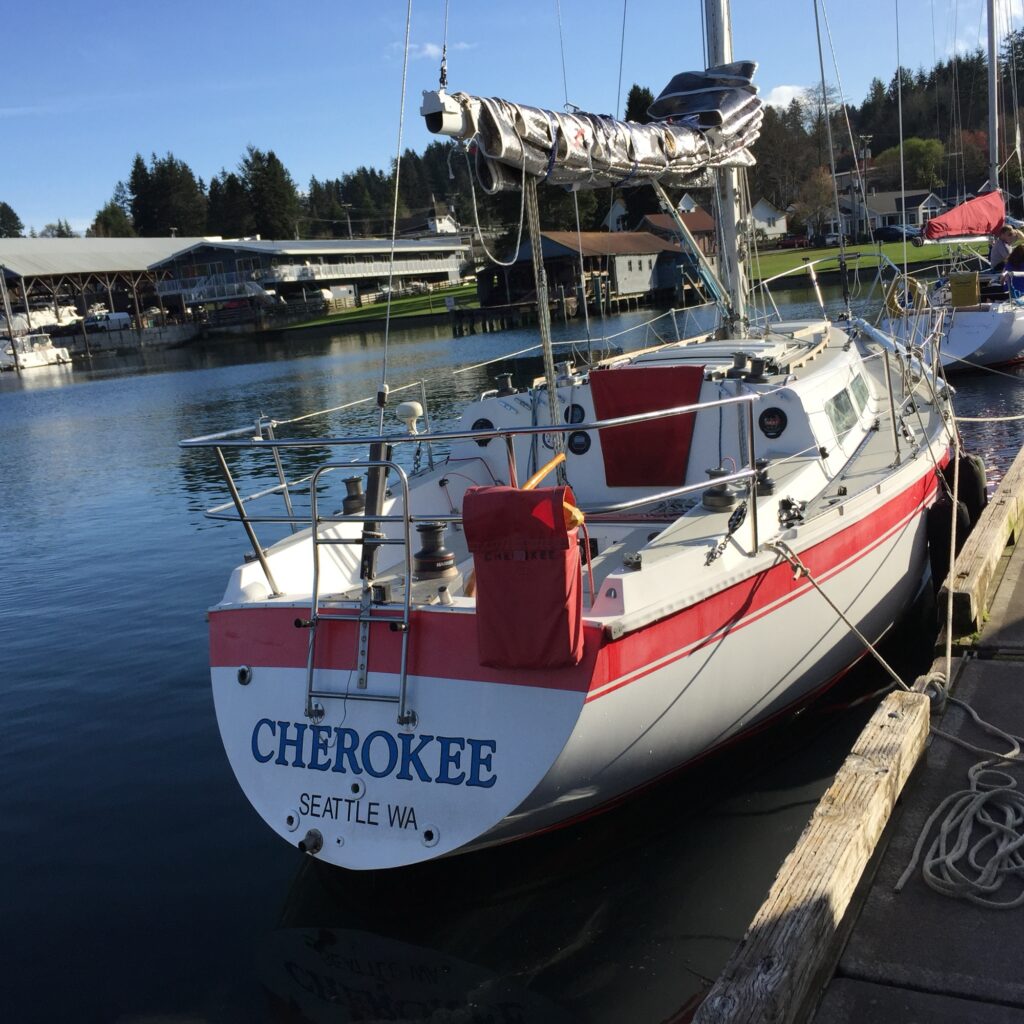
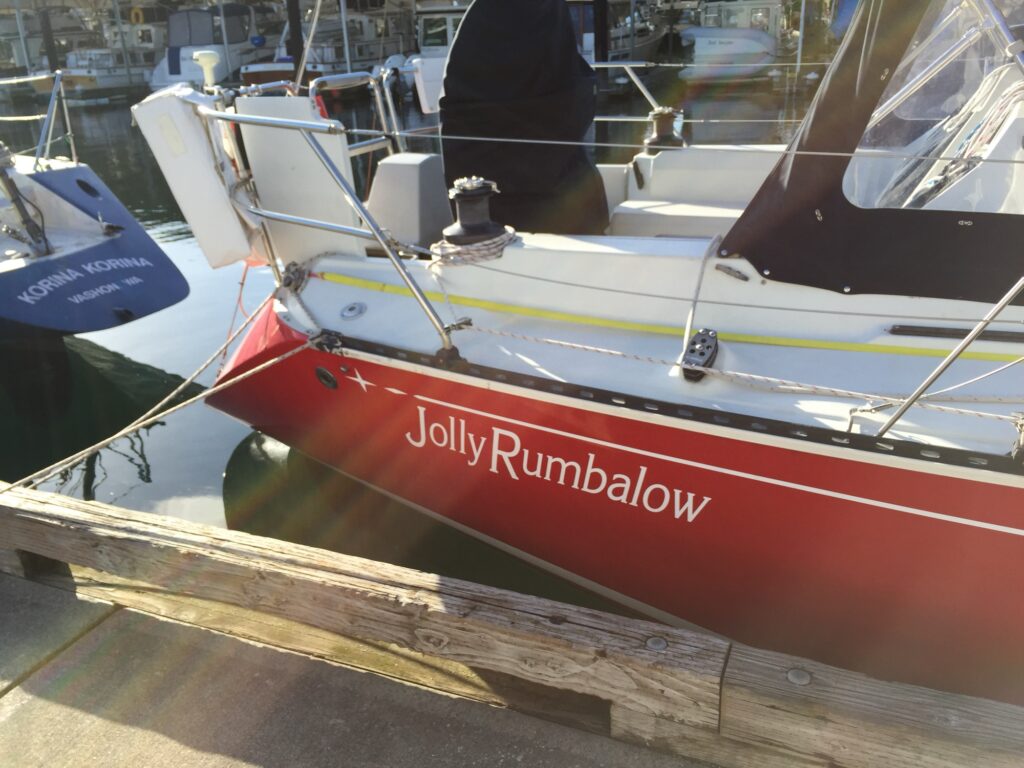
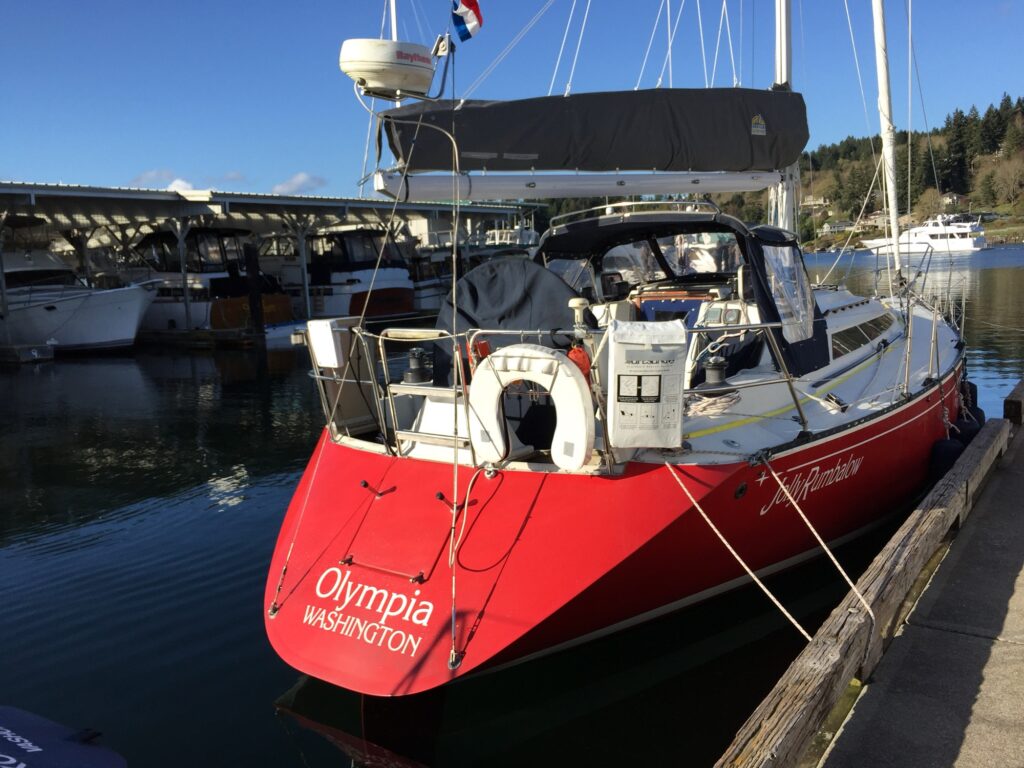
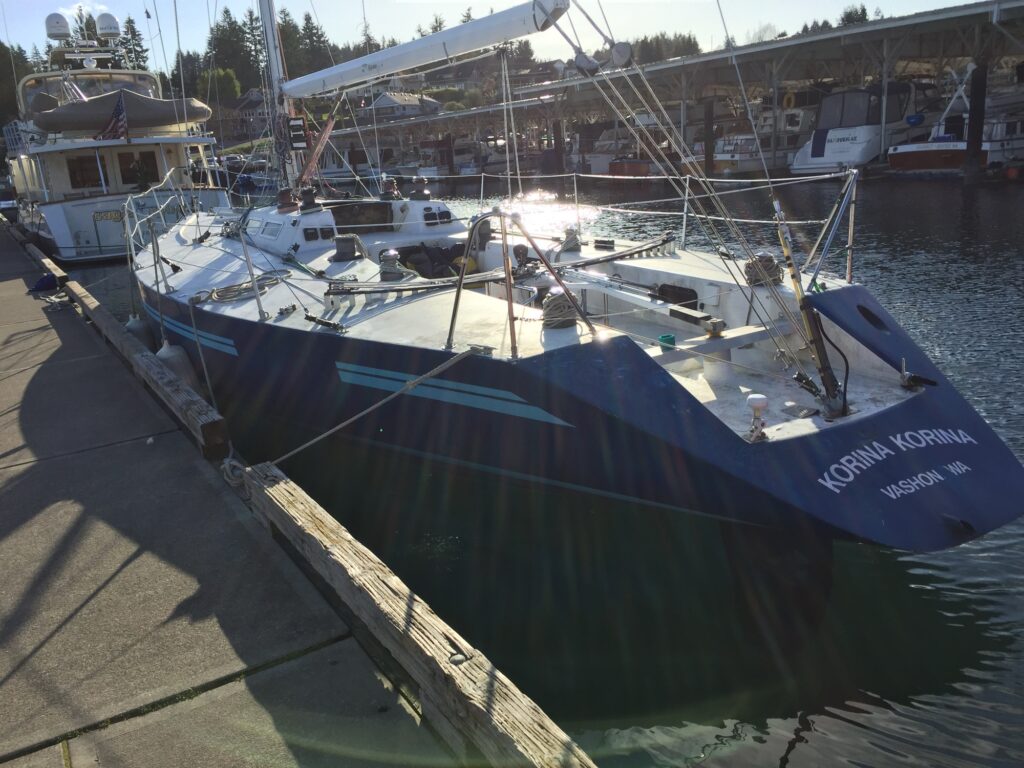
The Southern Sound Racing Series is a four-race, monthly winter series run with South Sound sailing clubs. Gig Harbor Yacht Club has traditionally been associated with hosting the final event, though hosting arrangements can vary by season.
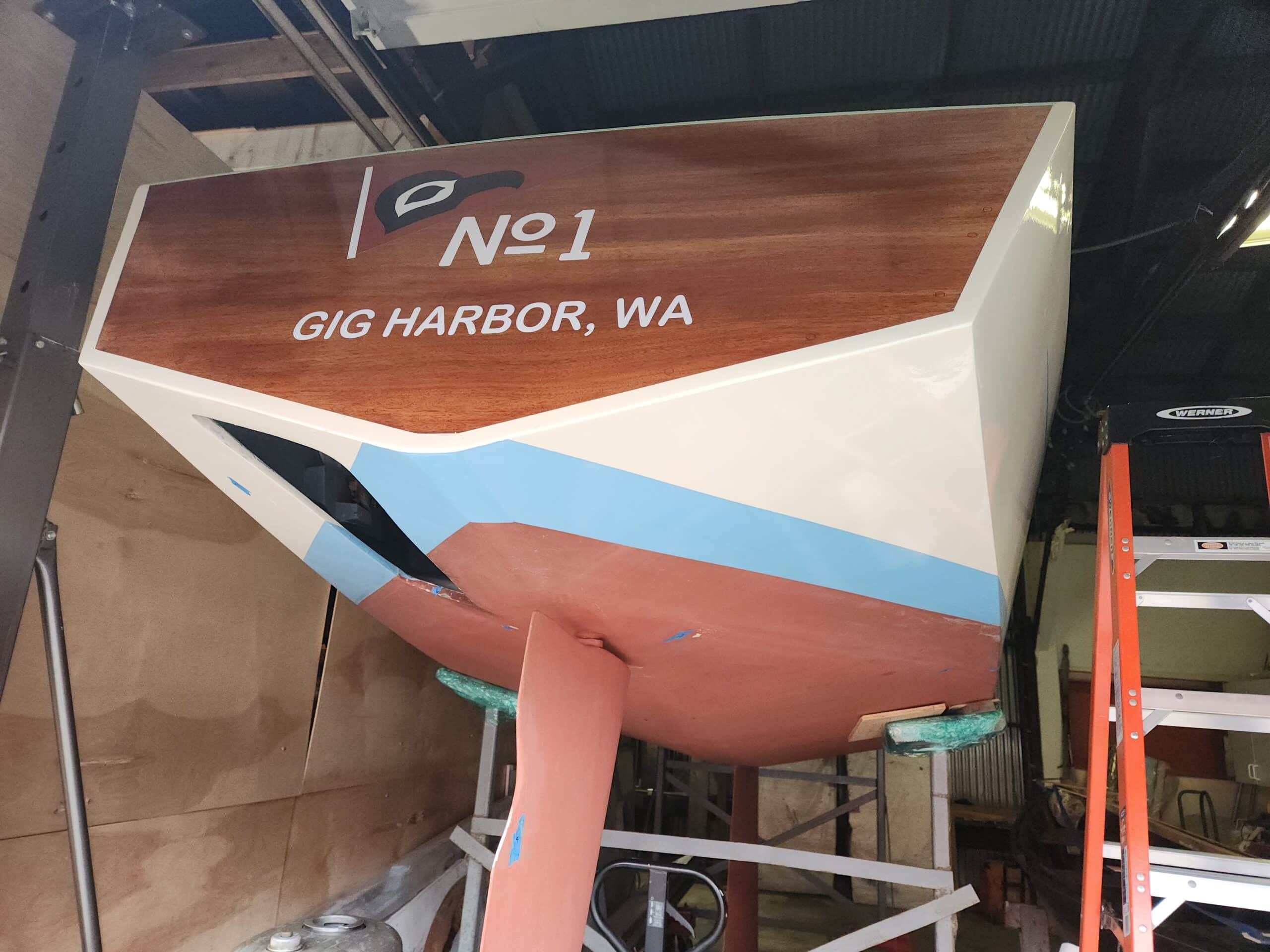
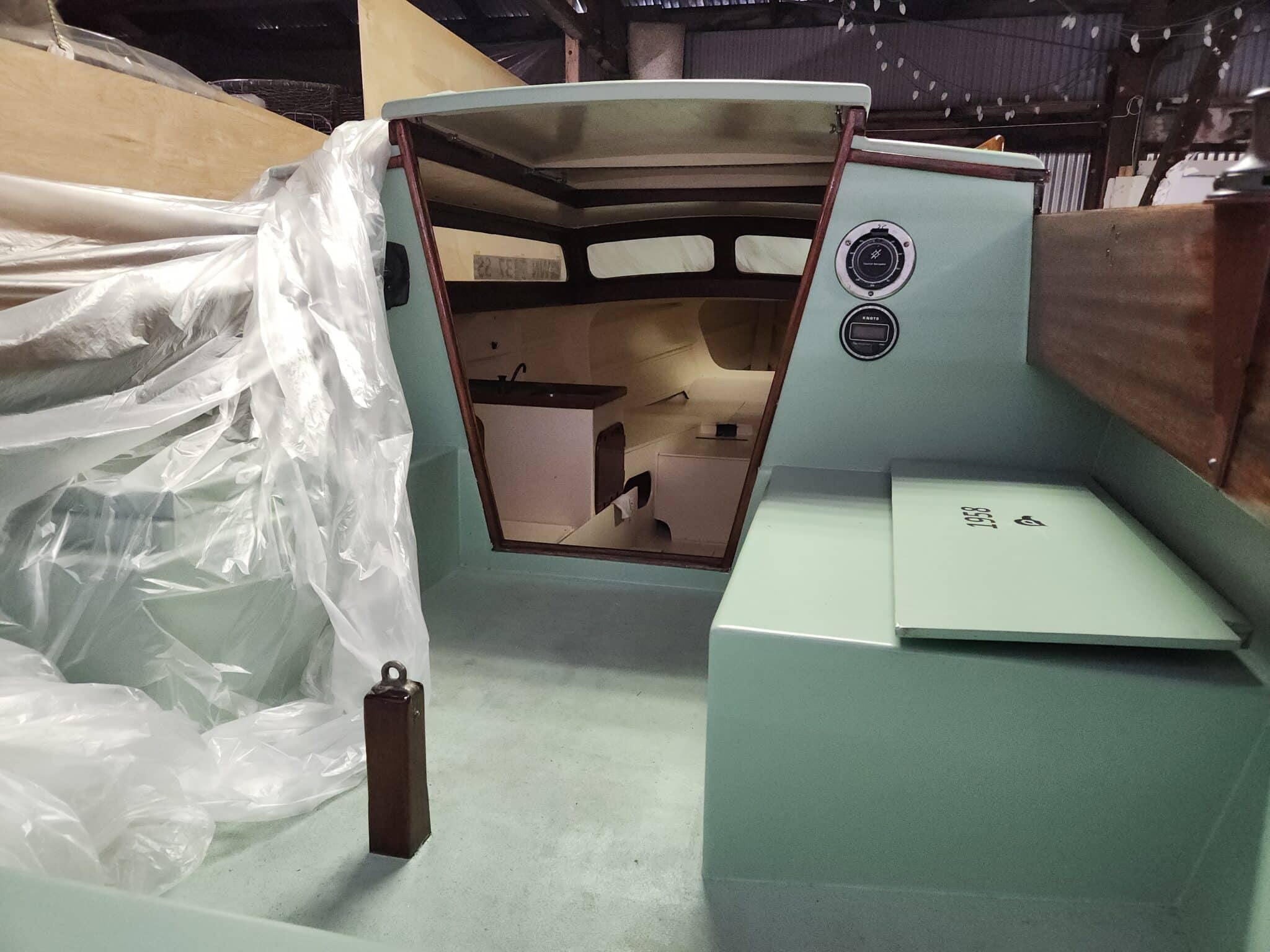
The town has real Thunderbird sailboat pedigree. The Gig Harbor BoatShop documents the type’s original brief: an affordable plywood boat able to race, cruise, sleep four, and be amateur-built. Thunderbird No. 1 is displayed at the Harbor History Museum. (See below)
For the historian
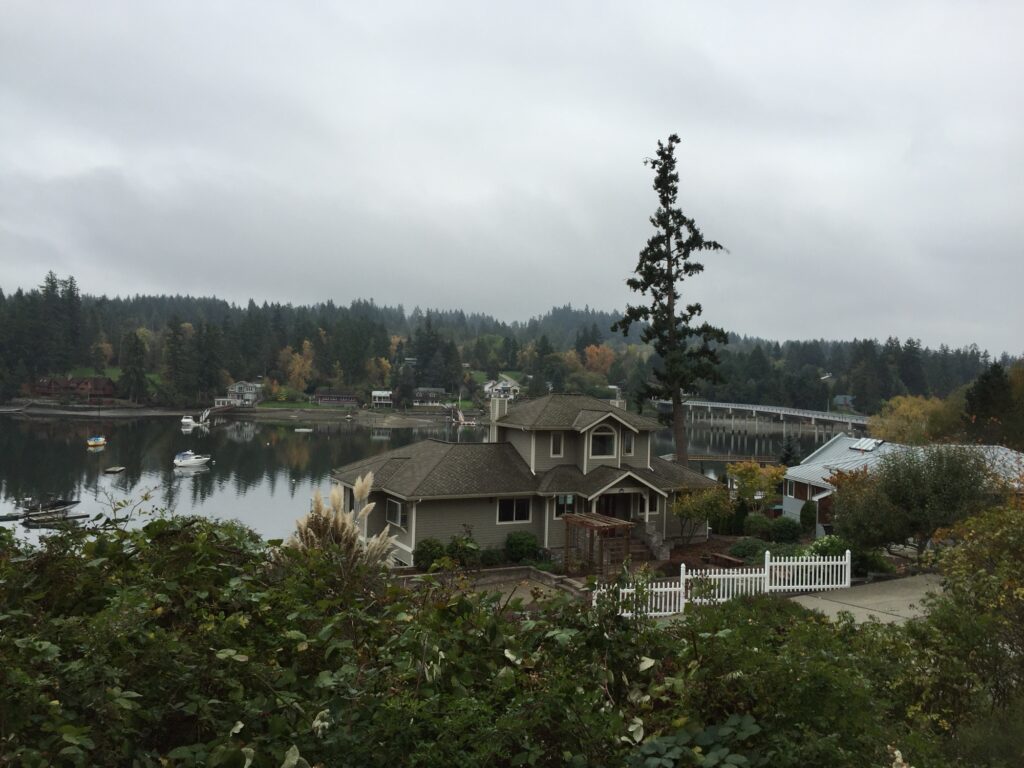
The historic waterfront is a record of a Croatian-American fishing community, boatbuilding, and small-craft maritime commerce—not merely a scenic marina.
The settlement of Gig Harbor by white people actually began on the east side of the harbor. Samuel derisich arrived in Gig Harbor in 1867 and built a small cabin on the east side of the bay near the sandspit. Later, the Jerisich family moved to the west side.
Joseph and Rose Goodman and their children came by steamboat to Gig Harbor in 1883. The family and their possessions were deposited on the sandspit and the family watched as the boat chugged away. The Goodmans lived in a cabin near the sandspit for one year before moving to Crescent Valley.
Settlers trying to homestead on the east side learned much of the area was a military reservation and not yet open for settlement. Not until the reservation was abandoned in the early 1900s were settlers able to acquire title to the land.
The bay itself played host to community events. Before a church was built, religious services were held on a barge moored in the harbor. Congregation members arrived by rowboat and everyone, including ladies in long skirts, had to climb up the rope ladder.
One of the first steamboat landings was on the east side, known as Young’s Landing. Passengers, mail, and freight were loaded and unloaded at the dock. A.W. Young was Gig Harbor’s first postmaster, operating the post office out of his home alongside the landing. The site of Young’s Landing is now the county boat ramp.
In 1938, National Air Mail Week was celebrated near the site of Young’s Landing. Postal employees A.L. Hopkins, John Insel, and Gladys Hunt affixed special stamps on letters going on the first airmail flight from Gig Harbor.
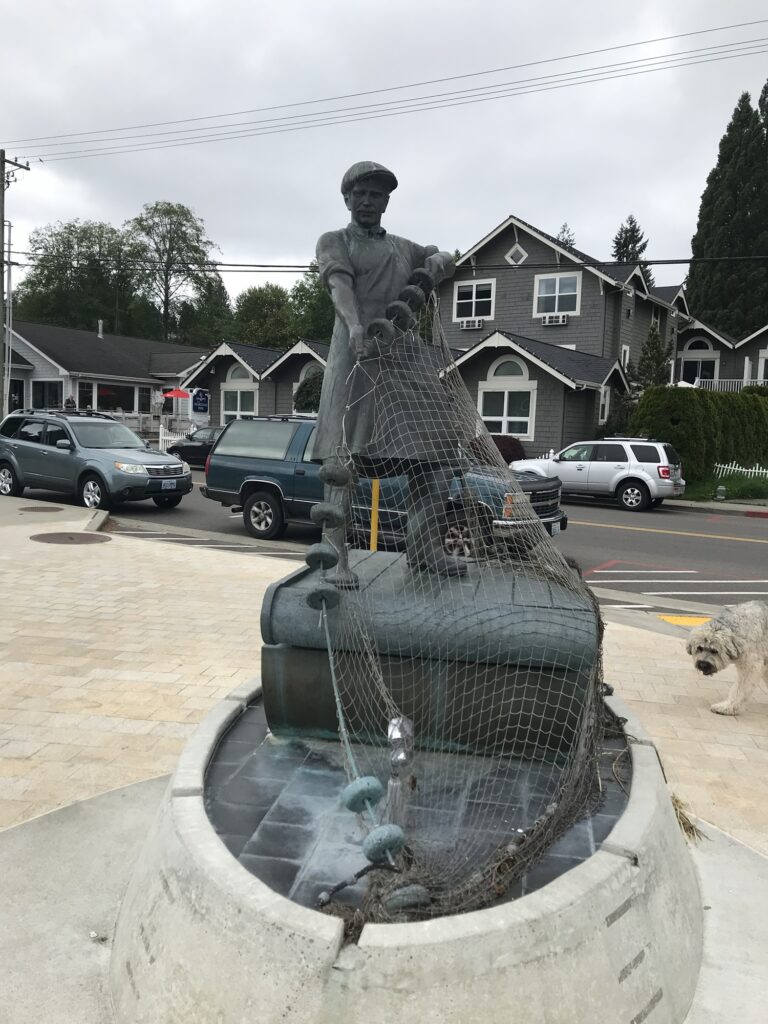
Skansie Brothers Park honors four Croatian Skansie brothers who fished here around the turn of the twentieth century. The park incorporates the old working-waterfront story and includes a Fishermen’s Memorial for local fishermen lost at sea.
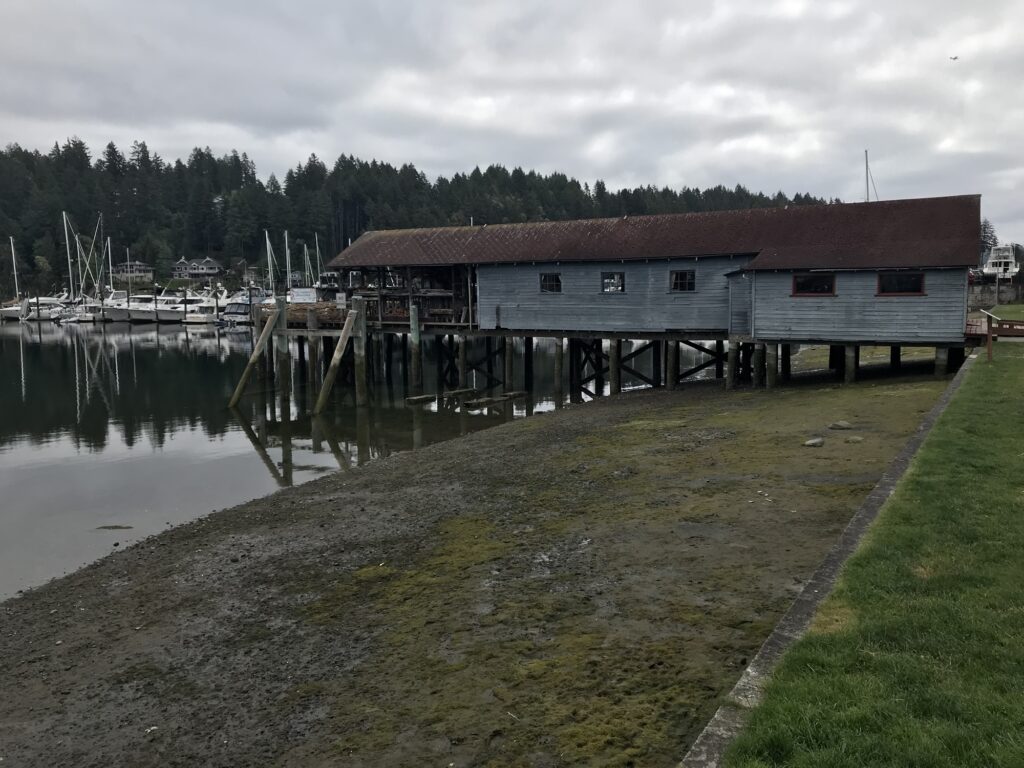
The adjacent Skansie NetShed preserves and interprets the vessels, skills, families, and working traditions of Gig Harbor’s commercial-fishing industry.
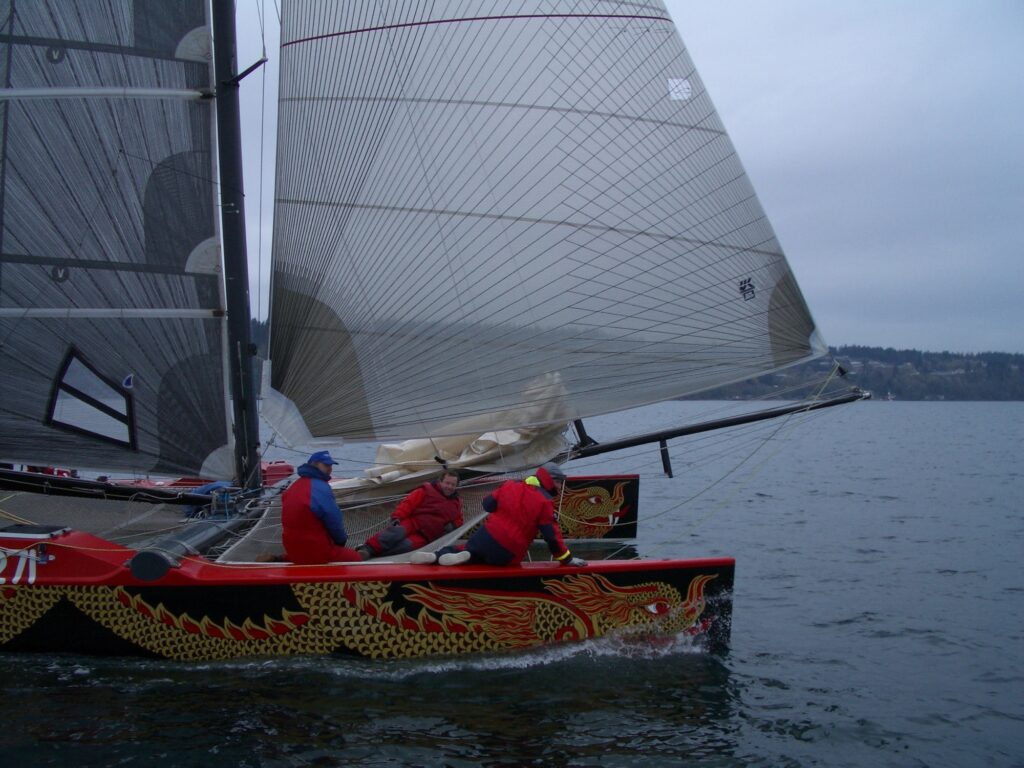
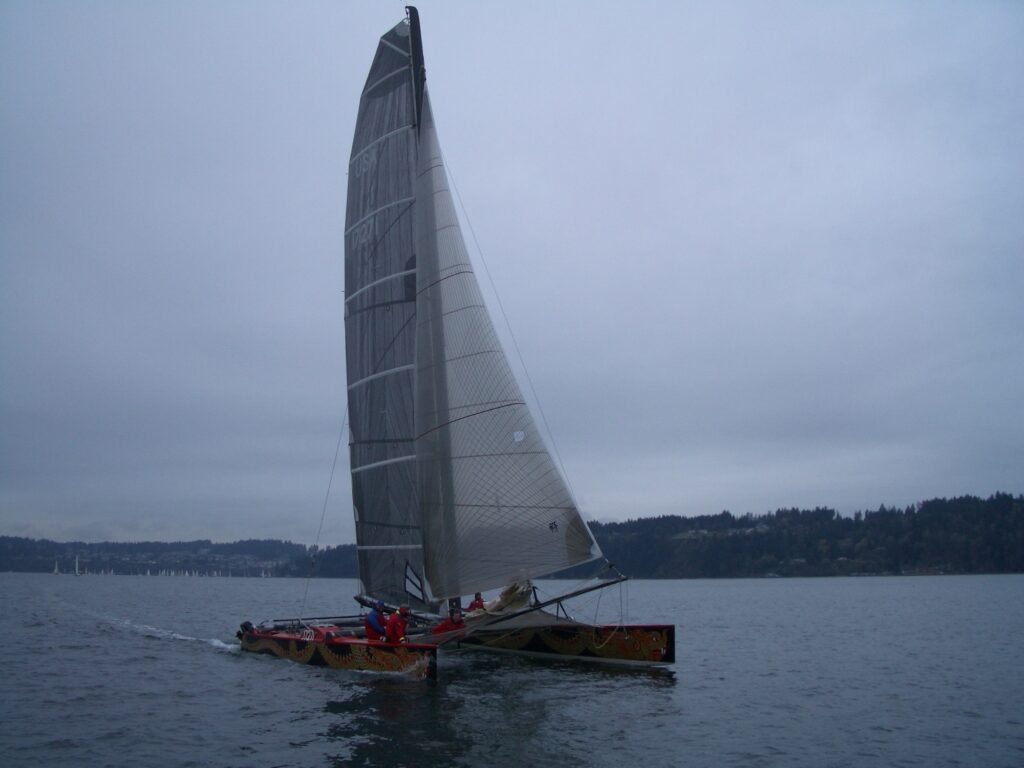
The Harbor History Museum—often casually called the Maritime Museum—connects local maritime, arts, and cultural history, and is the best place to start for the harbor’s fishing, boatbuilding, and community story.
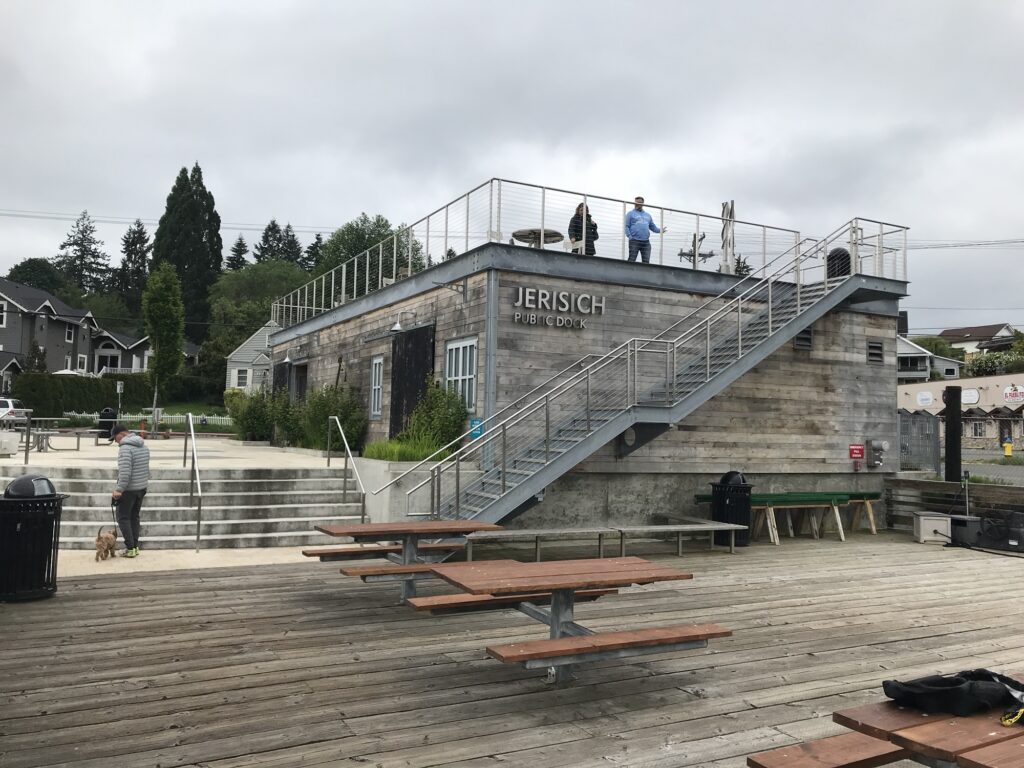
The Maritime Pier, at 3003 Harborview Drive, is a small public waterfront park that lets visitors read the harbor from the water’s edge rather than from an automobile corridor.
For the musician, artist, and beer drinker
Skansie Brothers Park hosts the city’s summer concert series, Summer Sounds at Skansie. In 2026, free Tuesday-evening concerts ran at 6 p.m. from July into August, using the harbor as the setting and soundtrack.
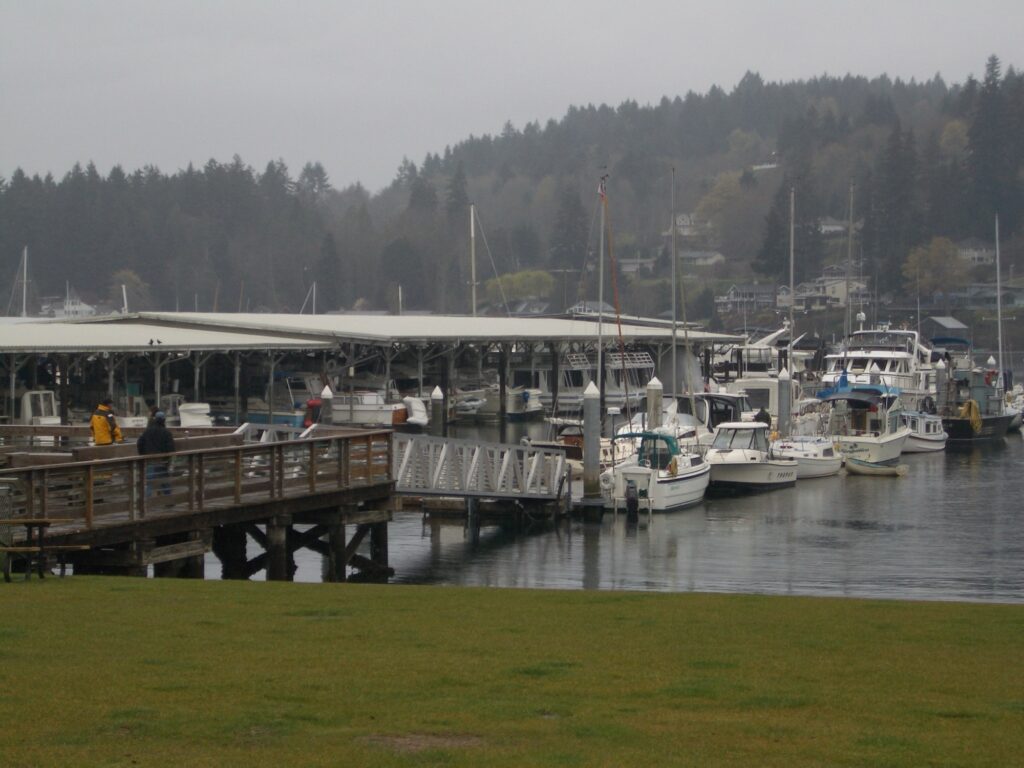
The waterfront is naturally painterly: fishing boats, small sailboats, floats, historic sheds, shifting tide lines, and Mount Rainier on clear days. The BoatShop and museum add boat-construction detail for a maritime artist.
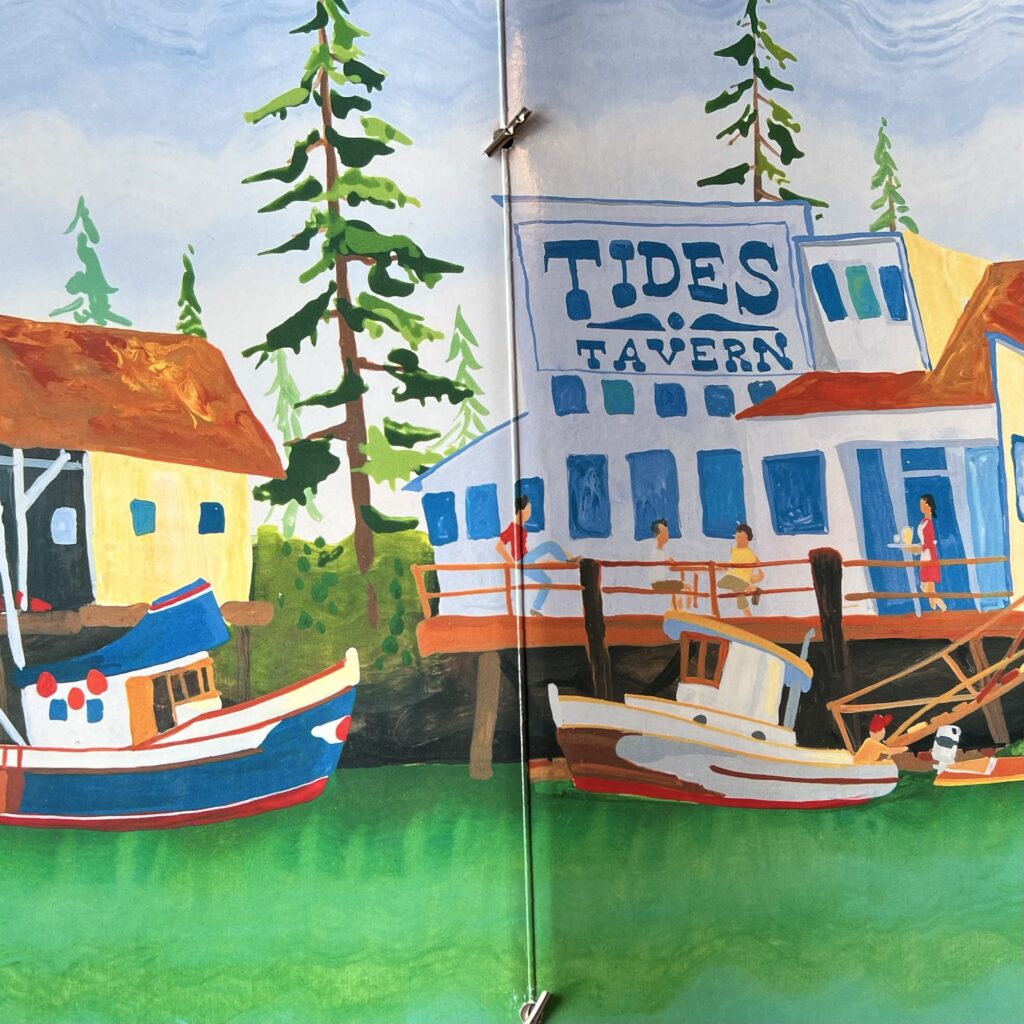
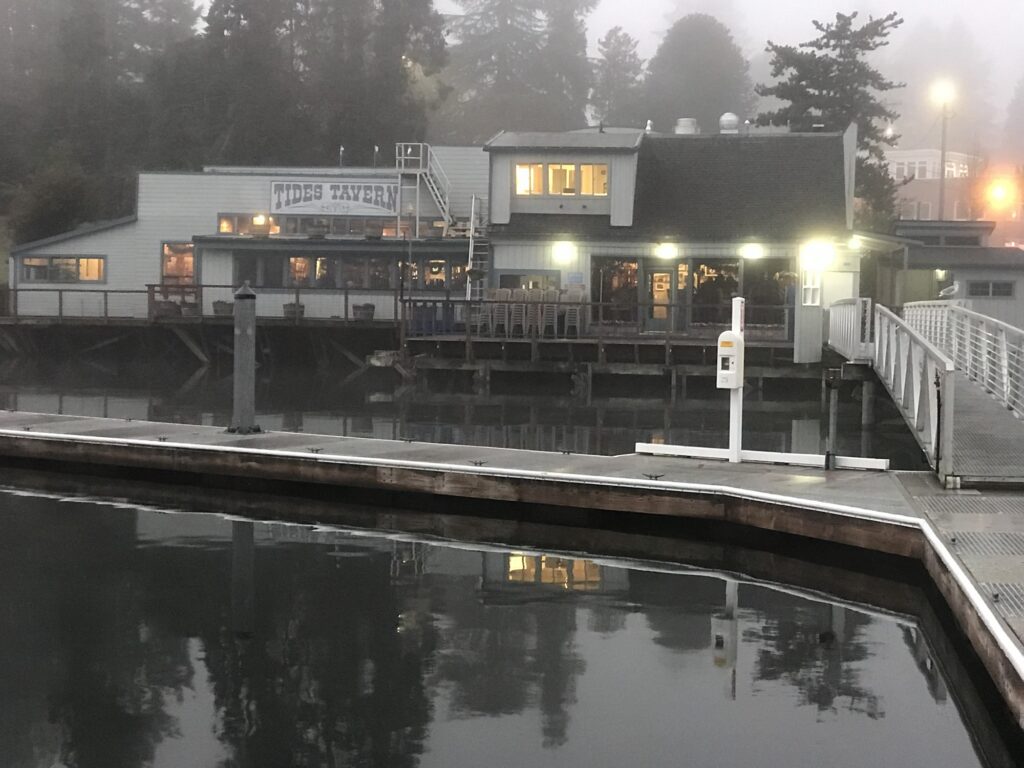
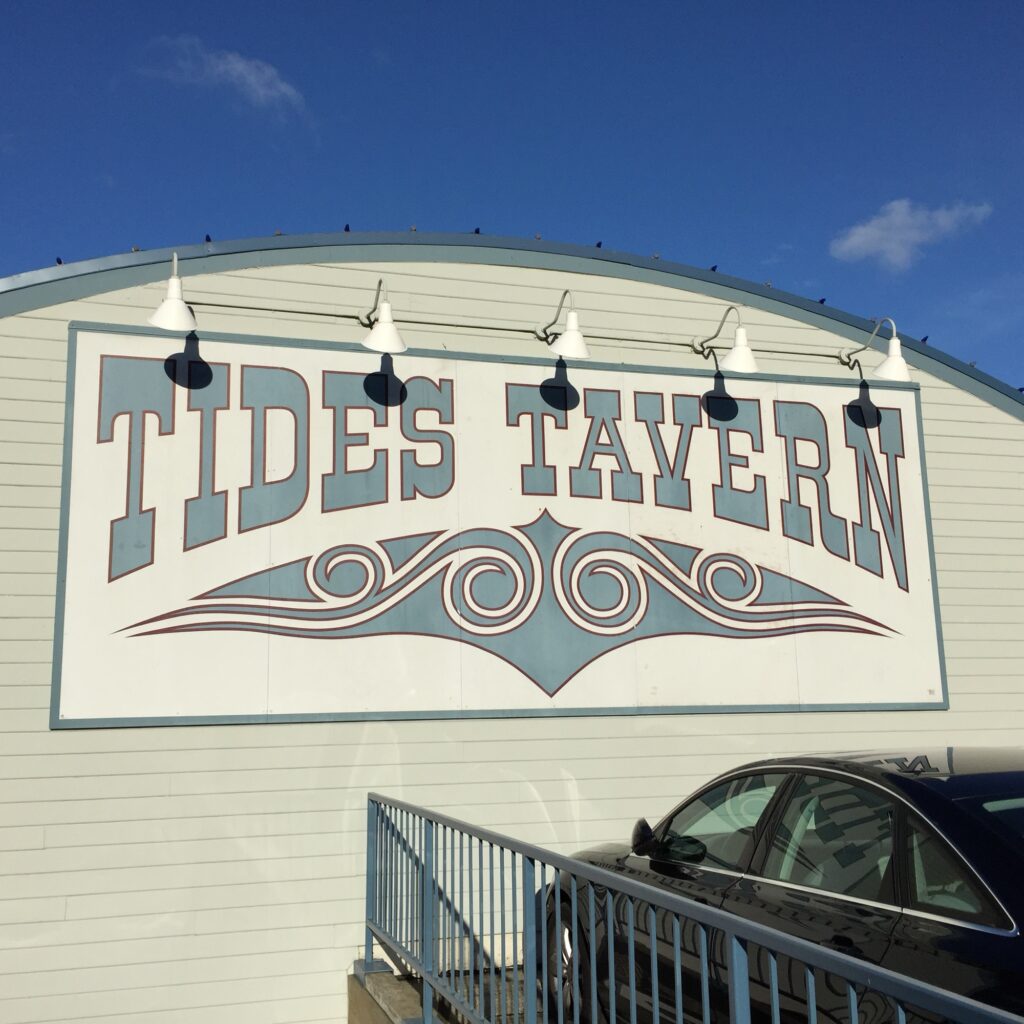
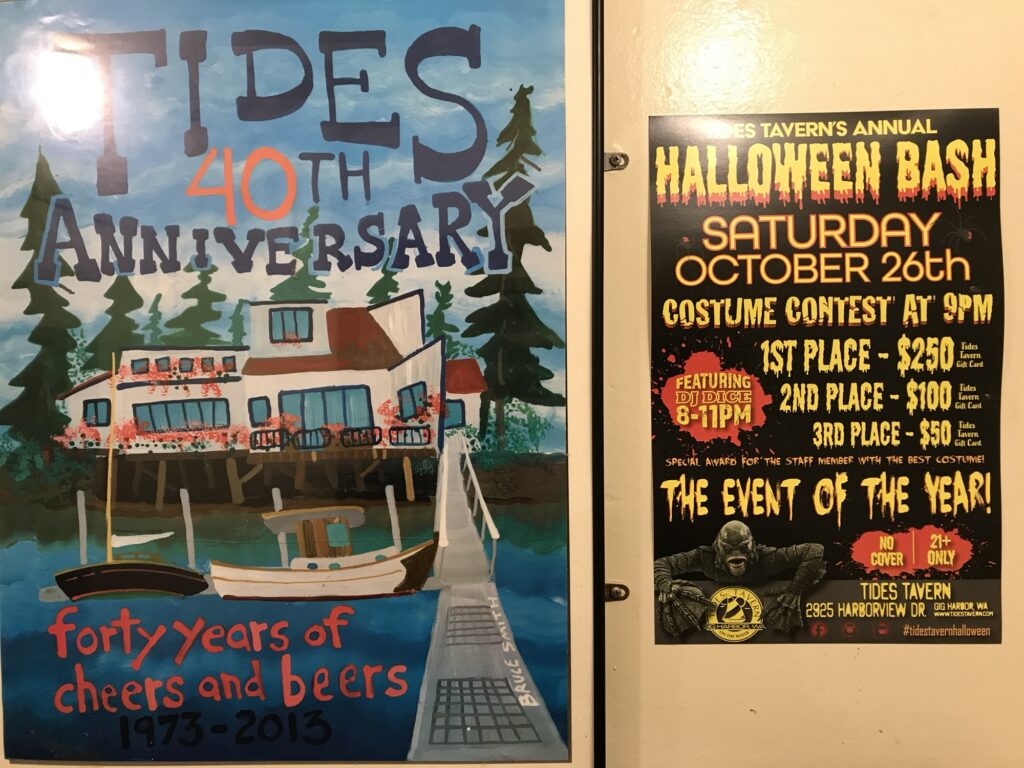
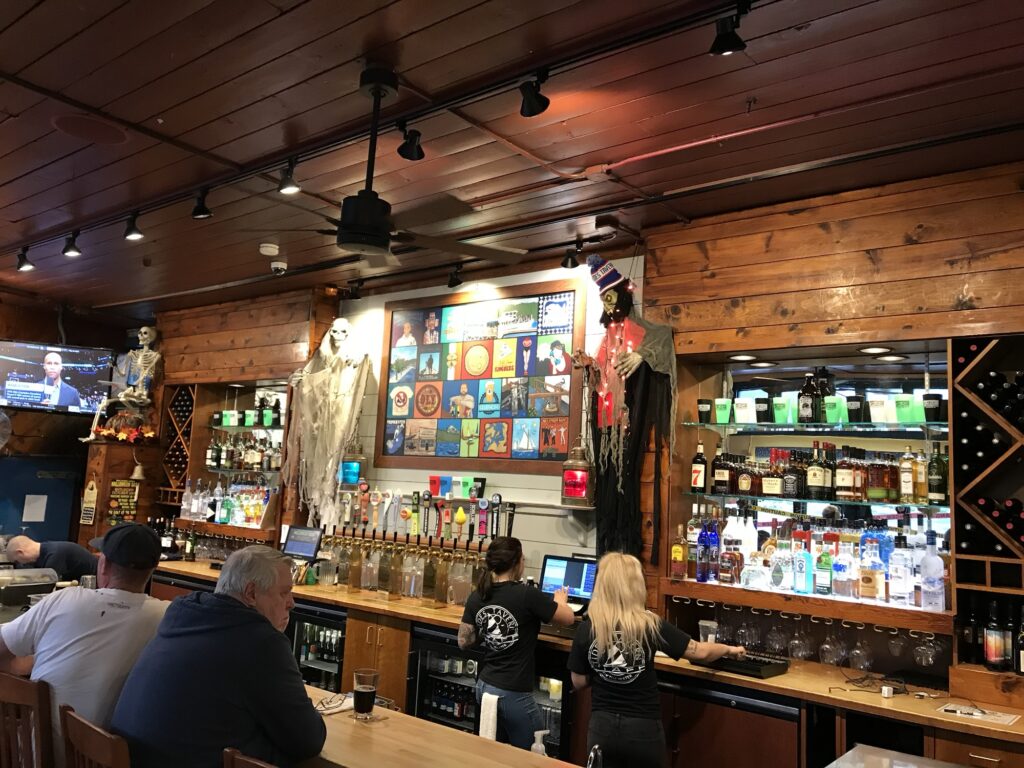
Tides Tavern, at 2925 Harborview Drive, remains the obvious waterside beer-and-harbor-view stop, with a dockside identity that makes it especially appealing after a sail or a harbor walk.
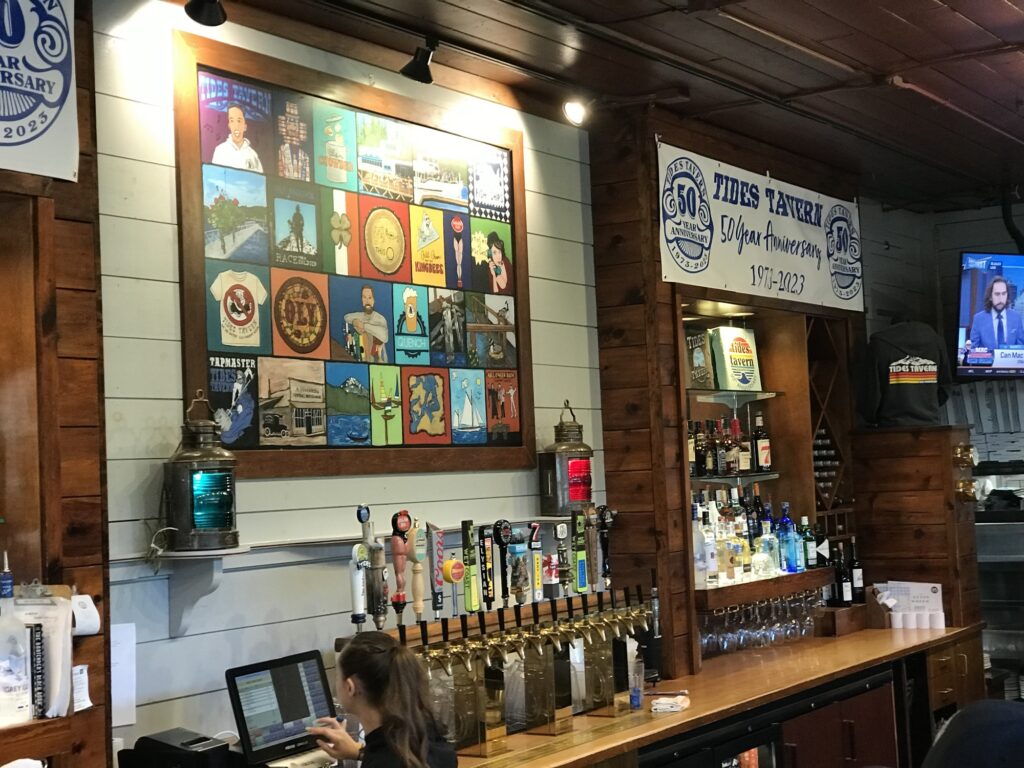
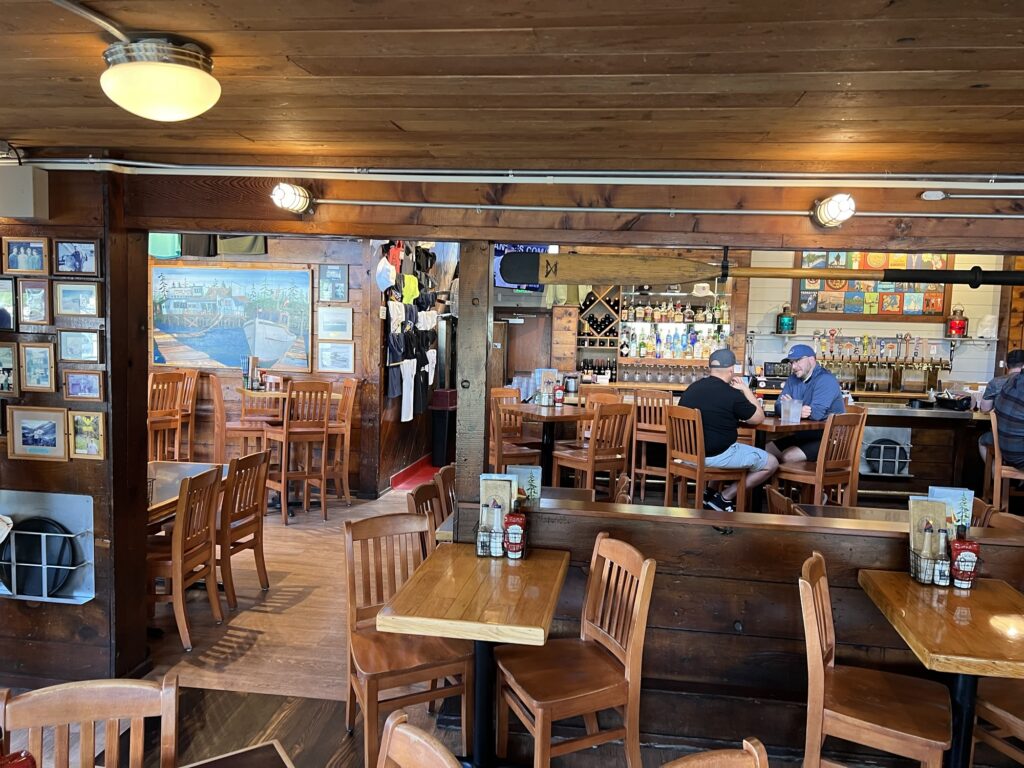
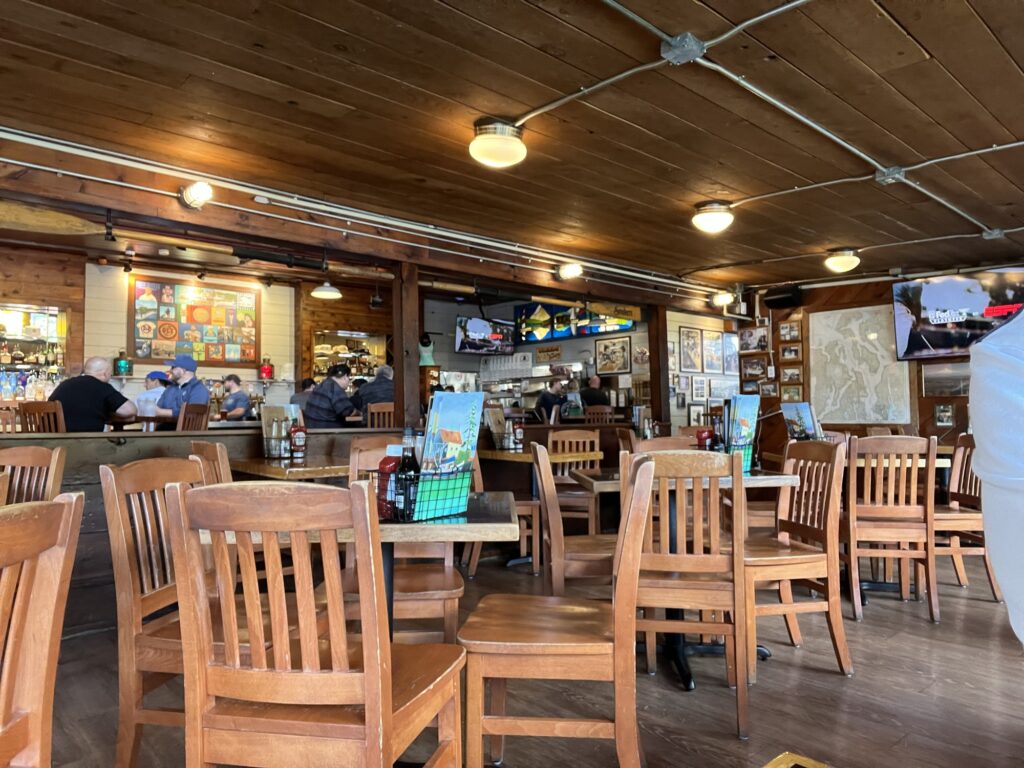
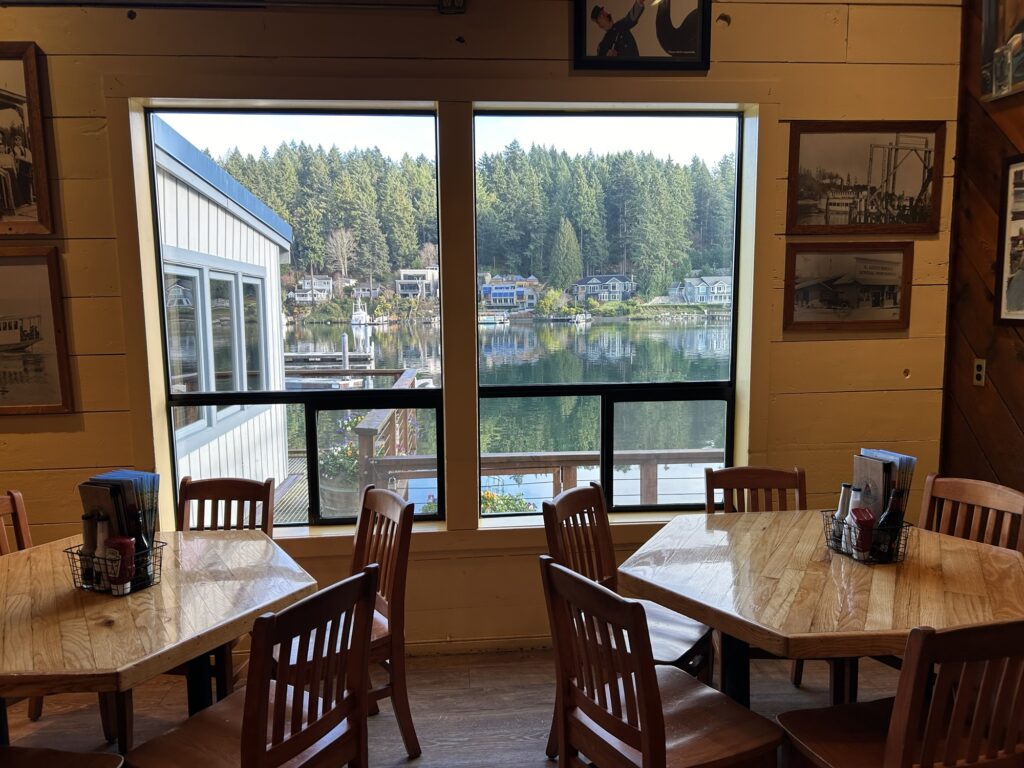
Arabella’s belongs on a waterfront food-and-drink crawl, particularly for someone who wants the social side of Gig Harbor’s maritime district rather than just a single tavern stop.
For the fisherman and biologist
The draw is not only recreational fishing; it is an intact cultural landscape shaped by fishing. The museum’s programs explicitly interpret local fishing, past and present, including the tools used by generations of area fishermen.
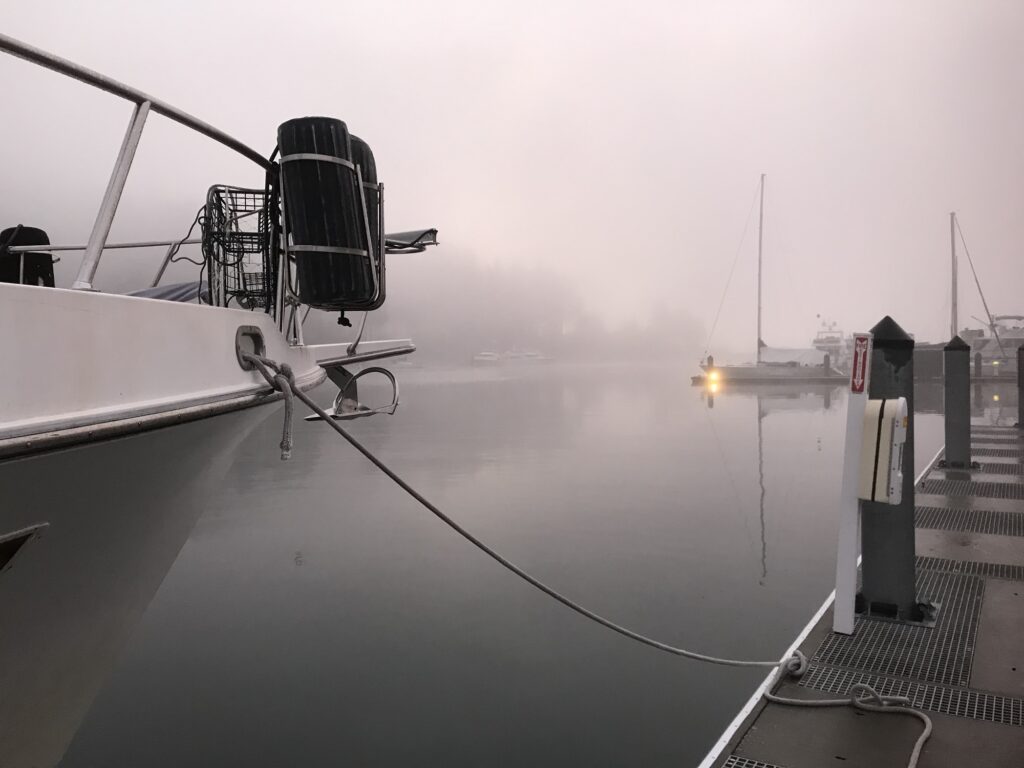
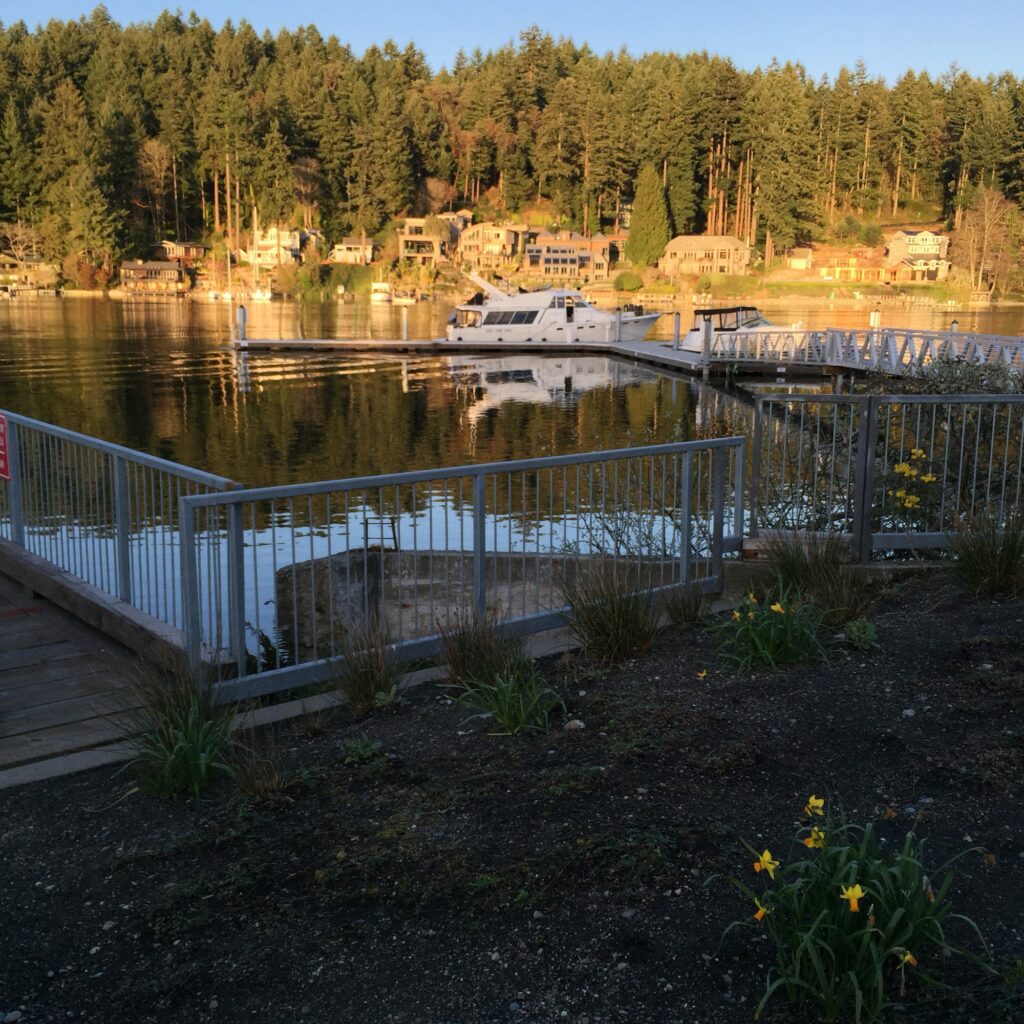
For a biologist or observant naturalist, the harbor’s protected waters, tidal margins, eelgrass-associated habitat, shorebirds, gulls, cormorants, diving birds, seals, and seasonal salmon activity make it a useful place to watch how a working harbor and a living marine system overlap. A slow walk between the Maritime Pier, Skansie Brothers Park, and the museum is often more revealing than a quick drive through town.
Tides ownership news
The most consequential recent local hospitality news is that Anthony’s Restaurants announced its acquisition of Tides Tavern in January 2026. The announcement characterized it as an ownership change: Tides was expected to retain its name, chef, staff, and management team, with closing anticipated within weeks. Reports also said the transaction involved the restaurant and underlying waterfront property after more than five decades of family ownership.
In short: Gig Harbor offers a sailor a harbor, a historian a working-waterfront archive, a maritime enthusiast old boats and fishing lore, a beer drinker the Tides, a musician the Skansie summer concert series, an artist a highly paintable shoreline, and a biologist a close-up of Puget Sound’s human-and-natural shoreline ecology.
References
- Harbor History Museum — Gig Harbor’s leading local-history museum, with collections and interpretation covering maritime life, fishing, boatbuilding, arts, and community history.
- Skansie Brothers Park — Waterfront park honoring the Croatian Skansie brothers, prominent Gig Harbor fishermen at the turn of the twentieth century.
- Skansie Brothers NetShed Foundation — Preserves and interprets the vessels, fishing families, working skills, captains, and crews of Gig Harbor’s commercial-fishing heritage.
- Maritime Pier — Public waterfront mini-park at 3003 Harborview Drive, offering close views of the harbor and its working and recreational boats.
- Thunderbird History — Gig Harbor BoatShop — Background on the classic plywood Thunderbird sailboat, developed as a practical boat for amateur building, cruising, and racing.
- Seattle Yacht Club: Gig Harbor Outstation History — History of the Seattle Yacht Club outstation at Gig Harbor, which began with leased dock space in 1975 and later expanded through club-owned slips and facilities.
- Seattle Yacht Club Outstations — Seattle Yacht Club overview of its regional cruising facilities and network of outstations, including Gig Harbor.
- Gig Harbor Yacht Club — Information on the local yacht club’s cruises, events, boating programs, and social life.
- Southern Sound Racing Series — Information on the four-race South Sound sail-racing series organized with participating clubs and the South Sound Sailing Society.
- 48° North: Southern Sound Series Background — Reporting on the series’ monthly, club-hosted format and its participating South Sound sailing organizations.
- Gig Harbor Le Mans Sailboat Race — Local account of the Gig Harbor Yacht Club’s distinctive annual anchored-start sailboat race.
- Summer Sounds at Skansie — Information on Gig Harbor’s free summer concert series at Skansie Brothers Park, typically held on Tuesday evenings during July and August.
- Summer Sounds 2026 Announcement — Coverage of the 2026 Summer Sounds concert schedule at Skansie Brothers Park.
- Harbor WildWatch: Touch Tanks in the Park — Marine-life interpretation and touch-tank programming associated with the Summer Sounds setting at Skansie Brothers Park.
- Gilich Net Shed / Arabella’s Landing History — City documentation of the historic Gilich net shed, now the clubhouse at Arabella’s Landing Marina.
- Arabella’s Landing Marina — Marina facilities, moorage information, amenities, and reservation contact details for visiting boaters.
- Arabella’s Landing Marina — Gig Harbor Chamber — Chamber listing with marina address, telephone number, and website information.
- Tides Tavern — Official website for the historic waterfront tavern at 2925 Harborview Drive.
- The News Tribune: Anthony’s to Acquire Tides Tavern — January 2026 coverage of the announced sale of Tides Tavern to Anthony’s Restaurants.
- KIRO 7: Tides Tavern Ownership Change — Report on the change in ownership and plans to retain the Tides Tavern name, chef, staff, and management.
- Gig Harbor Downtown Waterfront Alliance: Dining — Directory of restaurants and food businesses in the downtown waterfront district.
- Maplewood Waterfront Context — General current reference for waterfront property and neighborhood context in the Maplewood area northeast of downtown Gig Harbor.
- Gig Harbor Downtown Waterfront Alliance — Local source for waterfront businesses, seasonal events, visitor information, and downtown district updates.
The Thunderbird: Gig Harbor’s Legendary Plywood Sloop
The Thunderbird, often known as the T-Bird, is a 26-foot Pacific Northwest one-design sailboat that combines the virtues of an economical family cruiser with those of an active racing boat. It holds a special place in Gig Harbor maritime history because the first boats were built here at Eddon Boat Company, and the community now preserves and sails the first two hulls.
Design and Character
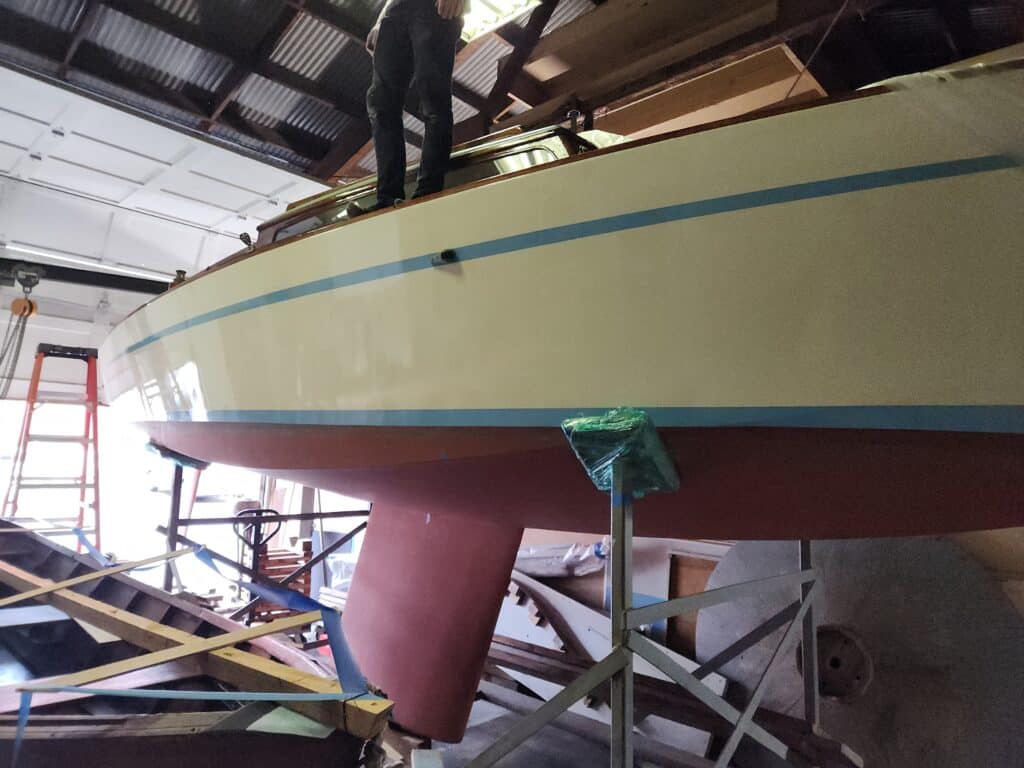
Designed by Ben Seaborn, the Thunderbird is a hard-chined keelboat sloop, first built in marine plywood. Its purpose was deliberately democratic: a reasonably skilled amateur should be able to build a handsome, quick, capable family sailboat from plans or a kit.
The original design brief called for a boat that could:
- Race competitively and cruise comfortably
- Sleep four people
- Be built in plywood by a competent amateur
- Carry an outboard auxiliary engine
- Outperform comparable boats of its size
The result is immediately recognizable: a low cabin, broad flat-sided plywood hull, practical cockpit, and fractional sloop rig. The hard chines contribute both to the boat’s distinctive appearance and its spirited sailing performance. Accommodations are modest by modern standards, usually with four berths and simple cruising arrangements.
Principal Specifications
Specification Measurement Designer Ben Seaborn First launch November 1958 Length overall 25 ft. 11 in. Waterline length 20 ft. 3 in. Beam 7 ft. 8 in. Draft 5 ft. Displacement 3,850 lb. Ballast 1,534 lb. Sail area 308 sq. ft. Typical early construction Marine plywood Later construction Fiberglass Rig Fractional sloop
These dimensions are standard class figures. Individual boats can vary through equipment, interior arrangements, rigging changes, and restoration work.
Gig Harbor Origins
In 1957, the Douglas Fir Plywood Association challenged regional designers and builders to create a plywood sailboat that could race, cruise, sleep four, be built by a capable amateur, use an outboard motor, and outperform similar boats.
Naval architect Ben Seaborn accepted the challenge and worked in Gig Harbor with boatbuilder Ed Hoppen of Eddon Boat Company. Hoppen and Eddon workers Herb Schuey and Phil Manley developed the construction details and built Thunderbird No. 1.
Launched in November 1958, the first Thunderbird exceeded expectations for strength, speed, and handling. The boat was reportedly overbuilt because the builders initially underestimated the structural strength available from marine plywood construction.
The next two boats, Thunderbird No. 2, Pirouette, and Thunderbird No. 3, Windsong, were built at Eddon and established the practical building pattern for the hundreds of Thunderbirds that followed. Eddon Boat Company built complete boats and supplied kits, helping spread the design across the Pacific Northwest and beyond.
The Current Gig Harbor Fleet
Gig Harbor’s Thunderbird presence is primarily historic and educational rather than a large local one-design racing fleet. Nevertheless, it is one of the most significant places in the world for the class because the two earliest boats remain accessible to the public.
- Thunderbird No. 1 is preserved at the Harbor History Museum, near the old Eddon Boatyard where it was built.
- Thunderbird No. 2, Pirouette, was restored by the Gig Harbor BoatShop and is actively sailed rather than displayed only as an artifact.
- The Gig Harbor BoatShop Community Sailing Program provides free Tuesday-evening summer sails aboard Pirouette, typically with an experienced BoatShop skipper and two community participants. Advance registration is required.
This arrangement offers a rare experience: visitors may see Thunderbird No. 1 as a museum vessel and then sail aboard the second Thunderbird as a living example of Gig Harbor’s boatbuilding heritage.
References
- Gig Harbor BoatShop: History of the Thunderbird
- Gig Harbor BoatShop: Community Sailing Program
- Harbor History Museum
- International Thunderbird Class Association: History of the Boat
- Soundings: Thunderbird Celebrates 60 Years of Devotion
- 48° North: Experiencing the Port Townsend Thunderbird Fleet
- Maritime Washington: Saving the Thunderbirds
- The Center for Wooden Boats: Historic Thunderbird Sailboats No. 1 and No. 2