The Lake Washington Ship Canal is one of the Pacific Northwest’s most important engineered waterways, connecting Lake Washington, Lake Union, and Puget Sound. While vital for navigation and recreation, the canal has also become a significant challenge for migrating salmon, particularly juvenile Chinook and sockeye. Rising water temperatures, reduced dissolved oxygen, invasive predators, and climate change are creating increasingly difficult conditions for fish moving through this urban corridor.
The Challenge Facing Salmon
The Lake Washington Ship Canal serves as the migration route for salmon originating in the Cedar River, Sammamish River, and numerous tributary streams. Juvenile Chinook salmon must pass through the canal on their way to Puget Sound, while adult salmon return through the same waters to reach spawning grounds.
Warmer air temperatures and altered stream flows are expected to increase stress on salmon throughout the Pacific Northwest. In addition to environmental stressors, juvenile salmon face predation from non-native fish species.
- Creation of cool-water refuges for juvenile fish.
- Improved circulation and dissolved oxygen levels.
- Stormwater treatment and pollution reduction.
- Shoreline habitat restoration.
- Enhanced monitoring and predictive modeling.
- Watershed-scale climate adaptation planning.
The future of salmon in the Lake Washington watershed will depend on balancing human use of the Ship Canal with ecological restoration. Water quality improvements, habitat enhancement projects, scientific modeling, and climate resilience planning all represent critical components of recovery efforts.
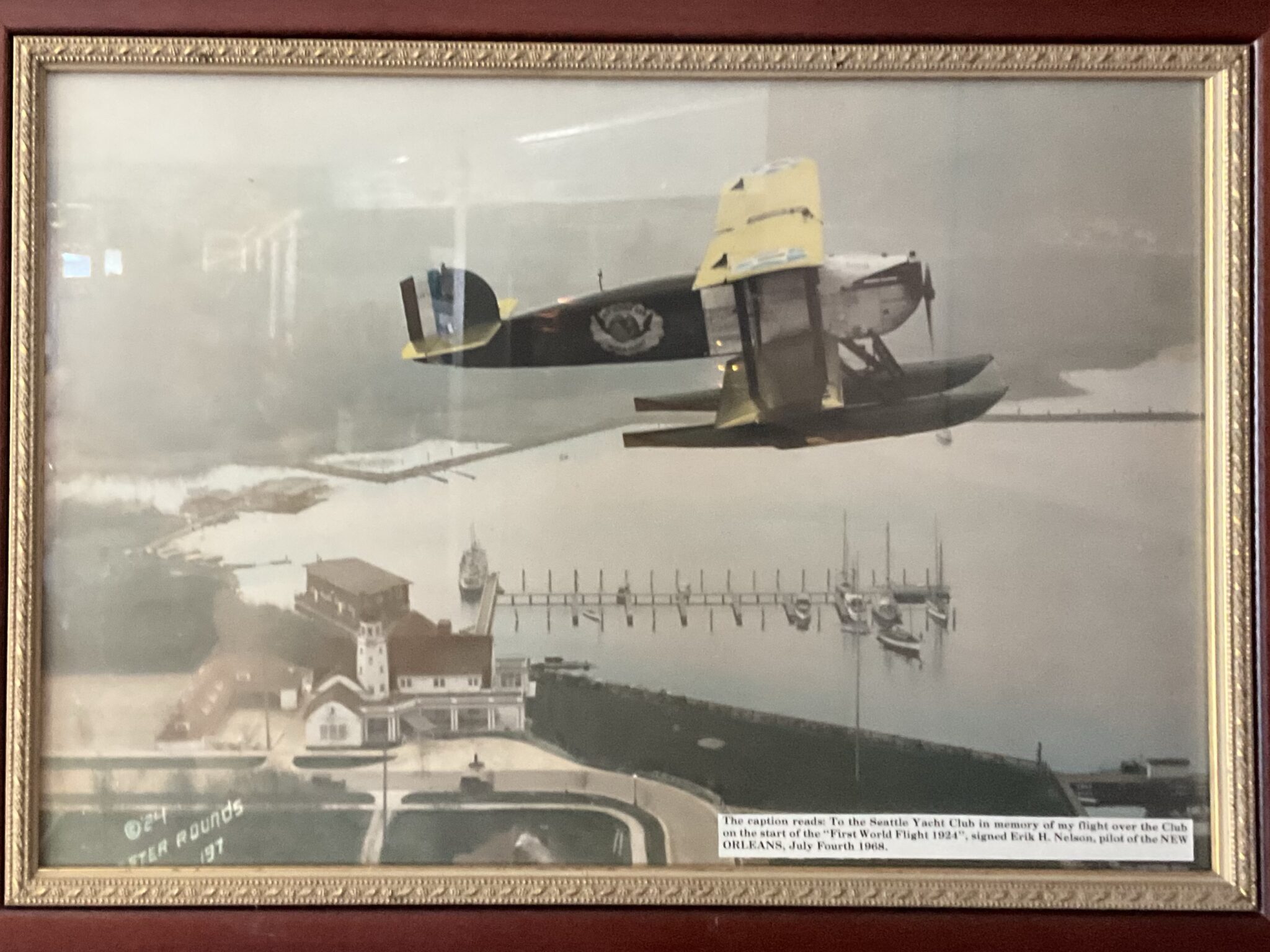
The current salmon crisis is inseparable from the 1916–17 remaking of the watershed: the Montlake Cut and Ship Canal gave Seattle a navigable freshwater harbor, but they also converted Lake Washington’s drainage from the Black–Duwamish route to an artificial route through the Locks and Ship Canal. The cold-water proposal is, in effect, an attempt to make that engineered route viable for salmon again.
The idea is not simply to “pump Lake Washington water into the canal.” It is a developing salmon-recovery concept to draw cold deep water from Lake Washington’s hypolimnion and introduce it strategically into the Lake Washington Ship Canal, creating a connected corridor—or a series of usable cool-water refuges—with enough dissolved oxygen for juvenile and adult salmon to survive migration. It remains in feasibility/modeling and design work rather than being a completed operating project.[1][2]
Why the Ship Canal is difficult
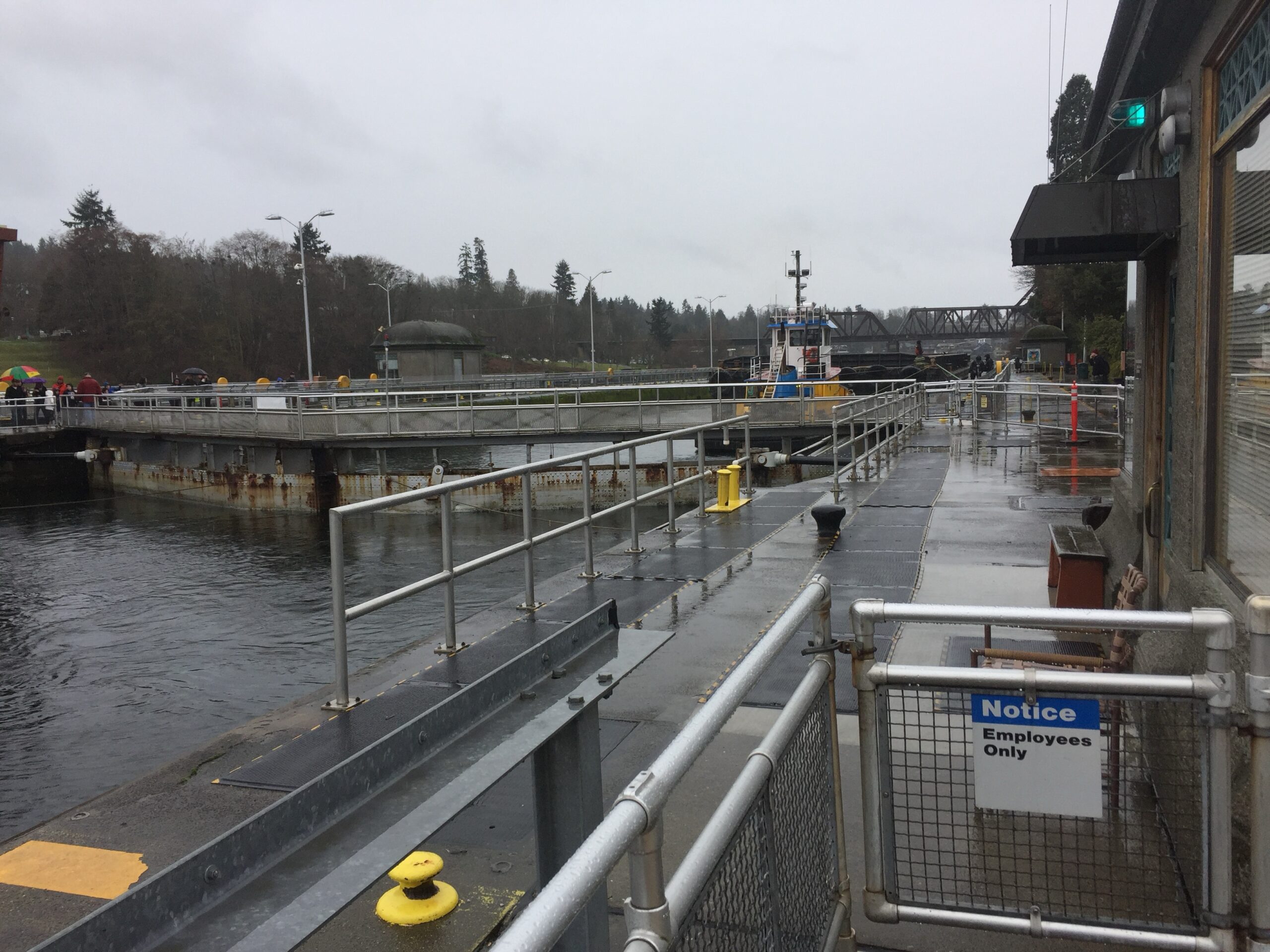
The Lake Washington Ship Canal is an unusually hostile migration reach because it is a highly altered urban waterway. Salmon traveling between Puget Sound and the Cedar/Sammamish watershed must pass the Ballard Locks, Salmon Bay, Lake Union, the Fremont Cut, Portage Bay, and the Montlake Cut.
In warm periods, the central problem is a double barrier:
- The freshwater surface layer of the canal can become too warm, particularly for returning adult Chinook and sockeye.
- Some deeper canal water is cooler but may be oxygen-poor, so fish cannot simply retreat downward and remain there.
- At the Locks, fish can face a very abrupt transition from cool Puget Sound salt water to warm, low-oxygen fresh water in a short distance.
- Juvenile salmon moving seaward face a related problem: warm nearshore and canal conditions can delay, stress, or expose them to predators.[2][3]
The desired outcome is not necessarily to chill the entire canal. That would be hydraulically expensive and ecologically disruptive. Instead, planners are studying whether cooler Lake Washington water could be delivered and mixed in ways that form a continuous migration lane or linked “stepping-stone” refuges with temperatures and oxygen levels suitable for salmon. The USGS and U.S. Army Corps of Engineers are currently refining a water-quality model to evaluate temperature and salinity behavior in the canal—an essential first step before deciding on an engineered withdrawal, pipe, diffuser, or pumping arrangement.[1]
How deep-water pumping could help
Lake Washington stratifies in summer: sun-warmed surface water sits above denser, colder water at depth. The proposal would take advantage of that cold reservoir.
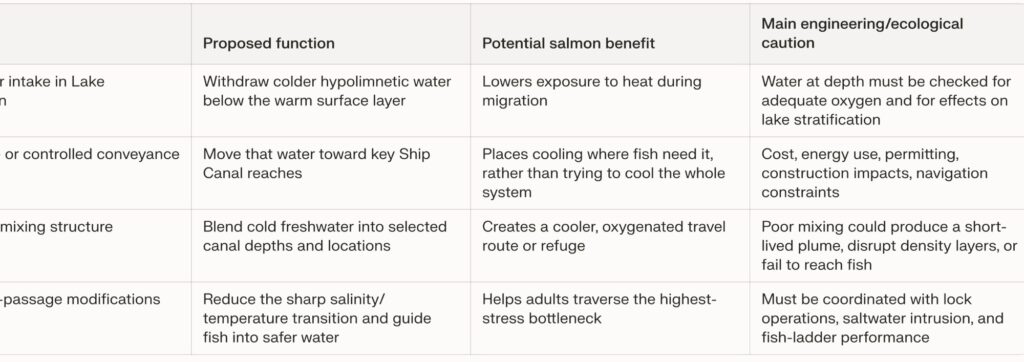
Element Proposed function Potential salmon benefit Main engineering/ecological caution Deep-water intake in Lake Washington Withdraw colder hypolimnetic water below the warm surface layer Lowers exposure to heat during migration Water at depth must be checked for adequate oxygen and for effects on lake stratification Pump/pipe or controlled conveyance Move that water toward key Ship Canal reaches Places cooling where fish need it, rather than trying to cool the whole system Cost, energy use, permitting, construction impacts, navigation constraints Diffuser or mixing structure Blend cold freshwater into selected canal depths and locations Creates a cooler, oxygenated travel route or refuge Poor mixing could produce a short-lived plume, disrupt density layers, or fail to reach fish Locks/fish-passage modifications Reduce the sharp salinity/temperature transition and guide fish into safer water Helps adults traverse the highest-stress bottleneck Must be coordinated with lock operations, saltwater intrusion, and fish-ladder performance
The initiative is broader than one pump. Recovery partners describe possible actions as including operational changes and redesigned fish passage at the Ballard Locks, alongside measures intended to lower temperature and improve dissolved oxygen. Their stated goal is a migratory pathway with conditions healthy enough for fish to move through, rather than a single isolated cold pocket that fish may not find or use.[2][4]
An important nuance: cool water alone is not enough. Fish need cold water and oxygen. In a stratified urban waterway, cool deep water can sometimes be low in dissolved oxygen, while warmer surface water has better oxygen but is physiologically stressful. The project is therefore a temperature-and-oxygen design problem, not merely a refrigeration problem.[2][3]
Salmon decline in Lake Washington
The cleanest long-term, directly comparable local index is the annual sockeye count at the Ballard Locks. Washington Department of Fish and Wildlife and the Muckleshoot Indian Tribe have counted Lake Washington salmon there annually since 1972. Sockeye are important here because Lake Washington has historically supported very large runs and because the count series is used in management decisions; the escapement threshold used for fishery-opening decisions is 350,000 fish.[5]
Selected sockeye-return trend
The figures below are rounded and intended as a trend chart, not a substitute for downloading the full annual WDFW count series. They highlight the striking contrast between the 2006 high return and the generally low post-2006 period.
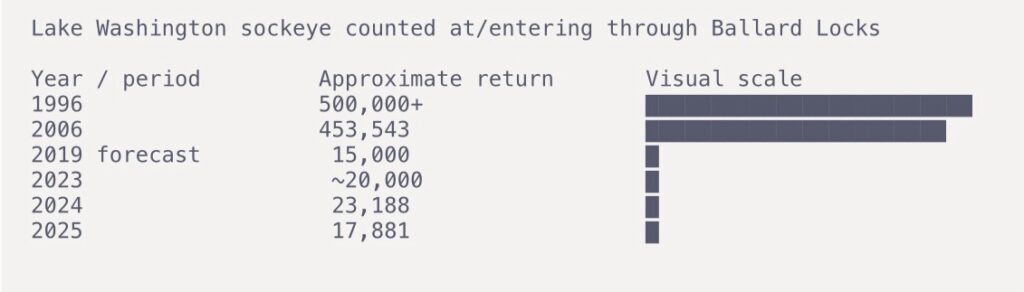
The 2006 return of 453,543 was followed by a sharp, sustained collapse in returns. In 2025, the preliminary/annual count was 17,881—roughly 4% of the 2006 count. The long-running count program matters because it measures fish arriving at the freshwater entrance; it does not by itself tell us how many later reach the Cedar River, hatchery, or spawning grounds.[5][6]
For context, the Lake Washington sockeye system is itself historically artificial in one important sense: sockeye fry originating from the Baker River system were planted in Lake Washington in 1935, after the Ship Canal rearranged regional drainage. The introduced run became extraordinarily productive, especially in the Cedar River.[6]
What “decline” means by species
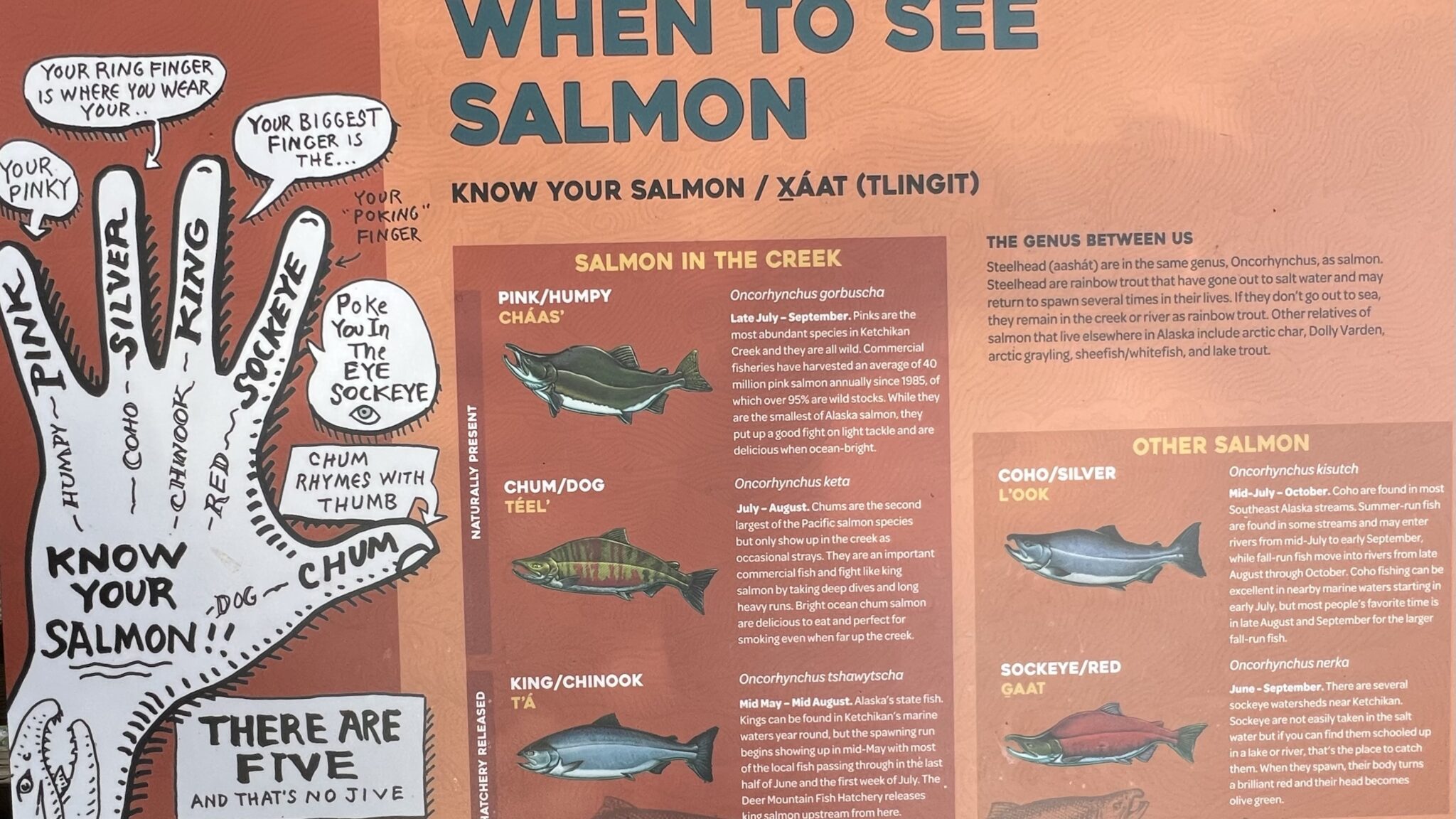
“Lake Washington salmon” is not one stock with one trend line:
- Sockeye: The most visible collapse in recent decades, especially after 2006.
- Chinook: Puget Sound Chinook are federally listed; the Lake Washington/Cedar/Sammamish population must negotiate the warm Ship Canal during a season when heat stress is a major concern.
- Coho: Also pass through the system, but their timing and freshwater life history differ.
- Steelhead and bull trout: Listed fish passage and water-quality issues are also part of the regulatory concern in the canal.[7][8]
Is climate change the cause?
Human-caused climate change is a real and increasingly important contributor, but it is not a complete or sufficient explanation for the Lake Washington decline. The more accurate account is cumulative: climate warming acts on a salmon population already constrained by a century of human alteration to its migration route, habitat, food web, and survival conditions.

To avoid arguments regarding the temperature data it is best to concentrate on periods of time where temperature has been carefully recorded (past 1700). Current CO₂ concentrations are higher than at any point in at least the past 800,000 years, providing compelling evidence of the gas’s close relationship with global temperature.
Greenhouse Gases and Global Warming: Understanding CO₂, Methane, and Water Vapor
Climate-change mechanism
Human-caused warming is expected to raise freshwater temperatures, alter snowpack and streamflow timing, increase summer low-flow and drought stress, and intensify floods. For salmon, warmer water increases metabolic demand and disease risk, can delay migration, reduces usable habitat, and can make predators more effective. NOAA identifies higher temperatures, altered freshwater quantity, snowpack/snowmelt changes, floods, and ocean change among major climate threats to Pacific salmon.[9]
Lake Washington itself has a documented warming trend since 1963, especially in the surface layer. Because the Ship Canal receives water from that warm surface layer, salmon moving through the canal can encounter temperatures nearing lethal conditions; Chinook are particularly vulnerable because their migration season overlaps with summer warmth.[10]
Other human-caused pressures
Climate change compounds, rather than replaces, other factors:
- Ship Canal construction and operations: The canal rerouted the lake’s outlet and lowered Lake Washington about nine feet, replacing the historic Black River route with a lock-and-canal passage through dense urban development.[11]
- Warm, low-oxygen passage conditions: These can prevent adults from reaching the Cedar and Sammamish systems and complicate juvenile outmigration.[2]
- Urban watershed impacts: Impervious surfaces, stormwater, altered tributaries, riparian loss, contamination, and degraded rearing habitat affect survival.
- Predation and food-web change: Juvenile salmon are eaten by native and nonnative predators; this pressure is likely more consequential when warming forces small salmon and warm-water predators into the same shallow habitat.
- Ocean survival: Salmon returns reflect not only freshwater survival but also marine food conditions, predators, fisheries management, and climate-driven ocean variability.
So it would be misleading to say, “the run declined because of climate change” as though one cause explains it all. It would also be inaccurate to treat climate change as incidental: warmer lake and canal conditions are precisely why cooling strategies are being investigated, and climate change magnifies the system’s older engineering and urbanization problems.[2][12]
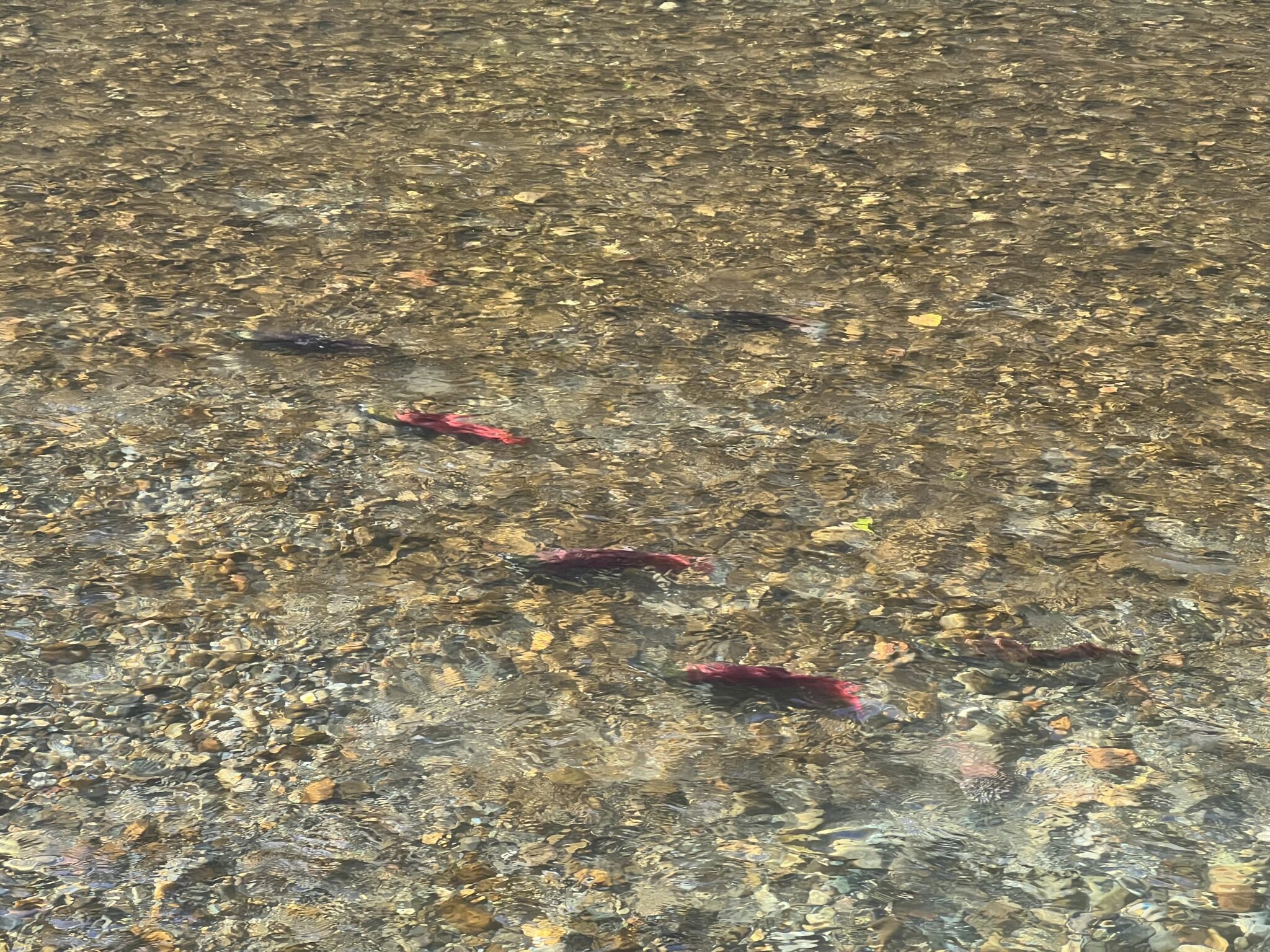
Bass in Lake Washington
Lake Washington’s black bass are primarily largemouth bass (Micropterus salmoides) and smallmouth bass (Micropterus dolomieu). Neither is native to the Lake Washington watershed.
How bass got there
They were introduced by people, during the era when agencies and anglers commonly stocked desirable sport fish outside their native ranges:
- Largemouth bass were first planted in the Lake Washington system in 1890.
- Smallmouth bass have been documented in Lake Washington since at least 1930, although the specific early planting history is less clear.[13]
That history is worth emphasizing: their presence is not a recent natural northward migration from a native range. These are long-established human introductions, followed by self-sustaining reproduction and dispersal through connected local waters.
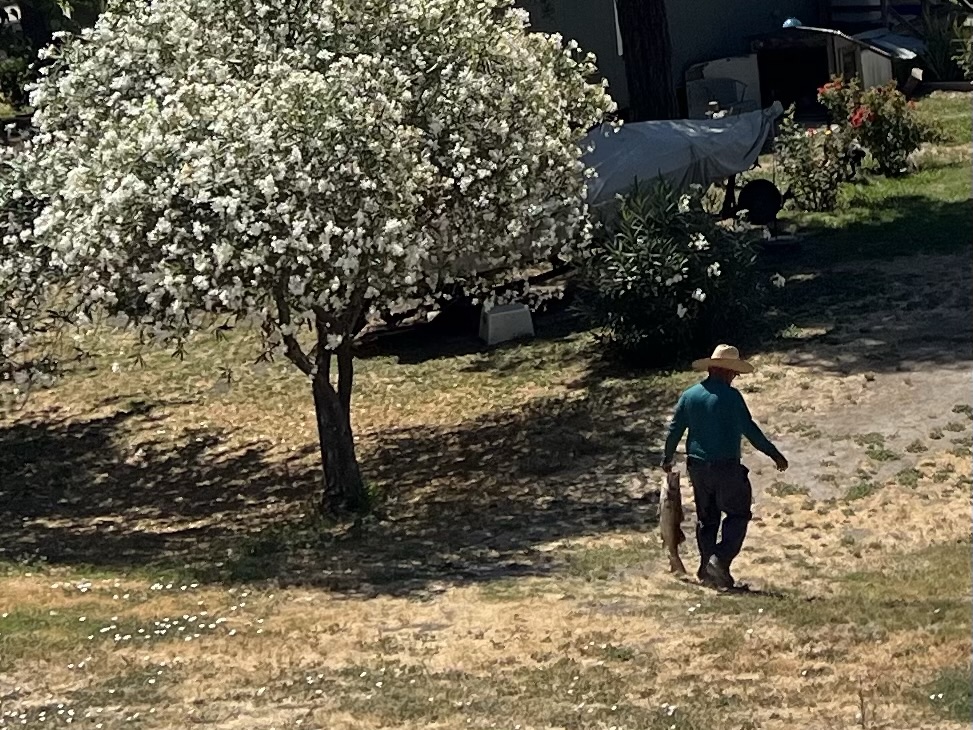
How bass have adapted
Bass are remarkably suited to a large, productive, developed lowland lake:
- They are warm-water centrarchids, becoming more active as spring water warms.
- Smallmouth bass use cooler/deeper water at times but move into the shallow littoral zone in late spring and early summer to spawn and exploit food resources.
- In Lake Washington, adult smallmouth move into shore-zone habitat as those areas warm, with abundance peaking around June in surveys.
- Shoreline complexity—docks, pilings, riprap, marinas, woody structure, vegetation, and other artificial edges—can provide cover and ambush habitat.
- Both species are opportunistic predators, eating invertebrates, crayfish, and fish, including small salmon when habitat and timing overlap.[14][15]
The basic seasonal contrast is important: juvenile salmon often use shoreline corridors during migration, while bass are especially active in warming littoral habitats. That creates a predictable predator–prey overlap.
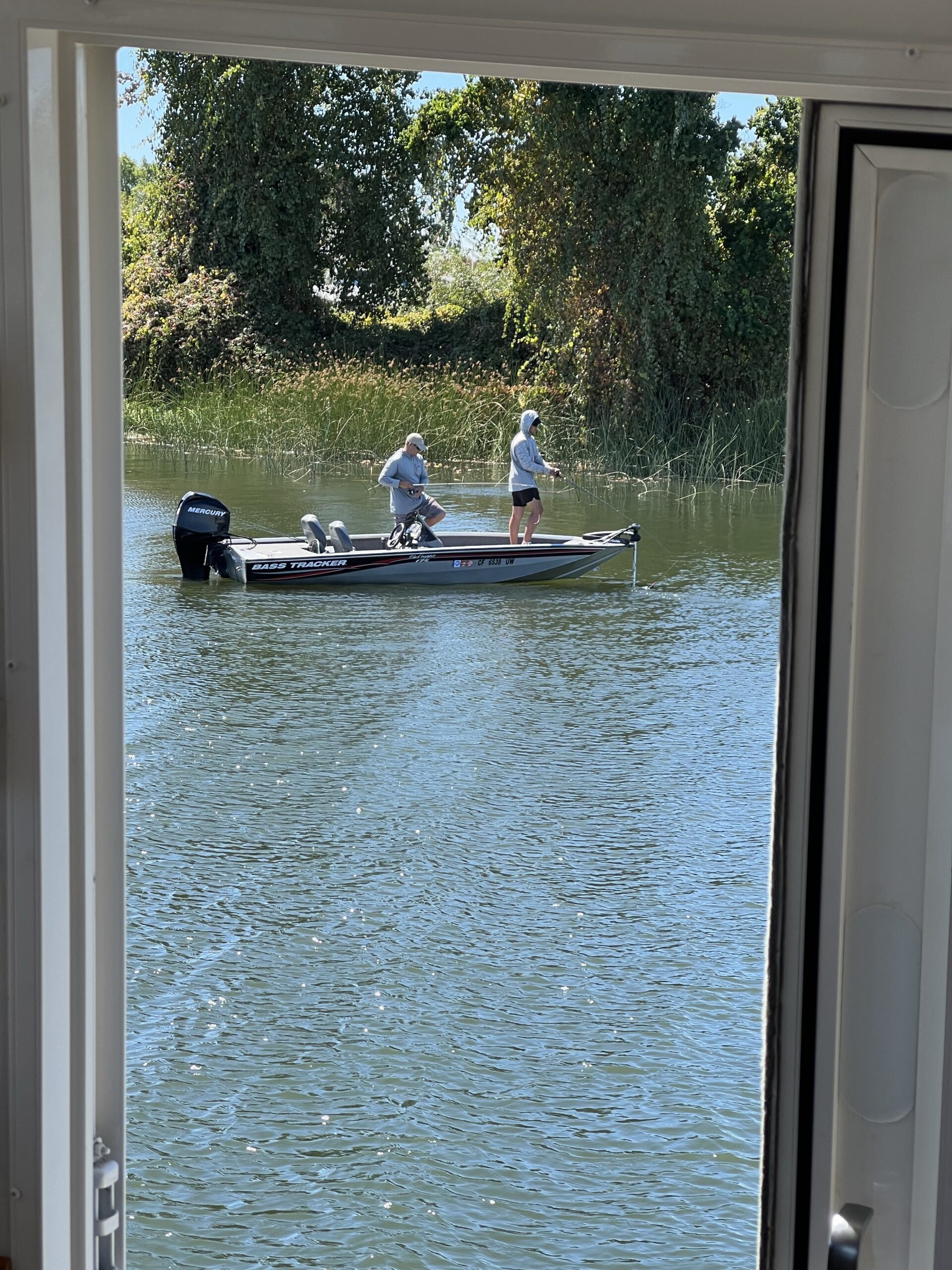
Do bass explain the salmon collapse?
Bass matter, but available Lake Washington research does not support treating them as the sole or dominant explanation for the system-wide decline. A detailed study found that smallmouth and largemouth bass preyed mostly on subyearling salmonids and that smallmouth accounted for most observed bass predation, but concluded that black-bass predation was a minor impact under the conditions studied and was not then the principal limit on naturally produced Chinook recovery.[13]
The caveat is climate-related: warmer water increases bass metabolism and feeding demand, makes bass active earlier and longer, and can increase their overlap with small salmon near shore. Thus, bass are best understood as one pressure that may become more consequential in a warming, human-modified lake-and-canal system—not as a stand-alone villain.[9][13]
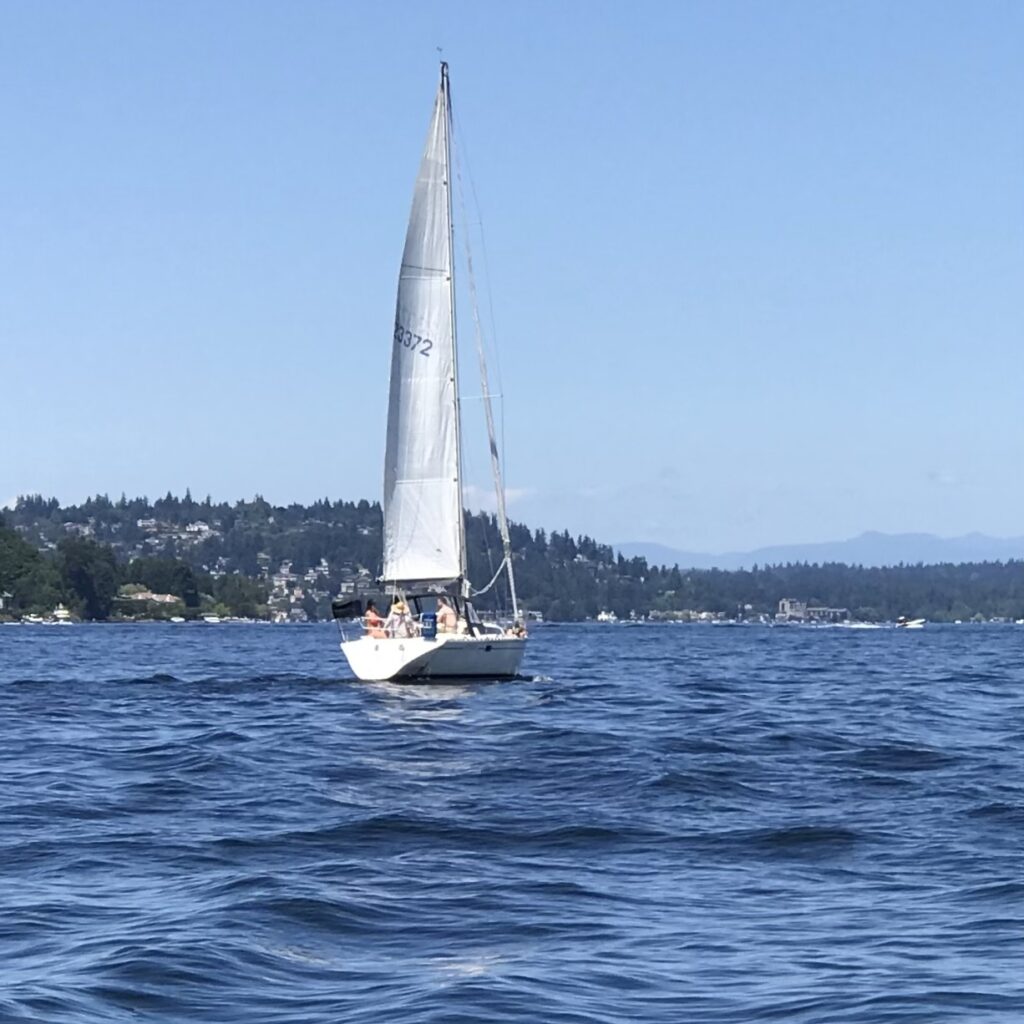
For a maritime-history framing, the enduring story is that Lake Washington salmon now migrate through a waterway built for navigation and urban commerce, while bass thrive in a lake reshaped for recreation, shoreline development, and warm-water fisheries. The deep-water concept is an attempt to restore a functional cold-water passage within that inherited engineered landscape.
Sources and Footnotes
- U.S. Geological Survey — “Lake Washington Ship Canal Sustainable Rivers Project” ↩
- HistoryLink — “Due to Construction of Lake Washington Ship Canal, Lake Washington Is Lowered 9 Feet Beginning on August 28, 1916, and the Black River Disappears” ↩
- Seattle Municipal Archives — “Life on the Cut” ↩
- Long Live the Kings — “Lake Washington Ship Canal” ↩
- WRIA 8 — “Lake Washington Ship Canal Round Table Discussion” ↩
- Washington Department of Fish and Wildlife — “Lake Washington Salmon Counts” ↩
- NOAA Fisheries — “Saving Pacific Salmon and Steelhead” ↩
- Duwamish Remains — “Lake Washington Ship Canal” ↩
- HistoryLink — “Lake Washington Ship Canal (Seattle)” ↩
- HistoryLink — “Montlake Cut (Seattle)” ↩
- Fayram, Miller, and Beauchamp — “Smallmouth Bass and Largemouth Bass Predation on Juvenile Chinook Salmon and Other Anadromous Salmonids in Lake Washington” ↩
- Washington Department of Fish and Wildlife — “Smallmouth Bass” ↩
[13] Smallmouth Bass and Largemouth Bass Predation on Juvenile …
[14] Smallmouth bass | Washington Department of Fish & Wildlife
[15] [PDF] Habitat Utilization by Smallmouth Bass in the Littoral Zones of Lake …
[16] Ship Canal Water Quality Project – Utilities – Seattle.gov
[17] Lake Washington Ship Canal Project Master Plan 2026
[18] New Challenges | U.S. Fish & Wildlife Service
[19] Creating a Healthy Ship Canal for Salmon
[20] Addressing Temperature and Dissolved Oxygen in the Lake …
[21] Salmon and Climate Change – Freshwater
[22] Climate Change Scientific and Technical Resources – CRITFC
[23] Lake Washington Ship Canal – Wikipedia
[24] Chinook in the Lake Washington/Cedar/Sammamish Watersheds
[25] EFDC+ Model for Lake Washington Ship Canal and Salmon …
[26] Arrival Patterns and Movements of Adult Sockeye Salmon in Lake …
[27] Chinook Salmon | US EPA
[28] LWSC Temp and DO Phase 1 Report FINAL_8-3-23 – lltk.org
[29] Cedar/Lake Washington Salmon Recovery: News – GovDelivery
[30] Enhancing Water Quality to Protect Salmon in the Lake …
[31] FACT SHEET: Lake Washington Ship Canal
[32] STORMWATER: Ship Canal Water Quality Project
[33] Assessment of Summer Temperatures and Feasibility and …
[34] Salmon Habitat Plan 2020 – Appendices
[35] Enhancing Water Quality to Protect Salmon in the Lake Washington …
[36] Lake Washington Ship Canal Thermal Modeling
[37] Salmon, the Locks, and the Ship Canal
[38] The Lake Washington Ship Canal and the Mills of Salmon Bay
[39] United States News – Lake Washington – Latest News On Lake Washington


