A Sailor’s Surprise
By a visiting mariner who came ashore expecting Halloween and found something much deeper.
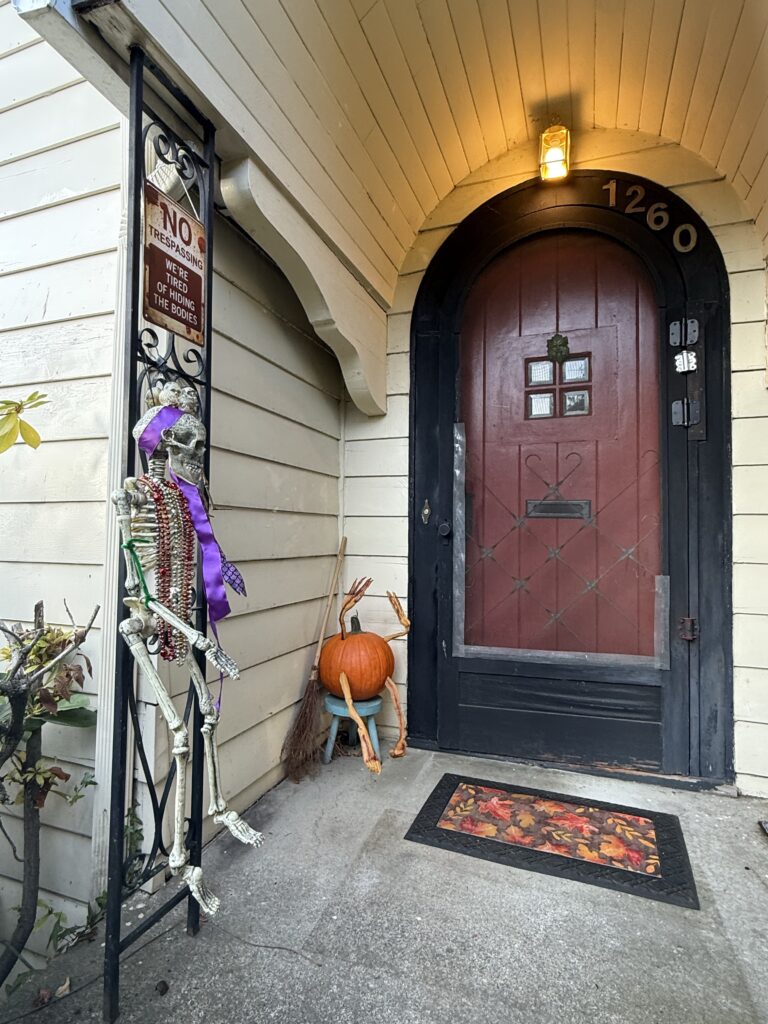
On a cool autumn evening, a sailor arriving in Seattle might expect the usual signs of Halloween: carved pumpkins glowing on porches, children in costumes, and storefronts decorated with ghosts and cobwebs. Instead, he may stumble upon something unexpected.
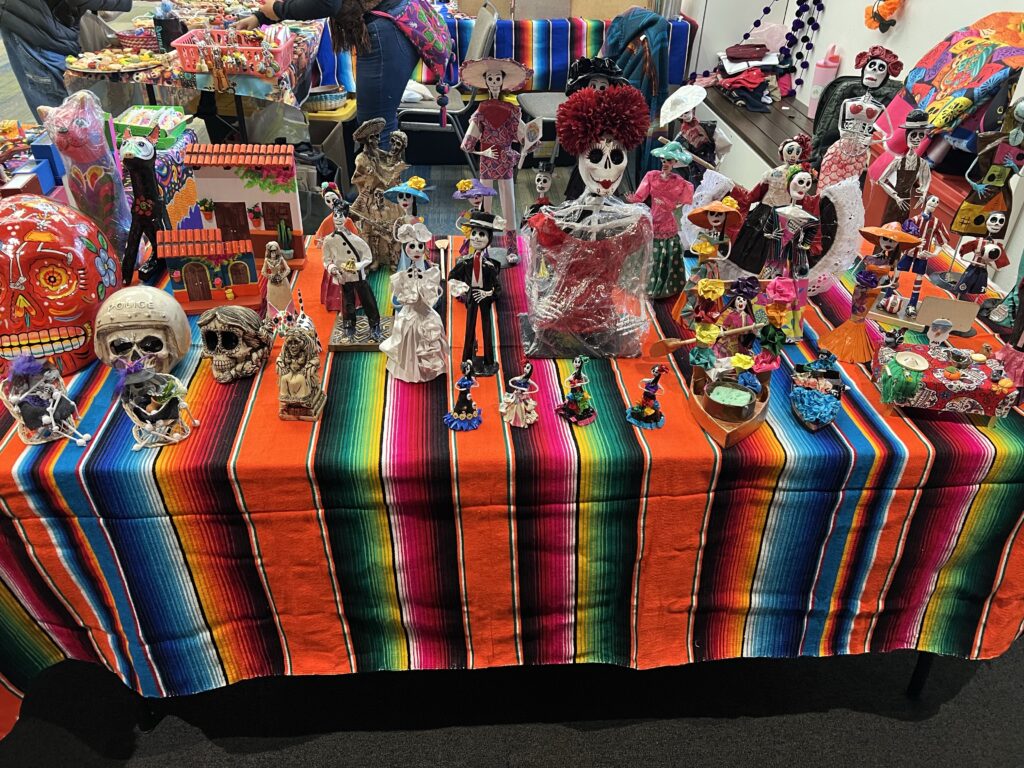
Along the Seattle waterfront and throughout downtown, elegantly dressed skeletons stroll the streets. Faces are painted as beautiful skulls adorned with flowers. Mariachi music echoes through gathering crowds. Families carry photographs of loved ones. Candles flicker around colorful altars covered with marigolds. At first glance, it appears mysterious. Then someone explains:
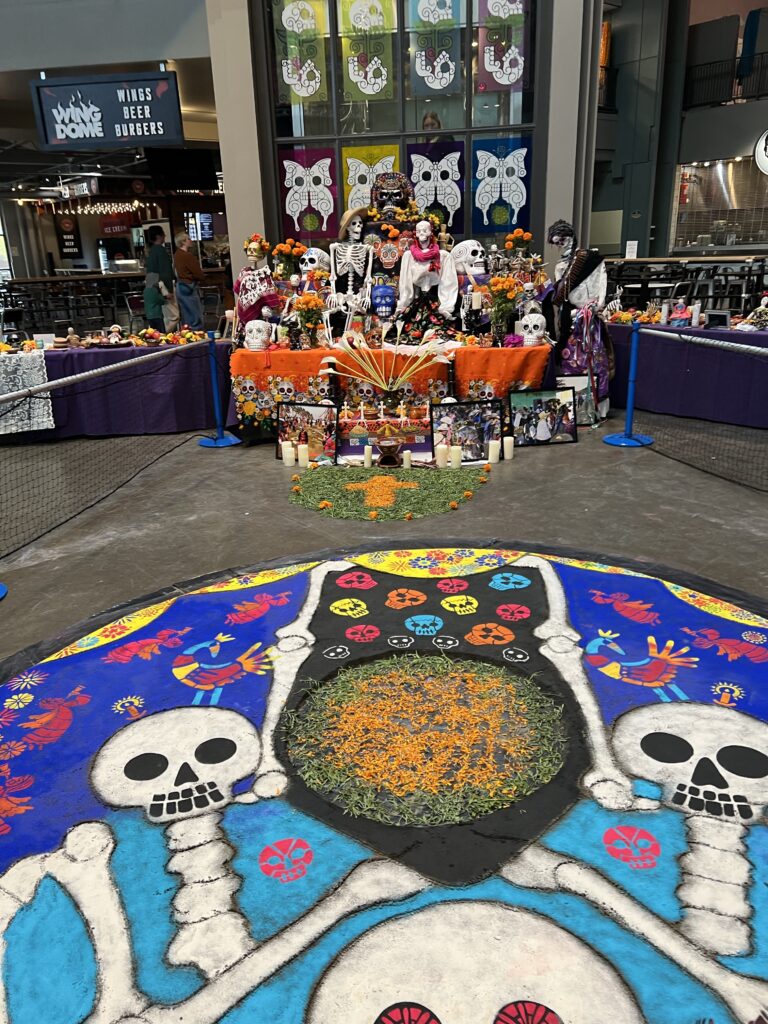
“This is Día de los Muertos. We’re celebrating those we love who have passed away.”
The sailor suddenly realizes that he has encountered one of the most meaningful cultural celebrations in North America.
From Halloween Pumpkins to Día de los Muertos
Like many visitors arriving in Seattle during late October, I had carved a pumpkin for Halloween.
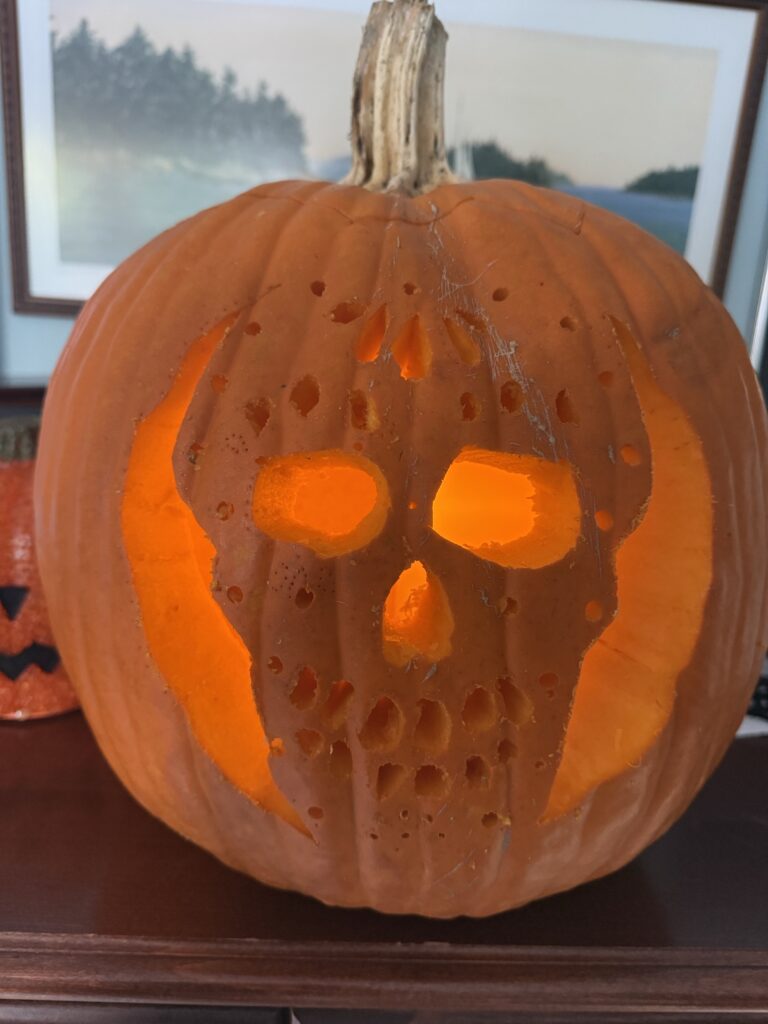
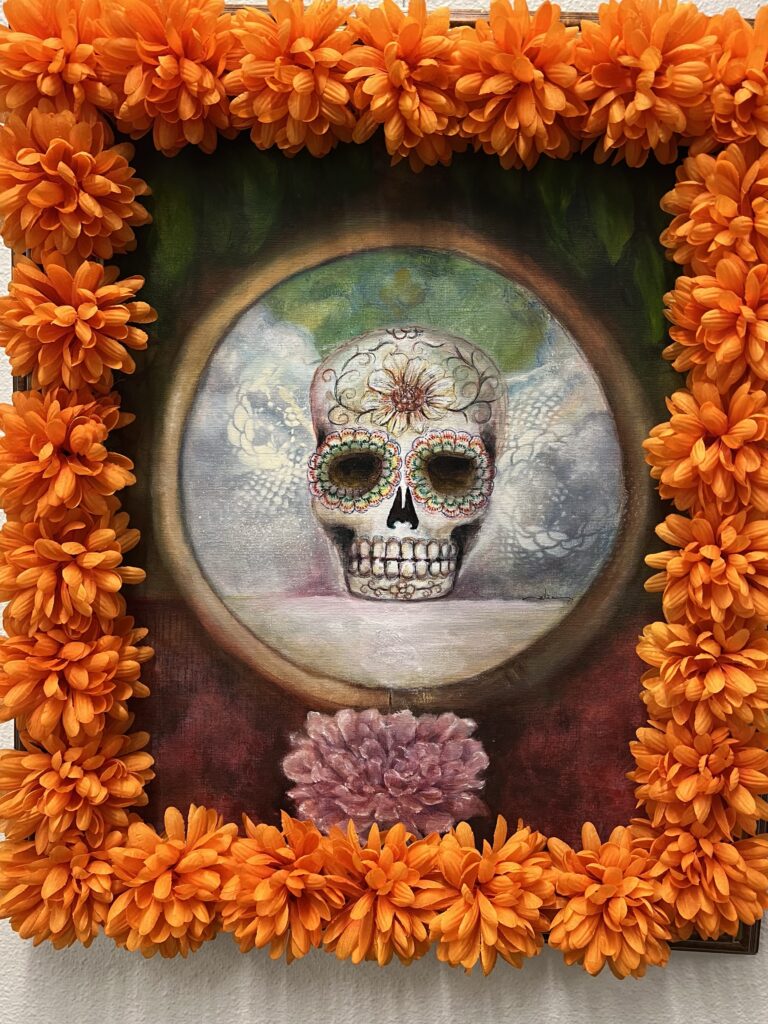
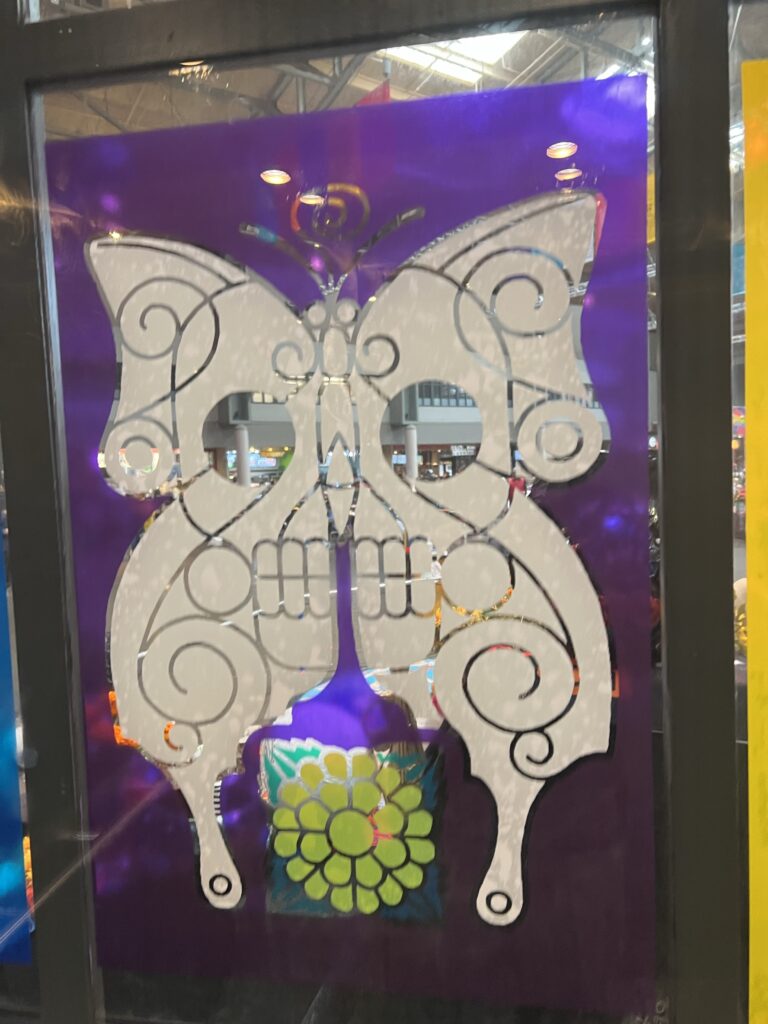
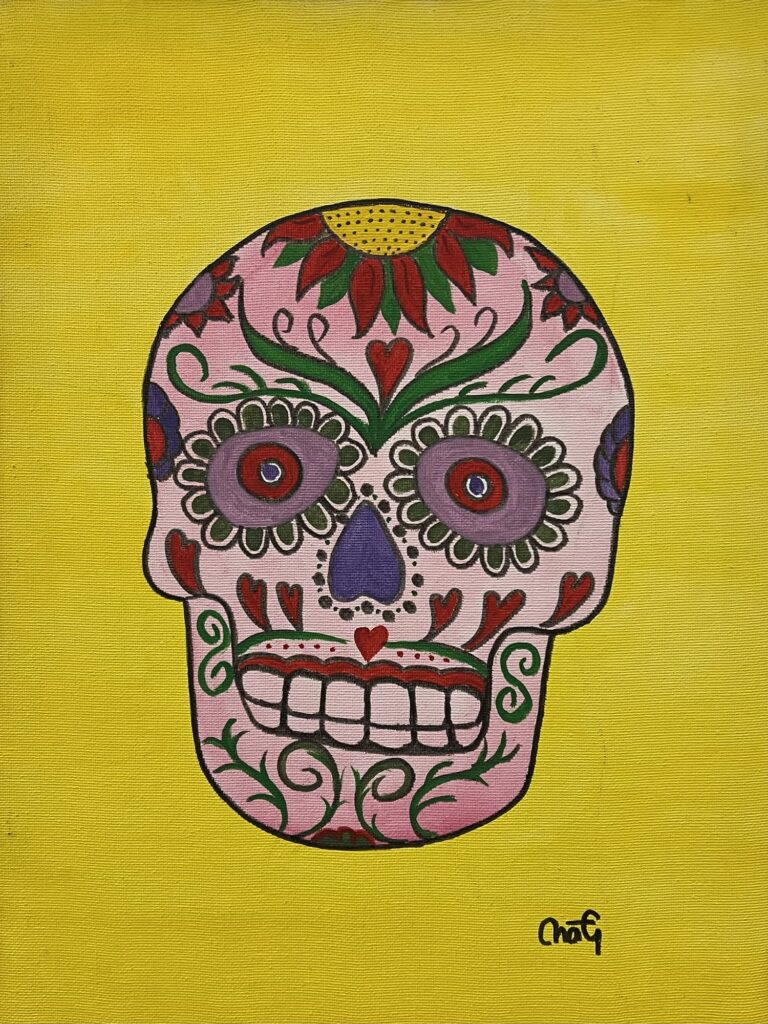
The bold sugar-skull design seemed festive and artistic when I carved it. Only later did I discover that the imagery was rooted in a centuries-old tradition focused not on fear, but on remembrance.
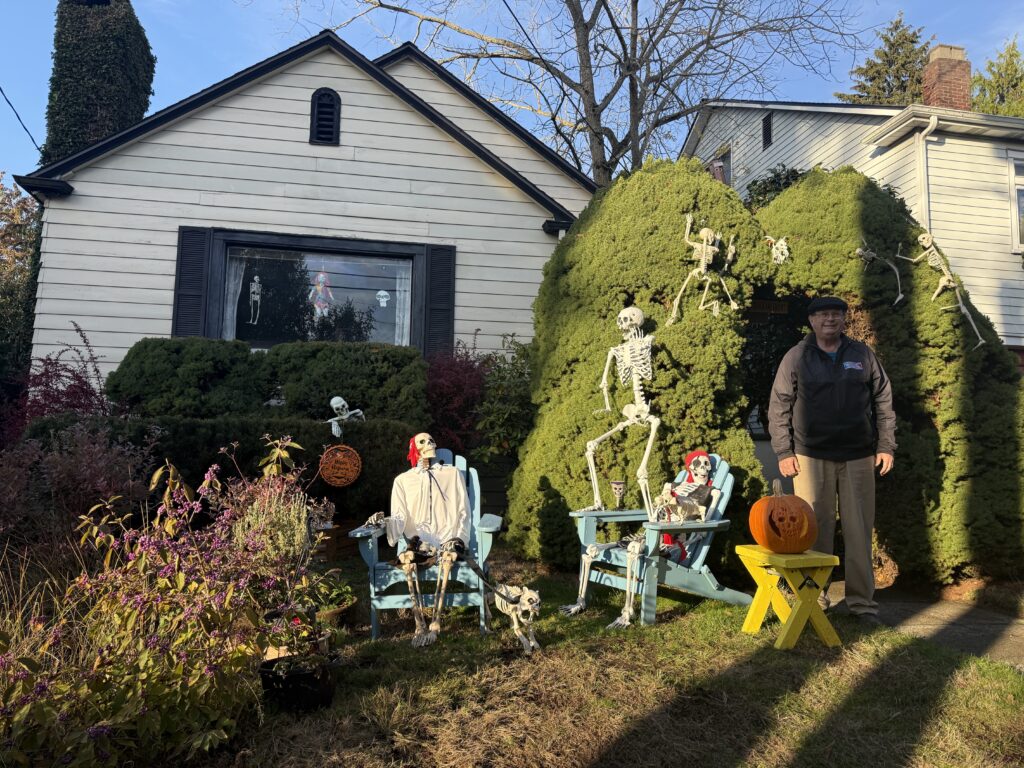
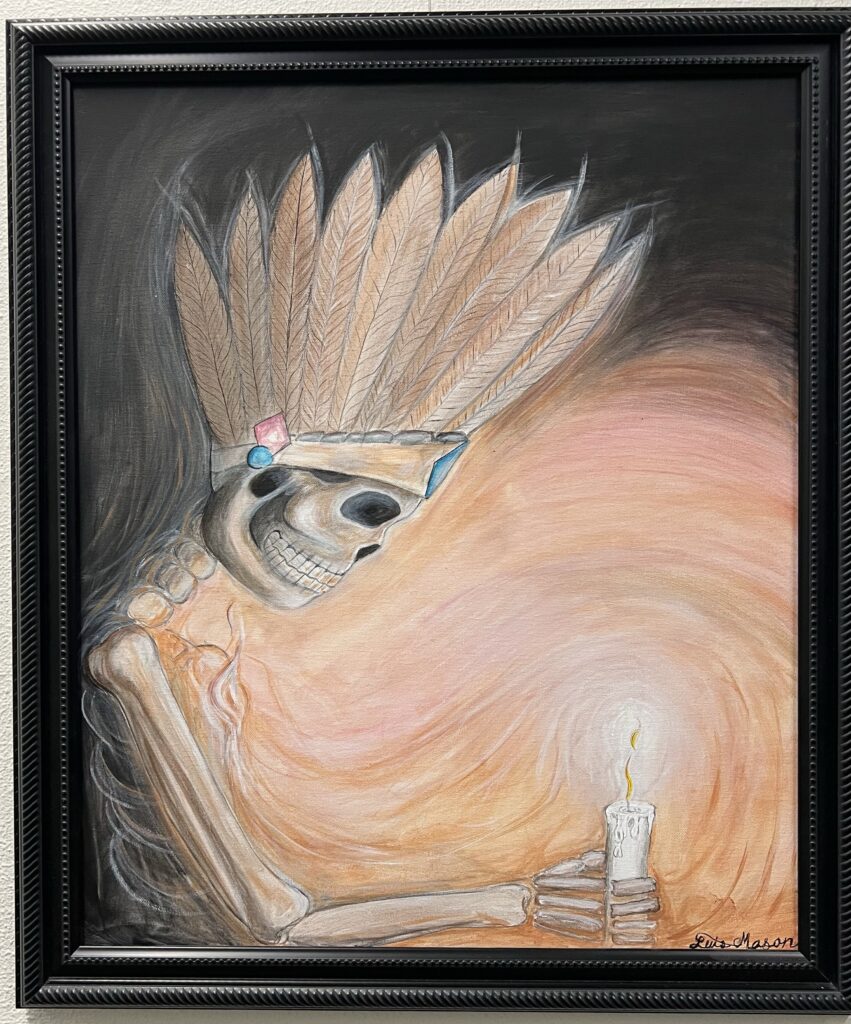
The skulls seen during Día de los Muertos are called calaveras. They symbolize the truth that all human beings share the same fate. Rather than being frightening, they remind us to appreciate the gift of life and remember those who came before us.
Modern multicultural societies increasingly blend linear and cyclical approaches to death. Mexican Day of the Dead celebrations combine Catholic linear theology with indigenous cyclical beliefs about ongoing ancestral presence. This synthesis creates unique temporal frameworks where death involves both linear progression to eternal judgment and cyclical return for annual connection
What Is Día de los Muertos?
Día de los Muertos, or Day of the Dead, is a Mexican tradition dedicated to honoring deceased family members and friends.
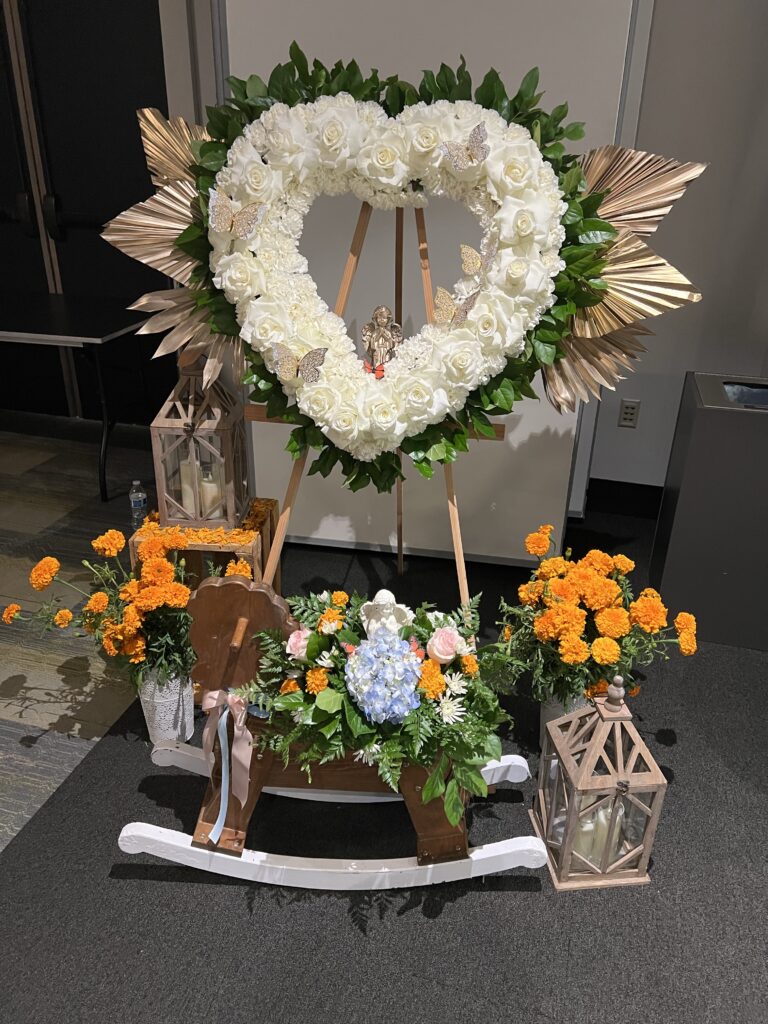
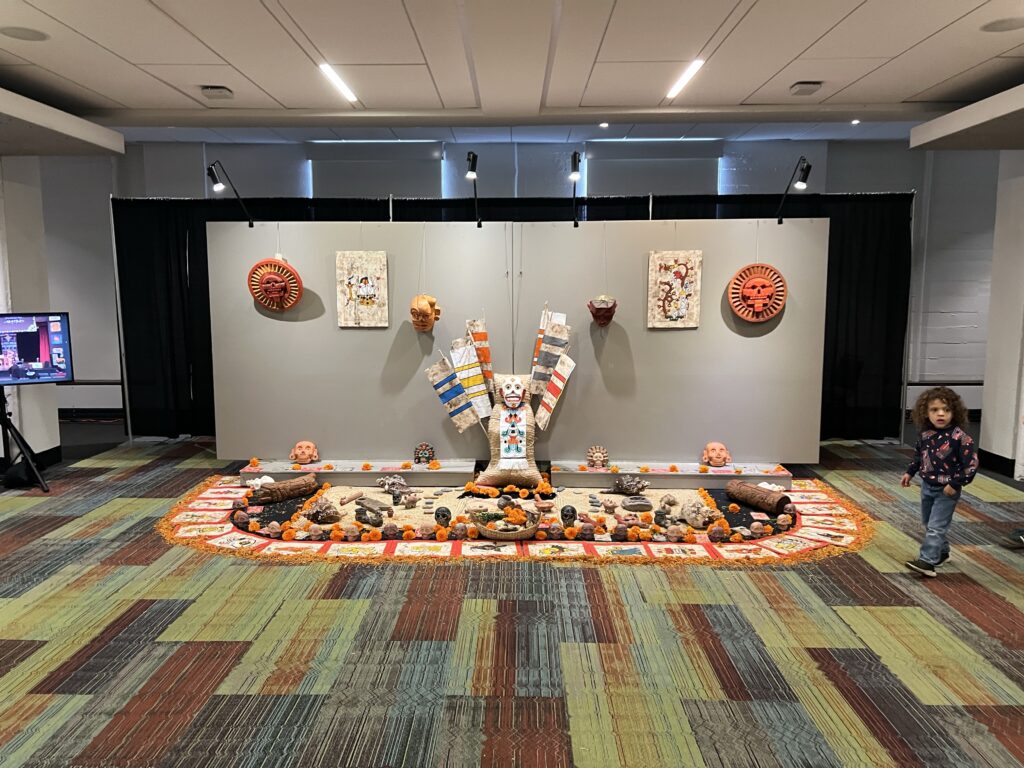
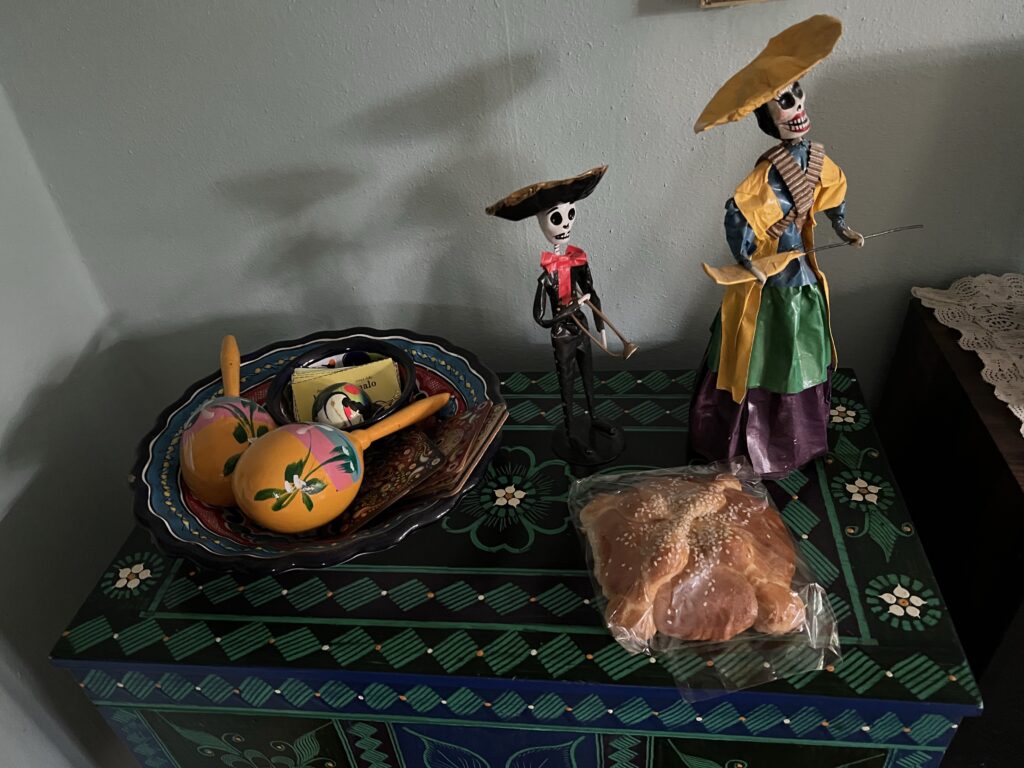
Unlike a funeral or memorial service, it is a celebration. Families create altars known as ofrendas decorated with:
- Photographs of loved ones
- Candles
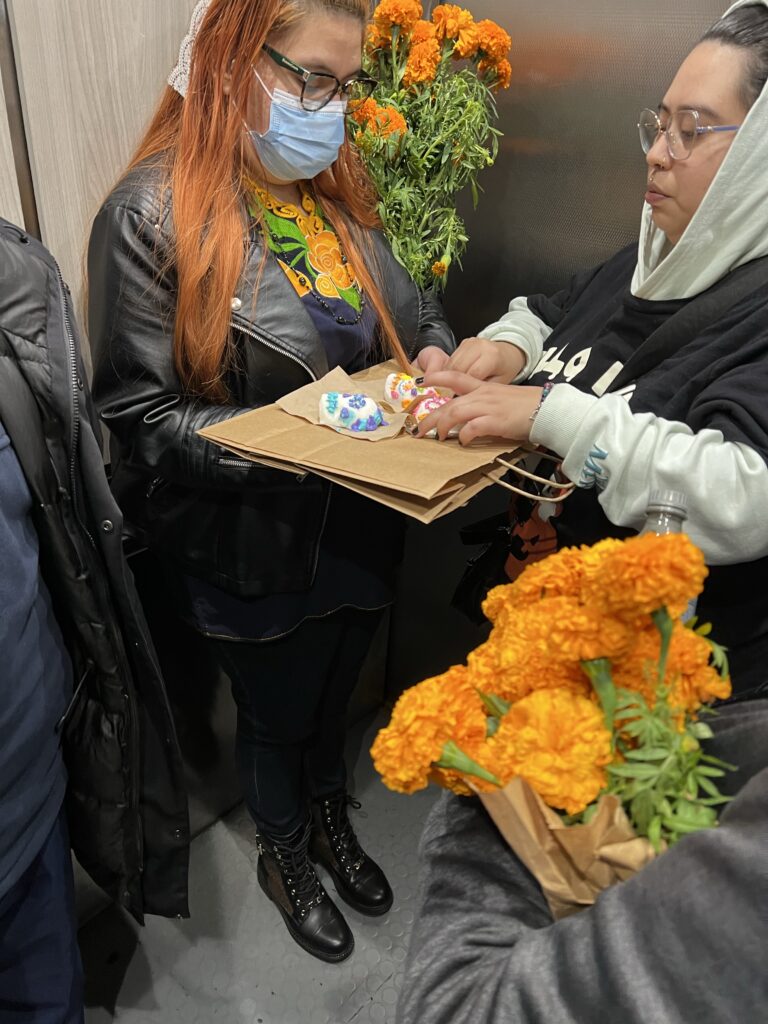
- Marigolds (cempasúchil)
- Favorite foods and drinks
- Personal belongings
- Religious symbols
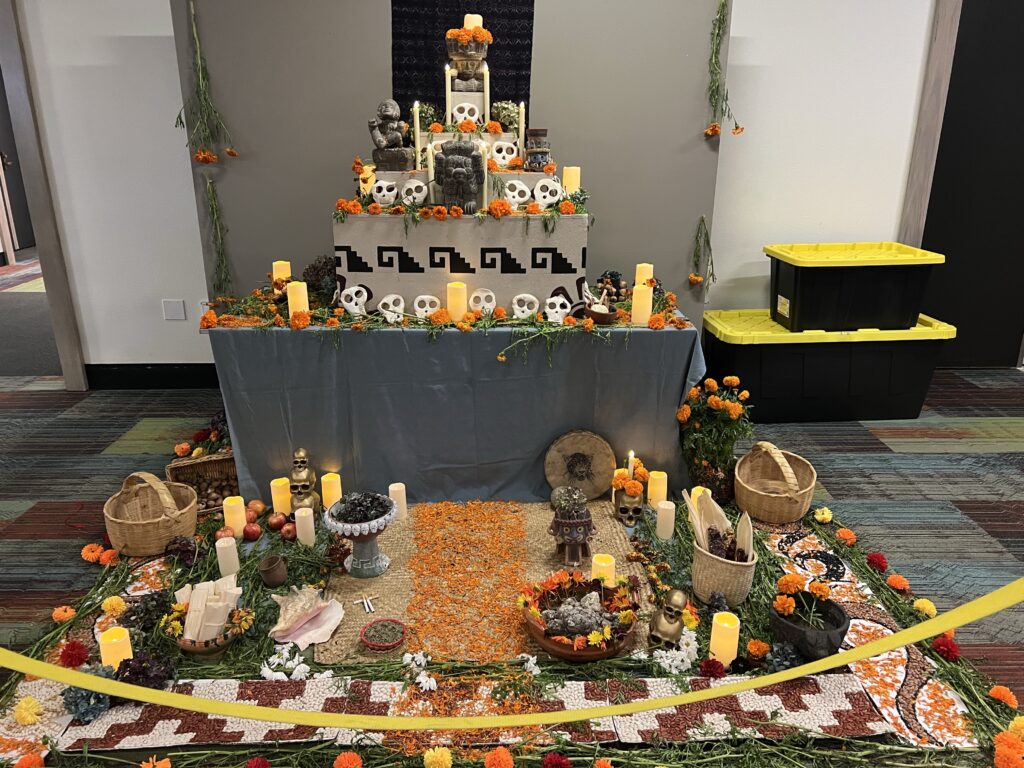
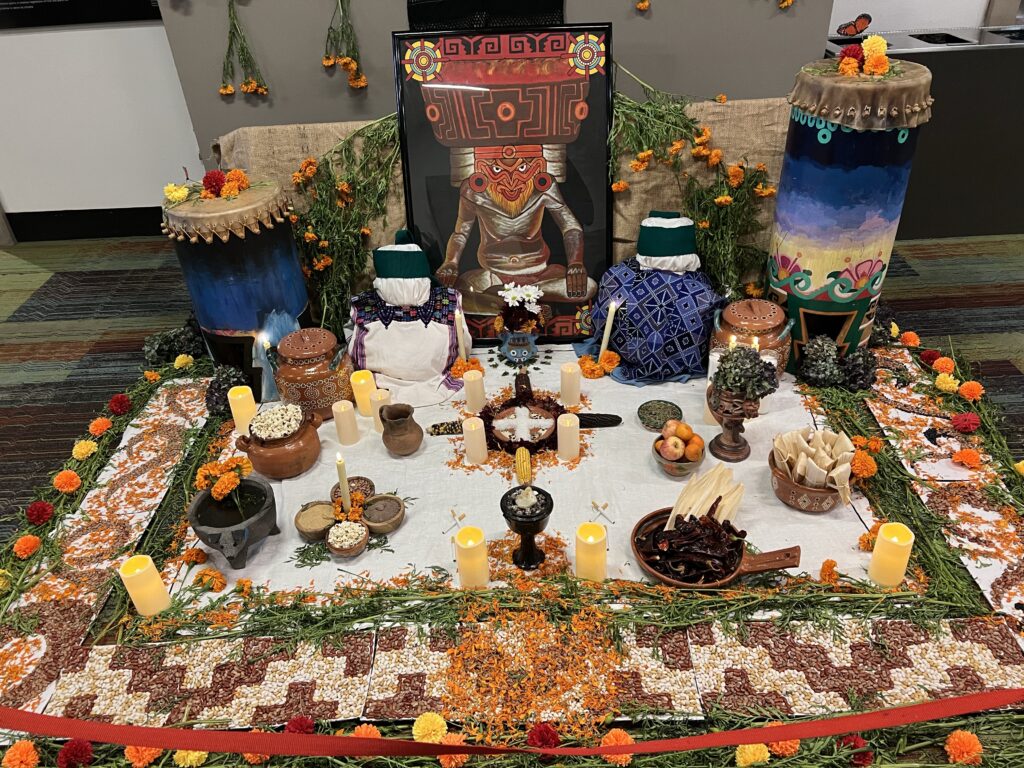
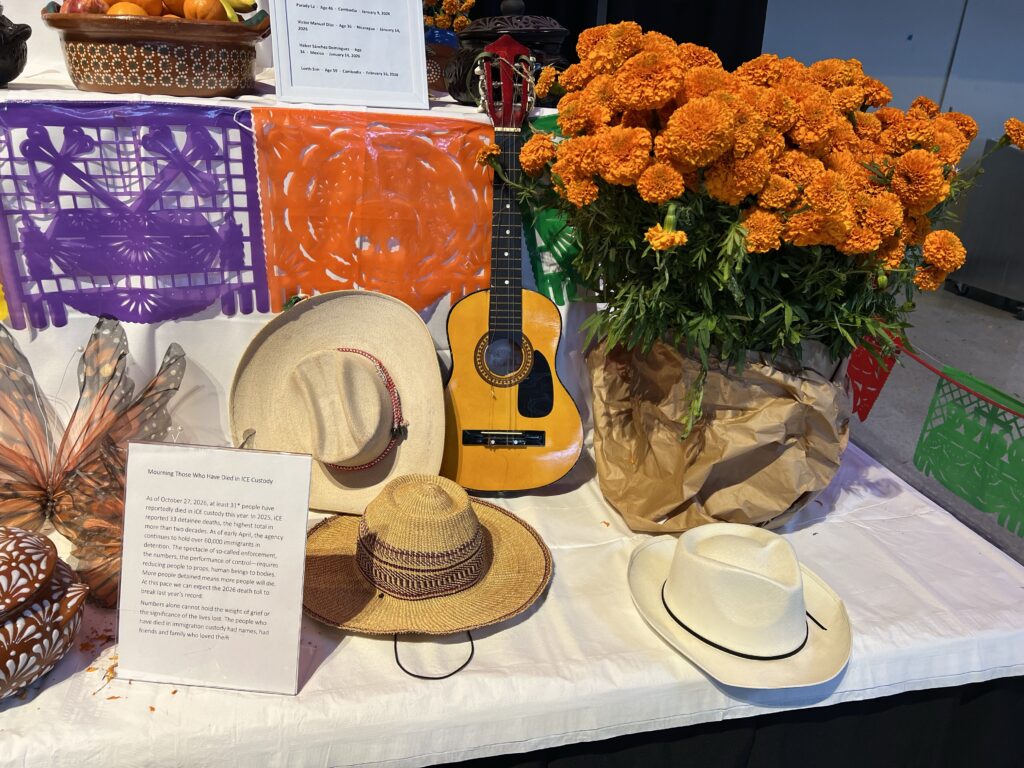
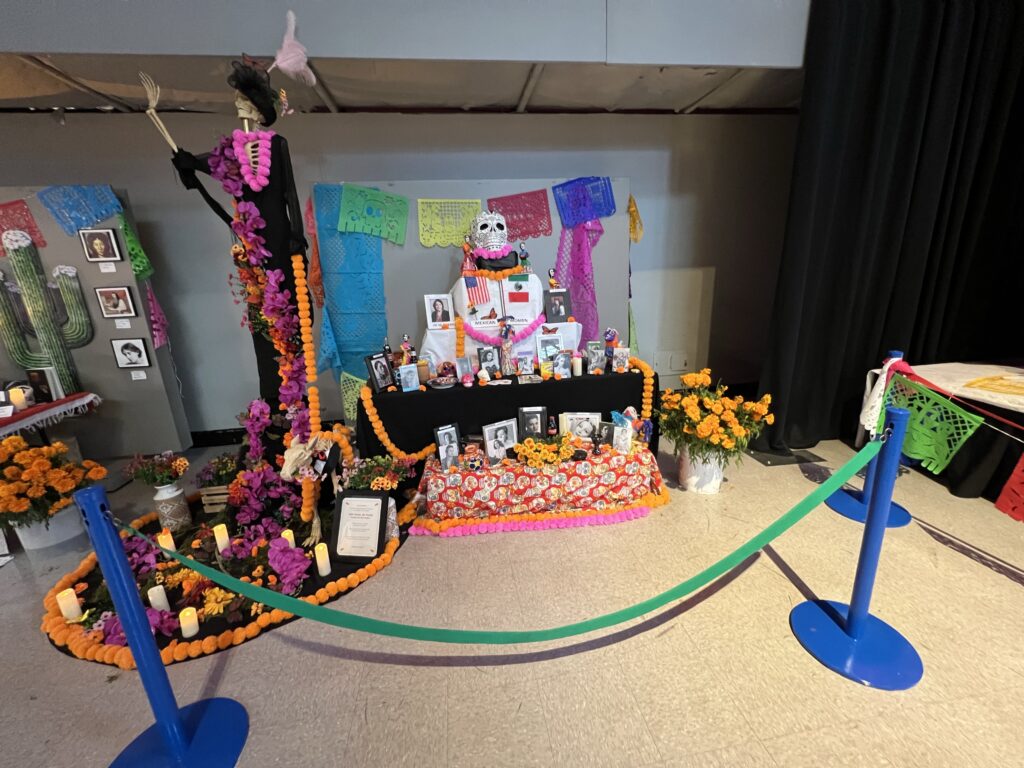
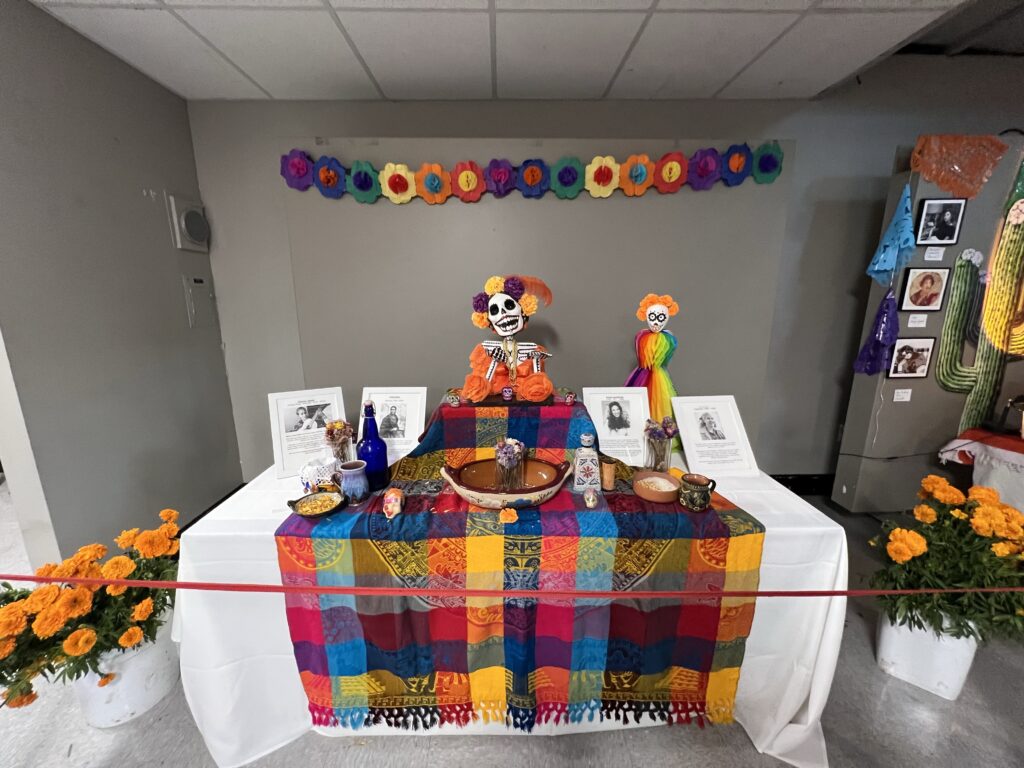
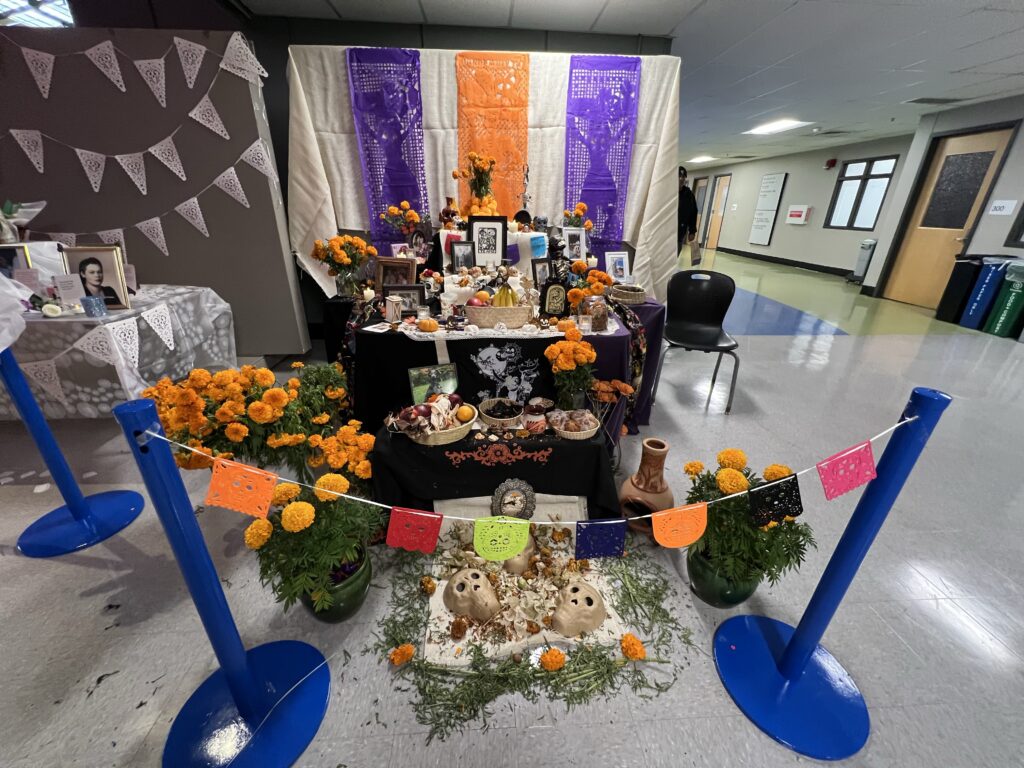
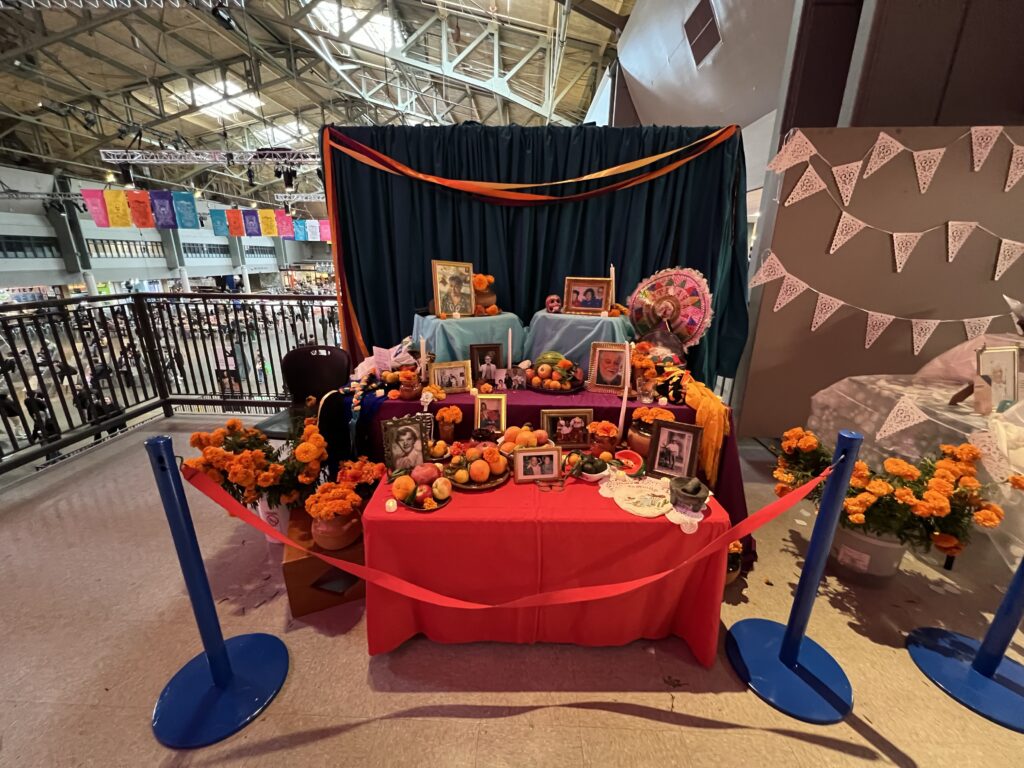
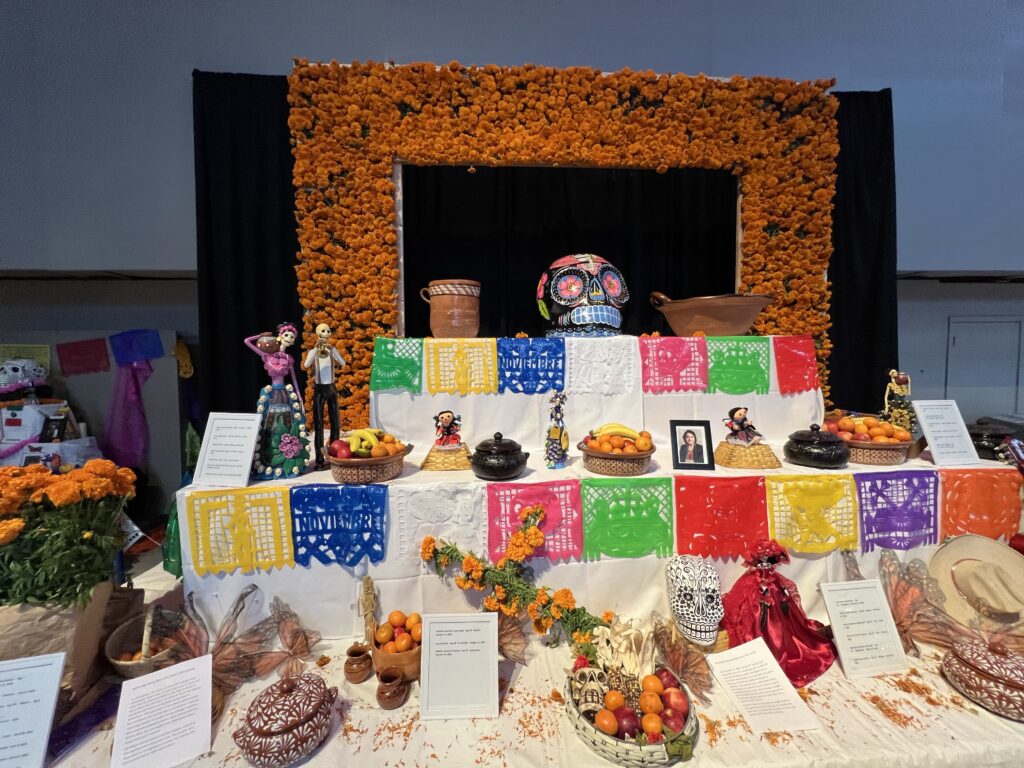
The belief is not that the dead return in a frightening way, but that memory allows them to remain present within the family circle. The celebration emphasizes an idea echoed beautifully in the Pixar film Coco. A person is never truly gone while they are remembered.
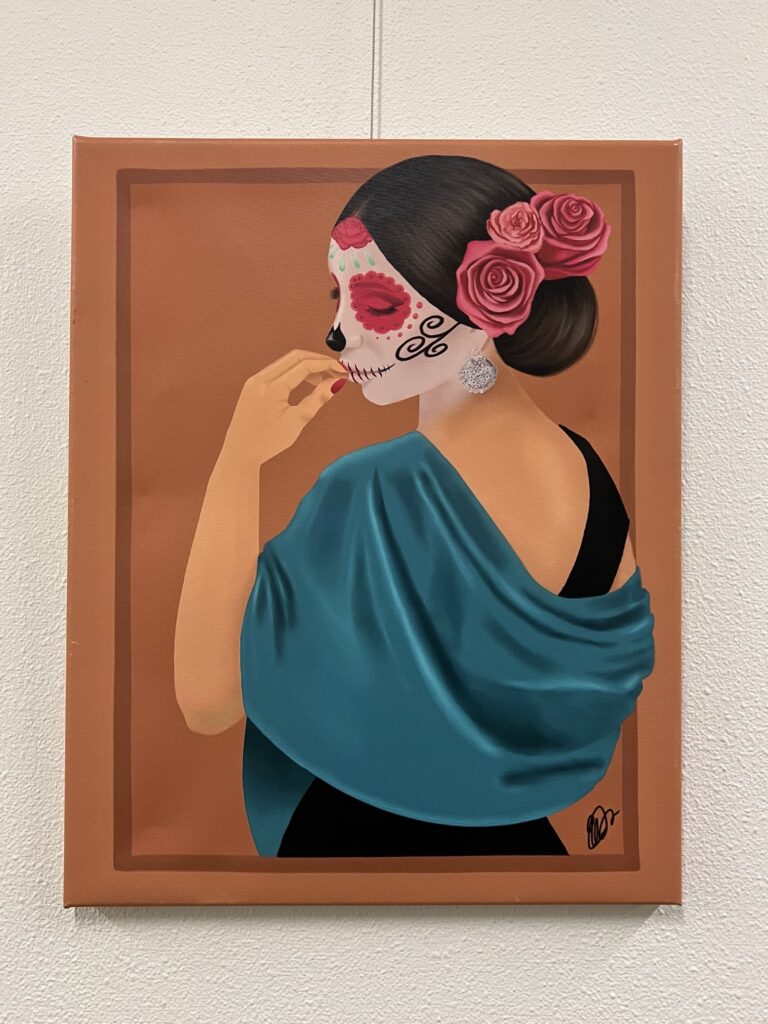
Ancient Roots Older Than Seattle, Older Than America
The origins of Día de los Muertos reach back thousands of years into Indigenous Mesoamerica.
Historians connect the tradition to the ancestor-honoring practices of:
- Aztec (Mexica) peoples
- Toltec civilizations
- Zapotec peoples
- Mixtec peoples
- Purépecha communities
- Maya cultures
When Spanish colonists arrived in the sixteenth century, Indigenous remembrance traditions blended with Catholic observances such as All Saints’ Day and All Souls’ Day.
What emerged was a uniquely Mexican tradition that preserves ancient Indigenous ideas about ancestors, family, memory, and community.
Today, it remains one of the world’s most remarkable cultural celebrations.
Oaxaca: The Heart of the Celebration
Many consider Oaxaca to be the spiritual capital of Día de los Muertos. In towns and villages across Oaxaca, families spend days preparing elaborate altars and decorating cemeteries with flowers and candles.
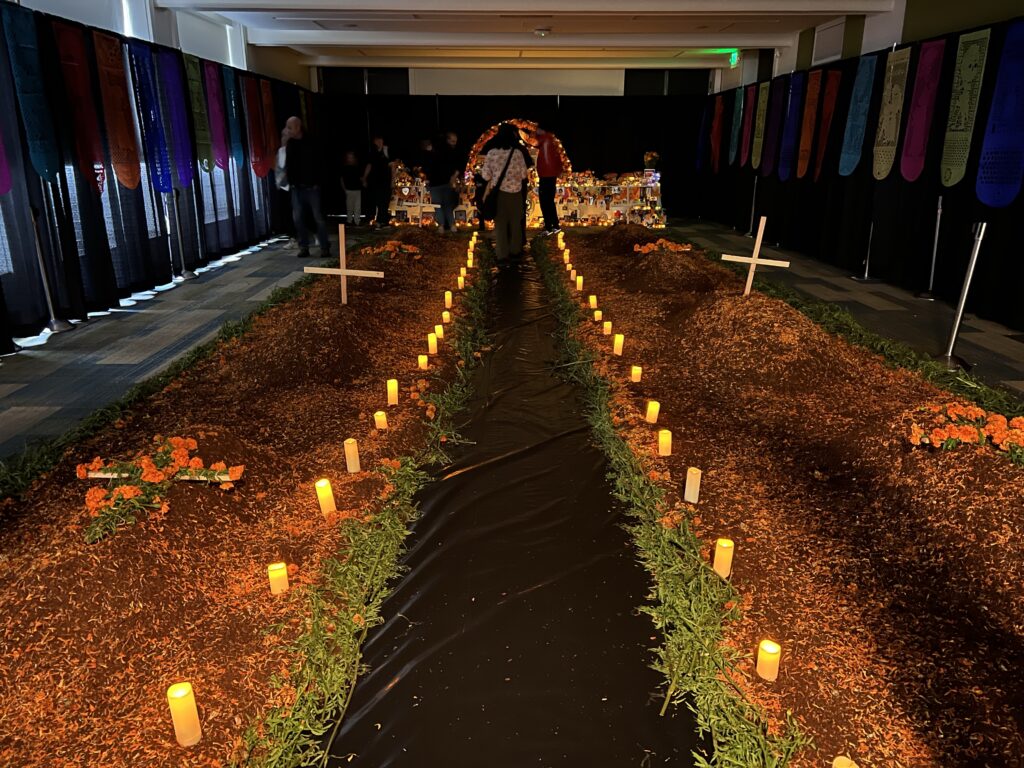
At night, graveyards become gathering places filled with:
- Music
- Food
- Storytelling
- Family reunions
- Candlelight vigils
To an outsider, this may seem unusual.
To Oaxacan families, it is simply another way of spending time with those they love.
- Trumpets
- Clarinets
- Saxophones
- Trombones
- Tubas
- Drums
- Guitars
The Magic of Oaxacan Comparsas
One of Oaxaca’s most distinctive traditions is the comparsa. A comparsa is much more than a parade.
Imagine a maritime festival procession winding through a harbor town, but dedicated to ancestors rather than boats.
A typical comparsa includes:
- Brass bands
- Dancers
- Giant puppets
- Lanterns
- Costumes
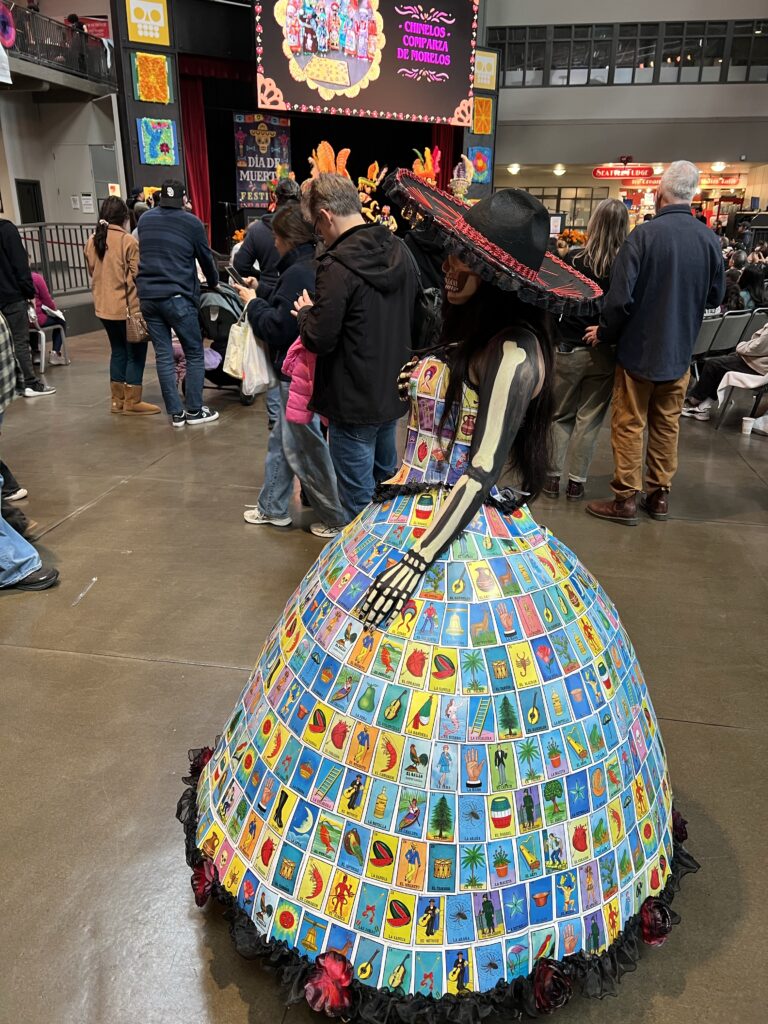
- Catrinas and Catrines
- Face-painted participants
- Entire families walking together
As music fills the streets, neighbors join in.
The procession becomes a moving celebration of community and remembrance.
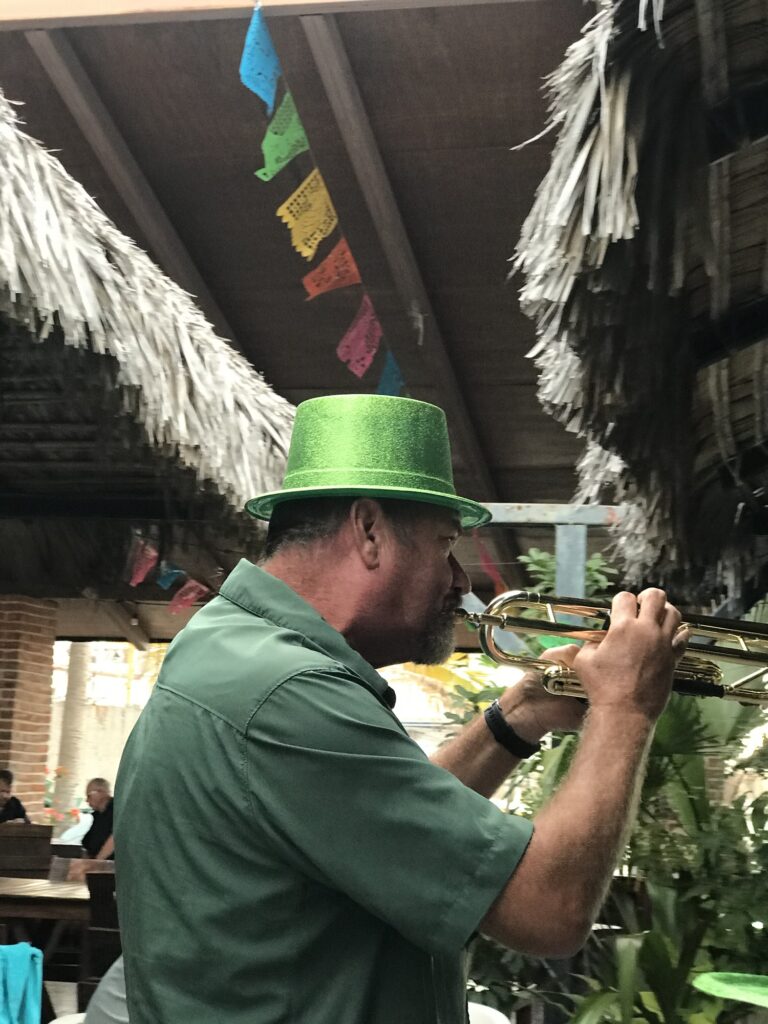
For sailors accustomed to regatta opening ceremonies or harbor festivals, the atmosphere feels surprisingly familiar: music, pageantry, tradition, and community identity all moving together through the streets.
The Music of Día de los Muertos
Music is central to the celebration. Rather than mourning in silence, families welcome ancestors with song. In Oaxaca, musicians may perform favorite songs beside graves decorated with flowers and candles.

Traditional ensembles often feature:
- Trumpets
- Clarinets
- Saxophones
- Trombones
- Tubas
- Drums
- Guitars
The result is a sound that mixes joy, nostalgia, and remembrance. One hears not sadness alone, but gratitude.
Coco and the Spirit of Día de los Muertos
Many visitors first gain an understanding of Día de los Muertos through Pixar’s Coco.
The film accurately incorporates many traditional elements:
- Ofrendas
- Marigold pathways
- Ancestor remembrance
- Family gatherings
- Traditional music
Several memorable guitar-centered songs from the film include:
- “Remember Me”
- “Un Poco Loco”
- “Everyone Knows Juanita”
- “La Llorona”
- “Proud Corazón”
The film’s central message mirrors the purpose of the holiday itself: We honor the dead not by dwelling on loss, but by celebrating memory.
Dis de los Muertos is an historically rich and festive Mexican tradition that integrates both pre-Columbian and Catholic customs. It was believed in Aztec culture that on these days the souls of the deceased would journey through Mictlan, the underworld, and back to earth to reunite with their loved ones.
Seattle’s Día de los Muertos
Many visitors are surprised to discover that Seattle hosts major Día de los Muertos celebrations.
Seattle Center
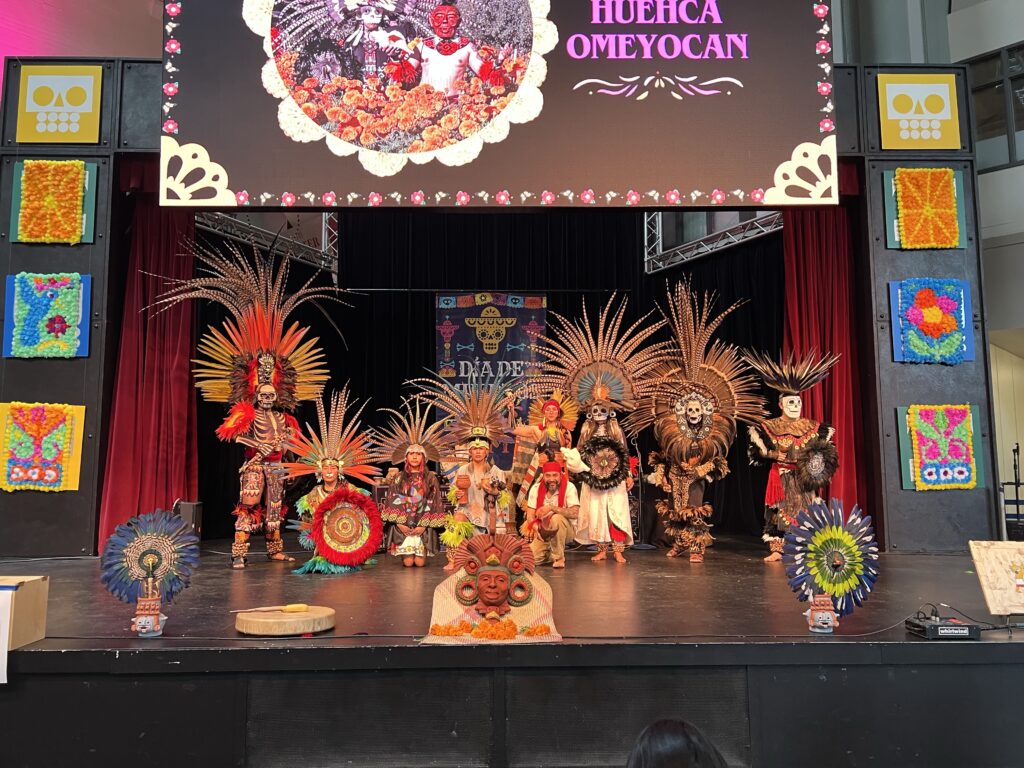
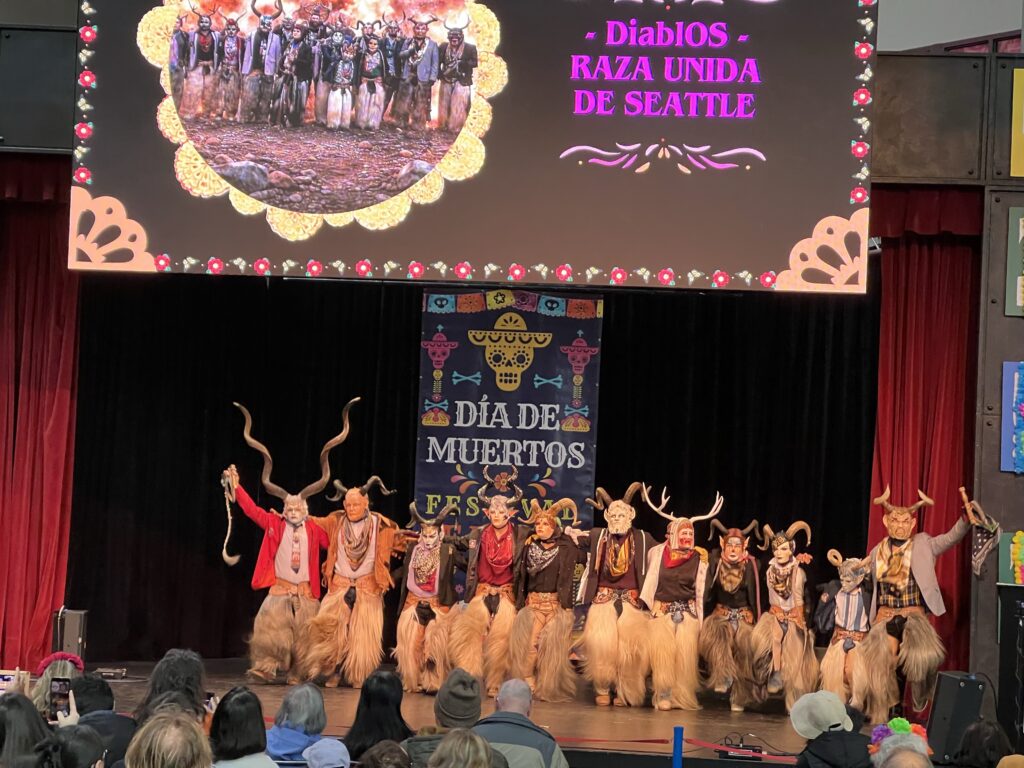
The annual Día de Muertos Festival Seattle at Seattle Center features:
- Community altars
- Face painting
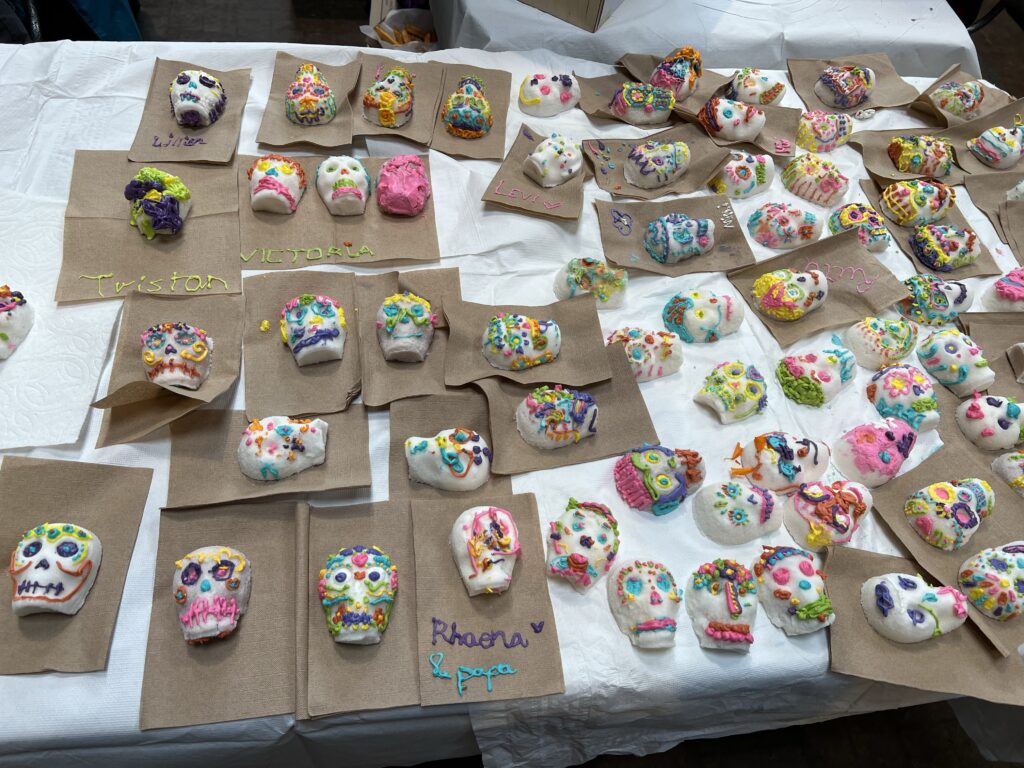
- Sugar skull workshops
- Traditional music
- Mariachi performances
- Folklórico dance
- Cultural displays
- A symbolic cemetery exhibit
- Community processions
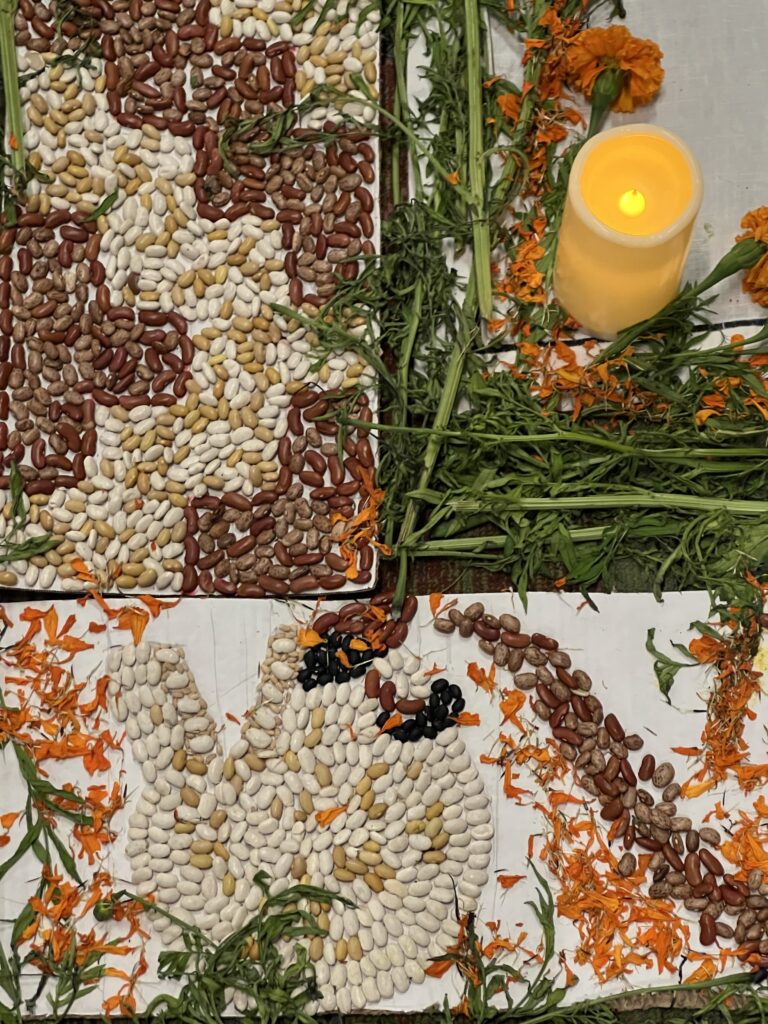
Importantly, the cemetery display is symbolic rather than an actual graveyard.
Town Hall Seattle
The annual Seattle Catrinas Festival transforms Town Hall Seattle into a vibrant celebration of remembrance with:
- Monumental altars
- Music
- Folkloric dance
- Face-painted Catrinas
- Artisan markets
- Community remembrance
- A ceremonial procession
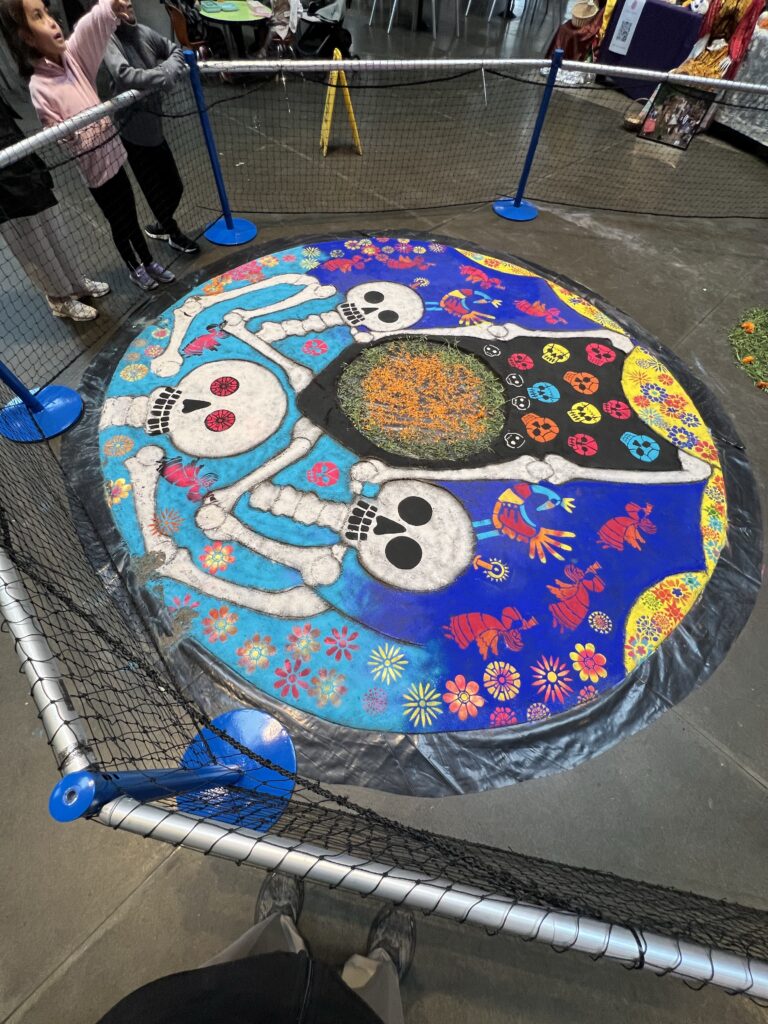
Organizers specifically describe the event’s procession as an act of remembrance rather than simply a parade.
Pike Place Market
At Pike Place Market, Día de los Muertos celebrations include public altars, face painting, mariachi music, folklórico performances, and a large community parade through the historic district.
Reflections from the Waterfront
For a sailor arriving in Seattle during late October, Día de los Muertos can be an unexpected discovery. One day begins with a Halloween pumpkin. The next reveals a celebration thousands of years old. What at first appears to be a festival of skeletons turns out to be a celebration of life, family, and memory.
In a port city where ships arrive from around the world carrying stories, traditions, and cultures, Día de los Muertos serves as a reminder that every voyage eventually becomes a memory, every sailor leaves a wake behind, and every family treasures those who came before.
The marigolds, music, painted faces, and candlelit altars all express the same timeless message:
The people we love remain part of our voyage for as long as we remember them.