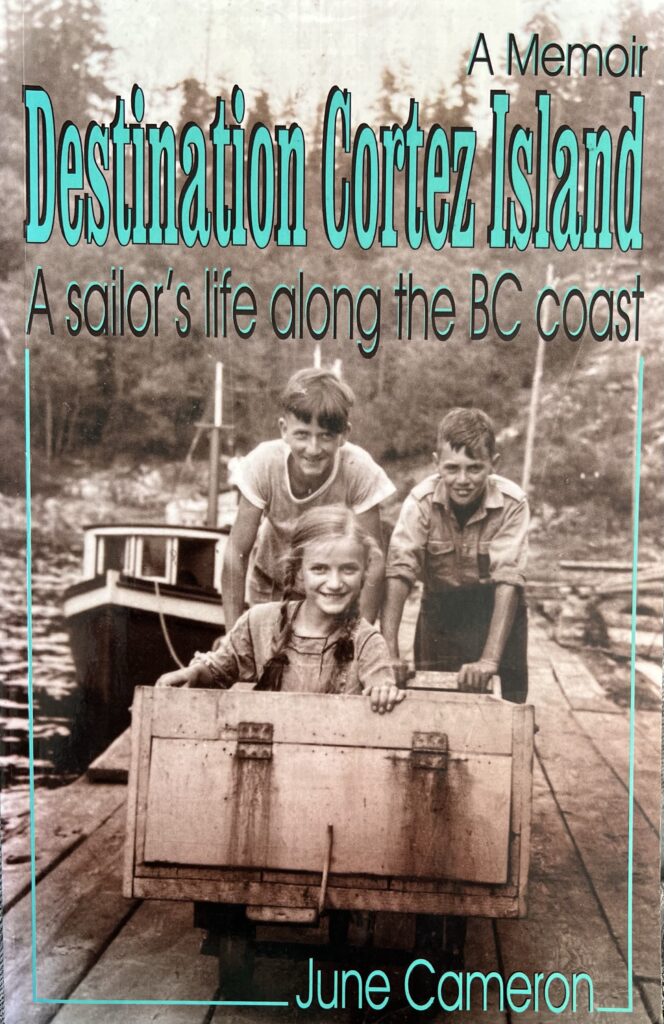
The rain arrived in sheets the day before they reached Teakerne Arm — the kind of Pacific Northwest storm that turns the sky to pewter and makes the granite walls of the Discovery Islands look older than time.
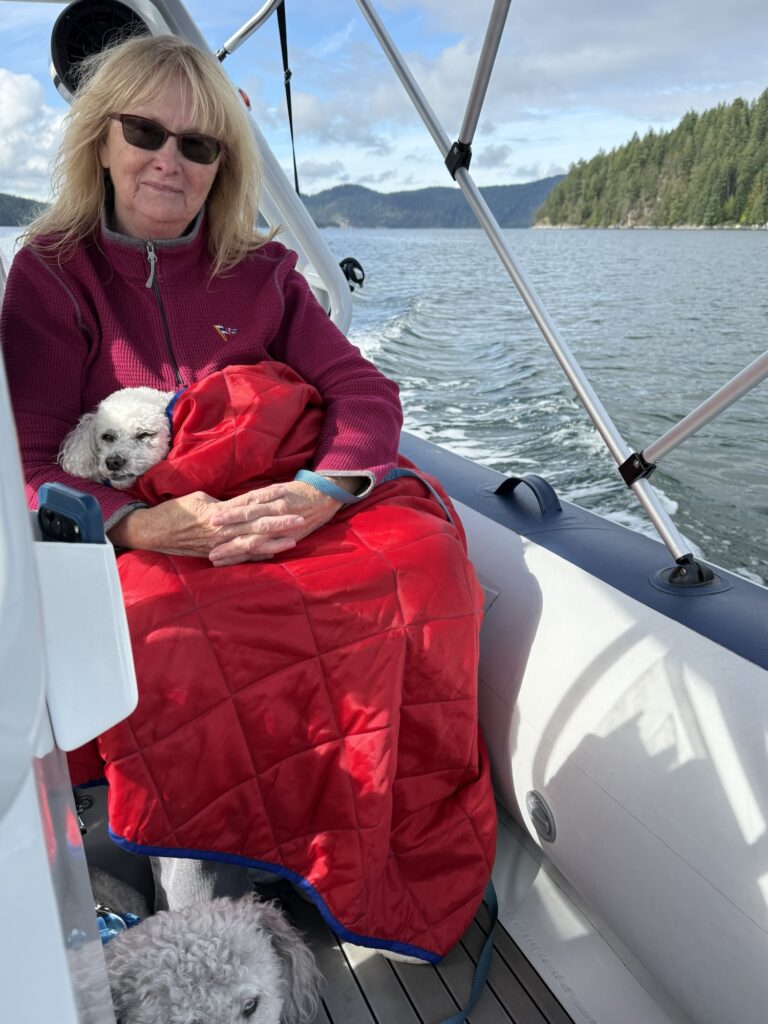
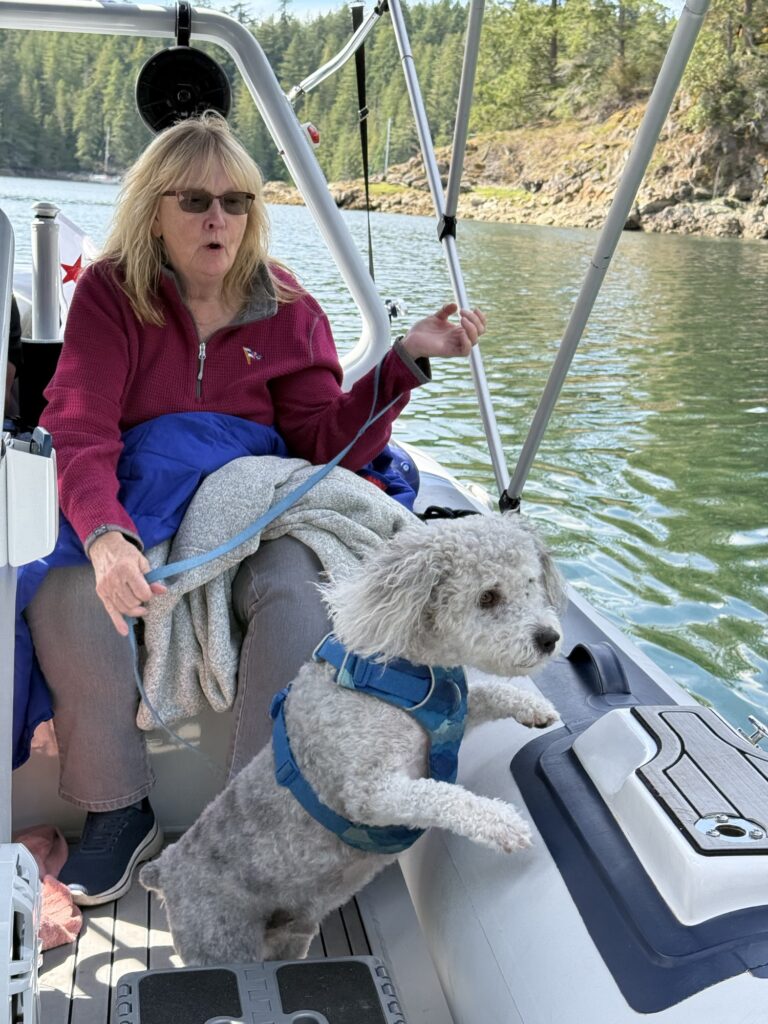
Two boats pushed north through the chop: Marlin’s Wake, crewed by Tom and Eleanor, and Blue Cedar, with Ray and Margaret aboard. Their dogs — Pip, a wiry terrier with more opinions than fur, and Moss, a gentle spaniel who disliked rain on principle — huddled under blankets as the storm hammered the canvas.
The couples had been cruising together for years, but this trip was different. They’d decided to spend a weekend “like the pioneers,” tracing the old rhythms of the Union Steamship era: anchor on Saturday, gather on Sunday, and provision at Refuge Cove just as the early families once did.
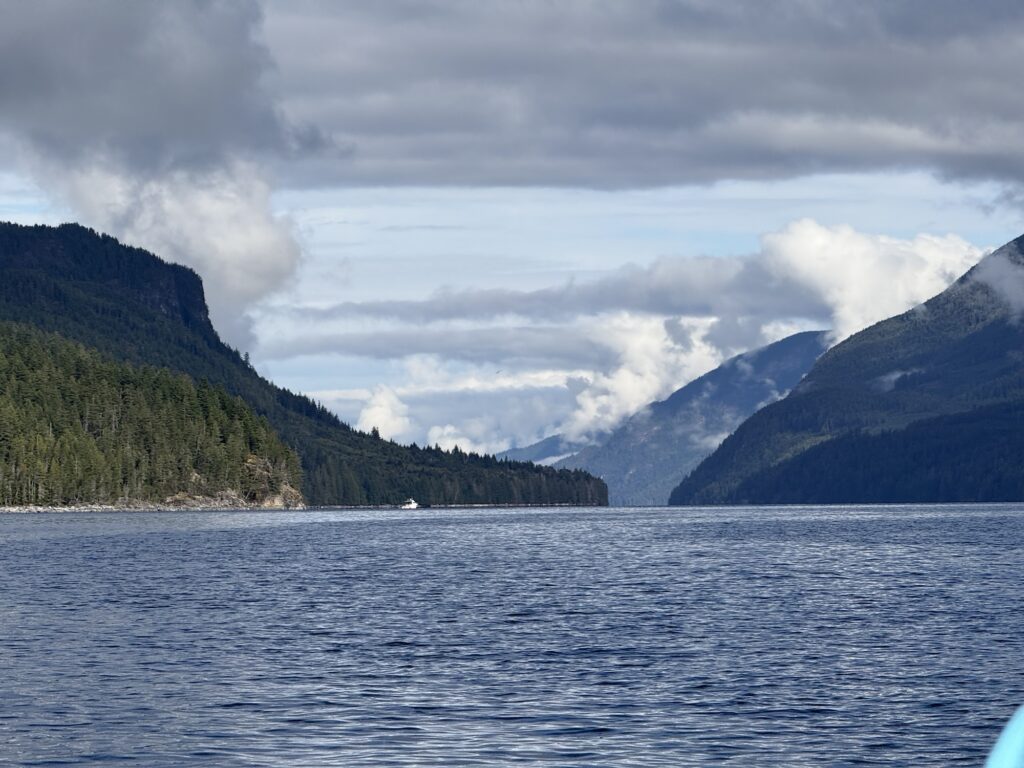
The storm before the arm
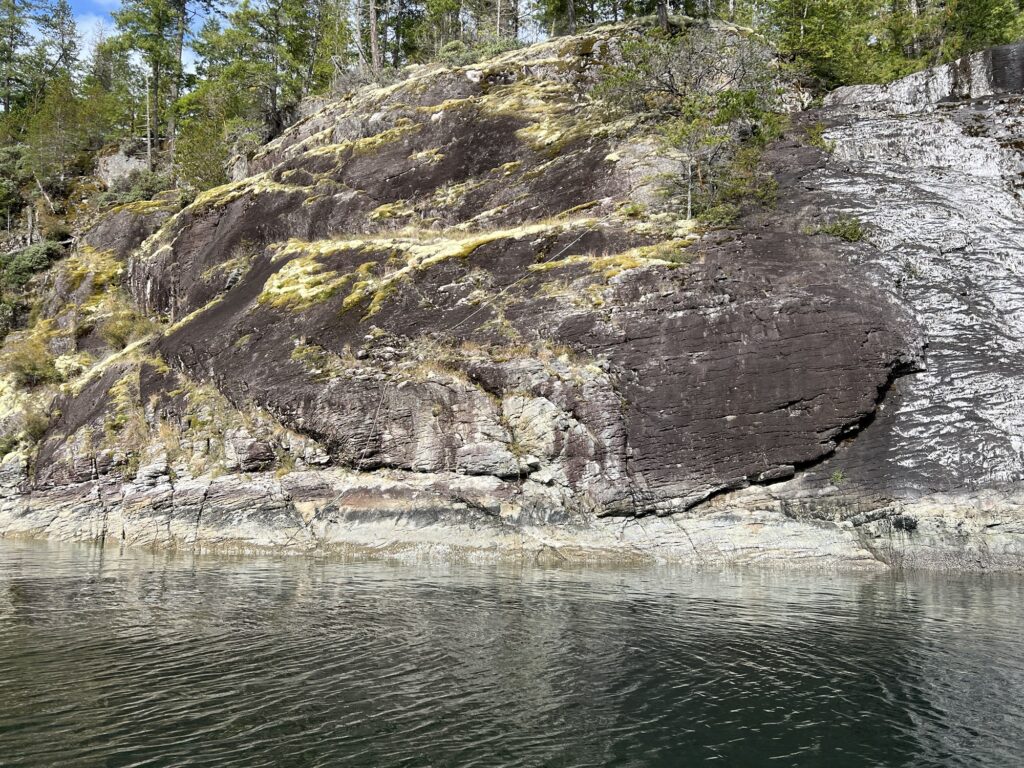
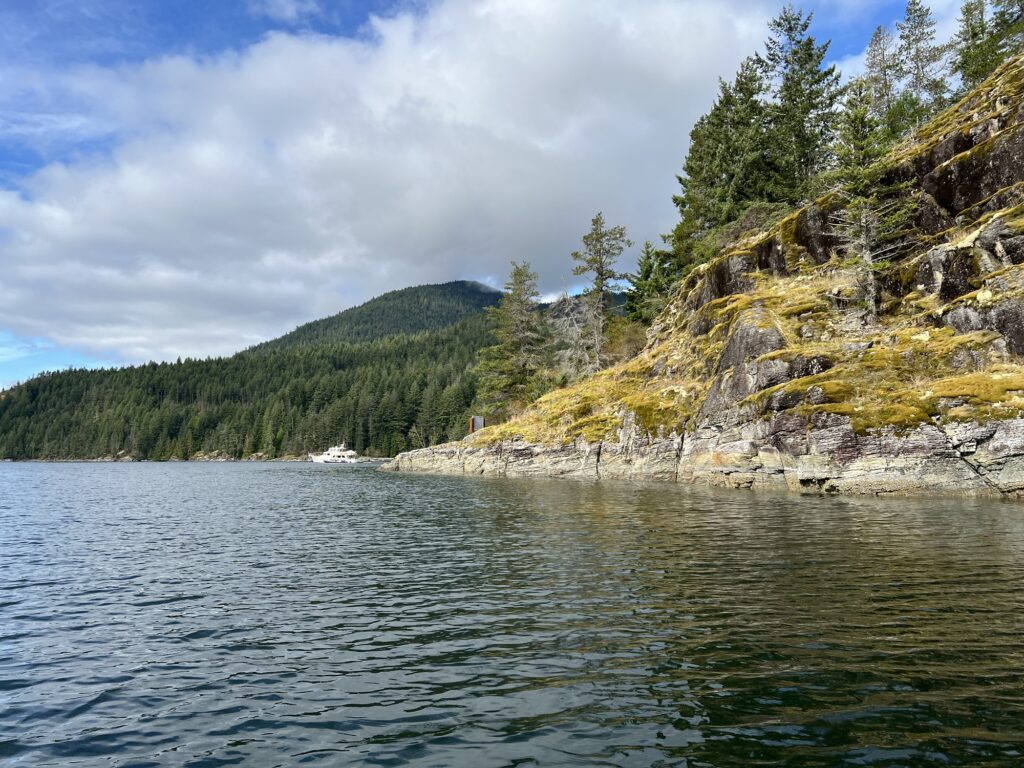
By late afternoon the rain softened, turning to mist that clung to the cedars. The boats rounded the last point before West Redonda Island, and Teakerne Arm opened before them — a long, narrow corridor of stone and forest, its cliffs rising straight from the water like the walls of a forgotten cathedral.
Cassel Falls thundered in the distance, swollen by the storm. Pip perked up at the sound; Moss buried his head deeper into Margaret’s lap.
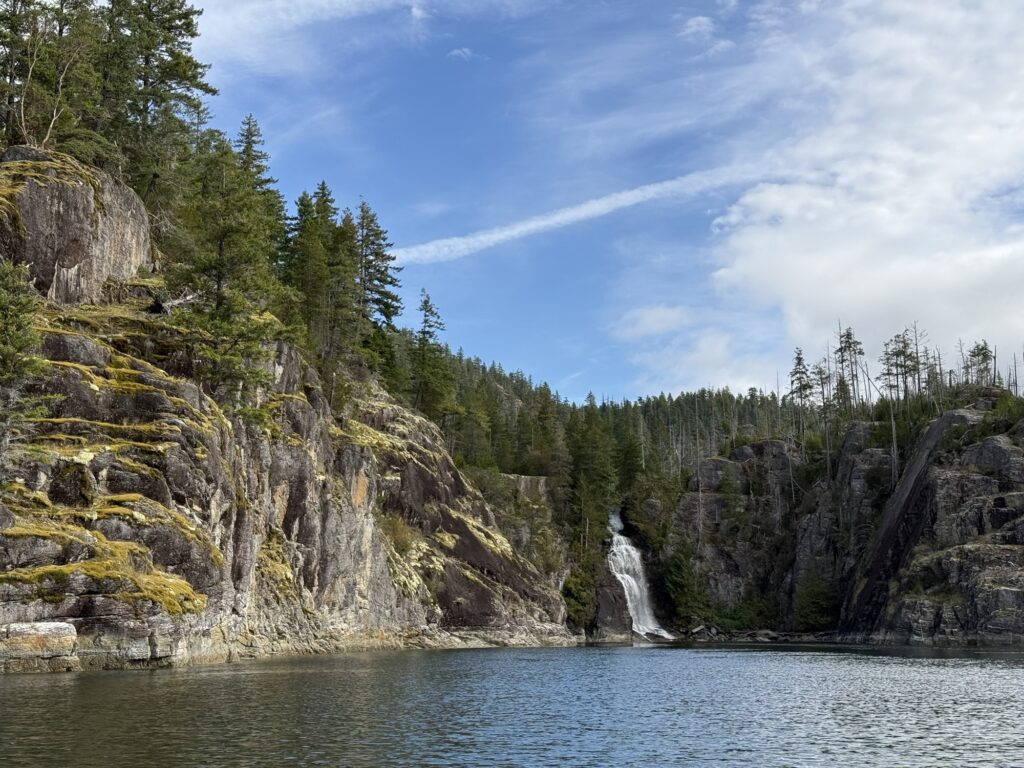
“Looks like the lake’s overflowing,” Ray said, watching the plume of white water spill into the fjord.
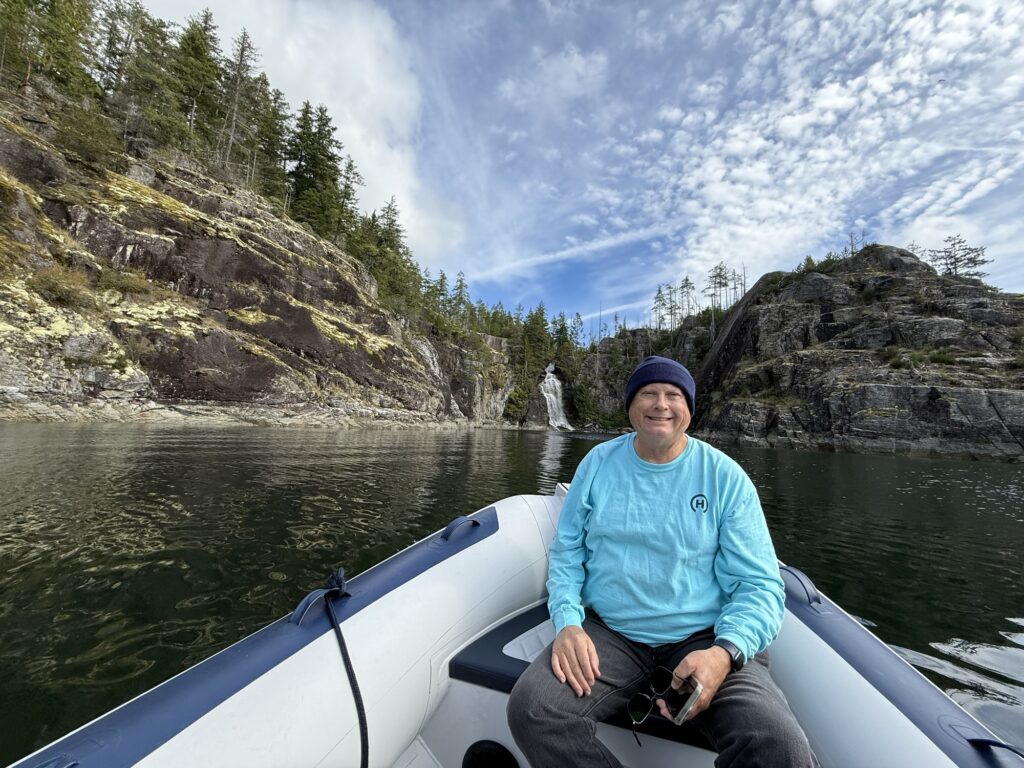
“Perfect,” Eleanor replied. “The pioneers would’ve loved this.”
⚓ Anchoring like the old-timers
They eased into the anchorage pocket south of the falls, found the 12–18 m shelf, and dropped their hooks.
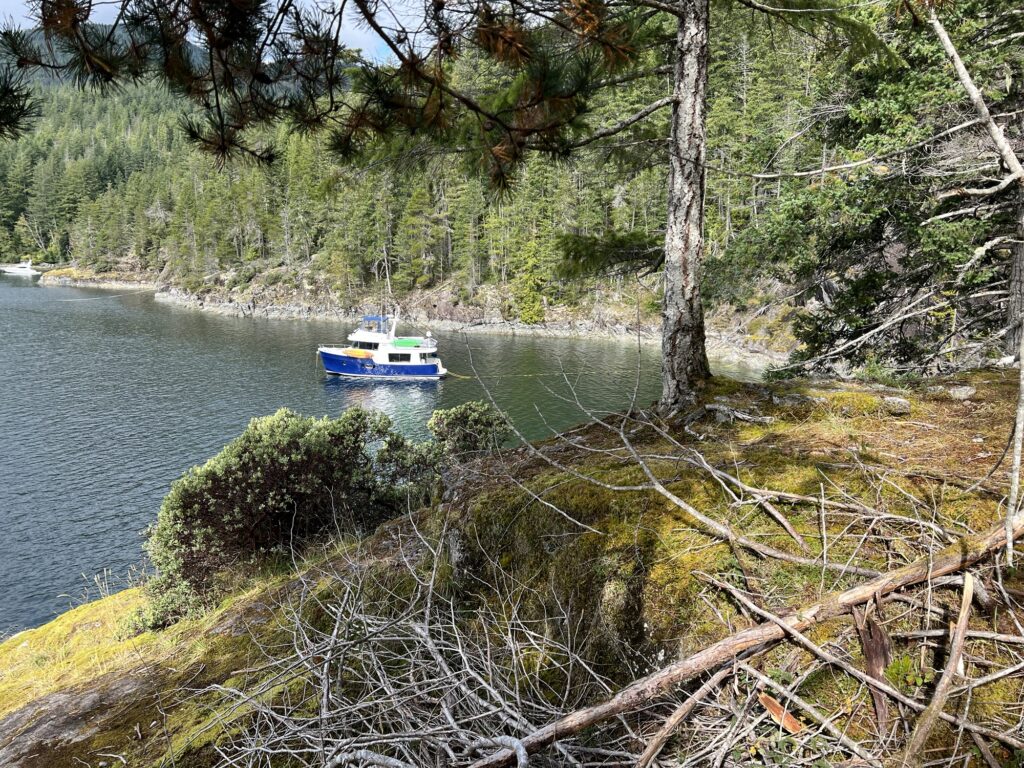
The stern‑tie lines went ashore — Tom scrambling up the rocks with Pip trotting behind, while Ray secured Blue Cedar to a ring bolt hammered into the granite decades earlier.
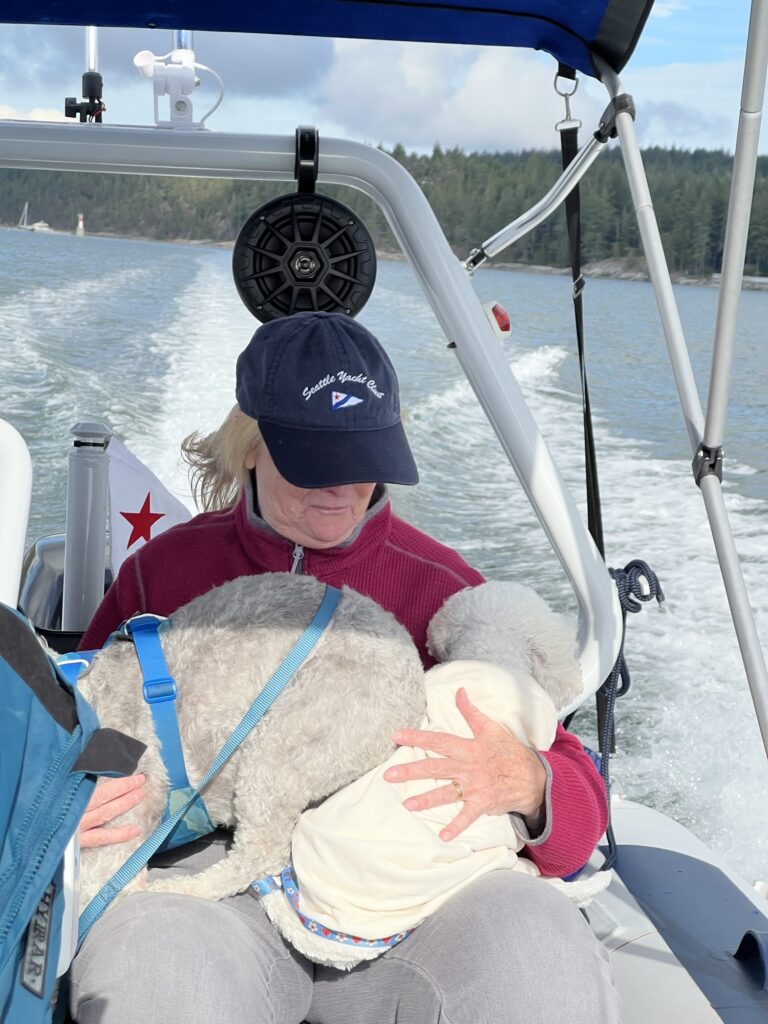
By evening the fjord was silent except for the waterfall’s steady roar. The storm clouds drifted away, revealing a sky streaked with silver.
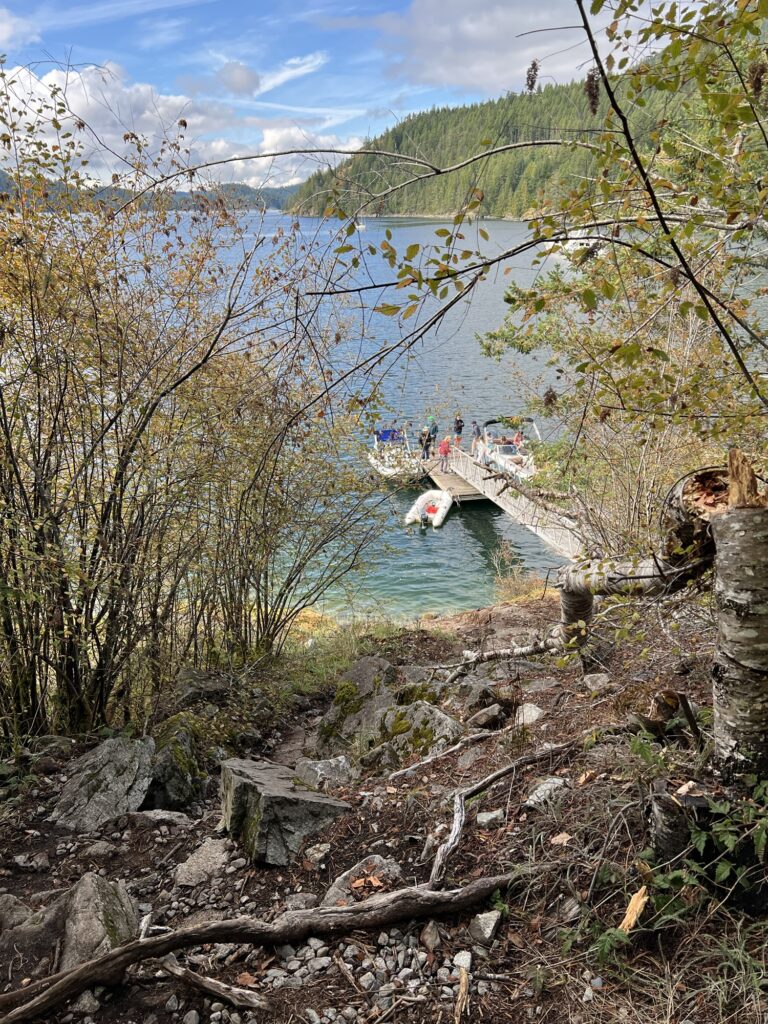
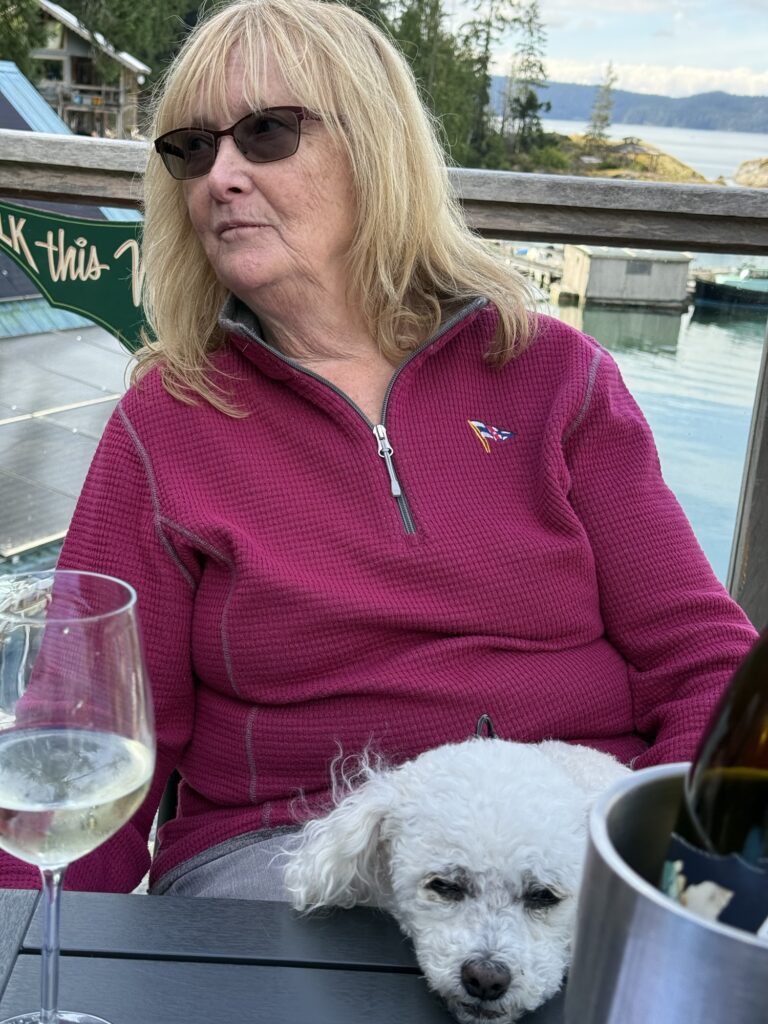
The couples gathered on Marlin’s Wake for dinner: salmon, potatoes, and a bottle of wine they pretended was “pioneer rations.”
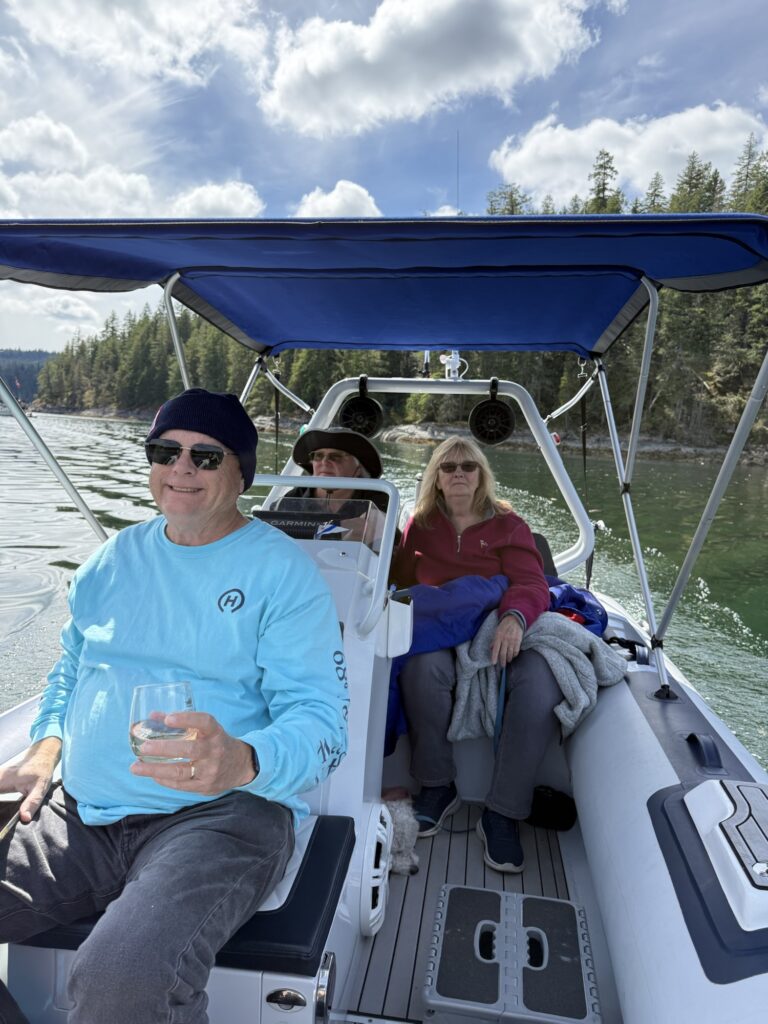
Moss slept at their feet. Pip begged shamelessly.
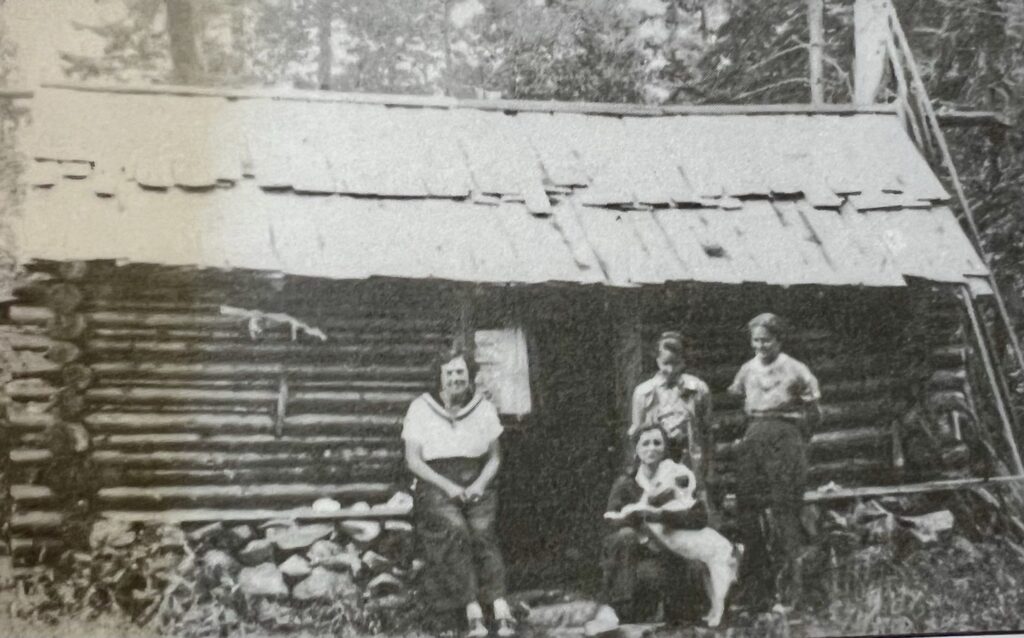
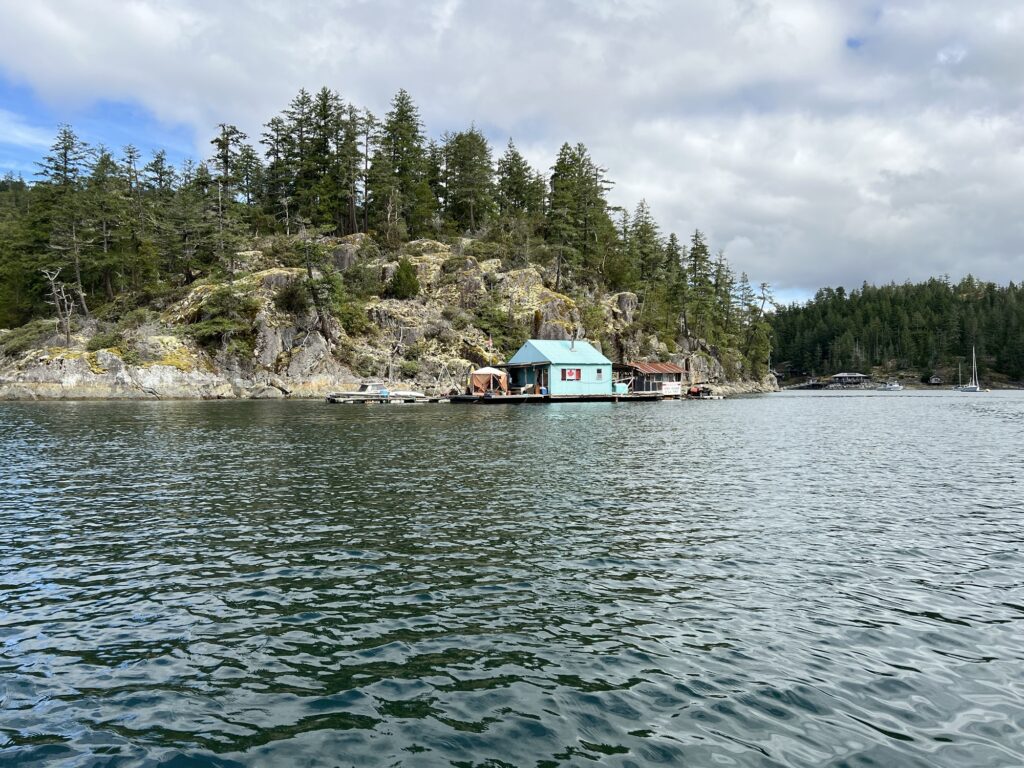
They talked about the families who once lived in float houses, who rowed miles for Sunday gatherings, who danced on docks lit by lanterns and kerosene lamps.
“Imagine anchoring here in 1925,” Margaret said.
“No chartplotter,” Tom added.
“No weather forecast,” Eleanor said.
“No hot showers,” Ray finished, raising his glass.
Sunday in the arm
Morning arrived clear and bright.
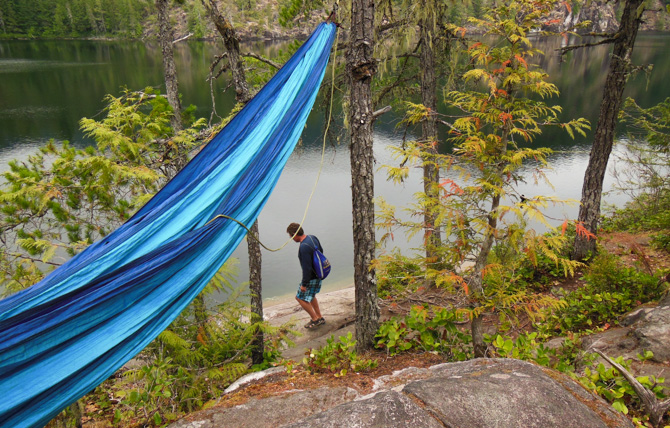
The waterfall glowed in the sun, and Cassel Lake shimmered above the cliff.
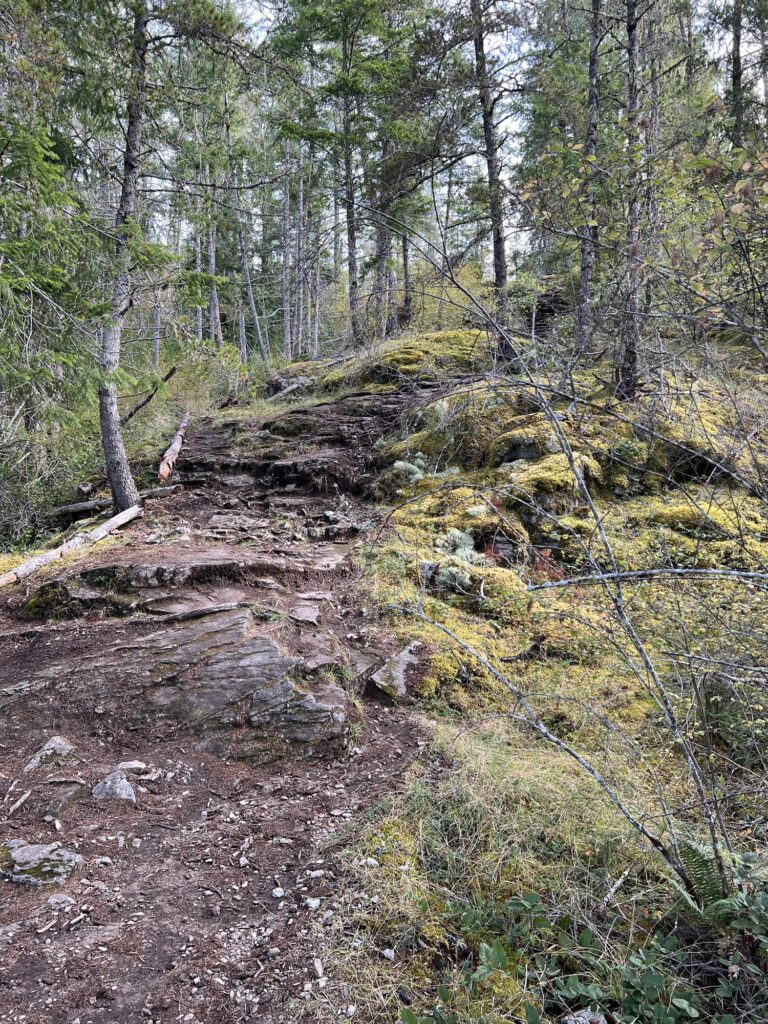
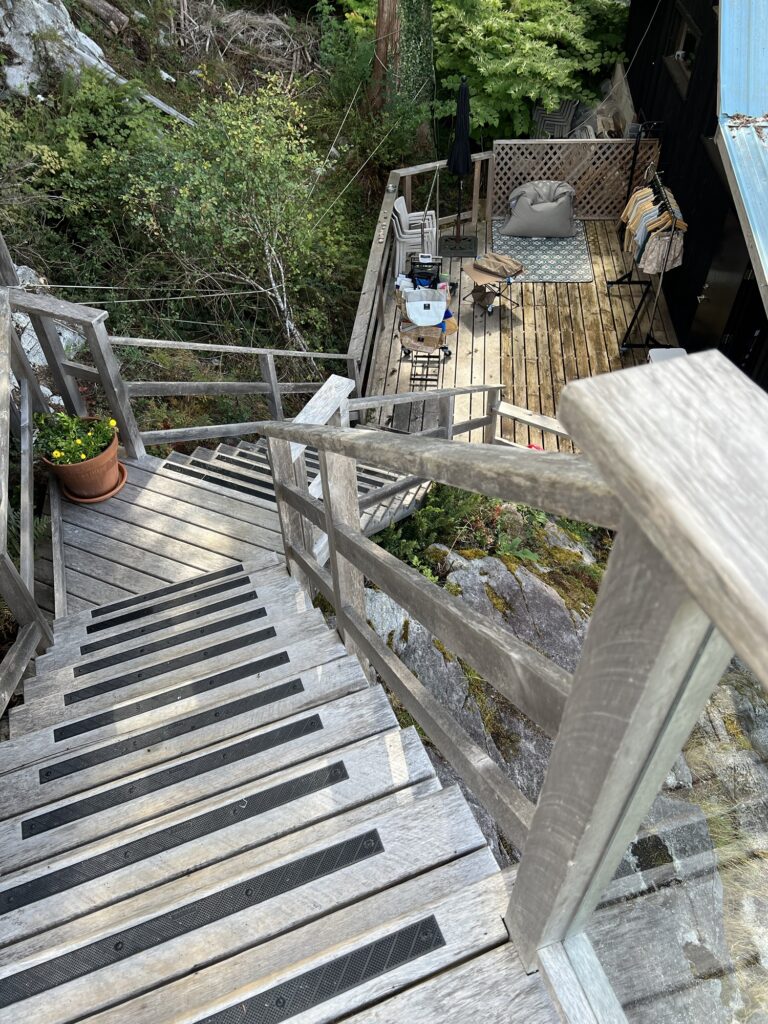
The couples hiked the short trail, dogs leading the way, and stood at the lake’s edge imagining the early families who bathed, fished, and washed clothes here.
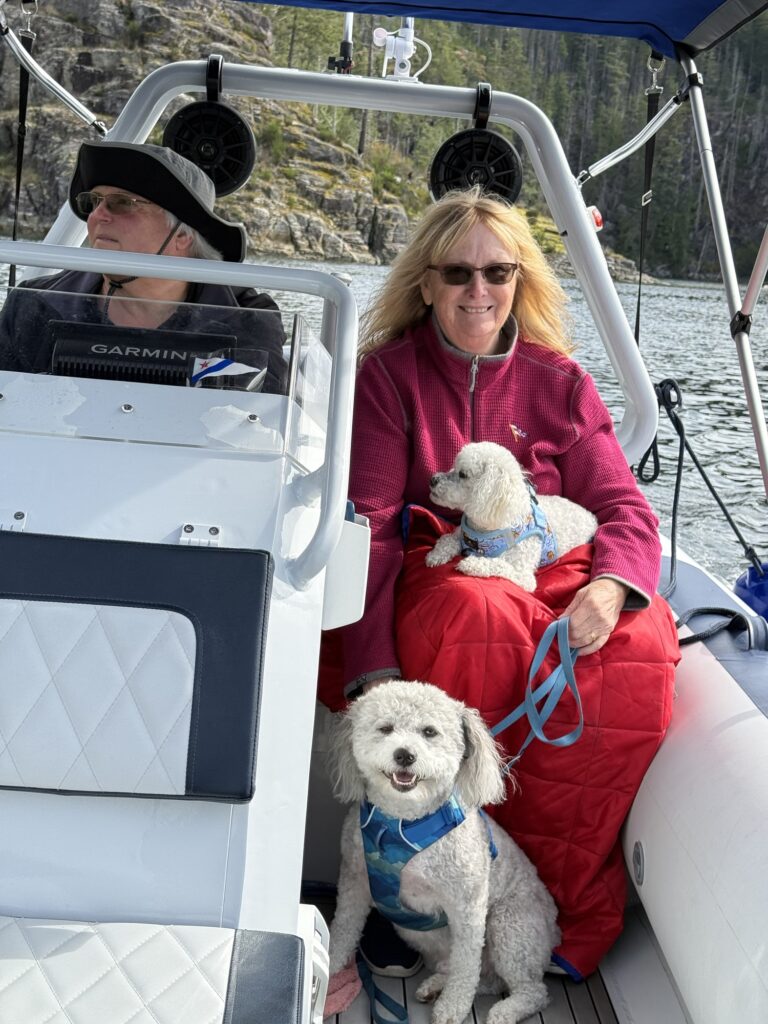
By midday they returned to the boats, raised anchors, and pointed their bows south toward Refuge Cove — the same route pioneer families once took for Sunday gatherings.
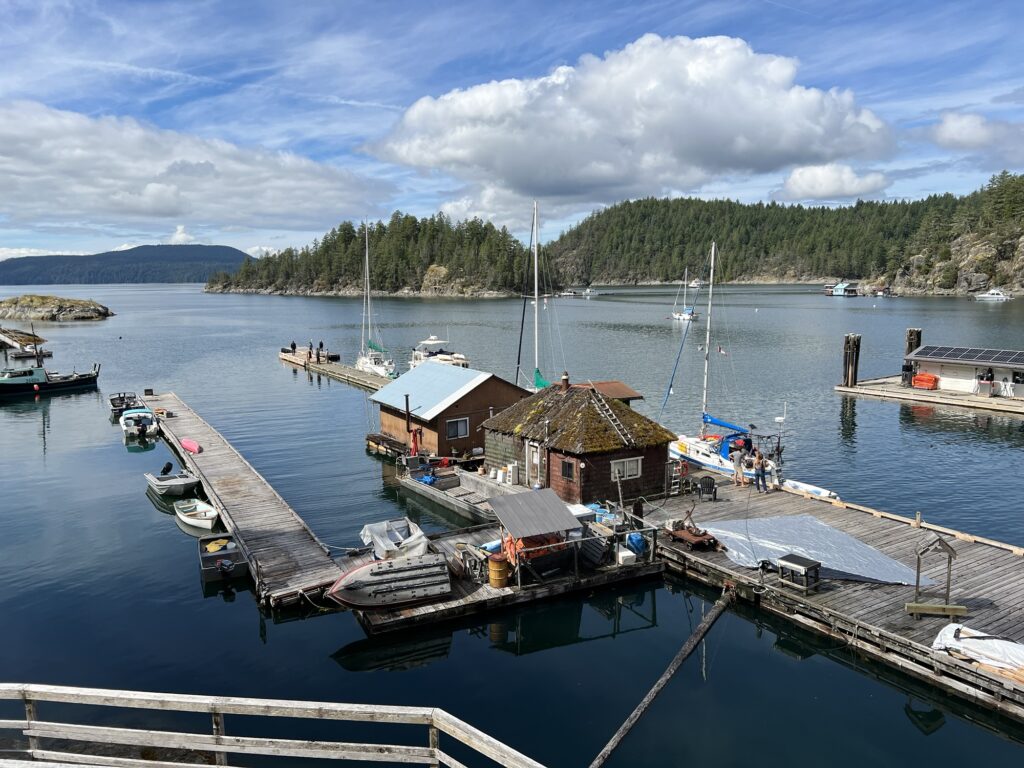
Provisioning at Refuge Cove — then and now
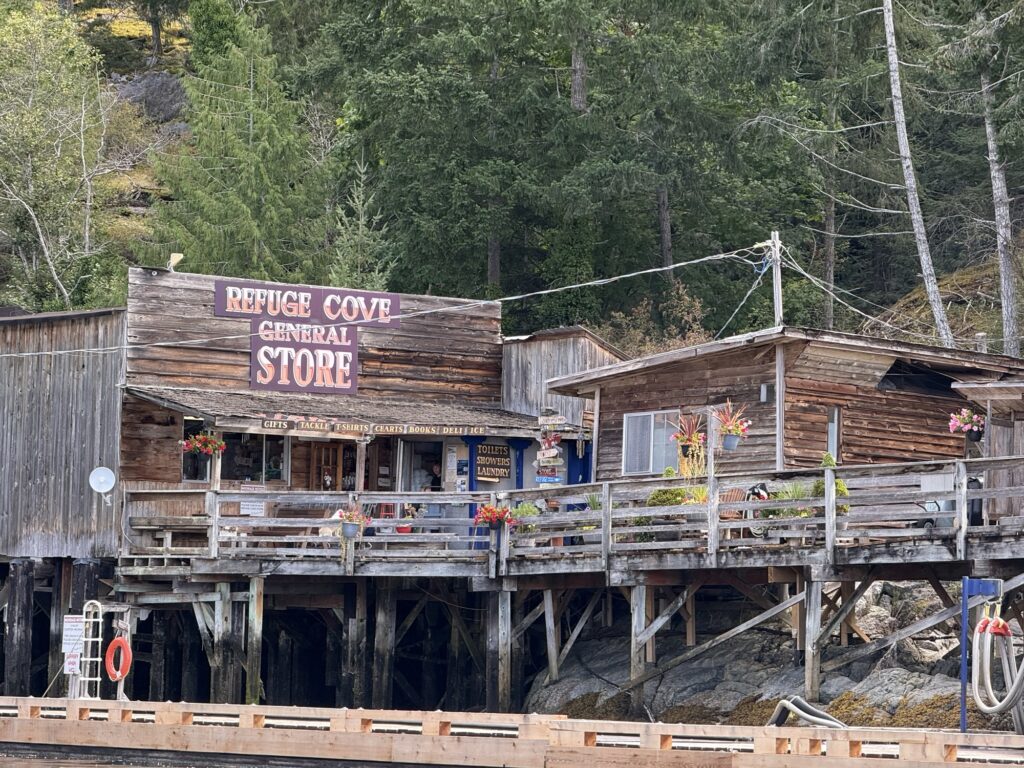
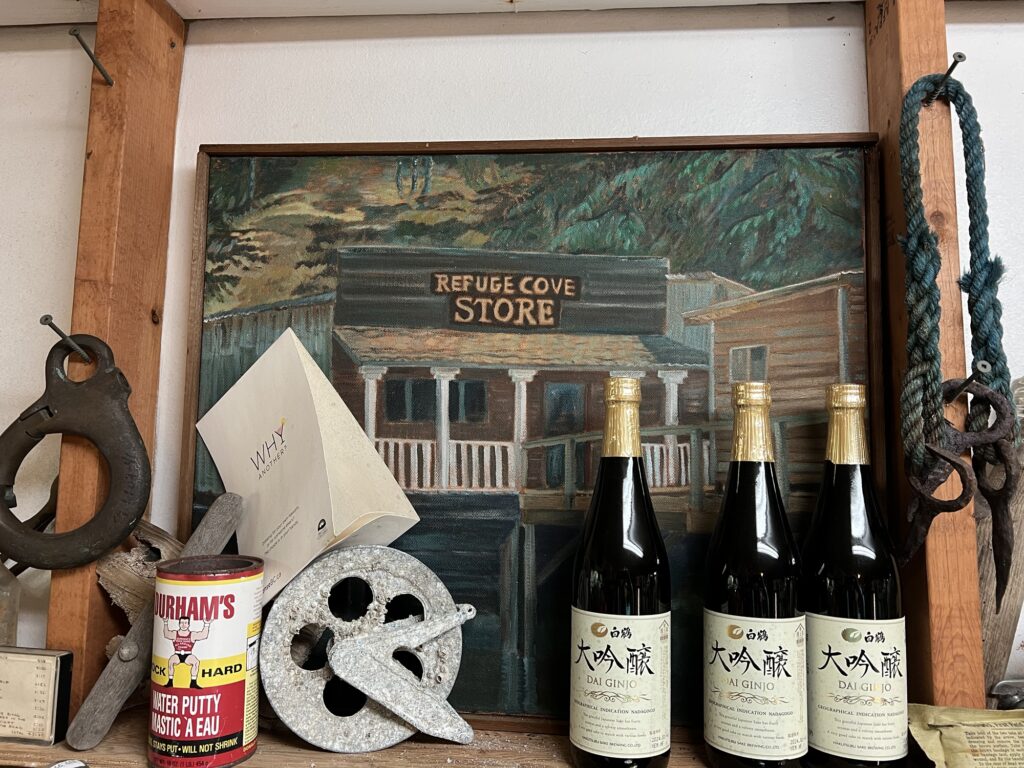
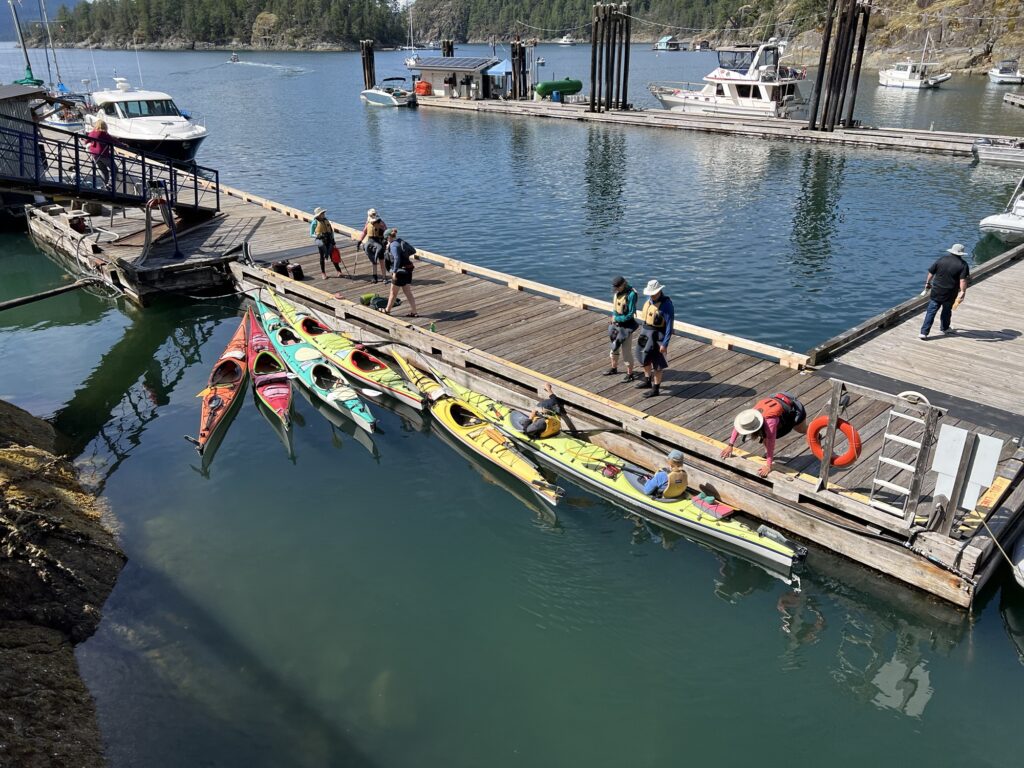
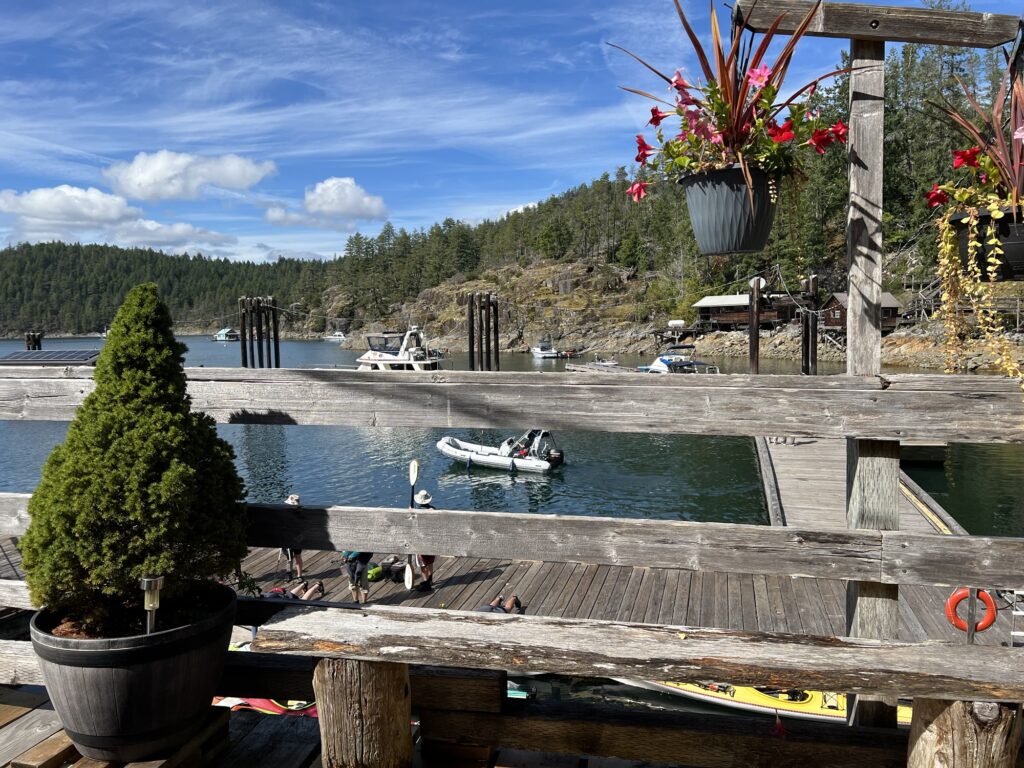
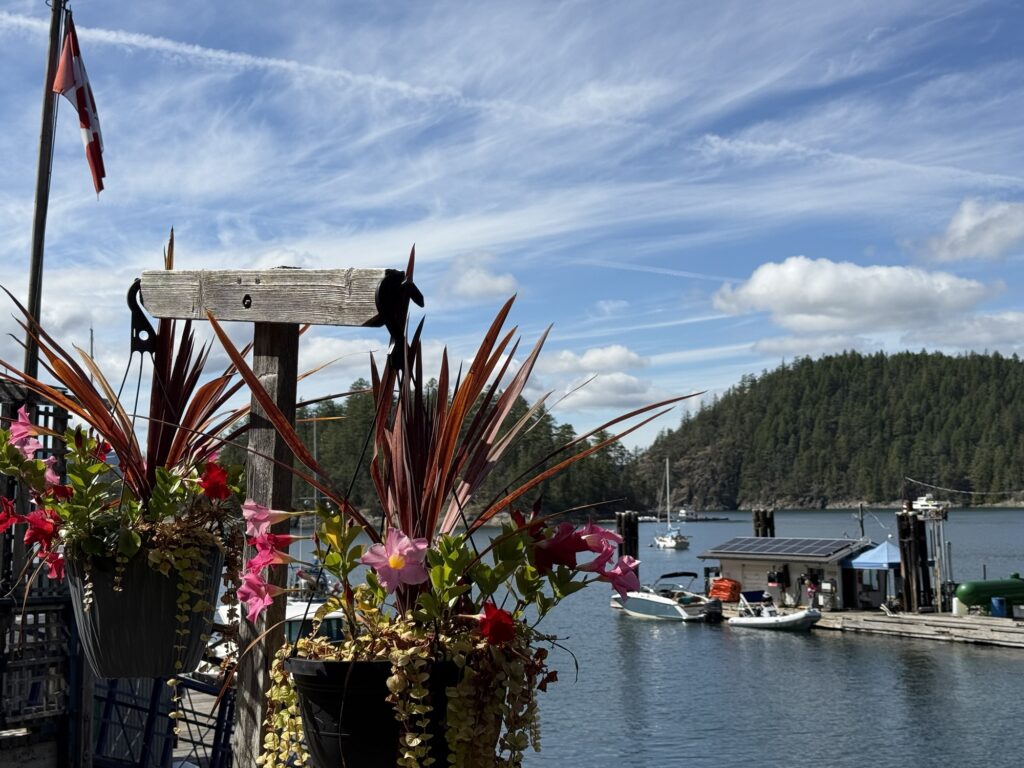
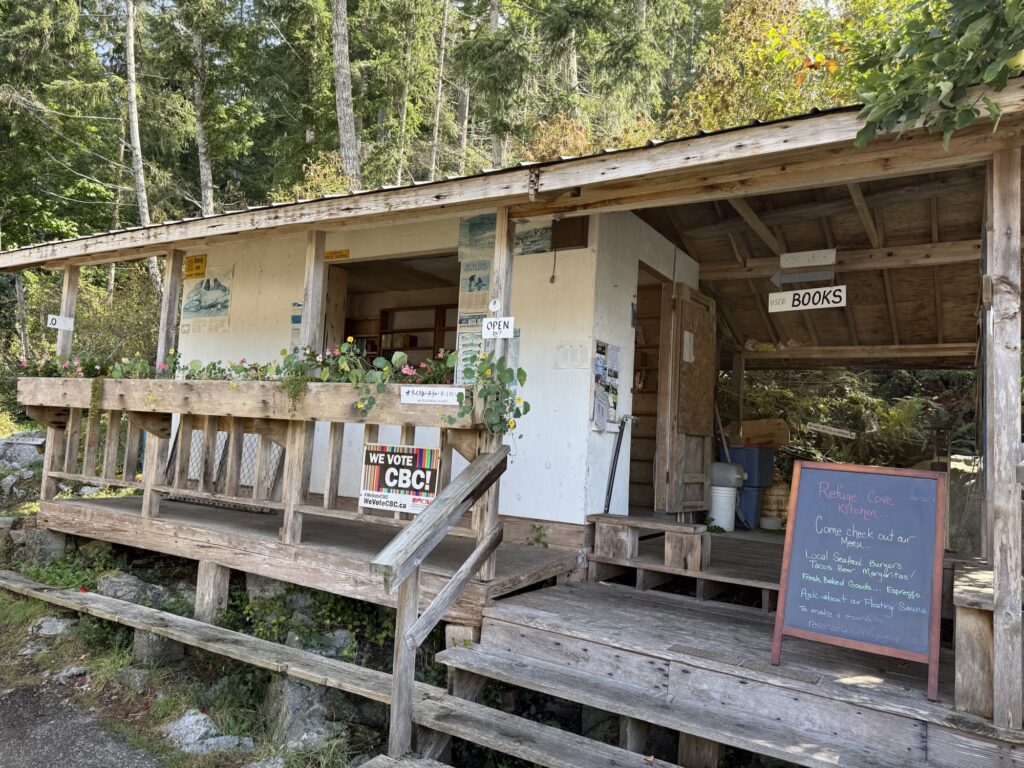
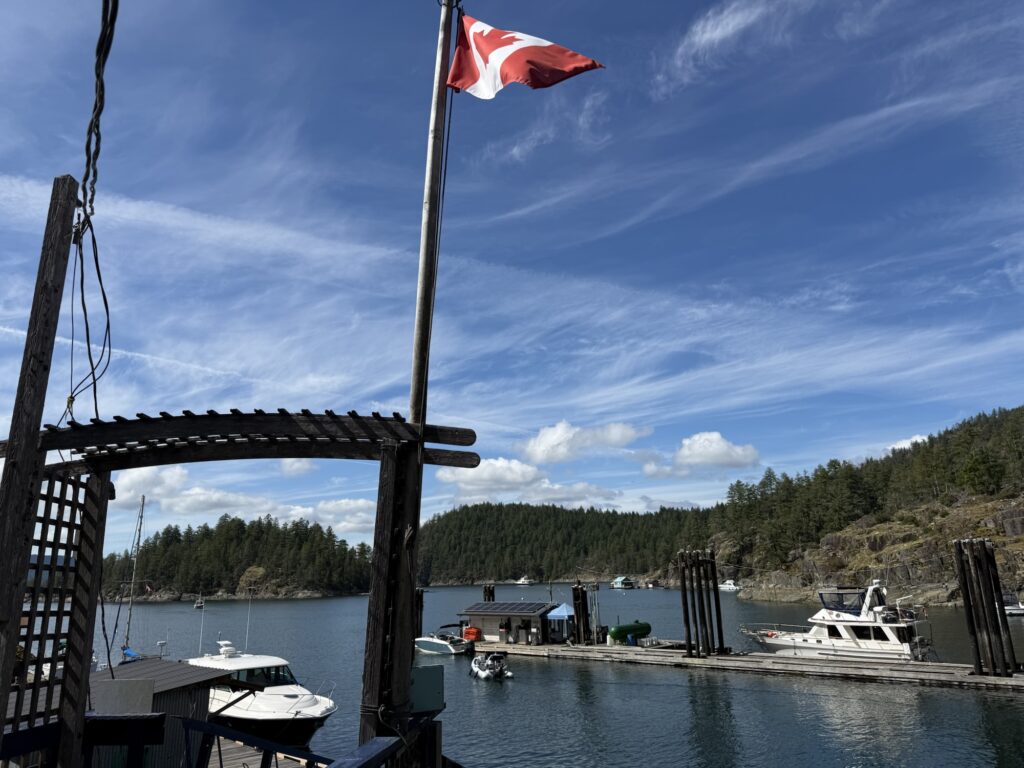
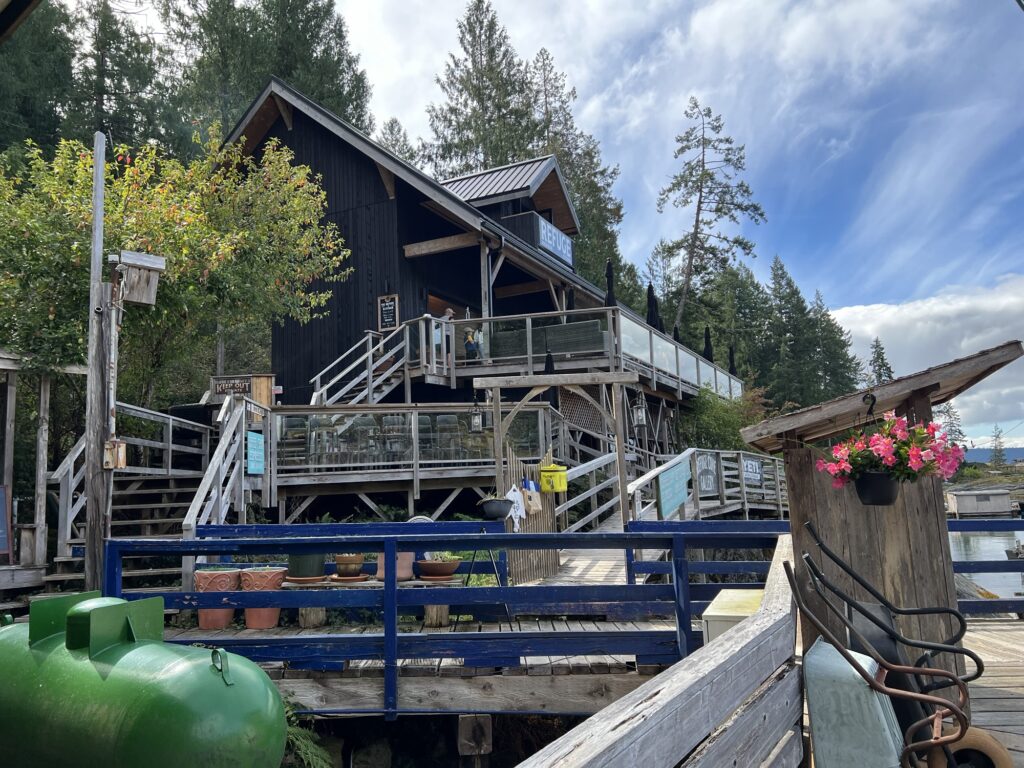
Refuge Cove appeared around the point like a postcard from another century: weathered docks, cedar‑shingled buildings, and the quiet bustle of boaters arriving for fuel, groceries, and conversation.
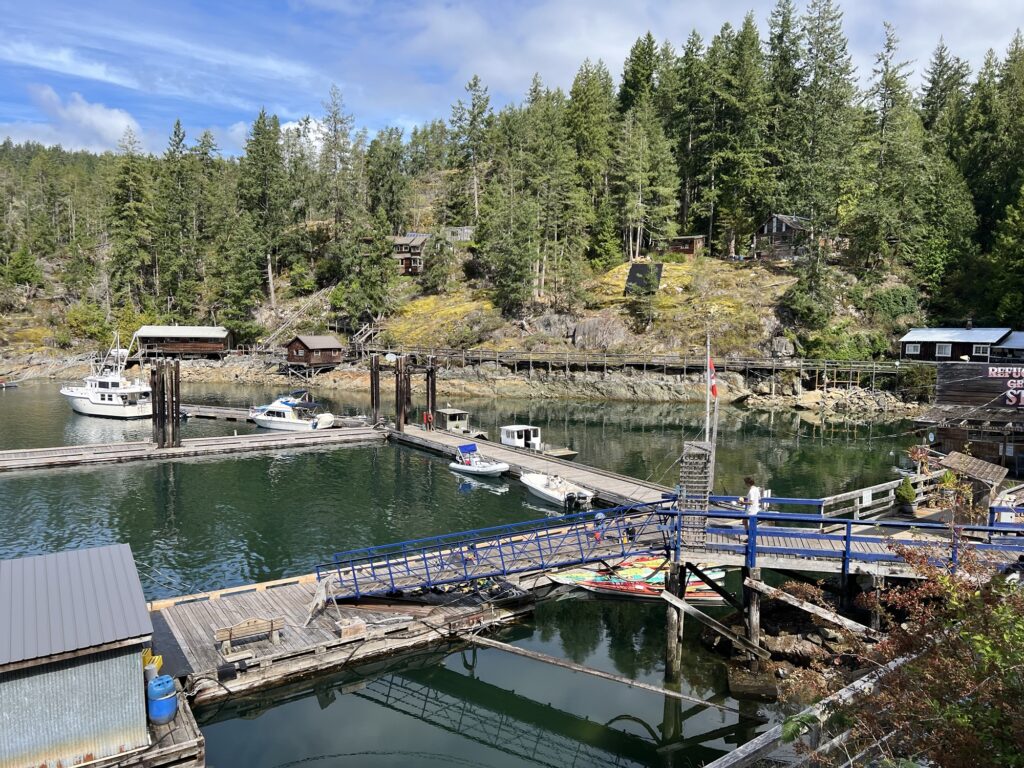
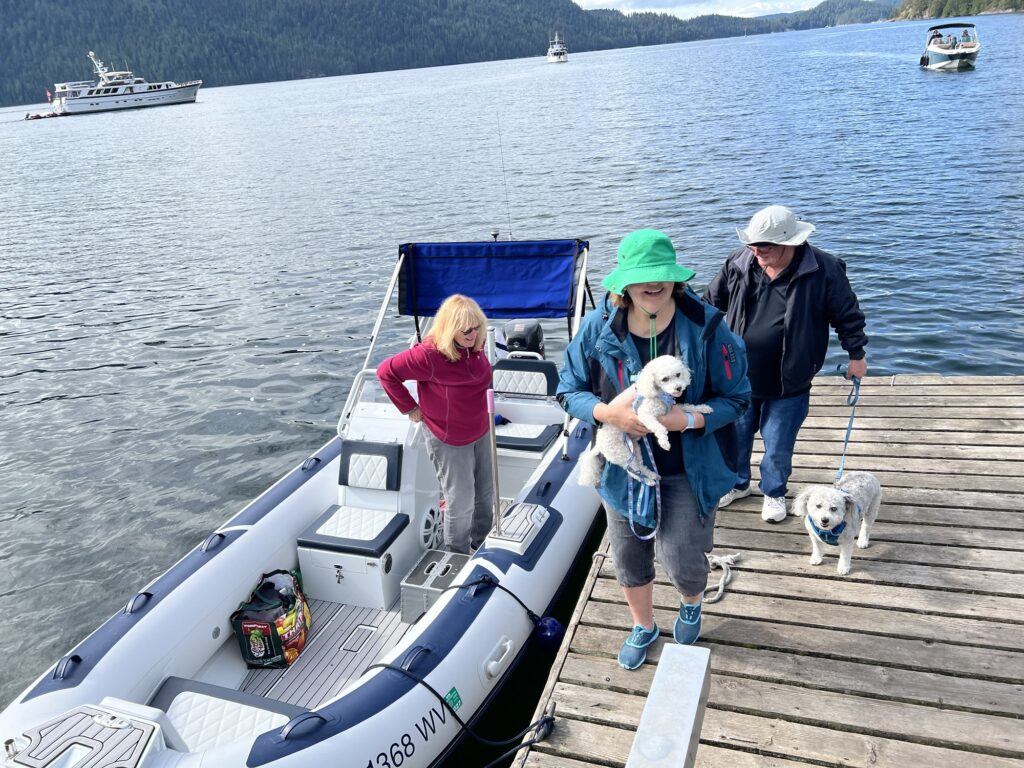
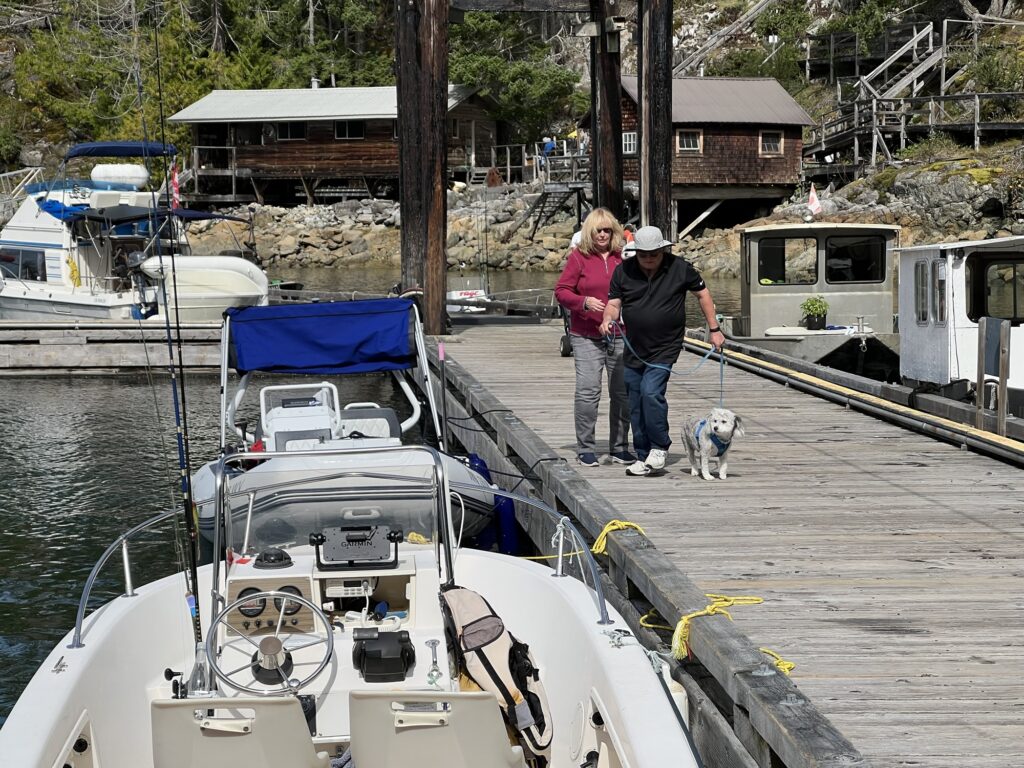
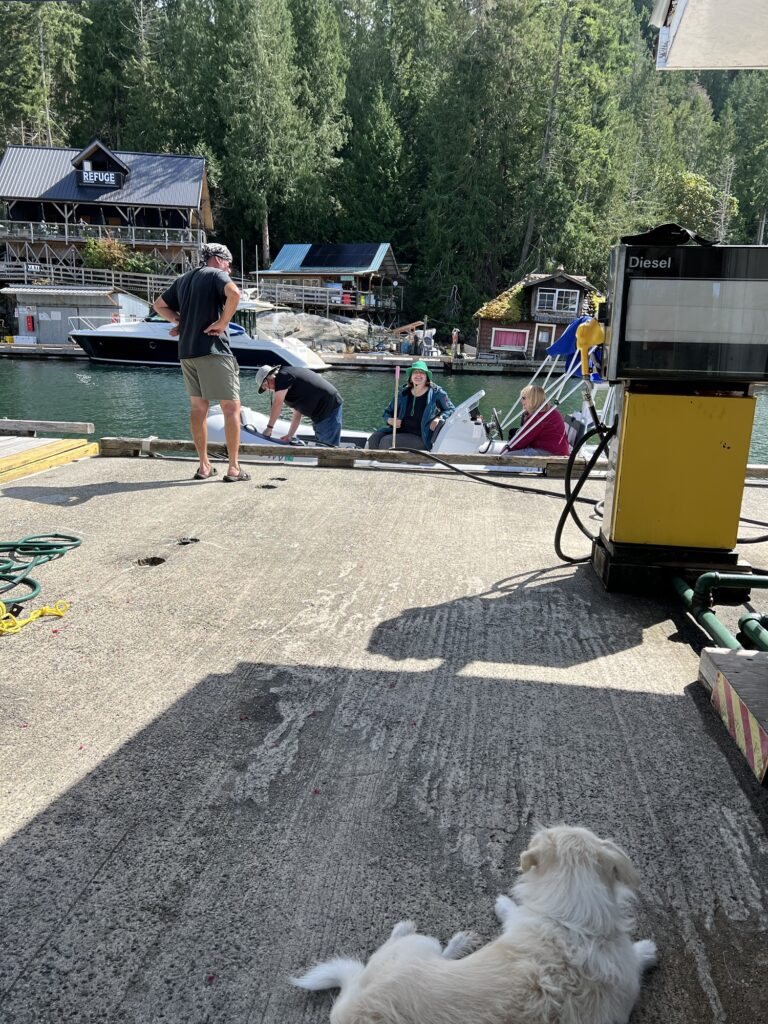
The couples tied up at the dock. Pip and Moss trotted ahead, tails high, greeting everyone as if they owned the place.
Inside the store, the shelves were a mix of modern necessities and old‑coast charm. The descendants of the pioneer families ran the counter, just as their grandparents had run the float‑camp supply boats.
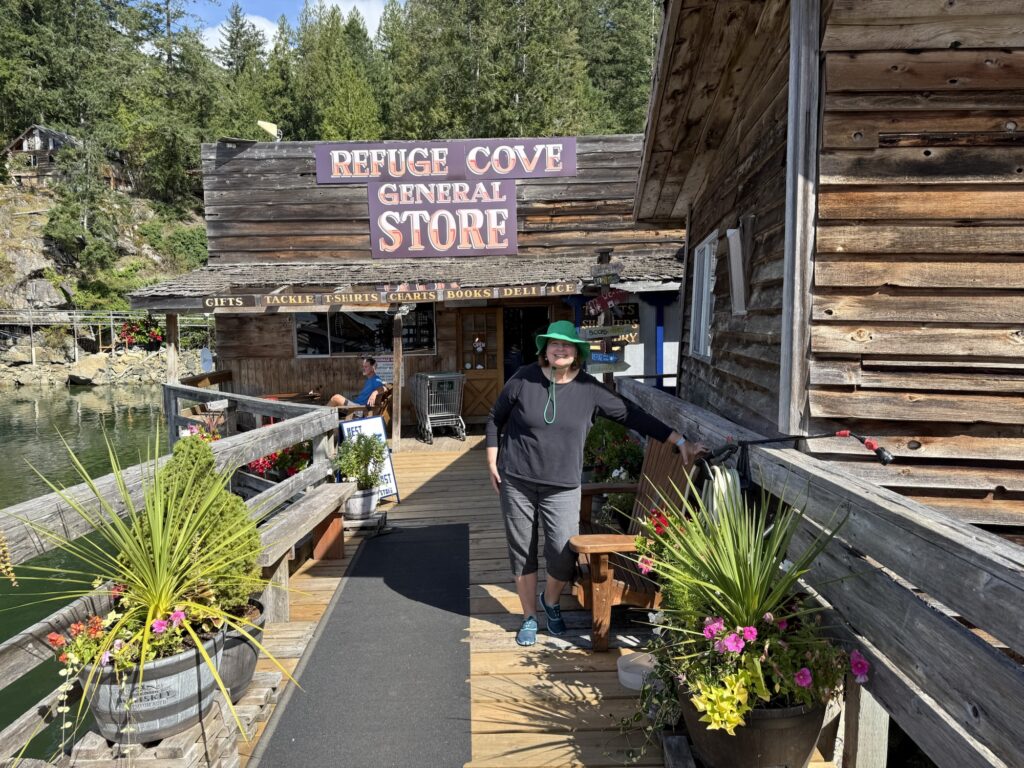
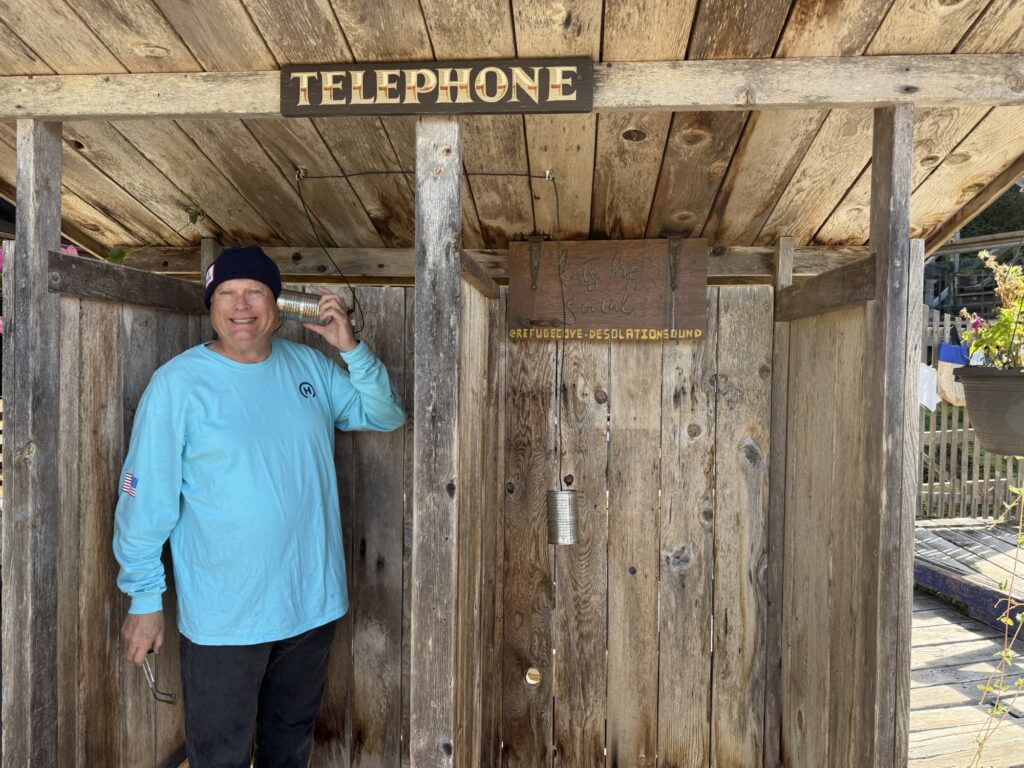
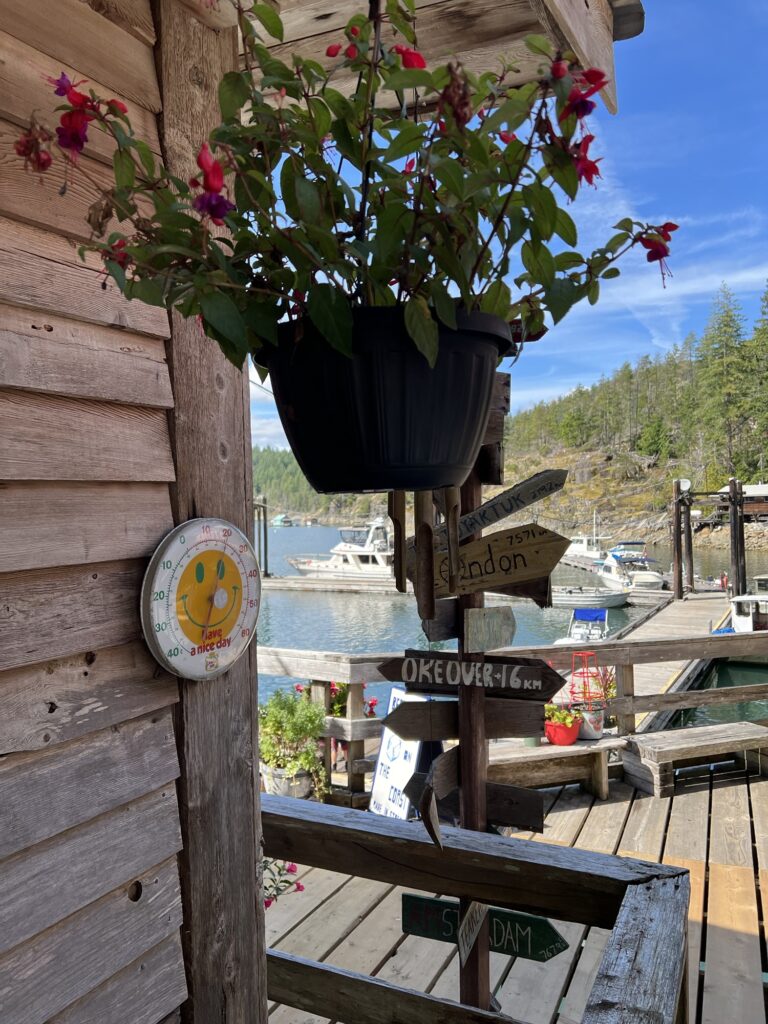
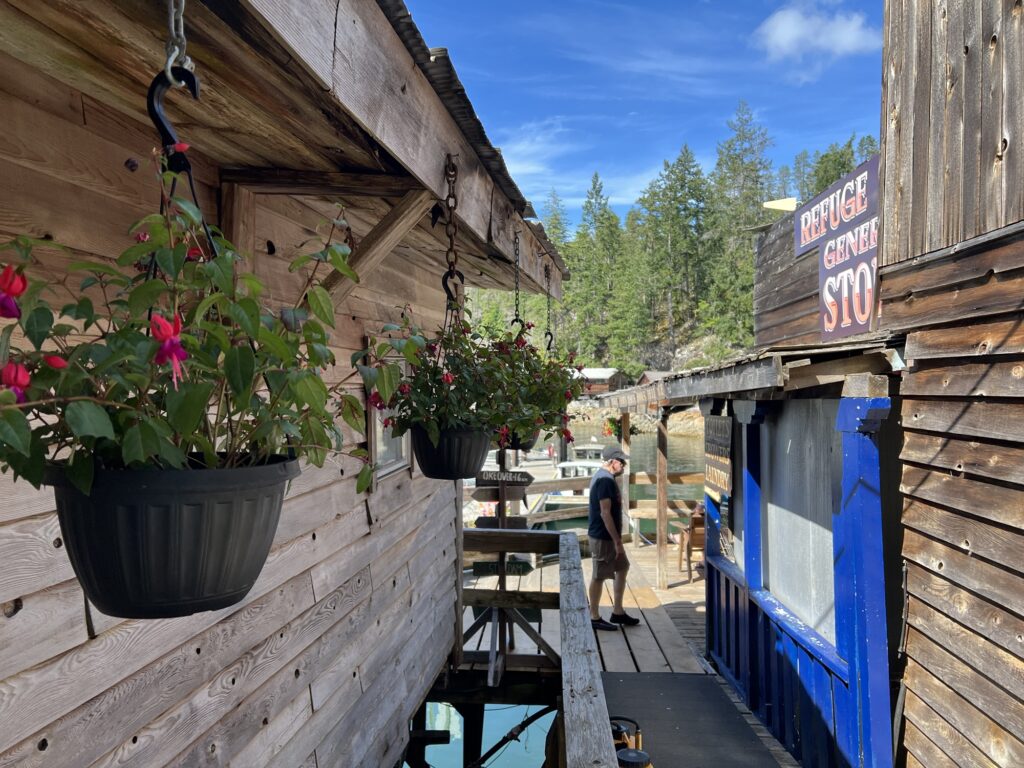
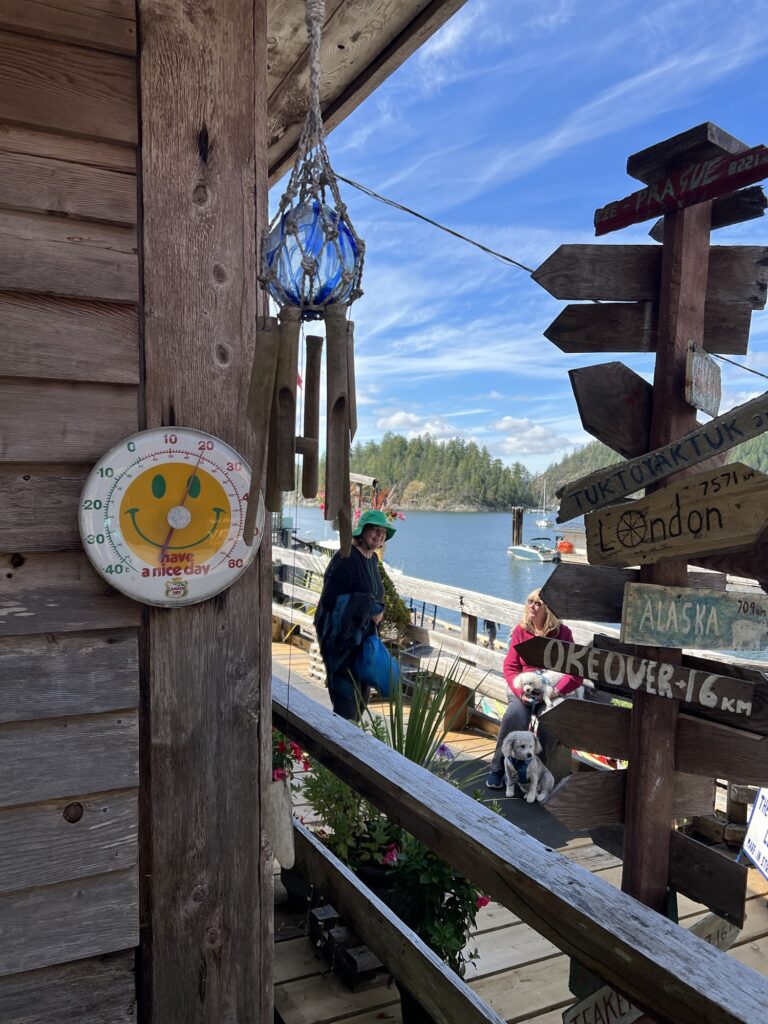
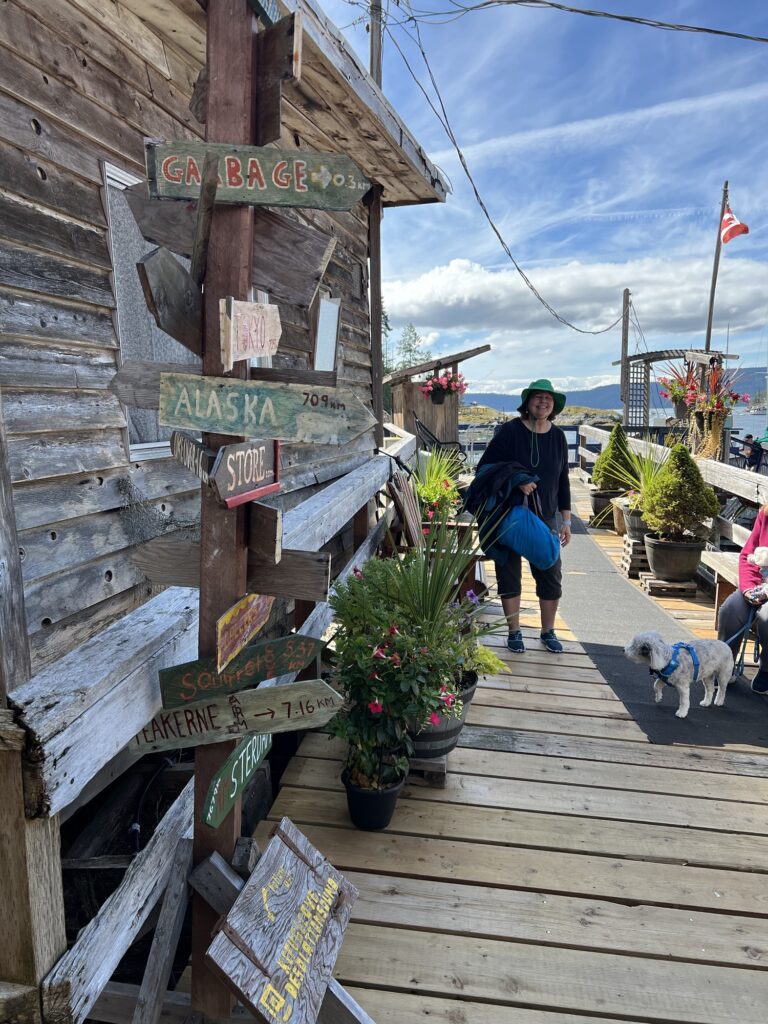
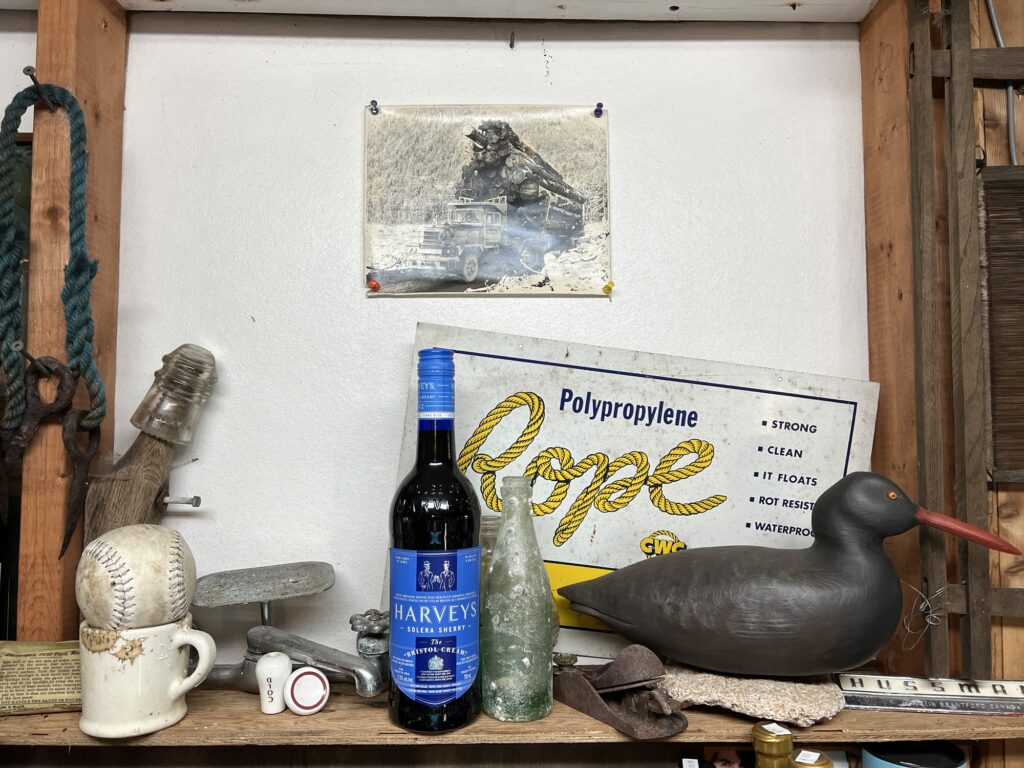
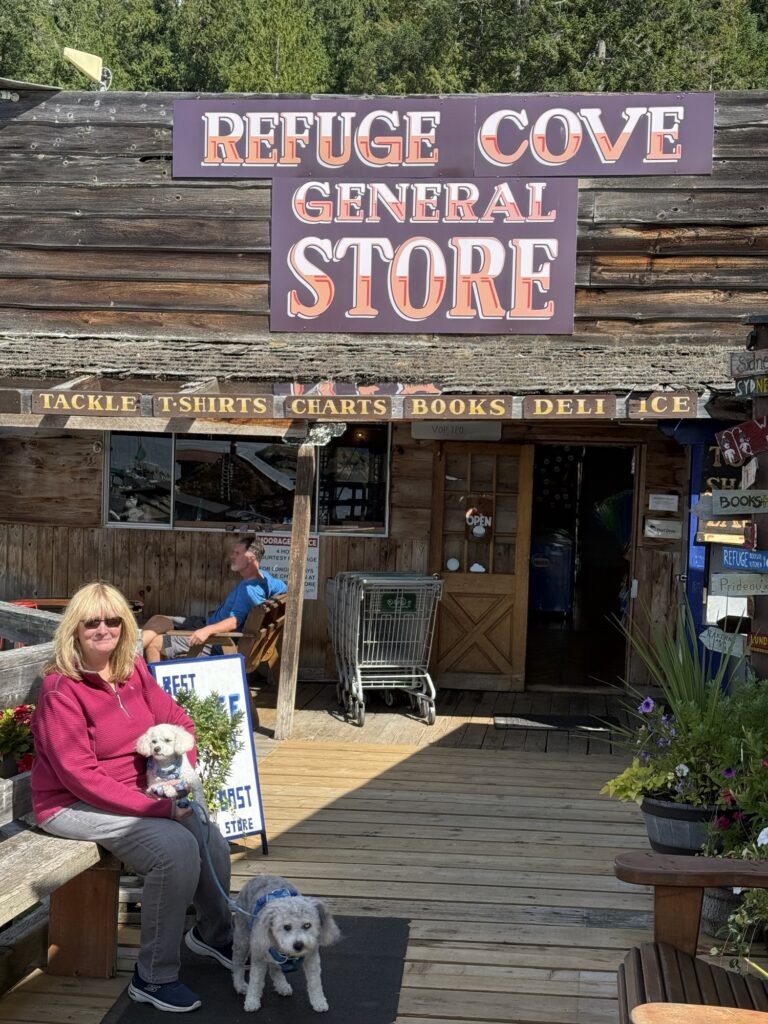
Tom bought fresh bread. Eleanor found local jam. Ray filled Blue Cedar’s tanks. Margaret chatted with the caretaker about winter storms and summer dances.
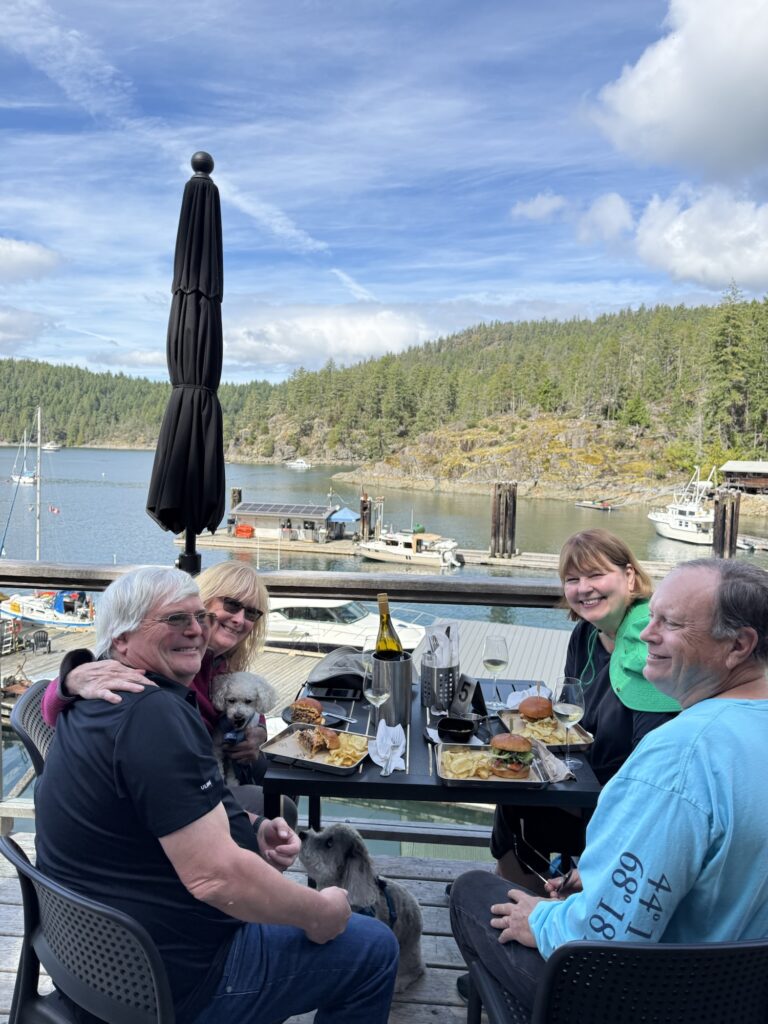
“You’re here on a Sunday,” the caretaker said. “Good timing. That’s when the old families used to gather.”
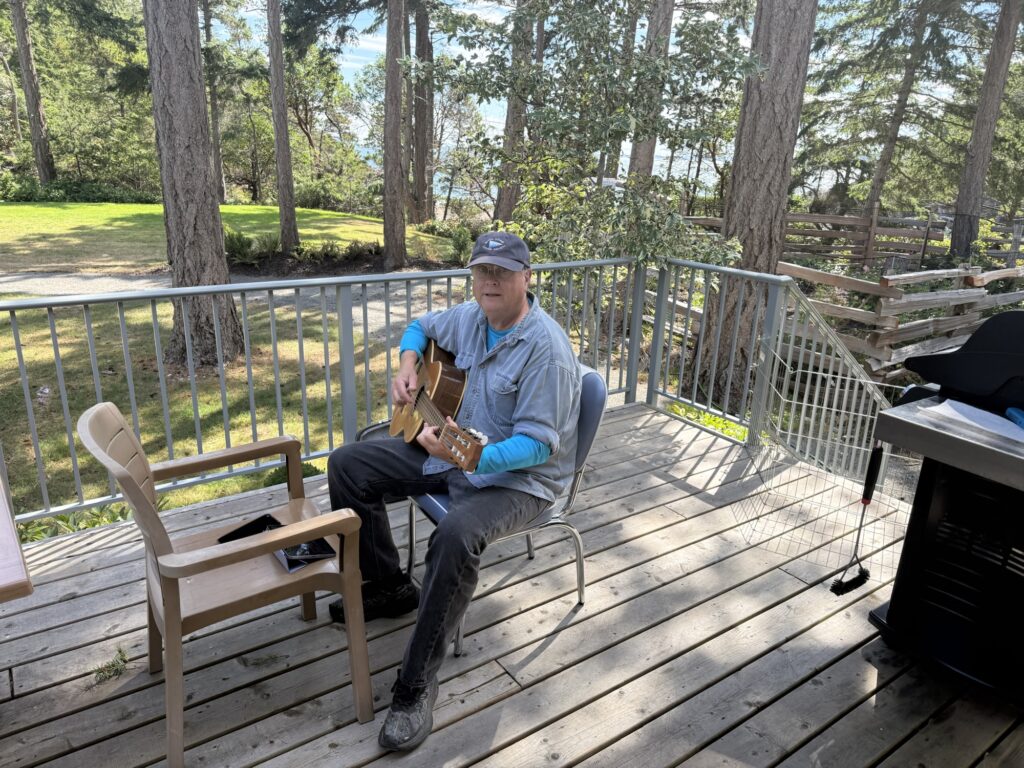
Outside, a few guitar notes drifted across the dock — a boater warming up for an informal afternoon jam. The couples sat on a bench, dogs at their feet, listening as the music echoed across the cove.
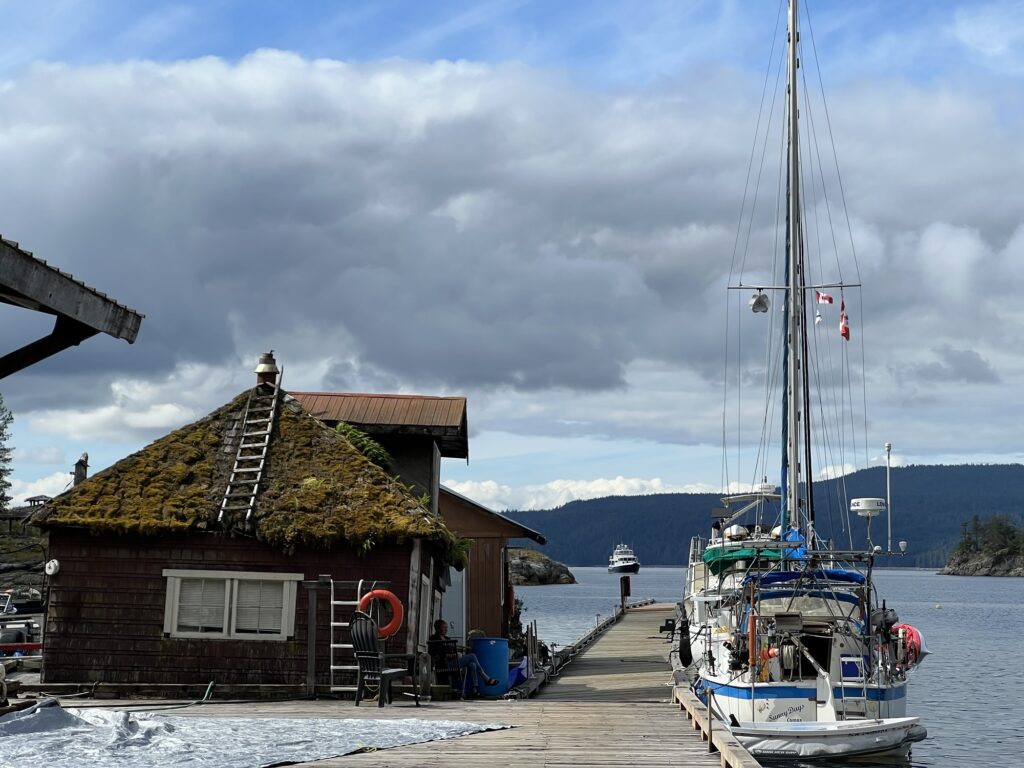
It felt like stepping back into the Union Steamship era, when the arrival of a boat meant news, friendship, and celebration.
Cruising back in time
As they cast off later that afternoon, Eleanor looked back at the cove.
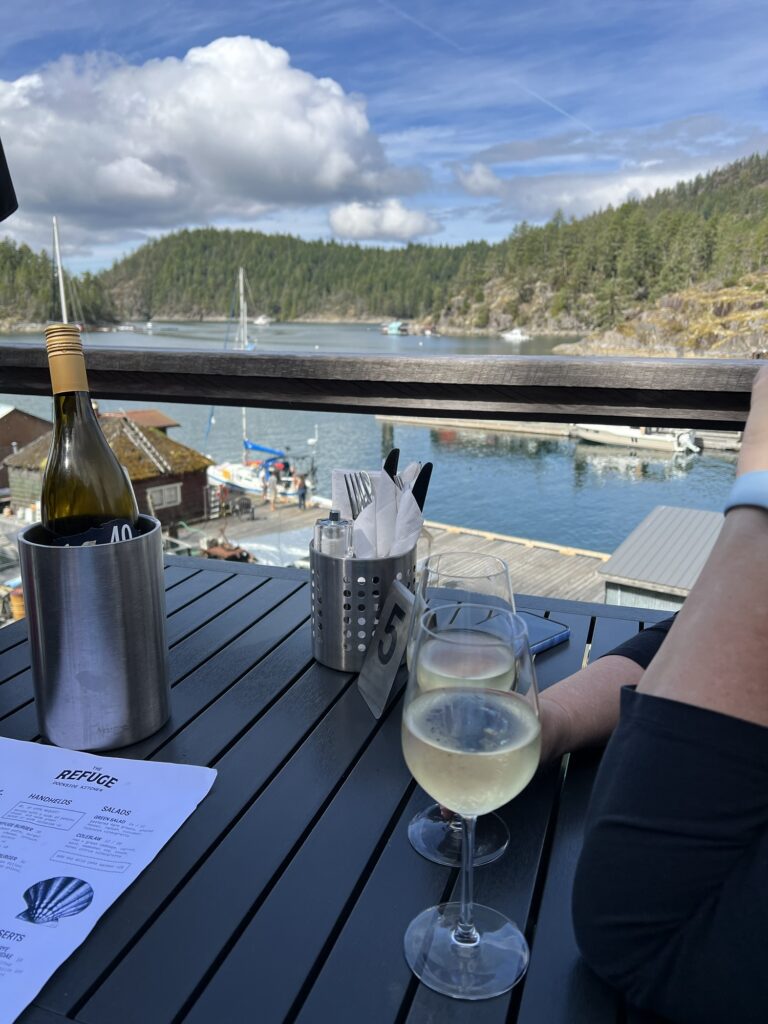
“It’s funny,” she said. “We came here to feel what the pioneers felt. And somehow… we did.”
Ray nodded. “Storms, anchoring, Sunday gatherings, provisioning at the cove. The rhythm hasn’t changed.”
Tom scratched Pip behind the ears. “Maybe that’s why this place still feels alive.”
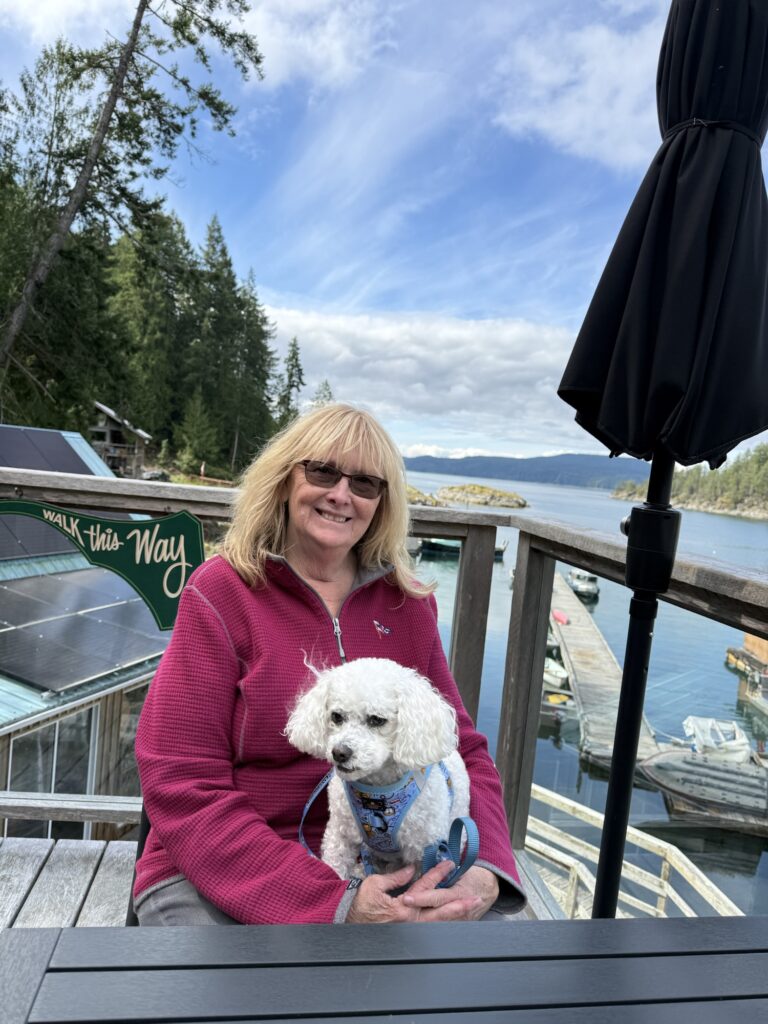
Margaret smiled as Moss curled up beside her.
“Some places don’t just hold history,” she said. “They keep living it.”
And with that, the two boats slipped south toward Cortes Bay and the Seattle Yacht Club carrying with them the echoes of dances, steamship whistles, and the quiet resilience of the families who once called Refuge Cove home.