A Footnoted History of California Wine – From Mission Grapes to Napa Dominance, Through Escondido, the Mighetto–Alvarado Lineage, and the Rise of Washington Wine.
I. Mission Grapes and the Birth of California Wine (1769–1850s)
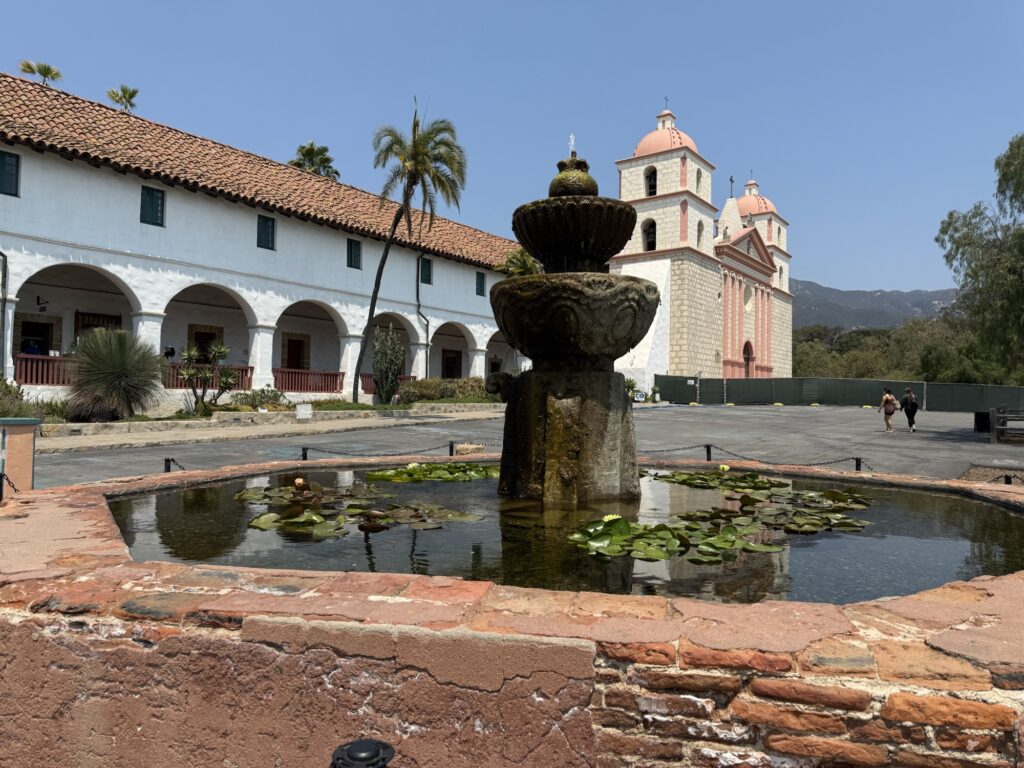
California’s wine story begins in San Diego, not Napa. When the Franciscans founded Mission San Diego de Alcalá in 1769, they planted the first sustained vineyards in Alta California. Their grape — the Mission grape (Listán Prieto) — was hardy, drought‑tolerant, and ideal for sacramental wine.[1] The Mission era established two foundations:
- Viticulture in California
- A land‑tenure system that evolved into the Mexican rancho world
These vineyards were the agricultural seedbed from which later wine cultures grew.
II. Mexican Land Grants and the Californio Elite (1820s–1850s)
After secularization, Mexico granted vast ranchos to Californio families — the Alvarados, Vallejos, Picos, and others. Among them was Juan Bautista Alvarado, Governor of Alta California (1836–1842), a member of the Vallejo clan through his mother, María Josefa Vallejo.[2] This was a world of:
- political authority
- cattle wealth
- Spanish‑Mexican aristocracy
- ranchos spanning tens of thousands of acres
One such grant, Rancho Rincon del Diablo (1843), would later become Escondido — and eventually the home of the Mighetto vineyards.
III. The Fall of the Ranchos and the Rise of Immigrant Viticulture (1850–1900)
After statehood, Californio families lost much of their land due to legal battles, taxes, and American colonization.[3] The ranchos were subdivided and sold. Into this vacuum came Italian, German, and French immigrants, who brought:
- European grape cuttings
- pruning and trellising techniques
- small‑farm viticulture
- a culture of family‑run wineries
Southern California — not Napa — became the center of early commercial wine.
IV. Escondido’s Italian Wine Era and the Mighetto Family (1900–1940)
The transformation of Escondido from a former Mexican land‑grant landscape into a thriving agricultural town was driven in large part by its Italian immigrant wine families. Arriving between the 1890s and 1910s, these families brought with them a deep viticultural tradition, a commitment to small‑farm craftsmanship, and the communal networks that defined Italian agricultural life. Their work created one of Southern California’s most important — and now largely forgotten — early wine regions.
Among the Italian immigrants who settled in Escondido was Pio Mighetto (1881–1938). He and his sons, Joe and Pete, operated the Pio Mighetto Winery on West 13th Street — one of Escondido’s leading Italian wine families.[4] Pio was anxious to implement his irrigation techniques which were frond upon in his home town of Piedmont Italy.
They produced:
- table wines
- local blends
- Prohibition‑era fortified “near wine”
- post‑repeal vintages celebrated in the Grape Day Parade
This was the forgotten wine belt of Southern California — thriving before Napa rose to prominence.
V. Florence Megget Mighetto: Where Two Californias Meet
Florence Megget, daughter of Rosa Alvarado, descended from the extended Alvarado Californio line. Her marriage to Joe Mighetto represents a rare blending of two worlds: The Californio land‑grant aristocracy and the Italian immigrant agricultural class. Her sister Hellen also married a Mighetto brother (Pete). Through Florence, and Hellen the Mighetto descendants carry:
- Alta California political heritage
- Italian immigrant viticulture
- Northern California post‑war migration
Her life is a microcosm of California’s cultural fusion. Florence Megget Mighetto was born into a California undergoing one of the most dramatic cultural transitions in its history. Through her mother, Rosa Alvarado, she inherited the legacy of the Californio elite — the land‑grant families whose power stretched across Alta California during the Mexican era. The Californio world was aristocratic, Spanish‑speaking, Catholic, and centered on ranchos that stretched for miles. By the time Florence was born, that world had largely vanished — eroded by American courts, taxes, and the breakup of the ranchos. But the Californio identity lived on. The world Florence entered as a young woman was a world where her family’s past and California’s future were colliding.
Through her marriage to Joe Mighetto, she entered the world of Italian immigrant winemakers who transformed Escondido’s agricultural landscape in the early 20th century. Her life became a rare and meaningful bridge between two worlds that almost never touched.
VI. Why Napa and Sonoma Rose — and Southern California Was Forgotten
Southern California’s wine industry collapsed under:
- the 1916 flood
- Prohibition
- urbanization
- water scarcity
- post‑WWII development
Meanwhile, Napa and Sonoma benefited from:
- cooler climate
- post‑Prohibition investment
- UC Davis research
- Robert Mondavi’s marketing revolution
- proximity to San Francisco wealth
The Italian pioneers of Escondido — the Mighettos, Ferraras, and others — were overshadowed by the northern narrative.
VII. Washington Wine: Napa’s Protégé (1970s–Present)
The rise of Washington wine is inseparable from Napa’s success. In the 1970s–1980s, Napa’s promotional model — pioneered by Mondavi and others — became the blueprint for American wine marketing.
Napa winemakers and promoters helped elevate:
- Washington Cabernet Sauvignon
- Columbia Valley Merlot
- Yakima Valley Chardonnay
Washington’s wine boom was not a rival to Napa — it was a second pillar, built with Napa’s marketing DNA.[5]
Mondavi didn’t just make wine — he invented the modern American wine industry’s playbook. What he built in Napa in the 1960s–1990s became the blueprint that Washington, Oregon, and later even New York and Virginia adopted.
The Mondavi Blueprint for American Wine Marketing
Core idea: Wine is not an agricultural commodity — it is a cultural product, a lifestyle, and a story.
Mondavi operationalized this idea through six pillars that reshaped American wine forever.
1. Place + Story = Identity
Mondavi understood that Americans didn’t yet believe in “American terroir.” So he created a narrative:
- Napa Valley as a world‑class region
- Oakville as a cru class
- To Kalon as a grand cru vineyard
- Winemakers as artists, not farmers
This was radical in the 1960s.
Blueprint principle: A region becomes great when people believe it is great. Washington later adopted this through the Columbia Valley and Red Mountain storytelling.
2. Hospitality as Marketing
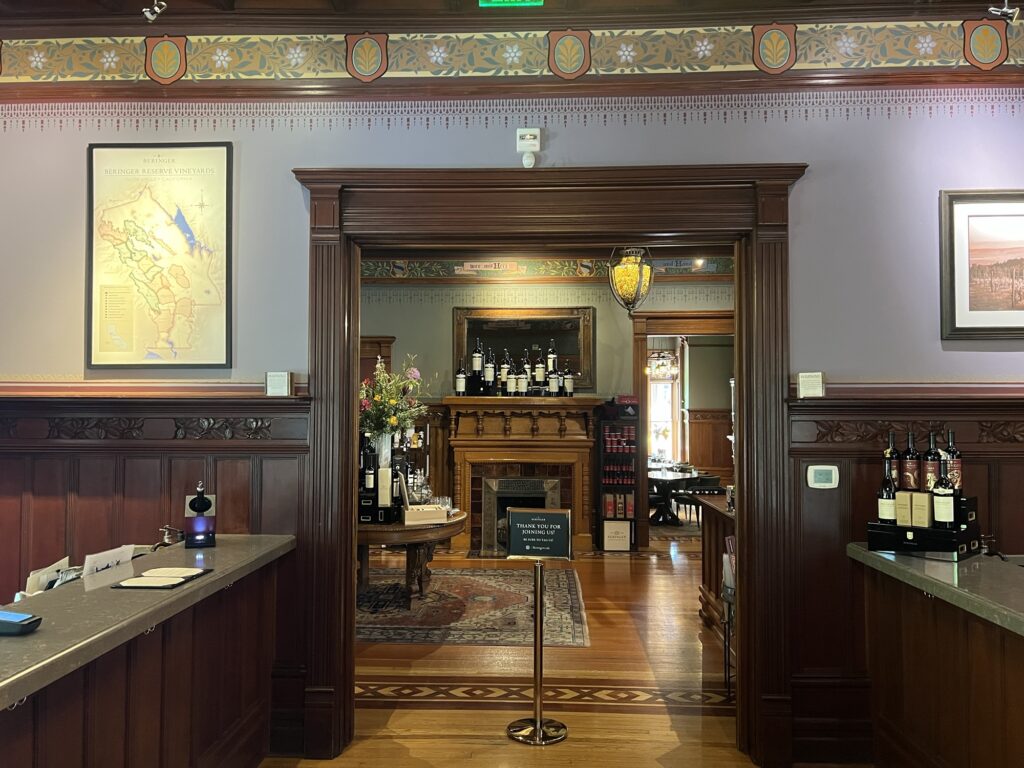
Mondavi pioneered the modern tasting room:
- architecture as branding
- curated tours
- food pairings
- concerts and cultural events
- wine education as entertainment
Before Mondavi, wineries were barns. After Mondavi, they were destinations. Blueprint principle: Make the winery a place people want to visit, not just a place wine is made.
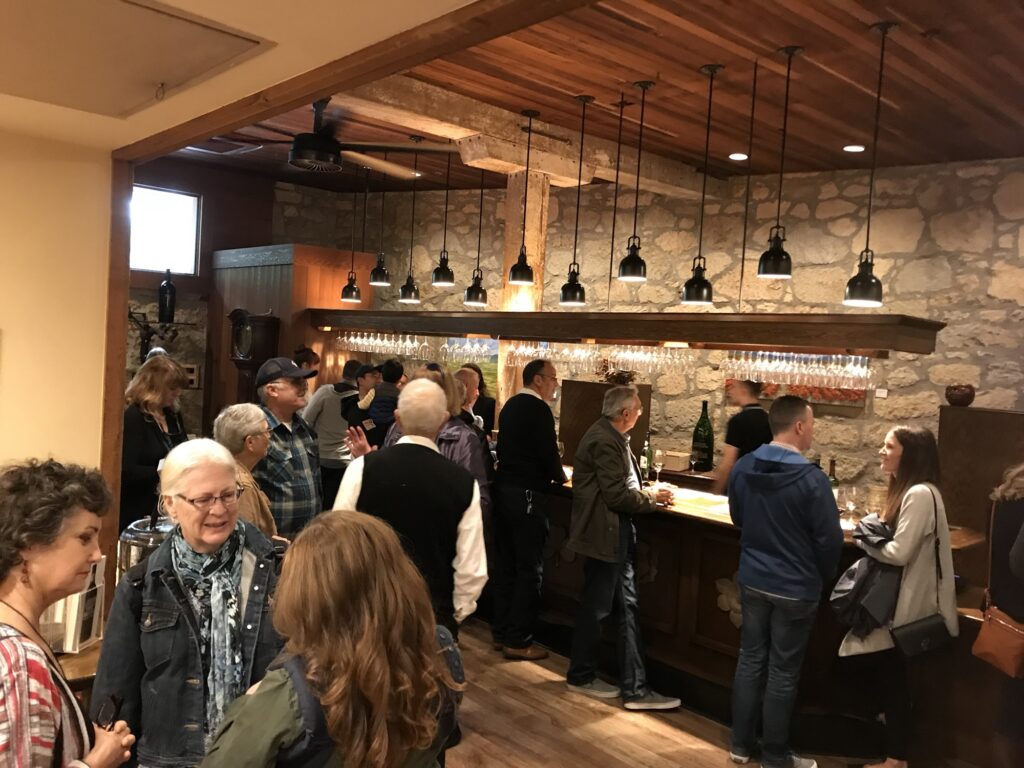
Washington copied this with:
- Chateau Ste. Michelle’s concerts
- Red Mountain’s boutique tasting rooms
- Walla Walla’s downtown tasting culture
3. Wine + Food = Lifestyle
Mondavi was the first American vintner to insist that wine must be paired with:
- cuisine
- culture
- travel
- art
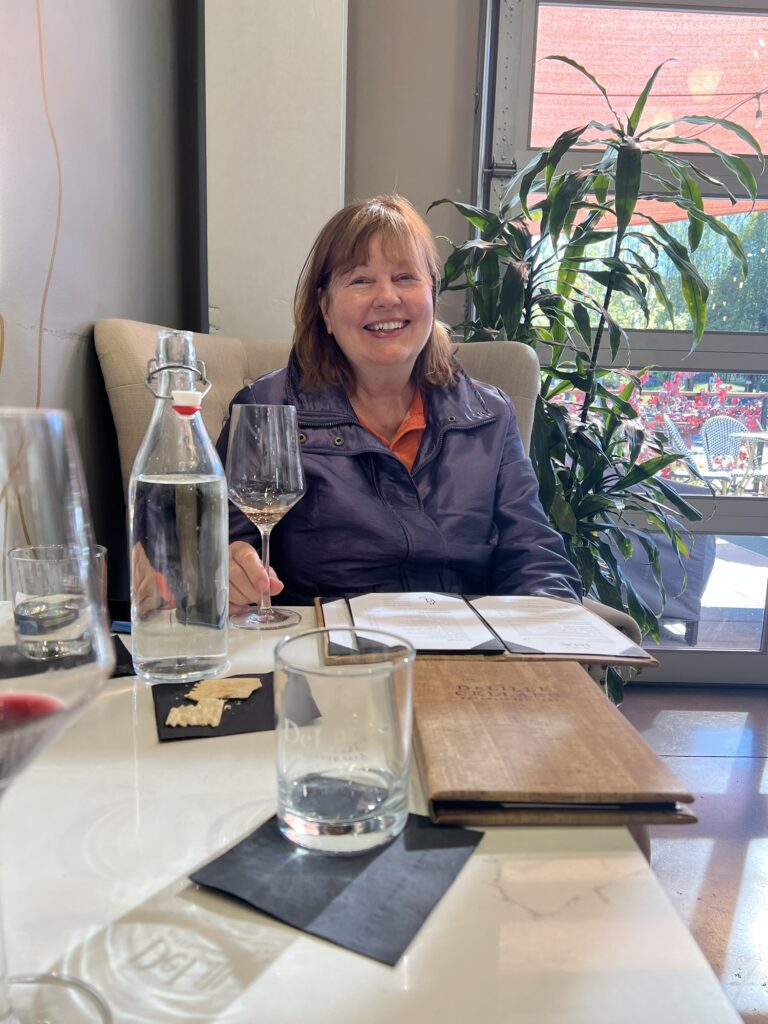
He hired chefs, hosted dinners, and partnered with restaurants. This created the American wine lifestyle — aspirational, sophisticated, and accessible. Blueprint principle: Sell the experience, not the bottle.
Washington adopted this through:
- wine‑and‑food festivals
- chef partnerships
- wine tourism routes
4. Education as Evangelism
Mondavi believed Americans needed to be taught how to drink wine. He created:
- public classes
- winemaker lectures
- consumer education programs
- partnerships with UC Davis
He turned wine from an intimidating European tradition into an American cultural skill. Blueprint principle: Educate the consumer and you create the market.
Washington followed this with:
- WSU’s viticulture program
- the Washington Wine Commission’s education campaigns
- tasting‑room storytelling
5. Quality + Consistency = Trust
Mondavi insisted on:
- clean winemaking
- temperature‑controlled fermentation
- French oak
- vineyard‑specific bottlings
- vintage consistency
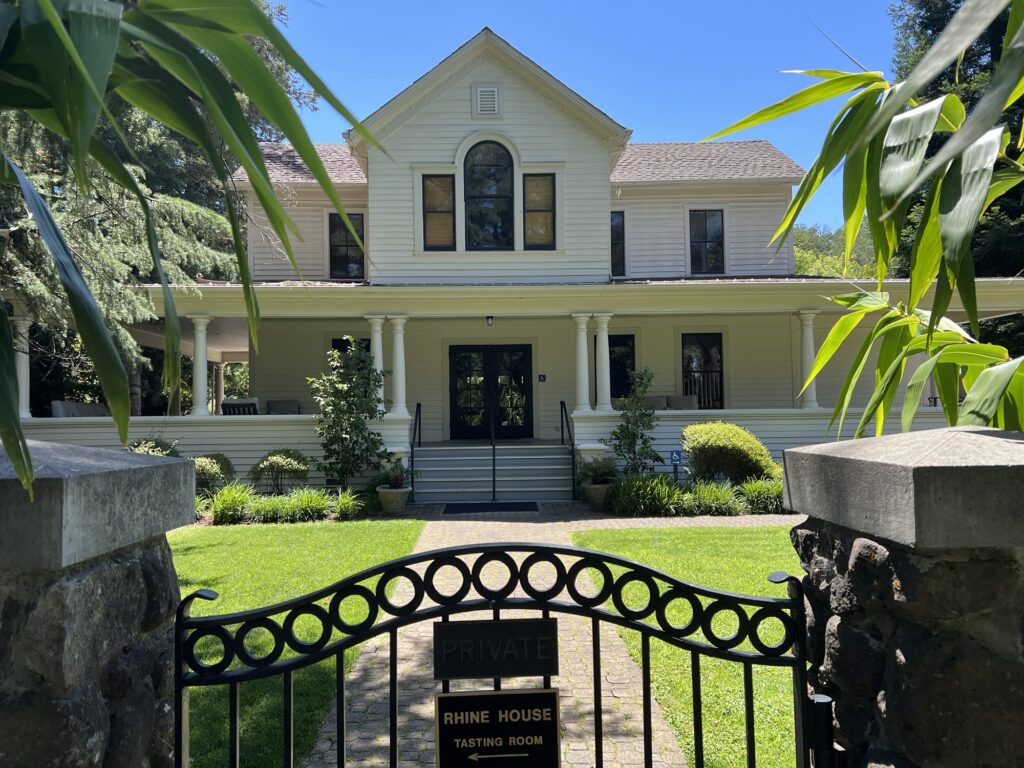
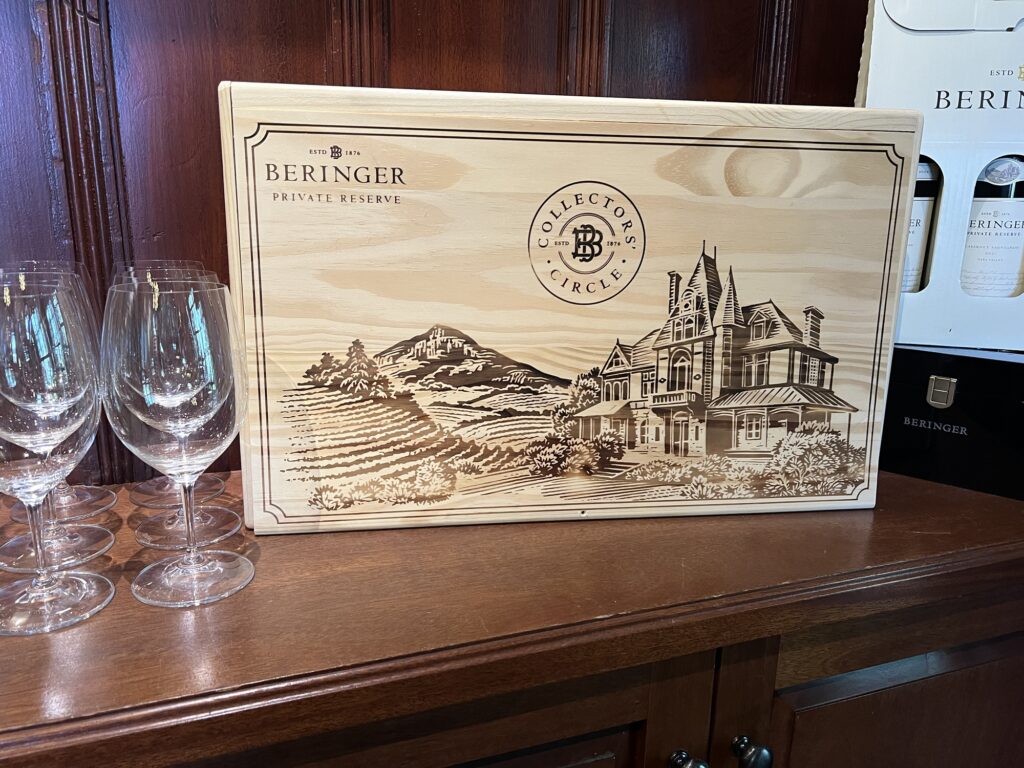
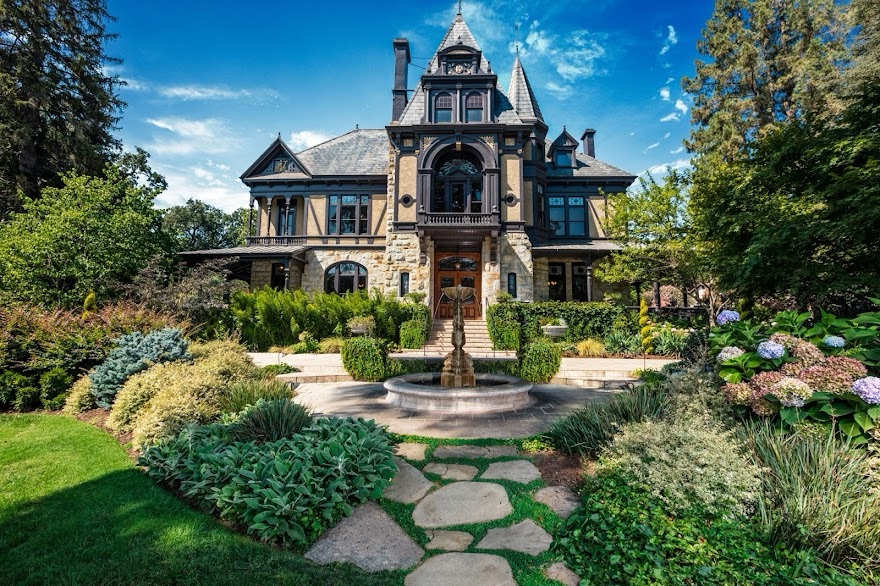
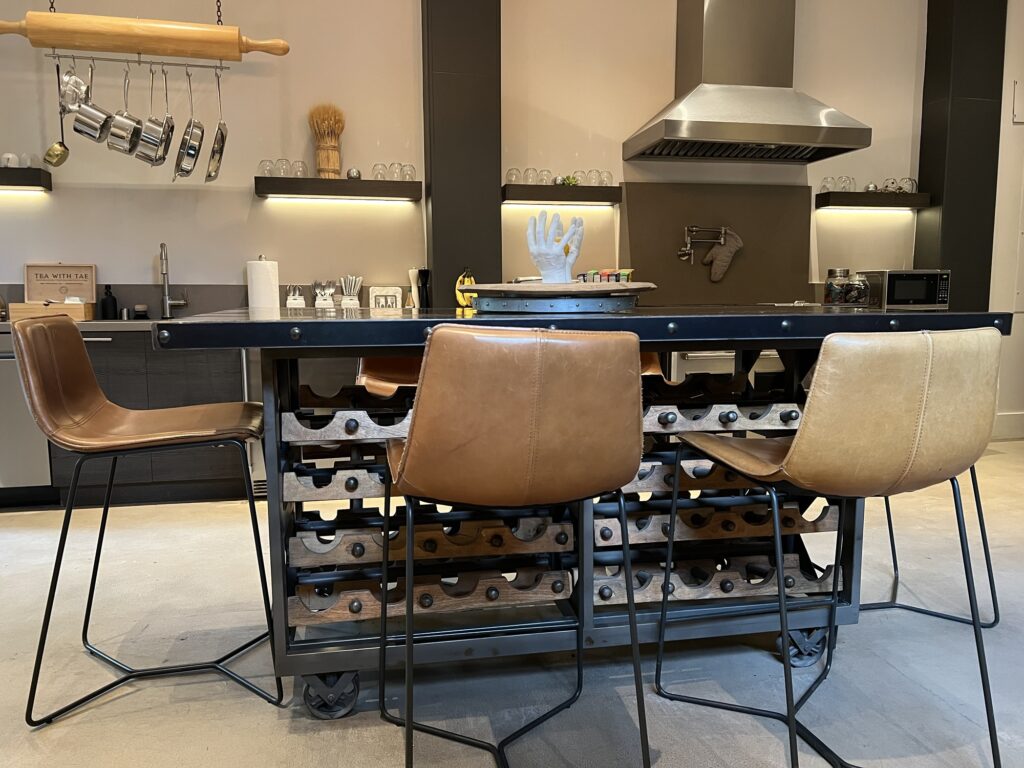
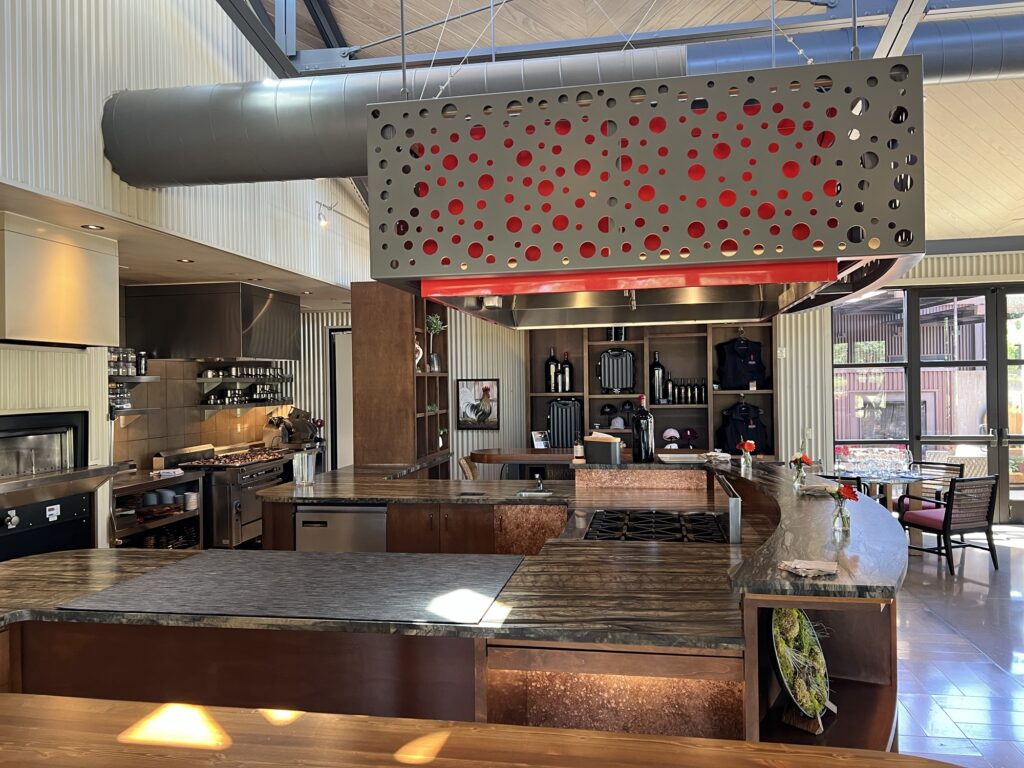
THE HUDSON HOUSE, CONSTRUCTED IN 1852, WAS THE RESIDENCE OF DAVID HUDSON, A CALIFORNIA PIONEER INVOLVED IN THE BEAR FLAG REVOLT. THAT REVOLT IS CREDITED WITH THE DESIGN OF THE CALIFORNIA STATE FLAG AND ESTABLISHED CALIFORNIA AS A REPUBLIC. IN 1883, THE HUDSON HOUSE WAS ROLLED ON REDWOOD LOGS FROM THE CURRENT SITE OF THE RHINE HOUSE AND REMODELED AS A RESIDENCE FOR JACOB L. BERINGER, FOUNDING PARTNER OF BERINGER BROTHERS WINERY. THE HUDSON HOUSE WAS REMODELED IN 1989 TO BECOME THE BERINGER VINEYARDS CULINARY ARTS CENTER, HOME OF THE SCHOOL
FOR AMERICAN CHEFS.
He made quality predictable, which built consumer trust. Blueprint principle: A region rises when its wines are reliably good. Washington adopted this through:
- strict AVA definitions
- technical precision
- consistent Cabernet and Merlot styles
6. Collaboration Over Competition
Mondavi believed Napa would rise only if everyone rose. He:
- shared techniques
- promoted neighbors
- supported appellation creation
- encouraged joint marketing
- helped organize the Napa Valley Vintners Association
This cooperative model became the American regional wine strategy.
Washington copied it almost exactly:
- Washington Wine Commission
- joint marketing campaigns
- shared research
- regional branding (“Washington Cabernet”)
Blueprint principle: Build the region, not just the winery.
How Washington Used the Mondavi Blueprint
Washington’s rise in the 1980s–2000s followed Mondavi’s model step‑by‑step:
- Mondavi Blueprint Pillar Washington Implementation
- Place + Story Columbia Valley, Red Mountain, Walla Walla narratives
- Hospitality Chateau Ste. Michelle concerts, tasting rooms
- Wine + Food Seattle restaurant partnerships
- LEducation WSU Viticulture & Enology
- Quality + Consistency Cabernet/Merlot dominance
- Collaboration Washington Wine Commission
Washington didn’t imitate Napa — it scaled Napa’s model to a new climate, new soils, and new identity.
Why This Blueprint Worked
Because Mondavi understood something fundamental:
Americans don’t buy wine. Americans buy meaning. He gave them:
- a place to believe in
- a lifestyle to aspire to
- a story to join
- a culture to participate in
Washington followed the same path — and succeeded.
The Mondavi–Ste. Michelle partnership is one of the most important and least‑understood alliances in American wine history. It linked Napa Valley’s marketing genius with Washington State’s raw viticultural potential, and in doing so, it created the second great pillar of American wine after Napa.
The Mondavi–Ste. Michelle Partnership: How Napa Helped Build Washington Wine
This layout would present as a premium magazine-style article suitable for a winery, yacht club wine society, culinary blog, or WordPress knowledge page.
1. The Two Giants Before They Met
Robert Mondavi (Napa Valley)
- Visionary marketer
- Architect of the “American fine‑wine lifestyle”
- Believed in terroir, branding, and hospitality
- Wanted to expand beyond Napa and prove American wine could rival Europe
Chateau Ste. Michelle (Washington State)
- Washington’s oldest modern winery (1934 origins)
- Backed by strong corporate resources (U.S. Tobacco at the time)
- Had access to world‑class Riesling and Cabernet vineyards in the Columbia Valley
- Lacked national prestige and marketing power
Mondavi had the brand. Ste. Michelle had the land. Together, they had a future.
2. The Birth of the Partnership (1991)
In 1991, the two companies formed a joint venture:
Columbia Crest + Mondavi = “Columbia Crest Reserve” and later “Col Solare”
The goal was simple but ambitious: Create a Washington wine that could stand beside Napa’s best. This was the first time a top Napa winery publicly declared that another region could produce wines of equal quality. It was a seismic moment.
3. Why Mondavi Chose Washington
Mondavi saw three things:
- Climate
Washington’s Columbia Valley had:
- long summer daylight
- cool nights
- low disease pressure
- perfect ripening conditions for Cabernet and Merlot
- Untapped Potential
Washington was producing excellent wines, but few outside the Pacific Northwest knew it.
- A Chance to Shape a Region
Mondavi wanted to do in Washington what he had done in Napa:
- build a brand
- build a region
- build a narrative
He saw Washington as the next frontier.
4. The Creation of Col Solare (1992–1995)
The partnership’s flagship wine became Col Solare, a Cabernet‑based Bordeaux blend grown on Red Mountain, now considered Washington’s premier Cabernet terroir.
What made Col Solare revolutionary
- First Washington wine co‑created with a Napa icon
- First Washington wine marketed nationally as a “luxury” product
- First Washington wine to be positioned as a peer to Napa Cabernet
This was not just a wine. It was a statement.
5. How the Partnership Changed Washington Wine
A. Legitimacy
Mondavi’s involvement told the world: “Washington is real. Washington is world‑class.”
B. Marketing Infrastructure
Ste. Michelle adopted the Mondavi blueprint:
- hospitality
- wine education
- regional storytelling
- winemaker‑as‑artist branding
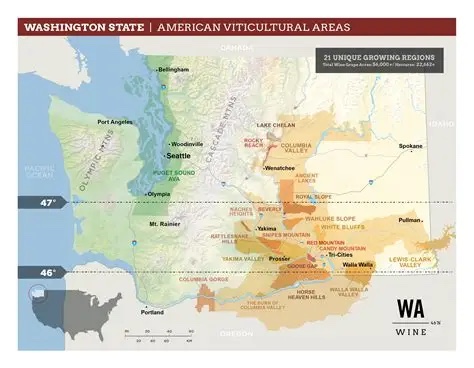
C. AVA Development
The partnership accelerated recognition of:
- Red Mountain AVA
- Horse Heaven Hills
- Wahluke Slope
D. National Distribution
Washington wines moved from regional curiosities to national players.
6. How the Partnership Changed Napa
Mondavi gained:
- access to new terroir
- a second “home base” for Cabernet
- a national platform for American wine beyond California
It also reinforced Mondavi’s belief that: “Great wine is made where great grapes grow — not just in Napa.” This was a radical idea at the time.
7. The Partnership’s Legacy
Even after Mondavi’s sale to Constellation Brands (2004), the partnership endured. Today, Col Solare remains one of Washington’s most respected wines.
Its legacy includes:
- Washington’s rise as America’s #2 premium wine region
- the elevation of Red Mountain Cabernet
- the normalization of cross‑regional collaboration
- the spread of the Mondavi marketing model across the U.S.
Washington’s modern wine identity — polished, confident, terroir‑driven — owes much to this alliance.
8. Why This Matters to California Wine History
Because the Mondavi–Ste. Michelle partnership proves something profound: Napa didn’t just dominate American wine — it taught America how to make and market wine.
Washington is the clearest example of this influence. And it also explains why Southern California’s early wine pioneers — including Escondido’s Italian families like the Mighettos — were overshadowed:
- Napa built the narrative
- Washington adopted it
- Southern California never did
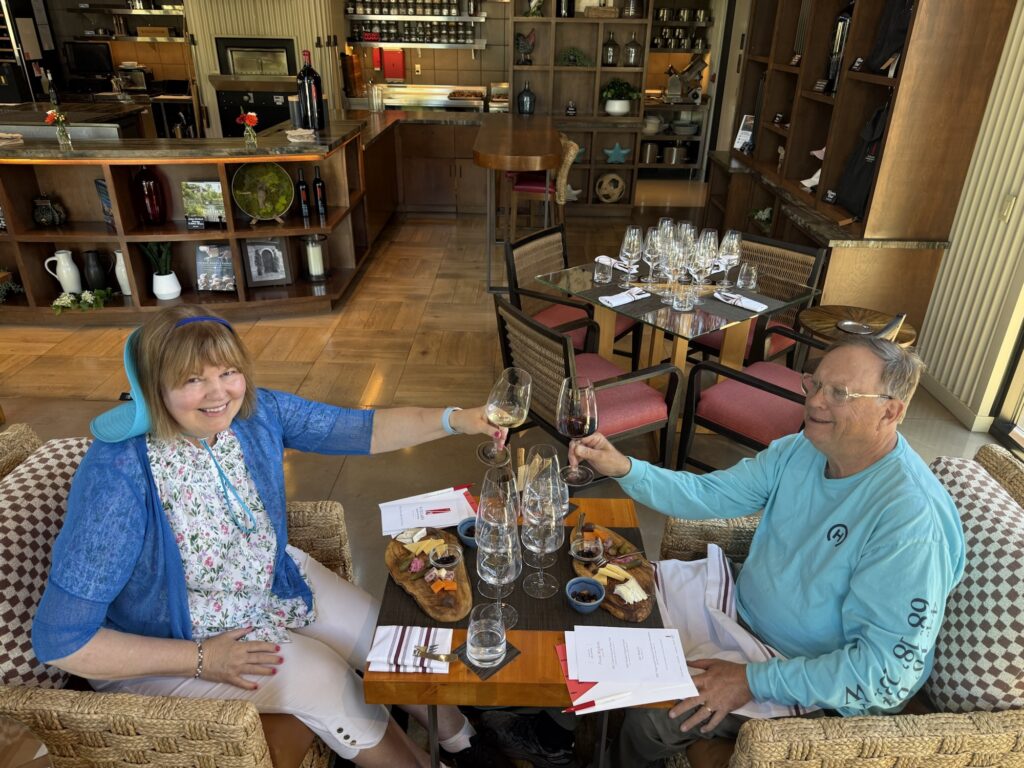
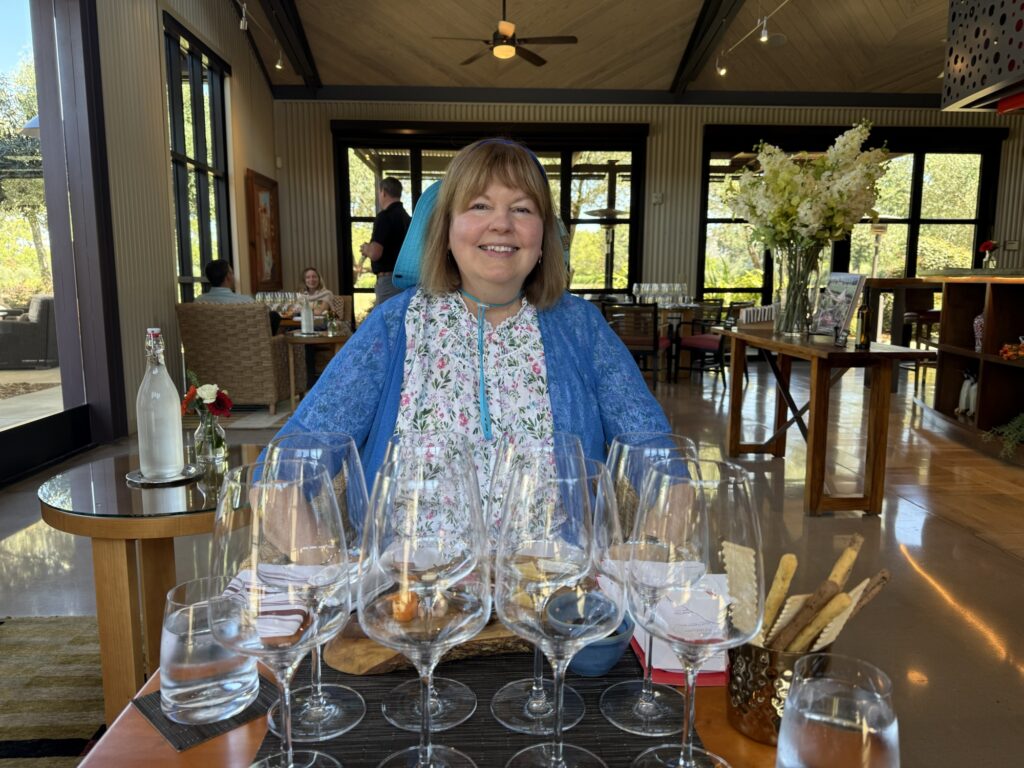
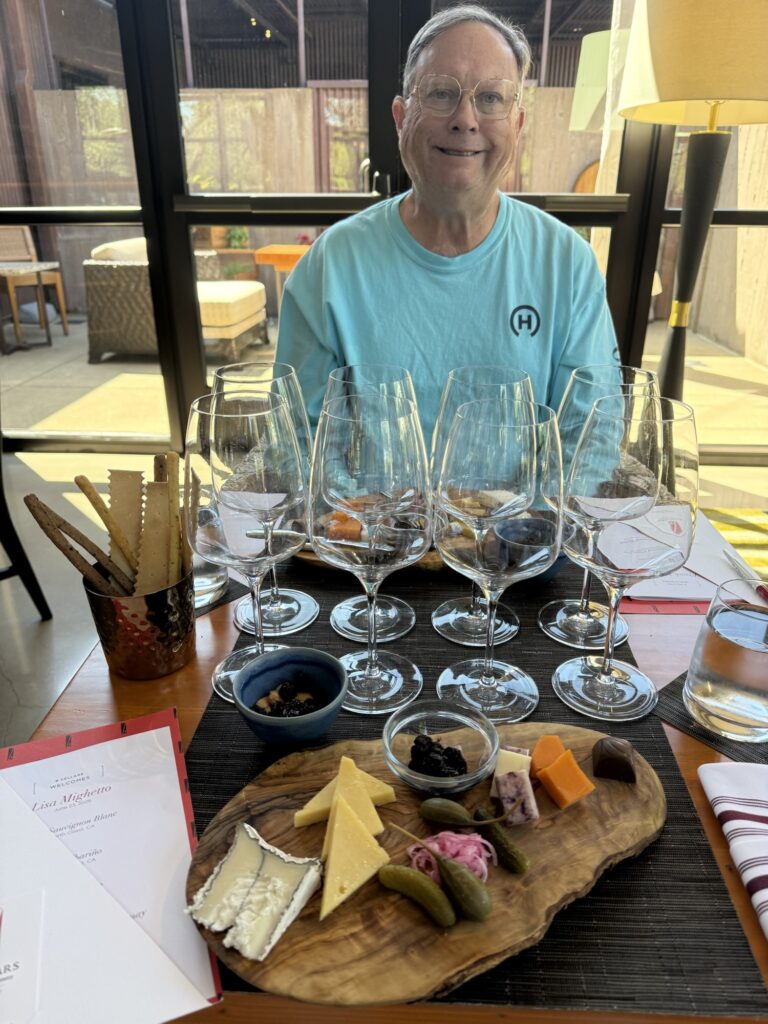
VIII. A Historical Wine Flight: Tasting the Story
- Mission Grape (1769–1850s)
Sweet, rustic, foundational.
The taste of the missions.
- Barbera (1880s Italian Immigration)
Bright acidity, red fruit.
The grape Italians brought to Escondido.
- Zinfandel (1900s Immigrant California)
Bold, spicy, the immigrant grape of early California.
- Petite Sirah (Prohibition Survivors)
Dark, tannic, cellar‑friendly.
A grape that kept many Italian wineries alive.
- Cabernet Sauvignon (Napa Ascendancy)
Structured, age‑worthy, globally recognized.
- Chardonnay (Washington Expansion)
Crisp, mineral, cool‑climate expression.
The grape Napa promoters helped elevate in Washington.
Footnotes
- Thomas Pinney, A History of Wine in America: From the Beginnings to Prohibition (University of California Press, 1989).
- Hubert Howe Bancroft, History of California, Vol. III (1884).
- California State Archives, Land Grant Case Files, 1850–1890.
- North County Times, “Escondido’s Wine‑Making Families,” 1998; Escondido Historical Society archives.
- Andy Perdue & Paul Gregutt, Washington Wines & Wineries (University of California Press, 2010).
Fine Wine, Wine Judging, and the Science of Tasting
An elegant guide for wine lovers, collectors, and curious enthusiasts
Hero Banner
Fine Wine: Does It Still Matter After the Third Glass?
From the origins of the term fine wine to the science behind wine judges spitting, discover how professionals evaluate wine and why timing, palate fatigue, and even brain chemistry influence what we taste.
Section Layout Preview
1. The Birth of “Fine Wine”
Visual: Historic Bordeaux cellar with dusty bottles and oak casks.
Featured Pull Quote
“Fine wine became possible when bottles and corks allowed wine to age, evolve, and develop reputations that outlived a single harvest.”
Readers learn:
✅ When bottled wine became collectible
✅ Why Bordeaux, Burgundy, Port, and Champagne became benchmarks
✅ How aging transformed wine from a commodity into a luxury product
2. Why Wine Judges Spit
Visual: American wine competition judge evaluating glasses under bright lighting.
Key Takeaway Box
Science Says: Alcohol Changes Perception
- Reduced aroma sensitivity
- Decreased flavor discrimination
- Greater palate fatigue
- Less reliable memory of previous wines
Professional judges often taste dozens of wines in a session. Spitting allows nearly complete sensory evaluation while minimizing alcohol absorption.
3. Should Fine Wine Be Drunk First or Last?
Visual: Two wine glasses positioned on a tasting timeline.
Recommended Order
- Fine wine
- Quality everyday wine
- Simple table wine
Connoisseur’s Rule
Drink your best wine while your palate is fresh.
A $200 Burgundy enjoyed after several drinks often delivers less pleasure than the same wine enjoyed at the beginning of the evening.
4. How Long Does an Open Bottle Last?
Visual: Open bottle with cork beside a timeline graphic.Wine TypeBest Drinking WindowSparkling Wine1-3 daysWhite Wine3-5 daysRosé3-5 daysRed Wine3-7 daysPort & MadeiraWeeks to Months
Fine-Wine Collector Tip
Many premium wines begin showing detectable oxidative changes within 24 hours after opening.
5. The Seven Characteristics Used in Wine Judging
Visual: Circular tasting wheel.
① Appearance
Color, clarity, intensity, viscosity
② Aroma
Fruit, floral, spice, oak, mineral notes
③ Flavor
Fruit expression and complexity
④ Acidity
Freshness and brightness
⑤ Structure & Mouthfeel
Body, tannin, texture, alcohol integration
⑥ Balance
Harmony of all components
⑦ Finish
Length and evolution after swallowing
Illustrated Example
Evaluating a Fine Pinot Noir
Appearance Ruby with brilliant clarity
Aroma Cherry, rose petals, violet, forest floor
Flavor Red fruit, spice, subtle earth
Acidity Bright and energetic
Structure Silky tannins
Balance No component dominates
Finish Lingers 30+ seconds
Judge’s Conclusion Outstanding wine
6. Floral Aromas in Wine
Visual: Vineyard with overlays of flowers commonly found in tasting notes.
Common floral descriptors:
Rose
Violet
Honeysuckle
Orange Blossom
Lavender
Jasmine
These are especially prized in:
- Riesling
- Viognier
- Gewürztraminer
- Nebbiolo
- Pinot Noir
7. Is Beer Judged the Same Way?
Visual: Split screen of wine and beer tasting panels.
Wine Judging
- Appearance
- Aroma
- Flavor
- Balance
- Finish
Beer Judging
- Aroma
- Appearance
- Flavor
- Mouthfeel
- Overall Impression
Beer judges also evaluate style accuracy and brewing faults, while wine judges place greater emphasis on terroir, aging potential, structure, and balance.
Featured Comparison
CharacteristicWineBeerAromaVery ImportantVery ImportantAppearanceImportantImportantFlavorCriticalCriticalMouthfeelImportantCriticalFinishHighly ValuedIncluded in FlavorAging PotentialOften ScoredUsually Less ImportantStyle AccuracyModerateExtremely Important
Conclusion Callout
The Main Lesson
Professional tasters spit because alcohol affects the very senses needed to judge wine accurately. For maximum enjoyment, the finest bottle should usually be enjoyed first, while the palate is fresh and before alcohol begins dulling aroma and flavor perception.
“The greatest wine is not necessarily the most expensive wine. It is the wine tasted when the palate is most capable of appreciating it.”


