Life, Legacy, and Labor on Sausalito’s Floating Homes
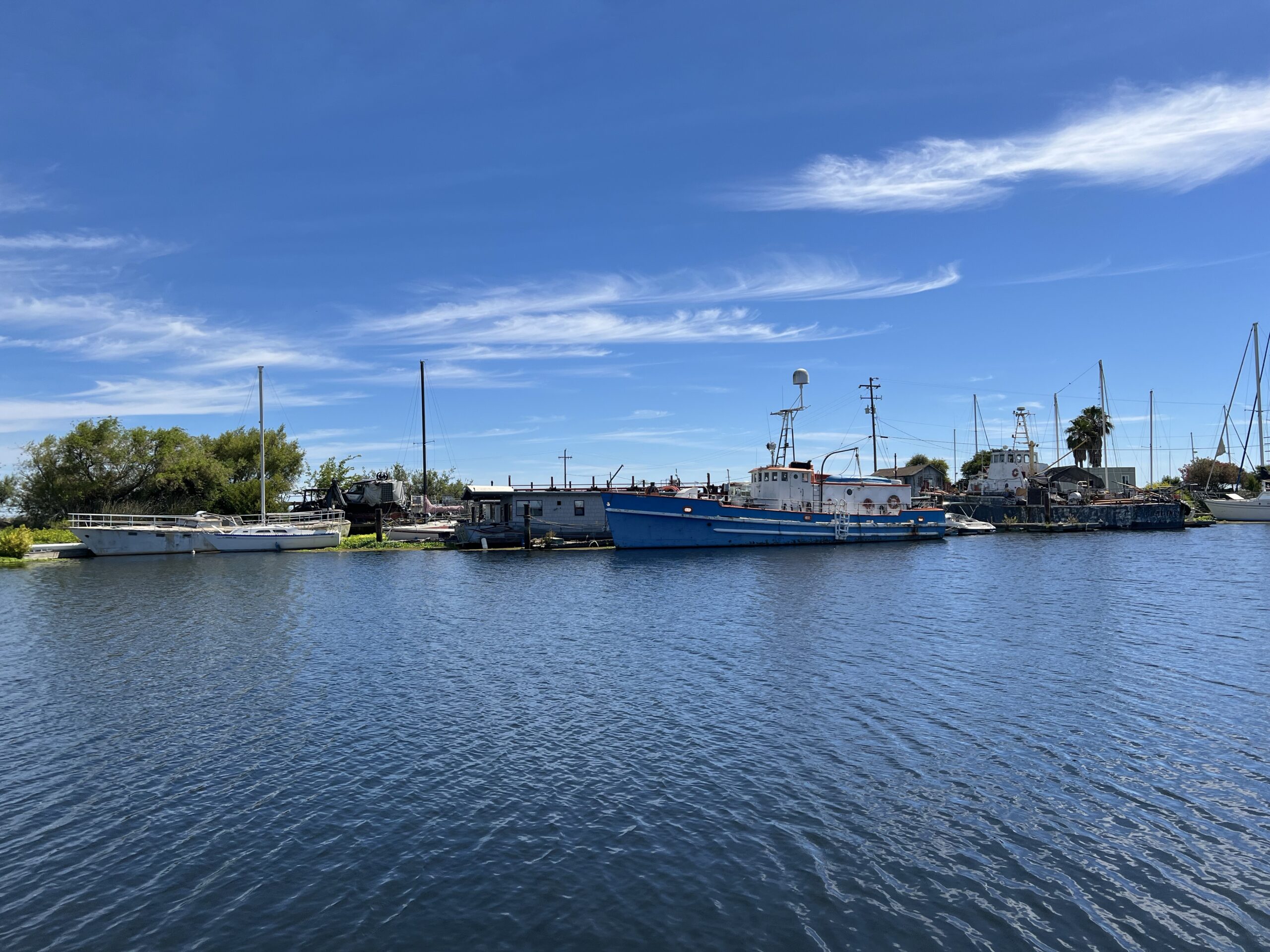
On the northern edge of Richardson Bay, where fog drapes itself over the Marin Headlands and the tide moves with the slow confidence of a creature that has seen everything, sits one of California’s most improbable neighborhoods. Sausalito’s floating homes—bright, eccentric, architectural improvisations—rise from the water like a fleet of dreams. Some are whimsical, some are elegant, some are defiantly odd. But beneath many of them lies a secret that surprises even seasoned boaters: they float on concrete.

These concrete hulls, relics of World War II, were never meant to be homes. They were built for war, abandoned in peace, and adopted by a generation that believed in reinvention. Today, they anchor one of the most distinctive communities in the American West.
The Accidental Architecture of War
The story begins at Marinship, the sprawling wartime shipyard that transformed Sausalito from a quiet waterfront town into a humming industrial engine. Between 1942 and 1945, Marinship produced Liberty ships, tankers, and auxiliary vessels at breakneck speed. Among its output were ferrocement barges—hulking rectangles of steel mesh and concrete, built quickly because steel was scarce and the war demanded ingenuity.

When the war ended, these barges were suddenly useless. They sat idle, tied to pilings or abandoned in the shallows. And then came Don Arques, a boatyard owner with a talent for seeing possibility in the discarded. Arques acquired many of the surplus barges and allowed artists, veterans, wanderers, and dreamers to convert them into homes.
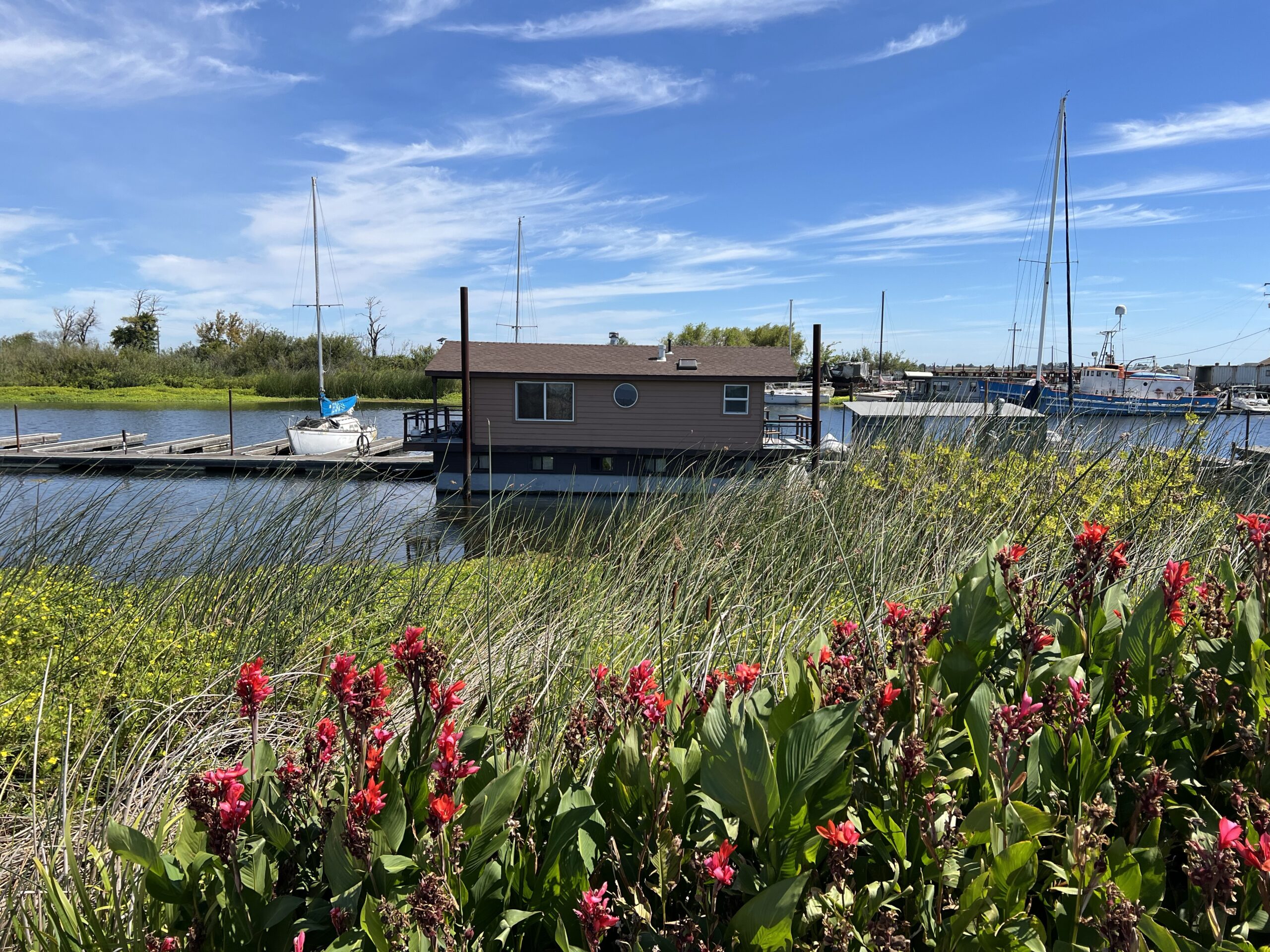
It was not a planned neighborhood. It was a collision of necessity and imagination, and it became the foundation—literally—of Sausalito’s floating home culture.
Concrete as Canvas: The Architecture That Emerged
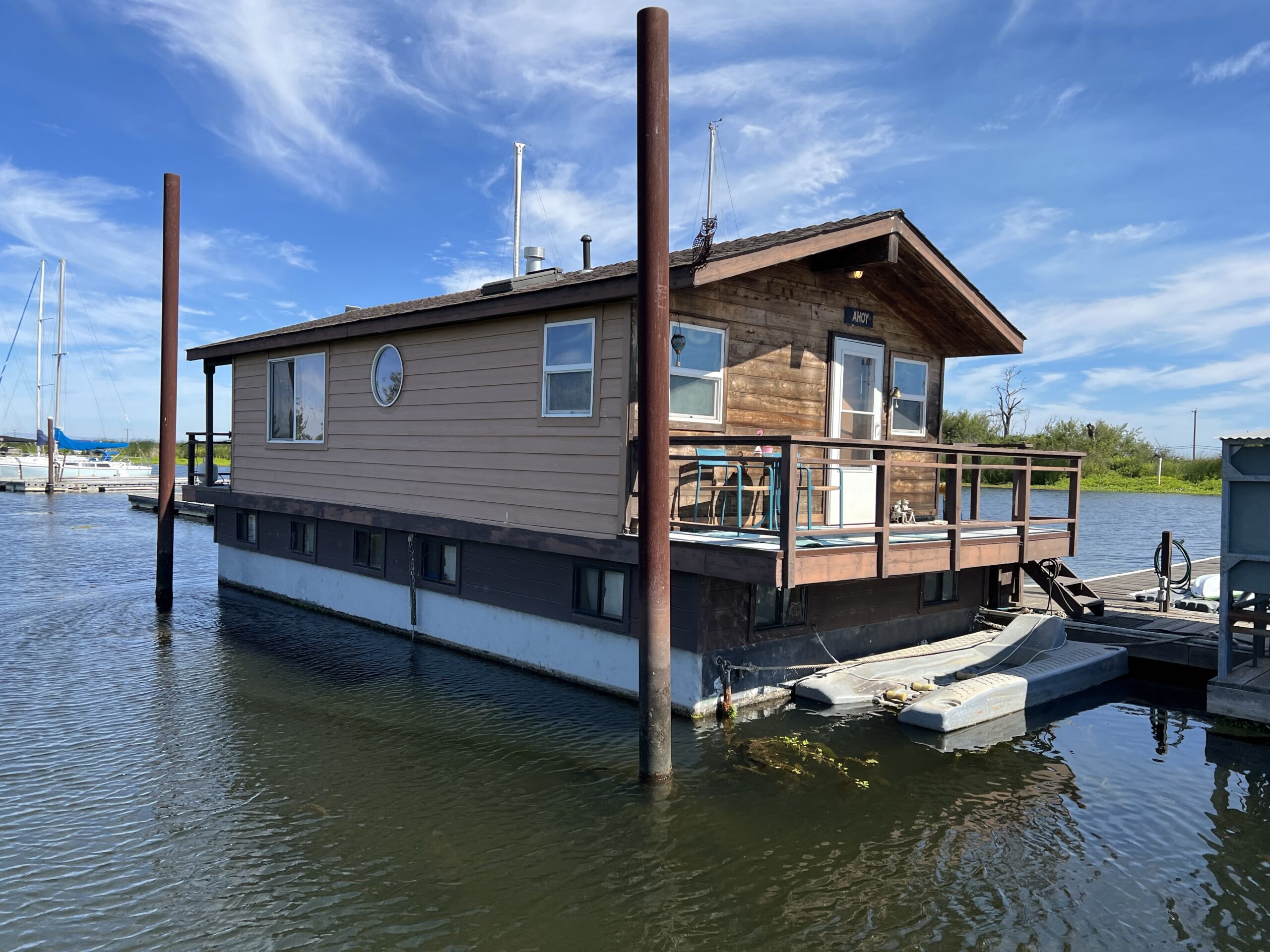
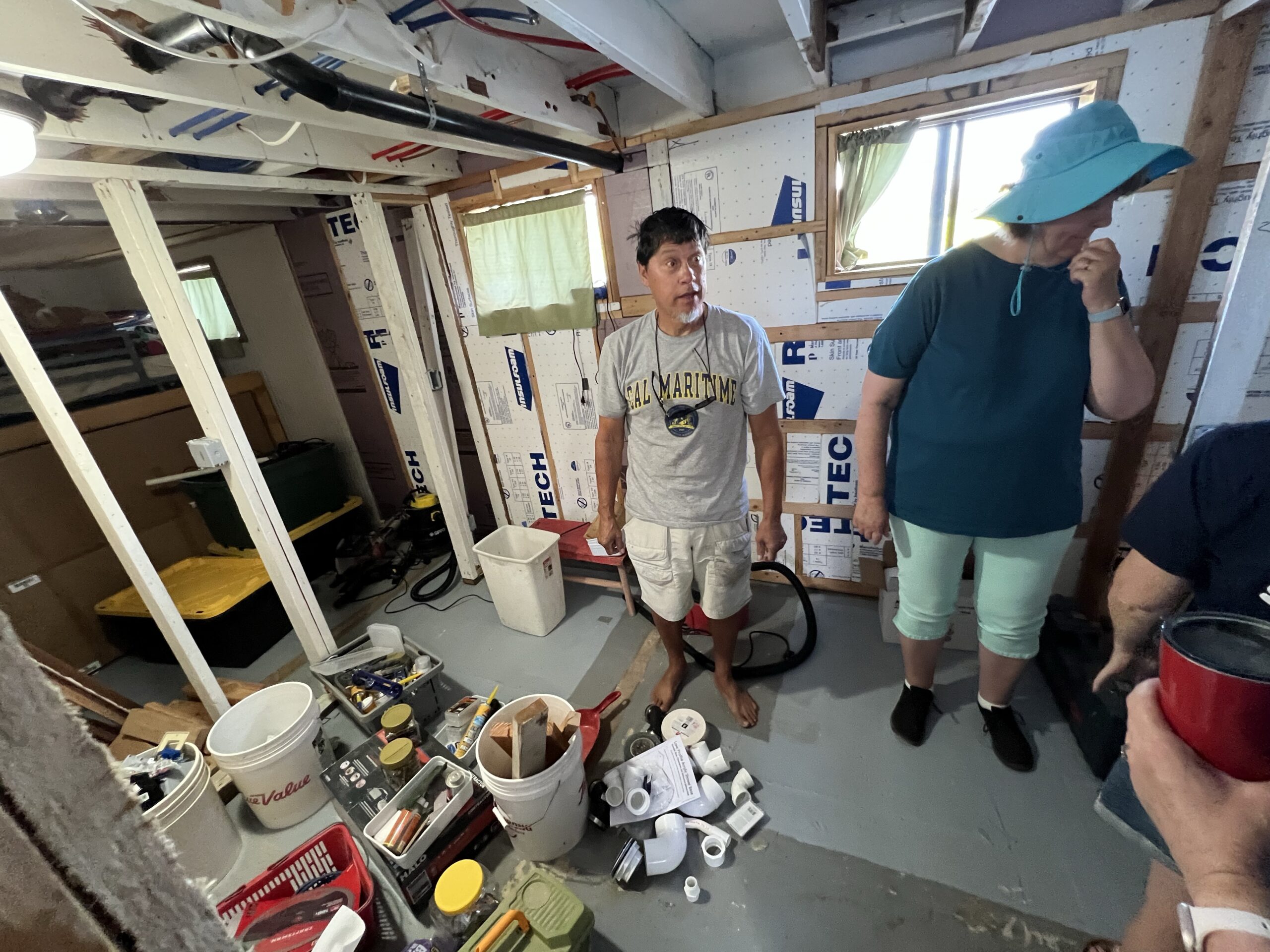
Concrete barges are not graceful. They are blunt, heavy, and utilitarian. But their stability made them perfect platforms for architectural experimentation. Residents built upward and outward, adding:
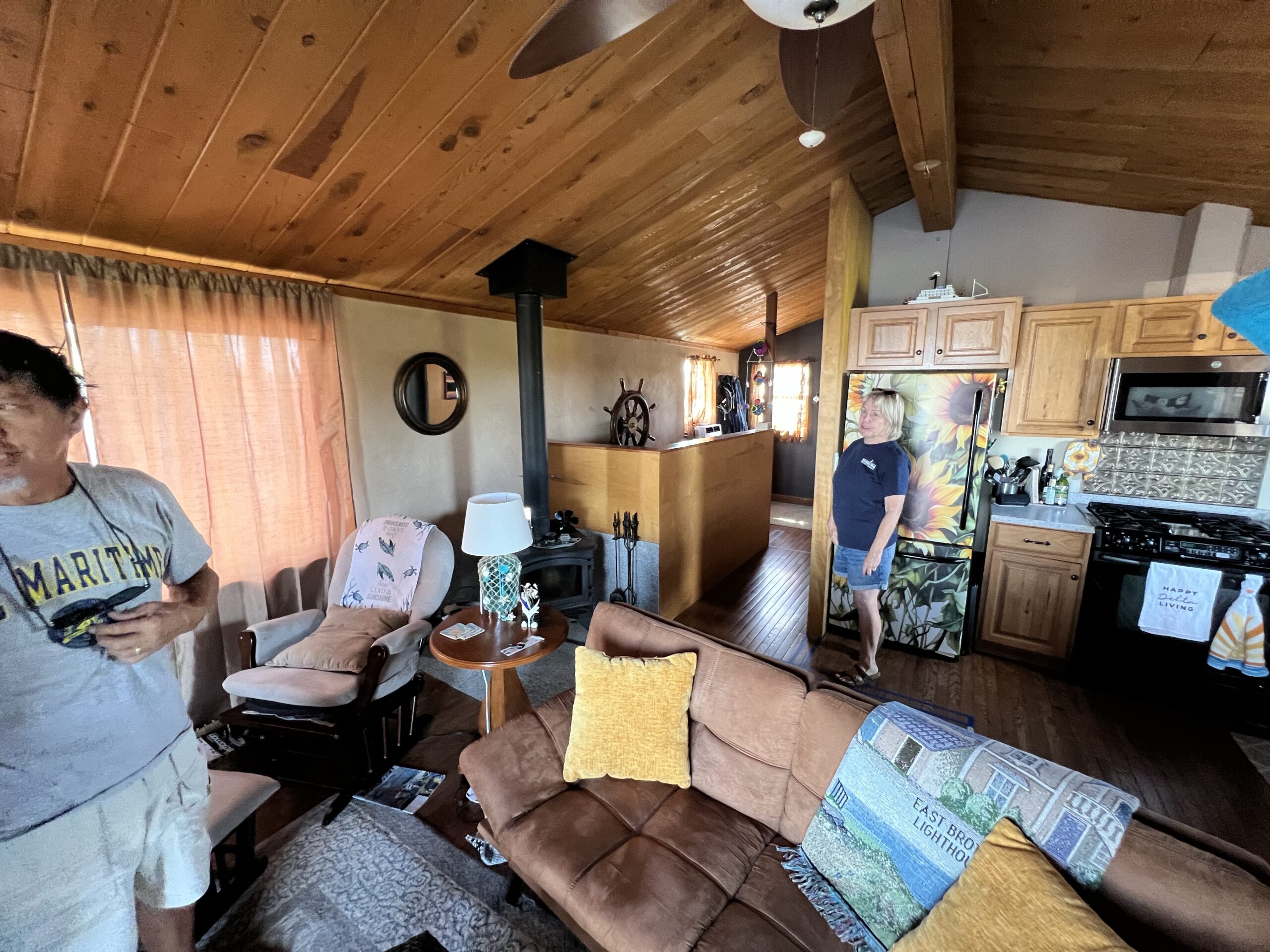
- salvaged Victorian windows
- ship portholes
- redwood trim
- sculptural decks
- rooftop gardens
- cantilevered rooms
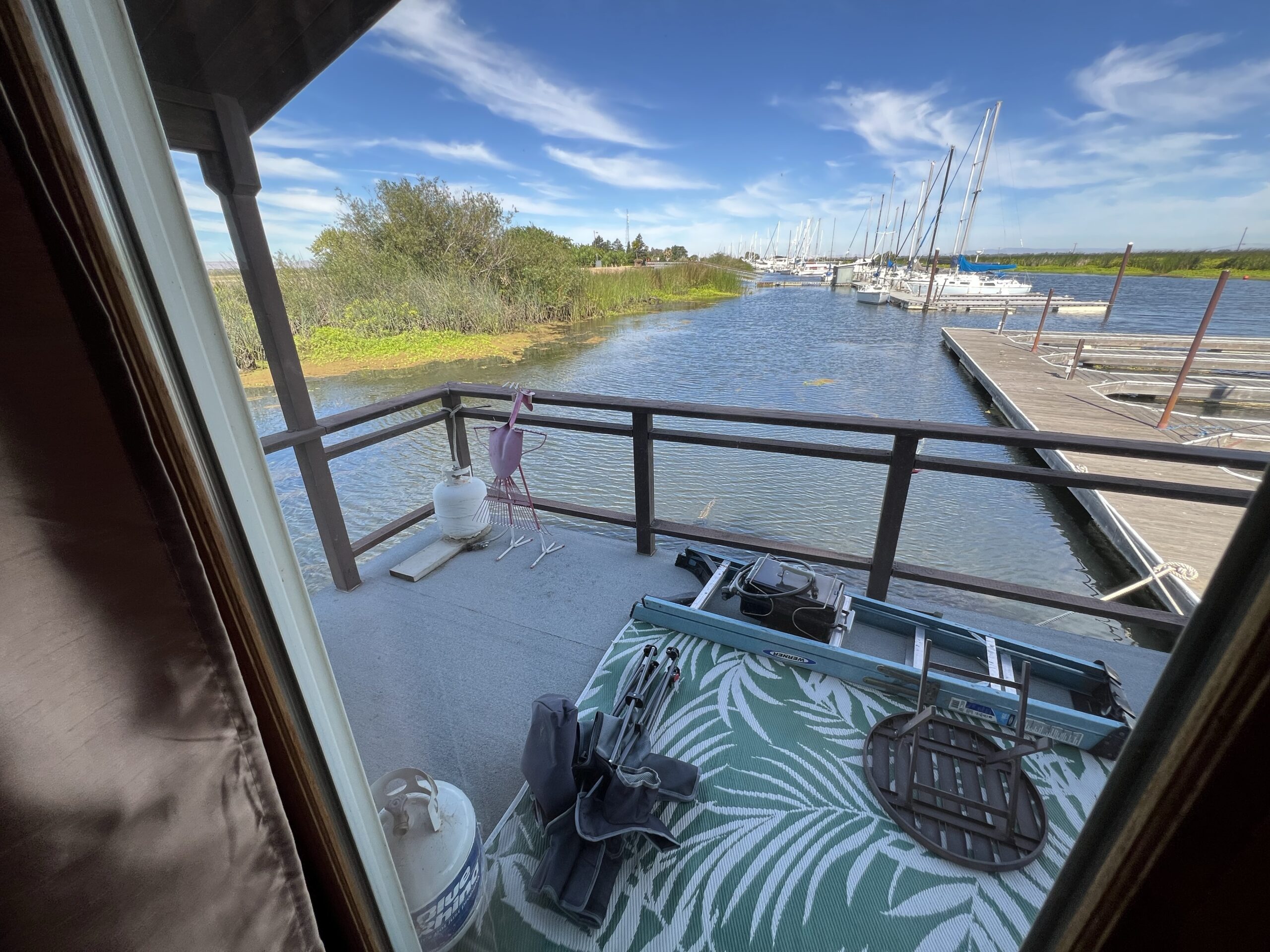
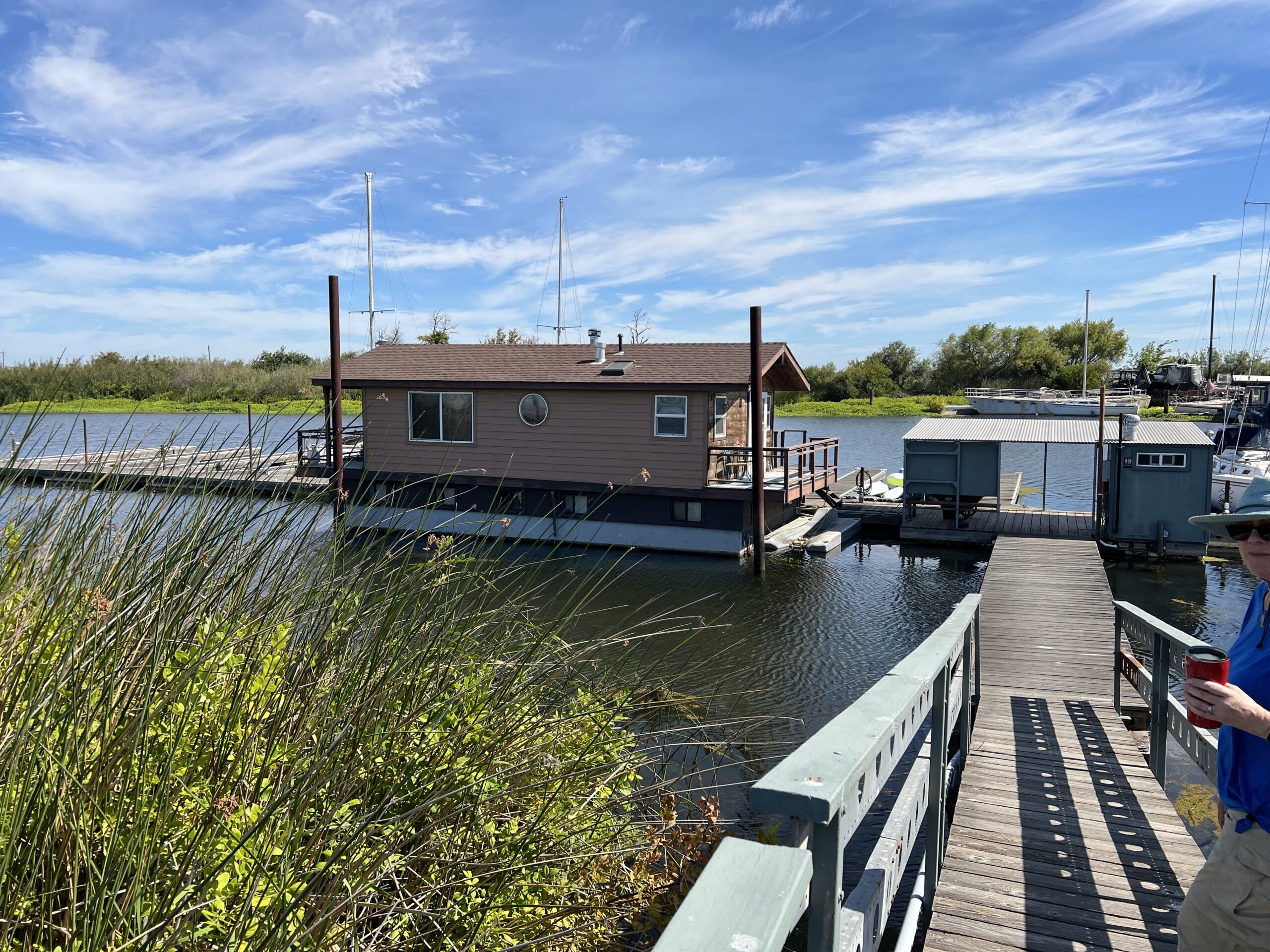
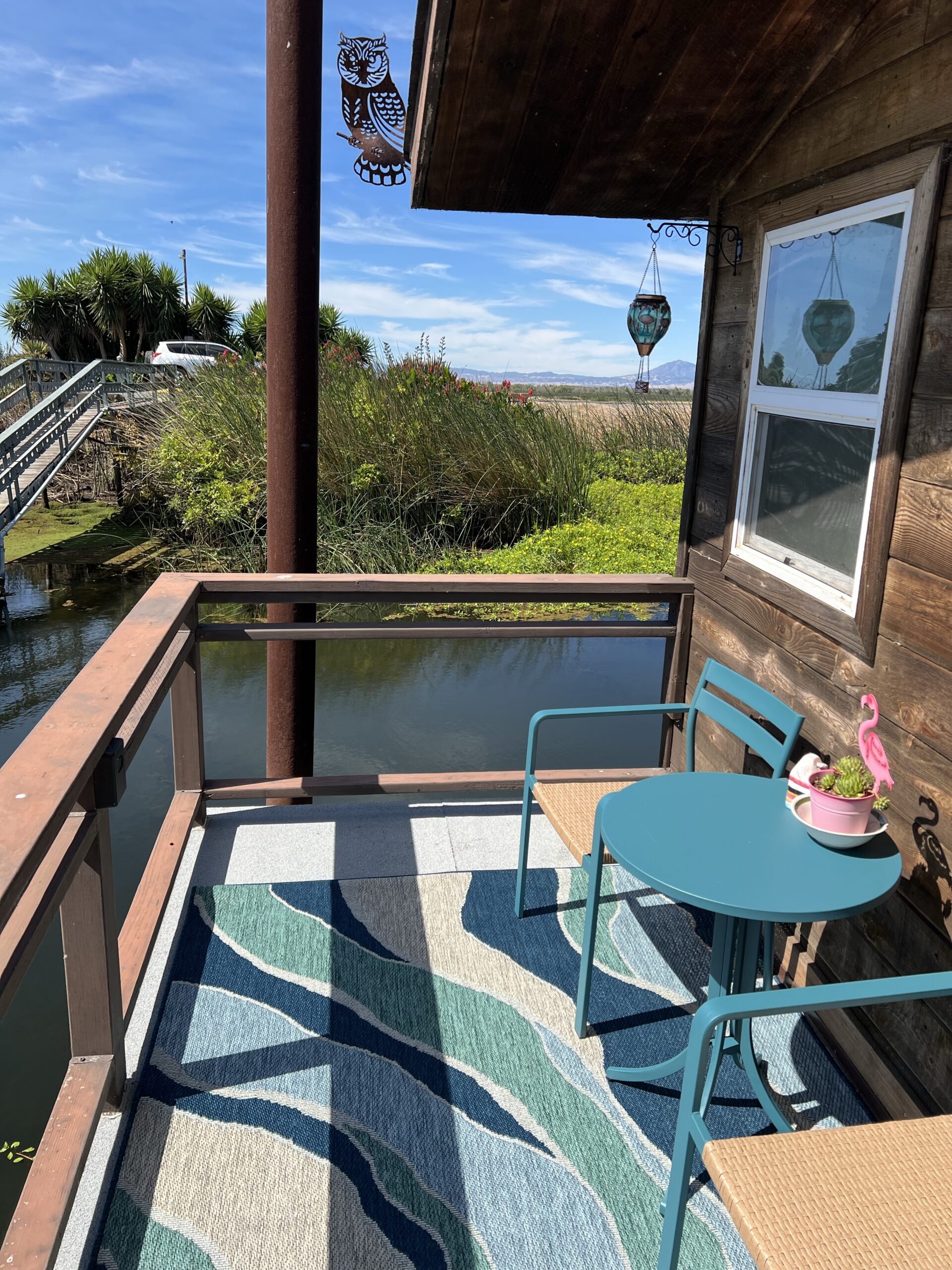
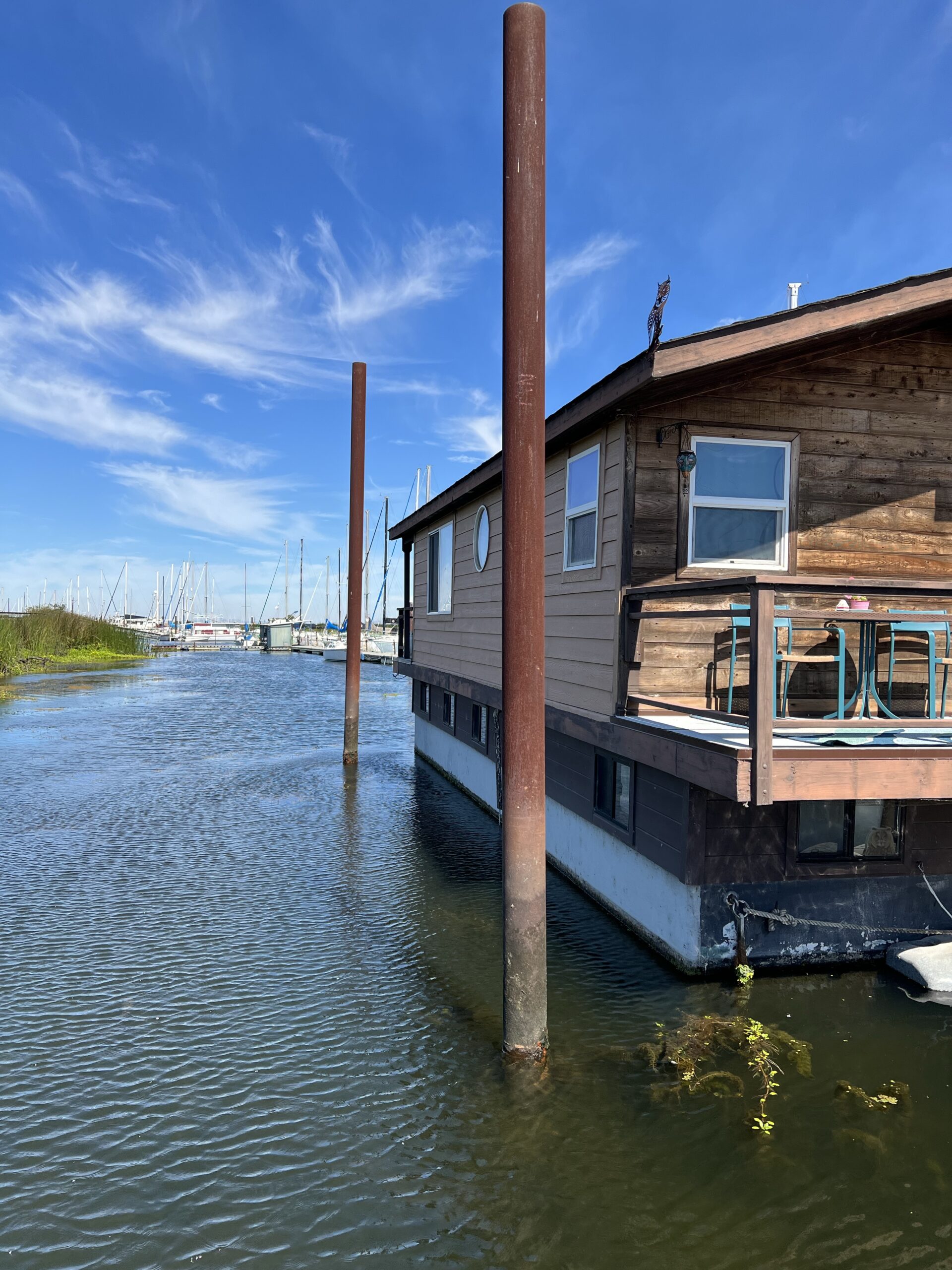
The result was a neighborhood that looked nothing like traditional marinas. It was part maritime, part folk art, part coastal modernism. Homes at Gate 5 became icons of bohemian creativity; those at Waldo Point Harbor evolved into polished, high‑design residences.
Architectural Features Across Sausalito, you’ll see:
- Wraparound decks
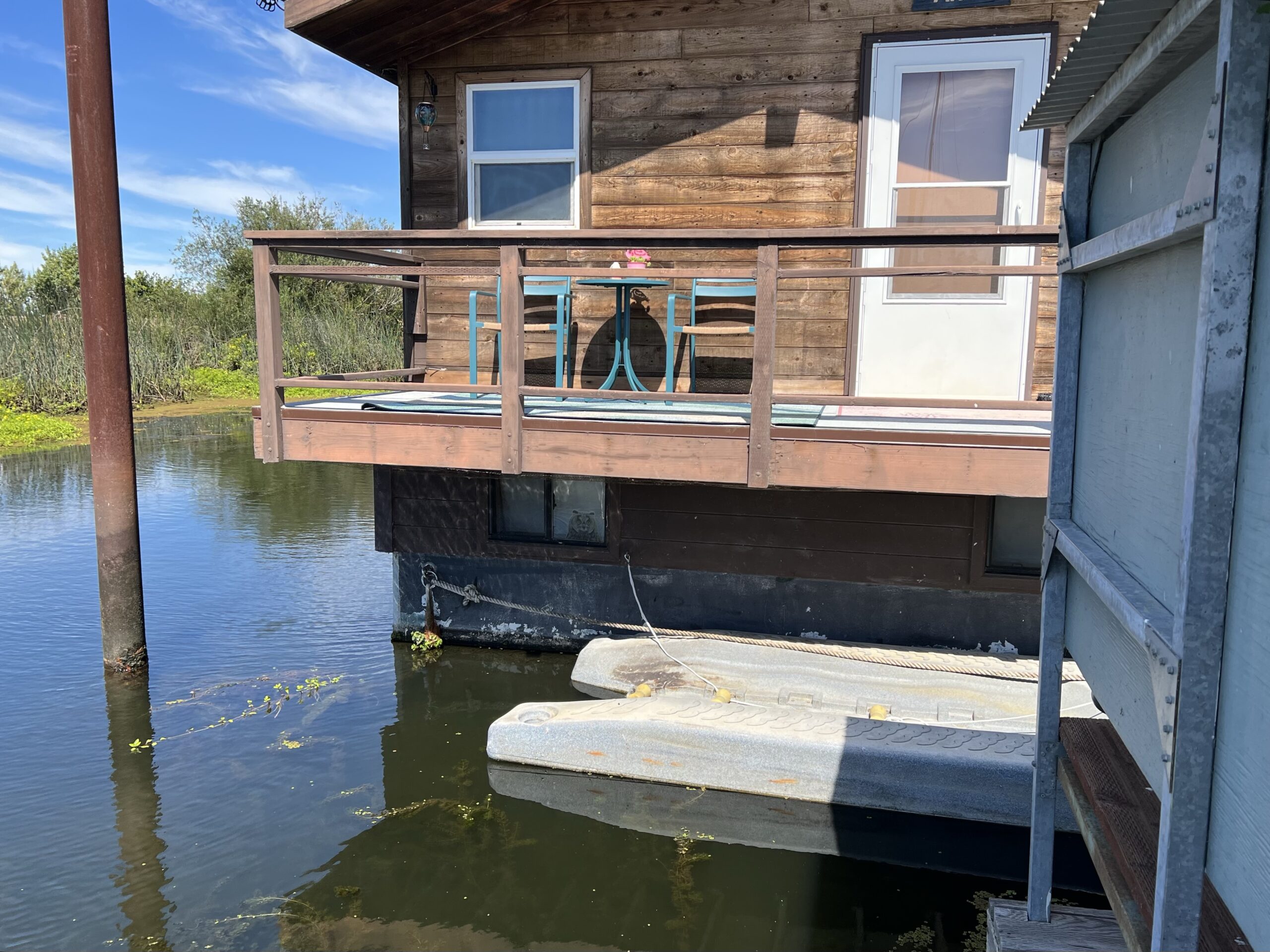
- Rooftop gardens

- Large clerestory windows
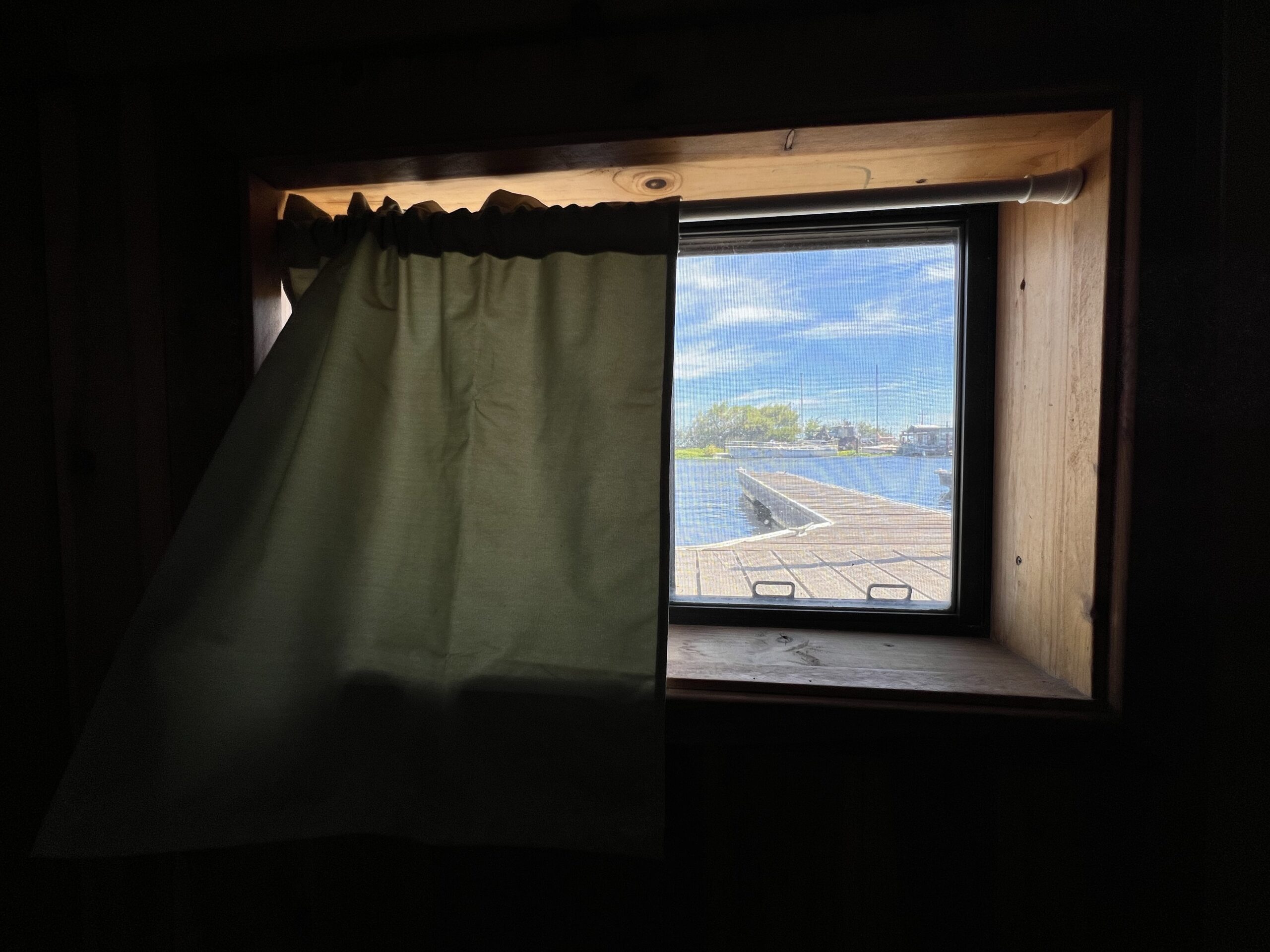
- Circular portholes
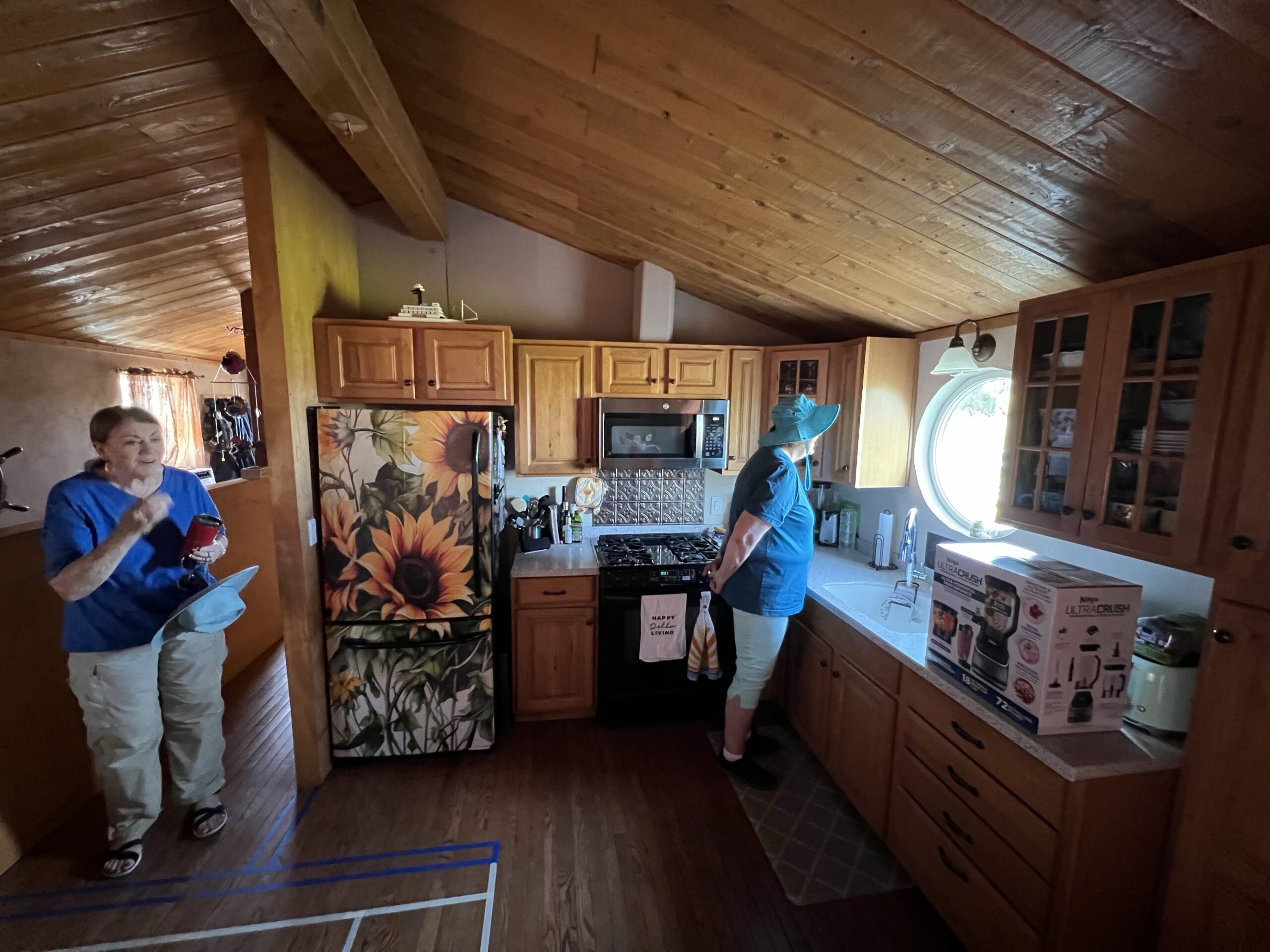
- Cantilevered rooms
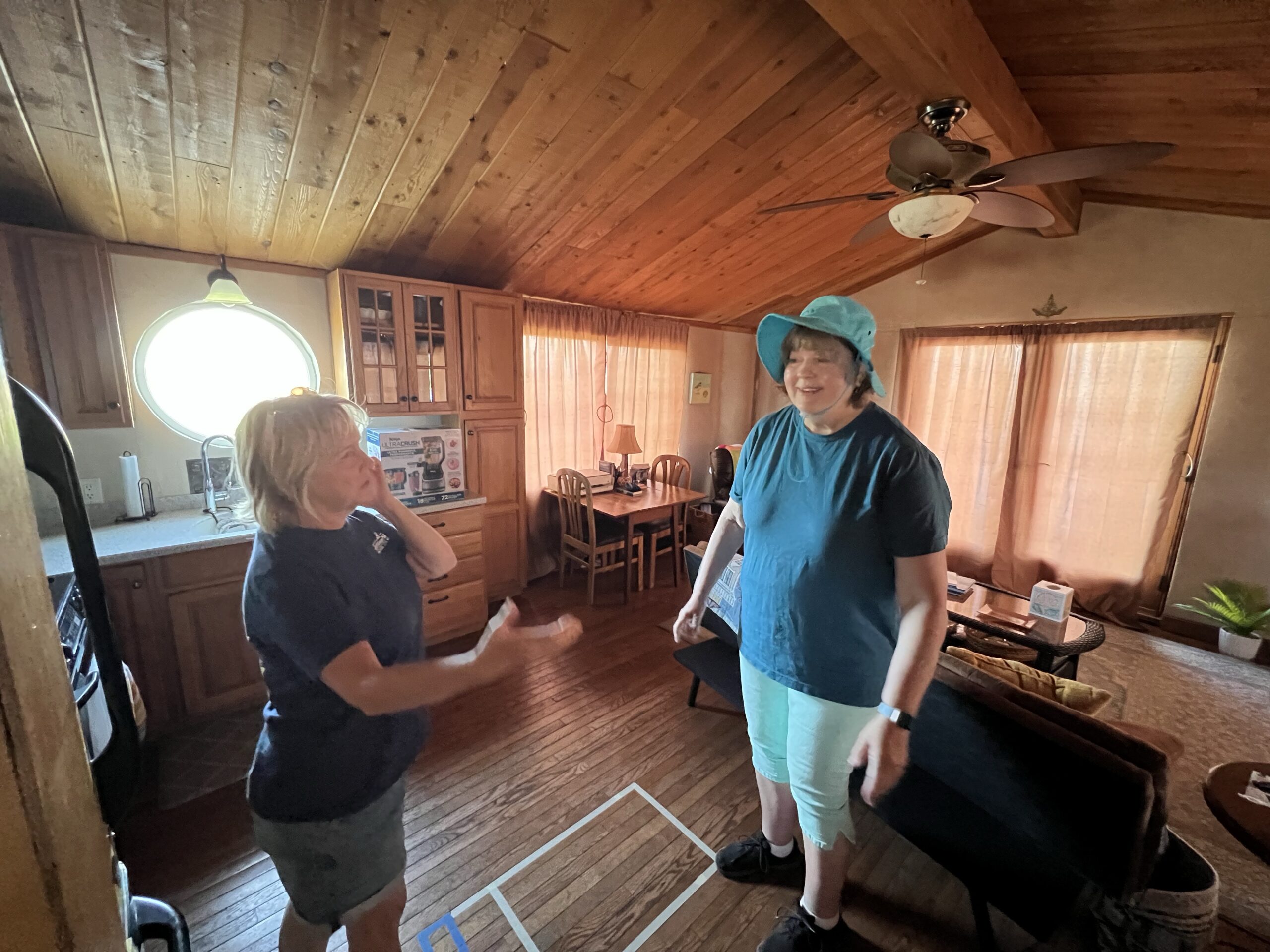
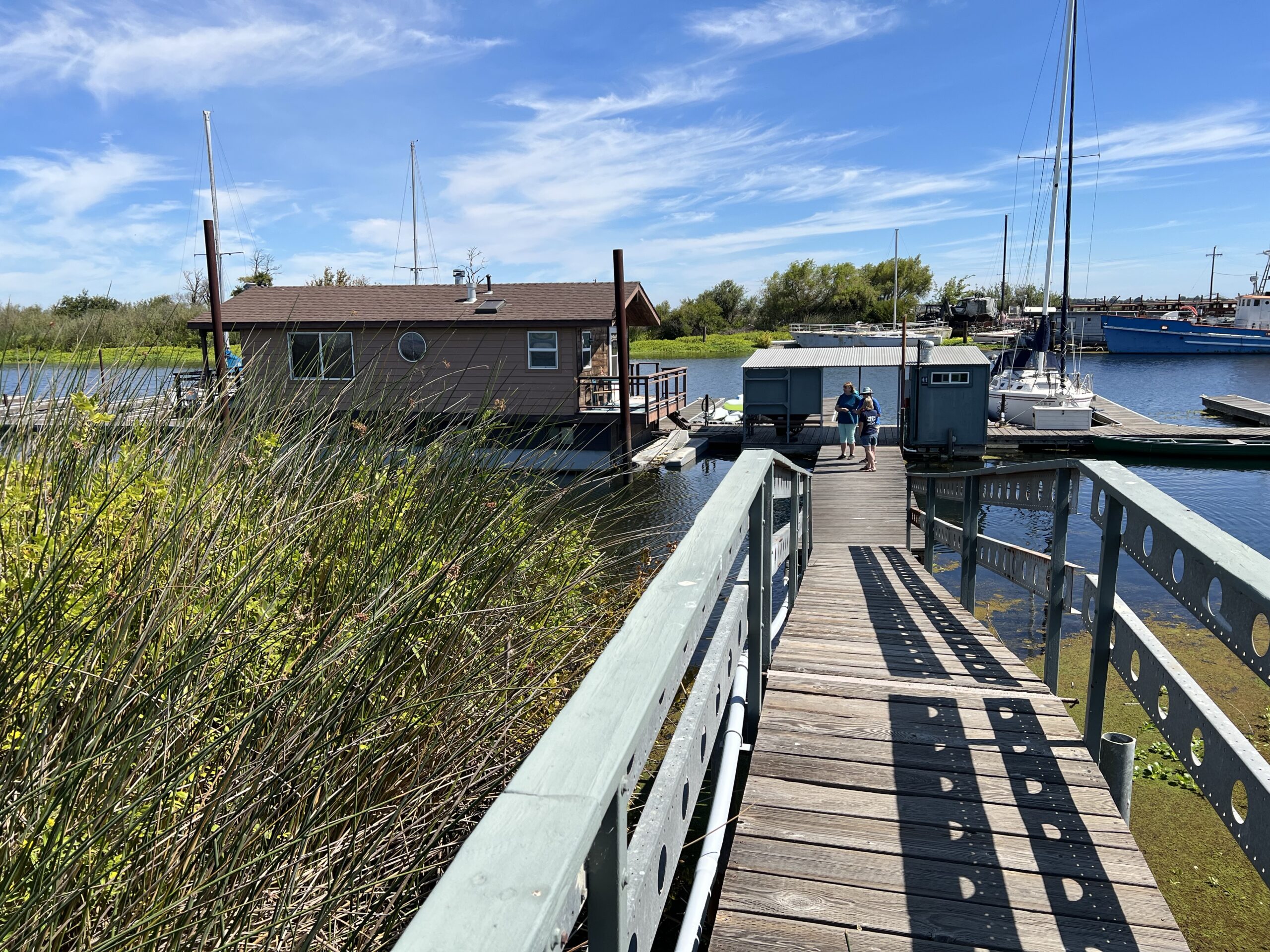
- Floating walkways

- Bright, artistic color schemes
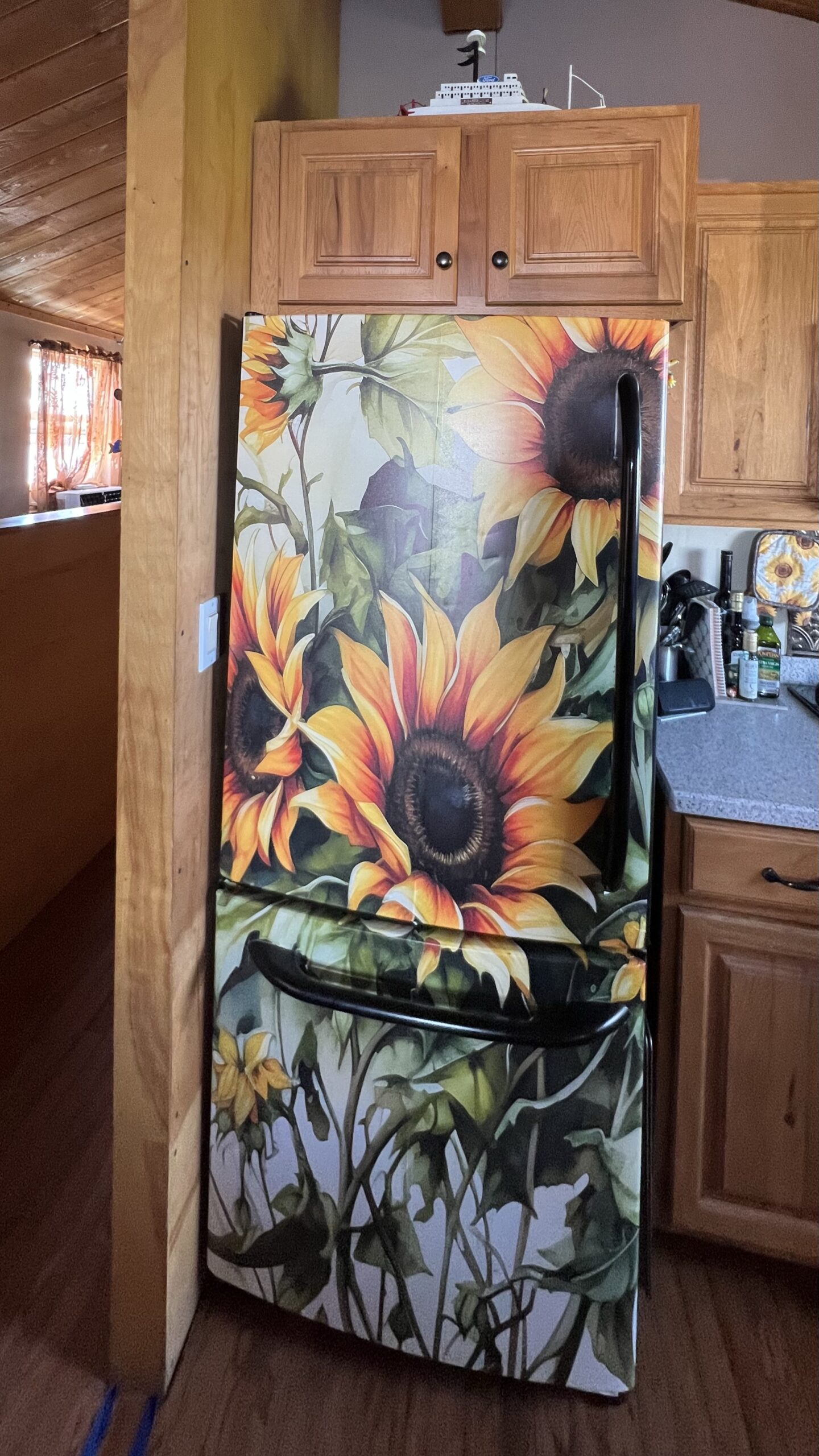
- Sculptural ornamentation

Many homes are designed to maximize light, views, and water interaction.

This architectural diversity is why Sausalito’s floating homes feel more like a village than a marina—each home a personal manifesto.
When Floating Homes Touch Bottom
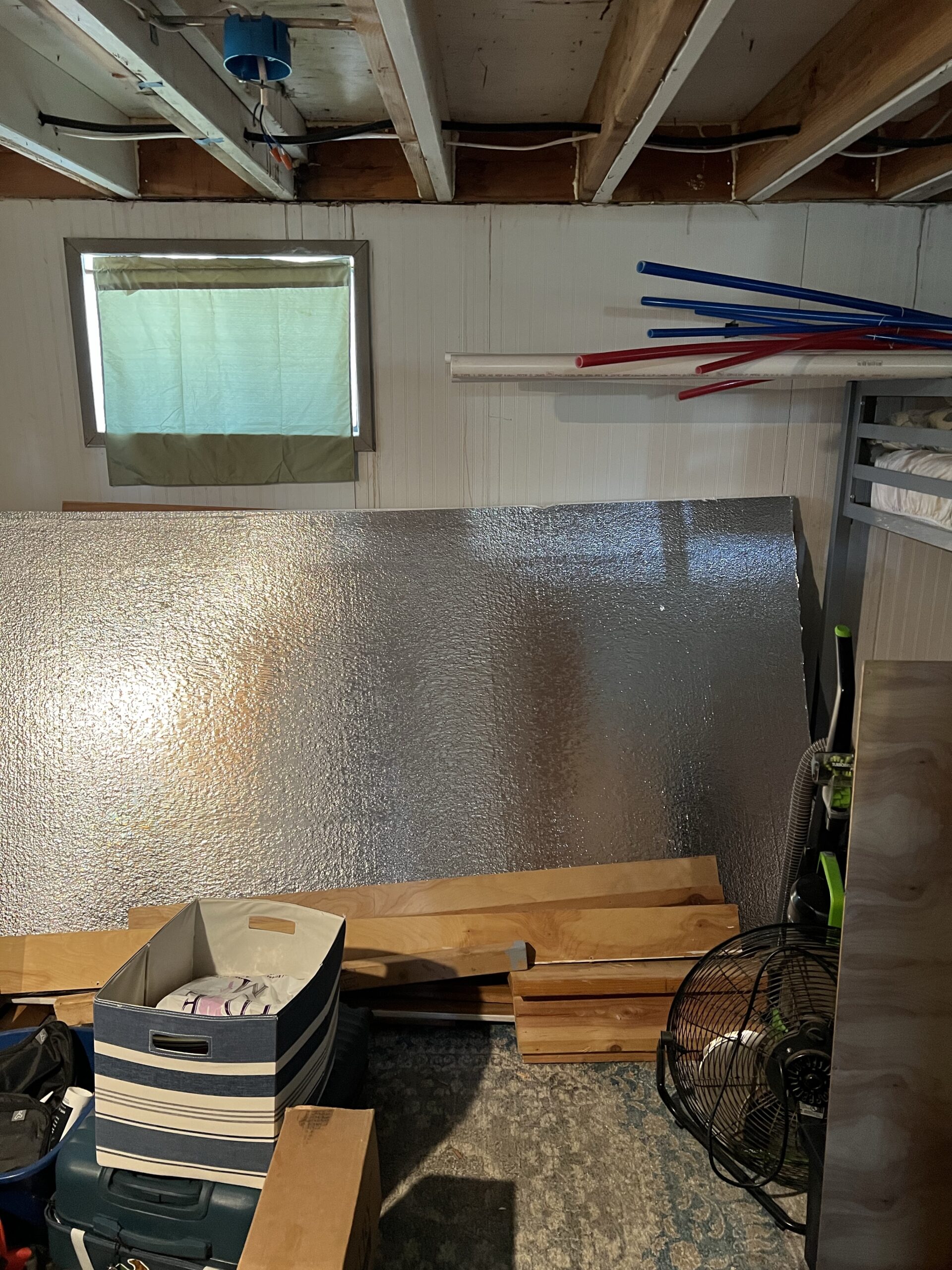
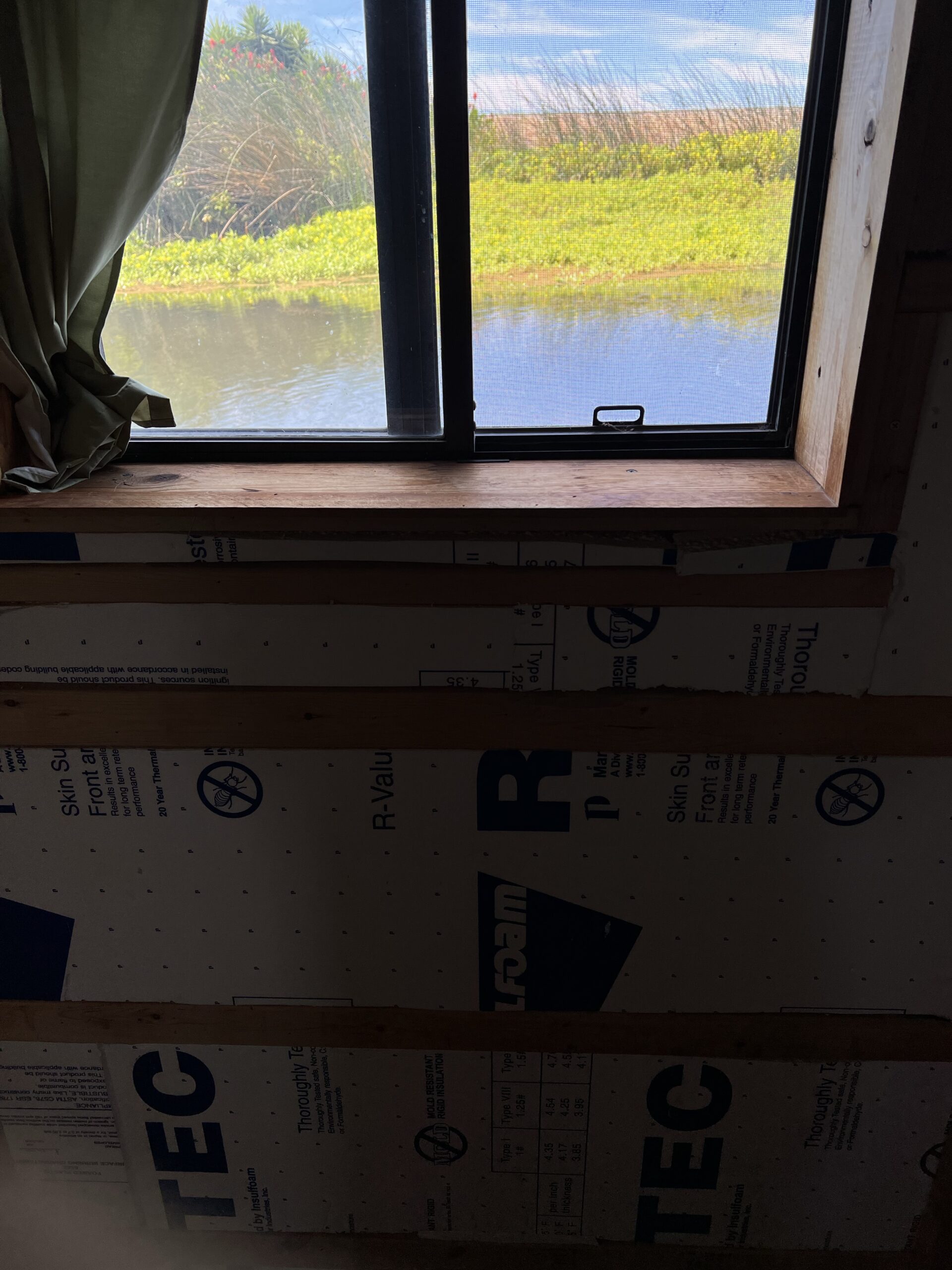
Concrete barges float by displacement, not buoyancy materials. They are hollow structures, and as long as their internal voids remain sealed, they float reliably. But Richardson Bay is shallow, and many barges rest on the mud at low tide. This creates maintenance challenges that are unique to Sausalito:
Cyclical Stress
When a barge settles on the bottom, the hull experiences uneven pressure. Over decades, this can lead to hairline cracks or fatigue in older ferrocement.
Void Management
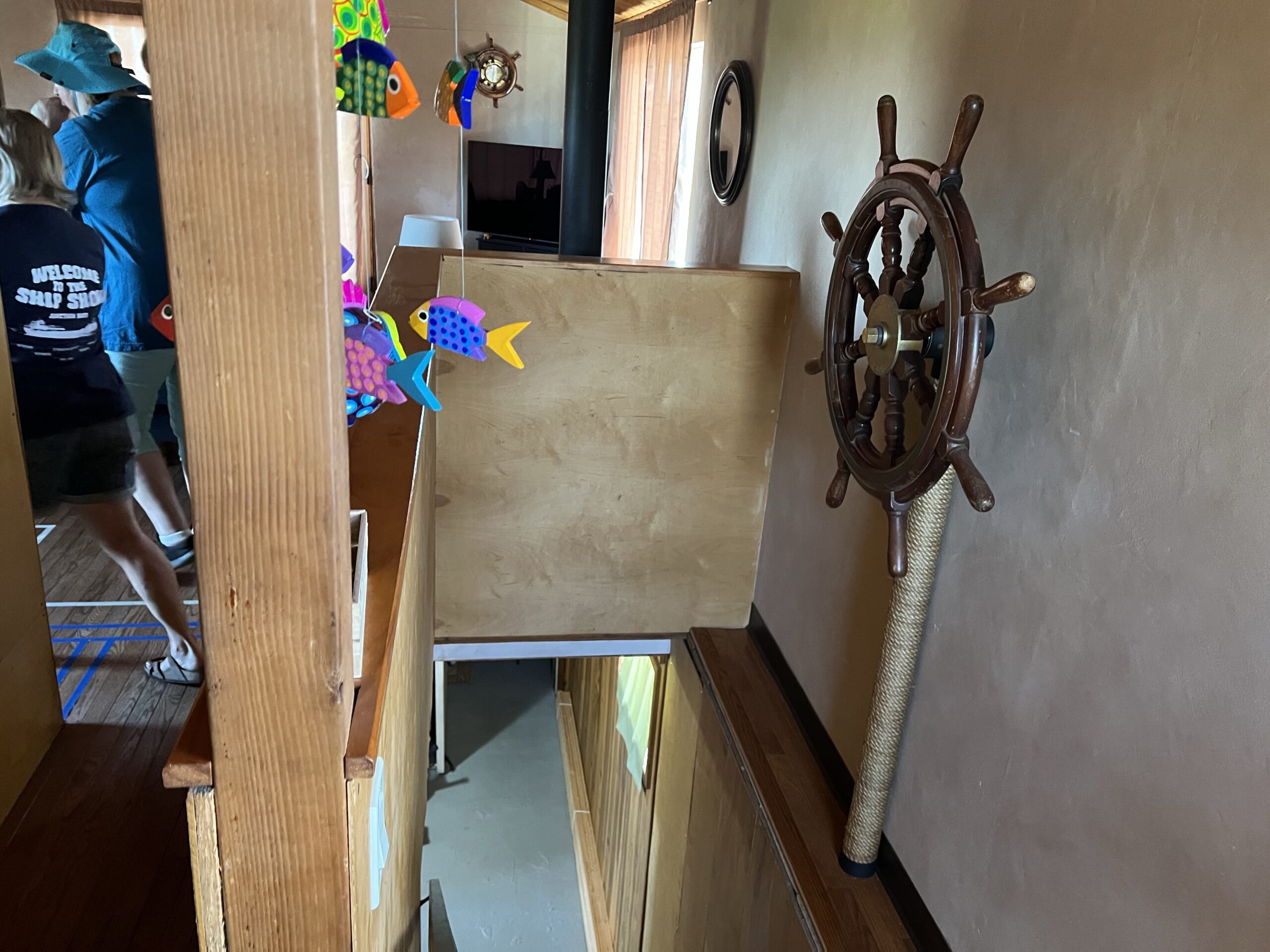
Concrete barges contain sealed chambers. Owners must:
- inspect voids
- pump out accumulated water
- seal cracks before they spread
A neglected void can fill, reducing displacement and causing the home to list.
Bottom Abrasion
The bay floor is not gentle. It contains rocks, debris, and remnants of old pilings. Repeated contact can wear down coatings or expose rebar.
Mooring Strain
When a barge alternates between floating and grounding, mooring lines endure tension changes. Chafe protection and periodic replacement are essential.
These maintenance realities are part of the identity of Sausalito’s concrete homes. They are not fragile, but they demand respect.
Culture: A Bohemian Village on the Water
The floating home community became a magnet for artists, musicians, writers, and free spirits. Alan Watts lived here. Shel Silverstein wrote here. Painters, sculptors, and boatbuilders created a neighborhood that felt more like a floating commune than a collection of houses.

The culture was shaped by:
- improvisation — homes built from salvage
- community — shared docks, shared tools, shared stories
- rebellion — decades of conflict with Marin County over zoning and utilities
- creativity — architecture as personal expression
Even today, despite modern regulations, Sausalito’s floating homes retain their bohemian soul. Gate 5 and Gate 6 remain some of the most visually eclectic neighborhoods in California.
The Economics of a Concrete Dream
Concrete floating homes are now luxury properties, even though their origins were humble. Prices vary by size, condition, and location, but as of 2026:
- Entry-level floating homes: $900,000–$1.4 million
- Concrete barge homes with views: $1.5–$3 million
- Architect-designed modern floating homes: $3–$5+ million
Annual costs include:
- slip fees
- utilities
- hull inspections
- insurance
- periodic structural maintenance
Owning a concrete floating home is not inexpensive, but it offers something rare: a home that is both a piece of history and a work of art.
A Living Artifact of California’s Maritime Imagination
Sausalito’s concrete houseboats are the product of wartime necessity, postwar improvisation, and decades of cultural evolution. Their architecture reflects the creativity of the people who built them. Their maintenance challenges reflect the realities of living on the edge of land and sea. Their costs reflect their transformation from bohemian refuge to coveted waterfront enclave.
They remain one of the most distinctive expressions of California’s maritime heritage—floating monuments to the idea that beauty can emerge from salvage, community can grow from chaos, and a concrete barge can become a home.
The result is a distinctivet West Coast bohemian-modern hybrid.

Seattle floating homes tend toward:
log floats
Scandinavian minimalism
uniform marina regulations
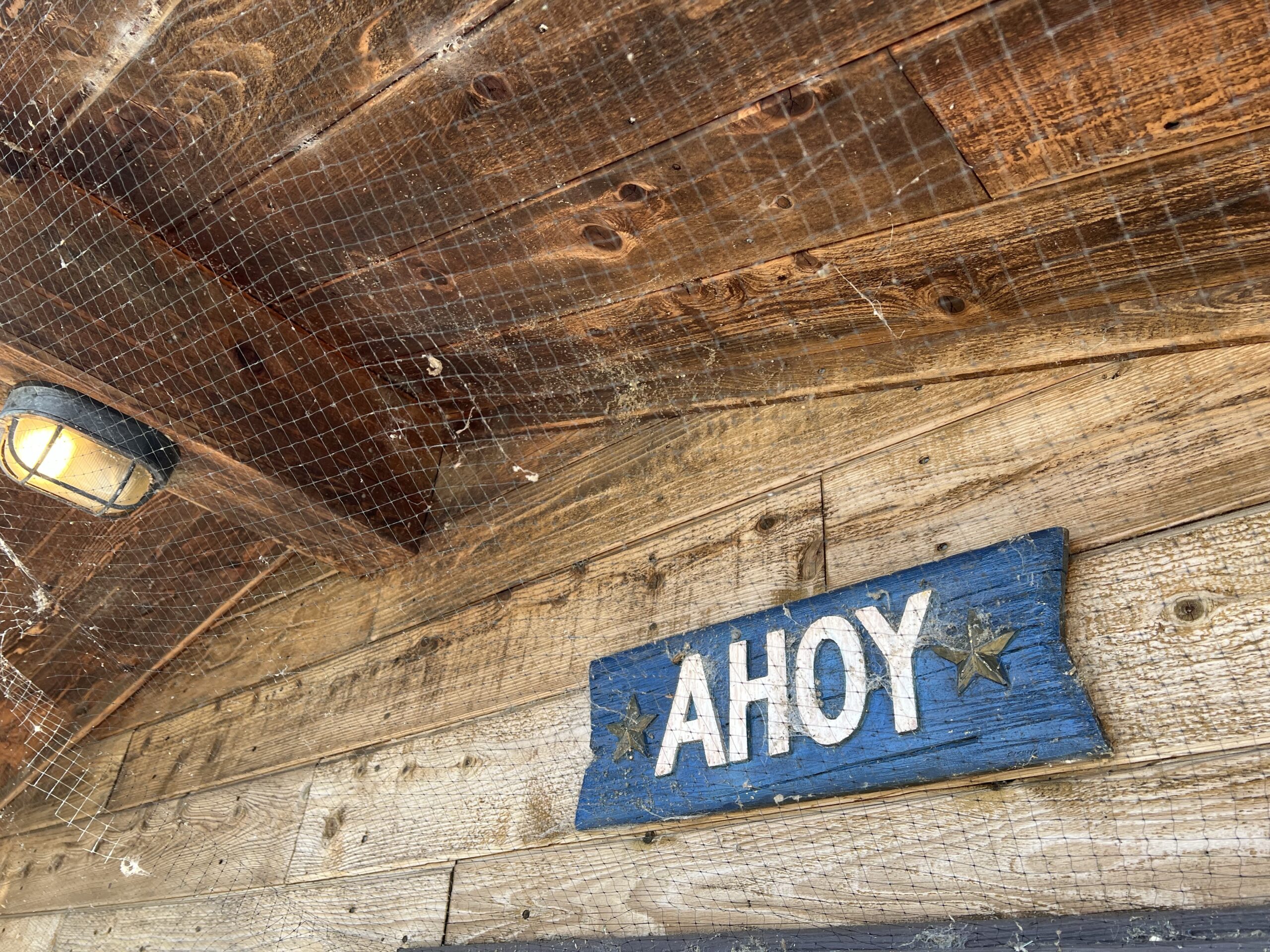
Sausalito floating homes are:
more eclectic
more artistic
more improvisational
more influenced by maritime salvage
more architecturally diverse