From Chickens to Chardonnay
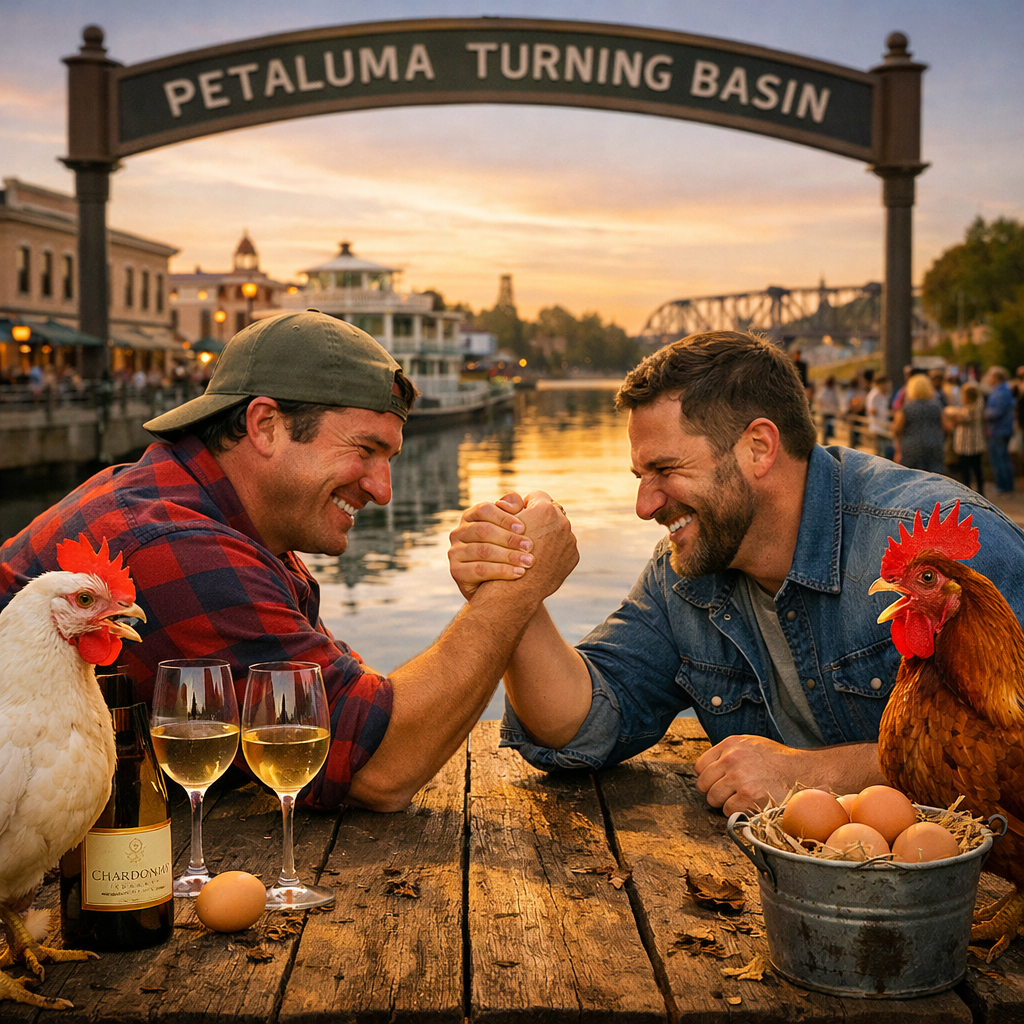
At first glance, Petaluma appears to be another attractive small Northern California city, known for its Victorian downtown, excellent restaurants, and proximity to Sonoma wine country.

Yet beneath that pleasant exterior lies one of California’s most fascinating regions. Within an hour’s drive are traces of Native American settlement, the northern frontier of Mexican California, one of the United States Navy’s oldest shipyards, internationally significant wetlands, celebrated vineyards, remarkable engineering works, and landscapes that have inspired artists for generations. Whether one approaches Petaluma as a historian, engineer, architect, birder, boater, wine enthusiast, athlete, beer lover, or artist, the region offers an extraordinary range of discoveries.
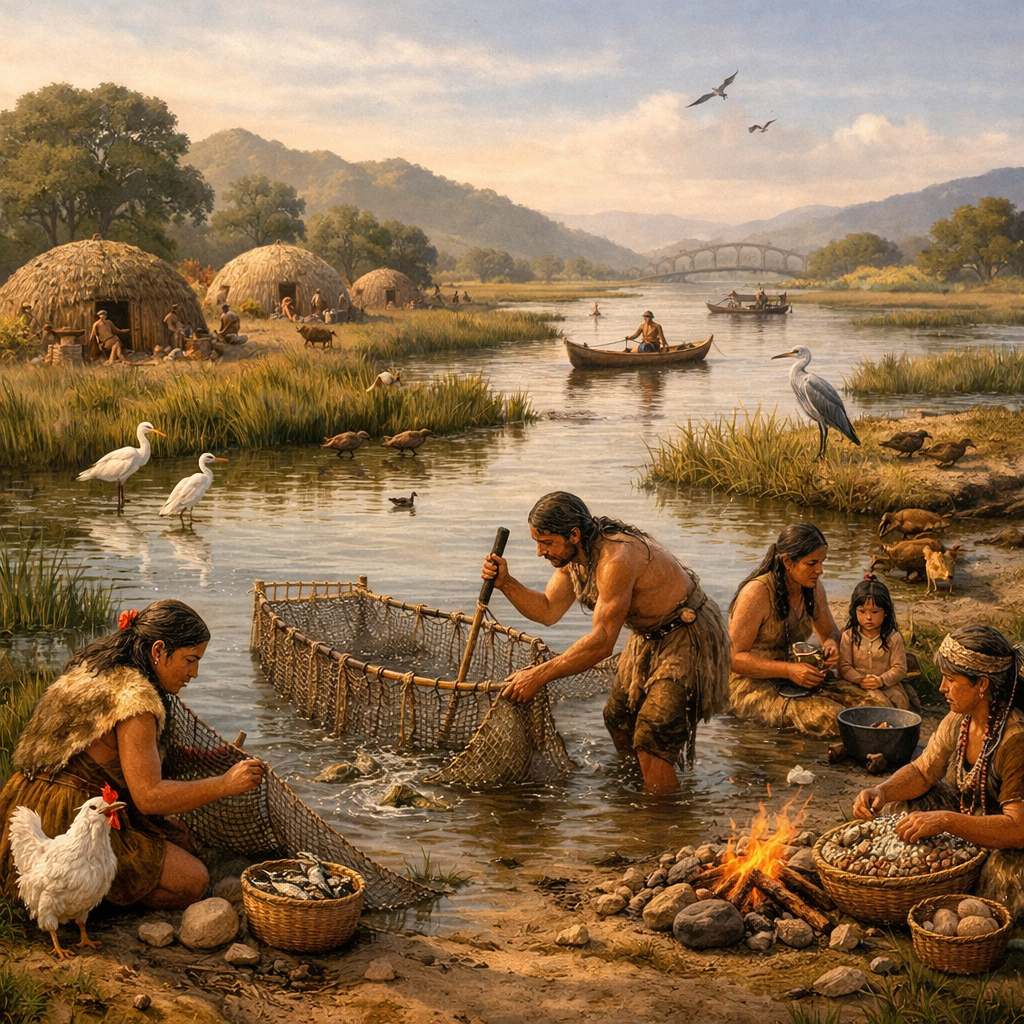
For the historian, Petaluma tells the story of California in miniature. Long before European settlement, the marshes and river valleys were home to the Coast Miwok and Southern Pomo peoples, who lived from the abundant fisheries, wildlife, and oak woodlands for thousands of years.
During the Mexican period, nearby Sonoma became the northern outpost of Alta California, and the region played an important role in the dramatic events of the Bear Flag Revolt that preceded California’s admission to the United States.
Petaluma itself flourished during the late nineteenth and early twentieth centuries as the “Egg Basket of the World.” Millions of chickens produced hundreds of millions of eggs each year, making the city one of the country’s leading agricultural centers. The Petaluma River became the city’s commercial highway, with steamships carrying eggs, butter, poultry, grain, lumber, and livestock between Petaluma and San Francisco.
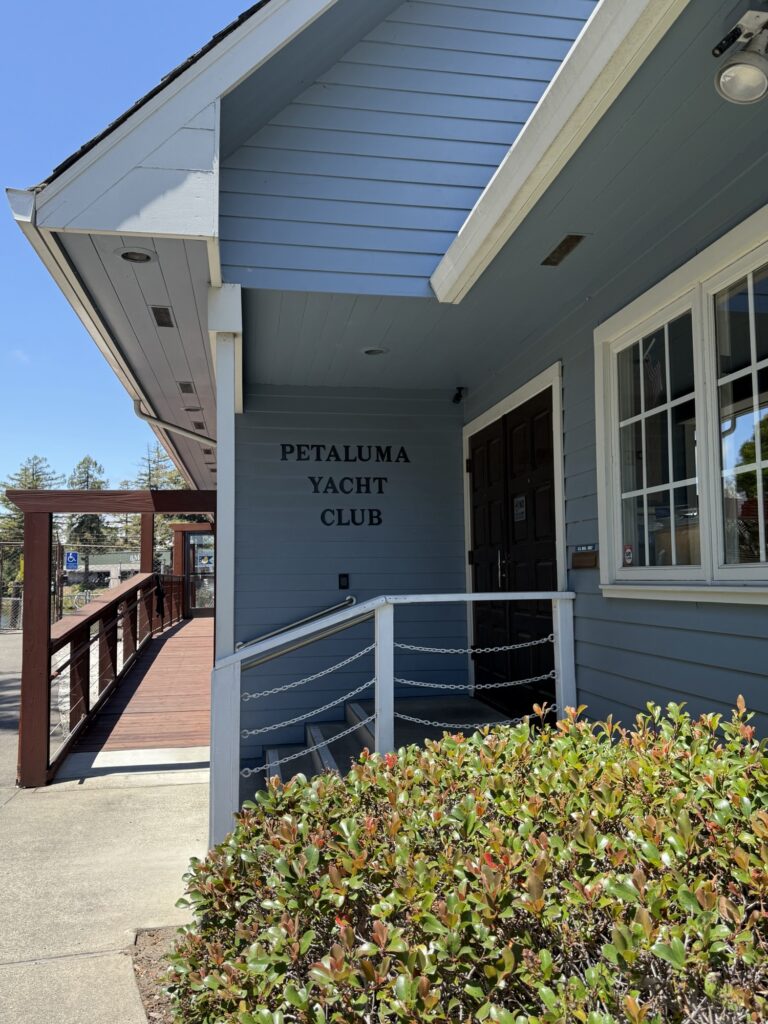
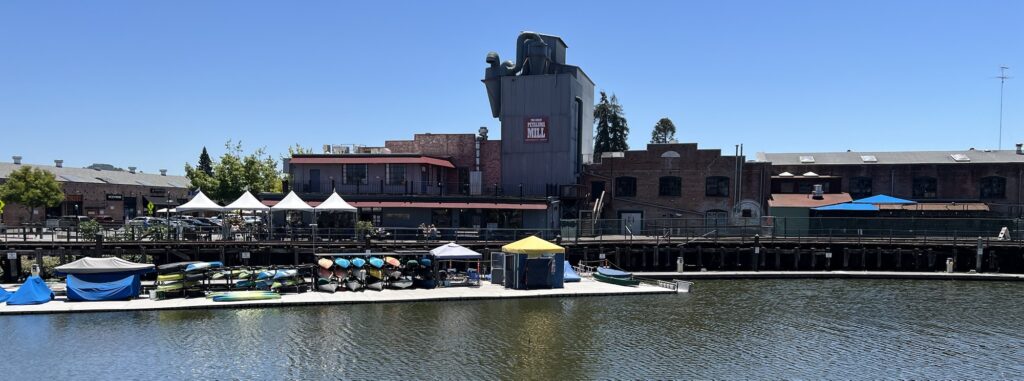
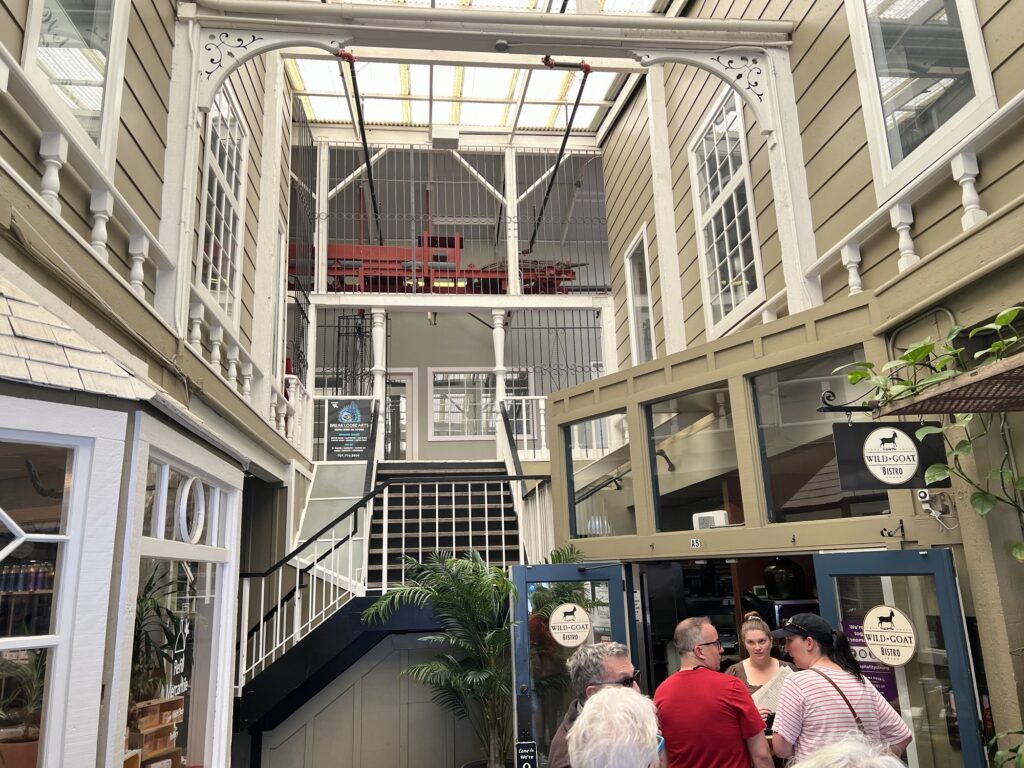
Much of that prosperity survives today in the city’s beautifully preserved commercial district, where Victorian storefronts, brick warehouses, grain mills, and former feed stores still line the streets and riverfront.
A short drive to the south lies one of California’s greatest historical treasures: Mare Island Naval Shipyard in Vallejo. Established in 1854 as the first United States naval installation on the Pacific Coast, Mare Island served continuously for nearly a century and a half.
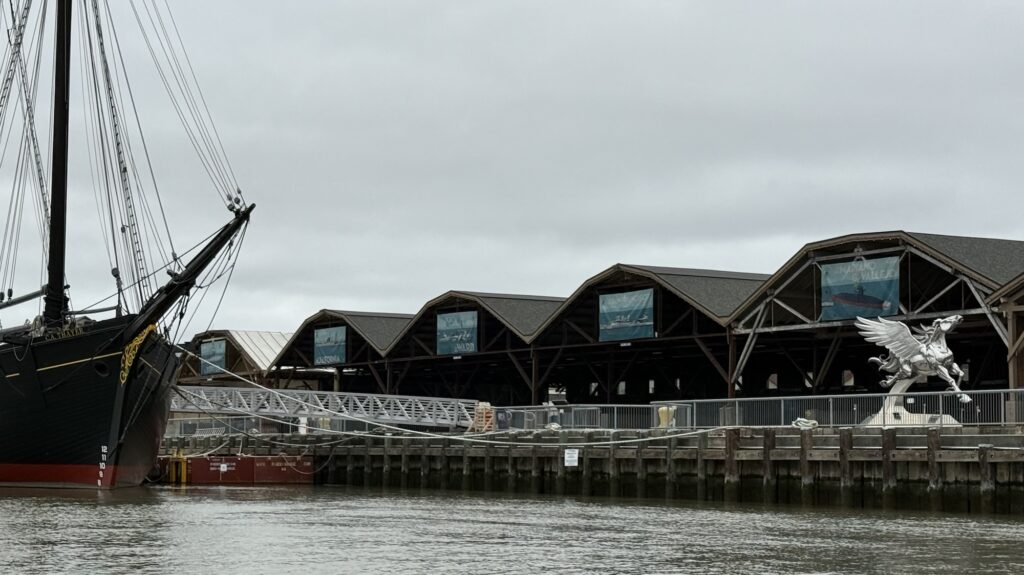
During the Civil War it supplied Union naval forces; in the First and Second World Wars it built and repaired warships; during the Cold War it became a center for submarine maintenance and nuclear-era naval technology.
Today visitors can still walk among massive dry docks, machine shops, foundries, officers’ quarters, and the beautiful St. Peter’s Chapel, whose Tiffany stained-glass windows provide an unexpected artistic masterpiece within an industrial setting.
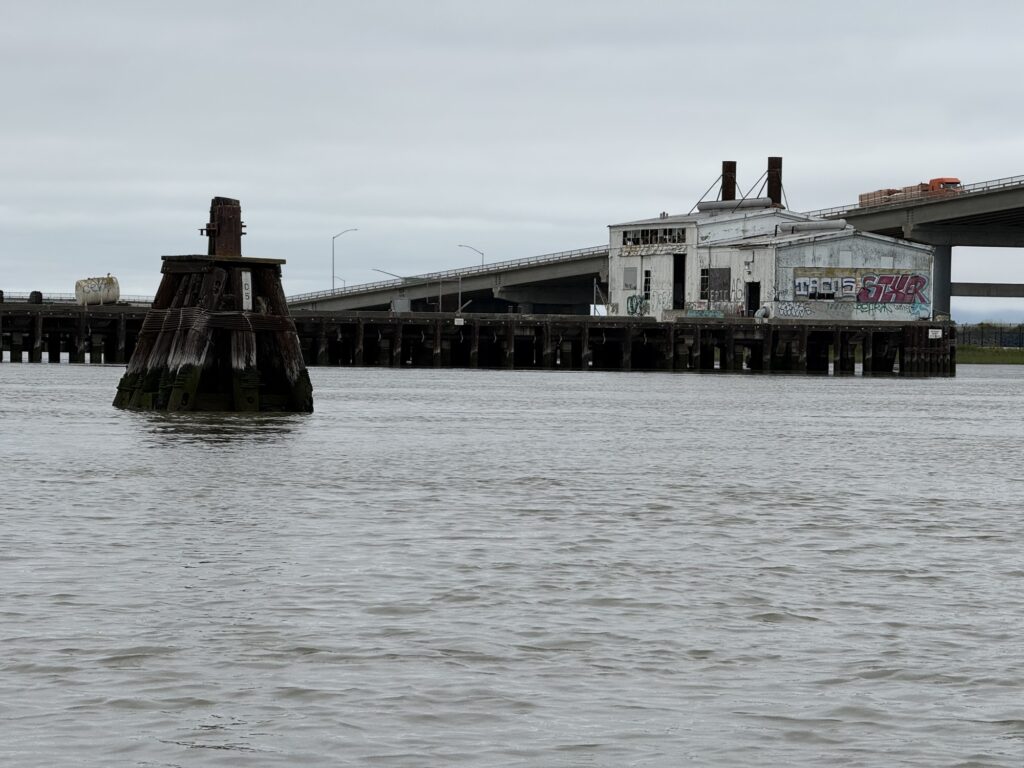
Vallejo itself contributes another layer of history, having briefly served as California’s state capital before developing into one of the West Coast’s principal naval communities.
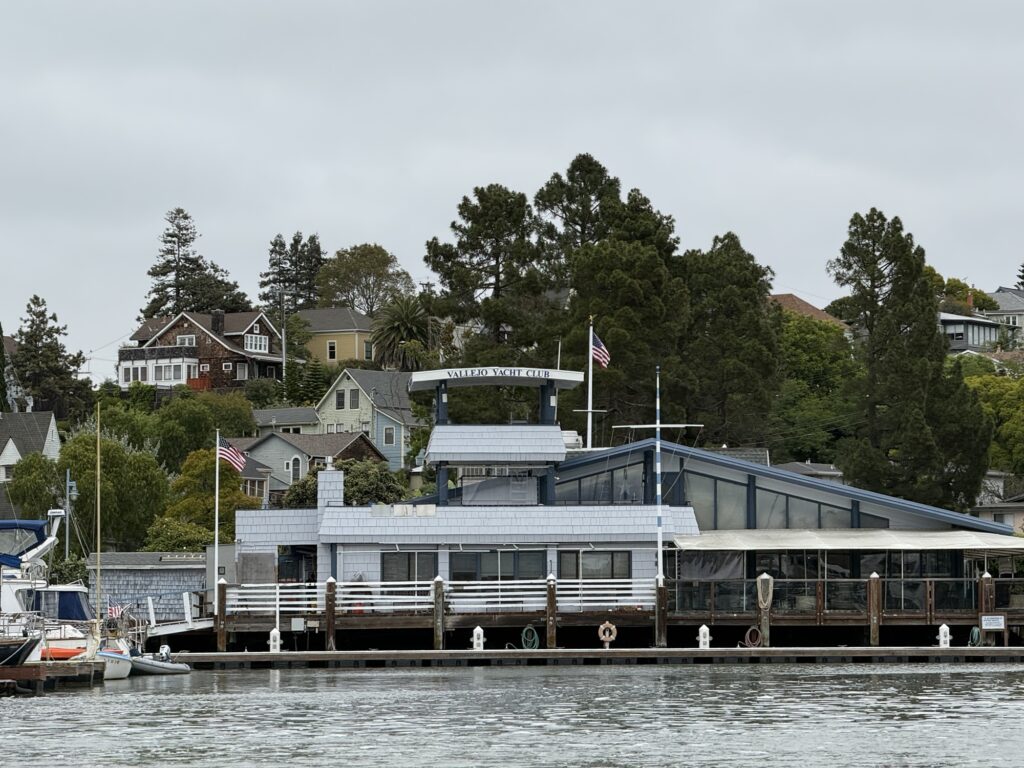
Mare Island offers an entirely different engineering experience. Its enormous dry docks, heavy cranes, machine shops, power plants, and industrial infrastructure demonstrate more than a century of naval engineering at an immense scale.
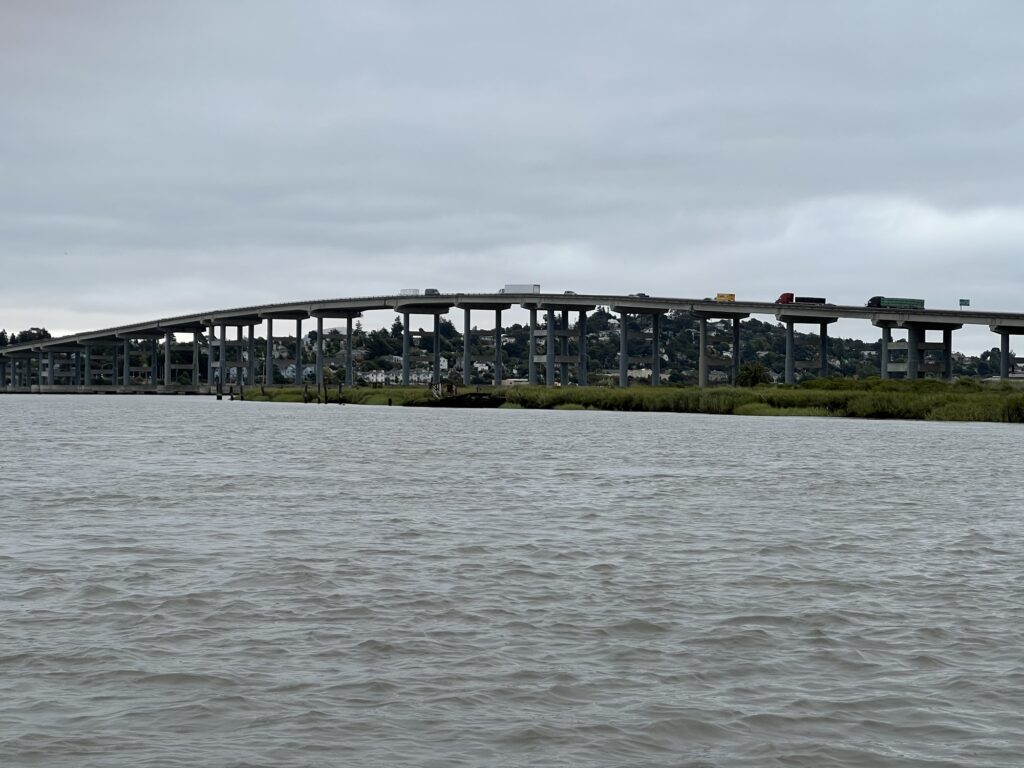
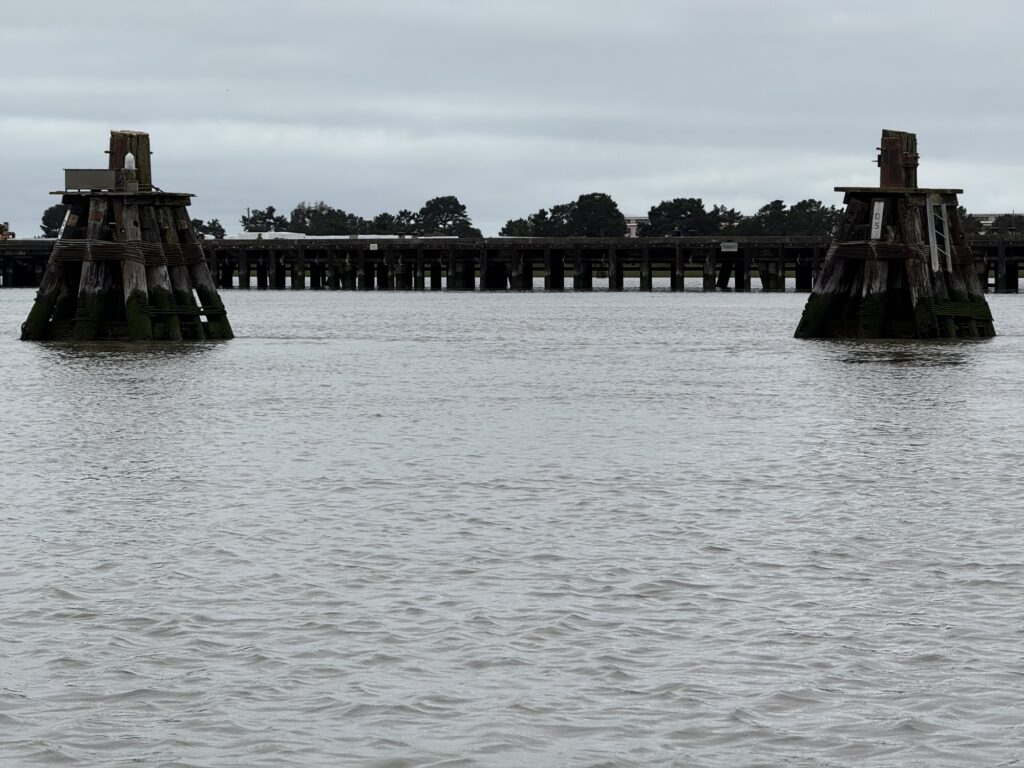
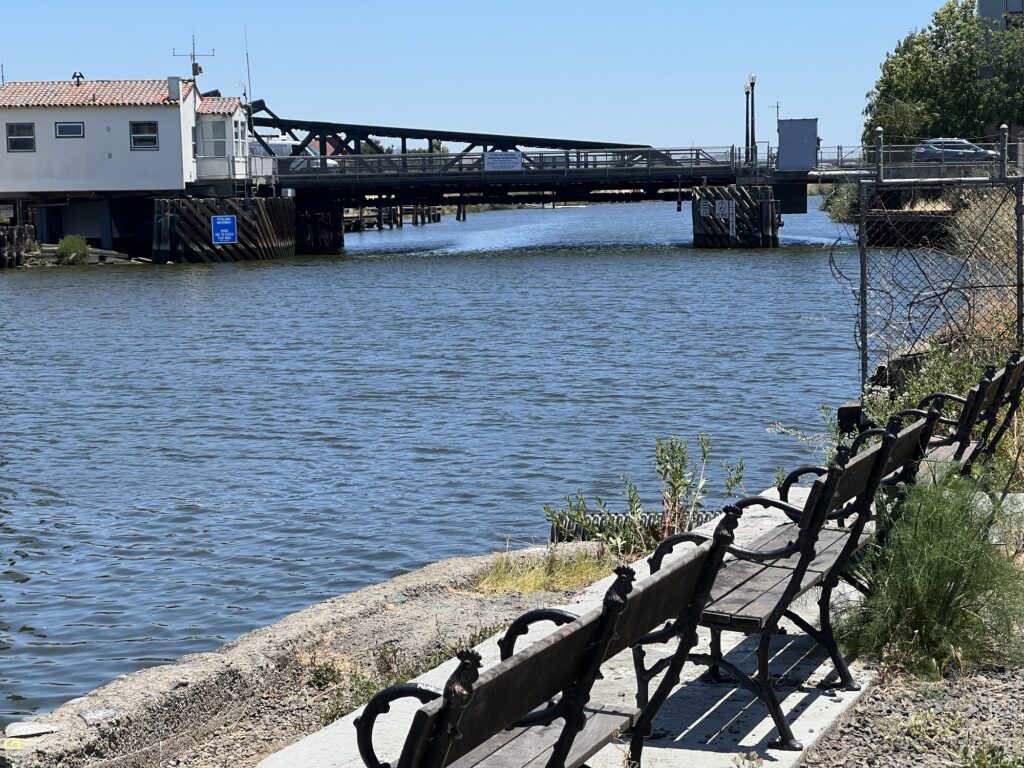
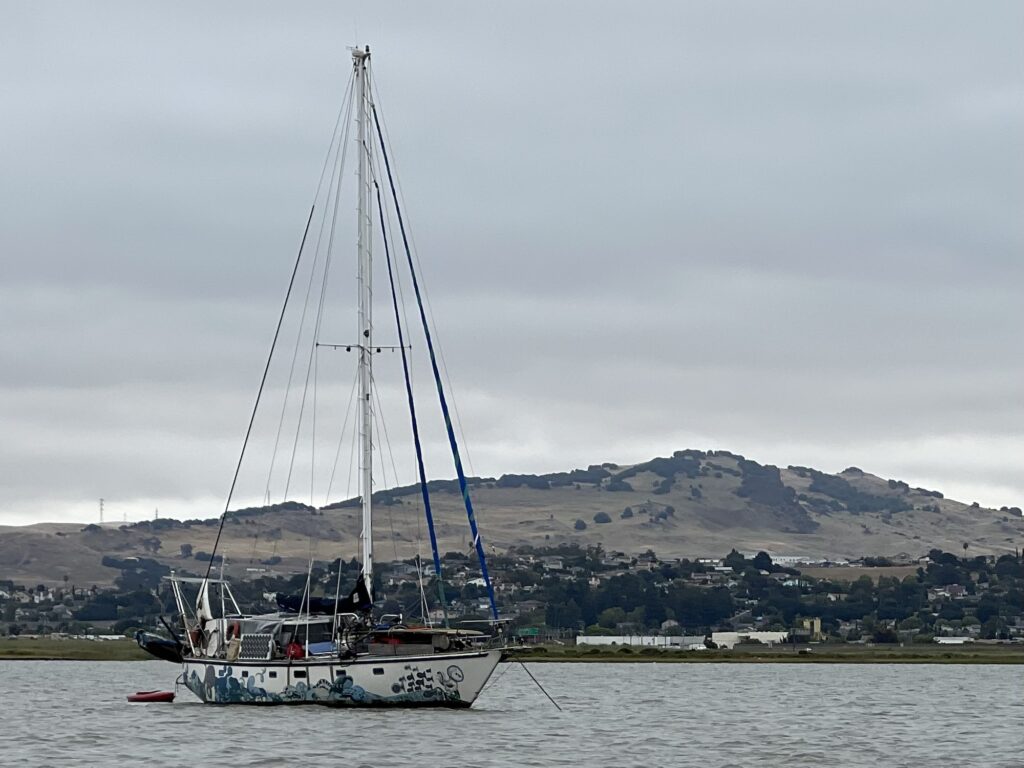
In a typical cruising boat with normal cabin and mast height, you’ll go under Highway 37 and U.S. 101 without openings, on the last 13 miles to the Petaluma Turning Basin, but you’ll request Haystack Landing and D Street to open.
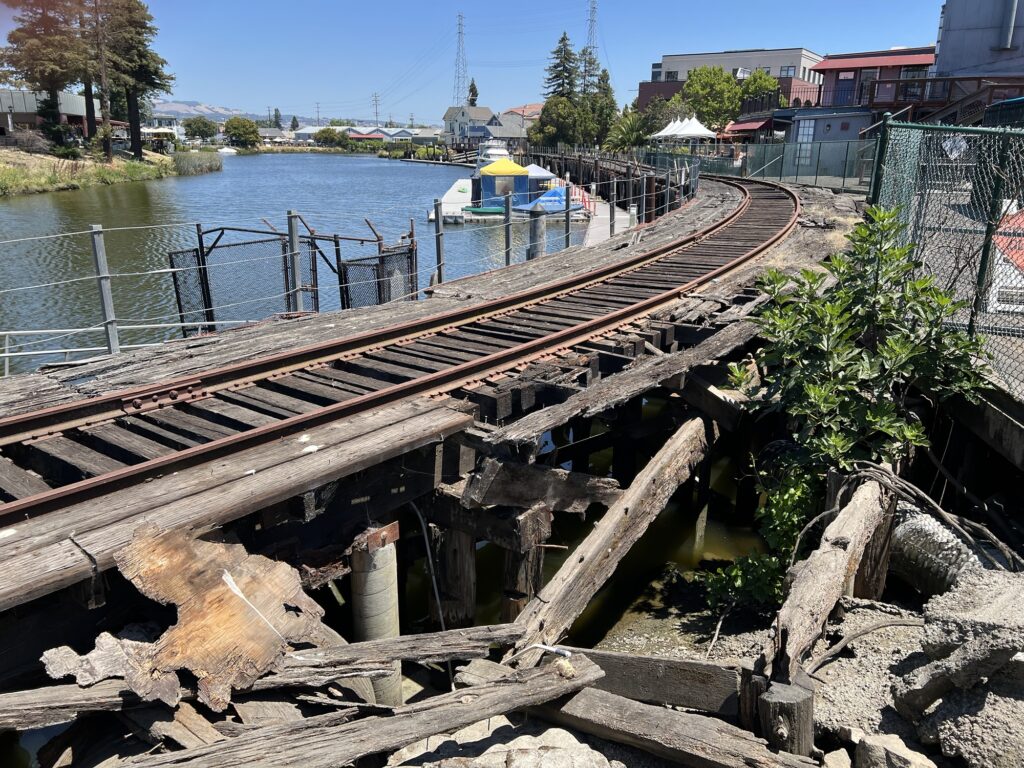
Nearby bridges spanning the Carquinez Strait and the shipping channels leading into San Francisco Bay further showcase the sophisticated civil engineering that supports one of America’s busiest maritime regions. Even the Sonoma–Marin Area Rail Transit (SMART) system reflects modern transportation engineering through the adaptive reuse of historic railroad corridors.
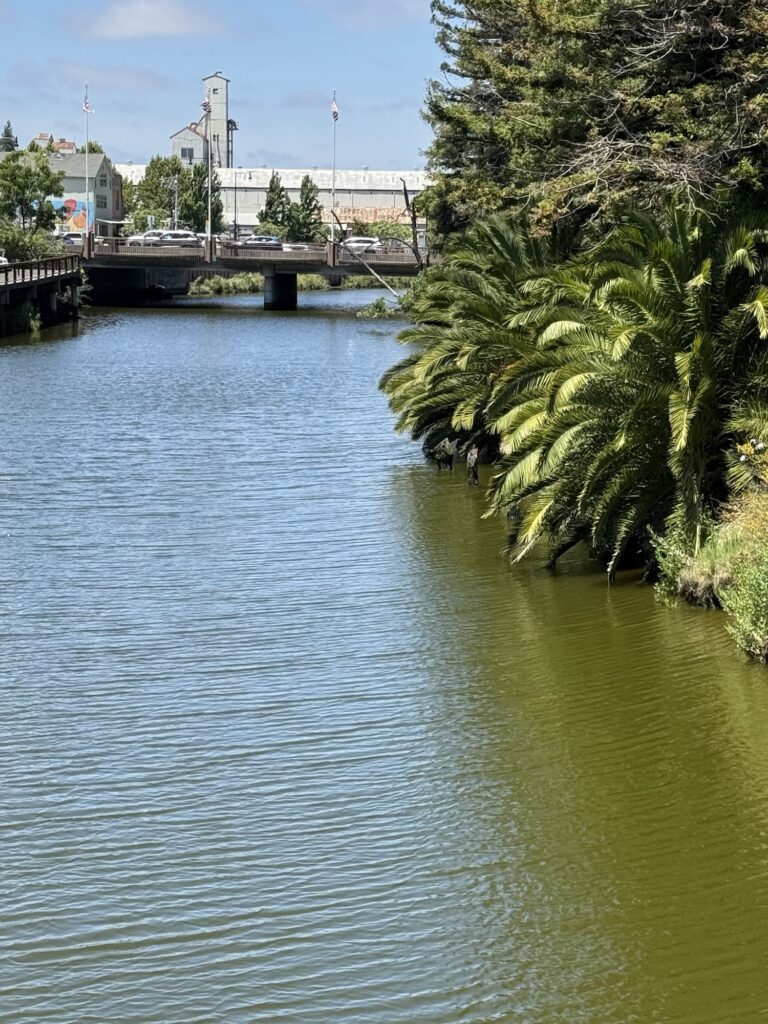
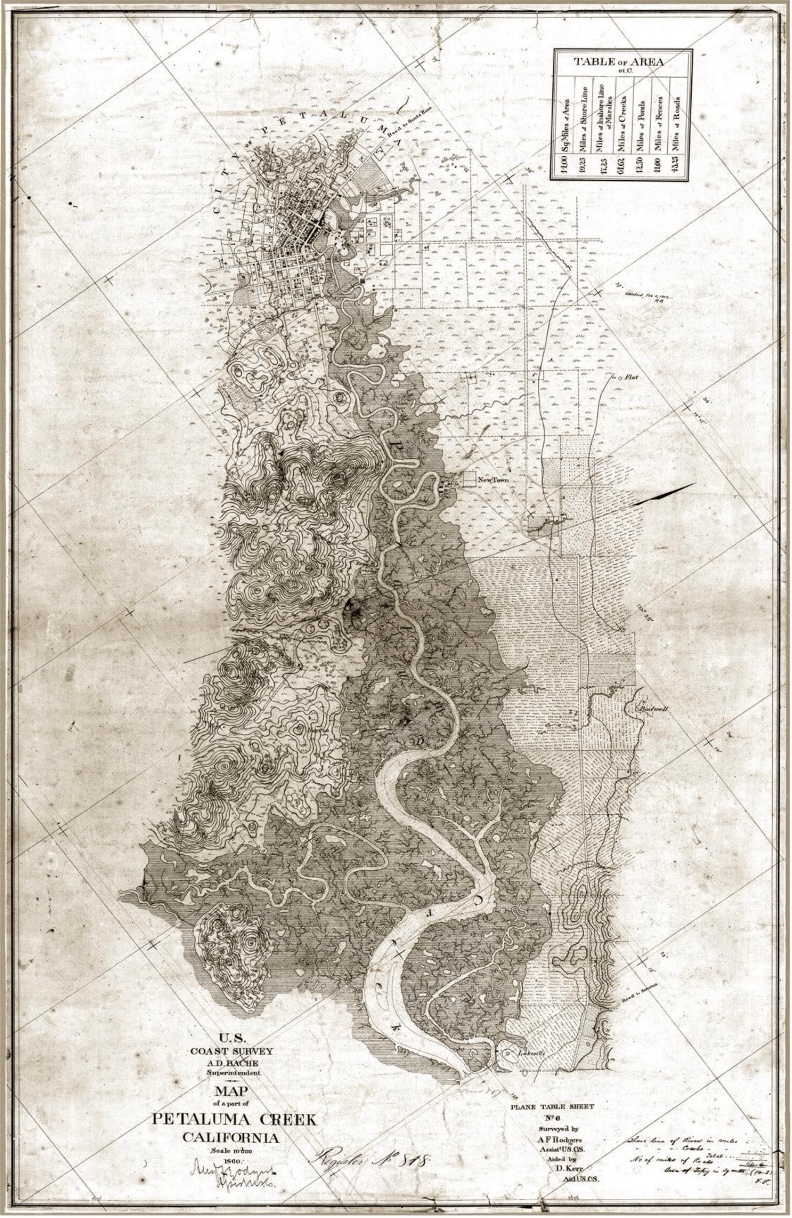
For engineers, the region is equally compelling. The Petaluma River is not simply a scenic waterway but an ongoing engineering project. Nature constantly attempts to reclaim the channel as tides carry sediment inland and deposit mud along the riverbed. Without continual dredging, navigation would gradually become impossible.

Maintaining the river requires careful balancing of navigation, flood control, wetlands preservation, fish habitat, and environmental regulations.
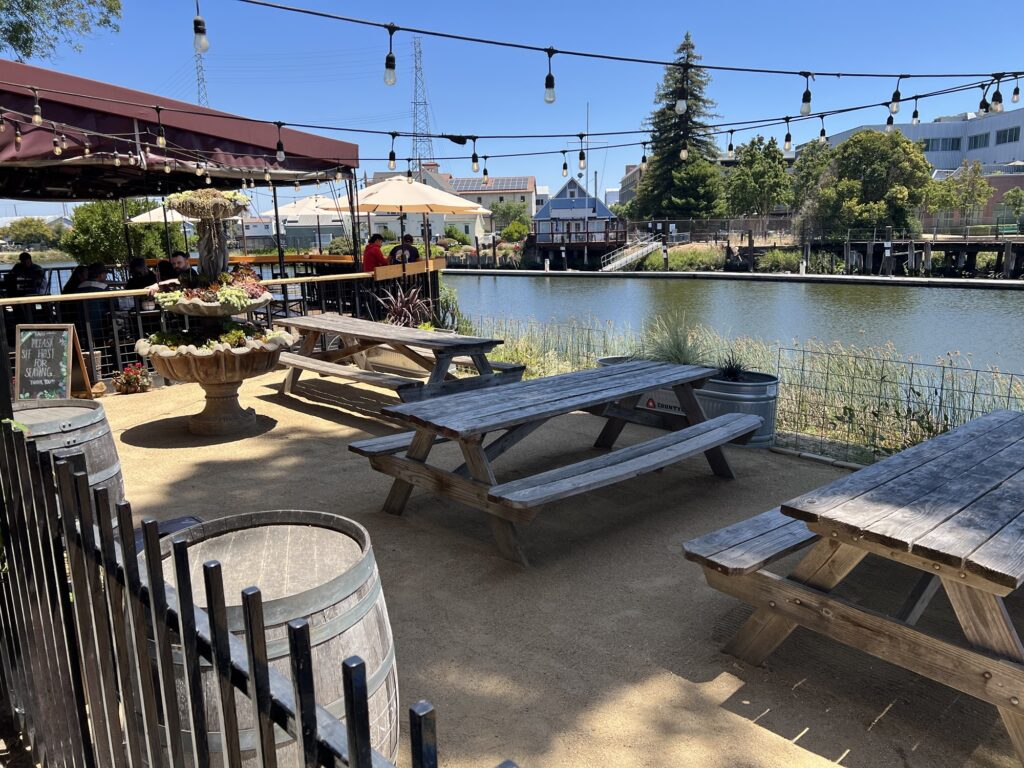
The turning basin in downtown Petaluma, together with levees, flood-control structures, bridges, and channel improvements, illustrates the continuous dialogue between natural processes and human ingenuity.
Architecture lovers find Petaluma especially rewarding because so much of its historic fabric remains intact. Unlike many California cities that experienced extensive postwar redevelopment, Petaluma preserved much of its nineteenth-century commercial core.
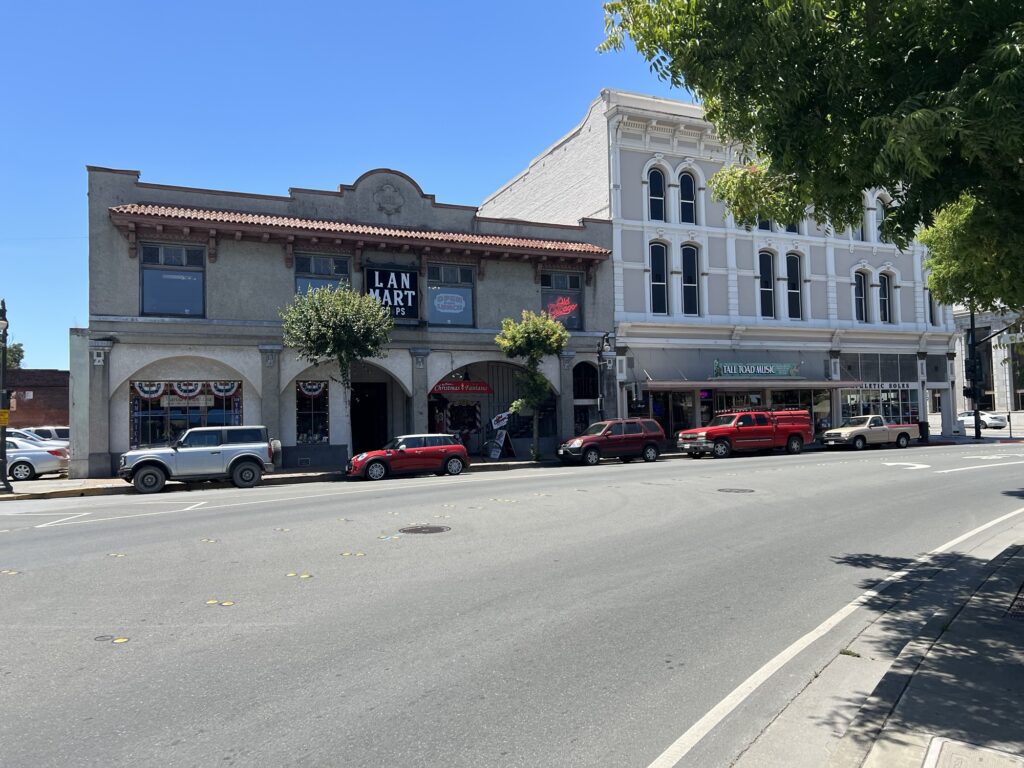
Italianate storefronts, Queen Anne residences, Classical Revival banks, Romanesque commercial buildings, and Art Deco additions coexist within a remarkably walkable downtown.
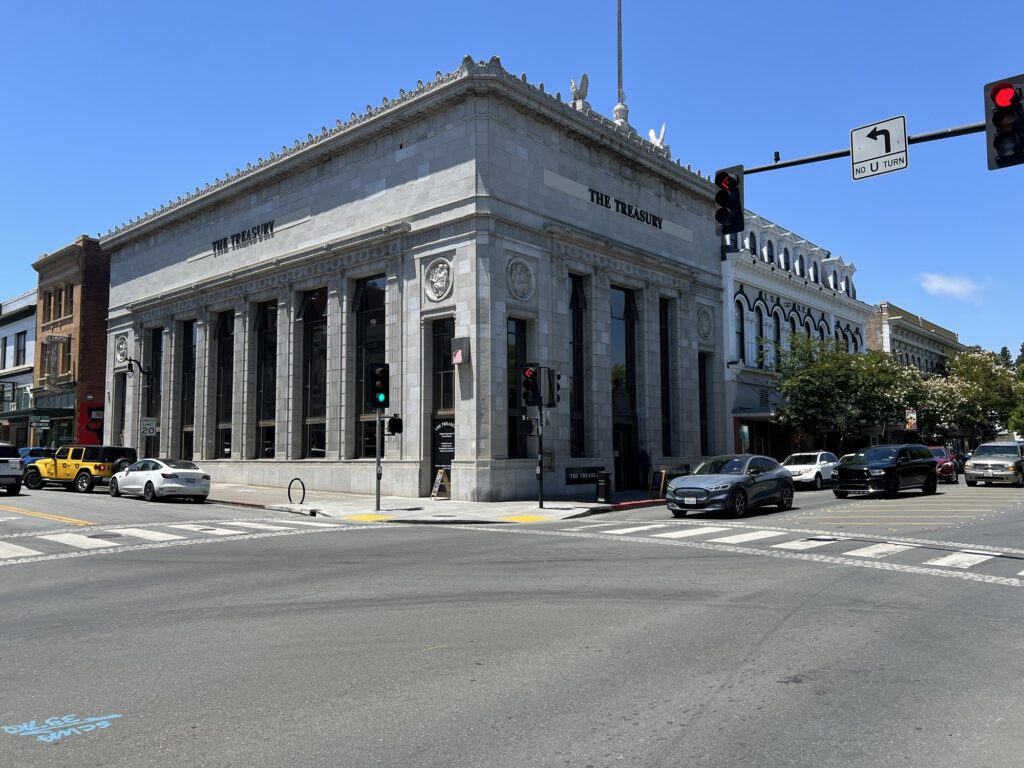
Beyond Petaluma, Frank Lloyd Wright’s Marin Civic Center in nearby San Rafael represents one of the architect’s final masterpieces, while Mare Island’s naval buildings reveal the practical elegance of military architecture spanning nearly 150 years.

Birders quickly discover why the region is internationally recognized for wildlife. The tidal marshes surrounding Petaluma support remarkable concentrations of shorebirds and waterfowl.
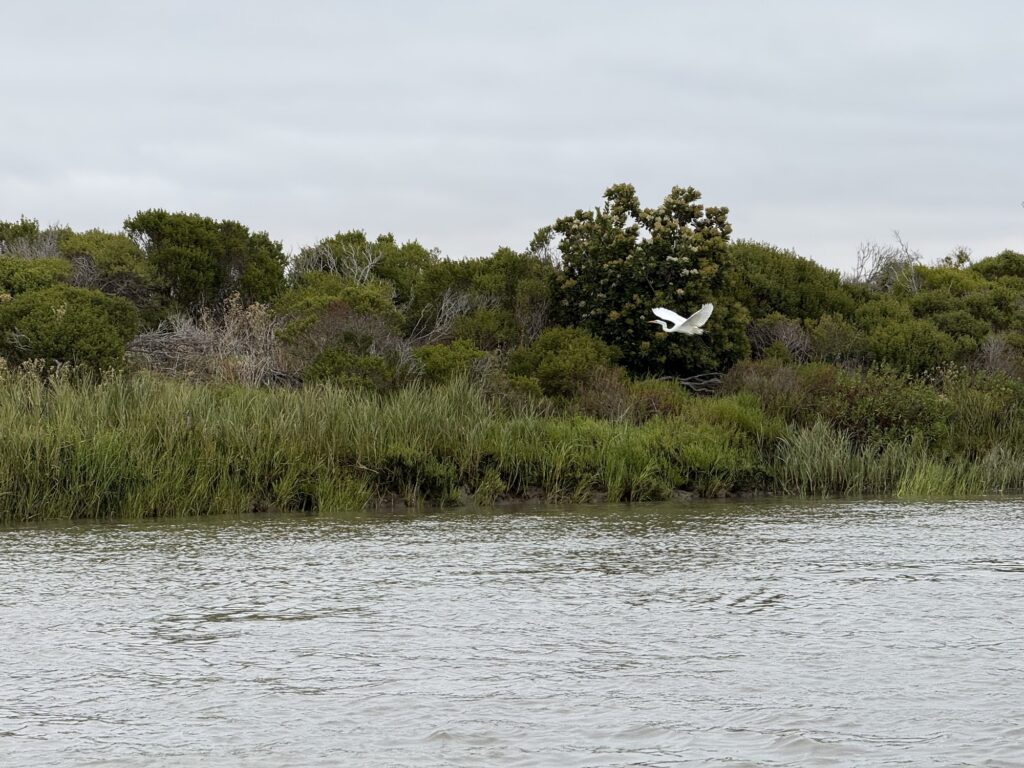
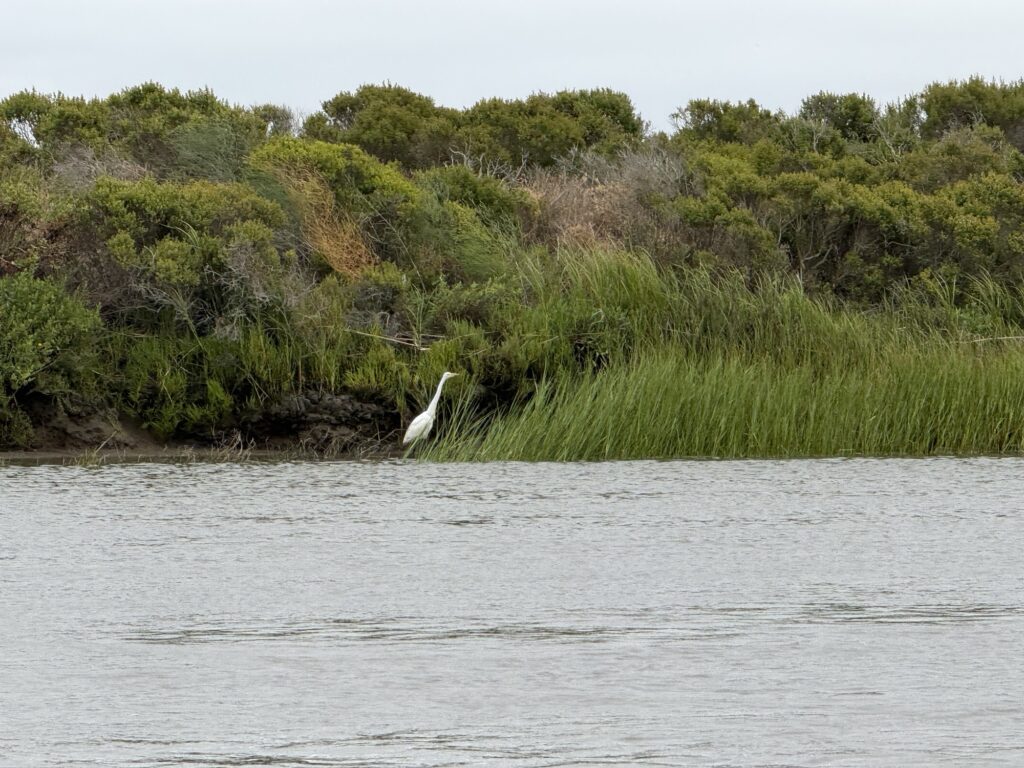
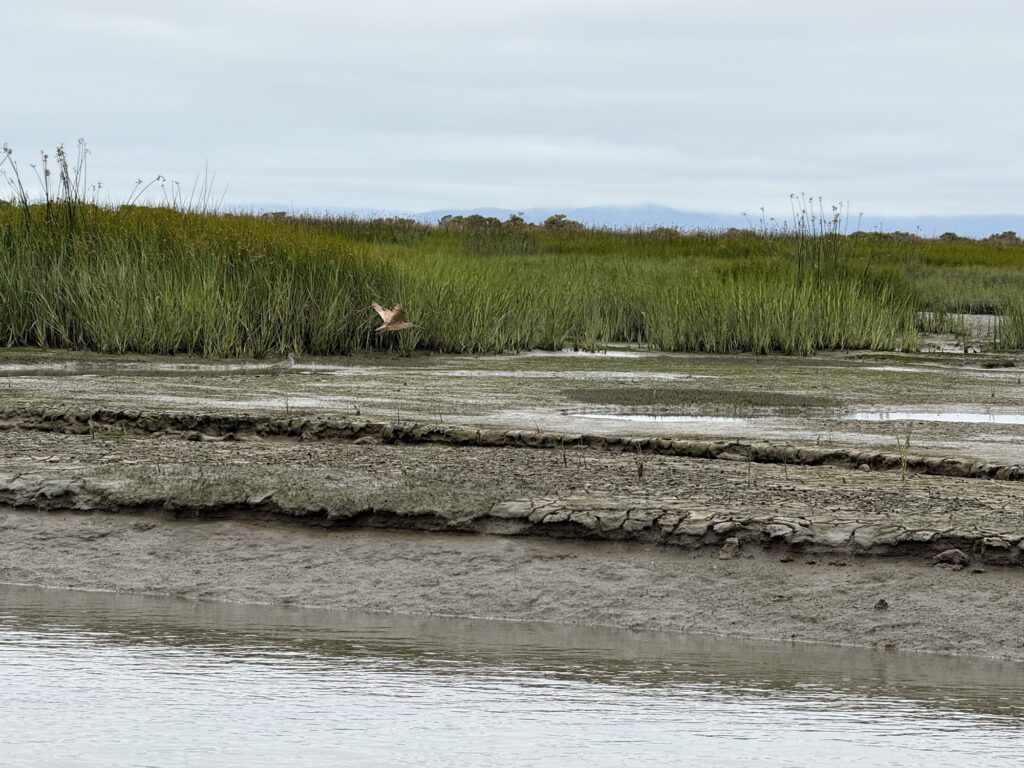
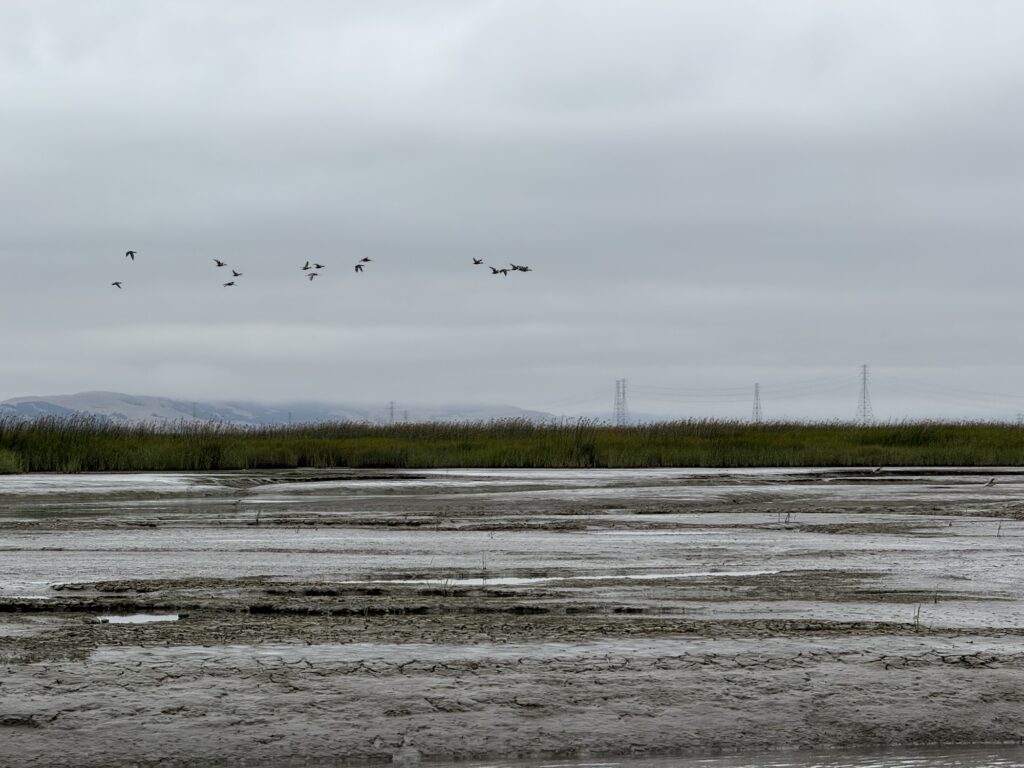
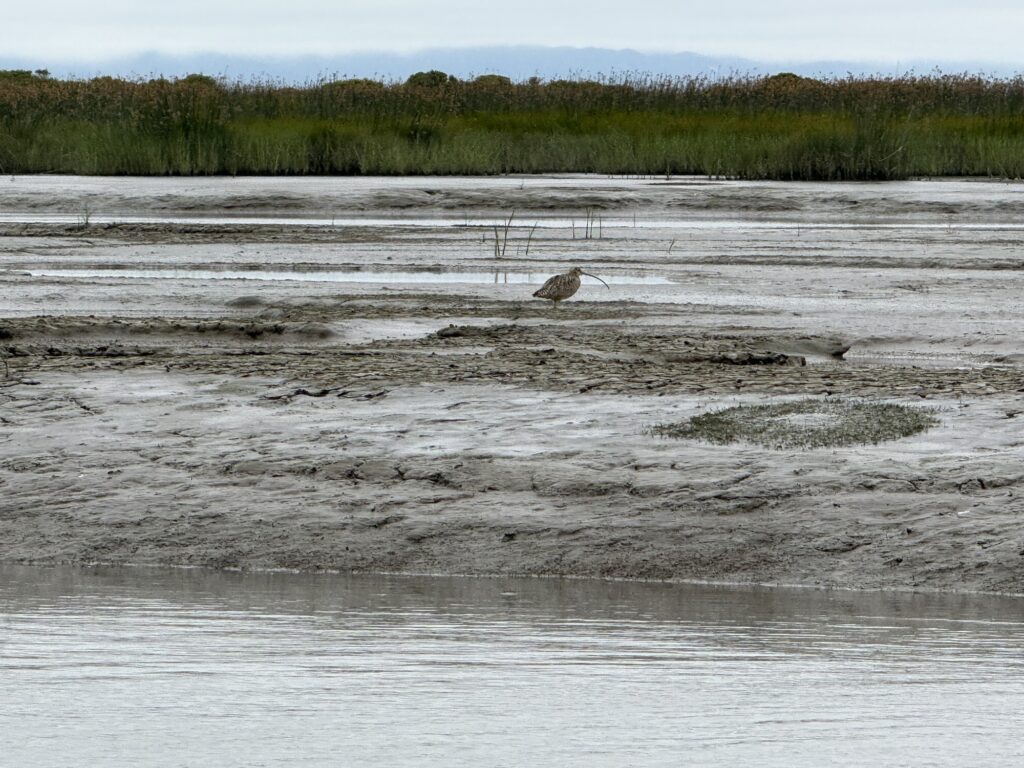
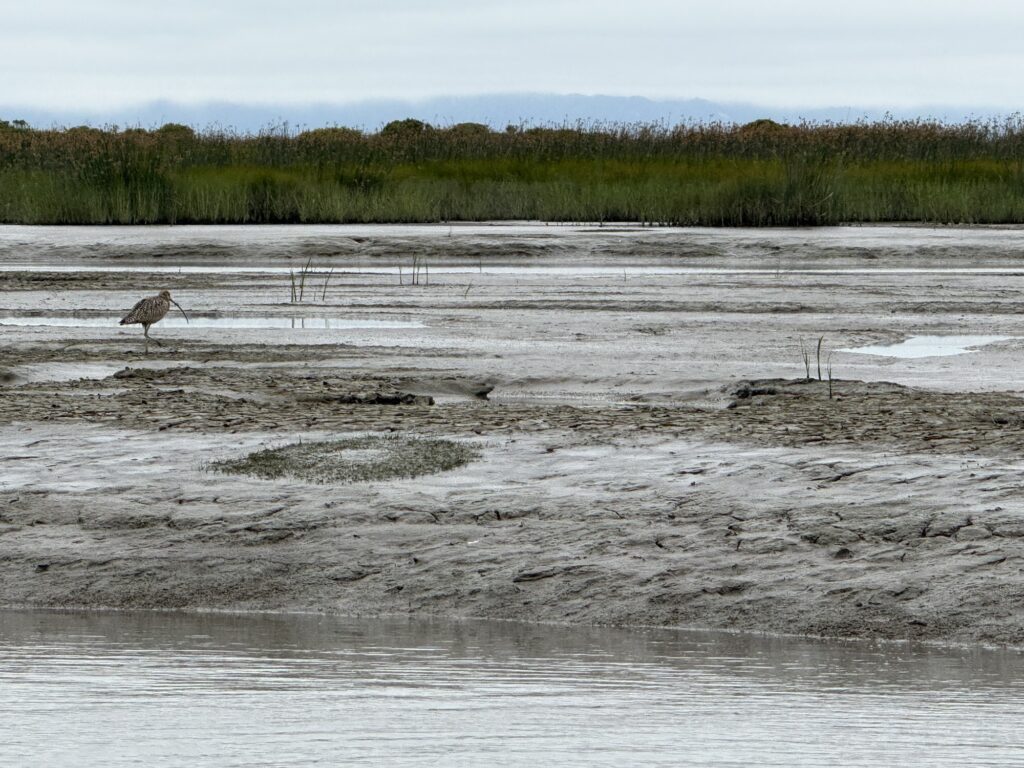
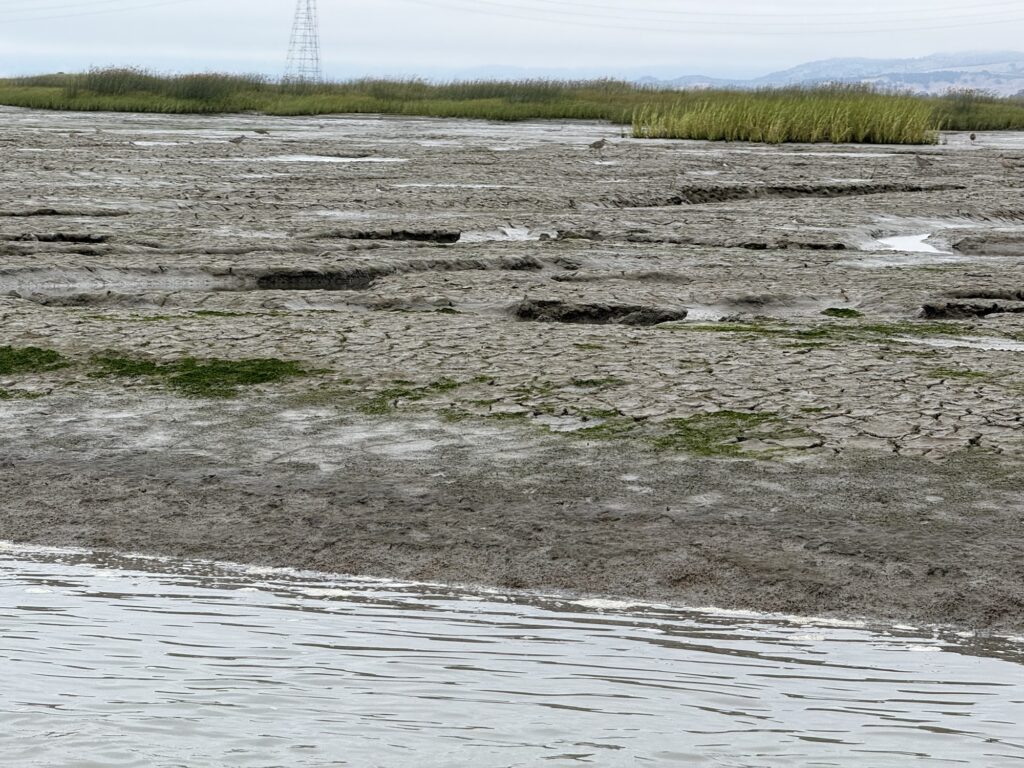
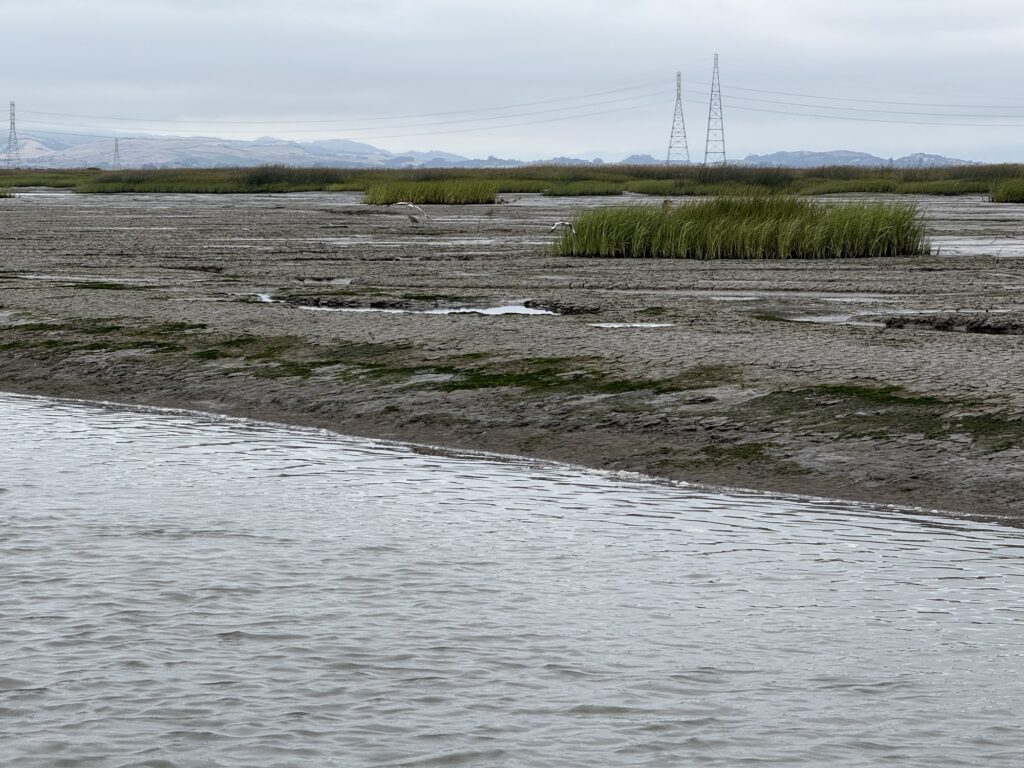
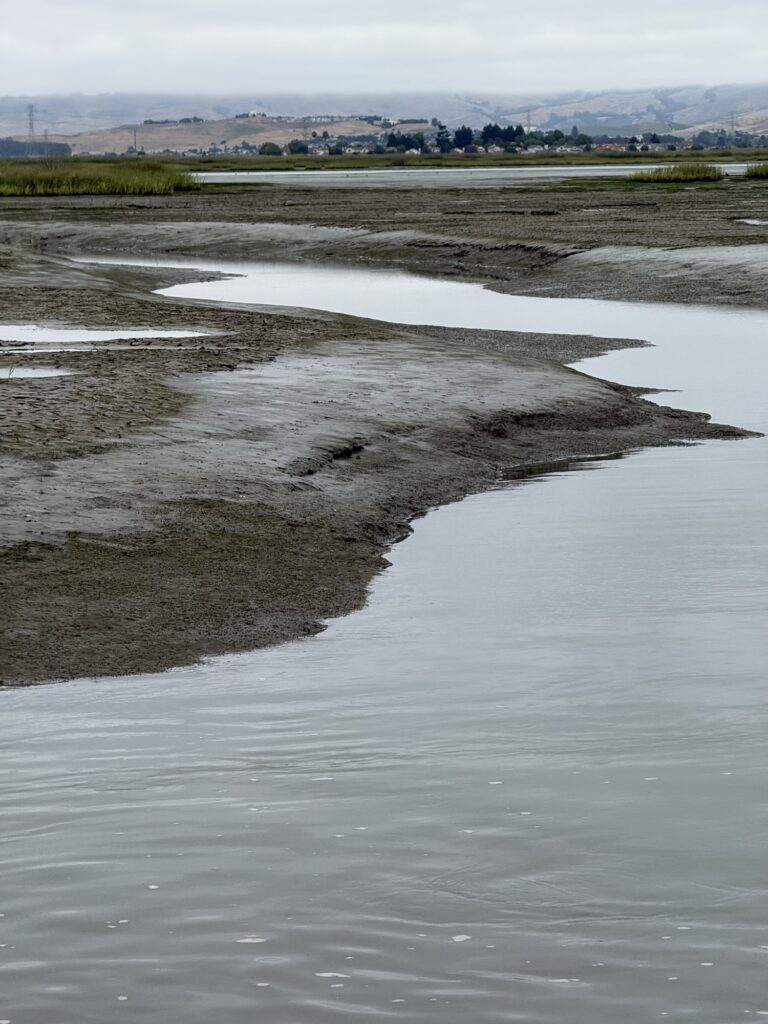
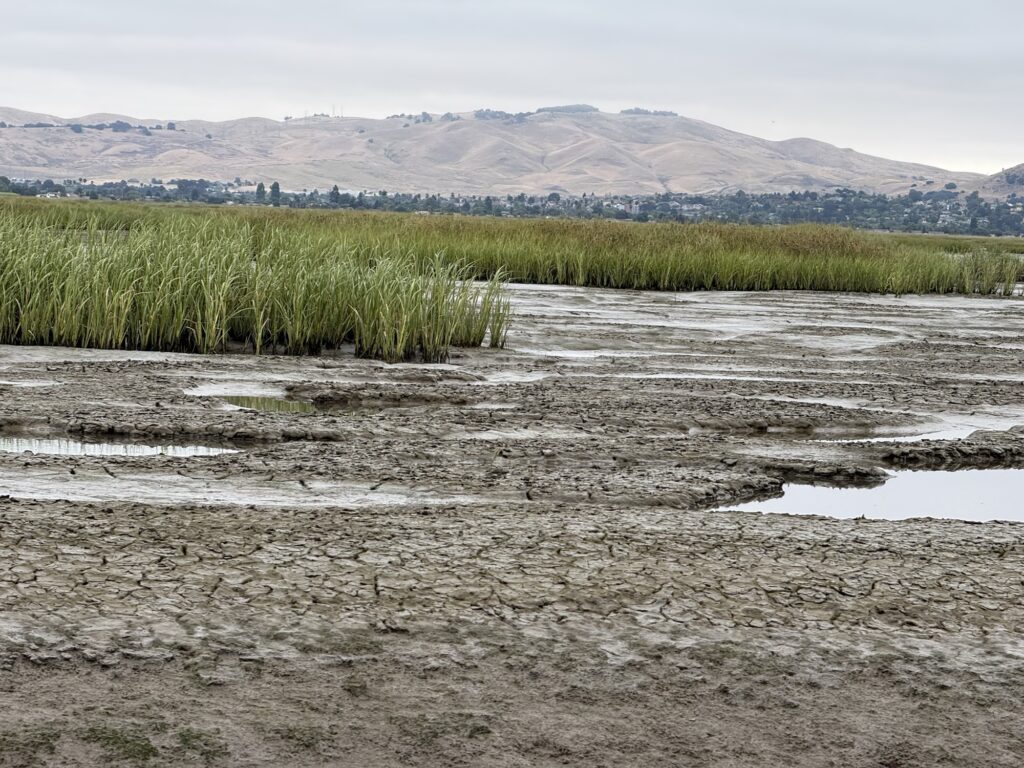
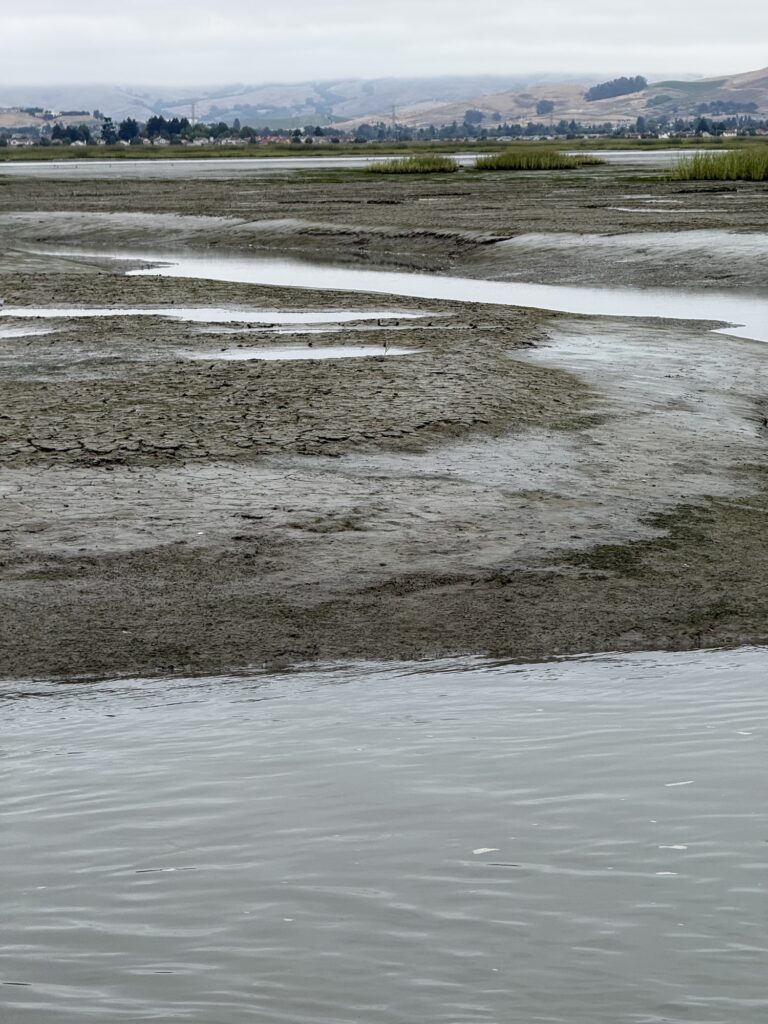
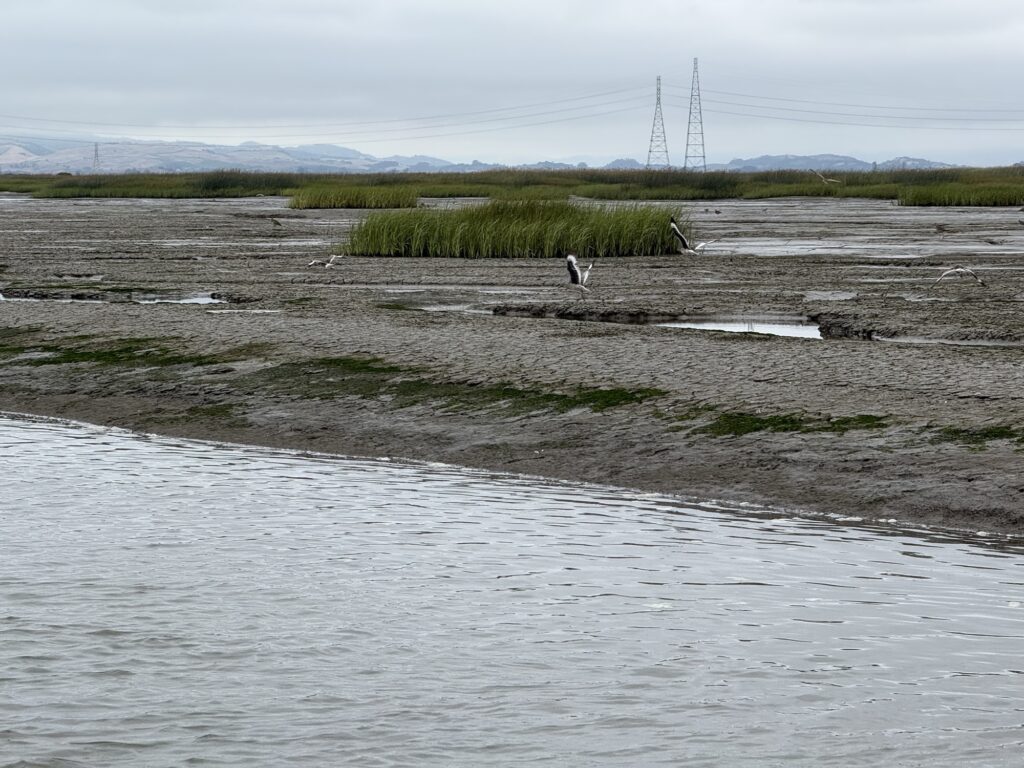
Shollenberger Park and Ellis Creek provide easy access to habitats frequented by American avocets, black-necked stilts, great blue herons, snowy egrets, white pelicans, grebes, hawks, peregrine falcons, and countless migratory species following the Pacific Flyway.
A short drive west brings visitors to Point Reyes National Seashore, one of North America’s premier birding destinations, where coastal cliffs, estuaries, and grasslands support hundreds of species throughout the year.
Boaters experience the region from a perspective unavailable to motorists. The Petaluma River offers protected cruising, kayaking, rowing, and paddleboarding through quiet tidal marshes before opening into San Pablo Bay.
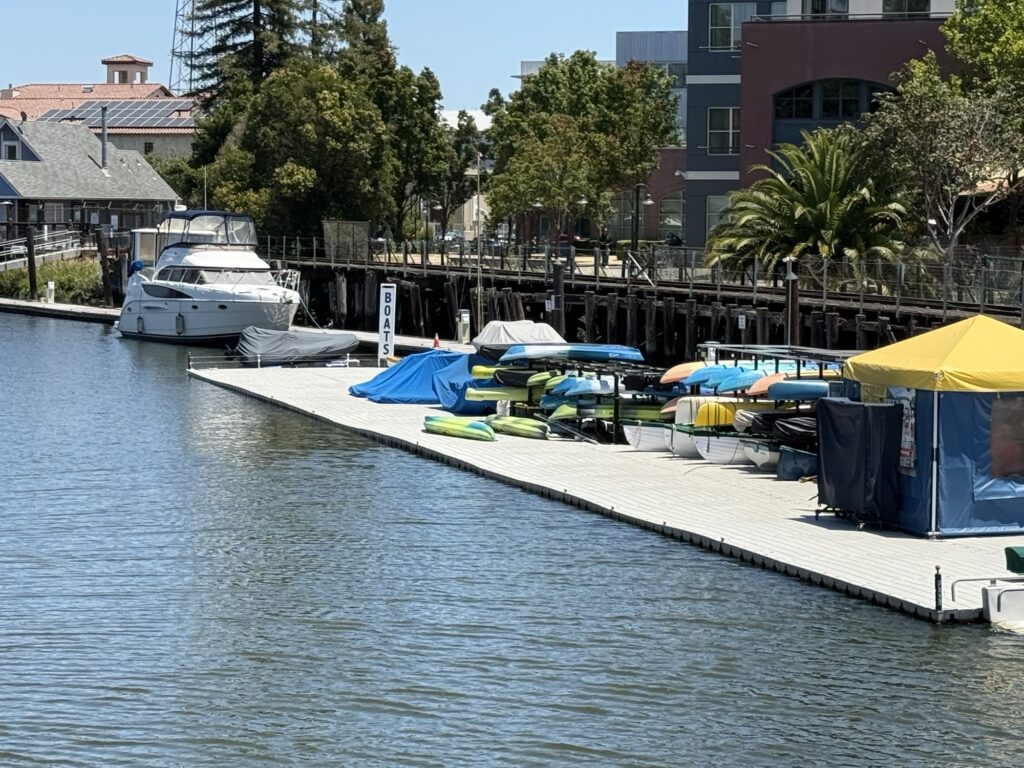
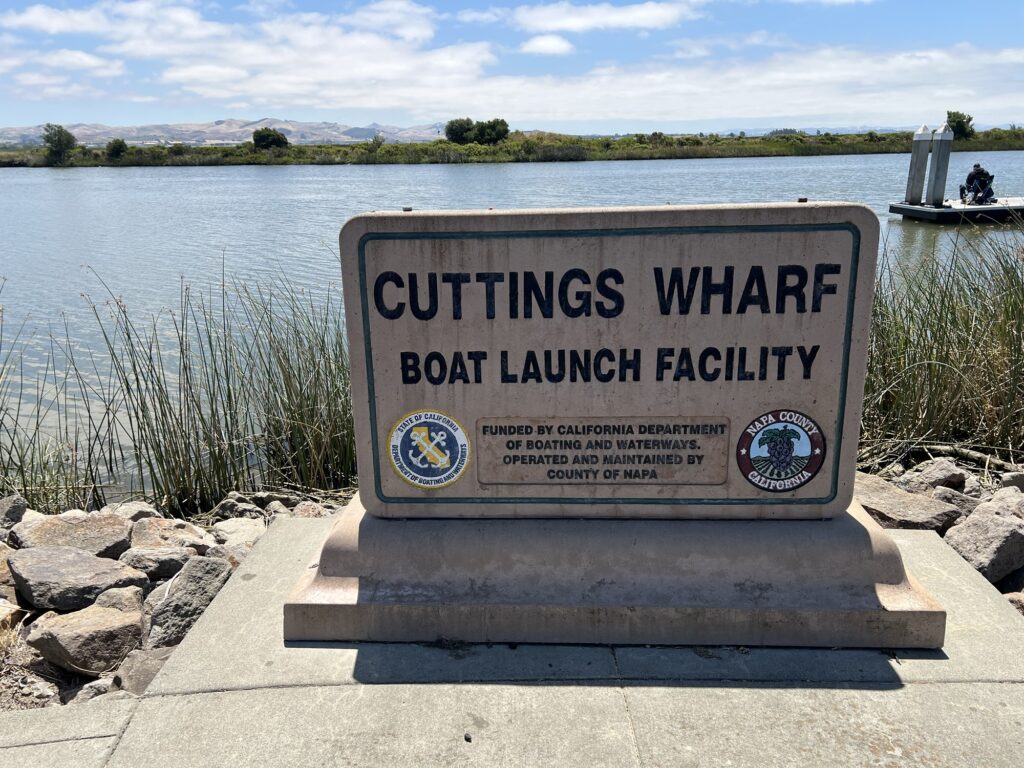
From there, experienced mariners can continue toward the Napa River, Mare Island Strait, Vallejo’s waterfront, and the broader waters of San Francisco Bay. The changing tides and extensive estuarine system create both navigational challenges and opportunities for exploration.
Wine enthusiasts benefit from Petaluma’s central location within Northern California’s celebrated wine country. The cool maritime influence of the Petaluma Gap has become famous for elegant Pinot Noir and Chardonnay, while nearby Sonoma Valley, Russian River Valley, Carneros, and Dry Creek Valley each contribute distinctive expressions of climate and terroir. Within an hour’s drive, visitors can sample everything from sparkling wines and cool-climate Syrah to old-vine Zinfandel and world-class Cabernet Sauvignon.
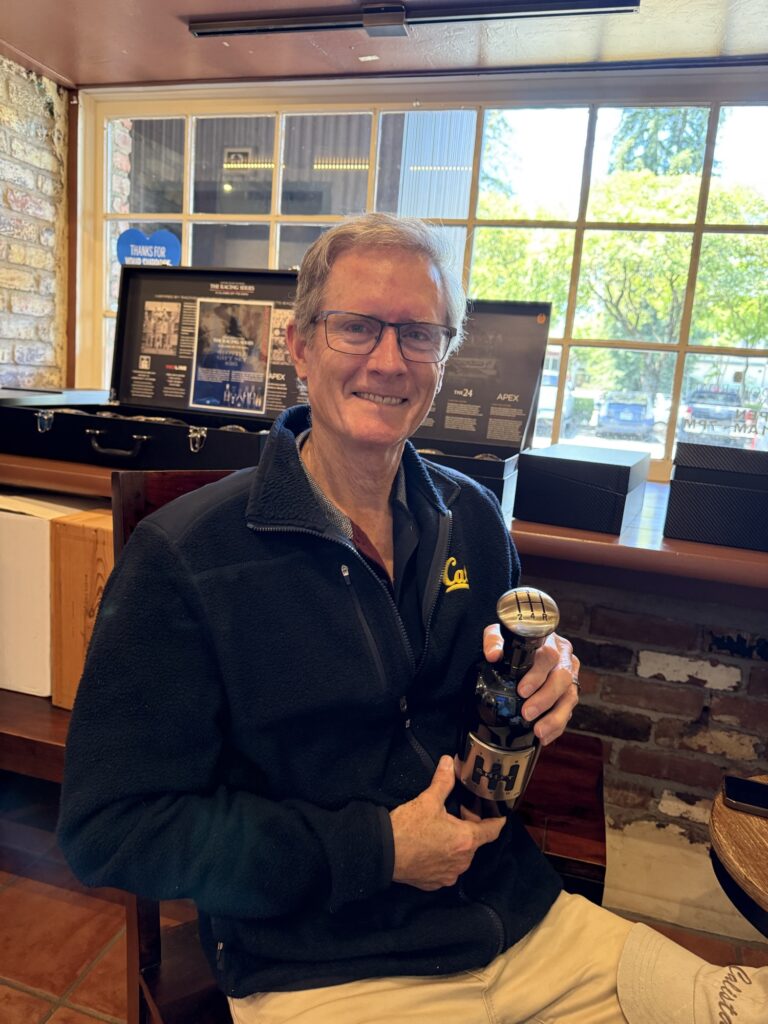
Beer enthusiasts discover that Petaluma has become an important center of Northern California’s craft brewing movement. Local breweries produce an impressive range of West Coast IPAs, hazy IPAs, lagers, stouts, and barrel-aged specialties. Combined with the renowned breweries of nearby Santa Rosa, the region offers one of the state’s most satisfying concentrations of craft beer.

Athletes likewise find almost unlimited opportunities. The rolling roads of Sonoma County attract cyclists from around the world. Hiking and trail running flourish in Helen Putnam Regional Park, Sonoma Mountain Regional Park, and Point Reyes National Seashore. The river supports rowing, kayaking, and paddleboarding, while nearby San Francisco Bay offers excellent sailing conditions.
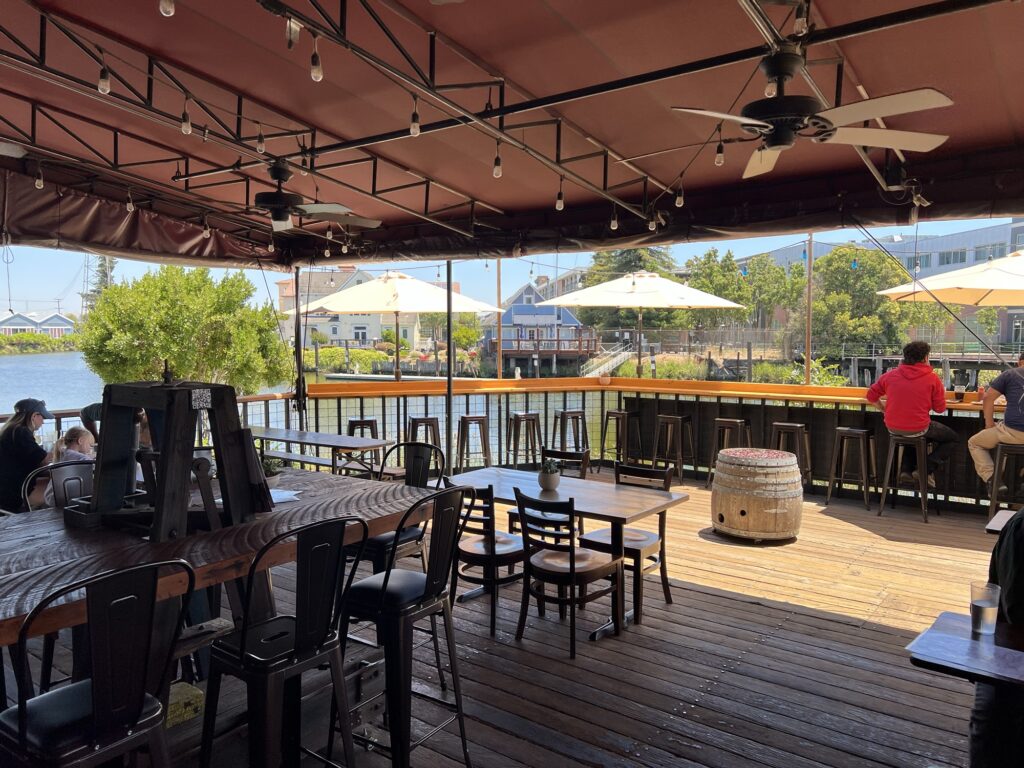
For artists, perhaps no single quality surpasses the extraordinary diversity of landscapes. Within a short drive lie Victorian streetscapes, historic riverfront warehouses, tidal marshes alive with birds, vineyards climbing gentle hillsides, dairy farms, oak woodlands, naval shipyards, dramatic industrial ruins, and the rugged Pacific coastline.
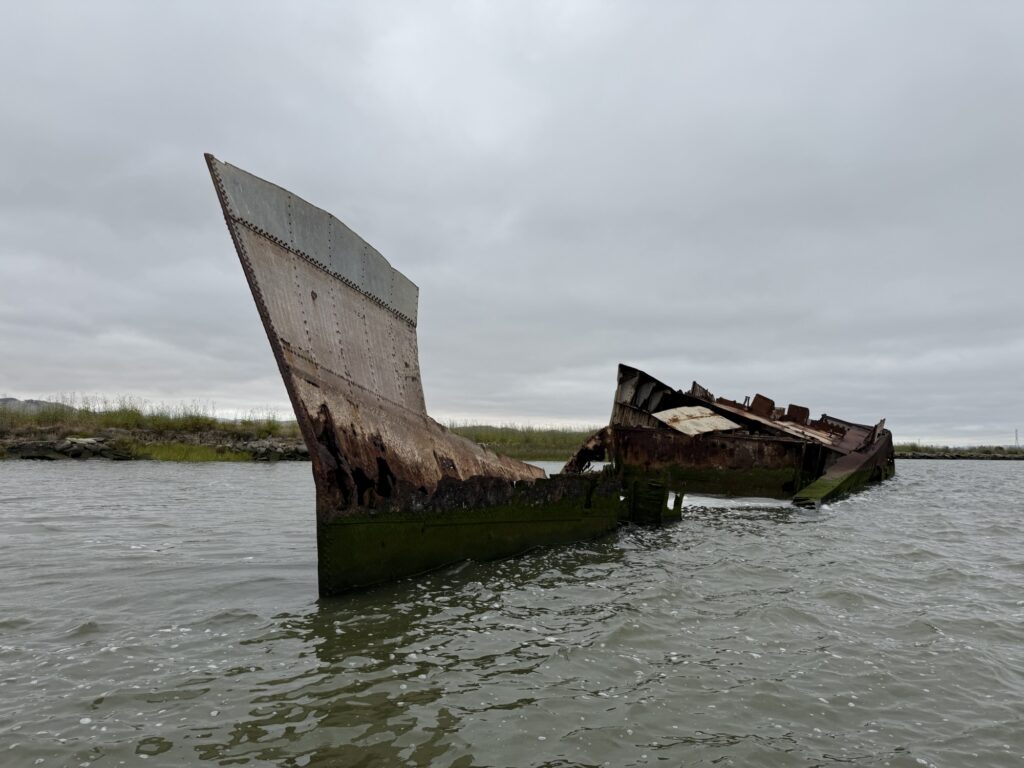
Mare Island presents compelling studies in texture, geometry, and industrial decay, while Point Reyes offers luminous coastal light that has inspired painters and photographers for generations. The contrast between working waterfronts, agricultural landscapes, and wild coastline provides an endless source of artistic inspiration.
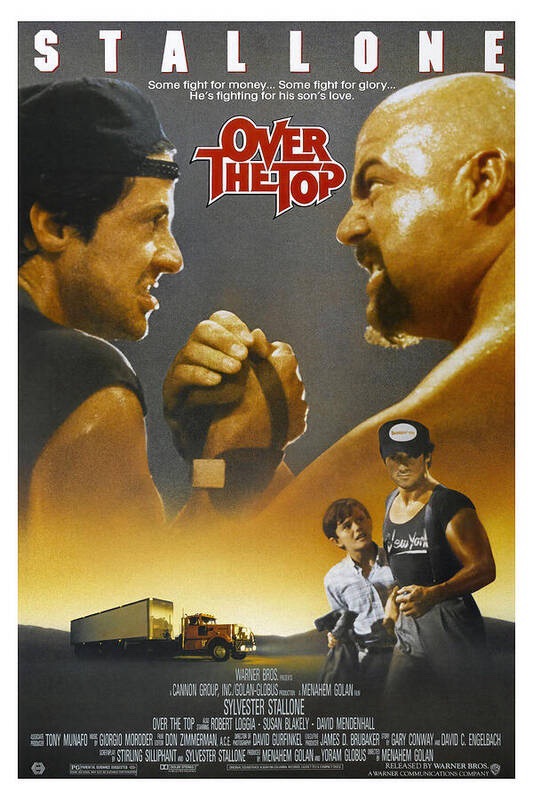
Petaluma also occupies a unique place in sporting history as the birthplace of modern competitive arm wrestling. During the 1950s, local entrepreneur Bill Soberanes transformed informal contests into organized international competitions. World championships held in Petaluma drew competitors from around the globe, earning the city worldwide recognition. The famous challenge plaque outside a downtown establishment invited visitors to test their strength, while Petaluma’s arm-wrestling culture later inspired the 1987 film Over the Top, starring Sylvester Stallone. Few communities can claim to have given birth to an entirely new organized sport.

What makes Petaluma exceptional is not simply that it excels in one area, but that it brings together so many different stories within a remarkably compact region. History, engineering, architecture, agriculture, military heritage, recreation, wildlife, food and drink, and artistic beauty overlap in ways rarely found elsewhere in California. A visitor may begin the morning watching shorebirds in a tidal marsh, spend the afternoon exploring nineteenth-century naval engineering on Mare Island, enjoy a tasting at a Sonoma winery, and end the day dining beside the Petaluma River as the evening light falls on Victorian brick buildings that have witnessed more than a century of California history.
For the curious traveler, Petaluma is not merely a destination but a lens through which to understand Northern California itself—a place where the state’s natural landscapes, maritime traditions, agricultural wealth, industrial achievement, and creative spirit come together in one remarkably rich and accessible setting.